Well 2023 is all over bar the shouting. Looking back over it it was a bit of a frustrating year photographically speaking as I couldn’t get out and about as much as I would’ve liked to. The economic situation didn’t help – when petrol went north of $2 a litre it became very hard to justify driving 500Km to photograph a few flowers or birds. But the biggest barrier was me – two bung shoulders have made photography, especially bird photography which necessitates the use of long heavy lenses, a rather uncomfortable and at times unpleasant experience. I have managed to take a few photos that made me happy – that’s the only criteria. Below is my year in photos.
January
January his the hottest month of the year here and the best way to photograph any wildlife is to stake out the permanent water sources at dawn and dusk.
Testing a new to me Sony A6500 with my Sigma EF mount 150-600mm lens. Nidoolyorong or Black-fronted Dotterel (Elseyornis melanops). Monger’s Crossing, York, Western Australia.
February
February saw me chasing dragonflies and damselflies at Lake Leschenaultia and along the River Avon.
A male Blue Skimmer (Orthetrum caledonicum) at rest. Lake Leschenaultia, Western Australia.
An Aurora Bluetail (Ischnura aurora) waiting for the sunlight to revive it after the nocturnal torpor. York, Western Australia.
Tau emerald, Hemicordulia tau. York, Western Australia.
March
Yongka or Western-grey Kangaroo(Macropus fuliginosus). Yanchep National Park, Western Australia.
Ngoolyak or Carnaby’s Black-cockatoo (Calyptorhynchus latirostris). Yanchep National Park, Western Australia.
April
The hot weather breaks at the beginning of April and with the cooler temperatures and first rains the wildlife starts to become more active.
Ngalkaning or Nankeen Night Heron (Nycticorax caledonicus subsp mannillenis). York, Western Australia.
Wayan or White-faced Heron (Ardea novaehollandiae). York, Western Australia.
Geat Egret, Ardea alba. York, Western Australia.
Wayan or White-faced Heron (Ardea novaehollandiae) flying in the warm light of dawn. York, Western Australia.
May
Djini or Rufous Treecreeper (Climacteris rufa). Mount Ronan Nature Reserve, Western Australia.
June
Driving home at sunset. While the photography is great it is joy of being out in nature that fuels it. This snap shot taken on my phone really sums up why I like being out in nature.
July
Australian Raven or Waardong (Corvus coronoides). Heirisson Island, Western australia.
August
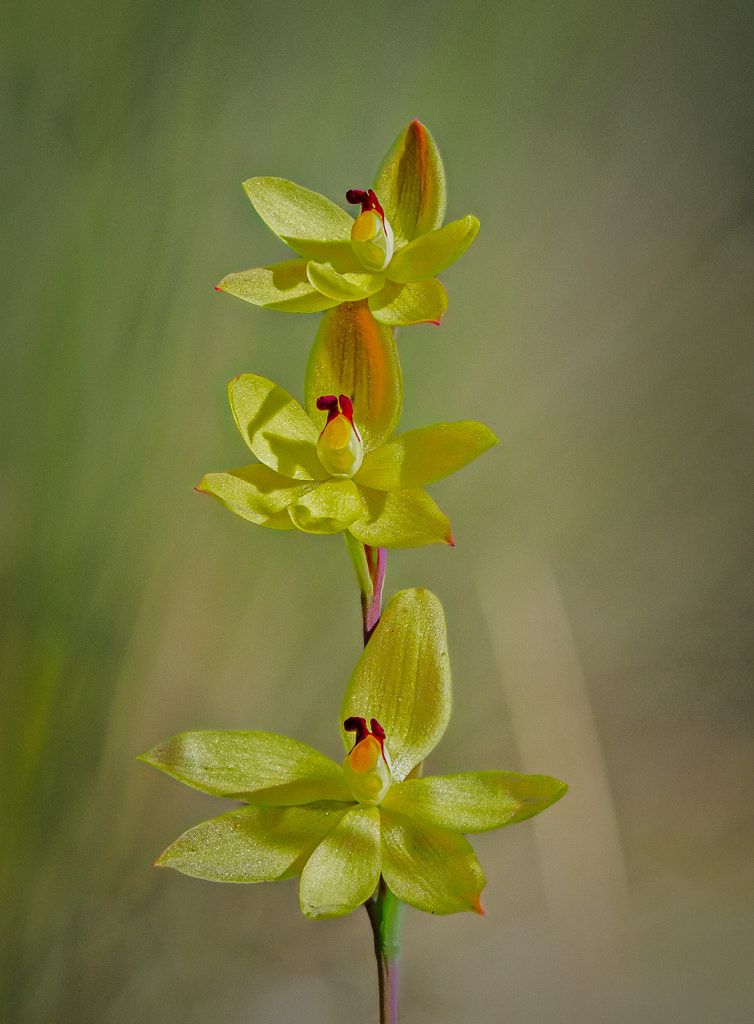
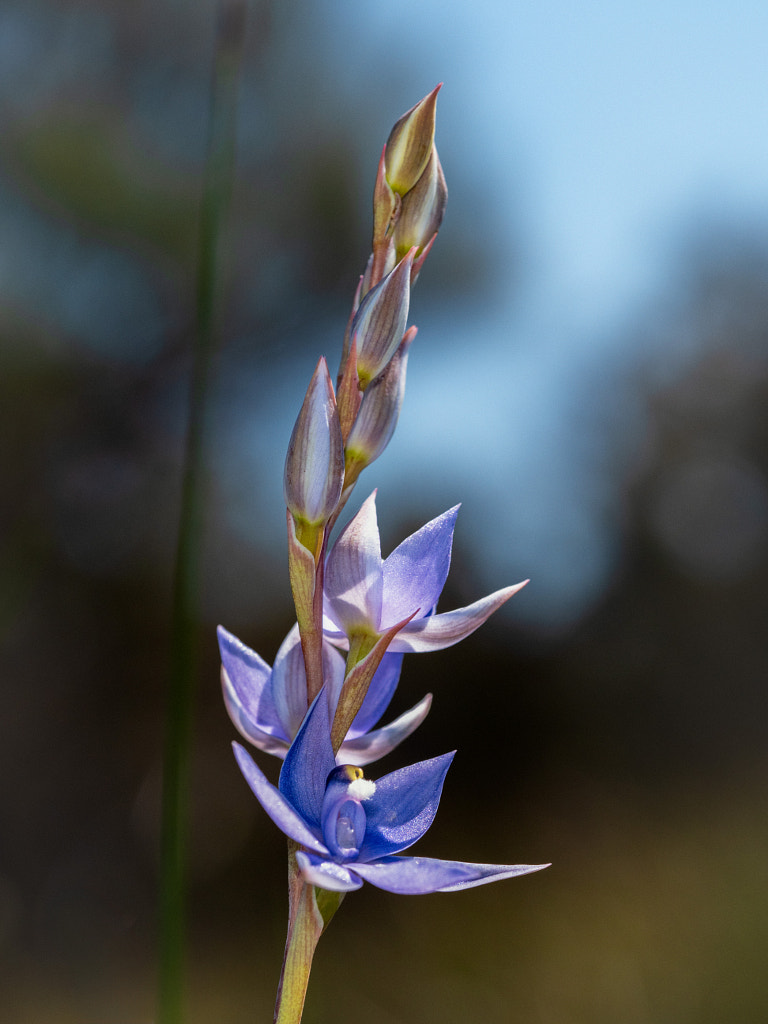
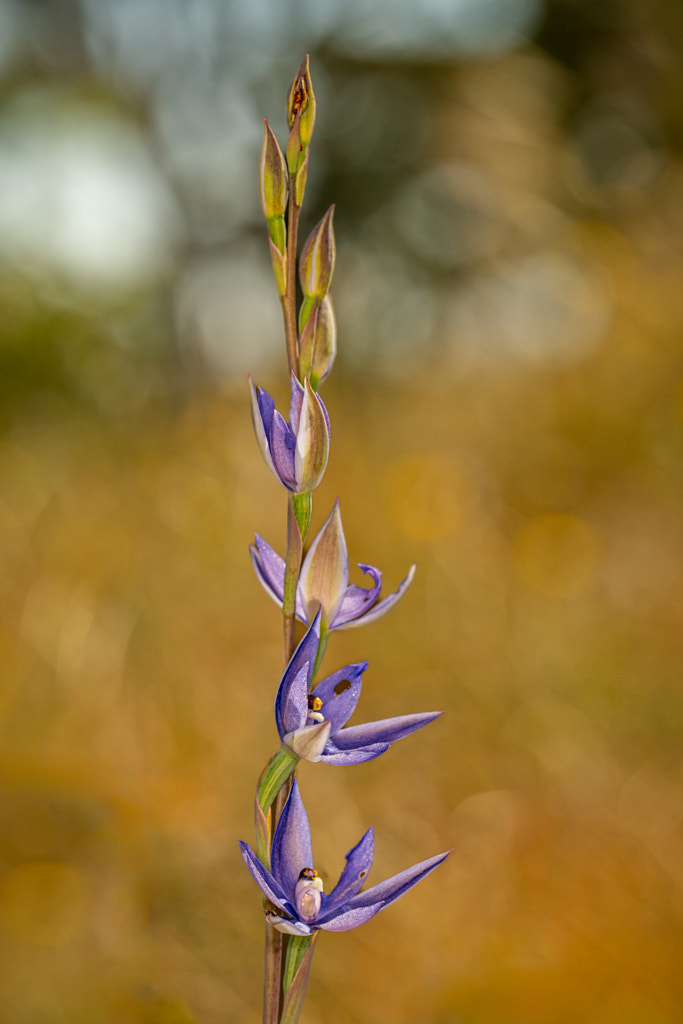
Lemon Scented Sun Orchid or vanilla orchid (Thelymitra antennifera). Mt Hardy Nature Reserve, Western Australia.
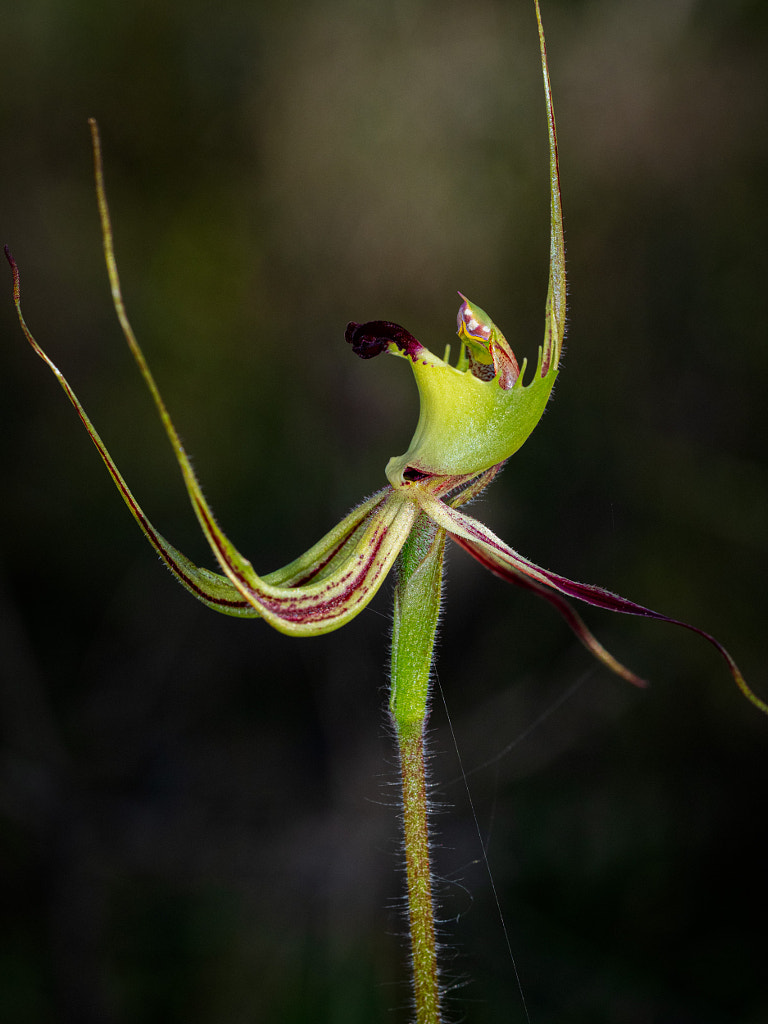
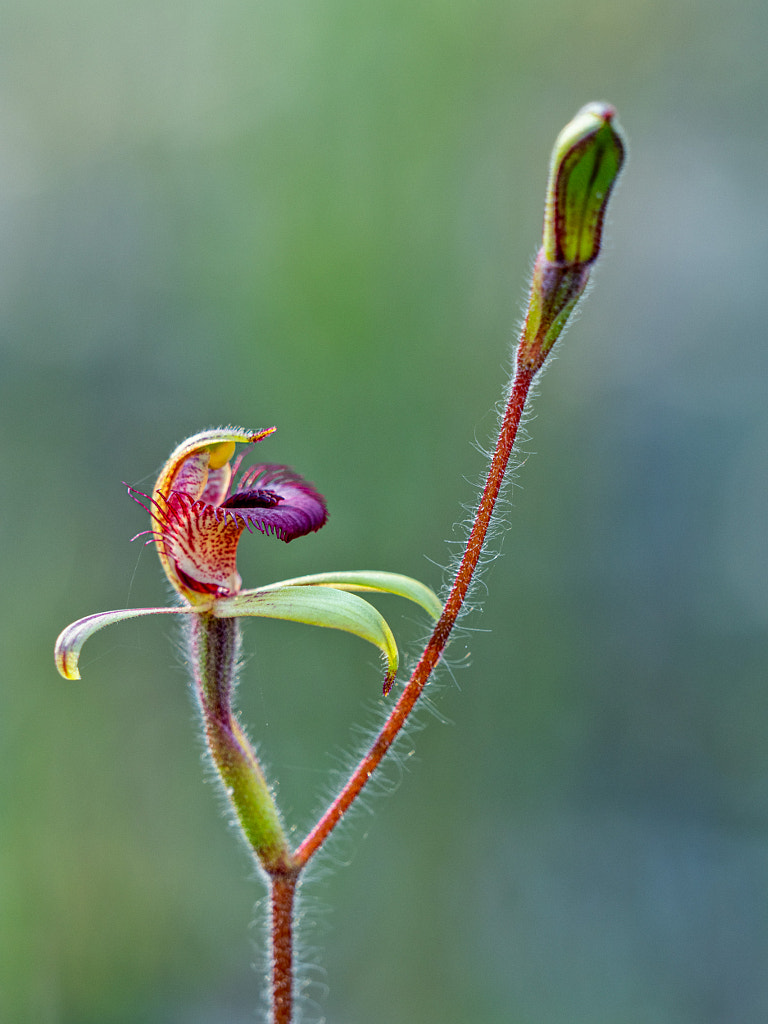
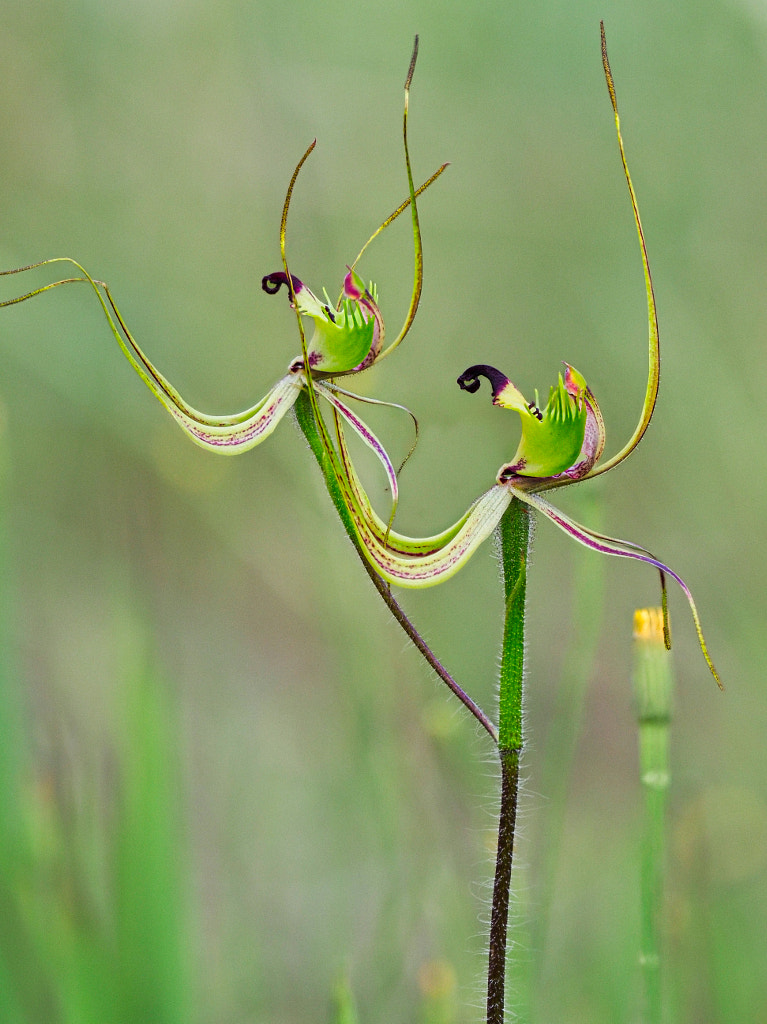
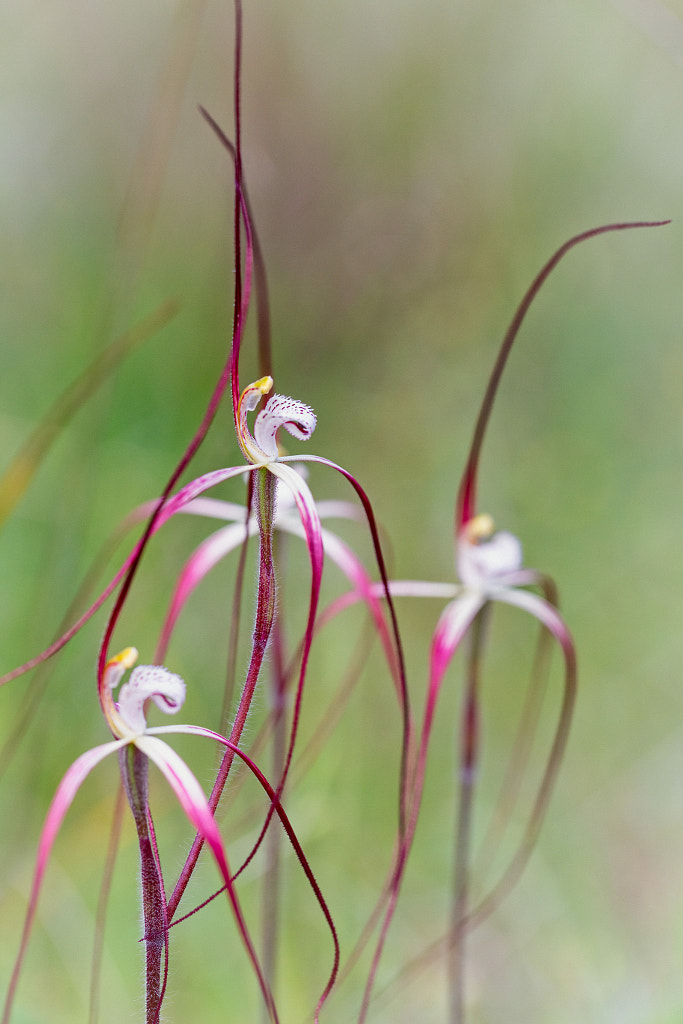
Clubbed Spider Orchid, Caladenia longiclavata. Wandoo National Park, Western Australia.
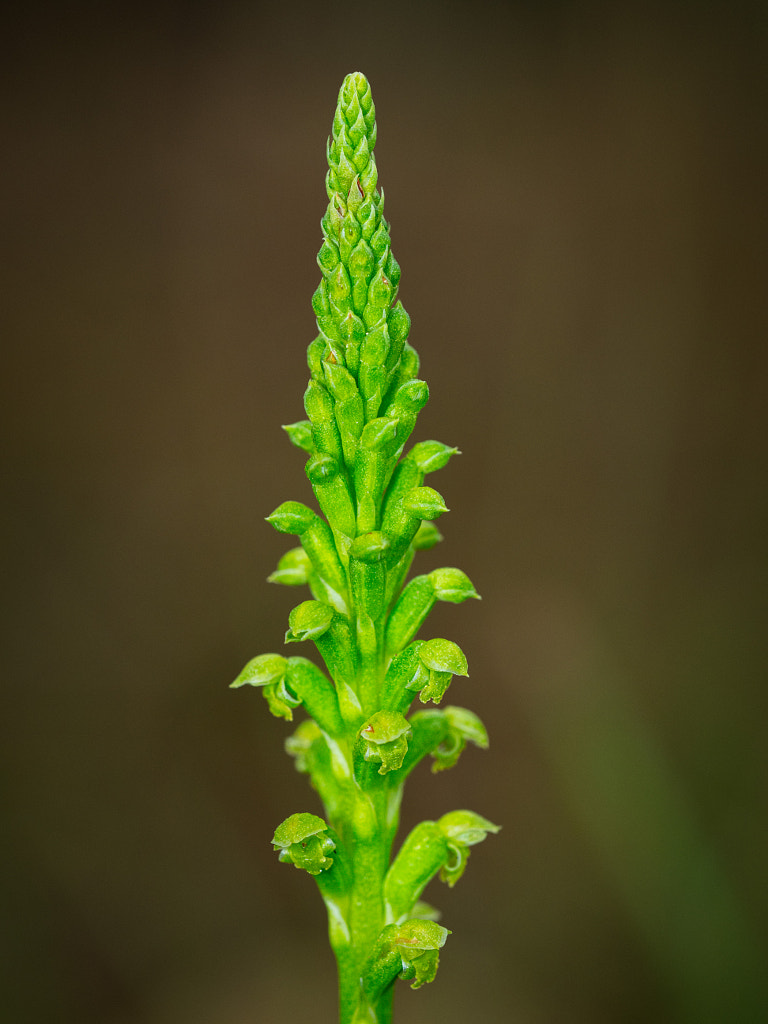
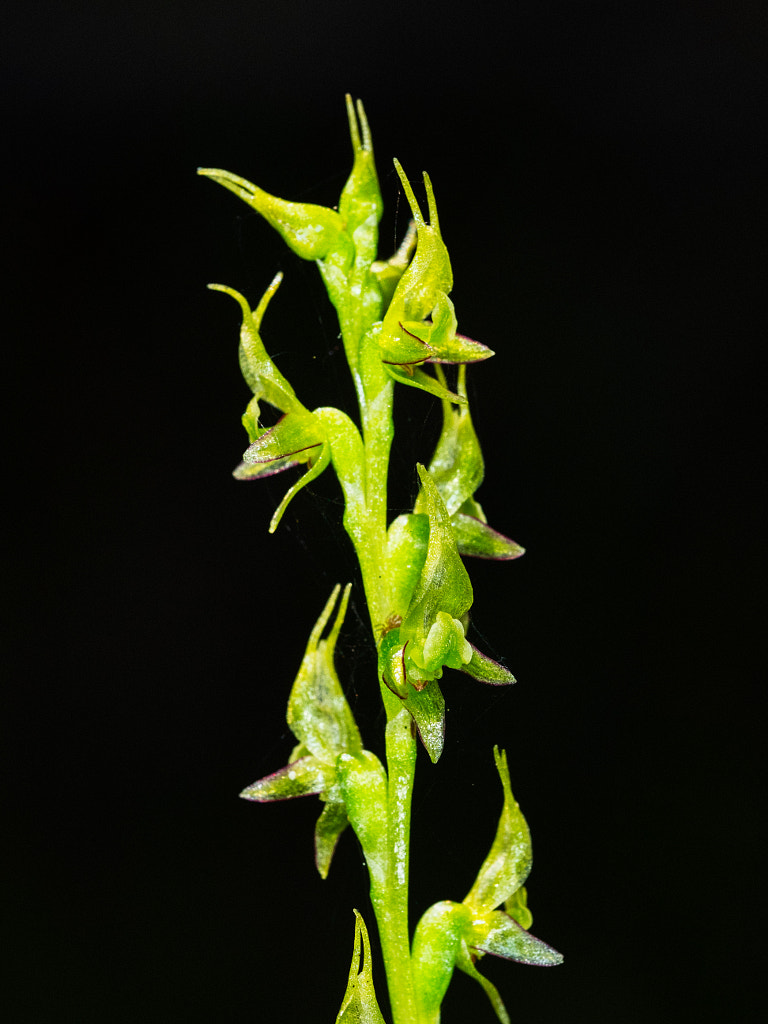
Bird Orchid, Pterostylis barbata. Wandoo National Park, Western Australia.
September
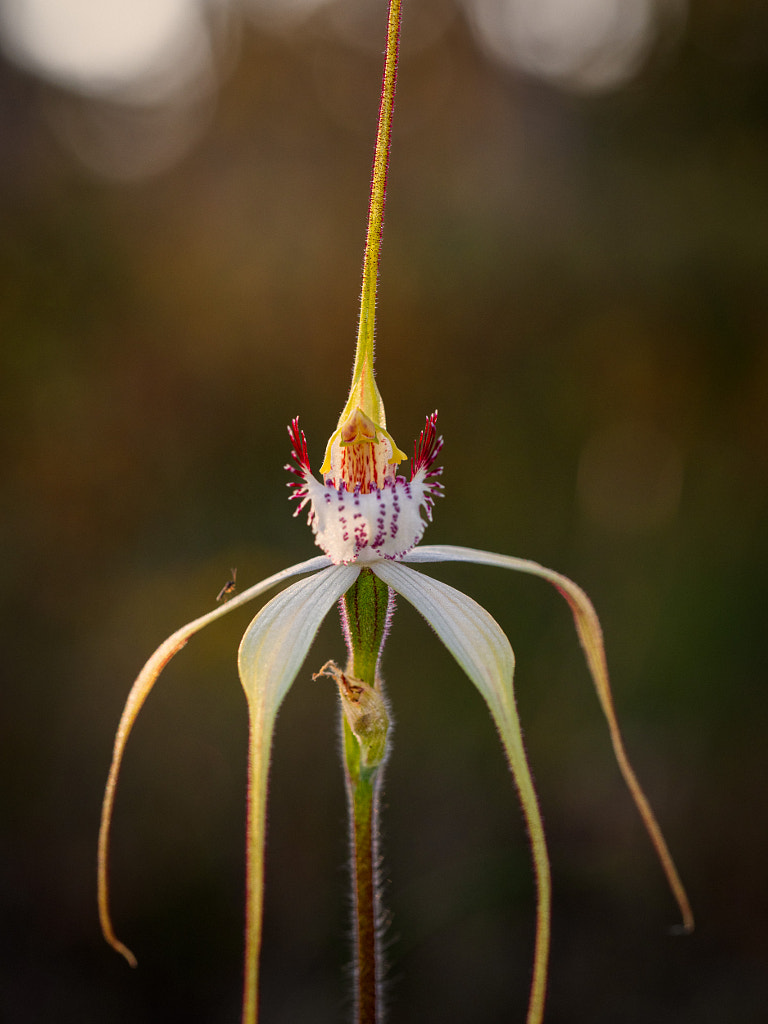
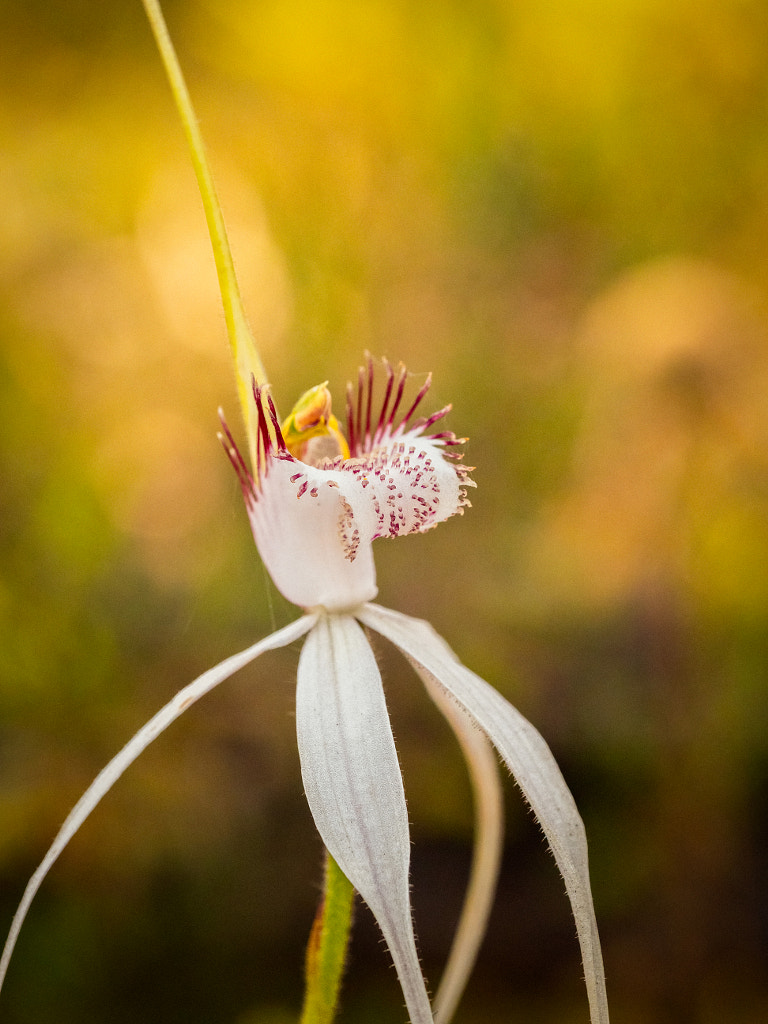
White Spider Orchid, Caladenia longicauda subsp longicauda. Wandoo National Park, Western Australia.
The photograph that convinced me to carry a camera with a 600mm lens on it whenever I went to the washing line. Mardiyet or Nankeen Kestrel (Falco cenchroides) in my back garden. York, Western Australia.
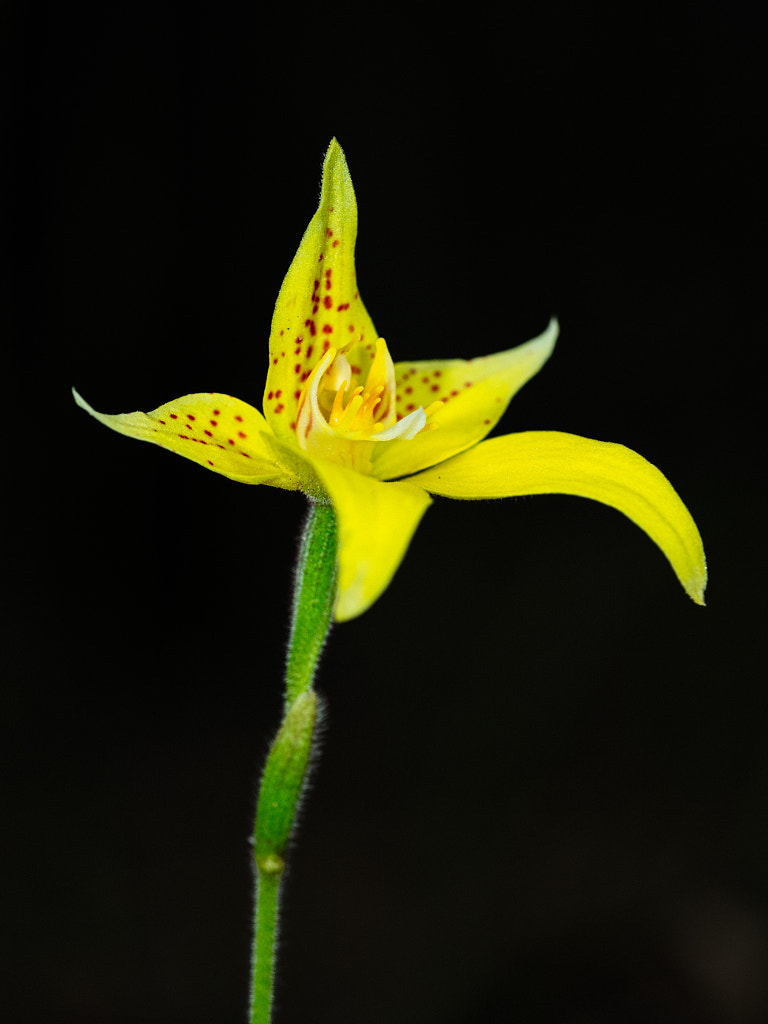
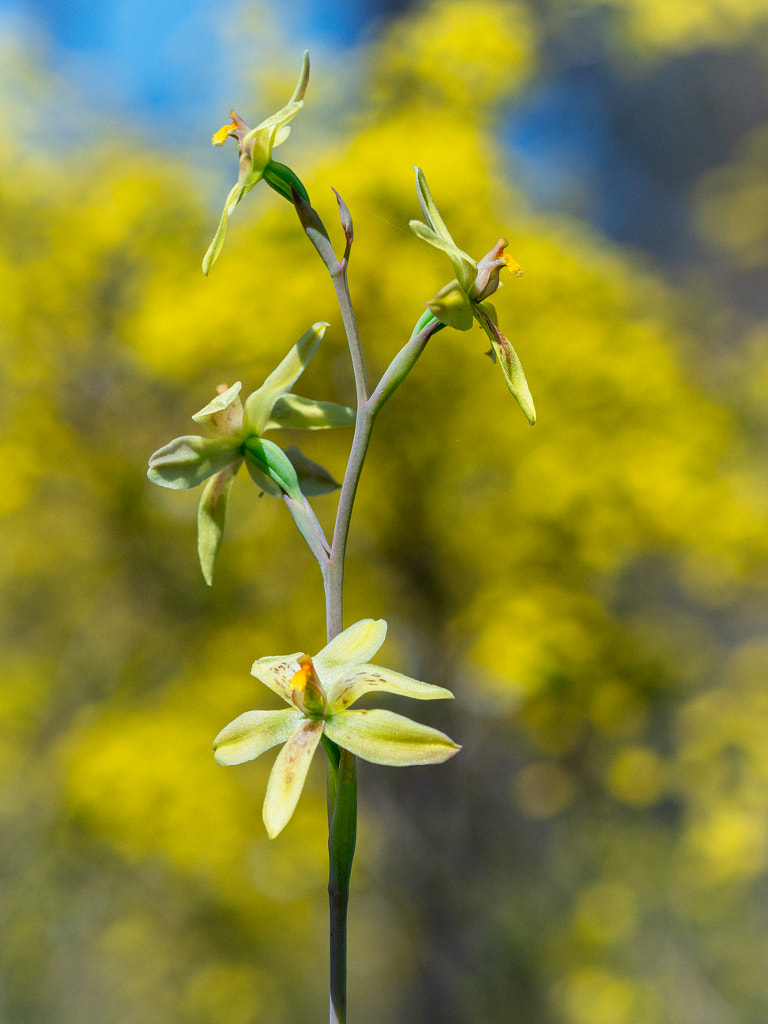
Custard Orchid, Thelymitra villosa. Oswald Sargent Reserve, Western Australia.
I used to photograph a lot of sporting events. I wanted to see if I still had the necessary skills and timing. Timing was a bit “off” to start with but it started to come back as I kept going.
Scented Sun Orchid, Thelymitra macrophylla. Wandoo National Park, Western Australia.
October
Frida in her natural habitat. I always keep a camera with standard lens handy in the house for grab shots like this. For a long time it’s been my old Canon 5d and the Canon EF 50mm f1.8 lens. The combo maybe twenty years old now and considered very low tech by today’s standards but it is capable of delivering beautiful results.
Leopard Orchid, Thelymitra benthamiana. Wandoo National Park, Western Australia.
The joys of parenting. A juvenile Kanamit or Welcome Swallow (Hirundo neoxxena) demanding to be fed by it’s parent. York, Western Australia.
November
Wayan or White-faced Heron (Ardea novaehollandiae). Avon Walk Trail, York, Western Australia.
December
Kakara or Crested Pigeon (Ocyphaps lophotes). Avon Walk Trail, York, Western Australia.
Bambon or Rufous Whistler (Pachycephala rufiventris). Avon Walk Trail, York, Western Australia.
The best bit about putting this together is that it made me realise that despite all that was going on the year wasn’t a washout, I did manage to produce some photographs I’m happy with.
Thanks for visiting my blog. I hope you all have a happy, prosperous, and above all safe 2024.
Trying to get interesting Bird In Flight (BIF) shots is tricky down by the river. The river is fringed by trees and this causes the auto focus system on my camera to get confused, which means it locks onto the trees rather than the bird. The end result is lots of photos of out of focus birds. But this week I had the bright idea of standing on the South Street bridge. Usually the birds fly up and down the river and so they’d be coming straight at me with no confusing background. I say usually as I stood on that bridge for over an hour and there were no birds flying or otherwise. Very frustrating to say the least. So I decided to cut my losses and take a walk up the river to see if I could find anything higher up. Zip! Zilch! De nada! So where do all the birds go? Had they gone on a day trip somewhere? Do they just hide? It was quickly turning out to be a complete washout. Feeling a little crest fallen as I was making my way back to the car I came across a couple of Bambon or Rufous Whistlers in the trees at Monger’s Crossing. They’re one of my favourite birds and I can listen to them sing for ages. They were obliging enough to hang around long enough for me to take a couple of photos. This lifted the spirits somewhat.
Bambon or Rufous Whistler (Pachycephala rufiventris). Avon Walk Trail, York, Western Australia.
Getting ready to sing.
Just before the Swing Bridge there are a couple of dead trees on the river bank and they are a popular perch for kingfishers, but this time they being used by some Kakara or Crested Pigeon (Ocyphaps lophotes). The first one looked a bit startled when it saw me, but the other was very chilled. They have the most amazing red eyes. The brilliant blue of the sky made for a nice background.
This crested pigeon got a bit of a fright when it saw me.
Those red eyes are worthy of Hammer House of Horror film. “Revenge Of The Evil Undead Pigeon”.
Birin-birin or Rainbow Bee Eater (Merops ornatus). Avon Walk Trail, York, Western Australia.
So after their long flight from Far North Australia and Papua New Guinea the rainbow bee eaters have returned. Not the best photograph of a rainbow bee eater, but it makes me happy that they’ve returned to the banks of River Avon. They’ve dug their burrows and we’re now waiting for the eggs to hatch because this will mean a huge amount of activity from both parents as they catch enough food for the chicks.
I was also happy to see a red-backed kingfisher as they’re not very common in these parts. From a distance I thought it was a one of its cousins – a laughing Kookaburra as they share a similar profile. I don’t know the Nyoongar name for the red-backed kingfisher so if anyone out there does know I’d much appreciate you telling me.
Red-backed Kingfisher, Todiramphus pyrrhopygius. Avon Walk Trail, York, Western Australia.
Kaa-kaa, Laughing Kookaburra (dacelo novaeguineae). Avon Walk Trail, York, Western Australia.
It has been a difficult week. I walked along the local river bed looking for wildlife and struck very lucky with what I saw. My problems came when it came to identifying the species of damselfly I had photographed. Now in this part of Western Australia there are only ten species so you’d think it should be relatively straight forward. But, no it is not. For quite a few of the species counting the number of abdominal segments is a key feature. Now that’s not a huge problem because I can do that at home when looking at the photo. The problem I had was when you have to look at the “anal appendages” according to The Complete Field Guide to Dragonflies of Australia (Theischinger, Hawking and Orr). Now it’s hard enough to get a damselfly to sit still long enough for a photo, but getting one to remain still for a proctological examination – well good luck with that! I wonder if David Attenborough has a whole team of assistants who do this for him?
No problems identifying this wee beastie. Inland Ringtail, Austrolestes aridus. Avon Walk Trail, York, Western Australia.
Now this little chap presented nicely on this dried grass but he wouldn’t consent to having a rectal examination. Avon Walk Trail, York, Western Australia.
Flippin’ heck has it been warm here lately. I got up early a few days ago to photograph birds just after sunrise and it was 27ºC and a lot of the birds had already taken shelter in the deep shade. Yesterday it was 41ºC and the garden was a crispy brown and what vegetations there is was wilted. So this morning the garden sprinkler was put on. I was sent out to move the sprinkler in the back garden when I spotted some Yellow-rumped Thornbills playing in the water trying to keep cool.
A Yellow-rumped Thornbill taking up position to get maximum benefit from the garden sprinkler.
Adjusting the position so the feathers don’t repel the water.
The Welcome Swallow (Hirundo neoxena subs. carteri and called Kanamit by the Nyoongar of Western Australia) is a small bird approximately 14cm long and weighing up to 20g. They are an attractive looking bird with a glossy blue-black body and crown, dark brown wings, and a rusty red face, neck and upper breast. They have a forked dark grey tail which forms two streamers when flying. They are very fast and acrobatic in flight swooping on their insect prey and they often drink water while flying over bodies of water.
An adult Kanamit or Welcome Swallow (Hirundo neoxxena) taking a breather from catching insects and feeding chicks. York, Western Australia.
When Europeans first colonised Western Australia Welcome Swallows were confined to coastal areas. As land clearing progressed they spread further inland and northwards. They differ from their Eastern State cousins in that they are not migratory. They have readily adapted to human habitation and can be easily found in urban areas. To thrive they require substantial insect populations and large flocks can be commonly found near water. They are often seen perching on fences and overhead power lines. They nest in a cup shaped structure made by both parents from mud and grass and is lined with feathers and fur. This typically takes between 8 and 23 days to make. The nests are often attached to walls, rafters, cranes, bridges, rock faces, and dead trees.The monogamous pairs will re-use their old nest. A warming climate has meant that Swallows in Western Australia are having 2-3 broods per year and lay a clutch of up to 5 eggs. The female incubates the eggs for around 3 weeks and when they hatch they are fed by both parents. The young fledge after a further 3 weeks and become independent after 35 days.
An adult Kanamit or Welcome Swallow (Hirundo neoxxena) perched on the nest. York, Western Australia.
Juvenile Kanamit or Welcome Swallows (Hirundo neoxxena) impatiently waiting to be fed by their approaching parent. York, Western Australia.
“Where’s my dinner!!!” Welcome Swallow (Hirundo neoxxena) demanding to be fed by it’s parent. York, Western Australia.
A juvenile Kanamit or Welcome Swallow (Hirundo neoxxena) demanding to be fed by it’s parent.
Up until this time last year I had only ever seen one leopard orchid (Thelymitra benthamiana). It is not that they are rare or hard to find, it’s just been that I’ve never been in the right place at the right time. The one I saw wasn’t at its best, but it made me very happy to see it. I went back to the same place last week and I was amazed to find not not one, not 10, but over a hundred of them. It was quite a spectacle. I’ve been saying how unseasonably warm it has been and dry the bush is, but obviously it suits leopard orchids. I was spoilt for choice as I wandered around looking for a good specimen with a good background that was sheltered from the wind.
Leopard Orchid, Thelymitra benthamiana. Wandoo National Park, Western Australia.
William Shakespeare, Act 3, scene 1, Julius Caesar
Mounted archery demonstration. 2023 York Medieval Fayre.
It’s always a bit surreal when the Medieval Fayre is on – things like people in Medieval costume buying drinks in the local supermarket. Even the whole idea of Australians dressing up in Medieval costume and doing re-enactments is a bit of a strange notion when you consider that Australia had no European history prior to the Seventeenth Century. I go most years just for the spectacle, I always like watching the mounted archery demonstration. Amazing skills in hitting a target while at a full gallop. It makes for great photos as well.
Just lately I’ve been on a bit of historical journey – over the last 8 weeks I’ve watched all the Time Team episodes on YouTube. It’s been quite an education and it was a very fun way to find out more about where I’m from. I particularly liked the episodes about the Saxon period just because up to recently very little has been known about that time. Another connection is that I spent part of my childhood in Hastings in East Sussex and growing up there you’re very aware of the fate of the last Saxon King of England – Harold Godwinson – at the Battle of Hastings. So when I walked into the Medieval Fayre I was quite delighted to see the Grey Company putting on a display re-enacting that period.
The Grey Company focuses primarily on the so called “Dark Ages” period of history (600-1100 AD).
A Norman knight waits for the start of the demonstration.
Rushing into the fray with a blood curdling cry.
The clash of swords on shields.
A Saxon shield wall prepares to engage Norman invaders.
A few insults and banging shields with swords gets the blood up.
Engaging the enemy.
A well earned breather.
Photographically it was a case of using my Canon 6d, the EF24-70mm f4 and EF 70-200mm f2.8. Processing was all done in Lightroom and Exposure X7. I felt a black and white treatment would be the most sympathetic.







You must be logged in to post a comment.