Is This A Stick I See Before Me?

Apologies to William Shakespeare – Macbeth Act 2 scene 1


Desperate to get out of the house we grabbed the opportunity to go on an overnight trip to Narrogin. This might surprise people as Narrogin is not really known as a tourist destination and it was forecast to be 40ºC. There was madness in my method. Firstly Narrogin is a good jumping off point for Dryandra (I’ll save that for a later post). Secondly to photograph wildlife in hot weather you really need to find permanent water sources and the locations we’d chosen both had that. Thirdly you have to able to reach those locations at either first or last light. Narrogin fitted the bill. So the plan was to set out mid morning and take a leisurely drive down to Narrogin, get some lunch and check into our accommodation, then about an hour before sunset head out to the Narrogin Railway Dam.


Helen looking for birds. Narrogin Railway Dam, Western Australia.


There’s not a lot of water. Narrogin Railway Dam, Western Australia.


The water level at the dam was very low, but at least there was some. So we followed the 650m Dam Walk keeping a firm eye on the canopy of the surrounding eucalypts. A lot of the birds we did see appeared very heat stressed – holding their wings out and panting. Nothing appeared to be going down to the water’s edge for a drink though. After our first lap my partner decided as it was still very hot that she’d had enough and went back to the car while I started to walk along part of the Archibald Park Trail. This was where things got very interesting.


Djakal-ngakal by Paul Amyes on 500px.com
A Djakal-ngakal or Galah (Cacatua roseicapilla) feeling the effects of the heat. Narrogin Railway Dam, Western Australia.


Kaa-kaa by Paul Amyes on 500px.com
Kaa-kaa or Laughing Kookaburra (Dacelo novaeguineae). Narrogin Railway Dam, Western Australia.


Delyip by Paul Amyes on 500px.com
Juvenile Delyip or Red-capped Parrot (Platycercus spurius). Narrogin Railway Dam, Western Australia.


Noolarko by Paul Amyes on 500px.com
Noolarko or Black-faced Cuckoo Shrike (Coracina novaehollandiae). Narrogin Railway Dam, Western Australia.


Now I’m in my 60’s and my eyesight isn’t what it once was. This has led to quite a few embarrassing moments when searching for birds. Like the time I followed this small white object moving erratically along a beach thinking it was a dotterel, but, when I finally got close I found it was a scrunched up white paper bag. I’ve lost count of the number of times I’ve stalked what I thought was a bird in a tree only to find out it was part of a dead branch. In fact I’ve come to expect that will happen every time I go out. Well this time I was walking along the path by the bank of the dam and I’d just seen a Black-faced Cuckoo Shrike and a Red Wattle Bird when out of the corner of my eye I spotted a tree with what could be if I squinted a bit a largish bird. My initial reaction come on be serious you’re seeing things again it’s a dead bit of tree. So instead of stalking it I decided to keep walking. It was only just a I drew parallel with the tree that I noticed that the stick blinked (Pro wildlife tip #1 sticks don’t blink).


Djoowi by Paul Amyes on 500px.com
A Djoowi or Tawny Frogmouth (Podargus strigoides) doing stick impressions. Narrogin Railway Dam, Western Australia.


“Oh my goodness!” Or words to that effect. I had just found a Tawny Frogmouth. Now although Frogmouths are quite common they are a tricky bird to find. Their camouflage is incredible and their habit of roosting in the forks of trees makes them very difficult to see. Their main defence is to sit completely with their head up and eyes shut  pretending to be a stick. In fact this was only the third time I’d seen one in the wild. To say I was happy would be an understatement. Unlike metal detectorists birders don’t dance when they find something – we might allow ourselves a quiet smile. I went to bed that night a very happy boy.

So, day one of the birding trip had a brilliant start – couldn’t ask for better.
Farewell 2025

It’s Christmas Eve and I’m looking back photographically on the last 12 months. I started the year with all these ideas and intentions, and to be honest they quickly evaporated. It’s been a year where I have had a great deal of difficulty being motivated to take photos. Nevertheless I plodded on regardless and although I didn’t make any great photos I made some that I enjoyed. They’re not technically perfect, but the actual process was enjoyable and I think that is important. If it is not enjoyable then why do it?


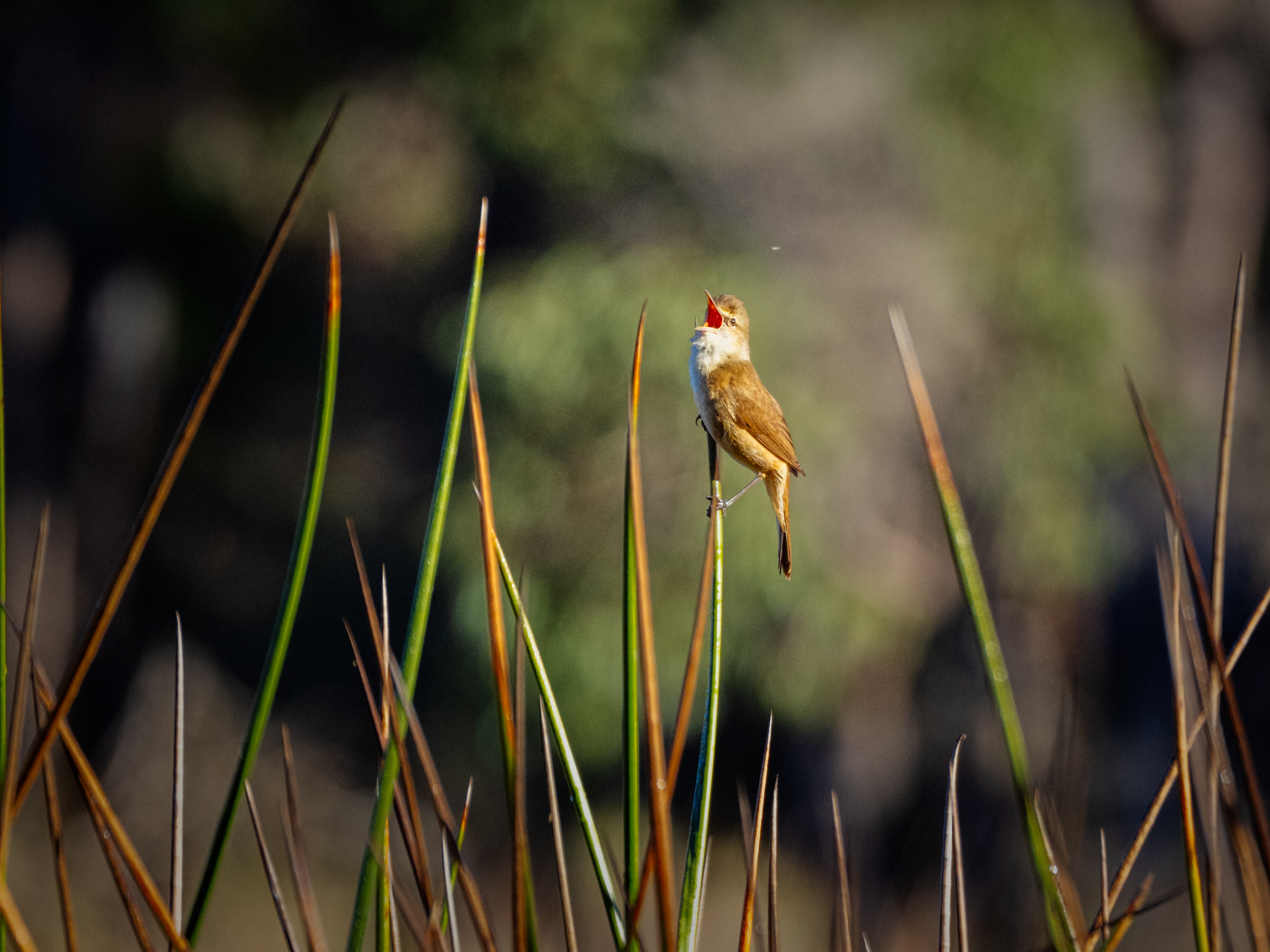
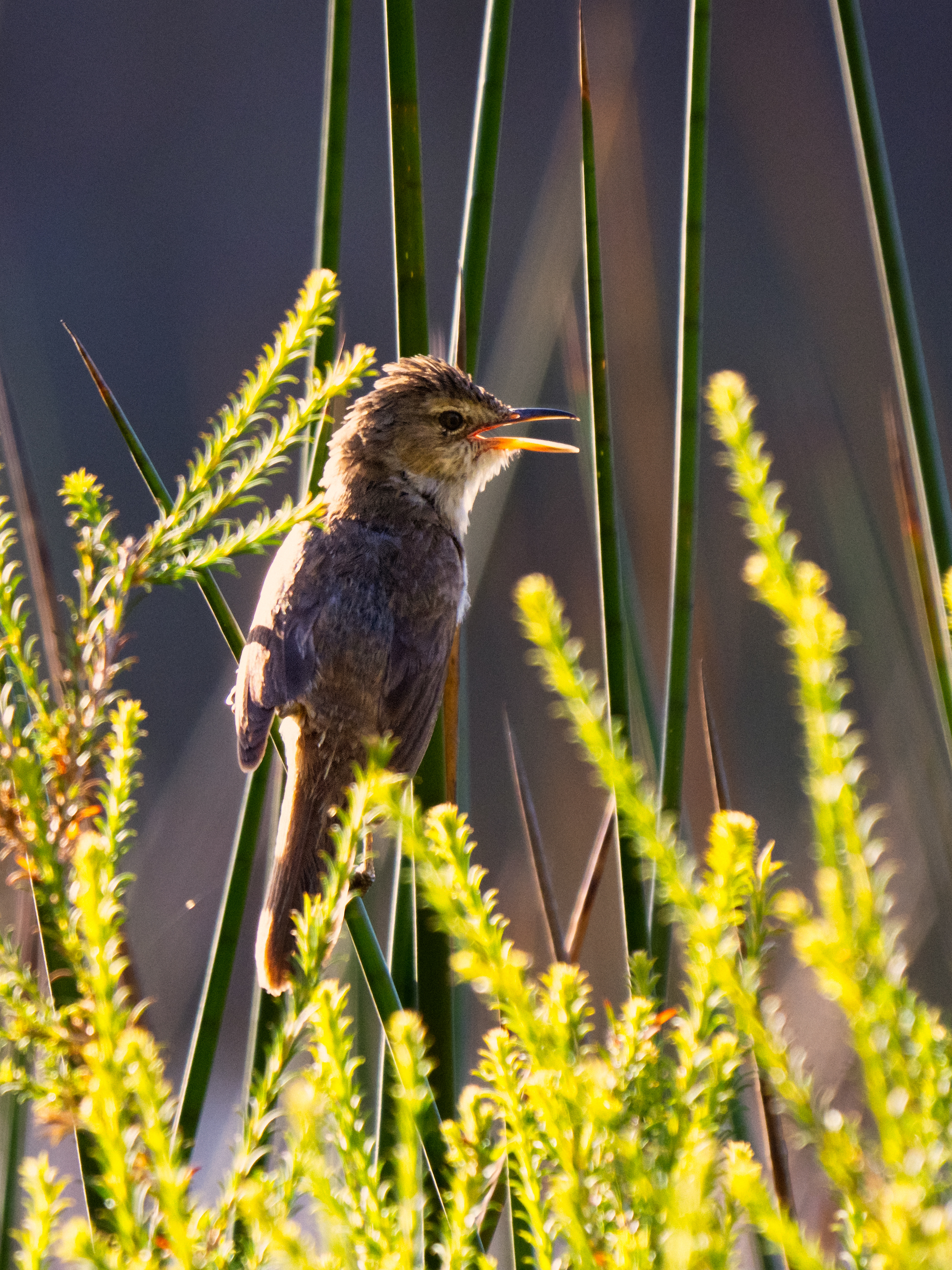
Koordji-koordji or Australian Reed Warbler (Acrocephalus australis subspecies gouldi). Lake Leschenaultia, Western Australia.


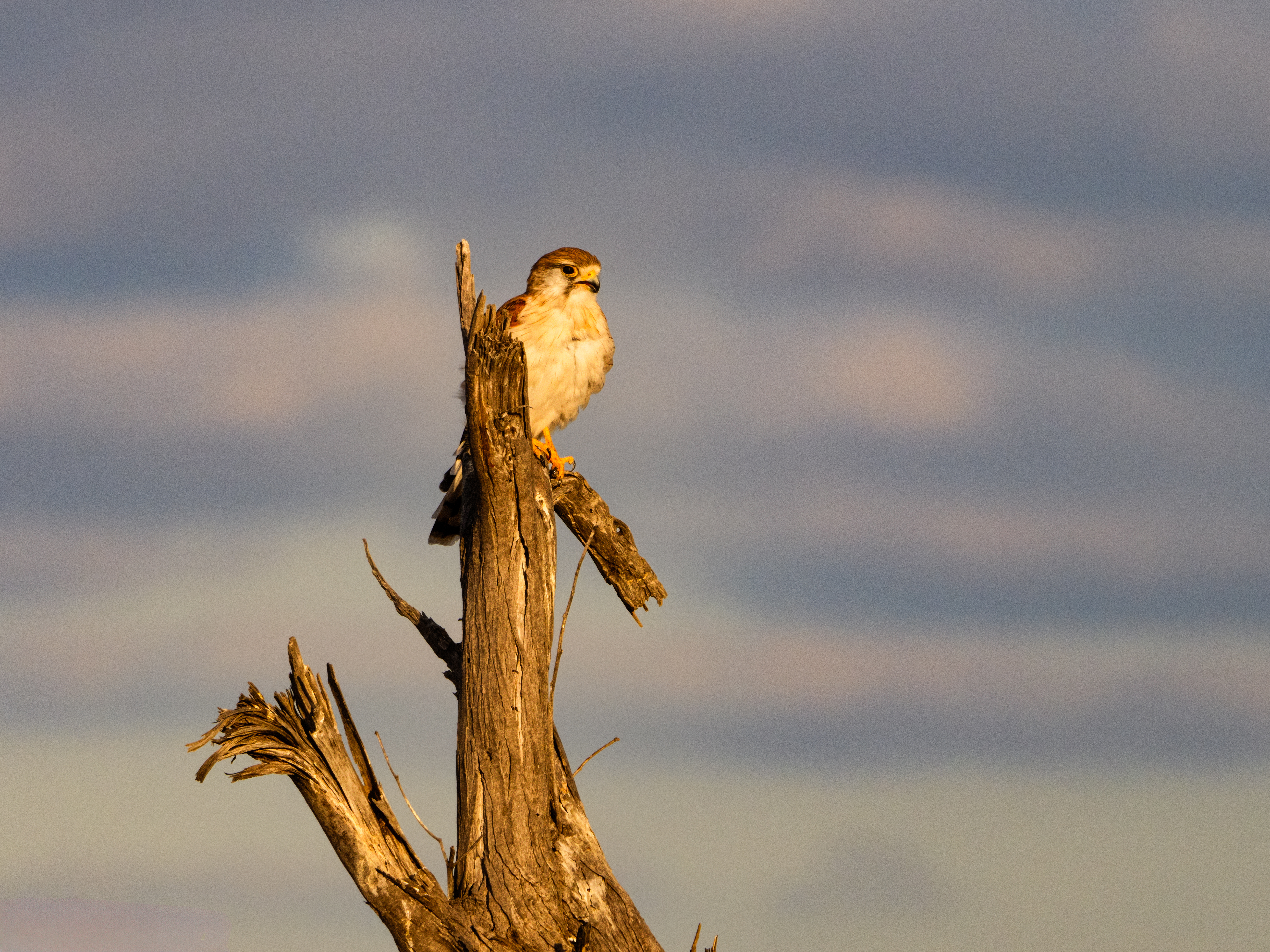
Mardiyet or Nankeen Kestrel (Falco cenchroides). Woodman Point, Western Australia.


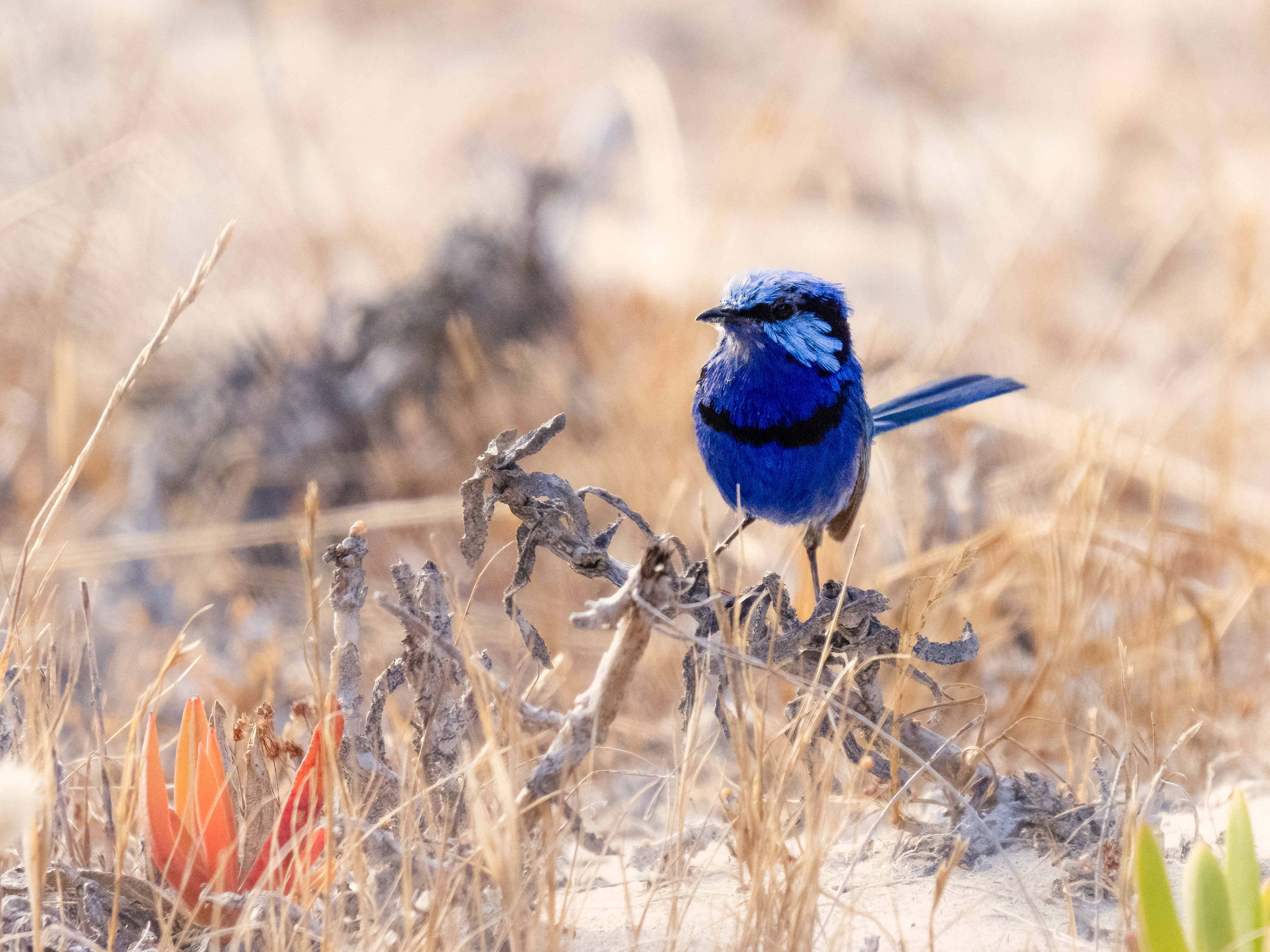
Djer-djer or Splendid Fairy-wren (Malarus splendens subs splendens). Woodman Point, Western Australia.


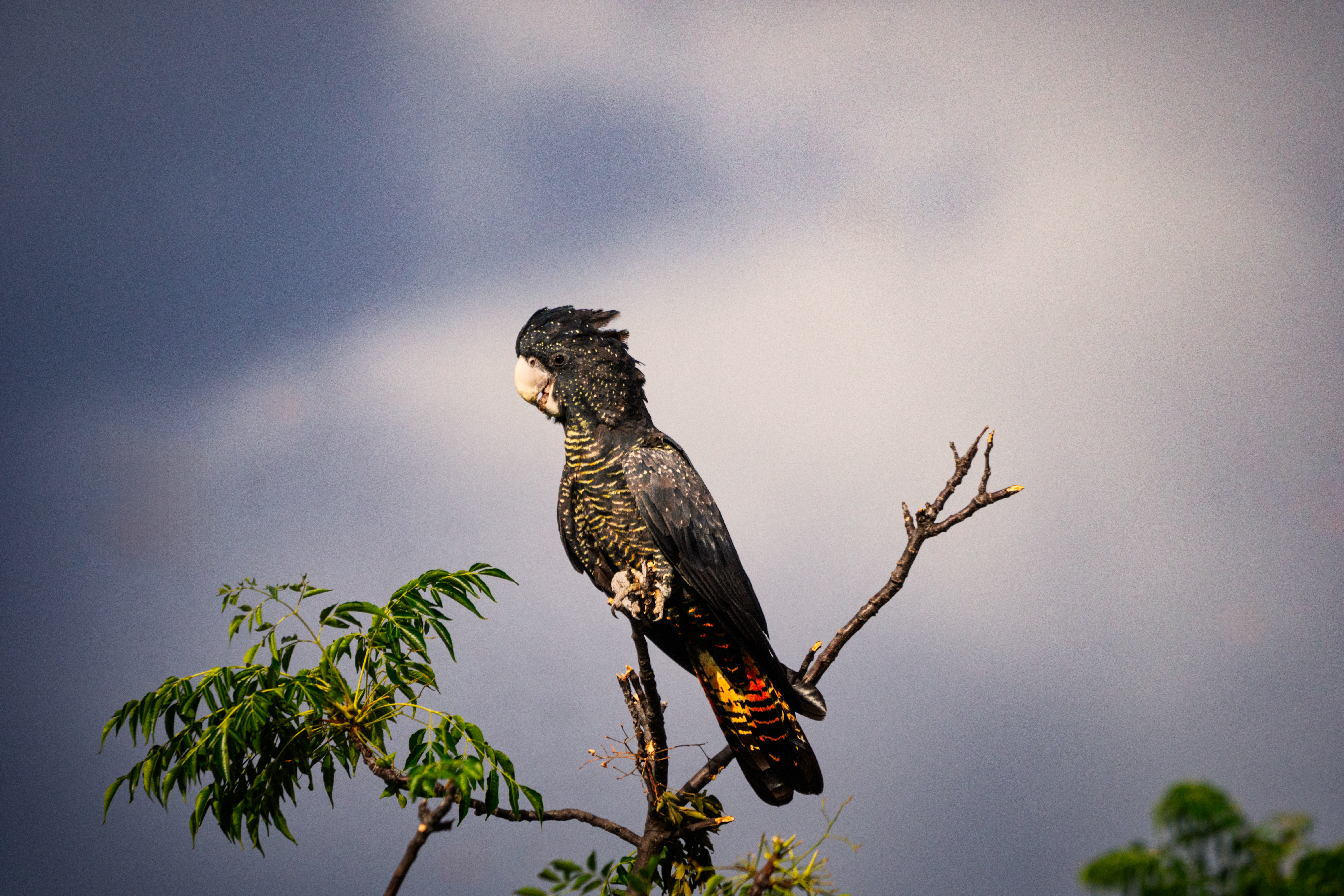
Karak or Red-tailed Black Cockatoo (Calyptorhynchus banksii subs samueli) feeding on Cape Lilac AKA White Cedar (Melia azedarch). York, Western Australia.


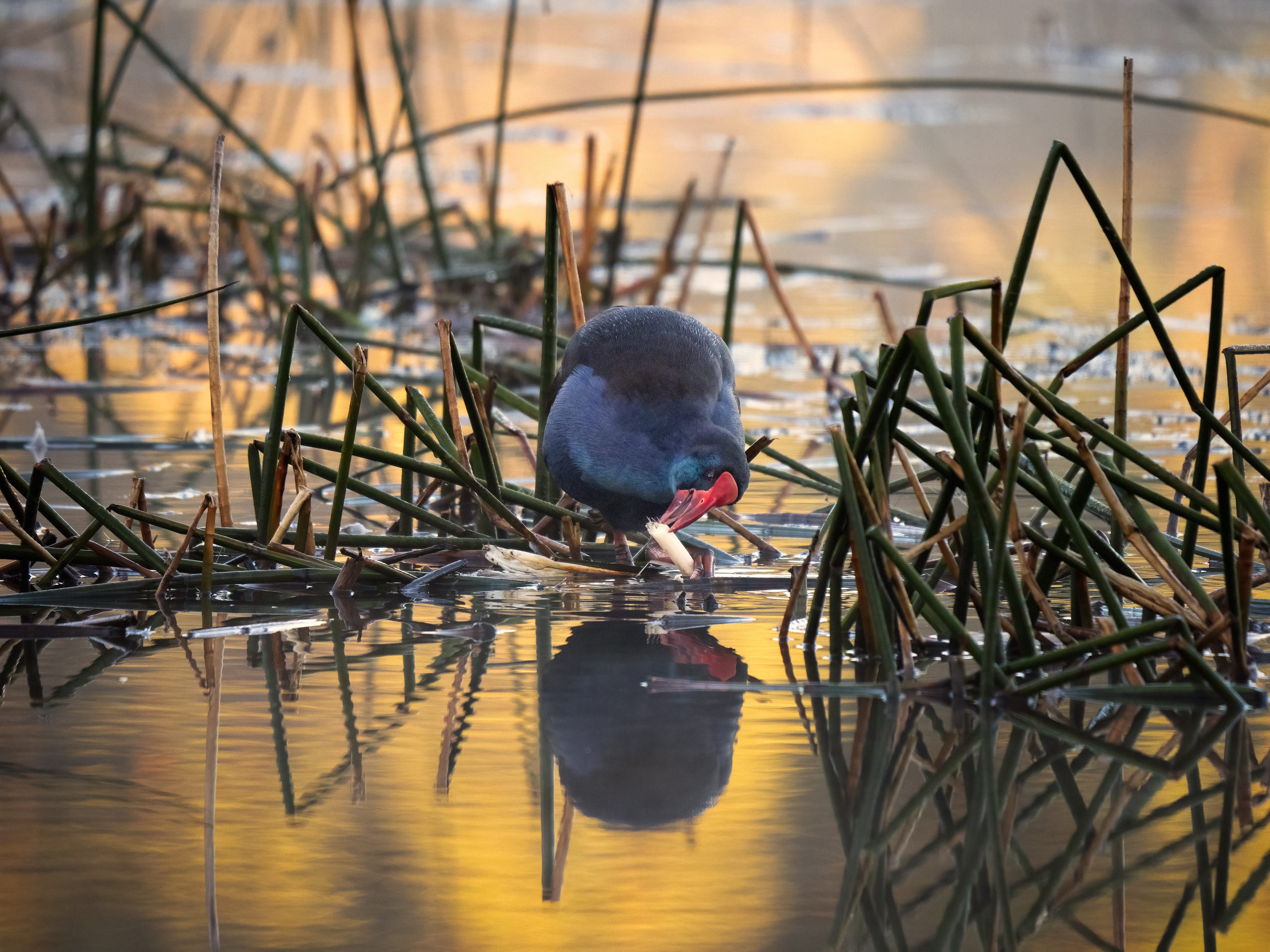
Kwirlam or Purple Swamp Hen (Porphyrio porphyrio). Lake Leschenaultia, Western Australia.


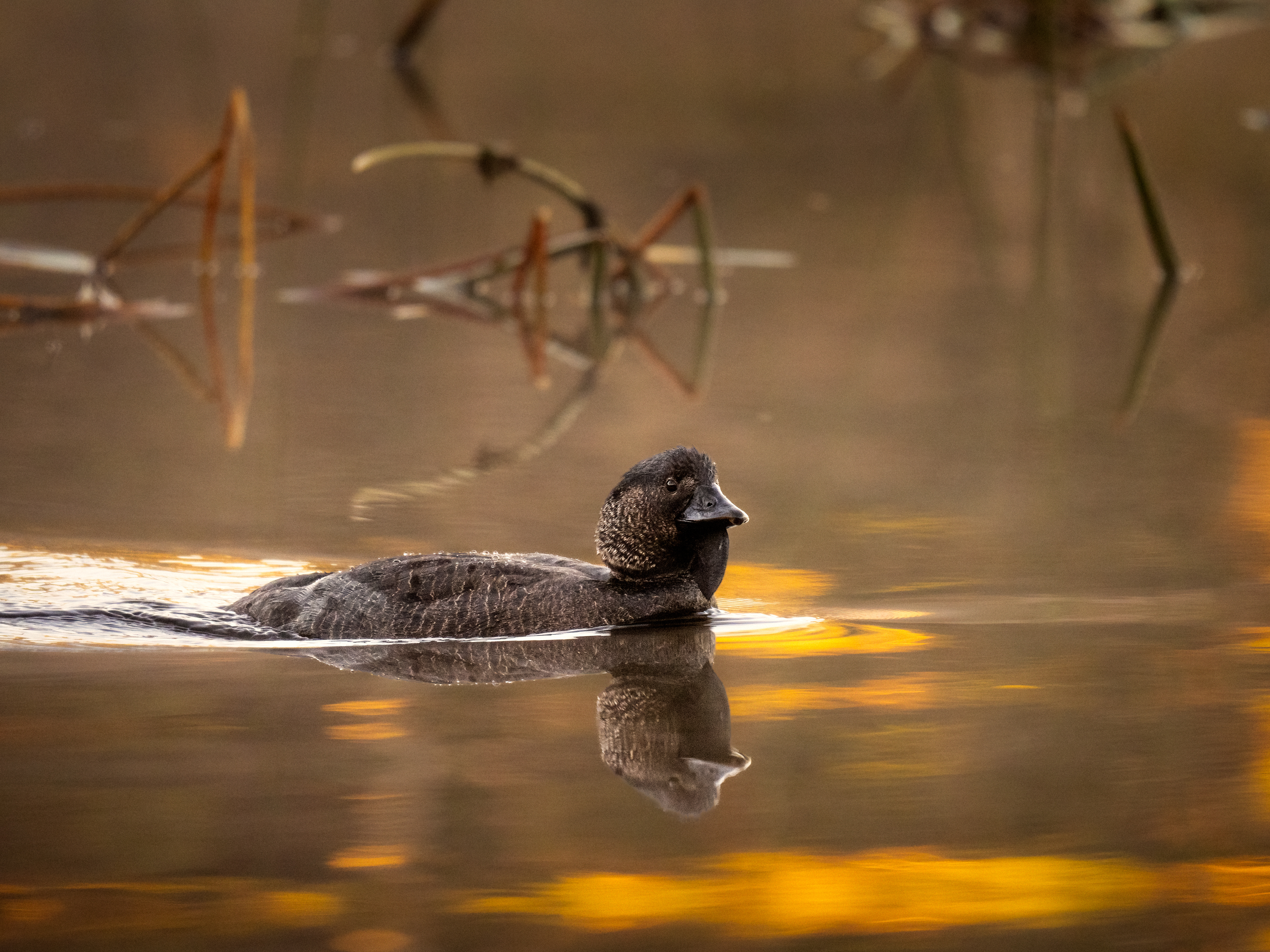
Kadar, Musk Duck (Biziura lobata). Lake Leschenaultia, Western Australia.


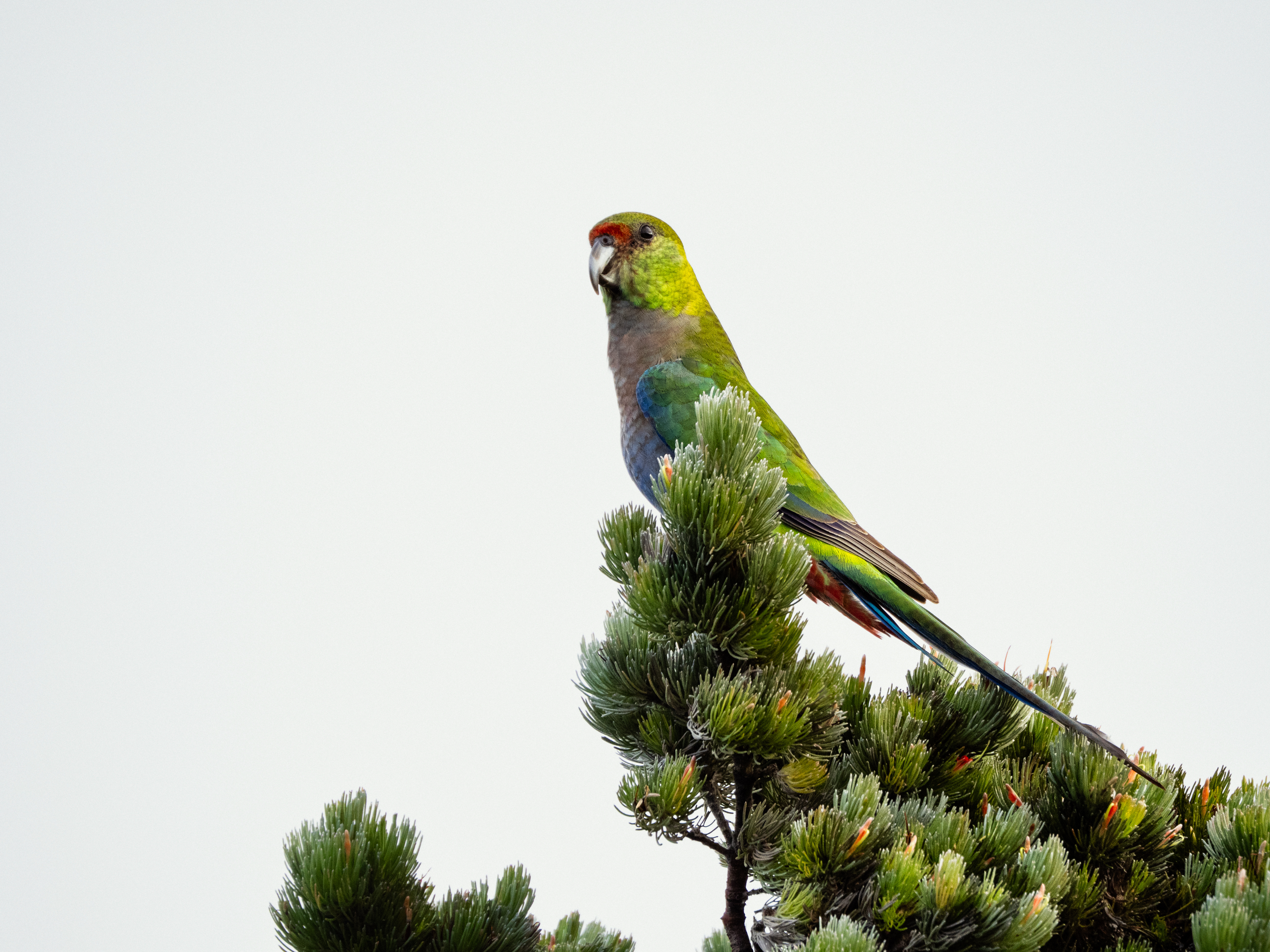
Juvenile Delyip or Red-capped Parrot (Platycercus spurius). Albany Windfarm.


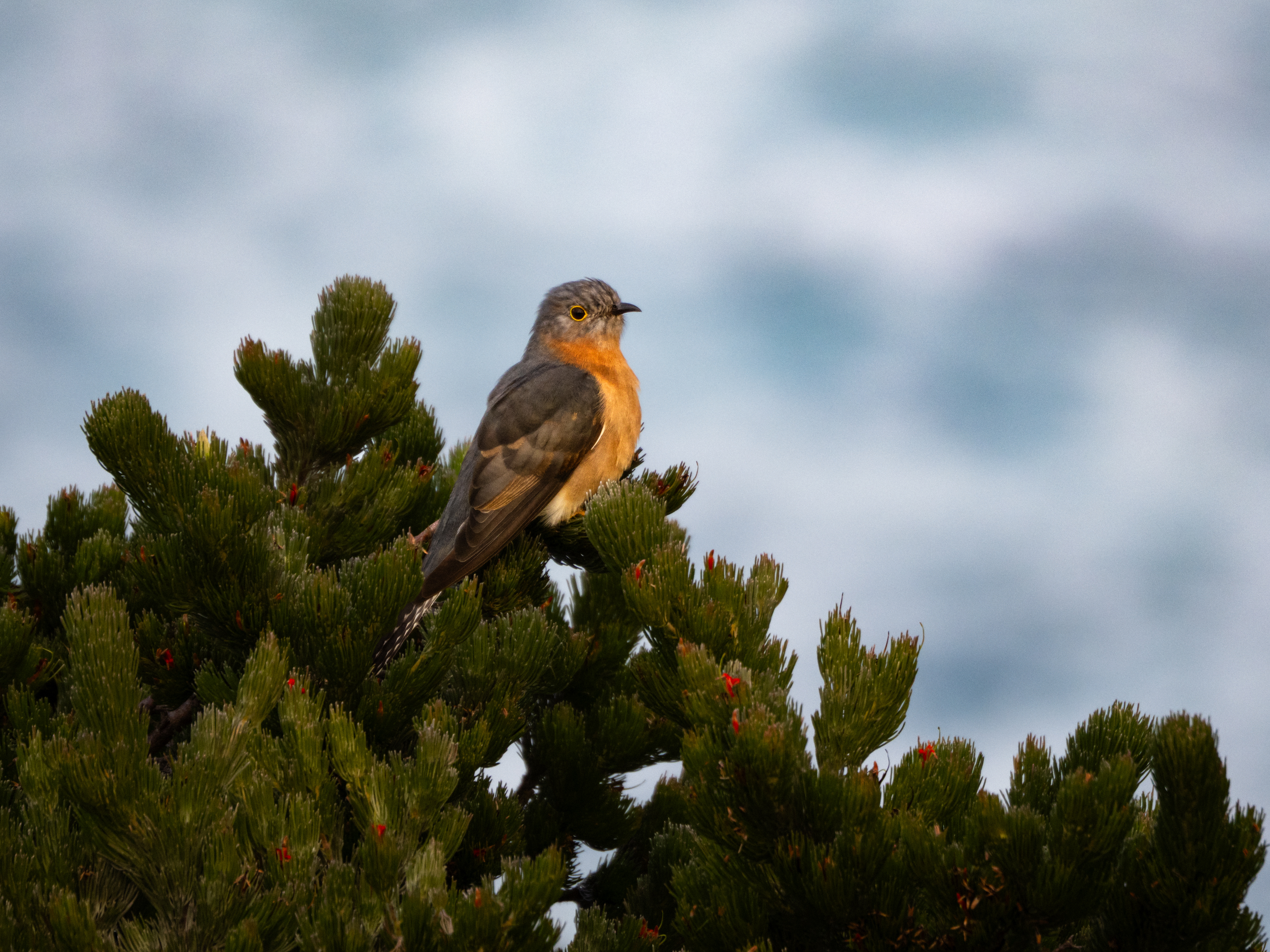
Djoolar or Fan-tailed Cuckoo (Cacomantis flabelliformis). Albany Windfarm.


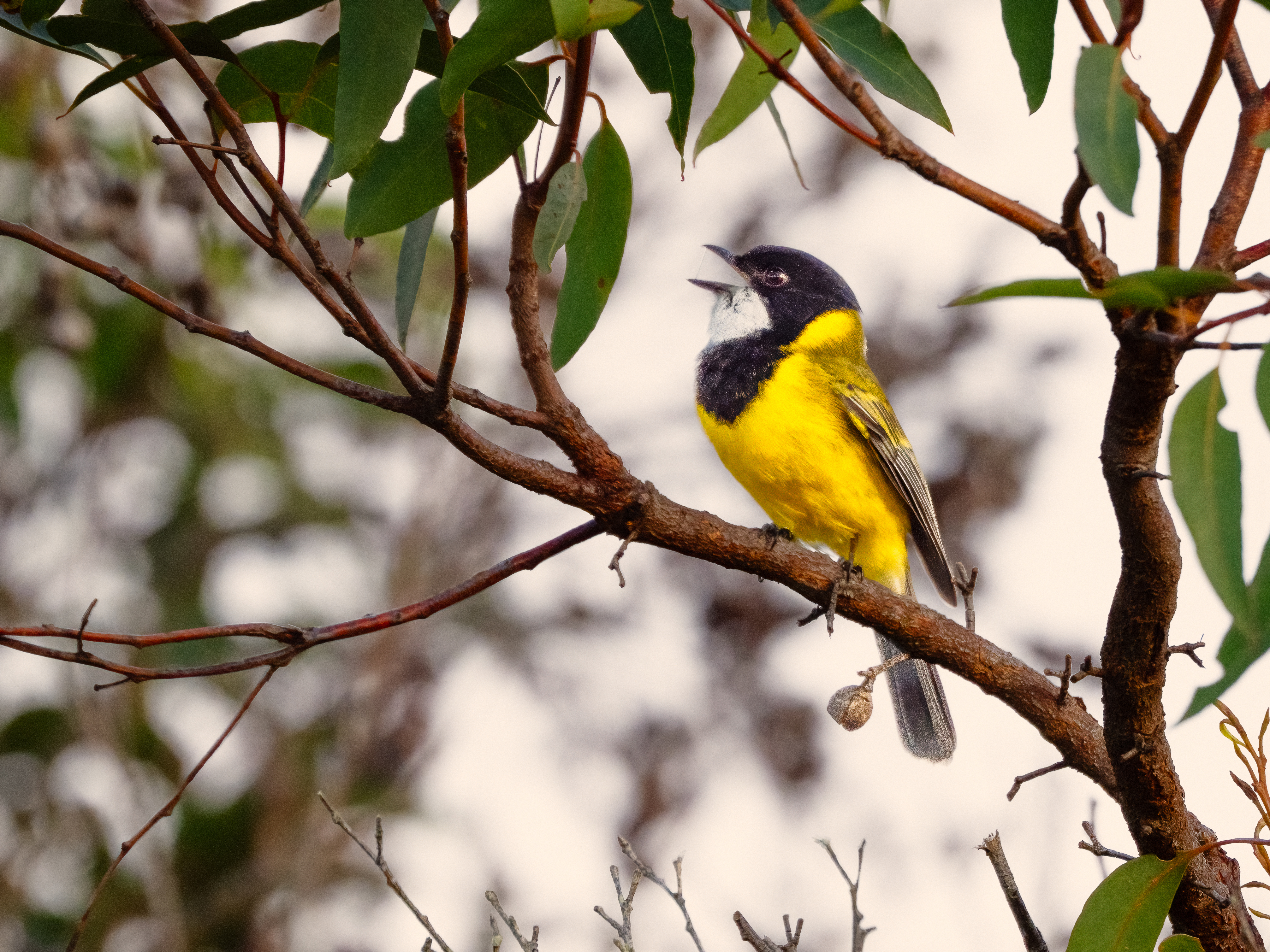
Bidilmidang or Golden Whistler (Pachycephala pectoralis). Torbay.


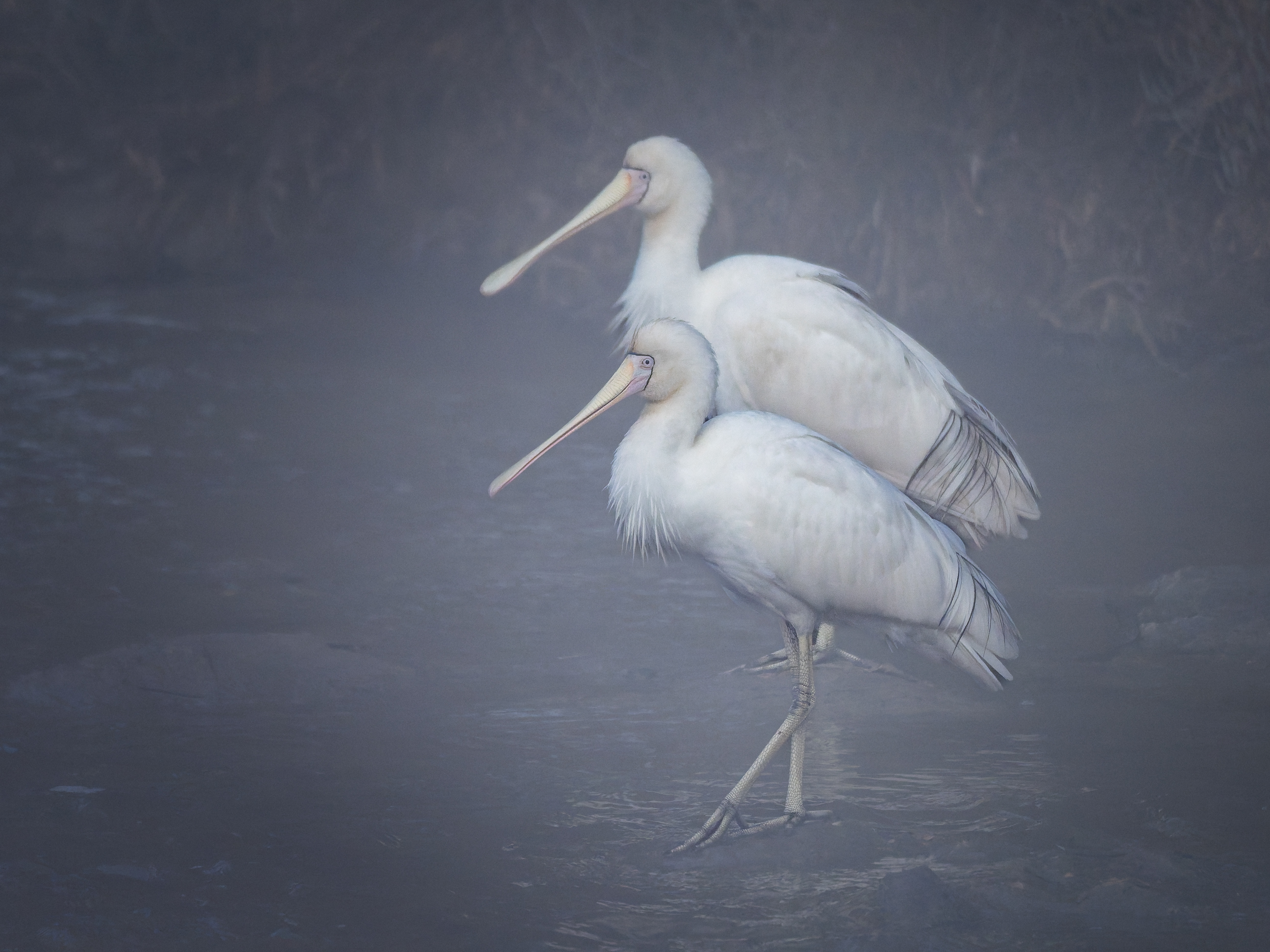
Kaaka-baaka or Yellow-billed Spoonbill (Platalea flavipes).


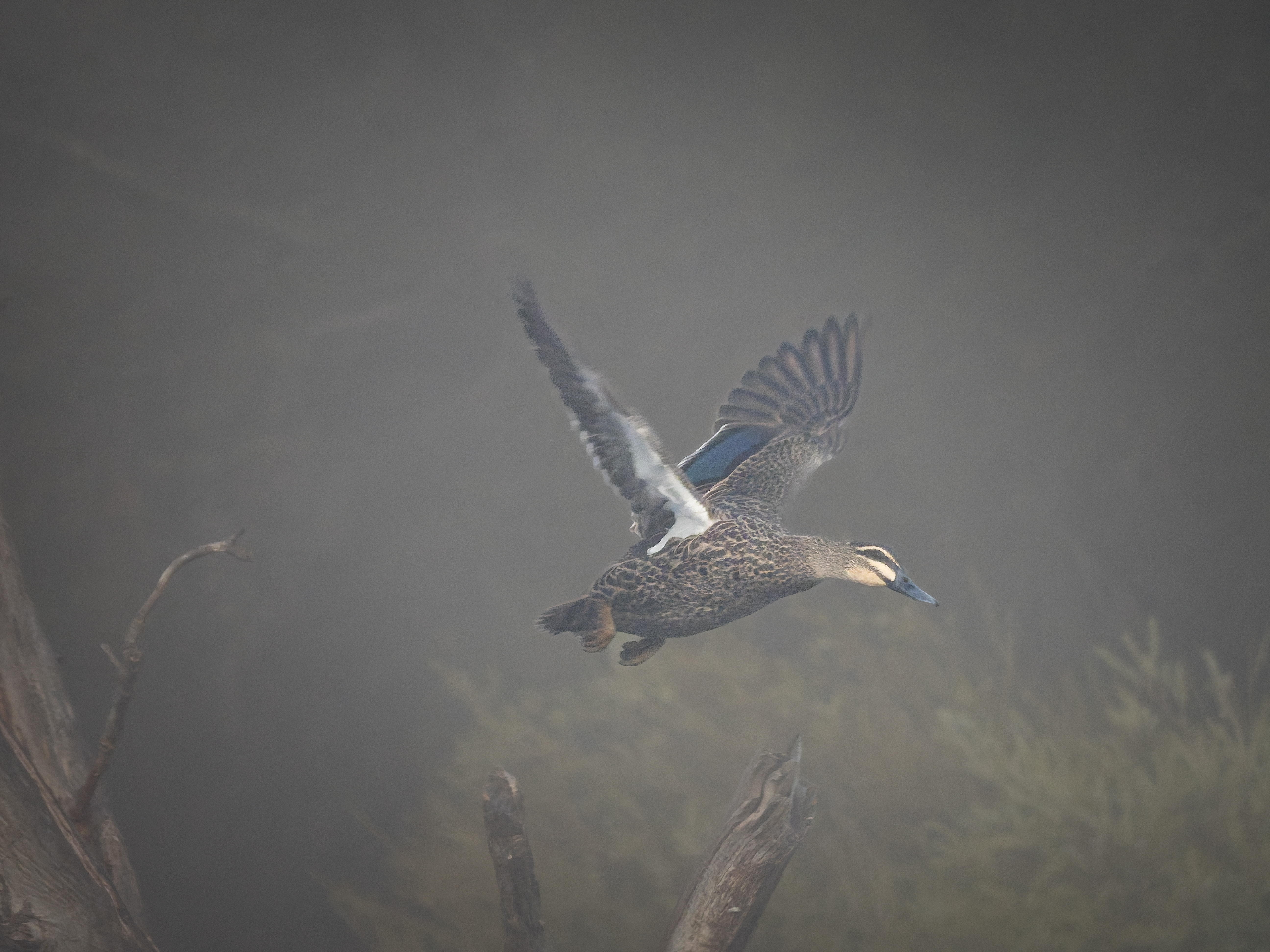
Ngowonan or Pacific Black Duck (Anas superciliosa).


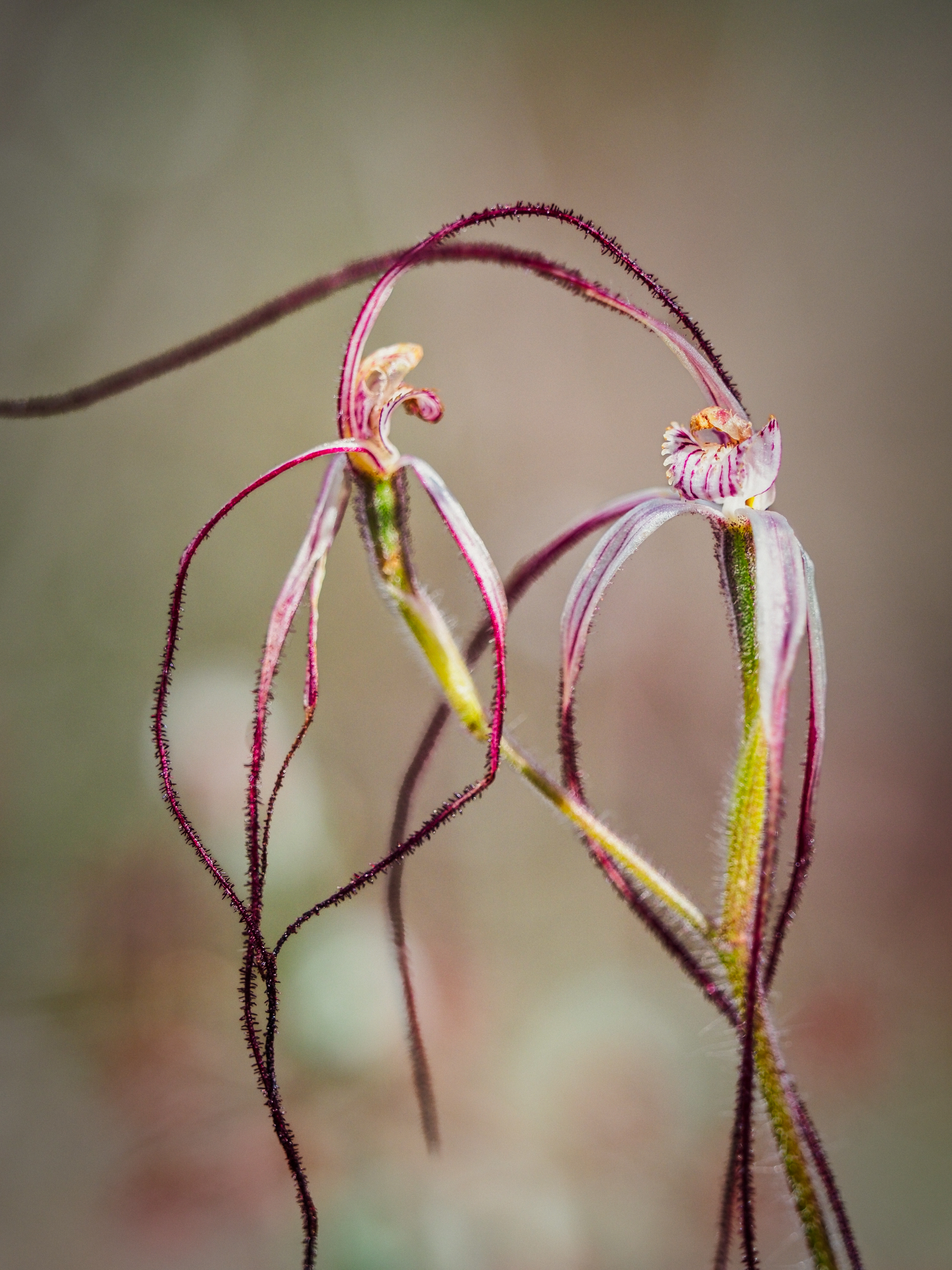
Talbot’s Spider Orchid, Caladenia pendens subsp talbotii. Kweda, Western Australia.


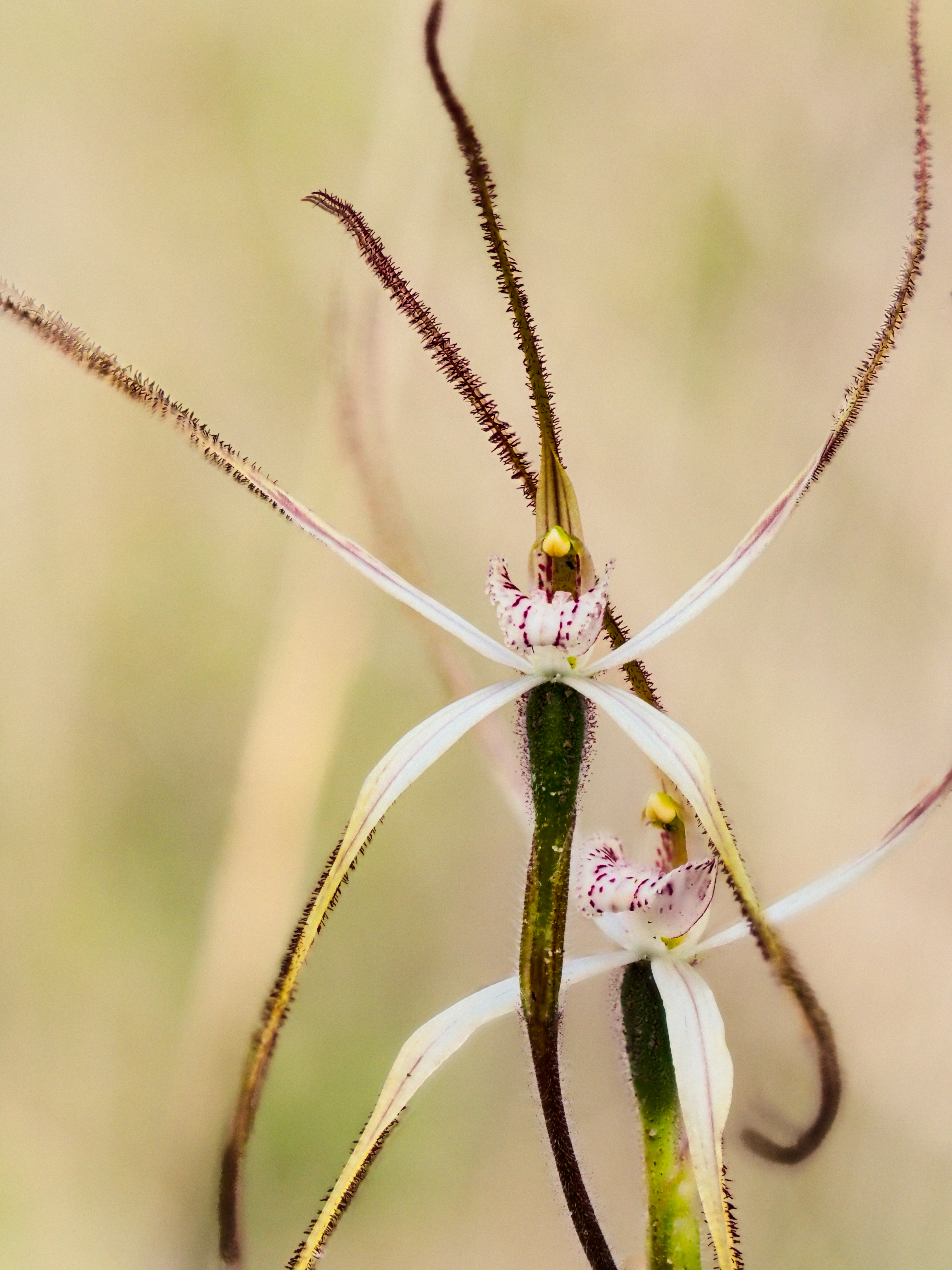
Early Wheatbelt Spider Orchid, Caladenia sp. ‘early wheatbelt’. Kweda, Western Australia.


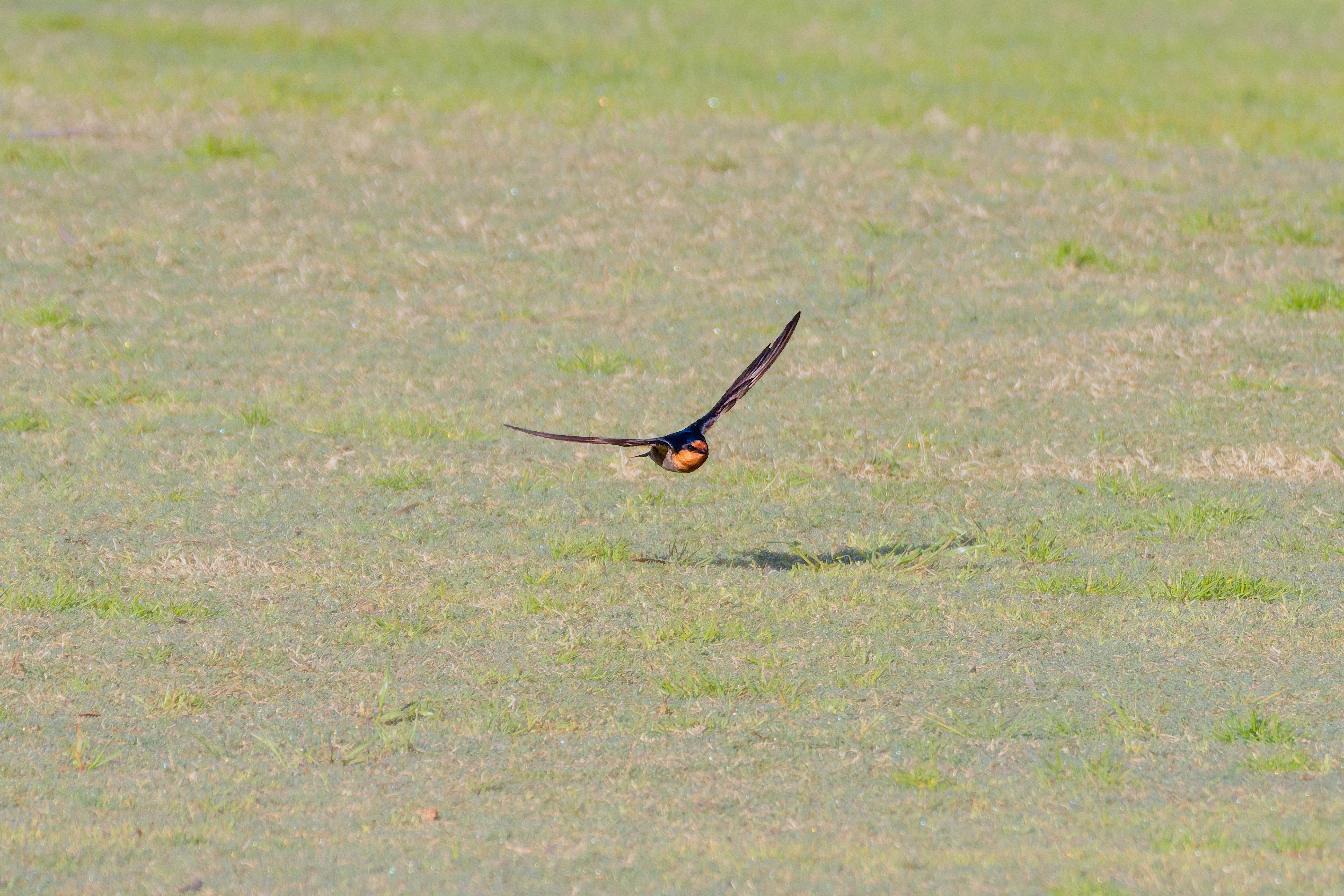
Kanamit or Welcome Swallow (Hirundo neoxxena). York, Western Australia.


Koordji-koordji or Australian Reed Warbler (Acrocephalus australis subspecies gouldi). Lake Leschenaultia, Western Australia.


Juvenile Djindjokoor or Brown Honeyeater (Lichmera indistincta). York, Western Australia.


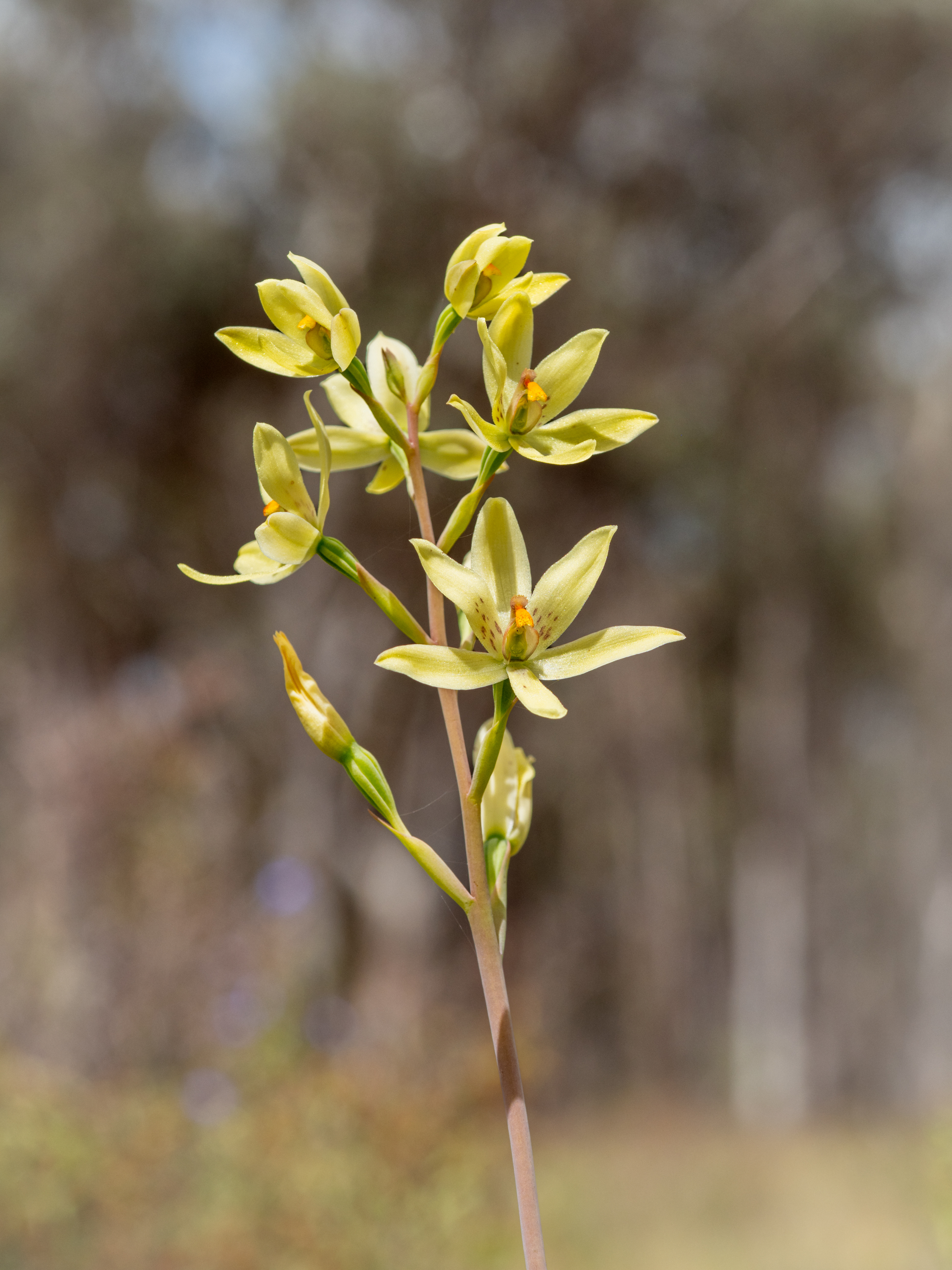
Custard Orchid, Thelymitra villosa. Wandoo National Park, Western Australia.


Kanyinak or Azure Kingfisher (Todiramphus sanctus). Northam, Western Australia.


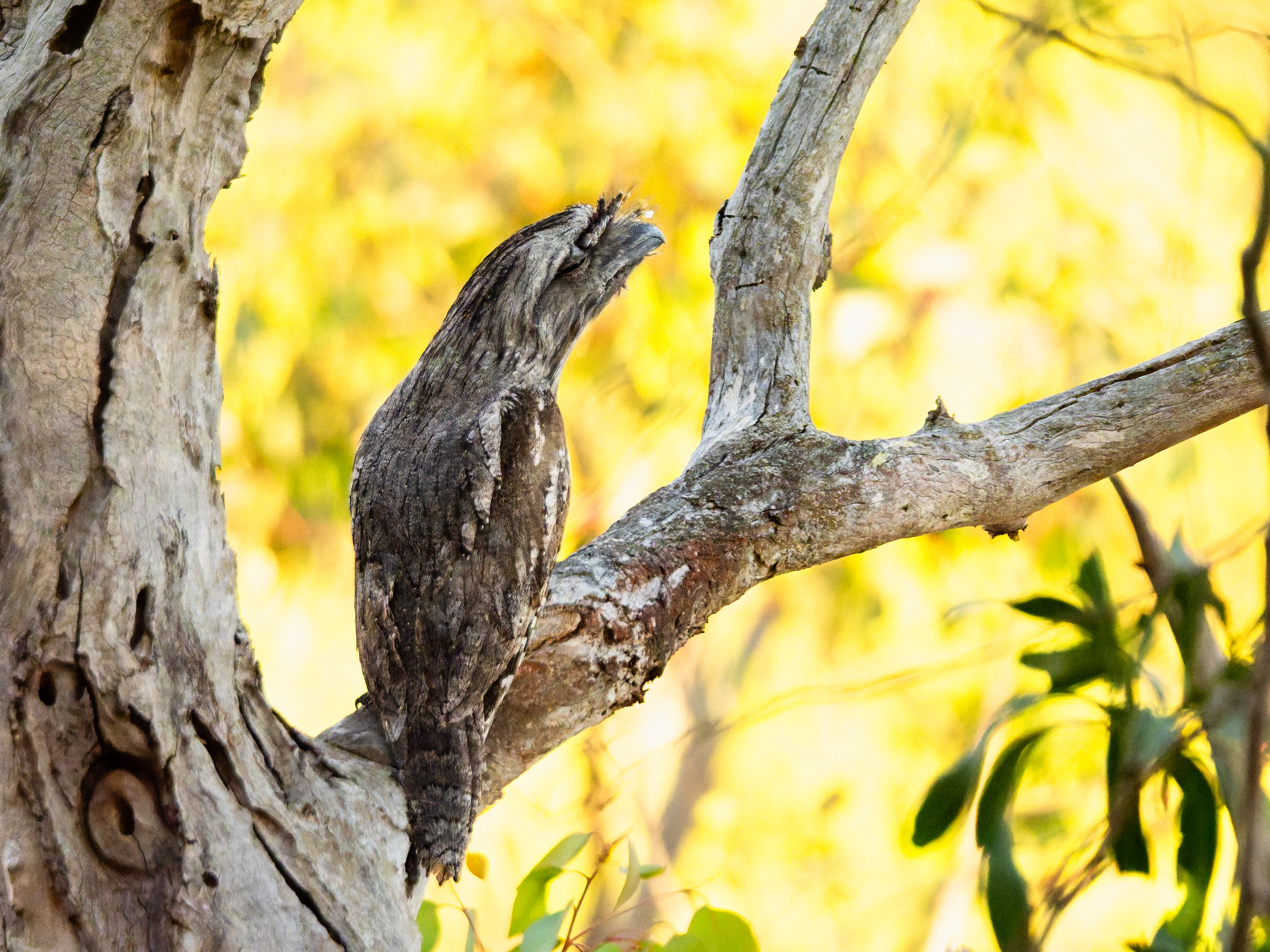
Djoowi or Tawny Frogmouth (Podargus strigoides). Narrogin Railway Dam, Western Australia.


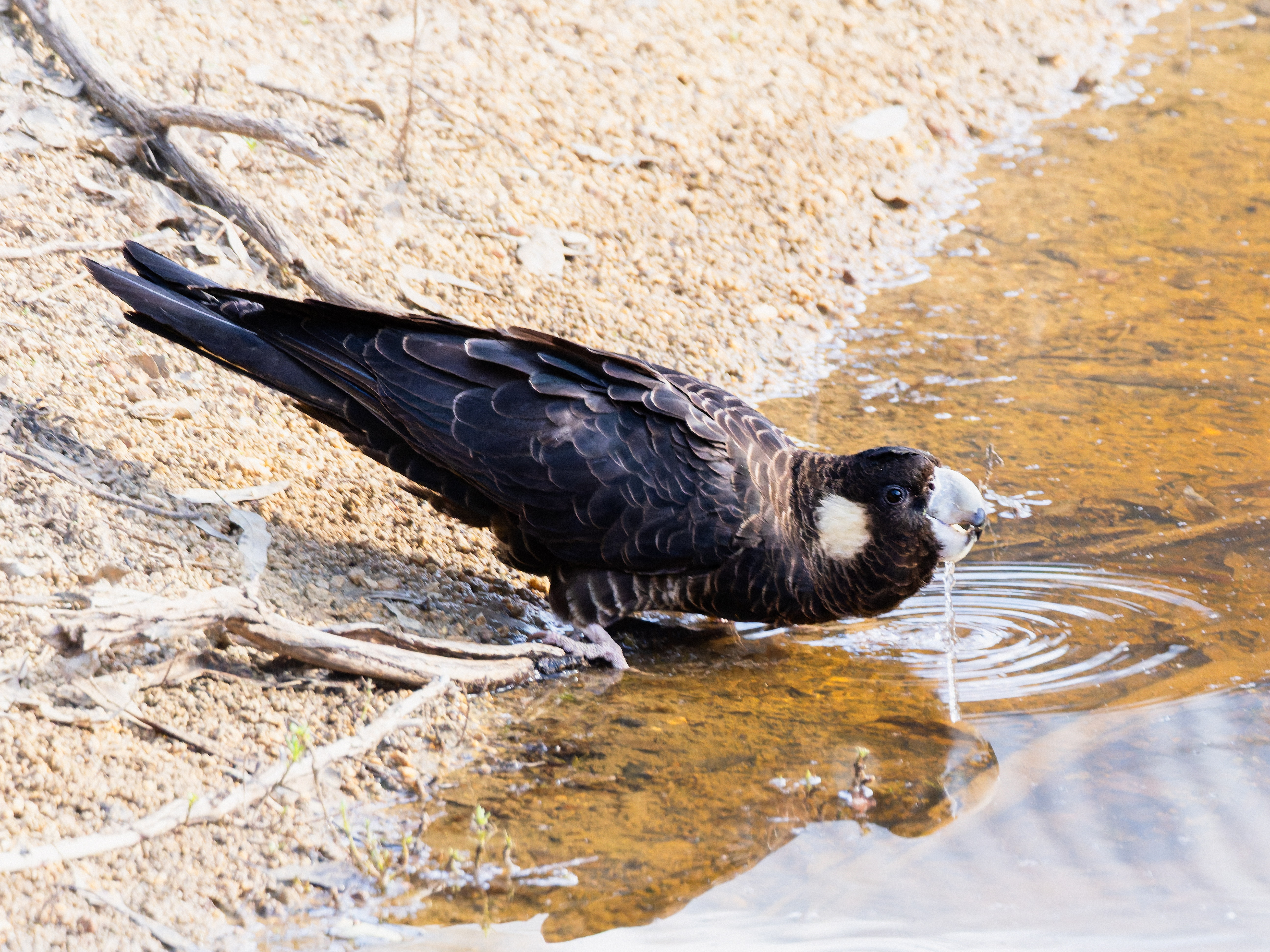
Ngoolyak or Carnaby’s Black-cockatoo (Calyptorhynchus latirostris). Old Mill Dam, Dryandra.


Camera nerdy bit. The most used camera was the Olympus EM1x. Only two of the photos were taken with a sensor bigger than Micro Four Thirds.


I hope all of you had a good 2025 and that 2026 brings happiness and health to you all. Happy New Year.

2025 Wheatbelt Christmas Kitsch Award

This was a hard fought competition this year. The runner up was Brookton.


Helen posing with the Christmas decorations in Brookton.


But, the winner was Pingelly by a country mile. The town had made a huge effort with their Christmas decorations.


Santa on straw bales at Pingelly.


Follow that star.


Santa’s reindeer feeling the worse for the hot weather.


One of the many Christmas trees that lined the main street in Pingelly.

Home On The Range

Events at home over the last few weeks have meant that I haven’t had the opportunity to do very much photography. Most of the blog entries are written a few weeks before they are published because of the vagaries of finding wildlife so that backlog  came in handy for when I couldn’t get out and about. But now the well has run dry.


Crusader Bug Nymph by Paul Amyes on 500px.com
Crusader bug (Mictis profana) instar nymph.


What little photography I have done recently has been in our back garden. Thankfully we have quite a lot of wildlife visit that I can point a camera at. Most of it has been of the usual suspects, the more common species that can be found in gardens in this part of the world, but there have been a couple of unexpected visitors which was very nice. For the best part of a year we had a problem with stray cats killing a lot of the birds and reptiles. But one of our neighbours has taken the main culprit in and the wildlife numbers are climbing back to what they were. 


Wall Skink by Paul Amyes on 500px.com
Wall Skink or Fence Skink (Cryptoblepharus buchananii) cooling off in the bird bath.


Yoorn by Paul Amyes on 500px.com
Yoorn or Bobtailed Lizard (Tiliqua rugosa)


Kanyinak by Paul Amyes on 500px.com
Kanyinak orSacred Kingfisher (Todiramphus sanctus) on our TV aerial with a freshly caught Bombay Runner (Periplaneta americana).


Bambon by Paul Amyes on 500px.com
Bambon or Rufous Whistler (Pachycephala rufiventris). It is a joy to hear this bird sing every morning.


Nye-nye by Paul Amyes on 500px.com
Nye-nye or Zebra Finch (Taeniopygia guttata) looking for food on the back lawn


Djida by Paul Amyes on 500px.com
Djida or Yellow-rumped Thornbill (Acanthiza chrysorrhoa).


Cabbage White Butterfly by Paul Amyes on 500px.com
Cabbage White Butterfly, Pieris rapae.


Giant Grass Hopper by Paul Amyes on 500px.com
Giant grasshopper or hedge grasshopper (Valanga irregularis) resting on the garden fence.


The garden provided a great deal of solace over a difficult time and it always amazes me how restorative being in nature can be. Hopefully, over the coming weeks we’ll be able to get out and about more.


Honey Bees by Paul Amyes on 500px.com
Honey Bee, Apis mellifera.


Settling Down

Spring is now almost over and most of the wildlife has now settled down to domestic duties – having and raising young.

A recent visit to Bernard Park in the Wheatbelt metropolis of Northam showed this to be true. The Australian Reed Warblers were still building nests and it won’t be long before the serious business of egg laying starts.


Koordji-koordji by Paul Amyes on 500px.com
Koordji-koordji or Australian Reed Warbler (Acrocephalus australis subspecies gouldi) gathering nesting material. Northam, Western Australia.
Koordji-koordji by Paul Amyes on 500px.com


Koordji-koordji by Paul Amyes on 500px.com


The Welcome Swallows were mostly content to hang out together between hunting forays, but we did see a couple which did seem to be in the middle of a domestic alternately screeching at each other. Do birds separate and divorce? No idea. Perhaps I anthropomorphising them too much, but it is hard not to project human feelings into animal interactions.


Kanamit by Paul Amyes on 500px.com
A contented pair of Kanamit or Welcome Swallows (Hirundo neoxxena) taking a breather under the Peel Terrace Bridge. Northam, Western Australia


Kanamit by Paul Amyes on 500px.com
These two seemed to be in some sort of domestic dispute.


Kanamit by Paul Amyes on 500px.com
It wasn’t one sided either. Both were carrying on like pork chops in a frying pan. Perhaps a referral to Relationships Australia is in order?

A Reconciliation…

…of sorts. I wrote recently about my attempt to abandon my Olympus cameras and move to Sony and how it was an unhappy experience. Well last weekend I went out orchid hunting in Wandoo National Park and I took my Olympus kit with me and it made for a far happier experience.


Pink Enamel Orchid, by Paul Amyes on 500px.com
Pink Enamel Orchid, Elythranthera emarginata. Wandoo National Park, Western Australia.


Pink Enamel Orchid, by Paul Amyes on 500px.com
Close up of a pink enamel orchid.


The main reason was weight. Looking for orchids in the Wandoo National Park is a matter of walking lots. It is a big park – 463.68 square Km – and while you can drive in on numerous gravel roads and 4WD tracks it only gets you so far and then you have to walk over quite varied terrain to find anything. Humping heavy photographic equipment, water, food, extra layers, first aid kit etc gets old really fast. So anything that can reduce the load is most welcome.


Little Laughing Leek Orchid, by Paul Amyes on 500px.com
Little Laughing Leek Orchid, Prasophyllum gracile. Wandoo National Park, Western Australia.


Pouched Leek Orchid by Paul Amyes on 500px.com
Pouched Leek Orchid, Prasophyllum cyphochilum. Wandoo National Park, Western Australia.


The second reason was the rear LCD panel. Having one I could actually see in bright sunlight again was in a word fantastic. Add to that it was of the flippy flappy variety which meant I could twist it to see it irrespective of the camera position meant that I didn’t have to contort myself into impossible positions. It’s amazing how such small things can make life so much easier and more pleasurable.


Custard Orchid by Paul Amyes on 500px.com
Custard Orchid, Thelymitra villosa. Wandoo National Park, Western Australia.


Custard Orchid by Paul Amyes on 500px.com
Close up of a custard orchid.


The orchids were scarce this year. Where there would be literally a carpet of custard orchids there were just one or two specimens. But, although the numbers were down there were plenty of different species to look at and photograph. I went primarily to photograph leopard orchids and I only found them after about 5 hours of looking. It was like the day’s grande finale.


Leopard Orchid, by Paul Amyes on 500px.com
Leopard Orchid, Thelymitra benthamiana. Wandoo National Park, Western Australia.


All in all I was a very happy boy when I got home.


Purple Enamel Orchid by Paul Amyes on 500px.com

Purple Enamel Orchid, Elythranthera brunonis. Wandoo National Park, Western Australia.

Lamenting A Rash Decision

Cowslip Orchid by Paul Amyes on 500px.com
Cowslip Orchid, Caladenia flava subs. flava. Williams, Western Australia


I’ve been a bit miffed lately with Olympus/OM Systems. A lens that I bought recently was not functioning properly and has spent more time at the service department than with me. Then there’s my Olympus STF-8 a supposedly rugged, weatherproof and very expensive macro flash whose buttons have fallen off and is now inoperable and unrepairable (as in it’s not designed to be repairable but be disposable). I’ve been so miffed that of late I’ve stopped using my Olympus kit and relegated it to the cupboard while having thoughts of getting rid of it all and changing systems. In fact I’d already decided which ship I was going to jump on – Sony – and which items I’d buy after watching a lot of YouTube videos.


Clubbed Spider Orchid by Paul Amyes on 500px.com
Clubbed Spider Orchid, Caladenia longiclavata. Williams, Western Australia.


To that end for last weeks road trip to Williams in search of the Common Dragon Orchid I dug out my much neglected Sony A7r2 and some lenses to reinforce this new plan and familiarise my self with the Sony ecosystem again.


Banded Greenhood by Paul Amyes on 500px.com
Banded Greenhood, Pterostylis vittata. Williams, Western Australia.


The trip to Williams was great – it was a beautiful day and there were plenty of orchids to photograph. The only fly in the ointment was the photographic experience. It should be easy – I’ve done it so many times before. Find an orchid. Set up the camera on a tripod and point it at the orchid. Take the picture. What could go wrong? Well for this type of photography I rely heavily on the rear LCD screen and I’d forgotten that the screen on the Sony A7r2 is unusable in bright sunlight. Secondly I’ve become very reliant on having touch control on the rear LCD so I can easily select the focus point and trip the shutter. There’s no such function on the Sony and there is a very convoluted system of setting the AF point. Then there is the woeful battery life of the Sony A7r2. I went through 4 batteries in two hours where as with the Olympus I wouldn’t even get through 1/2 a battery. I could continue with more points of frustration and irritation, Lord knows there were loads of them, but I’ll refrain. By the end of the morning I was wishing I’d taken my Olympus EM1 mk ii with me. Were there any positive points? Well yes I love the files from that 42Mp Sony sensor. I really like the Sigma 105mm macro lens. But, unfortunately the negatives outweighed the positives and it made me realise why I’ve stopped using the Sony A7r2.


Banded Greenhood by Paul Amyes on 500px.com
Banded Greenhood, Pterostylis vittata. Williams, Western Australia


I’ve already started to get things together for this week’s trip and my Olympus kit, minus the flash, has gone back in the bag. As to whether I will change will depend upon whether OM Systems Australia returns my lens in a functioning state.


Common Dragon Orchid by Paul Amyes on 500px.com
Common Dragon Orchid, Caladenia barbarossa.Williams, Western Australia


Clubbed Spider Orchid by Paul Amyes on 500px.com
Clubbed Spider Orchid, Caladenia longiclavata. Williams, Western Australia


Loud and Clear

The other morning as I was walking around Lake Leschenaultia I spotted a couple of male Australian Reed Warblers marking out their territories while trying to attract a mate. When both of them were singing the sound was so loud that it almost made my ears hurt. It’s amazing that something so small can produce such a volume of sound. Normally you tend to hear them rather than see them, but this morning the two of them were perched on the very tips of the reeds. It was quite an amazing experience.

 Koordji-koordji by Paul Amyes on 500px.com
Koordji-koordji or Australian Reed Warbler (Acrocephalus australis subspecies gouldi). Lake Leschenaultia, Western Australia.


Harrismith – the return

Taarblin Lake by Paul Amyes on 500px.com
From my last visit to Harrismith in 20212. It all looks a bit apocolyptic.


Harrismith is a very small town (population 52)  260km east of Perth in the Wheatbelt. Now we went there some thirteen years ago looking for orchids and we didn’t find any as it was too late. I did get the photo of the animal skull on pig face on a dried lake. So this year I’ve been looking for the Western Wispy Spider Orchid (Caladenia microchila) and the Yellow Granite Donkey Orchid and that search took me Harrismith as my last chance.


When I got there it was very apparent I wasn’t going to find much – the bush was very, very dry. Walking through it sounded like walking over Cornflakes – it was so crisp. What I did find was really on it’s last legs. There had been a substantial wildflower display, but it was basically all over. I’d have been better off going at least two weeks earlier. Still it was an enjoyable walk, there was plenty of bird activity and I left feeling I’d of got better photos if I’d taken my bird kit.


Sugar Orchid by Paul Amyes on 500px.com
Sugar Orchid, Ericksonella saccharata. Harrismith, Western Australia.


Green Spider Orchid by Paul Amyes on 500px.com
There’s always a Green Spider Orchid (Caladenia falcata).


Purple Enamel Orchid, by Paul Amyes on 500px.com
Purple Enamel Orchid, Elythranthera brunonis.


Yellow Granite Donkey Orchid by Paul Amyes on 500px.com
Yellow Granite Donkey Orchid, Diuris hazeliae.


The Western Wispy continues to evade me. I’ll have to wait to early next spring to resume the search.