I had to take the car for a service in Perth the other day and as I set off the mist was really thick. At one point on the Great Southern Highway I couldn’t see more than 5m in front of me. With such poor visibility I didn’t fancy my chances taking photos on Heirisson Island, but by the time I got there the mist was starting to burn off. I spent a pleasant couple of hours wandering around taking photos.
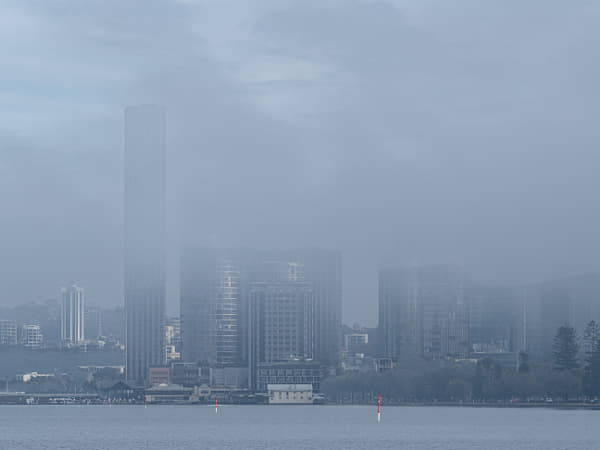
Looking out from Heirisson Island to Perth and the mist obscures the view.
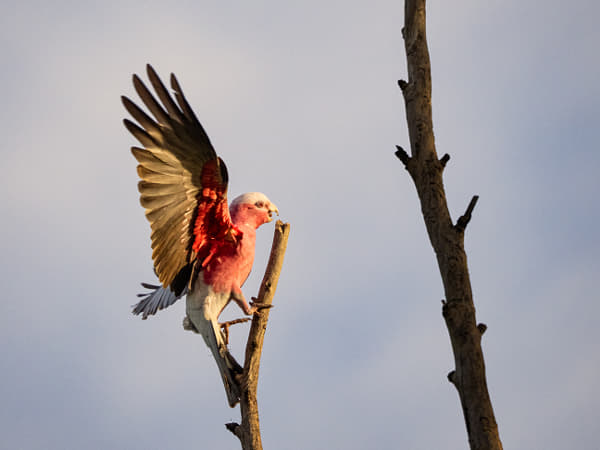
Despite the misty conditions the Galahs (Cacatua roseicapilla) were very busy.
Eventually the warm light of the sun started to break through the mist.
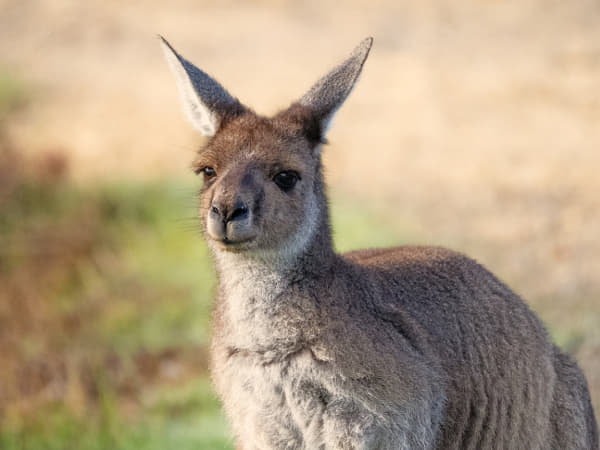
This female Western Grey Kangaroo came over to check me out. Once she realised that I had no food she hopped off.
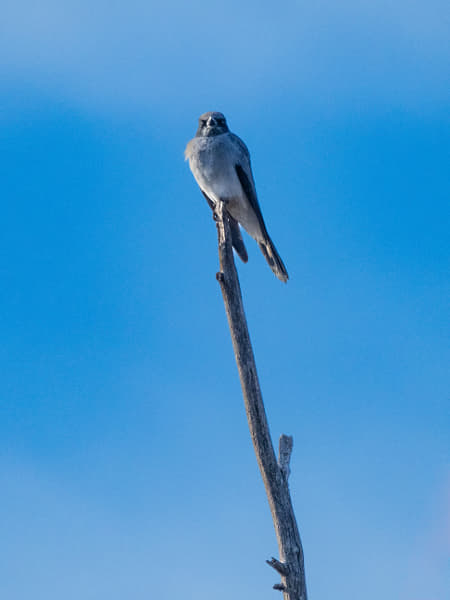
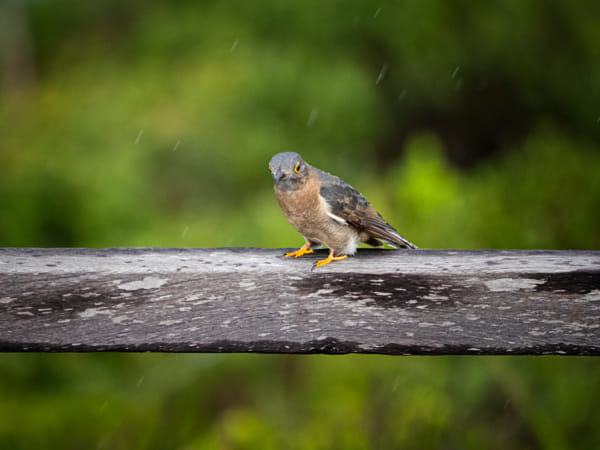
The obligatory bird on a stick photo. Noolarko or Black-faced Cuckoo-shrike (Coracina novaehollandiae).
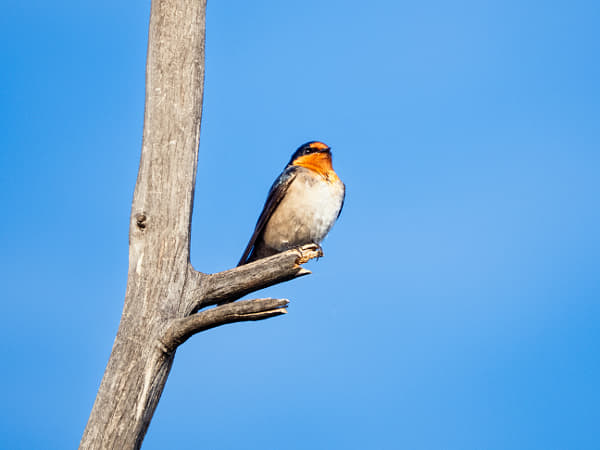
And another, this time a Kanamit or Welcome Swallow (Hirundo neoxxena).
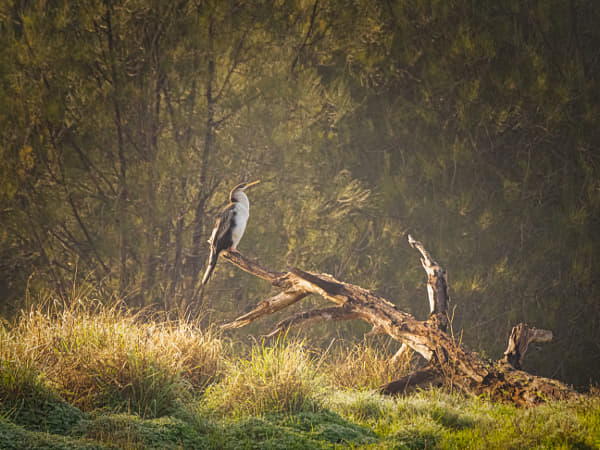
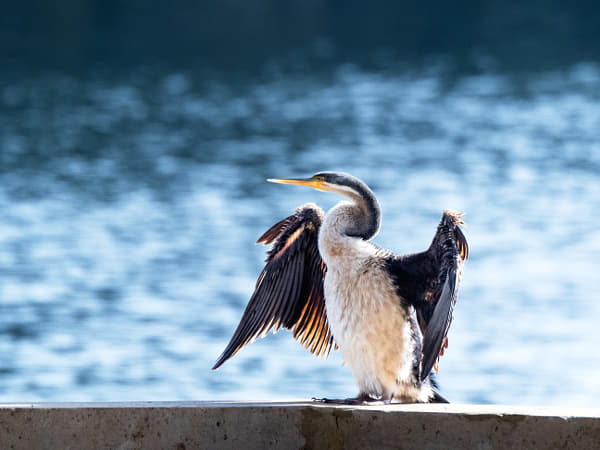
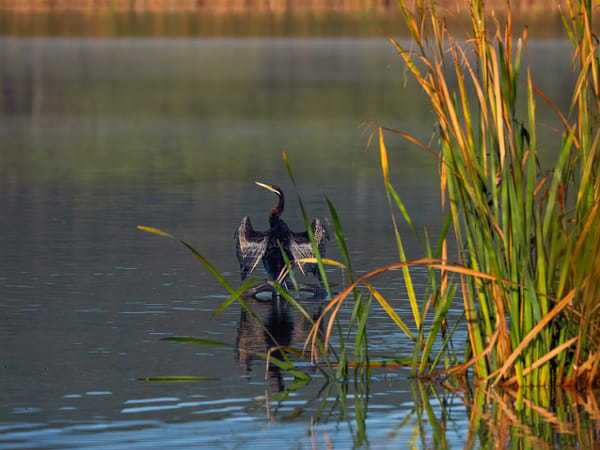
Mimal or Australian Darter (Anhinga melanogaster subspecies novaehollandiae) drying out in the warm winter sun.
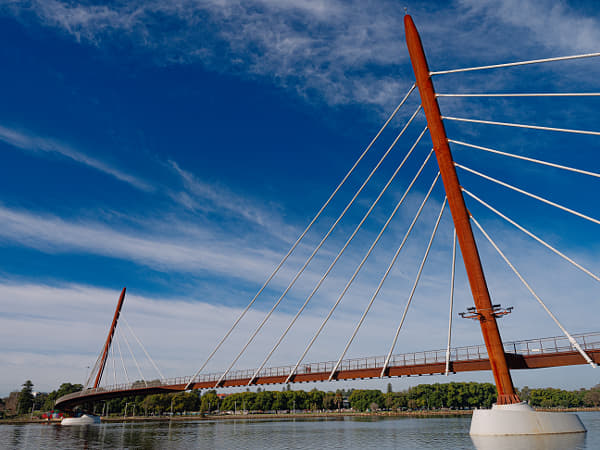
Walking off the island gave me a chance to see and use the new Boorloo Bridge the new Pedestrian and Cyclist bridge connecting the Perth Foreshore with South Perth foreshore via Heirisson Island.
For the duration of our recent trip to the Great Southern we stayed in the small town of Torbay about 20Km east of Albany. It’s a beautiful spot on the eastern fringe of the karri forest region with remnant old growth forest, which inevitably means lots of interesting wildlife living in the tree canopy and the dense understory. The Torbay Agricultural Community Hall is the start 2.6Km bird walk that takes you through the bush. We weren’t able to walk it as the recent storms had brought down a few trees blocking it, but it looks as if it would be a delightful walk in spring and early summer when all the wildflowers are out. Below are a few photos taken round the Torbay area.
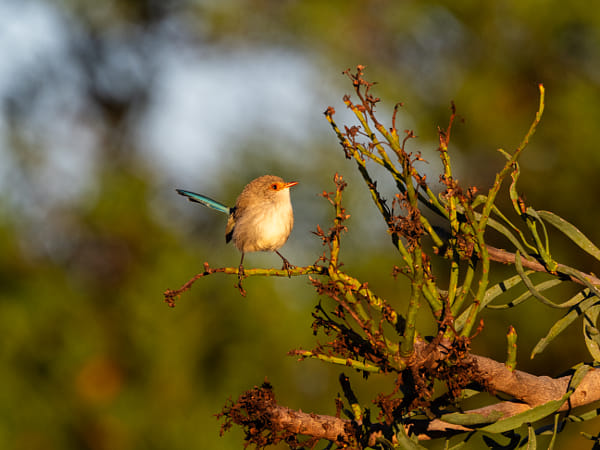
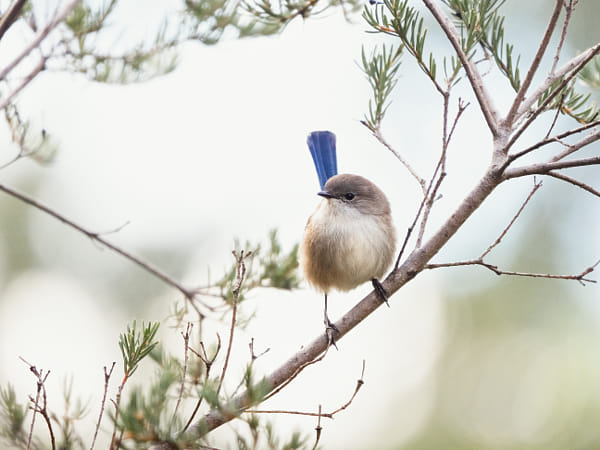
Djer-djer or Splendid Fairy-wren (Malarus splendens subsp splendens).
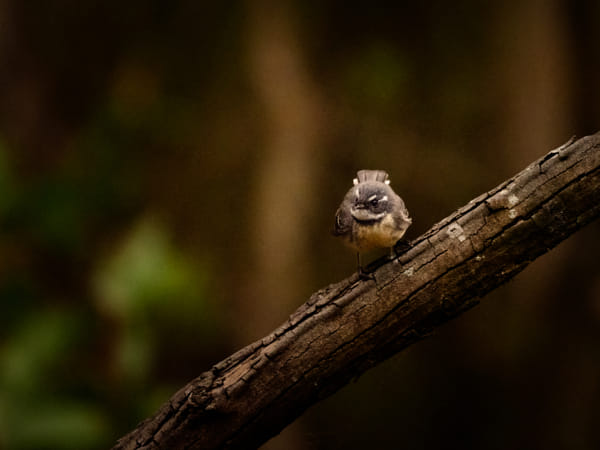
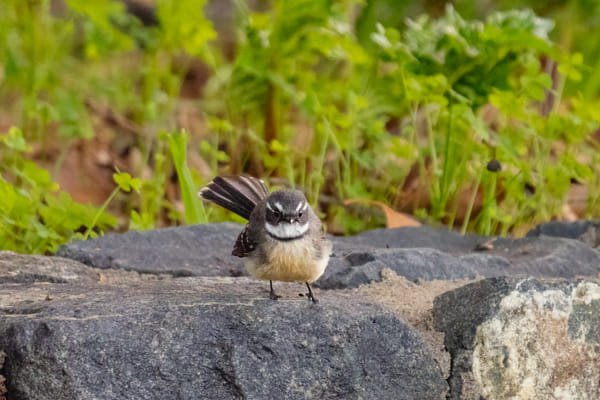
Kadjinak or Grey fantail (Rhipidura albiscapa). Torbay Bird Walk.
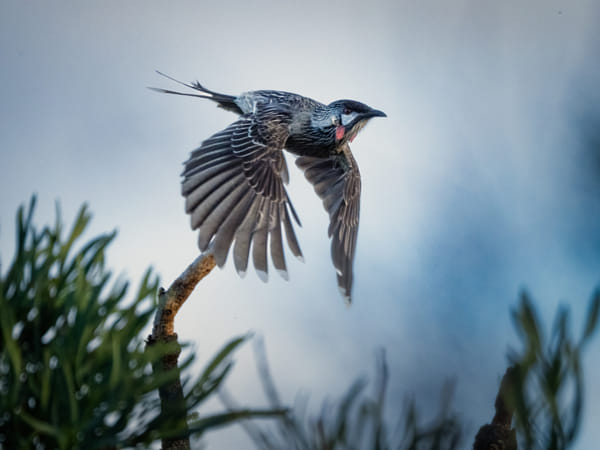
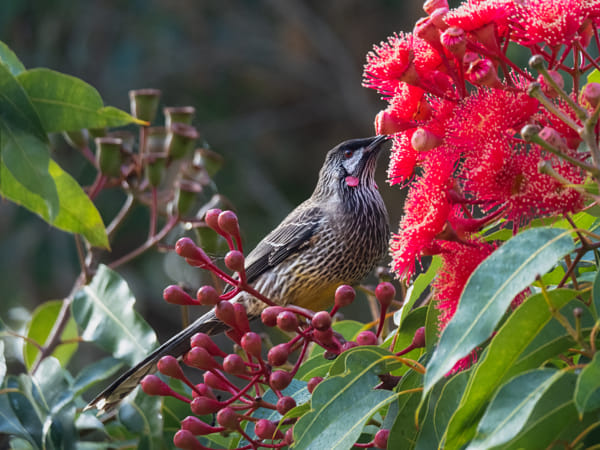
Djangkang or Red Wattlebird (Anthochaera carunculata).
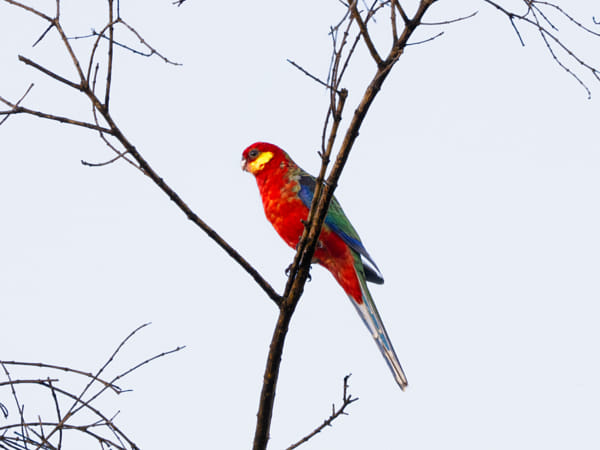
Bardinar or Western Rosella (Platycercus icterotis).
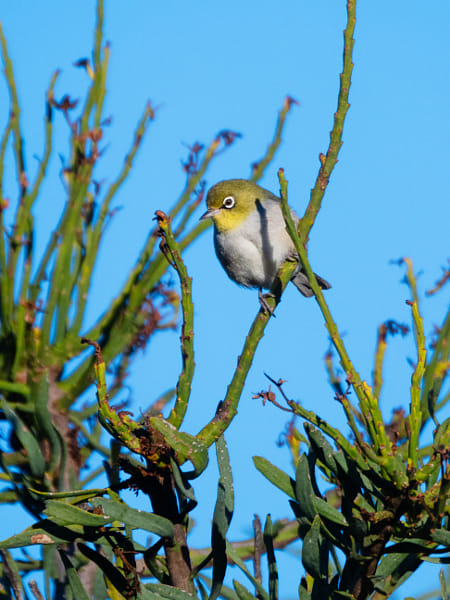
Doolor or Silvereye (Zosterops lateralis).
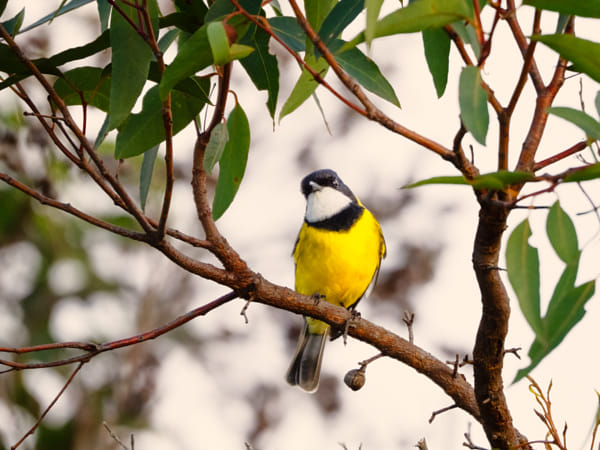
Bidilmidang or Golden Whistler (Pachycephala pectoralis).
Lake Powell is a well kept secret. We asked at the Elleker General Store, Tavern, Cafe and Servo for directions and they’d never heard of it yet as the crow flies it was only 2 minutes drive away. We could see the lake, it was the turn off to take us into the Lake Powell Nature Reserve we were looking for. After a bit of driving around we found it and made plans to go there the next morning.
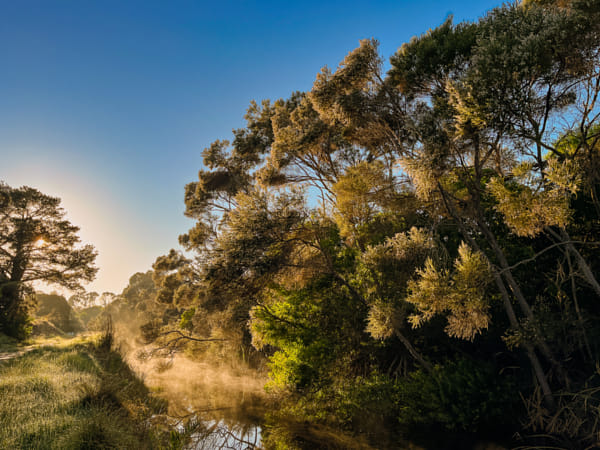
Now up to this point on our trip it had rained – and when I say rained it was the sort of torrential deluge that would make Noah start building a boat. So when we arrived at Lake Powell we were met with this magical mist over the water and a beautiful golden light filtering through it. These are the conditions you just live for as it just makes everything look bloody wonderful. Having parked the car up we walked down to the bird hide following the track beside the Grasmere Channel. Years ago when the first European settlers arrived they found a very low lying area and those bits that weren’t swamp were prone to flooding and so a whole drainage system was put in and the Grasmere Channel is part of that. But, rather than being a boring man made feature it is a wildlife haven and it feeds the lake with fresh water. When we got to the hide there was nothing much to see, it was clear that everything all the activity was along the channels that was where I concentrated my efforts. It was great morning and I was so chuffed to see a Red-eared Firetail even though I didn’t get a good photo of it.
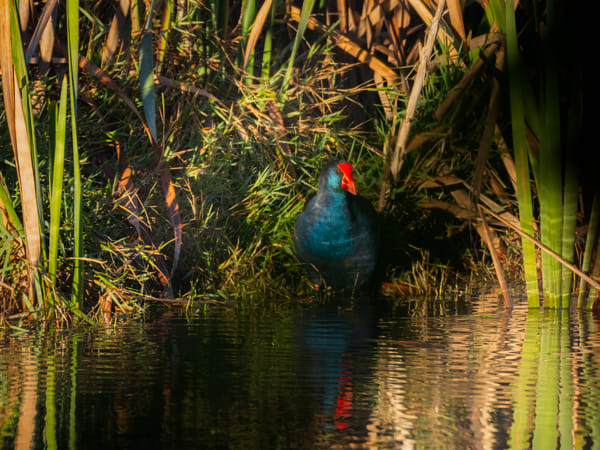
Kwirlam or Purple Swamphen (Porphyrio porphyrio). Lake Powell Nature Reserve.
Mimal or Australian darter (Anhinga melanogaster subspecies novaehollandiae).
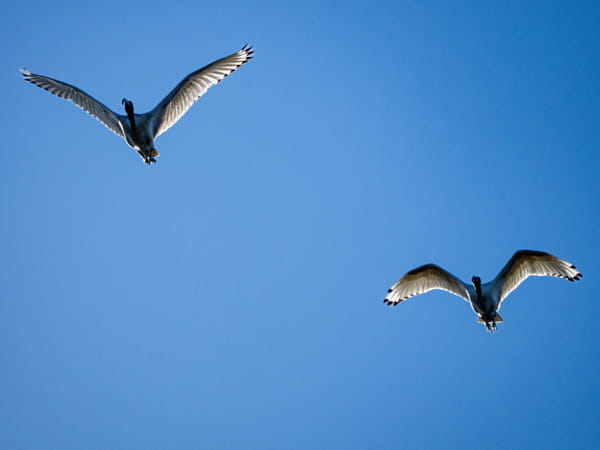
Ngalkaning or Australian White Ibis (Threskioris molucca).
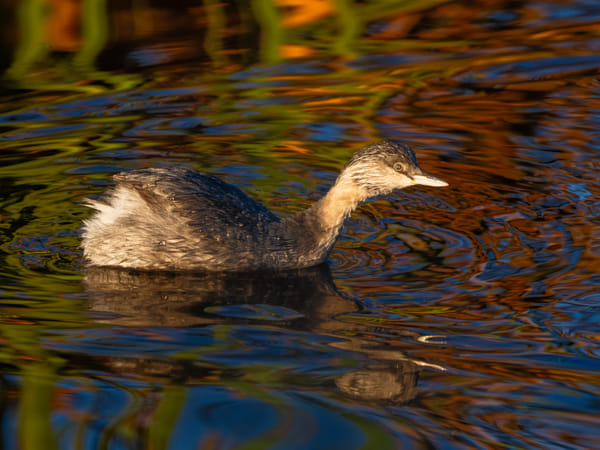
Wayooda or Hoary-headed Grebe (Podiceps poliacephalus).
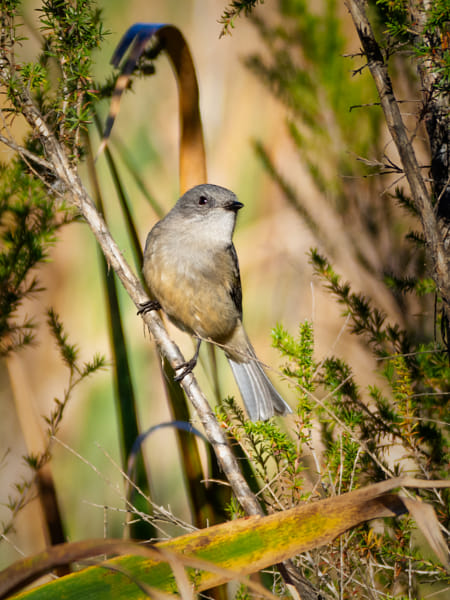
Koodilang or Grey Shrike-thrush (Colluricincla harmonica rufiventris).
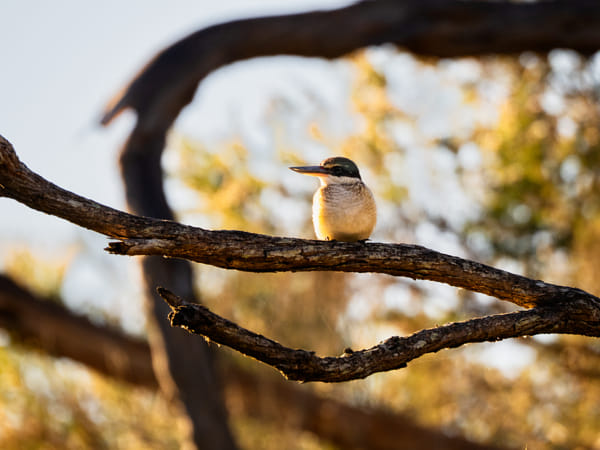
Kanyinak or Sacred Kingfisher (Todiramphus sanctus).
Not a great photo but seeing this little bird really made my day. Djiri or Red-eared Firetail (Stagonopleura oculata). Lake Powell Nature Reserve.
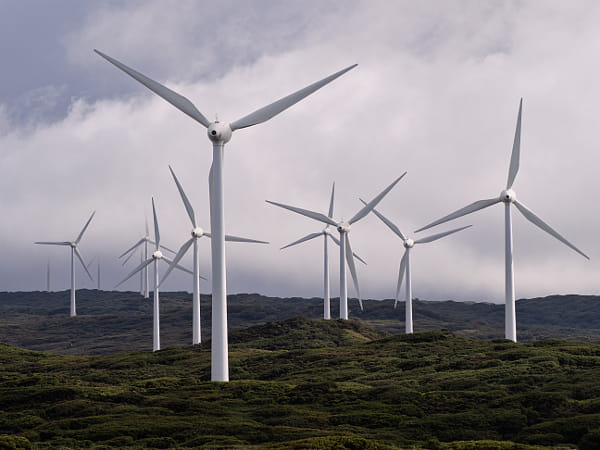
It seems a little perverse that we visited Albany Wind Farm when it was blowing a gale, but, that is what we did. Tourism Western Australia promotes this as a destination which I find quite strange, but then I’ve just found out that the old Battersea Power Station in London is now a tourist destination. If you told me 50 years ago that tourists would visit it I’d have thought you’d gone doolally tap. Albany Wind Farm doesn’t have shops and accommodation for tourists, rather it has 18 wind turbines plonked on top of 80m cliffs overlooking the Southern Ocean. We weren’t interested in the wind turbines, we were interested in the coastal heath that grows beneath them and what lives in that.
Albany Windfarm.
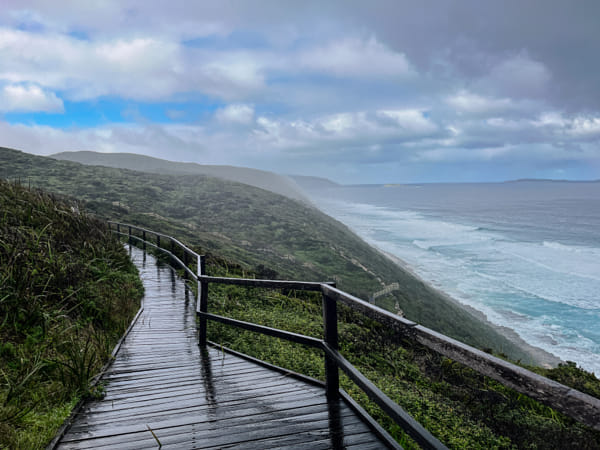
Wet, cold and windy.
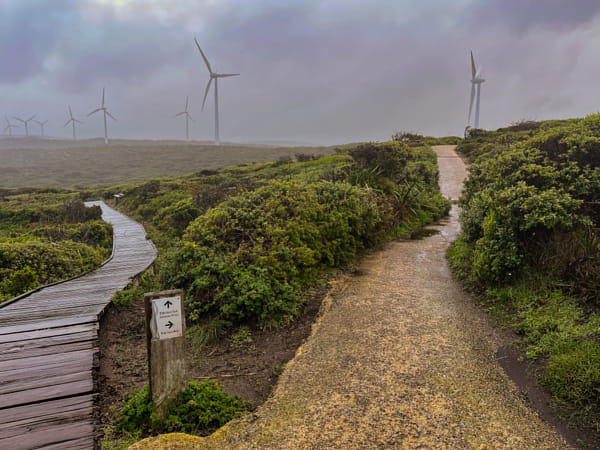
The Bibbulmun Track intersects with the Albany Wind Farm walk trail.
Ostensibly we were looking for the Southern Emu Wren. They are incredibly shy and difficult to find at the best of times and next to impossible when it’s blowing a gale, bucketing down and absolutely taters. The closest I got was a glimpse of the rear end of one in a bush just before it flew off. Very, very frustrating. In fact it wasn’t just the weather that was making things difficult, my camera was misbehaving as well and wouldn’t focus on anything even if it did sit still. It was not a good day out. After a regroup it was decided to return the next morning as the weather forecast was better and importantly, while we didn’t see a lot of bird activity we could hear it in the undergrowth. It wasn’t all bad as I did get a photo of a Fan-tailed Cuckoo which was a first.
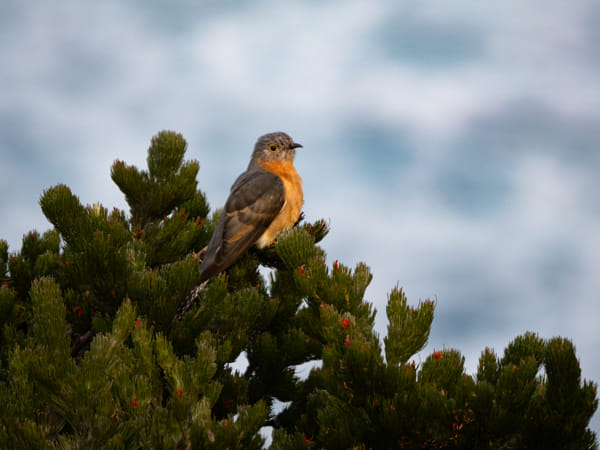
Definitely not singing in the rain. Djoolar or Fan-tailed Cuckoo (Cacomantis flabelliformis).
The next morning was considerably better. The wind was still blowing, but that was to be expected as they wouldn’t have sited the wind farm here if it wasn’t windy, but most importantly it had stopped raining. It’s amazing how a bit of sunshine improves the morale. I’d also checked the autofocus settings on the camera and found that I’d been playing around with them and hadn’t put them back to what they were. AF systems in modern mirrorless cameras are so complicated and you only have to make a small change and everything can go out of whack. Live and learn.
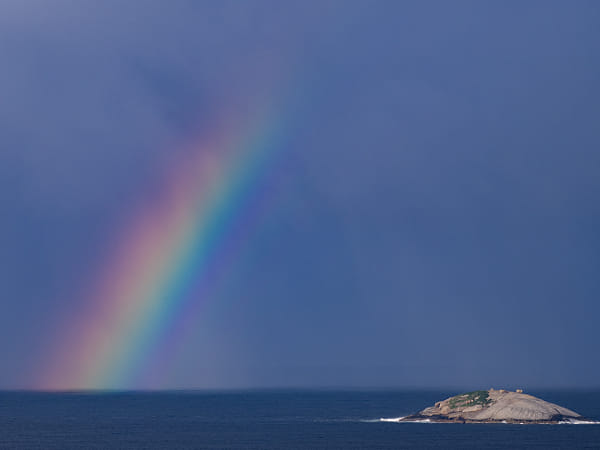
A rainbow over Stony Island viewed from the Albany Windfarm.
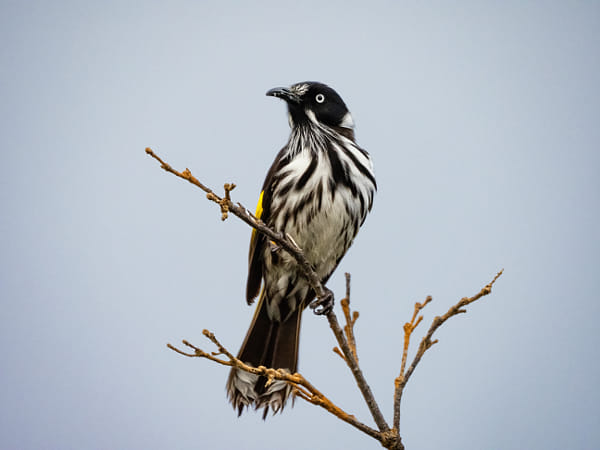
Bandiny or New Holland Honeyeater (Phylidonyris novaehollandiae). Albany Windfarm.
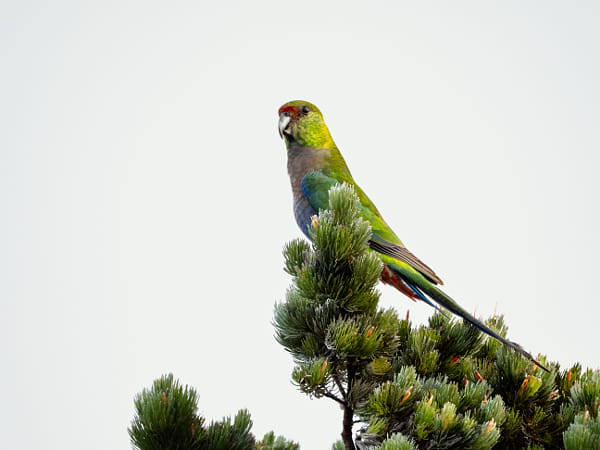
Juvenile Delyip or Red-capped Parrot (Platycercus spurius).
A happier and drier Fan-tailed Cuckoo.
On getting home after a very full week we’ve already talked about returning to the Great Southern later in the year or early next as we feel there is a lot more to see and do. I must say that on the camera front that if you intend to stand on a cliff top in the driving wind and rain and take photos then I heartily recommend you take one of the Olympus/OM System series one cameras. I’m always amazed at how well they cope with bad weather.
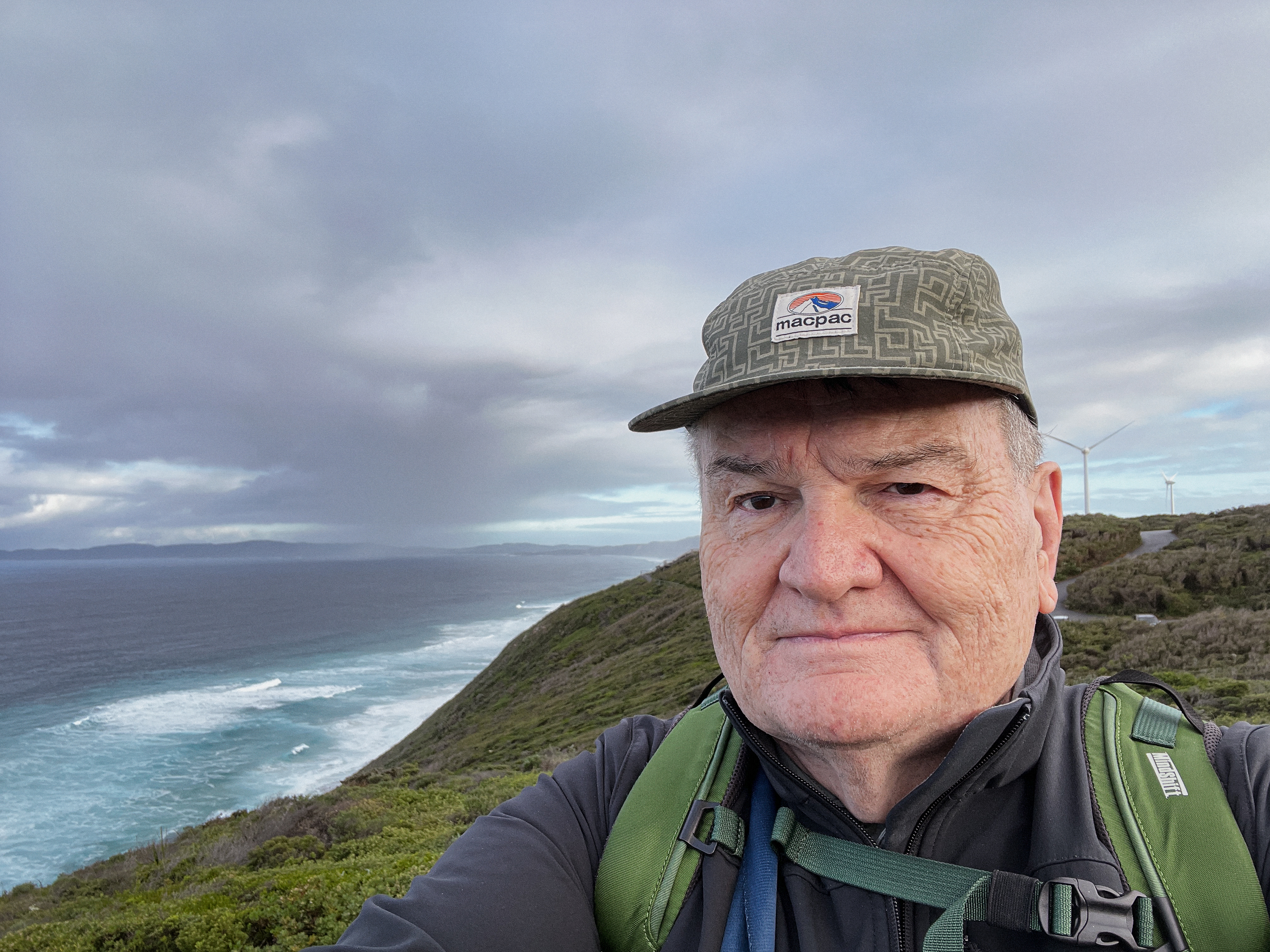
A windswept yours truly feeling a lot happier on our second visit to the Albany Wind Farm.
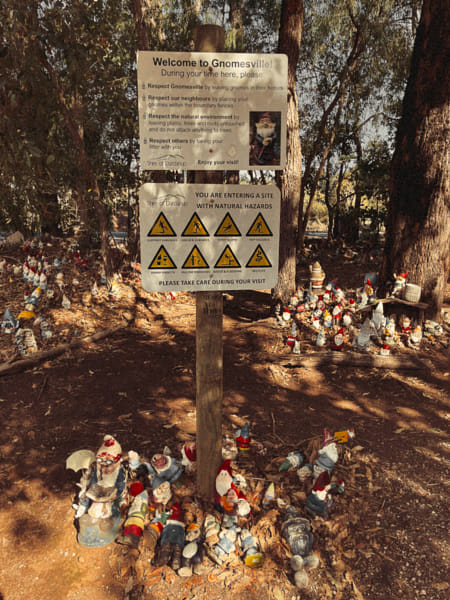
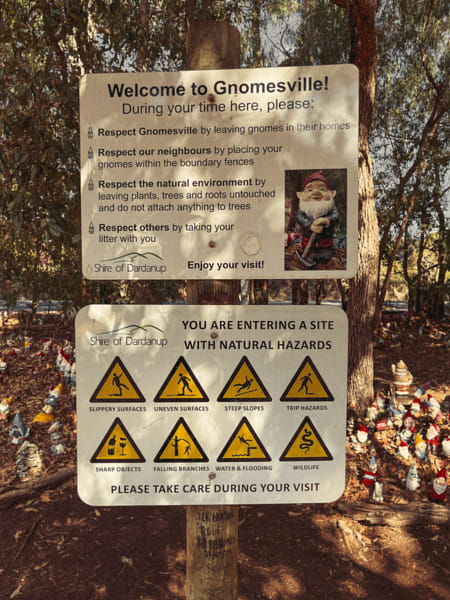
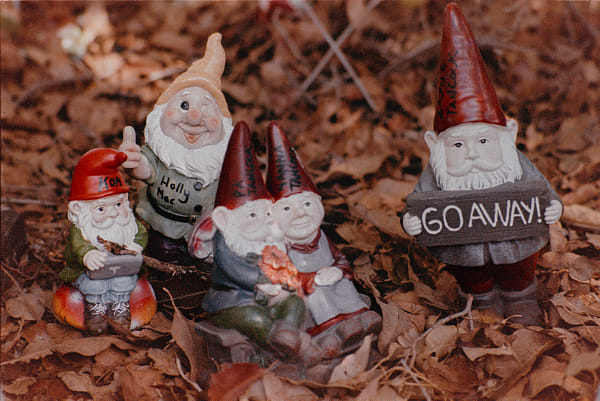
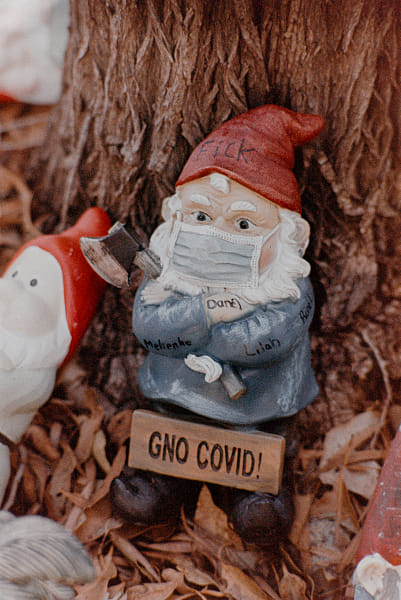
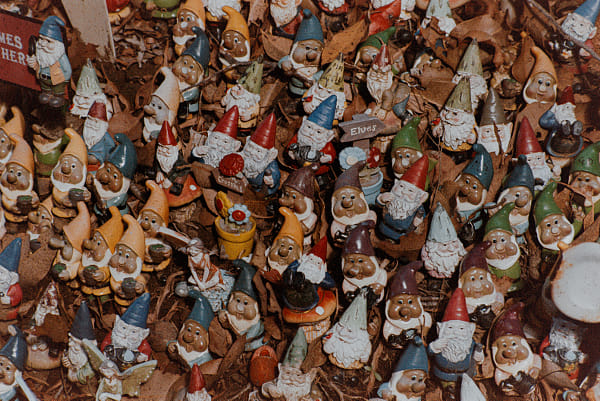
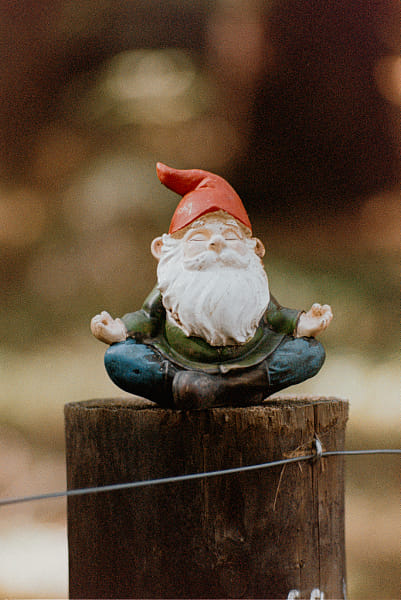
I first went to Gnomesville in January 2018. It was a fun experience and I used it to experiment with mounting some of my vintage (that makes me feel very old as I bought these lenses new) Olympus OM Zuiko lenses on a Sony A7r2. Well just recently we were in Balingup which isn’t far away and my partner expressed a desire to visit as she had never been. So we duly went.
This time round I was still taking the same OM Zuiko lenses, but they were being used with an Olympus OM40 film camera. The film stock I was using was the new to me Ilford Ilfocolor 400+ Vintage Tone colour negative. I must say I didn’t really understand what I was letting myself in for with this film. It has a very distinct look – muted tones with the reds boosted. More by chance than judgement the film suited the gnomes. Whether I continue to use the film stock is another question. The problem being is that the look is baked in and it doesn’t suit all subjects.
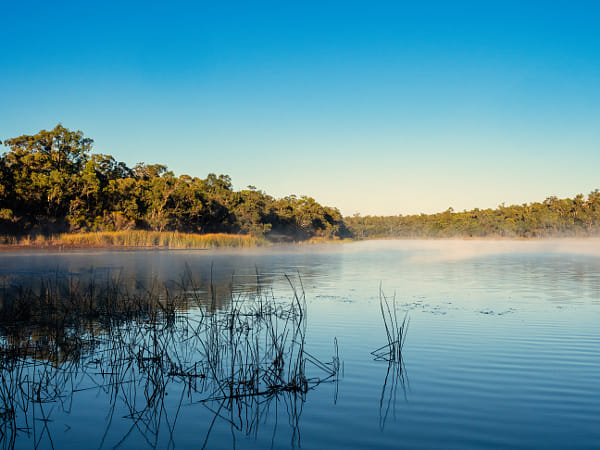
I must confess that in winter I find it hard to leave my bed while it is still dark and go to a location in search of wildlife. Invariably when I make the effort I’m always happy that I did. This week was no different, but, as I walked from the car down to the edge of Lake Leschenaultia I was greeted with a magnificent sight. The water was covered in mist and the sun’s golden light was just starting to be reflected in the water. Normally I take a slow walk around the lake photographing whatever I see. This time I was quite content to sit near the boat shed and just watch the interplay of the golden light and the mist. As the sun rose the mist was burned off and it was time to leave as the moment was over.
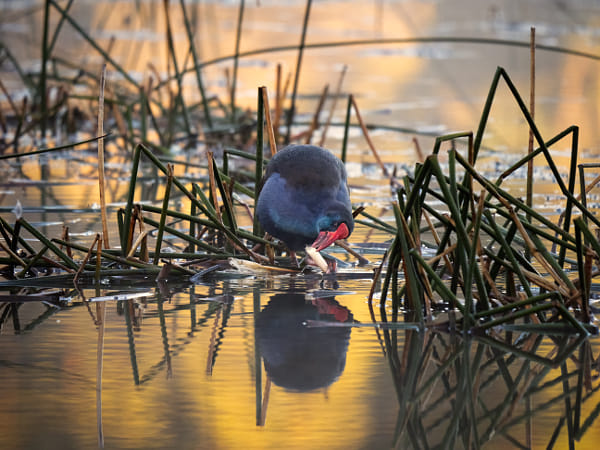
Kwirlam or Purple Swamp Hen (Porphyrio porphyrio) feeding on reed roots as the sun rises. Lake Leschenaultia, Western Australia.
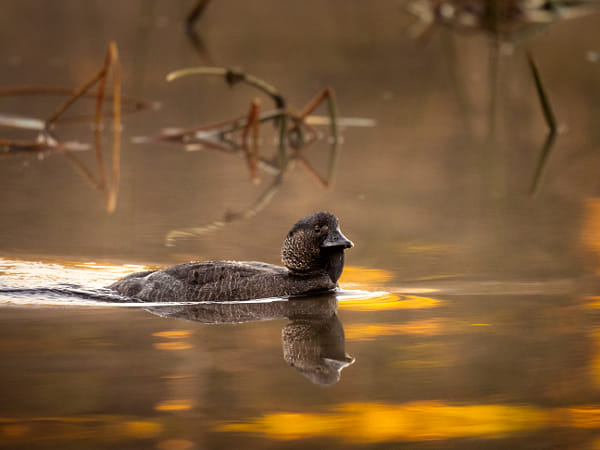
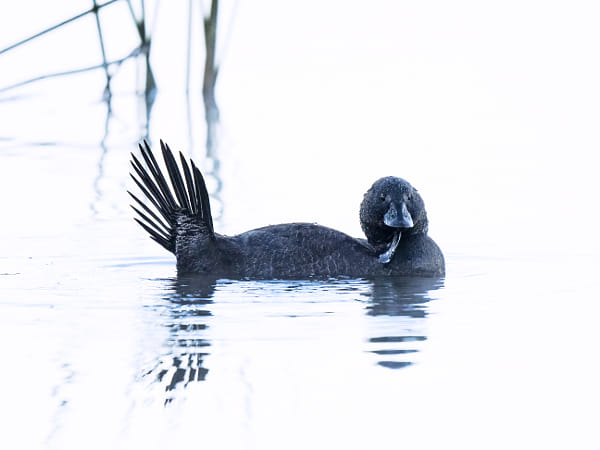
Kadar, Musk Duck (Biziura lobata). Lake Leschenaultia, Western Australia.
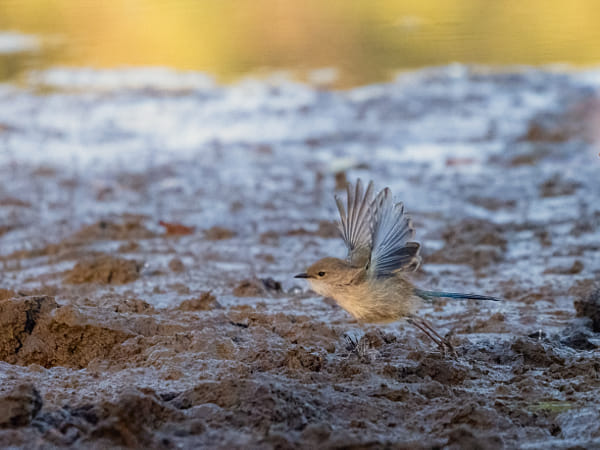
Djer-djer or Splendid Fairy-wren (Malurus splendens) chasing insects on the lake shore. Lake Leschenaultia, Western Australia.
I was so engrossed in the scene before me that it took me a while to take a photo of it. This was after about an hour when much of the mist had been burnt off by the warmth of the sun.
The Musk Duck (Biziura lobata) in the shade and the mist. Lake Leschenaultia, Western Australia.
A few of the things I saw on the way back to the car.
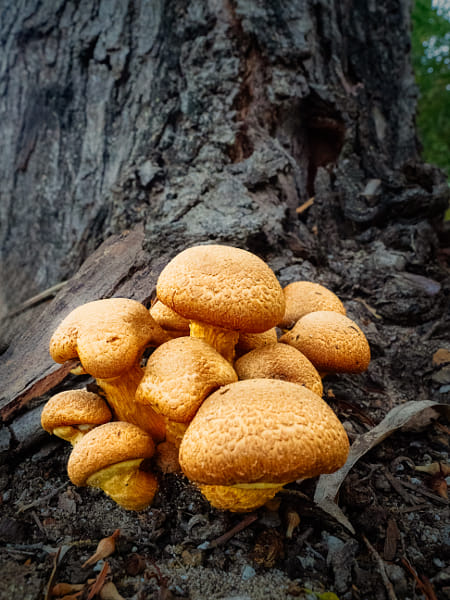
Spectacular Rustgill (Gymnopilus junonius) is typically found growing on tree stumps, logs, or tree bases. Lake Leschenaultia, Western Australia.
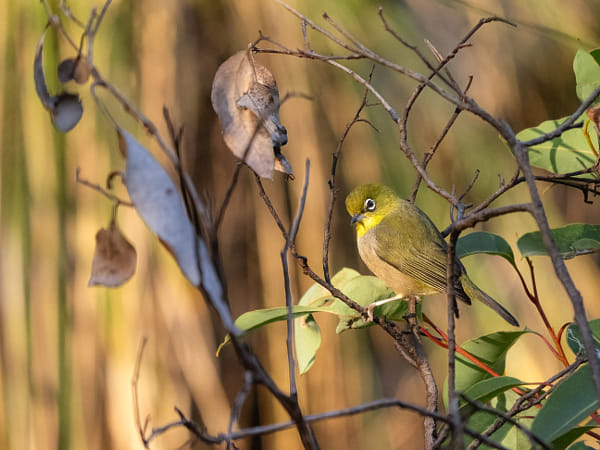
Doolor or Silvereye (Zosterops lateralis).
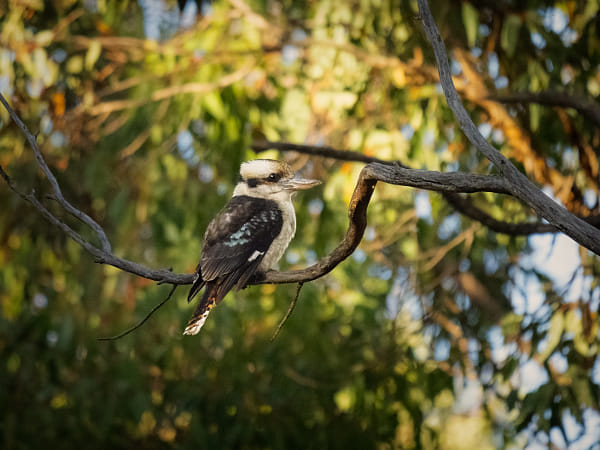
Kaa-kaa or Laughing Kookaburra (Dacelo novaeguineae).
*Early In The Morning is a track by Alexis Korner’s Blues Incorporated.
As I said last week we went to Balingup for a quick getaway. We stayed on a farm outside of town in a converted cowshed. It was an excellent spot. It was nice and quiet, but best of all the surrounding garden and fields were teeming with wildlife so I didn’t feel the need to go anywhere as it was all happening just outside the door. While all the photos in last week’s post we’re taken with my iPhone all the nature stuff was taken with an Olympus EM1x and my Panasonic Leica 100-400mm lens.
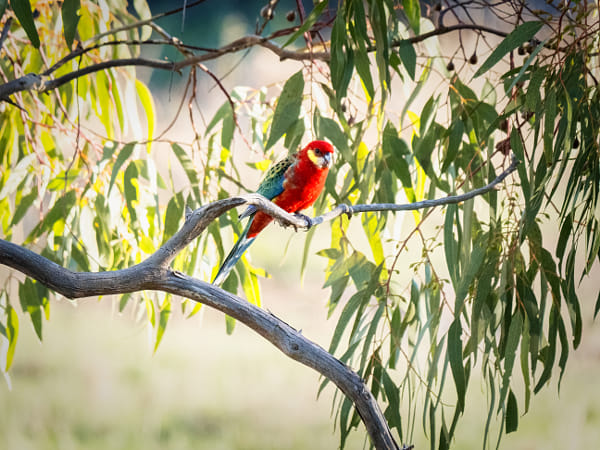
Bardinar or Western Rosella (Platycercus icterotis subs icteratis). Balingup, Western Australia.
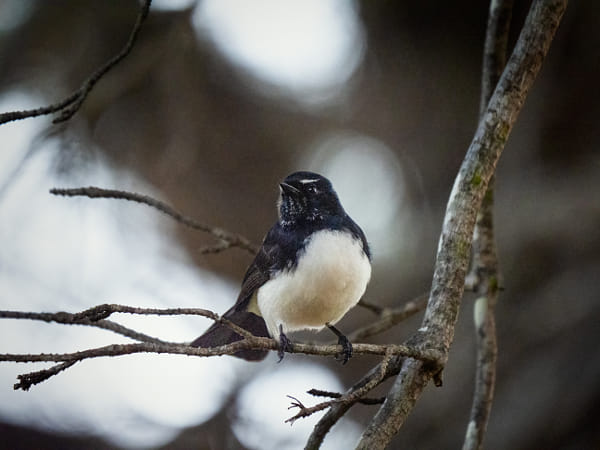
They get everywhere! Djidi-djidi or Willie Wagtail (Rhipidura leucophrys). Balingup, Western Australia.
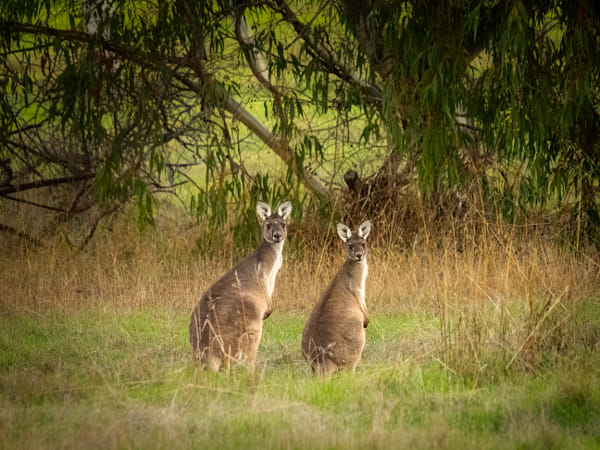
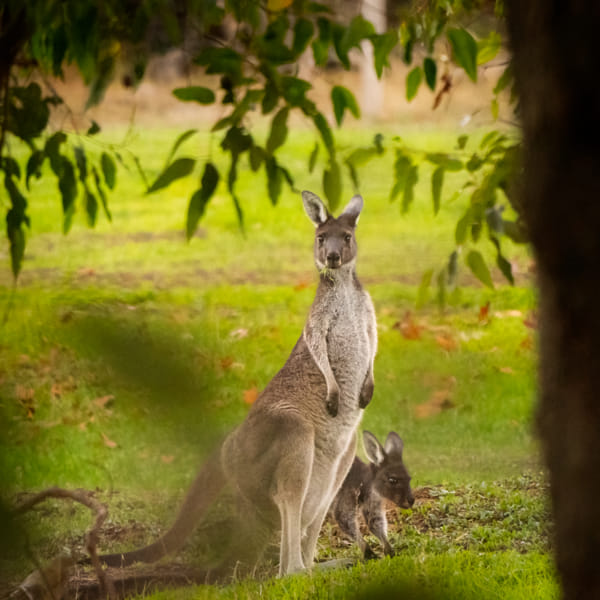
I’ve been spotted. Female and joey Yongka or Western Grey Kangaroo (Macropus fuliginosus). Balingup, Western Australia.
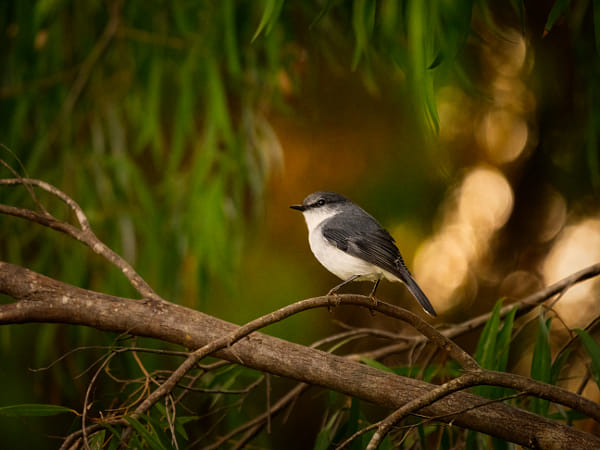
Boyidjil or White-breasted Robin (Eopsaltria georgiana). Balingup, Western Australia.
Djer-djer or Splendid Fairy-wren (Malarus splendens subsp splendens). Balingup, Western Australia.
Djangkang or Red Wattlebird (Anthochaera carunculata) feeding on a Silver Princess tree (Eucalyptus caesia).
The guardian of the driveway. Kadjinak or Grey fantail (Rhipidura albiscapa)
“Are you still here?”
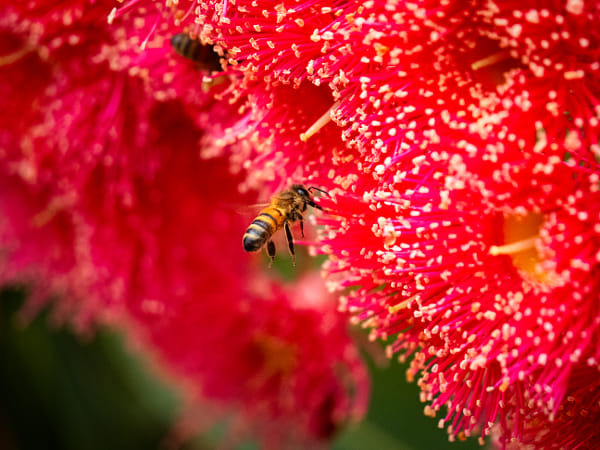
A European Honey Bee (Apis mellifera) feeding from the flowers of the Silver Princess tree (Eucalyptus caesia).
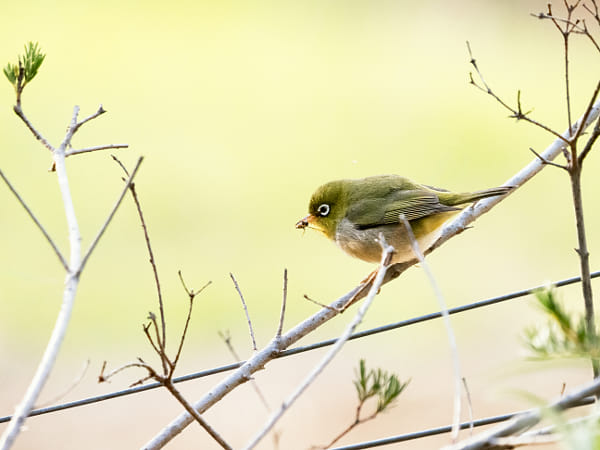
Doolor or Silvereye (Zosterops lateralis).
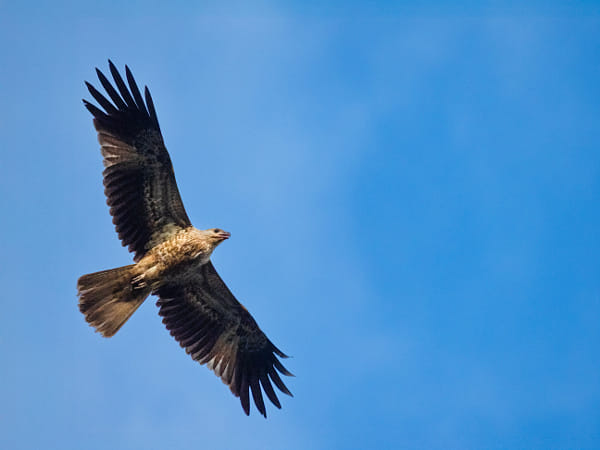
All the other birds went very quiet as this Djandoo or Whistling Kite (Haliastur sphenurus) flew over.
One of the things that I really miss about living in England is autumn. The shift from summer to autumn brings huge changes to natural environment – namely the leaves on the trees turn from green to yellow to reddish orange to brown and then fall. We don’t have that here as Australia’s native forests don’t have deciduous plants due to the milder winters. Yes the trees drop their leaves when they become heat stressed, but you don’t get the transformation that you do in deciduous forests.
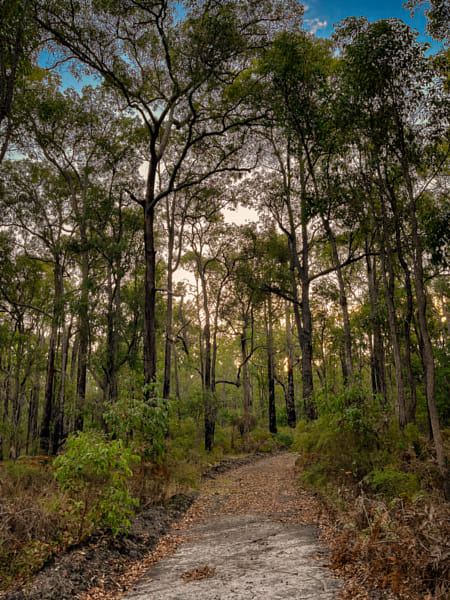
Typical south west Western Australian forest. Not a deciduous tree in sight. Balingup Racecourse Flora Reserve. Balingup, Western Australia.
In the south west corner of Western Australia, in the Blackwood Valley lots of settlers planted deciduous trees and they thrived in the cooler damper conditions. Situated in the valley is the small town of Balingup and it has developed a healthy tourism industry based around those trees and that is how we found ourselves in Balingup last week. Just walking along the main street we were treated to a riot of autumnal colour that we had literally not seen for decades. Oak trees and plane trees were in proliferation and it was such a thrill to see them. We took ourselves out to see the Golden Valley Tree Park which is just 1.5Km outside Balingup. The park is a huge arboretum based around the old Golden Valley Homestead and within the sixty hectares there are over 3000 trees made up of some 500 different species. Twenty five hectares is devoted to Australian trees and the remainder to the World Collection. We walked the Oak Grove Walk were there were forty different species of oak tree which was pretty mind boggling.
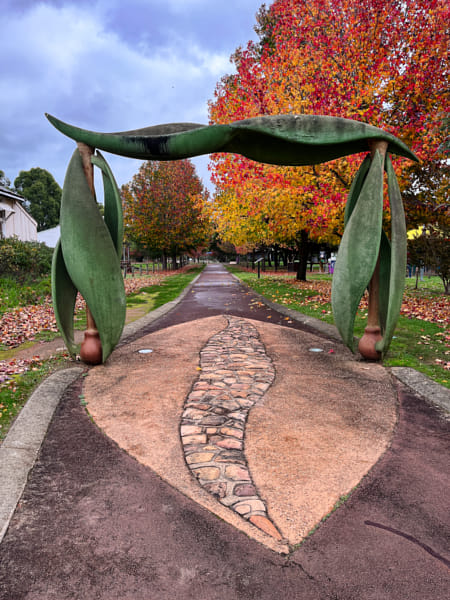
The start of the Birdwood Park Oaks Walk at the Balingup Village Green. Balingup, Western Australia.
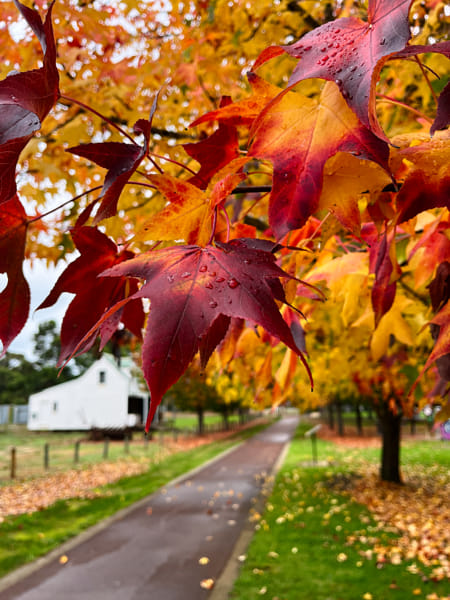
A close up of the glorious plane tree leaves in the Balingup Village Green.
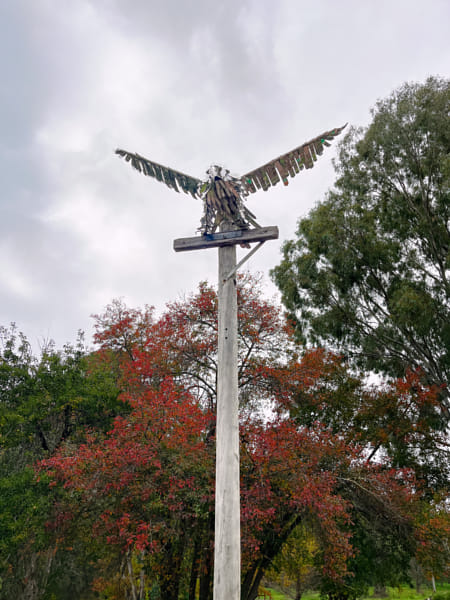
More autumnal colour behind the chromium eagle (Aquilla nitidus). Balingup, Western Australia.
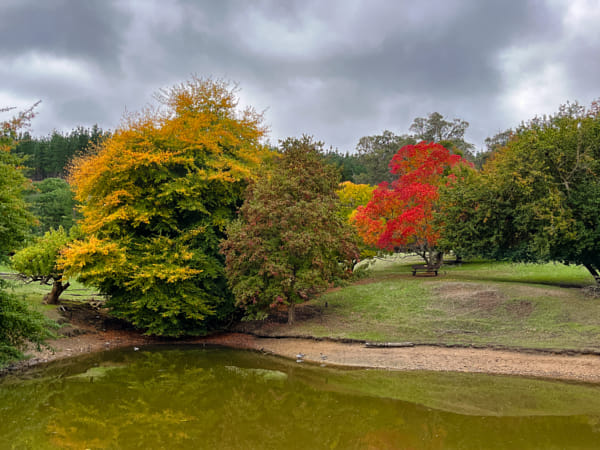
Golden Valley Tree Park in autumn living up to its name. Balingup, Western Australia.
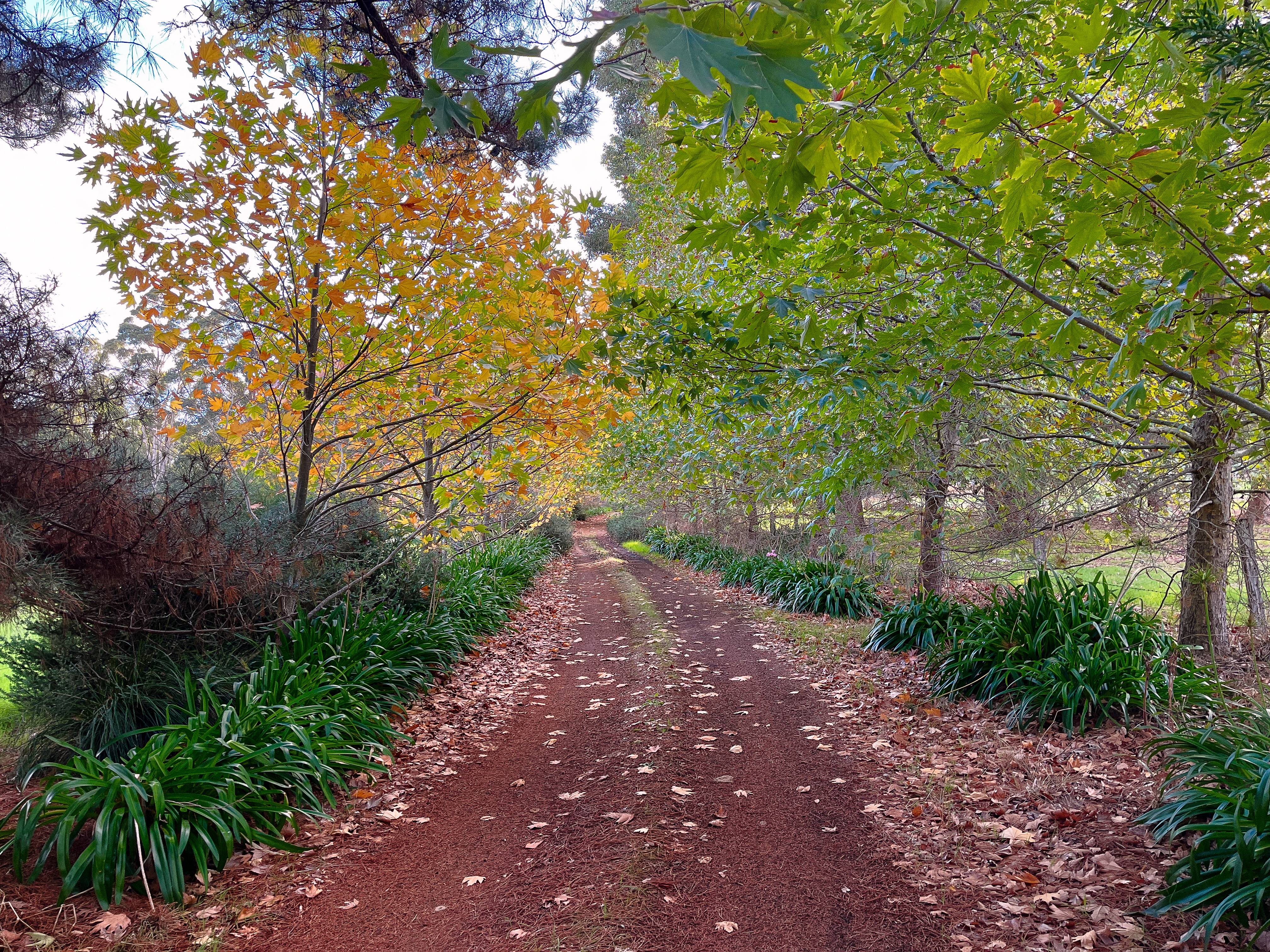
The driveway to the holiday accomodation we had in Balingup, Western Australia.
It was great fun just soaking up all that colour. Funnily enough although I had my photo pack with digital and film cameras the camera that I used to record it all was my iPhone. It was just so convenient.
The weather has finally broken and we’ve had some decent rain. Around Easter time York shifts into gear by acting as the host for numerous weekend events. The York Motorcycle Festival being the first one this year. Now to be perfectly honest motor vehicles have no allure for me at all – to be totally frank they bore the faecal matter out of me – but, I often attend the festival just for the photographic opportunities and this year was no different. What was different was that I used two cameras, one a Sony A6500 with Sigma 23mm f1.4 lens and the other a Canon EOS 30 with a Canon EF 24-70mm f4 lens loaded with Ilford FP4+ . I’m not going to say which was which because that’s not the point. I didn’t come away with anything breathtaking but it was fun couple of hours walking up and down taking photos.





You must be logged in to post a comment.