It is often said that a good photographer makes pictures not takes them. So this week I was well prepared, unlike last week. I’d packed everything the night before, checked the weather forecast and made the right clothing choices. I’d worked out what species I was going to photograph and how. I knew exactly how I was going to process the images on return home. What could possibly go wrong? As it turned out plenty. Firstly the weather didn’t play ball – I’d wanted mist rising off the water. When I got up there was mist, as I was driving there was plenty of mist, but when I got to Lake Leschenaultia there was absolutely no mist at all. I was looking to photograph and video three species – spotless crakes, Australian reed warblers and Australasian grebes. The birds didn’t get the memo and were a no-show. To cap it all the video head on my tripod broke so that meant shooting any video was out of the question.
At this stage it would have been very tempting to go home, but I was there and it was a beautiful morning so I decided to make the most of it by walking round the lake. As I made my way round I happened on a few chance encounters, but, when I left to go home I didn’t think I’d made anything worthwhile and I felt a little despondent. So as I looked at the images on the computer I was pleasantly surprised – out of the nearly forty images I had taken four stood out and after processing them I was quite happy. They’re not masterpieces by any means, but they made me happy and that’s all that matters.
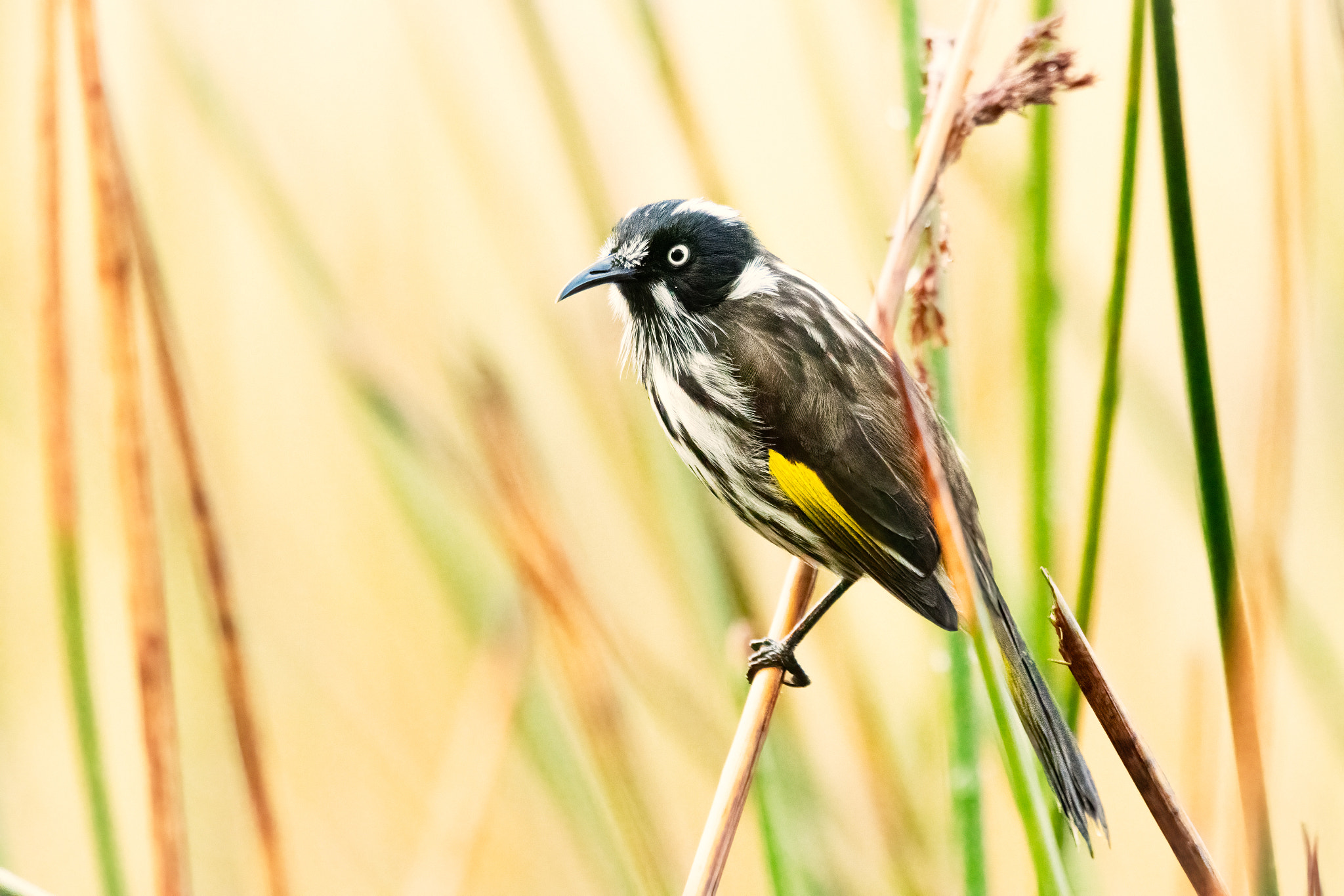
Bandiny or New Holland Honeyeater (Phylidonyris novaehollandiae). Lake Leschenaultia, Western Australia.
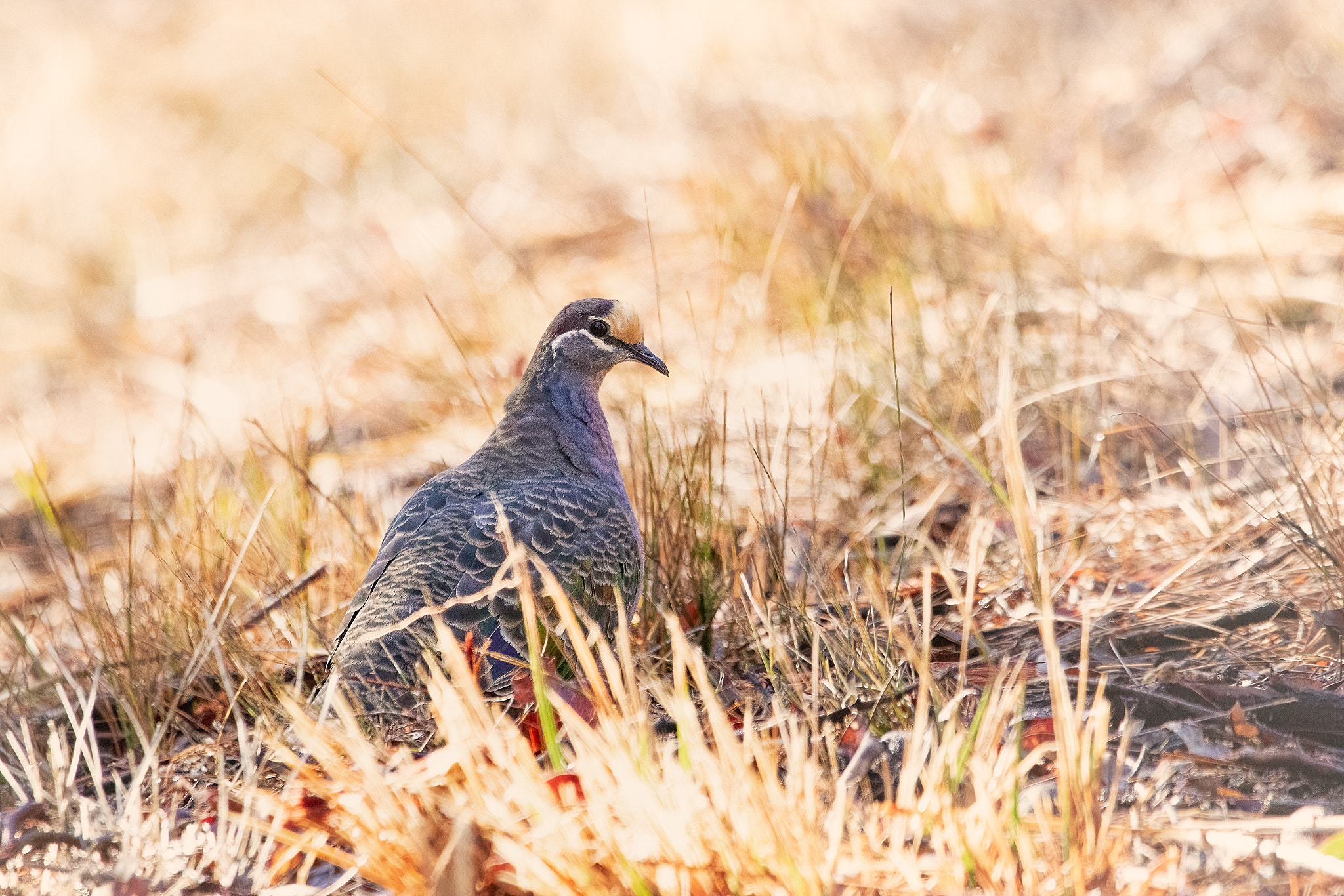
Nembing or Common Bronzewing, (Phaps chalcoptera). Lake Leschenaultia, Western Australia.
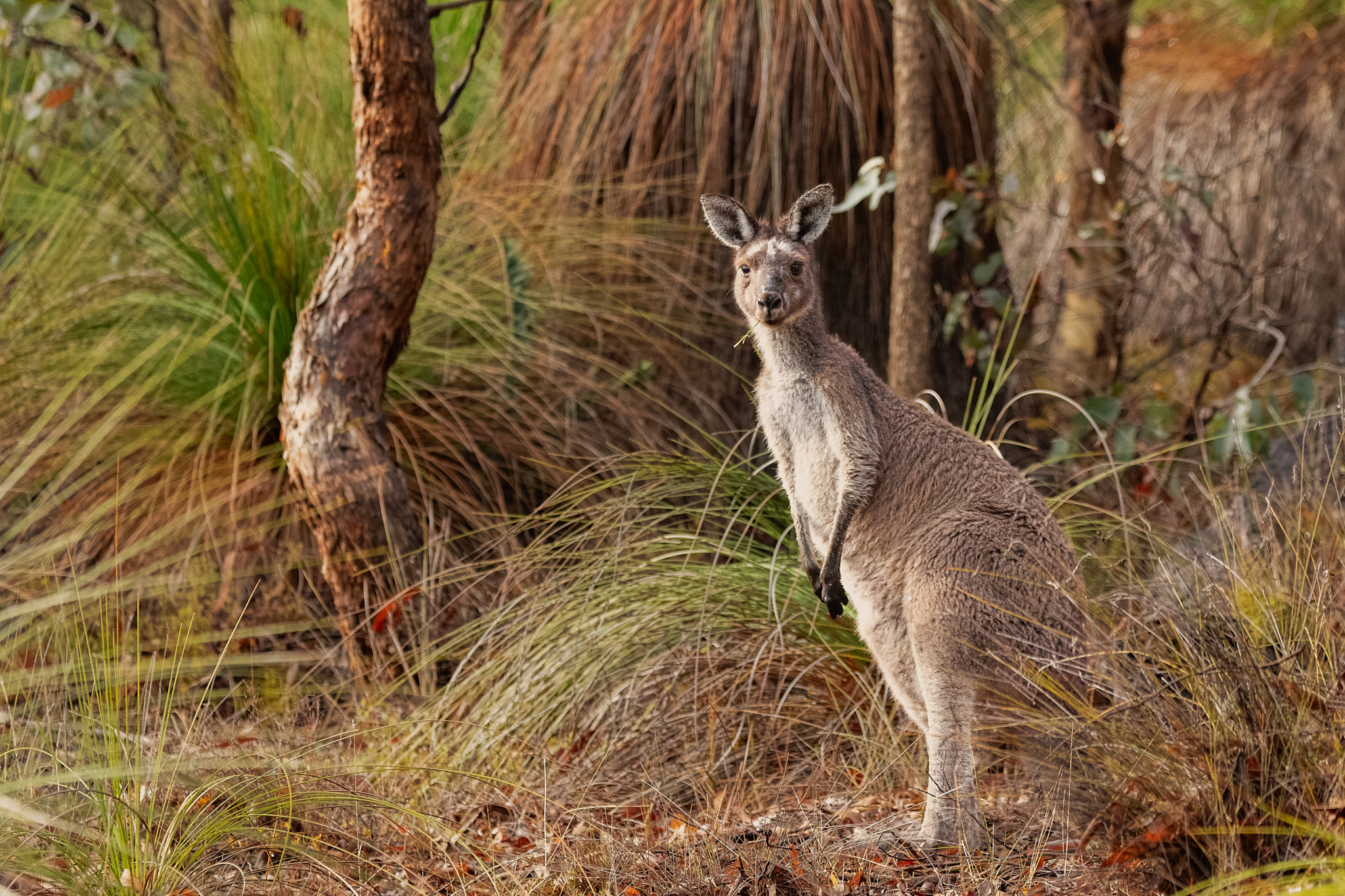
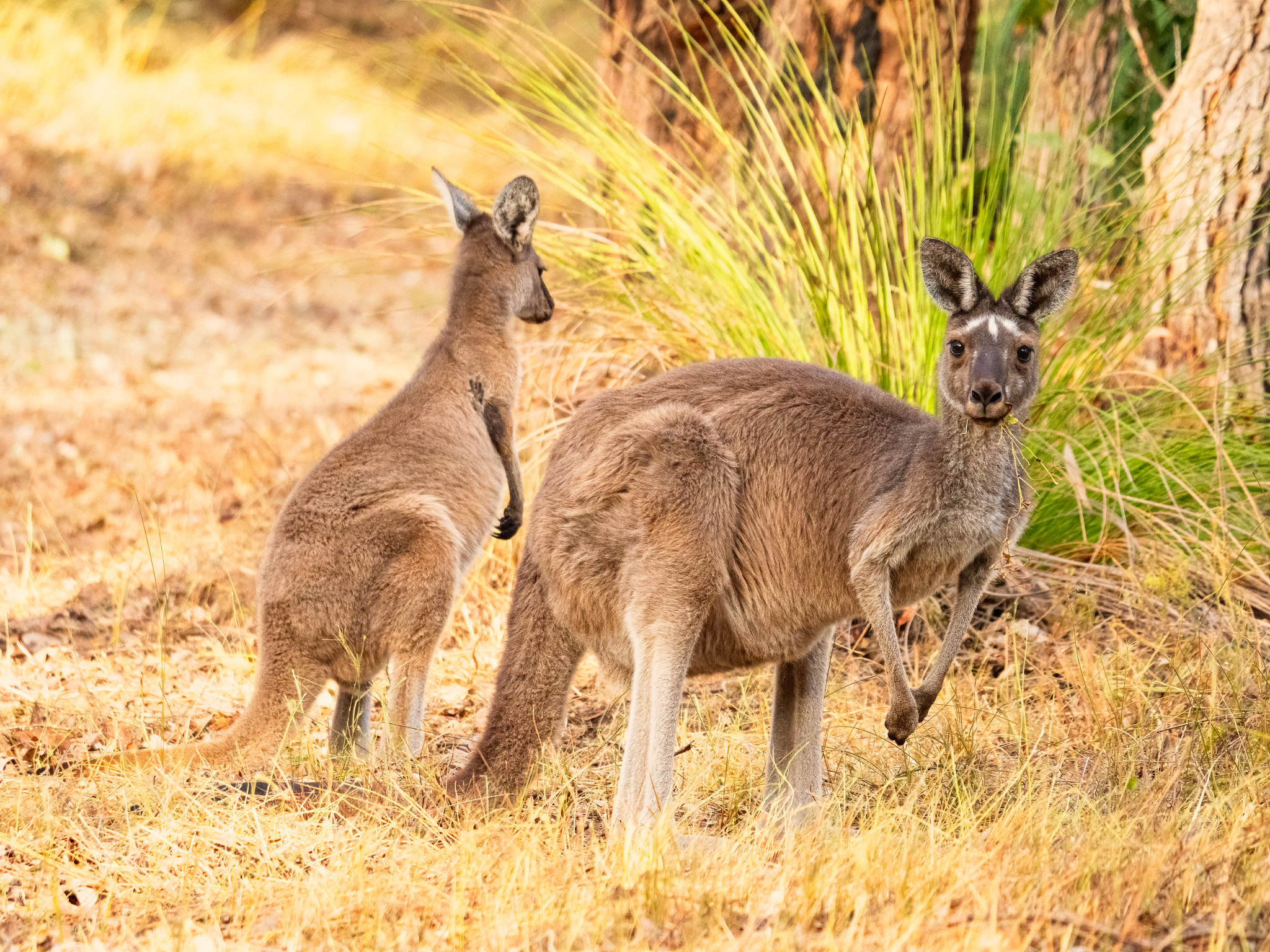
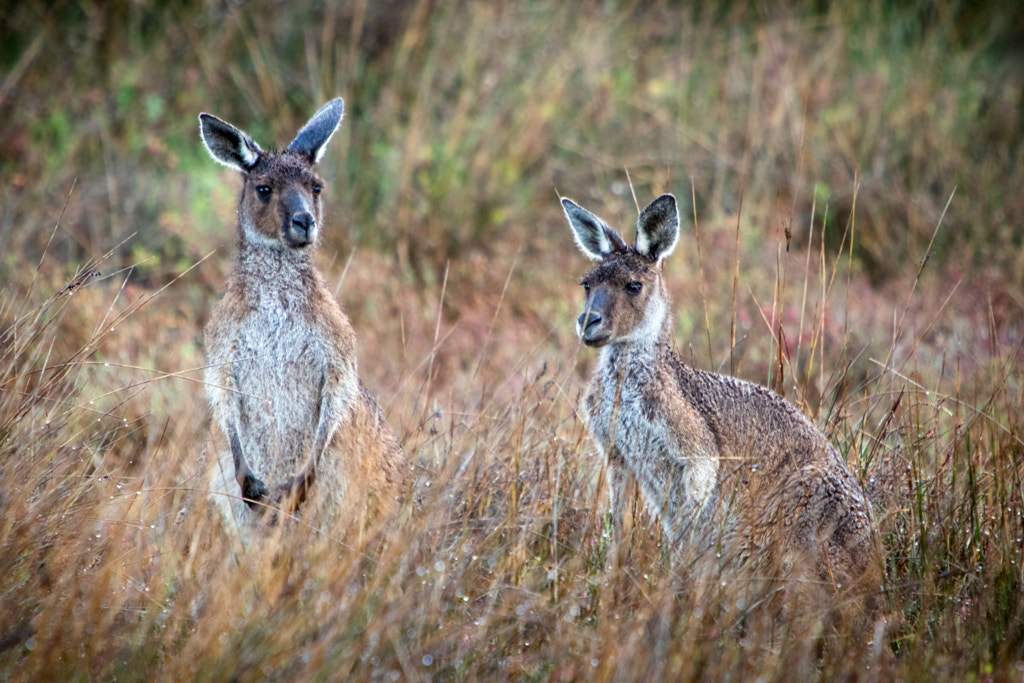
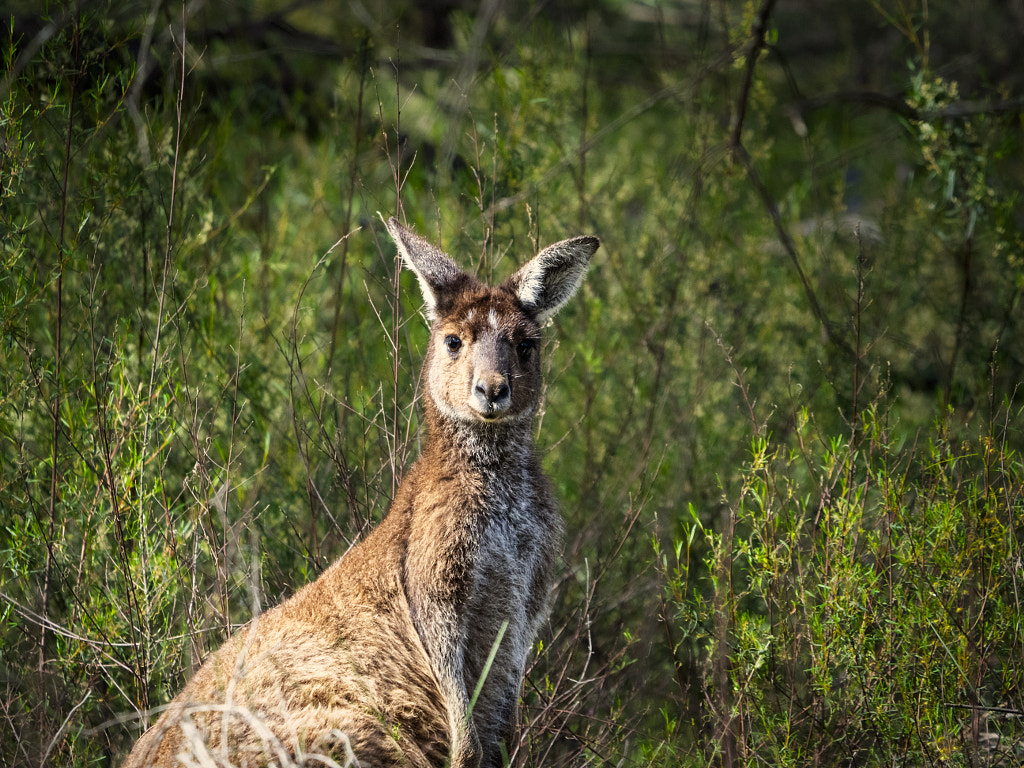
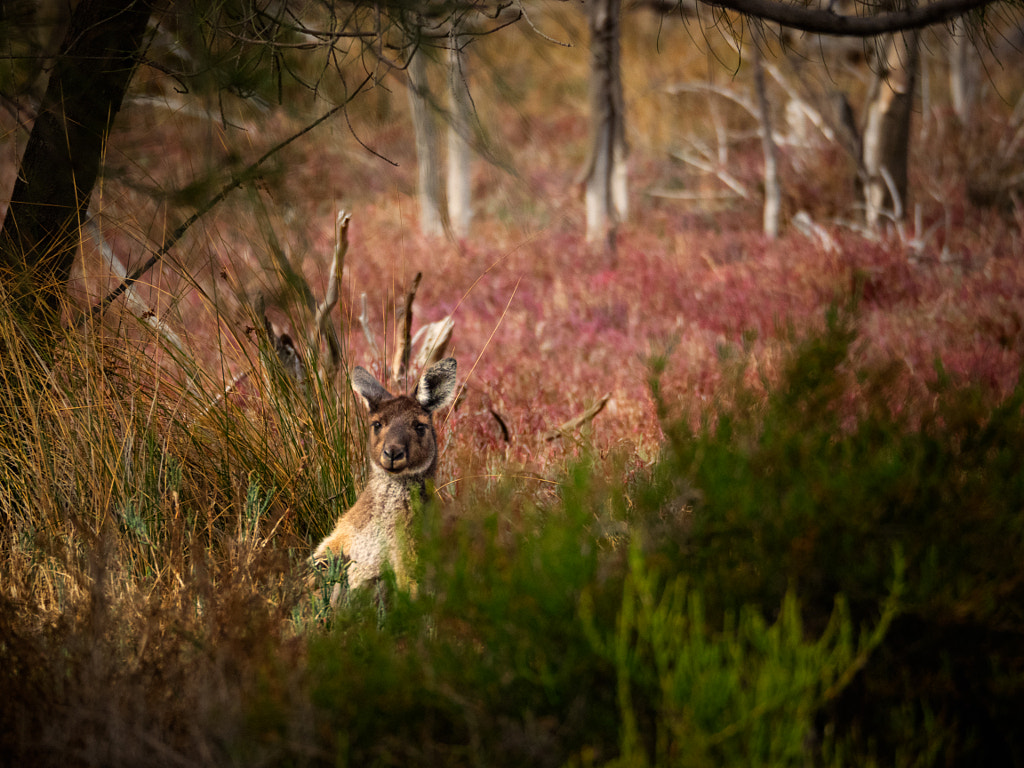
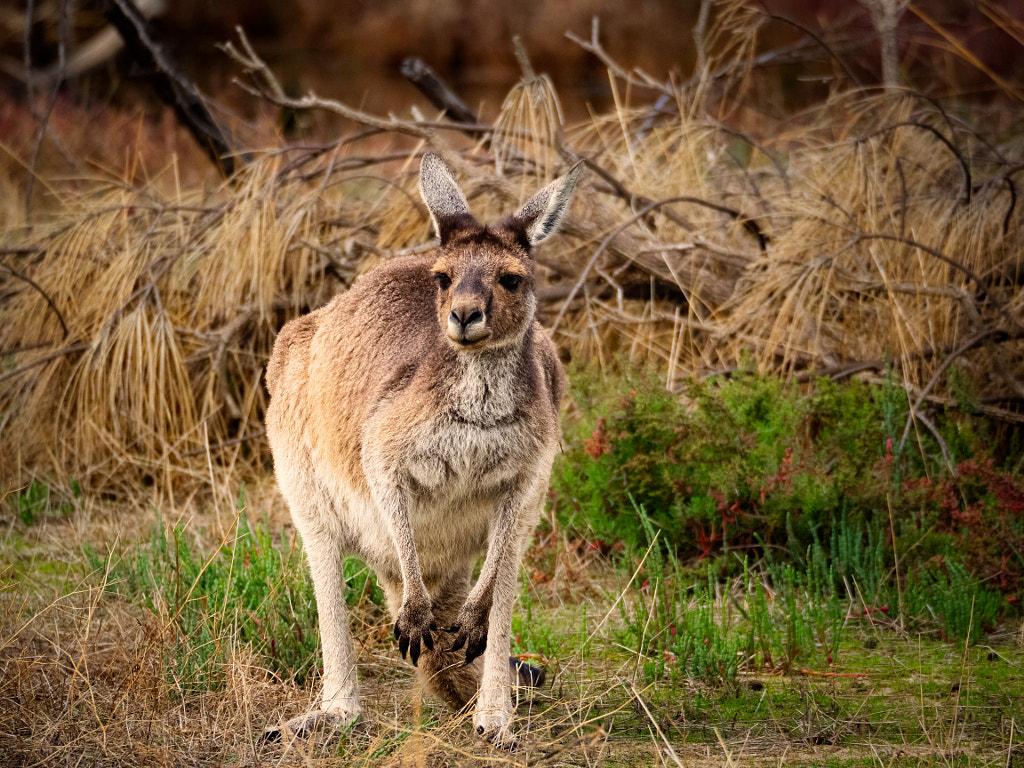
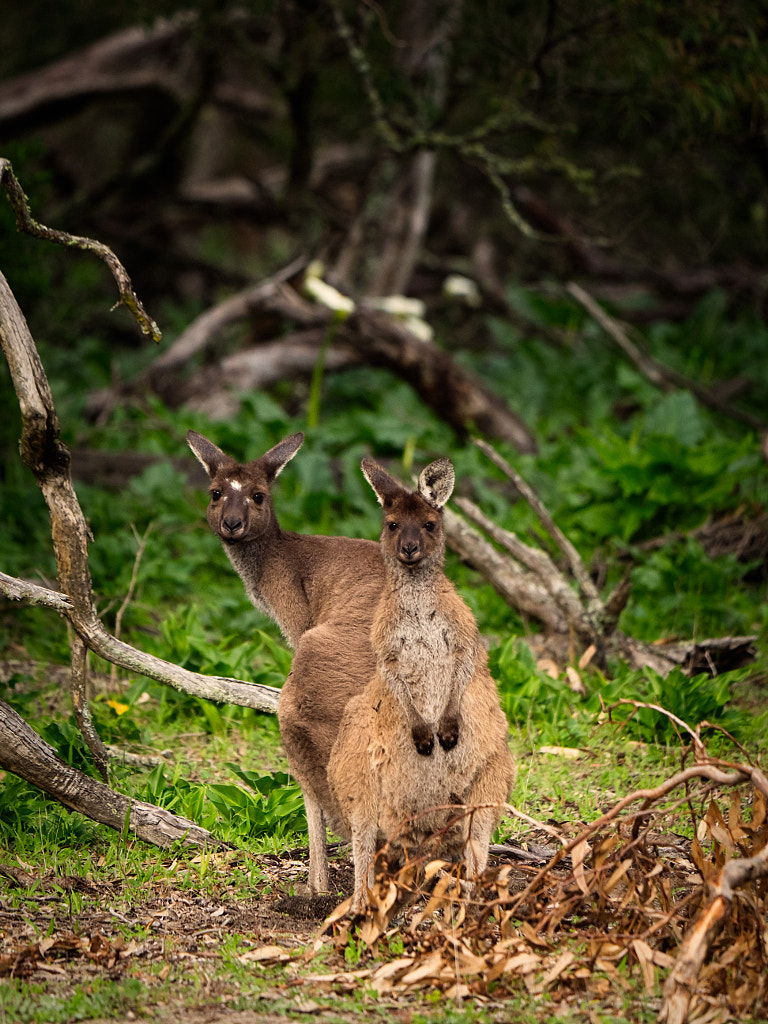
Yongka or Western Grey Kangaroo (Macropus fuliginosus) wondering what I’m up to. Lake Leschenaultia, Western Australia.
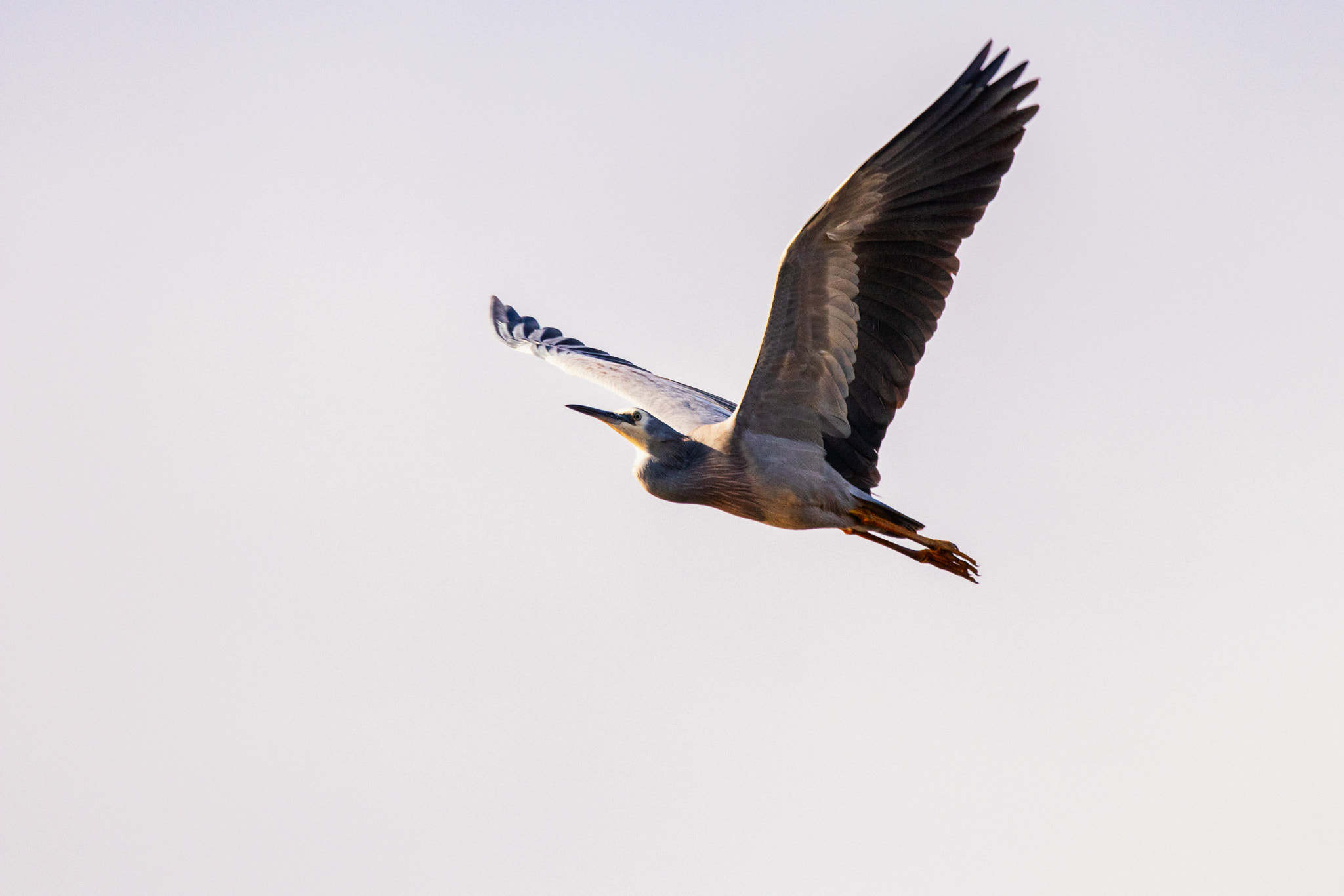
Time to head home. Wayan or White-faced Heron (Ardea novaehollandiae). Lake Leschenaultia, Western Australia.
The girls stop grazing to welcome me. Yongka or Western Grey Kangaroos (Macropus fuliginosus) at Lake Leschenaultia, Western Australia.
Not having had kids I loose track of things like school holidays so when I arrived at Lake Leschenaultia at 6:30 am the other day I was surprised with how many kids were playing on the foreshore at the top end of the lake. It was only as I passed the packed camping area I realised we must still be in the Easter holidays. The other thing that caught me off guard was the water level. I’ve never seen it so low – you could walk out in the reed beds. The water birds were staying in what was left of the water out in the middle and any attempt to approach them meant that you were quickly up to your knees in black sticky smelly mud.Not what I had gone for and I was torn between heading back home or heading down to the forested area at the far end of the lake in the hope that it would be quite and I’d have a chance of seeing some wildlife. I decided to stay and try and make the most of being there – it was after all a beautiful morning. The sun waspeaking over the tree tops and gave the forest a nice warm glow and it was the perfect temperature for a walk around the lake. As I walked down the path along the lakeside I met a couple Kangaroos who looked equally nonplussedat the hoard of screaming children. We looked at each other for a few minutes and they got back to the serious business of grazing.
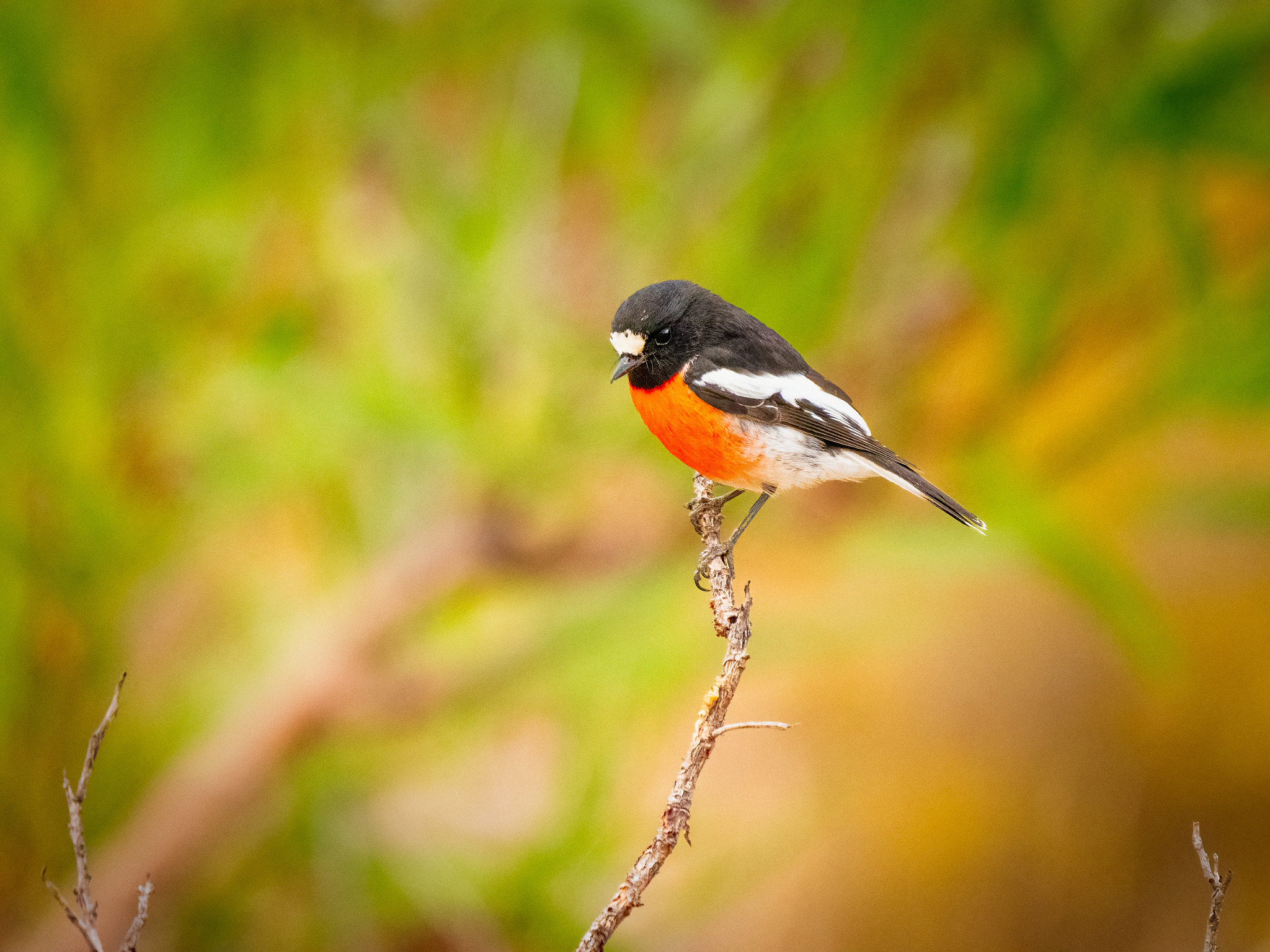
Dermokalitj or Scarlet Robin (Petroica boodang). Lake Leschenaultia, Western Australia.
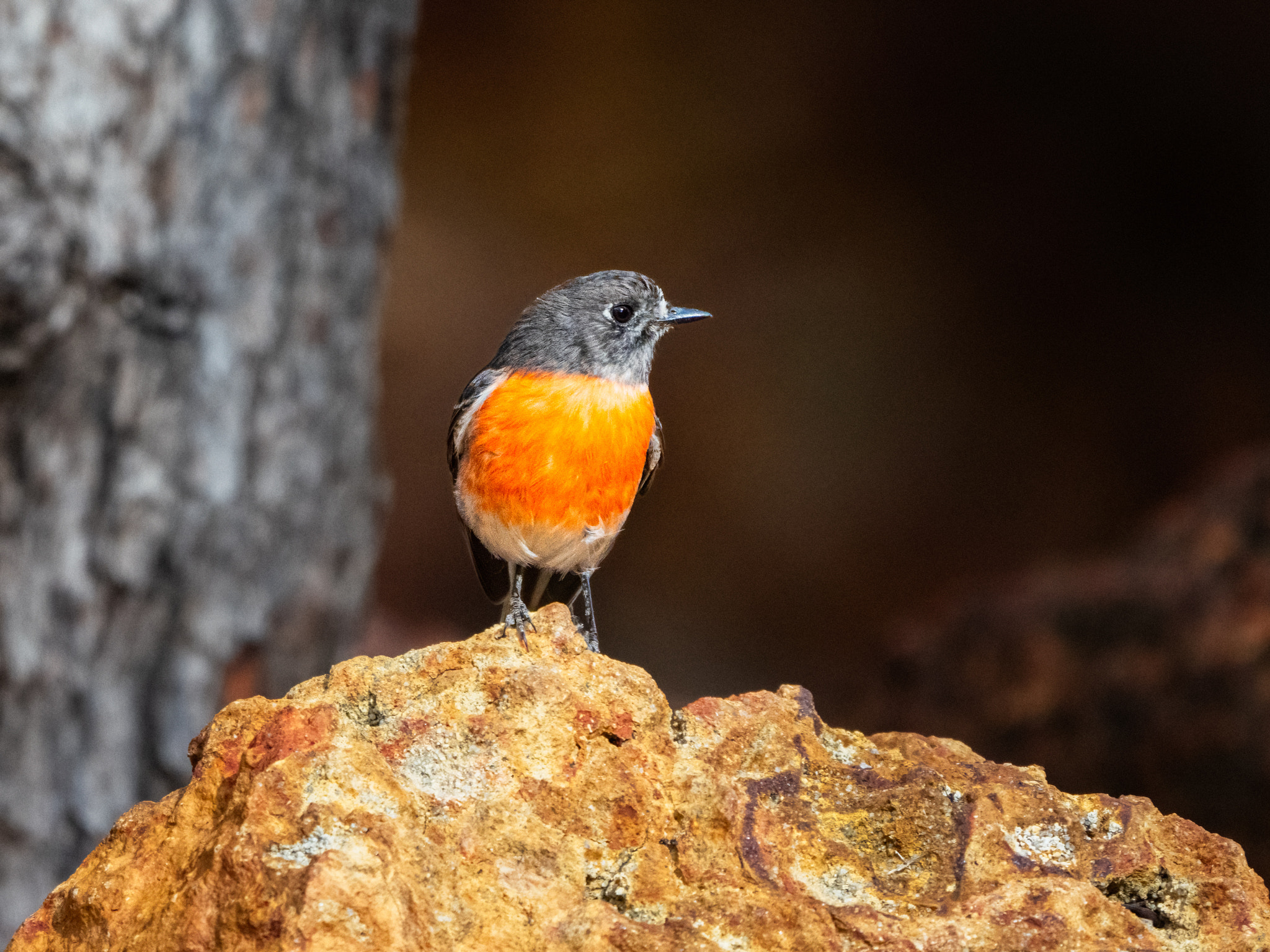
Dermokalitj or Scarlet Robin (Petroica boodang). Lake Leschenaultia, Western Australia.
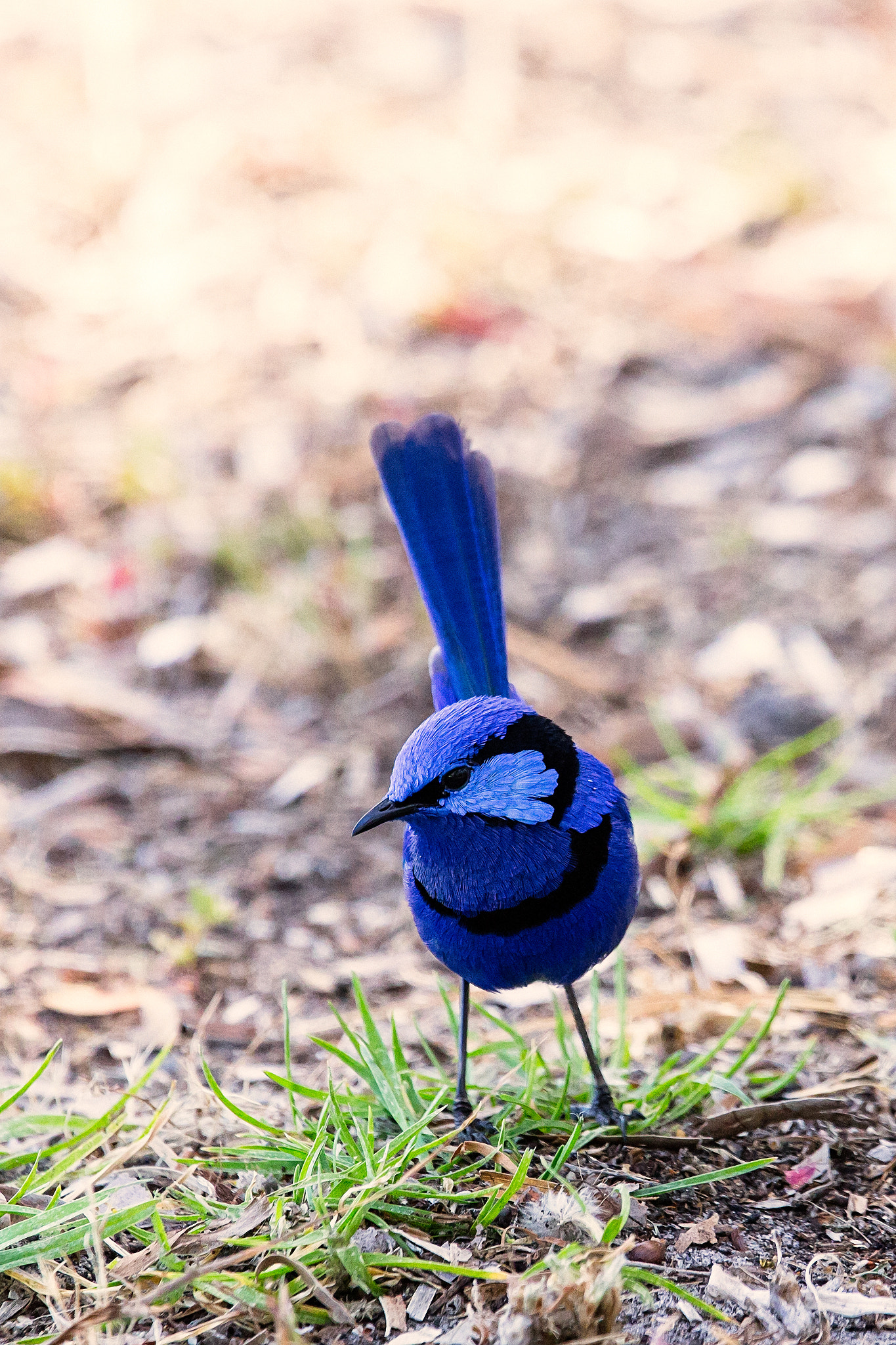
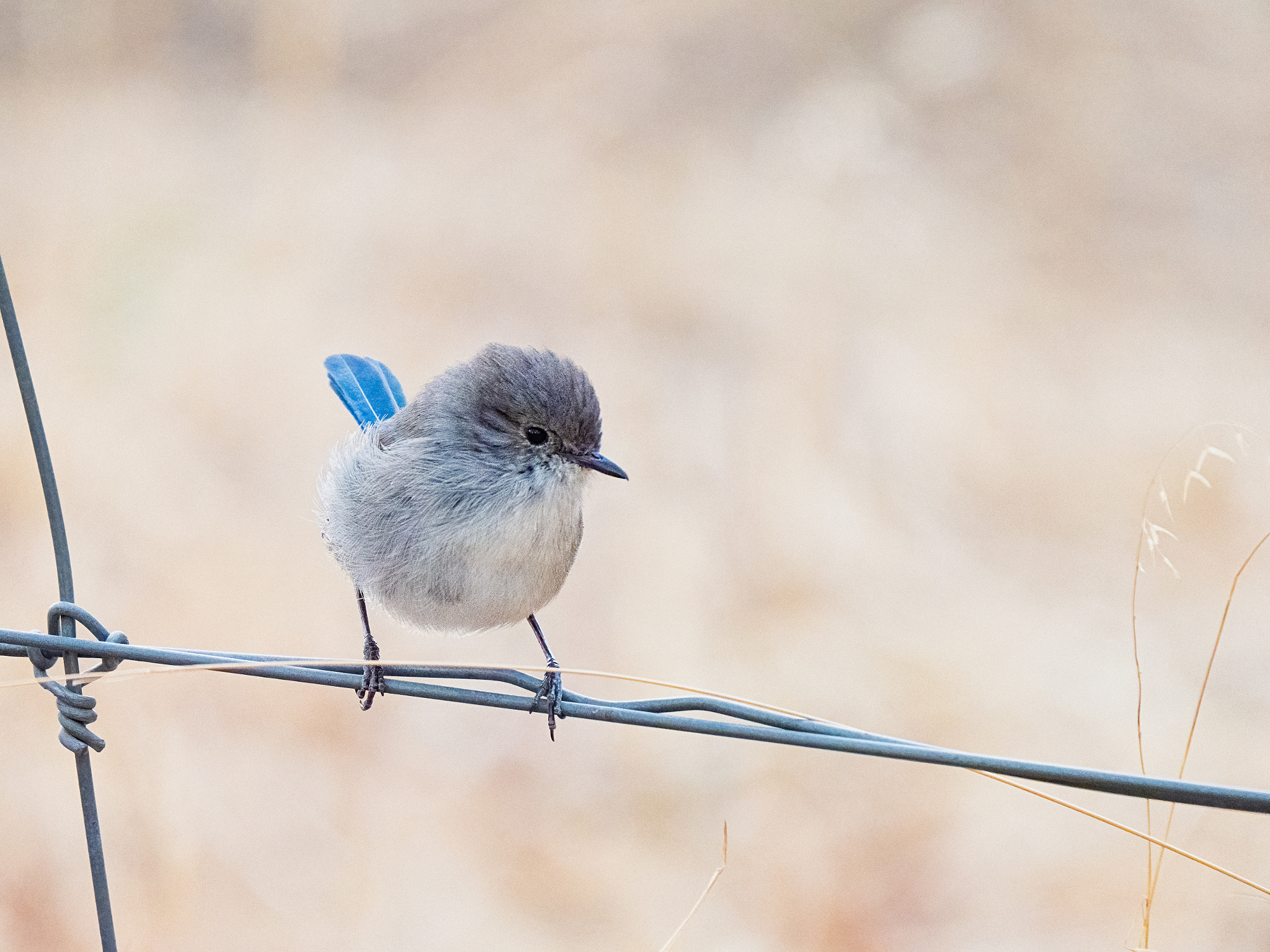
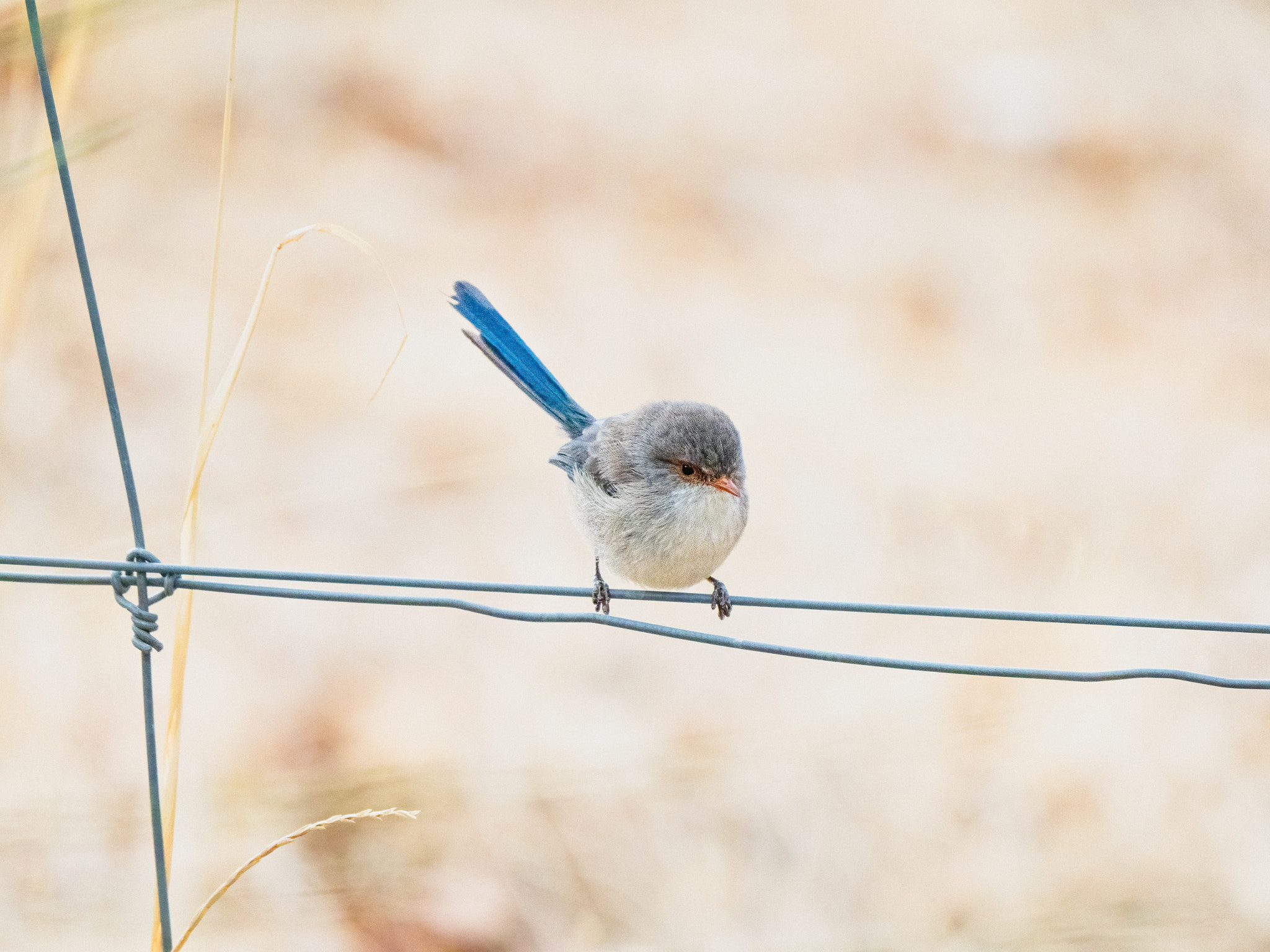
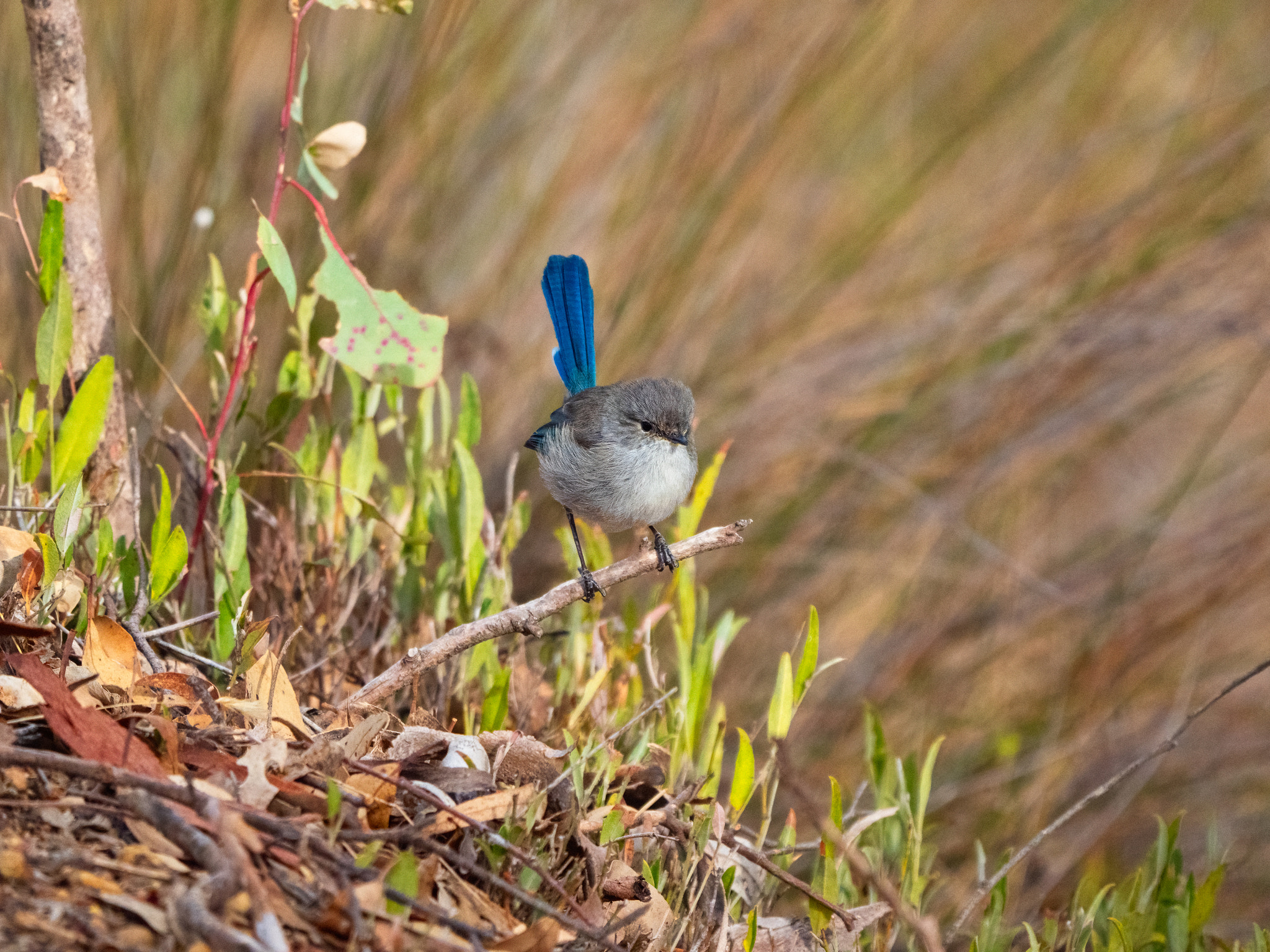
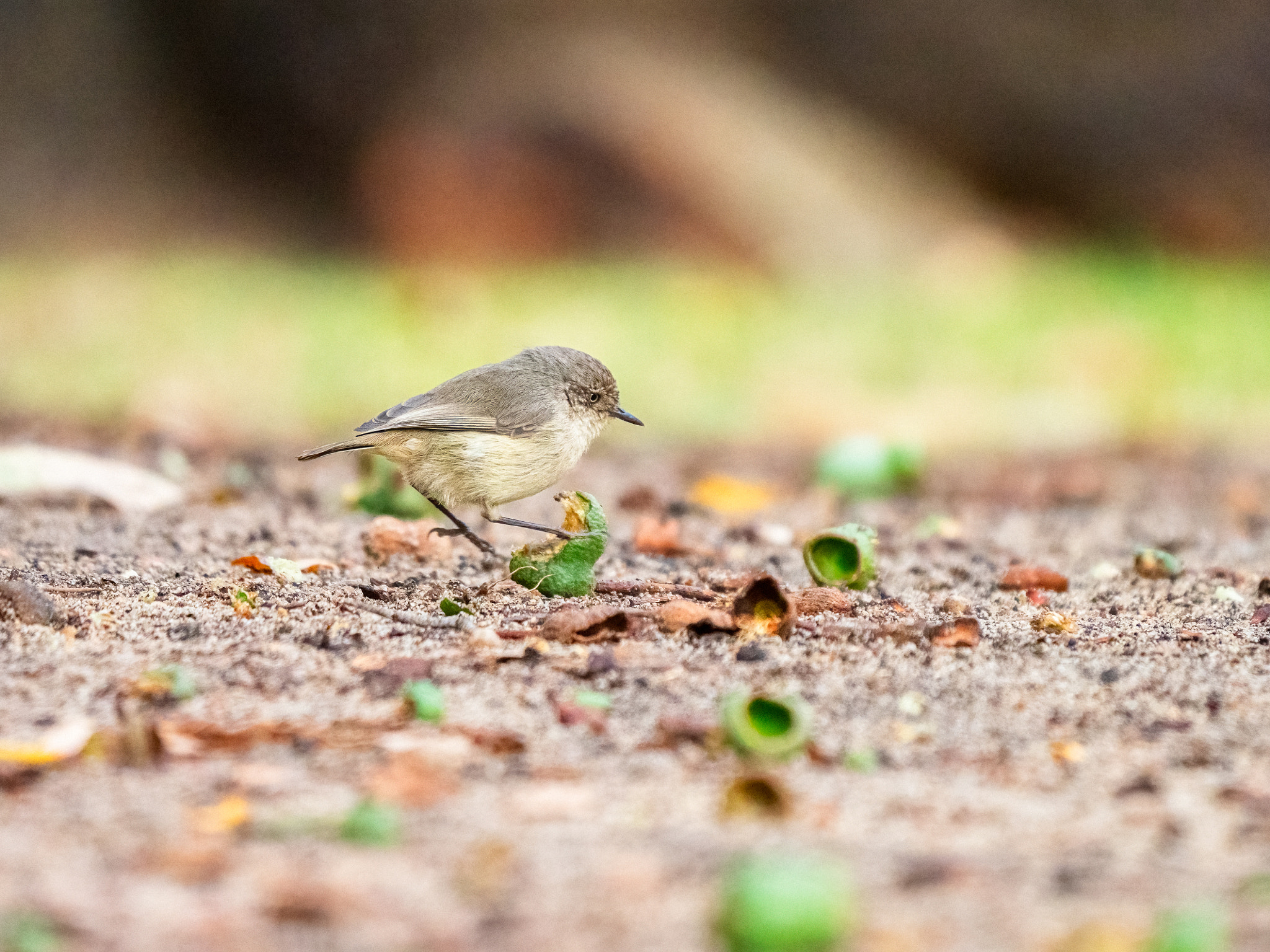
Strolling down to the boundary fence I was happy to note that the air was still and there were loads of midges and mosquitoes flying around. Passerine birds follow the clouds of insects through the forest and feed on them so this meant I had a good chance of photographing robins, wrens, tree creepers, pardalotes and thornbills. I wasn’t disappointed a couple of male Scarlet Robins (Petroica boodang) stopped what they were doing to have a good look at me. The females stayed in the thicker bush eating. There were heaps of Splendid Fairy-wrens (Malarus splendens) dancing about in the understory and on the forest floor. They look like mechanical toys the way they move about with sudden jerky movements. That makes following them through the viewfinder of a camera with a long lens very tricky, but, if you’re quiet and still they will come quite close to you – which makes photographing them a bit easier. The males had shed their brilliant blue plumage that is characteristic of the mating season and were in their drab grey colouring with bright blue tails. Like this they are virtually indistinguishable from the females with the only difference being that they have a dark grey beak while the females have an orange one. If wrens are tricky to photograph then Western Thornbills (Acanthiza inornata) can make you weep with frustration. No bigger than 10cm they bounce erratically around on the forest floor and in the undergrowth with considerable speed rarely pausing. They don’t have the tolerance to be near people which often means when you do get one to sit still long enough to be photographed they are a tiny spec in the frame. Walking back to the dam wall there is a terraced picnic area that enabled me to get at their eye level and conceal me at the same time. I managed to get off a few frames as the birds worked their way quickly through the grass.
A male splendid fairy-wren (Malurus splendens) in full breeding season plumage. Cheyne’s Beach, Western Australia.
Male Djer-djer or Splendid Fairy-wren (Malarus splendens subsp splendens) outside the breeding season. Lake Leschenaultia, Western Australia.
Female Djer-djer or Splendid Fairy-wren (Malarus splendens subsp splendens). Lake Leschenaultia, Western Australia.
Male Djer-djer or Splendid Fairy-wren (Malarus splendens subsp splendens) in a more picturesque setting.
The tiny hyper-kinetic Djobool-djobool or Western Thornbill (Acanthiza inoranta) at Lake Leschenaultia, Western Australia.
I was glad I stayed and persevered. Yes the conditions weren’t conducive to photographing the species I wanted, but being flexible and altering the plan made for a very enjoyable morning out.
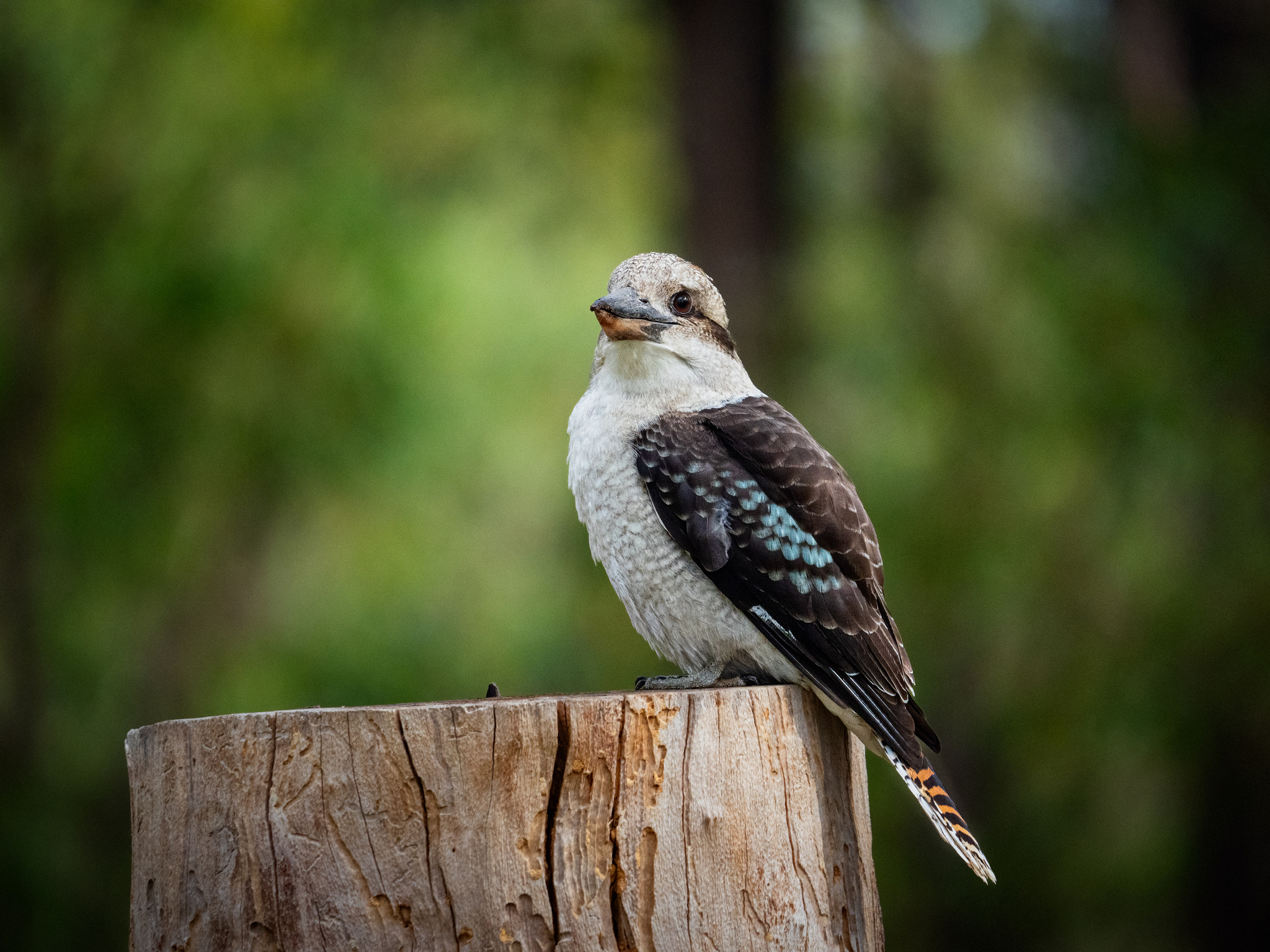
This Kaa-kaa or Laughing Kookaburra (Dacelo novaeguineae) saw me off as I left Lake Leschenaultia.
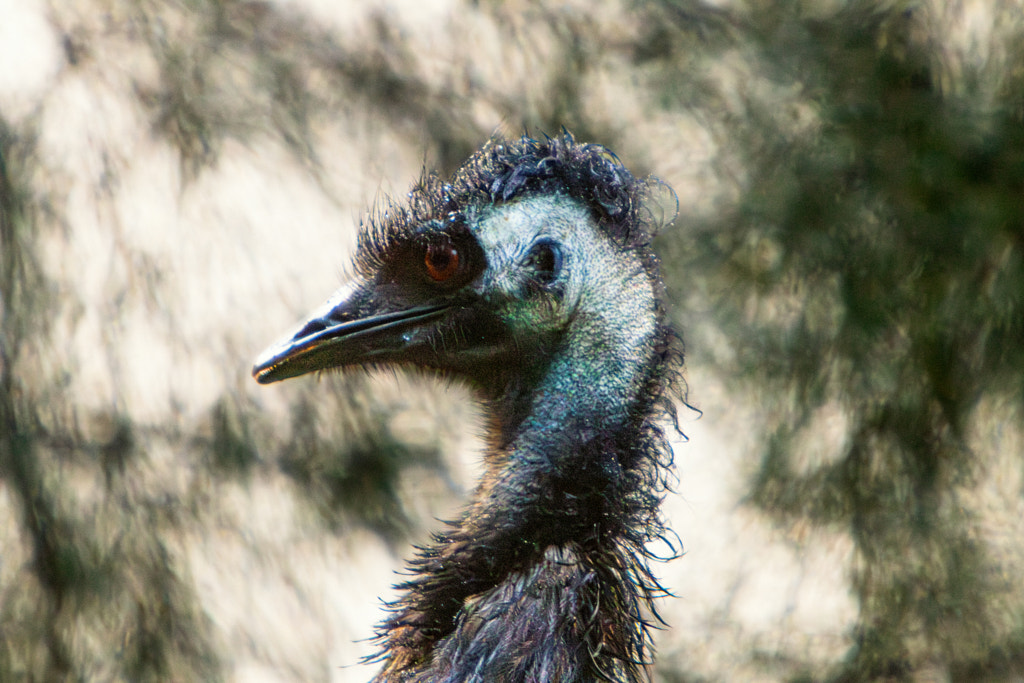
Thursday was my first trip into the Perth Metro in ages – I’d gone to get the car serviced and so had a day to kill. The weather was horrid, lots of rain and not very warm so killing time was not a thrilling prospect. Usually I walk over the Causeway Bridge, around Heirisson Island and then into the Perth CBD. With the rain falling and nearby construction work making a racket I didn’t expect to see much so imagine my surprise when I literally bumped into an Emu. Now people living overseas expect that we have kangaroos running down the high streets koalas hanging out of every tree and sharks and crocodiles waiting to eat people in every small pool of water. Well it’s just not like that, and seeing an emu wandering round the metro area is pretty unusual occurrence. Poor thing didn’t look very well – it had a very large open wound on its left side. Emus can be a little bit intimidating as they’re not adverse to walking right up to you and looking you in the eye and some of the ones I’ve met do this by looking down at me. Well this one played pretty cool and just walked with me for about 500m and every time I stopped to take a picture it stopped and waited. We met up with a couple of kangaroos who were very wary of the emu. They kept a very close eye on it – didn’t pay me any attention at all. Once we got past the lake it decided it had had enough and walked back up the track making that odd sound of theirs which sound like someone has turned a plastic bucket upside down and is banging on it like drum.
My companion for a walk on Heirisson Island.
The girls are too impressed with their new neighbour and were content to remain at a distance and watch.
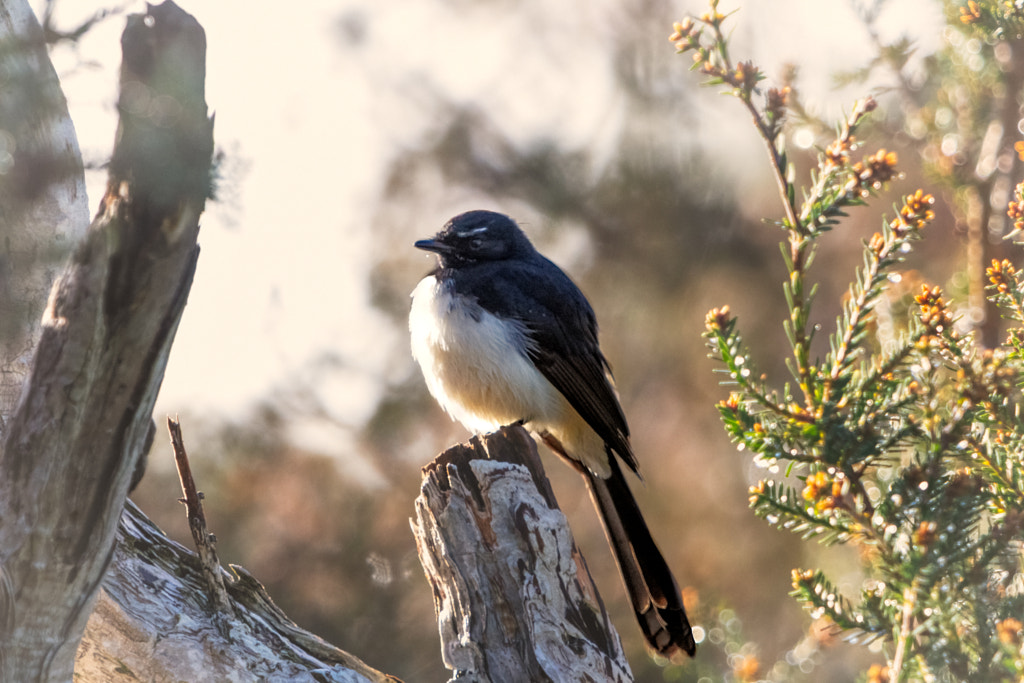
A willie wagtail hunkered down against the rain.
As I walked back to the Causeway I was joined by a young female kangaroo. She was very curious and wanted to know if I had anything to eat. She did did this by pawing at my hand – obviously other visitor have been feeding them so they can get selfies. She didn’t seemed fussed when no food appeared and she was content to follow me round to the gate and watch me leave.
Helen watching birds and basking in the winter sun at the York Golf Club.
This autumn and winter we’ve been spending quite a bit of time at the local golf course – not playing golf at all but walking in the woods at the back of the course. It is a fantastic piece of Wandoo forest with rocky out crops and steep gullies cut by water erosion. In fact that’s probably why it still exists as the land wouldn’t be fit for any commercial purpose. For us it is a wonderful place where we can walk the dog and view native flora and fauna. The other great thing is other than seeing the occasional golfer on the fairways as we drive in there is nobody around.
Frida looking in holes at the York Golf Course.
Frida our wayward and reluctant Bull Terrier loves it. There are rocky outcrops to stand on and strike a heroic pose, holes to look down and lots and lots of interesting things to smell. It is the one place where she enthusiastically jumps out of the car rather than having to be enticed out with bribes.
Me I go there to photograph flowers and animals and just generally get away from everything. I find it so peaceful and relaxing. Here are a selection of photos I’ve taken this winter.
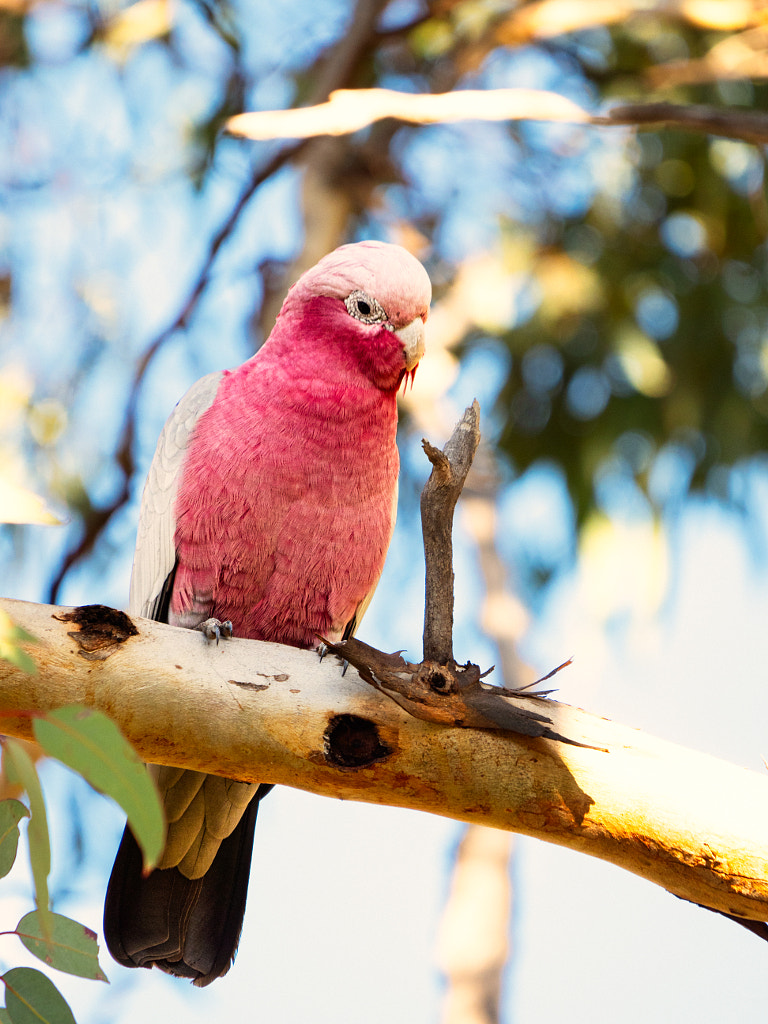
Djakal-ngakal or pink and grey galah enjoying the last warmth of the winter’s sun as it goes down.
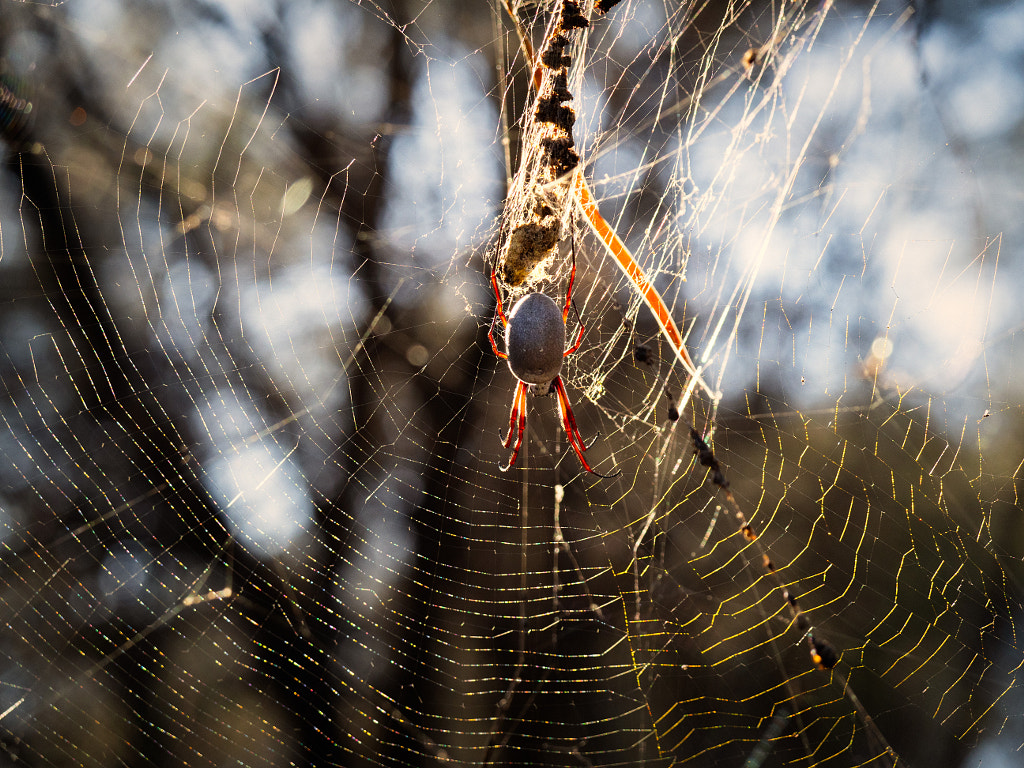
The early morning sun highlights the golden web of the Golden Orb Weaving Spider.
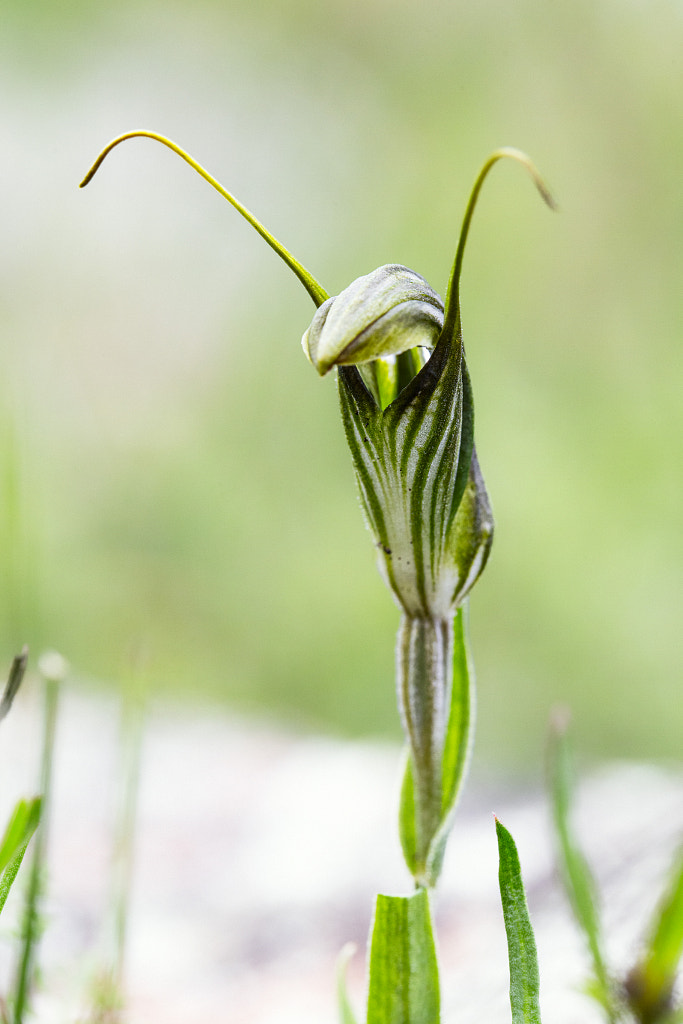
Green-veined Shell Orchid, Pterostylis scabra, growing just off the fairway in the rough.
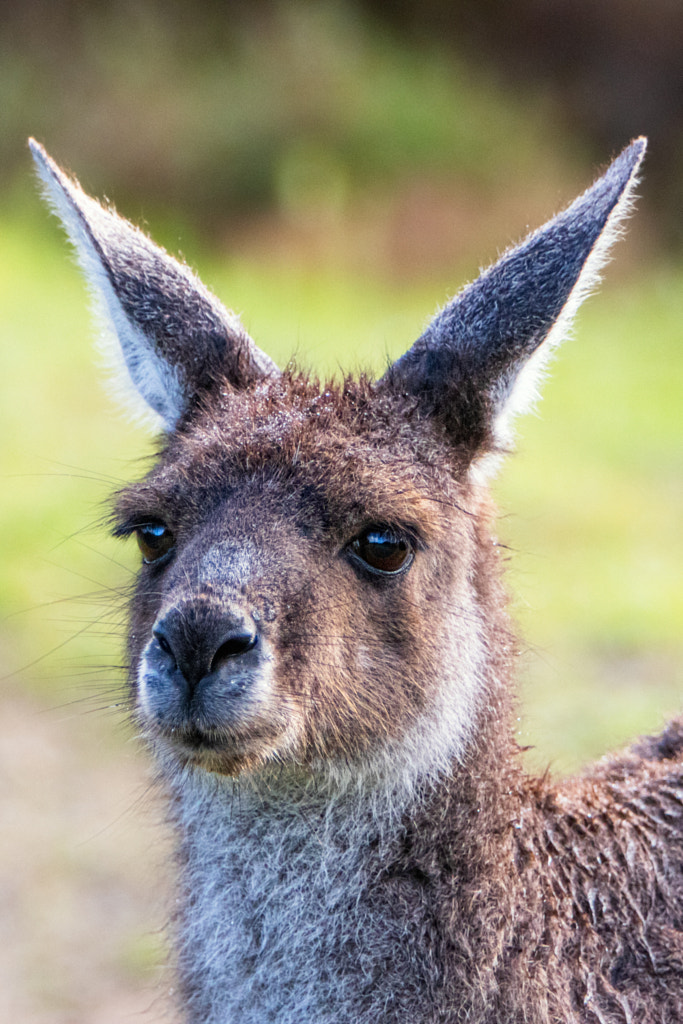
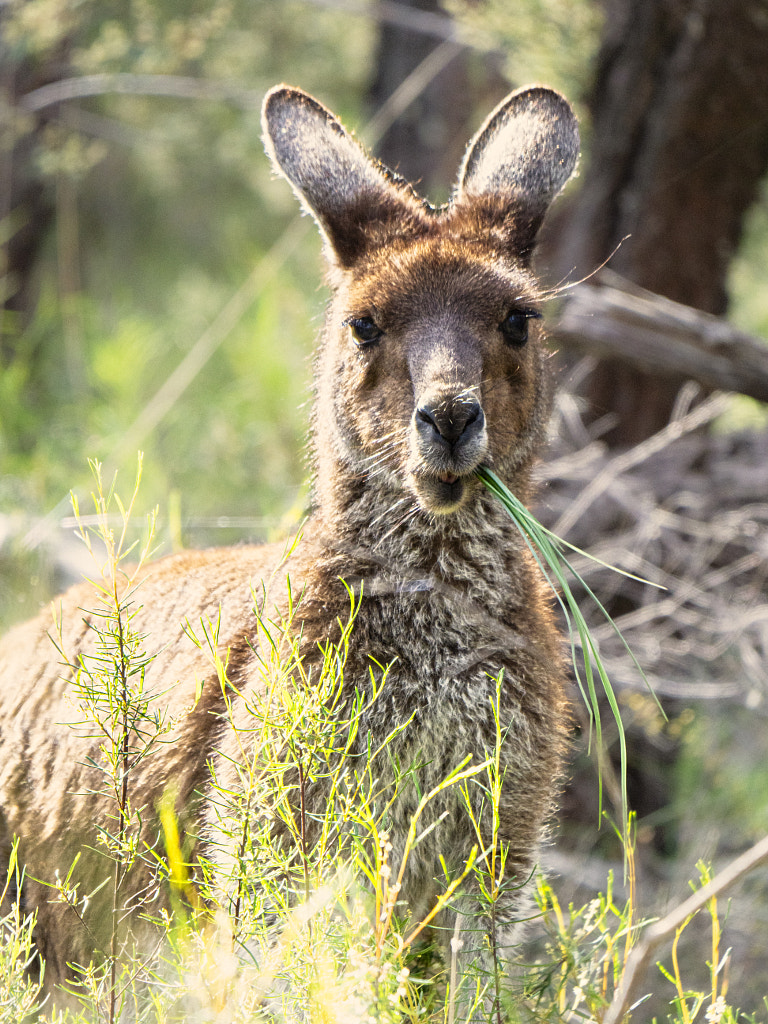
You never know who you’ll meet in the rough. Female western grey kangaroo aka sooty kangaroo (Macropus fuliginosus).
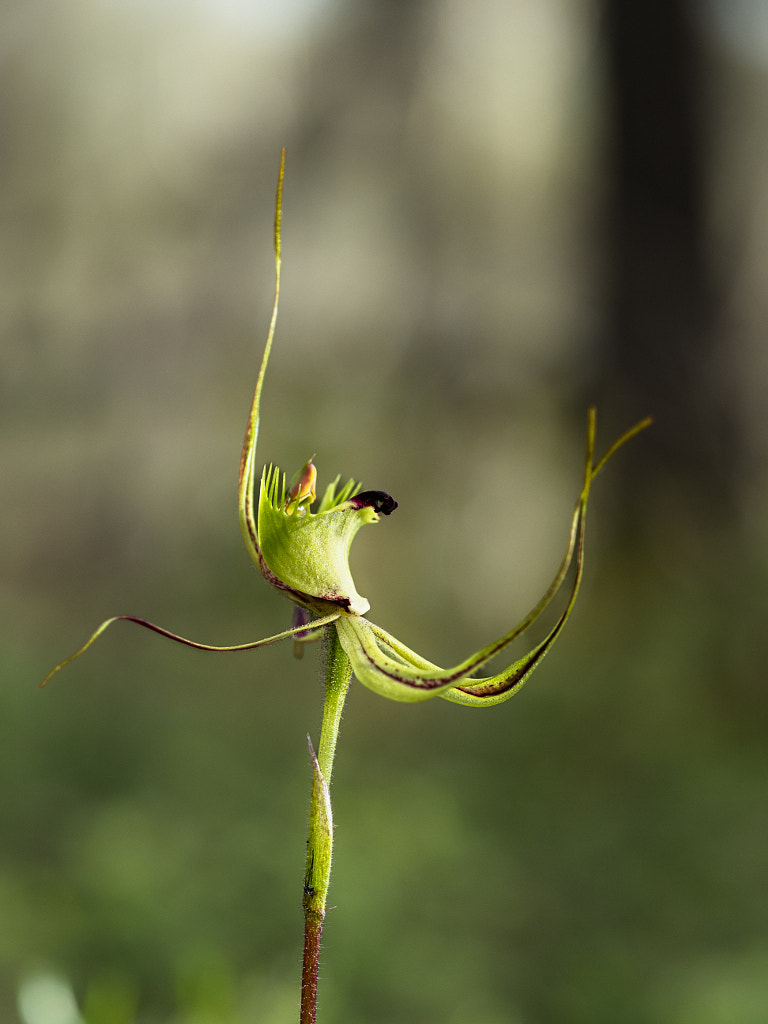
Fringed Mantis Orchid, or Green Spider Orchid, (Caladenia falcata).
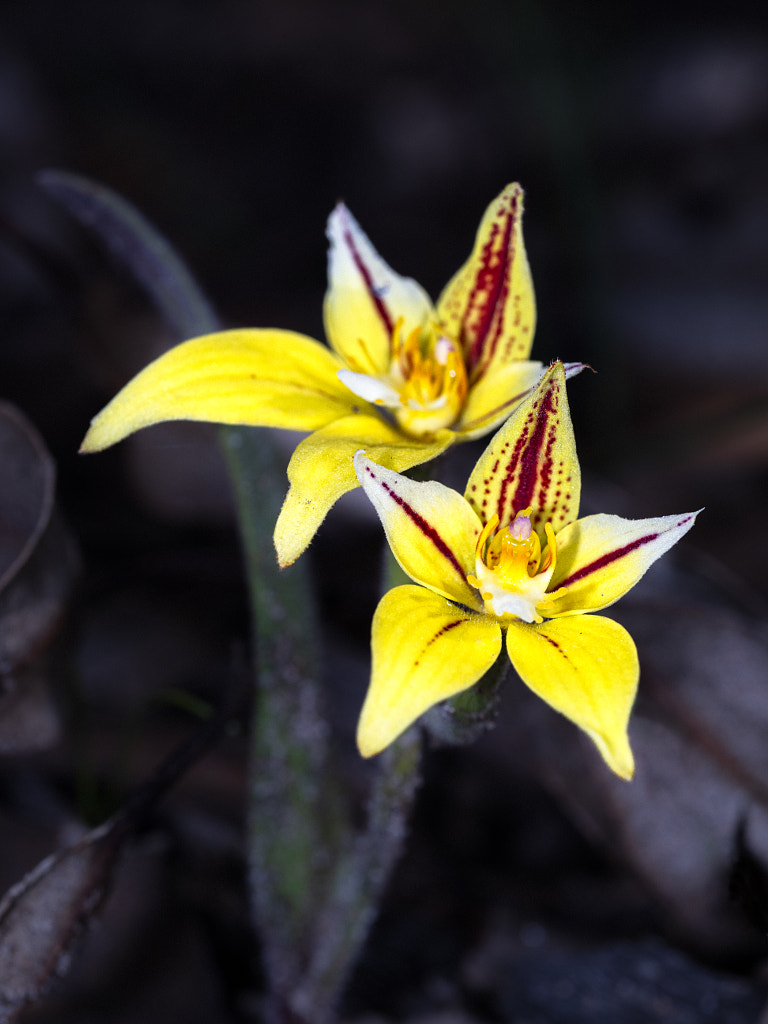
Cowslip Orchid, Caladenia flava subs. flava.
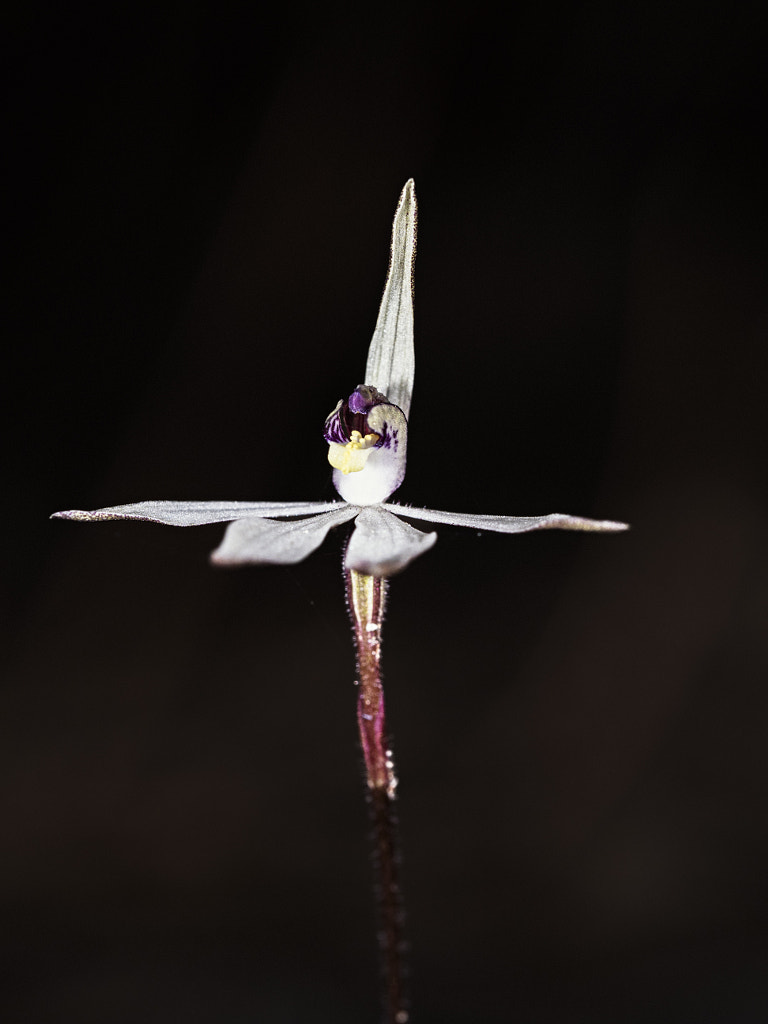
Hundreds of Sugar Orchids, Ericksonella saccharata, can be seen growing in the bark and leaf litter beneath the wandoo trees.
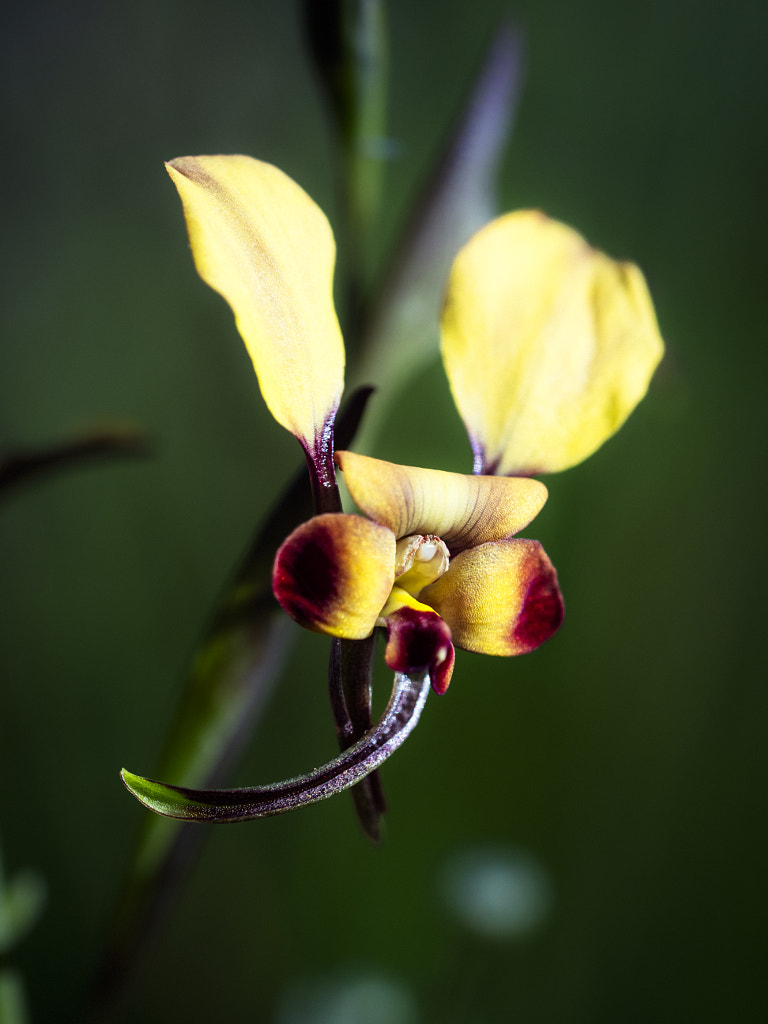
Winter donkey orchid, Diuris brumalis.
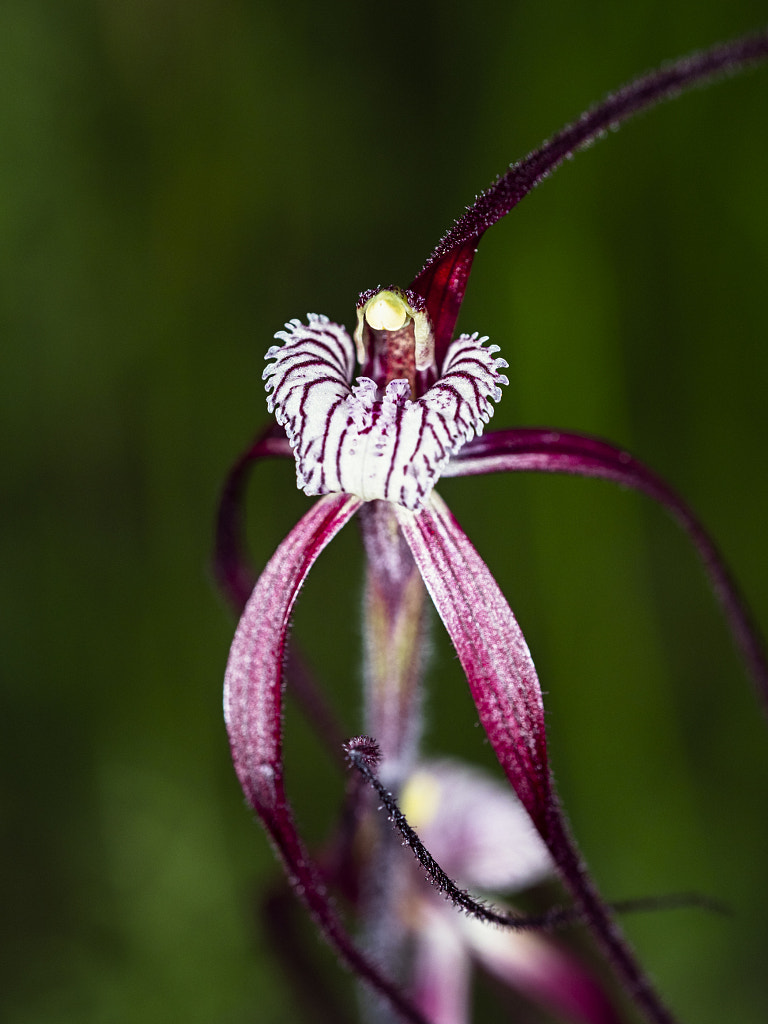
Chapman’s Spider Orchid, Caladenia chapmanii.
A quick bite to eat.
Fridas enjoying a morning run in the bush at the York Golf Club.
What do you do when you have to take your car into Perth to get it serviced but don’t want to hang around in the city and catch COVID? Go on a safari of course!!
My safari took me to Point Fraser and Heirisson Island. Heirisson Island is a small island of 285,600 sq. metres in the Swan River between East Perth and Victoria Park. Most people will know of it through crossing the Causeway which is the bridge over the river. It wasn’t always called Heirisson Island. Long before European explorers and colonists arrived there was a few smaller islands and some mudflats which was called Matagarup by the Beeloo Nyoongar. The name means one leg deep. The first known European visitors were led by Willem de Vlamingh in 1696. He and some of his crew rowed up the river and saw the black swans which led him to name the river the Swan River (Zwaanenrivier in Dutch). They got as far as the mudflats and island and could go no further. In 1801 Nicolas Baudinfrom the French ship Le Naturaliste traveled up river and he named the island after his midshipman François-Antoine Boniface Heirisson. Since the early arrivals the river has been dredged and there has been a lot of land reclamation which has seen the mudflats disappear and the formation of the present island.
Yongka or Western Grey Kangaroo, Macropus fuliginosus. Herrison Island, Western Australia.
There is a footpath round the island which is 2 Km in length which makes it perfect for an inner city safari. As far as the wildlife goes 92 different species of bird have been observed on the island and there is a resident population of Western Grey kangaroos which were introduced in 1998. Funnily enough I’ve walked round the island several times over the years and not seen a single kangaroo. Amazing considering that it’s a small island and they’re relatively large animals. But kangaroos are very good at making themselves scarce during daylight hours. This visit was different I saw three female kangaroos, two lazing around in the bushes and one grazing. In fact the one that was grazing was very curious and came right up to me – I think it was an attempted mugging because as soon as she realised I didn’t have anything worth stealing in the way of food she was off.
This female checked me out to see what food offerings were available. I was a bit of a disappointment as I had nothing.
I must say it was a very pleasant way to pass the time and I’m looking forward to going again – hopefully to coincide with dawn or dusk.
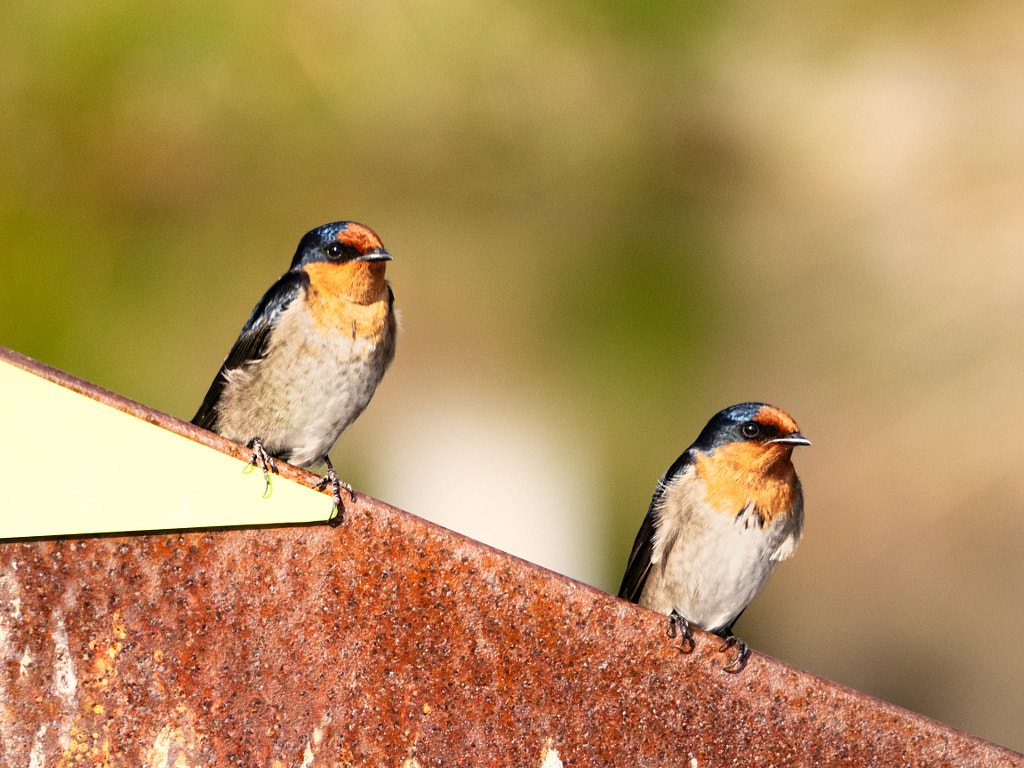
These two welcome swallows were very obliging and let me take their photo.
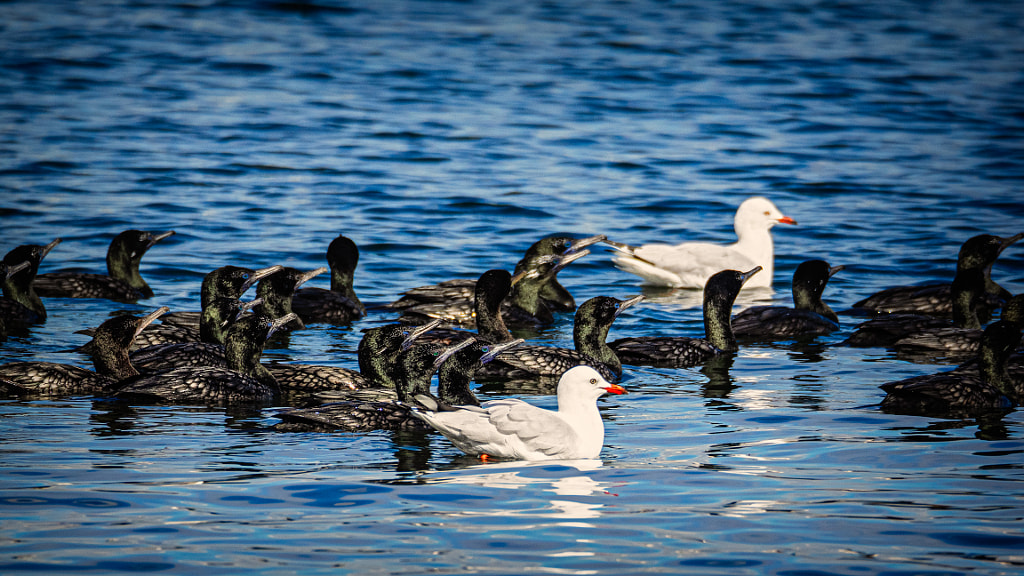
The Swan River Cormorants Club does not discriminate on the basis of colour or species – all are welcome.
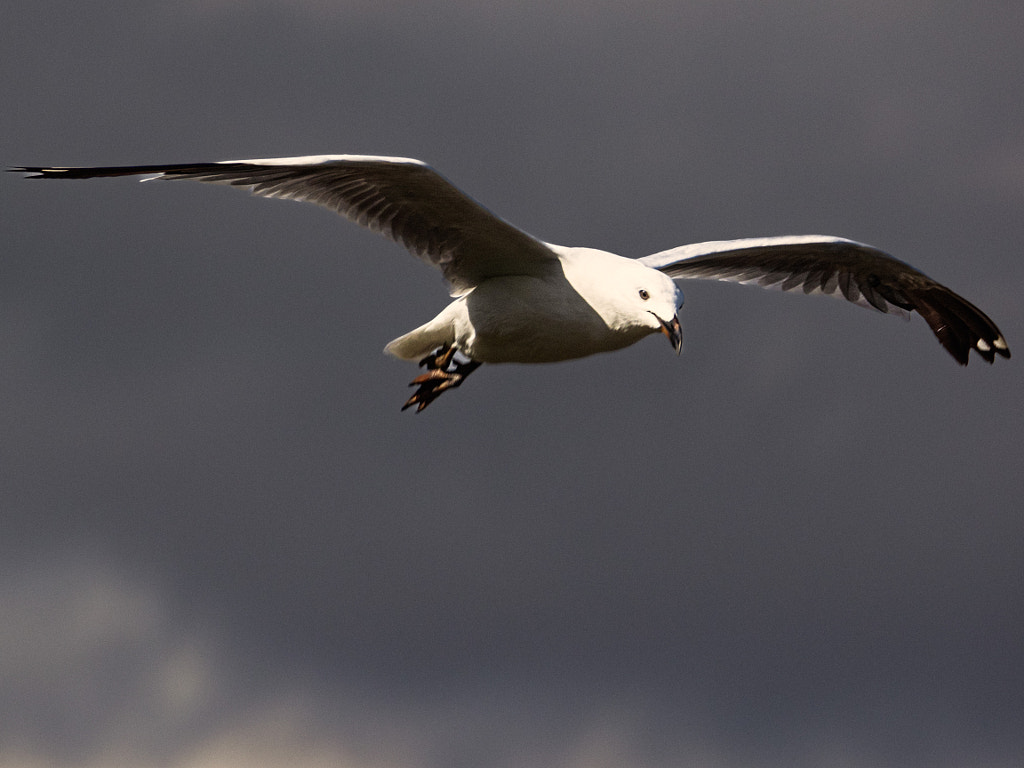
Not having any chips meant this silver gull just kept flying past.
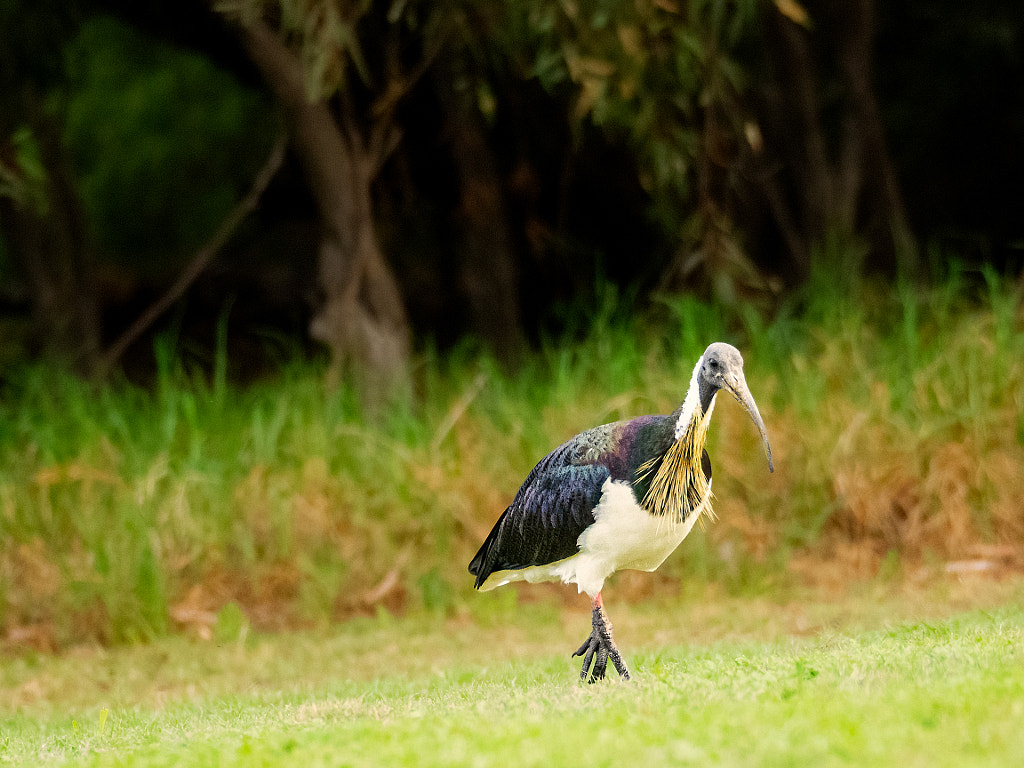
Straw-necked Ibis, Threskiornis spinicollis. Herrison Island, Western Australia.
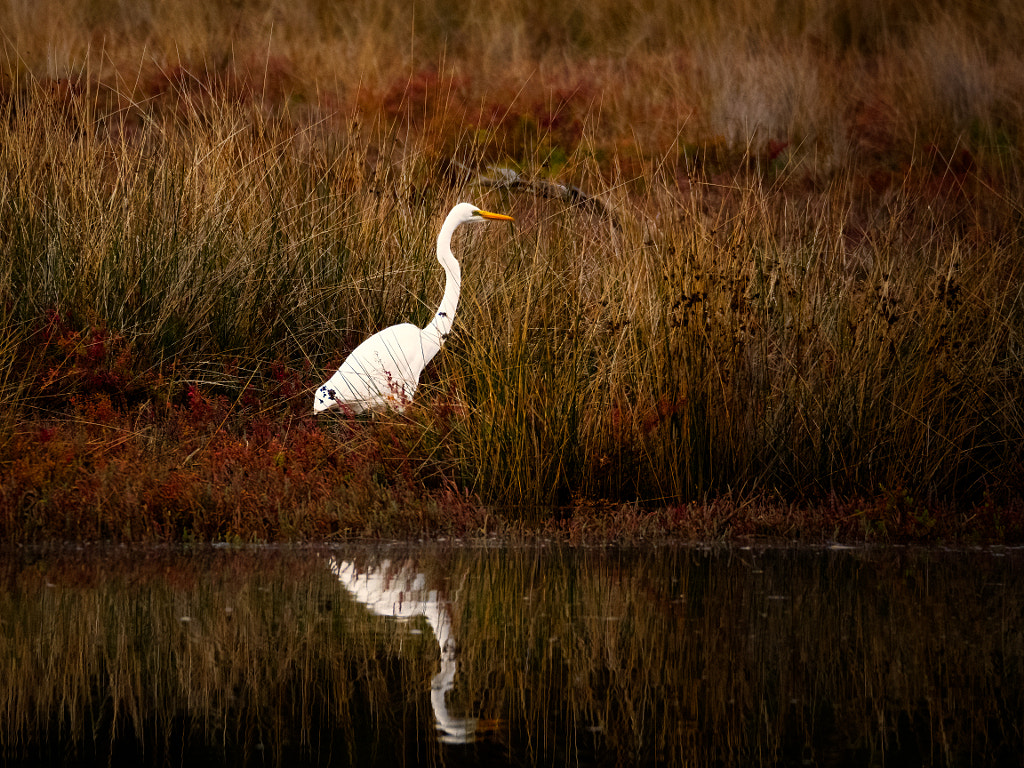
Great Egret, Ardea alba modesta. Herrison Island, Western Australia.
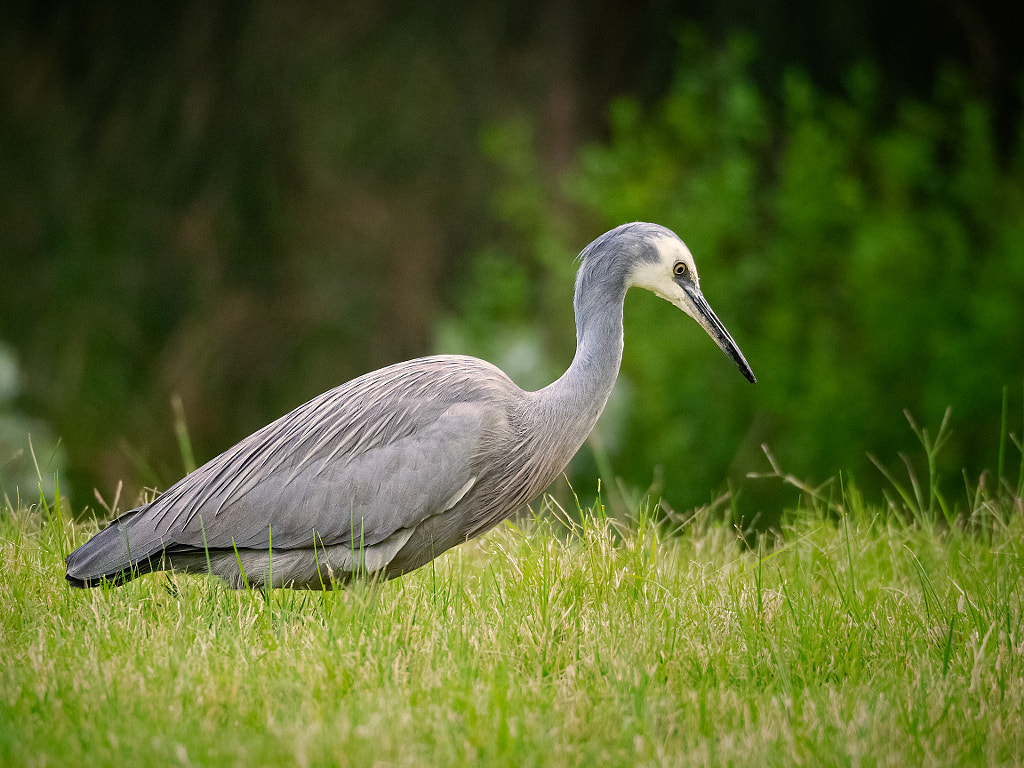
White-faced heron, Ardea novaehollandiae. Point Fraser, Western Australia.
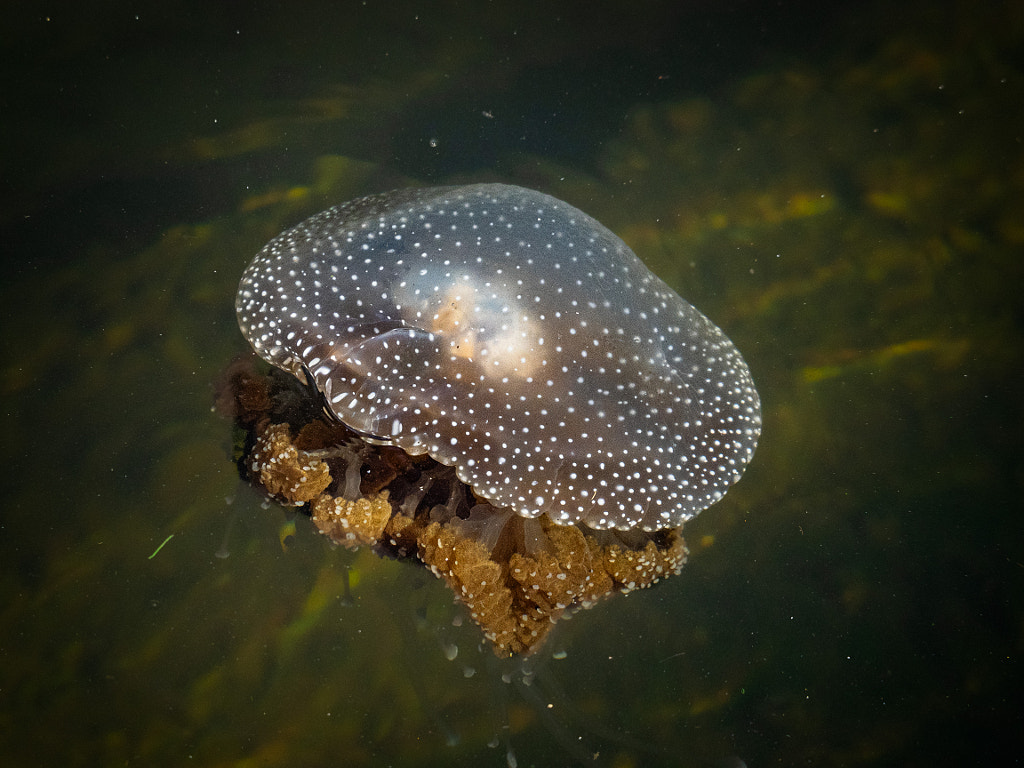
No visit to the Swan River is complete without the ubiquitous Brown Jellyfish (Phyllorhiza punctata).
Follow the blue poles for the Werillyiup Trail in Whiteman Park.
The Werrillyiup Trail in Whiteman Park is a 3Km jaunt around an area called Horse Swamp. So called because back in the early days of the Swan River Colony if horses escaped they invariably ended up at the swamp. The word Werrillyiup is is Nyoongar for “a swampy place” so from all this you’d expect to see quite a bit of water. Well for much of the year it is dry and really only fills in June with the coming of the winter rains. Each time I’ve been it’s been akin to walking around a large puddle. That’s not to detract anything away from it, it is just a statement of fact. What you will see though is an important wildlife refuge in a large ever-growing city. Western Grey Kangaroos are the most visible residents but there is a huge variety of birdlife here particularly in winter, spring and early summer. I’ve had more luck seeing raptors here than at any other location in Perth. EBird Australia has a listing of 101 species that can be seen at various times of the year around the swamp.
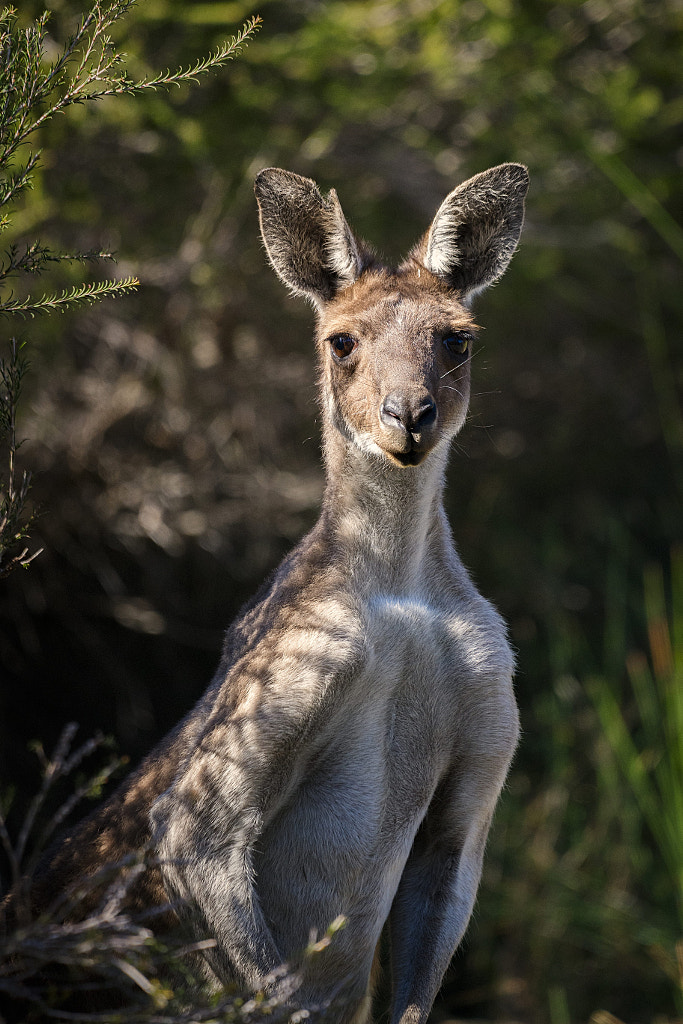
Western Grey Kangaroo, macropus fuliginosus, Whiteman Park, Western Australia.
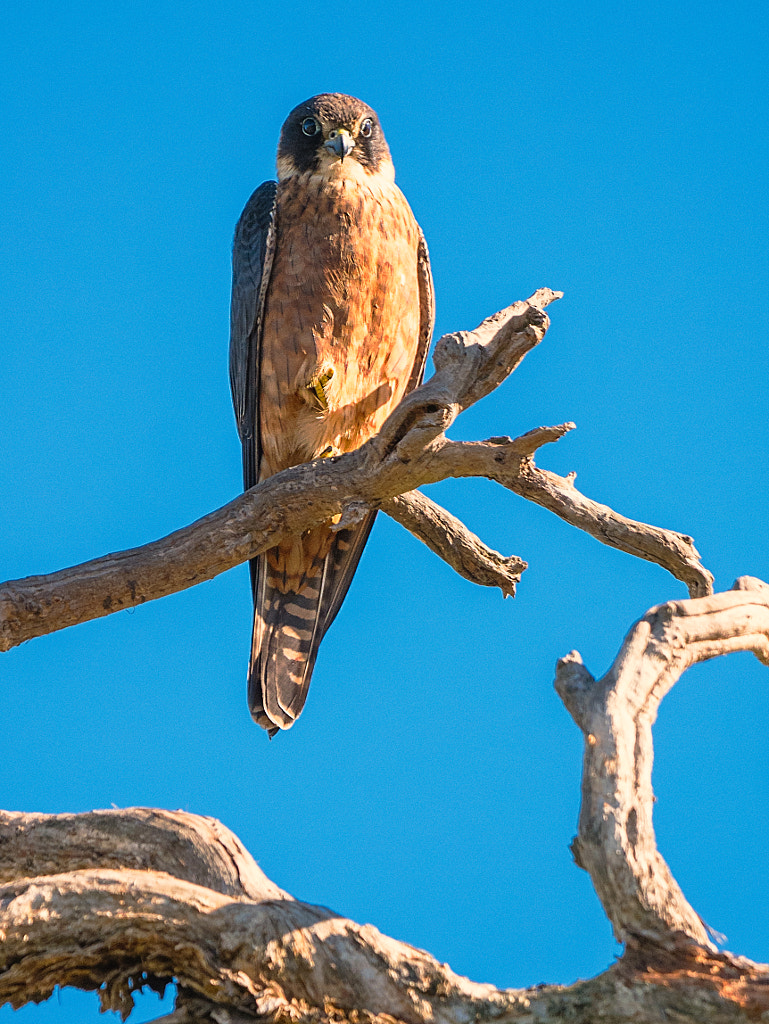
Australian Hobby (Falco longipennis longipennis). Whiteman Park, Western Australia.
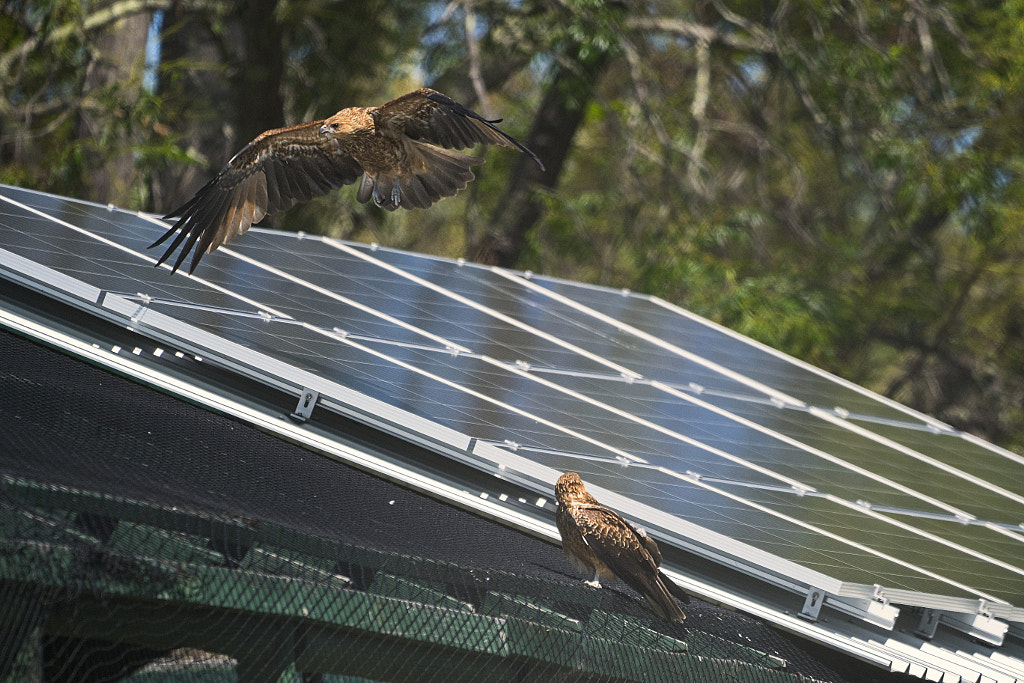
A pair of Whistling Kites seen flying round the aviaries on the edge of Whiteman Park.
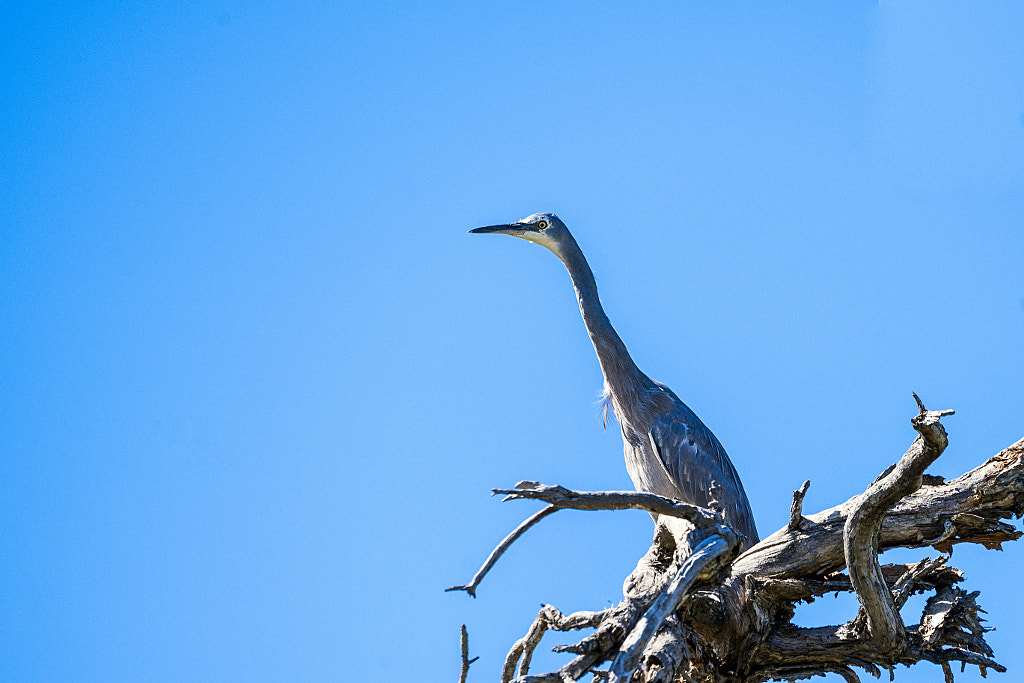
A white-faced heron looks out from its tree top perch over Horse Swamp. Whiteman Park, Western Australia.
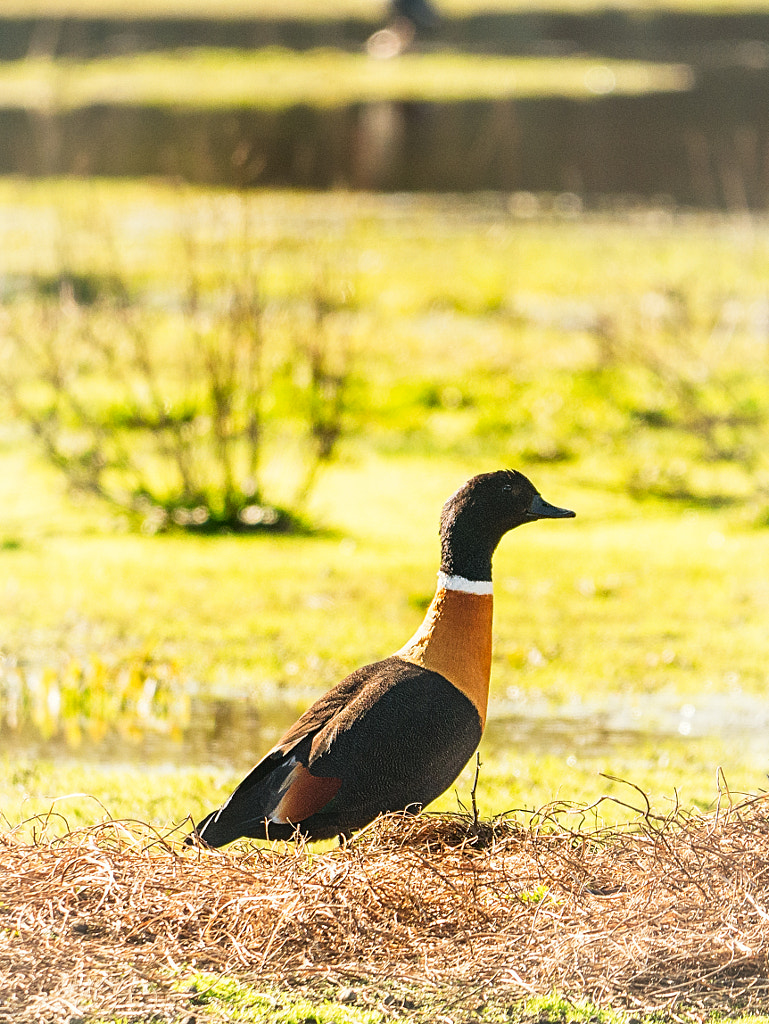
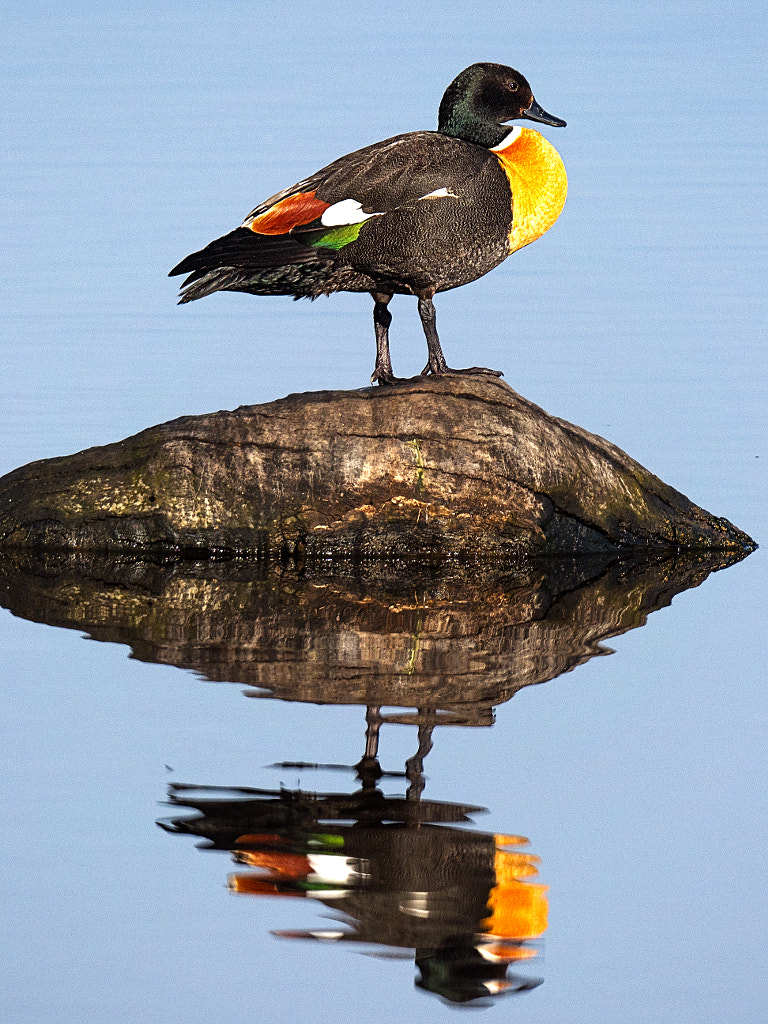
Australian Shelduck, Tadorna tadornoides, Whiteman Park, Western Australia.
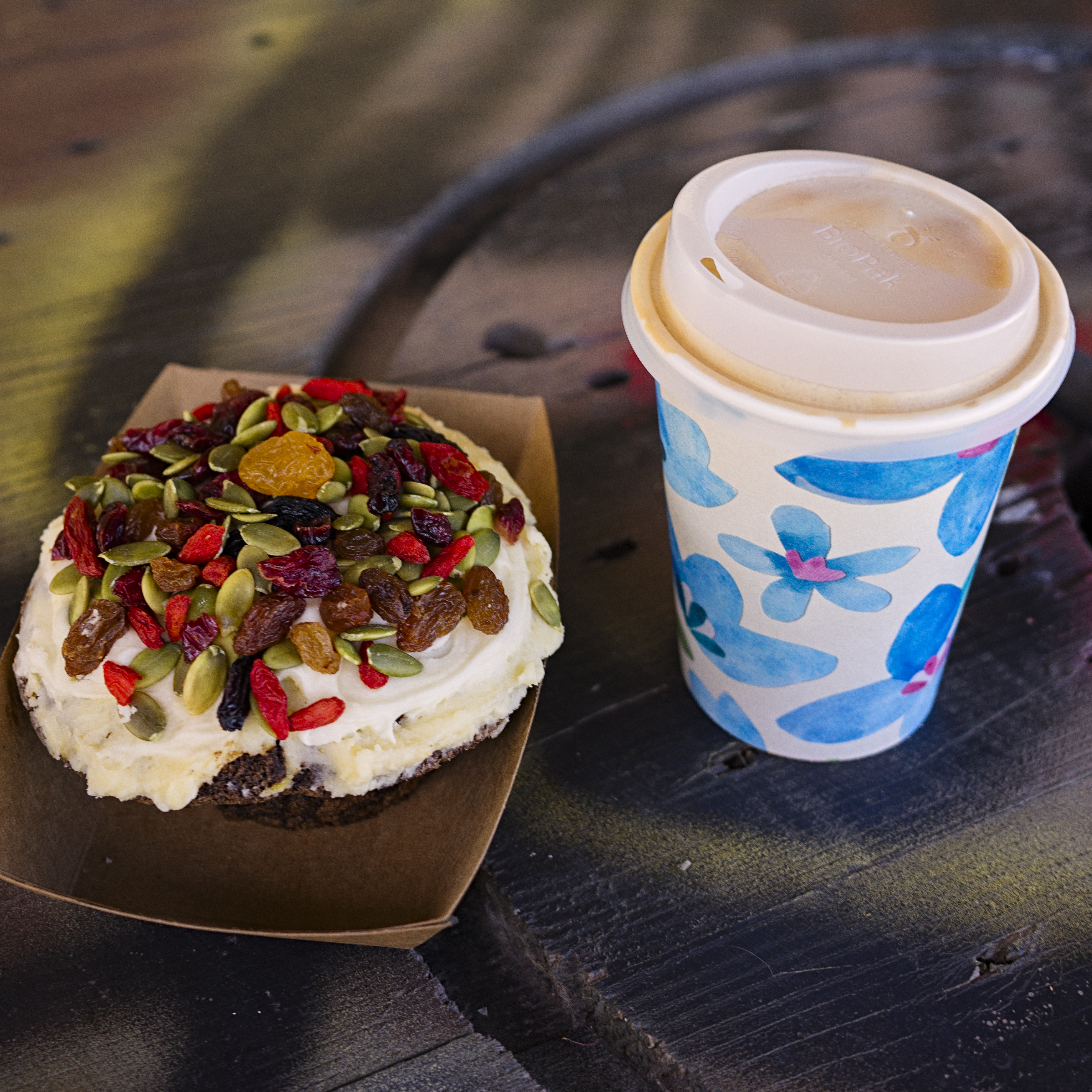
After your leisurely walk around the swamp you can be revived at the excellent Guerrilla Hub Kiosk with a great coffee and some of their wonderful food. And if after all that you feel as if you’ve not communed enough with the wildlife you can always nip up to Caversham Wildlife Park and have your picture taken with a wombat.
Refreshment after a hard mornings walking and bird watching at the Guerrilla Hub kiosk in Whiteman Park.
Yours truly with one of Caversham Wildlife Park’s staff and a wombat.
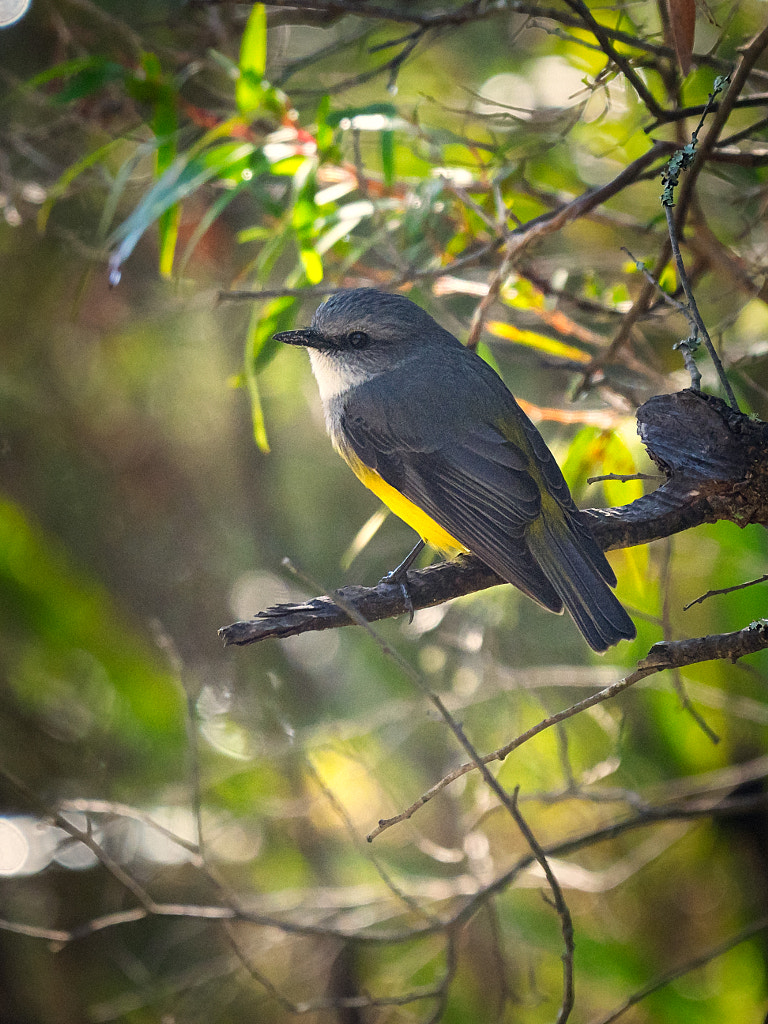
I’d gone to Locke Nature Reserve near Busselton looking for common helmet and midge orchids, but they weren’t flowering. This Western Yellow Robin (Eopsaltria griseogularis) and its mate kept darting in and out of the bush as I walked along the track so I photographed them instead.
This nature photography lark is a lot harder than it looks. I follow a couple of YouTube channels from the UK that weekly show the host going out to some location to photograph and /or film a particular animal or plant. They always find it and always get good images. My experience is a bit different to that. I find that you can go out with all the best intentions in the world, but if nature isn’t playing ball then you don’t get anything. I’ve lost count of the number of times that I’ve set out to look for the Cleopatra’s Needles Orchid (Thelymitra apiculata) driving 100’s of kilometres to find absolutely nothing. Take last weekend. We were down in the South West of Western Australia as my partner was again playing in a croquet tournament. So I’d researched what was about in terms of birds and orchids and set out to several locations with a specific list of what I wanted to photograph. The first stop was Malbup Creek Bird Hide where I wanted to see tawny frogmouths and white-bellied sea-eagles. Well I spent a nice morning at the hide without seeing them. I did get a nice shot of a shelduck and the local kangaroos were hamming it up for a photo.
Not the white-bellied sea-eagle I was looking for. Still he’s a very handsome Australian Shelduck.
No tawny frogmouths to be seen let alone be photographed. The Western Grey Kangaroos were keen to oblige.
The next stop was Locke Nature Reserve looking for common helmet and midge orchids. Well after a couple of hours of scrabbling around in the undergrowth fighting off the unwanted attentions of the local mosquitoes I’d found lots of them, but none in flower. There were some Splendid Fairywrens in the nearby bushes but they really didn’t want their picture taken and kept dancing out of the way every time I got close. On the walk back to the car a couple of Western Yellow Robins flew slightly ahead of me. They would stop and perch periodically and I was lucky enough to grab a few frames.
My last spot was Westbay in Augusta looking for scented autumn leek orchids. Now I’d seen them before at this location and knew where to go. They weren’t there. Not a one was to be seen. But I did find some autumn leek orchids – close enough so I photographed them. Funnily enough the autumn leek orchid has a much more pleasant scent than the scented variety which has decidedly unpleasant pong.
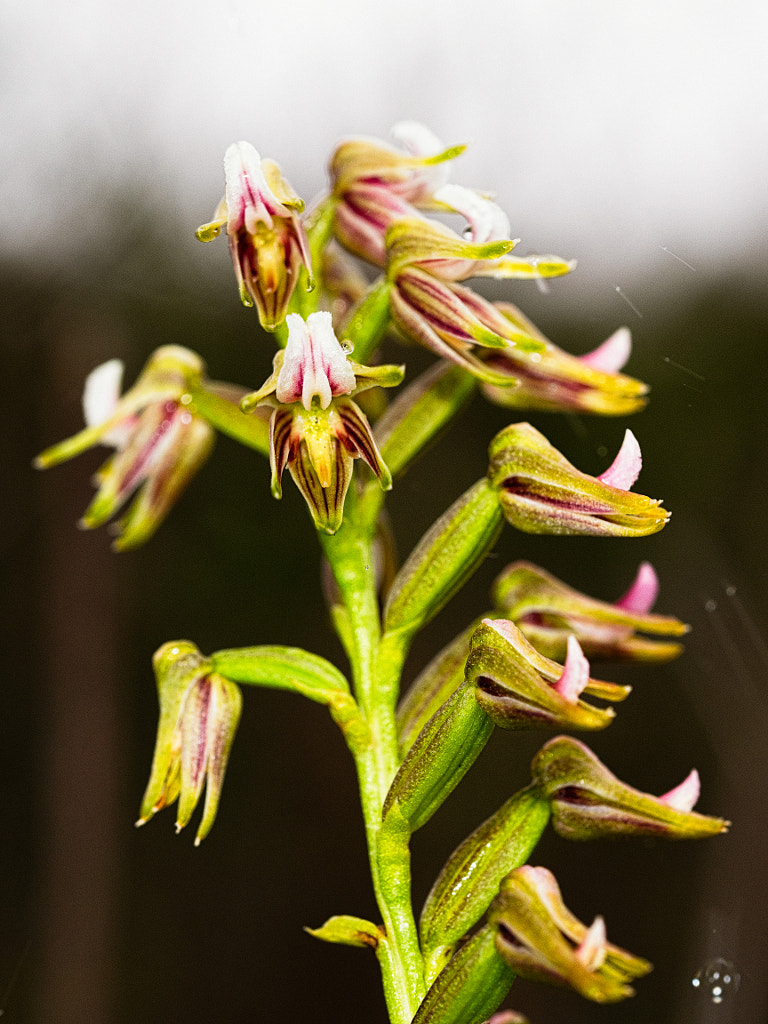
Autumn Leek Orchid, Prasophyllum parvifolium. Westbay, Augusta, Western Australia
So there you have it another rewarding trip. I may not have found what I was looking for but I found other things and really enjoyed my time in the bush and that is what it is all about.
* This weeks musical reference is of course U2’s song I Still Haven’t Found. My favourite version is the one on 1988’s Rattle and Hum album.
The recent lock downs for the COVID 19 outbreak had a very strange effect. Living in York we don’t visit the coast very often, but as soon as the Western Australian government said we could leave our region all I wanted to do was go to the coast. I suppose it’s a bit like being on a diet and then spending all day obsessing over food. Well with the lockdown over we put the dog in kennels and headed down to Mandurah for a couple of days to get an oceanic fix.
Now the plan was to spend three days visiting some reserves around, but as Robert Burns once said “The best laid schemes o’ mice an’ men / Gang aft a-gley.”. The first spot we went out to was Lake McLarty, but there was no water in the lake and no birds to be seen. To cap it all the weather was grim – a storm front was closing in. So we decided to cut our losses and head in land to Pinjarra and walk along the Murray River and visit the Edenvale Heritage Tearoom. Well the tearooms were still shut because of COVID so we settled for a walk along the the river.
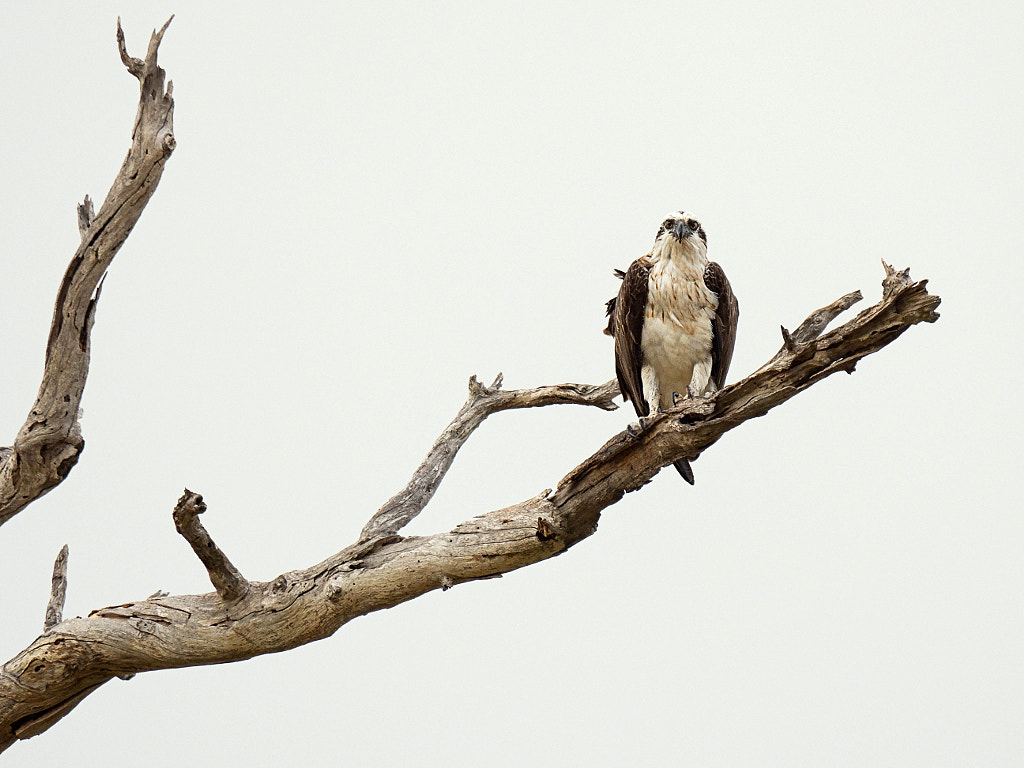
Eastern osprey (Pandion cristatus subs leucocephalus) at Lake McLarty Nature Reserve near Mandurah in Western Australia. Olympus OMD EM1 mk ii with Panasonic Leica 100-400mm lens. Exposure: 1/500, f7.1 ISO 320.
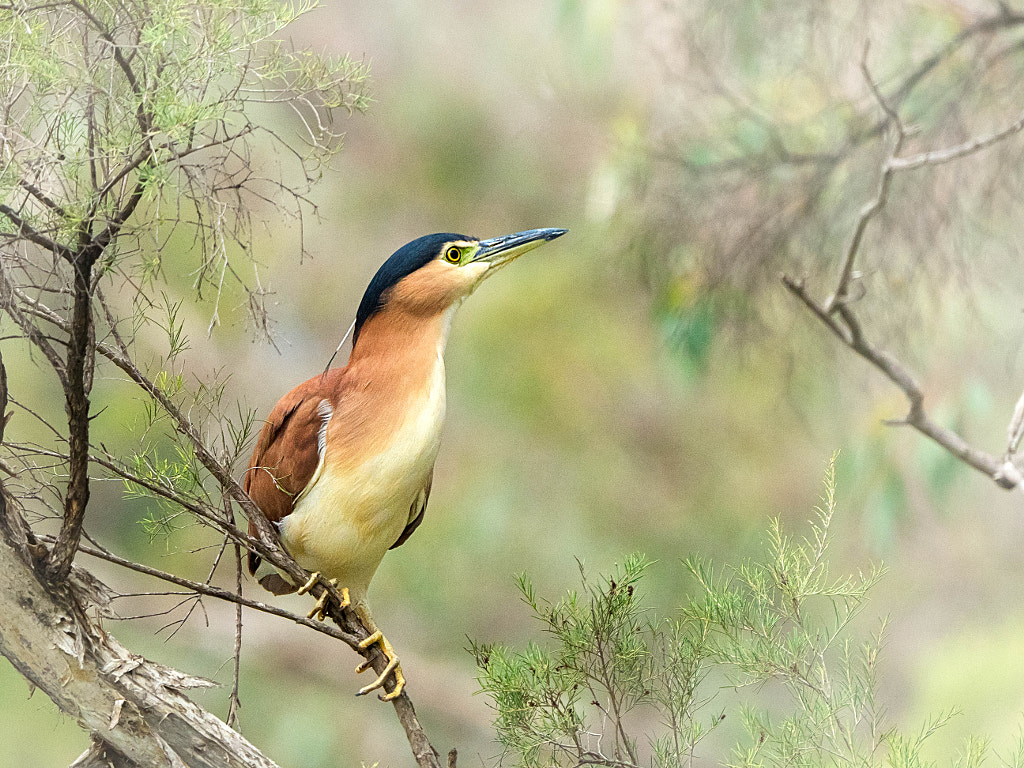
Nankeen Night Heron, Nycticorax caledonicus subsp mannillenis. Pinjara, Western Australia. Olympus OMD EM 1 mk ii with Panasonic Leica 100-400mm lens. Exposure: 1/500, f6.3, ISO 1600.
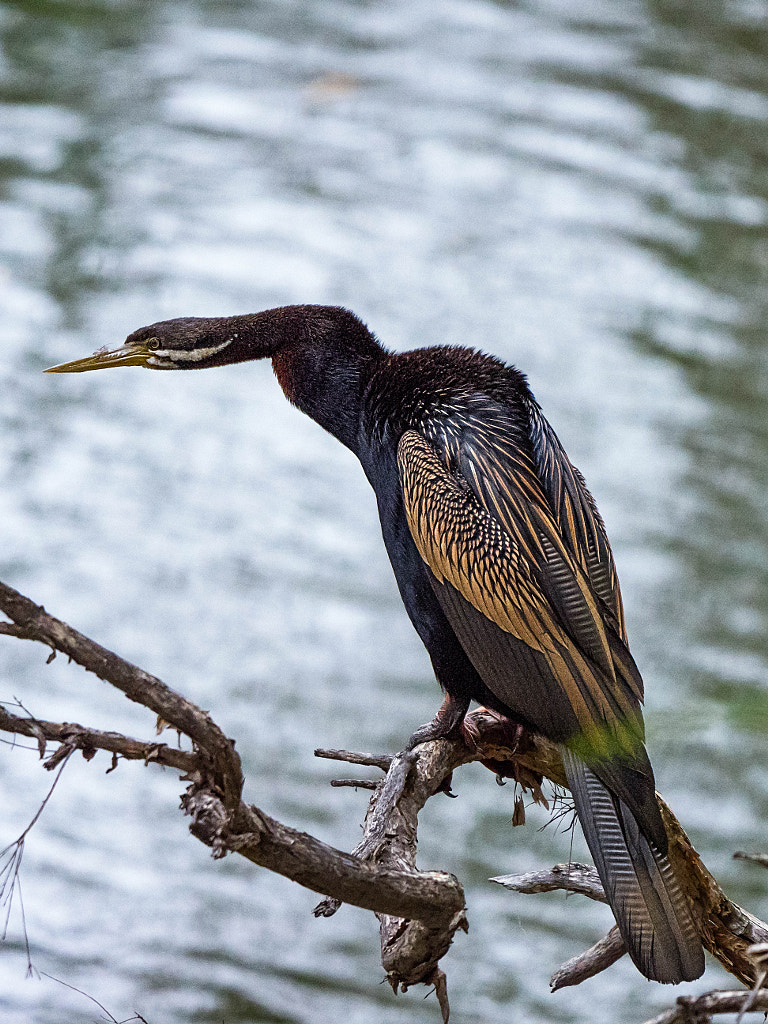
A male Australian darter (Anhinga melanogaster subspecies novaehollandiae) aka as the snake bird. Pinjarra, Western Australia. Olympus OMD EM 1 mk ii with Panasonic Leica 100-400mm lens. Exposure: 1/500 sec, f6.3 at ISO 3200.
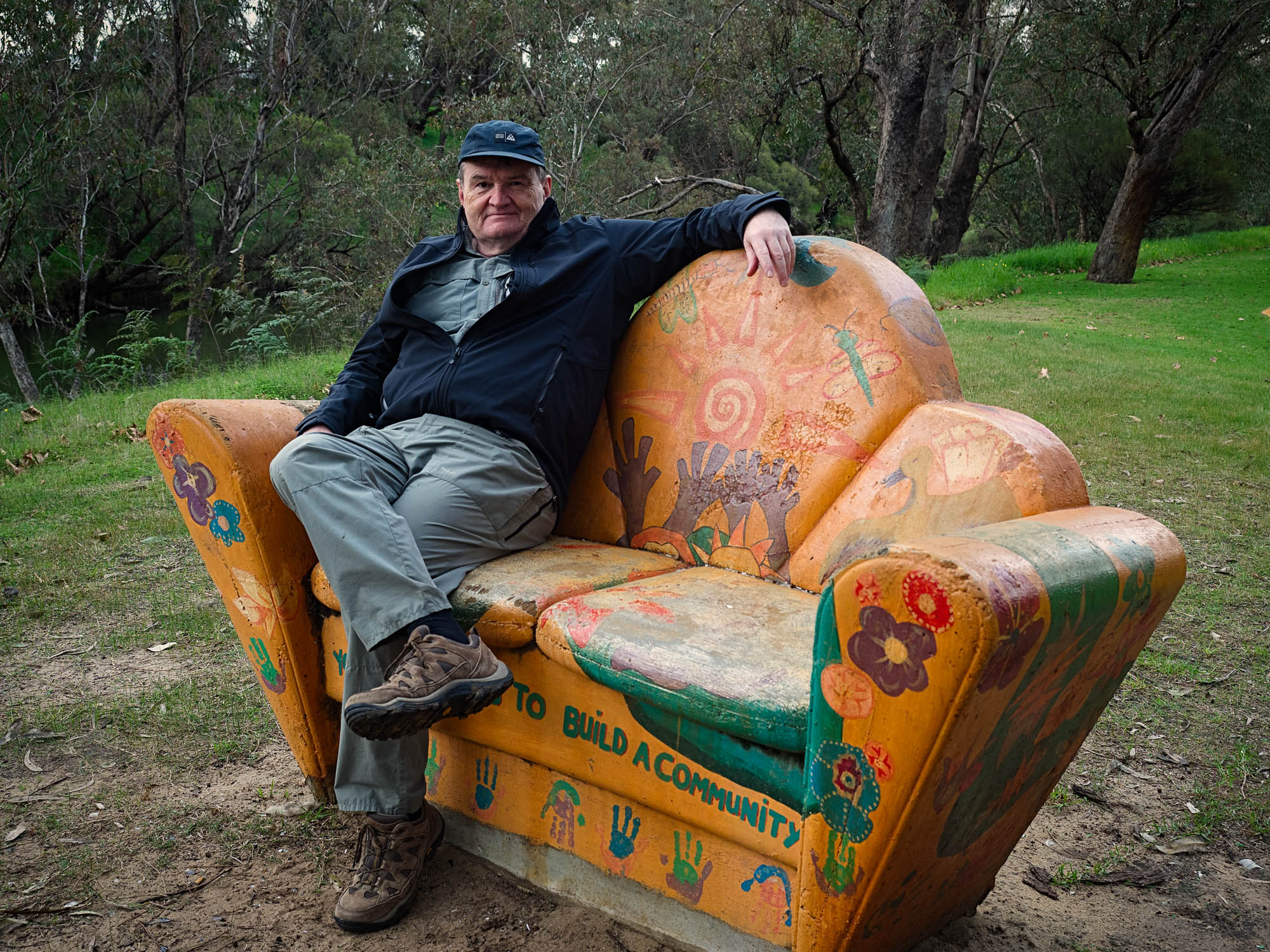
Paul Amyes taking it easy from the rigours of bird watching on a concrete sofa on the banks of the Murray River in Pinjarra, Western Australia. The sofa is part of the “Take Your Seat Art Project by Fremantle Arts Centre and Alcoa.
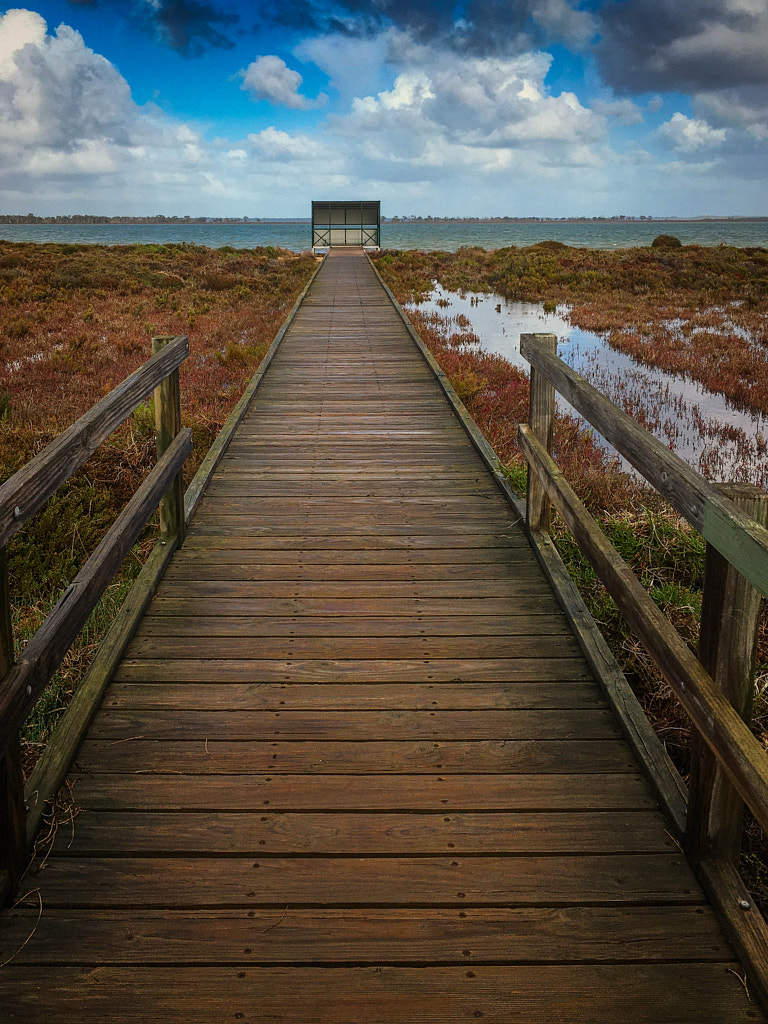
The next day the weather was grimmer than the previous day’s. We were wearing enough clothes to make Captain Scott of the Antarctic fame look severely underdressed. The morning’s activities were to be based at the Creery Wetlands Reserve which was only a short way from where we were staying. Although wet and bitterly cold we had more success than the previous day. It is amazing how much wildlife can be packed into a small area just minutes from a city centre. If you are in the area it is well worth visiting, don’t let the fact that the entrance makes it look like an off-shore detention camp put you off. As you cross the bridge you get the feeling a couple of Border Force goons could jump out of the bushes and indefinitely detain you. Once in side you can commune with nature to your hearts content.
The entrance to Creery Wetlands Nature Reserve in Western Australia.
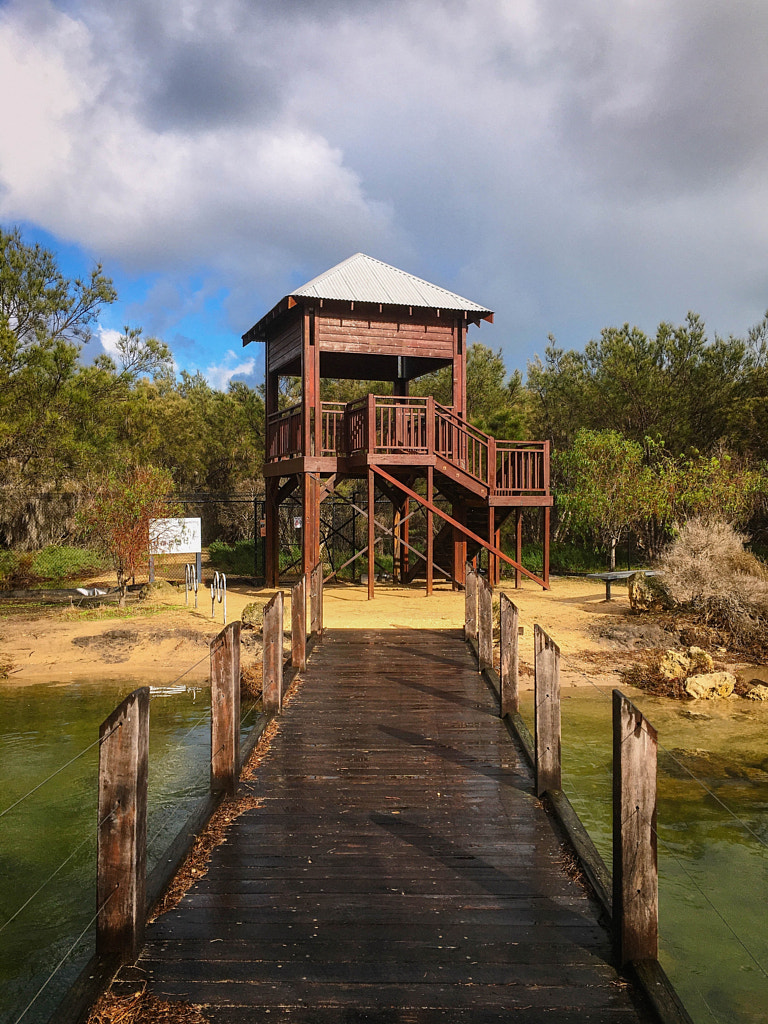
One of the two bird hides at Creery Wetlands Nature Reserve in Western Australia.
Helen bird watching at the Creery Wetlands Nature Reserve, Mandurah, Western Australia.
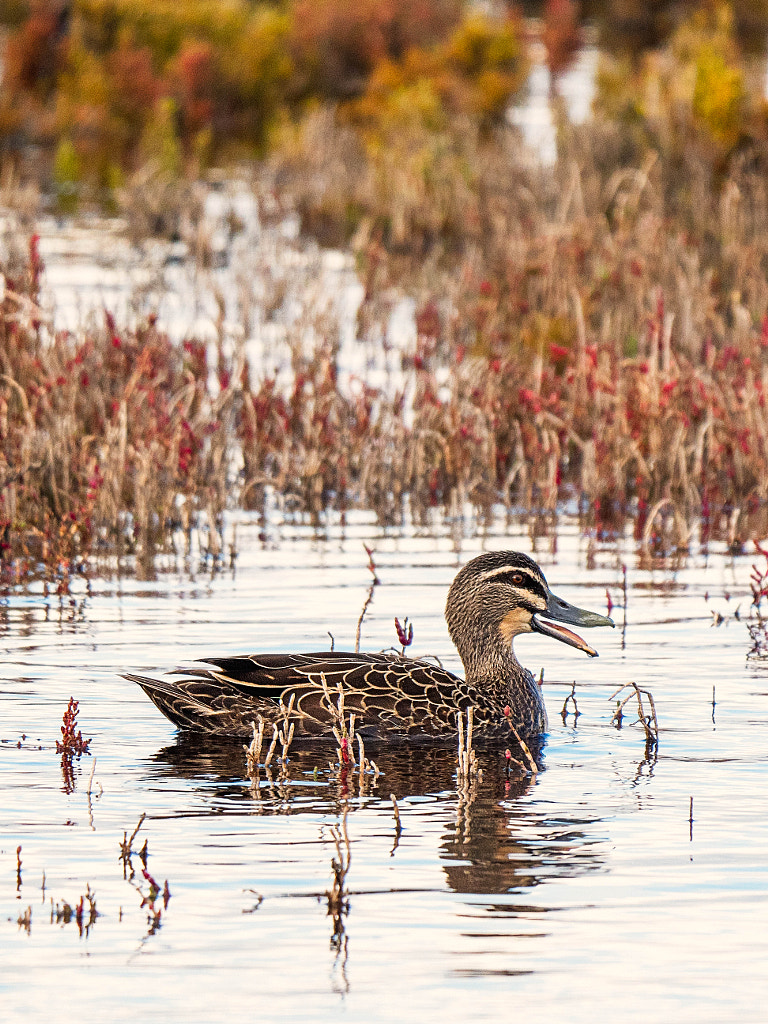
Pacific black duck, Anas superciliosa. Creery Wetlands Nature Reserve, Western Australia.
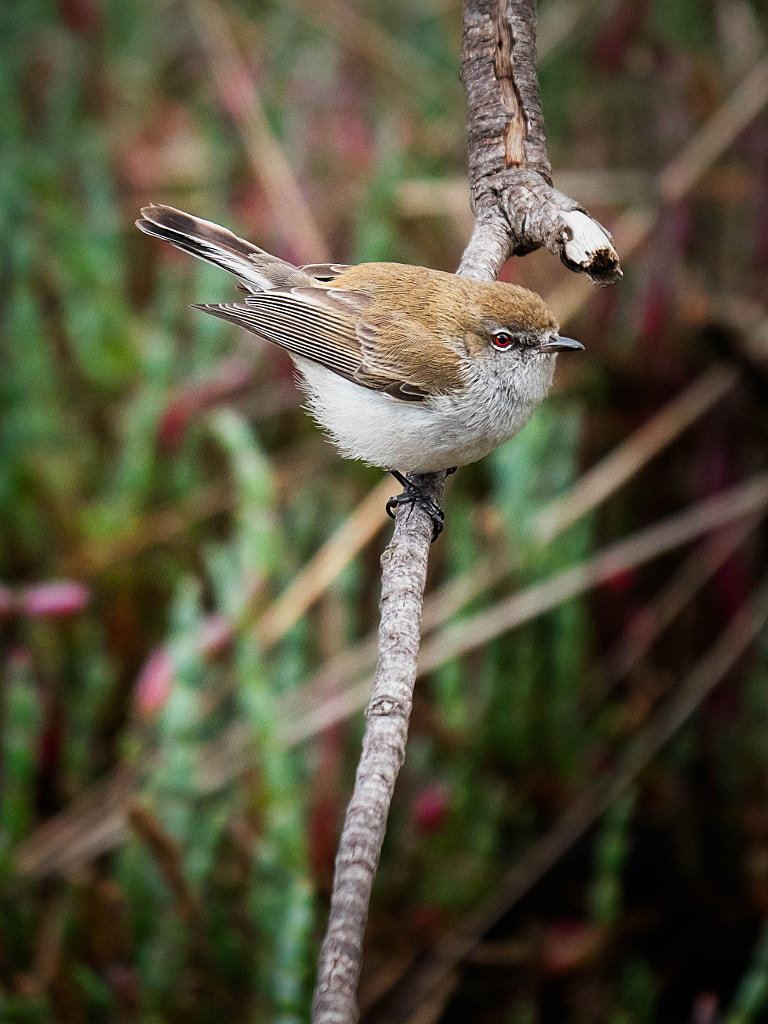
Western Gerygone, Gerygone fusca. Creery Wetland Reserve, Western Australia.
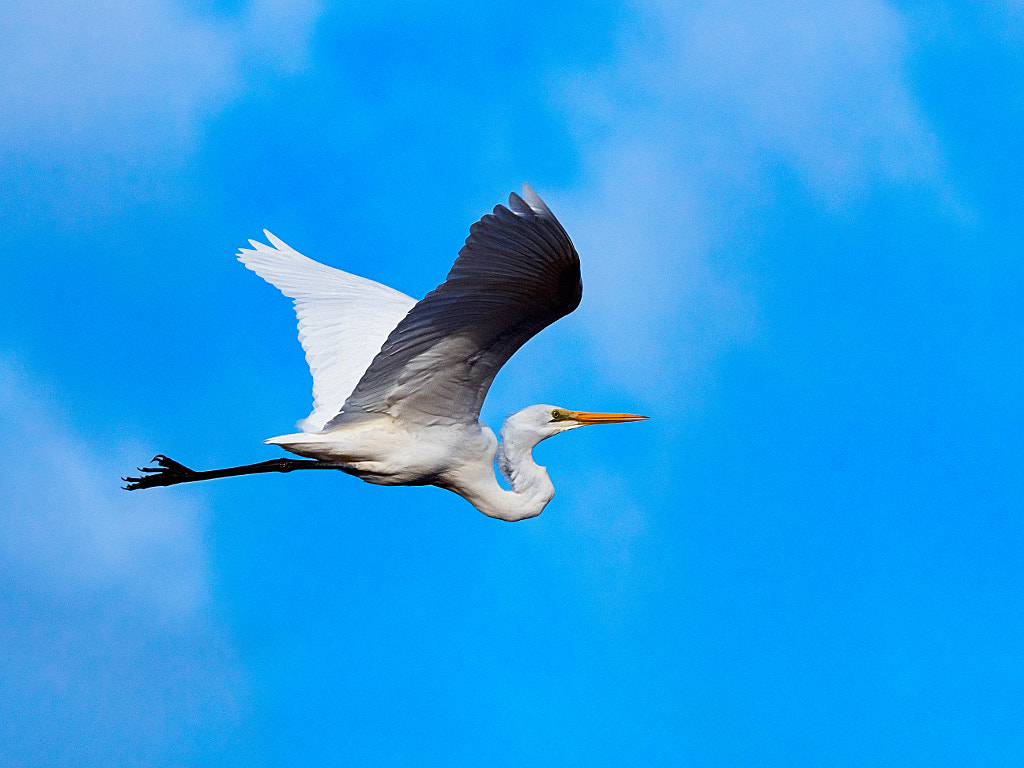
A great egret (Ardea alba modesta) flying over the Creery Wetlands Nature Reserve in Western Australia.
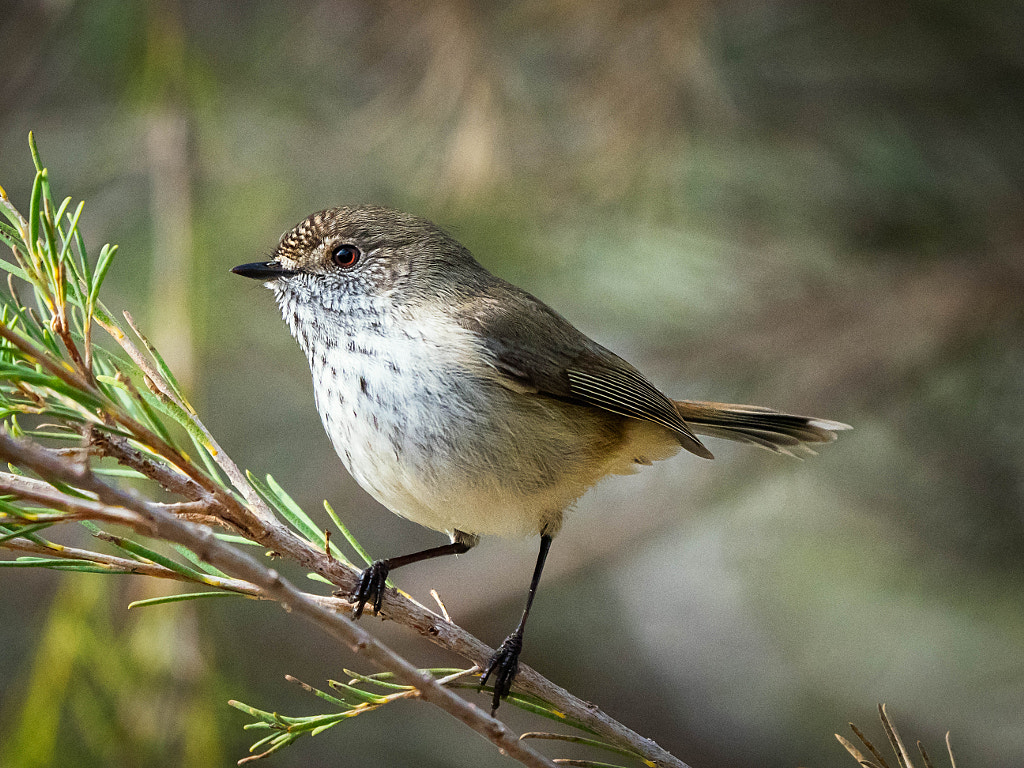
Inland Thornbill, Acanthiza apicalis. Creery Wetlands Nature Reserve, Western Australia.
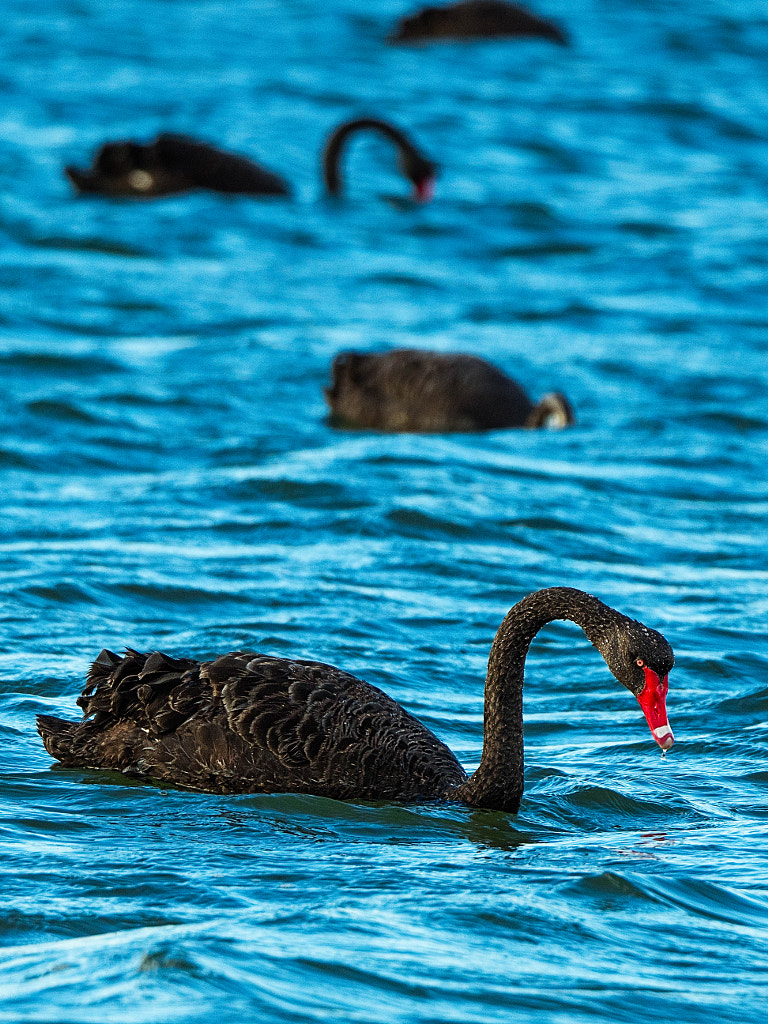
Black swans (Cygnus atratus) feeding. Creery Wetlands Reserve, Western Australia.
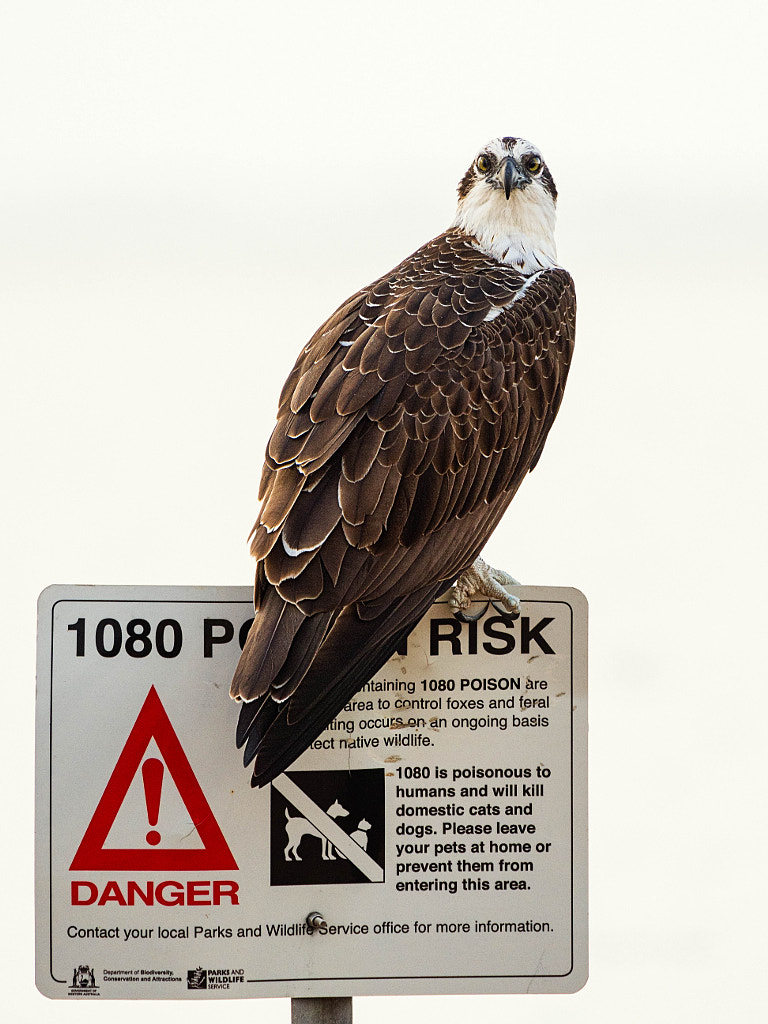
An eastern osprey, Pandion cristatus subs leucocephalus, perched on a sign warning about 1080 baiting. Creery Wetalnds Nature Reserve, Mandurah, Western Australia.
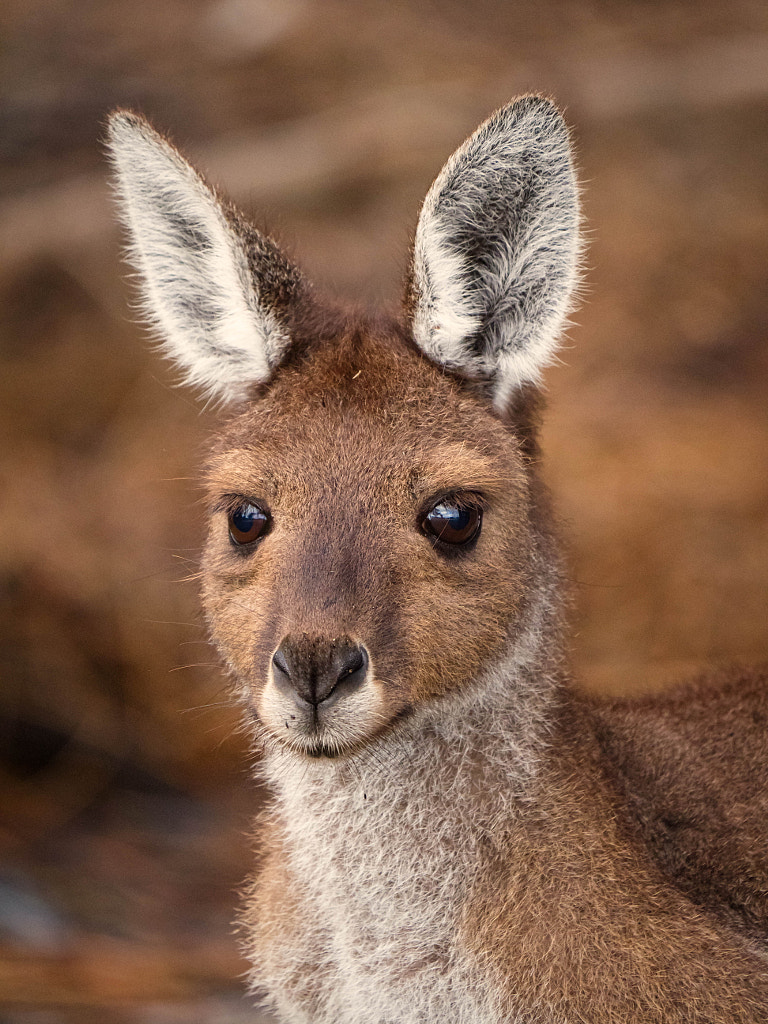
Western Grey Kangaroo, Macropus fuliginosus. Creery Wetlands Nature Reserve, Western Australia.






You must be logged in to post a comment.