It’s Not All Bluff


The Stirling Ranges by Paul Amyes on 500px.com
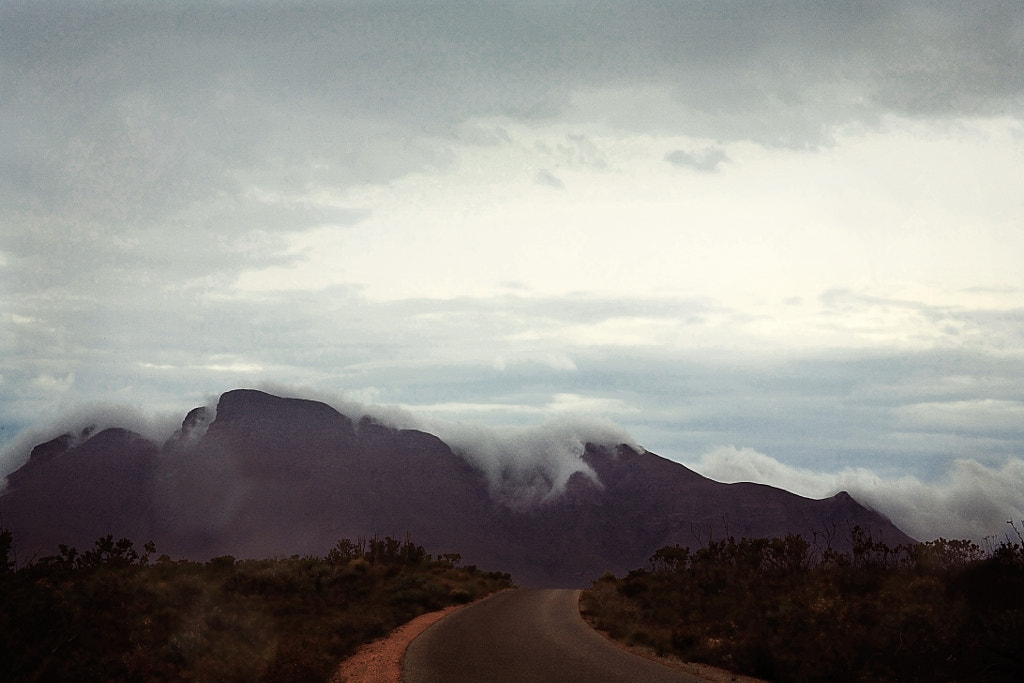
Low level cloud brings white out conditions to Bluff Knoll. Even in late spring the weather can be incredibly unpredictable. The Stirling Range is one of only a few places in Western Australia where snow falls.


Stirling Range National Park lies approximately one hours drive north of Albany in Western Australia’s Great Southern region. The reason most people visit the park is to climb Bluff Knoll which they believe to be the highest peak in Western Australia. Bluff Knoll is an imposing structure – it rises dramatically above the pan flat agricultural land surrounding the park – but the highest point in Western Australia it is not. That honour goes to Mount Meharry in Karijini National Park which is 1245m compared to Bluff Knoll’s 1093m. The other reason people visit Bluff Knoll is that it is the most easily accessible walk in the park being serviced by a road, having parking and a cafe. The trail is well signposted and is comparatively well surfaced and above all despite being steep in places anyone of reasonable fitness can do it. That cannot be said of some of the other walking routes within the park. There is good reason why Australia’s Special Air Service Regiment (SASR) train there.
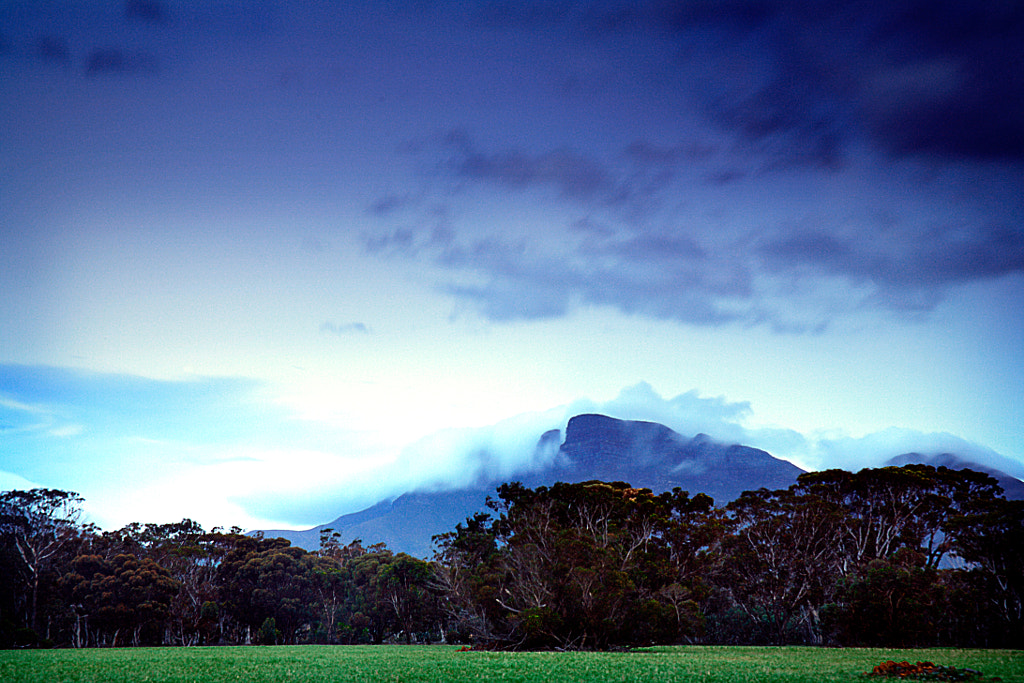
 

Bluff Knoll by Paul Amyes on 500px.com
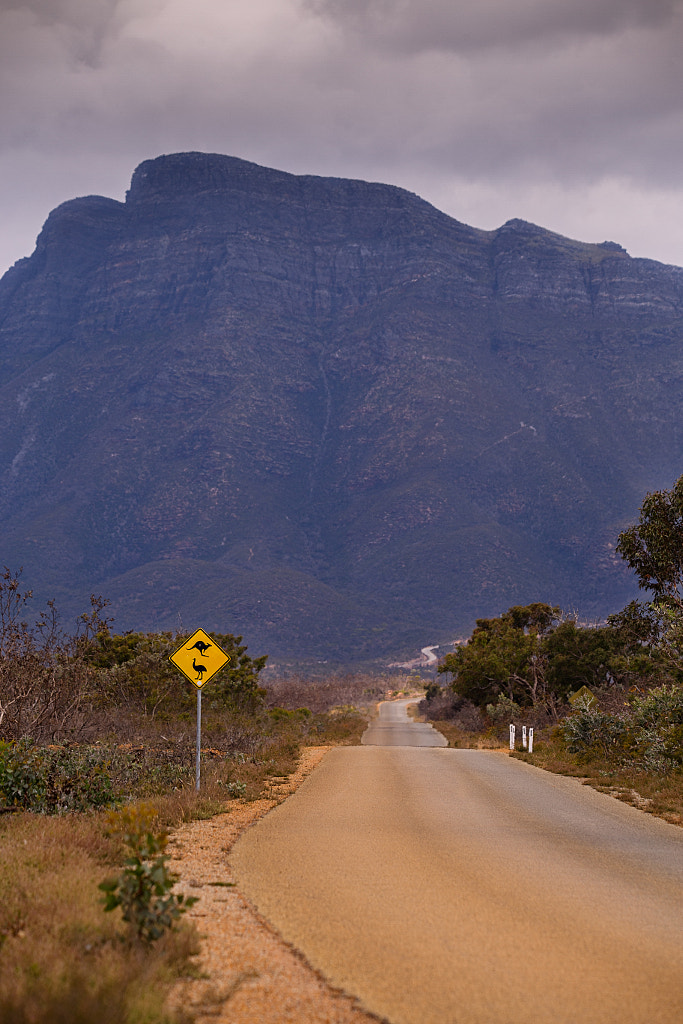
The road to Bluff Knoll in the Stirling Range National Park. At 1099m it is the highest peak in the Stirling Range. It is often surrounded by mist and low lying cloud.


The Stirling Ranges by Paul Amyes on 500px.com
Twilight in the Stirling Range and the peak of Bluff Knoll is being buffetted by a storm.


Highland areas such as the Stirling Range always have very variable weather and often in the extremes. The Qaaniyan and Koreng groups of the Nyoongar called Stirling Range Koikyennuruff or place of the swirling mist. Low lying cloud and mist often shroud the peaks even on bright sunny days. The Nyoongar believe Noatch, the spirit of the dead, lived in the mist and that evil witches lived on the high ridges and so tended to avoid going up onto the peaks. All I know is that it can be shorts and tee shirt weather at the base of Bluff Knoll but when you get to the top it can be very cold and wet. The fact that it is the only place where it snows with any regularity in Western Australia (any time between April and November) shows how difficult the weather can be. The weather is one of the main reasons why people get into strife when climbing Bluff Knoll, most are simply under equipped and under prepared. A Swedish acquaintance once told me there was no such thing as bad weather just poor choices of clothing and that is certainly borne out here. Things aren’t much better in summer as the park is very prone to bush fires so if you wish to visit make sure you are aware of what is happening in the park and whether the trails are open by checking with the Department of Biodiversity, Conservation and Attractions Parks Alerts System and then plan accordingly. The other reason why people get into trouble is that they leave the trail looking to find a short cut and then get disorientated and lost in the scrub.


The Stirling Ranges by Paul Amyes on 500px.com
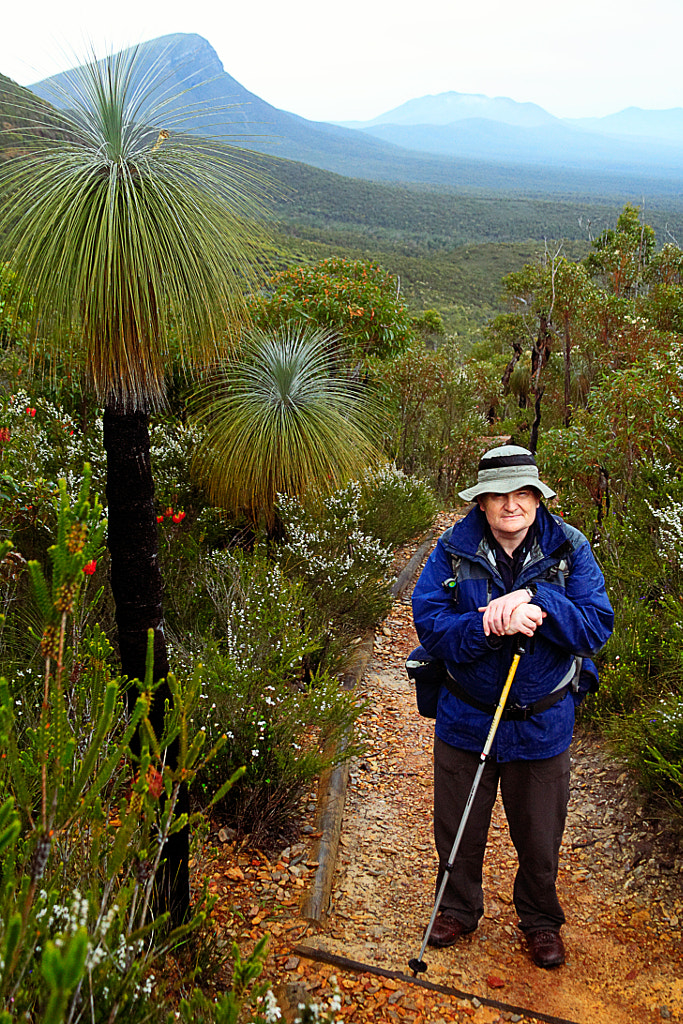
Pausing for a quick breather by a grass tree (xanthorrhoeaceae drumondii) while trudging up Bluff Knoll on a rainy morning.

I first intended to climb Bluff Knoll with my partner back in September of 2000 to celebrate her fortieth birthday but we never did it as I was run over by car. It wasn’t until October 2008 that we finally got round to doing it. Better late than never I suppose. It was a bit of a slog in cold wet weather but it was well worth the effort. We were staying at the Stirling Range Retreat which was then run by Ayleen Sands and her husband Tony. Ayleen ran orchid spotting trips and we did one and that opened my eyes to the biodiversity of the region and more specifically the amazing orchids that are found in Western Australia and I’ve been photographing orchids ever since. It was from Ayleen that we learnt that Stirling Range is an incredible biodiversity hotspot. In spring and early summer the 1500+ species of plants that can be found within the Park’s boundaries come into bloom. To put that into perspective the 1,159 km2 of the Stirling Range National Park contains more species of wildflowers that the 315,159 km2 of the British Isles.  Some of these plants, such as the mountain bell (Darwinia leiostyla), are found no where else in the world. A staggering 123 species of orchid have been found in the Stirling Range National Park which works out to be about one third of the total number of orchid species that can be found in  Western Australia. There are more than 140 bird species, approximately 20 species of native animal – the most likely to be seen are western grey kangaroos. Rottnest Island isn’t the only place with quokkas they have been seen on the slopes of Bluff Knoll. The are more than 30 species of reptile and of course it would not be Australia without poisonous snakes. I initially went to climb Bluff Knoll but found so much more and have been back since and intend to go back again and again.
 

The Stirling Ranges by Paul Amyes on 500px.com
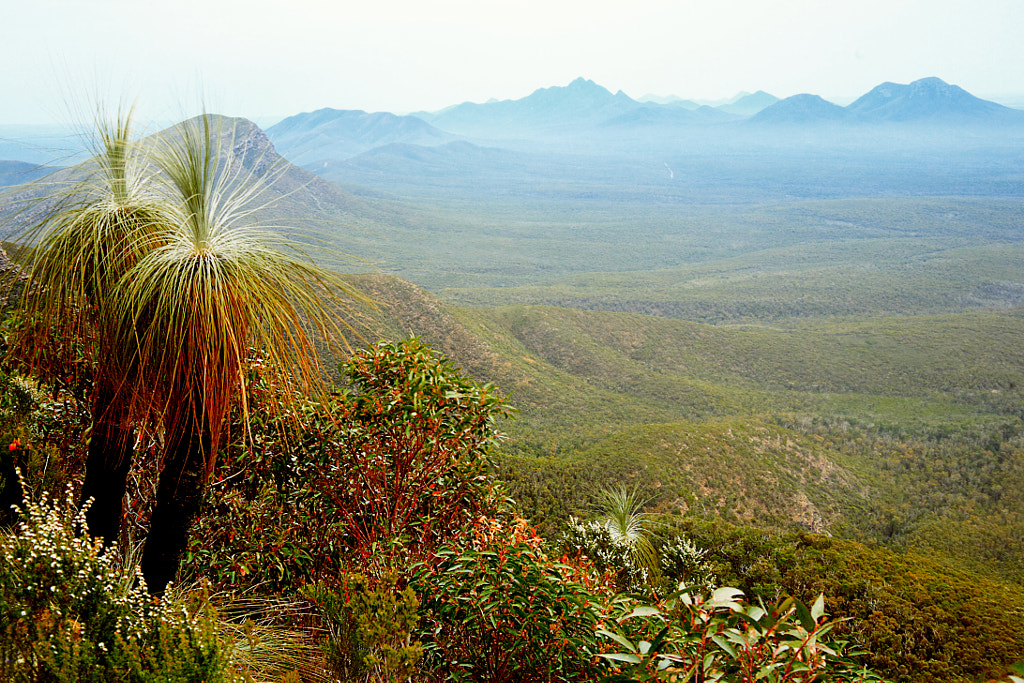
Looking west towards Yungermere Peak, Mount Success, and Coyanarup Peak while walking the traverse of Bluff Knoll. In the distance some of the early morning low lying cloud can still be seen fringing the mountain tops.


The Common Mountain Bell (Darwinia leiostyla) grows in the eastern and central Stirling Range, and can be readily seen on Bluff Knoll and Mount Trio.


Bamborn by Paul Amyes on 500px.com
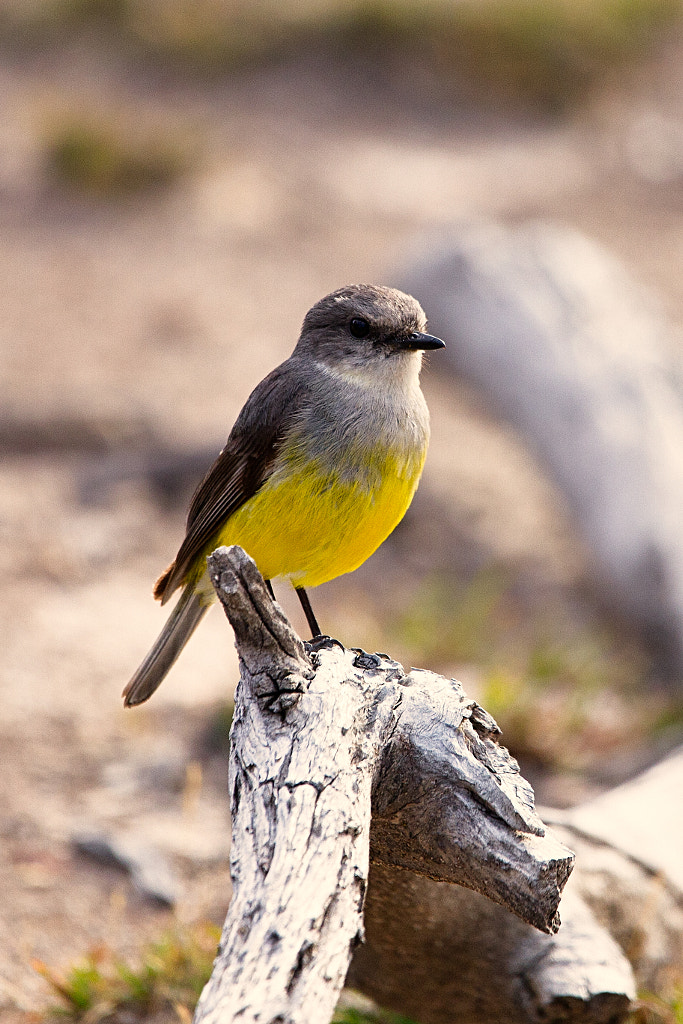
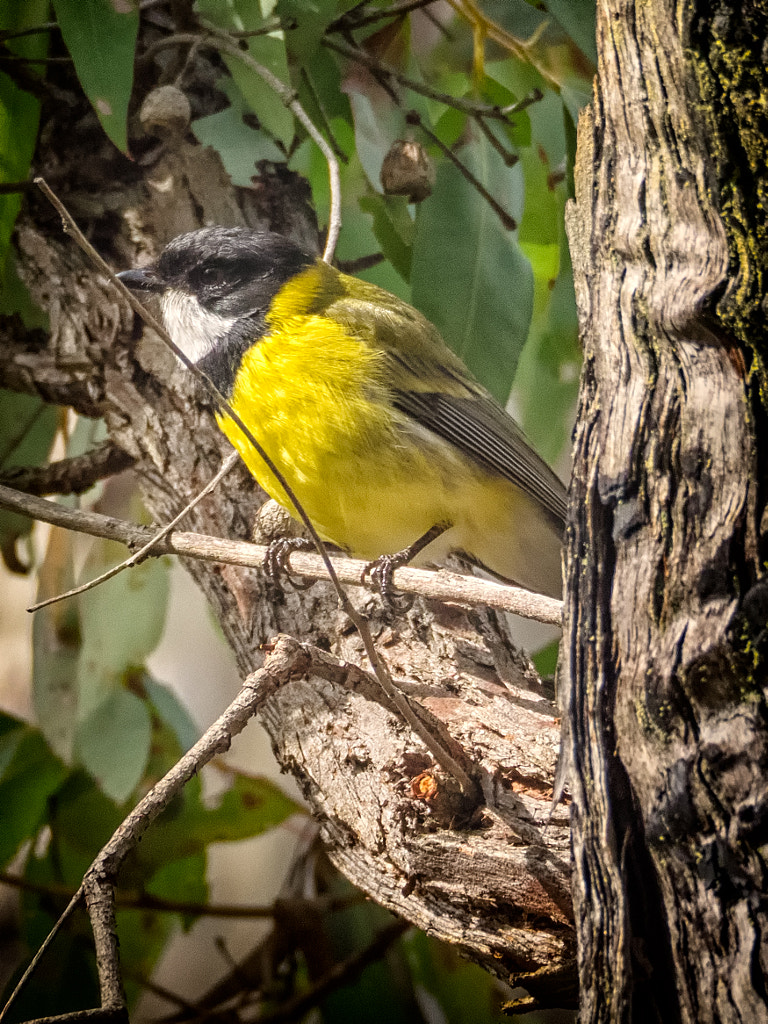
Western Yellow Robin, Eopsaltria griseogularis. Stirling Range National Park, Western Australia.


Djilok by Paul Amyes on 500px.com
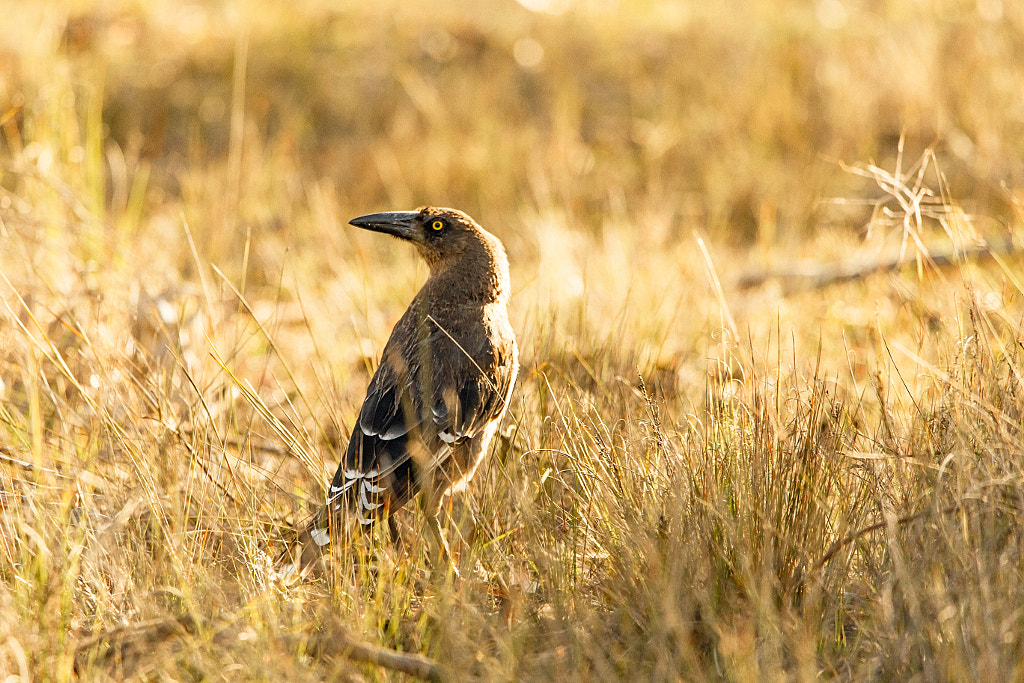
Grey Currawong, Strepera versicolor. Stirling Range National Park, Western Australia.


Koolyederong by Paul Amyes on 500px.com
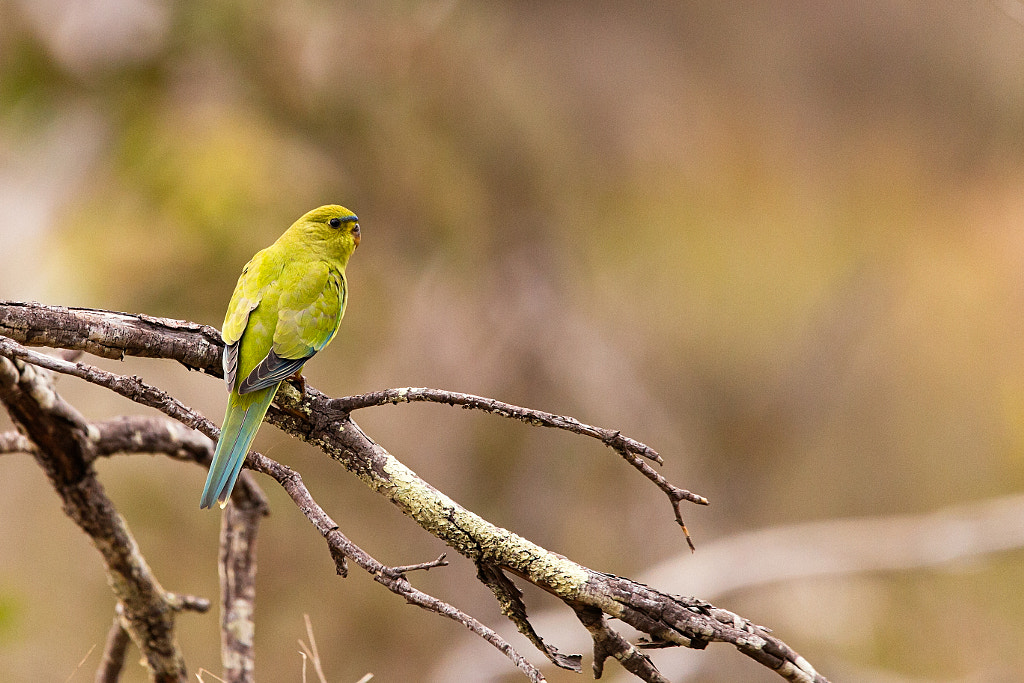
Elegant parrot, Neophema elegans subsp. carteri. Stirling Range National Park, Western Australia.


Butterfly Orchid by Paul Amyes on 500px.com
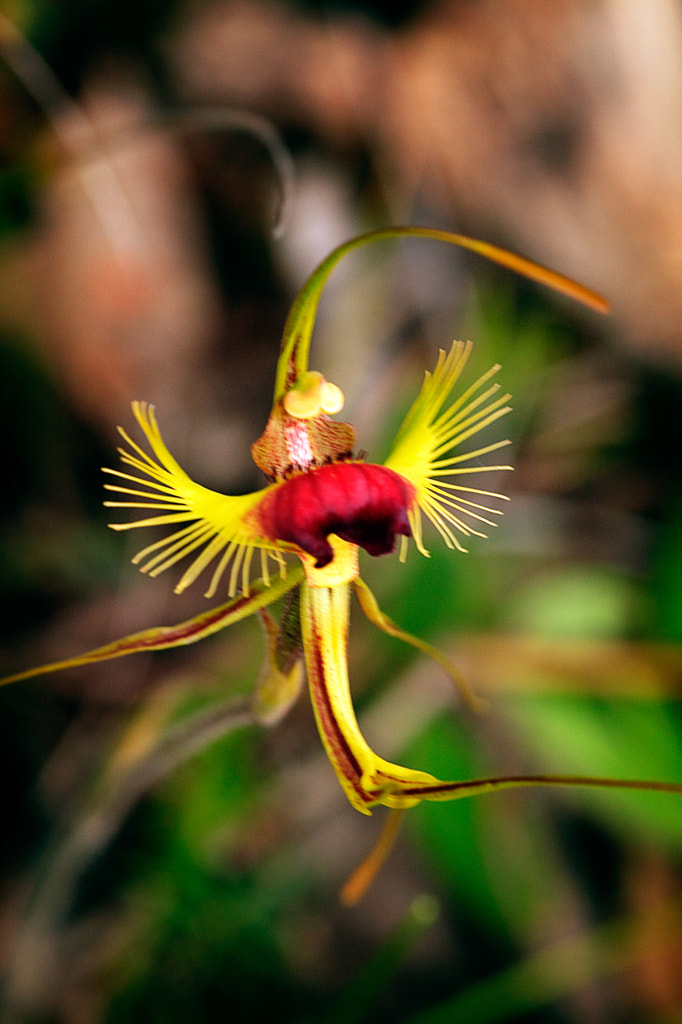
The Butterfly Orchid ((calendenia lobata)) is uncommon and rarely seen, it was first observed on Mt Toolbrunup in the Stirling Range National Park in 1991.


Mount Trio by Paul Amyes on 500px.com

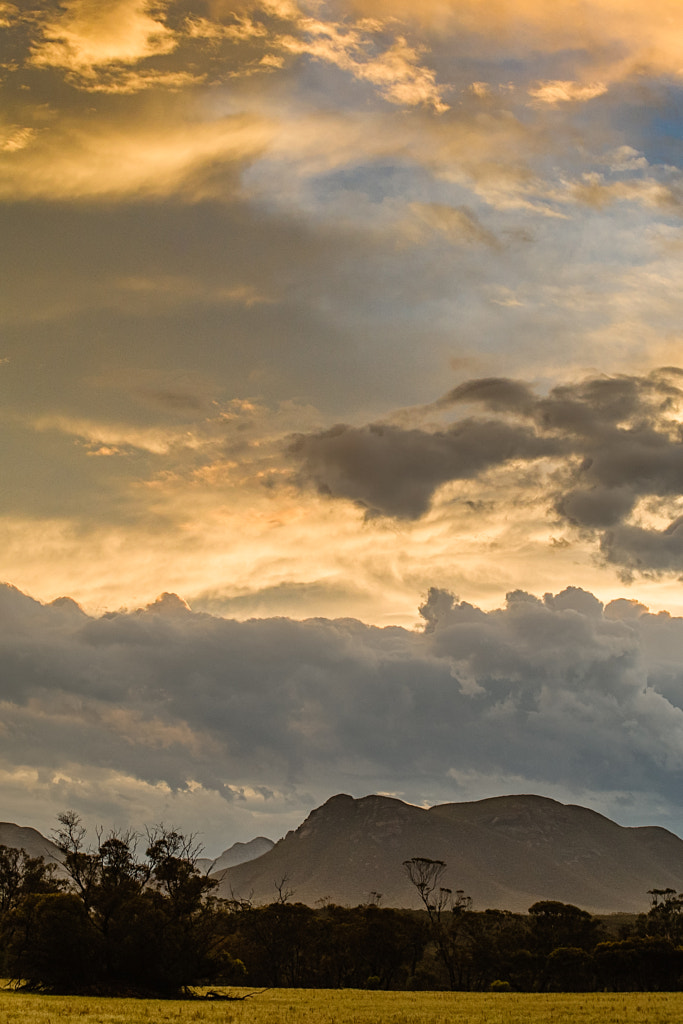
The sun sets behind Mount Trio in the Stirling Ranges of Western Australia. The everchanging weather in the Stirling Ranges can produce some dramatic skyscapes at sunset with spectacular cloud formations over the mountains.
And I Still Haven’t Found What I’m Looking For*


Bamborn by Paul Amyes on 500px.com
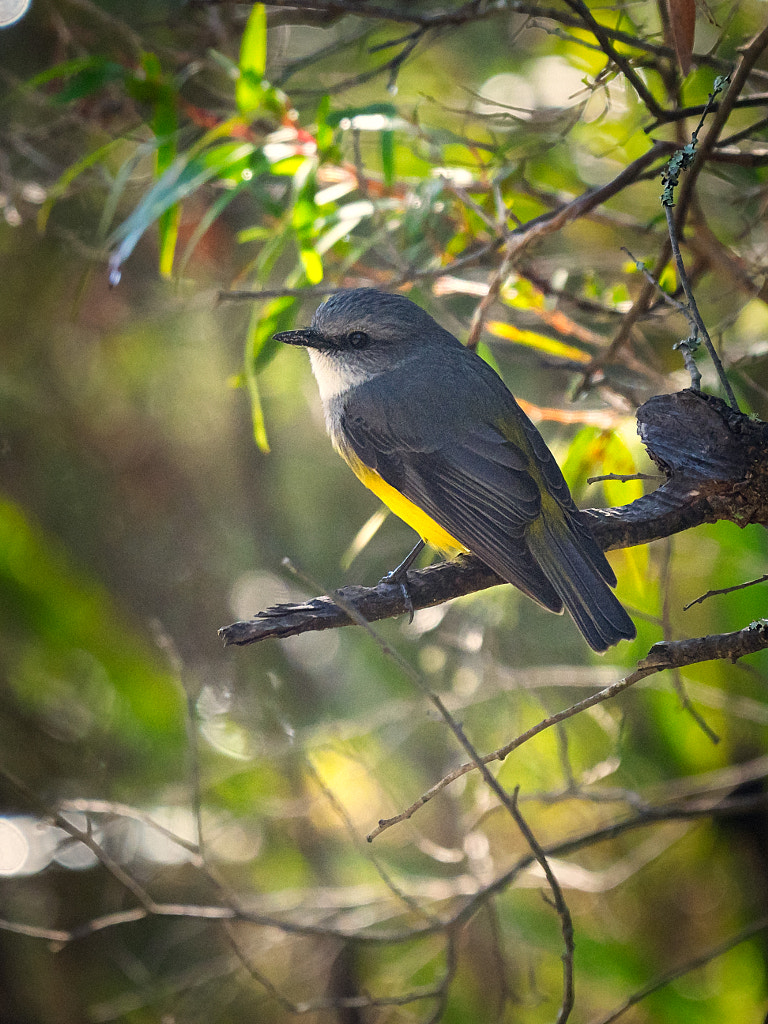
I’d gone to Locke Nature Reserve near Busselton looking for common helmet and midge orchids, but they weren’t flowering. This Western Yellow Robin (Eopsaltria griseogularis) and its mate kept darting in and out of the bush as I walked along the track so I photographed them instead.

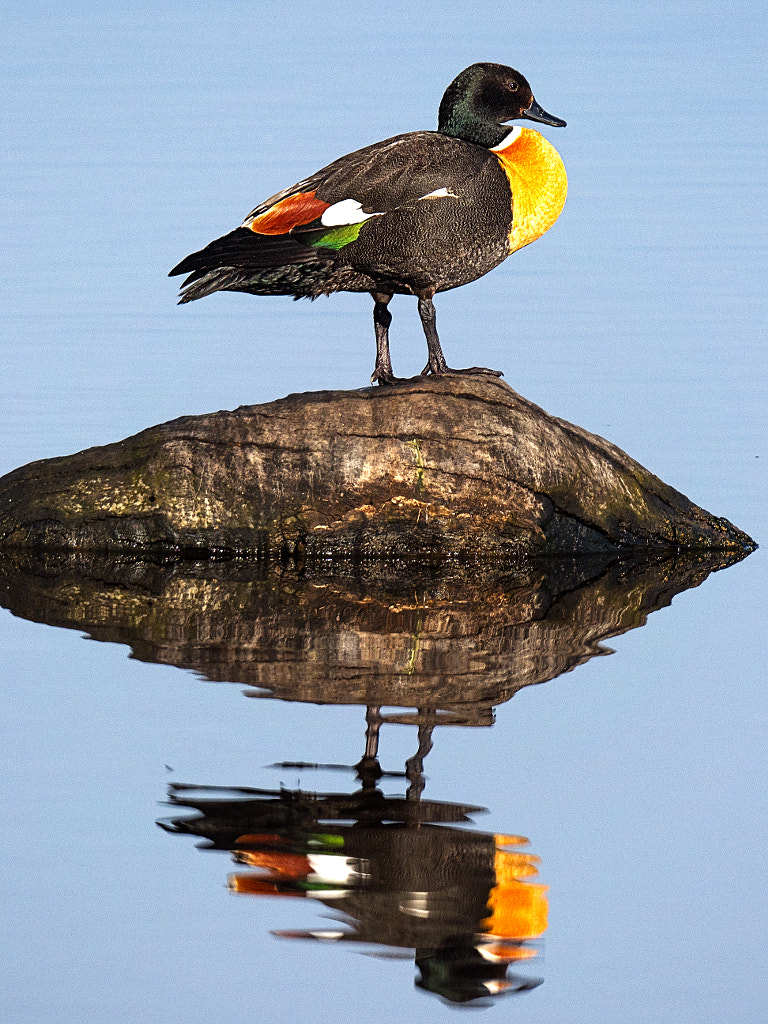
This nature photography lark is a lot harder than it looks. I follow a couple of YouTube channels from the UK that weekly show the host going out to some location to photograph and /or film a particular animal or plant. They always find it and always get   good images. My experience is a bit different to that. I find that you can go out with all the best intentions in the world,  but if nature isn’t playing ball then you don’t get anything. I’ve lost count of the number of times that I’ve set out to look for the Cleopatra’s Needles Orchid (Thelymitra apiculata) driving 100’s of kilometres to find absolutely nothing. Take last weekend. We were down in the South West of Western Australia as my partner was again playing in a croquet tournament. So I’d researched what was about in terms of birds and orchids and set out to several locations with a specific list of what I wanted to photograph. The first stop was Malbup Creek Bird Hide where I wanted to see tawny frogmouths and white-bellied sea-eagles. Well I spent a nice morning at the hide without seeing them. I did get a nice shot of a shelduck and the local kangaroos were hamming it up for a photo.


Koorak by Paul Amyes on 500px.com
Not the white-bellied sea-eagle I was looking for. Still he’s a very handsome Australian Shelduck.


Yongka by Paul Amyes on 500px.com
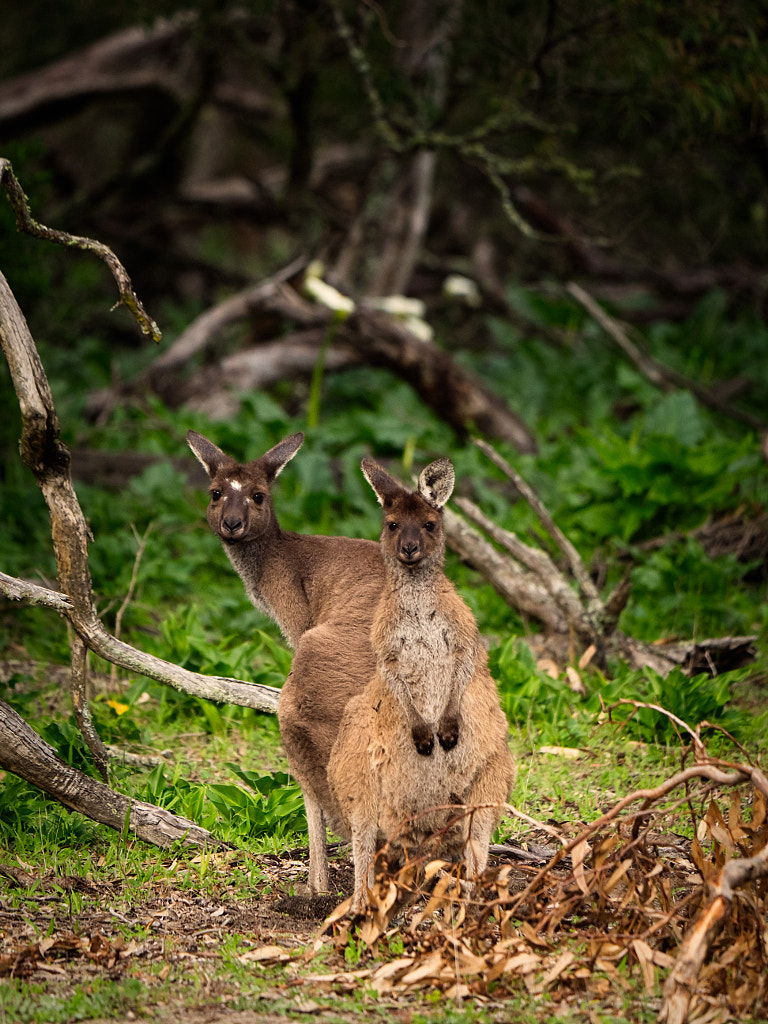
No tawny frogmouths to be seen let alone be photographed. The Western Grey Kangaroos were keen to oblige.
The next stop was Locke Nature Reserve looking for common helmet and midge orchids. Well after a couple of hours of scrabbling around in the undergrowth fighting off the unwanted attentions of the local mosquitoes I’d found lots of them, but none in flower. There were some Splendid Fairywrens in the nearby bushes but they really didn’t want their picture taken and kept dancing out of the way every time I got close. On the walk back to the car a couple of Western Yellow Robins flew slightly ahead of me. They would stop and perch periodically and I was lucky enough to grab a few frames.
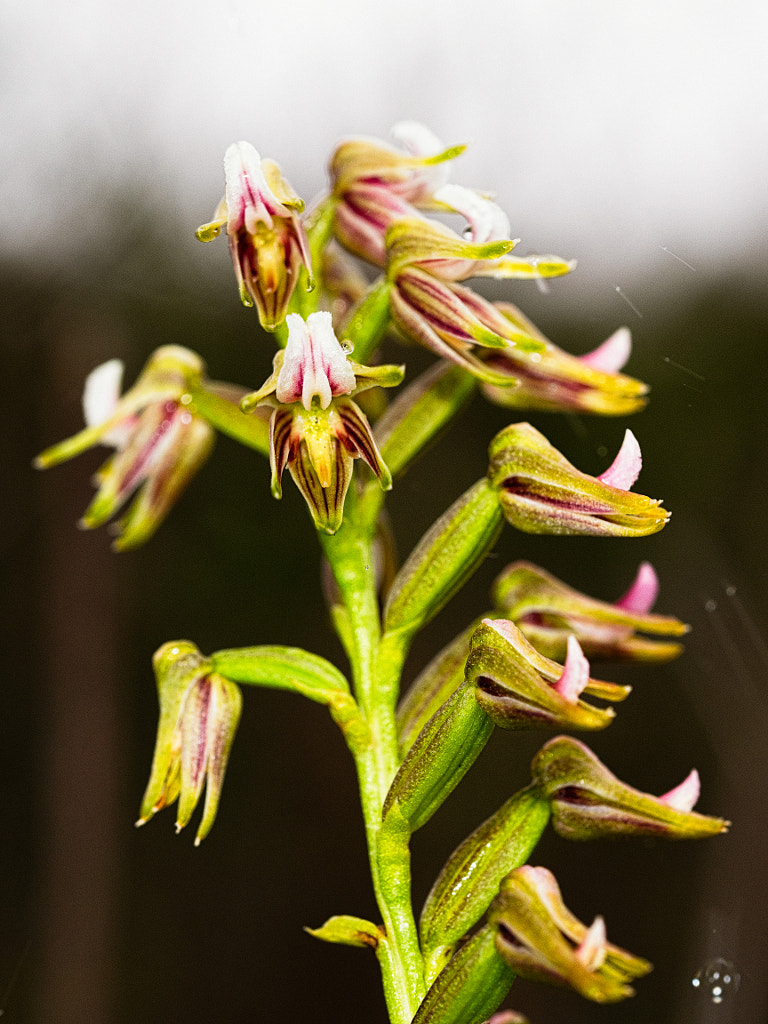
My last spot was Westbay in Augusta looking for scented autumn leek orchids. Now I’d seen them before at this location and knew where to go. They weren’t there. Not a one was to be seen. But I did find some autumn leek orchids – close enough so I photographed them. Funnily enough the autumn leek orchid has a much more pleasant scent than the scented variety which has decidedly unpleasant pong.
Autumn Leek Orchid by Paul Amyes on 500px.com
Autumn Leek Orchid, Prasophyllum parvifolium. Westbay, Augusta, Western Australia
So there you have it another rewarding trip. I may not have found what I was looking for but I found other things and really enjoyed my time in the bush and that is what it is all about.
* This weeks musical reference is of course U2’s song I Still Haven’t Found. My favourite version is the one on 1988’s Rattle and Hum album.

Seeing Red

Red-capped Robin by Paul Amyes on 500px.com
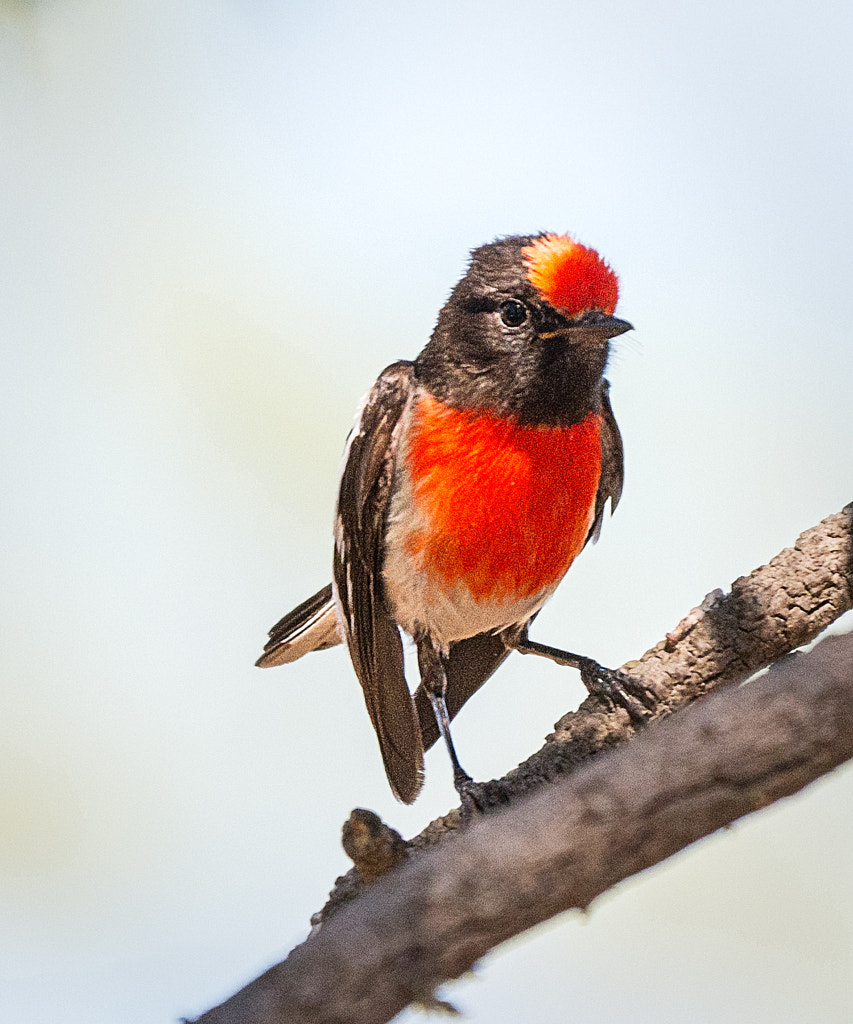
Red-capped Robin,Wei. Avon Walk Trail, York, Western Australia. Panasonic Lumix G85 with Panasonic Leica 100-400mm F4.0-6.3 lens. Exposure: 1/1000 sec, f6.3 at ISO 640.


Being originally from England I automatically associate Christmas with cold weather, and by association Robins as they are part of iconography of the festive season. So when walking along the Avon River on a 40º C day seeing these Red-capped Robins seems a little incongruous. For such a small bird they are as bold as brass and will let you approach quite closely. The other confusing thing about Australian robins is that they don’t just come in red.


Lake Leschenaultia Lakeside Walk by Paul Amyes on 500px.com
The Western Yellow Robin (Eopsaltria griseogularis). Lake Leschenaultia, Western Australia. Olympus OMD EM1 with Olympus M.Zuiko Digital ED 75-300mm f/4.8-6.7 II lens. Exposure: 1/400 sec, f8 at ISO 800.


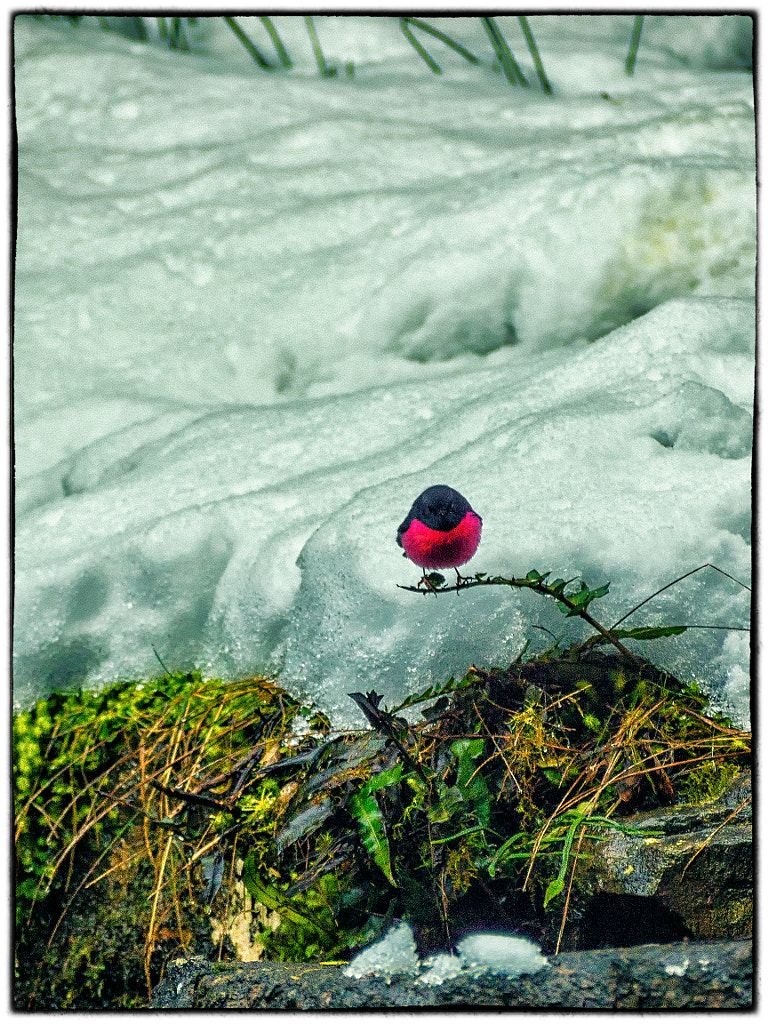
When we were in Tasmania we had proper winters with snow, and that meant we had robins in their proper setting, but not at Christmas. Oh it’s all very confusing!


Pink Robin at Silver Falls by Paul Amyes on 500px.com
A pink robin (pink) at Silver Falls, Mount Wellington in Tasmania. Olympus OM-D E-M10 with Olympus M.Zuiko Digital ED 40-150mm f/4-5.6 R lens. Exposure: 1/160 sec, f5.6 at ISO 200.