All Change

I like the changes in the seasons and particularly look forward to the arrival of autumn. In fact spring and autumn are what living here are all about – fantastic weather with near perfect temperatures.

Autumn Burn Off by Paul Amyes on 500px.com
The Autumn burn off in the fields of the Western Australian Wheatbelt has left its distinctive stripes on the landscape.


The farmers have launched into a frenzy of activity – the fields are being burnt in preparation for the next crop. They are hoping that the war in the Ukraine and the sanctions against Russia will bring about record wheat prices. That optimism is being tempered by rising costs of fuel, fertiliser and pesticides.  As usual for this time of year the valley fills with palls of smoke leading to some spectacular sunsets.

In the garden the bob tailed lizards are nowhere to be seen. While they don’t exactly hibernate they go into torpid state where they hide up and live off the fat reserves in their tails. The white browed babblers have upped sticks and moved to another garden and the only real activity is coming from the white-cheeked honeyeaters. They had a bit of a population explosion over summer so there are lots of adolescents  chasing one another around the garden.  This has led to some spectacular demonstrations of flying with some very close calls with windows and near misses while dodging around the rear veranda.  Just as dawn breaks lots of them sit on the fence outside my bedroom window and make a tuneless racket. What they lack in musical ability they make up for with enthusiasm.


White-cheeked Honeyeater by Paul Amyes on 500px.com
White-cheeked Honeyeater (Phylidonyris niger).

Yes I like autumn it marks the start of more activity out in nature.
Backyard Birds

Well it seems that the COVID-19 restrictions have been in place for an age. Here in Western Australia the social distancing requirements aren’t as strict as some places, but we still aren’t able to go where we want and do what we want. It makes me more appreciative of what my parents went through growing up in the Great Depression and then after that the Second World War. But anyway to keep myself from going totally mad I’ve been working on a few projects. This one is to document all the birds that come into our backyard. I’ve not got them all by any means. Some are very elusive and just don’t want their photos taken for some reason. Can’t imagine why. Here is a selection form the last couple of weeks.


Backyard Birds by Paul Amyes on 500px.com
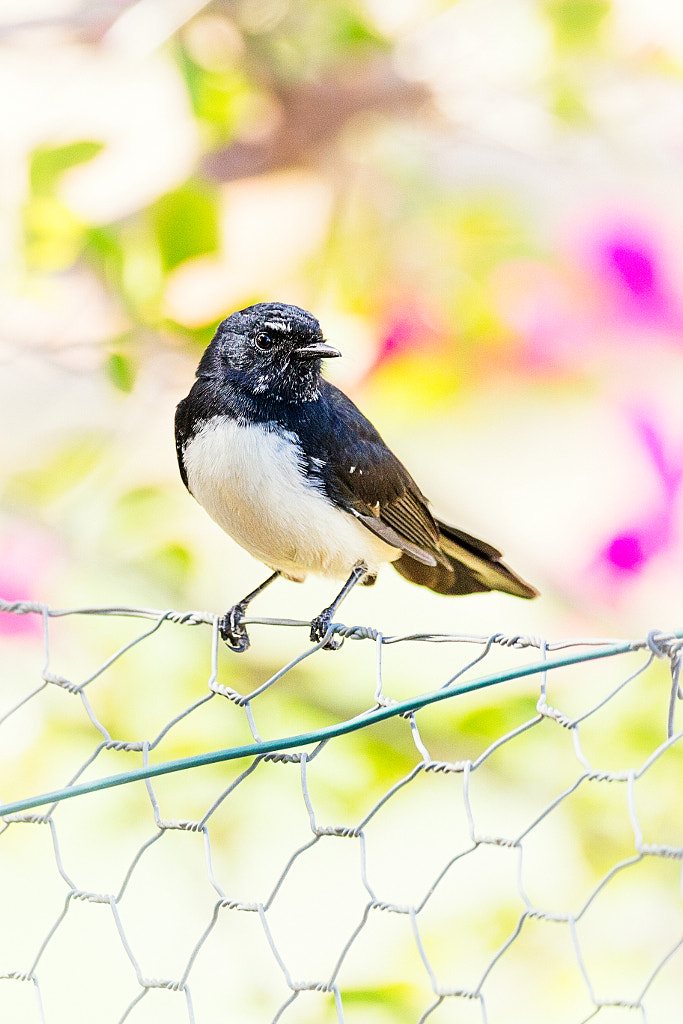
Willie Wagtail on the back fence. York, Western Australia. Canon EOS 6d with Sigma 150-600mm f5-6.3 Contemporary lens. Exposure: 1/500 sec, f7.1 at ISO 1600.


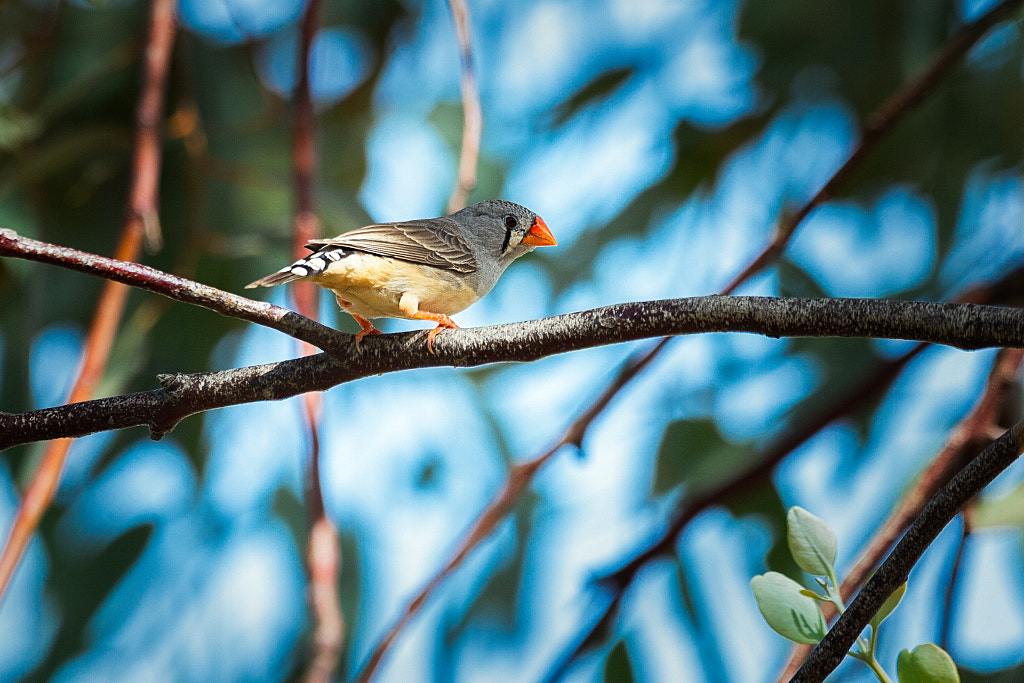
Backyard Birds by Paul Amyes on 500px.com
Zebra finch, Taeniopygia guttata. York, Western Australia. Canon EOS 6d with Sigma 150-600mm f5-6.3 Contemporary lens. Exposure: 1/500 sec, f6.3 at ISO 400.


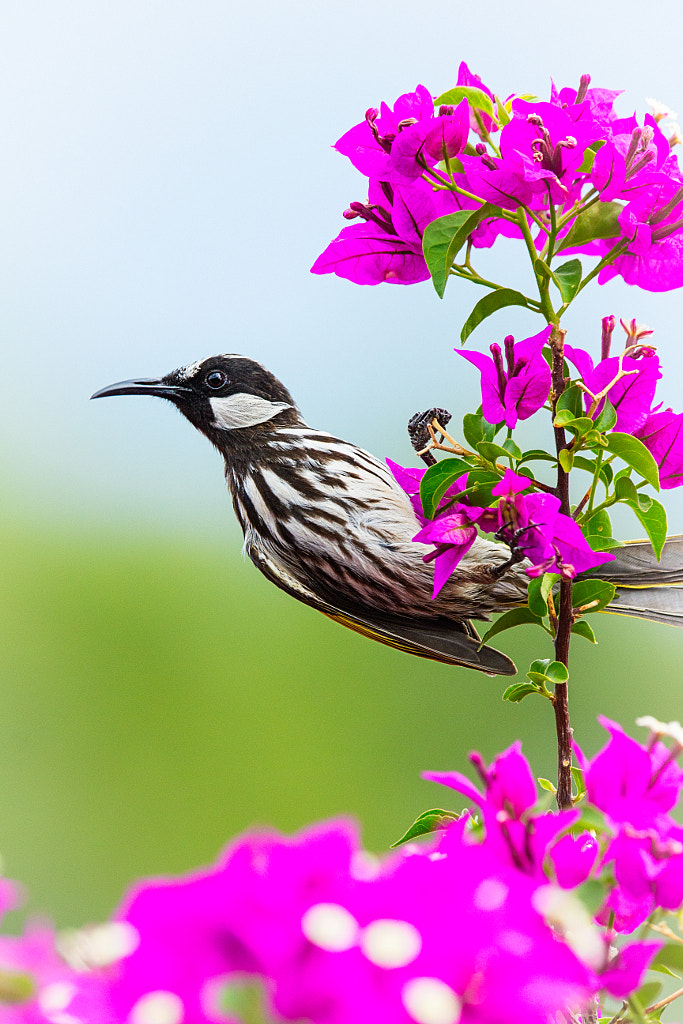
White-cheeked Honeyeater by Paul Amyes on 500px.com
White-cheeked Honeyeater, W, in my back garden. York, Western Australia. Canon EOS550d with Sigma 150-600mm f/5-6.3 DG OS HSM Contemporary lens. Exposure: 1/500 sec, f7.1 at ISO 500.


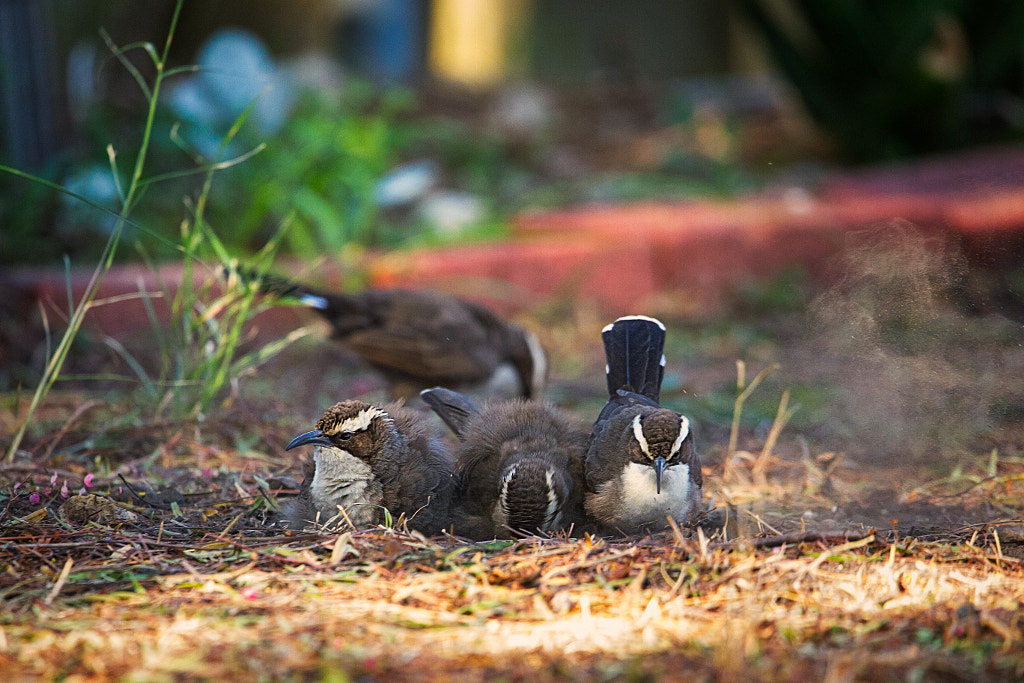
Backyard Birds by Paul Amyes on 500px.com
White browed babblers (White) breaking the social distancing rules by communal dust bathing. York, Western Australia. Canon EOS 6d with Sigma 150-600mm f5-6.3 lens. Exposure: 1/500 sec, f6.3 at ISO 5000.


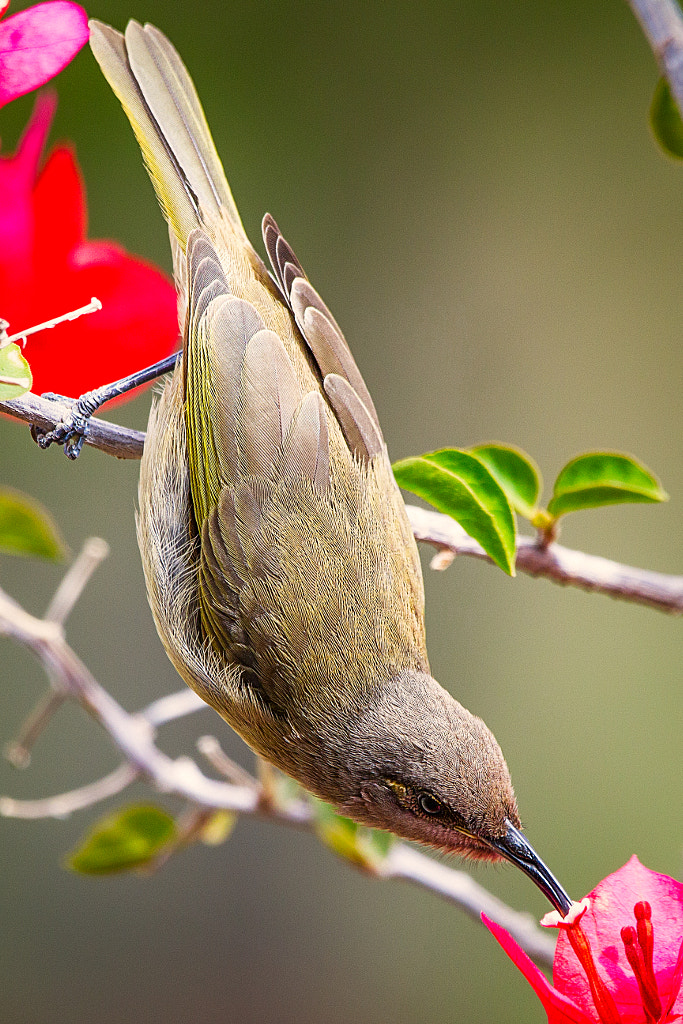
Brown Honeyeater by Paul Amyes on 500px.com
Brown Honeyeater, Brown, in my back garden. York, Western Australia. Canon EOS 550d with Sigma 150-600mm f5-6.3 lens. Exposure: 1/500 sec, f6.3 at ISO 320.


Backyard Birds by Paul Amyes on 500px.com
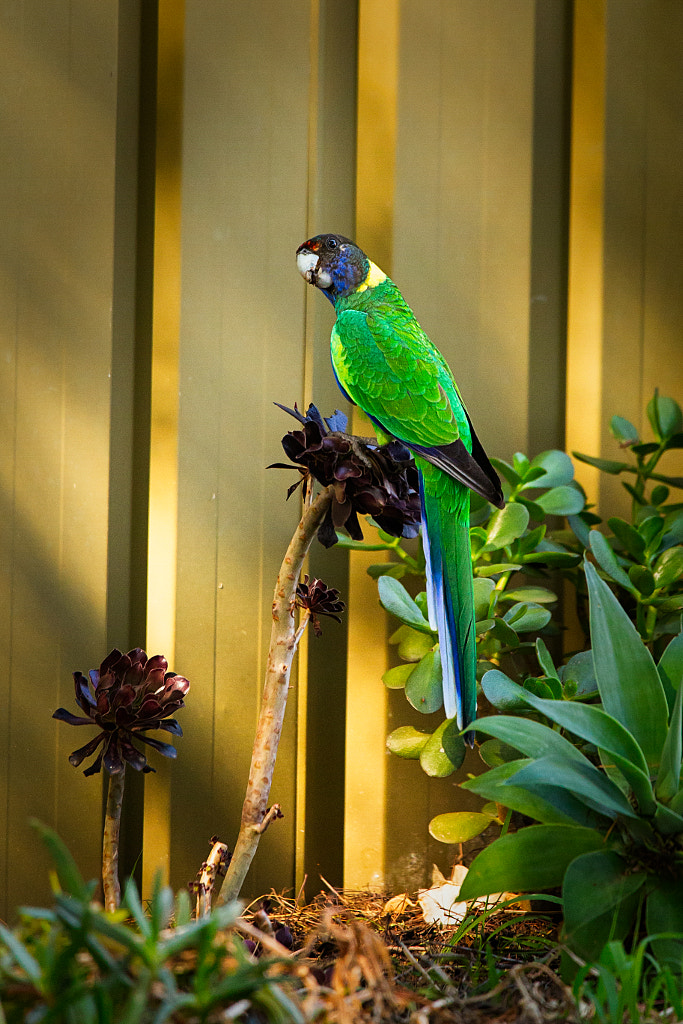
Australian Ringneck aka twenty-eight parrot,Aus. York, Western Australia. Canon EOS 6d with Sigma 150-600mm lens. Exposure: 1/500 sec, f6.3, at ISO 6400.

Well that’s it for this week. Stay safe, keep positive and try and keep busy.

Trouble In The Garden

At present with the first days of spring upon us we have several birds nesting in the garden. Amongst the Bougainvillea on the back fence several white cheeked honey eaters (Phylidonyris nigra) have made nests. I’m not entirely sure how many there are in there as the thorns prevent me from having a closer look.


White-cheeked Honeyeater by Paul Amyes on 500px.com
One of the white-cheeked honeyeaters, Phylidonyris nigra, on our lemon tree at the back of the garden.


The other avian residents of the garden are the bossy and busy white browed babblers (Pomatostomus superciliosus). They are quite raucous as they pick amongst the mulch looking for insects, spiders , small amphibians, reptiles and will also  and seeds. There are three nests that I know about in the peppercorn trees and it is difficult to know exactly how many birds there are as they have quite complicated living arrangements.

“The White-browed Babbler builds a domed stick nest, with a hooded side entrance. It builds both brood (for breeding) and roost (for resting) nests. Breeding pairs are monogamous, but they form co-operative breeding groups comprising two to four breeding pairs and two to eight non-breeding helpers. Only the breeding female incubates the eggs, though other birds in the group feed her and the young birds. Cooperatively breeding groups occupy a home-range, but there are complex interactions within and between groups.”

Birds In Backyards


White-browed babbler by Paul Amyes on 500px.com
Hills Hoist washing lines supporting birds for generations. White-browed babbler (Pomatostomus superciliosus), York, Western Australia.


All have lain eggs and the females are sitting tight on the clutches of eggs while the attentive males flit around the garden finding food for them.


White-browed babbler by Paul Amyes on 500px.com
About to head home with tonight’s tea. White-browed babbler (Pomatostomus superciliosus), York, Western Australia.


I observe all these antics as I hang out washing, cut the grass and other domestic human duties. It all sounds like paradise. Unfortunately just as happened in the original Garden of Eden so a pair are about to upset the apple cart so to speak. This pair aren’t snakes (they’re still asleep in the woodpile) and it definitely isn’t the resident Adam and Eve (er that’s me and the missus). No it is the two miscreants below who are to blame.


Laughing Kookaurras by Paul Amyes on 500px.com
Laughing Kookaburras perched on our TV aerial looking for small animals to prey upon.


Kookaburras (Daceelo novaeguineae) normally eat small lizards, large insects and other invertebrates but they are not averse to raiding nests and taking small chicks. The babblers and honeyeaters all take cover when the Kookaburras take their observation post on the TV aerial. I think this is going to end in tears.