Operation Numbat

The world has become a very grim place at the moment now that the Mango Menace has unleashed “Operation Epic Fury” (really who comes up with these ridiculous names?) which means we have to take out a mortgage to buy a tank of petrol if we can  find a servo with any in stock. So we decided to launch “Operation Numbat” whose sole function was to produce joy.


Dryandra, Western Australia.


The goal was to spend a couple of nights at Dryandra and find a numbat. Easier said than done as we have been looking for around thirty years and never seen one. A numbat for the uninformed is smallish, about 30-40 cm long, marsupial that eats termites. It was once quite common across southern Australia, but was driven to the point of extinction when somebody thought that introducing foxes to Australia would be a good idea. There now exist only a few small isolated populations in Australia and Dryandra is one of them. The Western Australian state government introduced Operation Western Shield (another silly name) to protect vulnerable native fauna from feral foxes and cats. In Dryandra this is done with a combination of 1080 baiting and trapping. It’s reckoned that the programme has reduced the fox population by 80% (Marlow et al., 2015). 

We weren’t there just for the numbats, we there for Woylies, Echidnas, birds and everything and anything wildlife related.


Day 1


Wandoo Walk by Paul Amyes on 500px.com
Helen on the Wandoo walk at Dryandra, Western Australia.

We arrived at Dryandra at at lunch time and once we’d eaten we set off to walk the Wandoo Walk (day walk) the start of which is located at the Old Mill Dam. The walk is 2.7 Km long and takes about 1 1/2 hours – more if you are looking for animals like we were. It is touted as being good for wildlife with a chance of seeing Numbats. Now the great thing about Numbats is that unlike other small marsupials they are diurnal, and to cap it off like sunning themselves in open areas which in theory should make them easier to see. I say in theory as we have been looking for over thirty years without any luck and I was hoping that this trip would be fruitful. It was a really enjoyable walk and we saw loads of birds – in fact I’d never seen so many Rufous Treecreepers in one day. But, when it came to Numbats we saw neither hide nor hair.


Jacky Winter by Paul Amyes on 500px.com
Jacky Winter, Microeca fascinans. Dryandra, Western Australia.


Djini by Paul Amyes on 500px.com
Djini or Rufous Treecreeper (Climacteris rufa), Dryandra, Western Australia.


Djini by Paul Amyes on 500px.com


Just before sunset we decided to walk around the large open paddock adjacent to the Dryandra Lions Village where we were staying. Western Grey Kangaroos were grazing on the grass and then we saw something we’d never seen before. We’d spotted an Echidna wandering round looking for ants when it encountered another Echidna. Now Echidnas are incredibly solitary animals and are rarely seen in the company of others. The two animals sniffed each other carefully and then went on their separate ways continuing their search for ants. As I continued walking along the perimeter of the paddock I found another Echidna and it came quite close allowing me to get some nice close ups.


Dryandra Lions Village is comprised of old forestry bush cottages.


Nyingarn by Paul Amyes on 500px.com
A pair of Nyingarn or Short Beaked Echidnas aka Spiny Anteaters (Tachyglossus aculeatus). Dryandra, Western Australia.


Nyingarn by Paul Amyes on 500px.com
Nyingarn or Short Beaked Echidna.


Day 2

Kawana Trail information board. Dryandra, Western Australia.


The morning saw us out on the Kawana Walk which is a 3.3Km walk through the Brown Mallet plantation, through the kwongan heath and then back through the Mallet trees. The varied landscape gives great opportunity to spot different birds, Kangaroos, Echidnas and fingers crossed Numbats. Again, like yesterday’s walk, we saw loads of wildlife – birds, kangaroos, and skinks – but no Numbats. It was hard not to feel a little dispirited at this stage. You plan trips and hope to see certain animals, like we did in our recent trip to Broome, but when you don’t find them you can feel very deflated even though you saw other animals. 


Djini by Paul Amyes on 500px.com
More Rufous Treecreepers


Miyamit by Paul Amyes on 500px.com
Miyamit or Yellow-plumed Honeyeater (Ptilotula ornatus).


Yongka by Paul Amyes on 500px.com
Yongka or Western Grey Kangaroo (Macropus fuliginosus).


Buchanan’s snake-eyed skink, Cryptoblepharus buchananii. Dryandra, Western Australia.


My companion in the Old Mill Dam hide – a Southern Slider (Lerista dorsalis). Dryandra, Western Australia.


After grabbing a quick drink I set off to walk down to the Old Mill Dam and sit in the hide there.  Apart from seeing a Southern Slider Skink and a dragonfly I saw nothing. Desperation was really starting to set in now, so at 4pm we decided to go on a very slow drive around the park in the hoping that we’d see something. Driving along a deeply corrugated gravel road at 20Kph is enough to shake your fillings out of your teeth. It was torturous. At this stage your mind starts to play tricks on you. You so want to see that animal and you are desperately willing it to happen and every time a branch moves or a bird flies just above the ground you think NUMBAT! Your head twitches backwards and forwards trying to get a better glimpse of what wasn’t there. Suddenly at a junction just standing there as cool as you like was a Numbat just 20 metres away from the car. Gently stopping the car and winding the front passenger window down I managed to rattle off a few frames before it started moving. As it walked further round I could no longer shoot through the open window and I was having to use the front passenger quarter light window. At the time I knew this would seriously degrade the image quality, but I continued anyway in the hope that I might be able to salvage the images in post later. Then within 5 or 10 seconds it was off into the bush and we lost sight of it. We were both exhilarated – we had huge grins on our faces. We’d seen a Numbat! We had really seen a Numbat. Operation Numbat had been a huge success.


At long last! A Numbat (Myrmecobius fasciatus). Dryandra, Western Australia.


Numbat on the move. Shooting through the glass of a car window gives less than optimum image quality.


I love this pose, but the image quality is shot to hell.


Maybe it works better as a black and white.


It’s now a week since that sighting and the memory of it still brings a huge smile to my face and a feeling of excitement. One Numbat isn’t enough – I want to back and see and photograph more. Hopefully it won’t take another 30 years to do it.

Mucking About In The Mangroves

Mangroves are a very new experience for me. My first real experience of them was in 2024 when we went to Darwin in the Northern Territory. So I was looking forward to having a look at the mangroves in Broome.


Streeter’s Jetty takes you out among the Broome Mangroves. Broome Western Australia.


Mangroves are basically shrubs or trees that have adapted to living in the upper tidal zone in saline or brackish water. Their root systems have developed so they can resist tidal forces and cope with saltwater immersion. They stabilise coastal areas preventing coastal erosion and protect from tsunamis. At the same time they provide an important ecosystem that support an incredible diversity of species. In Broome the mangrove systems occur east and south of Roebuck Bay. The tidal range is huge which means a vast expanse of mud can be exposed at low tide. Now there were two things that put me off exploring when the tide was out. The first was that the mud is soft. I’d seen Reef Egrets and Striated Herons sink quite deep into it. The other was salt water crocodiles. They live in the tidal rivers, creeks, and mangroves around Broome. At Streeter’s Jetty there was a sign warning of the dangers of crocodiles and the Jetty does get closed if there is a sighting. So as you can see my exploration was a bit limited, but it was enjoyable and it was nice to see and photograph something a bit different.


Flame-backed Fiddler Crab, Tubuca flammula. Streeter’s Jetty, Broome, Western Australia.


Flame-backed Fiddler Crab, Tubuca flammula. Streeter’s Jetty, Broome, Western Australia.


Mangrove Climbing Crab, Metopograpsus latifrons. Streeter’s Jetty, Broome, Western Australia.


Australian land hermit crab (Coenobita variabilis). The mangroves at Town Beach in Broome, Western Australia.


Purple Climber Crab, Metopograpsus frontalis. The mangroves at Town Beach in Broome, Western Australia.


Up North

Boab tree and palm tree – must be in the Top End.


We fancied a bit of change in scenery – well to be honest a lot of change. We wanted tropical climes, interesting new animals and places we’d never seen before and we didn’t want a lot of hassle. So we headed off up to Darwin in the Northern Territory of Australia for a few days. Why Darwin? Well it’s within Australia. It has birds from Papua New Guinea and Indonesia as well as quite a few found nowhere else. At the turn of the season – end of the “dry” heading towards the “wet” it was great value for money.


Knuckey Lagoons Conservation Reserve by Paul Amyes on 500px.com
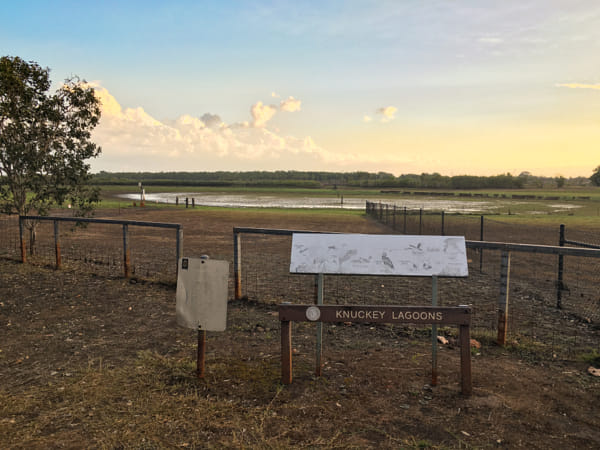
The entry to Knuckey Lagoon.


For photographing birds it is ideal. At the end of the dry there is very little water about so the wildlife tends to concentrate around the few permanent water sources which makes finding them a little easier. More by luck than planning our accommodation was near a pearler of a location – Knuckey Lagoons. We went there twice, once at dawn and the other time at dusk and both time were great with different birds being active.


Knuckey Lagoons Conservation Reserve by Paul Amyes on 500px.com
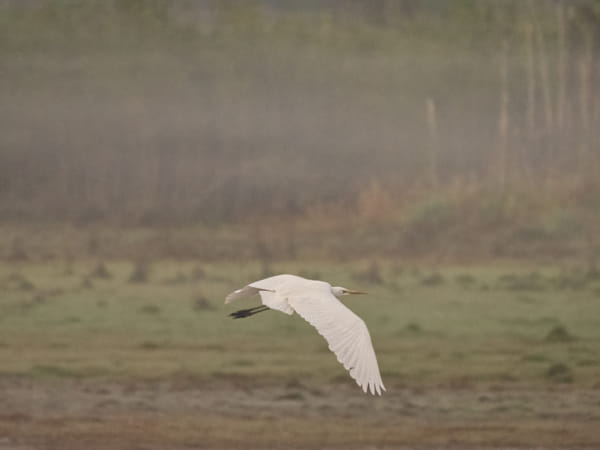
A Great Egret (Ardea alba) flying over Knuckey Lagoon in the early morning mist.


Knuckey Lagoons Conservation Reserve by Paul Amyes on 500px.com
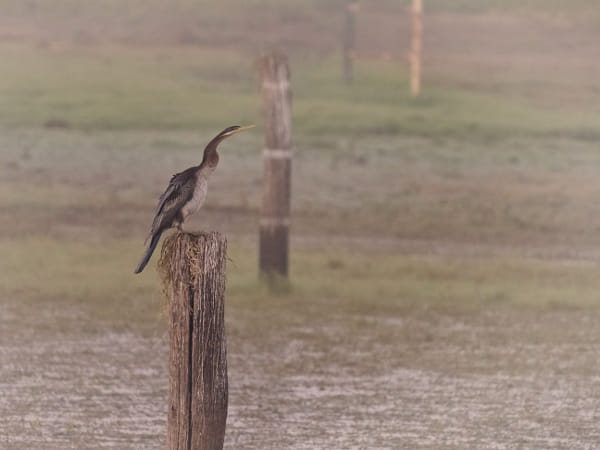
An Australian Darter (Anhinga novaehollandiae) waiting for the sun to burn off the mist.


Knuckey Lagoons Conservation Reserve by Paul Amyes on 500px.com
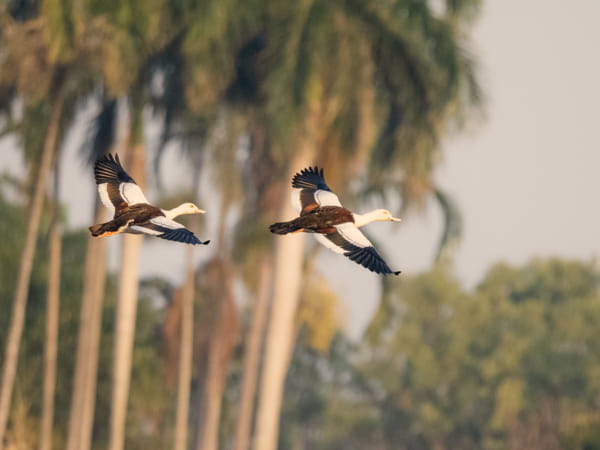
Radjah Shelducks or Burdekin (Tadorna radjah) flying in formation.


Knuckey Lagoons Conservation Reserve by Paul Amyes on 500px.com
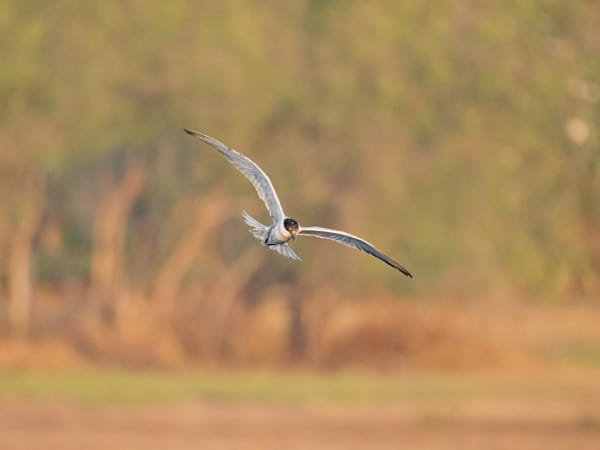
Whiskered Tern, Chlidonias hybrida at Knuckey Lagoons Conservation Reserve.


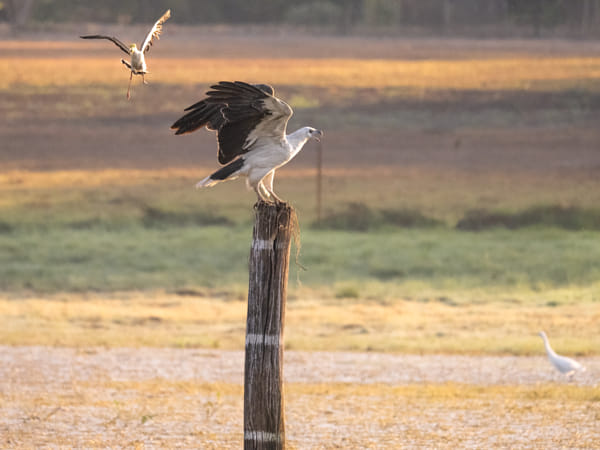
In the morning when we arrived we initially thought that our presence had spooked the birds, but actually we were the least of their problems as various raptors flew over looking for a meal. I was excited to see a white-bellied sea eagle as I’d never seen one before. Even more exciting was watching the masked lapwings drive it off. Black kites made regular forays, but try as I might I just could not get a good photograph of one – they were either too quick or too faraway. There were wading birds aplenty – Great Egrets, Wood Sandpipers, Sharp-tailed Sandpipers, Comb-crested Jacanas, Straw-knocked Ibis, Pied Herons, White-necked Herons are just a few to mention. This one spot delivered 12 species that I’d never seen before. It was like being a kid in a sweet shop, I didn’t know where to look. In fact for the first hour it was a bit overwhelming as I just didn’t know what to concentrate on.


Knuckey Lagoons Conservation Reserve by Paul Amyes on 500px.com
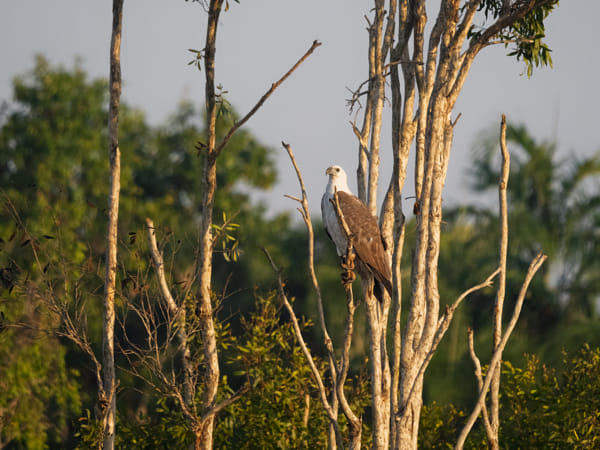
A White-bellied Sea-eagle (Haliaeetus leucogaster) basking in the early morning sun.


Knuckey Lagoons Conservation Reserve by Paul Amyes on 500px.com
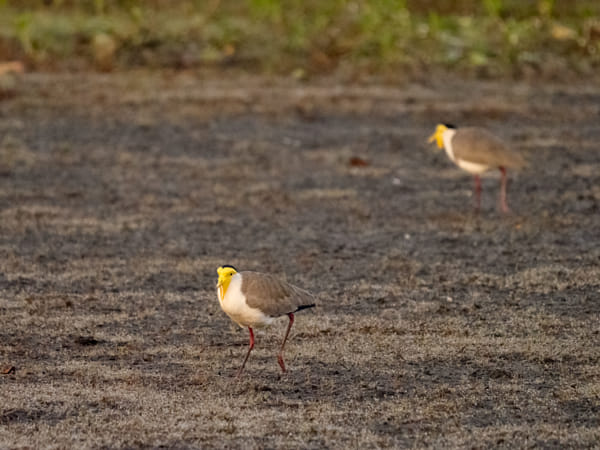
Masked Lapwings on the mudflat of Knuckey Lagoon.


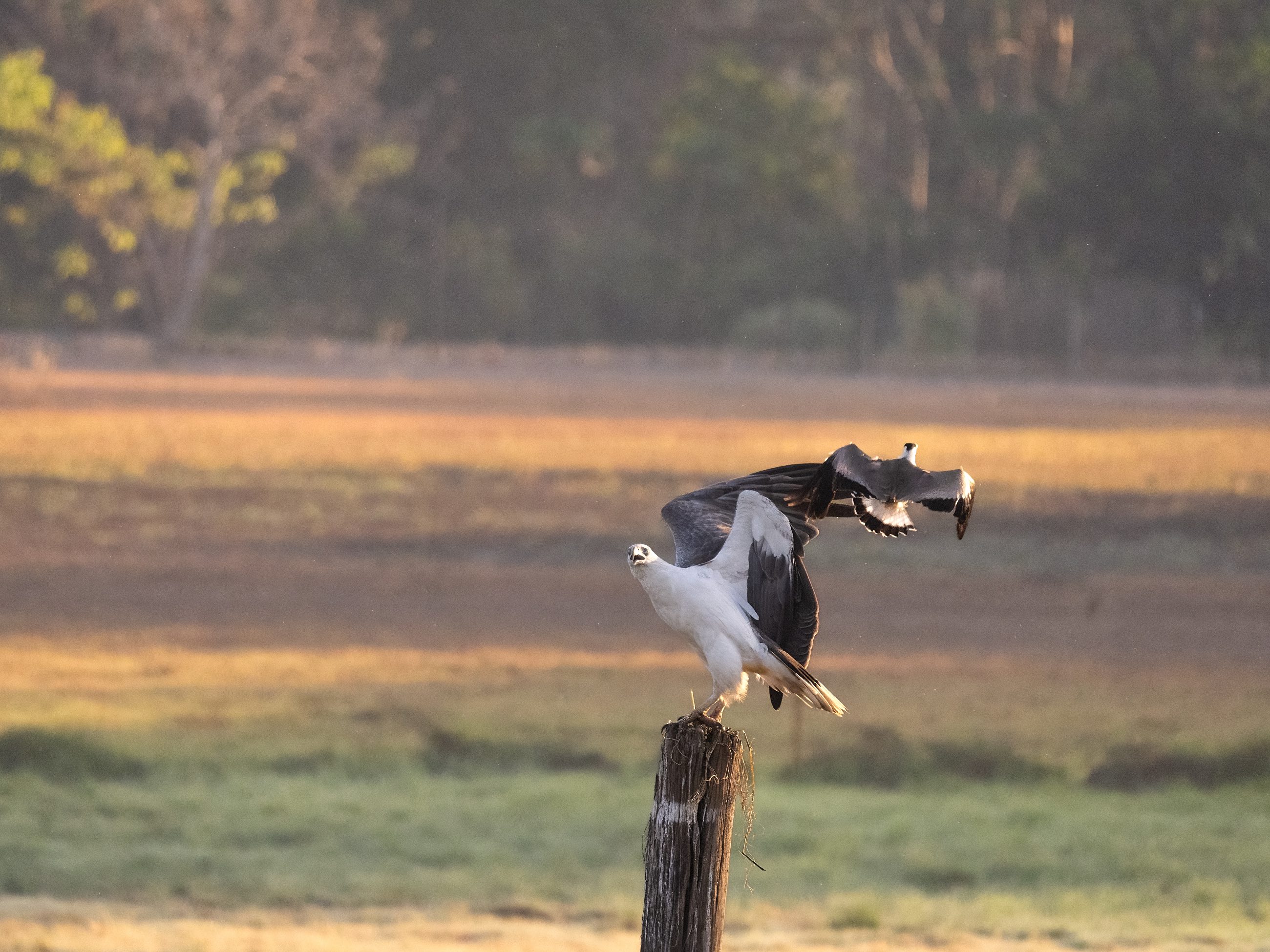
In coming! A Masked Lapwing (Vanellus mile) begins its approach to dive bomb a White-bellied Sea-eagle (Haliaeetus leucogaster).


Contact!


Knuckey Lagoons Conservation Reserve by Paul Amyes on 500px.com
This next run was the final straw and the White-bellied Sea-eagle scarpered.


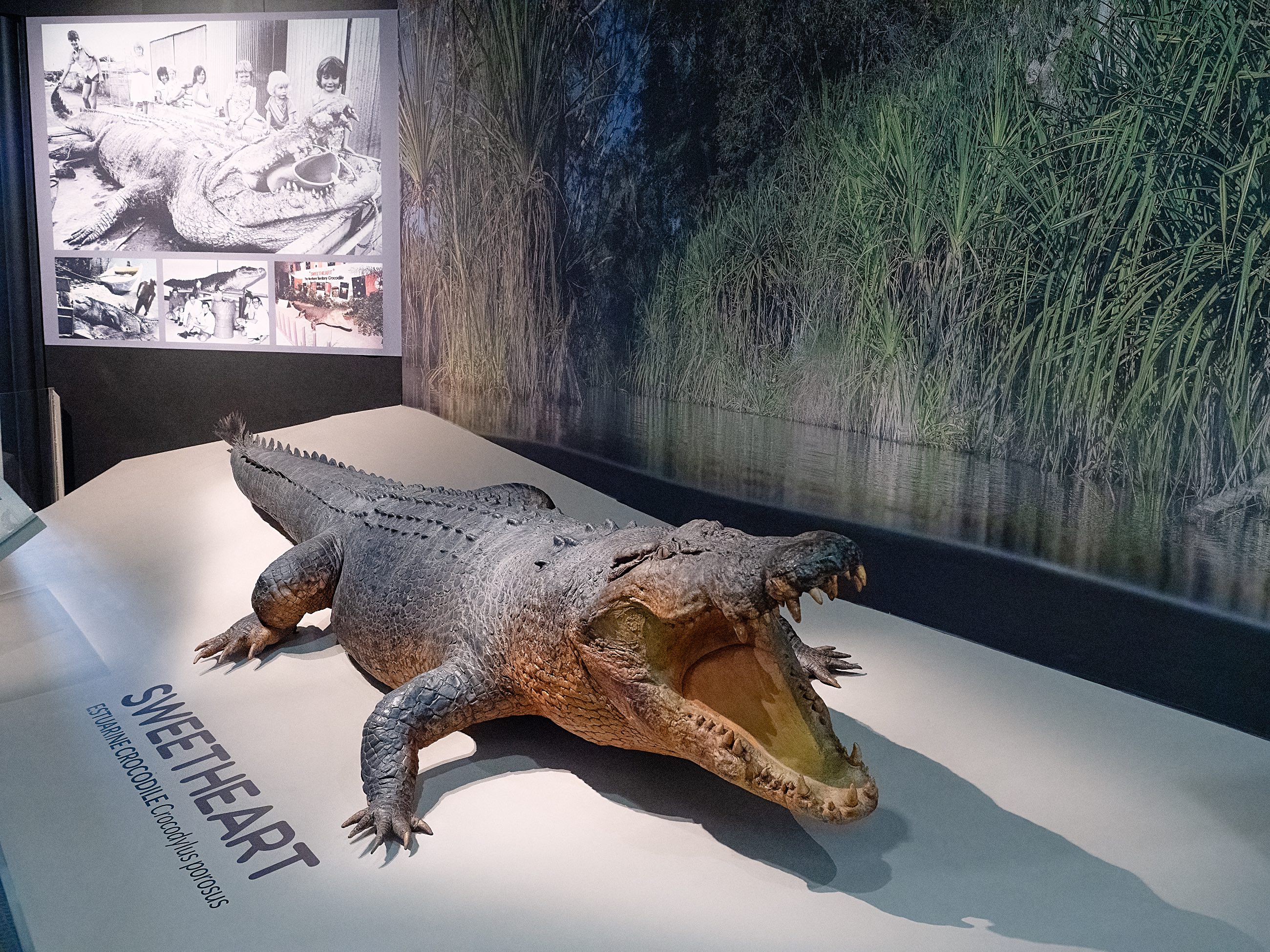
The only drawback was my equipment. I took the Olympus EM1x that I have on loan and wrote about here. It worked very well apart from struggling with autofocus when the the light levels were low and there was a bit of a mist on the lagoon. Lens wise I wish that I’d had something longer than my Panasonic Leica DG Vario 100-400mm f4-6.3. That would mean looking at the OM System M.Zuiko ED 150-600mm F5.0-6.3 IS lens which would give a 35mm equivalent of 1200mm which on paper sounds just the ticket. But the reality is that that it weighs 2.065 Kg. Apparently the lens is based on a Sigma design and I have a similar lens which weighs roughly the same and it is a real chore to take out. OK if I’m working from the back of a car, but a real PITA if I’m having to carry it any distance. So if I bought the OM System 150-600 there is every chanced that I’d end up leaving it at home and taking the the Panasonic 100-400. For those who would say get closer there were signs on the banks of most waterways around Darwin warning about crocodiles so you can understand why I was not so keen to start wading in the water. Having said that the only crocodile we did see was a stuffed on in the Museum and Art Gallery of the Northern Territory (MAGNT Darwin).


One of the many warning signs about crocodiles.


The only crocodile we saw on the trip. The stuffed remains of the salwater crocodile “Sweetheart”  at the Museum and Art Gallery of the Northern Territory (MAGNT Darwin).


It was an epic trip and it has really whetted our appetite for more travel and so we’re already planning our next ones.


Knuckey Lagoons Conservation Reserve by Paul Amyes on 500px.com

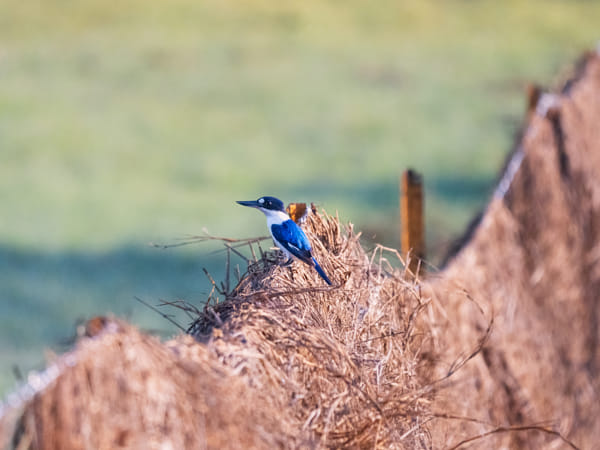
The farewell committee. A Little Kingfisher (Ceyx pusilla) sitting on the fence as I left Knuckey Lagoon.

Missing Wildlife

Recently we had a few days in Albany on the south coast of Western Australia. The opportunity to experience a 10ºC drop in temperature was too good to miss. I wanted to go and visit an Eastern Osprey nest that I’ve visited before. When I got there it was obvious that the nest had not been used for a while. This can happen for a number of reasons – the obvious is that the birds got old and died. But there maybe other reasons such as too much competition for food resources caused them to relocate. Also the tree that they’d built the nest in was no longer the best vantage point, other trees had grown around it obscuring the view. Who knows why they up and went but it does illustrate the fact that where wildlife is concerned nothing is guaranteed.

We headed out to a new location – a bird hide out at Rushy Point. Nice location but nothing was happening. Things were beginning to get a bit desperate. As we drove around there were all these road hazard signs warning about wildlife and yet we were’t seeing anything. By the last day I was feeling decidedly jacked off. It was a grotty day weather wise – windy with intermittent rain.


Warning – kangaroos. Albany, Western Australia.


Warning – turtles. Albany, Western Australia.


Warning – bandicoots. Albany, Western Australia.


Warning – pensioners. Albany, Western Australia.


Come the afternoon we were sitting around killing time and I just wanted to get out and have a walk. Despite the weather I headed off to Lake Seppings just to walk around it as something to do. Out of habit I picked up my camera and took it with me. When I got out of the car I received a very enthusiastic welcome from a lady in the carpark wanting to know if I was there to photography the blue billed ducks. I said I would photograph anything that showed up and stood still long enough. I set out with very little expectation of finding anything worth pointing the camera when almost immediately I saw some blue ducks. I always have a feeling of anxiety when I go out to photograph, a fear of not finding anything. Getting the first image under my belt and breaking the duck (sorry about the pun) helps me relax and enjoy myself. I knew the shots wouldn’t be any great shakes, it was just important to get the process underway.Two hours I got back to the car, wet but happy that I’d seen some wildlife and managed to photograph it.


Boodoo by Paul Amyes on 500px.com
Boodoo or Blue-billed Duck (Oxyura australis). Lake Seppings, Western Australia.


Bandiny. by Paul Amyes on 500px.com

Bandiny or New Holland Honeyeater, (Phylidonyris novaehollandiae). Lake Seppings, Western Australia.


Djoordjilya by Paul Amyes on 500px.com
An immature male Red-winged fairywren (Malarus elegans), called Djoordilya by the Nyoongar of south west Western Australia. Lake Seppings, Western Australia.


Koolyidarang by Paul Amyes on 500px.com

Koolyidarang or Elegant Parrot (Neophema elegans). Lake Seppings, Western Australia.


 Ngalkaning by Paul Amyes on 500px.com

An adult Australian white ibis (Threskioris molucca) feeding a juvenile. Lake Seppings, Western Australia.


Wandy by Paul Amyes on 500px.com

Wandy or King’s Skink (Egernia kingii). Lake Seppings, Western Australia.


Bardinar by Paul Amyes on 500px.com

Bardinar or Western Rosella (Platycercus icterotis subs icteratis). Lake Seppings, Western Australia.


Djindjokoor by Paul Amyes on 500px.com

Djindjokoor or Brown Honeyeater (Lichmera indistincta). Lake Seppings, Western Australia.

Matagarup

What do you do when you have to take your car into Perth to get it serviced but don’t want to hang around in the city and catch COVID? Go on a safari of course!!


My safari took me to Point Fraser and Heirisson Island. Heirisson Island is a small island of 285,600 sq. metres in the Swan River between East Perth and Victoria Park. Most people will know of it through crossing the Causeway which is the bridge over the river. It wasn’t always called Heirisson Island. Long before European explorers and colonists arrived there was a few smaller islands and some mudflats which was called Matagarup by the Beeloo Nyoongar. The name means one leg deep. The first known European visitors were led by Willem de Vlamingh in 1696. He and some of his crew rowed up the river and saw the black swans which led him to name the river the Swan River (Zwaanenrivier in Dutch). They got as far as the mudflats and island and could go no further. In 1801 Nicolas Baudin  from the French ship Le Naturaliste traveled up river and he named the island after his midshipman François-Antoine Boniface Heirisson. Since the early arrivals the river has been dredged and there has been a lot of land reclamation which has seen the mudflats disappear and the formation of the present island.


Yongka by Paul Amyes on 500px.com
Yongka or Western Grey Kangaroo, Macropus fuliginosus. Herrison Island, Western Australia.


There is a footpath round the island which is 2 Km in length which makes it perfect for an inner city safari. As far as the wildlife goes 92 different species of bird have been observed on the island and there is a resident population of Western Grey kangaroos which were introduced in 1998. Funnily enough I’ve walked round the island several times over the years and not seen a single kangaroo. Amazing considering that it’s a small island and they’re relatively large animals. But kangaroos are very good at making themselves scarce during daylight hours. This visit was different I saw three female kangaroos, two lazing around in the bushes and one grazing. In fact the one that was grazing was very curious and came right up to me – I think it was an attempted mugging because as soon as she realised I didn’t have anything worth stealing in the way of food she was off.


Yongka by Paul Amyes on 500px.com
This female checked me out to see what food offerings were available. I was a bit of a disappointment as I had nothing.


I must say it was a very pleasant way to pass the time and I’m looking forward to going again – hopefully to coincide with dawn or dusk.


Koonamit by Paul Amyes on 500px.com

These two welcome swallows were very obliging and let me take their photo.


Black and White by Paul Amyes on 500px.com

The Swan River Cormorants Club does not discriminate on the basis of colour or species – all are welcome.


Djidjinook by Paul Amyes on 500px.com

Not having any chips meant this silver gull just kept flying past.


Straw-necked Ibis by Paul Amyes on 500px.com

Straw-necked Ibis, Threskiornis spinicollis. Herrison Island, Western Australia.


Great Egret by Paul Amyes on 500px.com

Great Egret, Ardea alba modesta. Herrison Island, Western Australia.


Wyan by Paul Amyes on 500px.com

White-faced heron, Ardea novaehollandiae. Point Fraser, Western Australia.


Brown Jellyfish by Paul Amyes on 500px.com

No visit to the Swan River is complete without the ubiquitous Brown Jellyfish (Phyllorhiza punctata).

Creepy Crawley

I’m not talking about Downton Abbey or the town in England, I’m talking about spiders, bugs, butterflies and all manner of little wriggly things.


Cabbage White Butterfly (Pieris rapae) – the scourge of gardeners.


A few weeks ago I wrote about documenting the wildlife in our garden and that I was widening the net, as it were, and including all animals including invertebrates. Well after a few weeks of trying this I’ve come up with some observations.


A very small jumping spider on a wandoo leaf. This is the only photo I got as it kept jumping all over the place.


Firstly, as a 58 year old man with a well dodgy back the time time taken between observing the little critter and getting down onto the ground and in a position to photograph it means that it has left the vicinity. Some of these creatures can move incredibly fast when they want to and I can’t. I knew that grasshoppers and their ilk can be very quick, but I wasn’t prepared for the speed of the jumping spiders – a blink of the eye and they are just out of there.


Christmas or jewelled spider. Not known for their speed of movement but the wind catches their webs and so focusing is difficult. Getting in a position to photograph them in a way that shows off their shape and colouring requires a degree of the flexibility that I am lacking.


Secondly, you have to able to contort yourself into some pretty strange positions to get down and photograph them. Now I thought that I’d got this one covered because I do this when photographing orchids, but combine this with being quick (see point one), being stealthy so as not to frighten them and having a spine with flexibility of an RSJ it makes each session like some weird kind of yoga with a camera.


Blue Banded Bee, Amegilla cingulata. York, Western Australia.


Thirdly, a lot of these critters are small. If you look at the photo of the jumping spider resting on a Wandoo leaf, it was less than 5mm in diameter. So you need good eyesight to spot things that small.  I’ve just had my eyes tested and they’re fine for distance it’s reading and close up stuff that’s the problem. You can’t rely on autofocus with macro photography and  I’m here to say that manually focusing on a small critter that keeps jumping around while having dodgy eyesight is not easy. As my dear old mum used to say “It’s enough to make saint swear!”.


This locust very obligingly sat still long enough for me to take his photo.


Lastly, the benefit of photographing creepy crawlies is that you don’t need a honking great telephoto lens that resembles a small artillery piece. Macro lenses are relatively lightweight and my back is thankful for that.


Blue Skimmer dragonfly (Orthetrum caledonicum). Although they move like miniature fighter jets when flying dragon flies will take frequent breathers on a twig or stalk, often preferring to use the same one repeatedly which makes photography a lot easier.

Perry’s Paddock and Beenyup Swamp Walk

Yellagonga Regional Park by Paul Amyes on 500px.com
The trails around the southern end of Lake Joondalup are popular with walkers and cylists alike.


Last August I went up to Lake Goollelal in Yellagonga Regional Park and the other day while my partner was enacting her plan for total world domination in croquet I decided to visit the Park again but this time I thought I’d give the southern end of Lake Joondalup a go.


It’s a nice 4 1/2 Km walk taking in Perry’s Paddock, the southern part of the lake and Beenyup Swamp. I didn’t stick to the main paths but followed the smaller paths around as I wanted to see the local wildlife, and as it was a Sunday avoid the MAMILs thinking they’re riding the the Tour de France – more like the Tour de Farce from the look of some of them.


Linhay Cottage by Paul Amyes on 500px.com
This building is known by a variety of names Linhay, LinhayCottage, Linhay Perry’s Shed. It was built in the 1860’s by George Shenton at Perry’s Paddock. The Paddock was one of the first land grants in Wanneroo area made in 1838.


Near the start of the walk there are some buildings, well the remains of them. They’re not building projects waiting for tradies to finish them but they are some of the earliest buildings to have been built in Wanneroo. The field they’re in is known as Perry’s Paddock and was one of the first land grants in the area made back in 1838. This isn’t what I came for as I was hoping to see birds on and around the lake.


Boodelong by Paul Amyes on 500px.com
Boodelong or Australian Pelican (Pelecanus conspicillatus) feeding on Lake Joondalup in Yellagonga Regional Park.

Unfortunately it’s not that easy to get to the lake side – it involves trying to creep through the thick bush on the lakeside without making any noise. One crack of dry twig and you’re rumbled and every birder miles around does a runner. The thick bush has other hazards – they’re thick with spider’s webs – really BIG webs. Where there are big spider’s webs there are BIG spiders. In this case they Golden Orb-Weaving Spiders so named as the webs have a slight gold hue to them. The webs are surprising tough and the female spiders that make them are not shy and are very visible which makes it difficult for those of a more nervous disposition not to scream when blundering through them like something out of Harry Potter. Screaming like a “girlie man” also does not help you creep up on birds unnoticed. Your fearless correspondent was undeterred as he knew that despite their size Golden Orb-Weaving Spiders are harmless unless you are an insect or a male of the species looking for an amorous liaison.


Golden Orb-Weaving Spider by Paul Amyes on 500px.com

Golden Orb-Weaving Spider, Nephila edulis. Despite its size and their massive webs they are harmless to humans. Yellagonga Regional Park, Western Australia.


Manyt by Paul Amyes on 500px.com
Manyt or the Western Corella (Cacatua pastinator subsp. derbyi). Yellagona Regional Park, Western Australia.


Three Wise Corellas by Paul Amyes on 500px.com
Three wise corellas – hear no evil, see no evil, and sorry my mouth is full. Yellagona Regional Park, Western Australia.


At least the corellas found my mad dance of jumping up and down and flapping my arms about while shrieking entertaining. Ah! I didn’t mean to say that! They would have if they’d have actually seen me do it – which of course they didn’t. Leaving the lake and heading down south takes you to Beenyup Swamp which provided an opportunity to see more birds and less spiders.


Yellagonga Regional Park by Paul Amyes on 500px.com
Beenyup Swamp in Yellagonga Regional Park.


Melkullya by Paul Amyes on 500px.com
Melkullya or Yellow-billed Spoonbills, Platalea flavipes, feeding at Lake Joondalup in Yellangonga Regional Park.


Melkullya by Paul Amyes on 500px.com
Lurking in the shade of the swamp paperbark trees.


Wodjalok by Paul Amyes on 500px.com
Red Wattle bird (Anthochaera carunculata subsp. woodwardi) known to the Nyoongar people as wodjalok. Yellagonga Regional Park.


Djitidjiti by Paul Amyes on 500px.com
Djitidjiti . The eponymous Willie Wagtail, Rhipidura leucophrys leucophrys. Yellagonga Regional Park, Western Australia.
Boang by Paul Amyes on 500px.com
Despite their small size the Silvereye, Zosterops lateralis, has an incredibly loud birdsong. Yellagonga Regional Park, Western Australia.


While walking along the Beenyup Swamp Broadwalk I did meet my first cyclist of the day who was definitely not a MAMIL and who was very apologetic for startling me. All in all a very pleasant walk and hopefully I’ll get back at a better time of year when there’ll be more bird activity.


Yellagonga Regional Park by Paul Amyes on 500px.com
Not a MAMIL. Cycling along the Beenyup Swamp Boardwalk in Yellagonga Regional Park.

A Little Reserved


Forrestdale Lake (originally Lake Jandakot, it was renamed in 1973) lies within the Forrestdale Lake Nature Reserve which is about 25 kilometres south of the Perth CBD on the southern fringes of the Perth metropolitan area. The lake is shallow and seasonal with a large area 220 to 245 hectares of open water when full. In June or July, Lake Forrestdale starts to fill, and about the end of September, it reaches its maximum depth which is somewhere between 200 and 500mm depending upon the winter rains and it usually dries out by mid-summer. That was not always the case as the lake used to hold a lot more water than it does now, and some years it did not dry up at all. Diminishing rainfall, and ground water extraction from government and private bores are some of the reasons for the lake’s decreasing water levels.


Before white fellas came Lake Forrestdale was a special place for the Whadjuk Nyoongar who camped around its shores and hunted long-necked turtles, waterfowl and their eggs; koonacs and gilgies, possums, kangaroos, quendas and many other animals that are now locally extinct. The first white settlers were William and Alfred Skeet in 1885 and they had a licence to fell and sell timber. Shortly after most of the land around the lake was cleared for farming and grazing despite that the lake continued to be a major breeding site, migration stop-over and semi-permanent drought refuge area for waterbirds so in 1957 the lake was gazetted as an “A” class nature reserve for the conservation of flora and fauna and to provide a location for recreational sailing. On 7 June 1990, along with Thomsons Lake 10 kilometres to the west, it designated under the Ramsar Convention as a wetland of international importance and both lakes form the Forrestdale and Thomsons Lakes Ramsar Site. It’s easy to see why. More than 20,000 waterbirds have been recorded on Forrestdale Lake. It regularly supports more than 1% of the national population of five shorebirds: red-capped plover (with up to 1,300 recorded at any one time), black-winged stilt (3,840), red-necked avocet (1,113), long-toed stint (up to 80), and curlew sandpiper (2,000). In some years it supports more than 10,000 ducks, including Australian shelduck (up to 1,650 counted), Pacific black duck (5,500), grey teal (9,000), Australasian shoveler (2,000), and hardhead (1,053). The lake is one of the few sites in Western Australia where little ringed plover and little stint have been recorded more than once, and it is the only location in the state where white-rumped sandpiper has been recorded. A comprehensive list of all the bird species seen at the reserve can be seen at eBird Australia.


The entyrance to the Forrestdale Lake Nature Reserve.


So when BSO (Beloved Significant Other) announced she was mounting a campaign to achieve croquet world domination I would use the opportunity of a weekend in Perth to have a gander at Forrestdale Lake Nature Reserve.  So a quick peruse of the interwebs told me that the best place to start was was at the parking bay at the Skeet Memorial Park on Moore Street in Armadale. There I would find a comprehensive information board about the area and would also give me quick access to the bird observation platform. Having read all about all the different birds that use the lake I was expecting a birding nirvana. Unfortunately we’d had a dry winter and the water line was a good 600m from the platform which meant I had Buckley’s chance of seeing any water birds up close and personal.


The bird observation platform at Forrestdale Lake.


Fall back plan was to walk around the lake and just photograph what I found on the way. Once you leave the main entrance area there is little signage except for the keep out variety which is attached to the continuous fence designed to, funnily enough, keep people out. It was quite a frustrating experience – I could hear plenty of bird activity on the other side of the fence but I had no way of getting closer. For much of the walk you are in a narrow corridor of about 5 or 6 metres between two substantial fences with signs saying you are under surveillance – it’s hardly a nature experience. I’ve been to military bases which are more friendly. I feel this is a hugely wasted opportunity. Thomson’s Lake is much more accessible to visitors, and the Spectacles also makes much of it Aboriginal cultural significance.  I’ve written previously that if people are having less and less opportunities to interact with nature that will create an antipathy towards the natural world and consequently they will cease to care about it. So to get people to be more aware of environmental issues they must be encouraged to reconnect with nature. There is very little opportunity for the casual visitor to interact with all that Forrestdale Lake offers so in many ways it defeats its stated purpose of raising public awareness about the importance of this chain of wetlands. Normally I am very positive about these types of reserves and have written about them in the past in glowing terms. I don’t like being negative or critical, but I really do feel that this is a waste of resources.


One of the many signs that warn you about unauthorised access.


The fence that rings the lake preventing unauthorised access.


Big brother is in full surveillance mode at Forrestdale Lake Nature Reserve.


Can I recommend the place as worth a visit? If you want a a bit of a walk with a nature experience then I would suggest that are better places and I’ve written about quite a few of them. If you are a die hard birder then I’d find out what the water levels are before visiting. There is little point in visiting if there is no water in the lake.


Red Wattlebird, Anthochaera carunculata subspecies woodwardi, at Forrestdale Lake Nature Reserve.


White-headed Stilt, Himantopus himantopus subsp. leucocephalus, Forrestdale Lake Nature Reserve.


Grey fantail, Rhipdiura albiscapa, Forrestdale Lake Nature Reserve.


Grey Butcherbird, Cracticus torquatus, Forrestdale Lake Nature Reserve.


Oh and BSO (Beloved Significant Other had a better time of it than I did and achieved world croquet domination – well she won the State Mixed Doubles for Golf Croquet.


2020 Croquetwest GC State Mixed Doubles. Forest Park Croquet Club, Mount Lawley, Western Australia.


2020 Croquetwest GC State Mixed Doubles. Forest Park Croquet Club, Mount Lawley, Western Australia.

What The Duck!?!


Kodara by Paul Amyes on 500px.com
A male musk duck (Biziura lobata) swiming on Lake Goollelal in Yellagonga Regional Park, Western Australia


Now it is fair to say that Australia is home to some pretty strange animals. One only has to look at the Platypus, the echidna and even the humble kangaroo. To my mind one of the strangest is the musk duck (Biziura lobata). They can be found on fresh water lakes in the southwest corner of Western Australia.

What makes them so strange? Well to start with they don’t quack like a duck. They emit a sound that is more akin to a demented sonar. They are rarely seen on land and are reluctant fliers. On the water they float very low in the water often giving the impression that just their head is above the waterline. They are prolific underwater swimmers staying under for as long as a minute and diving up to a depth of 6m and demonstrate incredible agility as they do so. In appearance they are a very dark grey to black, have a stiff tail and broad heavy bill. The males are considerably larger than the females and weigh over 3Kg while the females can weigh up to 1.5 Kg. This makes them the second heaviest diving duck in the world. The males also have a strange leathery lobe under the bill, and in the breeding season they have a very strong musk odour hence the name. The courting behaviour of the males is quite striking – they strike the surface of the water with their feet then immediately after make a couple of clucking sounds followed by a lot of whistles and a grunt. This is repeated very five seconds or so for as long as half an hour. The first time I encountered this was at Lake Seppings in Albany. I heard these odd splashes and weird sounds repeatedly coming from just beyond the reed beds but couldn’t see what was causing the commotion. As I continued walking the reeds parted sufficiently and with the help of standing on a nearby bench I was able to see what was going on. It really is quite a performance and once seen never forgotten. In Perth Musk Ducks can be seen on both lakes in the Yellagonga Regional Park and Herdsman Lake. Hard to see at first so listen for the strange noise and you’ll soon find them.

They are not hunted as they are not considered nice enough to eat and the only thing that threatens their status is the clearing and draining of wetlands.


This slideshow requires JavaScript.