Flippin’ heck has it been warm here lately. I got up early a few days ago to photograph birds just after sunrise and it was 27ºC and a lot of the birds had already taken shelter in the deep shade. Yesterday it was 41ºC and the garden was a crispy brown and what vegetations there is was wilted. So this morning the garden sprinkler was put on. I was sent out to move the sprinkler in the back garden when I spotted some Yellow-rumped Thornbills playing in the water trying to keep cool.
A Yellow-rumped Thornbill taking up position to get maximum benefit from the garden sprinkler.
Adjusting the position so the feathers don’t repel the water.
The last few weeks I’ve been concentrating on the Avon River and I wanted a change. So early one morning I got up so I could be in the wandoo woodland of Mount Ronan’s Nature Reserve as the sun comes up. There is nothing like the first rays of the sun hitting the trunks of the wandoo trees. The golden rays illuminate their pale bark and they all but glow in the warm light.
Wardawort or Grey Butcherbird (Cracticus torquatus). Mount Ronan Nature Reserve, Western Australia.
I got off to a promising start – as I pulled up I was greeted by a mob of kangaroos. They weren’t so keen to see me however and took off into the bush. There was an incredibly loud melodious piping and warbling coming from the tops of the trees. At first I thought it was magpies singing a bit strangely, but after closer inspection I found it was about a dozen grey butcher birds calling out to each other. What was amazing about it was they were all singing the same phrases taking turns with no gaps. You would be forgiven for thinking it was one bird as the performance was so seamless. It was like a choir recital.
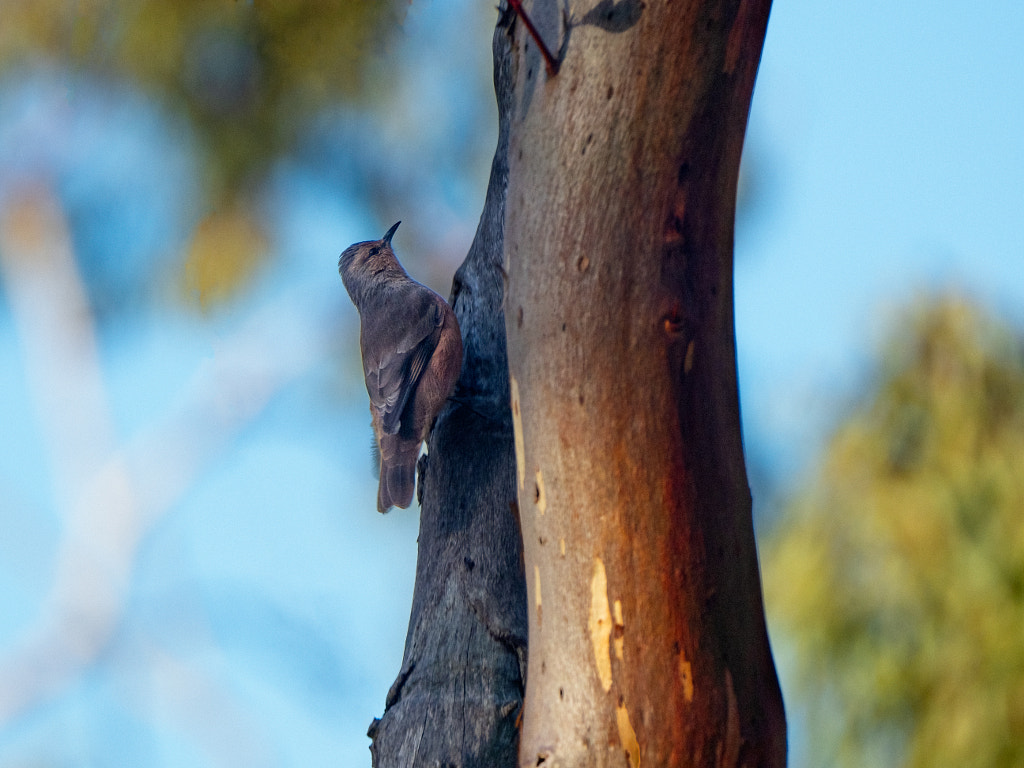
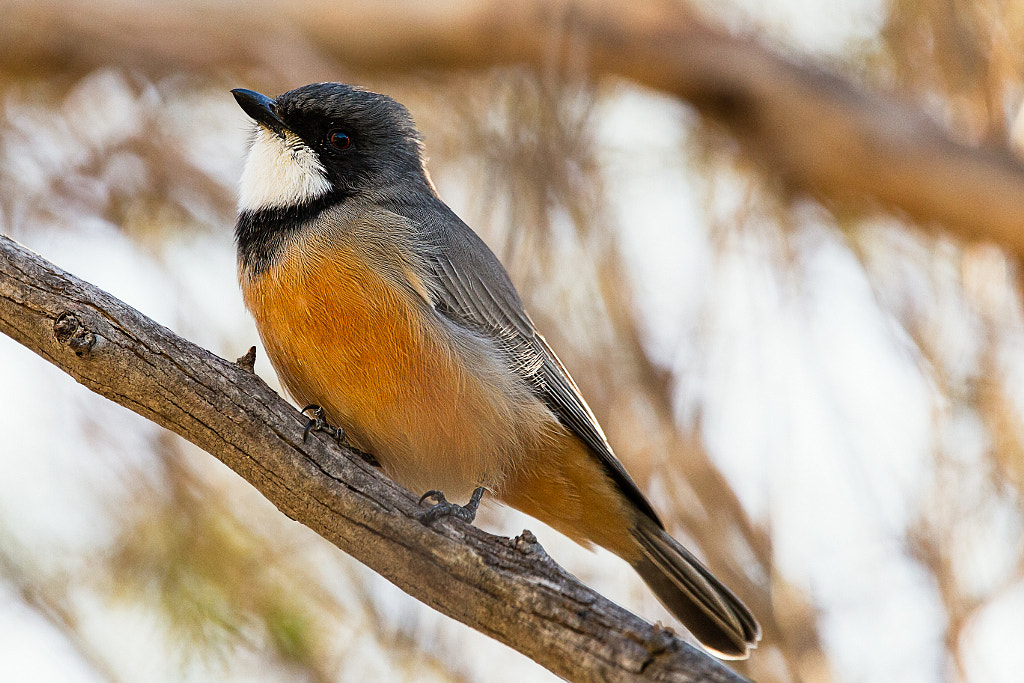
Djini or Rufous Treecreeper (Climacteris rufa) climbing up the trunk of a tree. Mount Ronan Nature Reserve, Western Australia.
Djini or Rufous Treecreeper (Climacteris rufa) taking some time out in the sun. Mount Ronan Nature Reserve, Western Australia.
Stalking animals in the wandoo forests is hard as the trees shed bark, twigs, branches and leaves in great quantities which means that the ground is covered in a thick crunchy mulch and no matter how hard you try to move quietly you always end up making a racket. The end result is that it is hard to get close enough to take photos. The ideal approach is to sit down and wait for the birds to come to you. After about half an hour I could hear the sound of small birds chasing insects and was rewarded with several rufous tree creepers. A few minutes later and I could see one climbing up the trunks of a tree to foraging for insects and grubs – I’ve never seen one going down they always seem to climb, and when they get as far up as they want the glide down to the ground or the next tree.
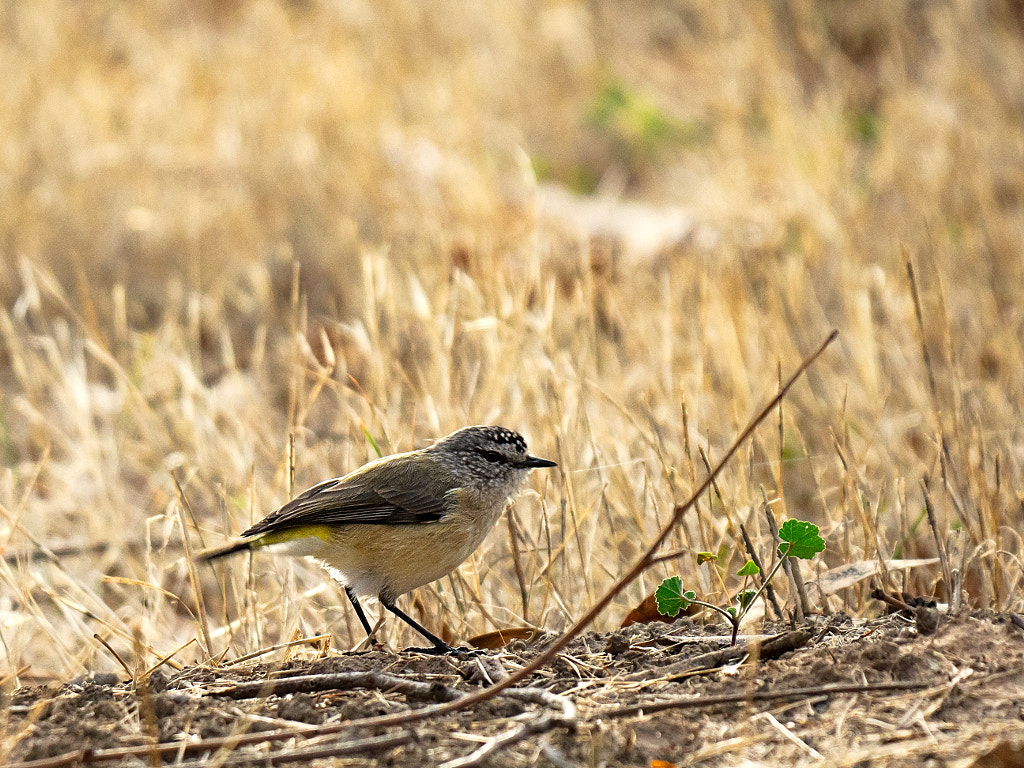
Djida or Yellow-rumped Thornbill (Acanthiza chrysorrhoa). Mount Ronan Nature Reserve, Western Australia.
As I continued to walk around the forest I must confess that I lost focus as I spotted a couple of orchids. It was annoying that I only had my bird photography rig with me and nothing really suited to photographing very small flowers. From that point on I was trying to watch for birds while looking on the ground for orchids. It is an impossible task.
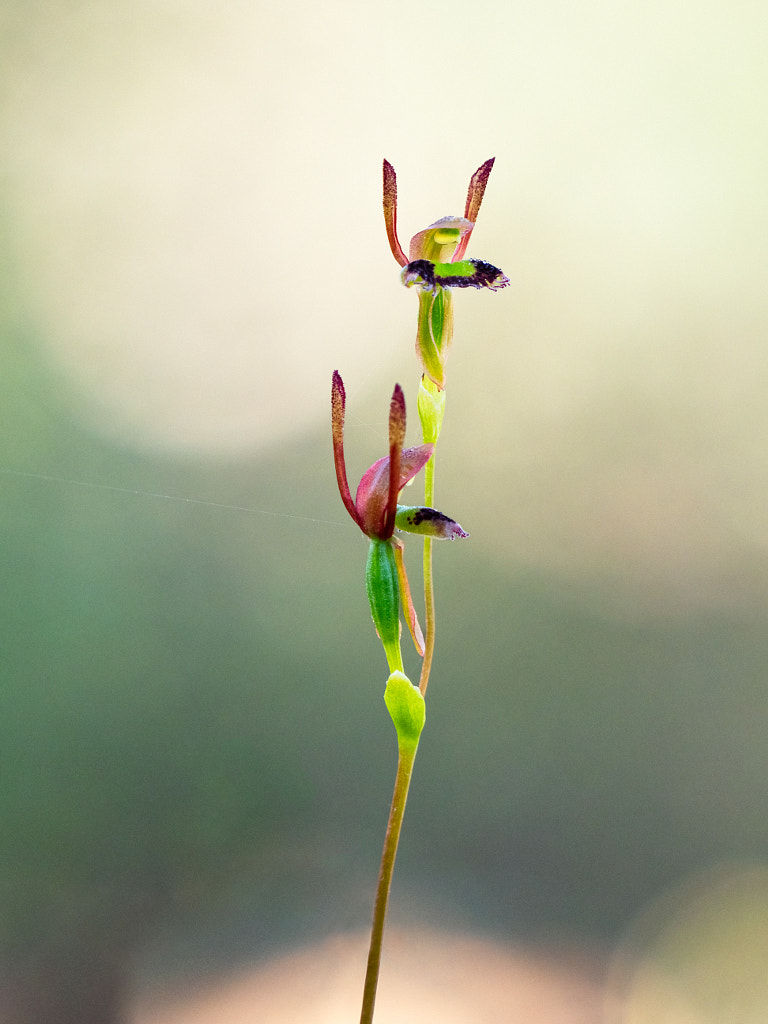
Hare Orchid or Fringed Hare Orchid (Leporella fimbriata). Mount Ronan Nature Reserve, Western Australia.
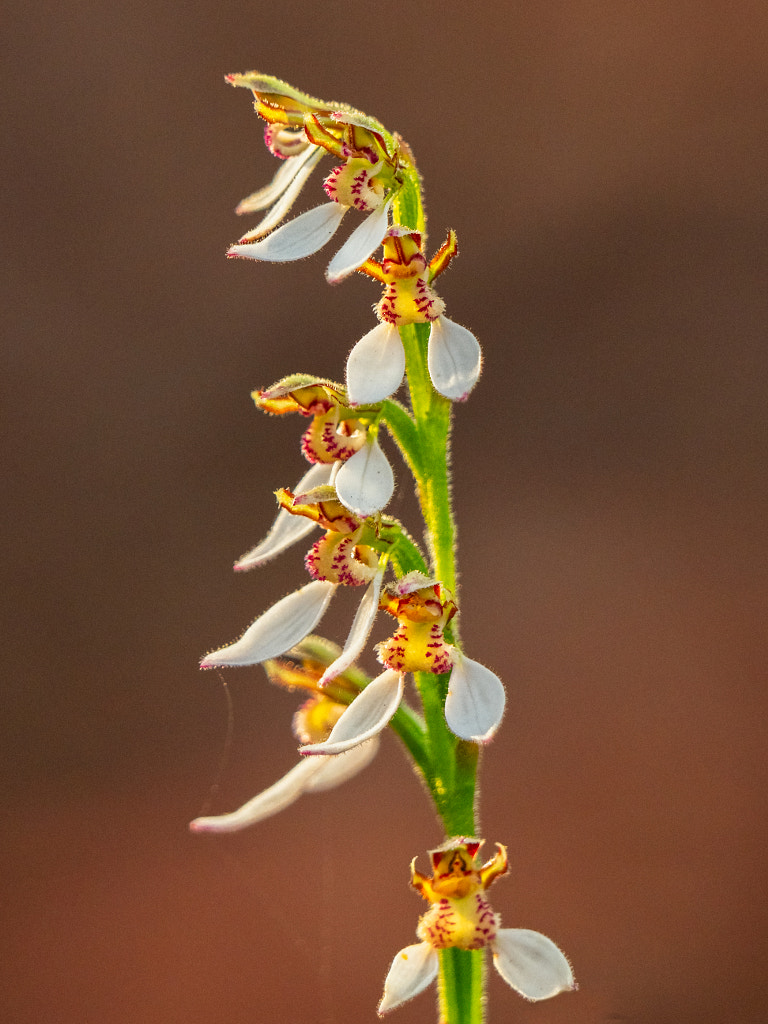
Common Bunny Orchid, Eriochilus dilatatus subsp. multifloris. Mount Ronan Nature Reserve, Western Australia.
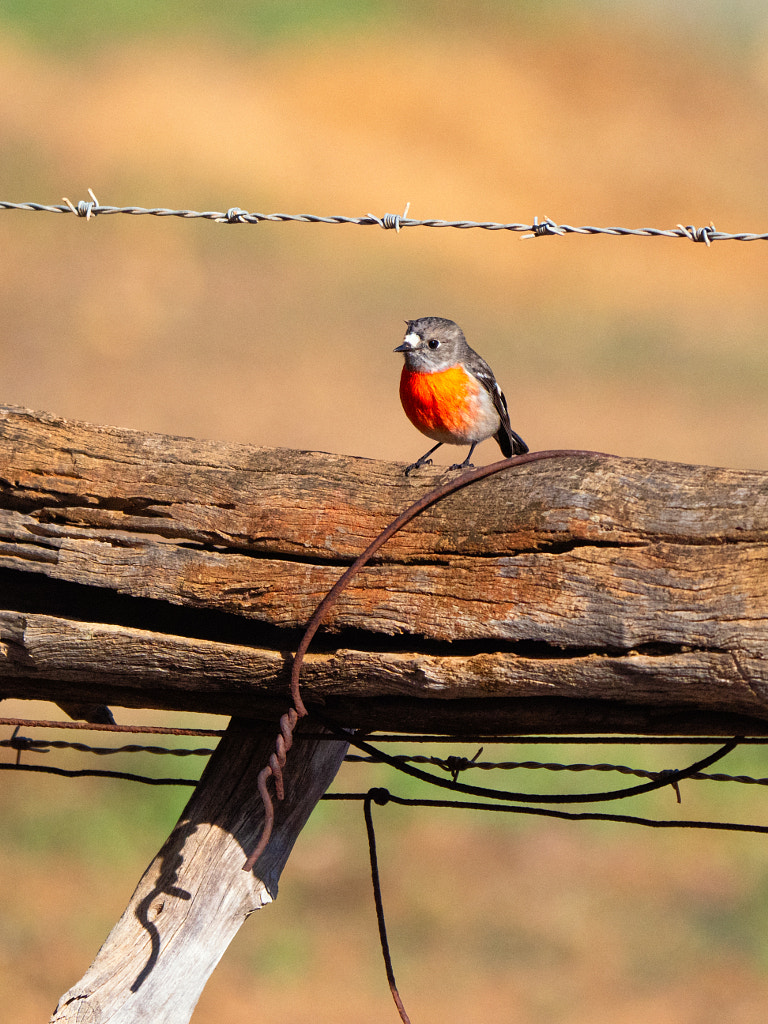
By 9:30 the best light had gone so I decided to call it a day and walk back to the car. Waiting for me was a female red-capped robin sitting on the fence. She was quite obliging and sat for a while allowing me to take her photo.
Female Dermokalitj or Scarlet Robin (Petroica boodang aka Petroica multicolour subsp campbelli). Mount Ronan Nature Reserve, Western Australia.
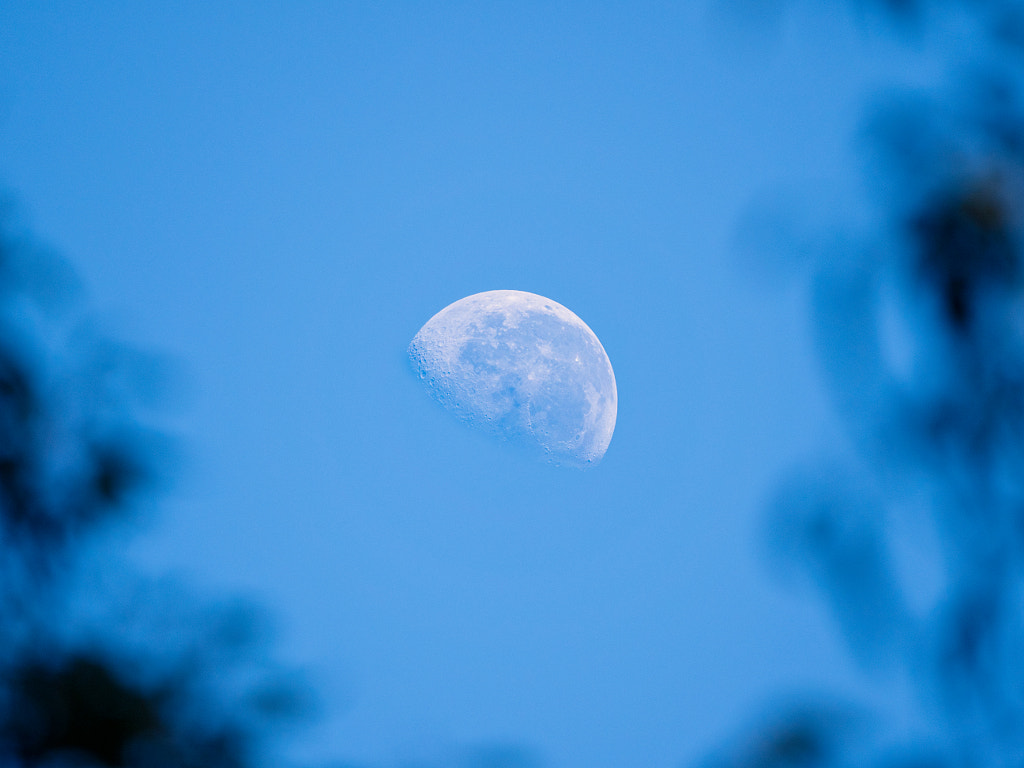
Moonset over Mount Ronan Nature Reserve, Western Australia.
Like many people at this time I’ve had my movements curtailed. Where I live we are allowed out locally for exercise so I’ve been going out for walks along the river to photograph and video the birds that can be found there. This is the third time I’ve tried to video wildlife and it is very hard.I don’t work from a hide so I have to set up quickly and quietly and often the birds will move on before I can get filming. Shooting mainly just after dawn or just before sunset has meant using high ISOs and made focusing difficult. But, the more you do it the better you get. The purpose of the video was to make something, learn something new and help keep me thinking positive thoughts during this time.
Just out of interest I’ll put the stills up below. They were shot on either a Canon EOS6d with the Sigma 150-600mm f4.5-6.3 Contemporary lens or the Olympus OMD EM1 mk ii with the Panasonic Leica 100-400mm f4-6.3 lens. I wonder if you can tell the difference at web size without enlarging to 100% or checking the EXIF data?
A male Rufous Whistler (Pachycephala rufiventris). York, Western Australia.
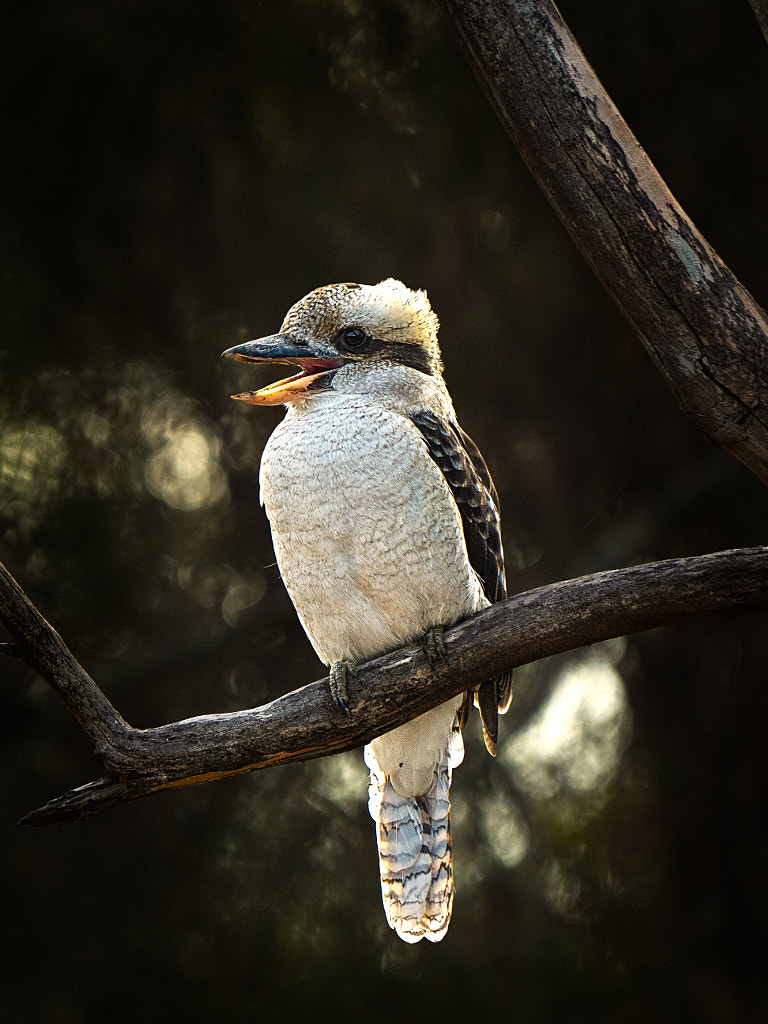
Laughing kookaburra, dacelo novaeguineae. York, Western Australia
Yellow Rumped Thornbill, Acanthiza chrysorrhoa, York, Western Australia.
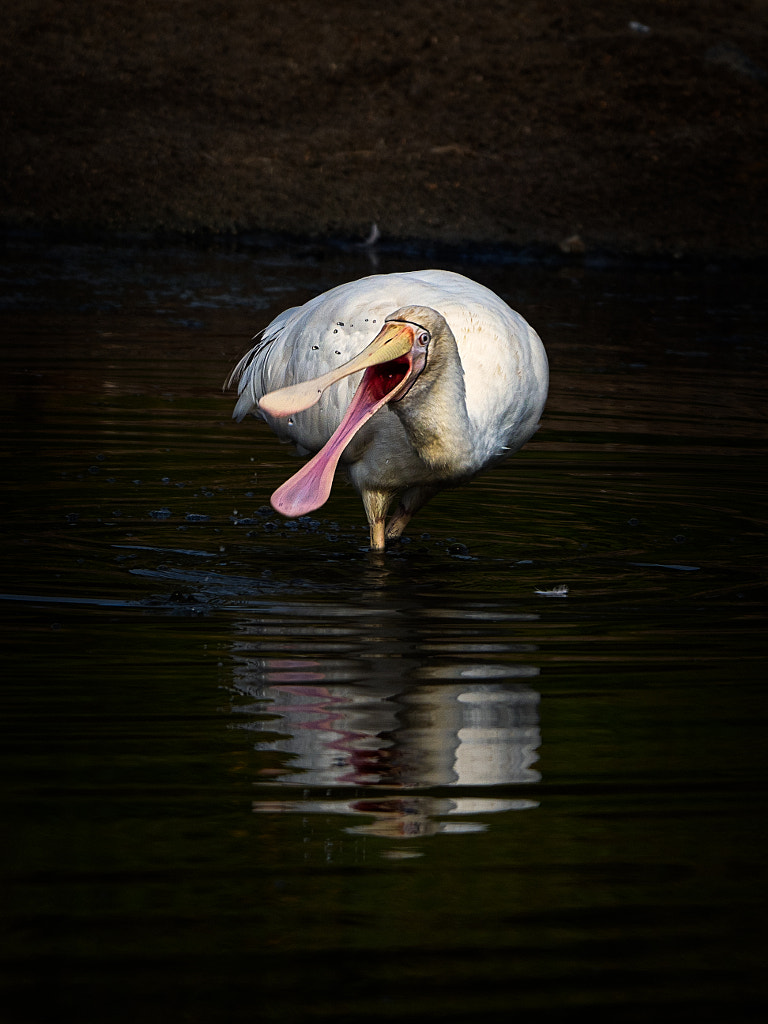
Yellow-billed Spoonbill (Platalea flavipes), Avon River, York, Western Australia.
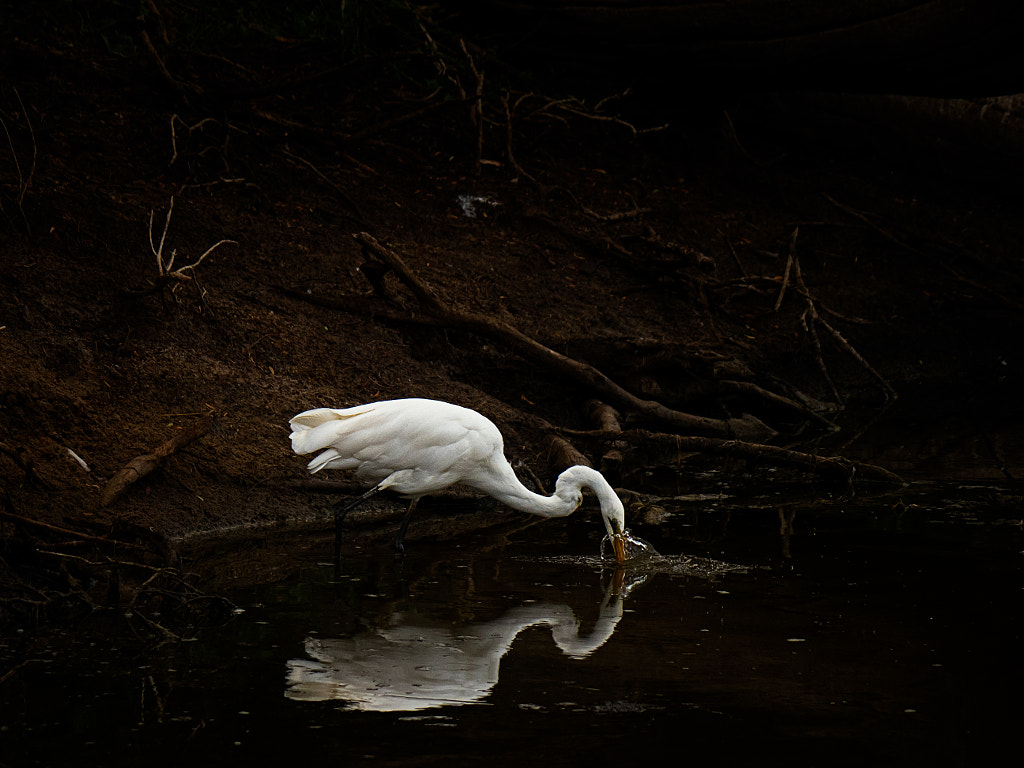
Great egret, Ardea alba, feeding on the Avon River. York Western Australia
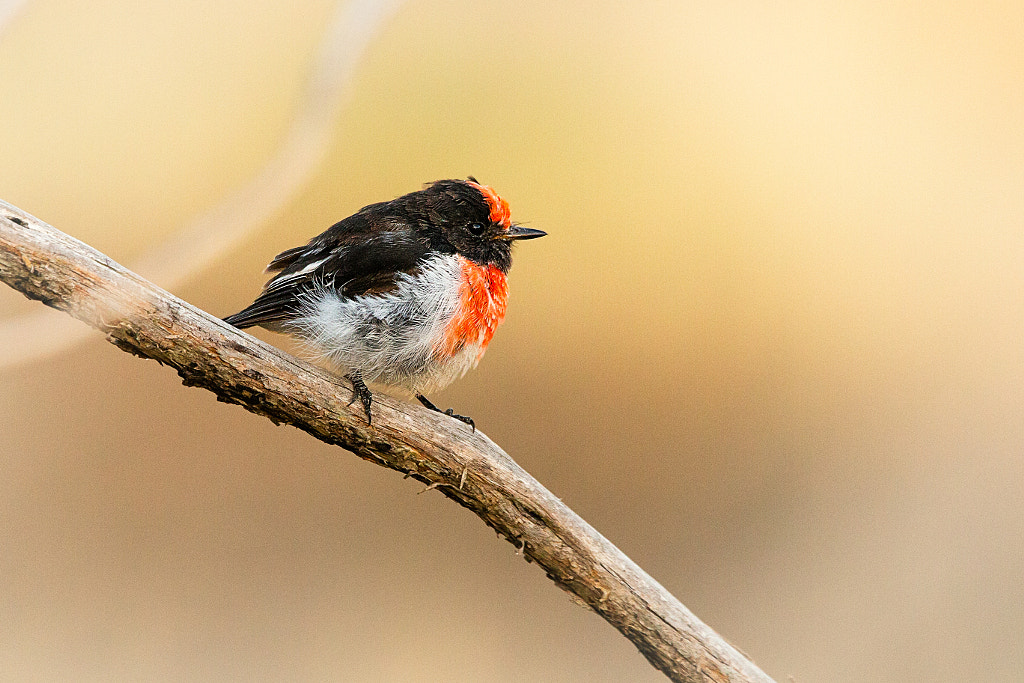
Tatty robin. Red-capped Robin (Petroica goodenovii), York, Western Australia.
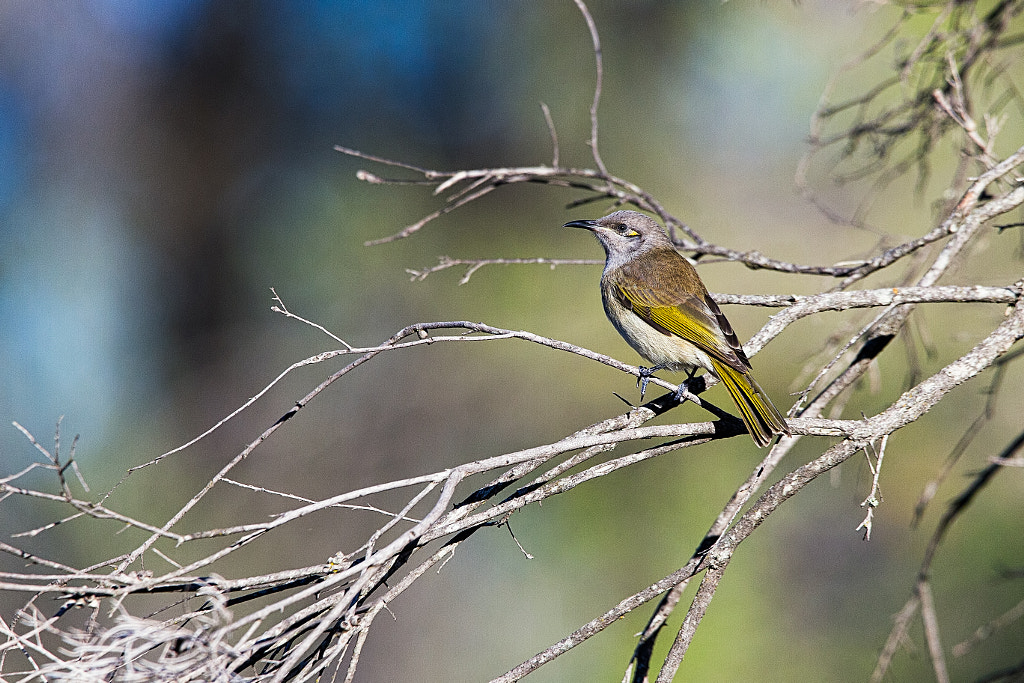
Brown Honeyeater, Lichmera indistincta, York, Western Australia.
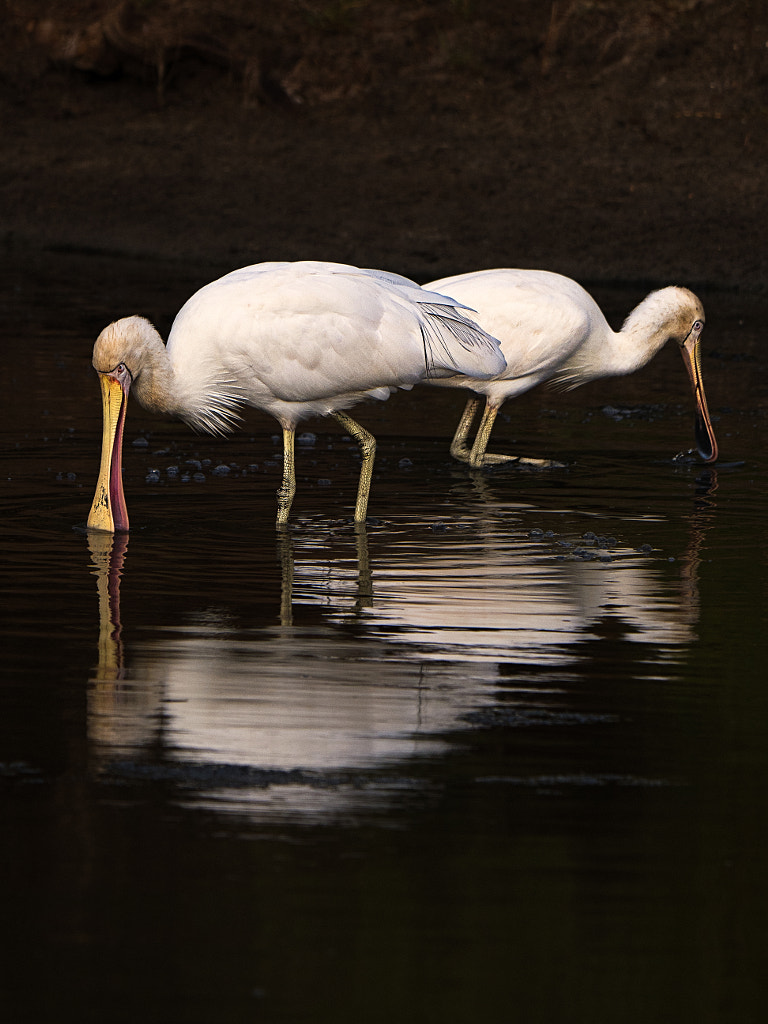
A pair of Yellow-billed Spoonbill (Platalea flavipes) feeding on the Avon River in York, Western Australia.
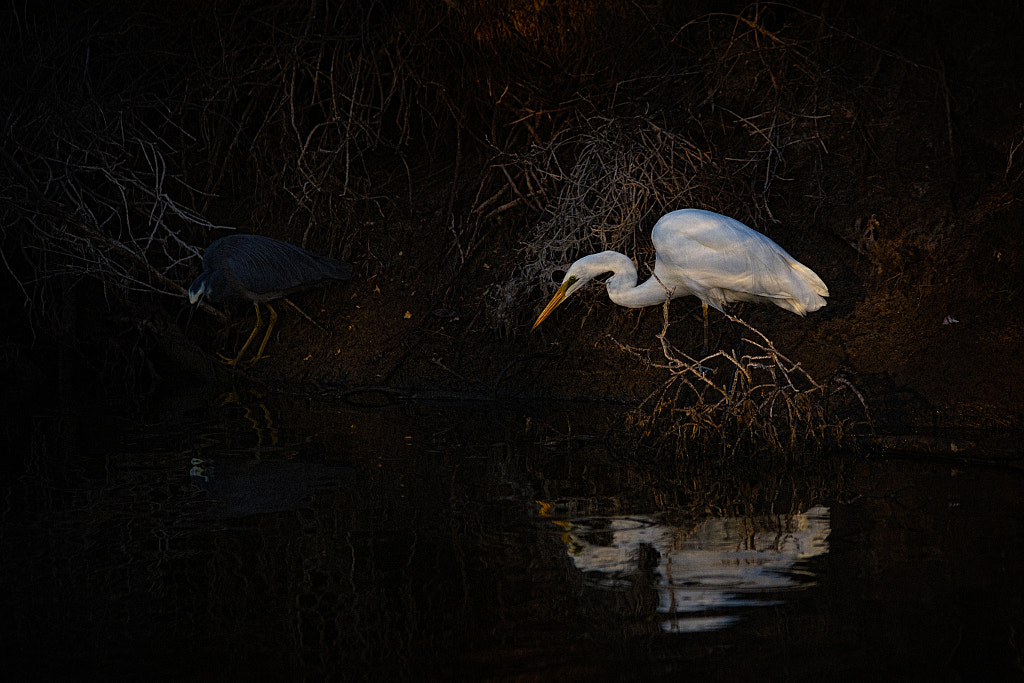
A great egret (Ardea alba) and a white faced heron (Egretta novaeholladiae) hunting in the early morning light on the bank of the Avon River in York, Western Australia.
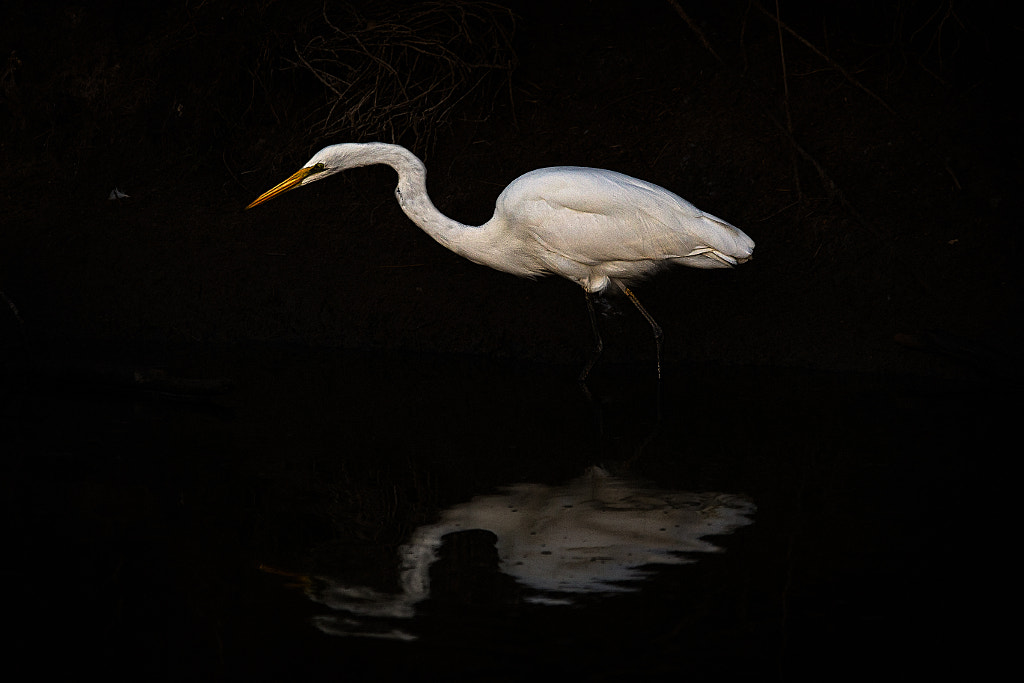
A great egret (Ardea alba) hunting in the early morning light on the bank of the Avon River in York, Western Australia.
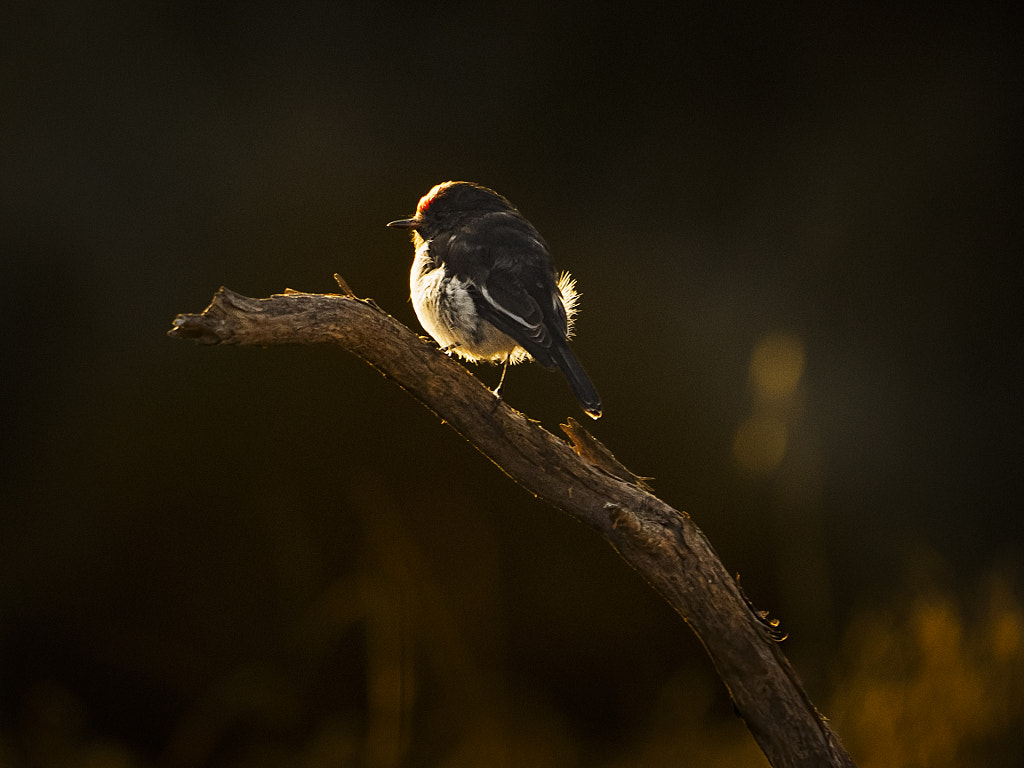
Red-capped Robin (Petroica goodenovii), York, Western Australia.





You must be logged in to post a comment.