Just When You Thought You’d Seen Everything

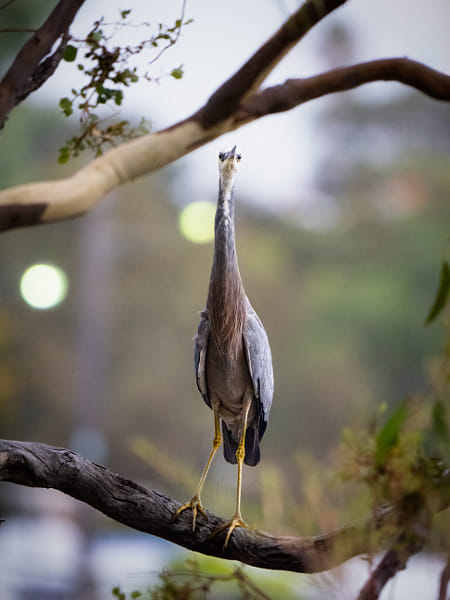
Wayan by Paul Amyes on 500px.com
Wayan or White-faced Heron (Egretta novaehollandiae). Northam, Western Australia.


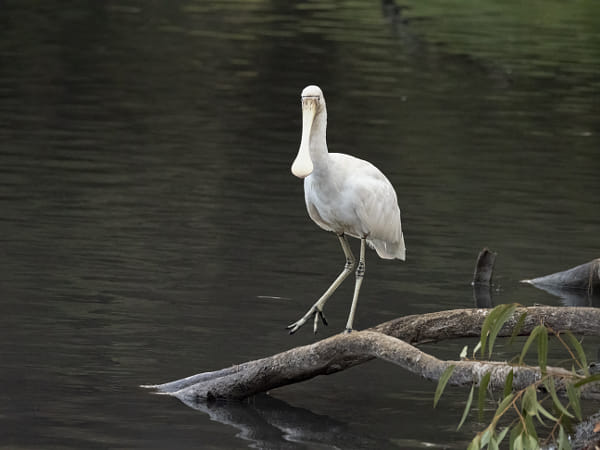
 Kaaka-baaka by Paul Amyes on 500px.com
Kaaka-baaka or Yellow-billed Spoonbill (Platalea flavipes). Northam, Western Australia.


I’ve been writing about visiting the great Wheatbelt Metropolis of Northam for birding several times this year and I thought I’d got a good handle on what there was to be found along the Avon River there. But this last visit I was genuinely surprised. We’d parked the car at Enright Park with the intention of walking along one bank towards the weir and the Peel Terrace traffic bridge, cross the river and walk back on the other side. The light wasn’t particularly nice – in fact it was quite overcast and dark. There wasn’t much to see – a couple of White-faced Herons (Egretta novaehollandiae), Yellow-billed Spoonbills (Platalea flavipes) and a few Silver Gulls (Larus pacificus).  At that point I was a bit bored and my mind was drifting off with thoughts of coffee and cake at the bakery. Then as we crossed the traffic bridge I noticed a tiny little blob bouncing around on the island in the middle of the river. As I walked to get a better look I saw that it was an Australian Spotted Crake. Well that was a first. I was, I have to admit pretty excited after that. As we crossed the weir I saw Common Sandpipers (Actitis hypoleucos), Black-winged Stilts (Himantopus himantopus) and Black-fronted Dotterels. By then I was fully engaged and all thoughts of leaving had evaporated. Northam – you never know what you may find.
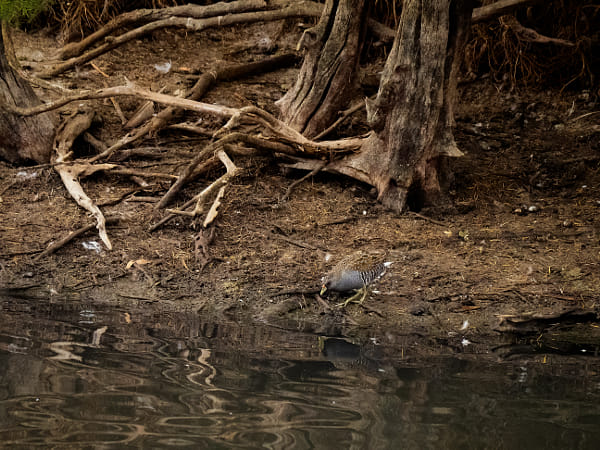
 

Australian Spotted Crake by Paul Amyes on 500px.com

Australian Spotted Crake (Porzana fluminea). Northam, Western Australia.
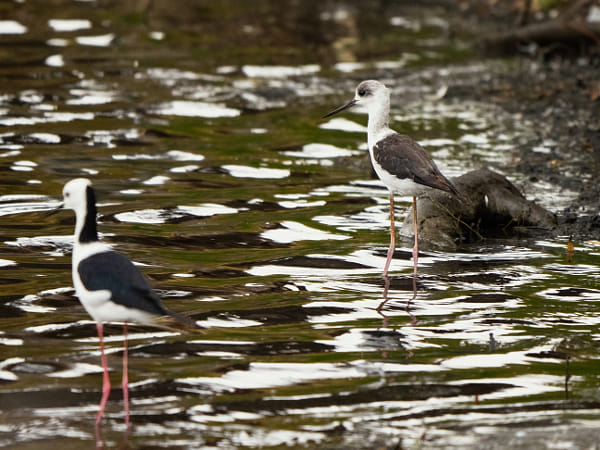
 

Djandjarak by Paul Amyes on 500px.com
Djandjarak or Black-winged Stilt (Himantopus himantopus). Northam, Western Australia.
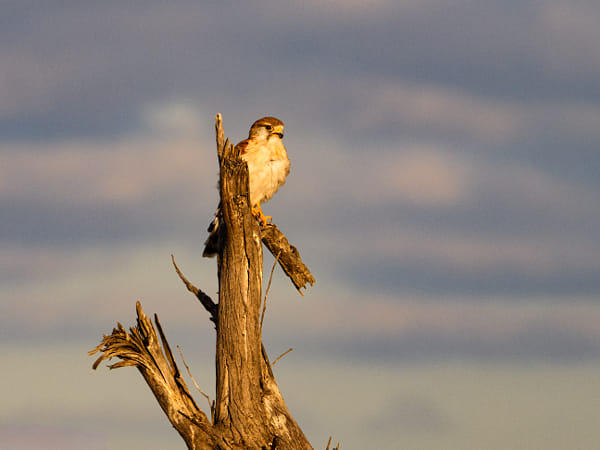
 

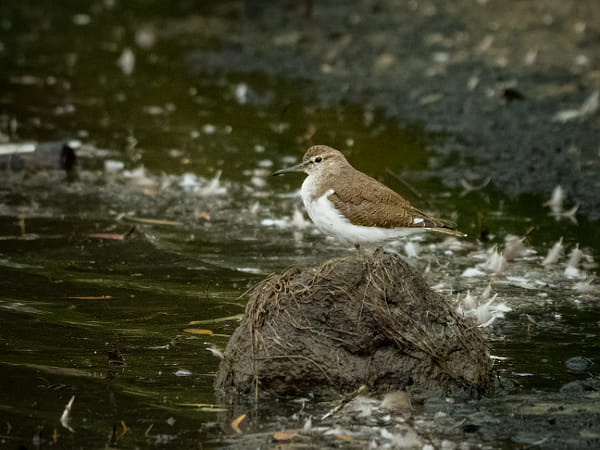
Common Sandpiper by Paul Amyes on 500px.com
Common Sandpiper (Actitis hypoleucos). Northam, Western Australia.
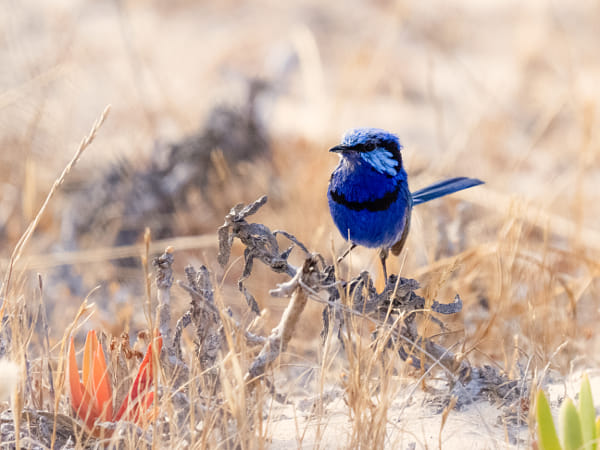
 

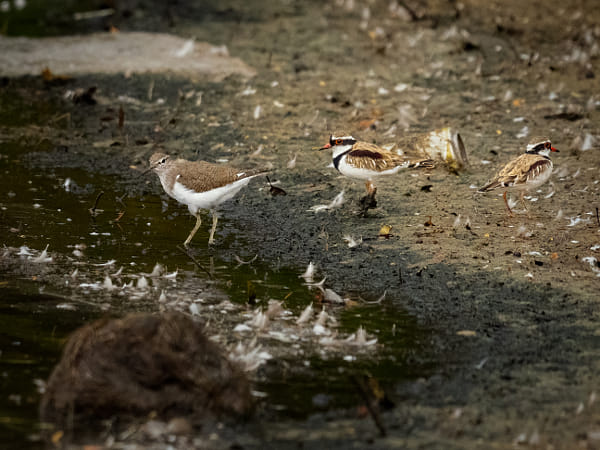
Nidoolyorong and Common Sandpiper by Paul Amyes on 500px.com
Common Sandpiper (Actitis hypoleucos) and Nidoolyorong or Black-fronted Dotterel (Elseyornis melanops). Northam, Western Australia.
 

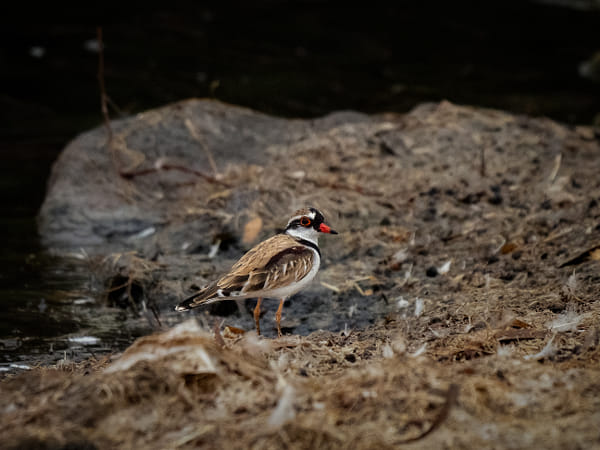
Nidoolyorong by Paul Amyes on 500px.com
Nidoolyorong or Black-fronted Dotterel (Elseyornis melanops). Northam, Western Australia.


Early One Morning*


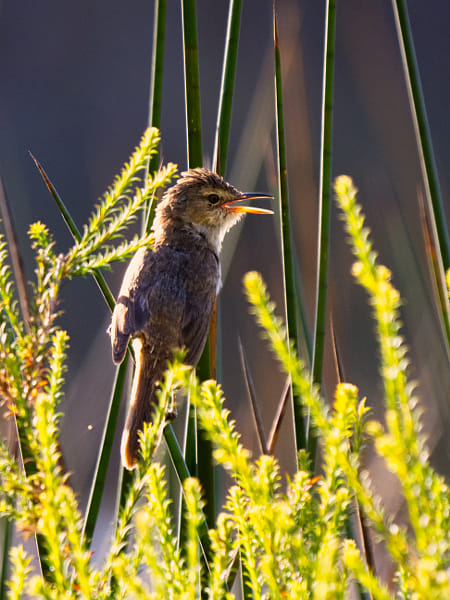
Koordji-koordji by Paul Amyes on 500px.com
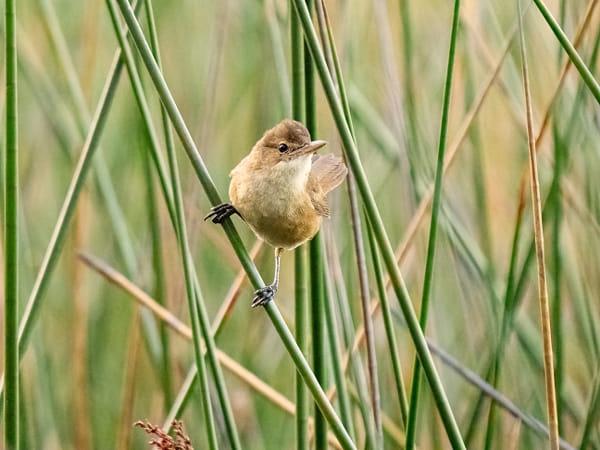
Koordji-koordji or Australian Reed Warbler (Acrocephalus australis subspecies gouldi). Lake Leschenaultia, Western Australia.


Beating the heat is the name of the game here and so getting up early and heading out is the answer. Lake Leschenaultia in summer just as the sun comes up is blissful. The breeze coming off the water is deliciously cooling and walking under the shade is a pure delight. To cap it all off the wildlife is truly wonderful. To make the most of it I travel light – one camera (Olympus EM1x), one lens (Panasonic 100-400mm f4-6.3) some spare batteries and a water bottle.


Koordji-koordji by Paul Amyes on 500px.com
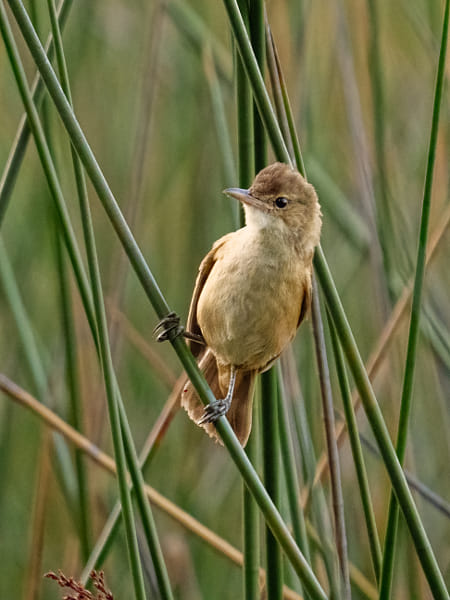
Koordji-koordji or Australian Reed Warbler.


Djer-djer by Paul Amyes on 500px.com
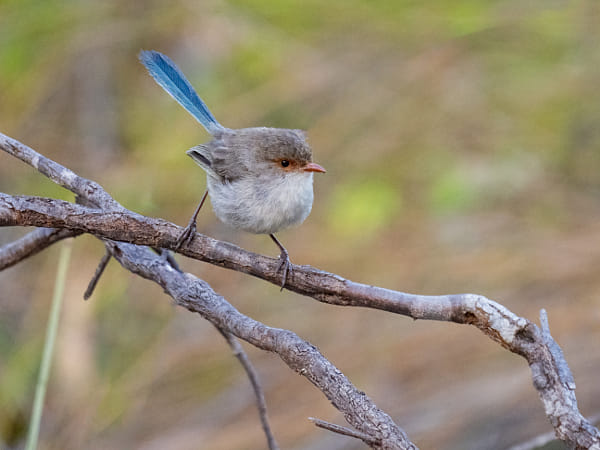
Djer-djer or Splendid Fairy-wren (Malarus splendens subs splendens). Lake Leschenaultia, Western Australia


When we first arrived I had a look for the Spotless Crake in the reed beds. I know it’s there – I’ve seen it and its footprints in the mud, and heard it – but taking a good photo is proving very difficult as it is extremely skittish and elusive. While stood there we could see the reeds twitching away and there was some strange staccato chucks, when suddenly a couple of birds break cover and sit on the tips of the reeds. I didn’t honestly know what they were – and assumed they were a new to me species. It was all quite exciting. Walking round the lake we were serenaded by the magpies. As the understory got denser we could hear Splendid Fairy Wrens chattering away in the undergrowth. When they broke cover we saw that they were very young – probably this summers fledglings. It was enchanting watching their antics as they chased one another around. As we headed back to where we started we passed another reed bed with some more of those unidentified birds in and they were very obliging and hung around in plain sight allowing me to get more photos. It was a great morning, worth getting up for. 


Koordji-koordji by Paul Amyes on 500px.com
What a poser! Koordji-koordji or Australian Reed Warbler (Acrocephalus australis subspecies gouldi).


On getting home and processing the images I found out that the birds were Australian Reed Warblers, a species that I’ve photographed before. What threw me was the sound – I’ve only ever heard them warble before. So it was a little disappointing that it wasn’t a new species, a bit embarrassing that I didn’t recognise them, but extremely satisfying as they are my best photos of Australian Reed Warblers.

* Early One Morning is a song by the great Elmore James.

Woodman Point Redux

Our recent trip to Woodman Point wasn’t all walks along the shoreline. The coastal heathland behind the beach is also home to lots of great wildlife.


Mardiyet by Paul Amyes on 500px.com
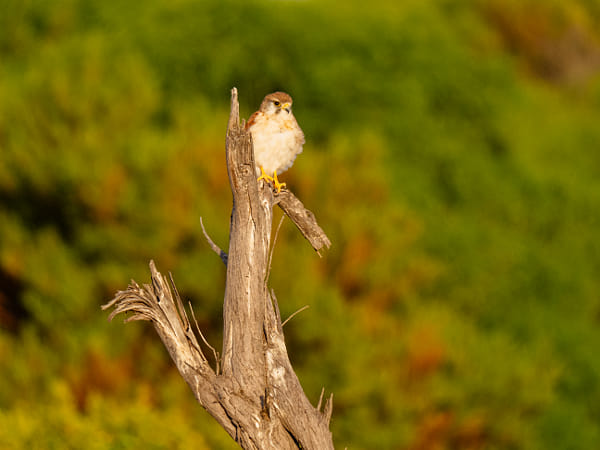
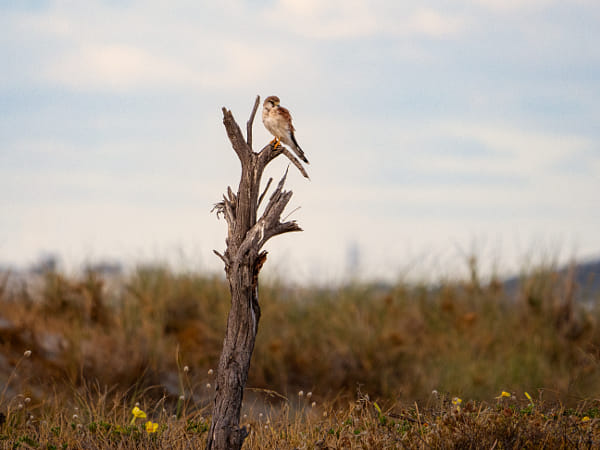
Mardiyet or Nankeen Kestrel (Falco cenchroides). Woodman Point, Western Australia.


Mardiyet by Paul Amyes on 500px.com

This Nankeen Kestrel was very chilled, it let me approach and take loads of photos and it was still sat there when I walked away.


Djer-djer by Paul Amyes on 500px.com
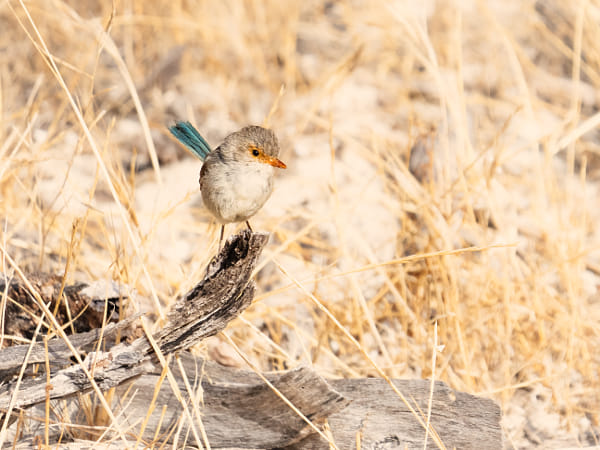
This was a very busy little Djer-djer or Splendid Fairy-wren (Malarus splendens subs splendens). I ended up with a lot of empty frames as he bounced around looking for insects.


Djer-djer by Paul Amyes on 500px.com
His mate wasn’t nearly so active and was easy to photograph.


Mardiyet by Paul Amyes on 500px.com
One last look of the Nankeen Kestrel before I walk back to the car.


Sunset by Paul Amyes on 500px.com
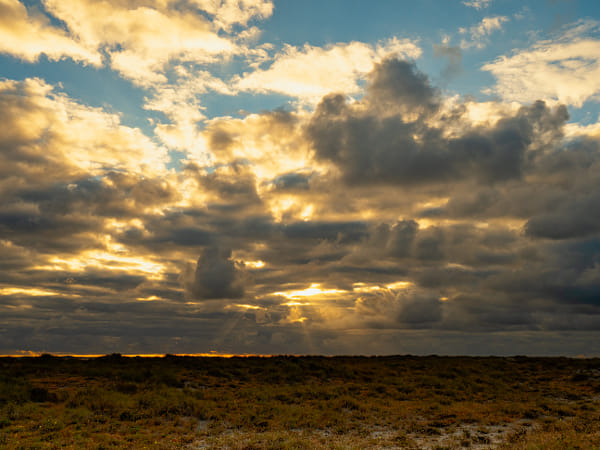
The setting sun at Woodman Point.


Why Are You Littering? by Paul Amyes on 500px.com
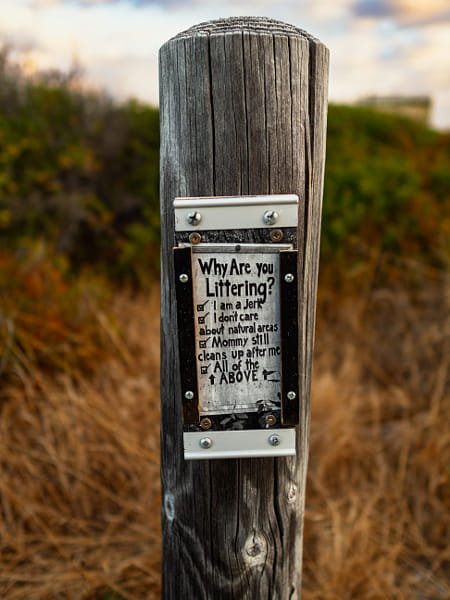
As I walked into the car park I noticed this sign. There were a lot people living rough at the reserve whether in cars or or tents hidden in the dunes and woodland. There was an incredible amount of litter.


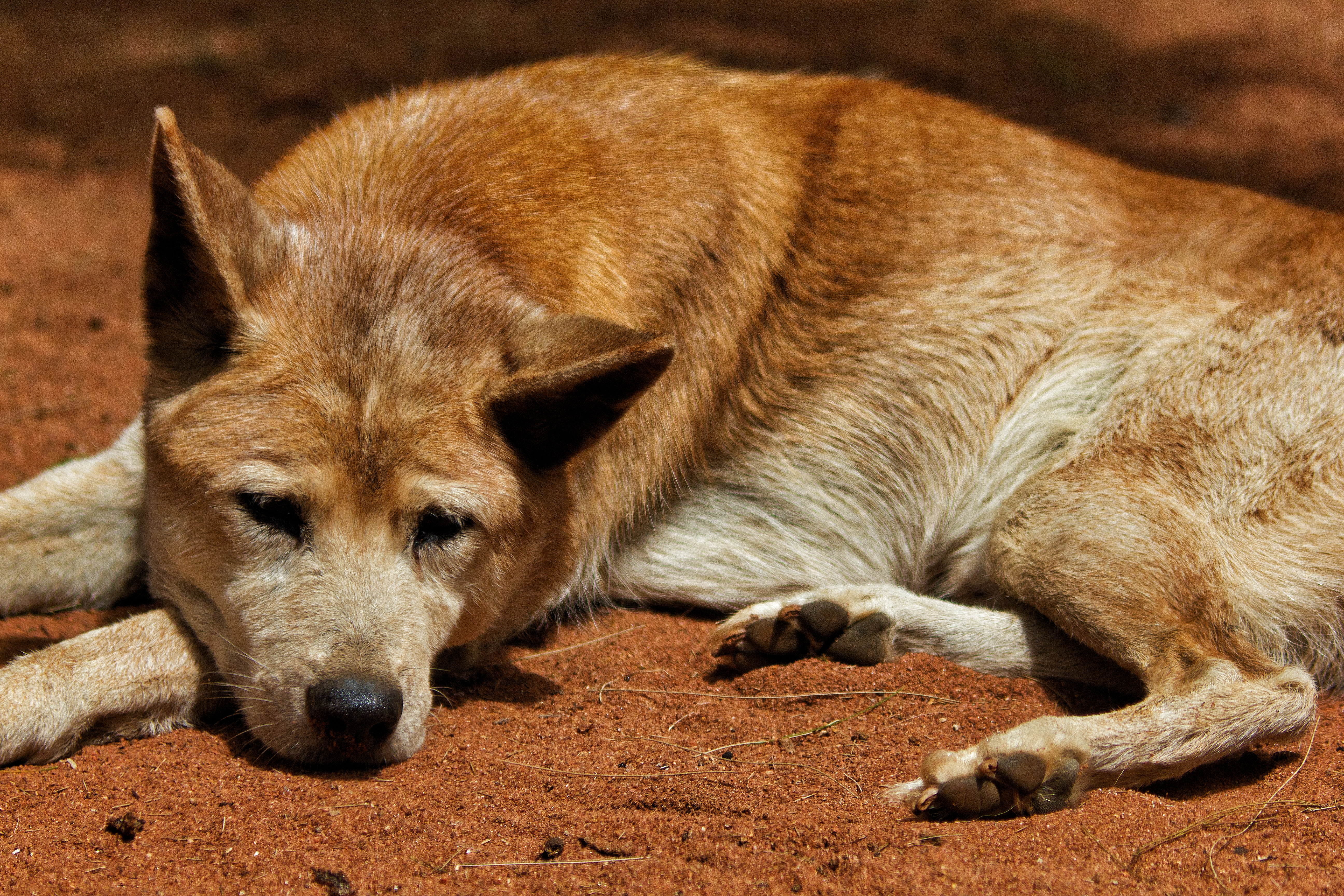
Karrak – the Red-Tailed Cockatoo

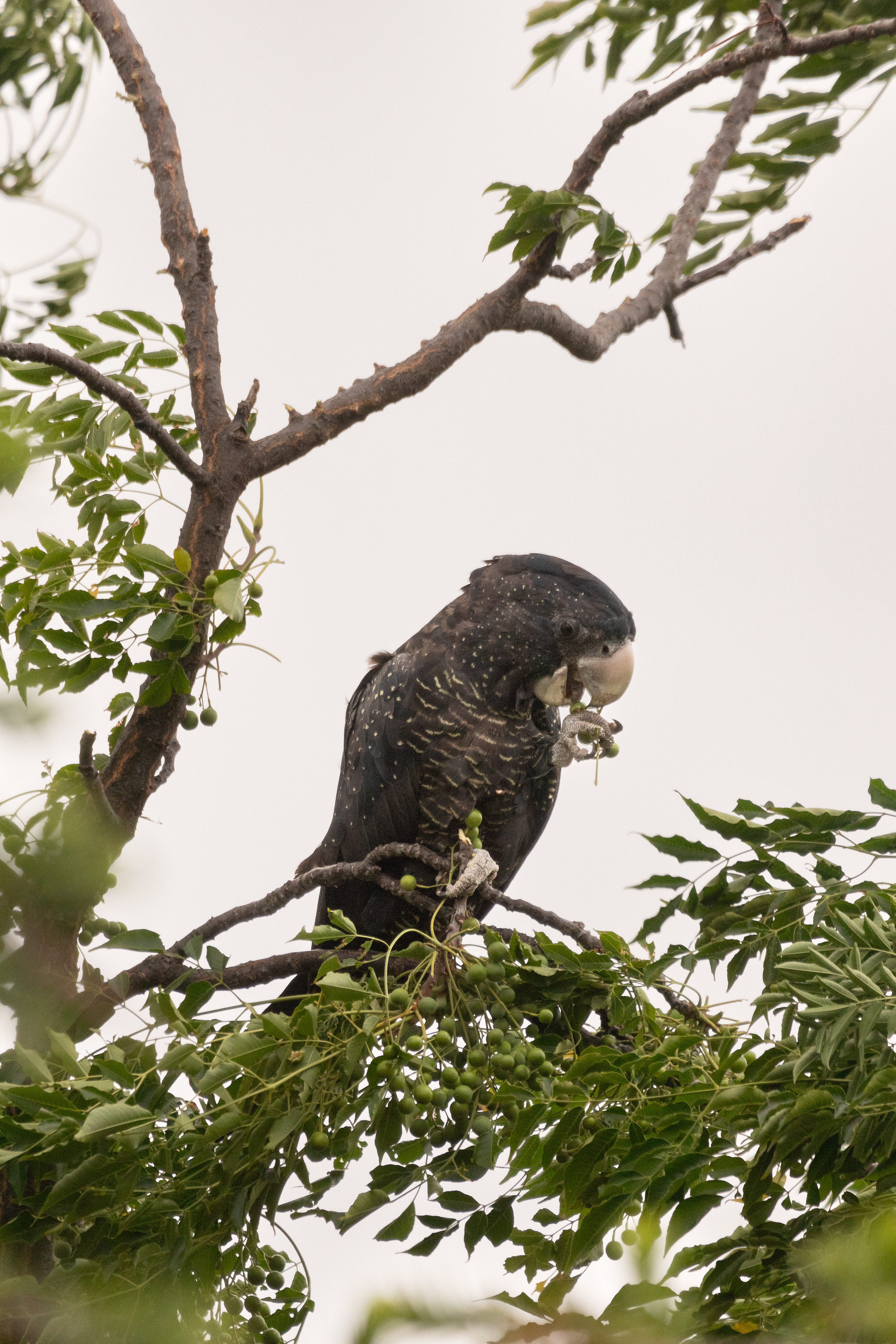
Karak or Red-tailed Black Cockatoo (Calyptorhynchus banksii subs samueli) feeding on Cape Lilac AKA WhiteCedar (Melia azedarch). York, Western Australia.


The last couple of weeks I’ve been thrilled to see Red-Tailed Cockatoos (Calyptorhynchus banksii), called Karrak by the Nyoongar, feeding in the Cape Lilac trees of our neighbours. 


Karak or Red-tailed Black Cockatoo (Calyptorhynchus banksii subs samueli) feeding on Cape Lilac AKA WhiteCedar (Melia azedarch). York, Western Australia.


There are four subspecies found in Western Australia – Cb. Naso (referred to as the Forest Red-tailed Black Cockatoo), Cb. Samueli (the Inland Red-tailed Black Cockatoo), Cb. macrorhynchus (sometimes referred to as the Great-billed Cockatoo, Banksian Black-Cockatoo, or Banks’ Black-Cockatoo), and the recently discovered Cb. Escondidusa. Now which species the ones in our neighbourhood are I couldn’t tell you – probably Inland or Forest Red-Tailed Black Cockatoos. All I know that is according to the experts we shouldn’t have any, but here they are.

The Nyoongar creation story for the Red-Tailed Black Cockatoo.


Ngoolyak or Carnaby’s Black-cockatoo (Calyptorhynchus latirostris). Yanchep National Park, Western Australia.


Dwert the Dingo


Djidi-djidi or Willie Wagtail (Rhipidura leucophrys). Avon Walk Trail, York, Western Australia.


Kwilom or purple swamp hen (Porphyrio porphyrio subsp bellus) picking over vegetation on shore of the lake. Lake Leschenaultia, Western Australia.


One day Ngoolyak the white-tailed black cockatoo saw a fight between Dwert the Dingo and Djidi-djidi the Willie Wagtail. Ngoolyak sided with Dwert and joined the fight. Kwilom the Purple Swamp Hen saw the commotion and tried to break them up. He picked some sedge and started beating Ngoolyak across his back to get him to back off. Ngoolyak started screaming and tried to fend off the blows by raising his tail. The sedge oozes red sap when it is cut and it left great red marks where it struck. As he screamed Ngoolyak’s voice became hoarse and he could no longer make his normal call of “wola” and the screeching sounded more like “Karrak!” instead, and that is how Ngoolyak the White-tailed Cockatoo became Karrak the Red-tailed Cockatoo.


Karak or Red-tailed Black Cockatoo (Calyptorhynchus banksii subs samueli) feeding on Cape Lilac AKA WhiteCedar (Melia azedarch). York, Western Australia.


Karak or Red-tailed Black Cockatoo (Calyptorhynchus banksii subs samueli) feeding on Cape Lilac AKA WhiteCedar (Melia azedarch). York, Western Australia.


Burlong Pool

Burlong Pool is about 4.5 Km south west of the Wheatbelt Metropolis of Northam and is one of the termini of the Dorntj Koorliny or Walking Together Track. The Ballardong Nyoongar  believe that it is a significant place for the Dreamtime Wagyl or Rainbow Serpent. The Wagyl created the landscape of the South West of Western Australia, looks after the fresh water and also helps bring the rains. Burlong pool was/is the Wagyl’s summer resting place and is regarded as a sacred site.

We’ve been visiting the site for years as we often take the dog with us to Northam when we go shopping (not in summer) and we use it as a walk place for her and to stretch our legs. Every time we went we’d see a lot of wildlife and I always came away thinking I must go and take some photos. Well that time came and we headed out early one morning. On getting there we were met with raucous calling from an enormous flock of corellas. We stayed for a bit watching them and the other birds and then we started walking the Dorntj Koorliny Track towards Northam. Even though the weather was very warm it was an enjoyable walk and we saw heaps.


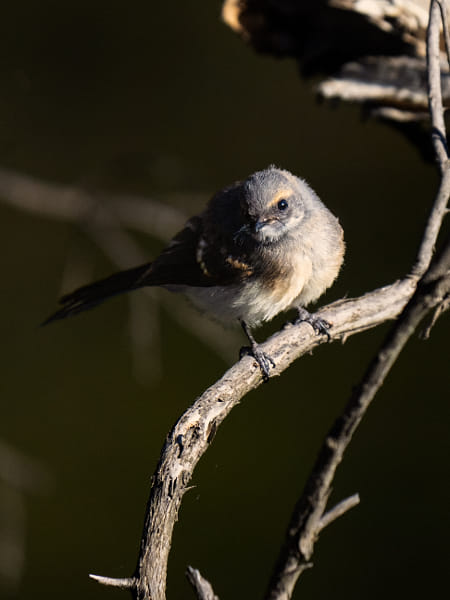
Kadjinak by Paul Amyes on 500px.com
Kadjinak or Grey Fantail (Rhipidura albiscapa). Dorntj Koorliny, Burlong Park, Northam, Western Australia.
 

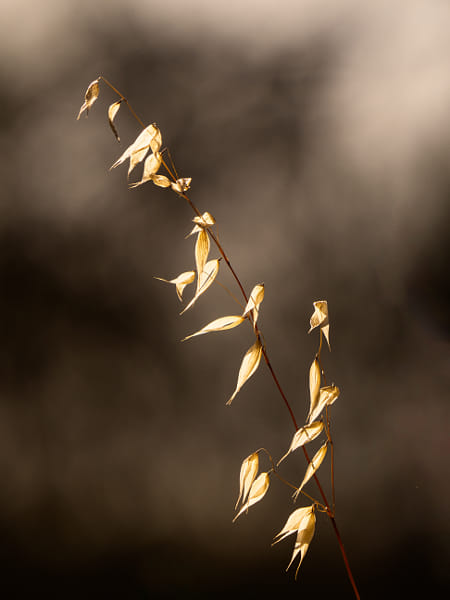
Grass Seeds by Paul Amyes on 500px.com
Dorntj Koorliny, Burlong Park, Northam, Western Australia.
 

Nidoolyorong by Paul Amyes on 500px.com
Nidoolyorong or Black-fronted Dotterel (Elseyornis melanops). Dorntj Koorliny, Burlong Park, Northam, Western Australia.


Djindjokoor by Paul Amyes on 500px.com
Djindjokoor or Brown Honeyeater (Lichmera indistincta). Dorntj Koorliny, Burlong Park, Northam, Western Australia.


Kakak by Paul Amyes on 500px.com
Kakak or Little Pied Cormorant (Phalacrocorax melanoleucos). Dorntj Koorliny, Burlong Park, Northam, Western Australia.


Koordjokit by Paul Amyes on 500px.com
Koordjokit or Little Black Cormorant (Phalacrocorax sulcirostris). Dorntj Koorliny, Burlong Park, Northam, Western Australia.
 

I Must Go Down To The Sea Again


I must go down to the seas again, to the lonely sea and the sky,
And all I ask is a tall ship and a star to steer her by;
And the wheel’s kick and the wind’s song and the white sail’s shaking,
And a grey mist on the sea’s face, and a grey dawn breaking.

I must go down to the seas again, for the call of the running tide
Is a wild call and a clear call that may not be denied;
And all I ask is a windy day with the white clouds flying,
And the flung spray and the blown spume, and the sea-gulls crying.

I must go down to the seas again, to the vagrant gypsy life,
To the gull’s way and the whale’s way where the wind’s like a whetted knife;
And all I ask is a merry yarn from a laughing fellow-rover,
And quiet sleep and a sweet dream when the long trick’s over.

John Masefield
1878 – 1967


I have no inclination to sail a tall ship, but the lure of the coast, its wildlife and a cool sea breeze was irresistible and so we found ourselves at Woodman Point.


Kaldjirkank by Paul Amyes on 500px.com
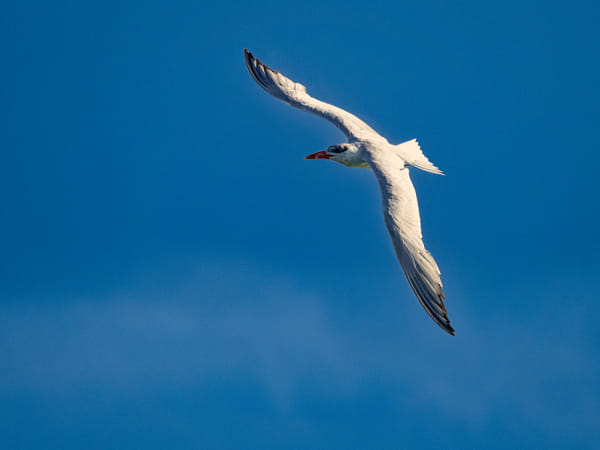
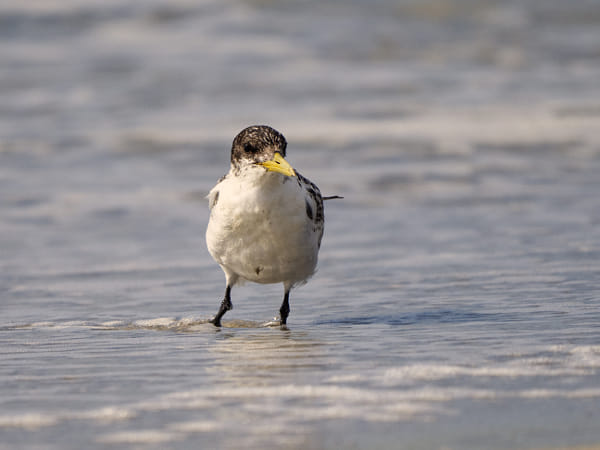
A juvenile Crested Tern hassling its parent for food.


Boodalang by Paul Amyes on 500px.com
Boodalang or Australian Pelican (Pelecanus conspicillatus). Woodman Point, Western Australia.


Djeringkara by Paul Amyes on 500px.com
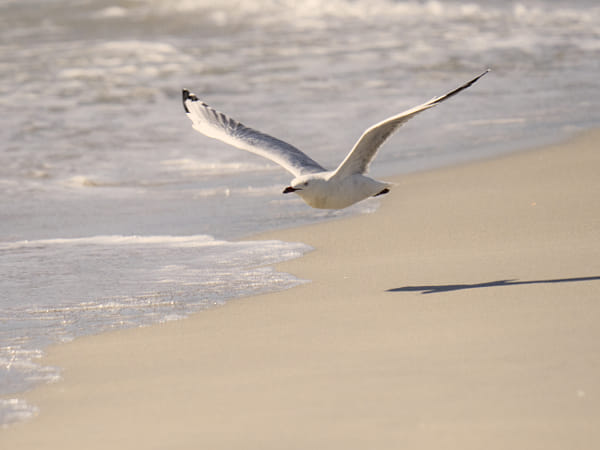
Djeringkara or Silver Gull (Larus pacificus). Woodman Point, Western Australia.


Kaldjirkank by Paul Amyes on 500px.com
Juvenile Kaldjirkank or Crested Tern (Thalasseus bergii). Woodman Point, Western Australia.


Djeringkara by Paul Amyes on 500px.com
Djeringkara or Silver Gull (Larus pacificus). Woodman Point, Western Australia.
 

Karrynekarryne by Paul Amyes on 500px.com
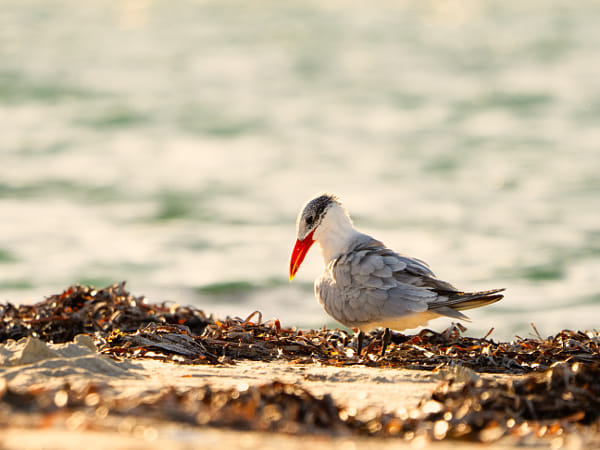
Juvenile Karrynekarryne or Caspian Tern (Hydroprogne caspia). Woodman Point, Western Australia.
 

Karrynekarryne by Paul Amyes on 500px.com
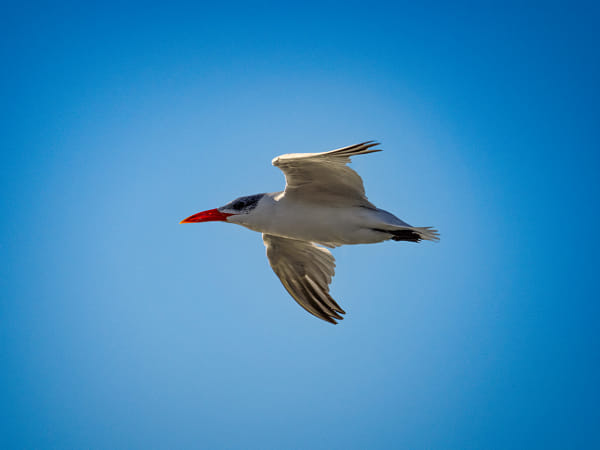
Karrynekarryne or Caspian Tern (Hydroprogne caspia). Woodman Point, Western Australia.
 

Karrynekarryne by Paul Amyes on 500px.com
Karrynekarryne or Caspian Tern (Hydroprogne caspia). Woodman Point, Western Australia.
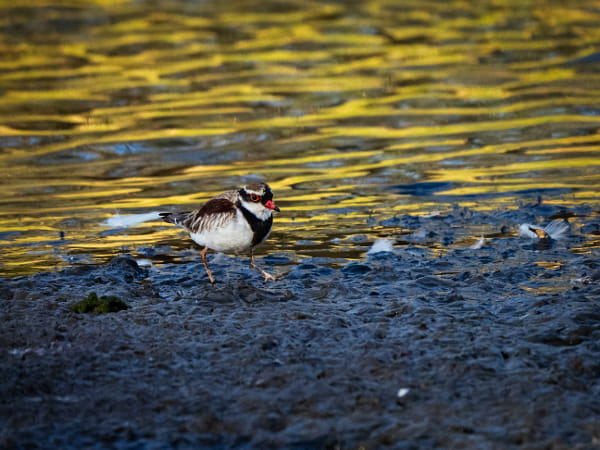


Bilya (Noongar – River) Walk Track

The Bilya (Noongar – River) Walk Track was created by the Toodyay Friends of the River and follows the Avon River for 6.5Km on its western bank. For me one of the highlights of the walk is walk from from Millard’s Pool (which is the largest pool on the river and was the site of Toodyay’s first swimming pool) to John Masters Bird Hide by Red Banks Pool a Nyoongar heritage site. If the wildlife and the wonderful walk aren’t enough of a draw card then know this – no visit to Toodyay is complete without a stop off at the amazing Toodyay Bakery. 


Kakara by Paul Amyes on 500px.com

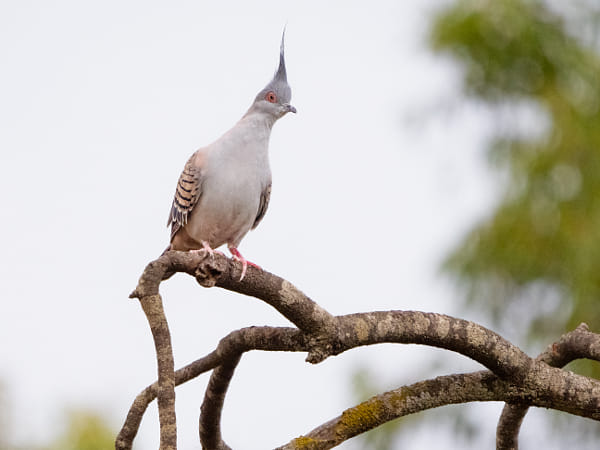
Kakara or Crested Pigeon (Ocyphaps lophotes). Bilya Walk Track, Toodyay, Western Australia.
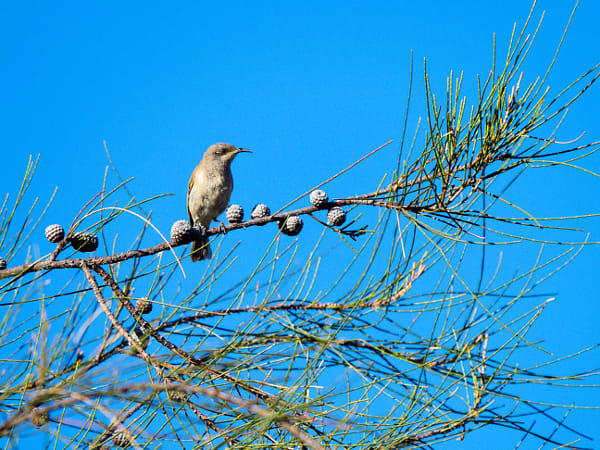
 

Wayooda by Paul Amyes on 500px.com
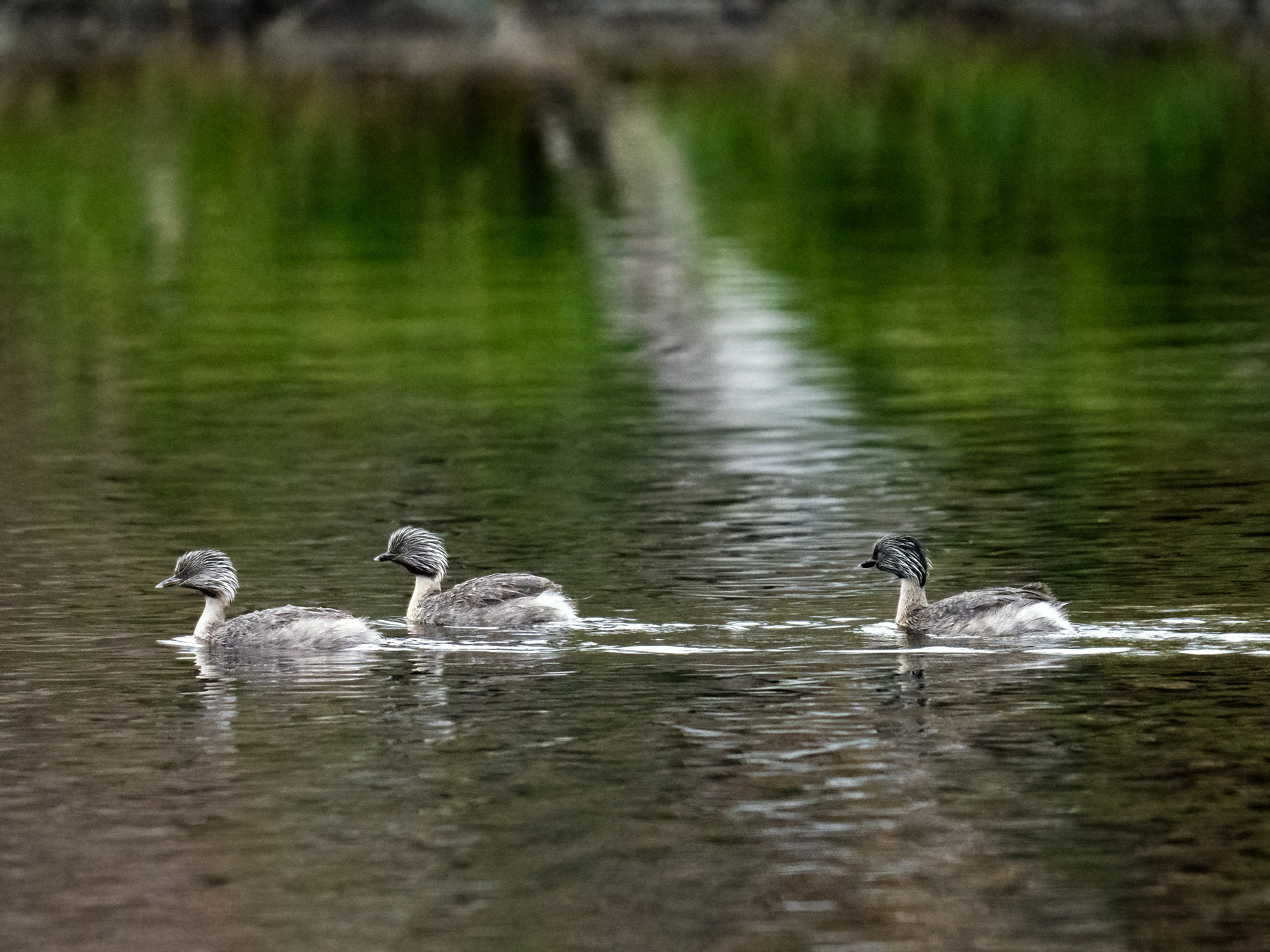
Wayooda or Hoary-headed Grebe (Podiceps poliacephalus). Bilya Walk Track, Toodyay, Western Australia.
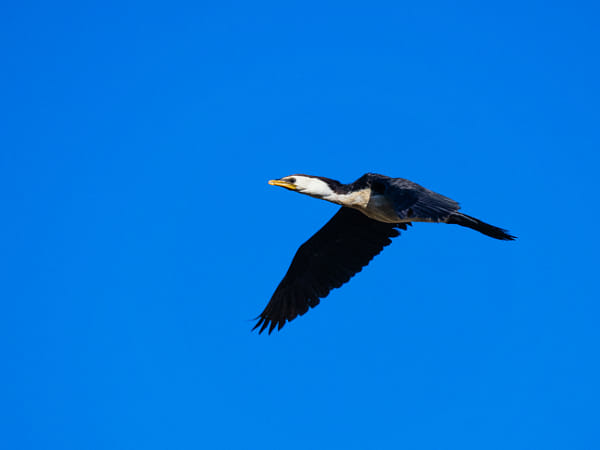


Kakak and Ngalkaning by Paul Amyes on 500px.com
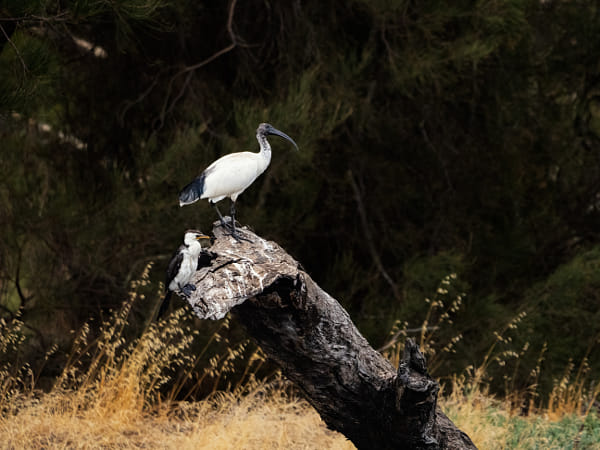
Kakak or Little Pied Cormorant (Phalacrocorax melanoleucos) and Ngalkaning or Australian White Ibis (Threskioris molucca) Bilya Walk Track, Toodyay, Western Australia.
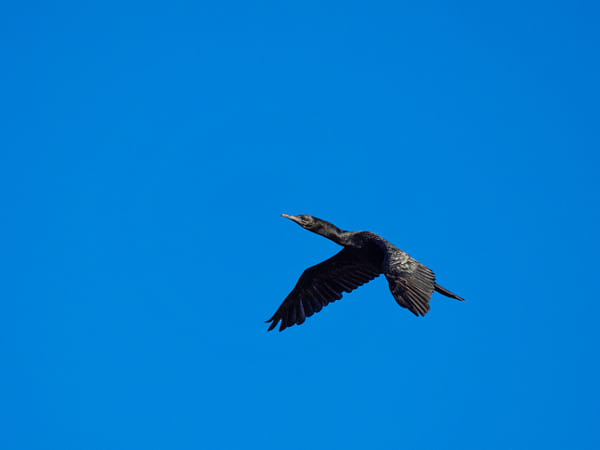
 

Boodalang by Paul Amyes on 500px.com
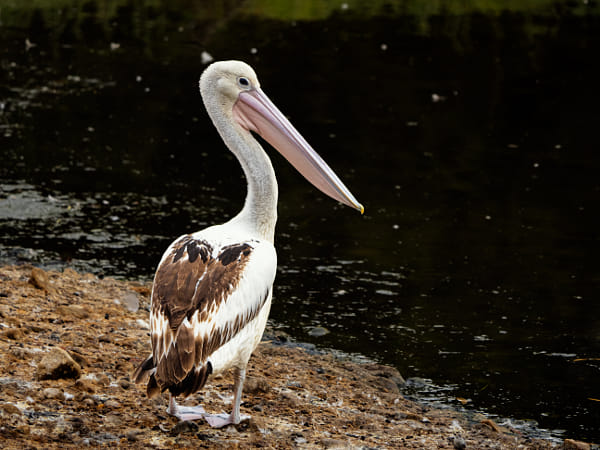
Boodalang or Australian Pelican (Pelecanus conspicillatus). Bilya Walk Track, Toodyay, Western Australia.


Hotter Than…

… than a Vindaloo Curry with extra chilli and a side serving of chilli. Man has it been hot. I mean it’s been so hot that your eye balls sweat. Try and take a cold shower to cool down and the water coming out of the cold tap is hot. The dog refuses to go for a walk because the pavement is blisteringly hot. We did get a little respite for a day, the temperature dropped by 10º to 34ºC and everyone said it was chilly enough to look for a sweater. The third round of the seventh circle of Dante’s Inferno is a great Plain of Burning Sand scorched by great flakes of flame falling slowly down from the sky and it is an apt description of this summer here in the Wheatbelt of Western Australia. Cyclone Sean has a lot to answer for.

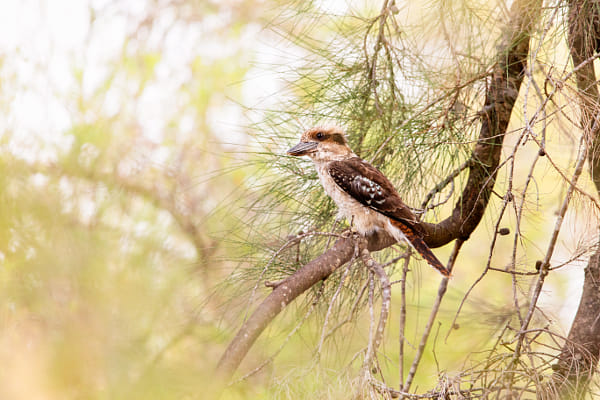
Kaa-kaa or Laughing Kookaburra by Paul Amyes on 500px.com
A very happy looking Kaa-kaa or Laughing Kookaburra (Dacelo novaeguineae).Avon Trail, York, Western Australia.


Yet I’m amazed how the natural world carries on. The Rainbow Bee-Eaters chicks have successfully fledged and are busy building themselves up for the long flight north at the end of March. Splendid Fairy Wrens, Thornbills and Silvereyes still look for insects in the undergrowth. Kookaburras, crows and magpies can be seen looking for the unwary to feed upon. The farmers paddocks are now just bleached stubble. The mice and other small animals that live in them have nowhere to hide and are easy pickings for the Black Shouldered Kites and Nankeen Kestrels.


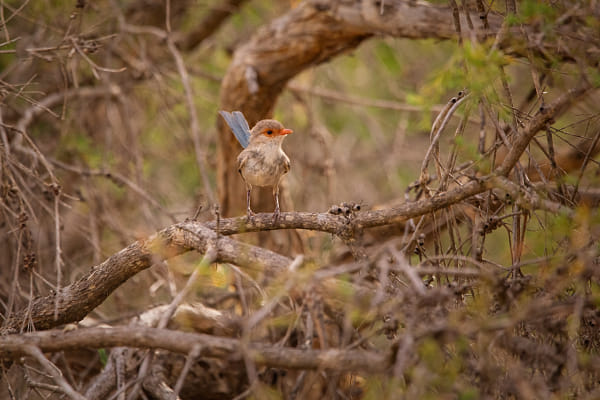
Djer-djer by Paul Amyes on 500px.com
Female Djer-djer or Splendid Fairy-wren (Malarus splendens subs splendens). Avon Trail, York, Western Australia.
 

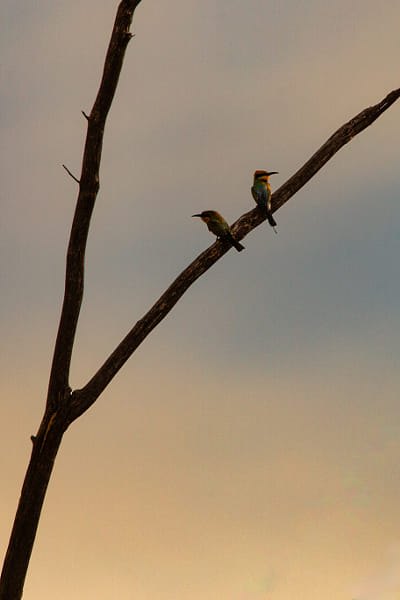
Birin-birin by Paul Amyes on 500px.com
Birin-birin or Rainbow Bee-eaters (Merops ornatus) in the last light of the day. Avon Trail, York, Western Australia.
 

Walking along the river in the early morning or late evening it’s possible to see the birds, but they quickly retreat to places of deep shade as the temperatures rise. Come about 10 o’clock in the morning until about five in the afternoon they are almost totally silent. Despite the heat there is still quite a volume of water in the river. It is the water that enables the wildlife to survive.


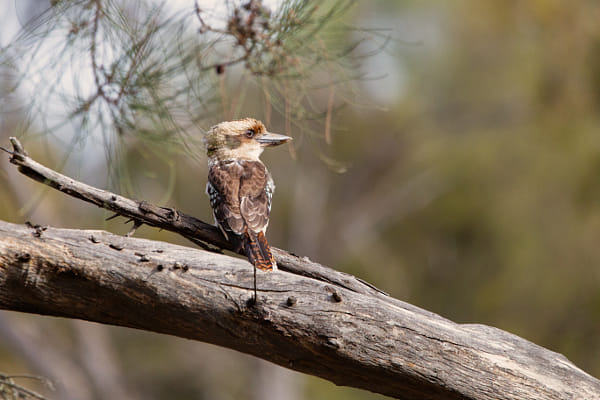
Kaa-kaa or Laughing Kookaburra by Paul Amyes on 500px.com

Kaa-kaa or Laughing Kookaburra (Dacelo novaeguineae).Avon Trail, York, Western Australia.
The Dutiful Father

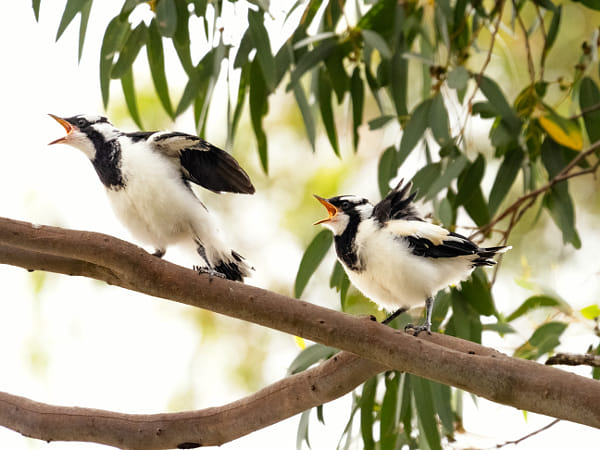
They say “familiarity breeds contempt” and I think that is true of one of Australia’s most common birds – the Magpie-lark (Grallina cyanoleuca). They are one of the few species of Australian birds that have benefited from land clearance and urbanisation and so they are seen in most towns and cities. Most people are so accustomed to their presence in environment that they barely give them a thought. I must say that I am one of them. If I look at my photo library in the last twenty years I’ve only taken 11 photos of a Magpie-lark while in the last five years I’ve taken 77 photos of White-faced Herons.


Diliboort by Paul Amyes on 500px.com
Feed Me! Fledgling Diliboort or Magpie-larks (Grallina cyanoleuca) demanding food. Avon Walk Trail, York, Western Australia.
 

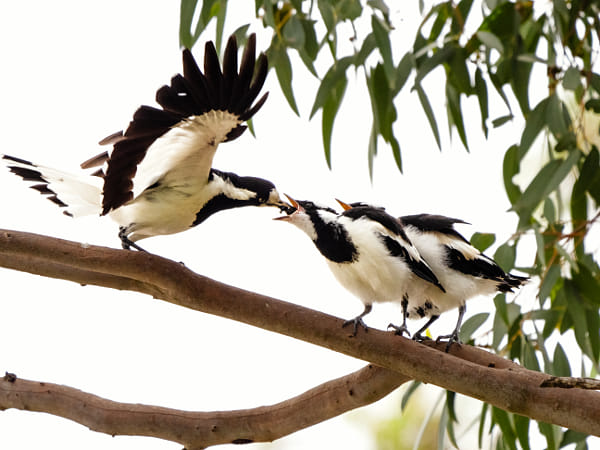
The other day I’d been on a Kingfisher stakeout and I was just walking up the river to see what the Rainbow Bee-eaters were up to. When I noticed this pair of male fledgling Magpie-larks creating a hullabaloo. Waiting a few minutes I saw an adult male fly in and feed them. He was very conscientious making sure to feed each one in turn. He’d then fly off and walk around the grass in the park looking for bugs and worms and when he had a beak full he return back to his charges. In the half an hour I watched them I didn’t once see the mother. Perhaps she was taking a well earned rest somewhere.
 

Diliboort by Paul Amyes on 500px.com
Dad diligently obliges.


So watching and photographing those interactions has made me double the number of photos of Magpie-larks in my library and reminded me not to ignore the less charismatic birds.