At last a morning with no rain or mist. It was definitely on the chilly side, but the most important thing was the sun was out. What a difference the sun makes. Everything looked new and clean.
The morning saw us walking along the river bank in the Wheatbelt Metropolis of Northam. There was definitely a hint of spring being around the corner. Lots of birds gathering material for nests. Birds calling out to each other and pairing up. So much activity. It was just wonderful to see.
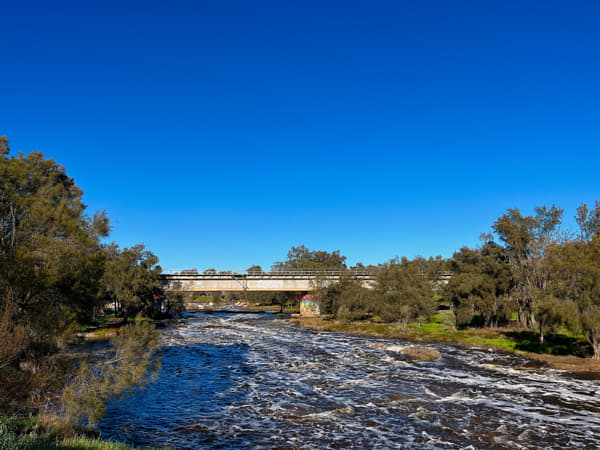
The rail bridge over the Avon River in Northam. The water levels bode well for the forth coming Avon Descent White Water Race.
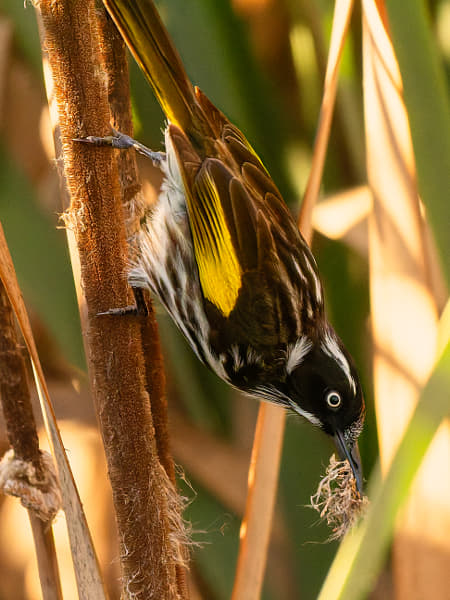
Bandiny or New Holland Honeyeater (Phylidonyris novaehollandiae) collecting nesting material from the reeds. Northam, Western Australia.
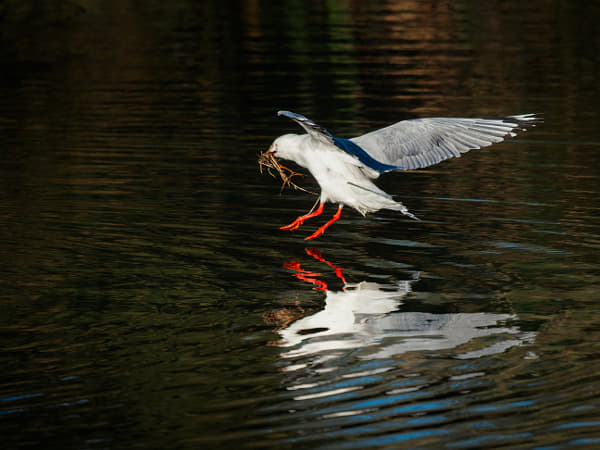
This Djeringkara or Silver Gull (Larus novaehollanddiae) was also collecting nesting material. Northam, Western Australia.
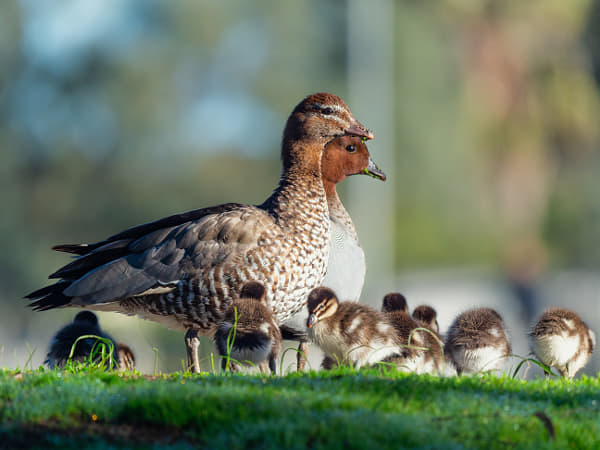
Forget building nests. This pair of Marangana or Australian Wood Ducks (Chenonetta jubata) were walking around with their newly hatched clutch of 10 ducklings
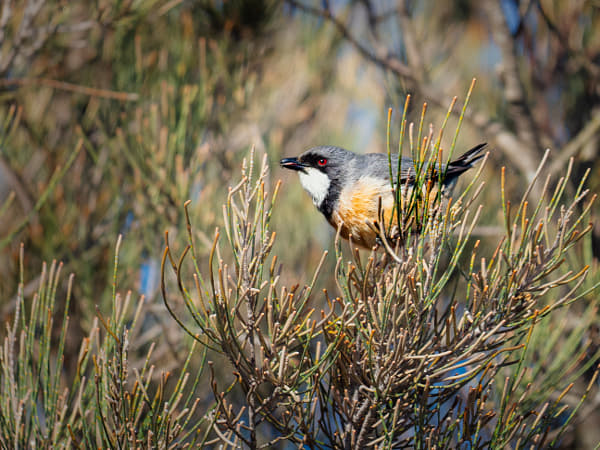
Just past the weir the trees were full of Bambon or Rufous Whistlers (Pachycephala rufiventris) noisily calling out to each other trying to attract a mate. Northam, Western Australia.
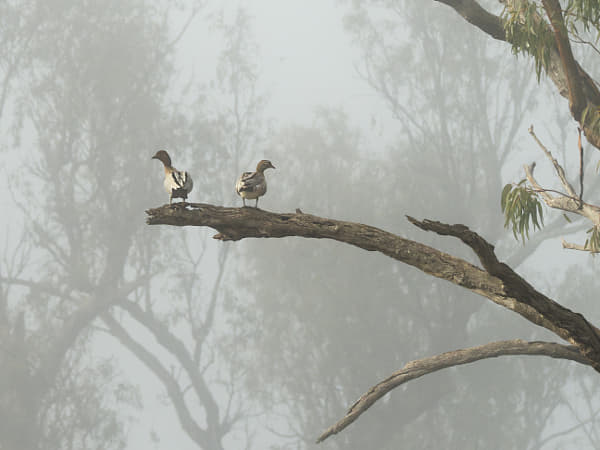
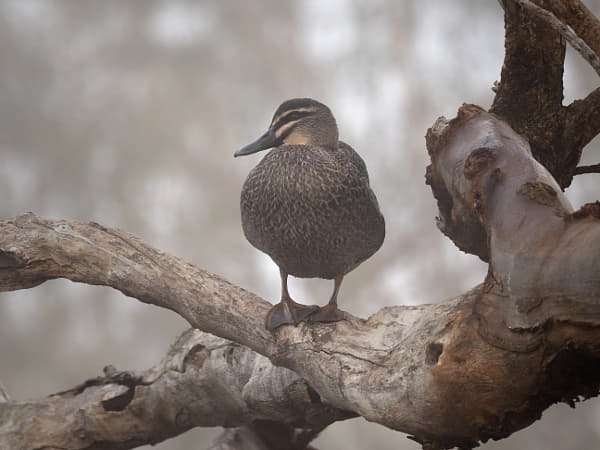
We’ve had a lot of cold, dank, foggy mornings along the Avon River lately. It must be cold as most of the duck population has taken to perching in trees while waiting for the day to warm up.
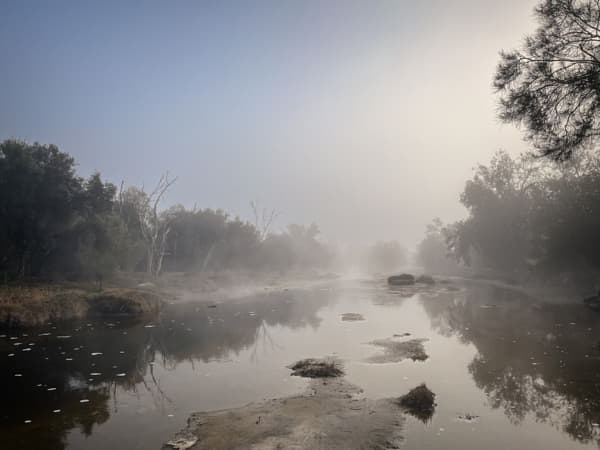
The weak winter sun tries to burn off the thick winter mist in the Avon Valley.
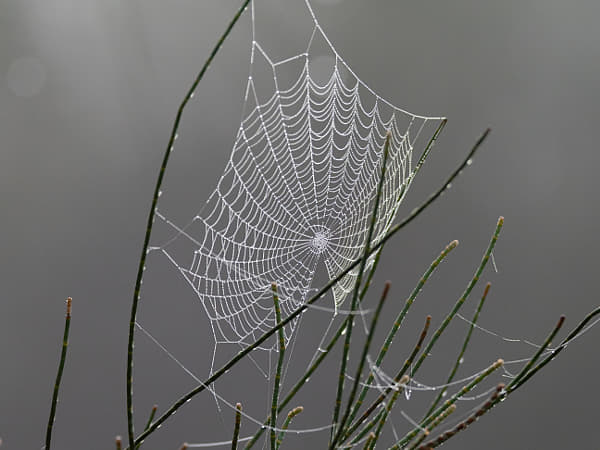
The mornings dew on a spider’s web. Avon Walk Trail, Western Australia.
Marangana or Australian Wood Duck (Chenonetta jubata).
Ngowonan or Pacific Black Duck (Anas superciliosa).
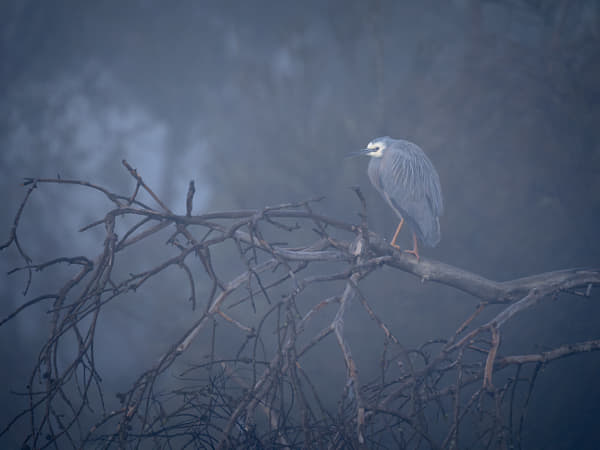
Wayan or White Faced Heron (Ardea novaehollandiae) hunkered down against the cold.
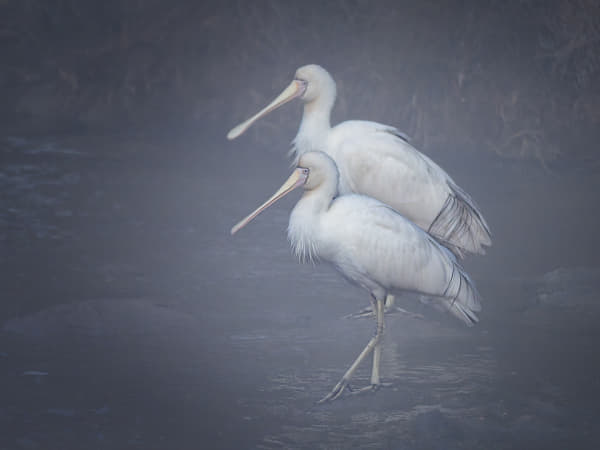
This pair of Kaaka-baaka or Yellow-billed Spoonbills (Platalea flavipes) braved the cold and were wading in the river looking for food.
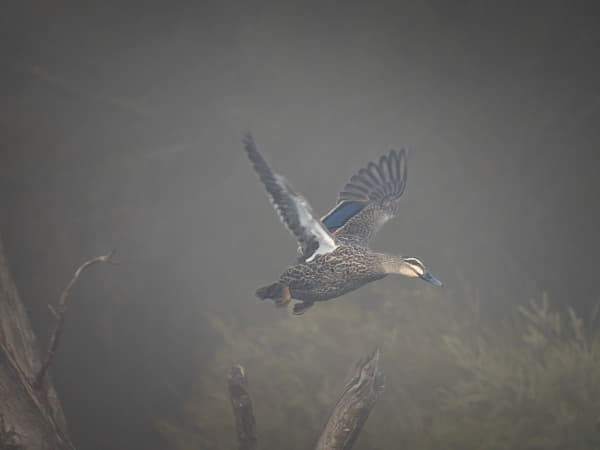
“Time I was off”. Ngowonan or Pacific Black Duck (Anas superciliosa).
Overall I was actually quite impressed that my Olympus EM1x could find focus in these dark low contrast situations.
I had an appointment in Glen Forest, about an hours drive away, late in the morning and to make the most of the petrol I decided to stop en route at Lake Leschenaultia at dawn. The weather was quite bleak when I got there – cold and damp with thick fog and virtually zero visibility. Knowing I wasn’t going to get anything to blog I decided to experiment and shoot some video.
A few hours later while walking back to the car a young woman walked past me at speed and commented on the seriousness of my camera. A few steps on she stopped and asked whether I’d seen and photographed the little duck. Always seeking local knowledge I asked which little duck in particular as there are quite a few species that call the lake home. She tried to explain that it was a very unusual little duck, completely different from anything she’d seen before. Oooh I thought – something new and unusual. She went onto say that she’d taken a photo with her phone and Googled it and found out that it was the Madagascan Duck. Now I was a bit sceptical as although ducks do migrate with the change of seasons it does tend to transcontinental as opposed to crossing large expanses of open sea. They also do it in large flocks, so if there is one there are probably hundreds. It would seem very unlikely that a single duck would have wandered so far off course as their navigation is pretty impressive. While trying to be helpful and say it was probably one of last summers fledglings she saw I was answered with I still have the photo on my phone. With that she quickly locates it and shows me the photo. It wasn’t a duck. It was an Australasian Grebe (Tachybaptus novaehollandiae). She seemed absolutely delighted with this information said goodbye and walked off.
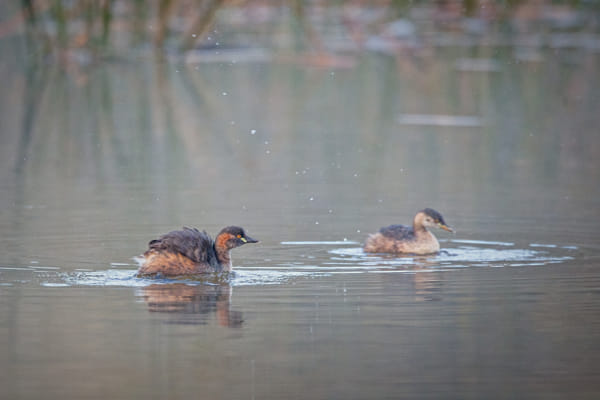
Definitely not a Madagascan Duck but rather Ngoonan or Australasian grebes (Tachybaptus novaehollandiae). Lake Leschenaultia, Western Australia.
On getting home I was a little bemused by the event and decided to Google the Madagascan Duck myself. It threw up the Madagascan pochard (Aythya innotata) which is an incredibly rare species of diving duck which was thought to have gone extinct in the late 1990’s. Some breeding pairs were later discovered and as a result of a captive breeding program there now is a small population of 25 individuals located on two small volcanic lakes in the far north of Madagascar. Whenever I see an Australasian Grebe I shall always think of the Madagascan Duck.
Lake Powell is a well kept secret. We asked at the Elleker General Store, Tavern, Cafe and Servo for directions and they’d never heard of it yet as the crow flies it was only 2 minutes drive away. We could see the lake, it was the turn off to take us into the Lake Powell Nature Reserve we were looking for. After a bit of driving around we found it and made plans to go there the next morning.
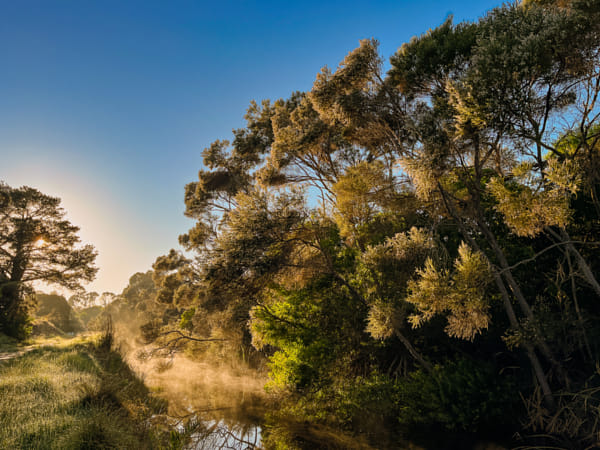
Now up to this point on our trip it had rained – and when I say rained it was the sort of torrential deluge that would make Noah start building a boat. So when we arrived at Lake Powell we were met with this magical mist over the water and a beautiful golden light filtering through it. These are the conditions you just live for as it just makes everything look bloody wonderful. Having parked the car up we walked down to the bird hide following the track beside the Grasmere Channel. Years ago when the first European settlers arrived they found a very low lying area and those bits that weren’t swamp were prone to flooding and so a whole drainage system was put in and the Grasmere Channel is part of that. But, rather than being a boring man made feature it is a wildlife haven and it feeds the lake with fresh water. When we got to the hide there was nothing much to see, it was clear that everything all the activity was along the channels that was where I concentrated my efforts. It was great morning and I was so chuffed to see a Red-eared Firetail even though I didn’t get a good photo of it.
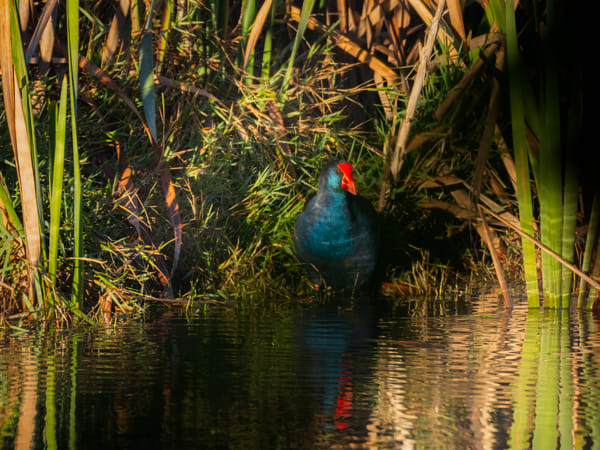
Kwirlam or Purple Swamphen (Porphyrio porphyrio). Lake Powell Nature Reserve.
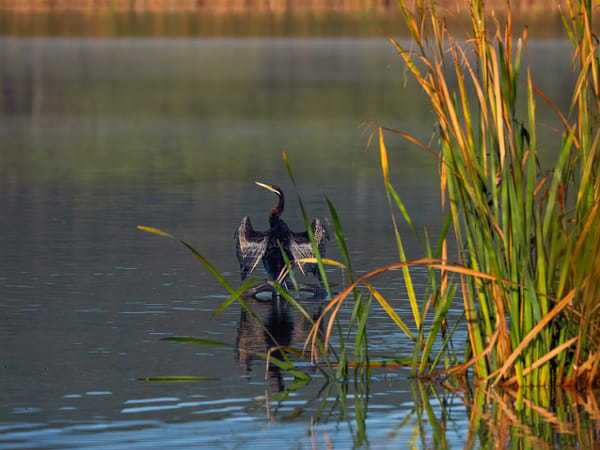
Mimal or Australian darter (Anhinga melanogaster subspecies novaehollandiae).
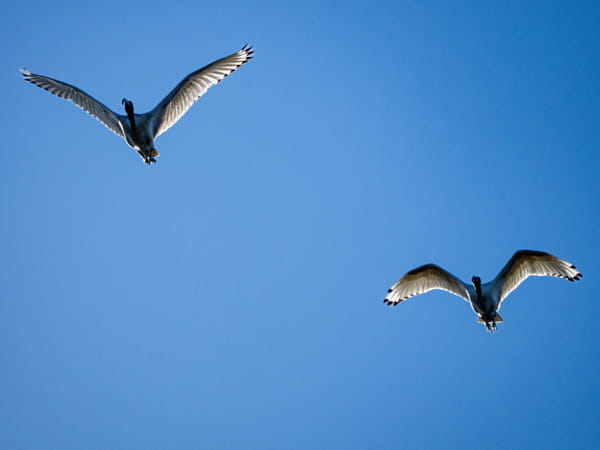
Ngalkaning or Australian White Ibis (Threskioris molucca).
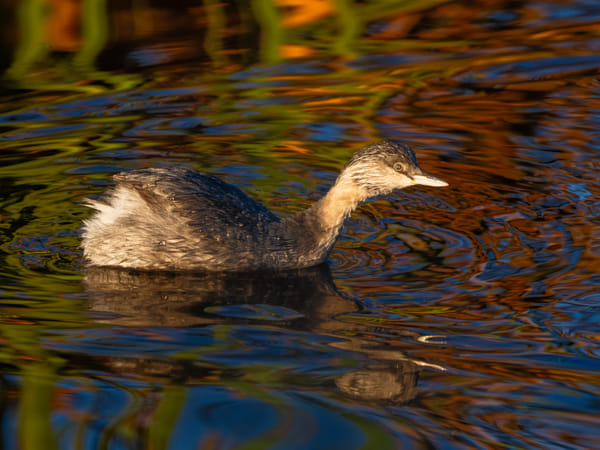
Wayooda or Hoary-headed Grebe (Podiceps poliacephalus).
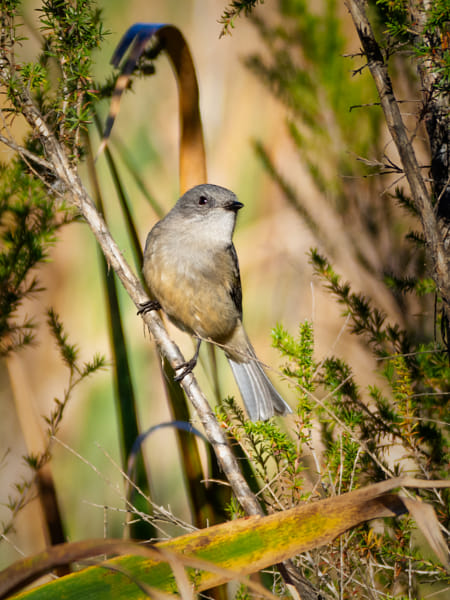
Koodilang or Grey Shrike-thrush (Colluricincla harmonica rufiventris).
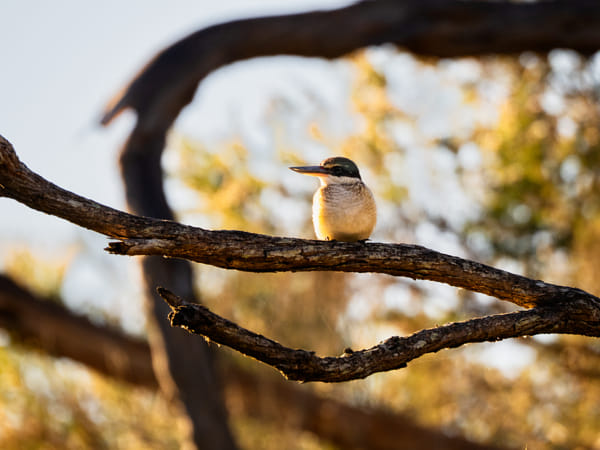
Kanyinak or Sacred Kingfisher (Todiramphus sanctus).
Not a great photo but seeing this little bird really made my day. Djiri or Red-eared Firetail (Stagonopleura oculata). Lake Powell Nature Reserve.
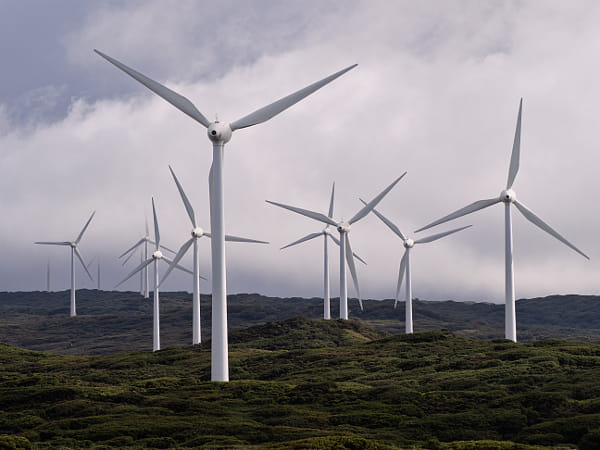
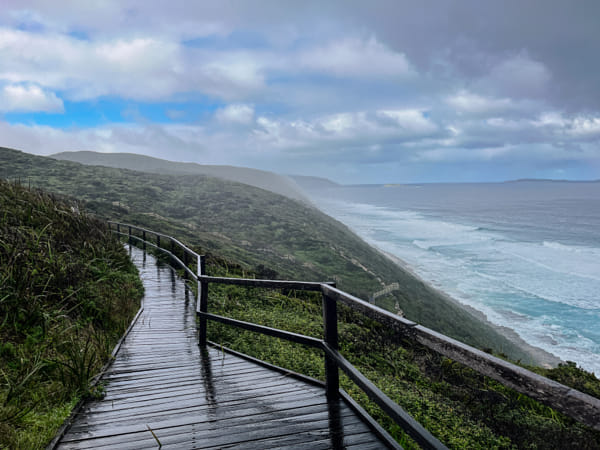
It seems a little perverse that we visited Albany Wind Farm when it was blowing a gale, but, that is what we did. Tourism Western Australia promotes this as a destination which I find quite strange, but then I’ve just found out that the old Battersea Power Station in London is now a tourist destination. If you told me 50 years ago that tourists would visit it I’d have thought you’d gone doolally tap. Albany Wind Farm doesn’t have shops and accommodation for tourists, rather it has 18 wind turbines plonked on top of 80m cliffs overlooking the Southern Ocean. We weren’t interested in the wind turbines, we were interested in the coastal heath that grows beneath them and what lives in that.
Albany Windfarm.
Wet, cold and windy.
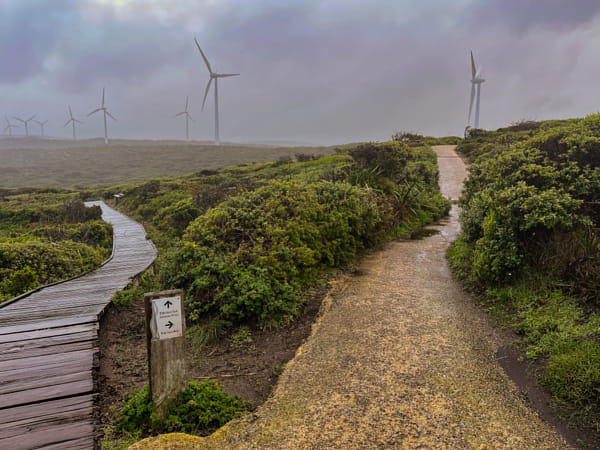
The Bibbulmun Track intersects with the Albany Wind Farm walk trail.
Ostensibly we were looking for the Southern Emu Wren. They are incredibly shy and difficult to find at the best of times and next to impossible when it’s blowing a gale, bucketing down and absolutely taters. The closest I got was a glimpse of the rear end of one in a bush just before it flew off. Very, very frustrating. In fact it wasn’t just the weather that was making things difficult, my camera was misbehaving as well and wouldn’t focus on anything even if it did sit still. It was not a good day out. After a regroup it was decided to return the next morning as the weather forecast was better and importantly, while we didn’t see a lot of bird activity we could hear it in the undergrowth. It wasn’t all bad as I did get a photo of a Fan-tailed Cuckoo which was a first.
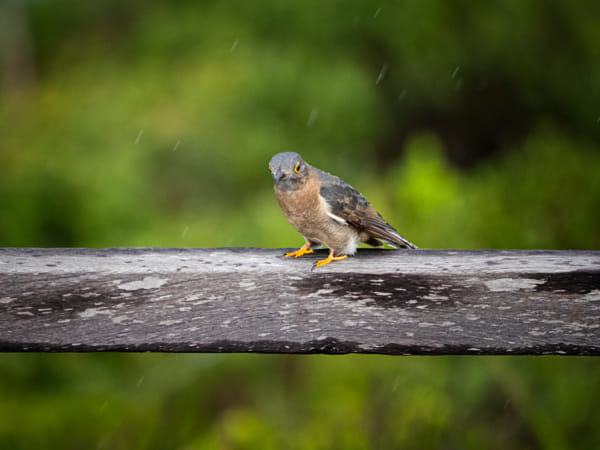
Definitely not singing in the rain. Djoolar or Fan-tailed Cuckoo (Cacomantis flabelliformis).
The next morning was considerably better. The wind was still blowing, but that was to be expected as they wouldn’t have sited the wind farm here if it wasn’t windy, but most importantly it had stopped raining. It’s amazing how a bit of sunshine improves the morale. I’d also checked the autofocus settings on the camera and found that I’d been playing around with them and hadn’t put them back to what they were. AF systems in modern mirrorless cameras are so complicated and you only have to make a small change and everything can go out of whack. Live and learn.
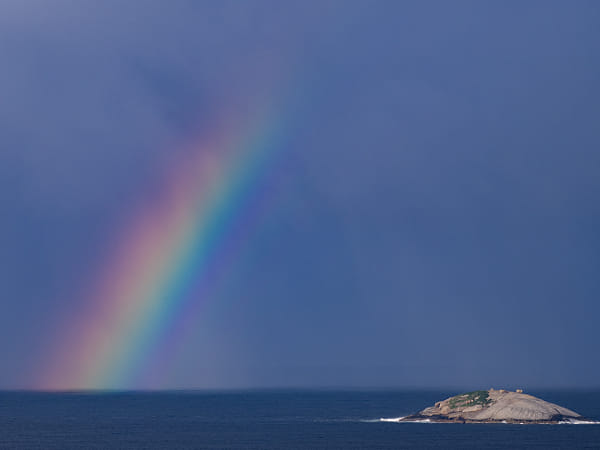
A rainbow over Stony Island viewed from the Albany Windfarm.
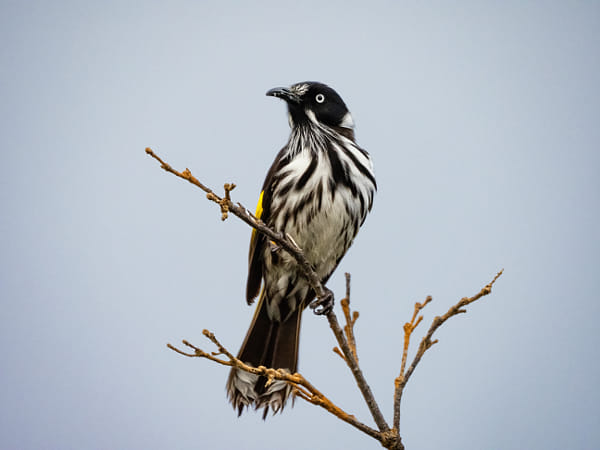
Bandiny or New Holland Honeyeater (Phylidonyris novaehollandiae). Albany Windfarm.
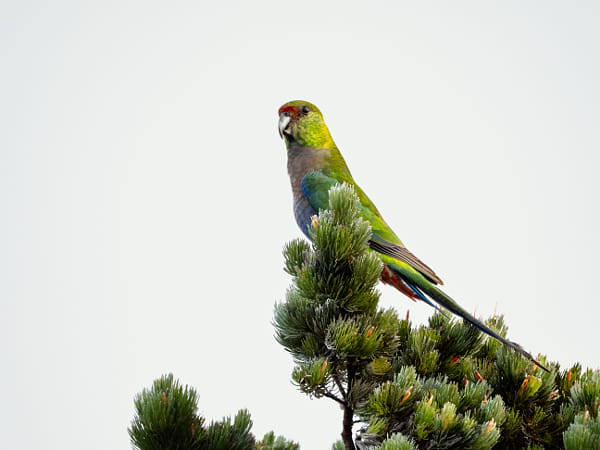
Juvenile Delyip or Red-capped Parrot (Platycercus spurius).
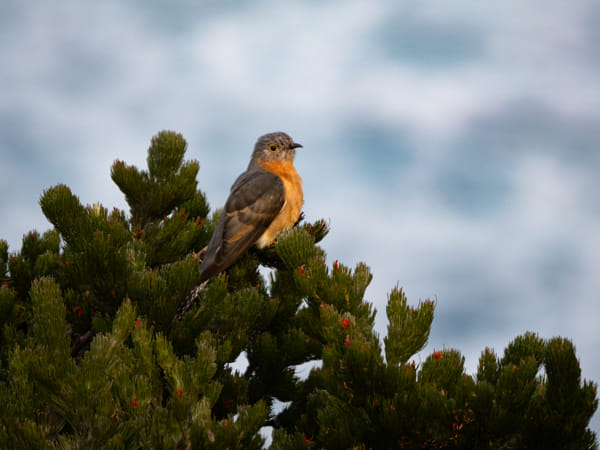
A happier and drier Fan-tailed Cuckoo.
On getting home after a very full week we’ve already talked about returning to the Great Southern later in the year or early next as we feel there is a lot more to see and do. I must say that on the camera front that if you intend to stand on a cliff top in the driving wind and rain and take photos then I heartily recommend you take one of the Olympus/OM System series one cameras. I’m always amazed at how well they cope with bad weather.
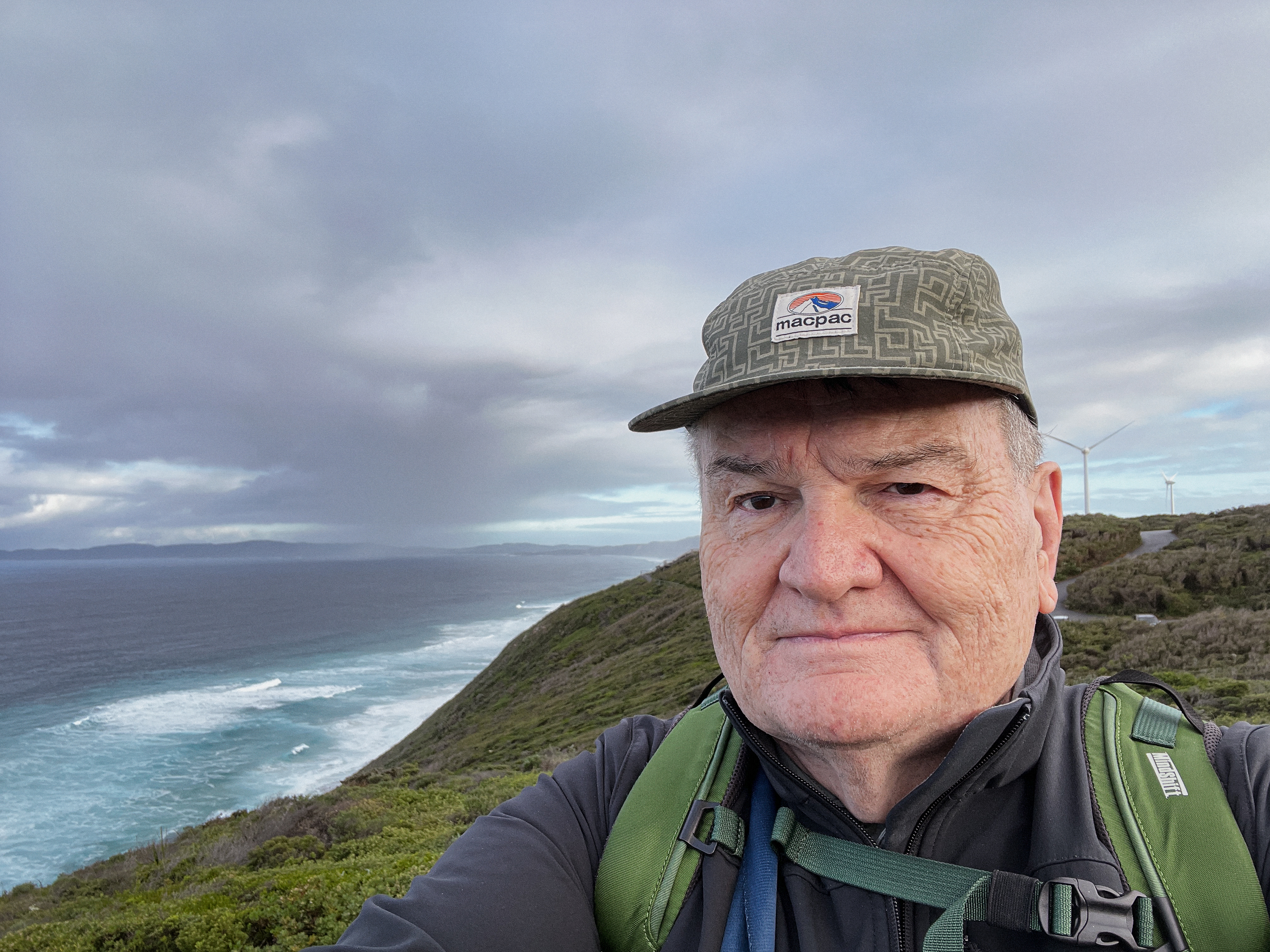
A windswept yours truly feeling a lot happier on our second visit to the Albany Wind Farm.
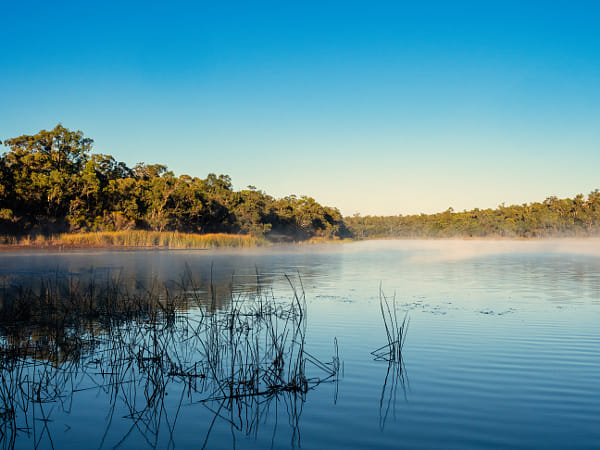
I must confess that in winter I find it hard to leave my bed while it is still dark and go to a location in search of wildlife. Invariably when I make the effort I’m always happy that I did. This week was no different, but, as I walked from the car down to the edge of Lake Leschenaultia I was greeted with a magnificent sight. The water was covered in mist and the sun’s golden light was just starting to be reflected in the water. Normally I take a slow walk around the lake photographing whatever I see. This time I was quite content to sit near the boat shed and just watch the interplay of the golden light and the mist. As the sun rose the mist was burned off and it was time to leave as the moment was over.
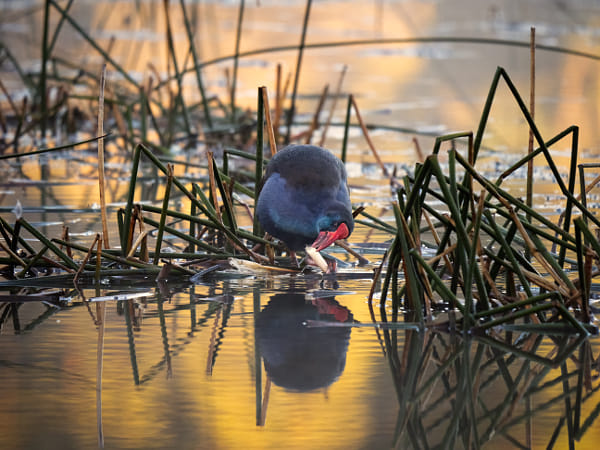
Kwirlam or Purple Swamp Hen (Porphyrio porphyrio) feeding on reed roots as the sun rises. Lake Leschenaultia, Western Australia.
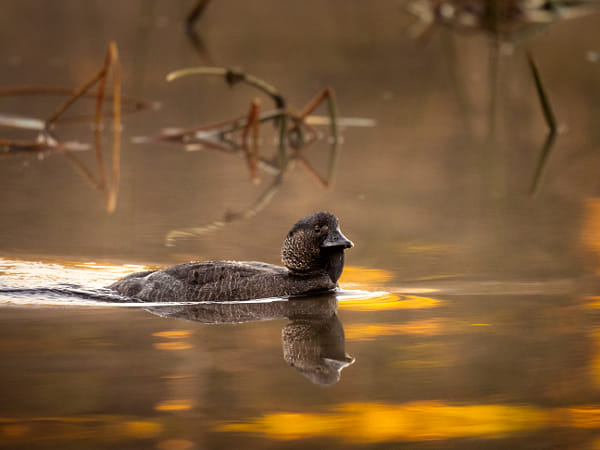
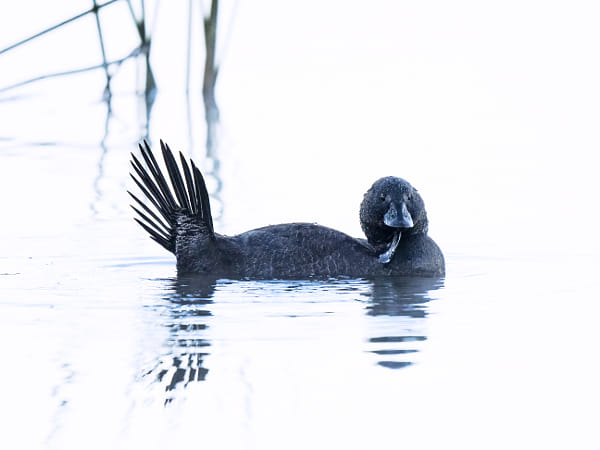
Kadar, Musk Duck (Biziura lobata). Lake Leschenaultia, Western Australia.
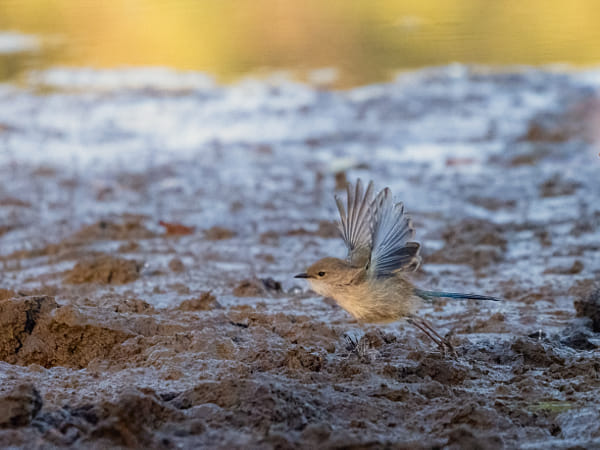
Djer-djer or Splendid Fairy-wren (Malurus splendens) chasing insects on the lake shore. Lake Leschenaultia, Western Australia.
I was so engrossed in the scene before me that it took me a while to take a photo of it. This was after about an hour when much of the mist had been burnt off by the warmth of the sun.
The Musk Duck (Biziura lobata) in the shade and the mist. Lake Leschenaultia, Western Australia.
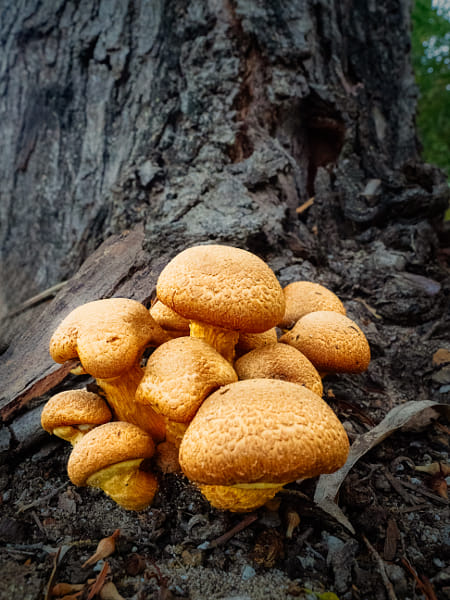
A few of the things I saw on the way back to the car.
Spectacular Rustgill (Gymnopilus junonius) is typically found growing on tree stumps, logs, or tree bases. Lake Leschenaultia, Western Australia.
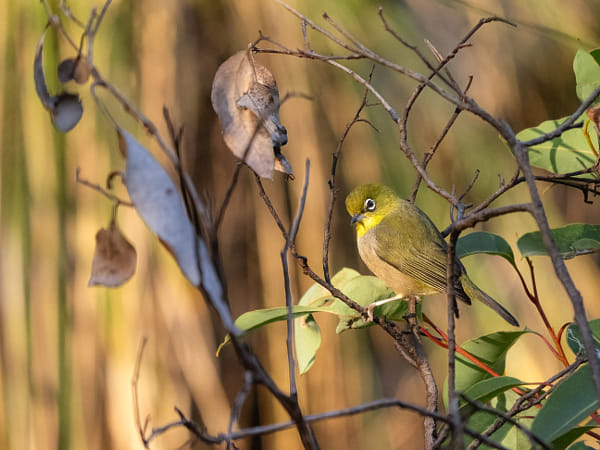
Doolor or Silvereye (Zosterops lateralis).
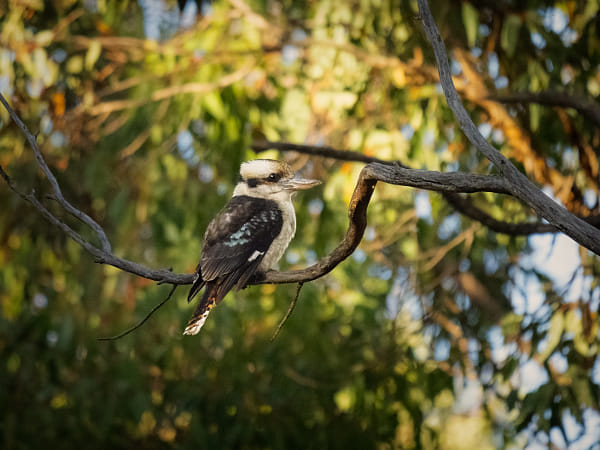
Kaa-kaa or Laughing Kookaburra (Dacelo novaeguineae).
*Early In The Morning is a track by Alexis Korner’s Blues Incorporated.
As I said last week we went to Balingup for a quick getaway. We stayed on a farm outside of town in a converted cowshed. It was an excellent spot. It was nice and quiet, but best of all the surrounding garden and fields were teeming with wildlife so I didn’t feel the need to go anywhere as it was all happening just outside the door. While all the photos in last week’s post we’re taken with my iPhone all the nature stuff was taken with an Olympus EM1x and my Panasonic Leica 100-400mm lens.
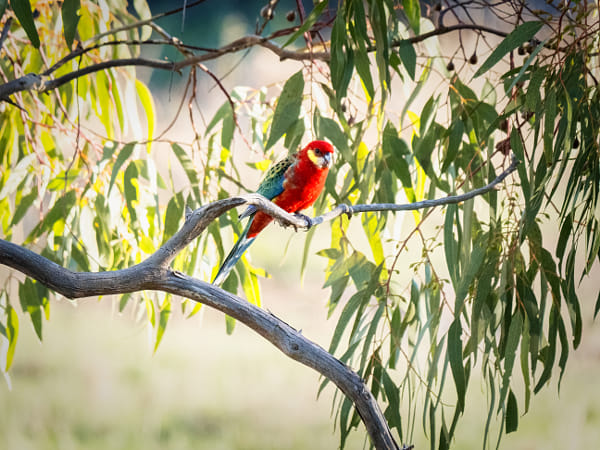
Bardinar or Western Rosella (Platycercus icterotis subs icteratis). Balingup, Western Australia.
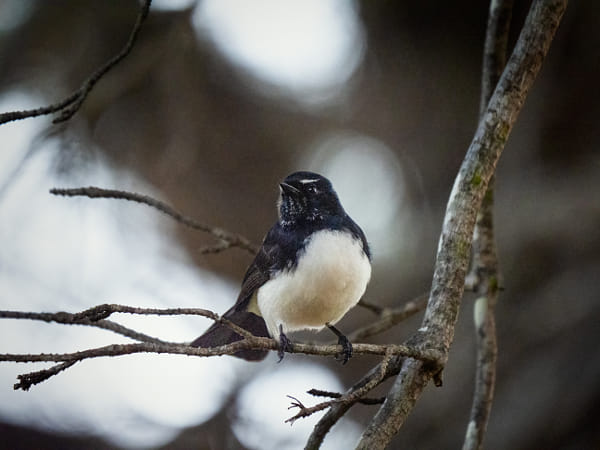
They get everywhere! Djidi-djidi or Willie Wagtail (Rhipidura leucophrys). Balingup, Western Australia.
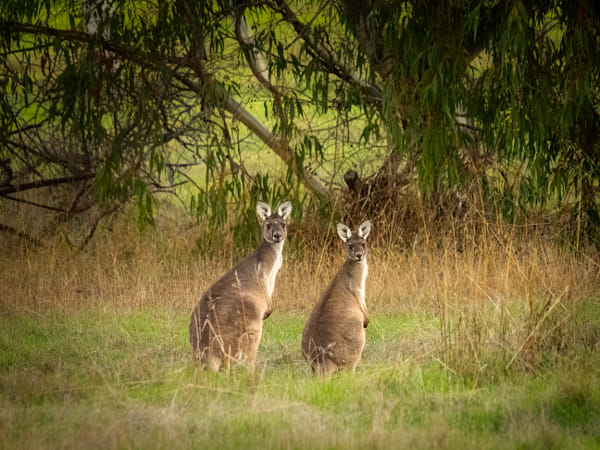
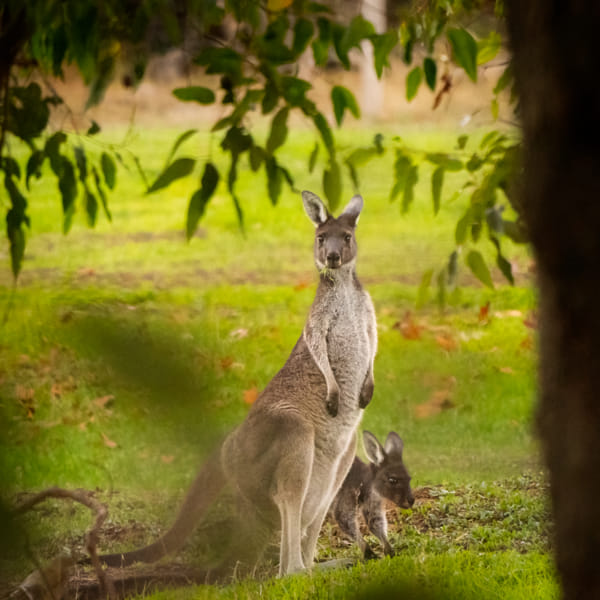
I’ve been spotted. Female and joey Yongka or Western Grey Kangaroo (Macropus fuliginosus). Balingup, Western Australia.
Boyidjil or White-breasted Robin (Eopsaltria georgiana). Balingup, Western Australia.
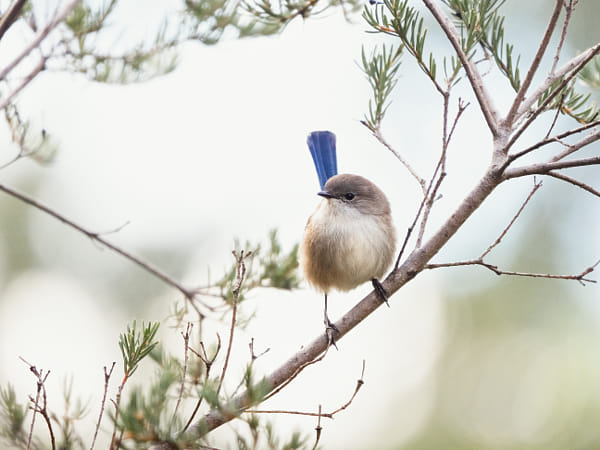
Djer-djer or Splendid Fairy-wren (Malarus splendens subsp splendens). Balingup, Western Australia.
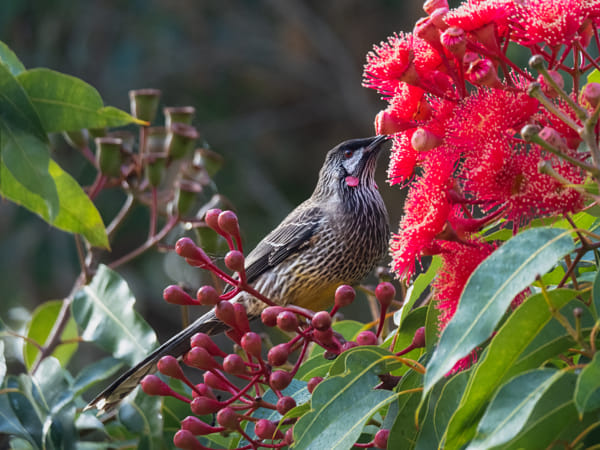
Djangkang or Red Wattlebird (Anthochaera carunculata) feeding on a Silver Princess tree (Eucalyptus caesia).
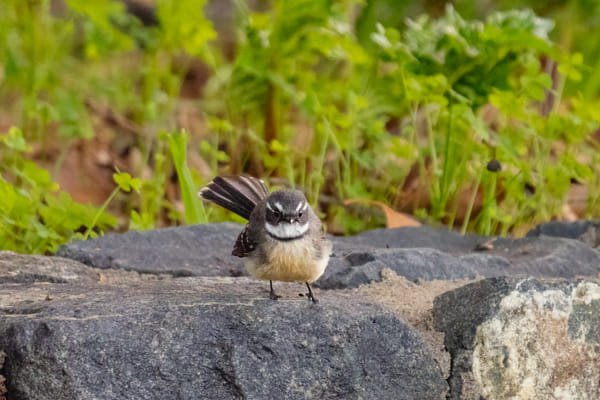
The guardian of the driveway. Kadjinak or Grey fantail (Rhipidura albiscapa)
“Are you still here?”
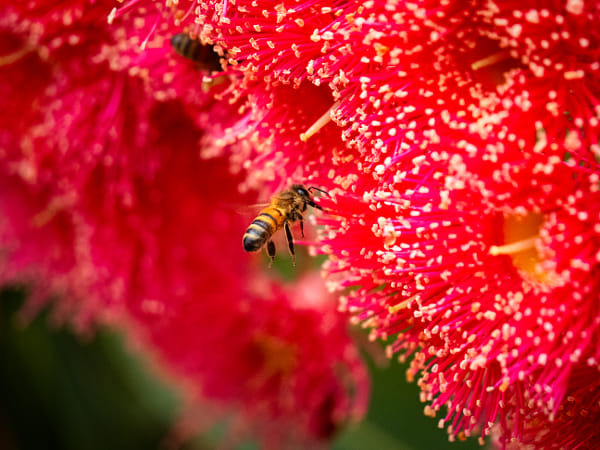
A European Honey Bee (Apis mellifera) feeding from the flowers of the Silver Princess tree (Eucalyptus caesia).
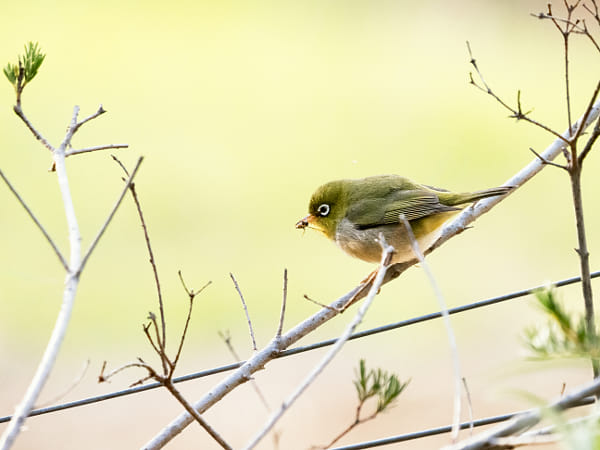
Doolor or Silvereye (Zosterops lateralis).
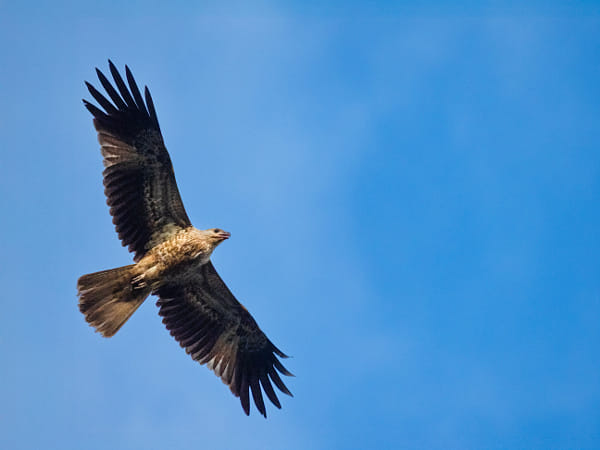
All the other birds went very quiet as this Djandoo or Whistling Kite (Haliastur sphenurus) flew over.
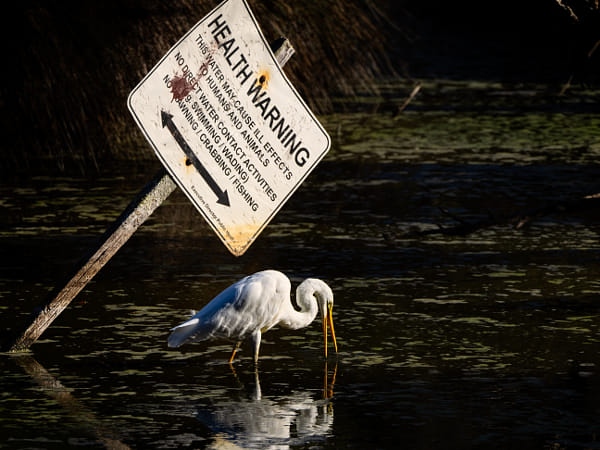
This Great Egret was carrying on with a complete disregard of the health and safety warning.
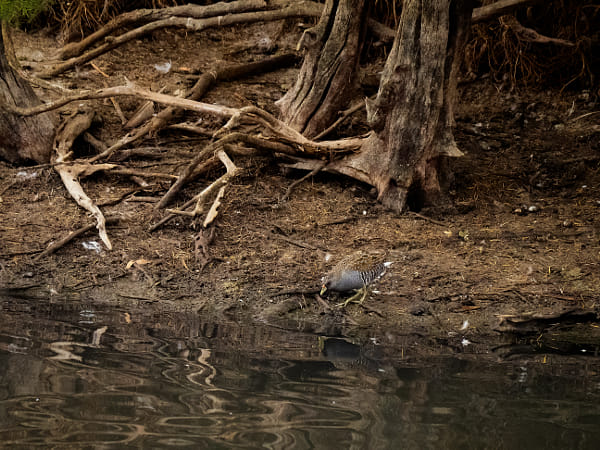
I’ve only just discovered Baigup Wetlands in Bayswater. A couple of weeks ago we went to Northam to photograph birds at Enright Park and we crossed the weir and walked up the river to the Peel Terrace traffic bridge. There’s a bit of an island in the middle of the river that is used by a lot of birds and I happened to notice an Australian Spotted Crake (Porzana fluminea). I managed to get a photo but it needed a very heavy crop to get a tiny image of the bird. At the time I was delighted because I’d never seen one before let alone get a photo. But about a week after I’d become somewhat Spotted Crake obsessed and wanted a better photo. Northam was out of the question as I reckon even a 1200mm lens wouldn’t be long enough to fill the frame. So searched EBird looking for recent sightings and one place consistently turned up – Baigup Wetlands in Bayswater. Fast forward a few days and I was parking up at the rowing club just off Milne Street with visions of capture magnificent Spotted Crake photos.
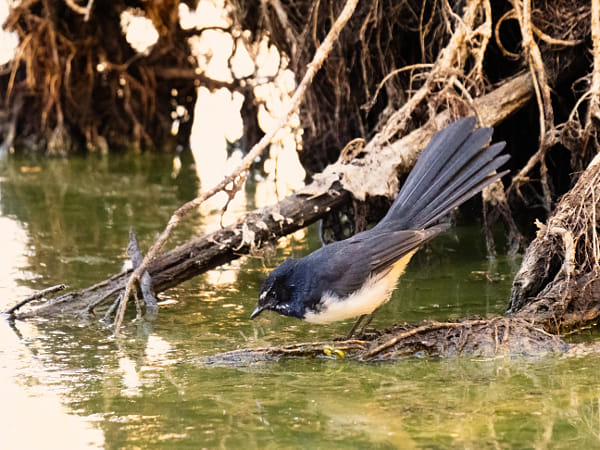
Djidi-djidi or Willie Wagtail (Rhipidura leucophrys) having a quick drink. Baigup Wetlands, Bayswater, Western Australia.
As you walk along the Dual Use Path (DUP) through the wetlands you’d be thinking that this was what was here when settlers first arrived, yet the DUP was only put in in 1986 and the two lakes while seeming perfectly natural are in fact artificial and were created in 2000 and 2001. Hard to believe when you look at it. Since then it has become home to an amazing 112 species of birds. If you are to go and look for birds there slather yourself in insect repellant as the mosquitos there are rampant. I forgot and after a couple of hours loitering in the bushes by the lakes I was very anaemic and very itchy.
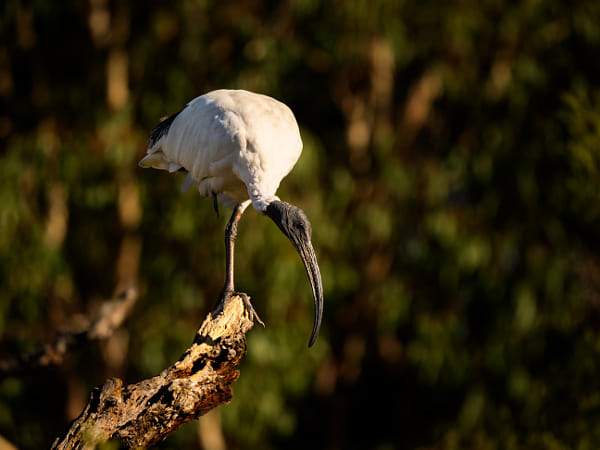
Ngalkaning or Australian White Ibis (Threskiornis molucca). Baigup Wetlands, Bayswater, Western Australia.
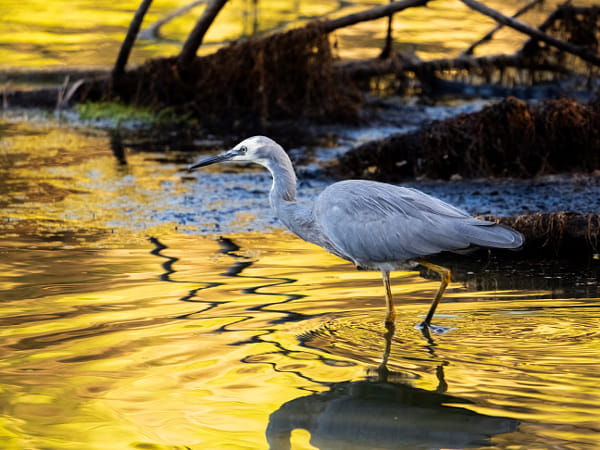
Wayan or White-faced Heron (Ardea novaehollandiae). Baigup Wetlands, Bayswater, Western Australia.
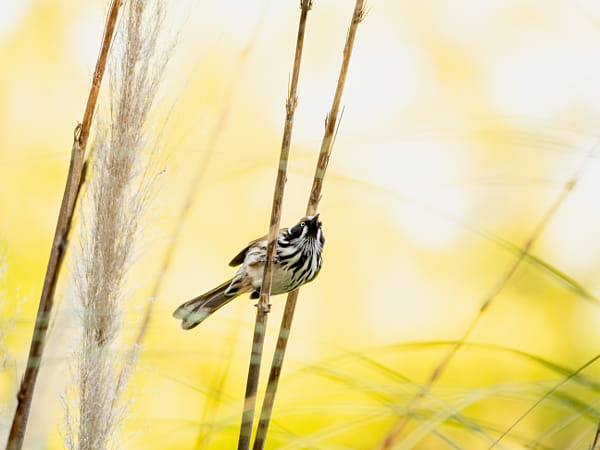
Bandiny or New Holland Honeyeater (Phylidonyris novaehollandiae). Baigup Wetlands, Bayswater, Western Australia.
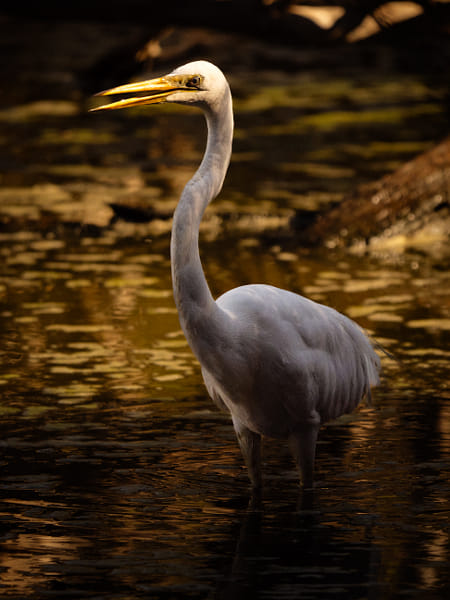
Bulland or Great Egret (Ardea alba). Baigup Wetlands, Bayswater, Western Australia.
Did I see a Spotted Crake? No. So now I’m thinking of putting a x2 teleconverter on my Sigma 150-600mm and having another crack at Northam.
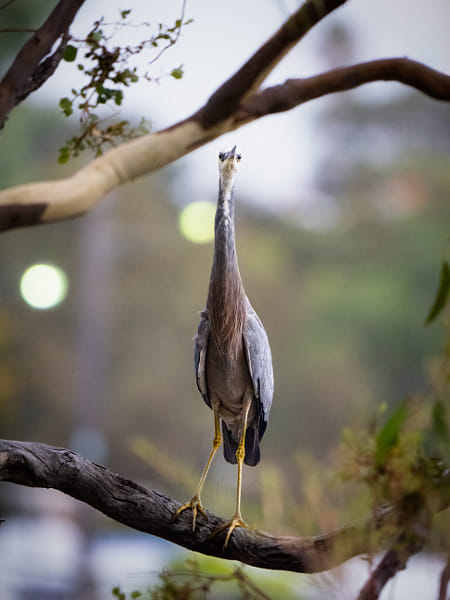
Wayan or White-faced Heron (Egretta novaehollandiae). Northam, Western Australia.
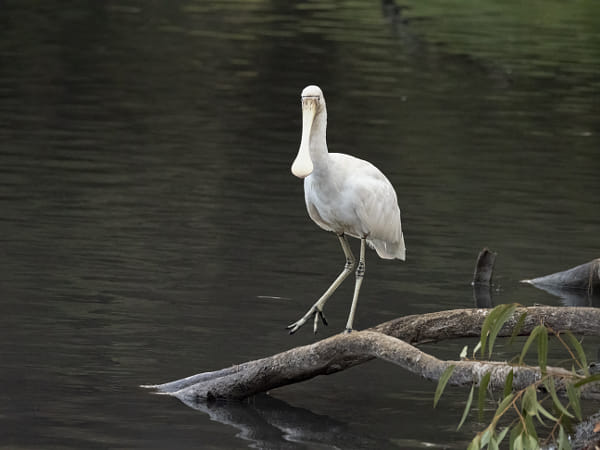
Kaaka-baaka or Yellow-billed Spoonbill (Platalea flavipes). Northam, Western Australia.
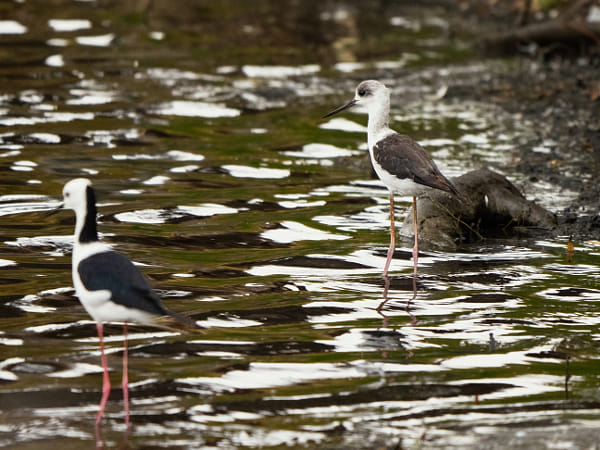
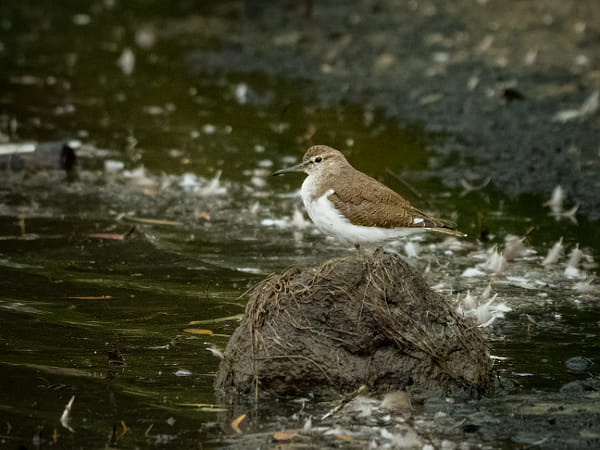
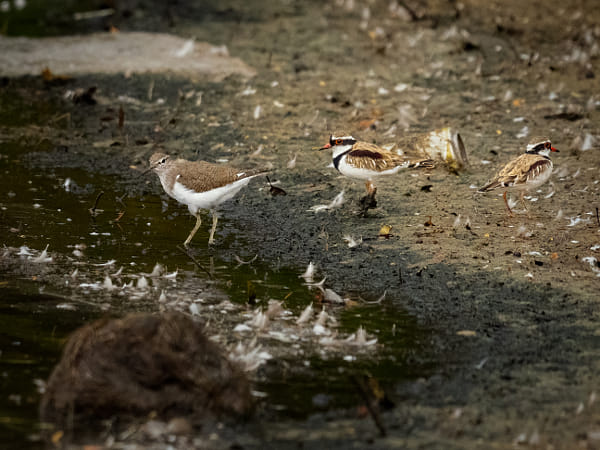
I’ve been writing about visiting the great Wheatbelt Metropolis of Northam for birding several times this year and I thought I’d got a good handle on what there was to be found along the Avon River there. But this last visit I was genuinely surprised. We’d parked the car at Enright Park with the intention of walking along one bank towards the weir and the Peel Terrace traffic bridge, cross the river and walk back on the other side. The light wasn’t particularly nice – in fact it was quite overcast and dark. There wasn’t much to see – a couple of White-faced Herons (Egretta novaehollandiae), Yellow-billed Spoonbills (Platalea flavipes) and a few Silver Gulls (Larus pacificus). At that point I was a bit bored and my mind was drifting off with thoughts of coffee and cake at the bakery. Then as we crossed the traffic bridge I noticed a tiny little blob bouncing around on the island in the middle of the river. As I walked to get a better look I saw that it was an Australian Spotted Crake. Well that was a first. I was, I have to admit pretty excited after that. As we crossed the weir I saw Common Sandpipers (Actitis hypoleucos), Black-winged Stilts (Himantopus himantopus) and Black-fronted Dotterels. By then I was fully engaged and all thoughts of leaving had evaporated. Northam – you never know what you may find.
Australian Spotted Crake (Porzana fluminea). Northam, Western Australia.
Djandjarak or Black-winged Stilt (Himantopus himantopus). Northam, Western Australia.
Common Sandpiper (Actitis hypoleucos). Northam, Western Australia.
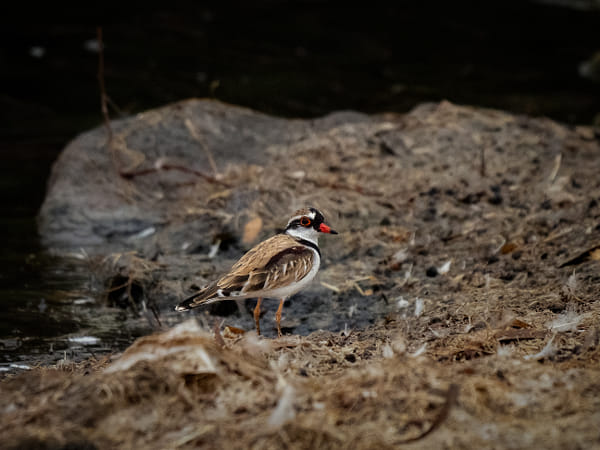
Common Sandpiper (Actitis hypoleucos) and Nidoolyorong or Black-fronted Dotterel (Elseyornis melanops). Northam, Western Australia.
Nidoolyorong or Black-fronted Dotterel (Elseyornis melanops). Northam, Western Australia.


You must be logged in to post a comment.