Distinctly Autumnal

One of the things that I really miss about living in England is autumn. The shift from summer to autumn brings huge changes to natural environment – namely the leaves on the trees turn from green to yellow to reddish orange to brown and then fall. We don’t have that here as Australia’s native forests don’t have deciduous plants due to the milder winters. Yes the trees drop their leaves when they become heat stressed, but you don’t get the transformation that you do in deciduous forests.


Balingup Racecourse Flora Reserve by Paul Amyes on 500px.com
Typical south west Western Australian forest. Not a deciduous tree in sight. Balingup Racecourse Flora Reserve. Balingup, Western Australia.


In the south west corner of Western Australia, in the Blackwood Valley lots of settlers planted deciduous trees and they thrived in the cooler damper conditions. Situated in the valley is the small town of Balingup and it has developed a healthy tourism industry based around those trees and that is how we found ourselves in Balingup last week. Just walking along the main street we were treated to a riot of autumnal colour that we had literally not seen for decades. Oak trees and plane trees were in proliferation and it was such a thrill to see them. We took ourselves out to see the Golden Valley Tree Park which is just 1.5Km outside Balingup. The park is a huge arboretum based around the old Golden Valley Homestead and within the sixty hectares there are over 3000 trees made up of some 500 different species. Twenty five hectares is devoted to Australian trees and the remainder to the World Collection. We walked the Oak Grove Walk were there were forty different species of oak tree which was pretty mind boggling.


Ballinup Village Green by Paul Amyes on 500px.com
The start of the Birdwood Park Oaks Walk at the Balingup Village Green. Balingup, Western Australia.


Ballinup Village Green by Paul Amyes on 500px.com
A close up of the glorious plane tree leaves in the Balingup Village Green.


Chromium Eagle by Paul Amyes on 500px.com
More autumnal colour behind the chromium eagle (Aquilla nitidus). Balingup, Western Australia.


Golden Valley Tree Park by Paul Amyes on 500px.com
Golden Valley Tree Park in autumn living up to its name. Balingup, Western Australia.


The driveway to the holiday accomodation we had in Balingup, Western Australia.


It was great fun just soaking up all that colour. Funnily enough although I had my photo pack with digital and film cameras the camera that I used to record it all was my iPhone. It was just so convenient.

Walking In The Rain

As I said in my last entry we went to Darwin at the end of the “dry” period, but the build up to the “wet”, the so called “suicide season” (high temperatures and humidity without any rainfall) hadn’t started. It hadn’t rained for many months and had been particularly hot this year. The daily temperature hovered around 35-36ºC (95-96.8ºF) with the night time temperature not dropping below 24ºC (75.2ºF). So it happened that our last day coincided with Darwin’s first real rain since April. People were really happy to see it. When it rains in the tropics it really rains kind of like having a shower with your clothes on, but with the temperatures being in the mid thirties it didn’t matter if you got wet as you didn’t get cold. So that’s how we found ourselves at Buffalo Creek in the Casuarina Coastal Reserve walking in the rain.


Helen studying the information bord at Buffalo Creek.


Casuarina Coastal Reserve by Paul Amyes on 500px.com
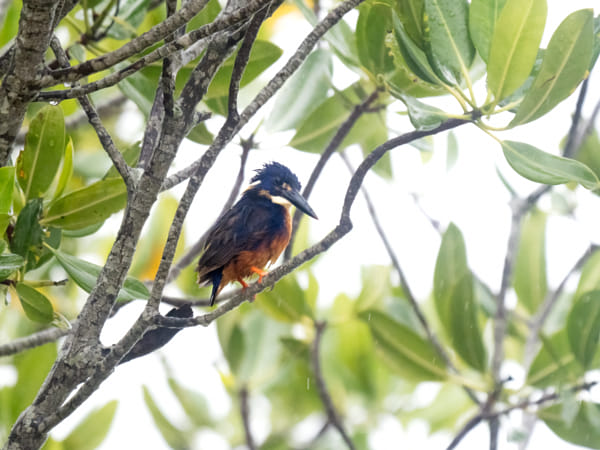
A soggy Azure Kingfisher (Ceyx azureus) greeted us at the parking bay at Buffalo Creek.


Casuarina Coastal Reserve by Paul Amyes on 500px.com
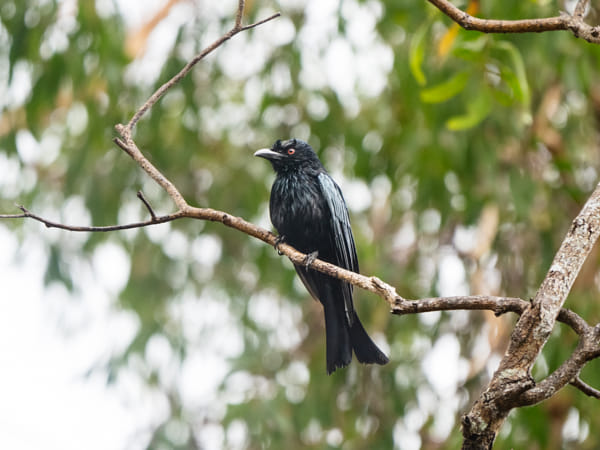
Spangled Drongo (Dicrurus bracteatus). Casuarina Coastal Reserve.


We’d gone to expressly find the Chestnut Rail which is very elusive and guess what? We didn’t see one. What we did see as we left the car was a very bedraggled Azure Kingfisher who was unusually very chilled about our proximity and hung around for quite a long time. I’d made the rookie mistake of taking my camera out of the air-conditioned car into the hot steamy monsoon vine forest and mangroves. Result condensation that took an age to clear so all my first photos have dreamy misty quality. Thank goodness both the camera and the lens have excellent weather sealing. As we walked towards Lee Point we didn’t see many birds, the weather was partly to blame, the other reason was the nature of the forest we were walking through. The vegetation was just so thick. We could hear all manner of bird song, but, just couldn’t’t see who was making it. When we ventured off the path and through the trees onto the foreshore we could see birds there. The exposed mudflats are internationally recognised as an important site for migratory and resident shorebirds and they also provide a nesting area for several marine turtle species. The poor weather and a very low tide meant that conditions weren’t conducive to getting close to where the birds were and there were the ever present warnings about being “crocodile smart”. As we walked along the broad walk through the mangroves we aware of all manner of little animals scuttling about on the mud beneath us.  All in all it was a great morning as it was a very different experience.


Casuarina Coastal Reserve by Paul Amyes on 500px.com

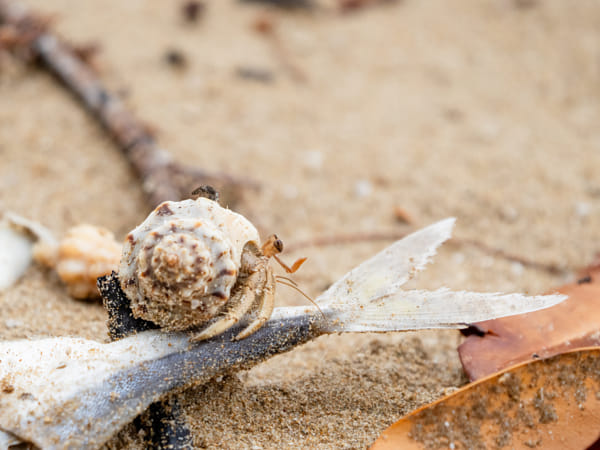
Australian Terrestrial Hermit Crab, Coenobita variabilis.


Casuarina Coastal Reserve by Paul Amyes on 500px.com

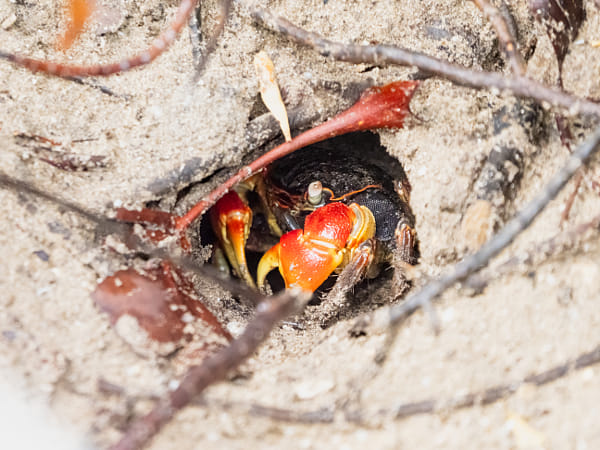
Red mangrove crab, Neosarmatium meinerti

Up North

Boab tree and palm tree – must be in the Top End.


We fancied a bit of change in scenery – well to be honest a lot of change. We wanted tropical climes, interesting new animals and places we’d never seen before and we didn’t want a lot of hassle. So we headed off up to Darwin in the Northern Territory of Australia for a few days. Why Darwin? Well it’s within Australia. It has birds from Papua New Guinea and Indonesia as well as quite a few found nowhere else. At the turn of the season – end of the “dry” heading towards the “wet” it was great value for money.


Knuckey Lagoons Conservation Reserve by Paul Amyes on 500px.com
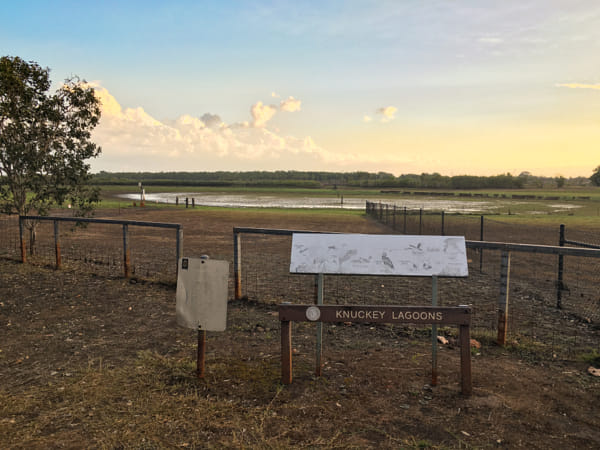
The entry to Knuckey Lagoon.


For photographing birds it is ideal. At the end of the dry there is very little water about so the wildlife tends to concentrate around the few permanent water sources which makes finding them a little easier. More by luck than planning our accommodation was near a pearler of a location – Knuckey Lagoons. We went there twice, once at dawn and the other time at dusk and both time were great with different birds being active.


Knuckey Lagoons Conservation Reserve by Paul Amyes on 500px.com
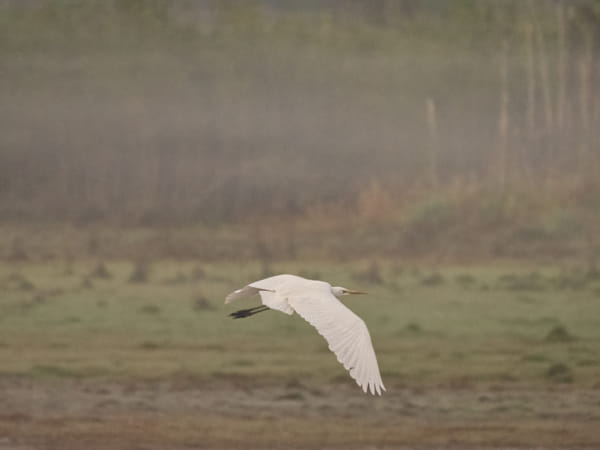
A Great Egret (Ardea alba) flying over Knuckey Lagoon in the early morning mist.


Knuckey Lagoons Conservation Reserve by Paul Amyes on 500px.com
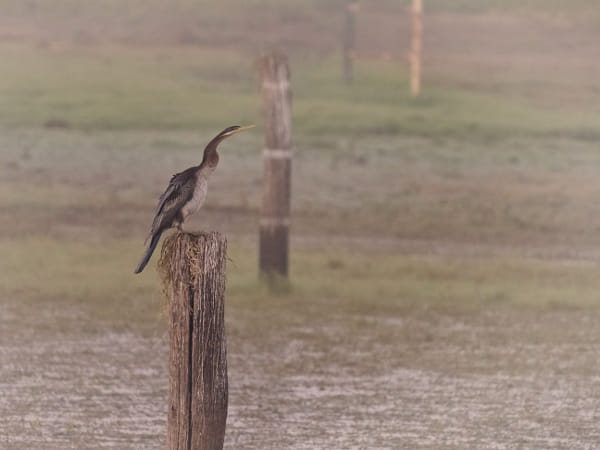
An Australian Darter (Anhinga novaehollandiae) waiting for the sun to burn off the mist.


Knuckey Lagoons Conservation Reserve by Paul Amyes on 500px.com
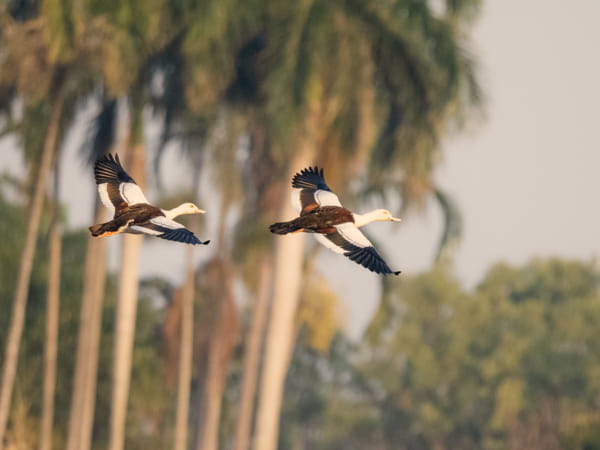
Radjah Shelducks or Burdekin (Tadorna radjah) flying in formation.


Knuckey Lagoons Conservation Reserve by Paul Amyes on 500px.com
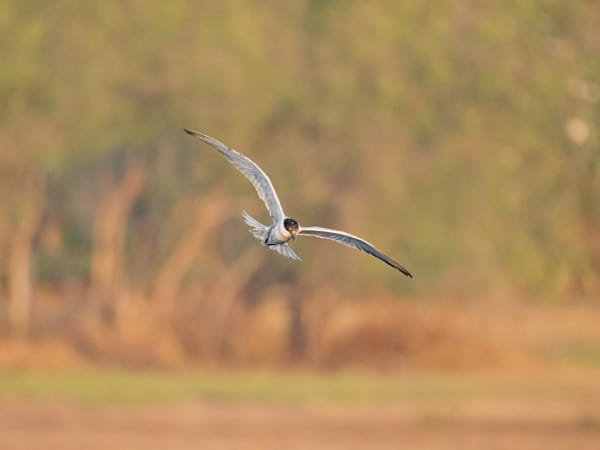
Whiskered Tern, Chlidonias hybrida at Knuckey Lagoons Conservation Reserve.


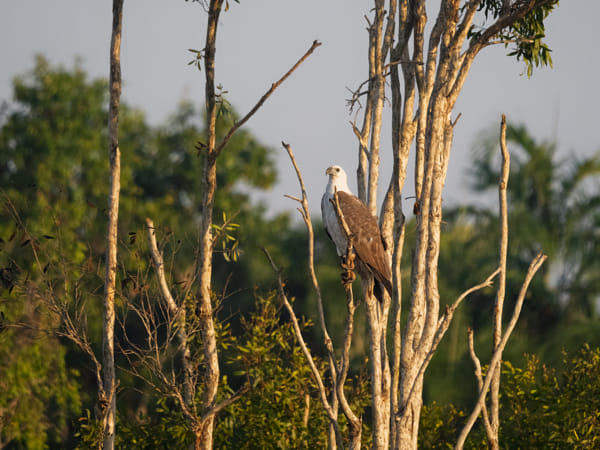
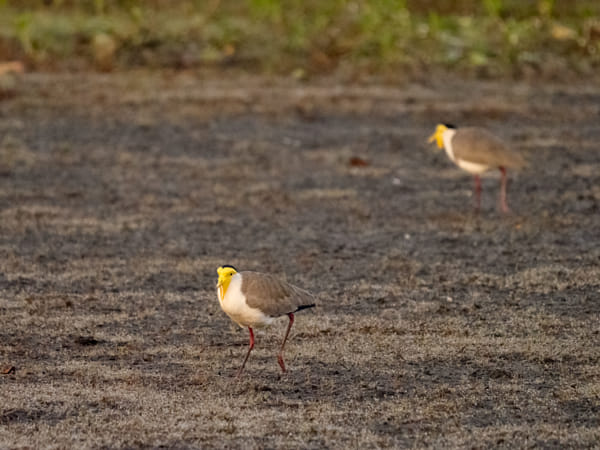
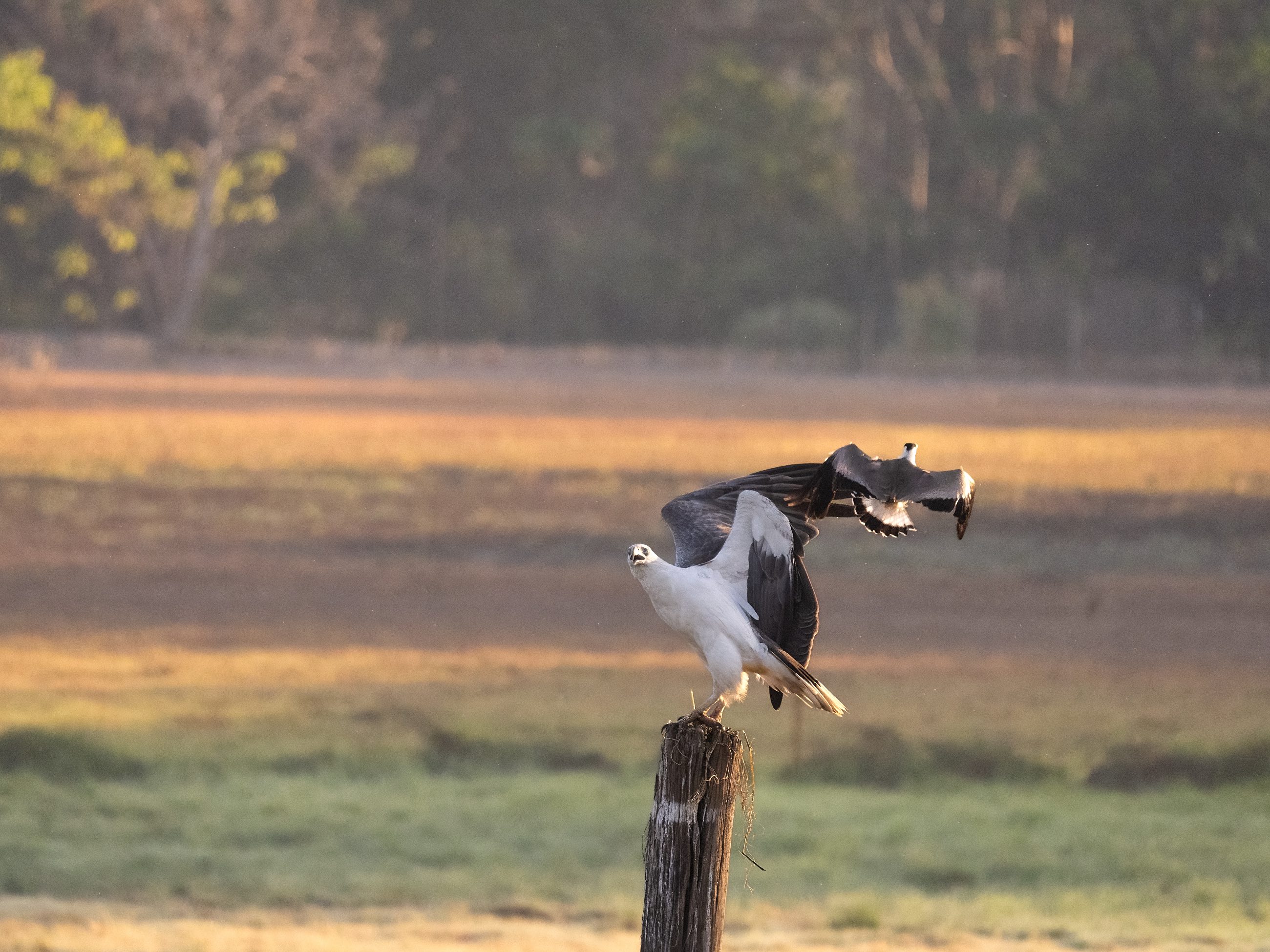
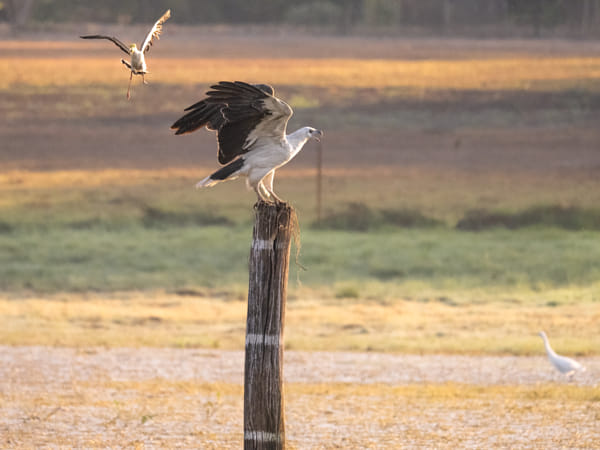
In the morning when we arrived we initially thought that our presence had spooked the birds, but actually we were the least of their problems as various raptors flew over looking for a meal. I was excited to see a white-bellied sea eagle as I’d never seen one before. Even more exciting was watching the masked lapwings drive it off. Black kites made regular forays, but try as I might I just could not get a good photograph of one – they were either too quick or too faraway. There were wading birds aplenty – Great Egrets, Wood Sandpipers, Sharp-tailed Sandpipers, Comb-crested Jacanas, Straw-knocked Ibis, Pied Herons, White-necked Herons are just a few to mention. This one spot delivered 12 species that I’d never seen before. It was like being a kid in a sweet shop, I didn’t know where to look. In fact for the first hour it was a bit overwhelming as I just didn’t know what to concentrate on.


Knuckey Lagoons Conservation Reserve by Paul Amyes on 500px.com
A White-bellied Sea-eagle (Haliaeetus leucogaster) basking in the early morning sun.


Knuckey Lagoons Conservation Reserve by Paul Amyes on 500px.com
Masked Lapwings on the mudflat of Knuckey Lagoon.


In coming! A Masked Lapwing (Vanellus mile) begins its approach to dive bomb a White-bellied Sea-eagle (Haliaeetus leucogaster).


Contact!


Knuckey Lagoons Conservation Reserve by Paul Amyes on 500px.com
This next run was the final straw and the White-bellied Sea-eagle scarpered.


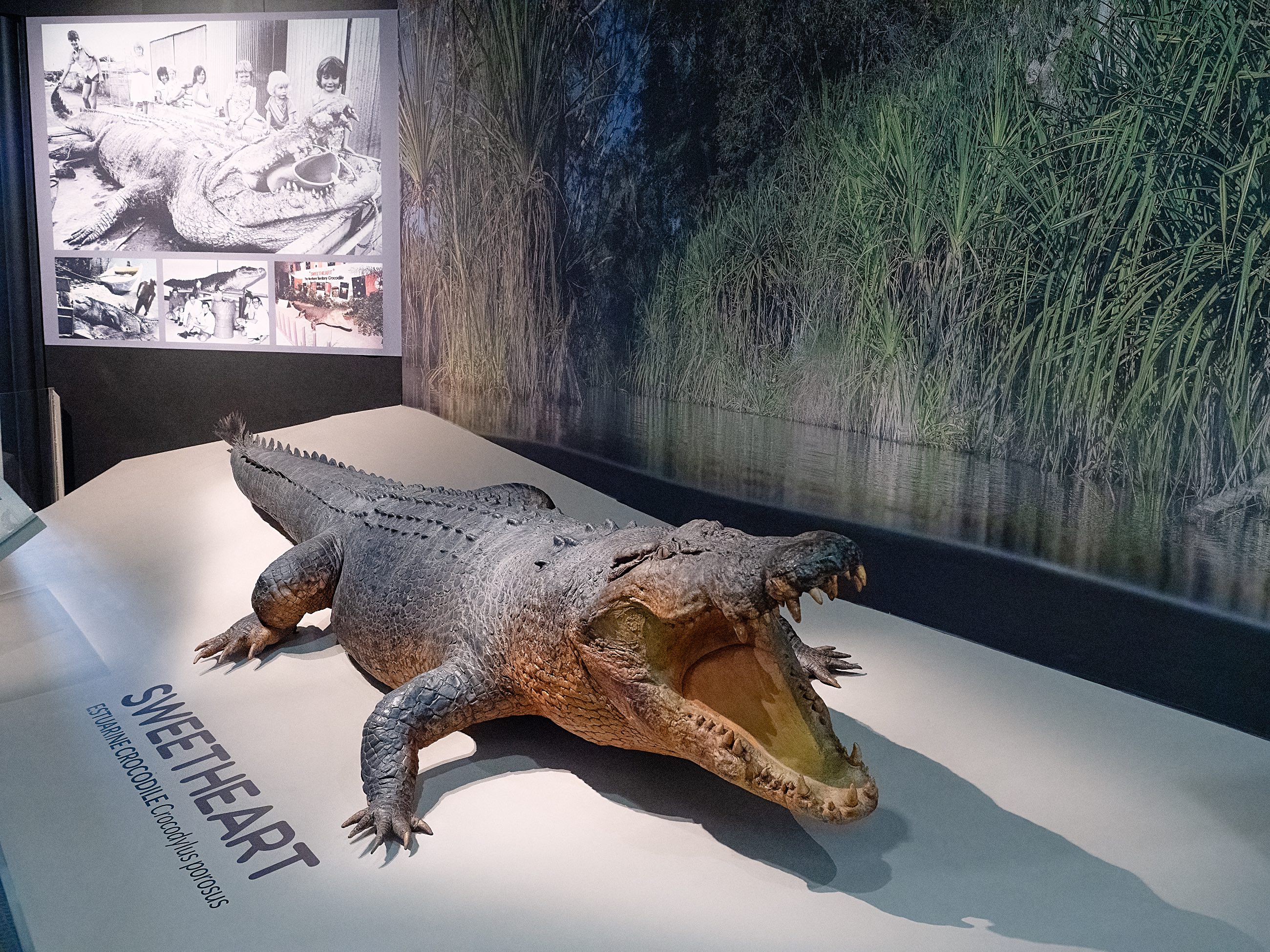
The only drawback was my equipment. I took the Olympus EM1x that I have on loan and wrote about here. It worked very well apart from struggling with autofocus when the the light levels were low and there was a bit of a mist on the lagoon. Lens wise I wish that I’d had something longer than my Panasonic Leica DG Vario 100-400mm f4-6.3. That would mean looking at the OM System M.Zuiko ED 150-600mm F5.0-6.3 IS lens which would give a 35mm equivalent of 1200mm which on paper sounds just the ticket. But the reality is that that it weighs 2.065 Kg. Apparently the lens is based on a Sigma design and I have a similar lens which weighs roughly the same and it is a real chore to take out. OK if I’m working from the back of a car, but a real PITA if I’m having to carry it any distance. So if I bought the OM System 150-600 there is every chanced that I’d end up leaving it at home and taking the the Panasonic 100-400. For those who would say get closer there were signs on the banks of most waterways around Darwin warning about crocodiles so you can understand why I was not so keen to start wading in the water. Having said that the only crocodile we did see was a stuffed on in the Museum and Art Gallery of the Northern Territory (MAGNT Darwin).


One of the many warning signs about crocodiles.


The only crocodile we saw on the trip. The stuffed remains of the salwater crocodile “Sweetheart”  at the Museum and Art Gallery of the Northern Territory (MAGNT Darwin).


It was an epic trip and it has really whetted our appetite for more travel and so we’re already planning our next ones.


Knuckey Lagoons Conservation Reserve by Paul Amyes on 500px.com

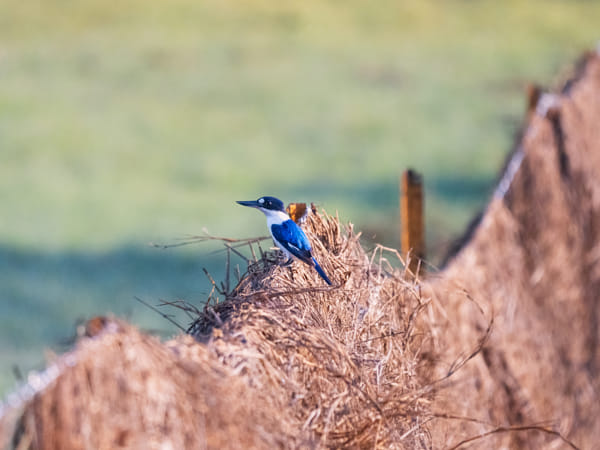
The farewell committee. A Little Kingfisher (Ceyx pusilla) sitting on the fence as I left Knuckey Lagoon.

The Good Samaritan

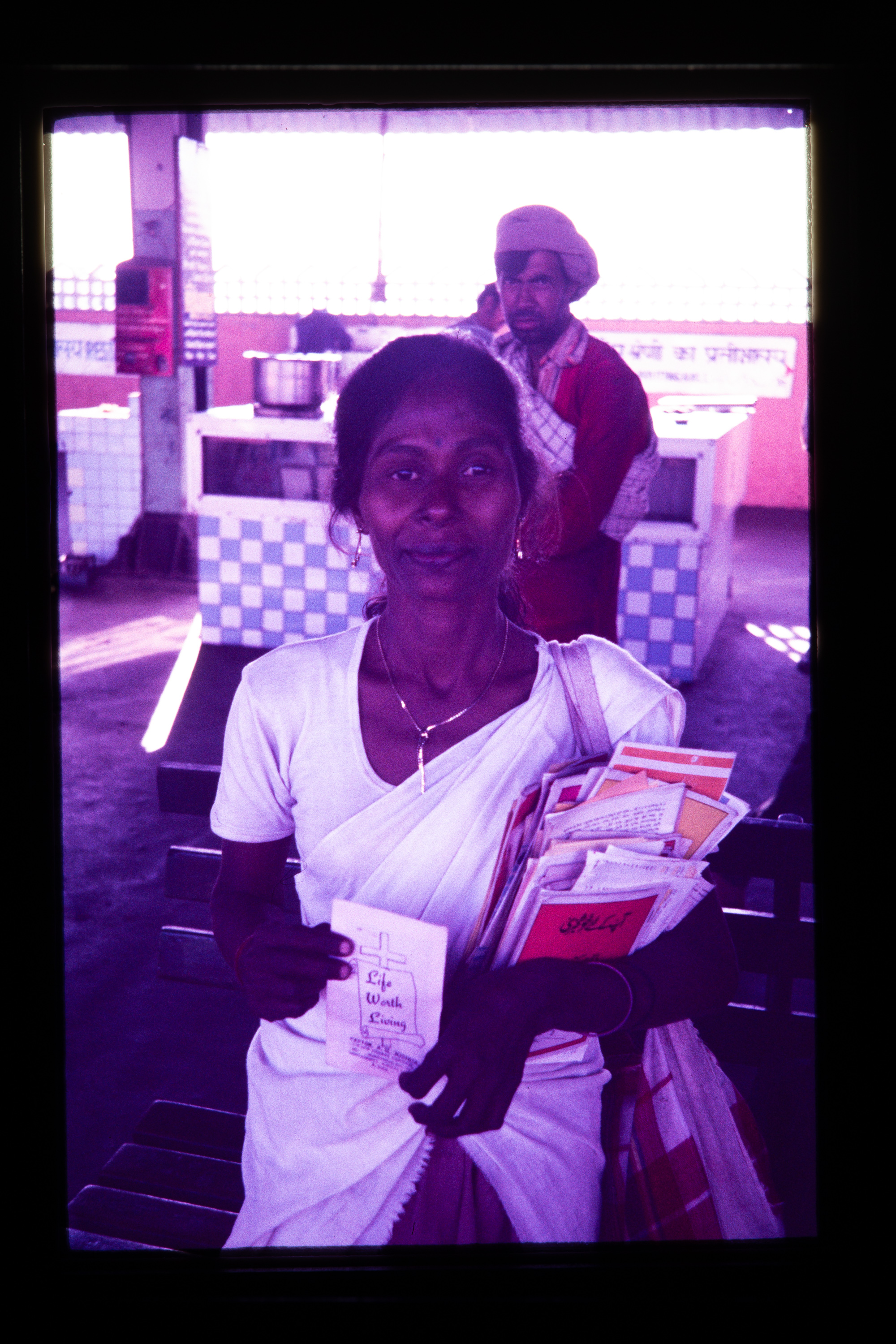
This lady lived on the railway platform at Jammu Railway Station and was a missionary to people using the station. Photo by/courtesy Helen Amyes.


This photo was taken in November 1987. We were travelling around India and Nepal before heading of to Australia to start a new life. If memory serves me correctly we had been staying on a house boat on Dal Lake in Srinagar and we were just leaving to head off to Kathmandu in Nepal. I was quite ill at this stage having gone down with amoebic dysentery and Helen wasn’t well either. We had a long journey ahead of us across the top of India from Srinagar to Jammu by bus and then Jammu to Gorakhpur by train and then finally catch a bus to the Nepali border where we would stay the night. The journey to Jammu Railway Station had left us absolutely wiped out and we were left with some time to kill before our train. While on the platform we met the lady in the photo above. She lived on the platform under a bit of a tarp and she saw herself as a missionary to the people travelling on the railway.  We got talking, she was very excited to chat with us – I don’t think many westerns were coming through at the time because  there was an ongoing armed insurgency with rebels demanding independence and several tourists had been killed. We’d been in India long enough to know that if you were a westerner you’d be approached for money. What this homeless lady did was offer to help us. She just had the clothes she stood in, a few religious pamphlets and her bedding. Finding out that we had “bad” stomachs she gave us cardamon pods to chew as it is considered to be an aid to digestion in India.  The encounter did not last long, but, it has a long lasting effect on us both. We both think about her regularly and often wonder what happened to her.


This is another exercise in camera scanning – this time with colour transparency film. The original image was taken by Helen on her Olympus OM40 with the Olympus OM Zuiko 35-105mm f3.5-4.5 lens. The film stock was Kodak Ektachrome 100. Unfortunately over the last 37 years time has not been kind to the transparency and it has taken on a magenta colour shift and become very muddy. The scan cleaned up nicely in Lightroom with a couple of finishing touches done in Photoshop. This was all done manually. Trying to psych myself up for colour negatives next.


The original scan showing how in the 38 years since I had this film developed it had suffered a significant colour shift. E6 film uses dyes that are notoriously unstable.

Gathercole Reserve


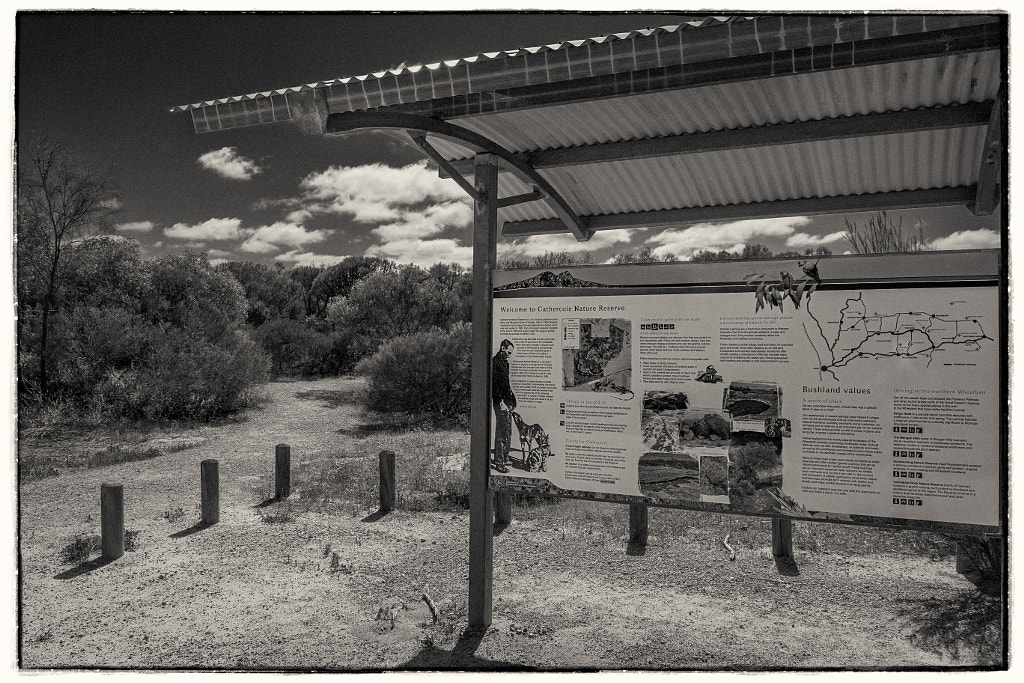
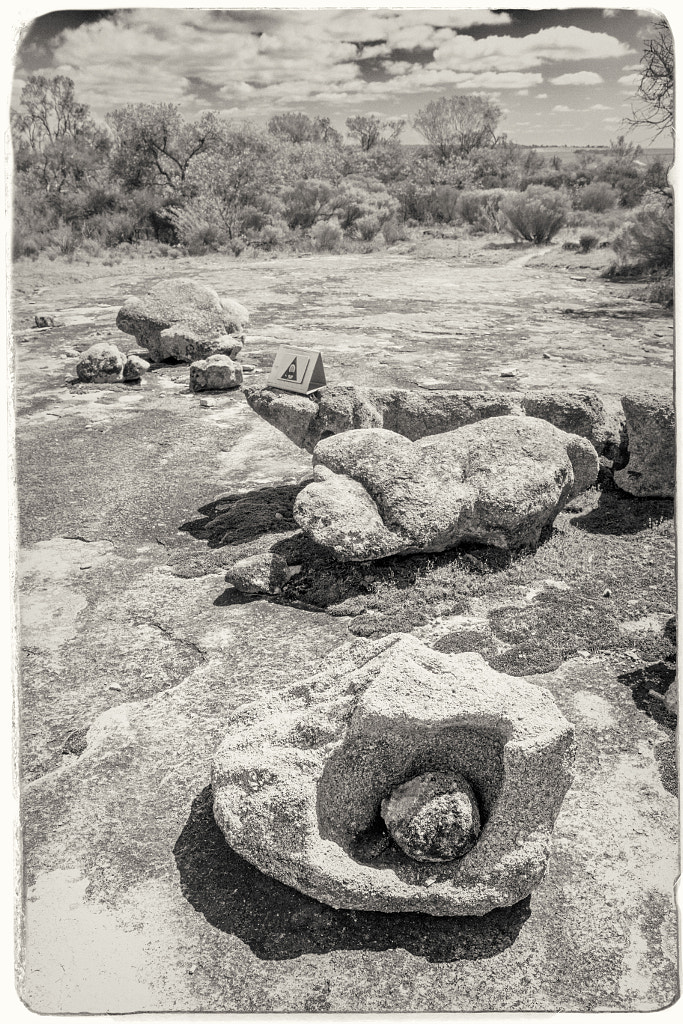
This year our annual visit to the amazing nature hotspot of Wongan Hills took us to the Gathercole Reserve which is a 141 hectare granite out crop 10Km east of the Wongan Hills townsite. At the centre of the reserve is a large granite outcrop, but what makes this one so interesting is that it is unlike most others in Western Australia. Usually granite outcrops are devoid of vegetation but Gathercole has a rich variety of vegetation that forms a fringe around the rock – Rock Sheoak, Silver Princess, Sea-urchin Hakea, Scarlet Honey  Myrtle are just a few of the species – and other plants such as  Granite Kunzea that have adapted to actually live on the rock outcrop drawing their water and nutrients from the very shallow pockets of soil found in cracks and depressions. It all sounded wonderful, but with this years very dry winter the local flora wasn’t putting on much of a show. We then decided to concentrate on doing the walk trail which is an easy 2 hour walk around the rock. There are 12 interpretive panels on the trail to tell you what you are looking at. These explain how the rock outcrop was formed, how it was shaped by wind and rain, and details of the fauna and flora found there.


Gathercole Reserve Walk Trail by Paul Amyes on 500px.com
The information board at the start of the Gathercole Reserve Walk Trail in Western Australia.


Gathercole Reserve Walk Trail by Paul Amyes on 500px.com
The Gathercole Reserve Walk Trail is a 3.1 km walk throgh the Gathercole Reserve and explores the granite outcrop.


Gathercole Reserve Walk Trail by Paul Amyes on 500px.com
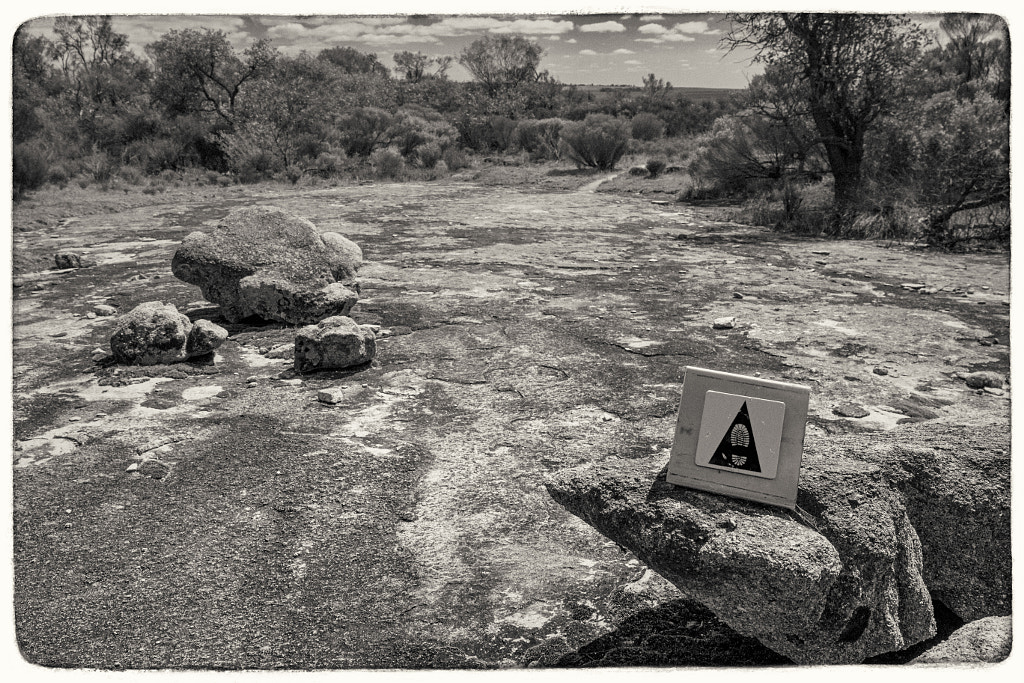
The walk trail is clearly sign posted and it is easy to follow.


Gathercole Reserve Walk Trail by Paul Amyes on 500px.com
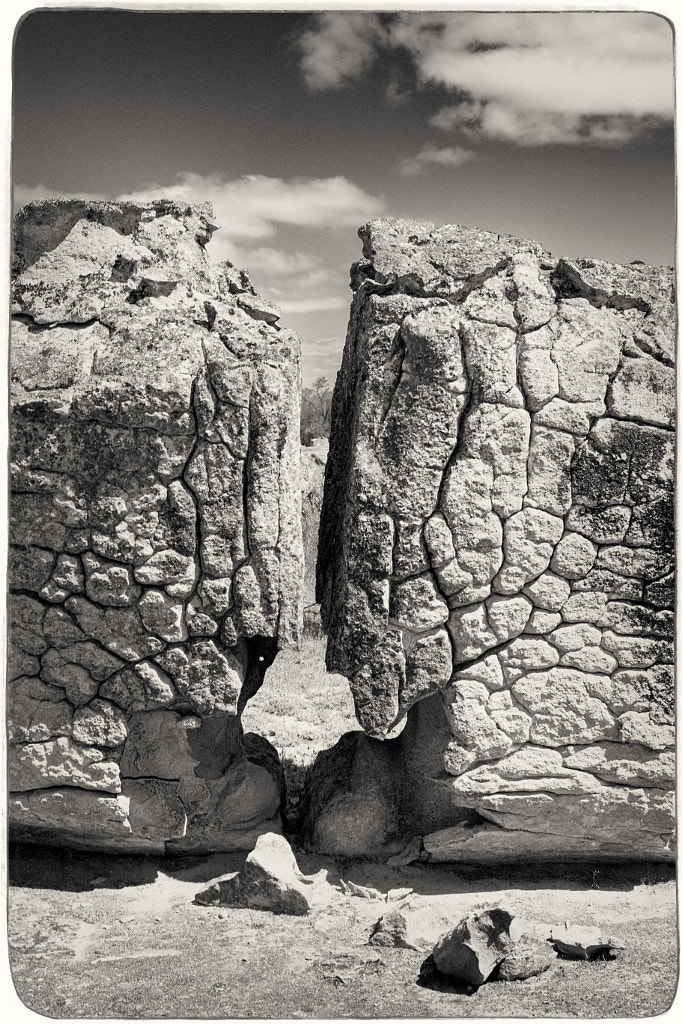
As you walk over the granite outcrop you can see different rock formations. This was caused by rapidly cooling molten rock and millenia of exposure to the elements.


Gathercole Reserve Walk Trail by Paul Amyes on 500px.com
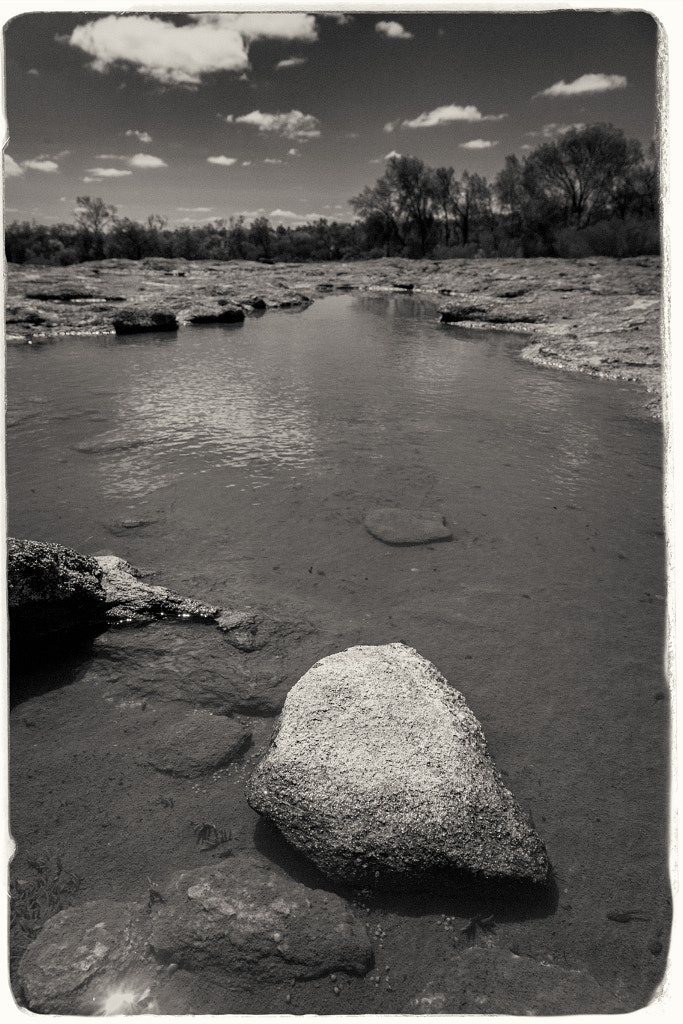
On the top of the granite outcrop water collects in the hollows during winter. These pools form the habitat for tadpoles and freshwater shrimp.


Gathercole Reserve Walk Trail by Paul Amyes on 500px.com

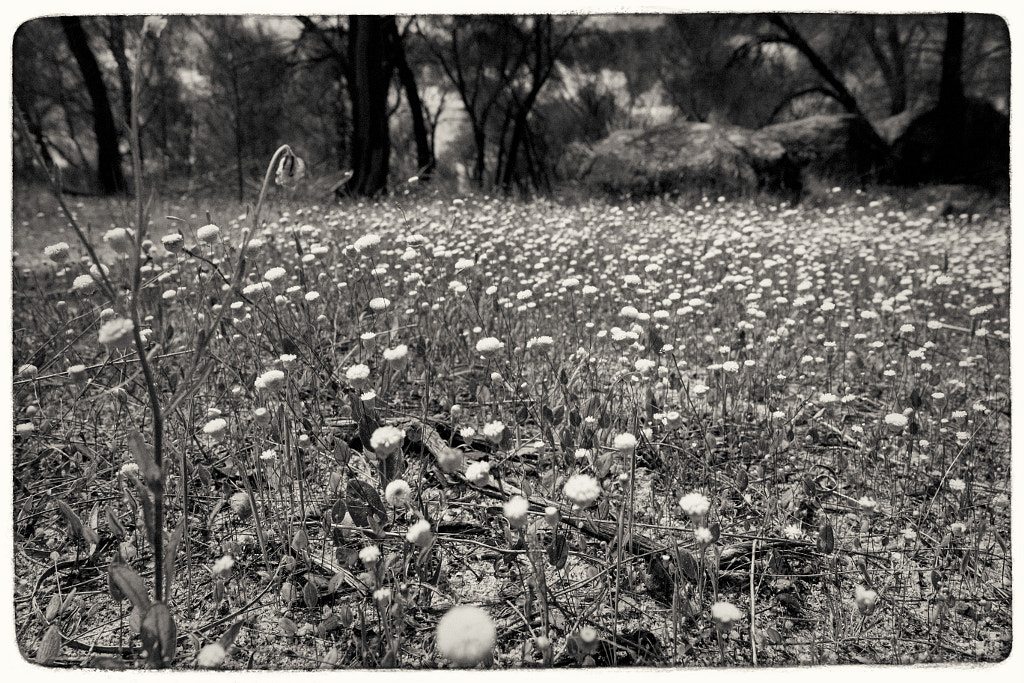
In spring the reserve puts on a spectacular show of wildflowers as evidenced by the everlasting shown here.


Photographically I felt in a bit of a rut so I decided to ditch the normal approach and just take a DSLR and one lens and shoot everything in black and white. Back in the film days I was particularly enamoured by Ilford SFX. It’s a bit of an odd ball film in that due to its extended sensitivity into the red spectrum of light it gave a mild “infrared” look without all the hassles of using infrared film which makes it ideal for day to day use. When I printed it I used glossy  Ilford Multigrade FB Warmtone paper which produced a luxuriously rich image.  I’ve not shot any film in over a decade and I’ve not had access to a darkroom for nearly twenty years so I decided to shoot digitally and emulate the look in Exposure 7. It doesn’t look quite right but it has made me think about shooting some film again. I’ve still got a couple of film cameras all I’ll need to do is find a way of scanning the negatives as I don’t want to get an enlarger and start printing again at this stage.

State Route 120

State Route 120 is perhaps better known as the Great Southern Highway. It is the road that takes you to York once you leave Perth via the Great Eastern Highway. I always breathe a sigh of relief once we turn onto it because it means we’re leaving the madness of Perth and returning to our quiet country existence. I love driving down it watching the forest change gradually from Jarrah to Wandoo.  The other thing I look forward to is the art work you see. For the last twenty or so years people have been decorating some of the trees. It maybe a complete paint job of a long dead tree or it maybe a small painting on board or sheet metal that has been attached to a tree.  Every now and again a new piece turns up and its always a pleasant surprise.


State Route 120 by Paul Amyes on 500px.com
Dave Minion. Great Southern Highway, Western Australia.


State Route 120 by Paul Amyes on 500px.com
Australian Easter Stump. Great Southern Highway, Western Australia.


State Route 120 by Paul Amyes on 500px.com
Startled stump. Gret Southern Highway, Western Australia.


State Route 120 by Paul Amyes on 500px.com
Mary has seen better days. Great Southern Highway, Western Australia.


State Route 120 by Paul Amyes on 500px.com
Tipper is not what he used to be – his ears have been broken off. Great Southern Highway, Western australia.


State Route 120 by Paul Amyes on 500px.com
Happy to see you. Great Southern Highway, Western Australia.


State Route 120 by Paul Amyes on 500px.com


State Route 120 by Paul Amyes on 500px.com
Lucky The York Tree. Great Southern Highway, Western Australia.


I was feeling a bit of a loose end. The weather has been unpleasant and I didn’t feel like going out to photograph wildlife or wildflowers. I suddenly had the bright idea of documenting the art along the Great Southern Highway. To make it more interesting I decided to use some of my old classic film era Olympus lenses – specifically the OM Zuiko 21mm f3.5, the OM Zuiko 35mm f2, and the OM Zuiko 135mm f2.8 – on my Sony A7r. The whole process of framing up, setting up a tripod and manually focusing the cameras and carefully making the exposure is the complete antithesis of photographing birds and it made a nice change.

I’m On E


… an E-scooter that is.


I’m on E. I’m on E. I’m on E.
Got nothin’ to say.
I used to have a car of my own
I’m on E. I’m on E. I’m on E for England.
Laid out for maybe a week
I’ve walked my feet to the bone
I’d give my life for a car of my own
I’m on E. I’m on E.

Deborah Harry / Chris Stein


On our recent trip to Albany we kept seeing purple E-scooters everywhere.  Outside shopping malls, at the beach, abandoned on walk trails. We never saw a single one being ridden. They were a strange flotsam and jetsam around the city. Often times you were left wondering how they got there – like the one on top of Dog Rock.  Unfortunately I saw most of them while driving and was unable to quickly pull over to take a photo. So unfortunately this is a bit like a fishing tale where the best got away, but I did manage to get a few shots.


This week’s musical reference should be easy – it is of course “I’m On E” by Blondie and off their 1978 Plastic Letters Album.


Missing Wildlife

Recently we had a few days in Albany on the south coast of Western Australia. The opportunity to experience a 10ºC drop in temperature was too good to miss. I wanted to go and visit an Eastern Osprey nest that I’ve visited before. When I got there it was obvious that the nest had not been used for a while. This can happen for a number of reasons – the obvious is that the birds got old and died. But there maybe other reasons such as too much competition for food resources caused them to relocate. Also the tree that they’d built the nest in was no longer the best vantage point, other trees had grown around it obscuring the view. Who knows why they up and went but it does illustrate the fact that where wildlife is concerned nothing is guaranteed.

We headed out to a new location – a bird hide out at Rushy Point. Nice location but nothing was happening. Things were beginning to get a bit desperate. As we drove around there were all these road hazard signs warning about wildlife and yet we were’t seeing anything. By the last day I was feeling decidedly jacked off. It was a grotty day weather wise – windy with intermittent rain.


Warning – kangaroos. Albany, Western Australia.


Warning – turtles. Albany, Western Australia.


Warning – bandicoots. Albany, Western Australia.


Warning – pensioners. Albany, Western Australia.


Come the afternoon we were sitting around killing time and I just wanted to get out and have a walk. Despite the weather I headed off to Lake Seppings just to walk around it as something to do. Out of habit I picked up my camera and took it with me. When I got out of the car I received a very enthusiastic welcome from a lady in the carpark wanting to know if I was there to photography the blue billed ducks. I said I would photograph anything that showed up and stood still long enough. I set out with very little expectation of finding anything worth pointing the camera when almost immediately I saw some blue ducks. I always have a feeling of anxiety when I go out to photograph, a fear of not finding anything. Getting the first image under my belt and breaking the duck (sorry about the pun) helps me relax and enjoy myself. I knew the shots wouldn’t be any great shakes, it was just important to get the process underway.Two hours I got back to the car, wet but happy that I’d seen some wildlife and managed to photograph it.


Boodoo by Paul Amyes on 500px.com
Boodoo or Blue-billed Duck (Oxyura australis). Lake Seppings, Western Australia.


Bandiny. by Paul Amyes on 500px.com

Bandiny or New Holland Honeyeater, (Phylidonyris novaehollandiae). Lake Seppings, Western Australia.


Djoordjilya by Paul Amyes on 500px.com
An immature male Red-winged fairywren (Malarus elegans), called Djoordilya by the Nyoongar of south west Western Australia. Lake Seppings, Western Australia.


Koolyidarang by Paul Amyes on 500px.com

Koolyidarang or Elegant Parrot (Neophema elegans). Lake Seppings, Western Australia.


 Ngalkaning by Paul Amyes on 500px.com

An adult Australian white ibis (Threskioris molucca) feeding a juvenile. Lake Seppings, Western Australia.


Wandy by Paul Amyes on 500px.com

Wandy or King’s Skink (Egernia kingii). Lake Seppings, Western Australia.


Bardinar by Paul Amyes on 500px.com

Bardinar or Western Rosella (Platycercus icterotis subs icteratis). Lake Seppings, Western Australia.


Djindjokoor by Paul Amyes on 500px.com

Djindjokoor or Brown Honeyeater (Lichmera indistincta). Lake Seppings, Western Australia.

Wandering Around Waroona


Waroona is a small town some 113 Km south of Perth in Western Australia. It’s a town that we’ve not previously had much to do with. We stayed at the Lake Navarino campsite about 25 years ago for one night when we cycle toured the region. Other than that we’ve just driven through it on the way to somewhere else.


Waroona by Paul Amyes on 500px.com
Waroona’s entry statement.


Waroona by Paul Amyes on 500px.com
A yarn bomb installation outside the Waroona Visitors Centre.


Helen visiting a roadside plant stall in Waroona.

Again this time we arranged to stay at the Lake Navarino Holiday Park, but this time rather than camp for just one night we booked a cabin. Lake Navarino itself is the body of water behind Waroona Dam and it is very popular for water skiing and freshwater fishing. What makes it a bit confusing is that there are two Waroona Dams – the other is also referred to as the Drakesbrook Dam. The Drakesbrook Dam is a delightful little spot with a a swimming beach, BBQ and toilet facilities, and a nature trail that takes you in search of the Noisy Scrub bird. Good luck with that as they are incredibly elusive and are more likely to be heard rather than seen. I did catch a glimpse of one in the understory along the walk trail but it was impossible to photograph.


Waroona by Paul Amyes on 500px.com
A tau emerald dragondly (Hemicordulia tau). Hemel Wetland Walk Trail, Waroona, Western Australia.


Waroona by Paul Amyes on 500px.com
Only found in Western Australia the Western Xenica (Geitoneura minyas) can be found at the Hemel Wetlands.


Another nature trail in the locality is the Hamel Wetland Walk Trail in the small hamlet of Hemel just outside of Waroona. The wetland only stays wet over winter and spring and then dries out over summer. It is home to numerous species of frog including the Quacking Frog, Motorbike Frog, Slender Tree Frog, Clicking Froglet, Lea’s Froglet, Moaning Frog and the Banjo Frog. If fogs aren’t your jam then the wetland hosts a variety of bird species such as white Ibis, straw neck ibis Black Swans, Hardhead, Pacific Black Duck, Grey Teal, Musk Duck, Australasian Grebe, Hoary-headed Grebe, Black Cormorant, Pied Cormorant, and Black-shouldered Kites. Unfortunately the wetland had dried out for our visit and there wasn’t much bird activity about – just some rufous whistlers and red-tailed black cockatoos.


Waroona by Paul Amyes on 500px.com
Red-tailed Black Cockatoo (Calptorthychus banksii). Hemel, Western Australia.


If you’re willing to travel a bit further then heading out to Preston Beach and Yalgorup National Park is worth it. The wetlands in the park are home to 67 species of water bird and have been listed as a Ramsar site. The forest within the park contains fauna including western grey kangaroos, emus, brush wallabies, brush-tailed possums, echidnas and bandicoots.


Helen at Preston Beach.


Waroona by Paul Amyes on 500px.com
The three bears made from straw bales. Waroona, Western Australia.


So if you find your self driving down the South Western Highway take some time to stop in Waroona and explore what it has to offer.