
Australian birds
Ambling In The Evening
We’d travelled into Perth to see The Choral (well recommended) and were staying over for the night. The hot summer air was oppressive and it seemed that a walk around a body of water to make the most of the cool breeze coming off it seemed like a good idea. Tomato Lake was close to where we were staying and so we went there. There’s nothing like a slow relaxed walk in the evening while watching things going on around you. As we pulled up in the car park it was very apparent that lots of other people had the same idea – families were either set up on picnic blankets or walking around the lake foreshore looking to get some relief from the hot summer sun. It reminded us of being in countries in the Mediterranean, the Middle East and the Indian Subcontinent where people promenade in the evenings. I’ve never really understood why in a hot country like Australia that our pattern of the day is based upon those in cool northern countries.
As we pulled up there was raucous honking coming from the island in the middle of the lake. There were dozens of Australian White Ibis and their young were nosily demanding food. Added to that was the grating screeching of Little Corellas looking for a place to roost for the night. Further back from the lake amongst the larger trees Red Wattle Birds were jockeying for the prime locations for the night. They are very combative chasing off other birds with their loud and conspicuous squawking. Meanwhile back on the lake Black Swans and Australian Grebes glided silently and gracefully through the duck weed while feeding. It was all very idyllic.


Feed Me!
At this stage in summer most of the birds are busy feeding their young, with the majority about to fledge soon. The constant foraging for food and hunting must be exhausting for the parents especially in the 40ºC + days we’ve been having lately. Over the last couple of weeks I’ve stumbled across a few nests with demanding offspring and I’ve observed a range of different behaviours designed to get food from a parent.


On Avon Terrace, the main drag in York, a lot of the shop fronts have Welcome Swallow nests tucked away in the shade of the verandas. Most people walk along the street under them not even aware of what is happening above them. I spent an hour watching this particular nest. The adults returned every five minutes or so with food for the three chicks. Two chicks got the bulk of the food as is often the case in birds. I don’t know if the little runt of the brood managed to survive until fledging or not.


In Northam, on the banks of the River Avon, I witnessed something I’d never seen before. There were two Yellow-billed Spoonbills in a tree, one a mature adult and the other an adolescent. The adolescent was trying hard to get the parent to regurgitate some food and it did this by first bobbing its head vigorously while flapping its wings. After a while of this it would then start rubbing the parent on the side of its head. The photos don’t do it justice, the video is better.

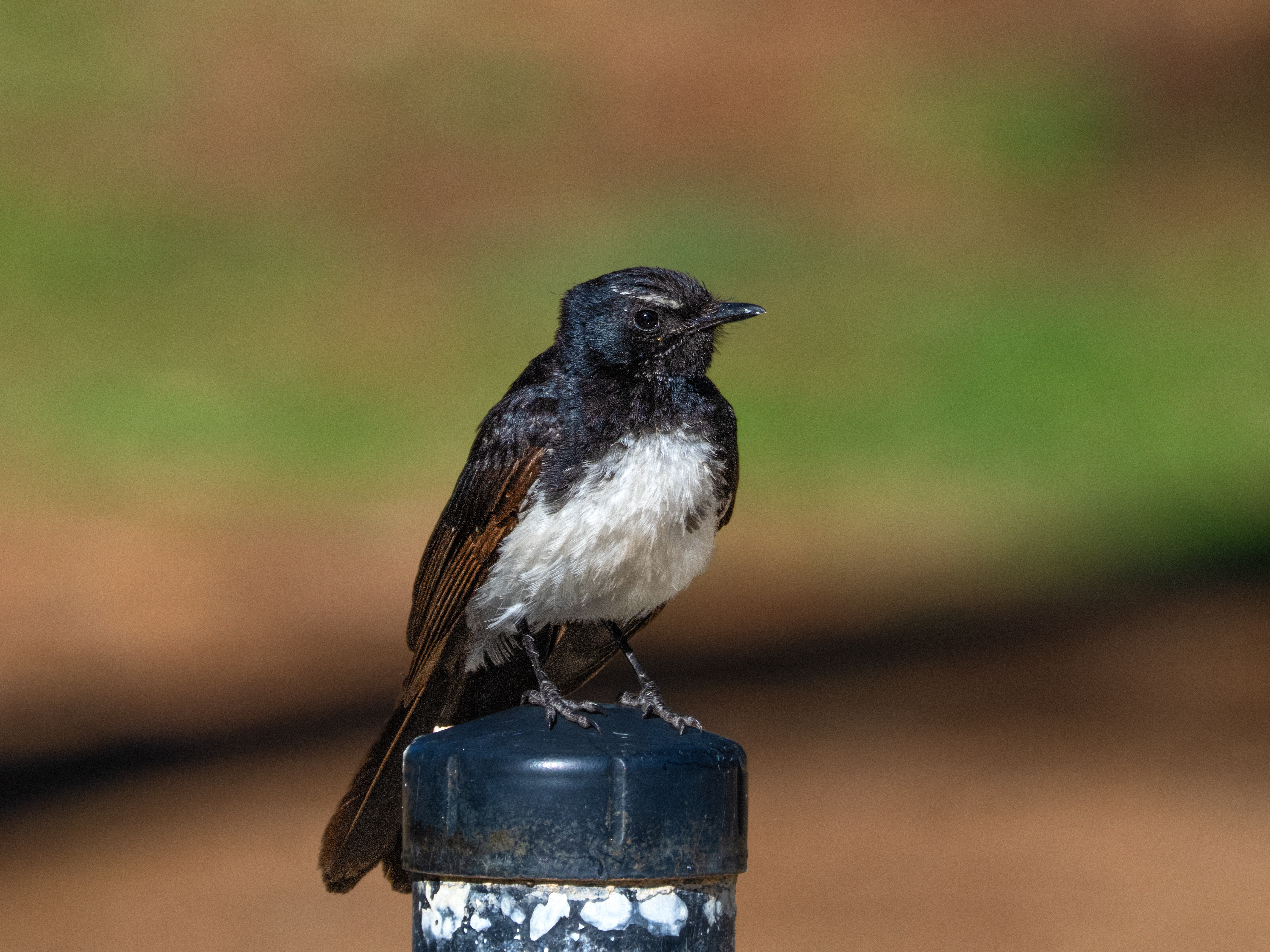
Willie Wagtails make incredibly tiny nests – smaller than a tea cup. The typical clutch of eggs is 2-4 which is fine until they hatch and then overcrowding sets in. I spotted this nest while walking back to the car. It looked quite a comical situation – 2 adolescent Willie Wagtails just about ready to fledge crowding round this tiny nest with one in it. All three looked incredible grumpy – it’s the eyebrow and the down turned mouth that gives that impression. One of the parents was sat on a fence post just 5m away closely watching. I was very surprised it didn’t try to chase me off as Willie Wagtails are incredibly aggressive and territorial. Perhaps it was too knocked form taking care of the chicks.
Dryandra Woodland National Park
Dryandra Woodland National Park is thirty minute drive from Narrogin or two hours south east of Perth. It is 15,000 hectares of remanent woodland – a taste of what the Wheatbelt was before colonisation. It is the home to some of Australia’s most at risk animals and because of this the Western Shield program was developed to minimise the effects of feral predators – foxes and cats – and allow the native fauna to re-established.

For us Dryandra has attained an almost mythical status. We have been going for years, and we always want to go again. Every time we always have some kind of amazing animal interaction whether it be Wedge-tailed Eagles, Woylies, Echidnas, Ring Tailed Possums or kangaroos.

Dryandra is really famous for its Numbats, and in all the years we have been visiting we’ve never seen one. The only Numbat I’ve seen was at Perth Zoo, and they can be tricky to see there too.

This visit the plan was quite simple. After the previous hot day and with another forecast we planned to stake out the Old Mill Dam and try and catch the early morning activity at the waters edge. It was a great morning the only problem photographically was the heat haze over the water, but that only effected the shots where the subject was on the other side of the water. Anything I was close to was pin sharp.


Is This A Stick I See Before Me?
Apologies to William Shakespeare – Macbeth Act 2 scene 1
Desperate to get out of the house we grabbed the opportunity to go on an overnight trip to Narrogin. This might surprise people as Narrogin is not really known as a tourist destination and it was forecast to be 40ºC. There was madness in my method. Firstly Narrogin is a good jumping off point for Dryandra (I’ll save that for a later post). Secondly to photograph wildlife in hot weather you really need to find permanent water sources and the locations we’d chosen both had that. Thirdly you have to able to reach those locations at either first or last light. Narrogin fitted the bill. So the plan was to set out mid morning and take a leisurely drive down to Narrogin, get some lunch and check into our accommodation, then about an hour before sunset head out to the Narrogin Railway Dam.


The water level at the dam was very low, but at least there was some. So we followed the 650m Dam Walk keeping a firm eye on the canopy of the surrounding eucalypts. A lot of the birds we did see appeared very heat stressed – holding their wings out and panting. Nothing appeared to be going down to the water’s edge for a drink though. After our first lap my partner decided as it was still very hot that she’d had enough and went back to the car while I started to walk along part of the Archibald Park Trail. This was where things got very interesting.


Now I’m in my 60’s and my eyesight isn’t what it once was. This has led to quite a few embarrassing moments when searching for birds. Like the time I followed this small white object moving erratically along a beach thinking it was a dotterel, but, when I finally got close I found it was a scrunched up white paper bag. I’ve lost count of the number of times I’ve stalked what I thought was a bird in a tree only to find out it was part of a dead branch. In fact I’ve come to expect that will happen every time I go out. Well this time I was walking along the path by the bank of the dam and I’d just seen a Black-faced Cuckoo Shrike and a Red Wattle Bird when out of the corner of my eye I spotted a tree with what could be if I squinted a bit a largish bird. My initial reaction come on be serious you’re seeing things again it’s a dead bit of tree. So instead of stalking it I decided to keep walking. It was only just a I drew parallel with the tree that I noticed that the stick blinked (Pro wildlife tip #1 sticks don’t blink).

“Oh my goodness!” Or words to that effect. I had just found a Tawny Frogmouth. Now although Frogmouths are quite common they are a tricky bird to find. Their camouflage is incredible and their habit of roosting in the forks of trees makes them very difficult to see. Their main defence is to sit completely with their head up and eyes shut pretending to be a stick. In fact this was only the third time I’d seen one in the wild. To say I was happy would be an understatement. Unlike metal detectorists birders don’t dance when they find something – we might allow ourselves a quiet smile. I went to bed that night a very happy boy.
So, day one of the birding trip had a brilliant start – couldn’t ask for better.
Farewell 2025
It’s Christmas Eve and I’m looking back photographically on the last 12 months. I started the year with all these ideas and intentions, and to be honest they quickly evaporated. It’s been a year where I have had a great deal of difficulty being motivated to take photos. Nevertheless I plodded on regardless and although I didn’t make any great photos I made some that I enjoyed. They’re not technically perfect, but the actual process was enjoyable and I think that is important. If it is not enjoyable then why do it?
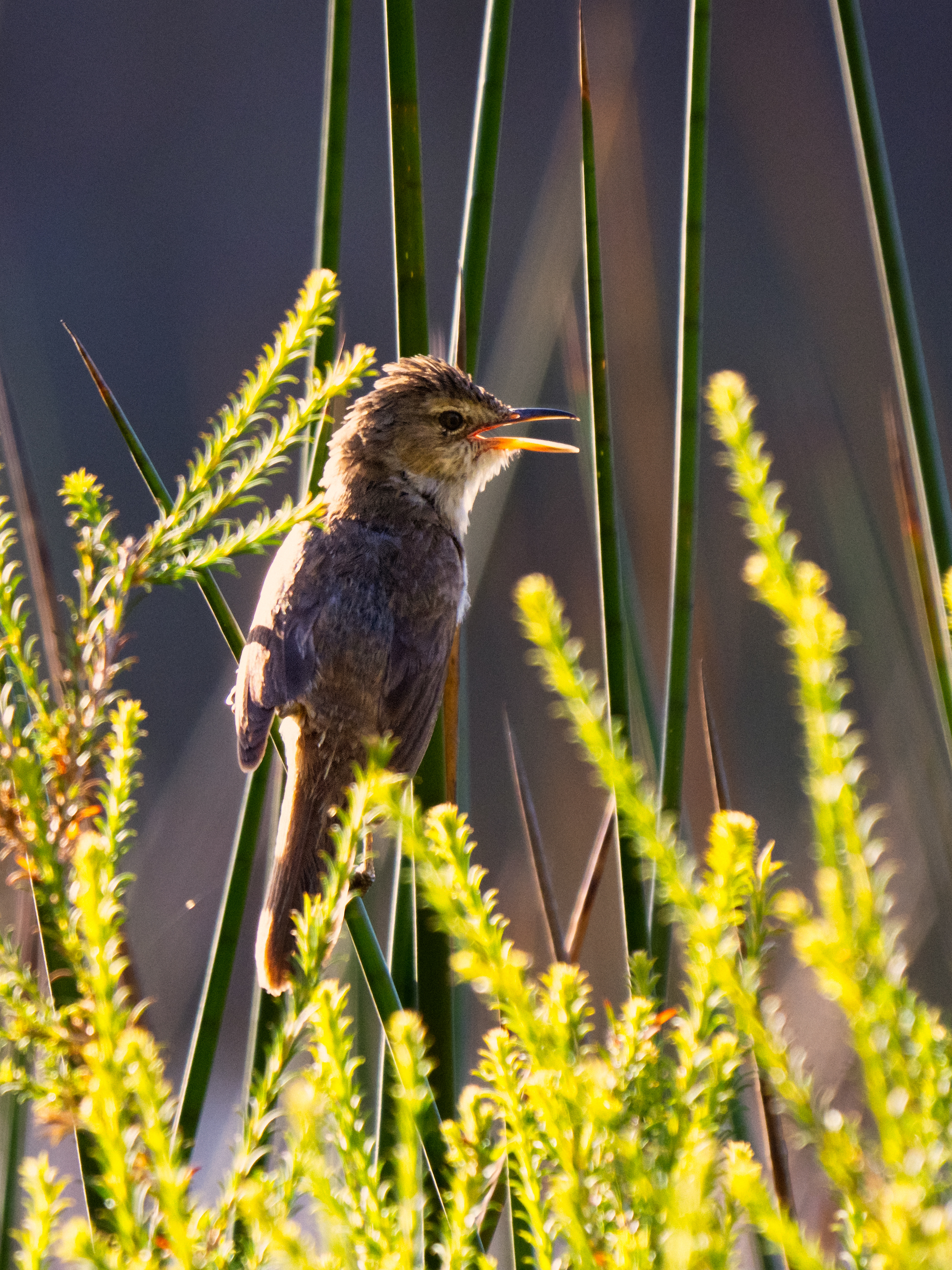
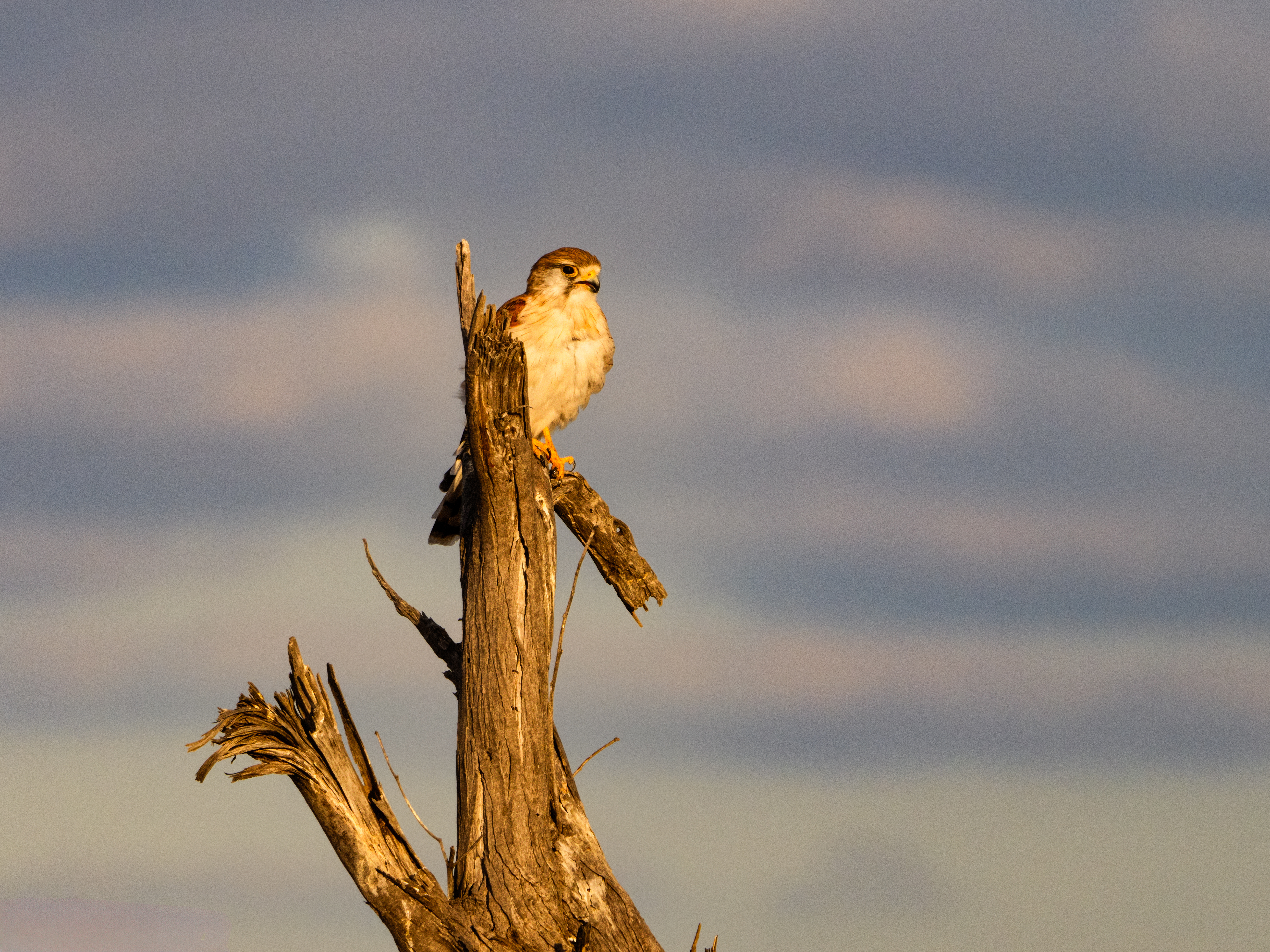
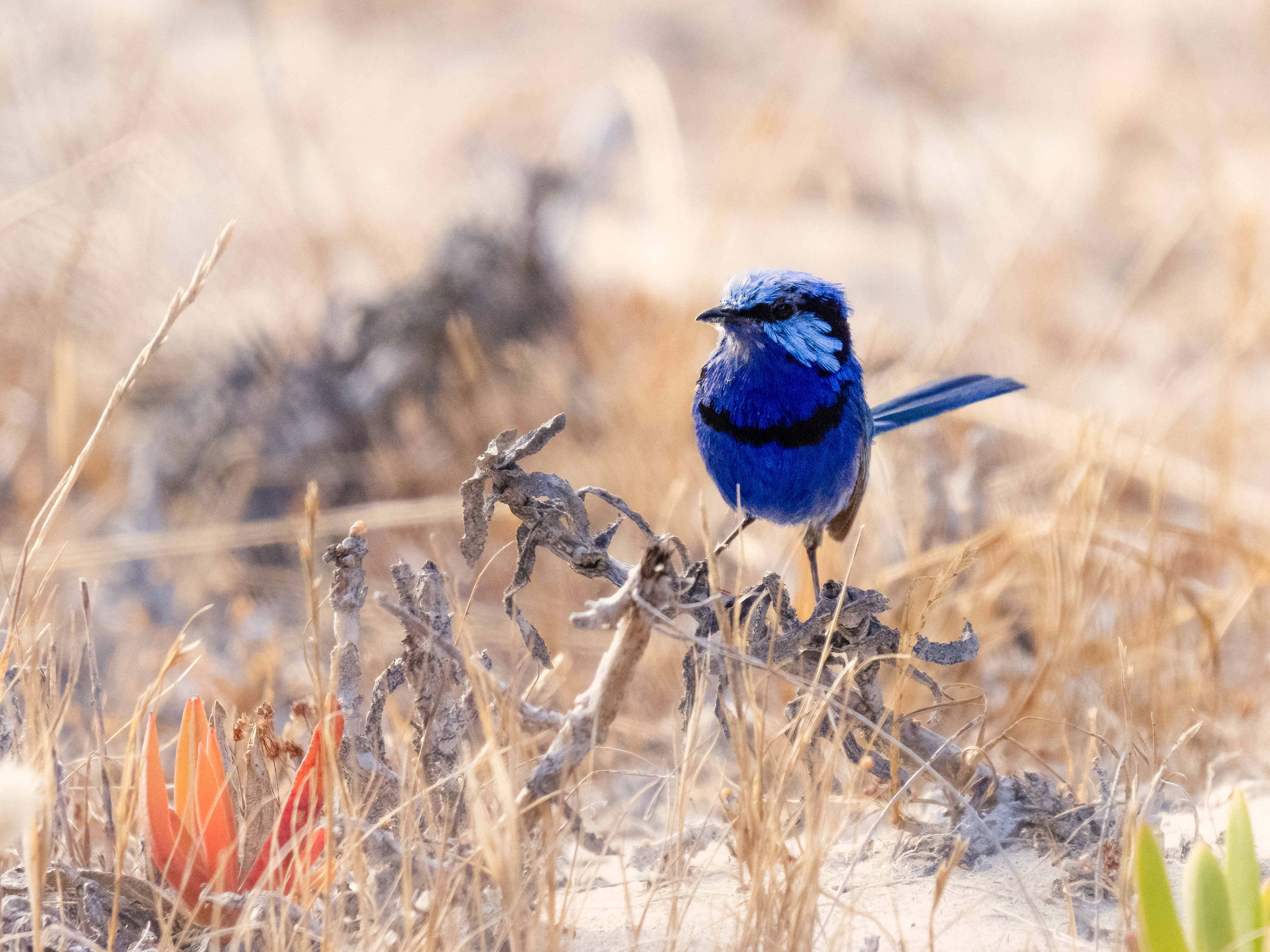
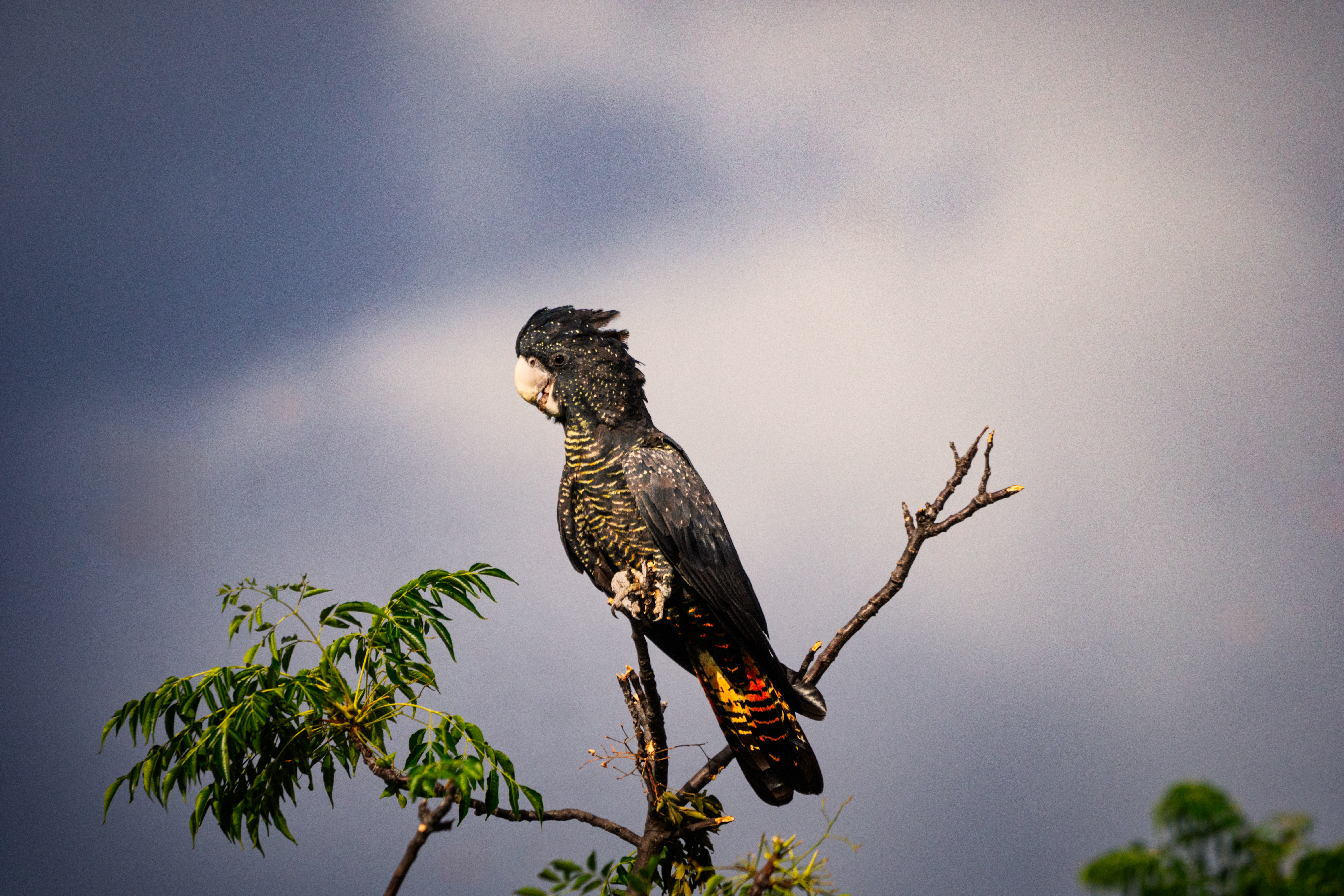
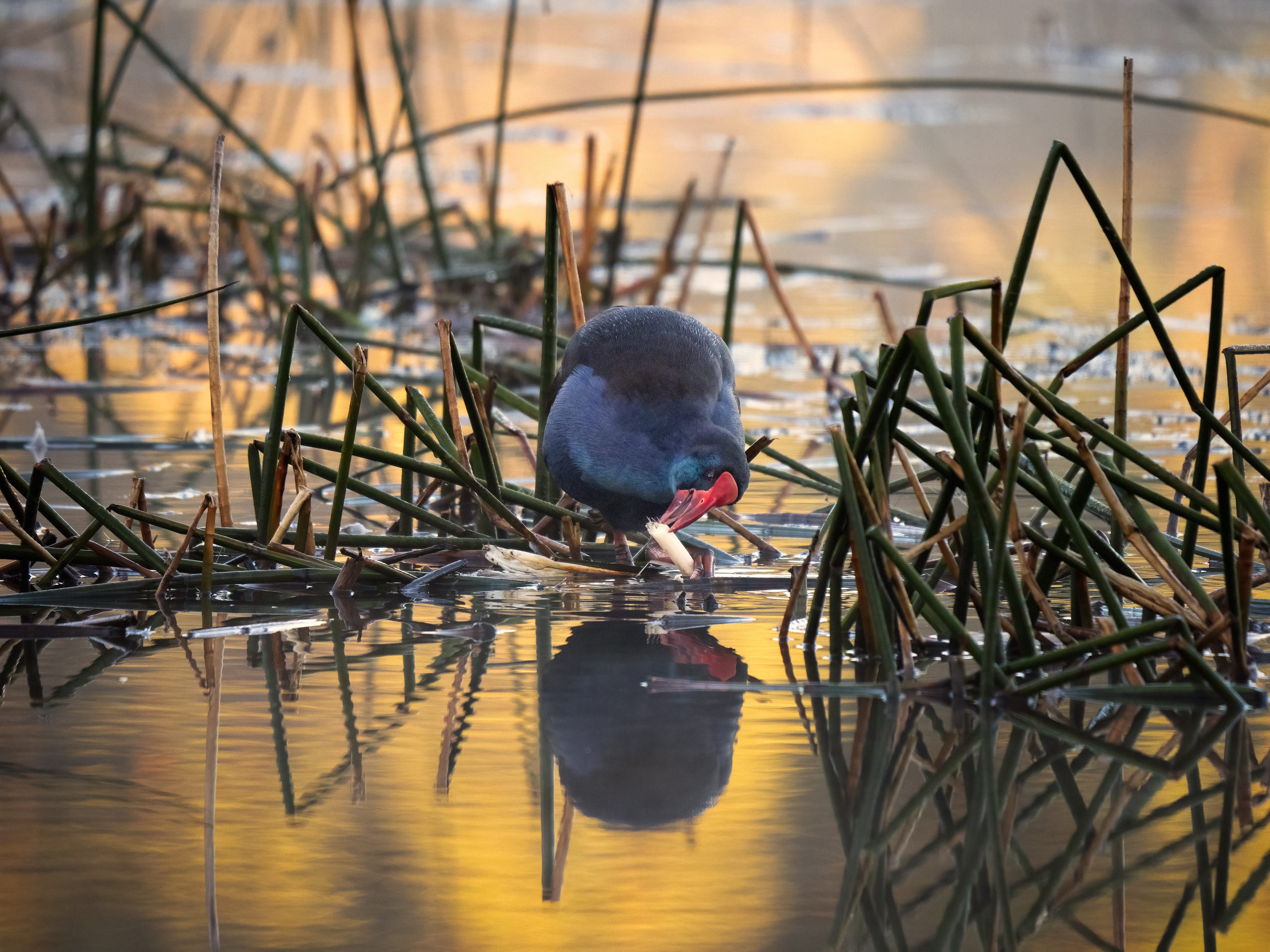
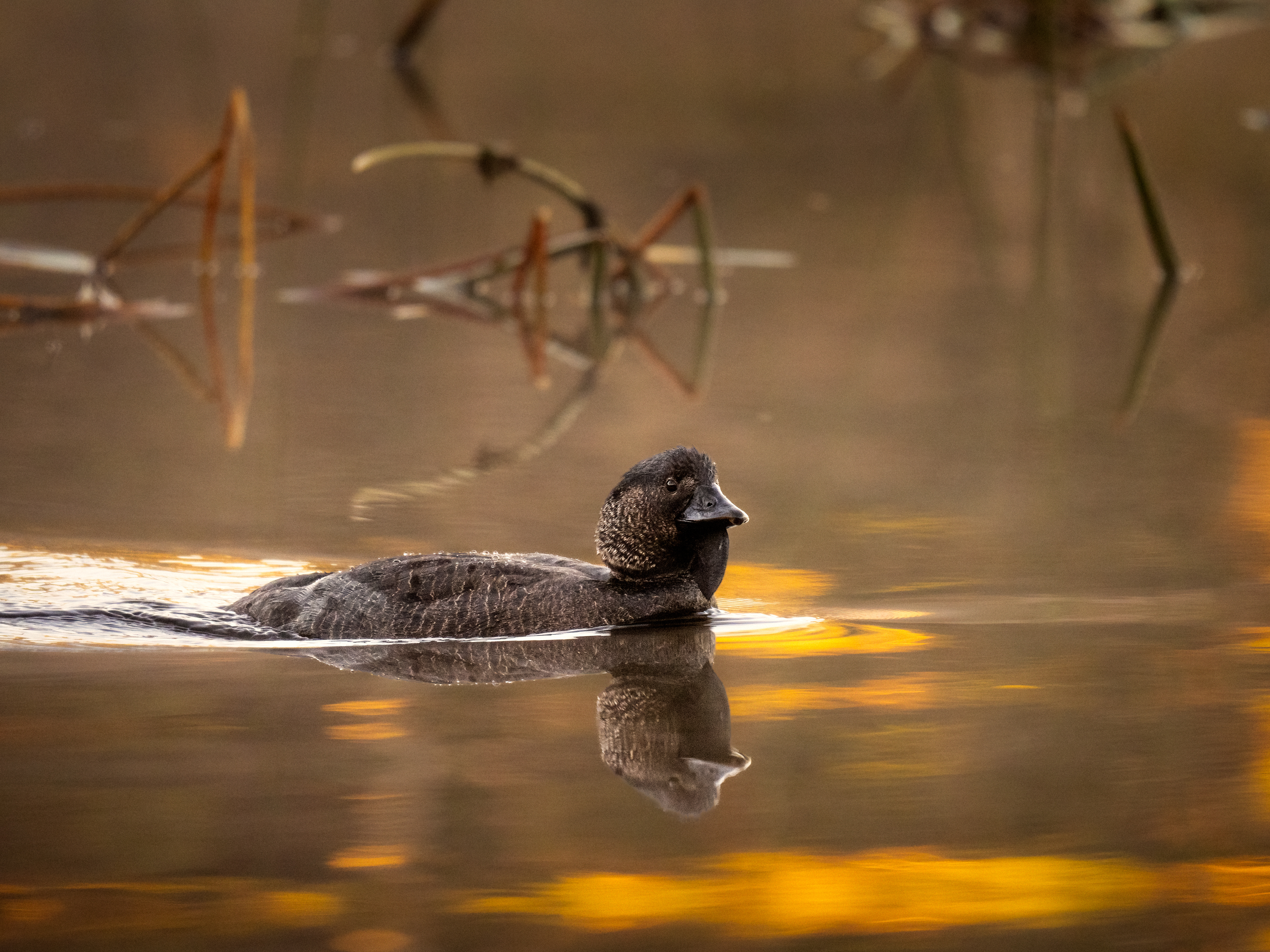
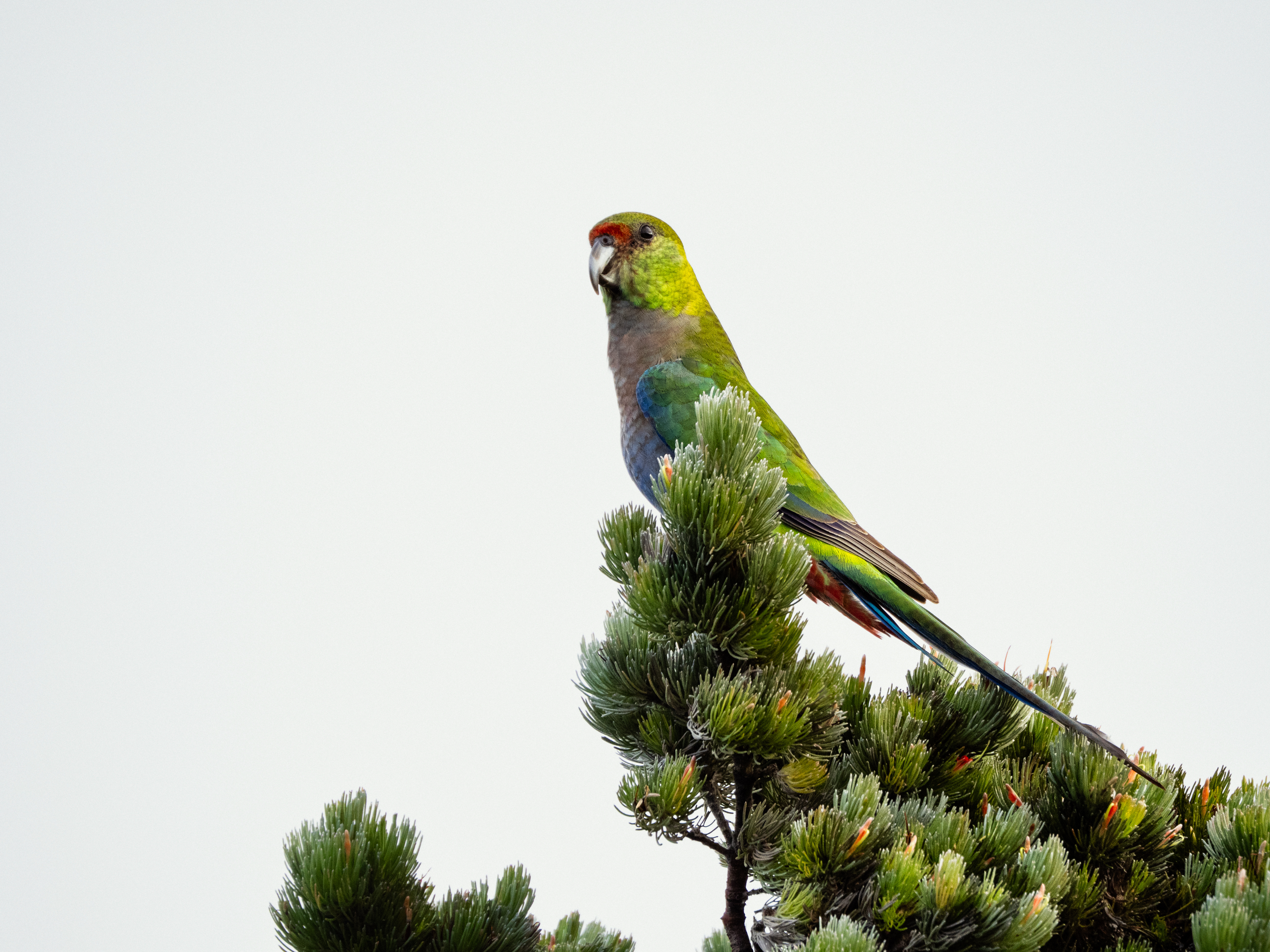
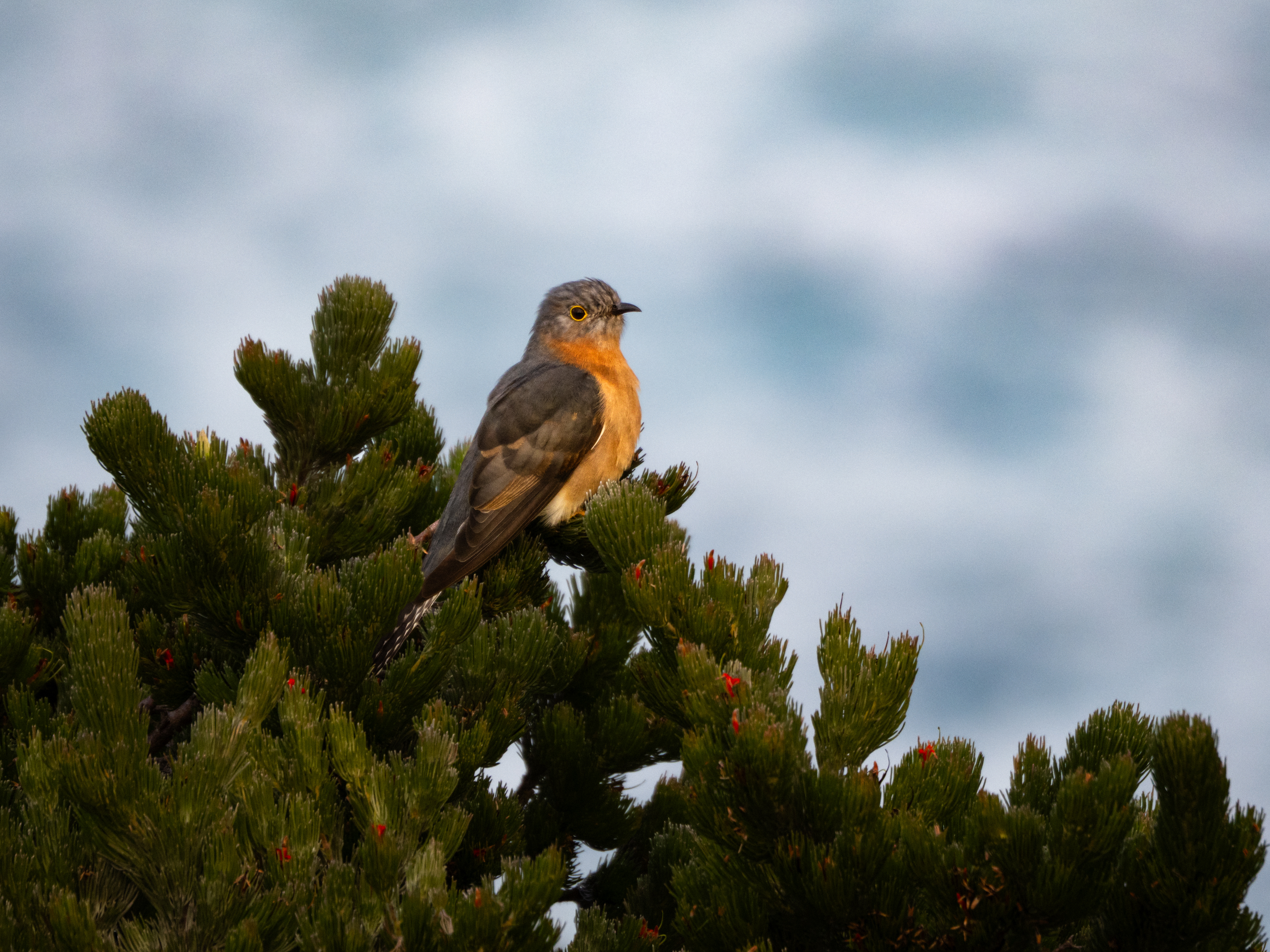
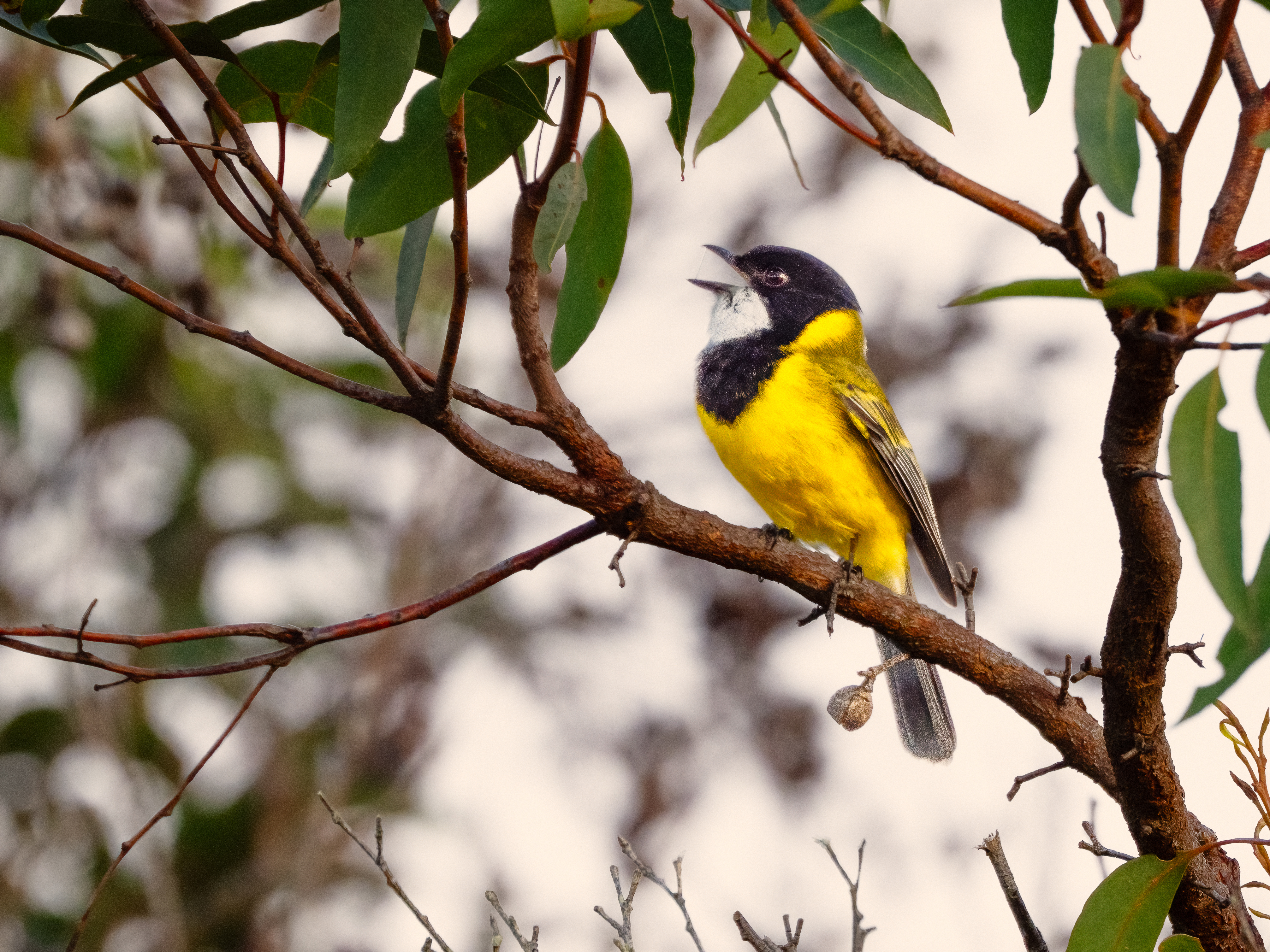
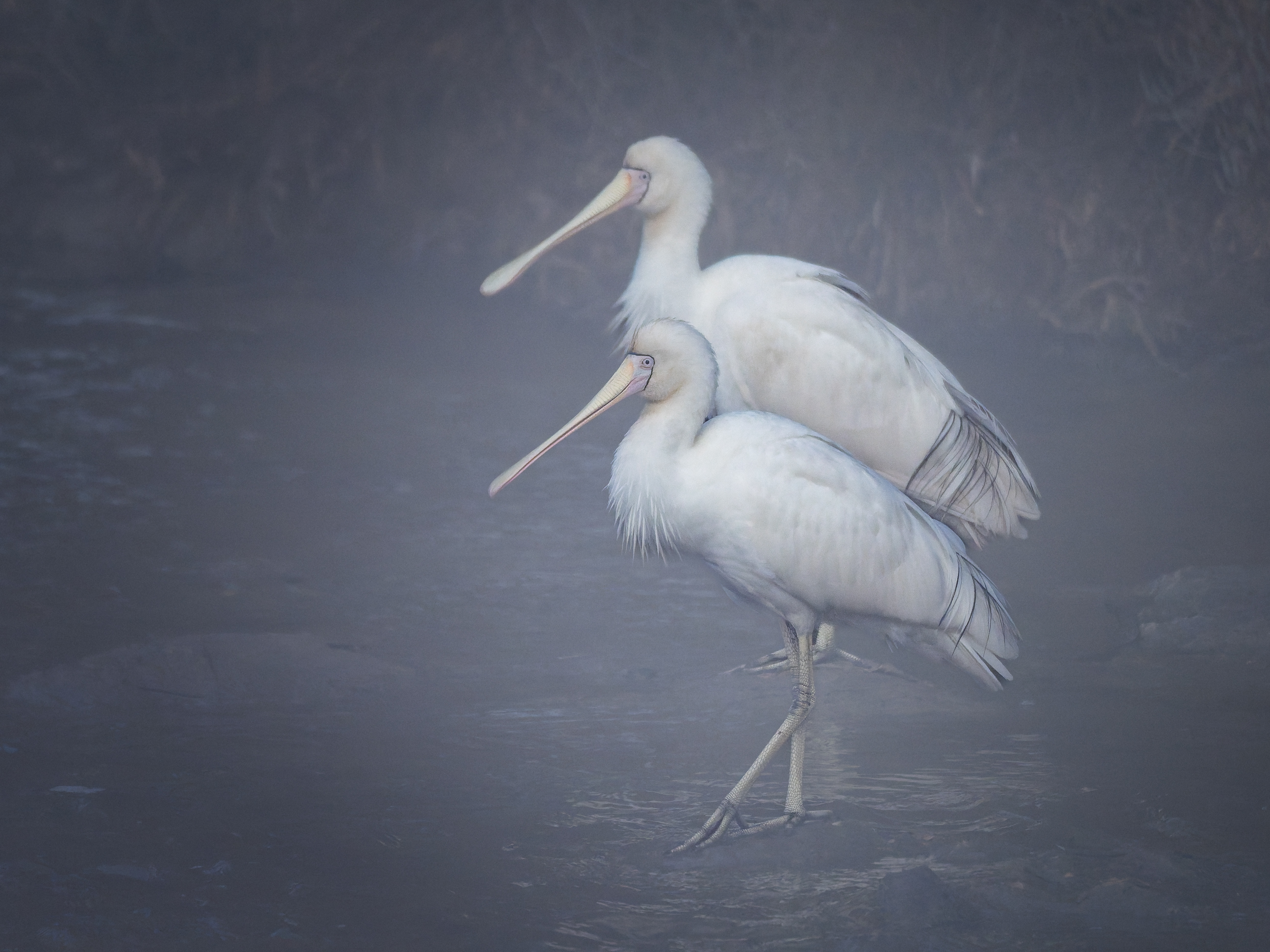
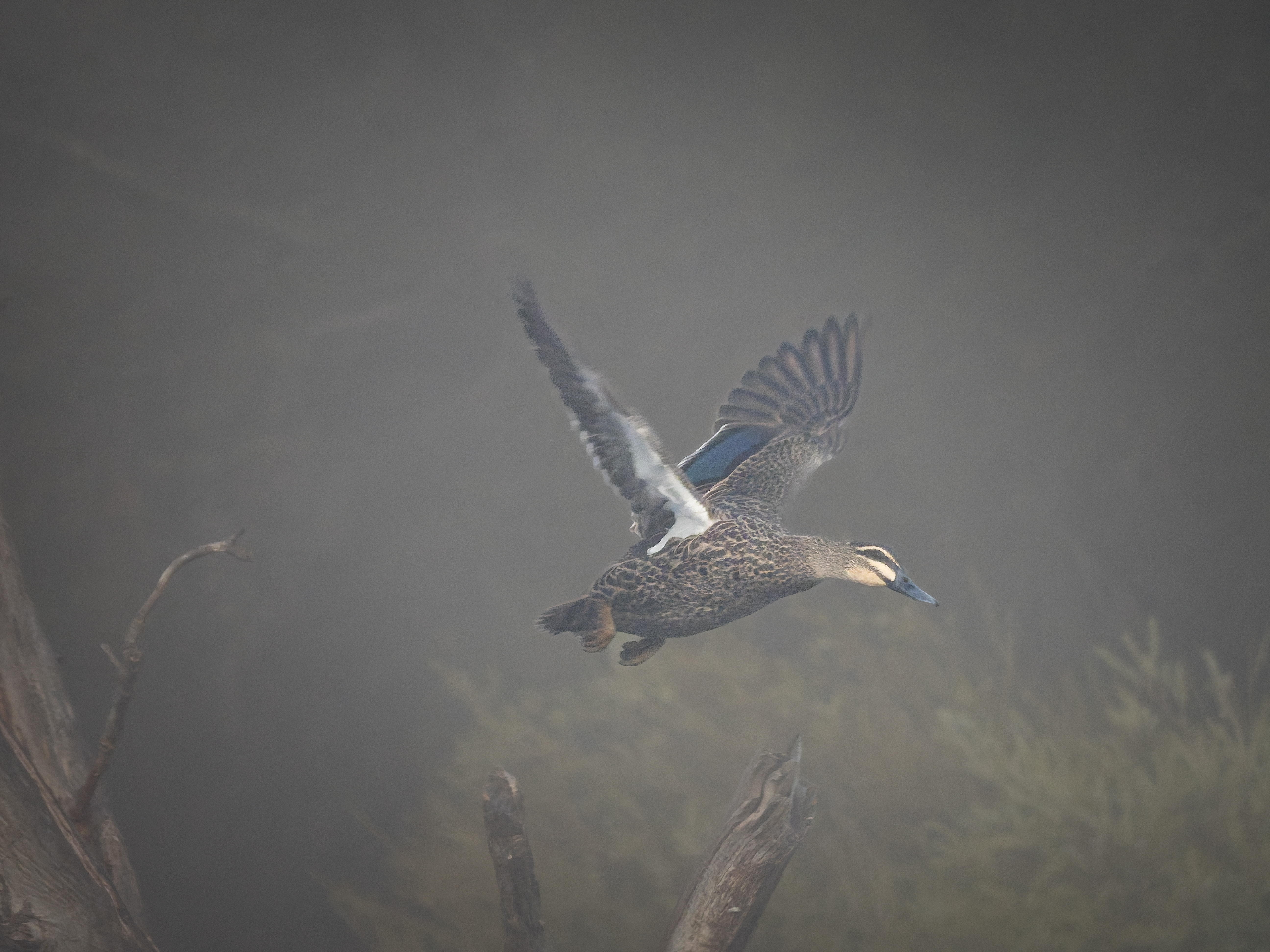
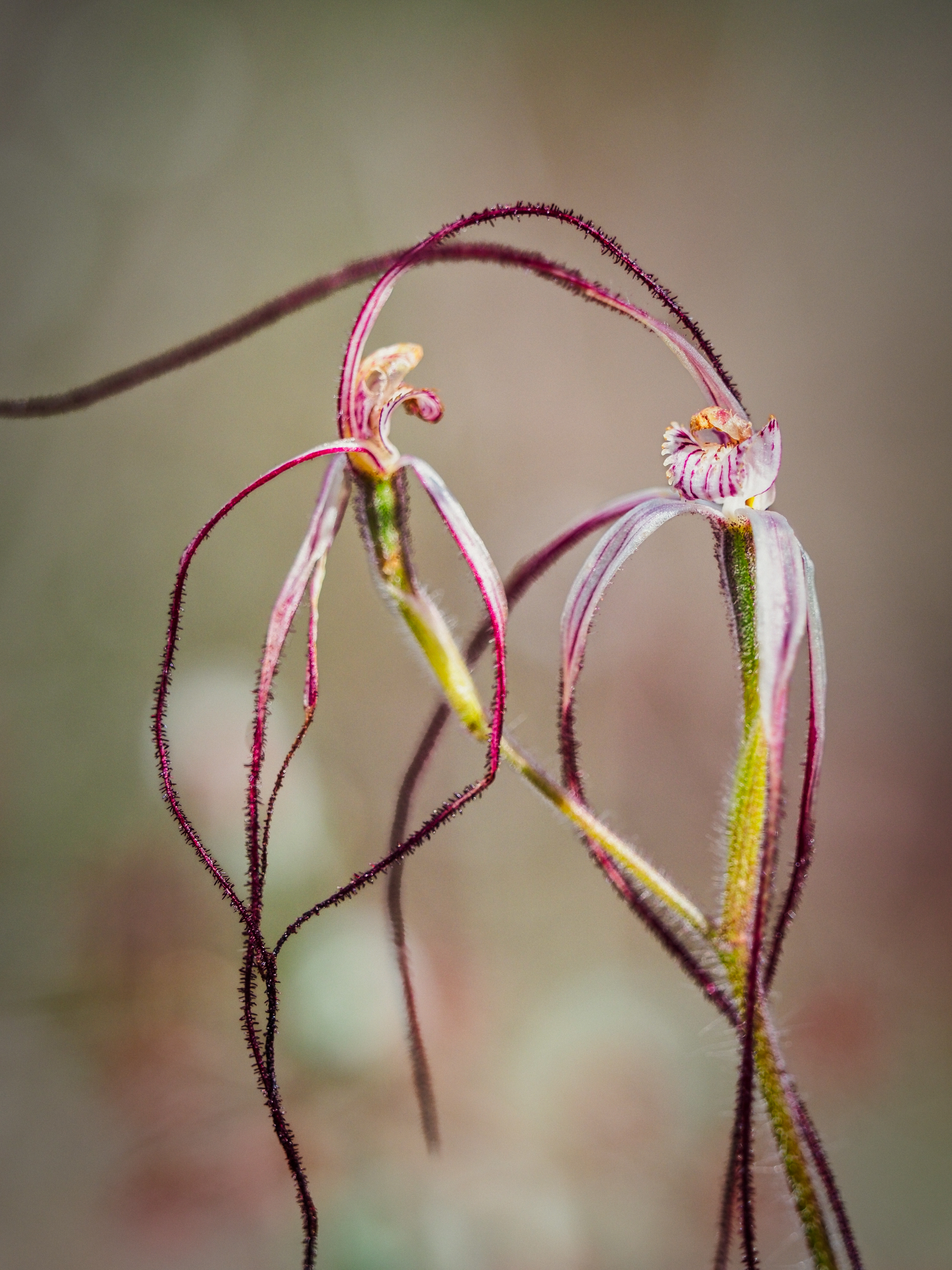
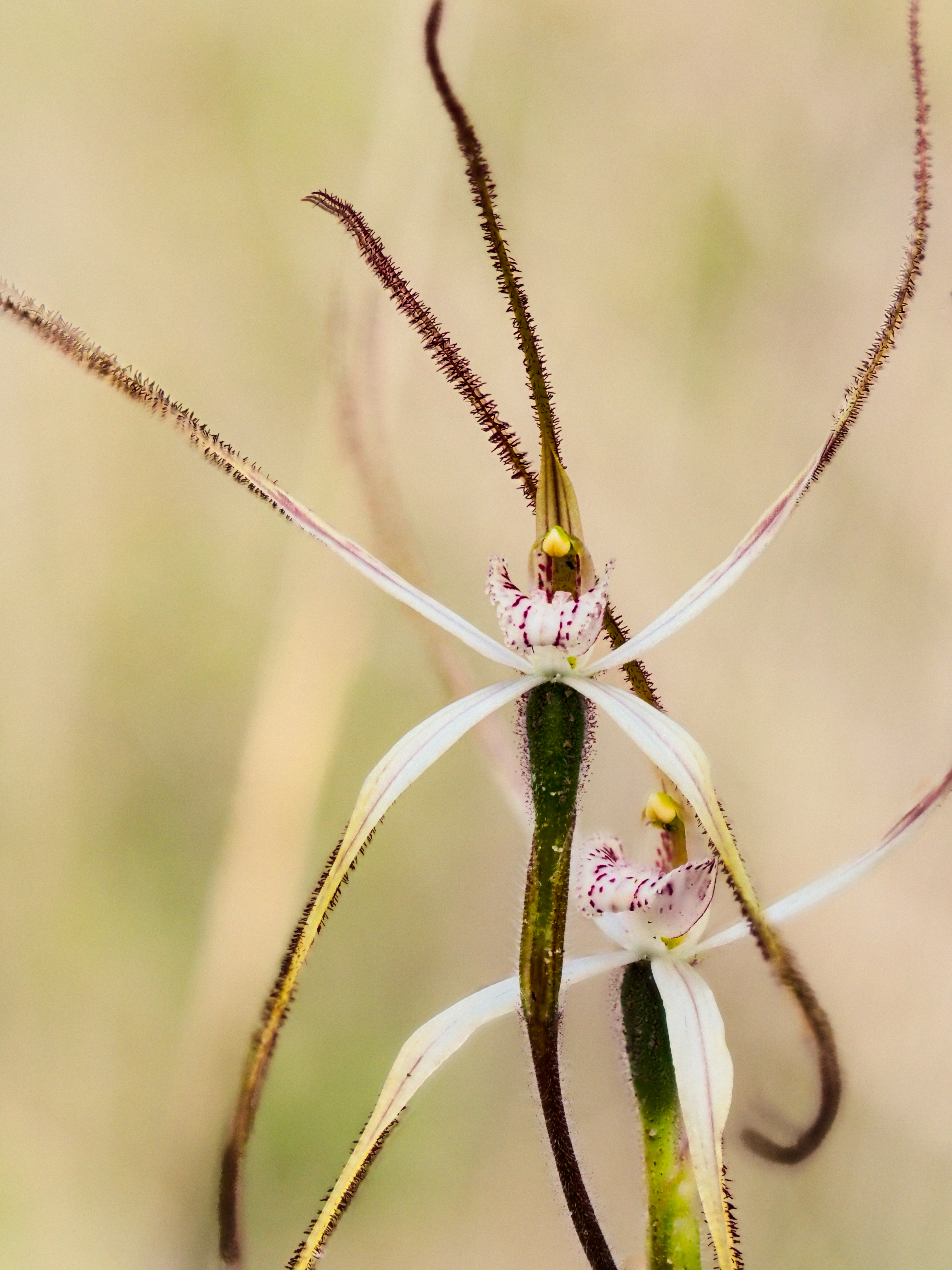
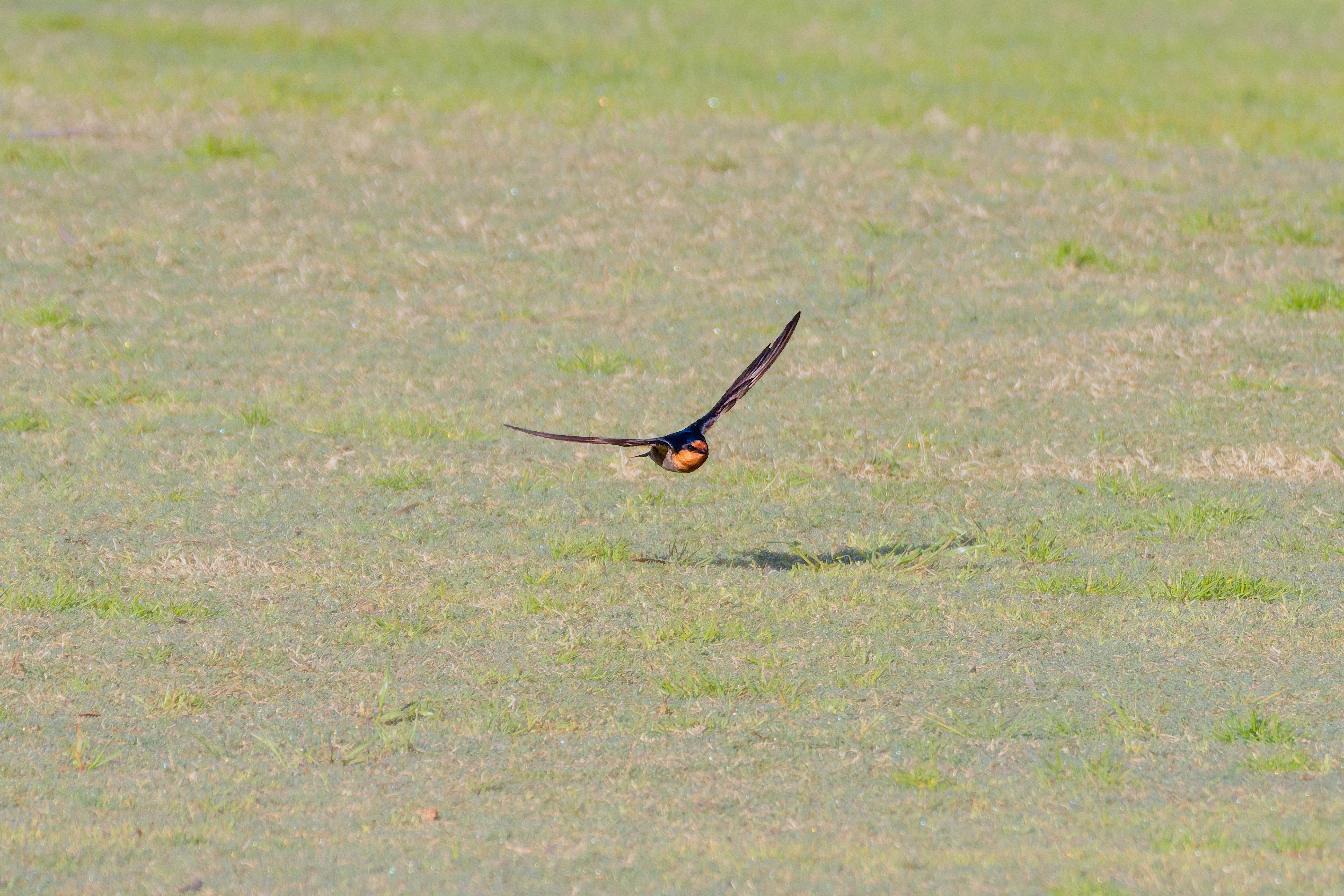
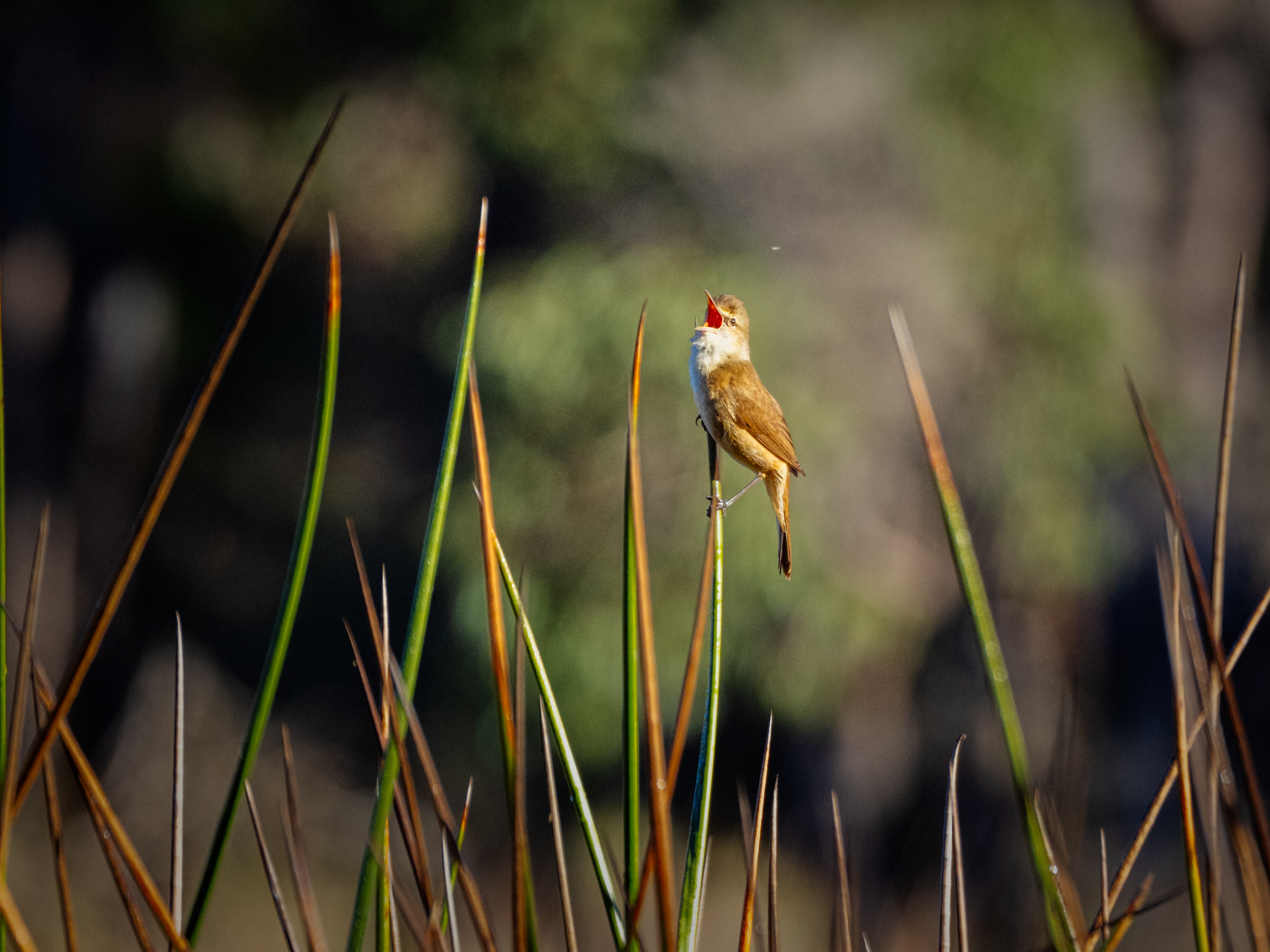

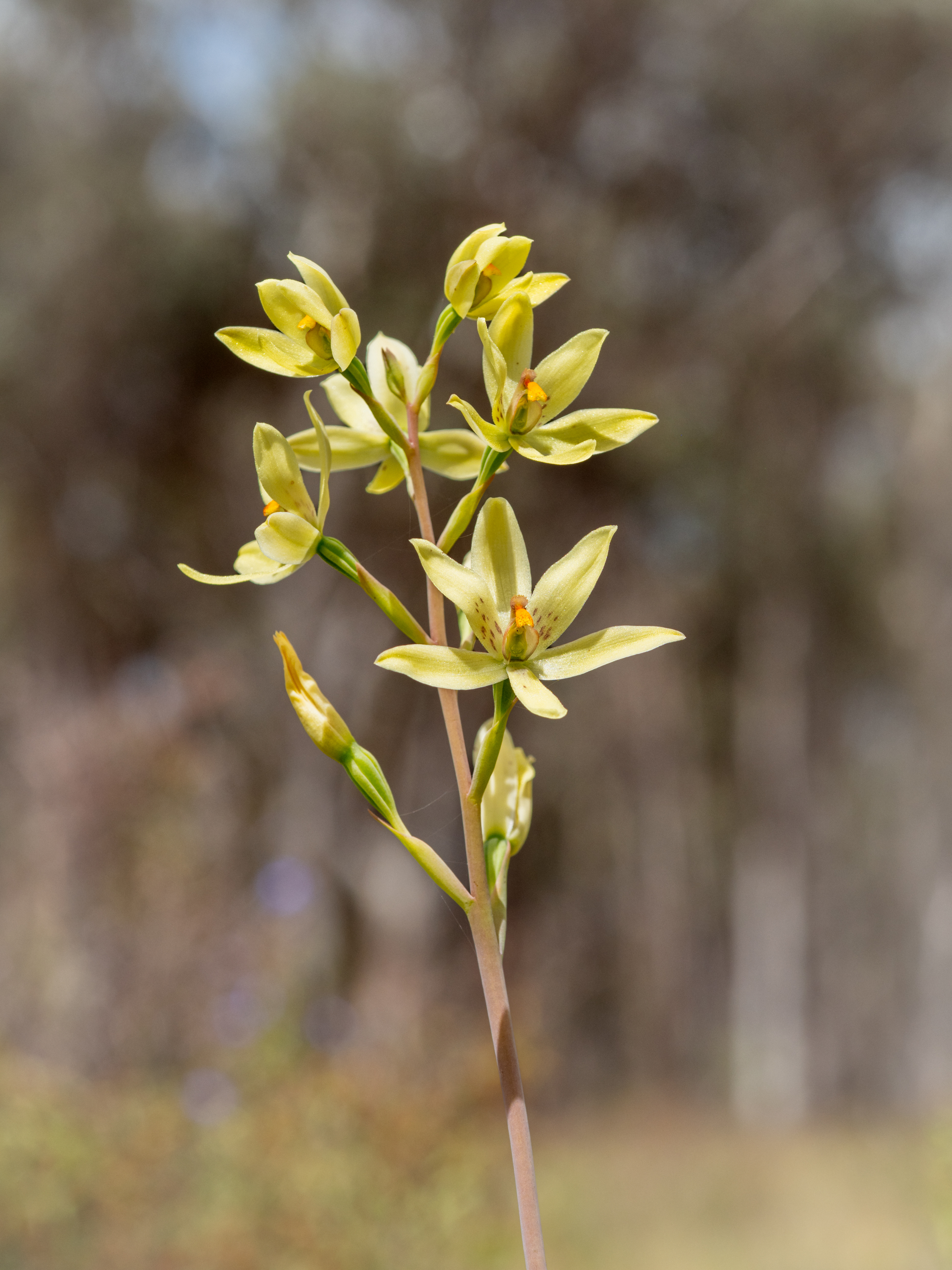

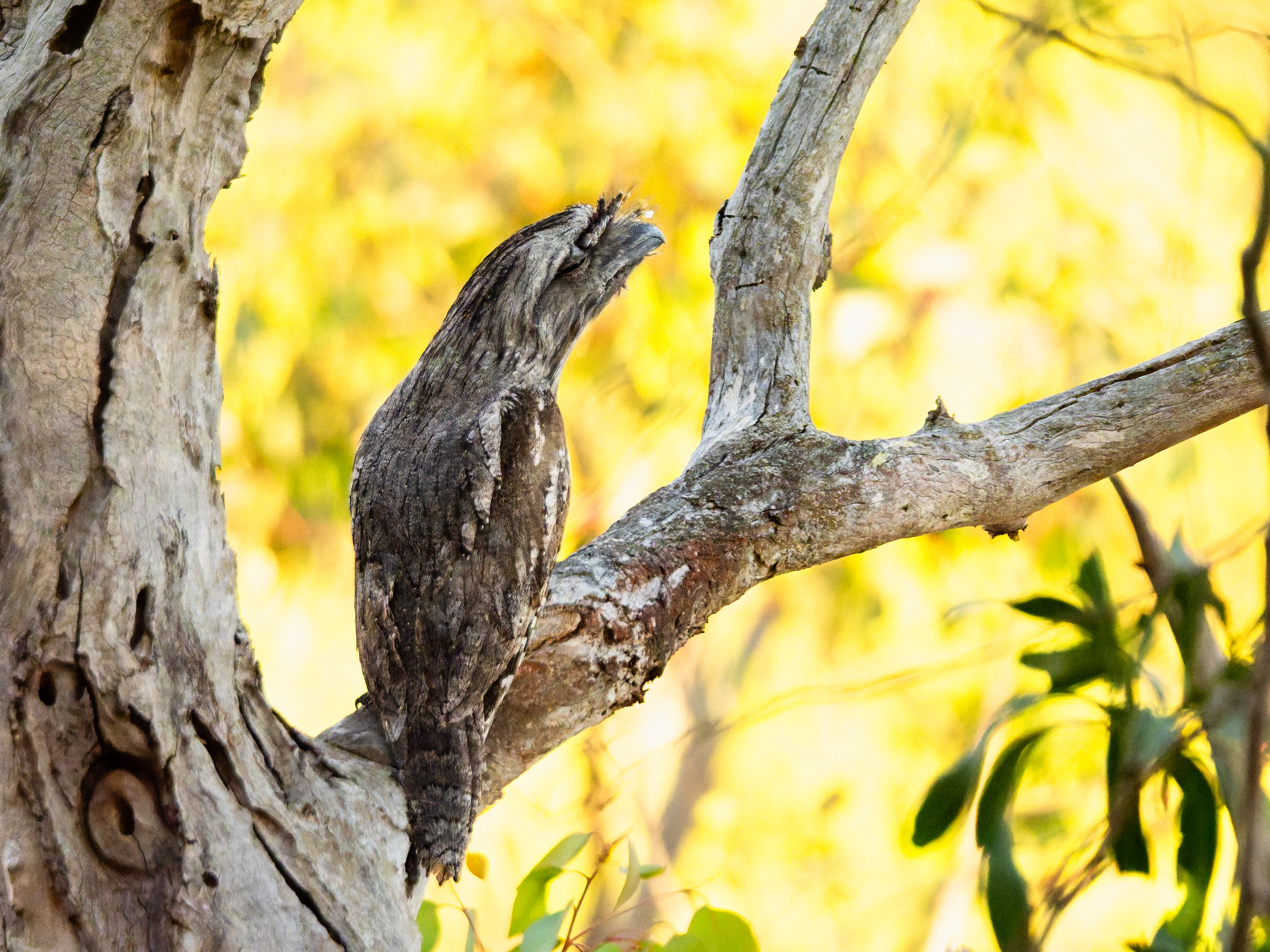
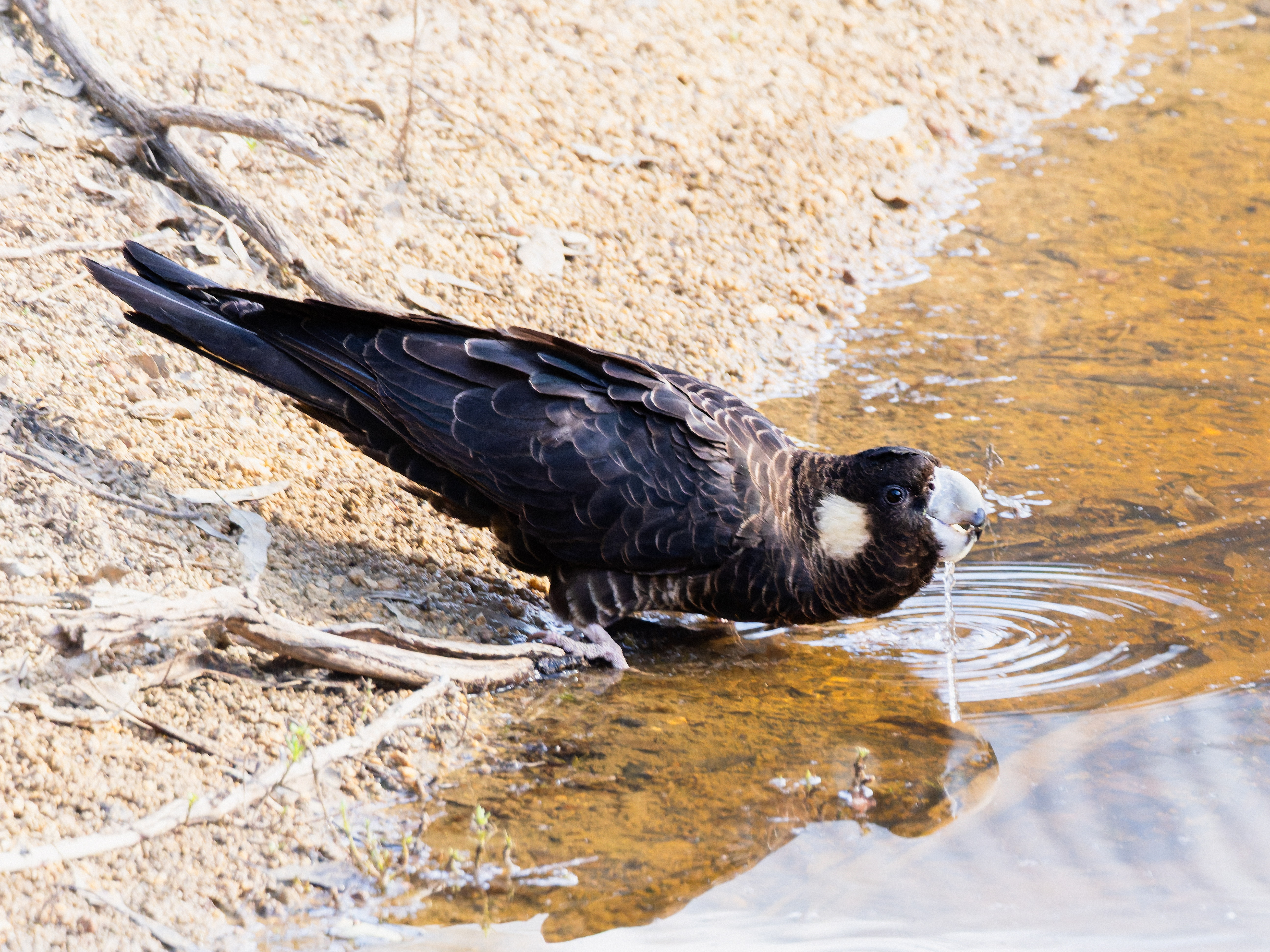
Camera nerdy bit. The most used camera was the Olympus EM1x. Only two of the photos were taken with a sensor bigger than Micro Four Thirds.
I hope all of you had a good 2025 and that 2026 brings happiness and health to you all. Happy New Year.
Settling Down
Spring is now almost over and most of the wildlife has now settled down to domestic duties – having and raising young.
A recent visit to Bernard Park in the Wheatbelt metropolis of Northam showed this to be true. The Australian Reed Warblers were still building nests and it won’t be long before the serious business of egg laying starts.


The Welcome Swallows were mostly content to hang out together between hunting forays, but we did see a couple which did seem to be in the middle of a domestic alternately screeching at each other. Do birds separate and divorce? No idea. Perhaps I anthropomorphising them too much, but it is hard not to project human feelings into animal interactions.


Loud and Clear
The other morning as I was walking around Lake Leschenaultia I spotted a couple of male Australian Reed Warblers marking out their territories while trying to attract a mate. When both of them were singing the sound was so loud that it almost made my ears hurt. It’s amazing that something so small can produce such a volume of sound. Normally you tend to hear them rather than see them, but this morning the two of them were perched on the very tips of the reeds. It was quite an amazing experience.

Oh Happy Day!!!!!
Bit of an odd morning today. It was a distinctly grey day and I wasn’t intending to take any photos. While getting set to take the dog out for a walk along the river at Blandstown the Beloved Significant Other said she was taking her binoculars to look for birds. I thought about taking mine but when I saw that they were in a pouch with my camera I just grabbed the whole shebang.
When we got there I wasn’t sure whether Frida – our dog – would walk. She is very old now and has to all intents and purposes given up on walking. She loves a ride in the car, but you can’t guarantee that she’ll get get out for a walk. With a bit of assistance she got out and was quite happy to head towards the river. When she was young long grass would send her silly and she would madly runabout causing mayhem. At 13 with arthritis in one of her back legs and kidney problems it doesn’t happen very often anymore but all that long grass along the river and she was off!

While trying to avoid being bowled over by a deranged bull terrier the Beloved Significant Other said she thought she could see a Rainbow Bee-eater. Oh how I scoffed. “Impossible” said I. “They don’t arrive back from Northern Australia and Papua New Guinea until November.” I added being all ‘knowledgeable’. But when I raised the camera up and looked there was a female Rainbow Bee-eater, and listening very carefully I could just make out the chirping call of another. Never had I seen one this early in York before. I’d read that in some areas of southern Australia the winters are becoming much milder and some of the birds aren’t migrating north in autumn. Whether that applied to these birds I don’t know.


So as we headed home I couldn’t work out what had made me the happier. The fact that Frida had just had a bully run or that I’d seen the Rainbow Bee-eater. Probably both. Oh! I did photograph some other birds. Here they are below.


You must be logged in to post a comment.