Hard To Swallow

This week’s walk along the River Avon looking for birds was very odd. It was a magnificent morning. There was loads of birdsong, but no birds out in the open. Everything was hidden in the high tree canopy – even the ducks. By the time I’d reached Avon Park I’d only managed a couple of photos and I felt like I should have stayed in bed. So while sitting on a park bench pondering my options I noticed that there were lots of Welcome Swallows flying very low over the grass – like 30-50cm above the ground.

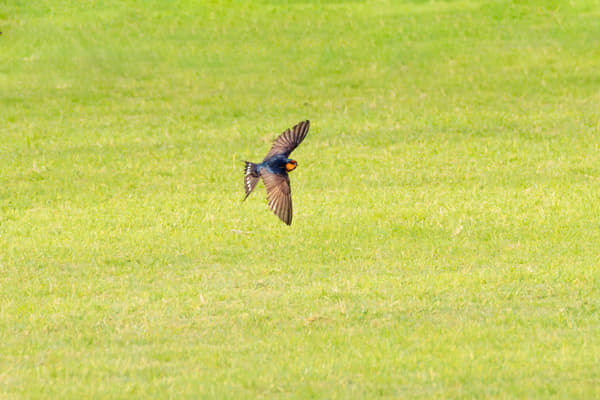
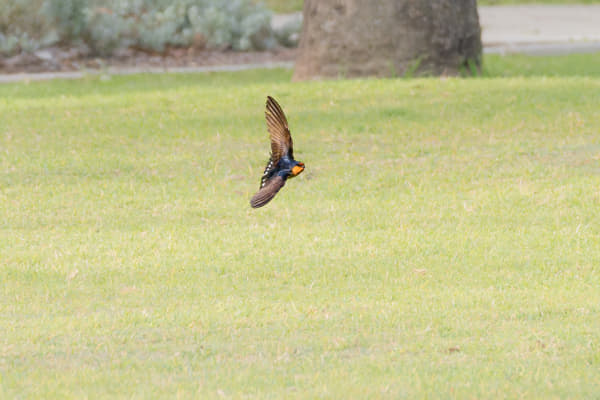
At this point it should be said that when comes to Bird In Flight photography (often abbreviated to BIF on forums) I am absolutely useless. For some reason I just can’t get it going. It may be partly due to the environment I go birding in – mainly forest – and this throws off the autofocus system. For a while I thought it was due to the fact that I didn’t have a camera with bird detect autofocus, but now I do and I still haven’t improved. So the idea of photographing a very fast erratic small bird seemed somewhat implausible. But, I had made the effort of getting up early and I was in the park and there were loads of Welcome Swallows so I thought why not? In all I spent the next hour trying to photograph the little buggers. Man alive are they quick. Up to 60 kmph or 25m per second! Just when you think you’ve lined one up perfectly they suddenly alter course and you’ve lost it. Despite all that I really enjoyed myself. I didn’t look at any of the images I’d taken as I feared that would have been too discouraging. In that hour I ended up taking nearly 3,000 photos. Now in the online wildlife forums people regularly brag they have a 90% hit rate of perfectly in focus shots of birds flying. So I’m a little ashamed to admit that out of those 3,000 photos I only got four photos where the bird was in focus and one of those was of a Welcome Swallow perching on a park bench. Now either I’m spectacularly inept or there is great deal of bovine excrement flying around. Whatever! I had a thoroughly enjoyable morning and that is all that counts.
 

Kanamit by Paul Amyes on 500px.com
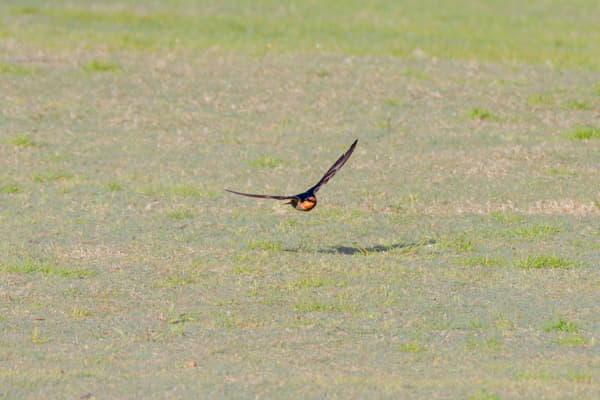
Banking to begin fly past. Kanamit or Welcome Swallow (Hirundo neoxxena). York, Western Australia.
Kanamit by Paul Amyes on 500px.com


Kanamit by Paul Amyes on 500px.com
Coming in fast and low.


Kanamit by Paul Amyes on 500px.com
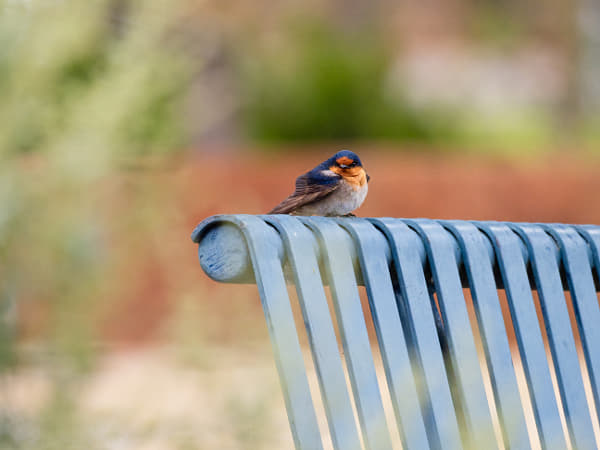
It’s a lot easier to photograph them when they sit still.


Canola Time

It’s quite hard to believe that flowering canola can be a tourist attraction, but judging from the number of people taking selfies of themselves in front of fields of it certainly confirms it. So here are my gratuitous canola themed photos.


Canola Reflection by Paul Amyes on 500px.com
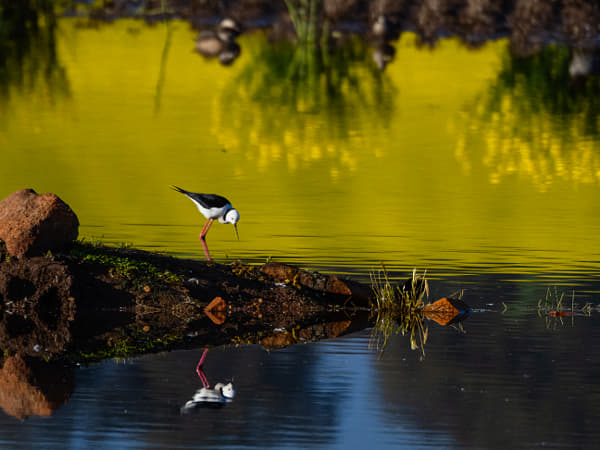
Djandjarak or Black-winged Stilt (Himantopus himantopus) with canola reflections.


Blue and Yellow by Paul Amyes on 500px.com
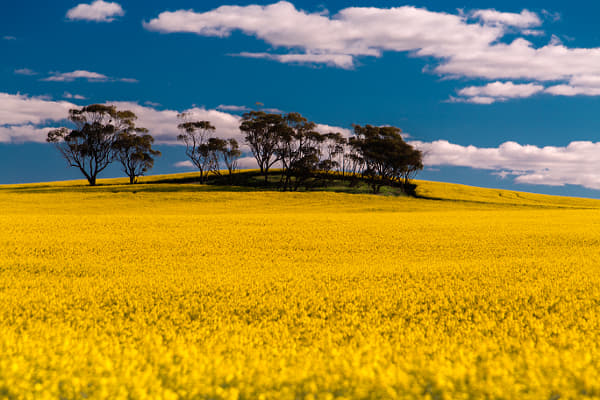
The yellow canola contrasting with the blue sky.


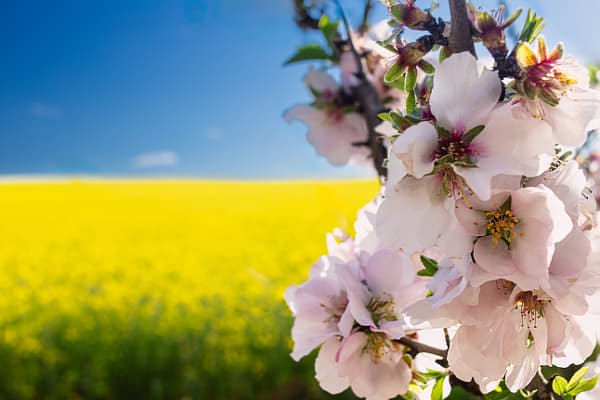
Blossom and Canola by Paul Amyes on 500px.com

Almond blossom with a backdrop of canola.

I Cry And Sing The Blues*

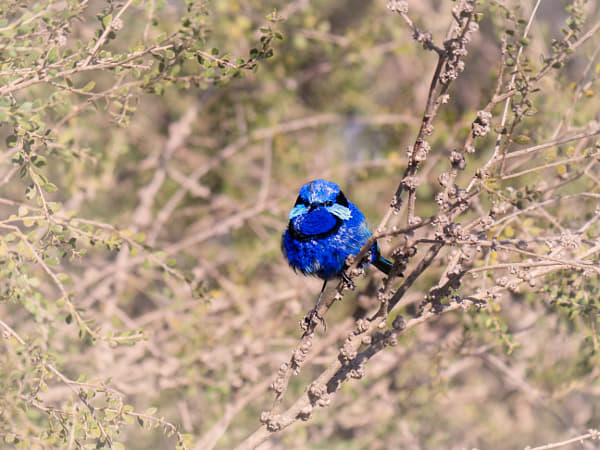
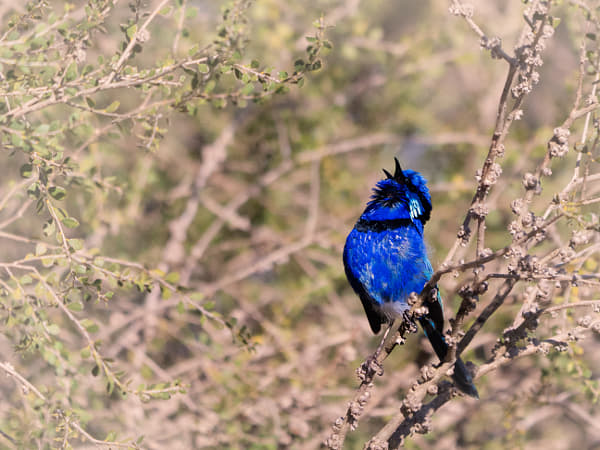
This little boy was belting his heart out.


Djer-djer by Paul Amyes on 500px.com
“OOOH! Got an audience.” Djer-djer or Splendid Fairy-wren (Malarus splendens subsp splendens). Northam, Western Australia.


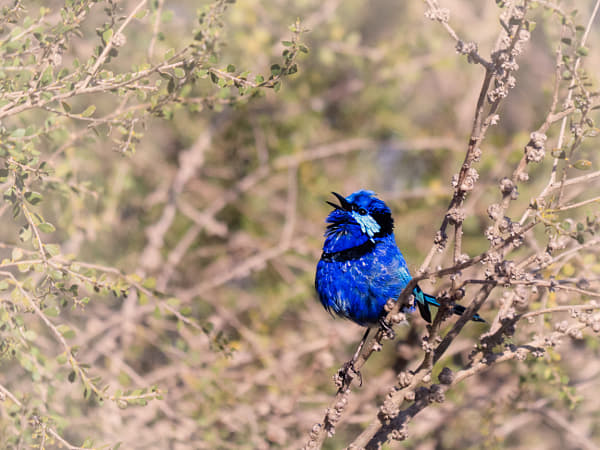
Djer-djer by Paul Amyes on 500px.com
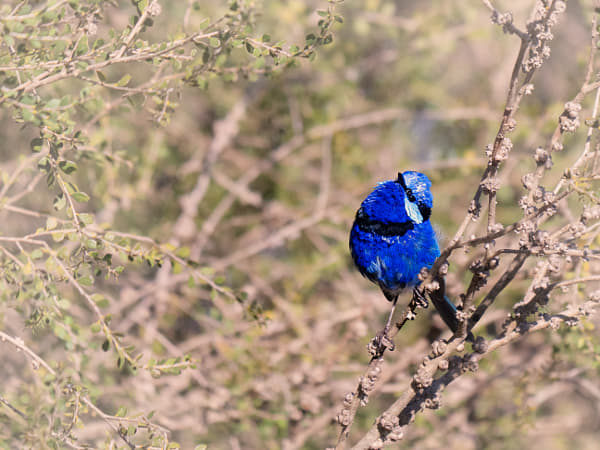
“This is for all my ladies”.


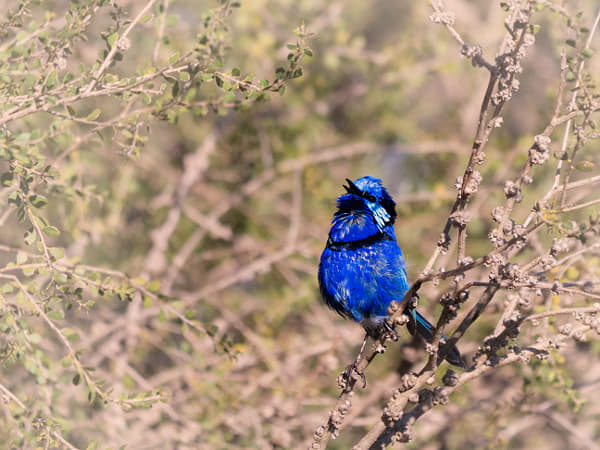
Djer-djer by Paul Amyes on 500px.com
Hitting the top note.


Djer-djer by Paul Amyes on 500px.com
Big finish.


Djer-djer by Paul Amyes on 500px.com
“Thank you very much. Did you like it?”
  • Today’s title comes from the album and track by the amazing blues legend Buddy Guy.


A Clear And Crisp Morning

At last a morning with no rain or mist. It was definitely on the chilly side, but the most important thing was the sun was out. What a difference the sun makes. Everything looked new and clean.

The morning saw us walking along the river bank in the Wheatbelt Metropolis of Northam. There was definitely a hint of spring being around the corner. Lots of birds gathering material for nests. Birds calling out to each other and pairing up. So much activity. It was just wonderful to see.
 

20250807-Northam-0228-Edit by Paul Amyes on 500px.com
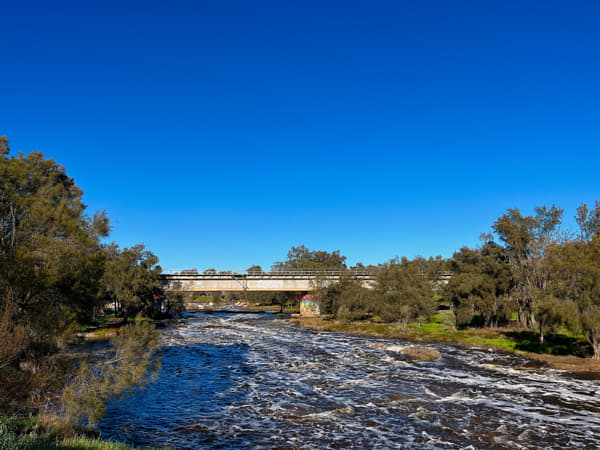
The rail bridge over the Avon River in Northam. The water levels bode well for the forth coming Avon Descent White Water Race.


Bandiny by Paul Amyes on 500px.com
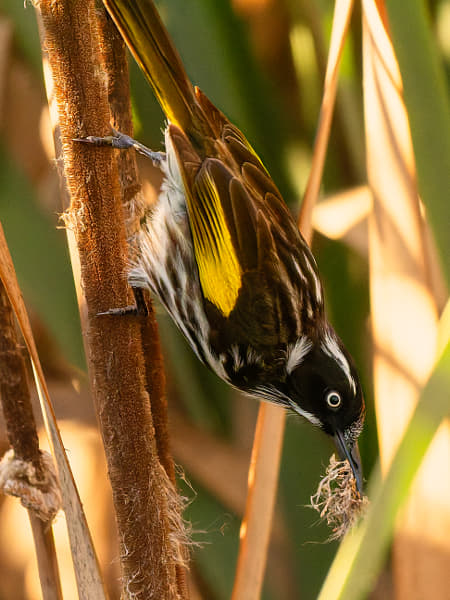
Bandiny or New Holland Honeyeater (Phylidonyris novaehollandiae) collecting nesting material from the reeds. Northam, Western Australia.
 

Djeringkara by Paul Amyes on 500px.com
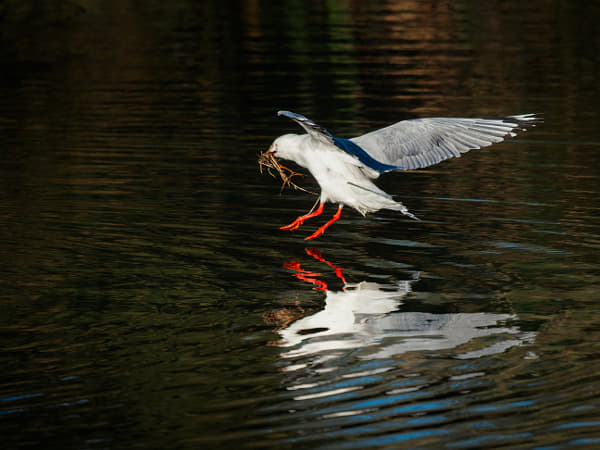
This Djeringkara or Silver Gull (Larus novaehollanddiae) was also collecting nesting material. Northam, Western Australia.


The Proud Parents by Paul Amyes on 500px.com
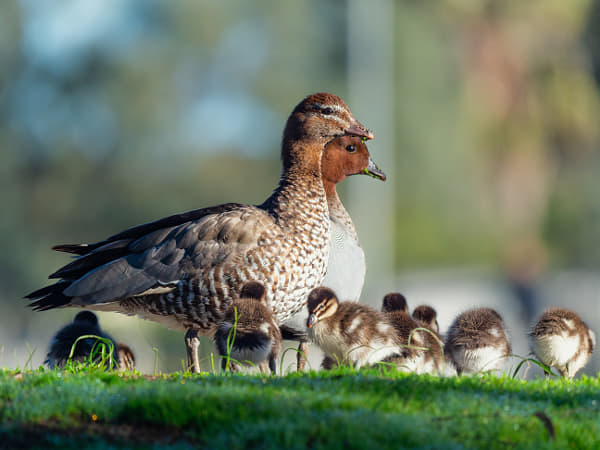
Forget building nests. This pair of Marangana or Australian Wood Ducks (Chenonetta jubata) were walking around with their newly hatched clutch of 10 ducklings


Bambon by Paul Amyes on 500px.com
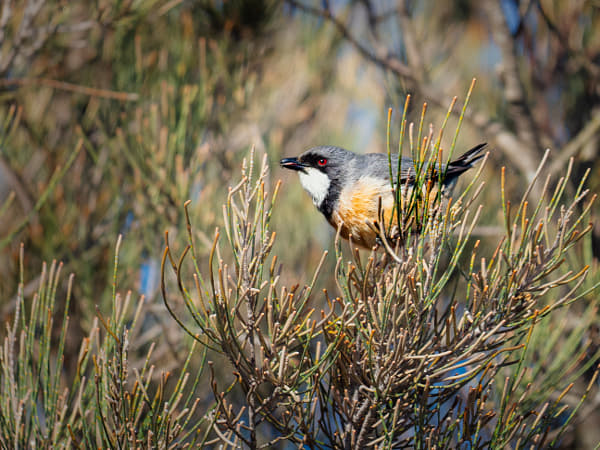
Just past the weir the trees were full of Bambon or Rufous Whistlers (Pachycephala rufiventris) noisily calling out to each other trying to attract a mate. Northam, Western Australia.


AI Armageddon…

… or perhaps not. Back in 1969 a journalist by the name of Bill Vaughan sagely wrote:

“To Err is Human; To Really Foul Things Up Requires a Computer”

The much hyped advent of AI technology has amplified this a thousand fold. Now I’ve written about how Ai is changing photography and not necessarily for the better.  The aspect I want to touch on today is how Ai is supposed to make things more efficient and easier and thereby increase productivity and therefore increase profits.

Despite the advent of micro stock photography causing the bottom to fall out of the stock photography business I still persist and up until this year I was making a small (and I mean very small) amount of sales. This year all that had changed and everything has ground to a halt. Initially I put it down to the fact that the market is over saturated – too many producers chasing too few sales. But on checking with the stock library I think I’ve discovered the real reason.

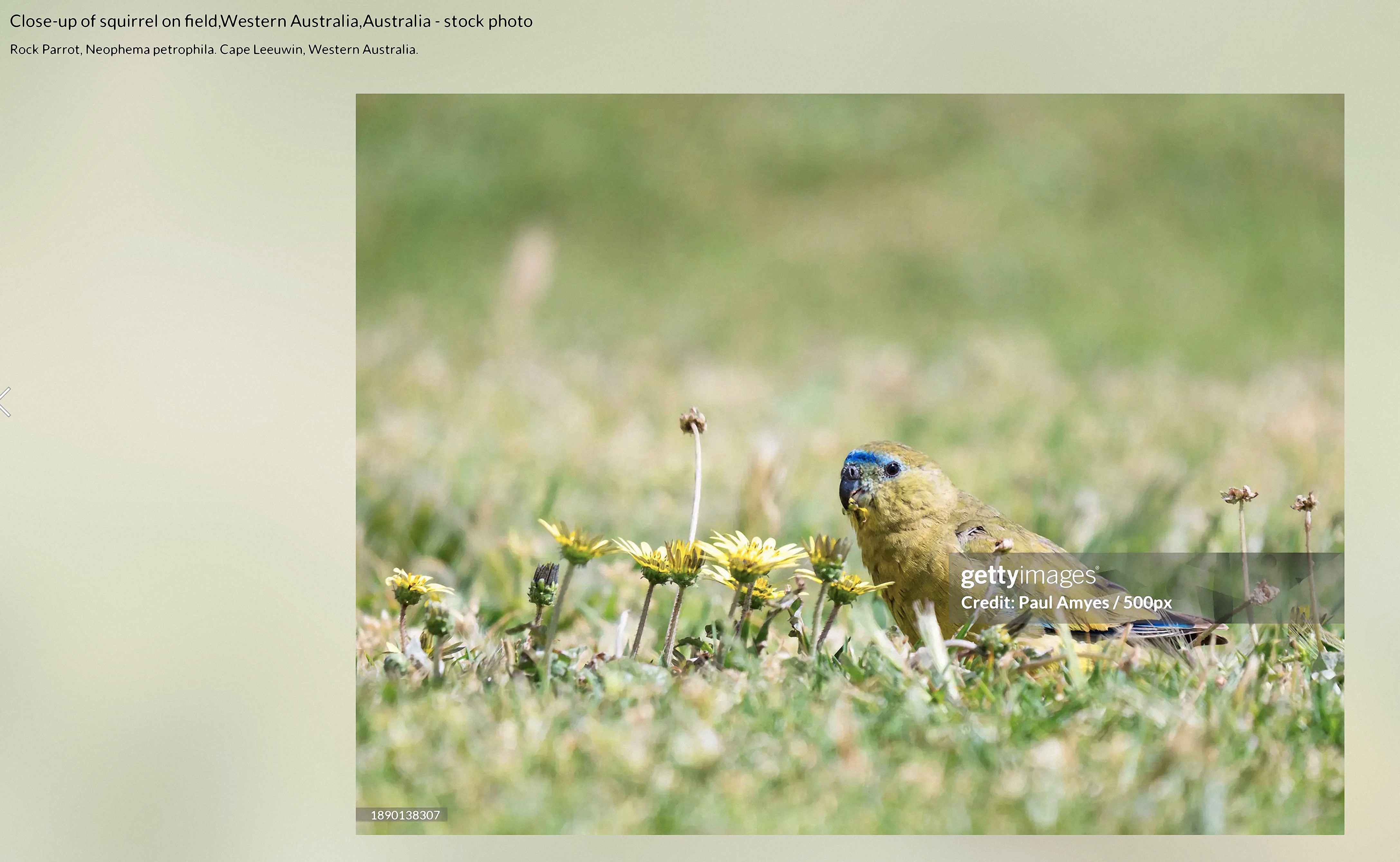
Now one of the crucial things you have to do when you submit images is caption and tag your work so the library’s search engine can find what a client is looking for. Of late the stock library I use adopted Ai technology to do the captioning and tagging automatically based upon what it recognises in the image. Fantastic! I’ve been liberated from the drudgery and tedium of captioning and tagging giving me more time to use for creating. Why isn’t the cash rolling in? Because the Ai gets it wrong. Very wrong. Below are a few examples.


This one is my favourite. “Close-up of squirrel on field. Western Australia Australia.”


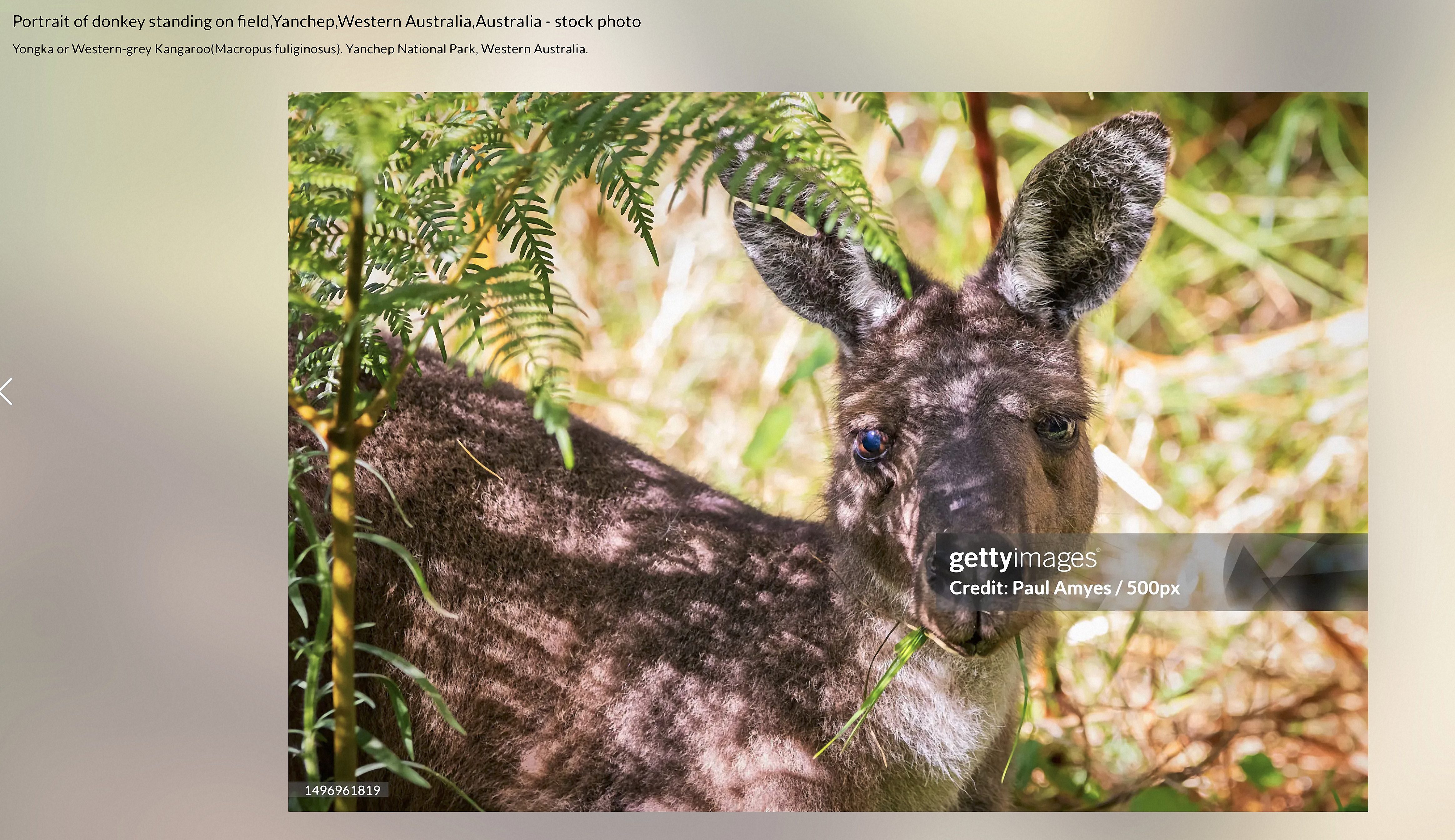
This kangaroo lying in the shade of a bush became “Portrait of donkey standing on field”.


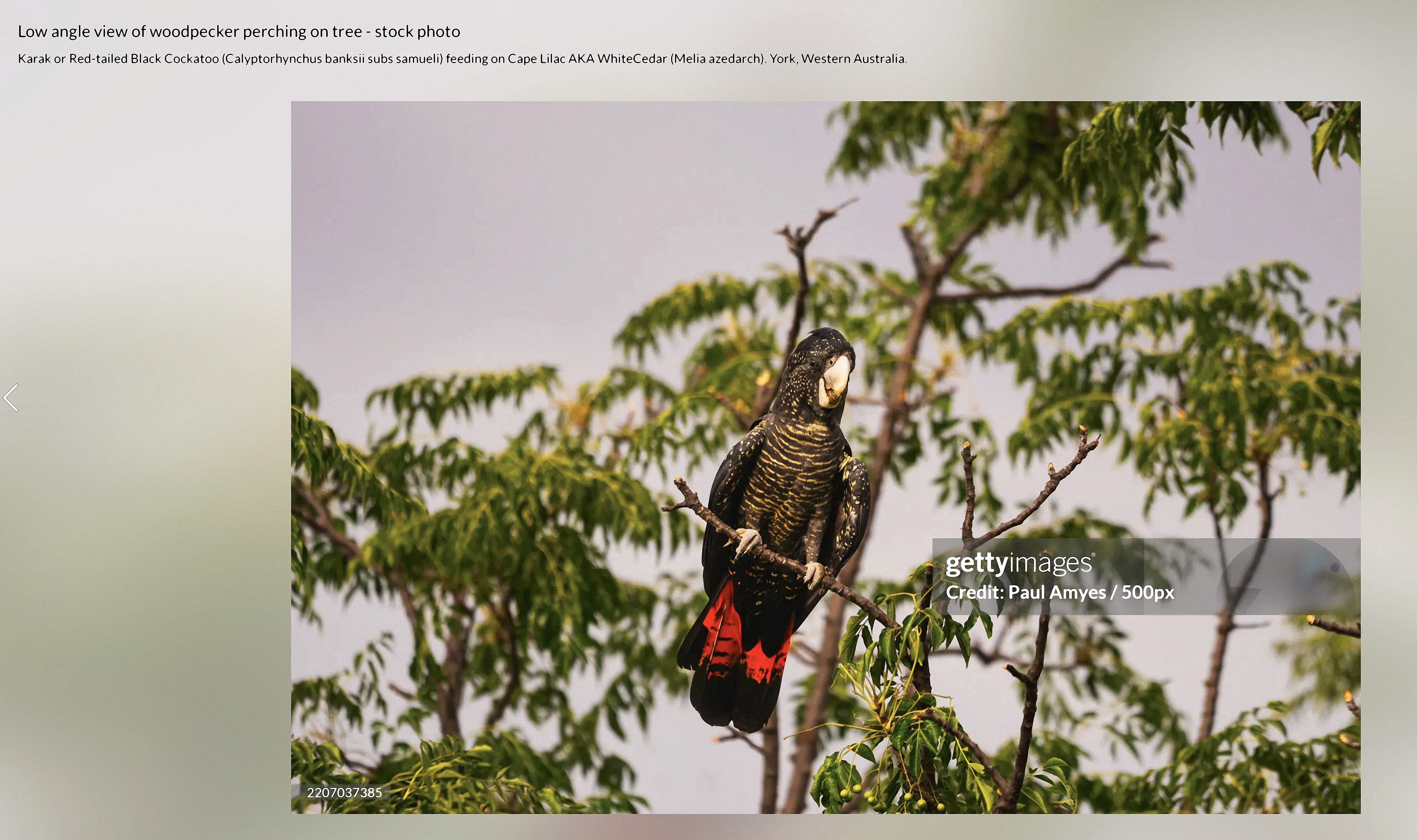
This is not a photo of a red tailed black cockatoo it is in fact a woodpecker!


The program seems to be pretty fixated on eagles.


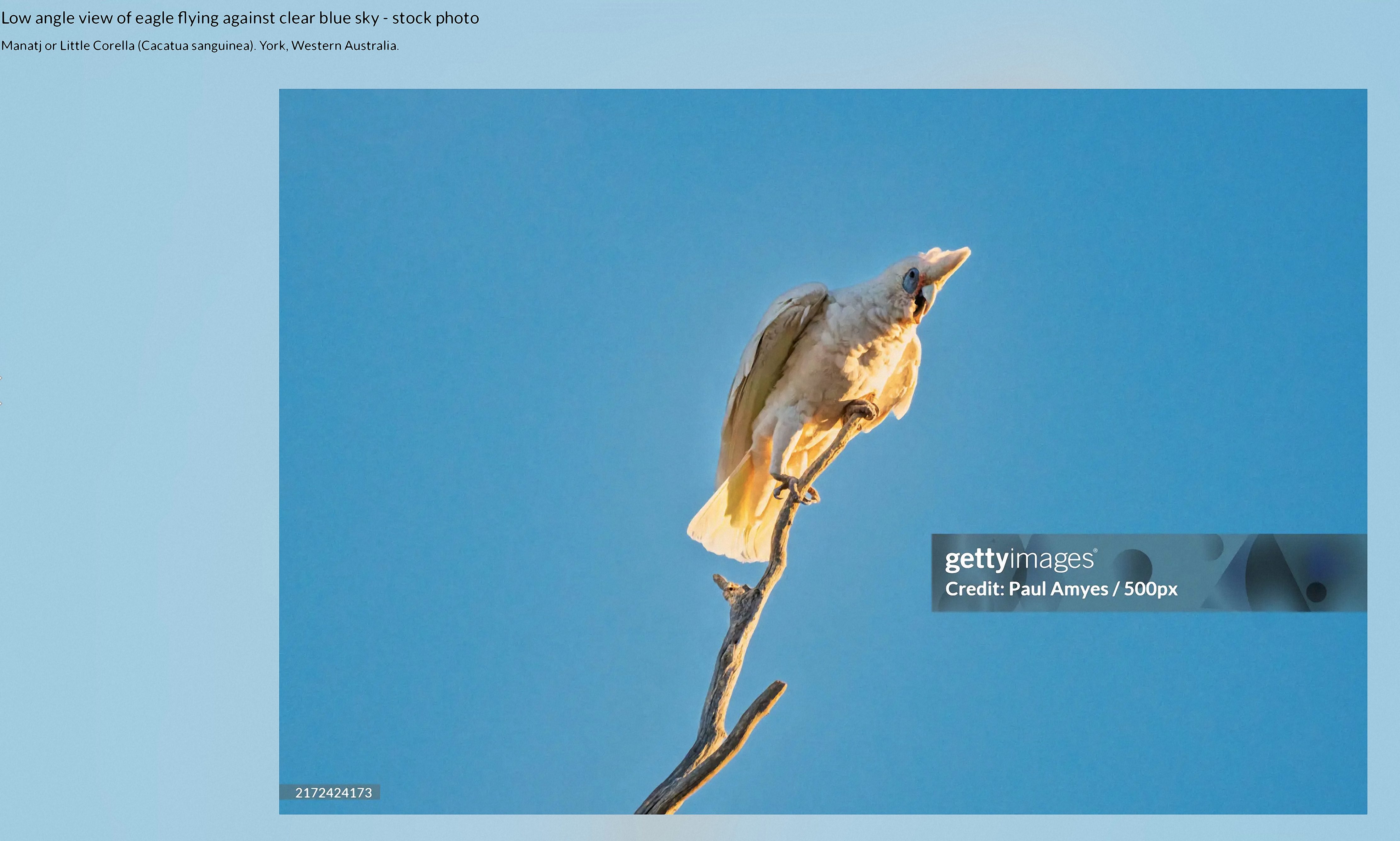
Apparently this Little Corella perching on a branch is an eagle flying.


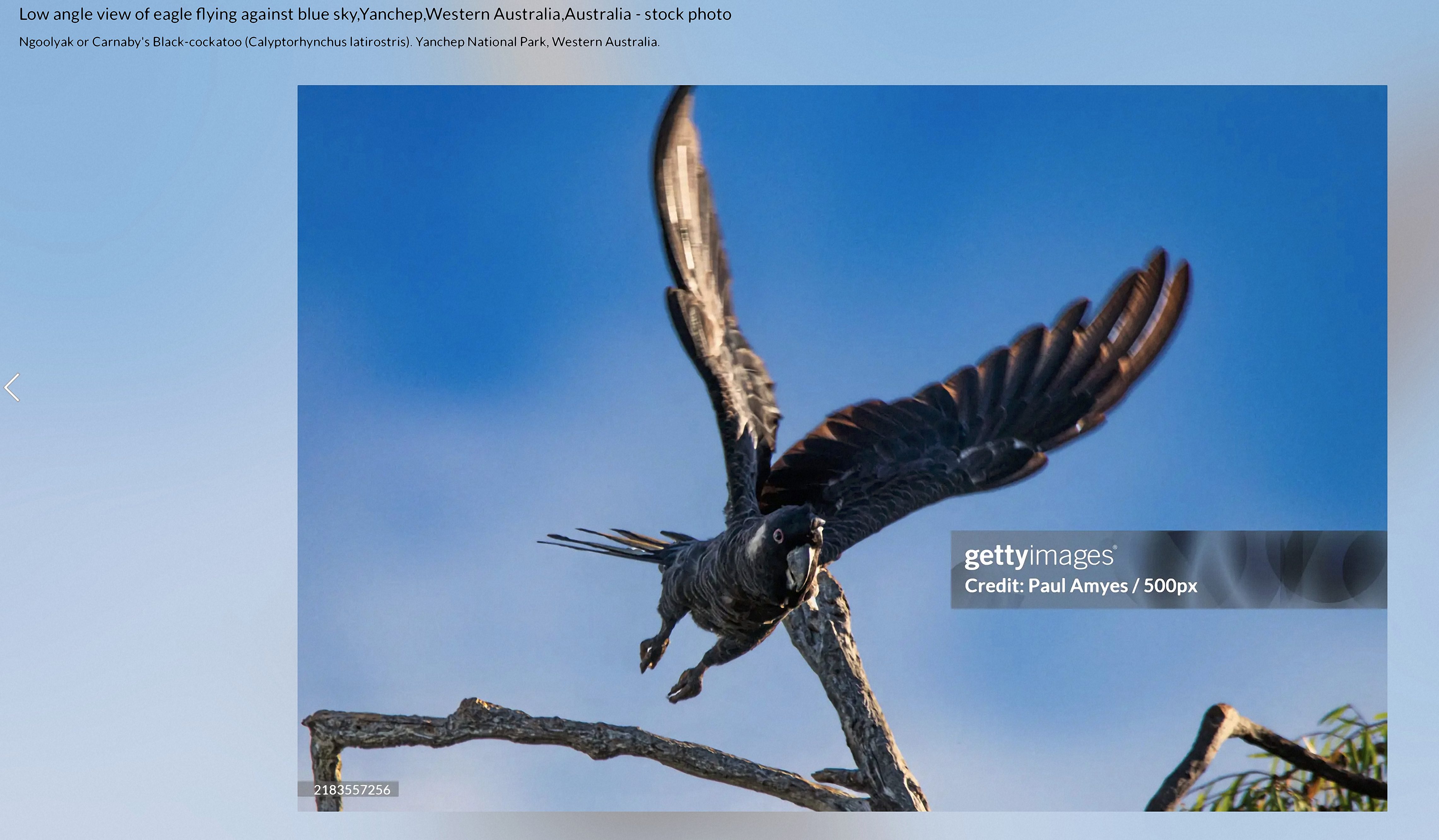
This Carnaby’s Black Cockatoo is also a flying eagle.


This perching white-faced heron is also a flying eagle.


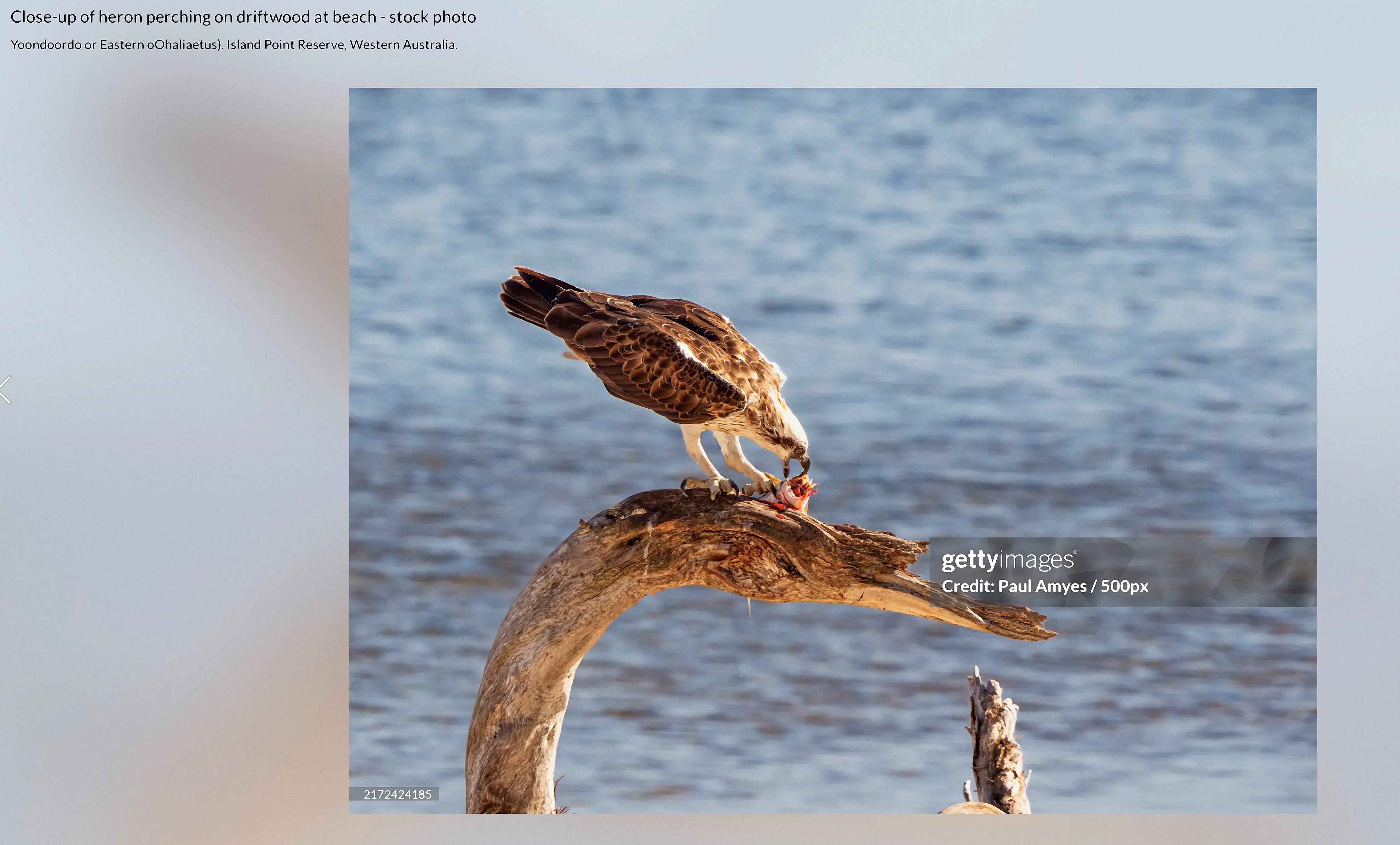
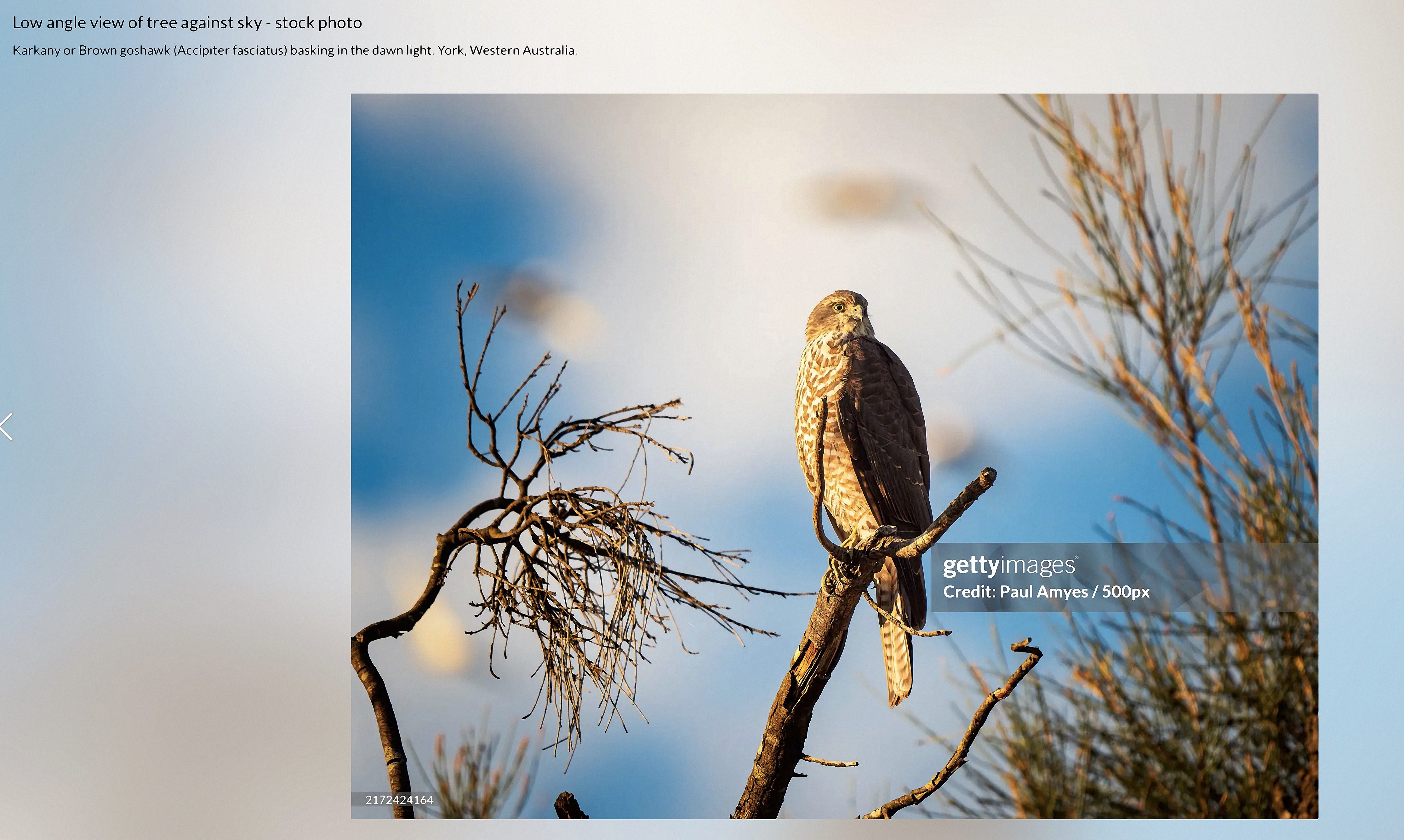
Yet when given an image of a bird prey it either calls it a heron

“Close up of a heron…”

or ignores it completely.

‘Low angle view of tree against sky”


I think humans have nothing to fear from Ai. With all that harvesting of data from all the human knowledge ever created and it can’t tell the difference between a parrot and a squirrel. I’d want my money back if I’d invested in the technology. With this kind of accuracy, or  should I say inaccuracy, it does not bode well. Imagine presenting at the accident and emergency department at your local hospital and they use Ai to triage and make the initial diagnosis. You present with all symptoms of a cardiac arrest and the program tells you you’ve got haemorrhoids and sends you home with a tube of ointment. Not very assuring is it? This was all done so I could, and thereby the stock library, make more money. So far I’ve made none and the library has lost money because the system they bought to help sales isn’t making any.

All Fogged Up

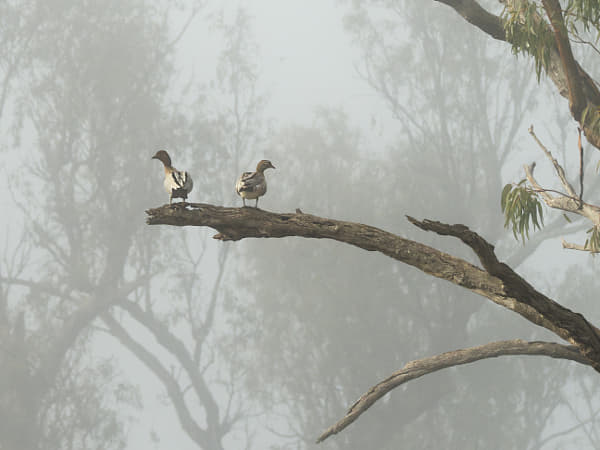
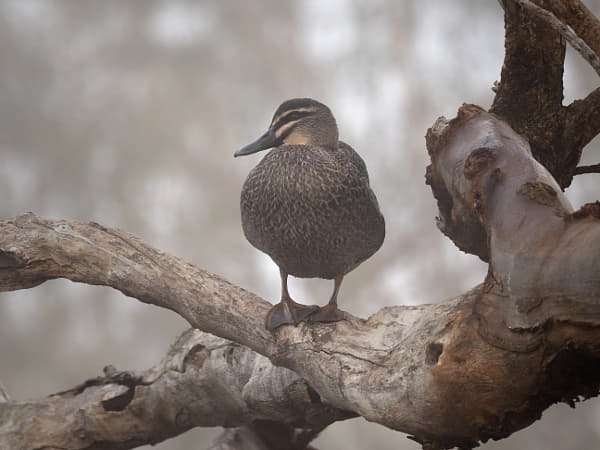
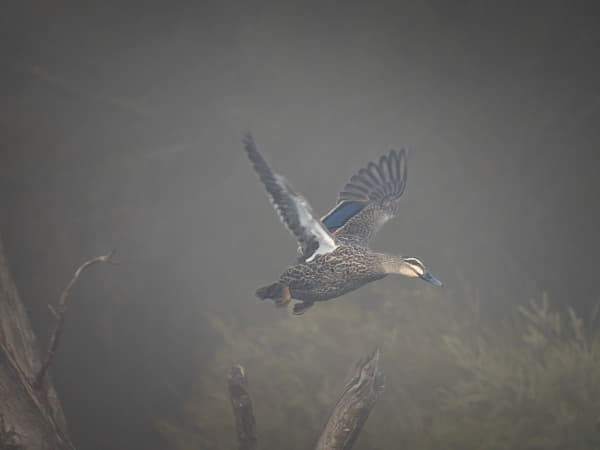
We’ve had a lot of cold, dank, foggy mornings along the Avon River lately. It must be cold as most of the duck population has taken to perching in trees while waiting for the day to warm up.


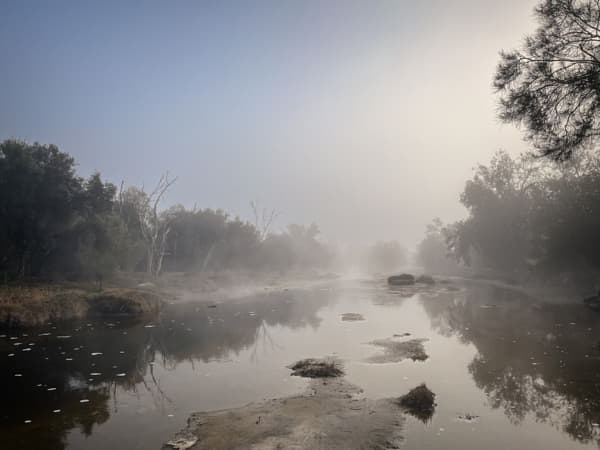
Morning Mist by Paul Amyes on 500px.com
The weak winter sun tries to burn off the thick winter mist in the Avon Valley.


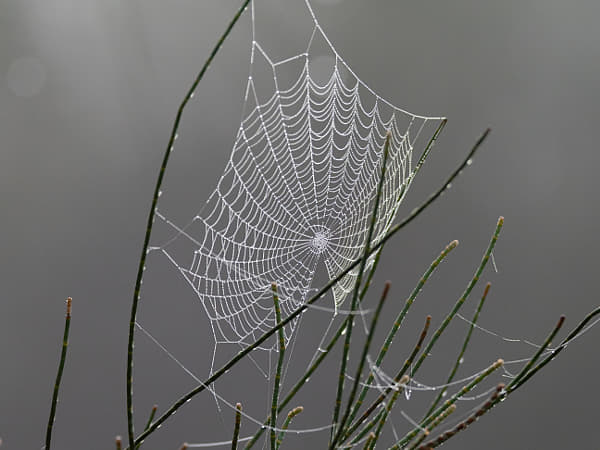
Dew On A Web by Paul Amyes on 500px.com
The mornings dew on a spider’s web. Avon Walk Trail, Western Australia.


Marangana by Paul Amyes on 500px.com
Marangana or Australian Wood Duck (Chenonetta jubata).


Ngowonan by Paul Amyes on 500px.com
Ngowonan or Pacific Black Duck (Anas superciliosa).


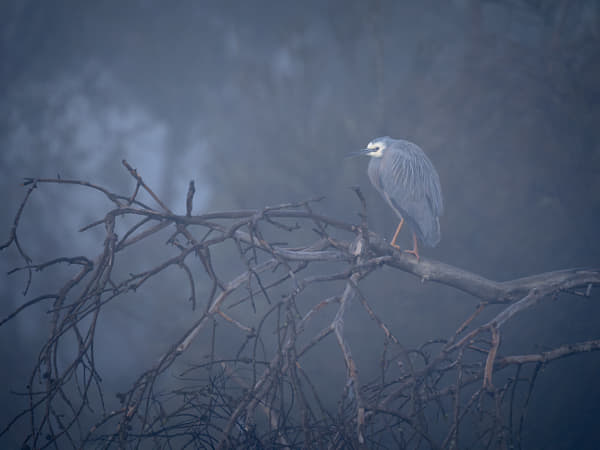
Wayan by Paul Amyes on 500px.com
Wayan or White Faced Heron (Ardea novaehollandiae) hunkered down against the cold.


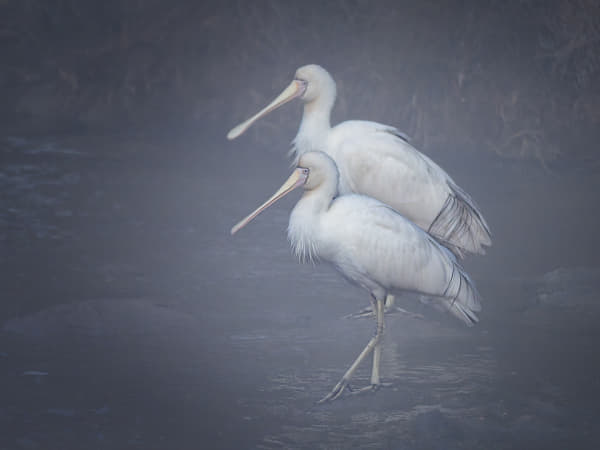
Kaaka-baaka by Paul Amyes on 500px.com
This pair of Kaaka-baaka or Yellow-billed Spoonbills (Platalea flavipes) braved the cold and were wading in the river looking for food.


Ngowonan by Paul Amyes on 500px.com
“Time I was off”. Ngowonan or Pacific Black Duck (Anas superciliosa).


Overall I was actually quite impressed that my Olympus EM1x could find focus in these dark low contrast situations.

The Madagascan Duck

I had an appointment in Glen Forest, about an hours drive away, late in the morning and to make the most of the petrol I decided to stop en route at Lake Leschenaultia at dawn. The weather was quite bleak when I got there – cold and damp with thick fog and virtually zero visibility. Knowing I wasn’t going to get anything to blog I decided to experiment and shoot some video.


A few hours later while walking back to the car a young woman walked past me at speed and commented on the seriousness of my camera. A few steps on she stopped and asked whether I’d seen and photographed the little duck. Always seeking local knowledge I asked which little duck in particular as there are quite a few species that call the lake home. She tried to explain that it was a very unusual little duck, completely different from anything she’d seen before. Oooh I thought – something new and unusual. She went onto say that she’d taken a photo with her phone and Googled it and found out that it was the Madagascan Duck. Now I was a bit sceptical as although ducks do migrate with the change of seasons it does tend to transcontinental as opposed to crossing large expanses of open sea. They also do it in large flocks, so if there is one there are probably hundreds. It would seem very unlikely that a single duck would have wandered so far off course as their navigation is pretty impressive. While trying to be helpful and say it was probably one of last summers fledglings she saw I was answered with I still have the photo on my phone. With that she quickly locates it and shows me the photo. It wasn’t a duck. It was an Australasian Grebe (Tachybaptus novaehollandiae). She seemed absolutely delighted with this information said goodbye and walked off.


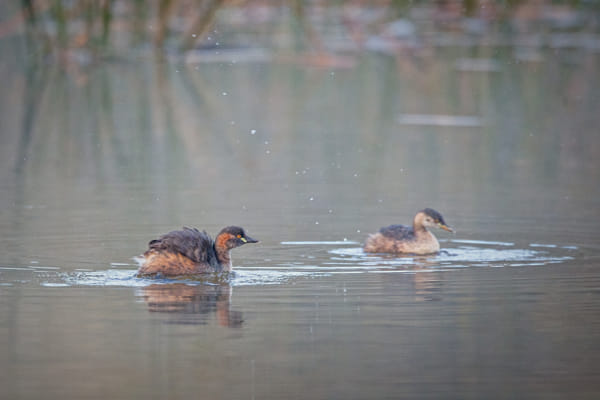
Ngoonan by Paul Amyes on 500px.com
Definitely not a Madagascan Duck but rather Ngoonan or Australasian grebes (Tachybaptus novaehollandiae). Lake Leschenaultia, Western Australia.


On getting home I was a little bemused by the event and decided to Google the Madagascan Duck myself. It threw up the Madagascan pochard (Aythya innotata) which is an incredibly rare species of diving duck which was thought to have gone extinct in the late 1990’s. Some breeding pairs were later discovered and as a result of a captive breeding program there now is a small population of 25 individuals located on two small volcanic lakes in the far north of Madagascar. Whenever I see an Australasian Grebe I shall always think of the Madagascan Duck.

Birds In The Mist

I had to take the car for a service in Perth the other day and as I set off the mist was really thick. At one point on the Great Southern Highway I couldn’t see more than 5m in front of me. With such poor visibility I didn’t fancy my chances taking photos on Heirisson Island, but by the time I got there the mist was starting to burn off. I spent a pleasant couple of hours wandering around taking photos.


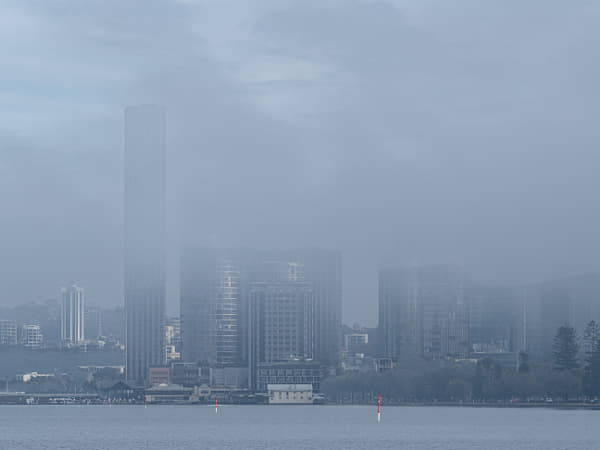
Misty Morning by Paul Amyes on 500px.com
Looking out from Heirisson Island to Perth and the mist obscures the view.


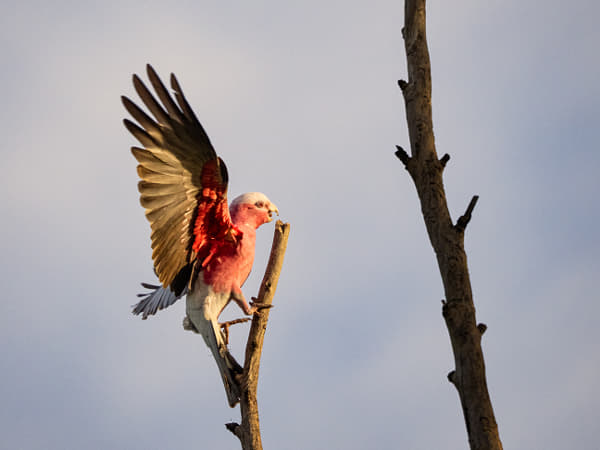
Djakal-ngakal by Paul Amyes on 500px.com
Despite the misty conditions the Galahs (Cacatua roseicapilla) were very busy.
Djakal-ngakal by Paul Amyes on 500px.com


Mimal by Paul Amyes on 500px.com
Eventually the warm light of the sun started to break through the mist.


Yongka by Paul Amyes on 500px.com
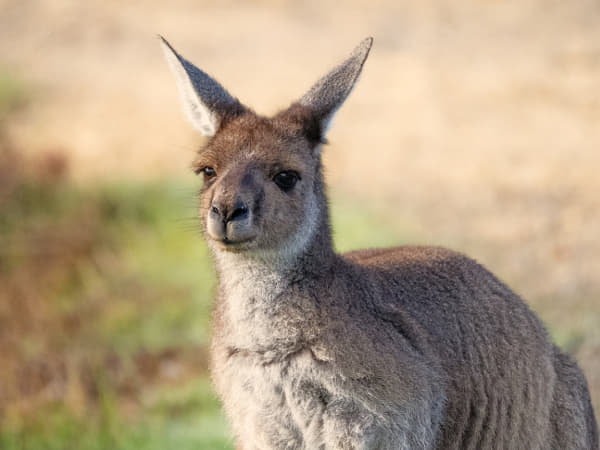
This female Western Grey Kangaroo came over to check me out. Once she realised that I had no food she hopped off.


Noolarko by Paul Amyes on 500px.com
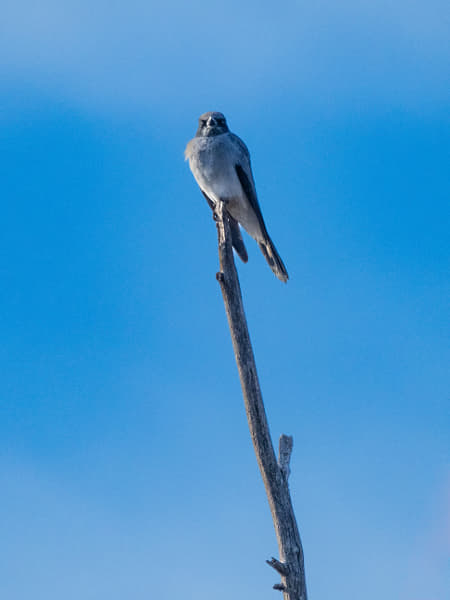
The obligatory bird on a stick photo. Noolarko or Black-faced Cuckoo-shrike (Coracina novaehollandiae).


Kanamit by Paul Amyes on 500px.com
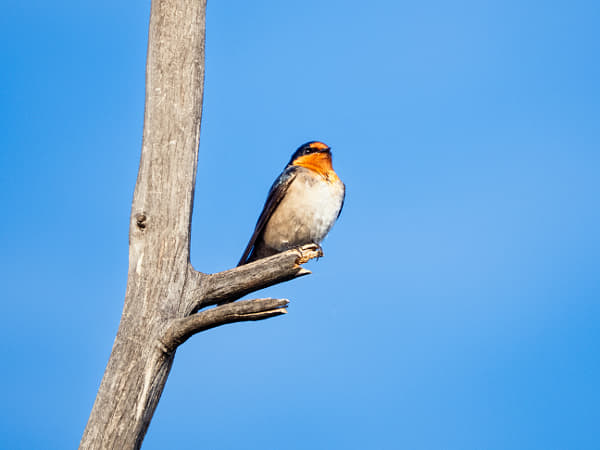
And another, this time a Kanamit or Welcome Swallow (Hirundo neoxxena).


Mimal by Paul Amyes on 500px.com
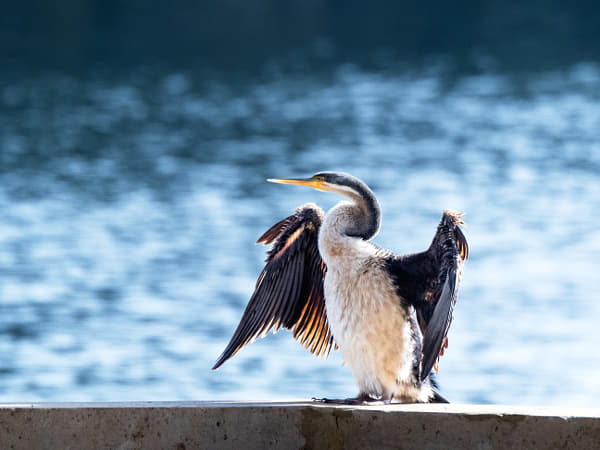
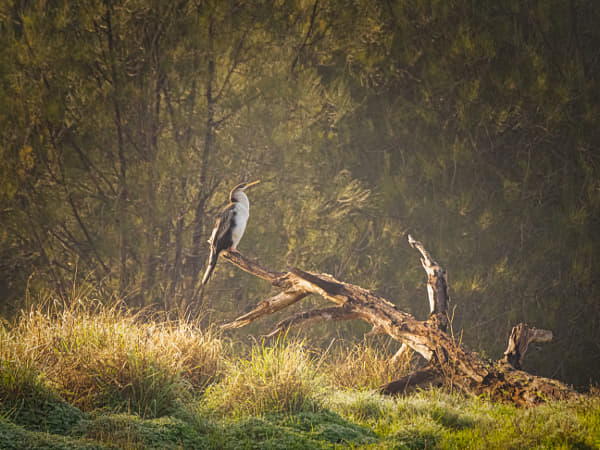
Mimal or Australian Darter (Anhinga melanogaster subspecies novaehollandiae) drying out in the warm winter sun.


Boorloo Bridge by Paul Amyes on 500px.com
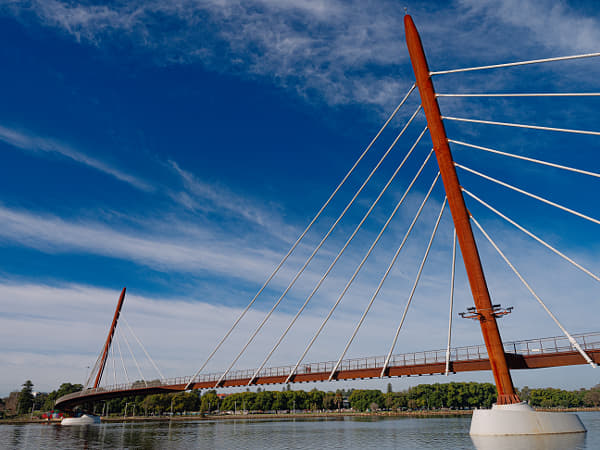
Walking off the island gave me a chance to see and use the new Boorloo Bridge the new Pedestrian and Cyclist bridge connecting the Perth Foreshore with South Perth foreshore via Heirisson Island.


Terrific Torbay


For the duration of our recent trip to the Great Southern we stayed in the small town of Torbay about 20Km east of Albany. It’s a beautiful spot on the eastern fringe of the karri forest region with remnant old growth forest, which inevitably means lots of interesting wildlife living in the tree canopy and the dense understory. The Torbay Agricultural Community Hall is the start 2.6Km bird walk that takes you through the bush. We weren’t able to walk it as the recent storms had brought down a few trees blocking it, but it looks as if it would be a delightful walk in spring and early summer when all the wildflowers are out. Below are a few photos taken round the Torbay area.


Djer-djer by Paul Amyes on 500px.com
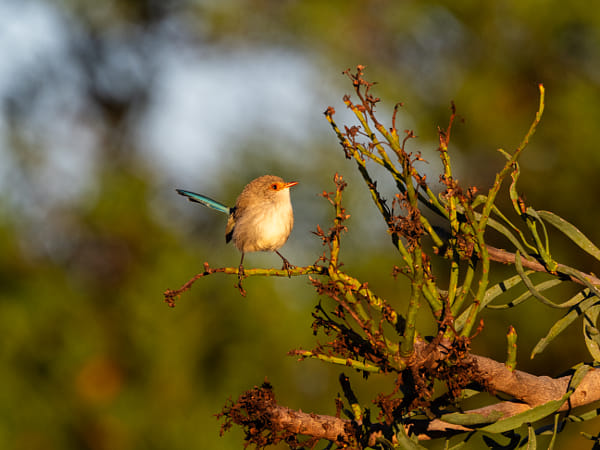
Djer-djer or Splendid Fairy-wren (Malarus splendens subsp splendens).


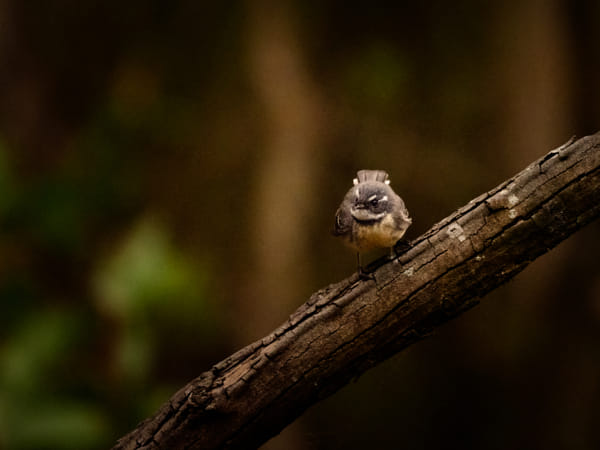
Kadjinak by Paul Amyes on 500px.com
Kadjinak or Grey fantail (Rhipidura albiscapa). Torbay Bird Walk.


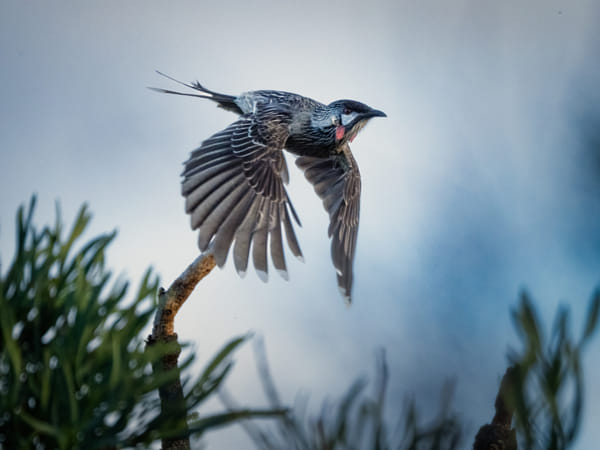
Djangkang by Paul Amyes on 500px.com
Djangkang or Red Wattlebird (Anthochaera carunculata).


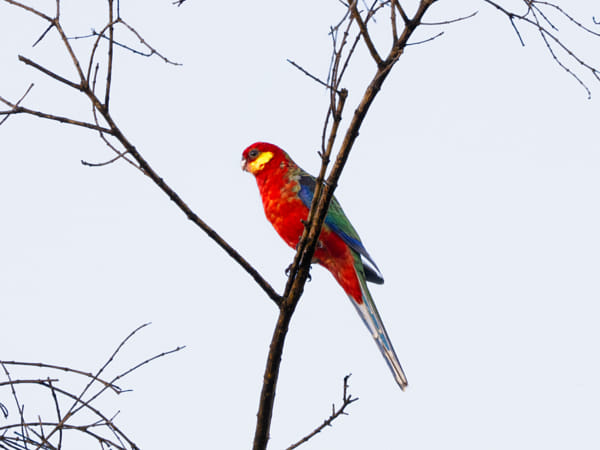
Bardinar by Paul Amyes on 500px.com
Bardinar or Western Rosella (Platycercus icterotis).


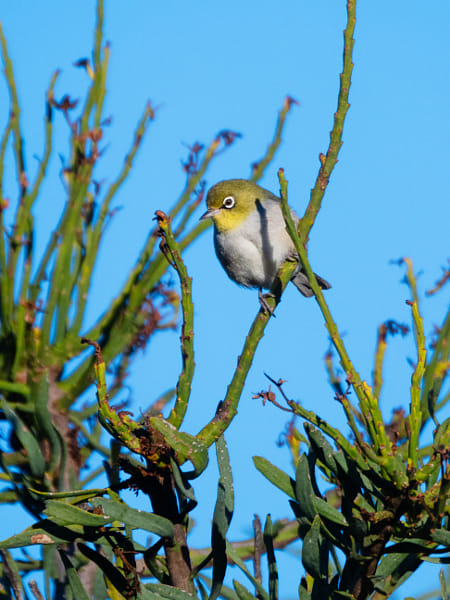
Doolor by Paul Amyes on 500px.com
Doolor or Silvereye (Zosterops lateralis).


Bidilmidang by Paul Amyes on 500px.com
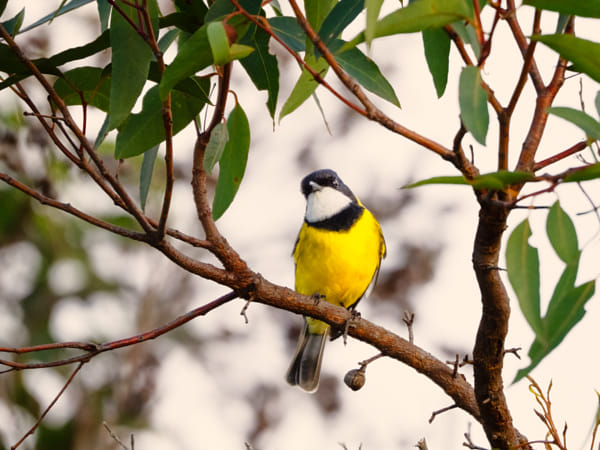
Bidilmidang or Golden Whistler (Pachycephala pectoralis).