Recently we had a few days in Albany on the south coast of Western Australia. The opportunity to experience a 10ºC drop in temperature was too good to miss. I wanted to go and visit an Eastern Osprey nest that I’ve visited before. When I got there it was obvious that the nest had not been used for a while. This can happen for a number of reasons – the obvious is that the birds got old and died. But there maybe other reasons such as too much competition for food resources caused them to relocate. Also the tree that they’d built the nest in was no longer the best vantage point, other trees had grown around it obscuring the view. Who knows why they up and went but it does illustrate the fact that where wildlife is concerned nothing is guaranteed.
We headed out to a new location – a bird hide out at Rushy Point. Nice location but nothing was happening. Things were beginning to get a bit desperate. As we drove around there were all these road hazard signs warning about wildlife and yet we were’t seeing anything. By the last day I was feeling decidedly jacked off. It was a grotty day weather wise – windy with intermittent rain.
Warning – kangaroos. Albany, Western Australia.
Warning – turtles. Albany, Western Australia.
Warning – bandicoots. Albany, Western Australia.
Warning – pensioners. Albany, Western Australia.
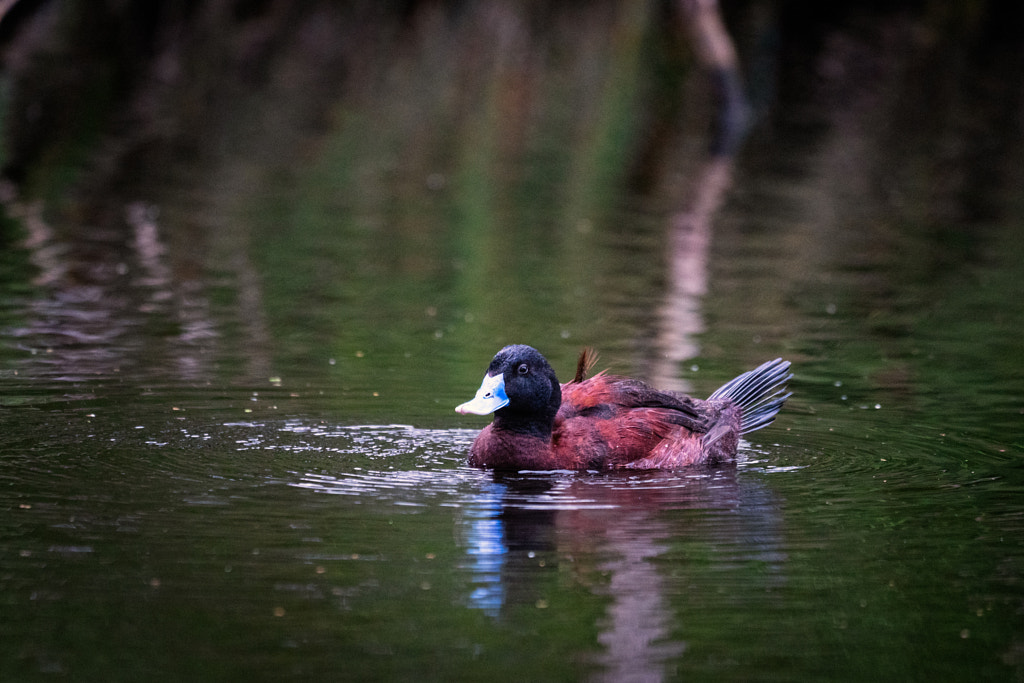
Come the afternoon we were sitting around killing time and I just wanted to get out and have a walk. Despite the weather I headed off to Lake Seppings just to walk around it as something to do. Out of habit I picked up my camera and took it with me. When I got out of the car I received a very enthusiastic welcome from a lady in the carpark wanting to know if I was there to photography the blue billed ducks. I said I would photograph anything that showed up and stood still long enough. I set out with very little expectation of finding anything worth pointing the camera when almost immediately I saw some blue ducks. I always have a feeling of anxiety when I go out to photograph, a fear of not finding anything. Getting the first image under my belt and breaking the duck (sorry about the pun) helps me relax and enjoy myself. I knew the shots wouldn’t be any great shakes, it was just important to get the process underway.Two hours I got back to the car, wet but happy that I’d seen some wildlife and managed to photograph it.
Boodoo or Blue-billed Duck (Oxyura australis). Lake Seppings, Western Australia.
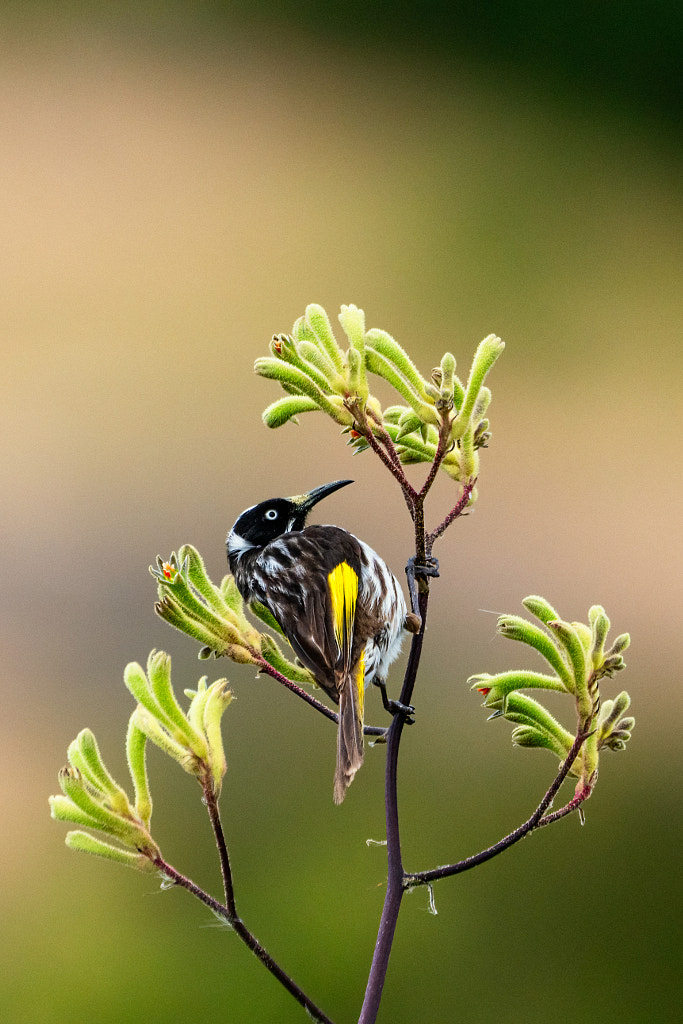
Bandiny or New Holland Honeyeater, (Phylidonyris novaehollandiae). Lake Seppings, Western Australia.
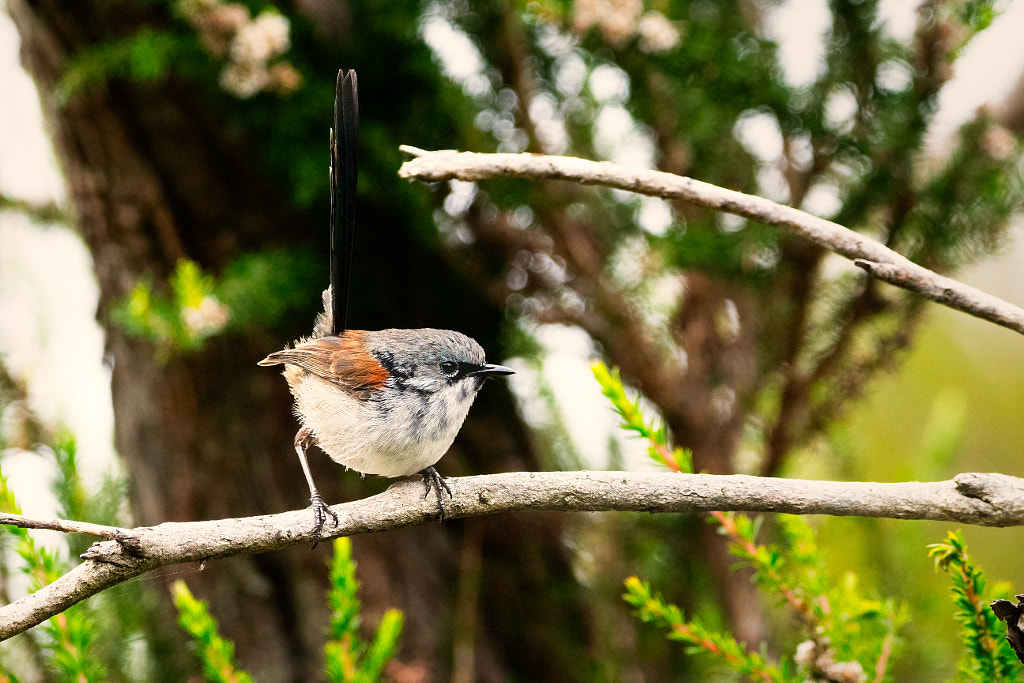
An immature male Red-winged fairywren (Malarus elegans), called Djoordilya by the Nyoongar of south west Western Australia. Lake Seppings, Western Australia.
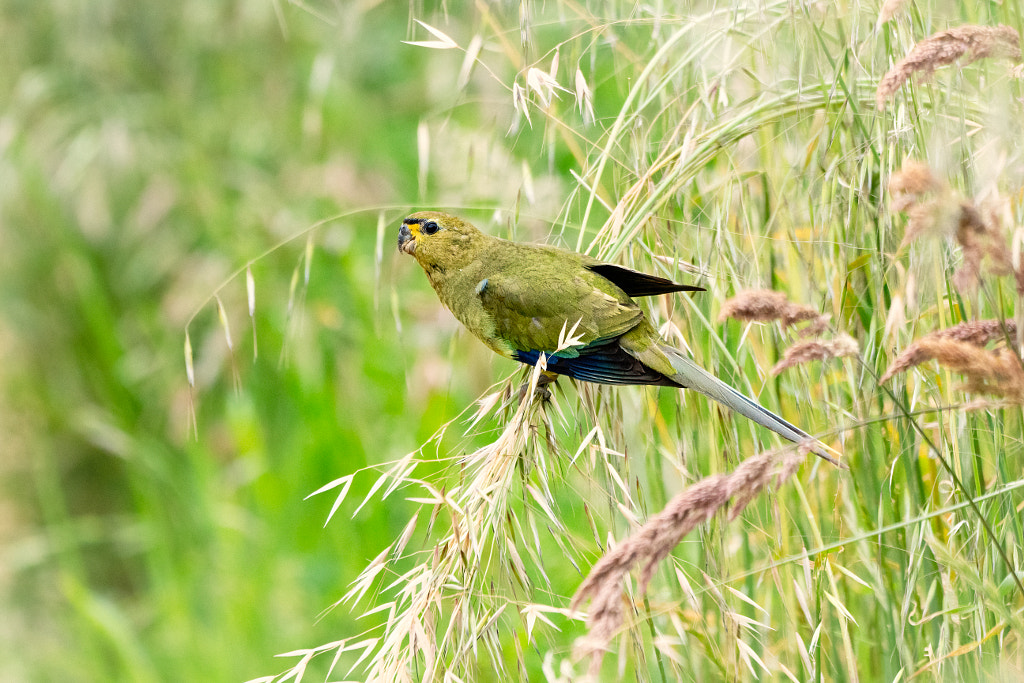
Koolyidarang or Elegant Parrot (Neophema elegans). Lake Seppings, Western Australia.
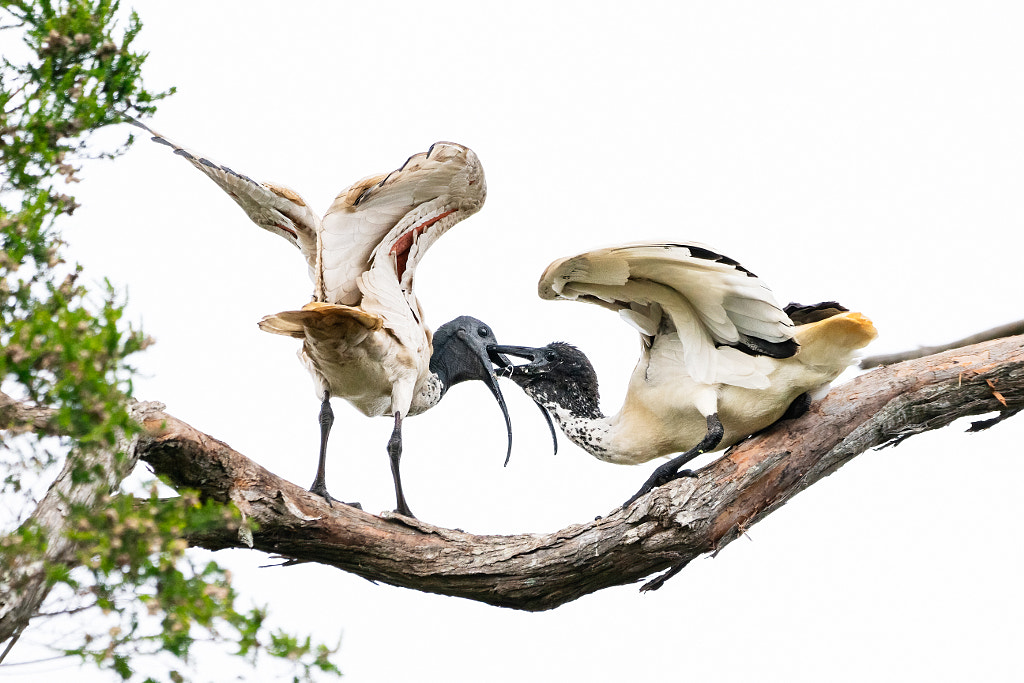
An adult Australian white ibis (Threskioris molucca) feeding a juvenile. Lake Seppings, Western Australia.
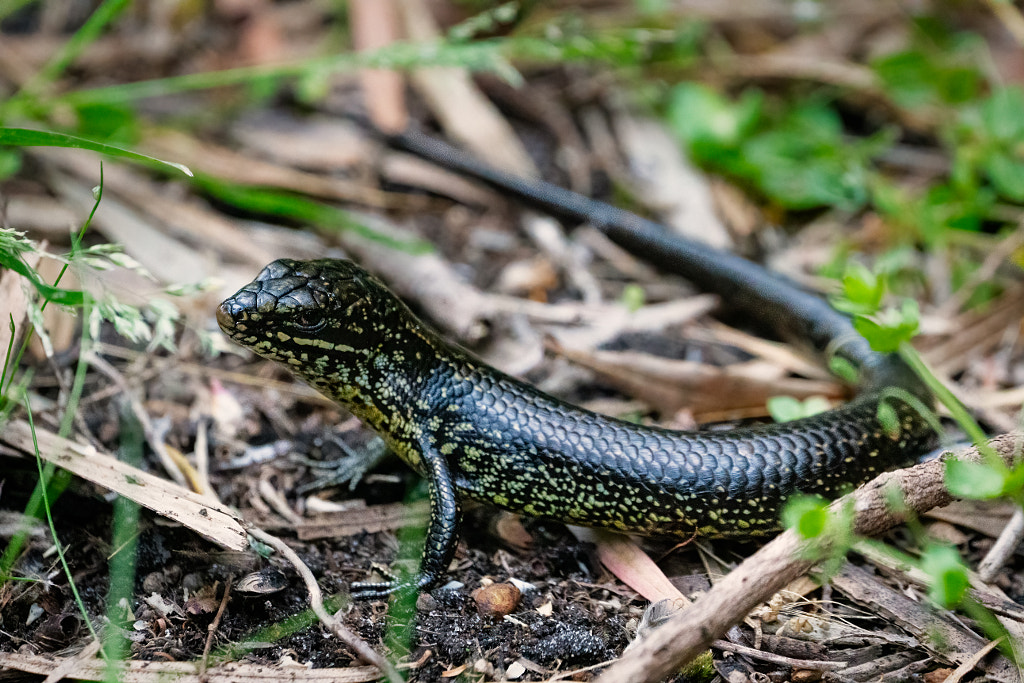
Wandy or King’s Skink (Egernia kingii). Lake Seppings, Western Australia.
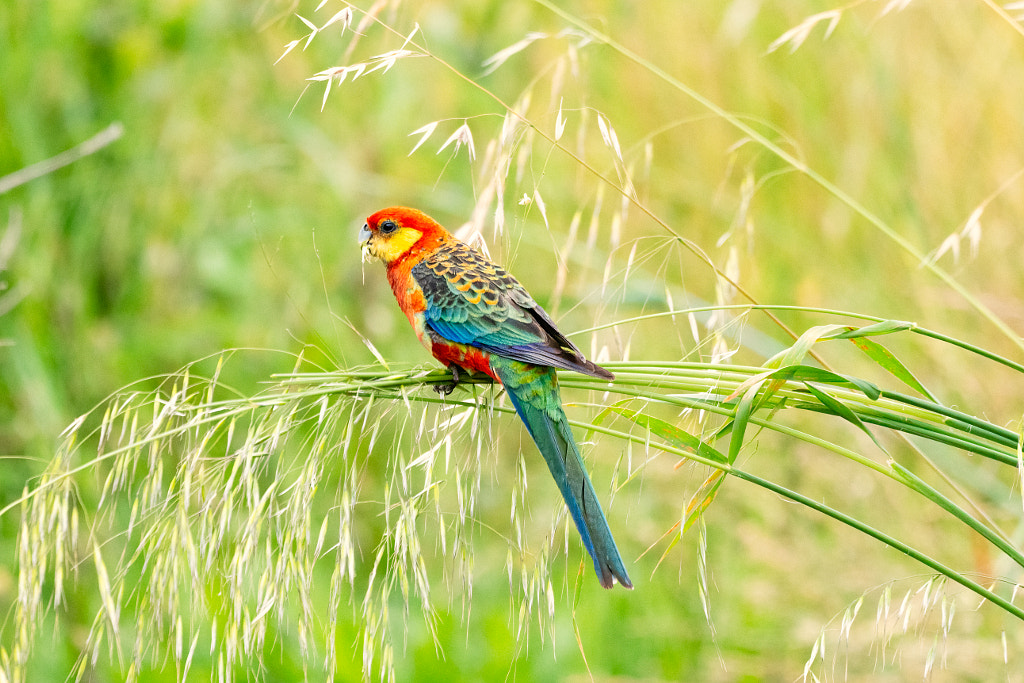
Bardinar or Western Rosella (Platycercus icterotis subs icteratis). Lake Seppings, Western Australia.
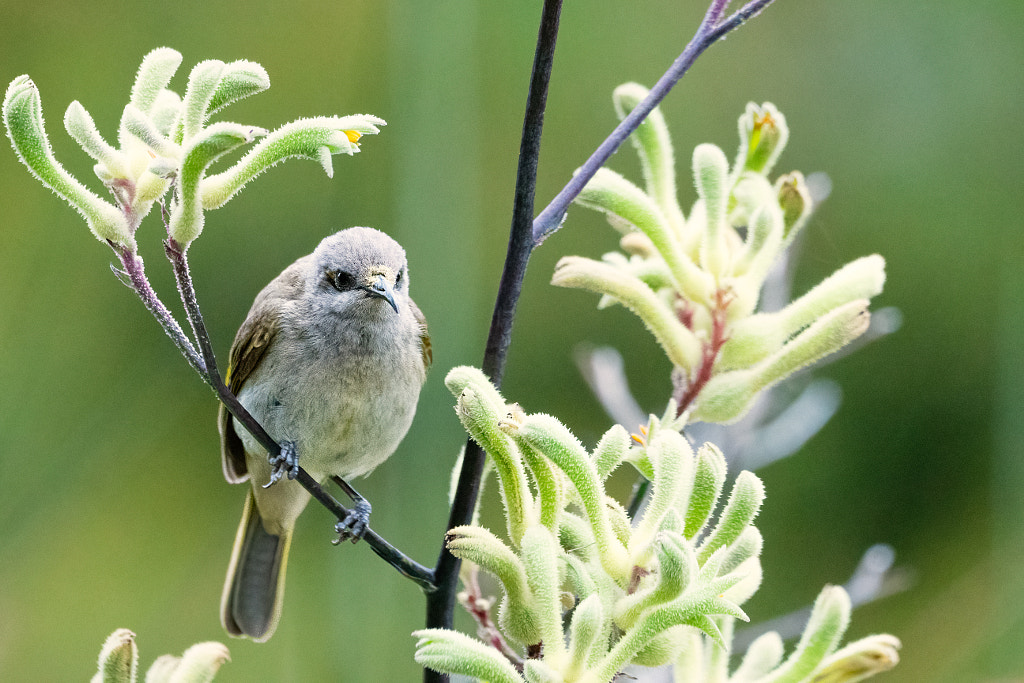
Djindjokoor or Brown Honeyeater (Lichmera indistincta). Lake Seppings, Western Australia.
Follow the blue poles for the Werillyiup Trail in Whiteman Park.
The Werrillyiup Trail in Whiteman Park is a 3Km jaunt around an area called Horse Swamp. So called because back in the early days of the Swan River Colony if horses escaped they invariably ended up at the swamp. The word Werrillyiup is is Nyoongar for “a swampy place” so from all this you’d expect to see quite a bit of water. Well for much of the year it is dry and really only fills in June with the coming of the winter rains. Each time I’ve been it’s been akin to walking around a large puddle. That’s not to detract anything away from it, it is just a statement of fact. What you will see though is an important wildlife refuge in a large ever-growing city. Western Grey Kangaroos are the most visible residents but there is a huge variety of birdlife here particularly in winter, spring and early summer. I’ve had more luck seeing raptors here than at any other location in Perth. EBird Australia has a listing of 101 species that can be seen at various times of the year around the swamp.
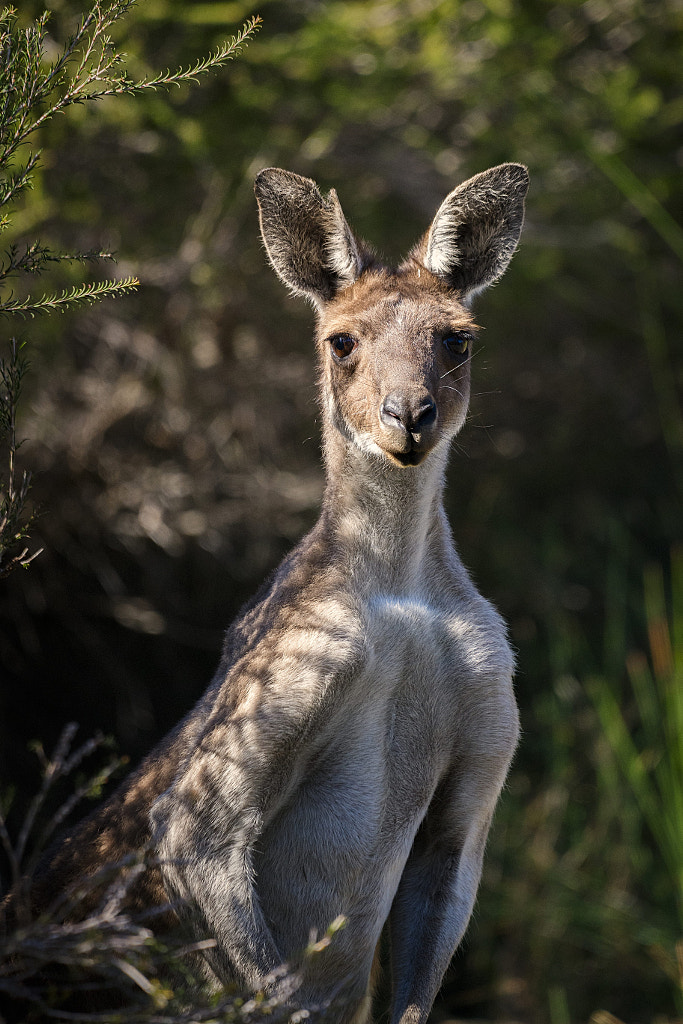
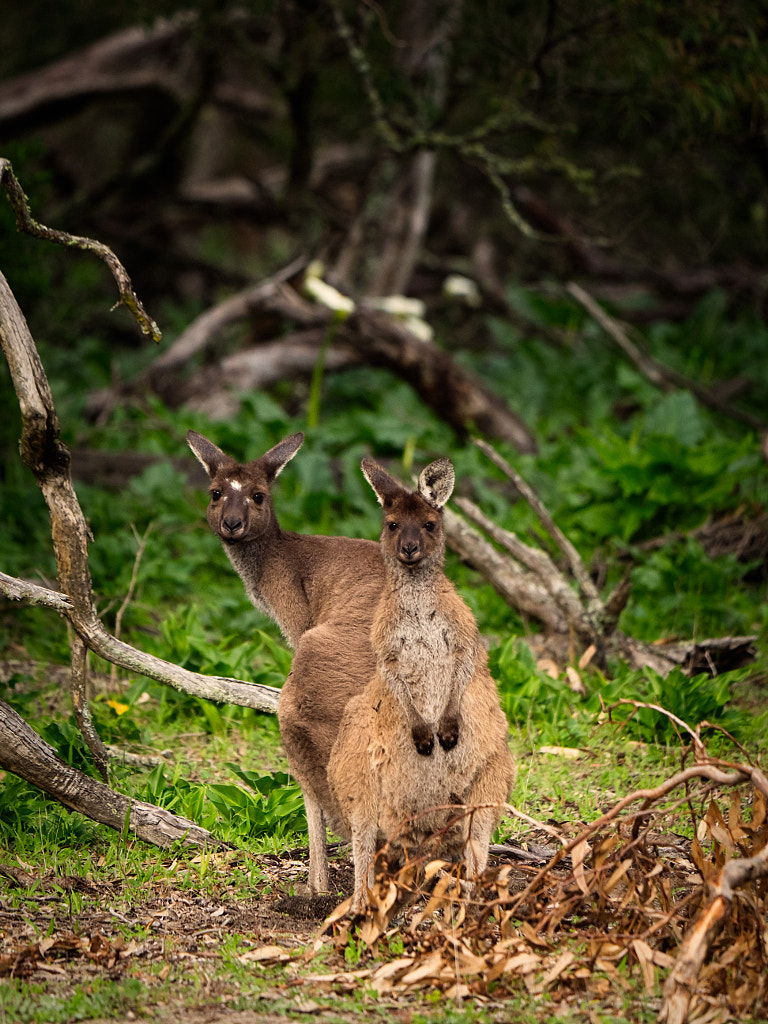
Western Grey Kangaroo, macropus fuliginosus, Whiteman Park, Western Australia.
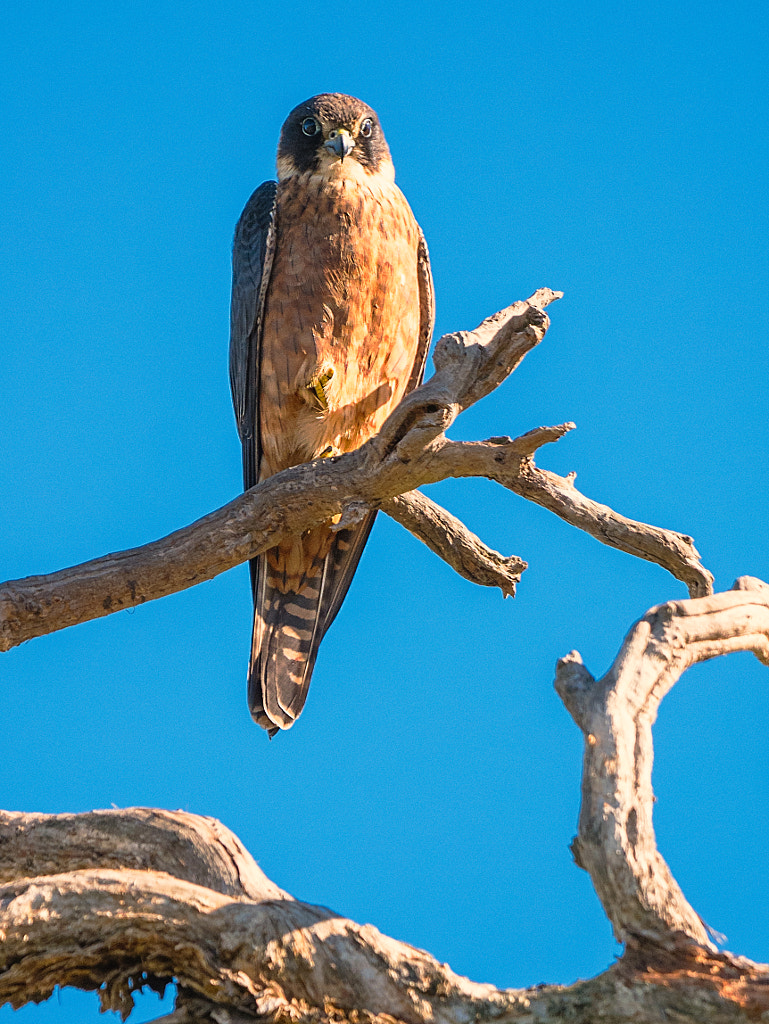
Australian Hobby (Falco longipennis longipennis). Whiteman Park, Western Australia.
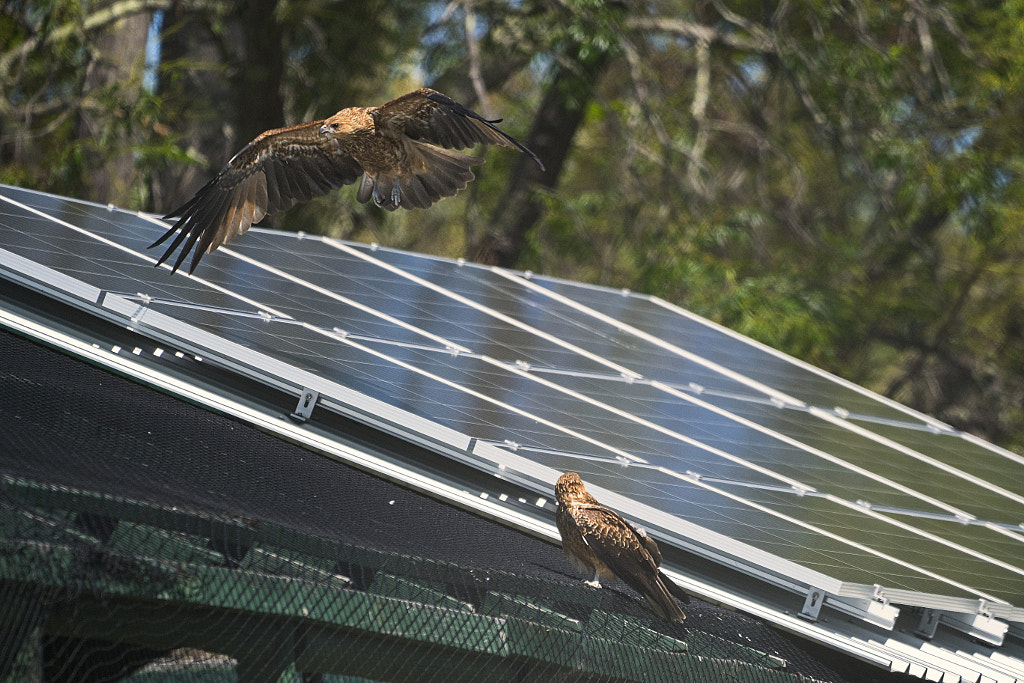
A pair of Whistling Kites seen flying round the aviaries on the edge of Whiteman Park.
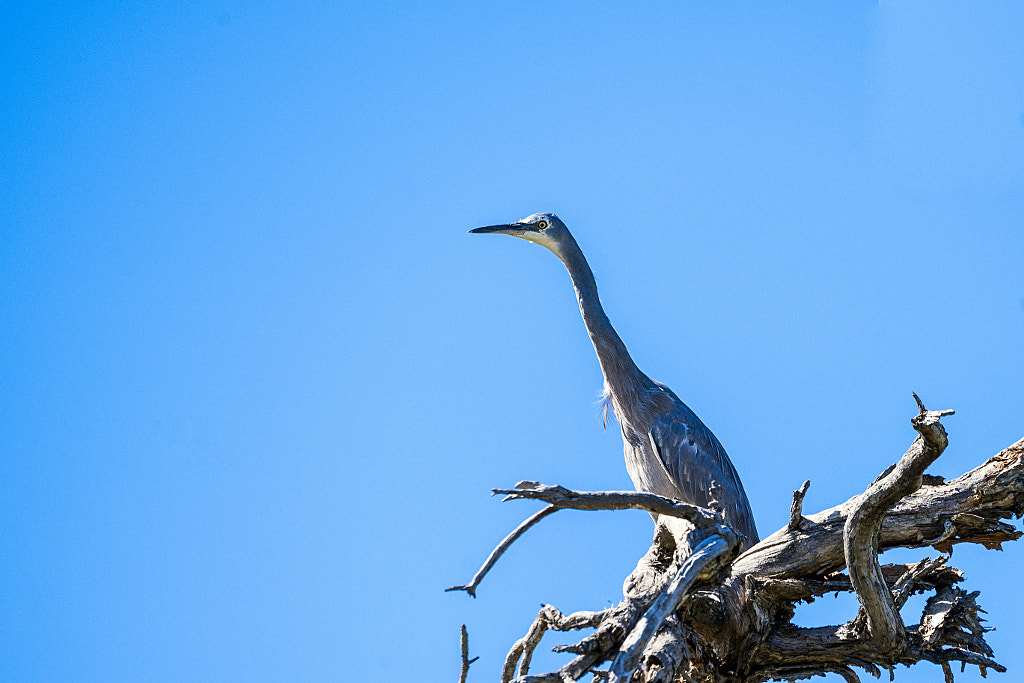
A white-faced heron looks out from its tree top perch over Horse Swamp. Whiteman Park, Western Australia.
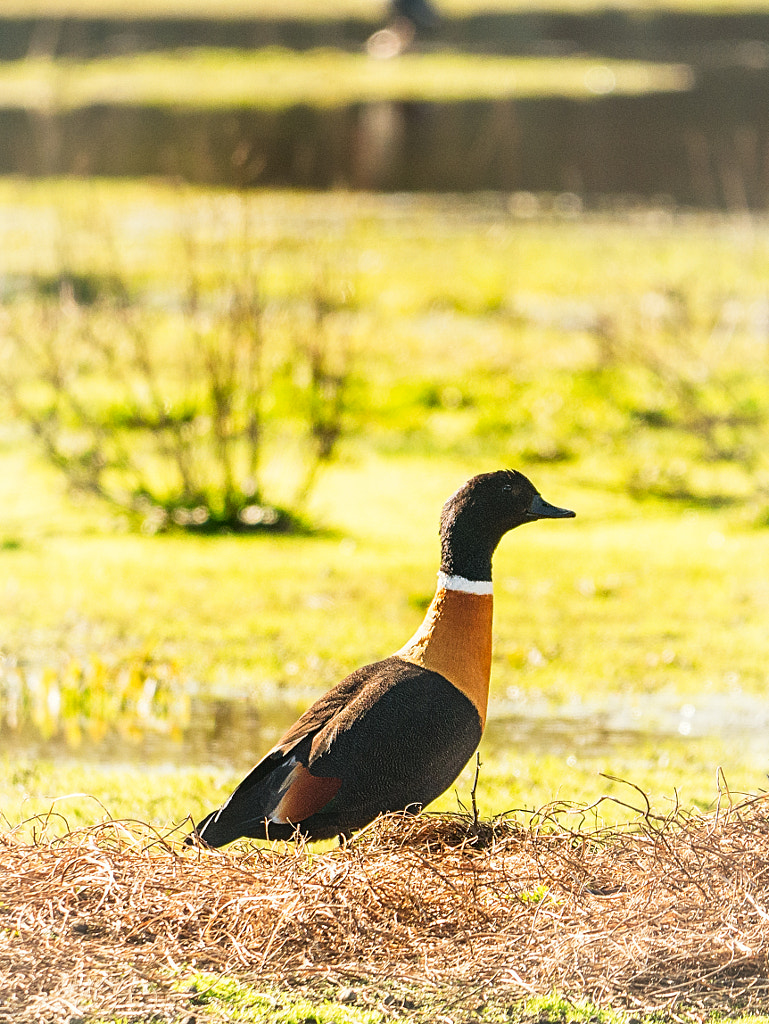
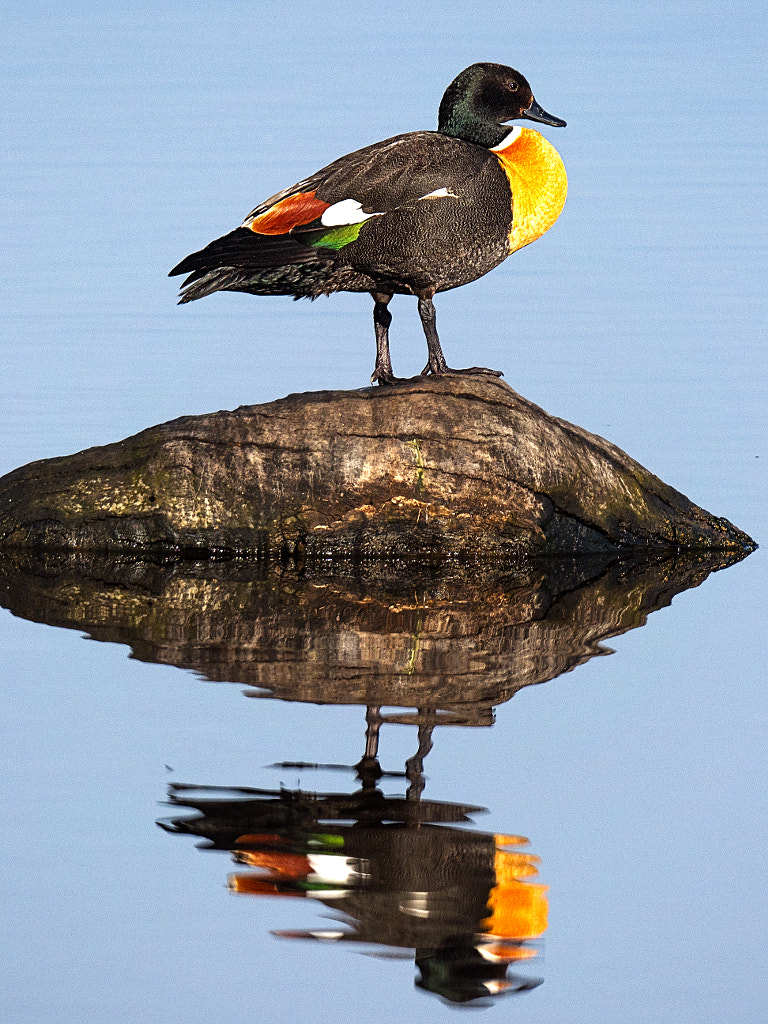
Australian Shelduck, Tadorna tadornoides, Whiteman Park, Western Australia.
After your leisurely walk around the swamp you can be revived at the excellent Guerrilla Hub Kiosk with a great coffee and some of their wonderful food. And if after all that you feel as if you’ve not communed enough with the wildlife you can always nip up to Caversham Wildlife Park and have your picture taken with a wombat.
Refreshment after a hard mornings walking and bird watching at the Guerrilla Hub kiosk in Whiteman Park.
Yours truly with one of Caversham Wildlife Park’s staff and a wombat.
Forrestdale Lake (originally Lake Jandakot, it was renamed in 1973) lies within the Forrestdale Lake Nature Reserve which is about 25 kilometres south of the Perth CBD on the southern fringes of the Perth metropolitan area. The lake is shallow and seasonal with a large area 220 to 245 hectares of open water when full. In June or July, Lake Forrestdale starts to fill, and about the end of September, it reaches its maximum depth which is somewhere between 200 and 500mm depending upon the winter rains and it usually dries out by mid-summer. That was not always the case as the lake used to hold a lot more water than it does now, and some years it did not dry up at all. Diminishing rainfall, and ground water extraction from government and private bores are some of the reasons for the lake’s decreasing water levels.
Before white fellas came Lake Forrestdale was a special place for the Whadjuk Nyoongar who camped around its shores and hunted long-necked turtles, waterfowl and their eggs; koonacs and gilgies, possums, kangaroos, quendas and many other animals that are now locally extinct. The first white settlers were William and Alfred Skeet in 1885 and they had a licence to fell and sell timber. Shortly after most of the land around the lake was cleared for farming and grazing despite that the lake continued to be a major breeding site, migration stop-over and semi-permanent drought refuge area for waterbirds so in 1957 the lake was gazetted as an “A” class nature reserve for the conservation of flora and fauna and to provide a location for recreational sailing. On 7 June 1990, along with Thomsons Lake 10 kilometres to the west, it designated under the Ramsar Convention as a wetland of international importance and both lakes form the Forrestdale and Thomsons Lakes Ramsar Site. It’s easy to see why. More than 20,000 waterbirds have been recorded on Forrestdale Lake. It regularly supports more than 1% of the national population of five shorebirds: red-capped plover (with up to 1,300 recorded at any one time), black-winged stilt (3,840), red-necked avocet (1,113), long-toed stint (up to 80), and curlew sandpiper (2,000). In some years it supports more than 10,000 ducks, including Australian shelduck (up to 1,650 counted), Pacific black duck (5,500), grey teal (9,000), Australasian shoveler (2,000), and hardhead (1,053). The lake is one of the few sites in Western Australia where little ringed plover and little stint have been recorded more than once, and it is the only location in the state where white-rumped sandpiper has been recorded. A comprehensive list of all the bird species seen at the reserve can be seen at eBird Australia.
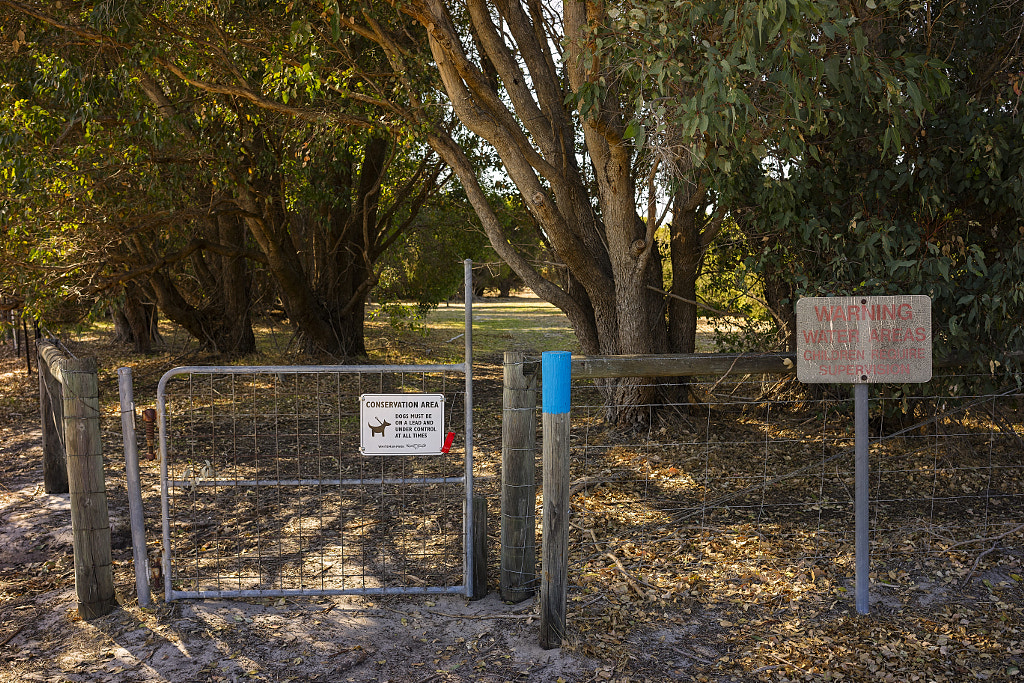
The entyrance to the Forrestdale Lake Nature Reserve.
So when BSO (Beloved Significant Other) announced she was mounting a campaign to achieve croquet world domination I would use the opportunity of a weekend in Perth to have a gander at Forrestdale Lake Nature Reserve. So a quick peruse of the interwebs told me that the best place to start was was at the parking bay at the Skeet Memorial Park on Moore Street in Armadale. There I would find a comprehensive information board about the area and would also give me quick access to the bird observation platform. Having read all about all the different birds that use the lake I was expecting a birding nirvana. Unfortunately we’d had a dry winter and the water line was a good 600m from the platform which meant I had Buckley’s chance of seeing any water birds up close and personal.
The bird observation platform at Forrestdale Lake.
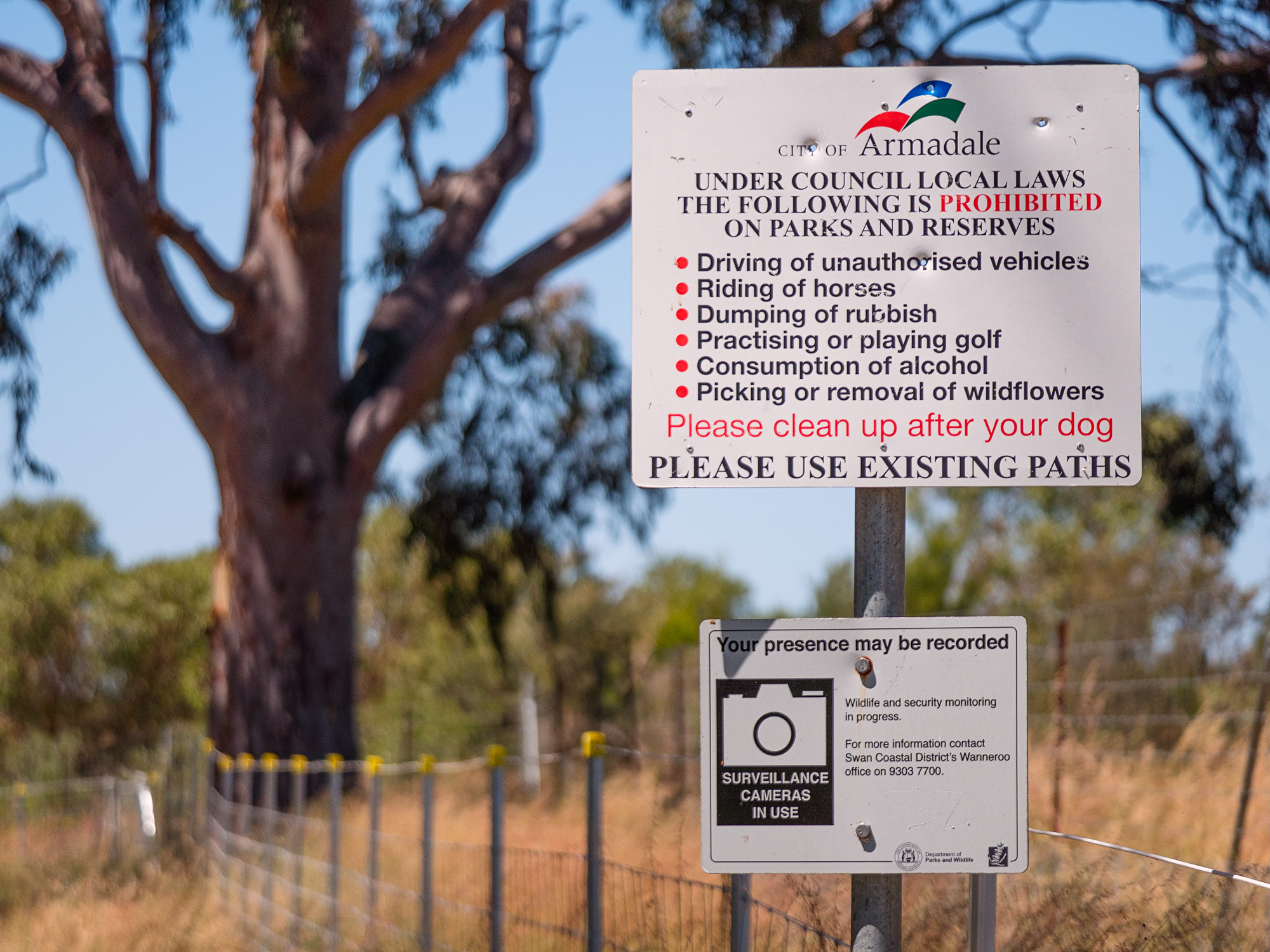
Fall back plan was to walk around the lake and just photograph what I found on the way. Once you leave the main entrance area there is little signage except for the keep out variety which is attached to the continuous fence designed to, funnily enough, keep people out. It was quite a frustrating experience – I could hear plenty of bird activity on the other side of the fence but I had no way of getting closer. For much of the walk you are in a narrow corridor of about 5 or 6 metres between two substantial fences with signs saying you are under surveillance – it’s hardly a nature experience. I’ve been to military bases which are more friendly. I feel this is a hugely wasted opportunity. Thomson’s Lake is much more accessible to visitors, and the Spectacles also makes much of it Aboriginal cultural significance. I’ve written previously that if people are having less and less opportunities to interact with nature that will create an antipathy towards the natural world and consequently they will cease to care about it. So to get people to be more aware of environmental issues they must be encouraged to reconnect with nature. There is very little opportunity for the casual visitor to interact with all that Forrestdale Lake offers so in many ways it defeats its stated purpose of raising public awareness about the importance of this chain of wetlands. Normally I am very positive about these types of reserves and have written about them in the past in glowing terms. I don’t like being negative or critical, but I really do feel that this is a waste of resources.
One of the many signs that warn you about unauthorised access.
The fence that rings the lake preventing unauthorised access.
Big brother is in full surveillance mode at Forrestdale Lake Nature Reserve.
Can I recommend the place as worth a visit? If you want a a bit of a walk with a nature experience then I would suggest that are better places and I’ve written about quite a few of them. If you are a die hard birder then I’d find out what the water levels are before visiting. There is little point in visiting if there is no water in the lake.
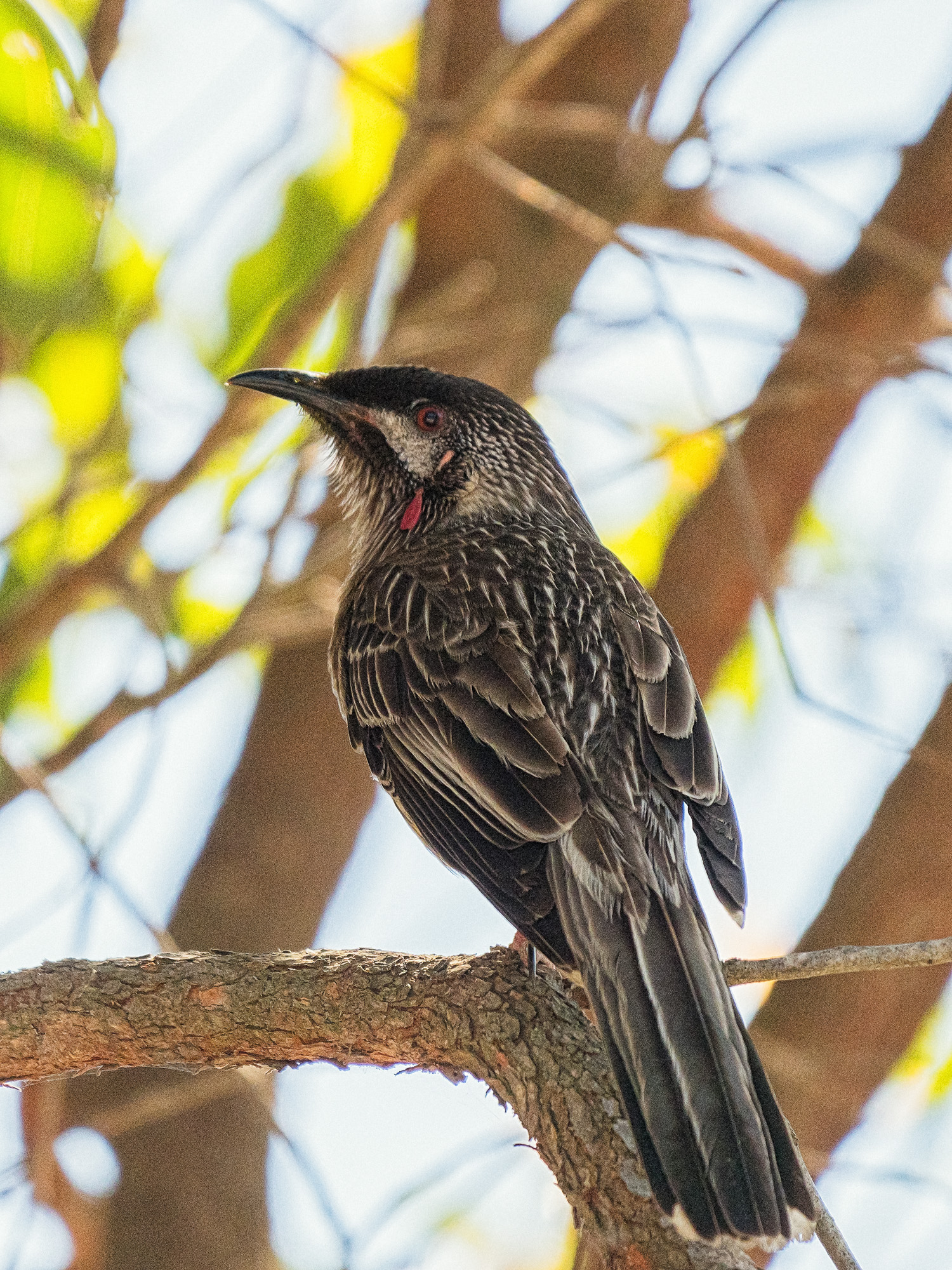
Red Wattlebird, Anthochaera carunculata subspecies woodwardi, at Forrestdale Lake Nature Reserve.
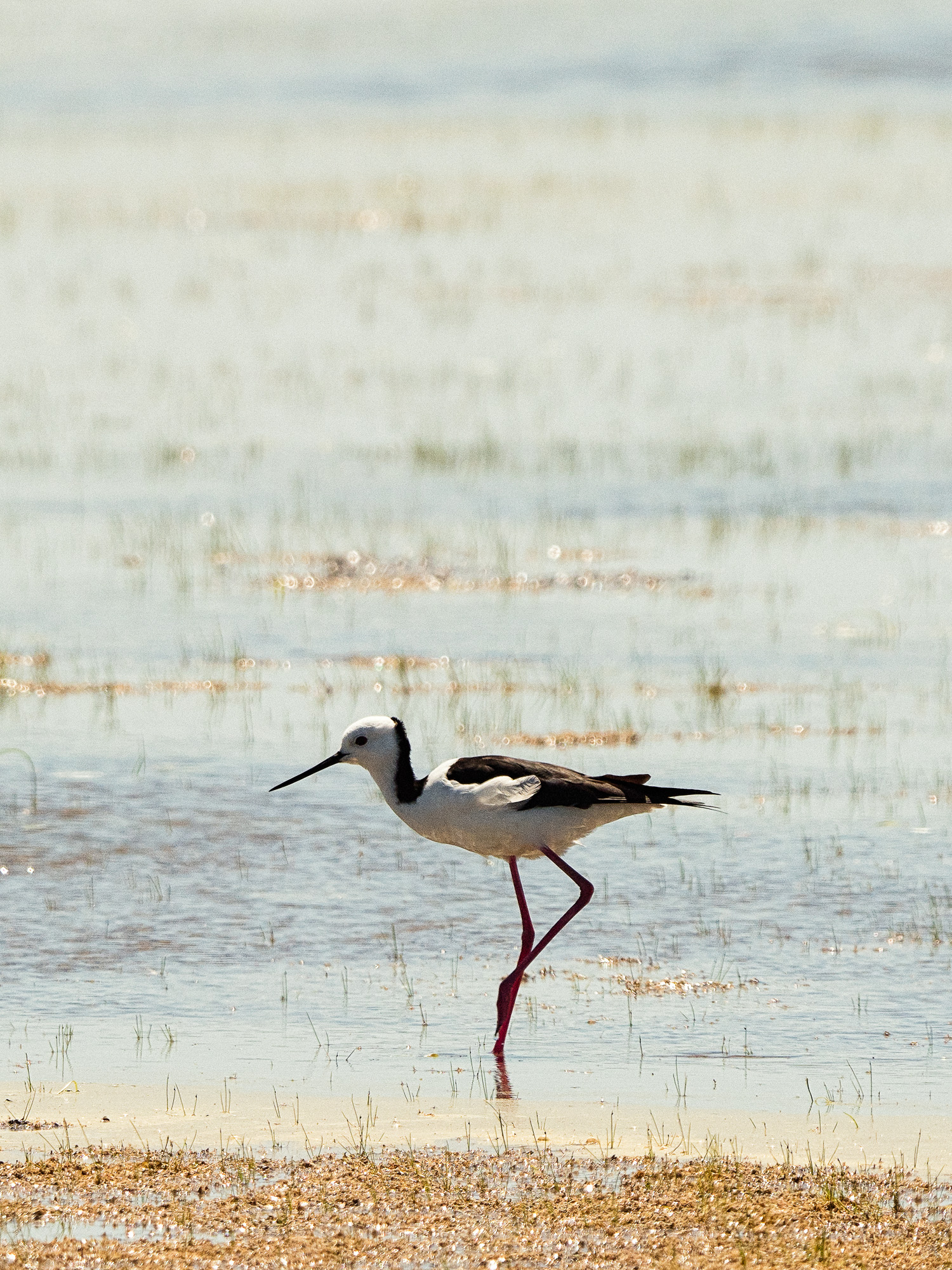
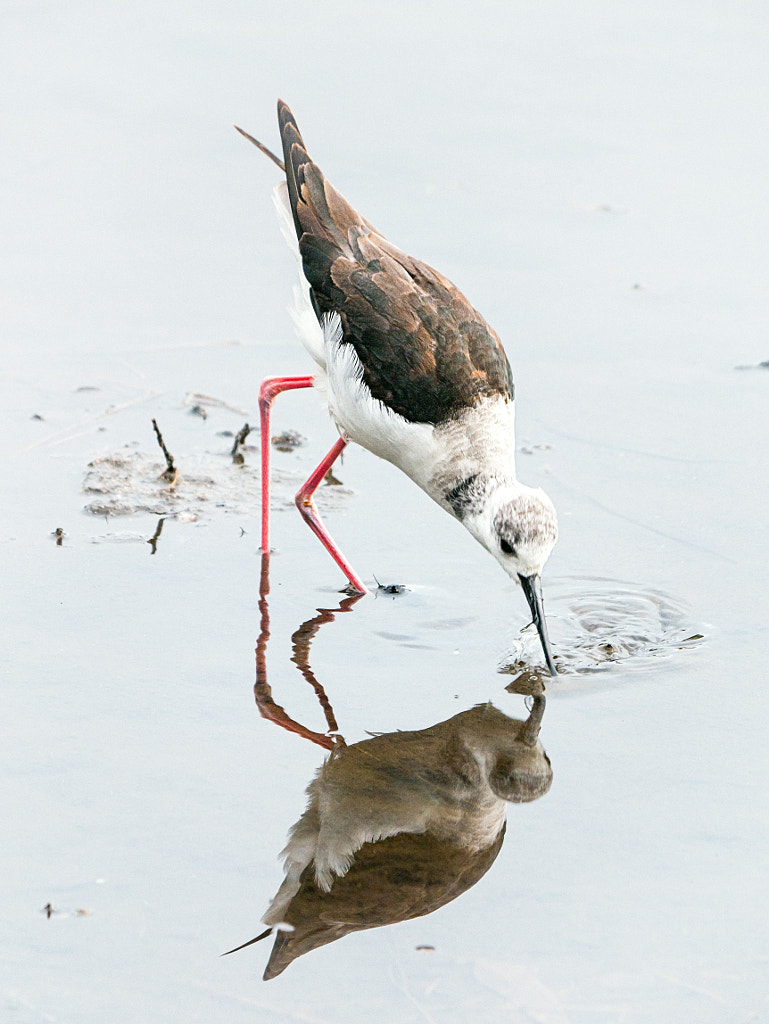
White-headed Stilt, Himantopus himantopus subsp. leucocephalus, Forrestdale Lake Nature Reserve.
Grey fantail, Rhipdiura albiscapa, Forrestdale Lake Nature Reserve.
Grey Butcherbird, Cracticus torquatus, Forrestdale Lake Nature Reserve.
Oh and BSO (Beloved Significant Other had a better time of it than I did and achieved world croquet domination – well she won the State Mixed Doubles for Golf Croquet.
2020 Croquetwest GC State Mixed Doubles. Forest Park Croquet Club, Mount Lawley, Western Australia.
2020 Croquetwest GC State Mixed Doubles. Forest Park Croquet Club, Mount Lawley, Western Australia.
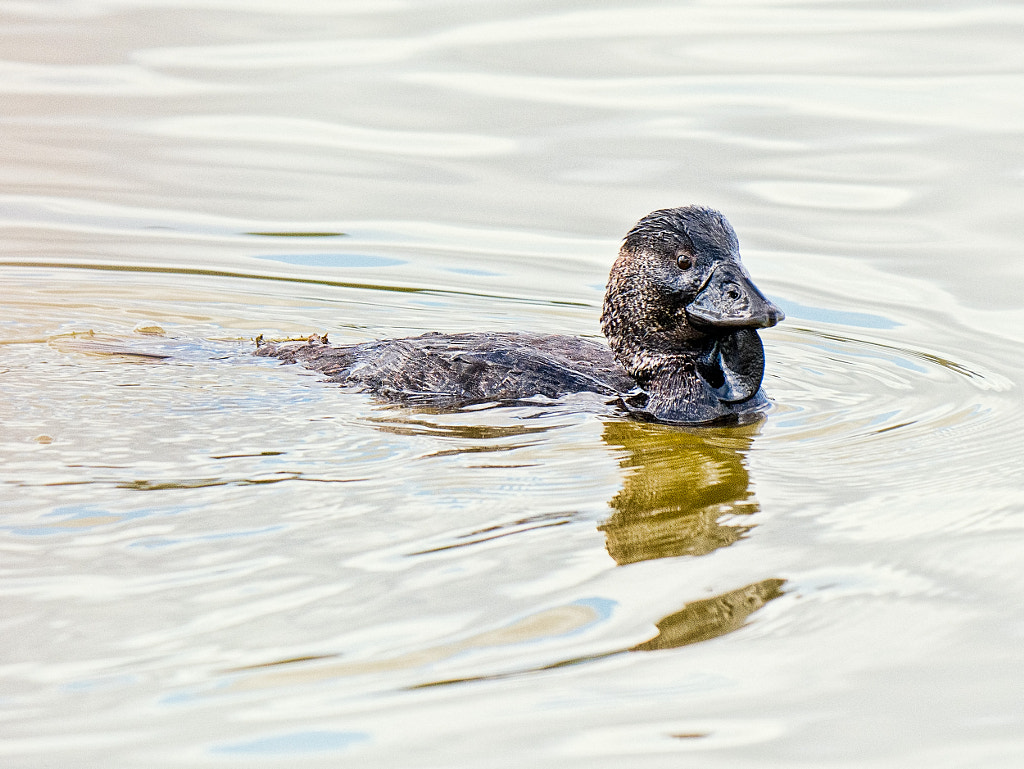
A male musk duck (Biziura lobata) swiming on Lake Goollelal in Yellagonga Regional Park, Western Australia
Now it is fair to say that Australia is home to some pretty strange animals. One only has to look at the Platypus, the echidna and even the humble kangaroo. To my mind one of the strangest is the musk duck (Biziura lobata). They can be found on fresh water lakes in the southwest corner of Western Australia.
What makes them so strange? Well to start with they don’t quack like a duck. They emit a sound that is more akin to a demented sonar. They are rarely seen on land and are reluctant fliers. On the water they float very low in the water often giving the impression that just their head is above the waterline. They are prolific underwater swimmers staying under for as long as a minute and diving up to a depth of 6m and demonstrate incredible agility as they do so. In appearance they are a very dark grey to black, have a stiff tail and broad heavy bill. The males are considerably larger than the females and weigh over 3Kg while the females can weigh up to 1.5 Kg. This makes them the second heaviest diving duck in the world. The males also have a strange leathery lobe under the bill, and in the breeding season they have a very strong musk odour hence the name. The courting behaviour of the males is quite striking – they strike the surface of the water with their feet then immediately after make a couple of clucking sounds followed by a lot of whistles and a grunt. This is repeated very five seconds or so for as long as half an hour. The first time I encountered this was at Lake Seppings in Albany. I heard these odd splashes and weird sounds repeatedly coming from just beyond the reed beds but couldn’t see what was causing the commotion. As I continued walking the reeds parted sufficiently and with the help of standing on a nearby bench I was able to see what was going on. It really is quite a performance and once seen never forgotten. In Perth Musk Ducks can be seen on both lakes in the Yellagonga Regional Park and Herdsman Lake. Hard to see at first so listen for the strange noise and you’ll soon find them.
They are not hunted as they are not considered nice enough to eat and the only thing that threatens their status is the clearing and draining of wetlands.
Originally what is now Lake Claremont was a swamp with a series of small pools edged with reeds and then surrounded by paperbark trees. There was abundant plant an animal life and it was an important hunting and gathering place for the Mooro clan of the Nyoongar in the warmer months of the year.
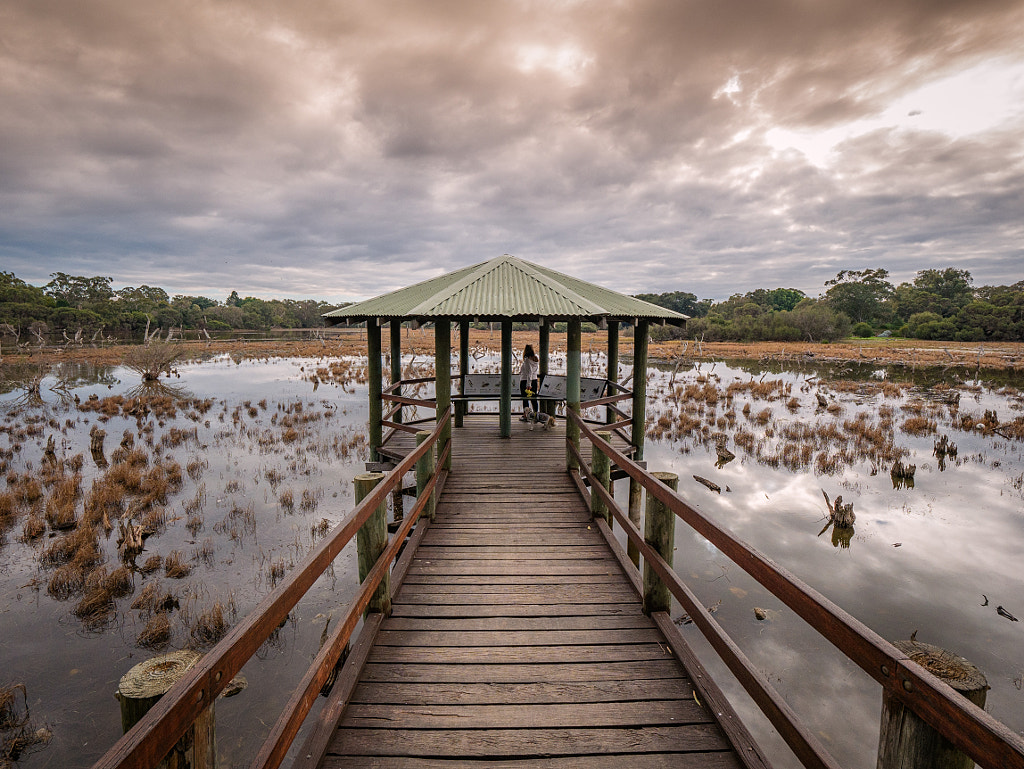
The bird observation platform allows visitors to watch the birds in the grasses and reeds at Lake Claremont.
In 1831 European settlers began to clear the land for farming and by the 1890’s there were market gardens and a then state of the art dairy farm. Things looked good and the area prospered. However, this state of affairs was short lived as by the turn of the Twentieth Century the water level rose and the farms were flooded and a permanent lake which rises and falls with the seasons was formed. In the 1950’s Claremont Town Council reclaimed large areas for a rubbish tip and renamed it Lake Claremont in the process. In the 1960’s it was decided to beautify the lake and its surrounds. Sections were infilled to create a golf course and the school playing fields. In time two small bird sanctuary islands were created and there has been a move to manage the the lake in a more ecological manner. The Friends of Lake Claremont are an enthusiastic and very active bunch of local residents and volunteers who have undertaken to assist in the conservation and enhancement of Lake Claremont. There activities have been crucial in weed eradication programs and revegetation projects working in tandem with pupils fromScotch College and Graylands Primary School. They also have annual public events including Clean Up Australia Day, National Tree Day and Celebrate Lake Claremont Day (community fair). More details can be found on their website.
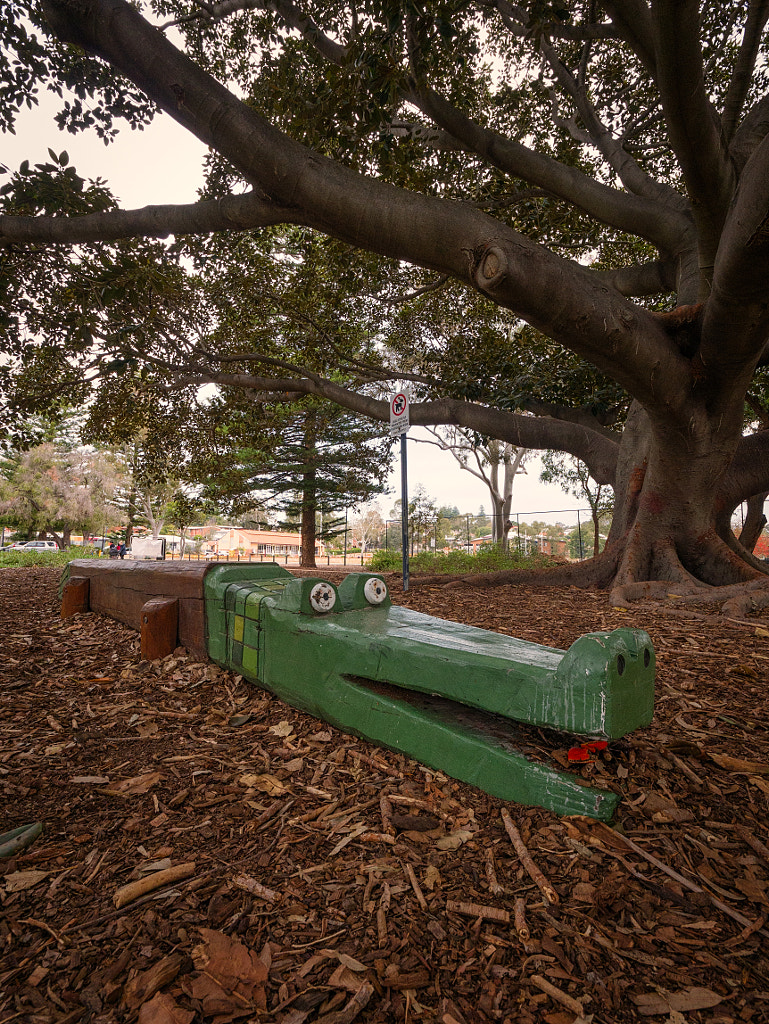
The infamous Lake Claremont crocodile. Lake Claremont, Western Australia.
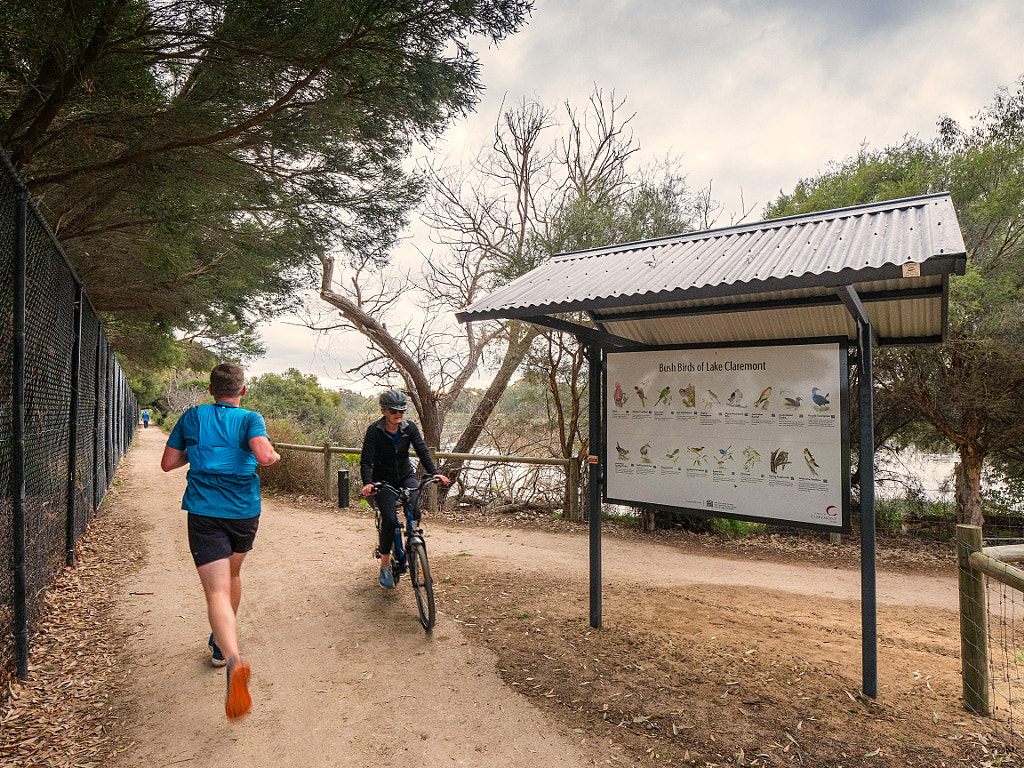
So that was then and this is now. What does the lake offer today? Well the wetlands of the Swan Coastal Plain are internationally acknowledged as a bio-diversity hotspot having a greater number of endemic species than most other regions in Australia. Since colonisation three quarters of the wetlands have been drained for urban development. Those that remain are adversely effected by the introduction of feral animals and plants. In this context Lake Claremont is like a biosphere. In the past ten years or so eBird Australia has listed 116 species of bird that can be found on or around the lake which makes it somewhat of a birders paradise. The path around the lake and the bird observation platform make it easy to spot birds all year round. To make it so that you know what you are looking for you can down load an illustrated brochure listing the birds from the Town of Claremont website.
Lake Claremont has a dual use path around its edge which is popular with runners and cyclists.
In addition to the nature based activities there is a 3 Km dual use path that circumnavigates the lake which is very popular with walkers, runners and cyclists. Dogs are welcome on a lead. The walk is enjoyable all year round and if you start the car park and head off in a clockwise direction then you can stop at the TeeBox Cafe shortly before returning to the car park. For the youngsters who need to burn off some energy before looking at the ducks there are two playgrounds. If dad doesn’t care for looking at the ducks then he has the option of playing a quick nine holes of golf.
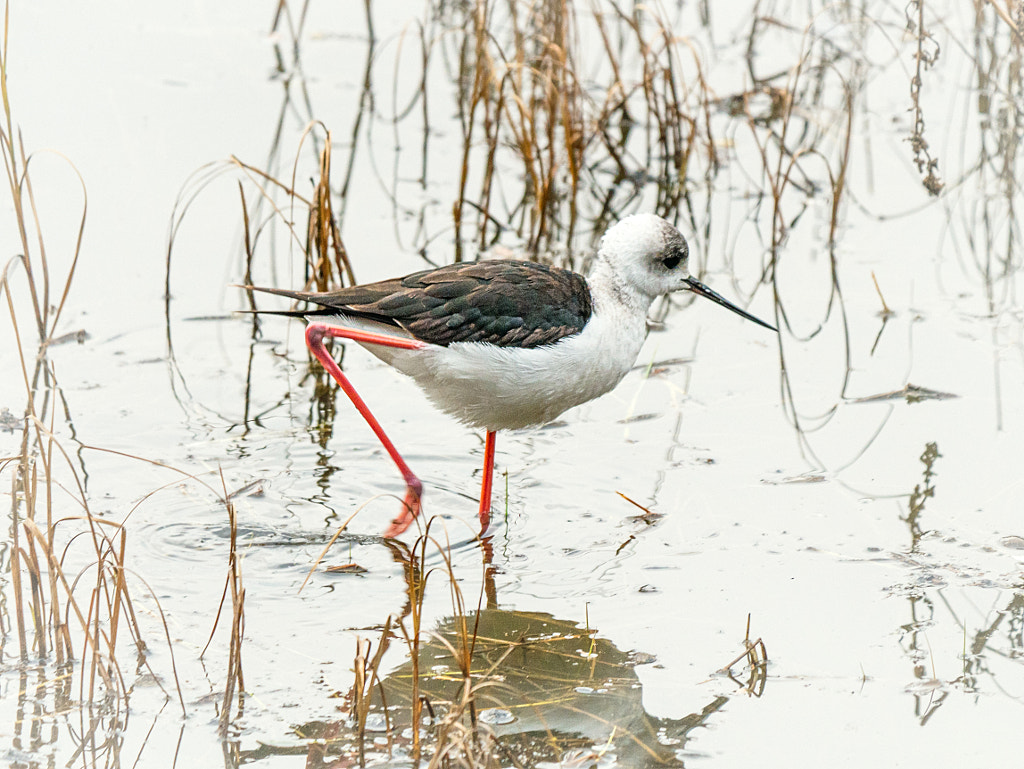
A juvenile pied stilt (Himantopus himantopus) at Lake Claremont, Western Australia.
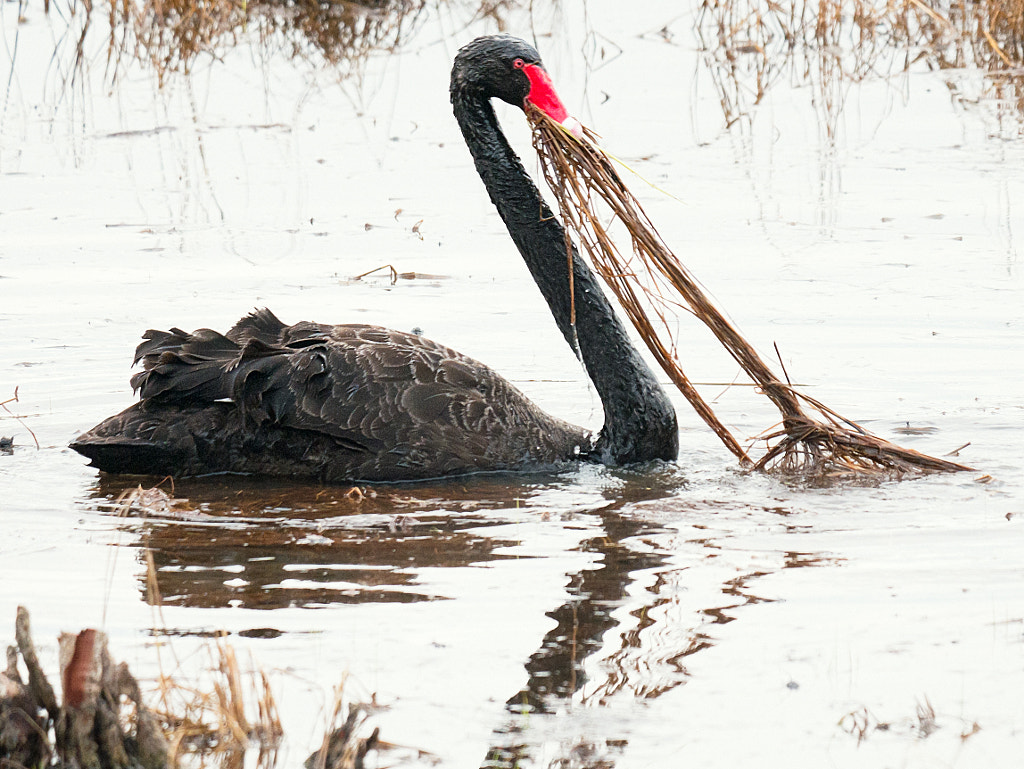
A black swan (black ) gathering nesting material at Lake Claremont, Western Australia.
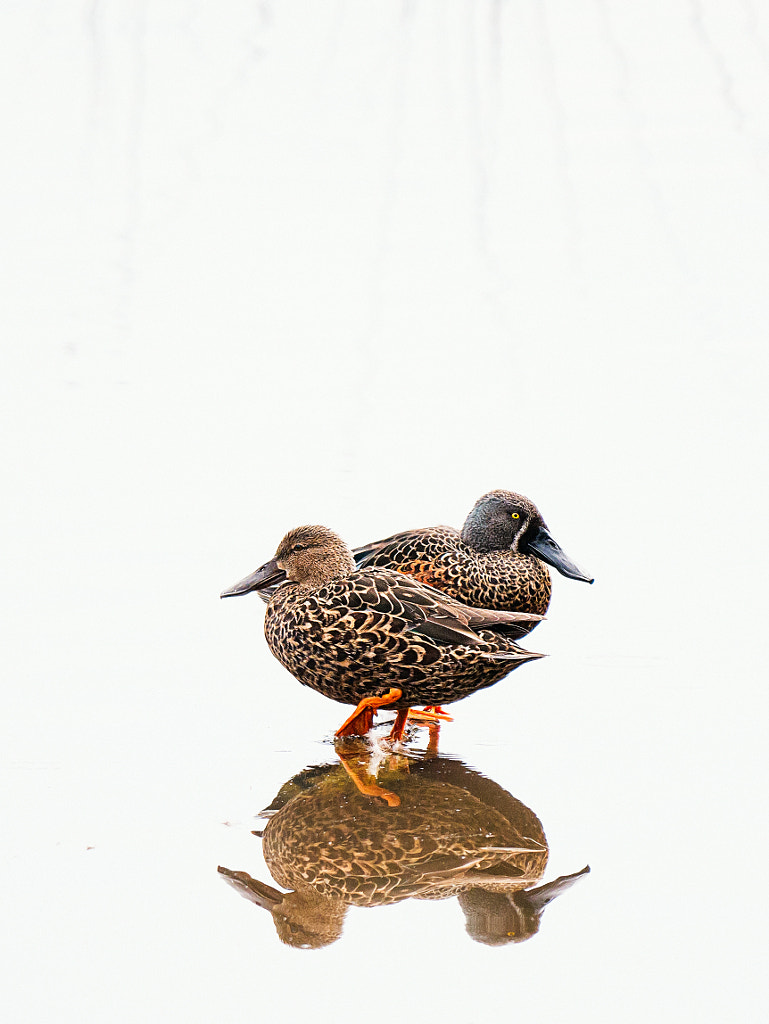
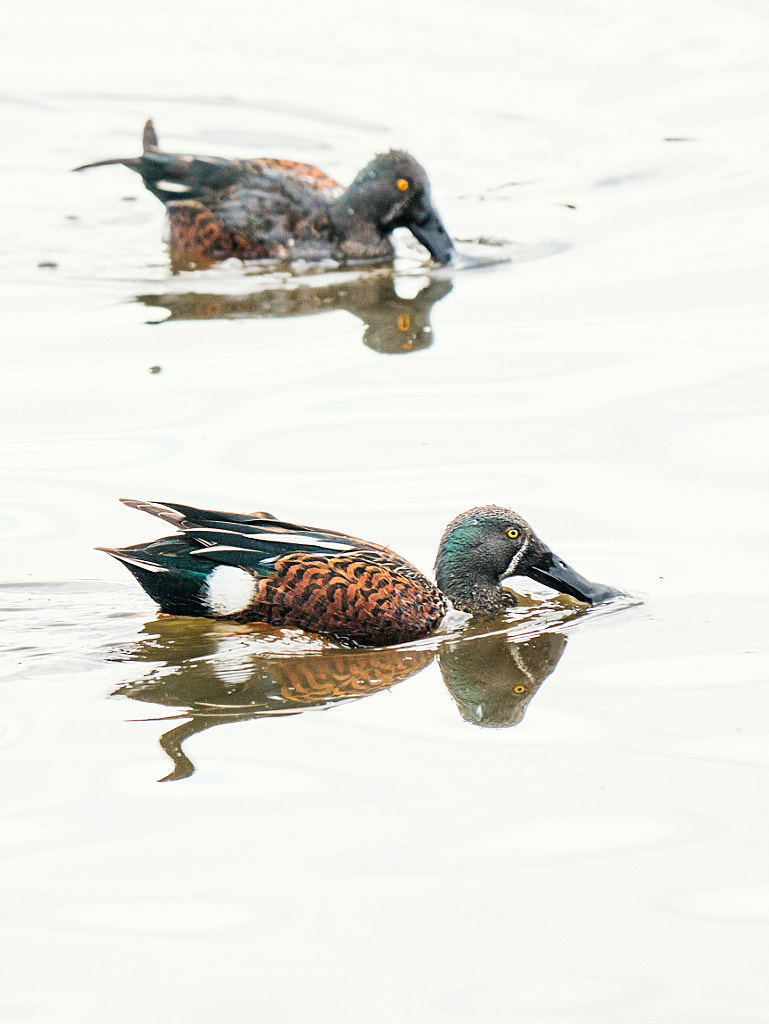
A pair of Australian Shovelers (Australian) at Lake Claremont, Western Australia.
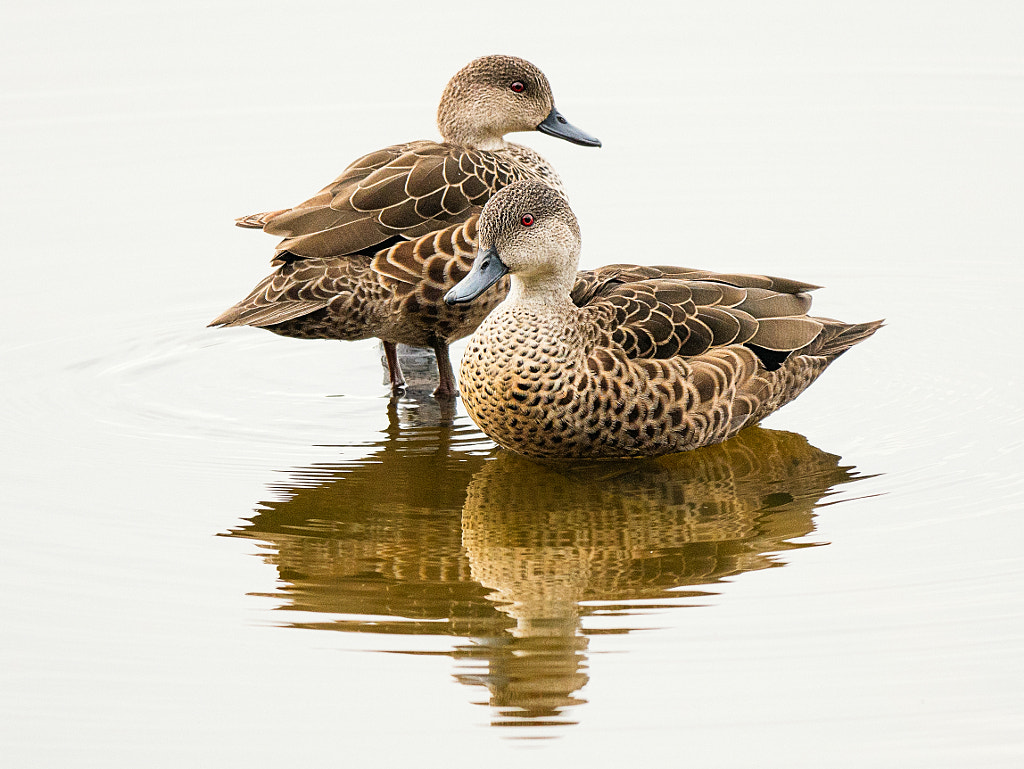
A pair of grey teals (Anas gracilis) at Lake Claremont in Western Australia.
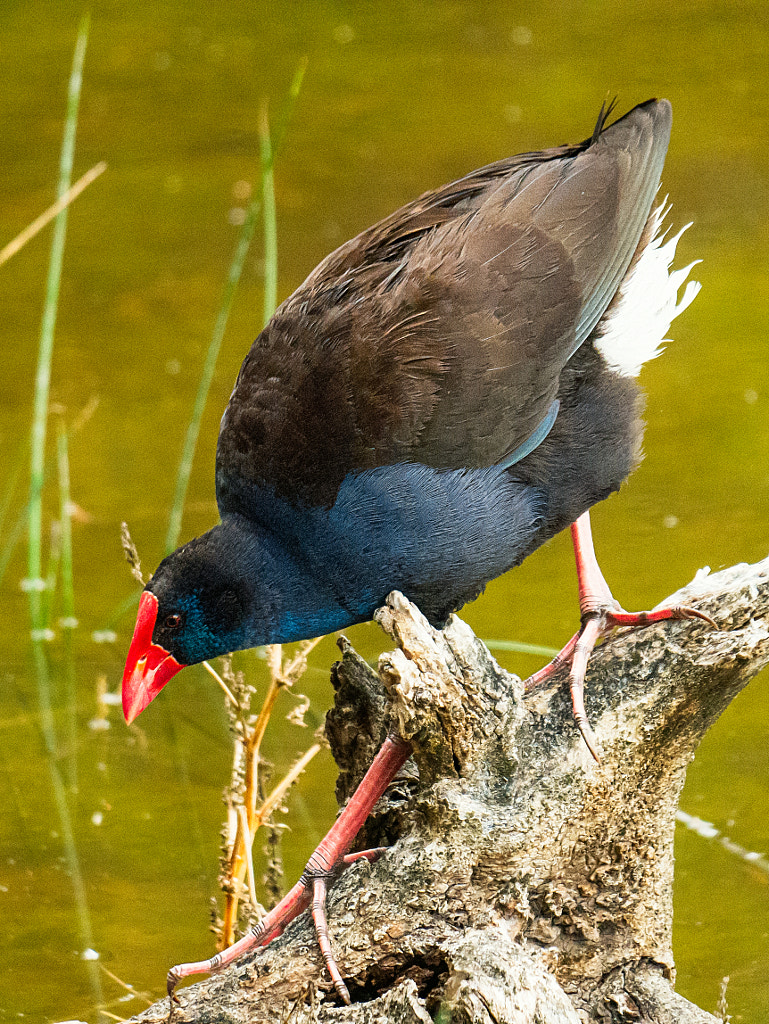
A purple swamp hen (Purple), Lake Claremont, Western Australia.
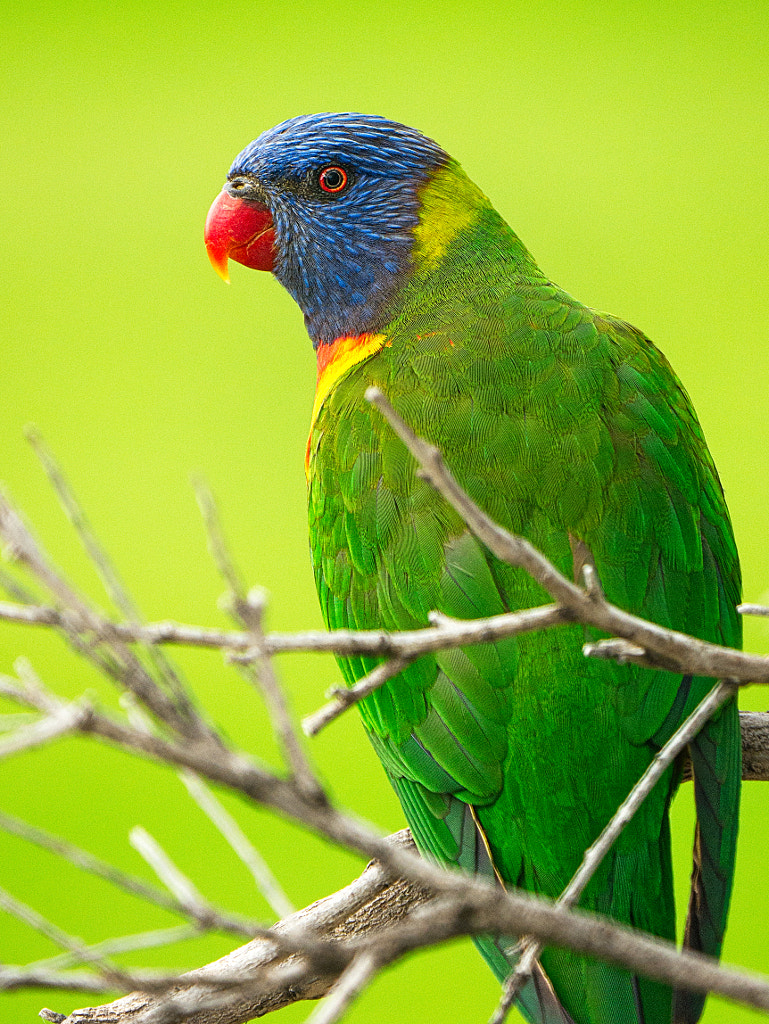
Rainbow lorikeets (Rain) were introduced to Western Australiafrom the eastern states of Australia. Lake Claremont, Western Australia.
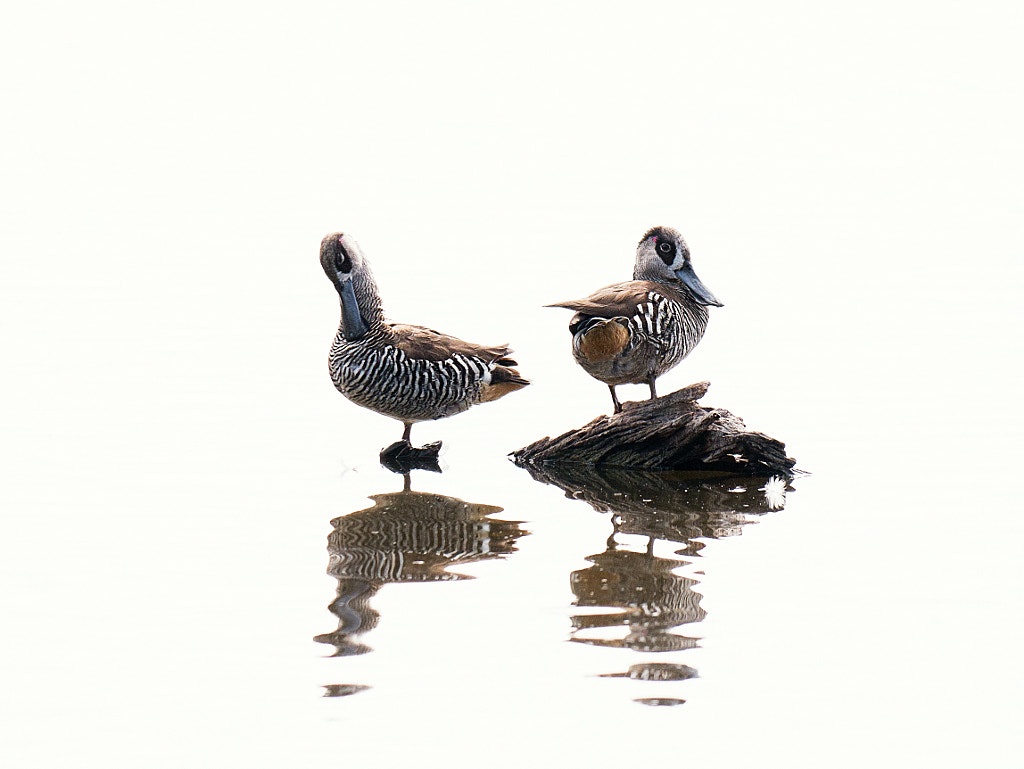
Pink-eared ducks (Malacorhynchus membranaceus) at Lake Claremont in Western Australia.
Called Dit by the Nyoongar this juvenile pied stilt (Himantopus himantopus) feeds at Lake Claremont, Western Australia.
Bardoongooba called Australian Shovelers (Anas rhynchotis) by European settlers can be readily seen on Lake Claremont.
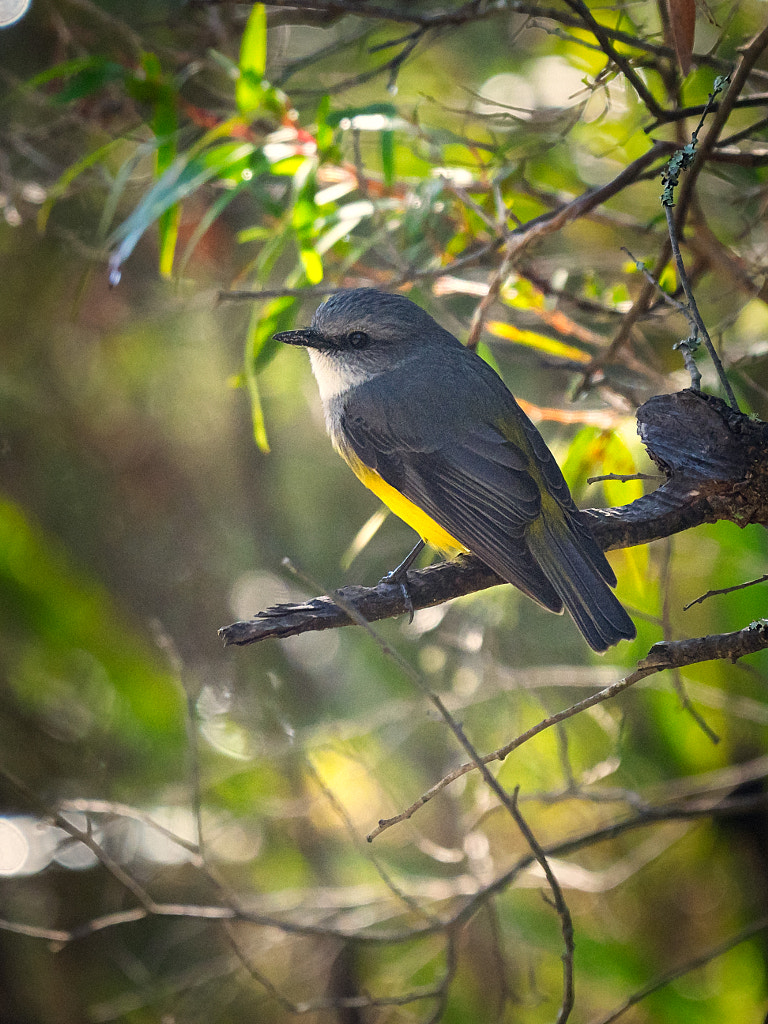
I’d gone to Locke Nature Reserve near Busselton looking for common helmet and midge orchids, but they weren’t flowering. This Western Yellow Robin (Eopsaltria griseogularis) and its mate kept darting in and out of the bush as I walked along the track so I photographed them instead.
This nature photography lark is a lot harder than it looks. I follow a couple of YouTube channels from the UK that weekly show the host going out to some location to photograph and /or film a particular animal or plant. They always find it and always get good images. My experience is a bit different to that. I find that you can go out with all the best intentions in the world, but if nature isn’t playing ball then you don’t get anything. I’ve lost count of the number of times that I’ve set out to look for the Cleopatra’s Needles Orchid (Thelymitra apiculata) driving 100’s of kilometres to find absolutely nothing. Take last weekend. We were down in the South West of Western Australia as my partner was again playing in a croquet tournament. So I’d researched what was about in terms of birds and orchids and set out to several locations with a specific list of what I wanted to photograph. The first stop was Malbup Creek Bird Hide where I wanted to see tawny frogmouths and white-bellied sea-eagles. Well I spent a nice morning at the hide without seeing them. I did get a nice shot of a shelduck and the local kangaroos were hamming it up for a photo.
Not the white-bellied sea-eagle I was looking for. Still he’s a very handsome Australian Shelduck.
No tawny frogmouths to be seen let alone be photographed. The Western Grey Kangaroos were keen to oblige.
The next stop was Locke Nature Reserve looking for common helmet and midge orchids. Well after a couple of hours of scrabbling around in the undergrowth fighting off the unwanted attentions of the local mosquitoes I’d found lots of them, but none in flower. There were some Splendid Fairywrens in the nearby bushes but they really didn’t want their picture taken and kept dancing out of the way every time I got close. On the walk back to the car a couple of Western Yellow Robins flew slightly ahead of me. They would stop and perch periodically and I was lucky enough to grab a few frames.
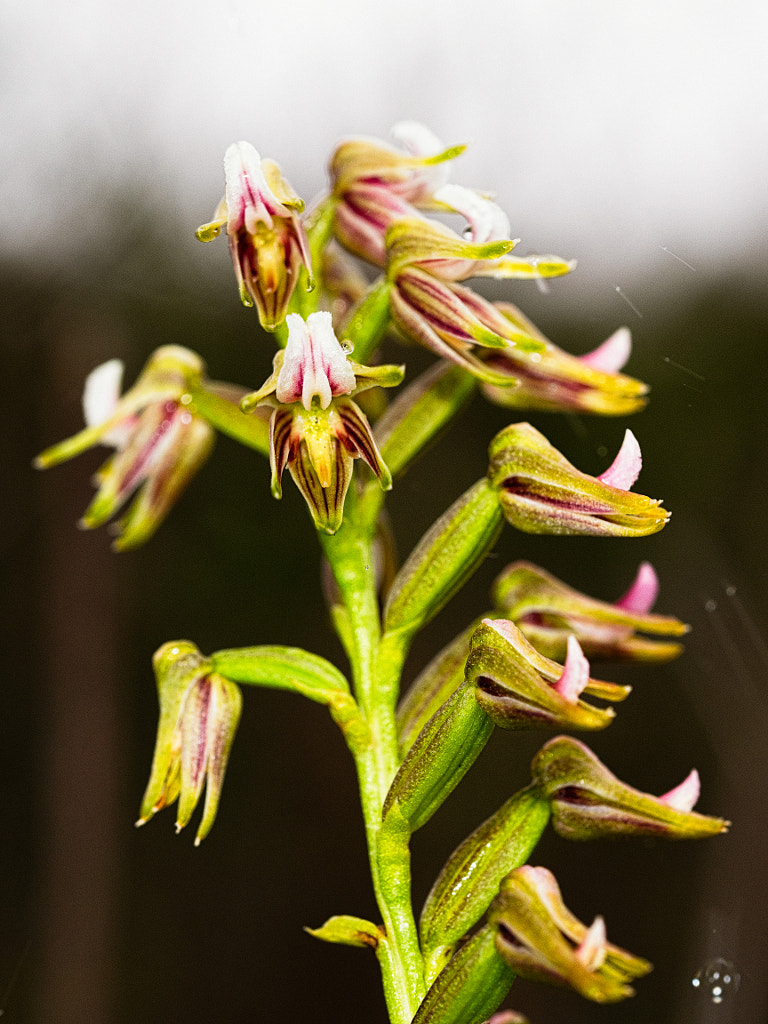
My last spot was Westbay in Augusta looking for scented autumn leek orchids. Now I’d seen them before at this location and knew where to go. They weren’t there. Not a one was to be seen. But I did find some autumn leek orchids – close enough so I photographed them. Funnily enough the autumn leek orchid has a much more pleasant scent than the scented variety which has decidedly unpleasant pong.
Autumn Leek Orchid, Prasophyllum parvifolium. Westbay, Augusta, Western Australia
So there you have it another rewarding trip. I may not have found what I was looking for but I found other things and really enjoyed my time in the bush and that is what it is all about.
* This weeks musical reference is of course U2’s song I Still Haven’t Found. My favourite version is the one on 1988’s Rattle and Hum album.
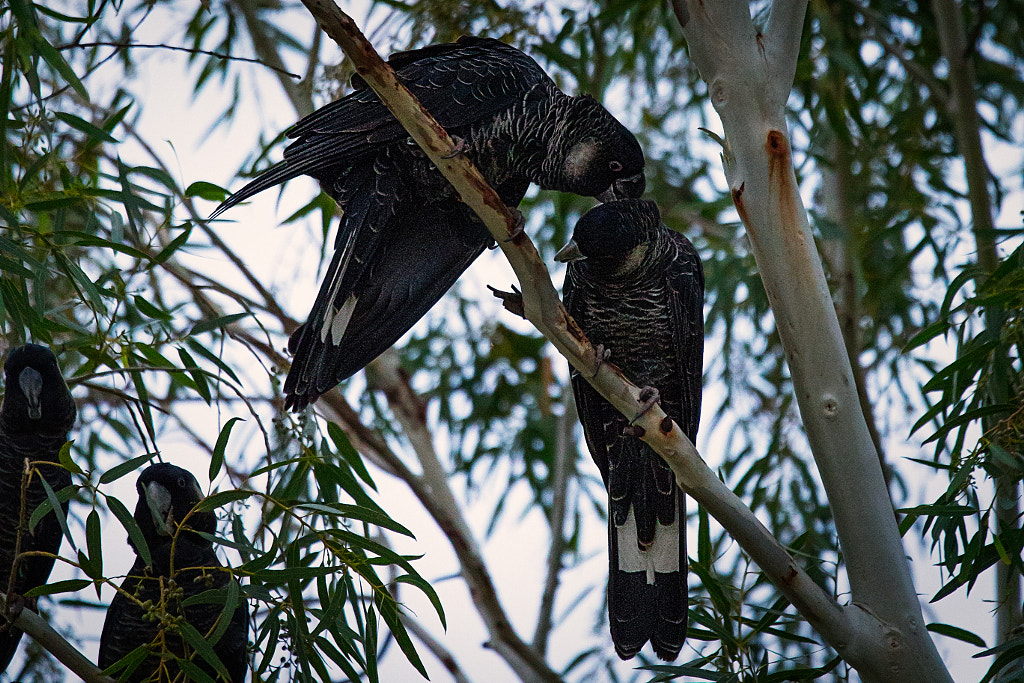
Carnaby’s black-cockatoos, Zanda (Calyptorhynchus) latirostris, preening prior to roosting. York, Western Australia. Canon EOS 6d with Sigma Contemporary 150-600mm f5-6.3 lens. Exposure: 1/250 sec, f6.3 at ISO 6400.
Ok Ok if the last backyard birds was a little stretch over what is my backyard this one is a huge leap – across the road. From my neighbour across the road’s front garden came this delightful occurrence – Carnaby’s Black-cockatoos roosting. These large cockatoos are now endangered thanks to widespread land clearing so it was fantastic to have them visit the neighbourhood.
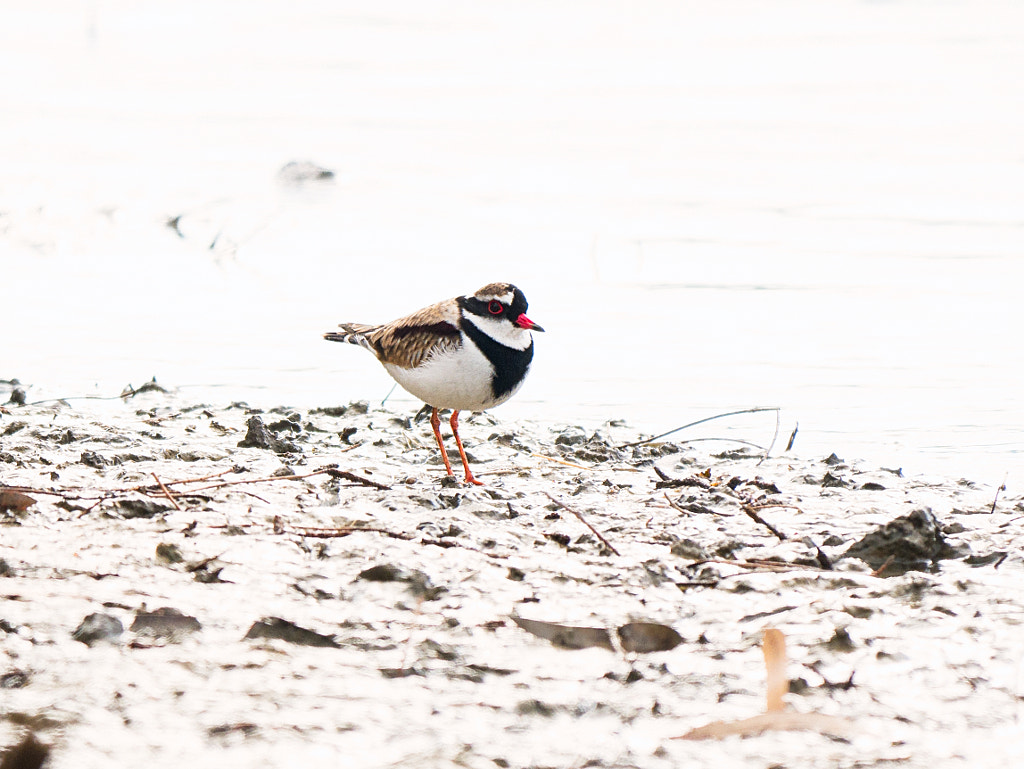
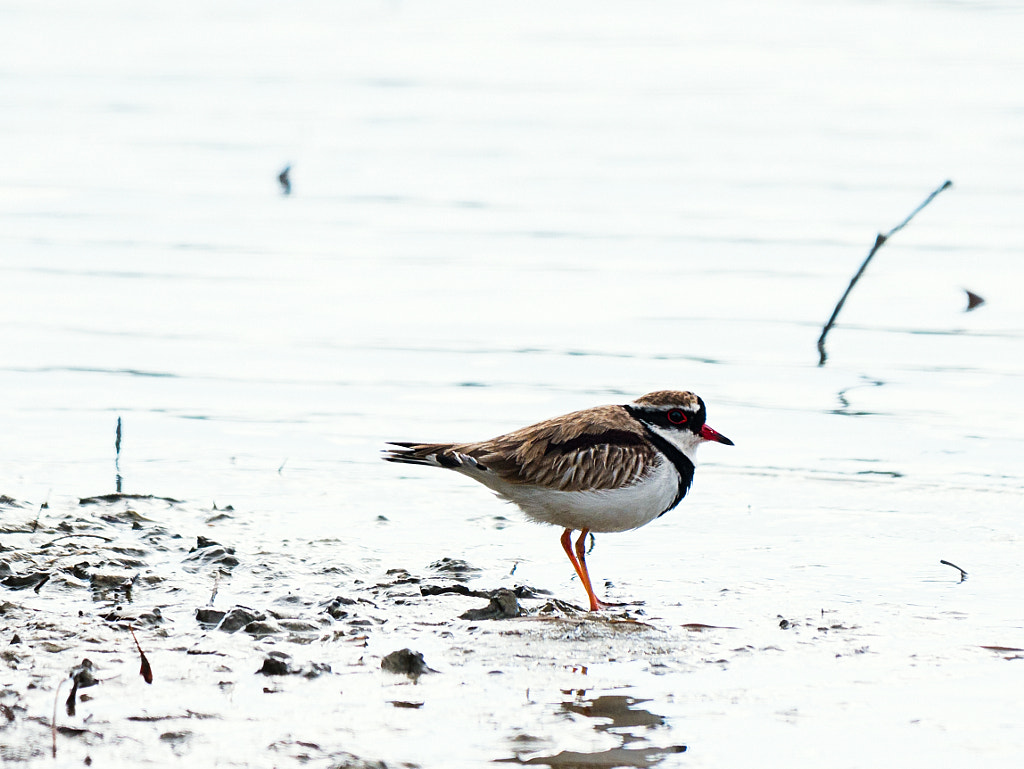
Black-fronted Dotterel (Elseyornis melanops), Avon River, Northam, Western Australia. Panasonic Lumix G85 with Panasonic Leica 100-400mm f4-6.3 lens. Exposure: 1/500 sec, f6.3 at ISO 250.
What do you do when you’ve got 2 hours to kill while in the Wheatbelt metropolis of Northam? Go looking for Black-fronted Dotterels that’s what! These busy little birds can be found on the muddy shoreline looking for insects and small molluscs.
Black-fronted Dotterel (Elseyornis melanops), Avon River, Northam, Western Australia. Panasonic Lumix G85 with Panasonic Leica 100-400mm f4-6.3 lens. Exposure: 1/500 sec, f6.3 at ISO 250.











You must be logged in to post a comment.