Our poor old car started to sound as if it had a terminal condition. It produced an incredible range of noises from the engine and gearbox. With over 200,000 km on the clock it wasn’t surprising in someways. I took it into the mechanics and it came back with even more strange noises. So while we sorted out a replacement I’ve been somewhat grounded and most of the recent photography has taken place within the constrains of the garden. Most of it macro of various bugs that I’ve found, some of it shots of Bertie, our Miniature Bull Terrier puppy, as he plays. It’s been great fun.
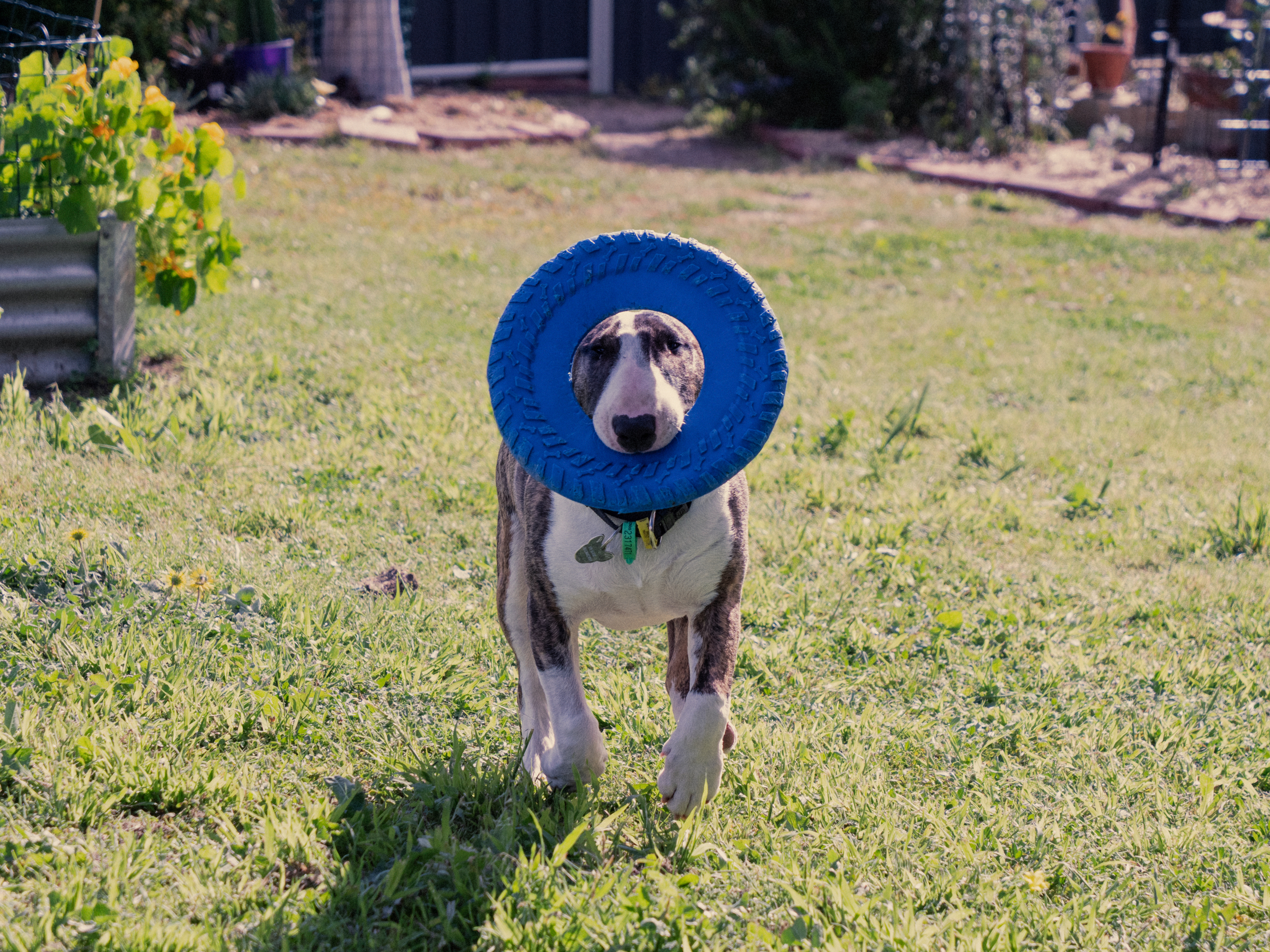
Bertie playing with his ring in the garden.
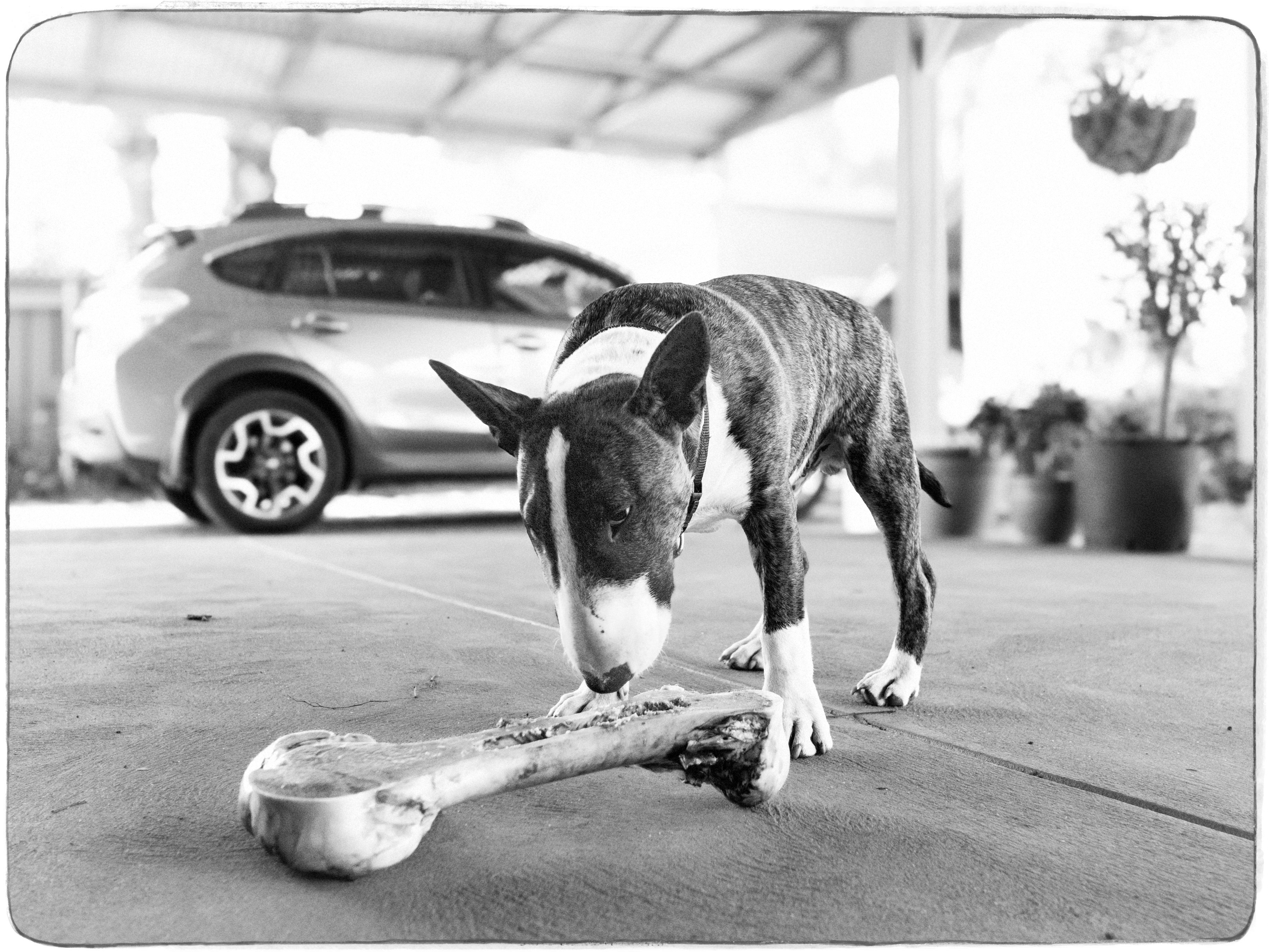
Bertie with his first marrow bone.
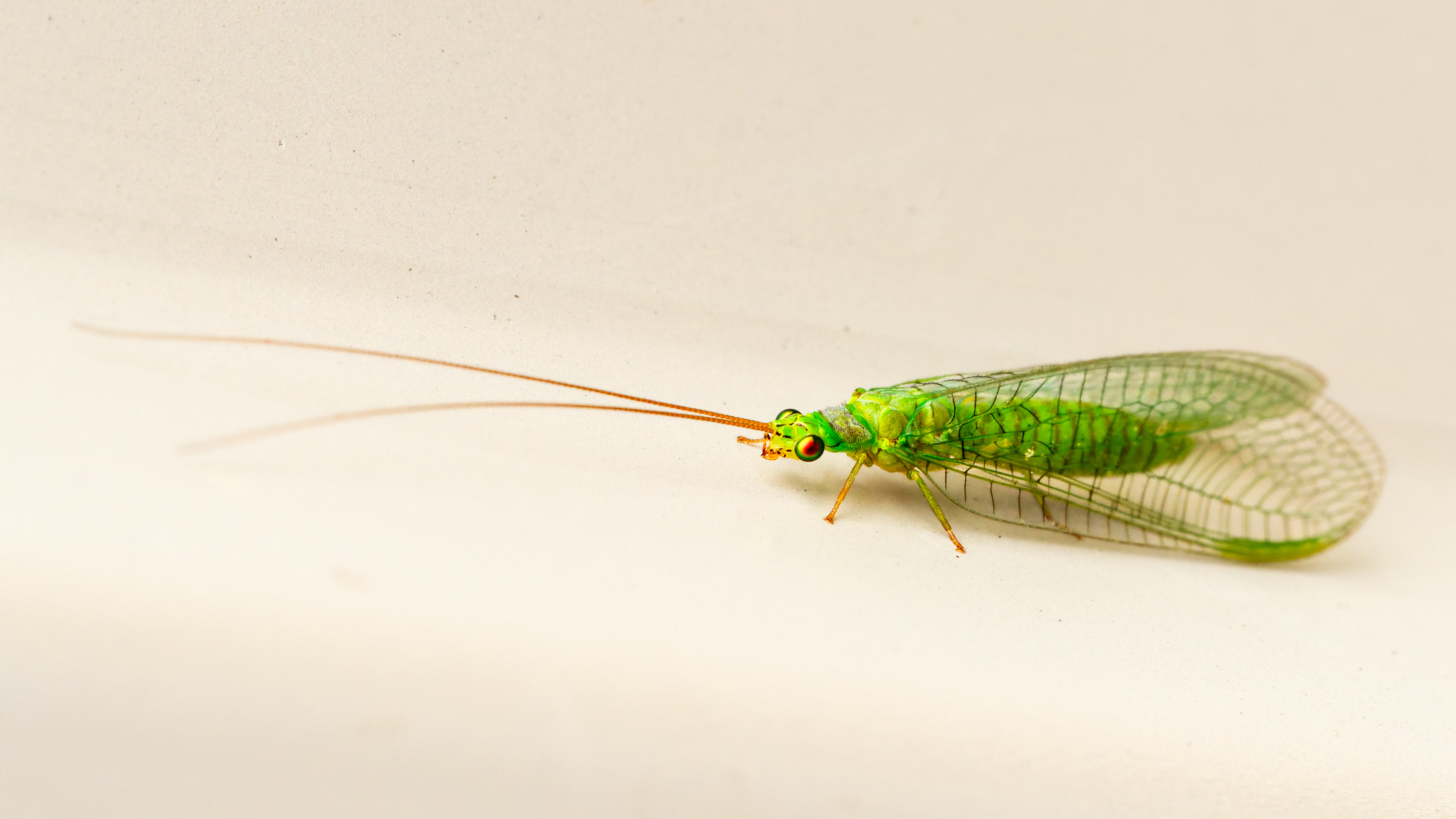
Green Lacewing, Mallada signatus. York, Western Australia.
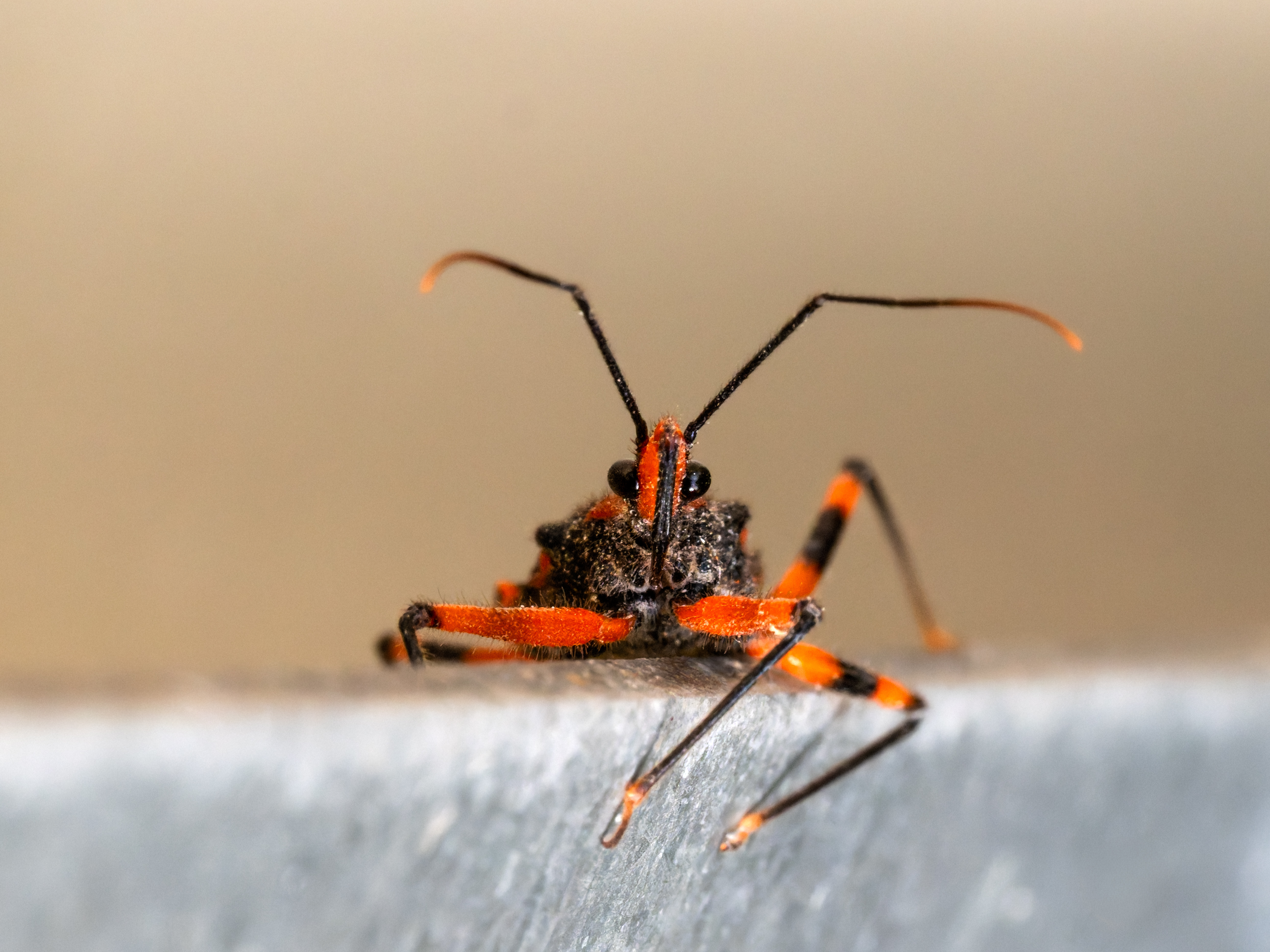
Red Tiger Assassin Bug, Havinthus rufovarius. York, Western Australia.
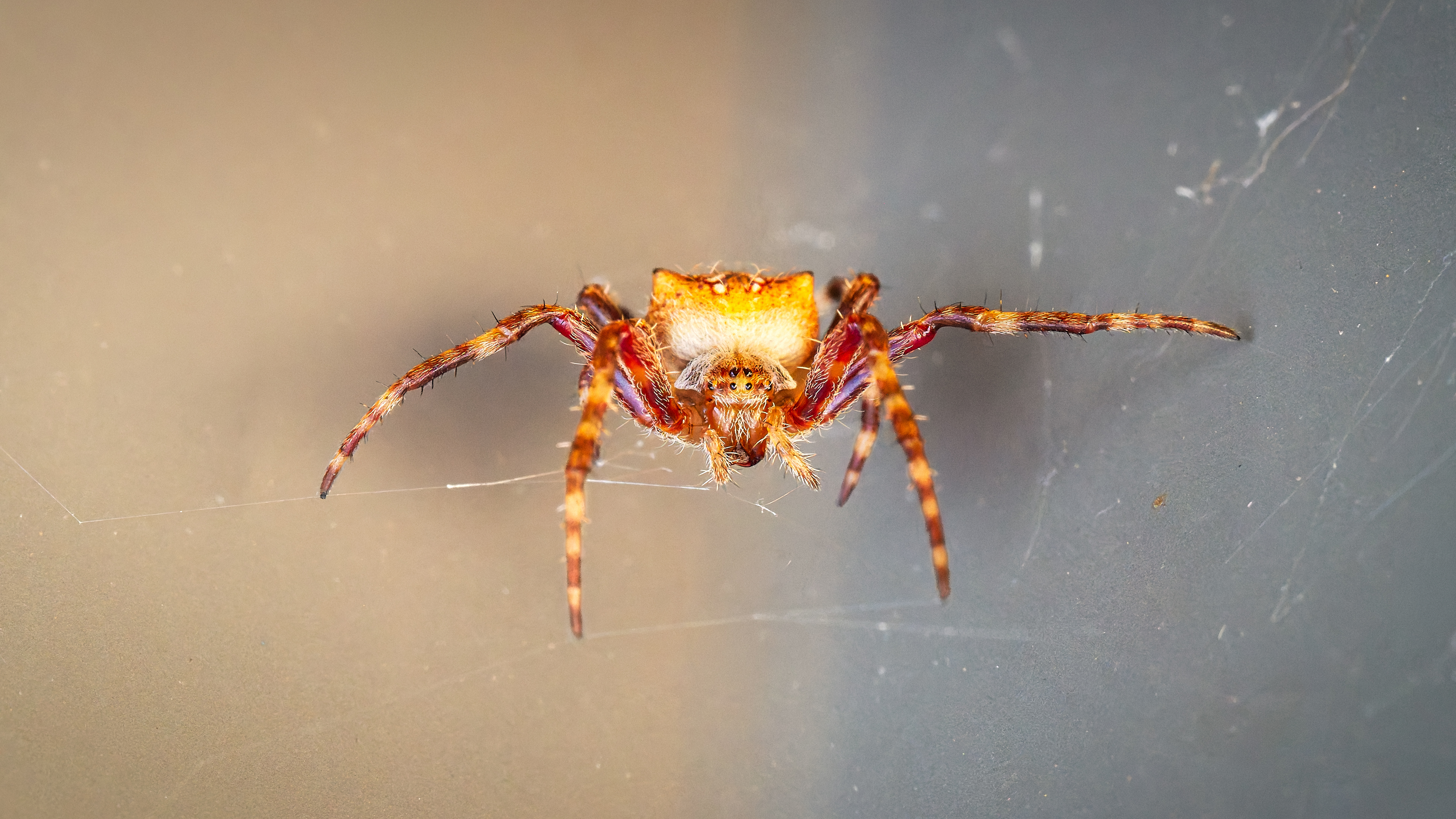
Dunno what sort of spider this is.
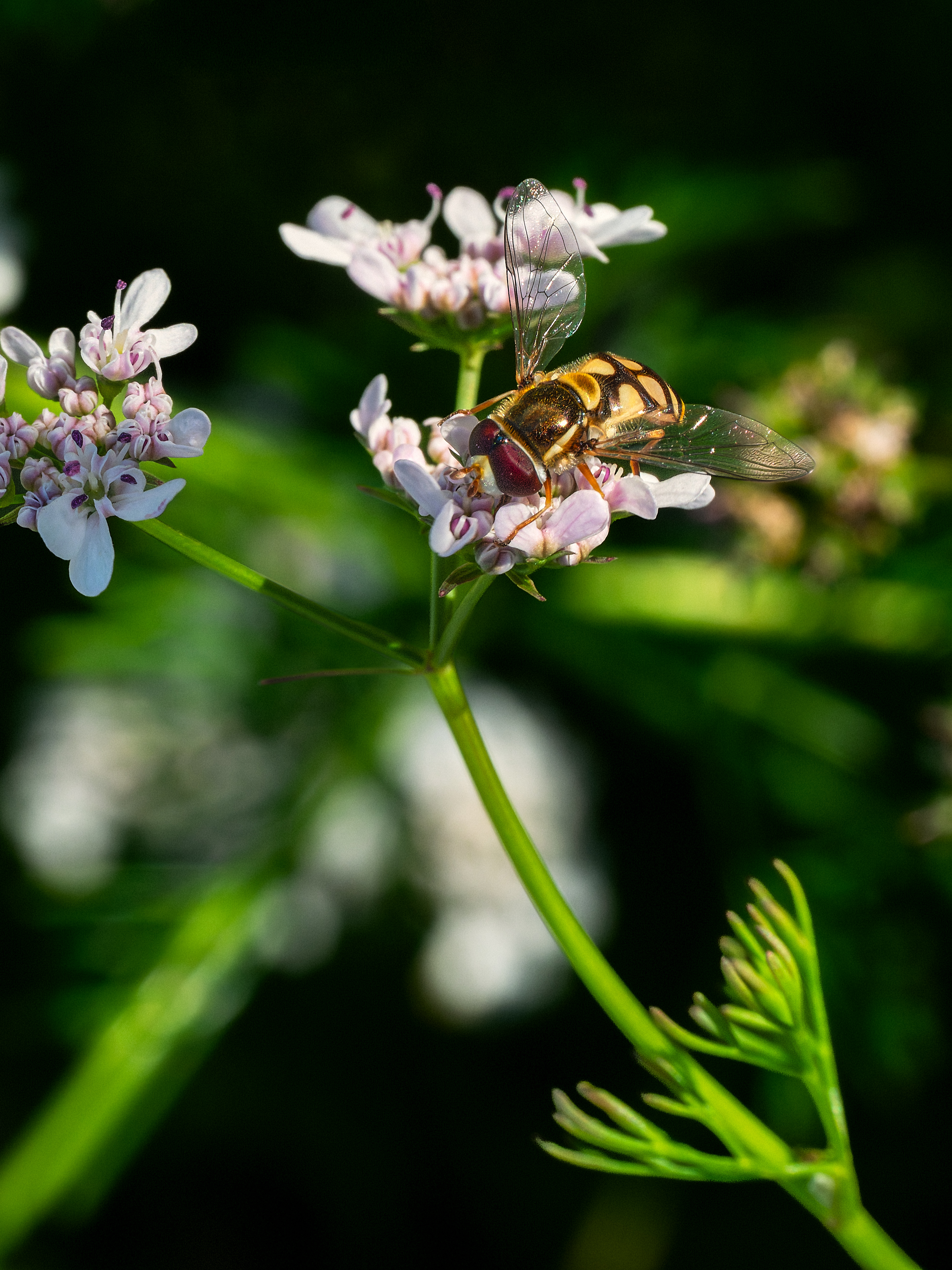
A male Yellow flower wasp feeding on the corriander.
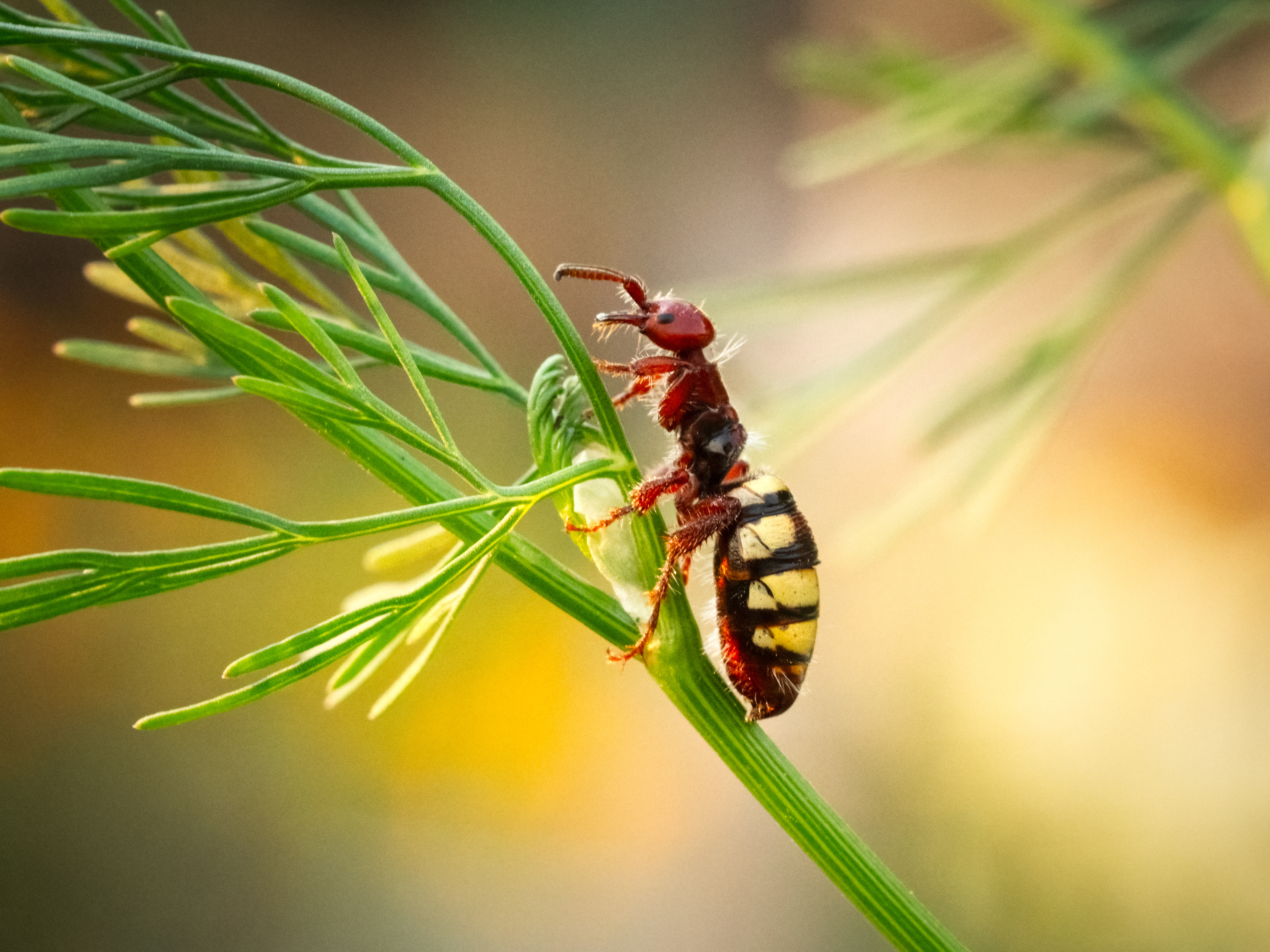
Last week I posted a photo of a mystery insect that I didn’t know what it was. Well it turns out it was a female Yellow Flower Wasp, which are flightless.
One of the most common statements made on social media is “I’d like to photograph wildlife, but, there is none where I live”. In the next couple of posts I’d like to unpack this and suggest ways of finding wildlife in your location.
While Bertie can be pretty wild at times he is not wildlife.
Australia’s iconic Koala is an example of charismatic wildlife.
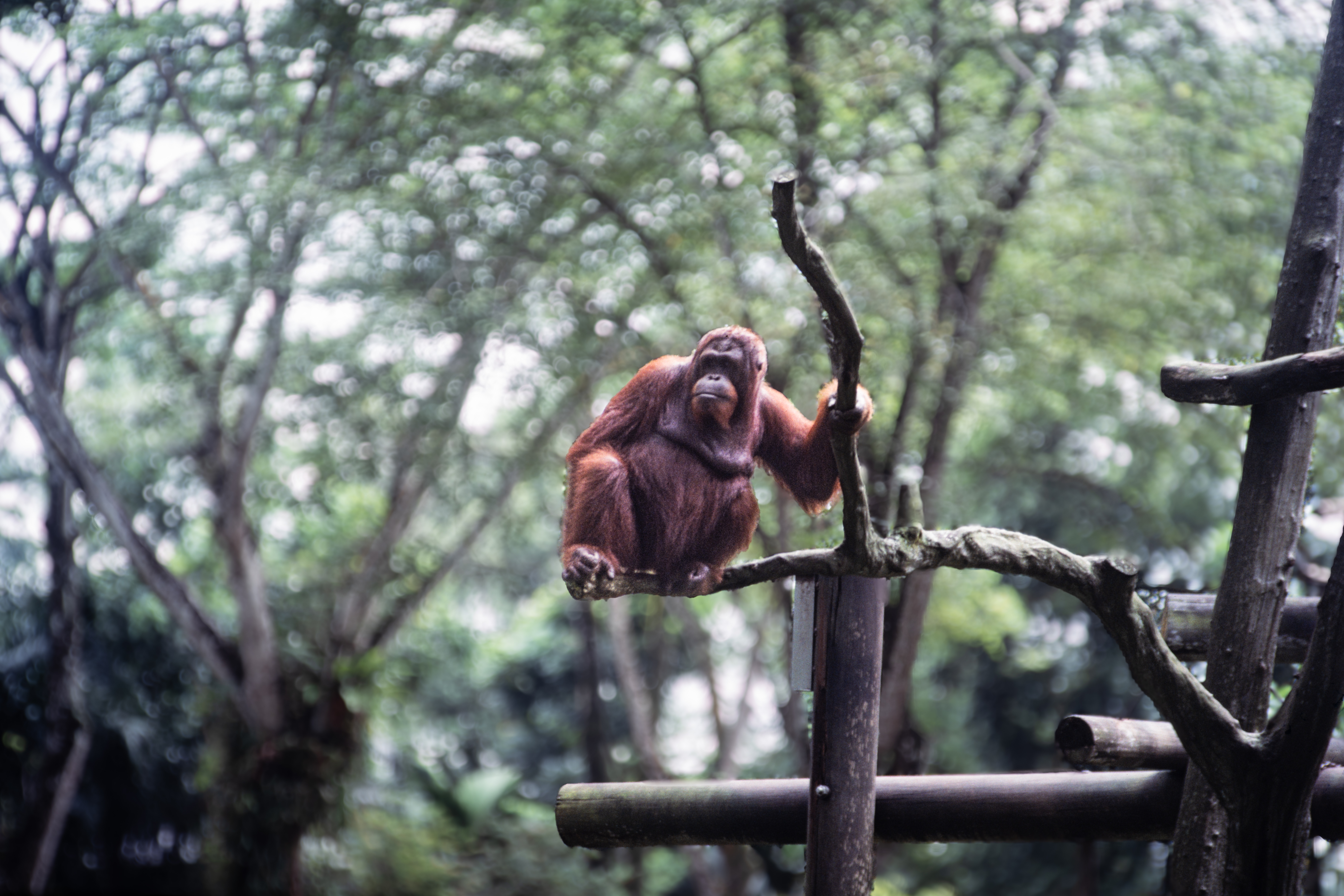
Orang-utans are another example.
Firstly we have to look at what people mean when they talk about wildlife. Wildlife is defined as undomesticated animals which can exist in their natural habitat, but has come to include all animals that live wild in an area without being introduced by humans. So that is a pretty broad definition and gives lots of scope. Having said that when most people talk of wildlife they tend to think only of certain charismatic species. Charismatic species are those animals which are visually appealing and generate public empathy to the extent that conservation groups and the media leverage those animals to the detriment of other species. The common features are that they are easily anthropomorphised, look cute, are large with big eyes, and they evoke strong positive emotions, making people want to protect them. Examples are giant pandas, gorillas, orang-utan, and koalas. The terms wildlife or wild animals cover a much broader range and includes animals rarely thought about.
Highly unlikely I’ll ever encounter a Polar Bear in the Wandoo National Park. Funnily enough I did photograph this one in Singapore which still seems highly unlikely.
We also have to take into account your location. In my case walking around my local national park expecting to photograph polar bears is delusional. To start any photographic project or endeavour you will have more success if you have accessibility, time, and certain equipment. The equipment side is the easy part of the equation and you don’t need vast sums of money and I’ve written about how to go about wildlife photography on a budget previously.
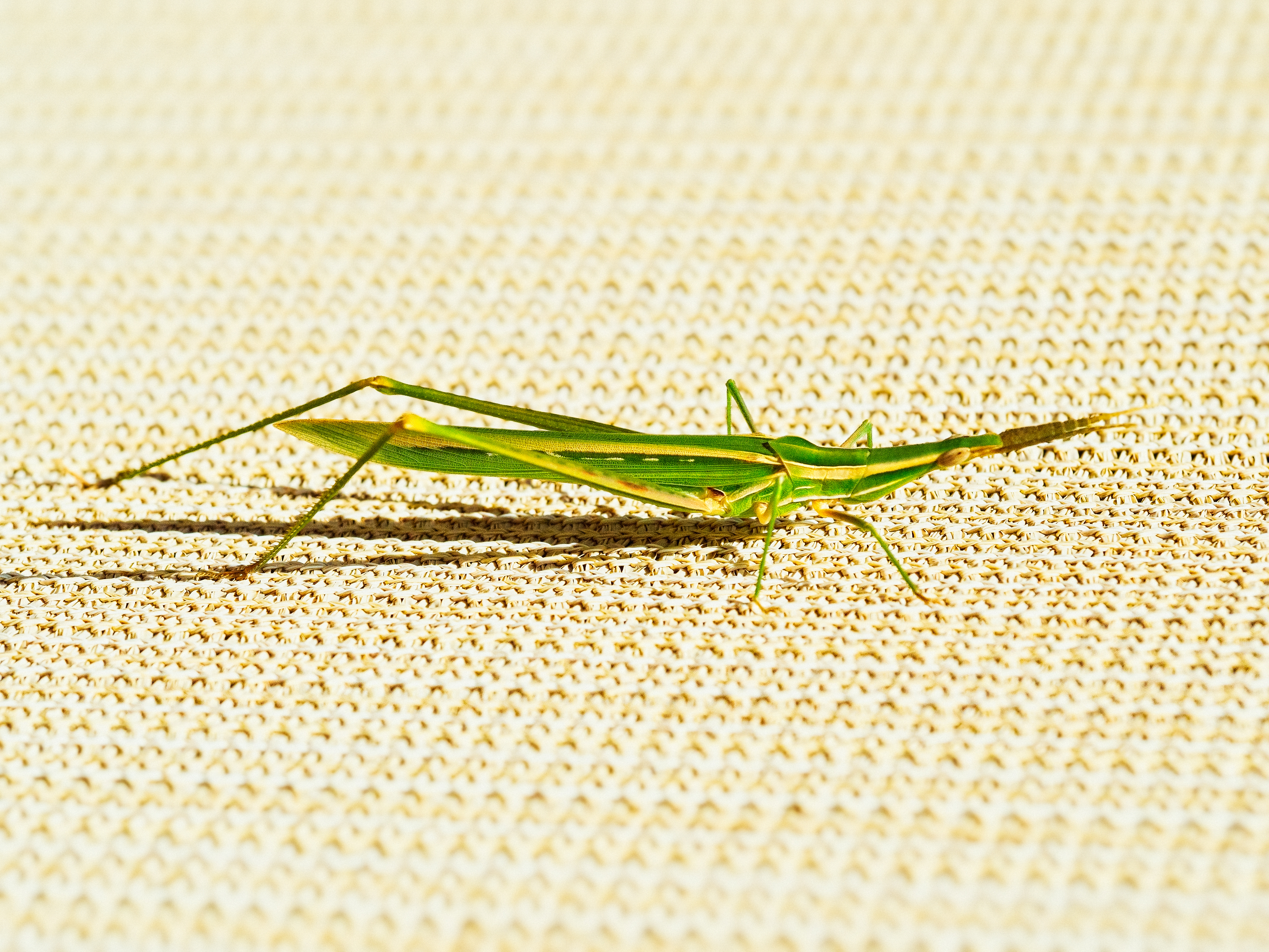
This Giant Green Slantface Grasshopper (Acrida conica) is not what comes to most people’s minds when thinking about wildlife.
The same could be said of this Blackbarred Mantis (Mantis octospilota).
At this stage it is time to think about what you want to photograph. Most people decide to photograph birds as that is what most comes to mind when talking about garden wildlife. I’ve known a couple of people who have decided to photograph in invertebrates they find in their garden. I’ve seen YouTube videos where people have hedgehogs or foxes come to their garden and they’ve gone out to take pictures of them as their main subject. We have resident frogs and bob tailed lizards in the garden and have had goannas and gwardars come visit. I think the neighbours chickens attract them.
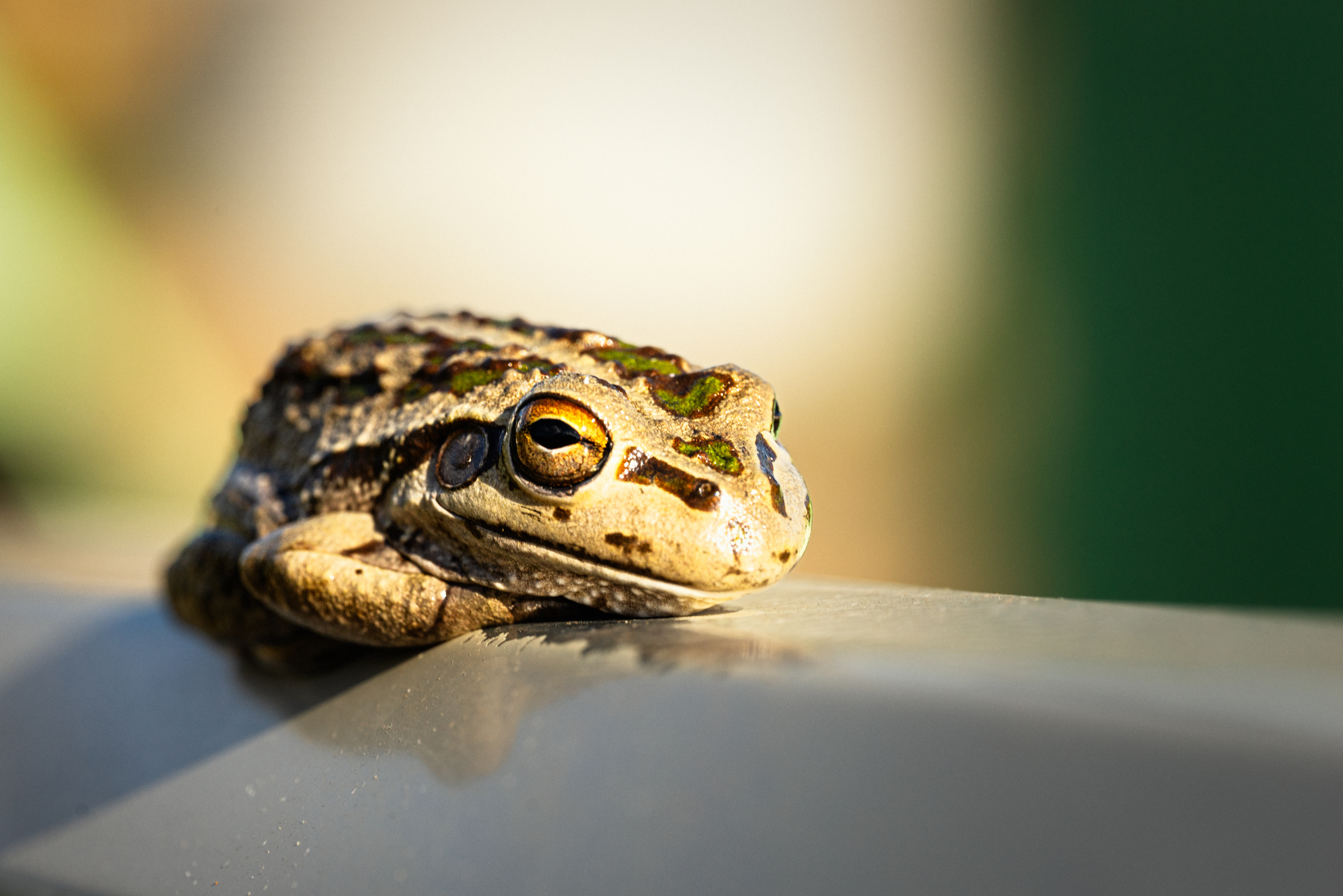
Motor Bike Frog [Litoria moorei (Copland 1957)]. Usually heard rather than seen.
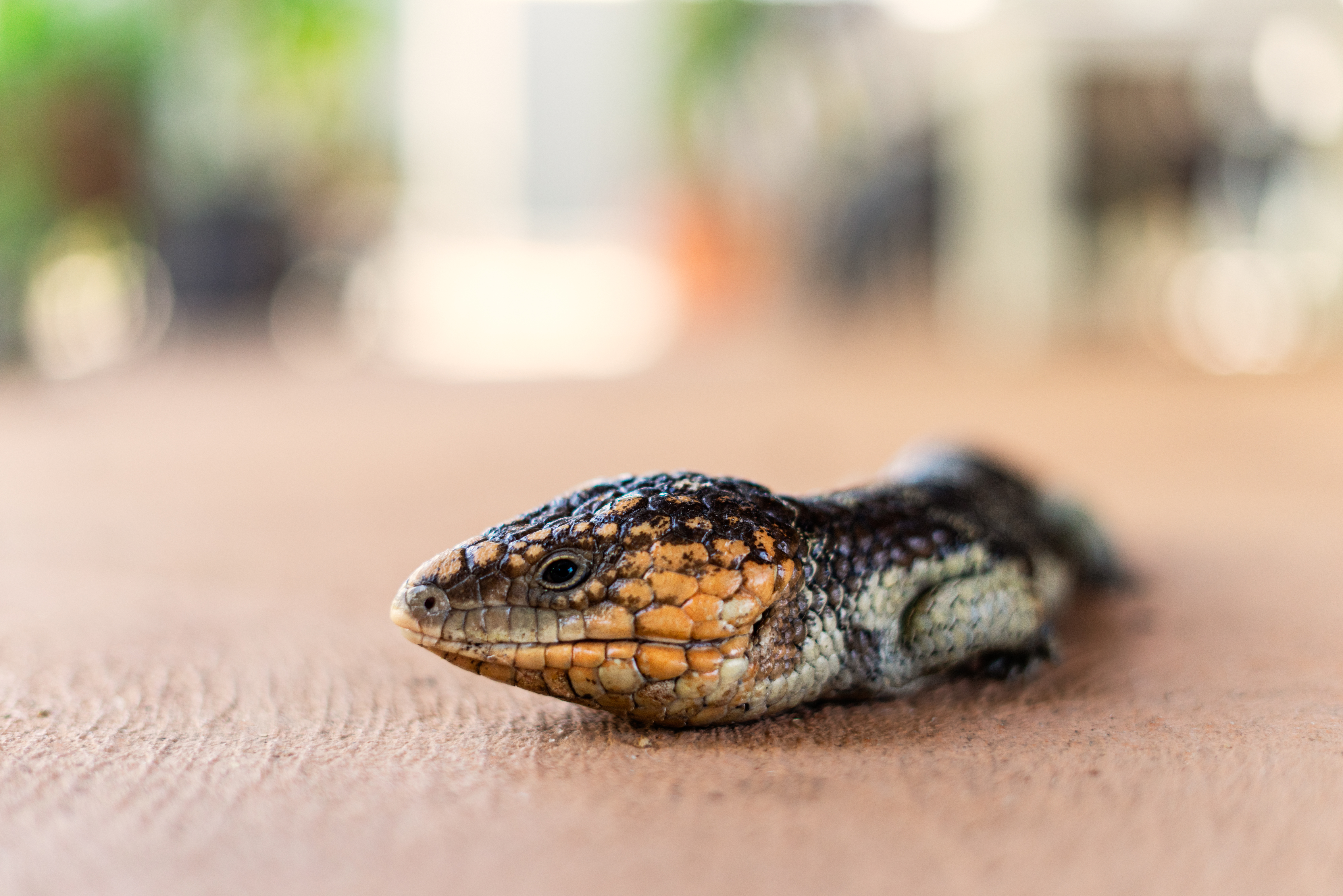
Big Bob the Bob Tailed Lizard (Tiliqua rugosa) on the prowl on the back patio.
My first forays into wildlife photography were in the garden and I think this is one of the best places to start because you have access and can observe what is happening through out the day and all through the seasons. Also if it is your garden to can modify or make alterations to attract more animals. I realise that not everyone has this luxury, but I do believe that with a bit of planning and a small amount of expenditure you can bring in animals. For those who don’t have the privilege then perhaps you have some access to some communal areas or have a friend or relative that would let you use theirs. So what do you need to do do? Well I can’t be very specific as my experience is in the Wheatbelt of Western Australia which is probably very different to where you live. But the basic principal is that all animals need three things. Food, water and shelter. So if can provide those you’ll get wildlife. For more detailed information the following links will help you:-
Inevitably the question of feeding wild birds comes up. Here in Western Australia it is illegal to feed native wildlife, including all native birds, without a license or lawful authority. Having said that around 30-50% of households do. The silly thing is you can walk into just about any supermarket and buy products for that explicit purpose. I suppose if you are going to do this do it so it benefits the animals in the long term. Give appropriate healthy food in small quantities so that they don’t become dependent on human handouts. In Western Australia with our long hot summers the best thing you can provide is water and plant native species that can provide food and shelter. Along with water we just put out seed which attracts Ring Necked Parrots, Galahs, Zebra Finches and laughing doves.
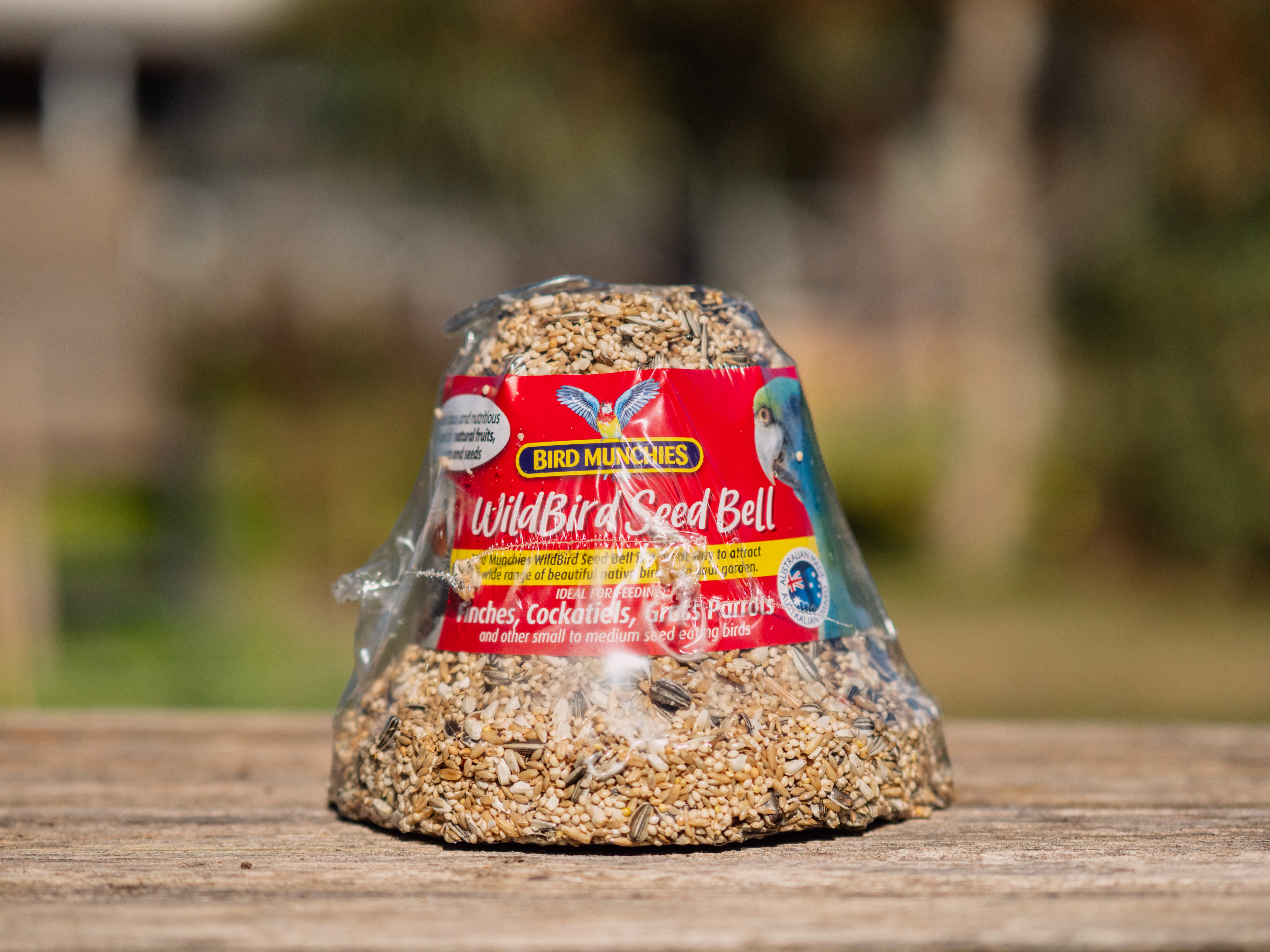
Although it is illegal to feed wildlife in Western Australia our local supermarket does a roaring trade in these seed bells.
Australian Ringneck or Ring-necked Parrot (Barnardius zonarius subspecies semitorquatus) making free use of the seed bell.
Don’t expect instant results. It can take a little time before the local wildlife population realises that you’ve put out food and water. Put the food and water out where there is cover not in the middle of a wide open space. Also think about what you’re trying to attract – it maybe necessary to provide sources at ground level if you want to see things like frogs and lizards.
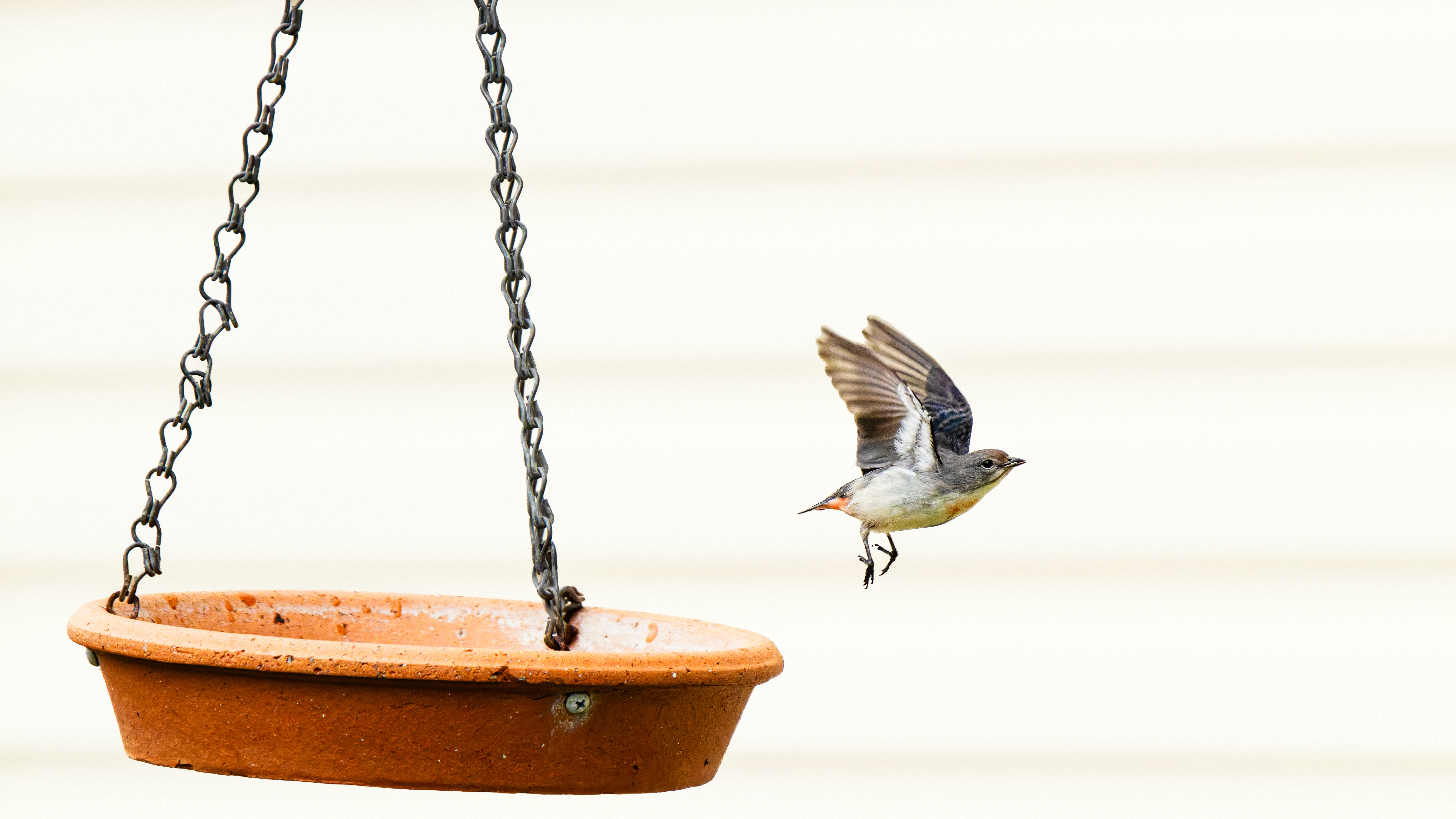
This photo of a Mistletoebird (Dicaeum hirundinaceum) leaving a bird bath was taken using a remote controlled camera.
Now that you’ve managed to attract animals to the garden how do you go about photographing them? Some people build a dedicated hide, other repurpose a shed or use a room in their house that faces onto the garden. Some use trail cameras. I don’t do any of those. I just wait quietly in the garden and photograph what turns up. A lot of the time I notice something interesting while doing something else and will just quietly slip into the house to retrieve my camera which is left permanently set up for birds. Lately I have been using my camera to photograph birds at the bird table and baths. I pre-set the focus and use a small aperture and trigger the camera via remote while I watch from a distance. All this is trial and error. You get a lot of duff photos, but occasionally you strike gold. As you find out what works and doesn’t you experiment with changing position and see how that effects things like the background.
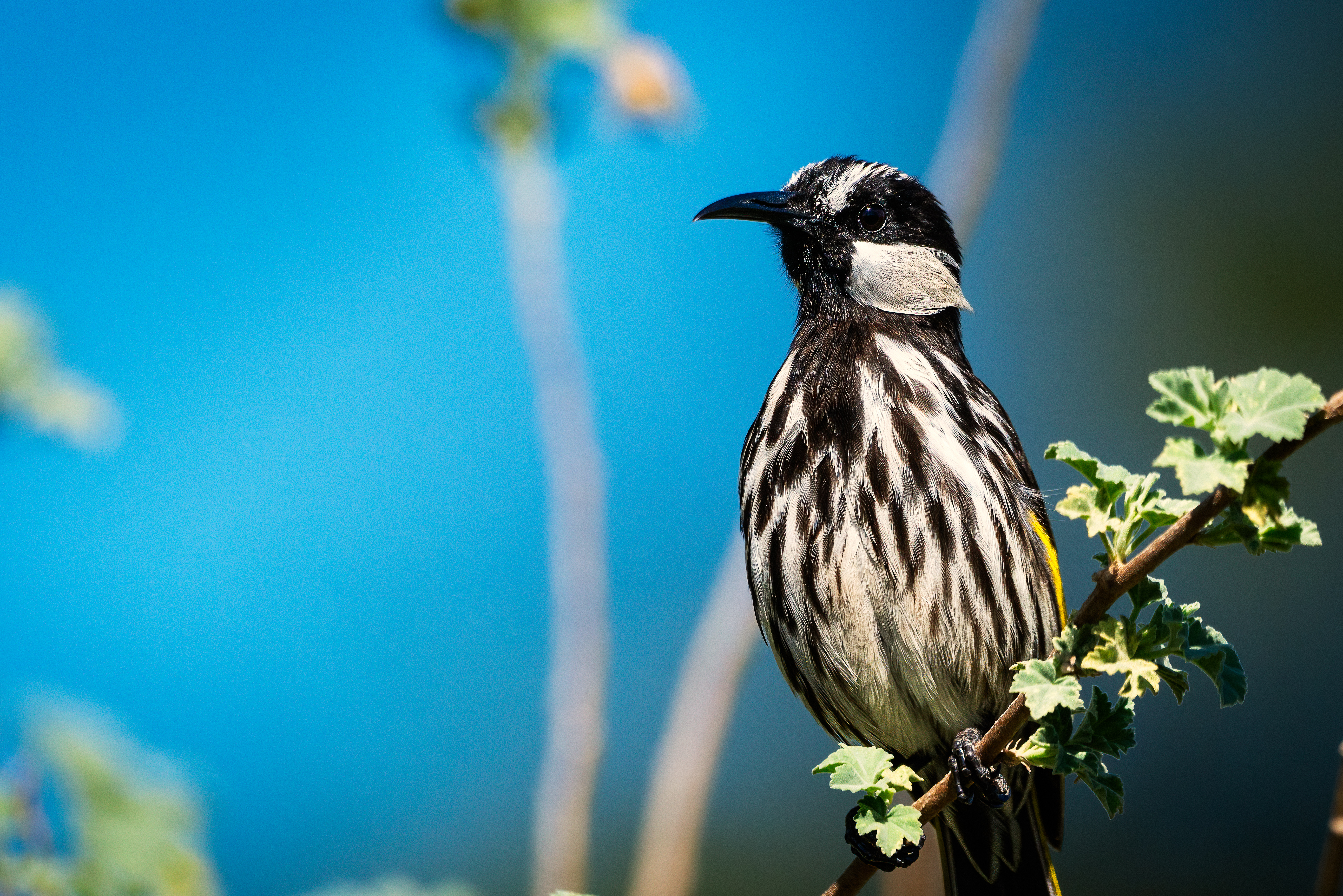
I saw this White-cheeked Honeyeater (Phylidonyris niger) while I was hanging out the washing. Luckily he obligingly stayed put while I got my camera.
I saw this Spiny-cheeked Honeyeater, Acanthagenys rufogularis while I was having a sundowner on the front veranda.
So why do I think the garden is a good place to start wildlife photography? Well it provides a readily available location where you can start to learn about animal behaviour. For example birds like to take off into the wind and many will defecate just before take off so if you see this happen you can time your shots to catch that moment.
If you know enough about bird behaviour photos such as this of a Zebra Finch (Taeniopygia guttata) become easier.
Djindjokoor or Brown Honeyeater (Lichmera indistincta) amongst grey saltbush.
It also gives you opportunity to fine hone your photographic skills. Learn how depth of field works with long and macro lenses. What shutter speeds you need to stop movement. How your cameras AF system works in different lighting conditions. At what level does the ISO have to get too before an image is unusable. This is important because it means that when you do go to a more “exotic” location you’ll have the skills to make the most of it.
The skills honed in my back garden allowed me to capture this photo of an Australian Hobby, Falco longipennis, feeding on a dragonfly at Gantheaume Point in Broome, Western Australia.
Another benefit is that when you need to be on location at dawn you can just fall out of bed and grab a coffee at just the right time rather than get up up a couple of hours before dawn and drive for ages while you’re still half asleep. Or you might be able to grab an hour or so after work.
I hope this helps to give you ideas and inspire you.
I’m not talking about Downton Abbey or the town in England, I’m talking about spiders, bugs, butterflies and all manner of little wriggly things.
Cabbage White Butterfly (Pieris rapae) – the scourge of gardeners.
A few weeks ago I wrote about documenting the wildlife in our garden and that I was widening the net, as it were, and including all animals including invertebrates. Well after a few weeks of trying this I’ve come up with some observations.
A very small jumping spider on a wandoo leaf. This is the only photo I got as it kept jumping all over the place.
Firstly, as a 58 year old man with a well dodgy back the time time taken between observing the little critter and getting down onto the ground and in a position to photograph it means that it has left the vicinity. Some of these creatures can move incredibly fast when they want to and I can’t. I knew that grasshoppers and their ilk can be very quick, but I wasn’t prepared for the speed of the jumping spiders – a blink of the eye and they are just out of there.
Christmas or jewelled spider. Not known for their speed of movement but the wind catches their webs and so focusing is difficult. Getting in a position to photograph them in a way that shows off their shape and colouring requires a degree of the flexibility that I am lacking.
Secondly, you have to able to contort yourself into some pretty strange positions to get down and photograph them. Now I thought that I’d got this one covered because I do this when photographing orchids, but combine this with being quick (see point one), being stealthy so as not to frighten them and having a spine with flexibility of an RSJ it makes each session like some weird kind of yoga with a camera.
Blue Banded Bee, Amegilla cingulata. York, Western Australia.
Thirdly, a lot of these critters are small. If you look at the photo of the jumping spider resting on a Wandoo leaf, it was less than 5mm in diameter. So you need good eyesight to spot things that small. I’ve just had my eyes tested and they’re fine for distance it’s reading and close up stuff that’s the problem. You can’t rely on autofocus with macro photography and I’m here to say that manually focusing on a small critter that keeps jumping around while having dodgy eyesight is not easy. As my dear old mum used to say “It’s enough to make saint swear!”.
This locust very obligingly sat still long enough for me to take his photo.
Lastly, the benefit of photographing creepy crawlies is that you don’t need a honking great telephoto lens that resembles a small artillery piece. Macro lenses are relatively lightweight and my back is thankful for that.
Blue Skimmer dragonfly (Orthetrum caledonicum). Although they move like miniature fighter jets when flying dragon flies will take frequent breathers on a twig or stalk, often preferring to use the same one repeatedly which makes photography a lot easier.
White-cheeked honeyeater, Phylidonyris niger. York, Western Australia.
Well we’re at the start of another year. I’d like to think that it’s going to be better than the last two, but that does not seem likely. In another four weeks our borders will open and COVID will come flooding in. Most years we like to plan projects and trips, but this we haven’t as so many things get cancelled due to COVID. My partner and I have decided that the priorities for this next year will be to get the booster shot – not easy in rural Western Australia – and to hole up at home for the duration. Anything that we do undertake will be either based at home or in the locality of York. Last year I started documenting the birds that come to our garden. This next year I’m casting the net wider and am going to include all animals. In fact I’ve already started so here are few photos of our visitors.
A less than graceful landing on the fence by a juvenile Zebra Finch (Taeniopygia guttata). York, Western Australia.
Yellow paper wasp, Polistes dominulus. York, Western Australia.
Feral honeybee (Apis mellifera) feeding on sap from a Brazillian Peppercorn tree (Schinus molle). York, Western Australia.
Blue ringtail damselfly, Austrolestes annulosus. York, Western Australia.
Gum tree Shield Bug (Poecilometis spenceri) aka stink bug. York, Western Australia.
Crusader bug (Mictis profana) instar nymph. York Western Australia.








You must be logged in to post a comment.