Well That Was Bracing

I’d not been down to the river for a couple of months – I’d given it a wide berth since the corella culls. So I was quite unprepared – it was 3ºC and I hadn’t dressed appropriately at all. Sitting in the shade by the water meant it was really chilly. The other change from when I’d last visited was there was some water in the river which meant that the birds instead of being congregated around the few permanent pools were spread out along the whole river. It was really quite spectacular watching the rising sun shine through the trees and paint everything golden. It was worth getting up just for that alone. I didn’t see many small birds, but the larger species were there in numbers all waiting for the sun’s warmth.
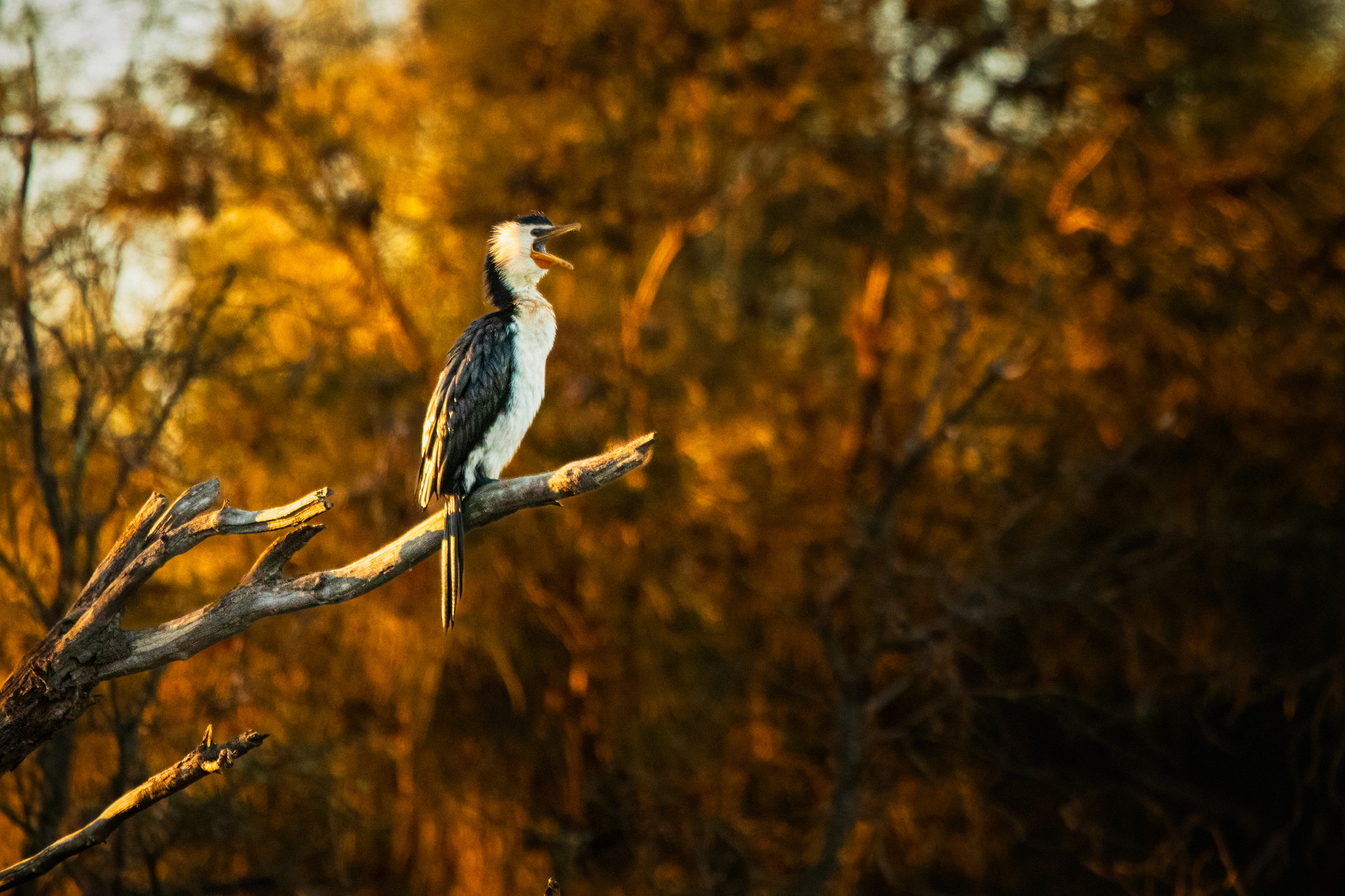
 

Kakak by Paul Amyes on 500px.com

Kakak little pied cormorant (phalacrocorax melanoleucos). It’s rare to hear little pied cormorants calling out to each other, but this morning they were being very vocal. Perhaps they were complaining of being cold.
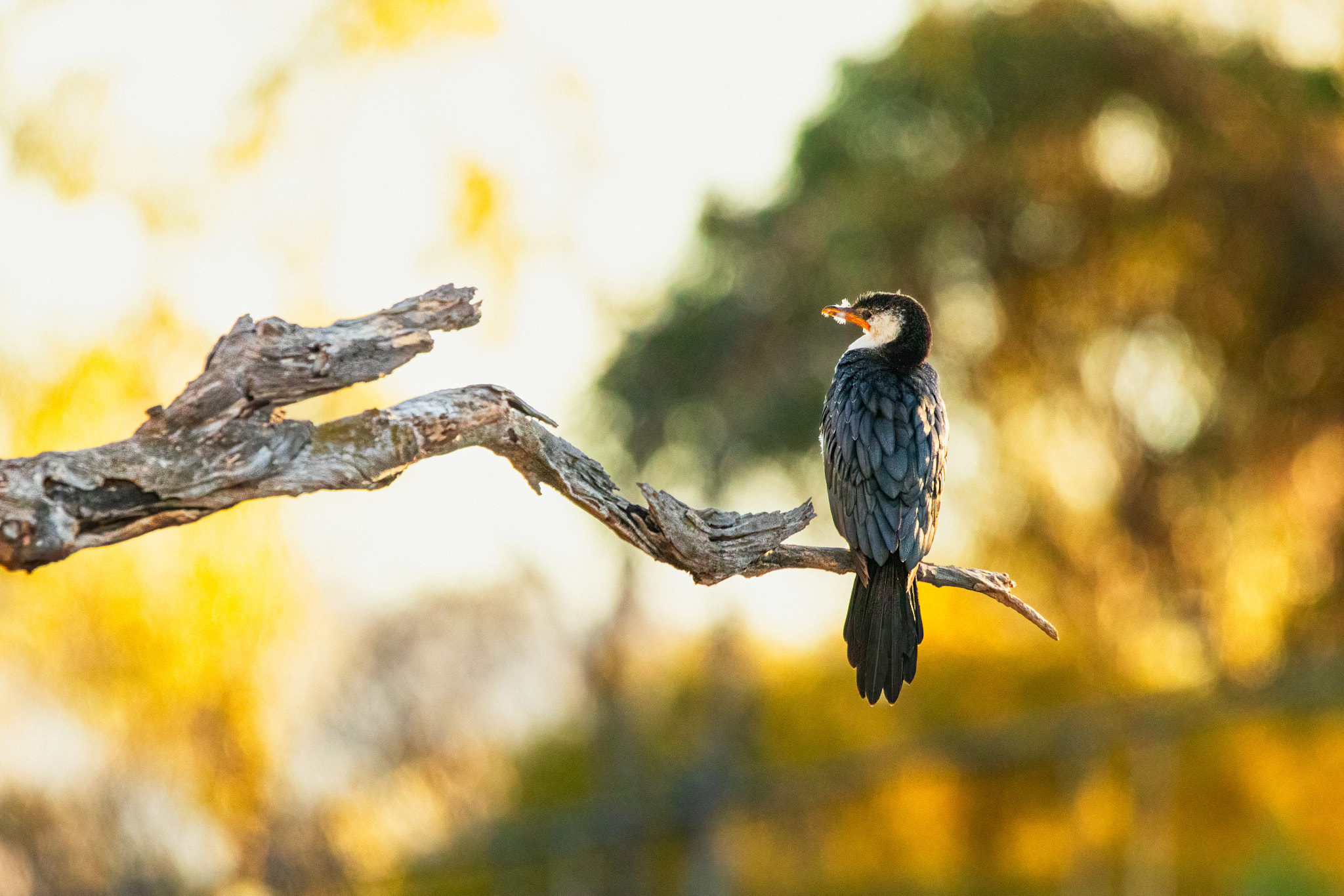
 

Kakak by Paul Amyes on 500px.com
The rising sun shining through the trees produced some amazing soft golden light.


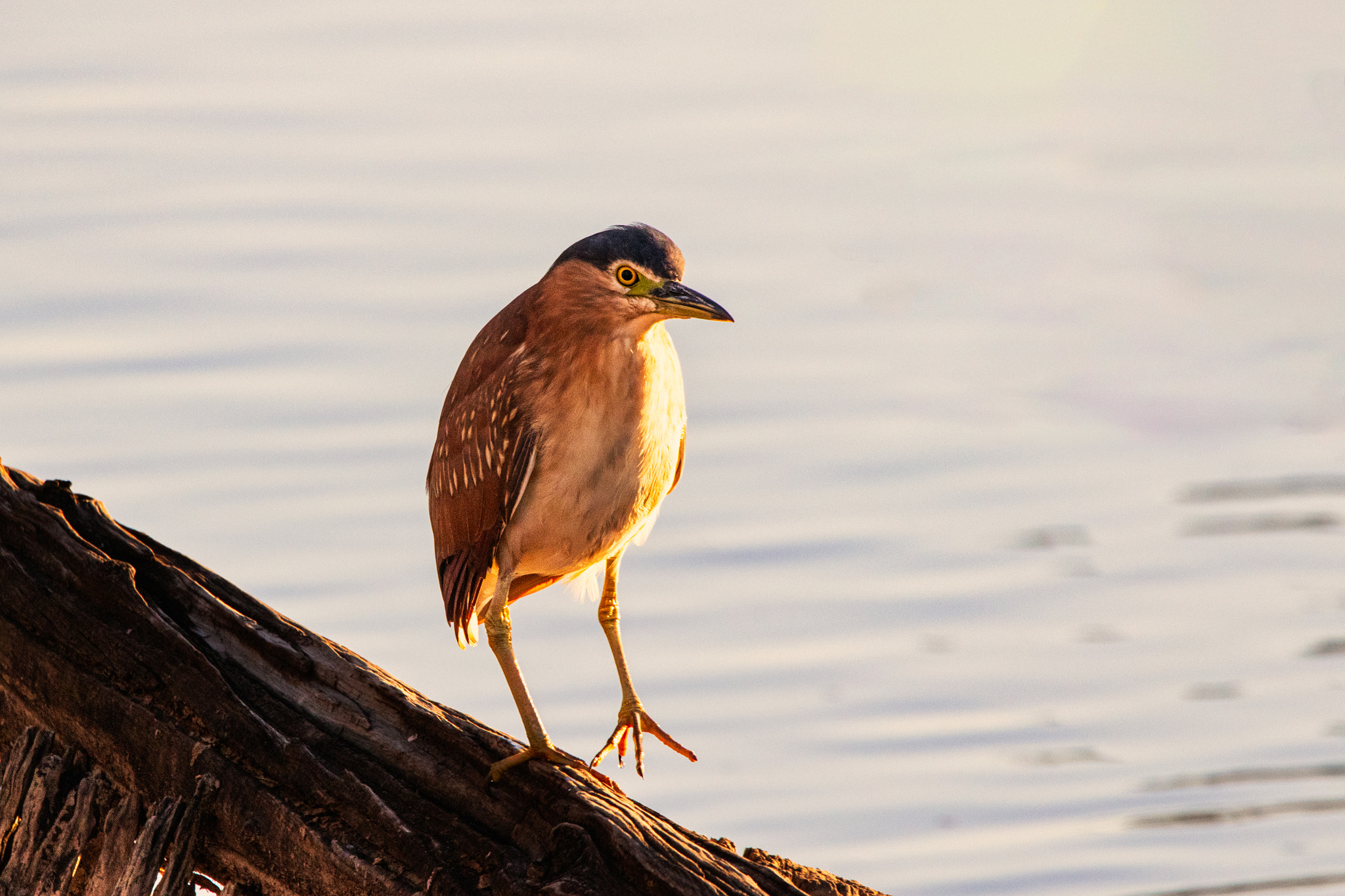
Ngalkaning by Paul Amyes on 500px.com

Ngalkaning or Rufous Night Heron aka Nankeen Night Heron (Nycticorax caledonicus subsp mannillenis).
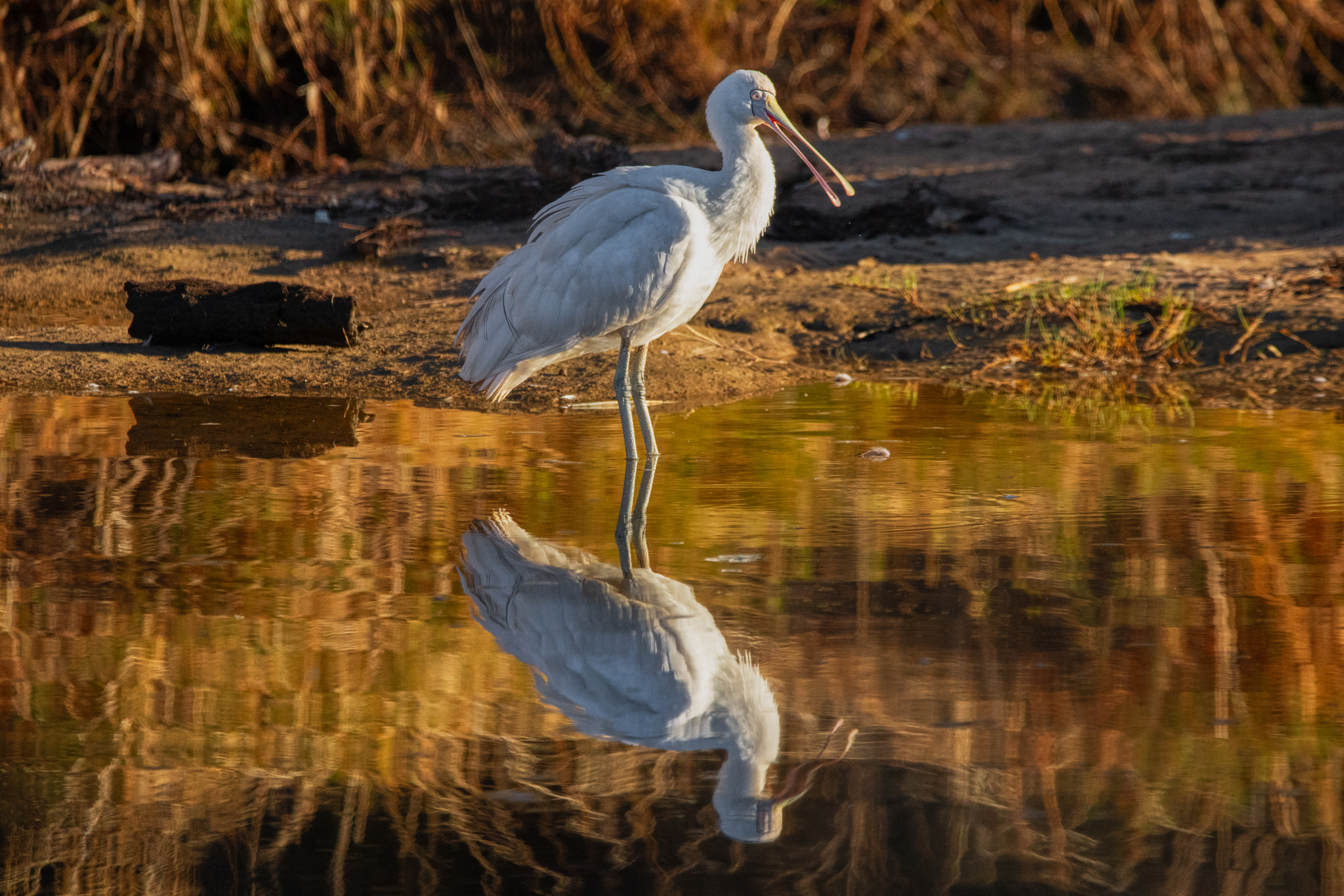
 

20240523-York-0358-Edit by Paul Amyes on 500px.com
Kaaka-baaka or Yellow-billed Spoonbill (Platalea flavipes).


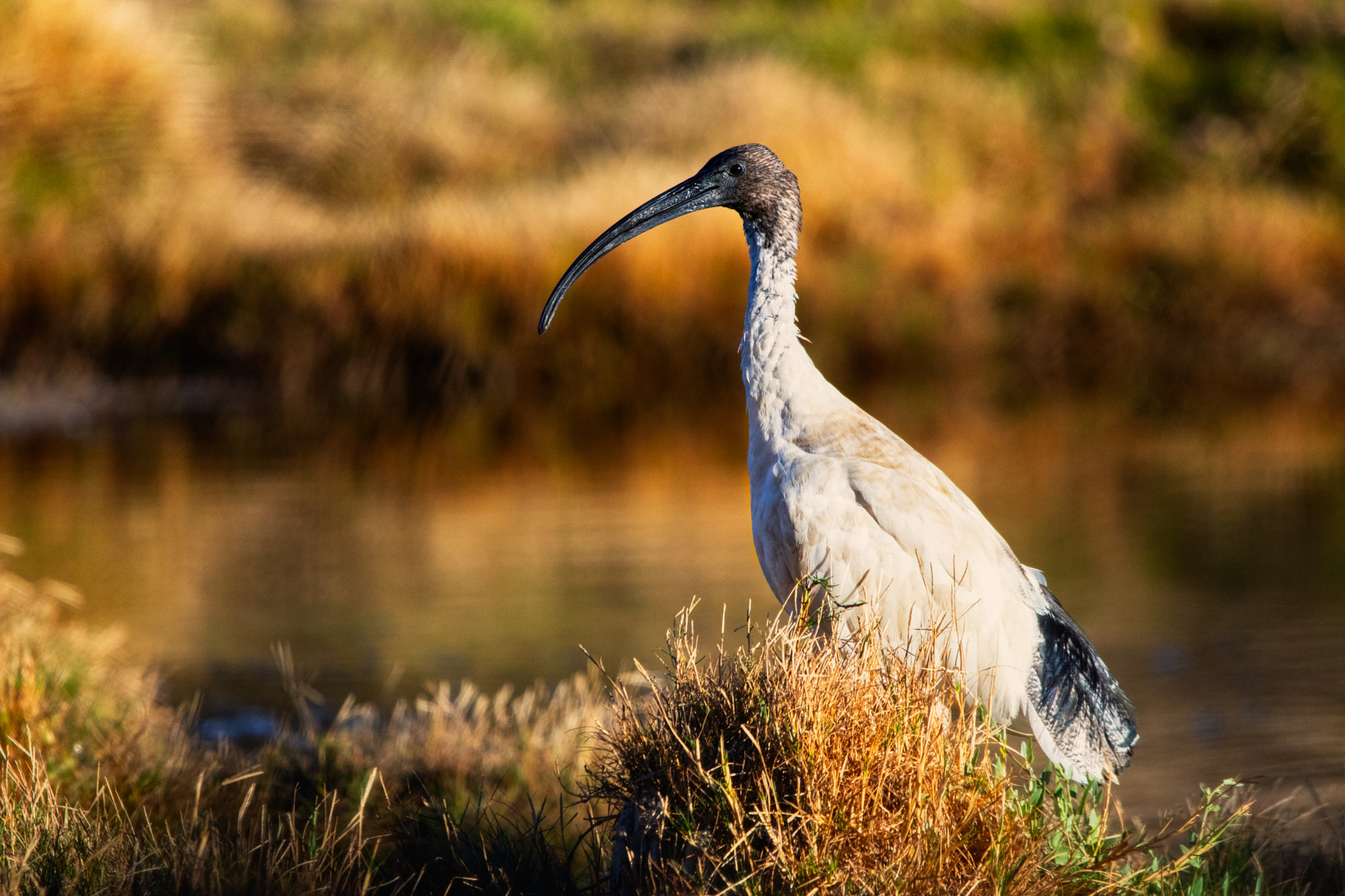
Ngalkaning by Paul Amyes on 500px.com
Ngalkaning or Australian white ibis (Threskioris molucca).


Wayan by Paul Amyes on 500px.com

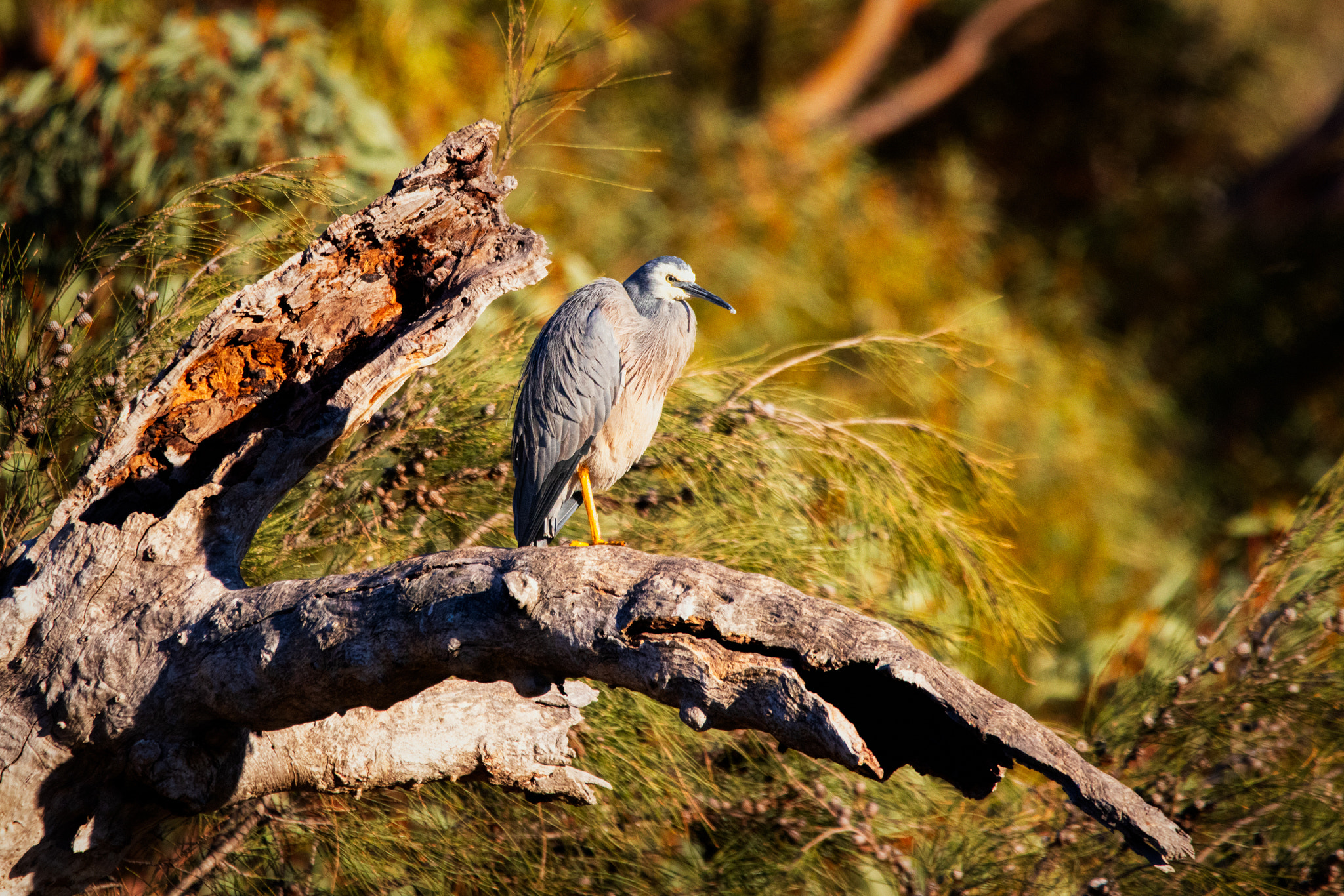
Wayan or White-faced Heron (Egretta novaehollandiae).
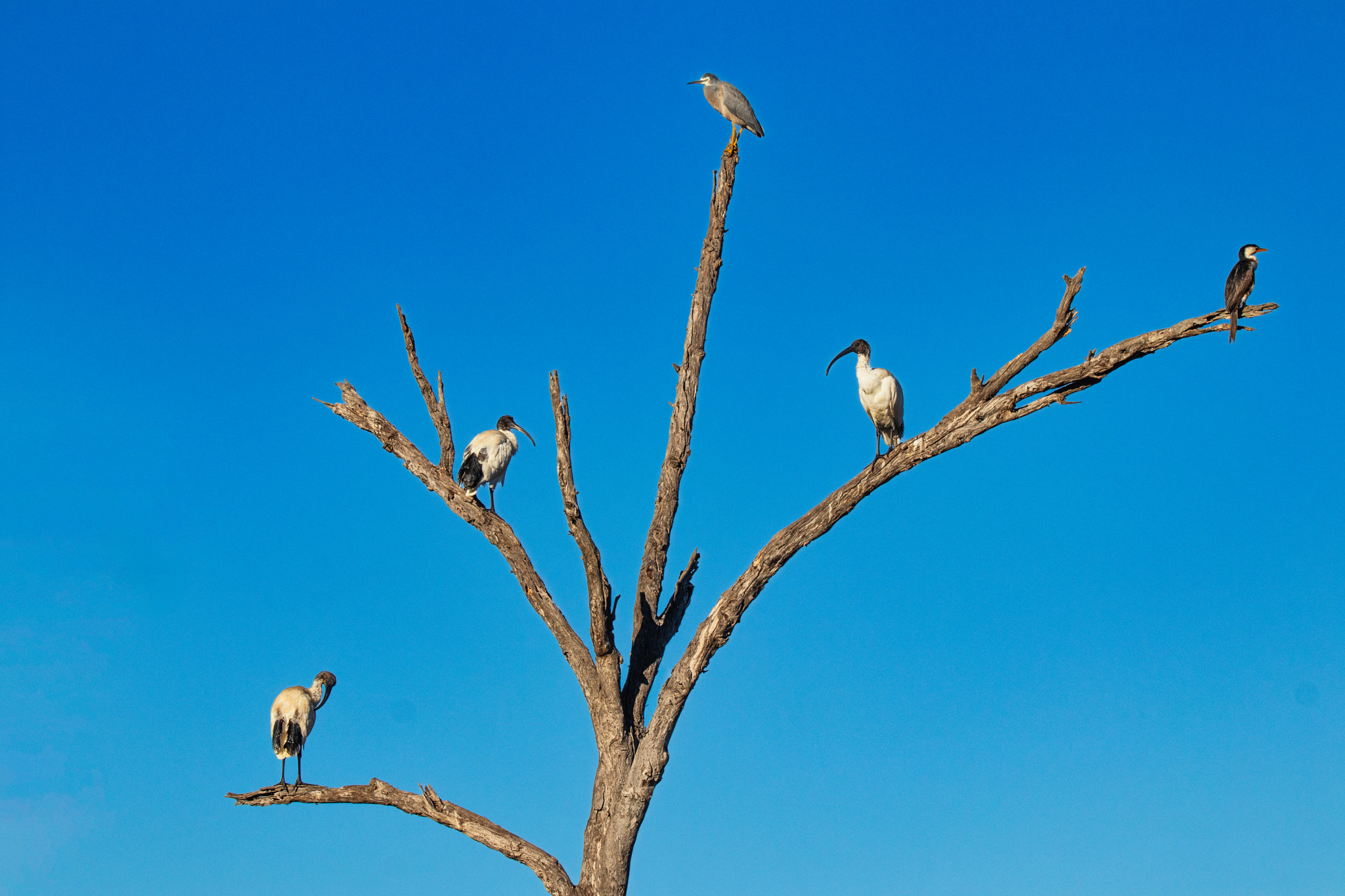
 

Catching the Sun by Paul Amyes on 500px.com
On a cold morning on the Avon River some of the inhabitants try catching the sun’s warmth.


The Early Ibis…

… catches the worm.

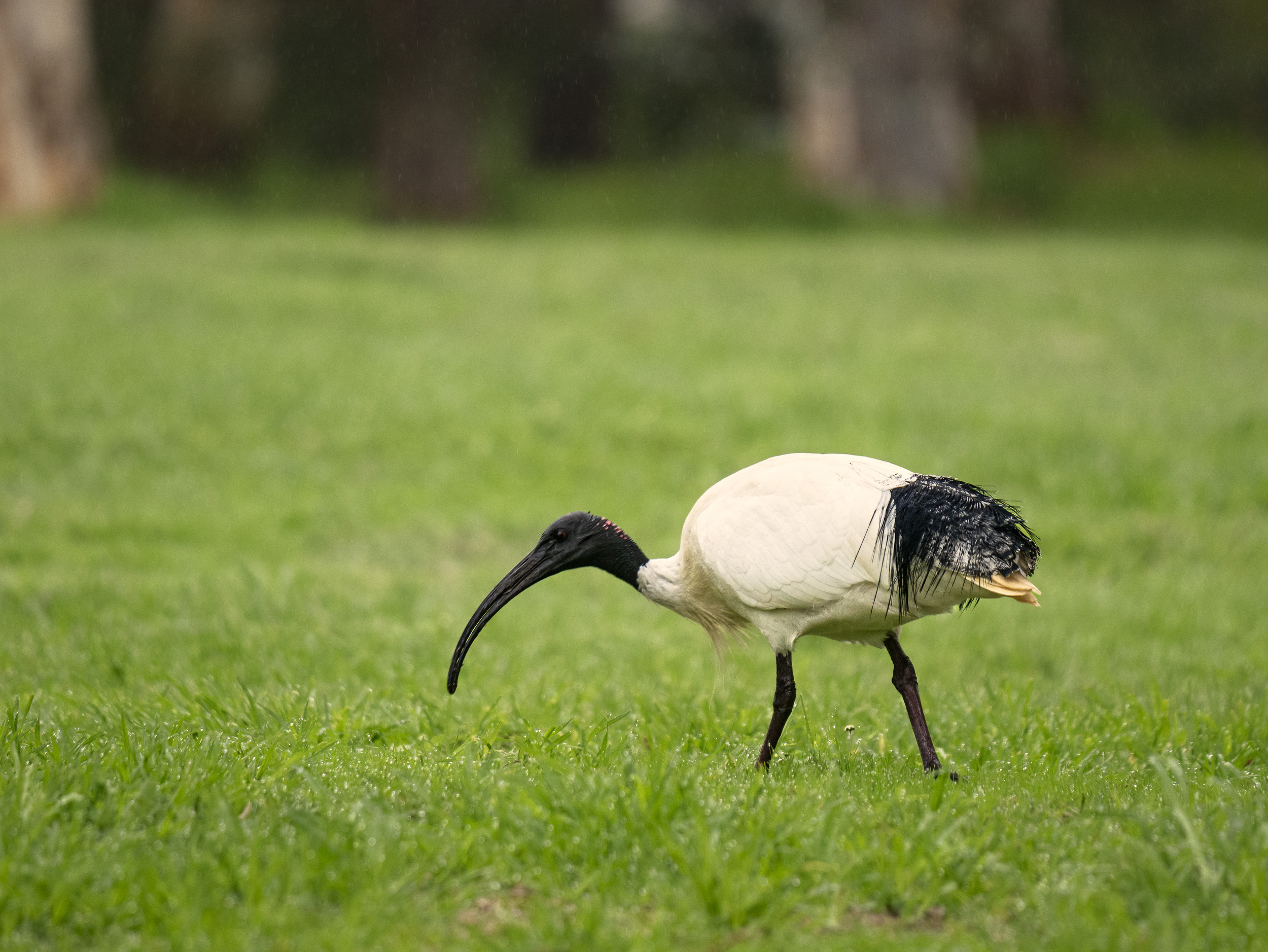
“Hmmm what’s over here?” Australian white ibis, Threskiornis molucca. Heirisson Island, Western Australia.


“Let’s have a bit of a poke around and see.” Australian white ibis, Threskiornis molucca. Heirisson Island, Western Australia.


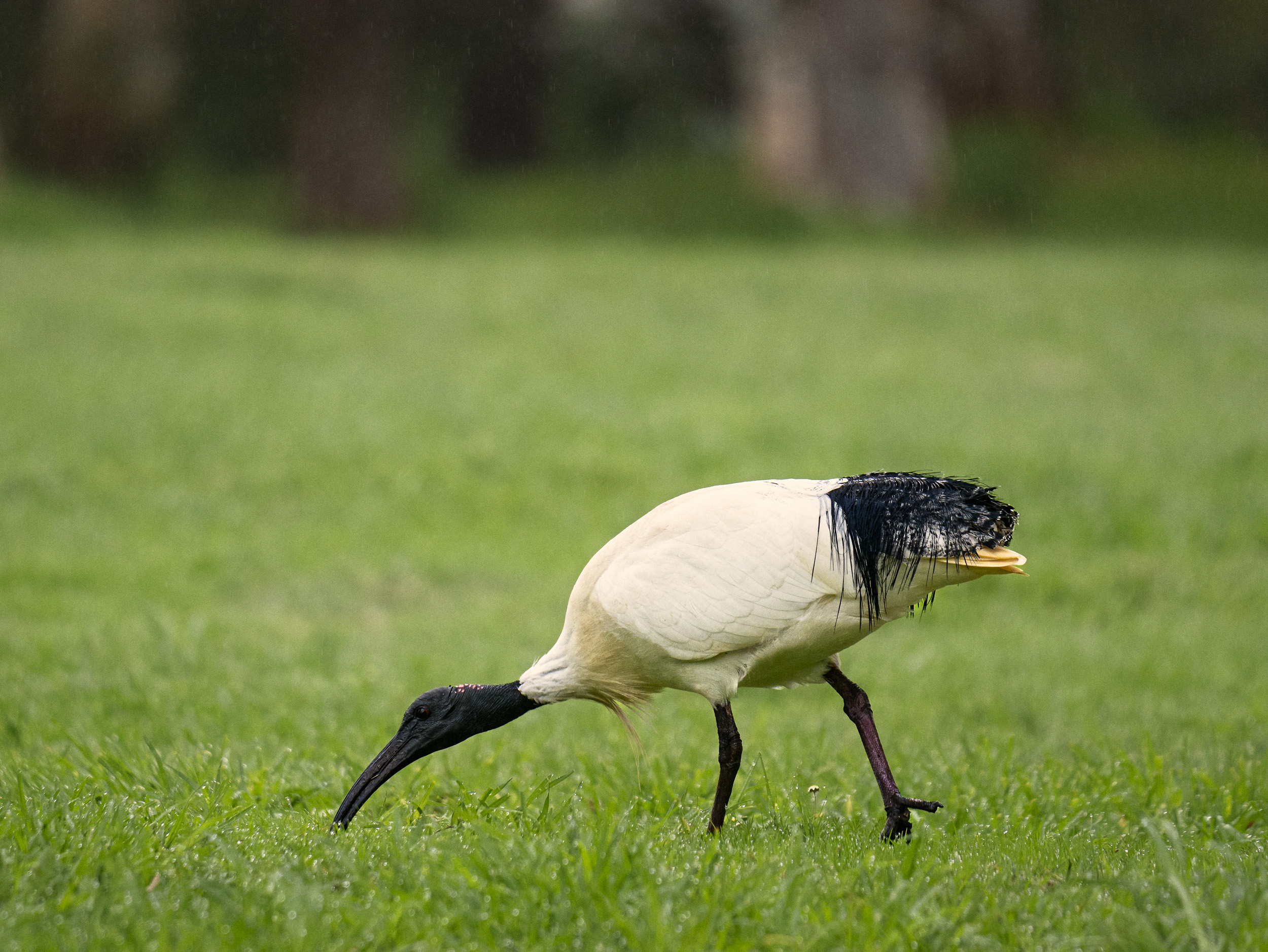
“Blimey it’s like rubber!” Australian white ibis, Threskiornis molucca. Heirisson Island, Western Australia.


“Gotcha!” Australian white ibis, Threskiornis molucca. Heirisson Island, Western Australia.

Where’s Yer Bin?

No this is not the racist joke joke about  people from ethnic minorities and prison. This is a sensible post about ibis. Now not a lot of people know this – but there are three species of ibis in Australia. The most well known is the Australian White Ibis (Threskiornis molucca) also commonly known as the Australian Bin Chicken and sometimes referred to as the tip turkey thanks to its habit of rummaging in rubbish. I think we can all agree it is not a very good looking bird,  in fact it looks a little primeval.


Not So White Ibis by Paul Amyes on 500px.com
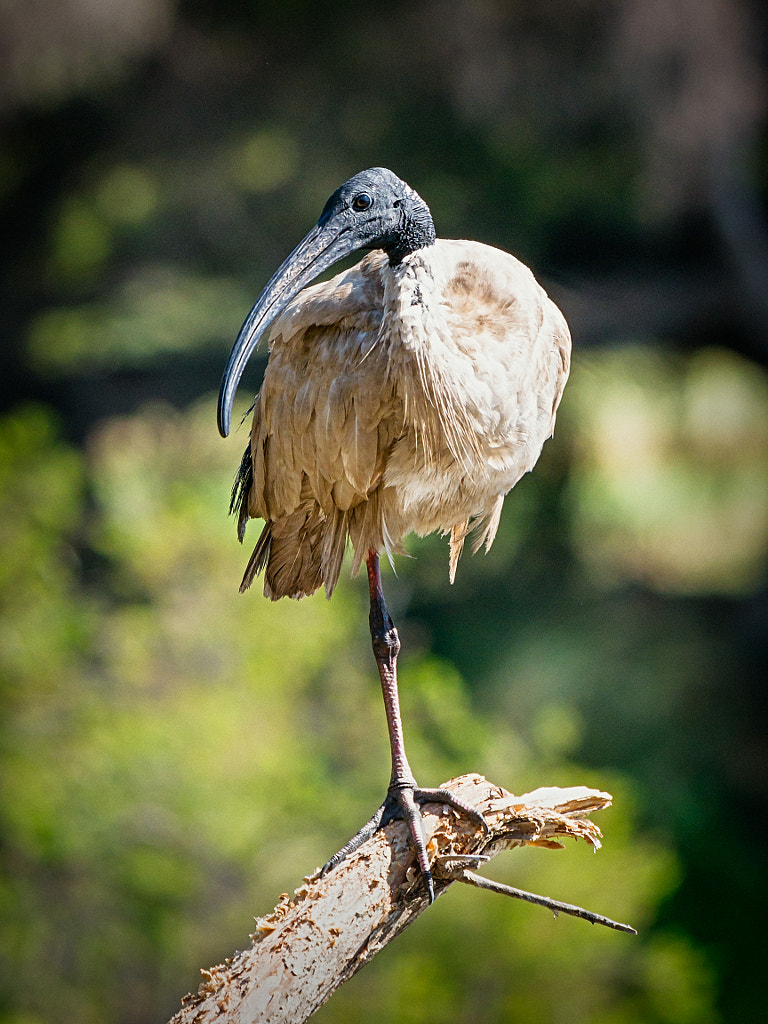
Australian white ibis, Threskiornis molucca, and not a bin in sight. Herdsman Lake, Western Australia


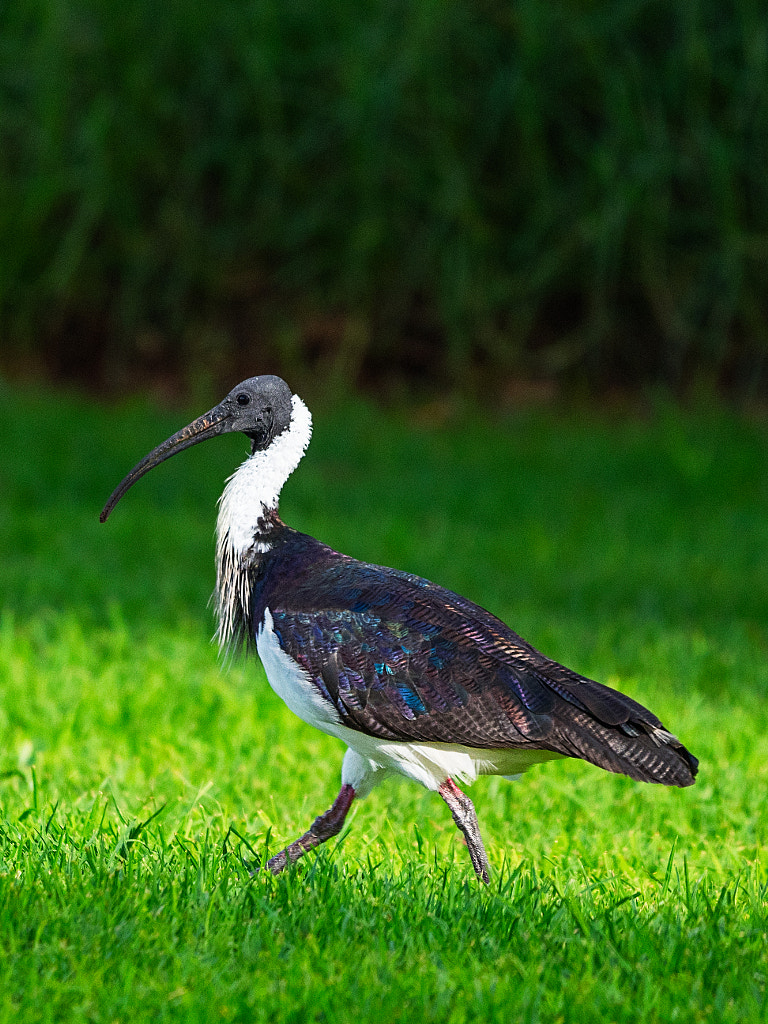
The second ibis that people may be aware of is the Straw-necked Ibis (Threskiornis spinicollis)and they are fairly widespread and can be found around shallow fresh water bodies. They have not succumbed to an urban diet of rubbish but feed on aquatic insects, molluscs, frogs, and on land, they thrive on grasshoppers, crickets, and locusts.


Straw-necked Ibis by Paul Amyes on 500px.com

Straw-necked Ibis, Threskiornis spinicollis. Herdsman lake, Western Australia


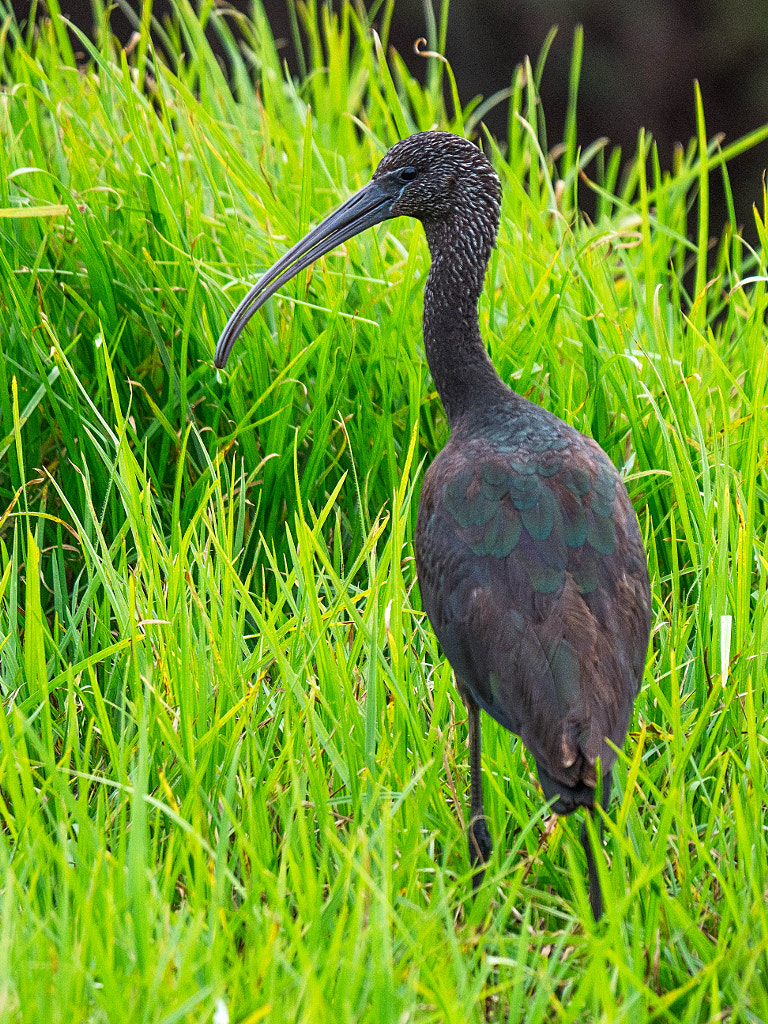
The third is one that most people are unaware of, and that is the Glossy Ibis (Plegadis falcinellus).  Seen in dull flat light the bird appears to be a dark dirty brown colour, but it is when it is seen in strong directional light its plumage takes on an iridescent green-and-purple gloss. One might almost say that for an ibis it is a good looking bird. They, like their straw-necked cousins, can be found foraging around large shallow fresh water bodies for  frogs, snails, aquatic insects and spiders. This is also our most cosmopolitan ibis being found not just in Australia but also  in warm regions of Europe, Asia, Africa,  and the Atlantic and Caribbean regions of the Americas.


Glossy Ibis by Paul Amyes on 500px.com
Juvenile glossy ibis, Plegadis falcinellus. Herdsman Lake, Western Australia.