Events at home over the last few weeks have meant that I haven’t had the opportunity to do very much photography. Most of the blog entries are written a few weeks before they are published because of the vagaries of finding wildlife so that backlog came in handy for when I couldn’t get out and about. But now the well has run dry.
Crusader bug (Mictis profana) instar nymph.
What little photography I have done recently has been in our back garden. Thankfully we have quite a lot of wildlife visit that I can point a camera at. Most of it has been of the usual suspects, the more common species that can be found in gardens in this part of the world, but there have been a couple of unexpected visitors which was very nice. For the best part of a year we had a problem with stray cats killing a lot of the birds and reptiles. But one of our neighbours has taken the main culprit in and the wildlife numbers are climbing back to what they were.
Wall Skink or Fence Skink (Cryptoblepharus buchananii) cooling off in the bird bath.
Yoorn or Bobtailed Lizard (Tiliqua rugosa)
Kanyinak orSacred Kingfisher (Todiramphus sanctus) on our TV aerial with a freshly caught Bombay Runner (Periplaneta americana).
Bambon or Rufous Whistler (Pachycephala rufiventris). It is a joy to hear this bird sing every morning.
Nye-nye or Zebra Finch (Taeniopygia guttata) looking for food on the back lawn
Djida or Yellow-rumped Thornbill (Acanthiza chrysorrhoa).
Cabbage White Butterfly, Pieris rapae.
Giant grasshopper or hedge grasshopper (Valanga irregularis) resting on the garden fence.
The garden provided a great deal of solace over a difficult time and it always amazes me how restorative being in nature can be. Hopefully, over the coming weeks we’ll be able to get out and about more.
Spring is now almost over and most of the wildlife has now settled down to domestic duties – having and raising young.
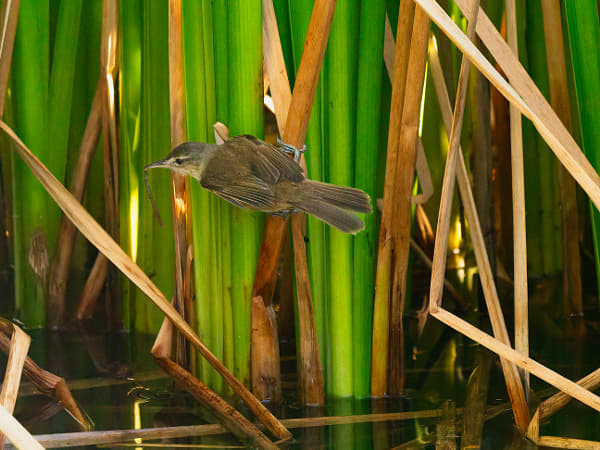
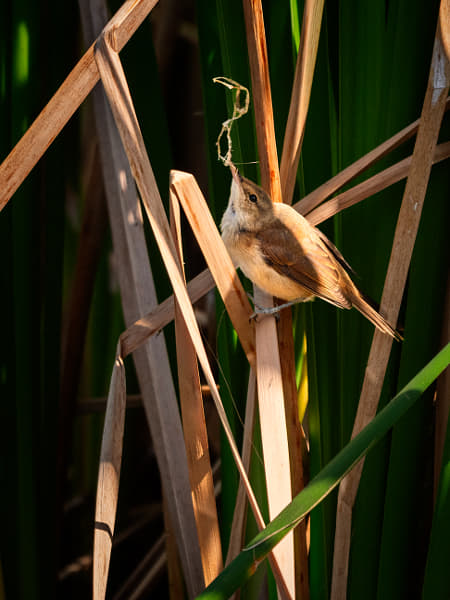
A recent visit to Bernard Park in the Wheatbelt metropolis of Northam showed this to be true. The Australian Reed Warblers were still building nests and it won’t be long before the serious business of egg laying starts.
Koordji-koordji or Australian Reed Warbler (Acrocephalus australis subspecies gouldi) gathering nesting material. Northam, Western Australia.
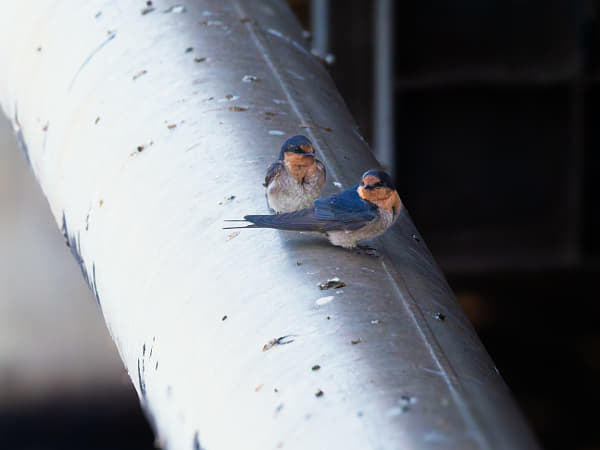
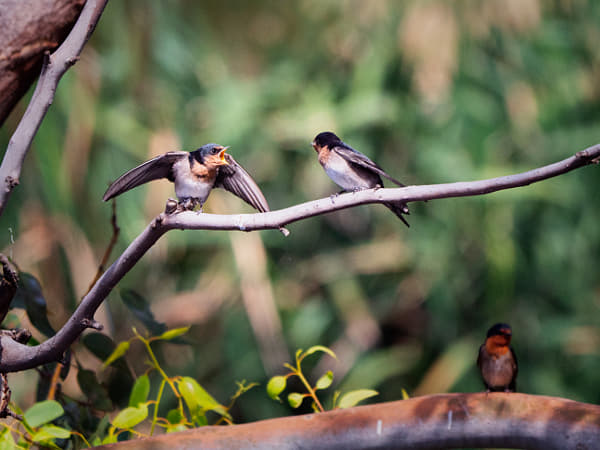
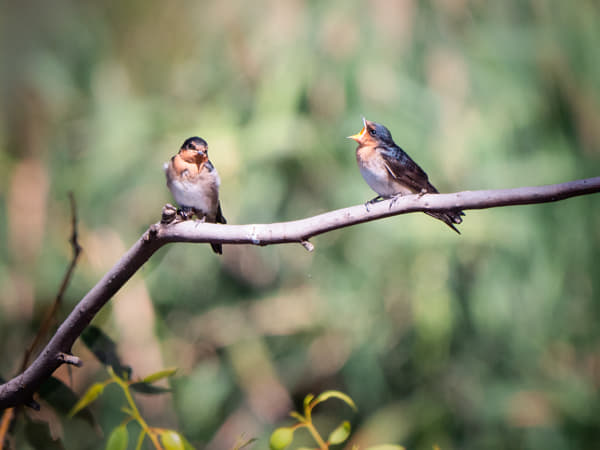
The Welcome Swallows were mostly content to hang out together between hunting forays, but we did see a couple which did seem to be in the middle of a domestic alternately screeching at each other. Do birds separate and divorce? No idea. Perhaps I anthropomorphising them too much, but it is hard not to project human feelings into animal interactions.
A contented pair of Kanamit or Welcome Swallows (Hirundo neoxxena) taking a breather under the Peel Terrace Bridge. Northam, Western Australia
These two seemed to be in some sort of domestic dispute.
It wasn’t one sided either. Both were carrying on like pork chops in a frying pan. Perhaps a referral to Relationships Australia is in order?
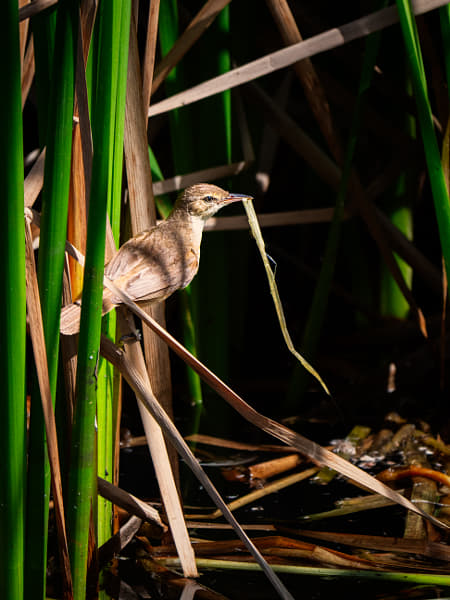
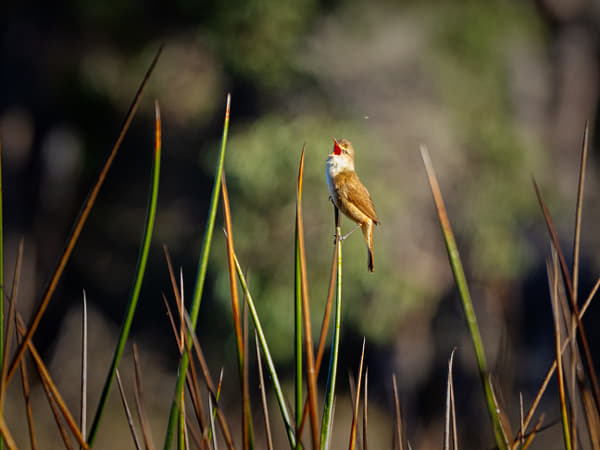
The other morning as I was walking around Lake Leschenaultia I spotted a couple of male Australian Reed Warblers marking out their territories while trying to attract a mate. When both of them were singing the sound was so loud that it almost made my ears hurt. It’s amazing that something so small can produce such a volume of sound. Normally you tend to hear them rather than see them, but this morning the two of them were perched on the very tips of the reeds. It was quite an amazing experience.
Koordji-koordji or Australian Reed Warbler (Acrocephalus australis subspecies gouldi). Lake Leschenaultia, Western Australia.
Bit of an odd morning today. It was a distinctly grey day and I wasn’t intending to take any photos. While getting set to take the dog out for a walk along the river at Blandstown the Beloved Significant Other said she was taking her binoculars to look for birds. I thought about taking mine but when I saw that they were in a pouch with my camera I just grabbed the whole shebang.
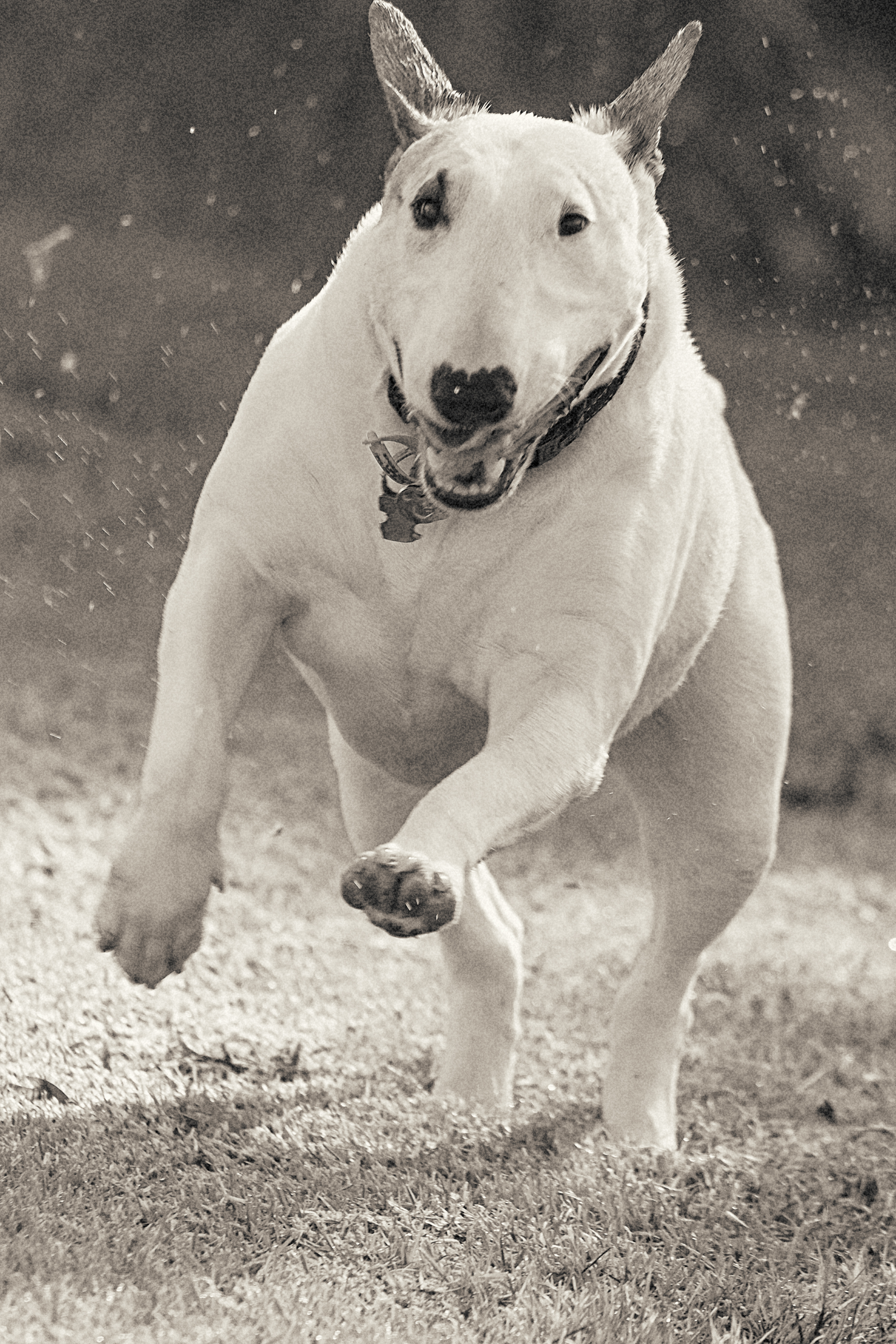
When we got there I wasn’t sure whether Frida – our dog – would walk. She is very old now and has to all intents and purposes given up on walking. She loves a ride in the car, but you can’t guarantee that she’ll get get out for a walk. With a bit of assistance she got out and was quite happy to head towards the river. When she was young long grass would send her silly and she would madly runabout causing mayhem. At 13 with arthritis in one of her back legs and kidney problems it doesn’t happen very often anymore but all that long grass along the river and she was off!
A hairy wrecking ball with four legs. Frida mid bully run when she was a lot younger.
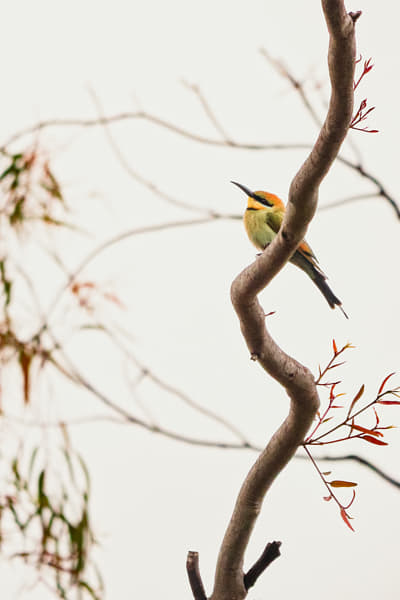
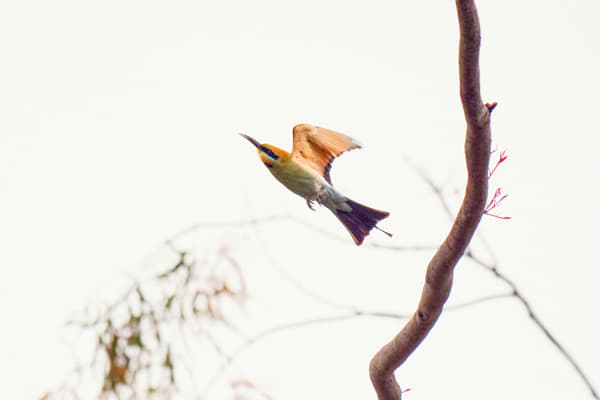
While trying to avoid being bowled over by a deranged bull terrier the Beloved Significant Other said she thought she could see a Rainbow Bee-eater. Oh how I scoffed. “Impossible” said I. “They don’t arrive back from Northern Australia and Papua New Guinea until November.” I added being all ‘knowledgeable’. But when I raised the camera up and looked there was a female Rainbow Bee-eater, and listening very carefully I could just make out the chirping call of another. Never had I seen one this early in York before. I’d read that in some areas of southern Australia the winters are becoming much milder and some of the birds aren’t migrating north in autumn. Whether that applied to these birds I don’t know.
Birin-birin or Rainbow Bee-eater (Merops ornatus). York, Western Australia.
So as we headed home I couldn’t work out what had made me the happier. The fact that Frida had just had a bully run or that I’d seen the Rainbow Bee-eater. Probably both. Oh! I did photograph some other birds. Here they are below.
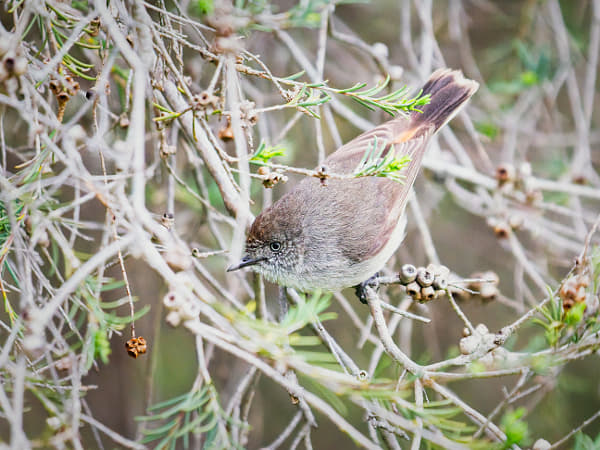
Chestnut-rumped Thornbill, Acanthiza uropygialis. York, Western Australia.
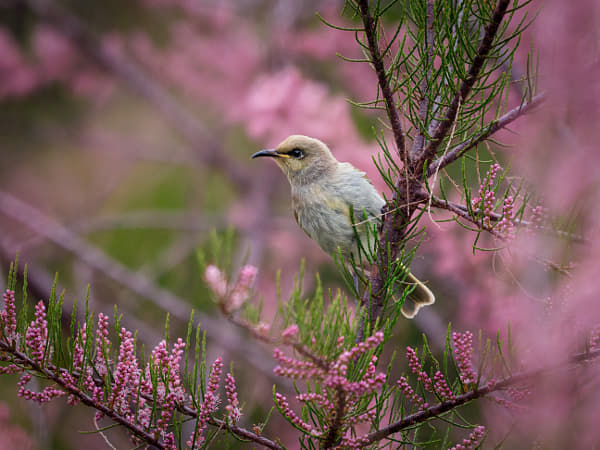
Juvenile Djindjokoor or Brown Honeyeater (Lichmera indistincta). York, Western Australia.
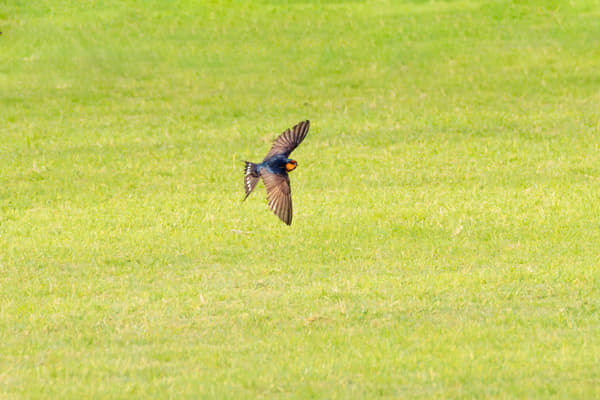
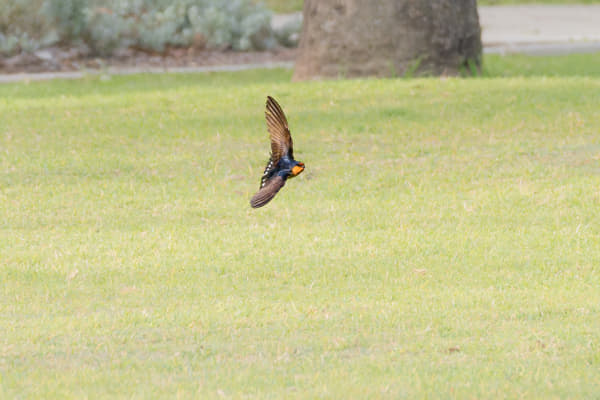
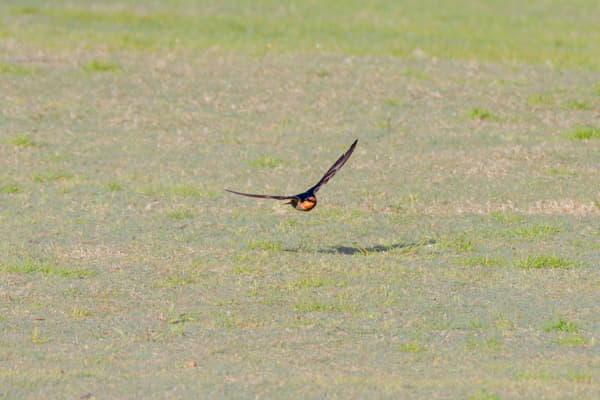
This week’s walk along the River Avon looking for birds was very odd. It was a magnificent morning. There was loads of birdsong, but no birds out in the open. Everything was hidden in the high tree canopy – even the ducks. By the time I’d reached Avon Park I’d only managed a couple of photos and I felt like I should have stayed in bed. So while sitting on a park bench pondering my options I noticed that there were lots of Welcome Swallows flying very low over the grass – like 30-50cm above the ground.
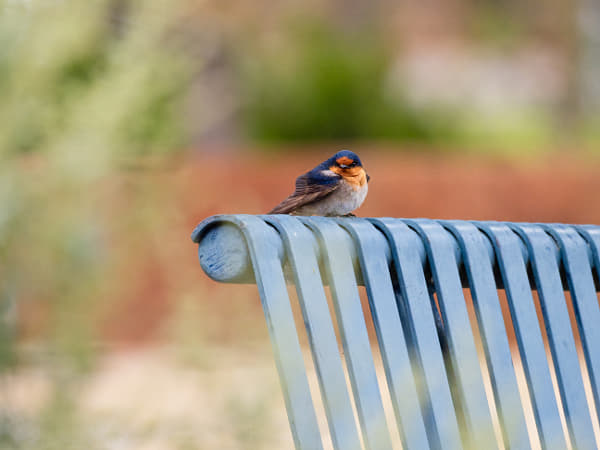
At this point it should be said that when comes to Bird In Flight photography (often abbreviated to BIF on forums) I am absolutely useless. For some reason I just can’t get it going. It may be partly due to the environment I go birding in – mainly forest – and this throws off the autofocus system. For a while I thought it was due to the fact that I didn’t have a camera with bird detect autofocus, but now I do and I still haven’t improved. So the idea of photographing a very fast erratic small bird seemed somewhat implausible. But, I had made the effort of getting up early and I was in the park and there were loads of Welcome Swallows so I thought why not? In all I spent the next hour trying to photograph the little buggers. Man alive are they quick. Up to 60 kmph or 25m per second! Just when you think you’ve lined one up perfectly they suddenly alter course and you’ve lost it. Despite all that I really enjoyed myself. I didn’t look at any of the images I’d taken as I feared that would have been too discouraging. In that hour I ended up taking nearly 3,000 photos. Now in the online wildlife forums people regularly brag they have a 90% hit rate of perfectly in focus shots of birds flying. So I’m a little ashamed to admit that out of those 3,000 photos I only got four photos where the bird was in focus and one of those was of a Welcome Swallow perching on a park bench. Now either I’m spectacularly inept or there is great deal of bovine excrement flying around. Whatever! I had a thoroughly enjoyable morning and that is all that counts.
Banking to begin fly past. Kanamit or Welcome Swallow (Hirundo neoxxena). York, Western Australia.
Coming in fast and low.
It’s a lot easier to photograph them when they sit still.
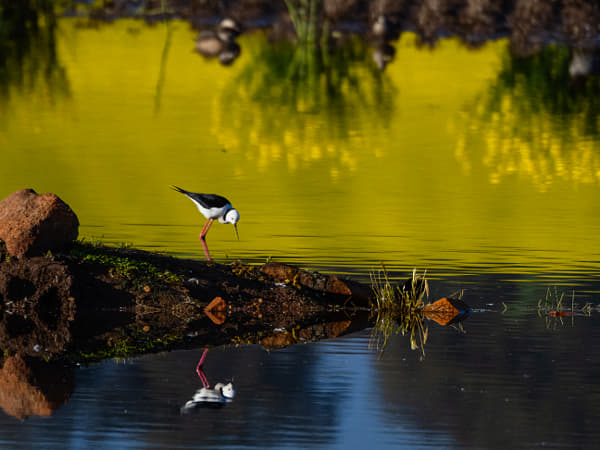
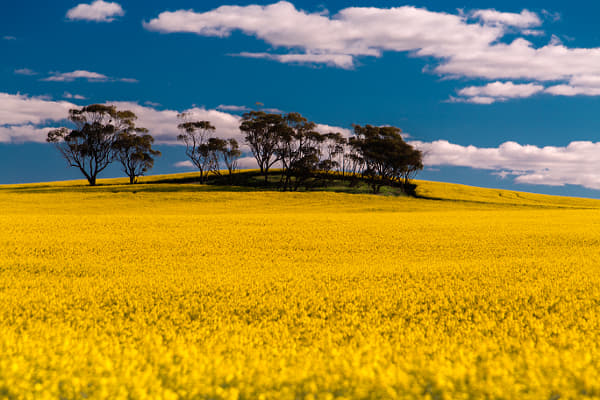
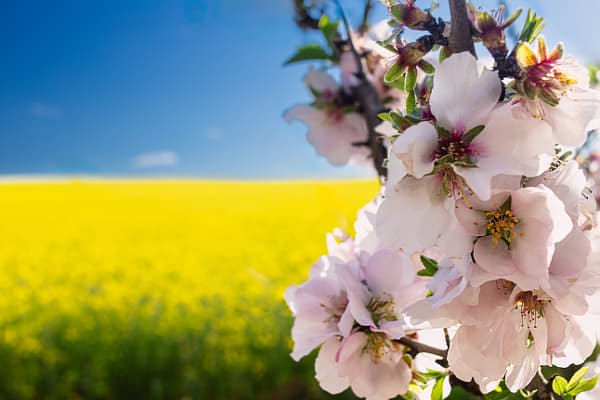
It’s quite hard to believe that flowering canola can be a tourist attraction, but judging from the number of people taking selfies of themselves in front of fields of it certainly confirms it. So here are my gratuitous canola themed photos.
Djandjarak or Black-winged Stilt (Himantopus himantopus) with canola reflections.
At last a morning with no rain or mist. It was definitely on the chilly side, but the most important thing was the sun was out. What a difference the sun makes. Everything looked new and clean.
The morning saw us walking along the river bank in the Wheatbelt Metropolis of Northam. There was definitely a hint of spring being around the corner. Lots of birds gathering material for nests. Birds calling out to each other and pairing up. So much activity. It was just wonderful to see.
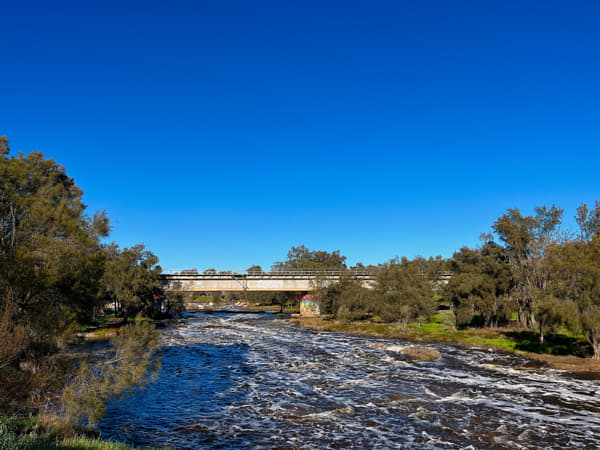
The rail bridge over the Avon River in Northam. The water levels bode well for the forth coming Avon Descent White Water Race.
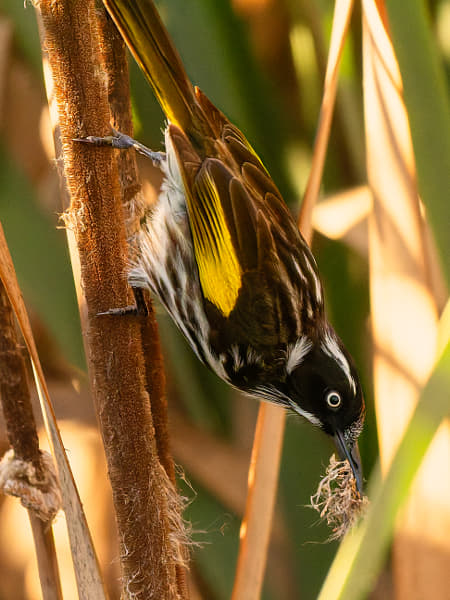
Bandiny or New Holland Honeyeater (Phylidonyris novaehollandiae) collecting nesting material from the reeds. Northam, Western Australia.
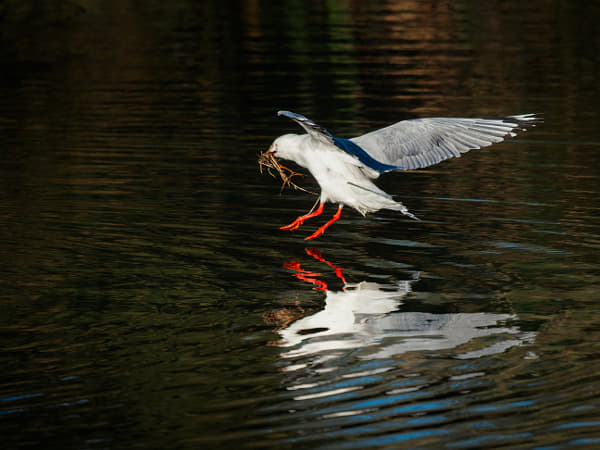
This Djeringkara or Silver Gull (Larus novaehollanddiae) was also collecting nesting material. Northam, Western Australia.
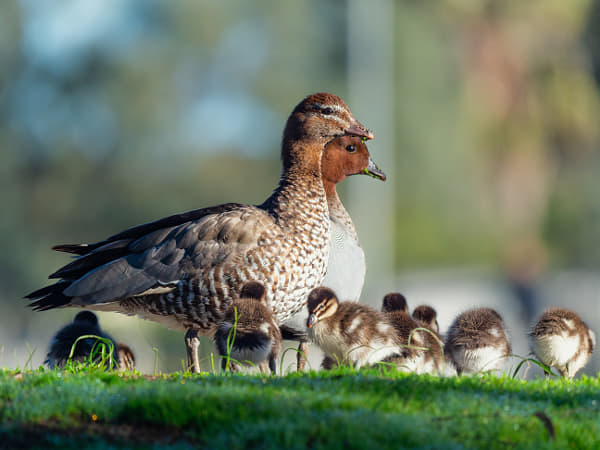
Forget building nests. This pair of Marangana or Australian Wood Ducks (Chenonetta jubata) were walking around with their newly hatched clutch of 10 ducklings
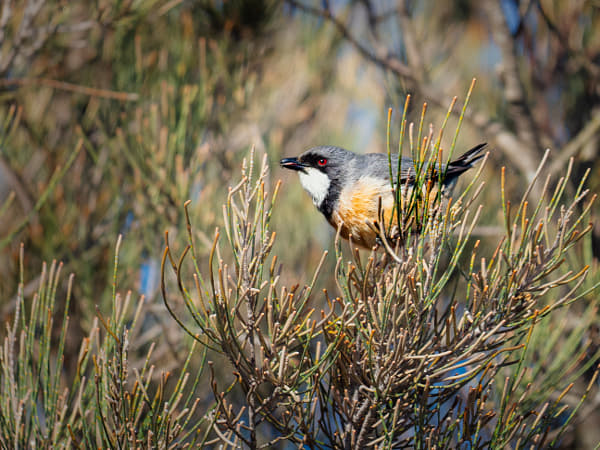
Just past the weir the trees were full of Bambon or Rufous Whistlers (Pachycephala rufiventris) noisily calling out to each other trying to attract a mate. Northam, Western Australia.
… or perhaps not. Back in 1969 a journalist by the name of Bill Vaughan sagely wrote:
“To Err is Human; To Really Foul Things Up Requires a Computer”
The much hyped advent of AI technology has amplified this a thousand fold. Now I’ve written about how Ai is changing photography and not necessarily for the better.The aspect I want to touch on today is how Ai is supposed to make things more efficient and easier and thereby increase productivity and therefore increase profits.
Despite the advent of micro stock photography causing the bottom to fall out of the stock photography business I still persist and up until this year I was making a small (and I mean very small) amount of sales. This year all that had changed and everything has ground to a halt. Initially I put it down to the fact that the market is over saturated – too many producers chasing too few sales. But on checking with the stock library I think I’ve discovered the real reason.
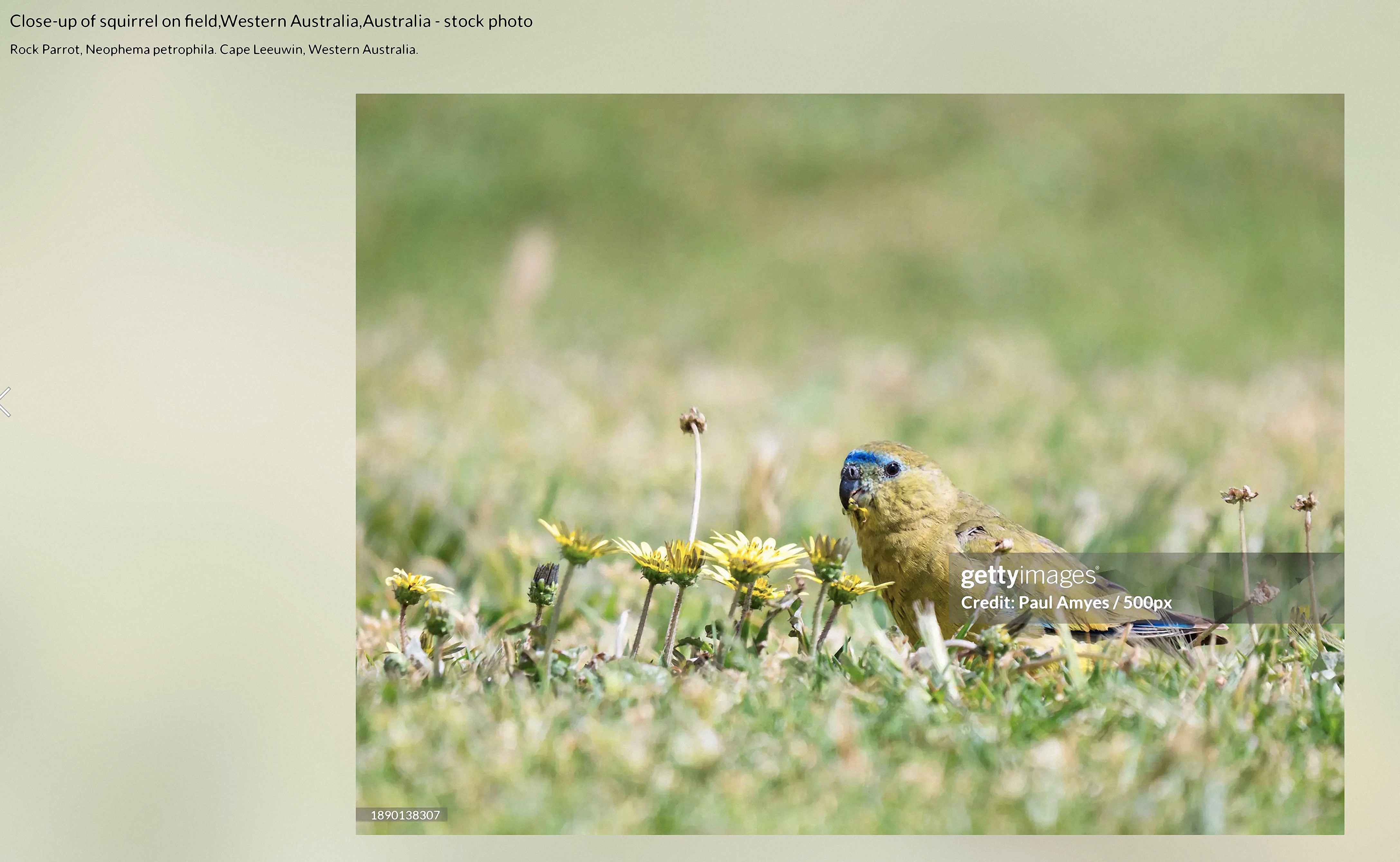
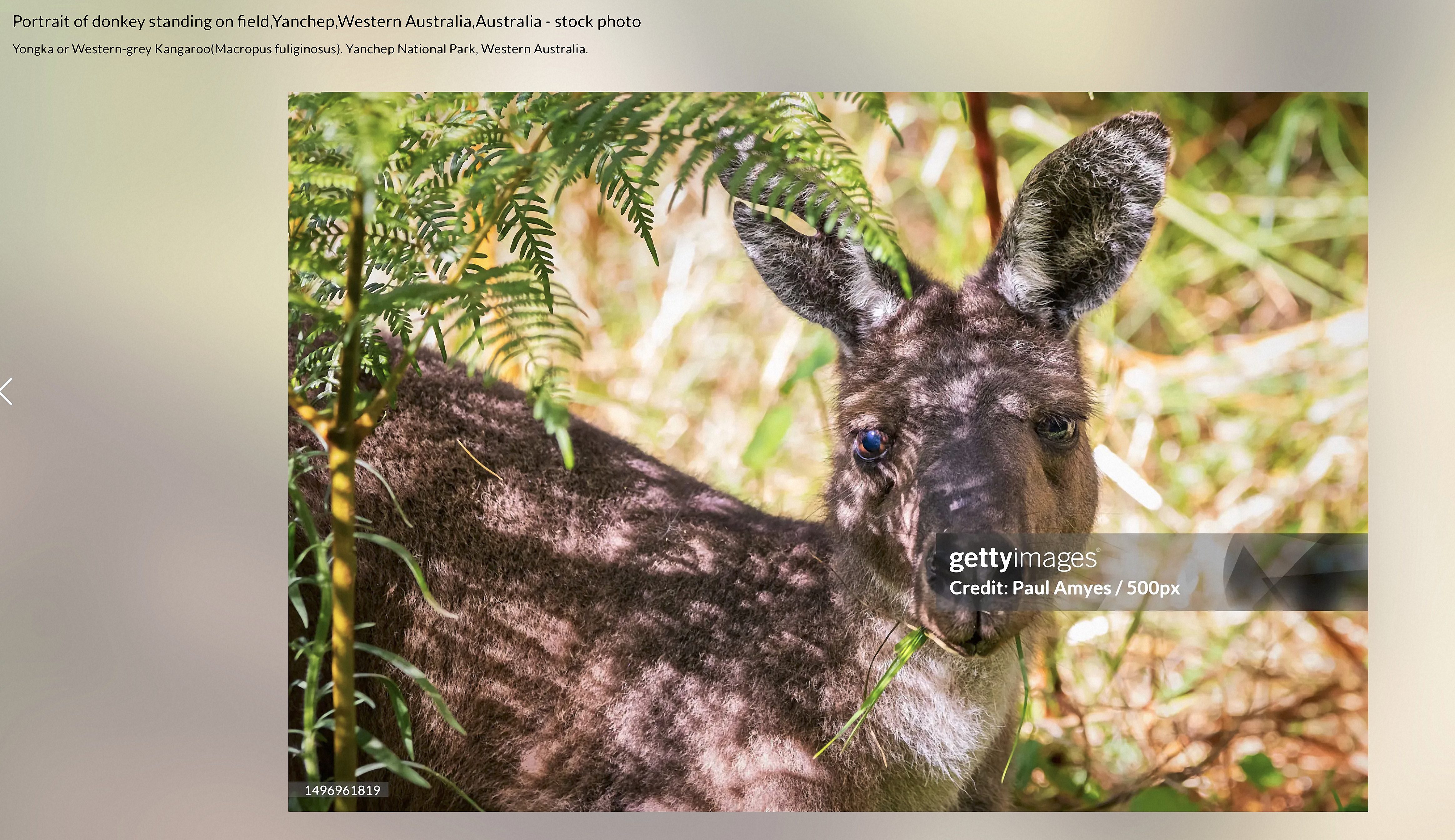
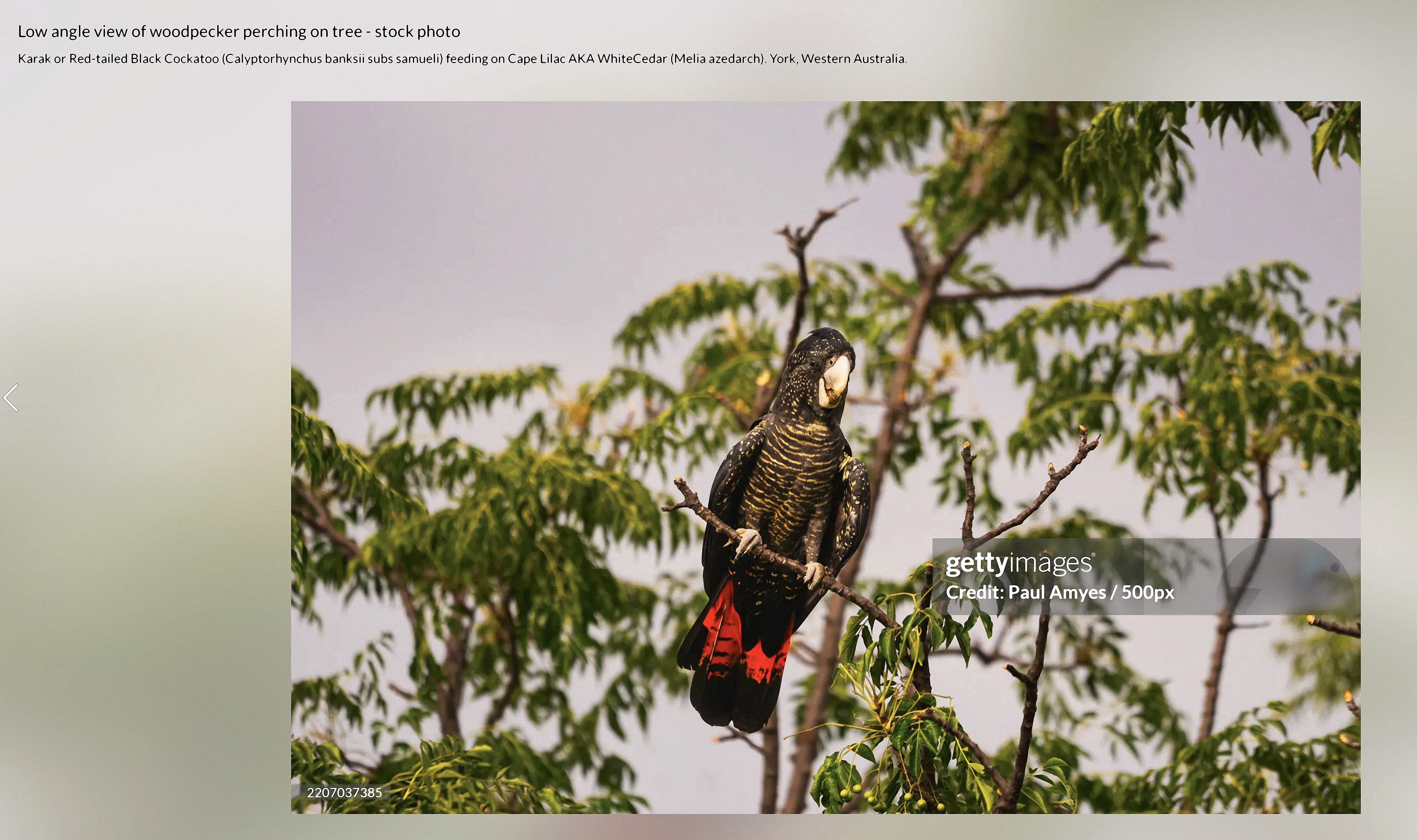
Now one of the crucial things you have to do when you submit images is caption and tag your work so the library’s search engine can find what a client is looking for. Of late the stock library I use adopted Ai technology to do the captioning and tagging automatically based upon what it recognises in the image. Fantastic! I’ve been liberated from the drudgery and tedium of captioning and tagging giving me more time to use for creating. Why isn’t the cash rolling in? Because the Ai gets it wrong. Very wrong. Below are a few examples.
This one is my favourite. “Close-up of squirrel on field. Western Australia Australia.”
This kangaroo lying in the shade of a bush became “Portrait of donkey standing on field”.
This is not a photo of a red tailed black cockatoo it is in fact a woodpecker!
The program seems to be pretty fixated on eagles.
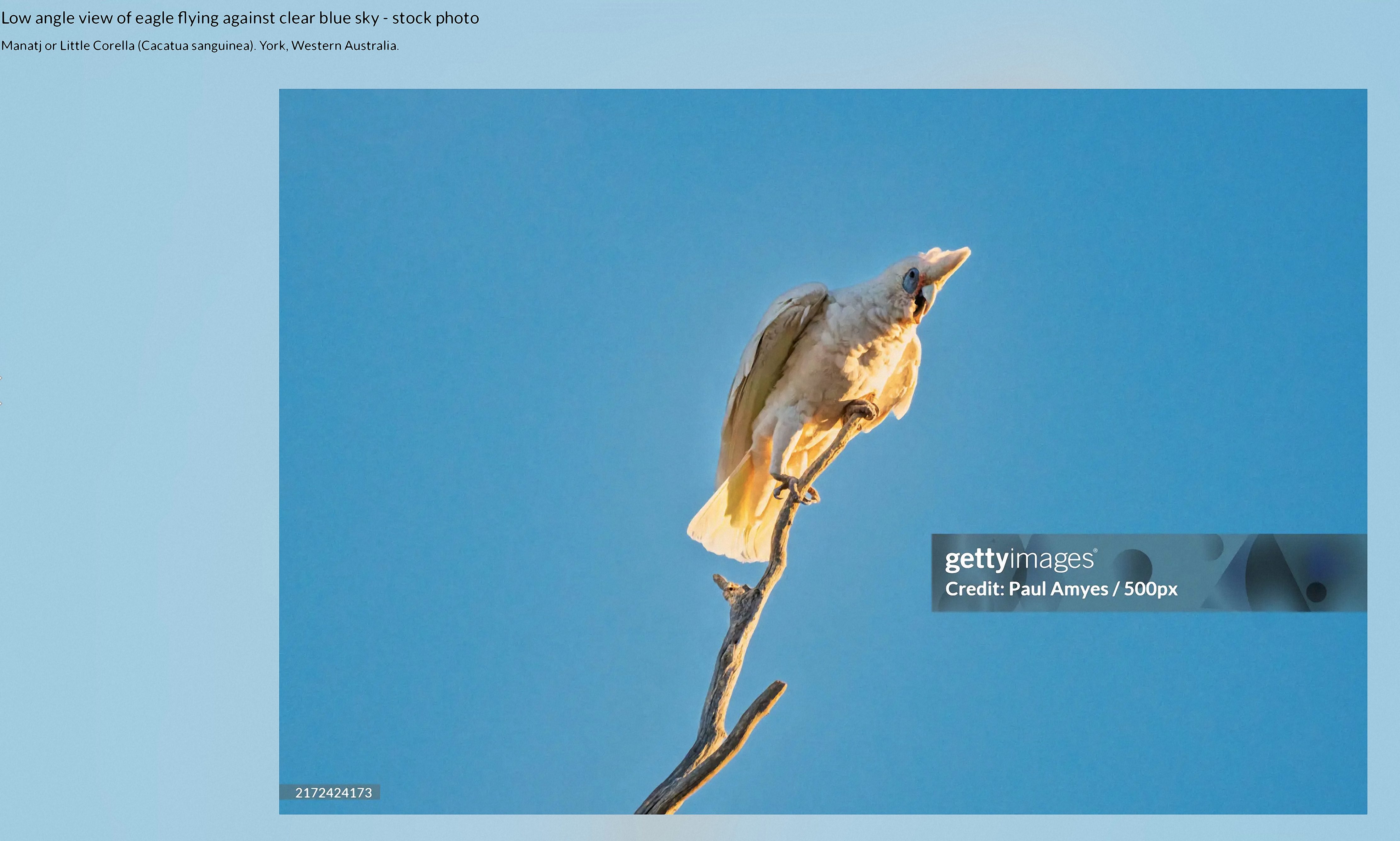
Apparently this Little Corella perching on a branch is an eagle flying.
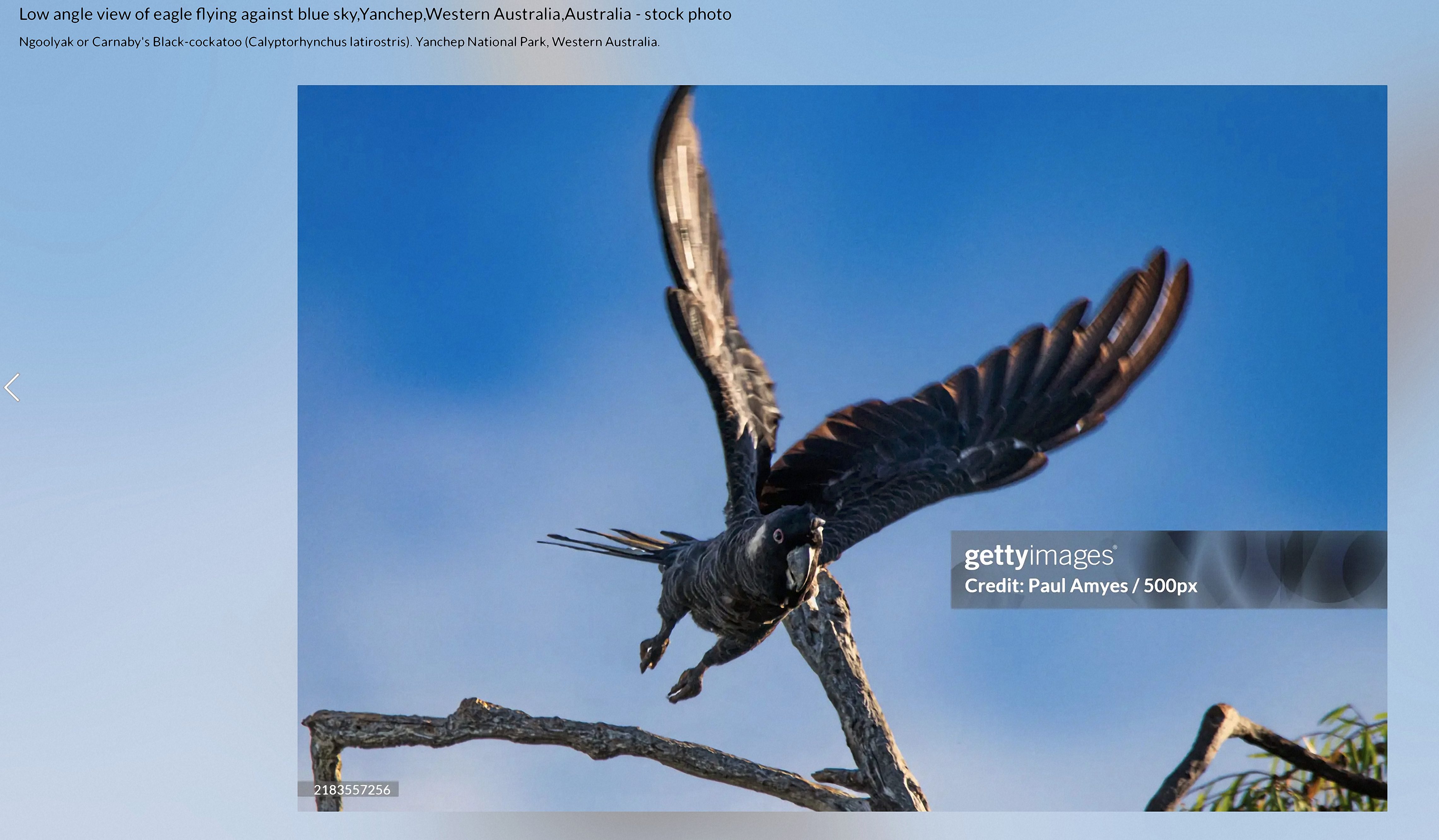
This Carnaby’s Black Cockatoo is also a flying eagle.
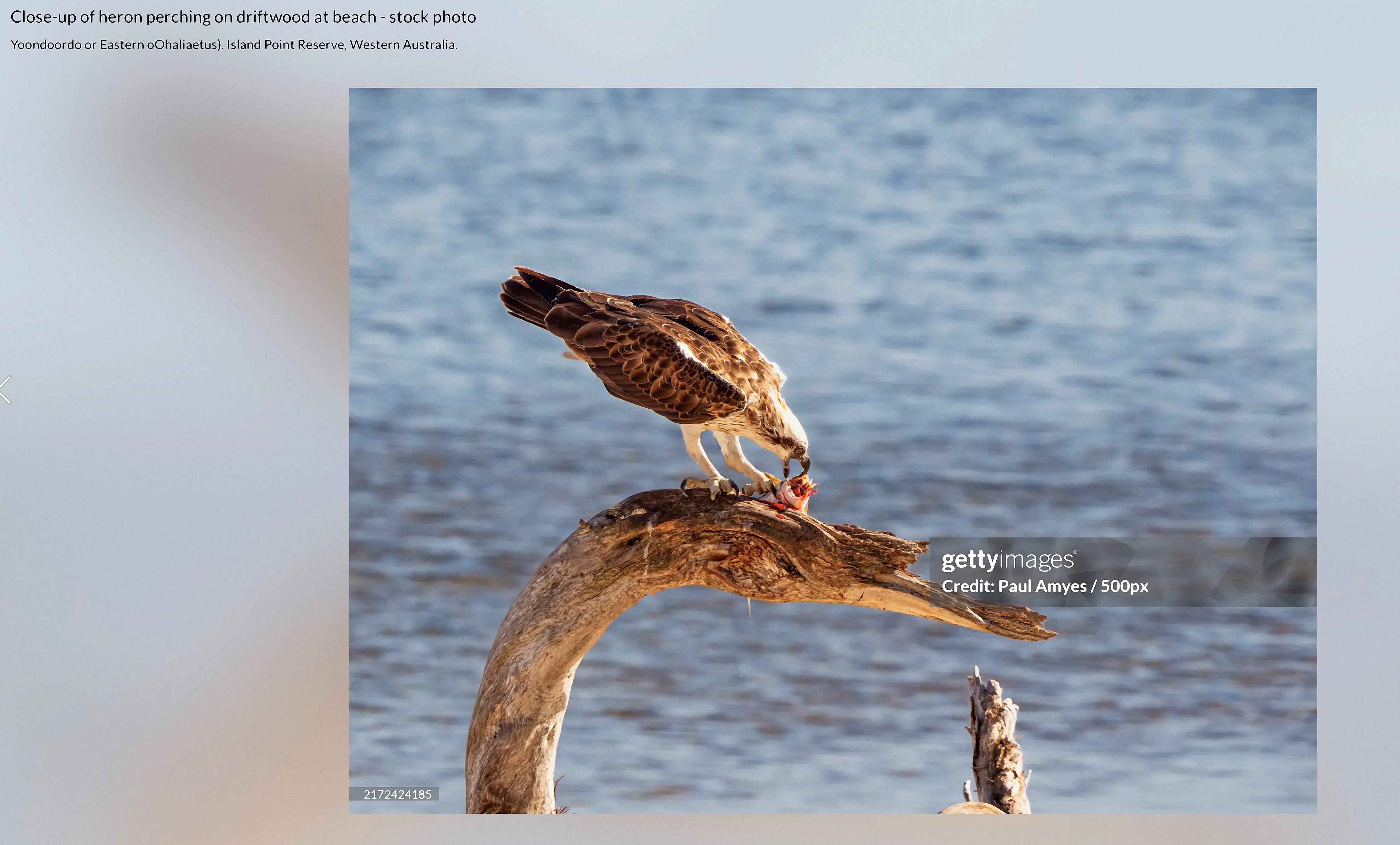
This perching white-faced heron is also a flying eagle.
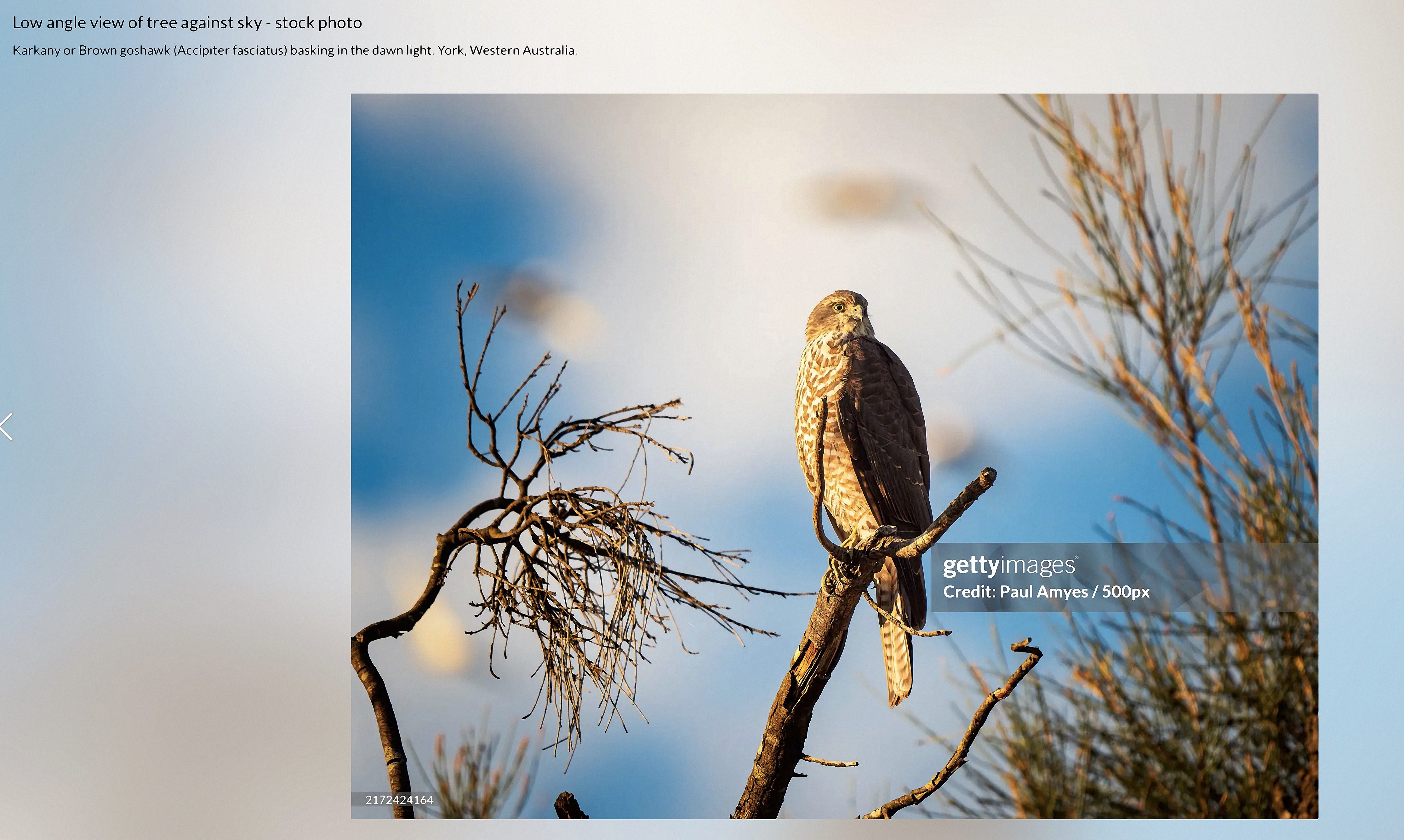
Yet when given an image of a bird prey it either calls it a heron
“Close up of a heron…”
or ignores it completely.
‘Low angle view of tree against sky”
I think humans have nothing to fear from Ai. With all that harvesting of data from all the human knowledge ever created and it can’t tell the difference between a parrot and a squirrel. I’d want my money back if I’d invested in the technology. With this kind of accuracy, or should I say inaccuracy, it does not bode well. Imagine presenting at the accident and emergency department at your local hospital and they use Ai to triage and make the initial diagnosis. You present with all symptoms of a cardiac arrest and the program tells you you’ve got haemorrhoids and sends you home with a tube of ointment. Not very assuring is it? This was all done so I could, and thereby the stock library, make more money. So far I’ve made none and the library has lost money because the system they bought to help sales isn’t making any.




You must be logged in to post a comment.