
I mentioned a couple of weeks ago we’d gone to Hyden. We’ve been plenty of times before and I have written about those visits here, here and here. Wave Rock doesn’t hold much interest in itself – its just a big rock shaped like a wave. What is more interesting is the nature around the rock. When the winter rains come an incredible amount of water runs off the rock and this means there is a lot of vegetation that has become home to animals around the base. Not far from the rock and the vegetation gives out and you can see a salt plain with Lake Magic. This too is great place for observing animals and seeing wildflowers.
Unfortunately we’d had our beautiful weather on the drive down and the rain really set in – so much so that my walk along the base of Wave Rock, out to Lake Magic and then back via Wave Rock Airport and the Wildlife Park was in danger of becoming an aquatic walk. Thankfully I was dressed for the occasion and swathed in Gore Tex. My Olympus EM 1 mk ii is very well sealed against the elements as are the lenses. Despite my careful preparation the subject matter – orchids and birds – didn’t want to oblige. Regardless of the weather that the walk was really enjoyable.
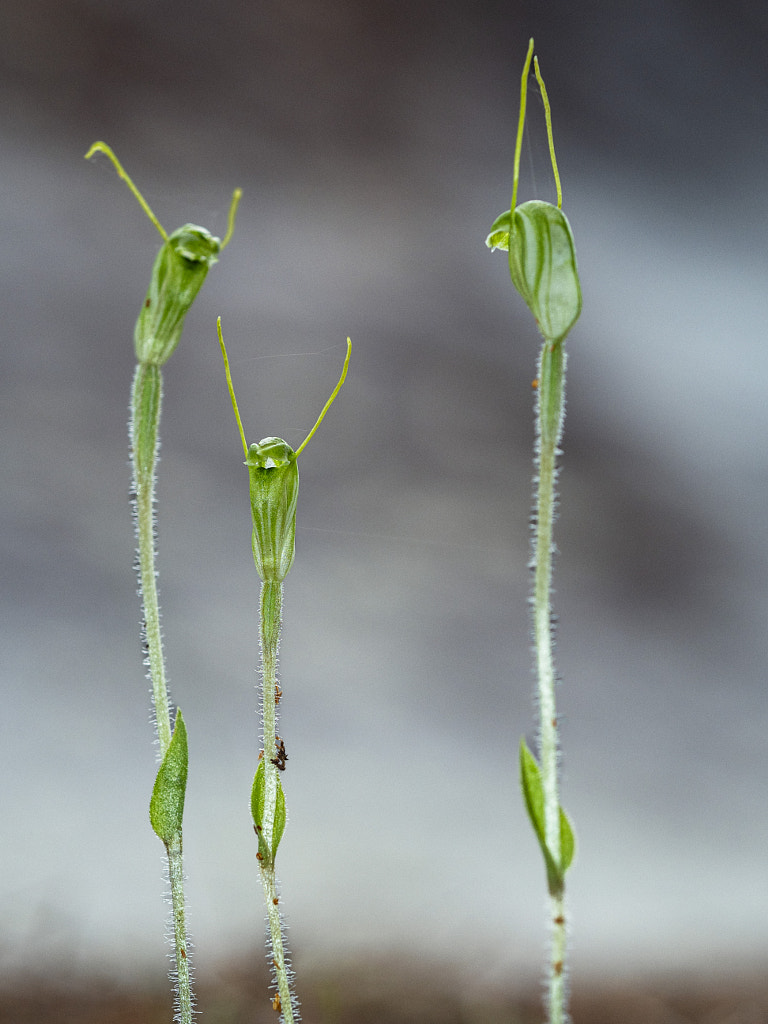
Hairy stemmed snail orchid, Pterostylis sp. ‘hairy’. Hyden, Western Australia.
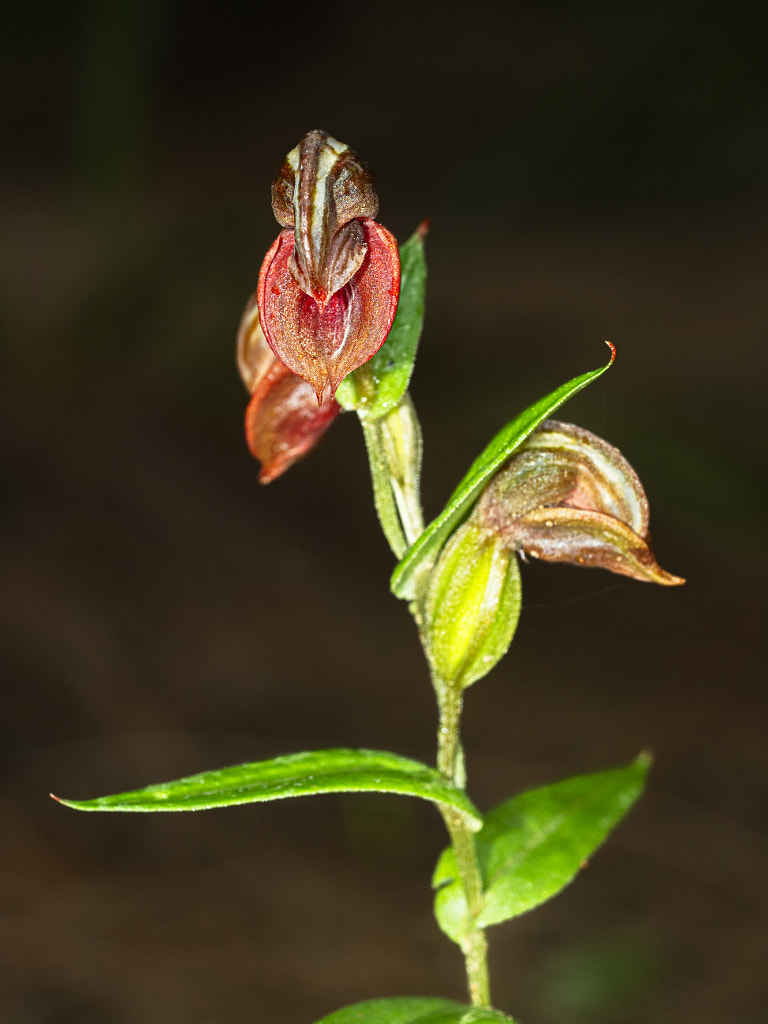
Dark banded greenhood, Pterostylis sanguinea. Hyden, Western Australia.
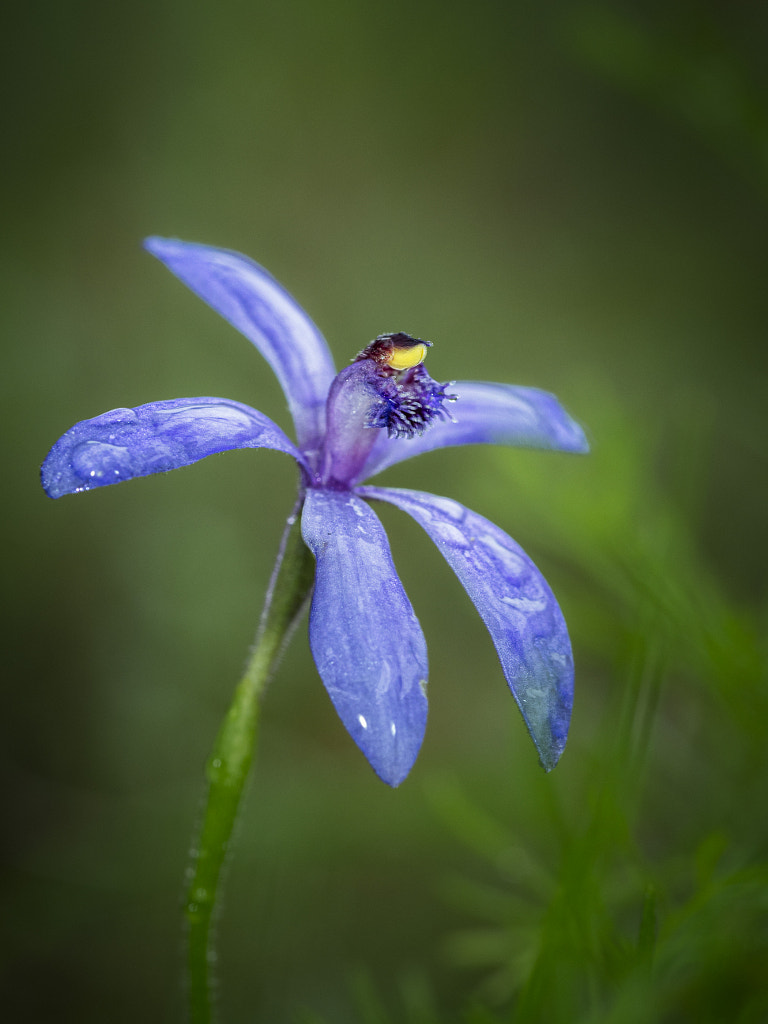
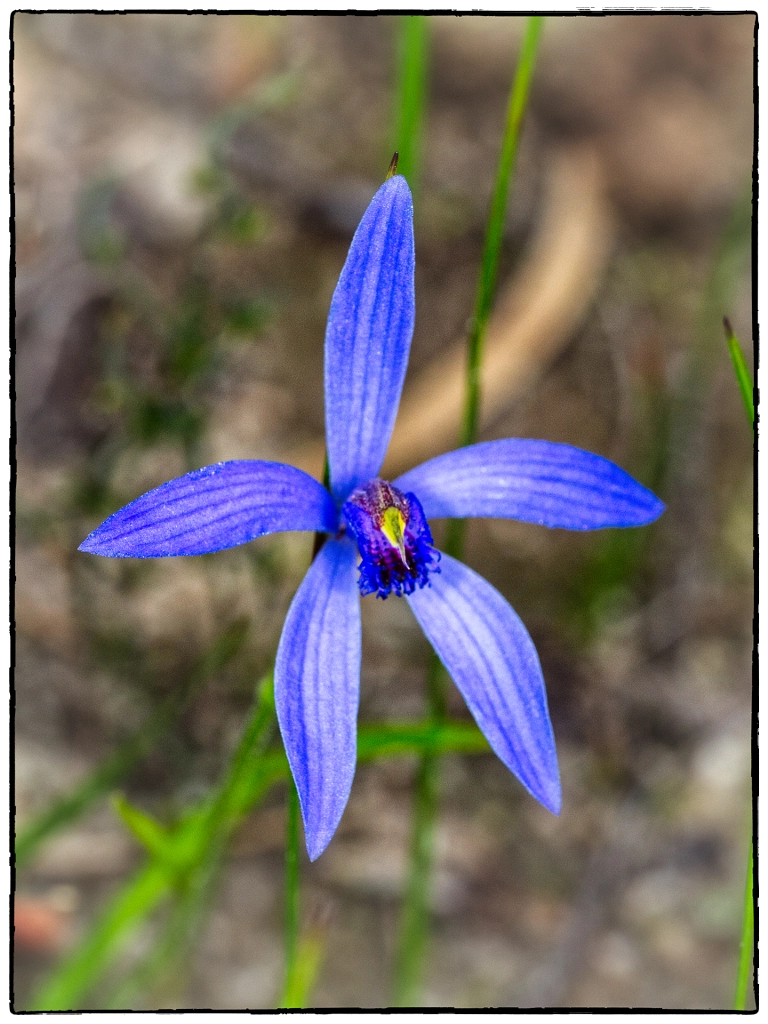
Blue beard or blue fairy orchid (Pheladenia deformis). Hyden, Western Australia.
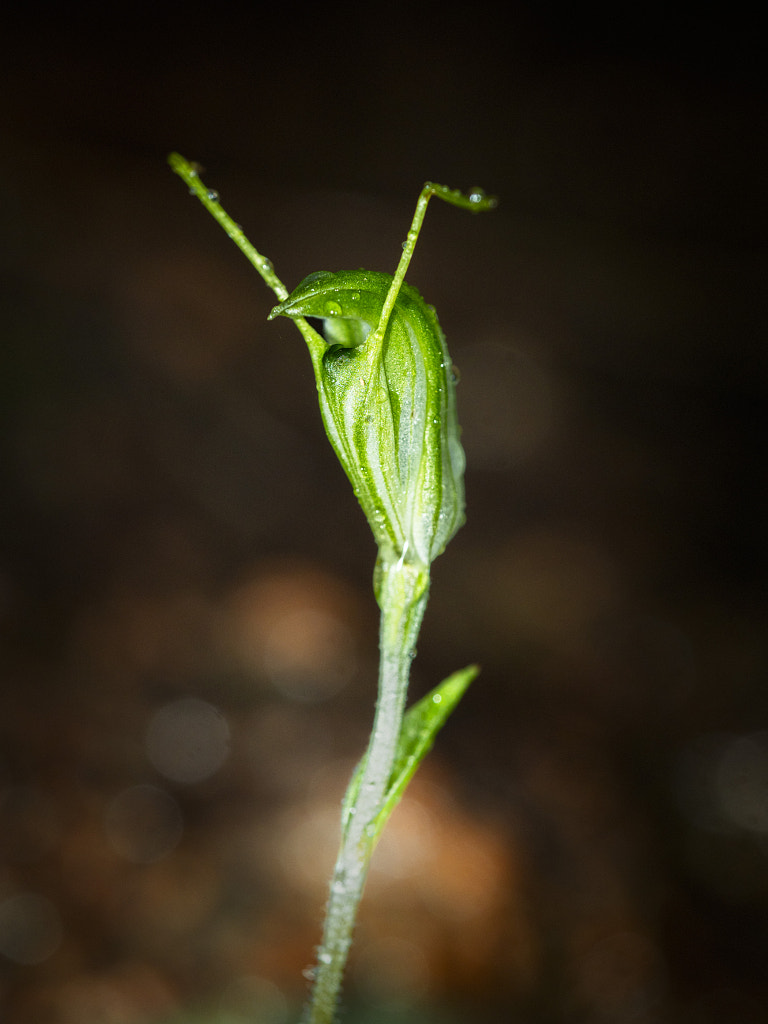
Hairy stemmed snail orchid, Pterostylis sp. ‘hairy’. Hyden, Western Australia.
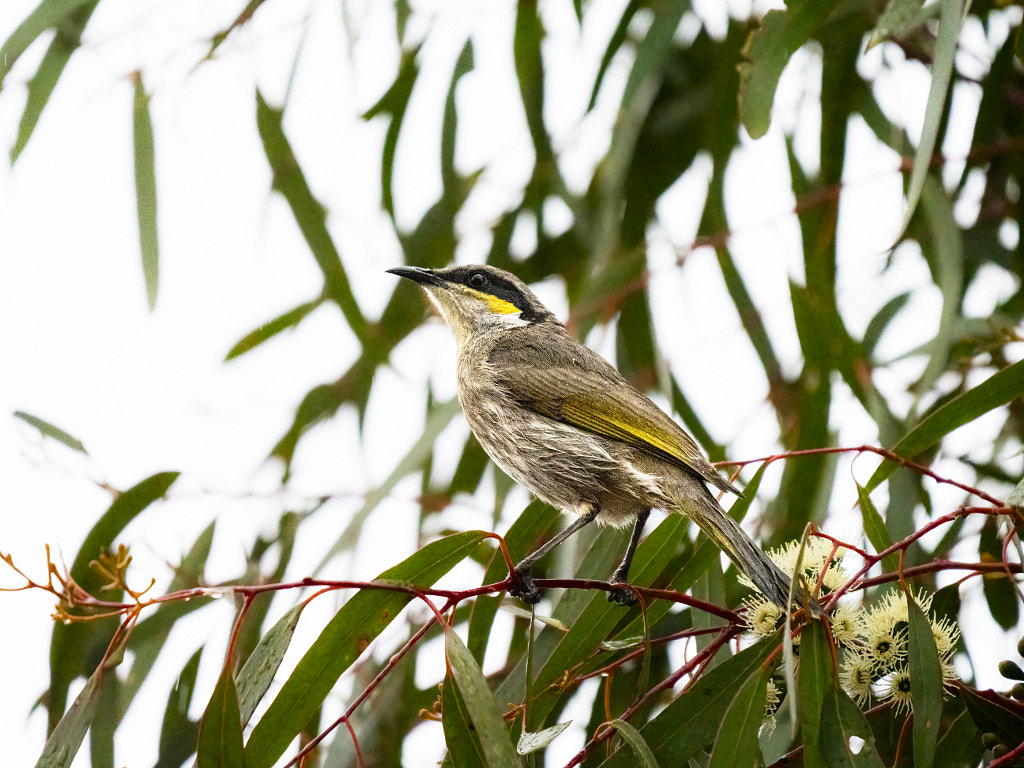
Singing Honeyeater, Gavicalis virescens. Hyden, Western Australia.
You must be logged in to post a comment.