“Weaving spiders, come not here…

…Hence, you long legged spinners, hence!”

Willian Shakespeare. A Midsummer Night’s Dream (Act 2, Scene 2)
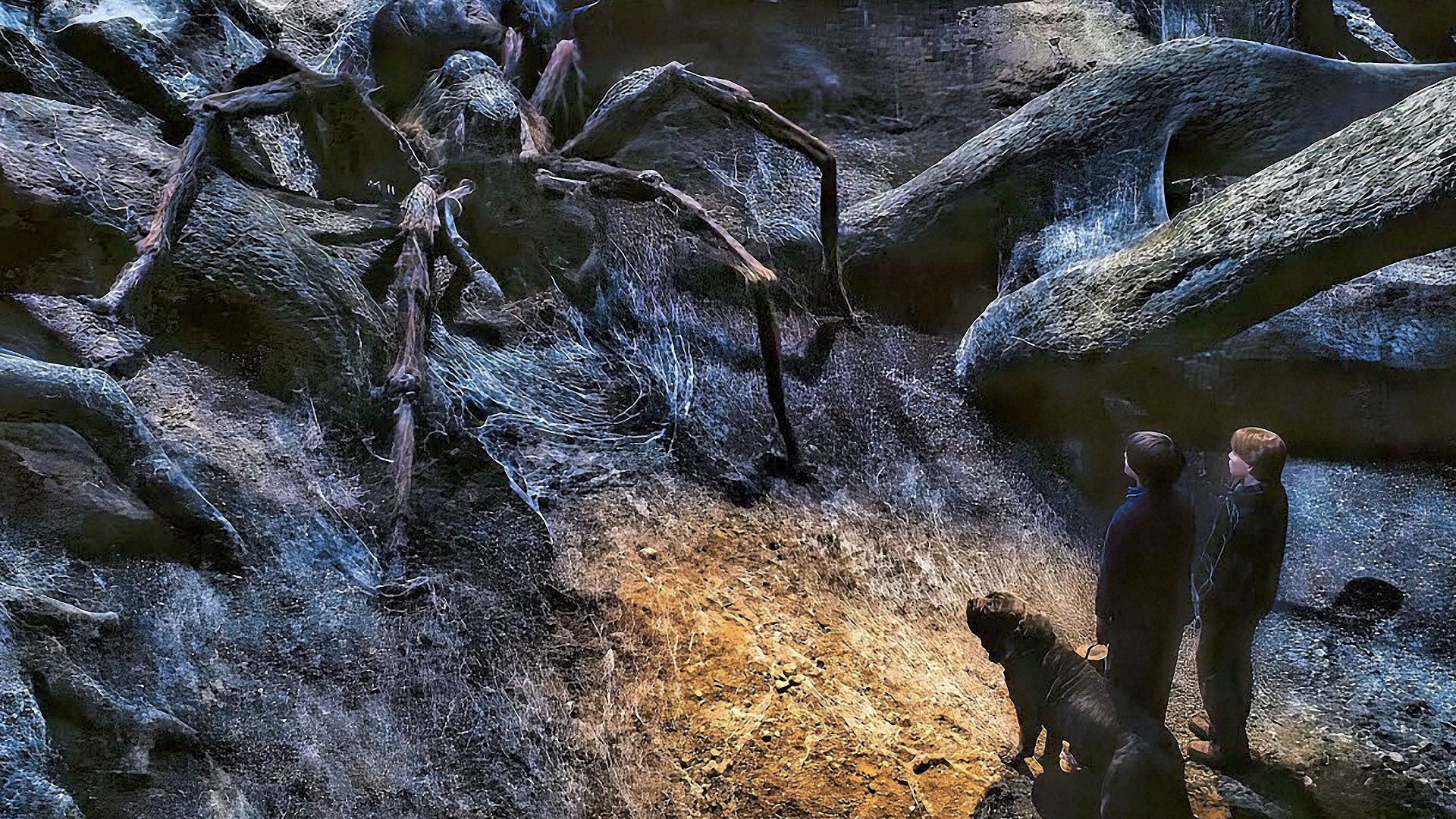
 

“Run Harry! Run!”


I must say at the outset that I don’t like spiders very much. The bloody great hairy jobs in the Hobbit, Lord of The Rings and Harry Potter movies didn’t help much either. Coming to Australia has meant that the chances of coming into contact with some horrible large spider with a venomous bite have increased. However, of late that maybe changing. That could be because I’ve seen some rather cute jumping spiders and the rather spectacular looking Jewel Spiders. It maybe that I’ve just become desensitised by seeing so many, referred to as “flooding” in psychotherapy. Nah! Got to be honest the large hairy ones still give me the heebie-jeebies.
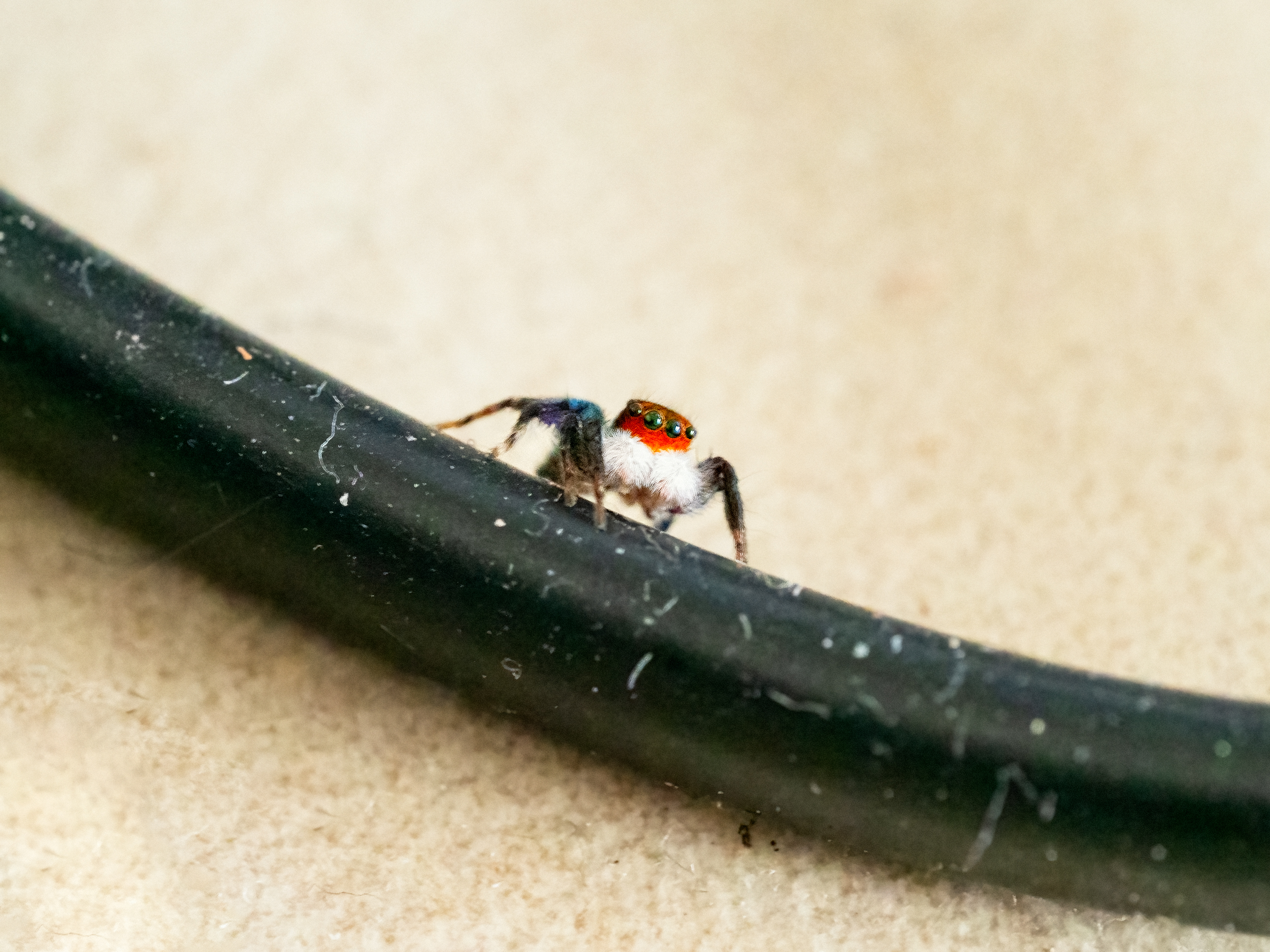
 

Shaggy Red-headed House Hopper (Hypoblemum villosum) sitting on the flex of our iron in the laundry. They grow between 4-8mm long.


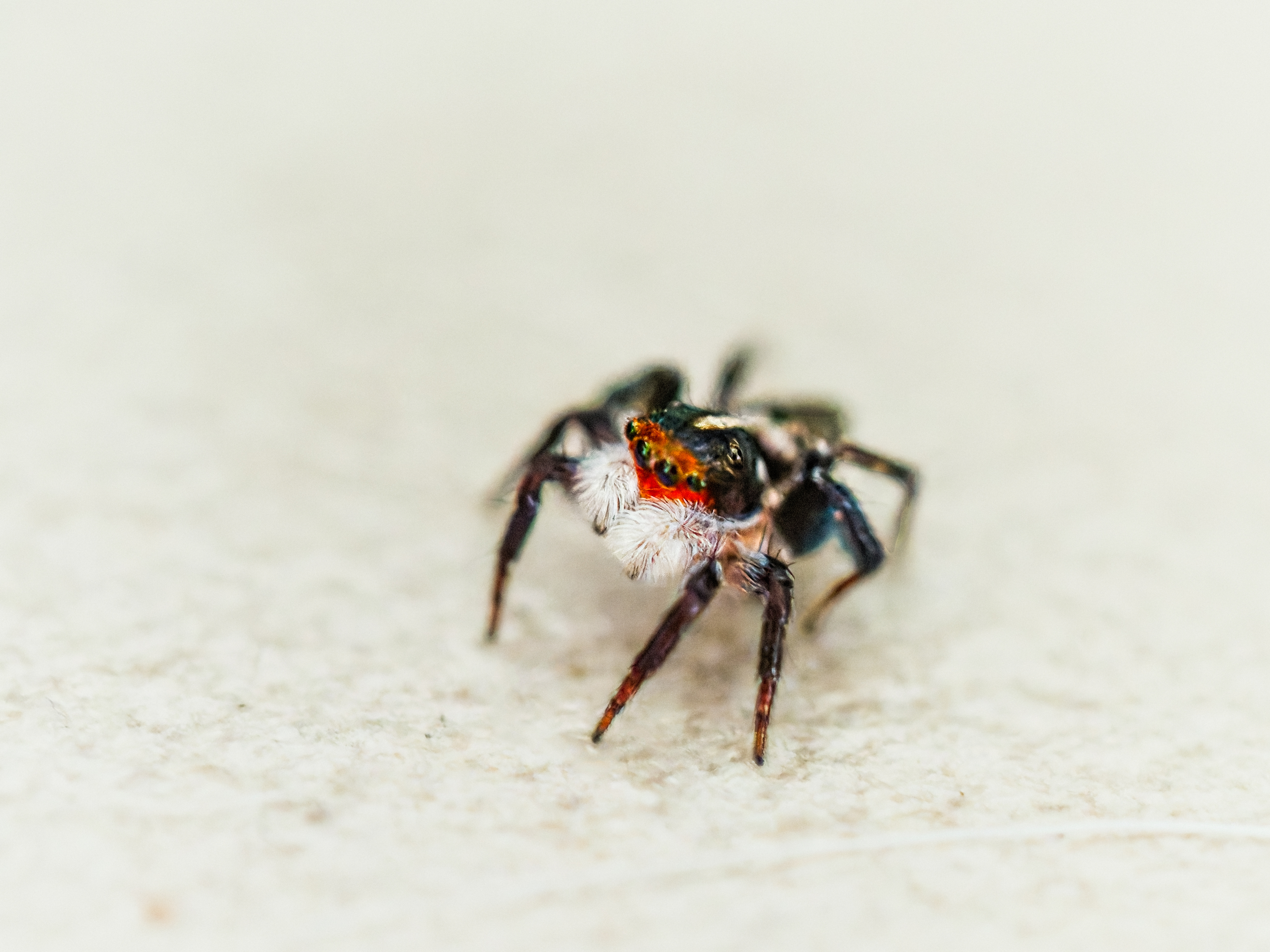
A different view of the Shaggy Red-headed House Hopper (Hypoblemum villosum). They grow between 4-8mm long.


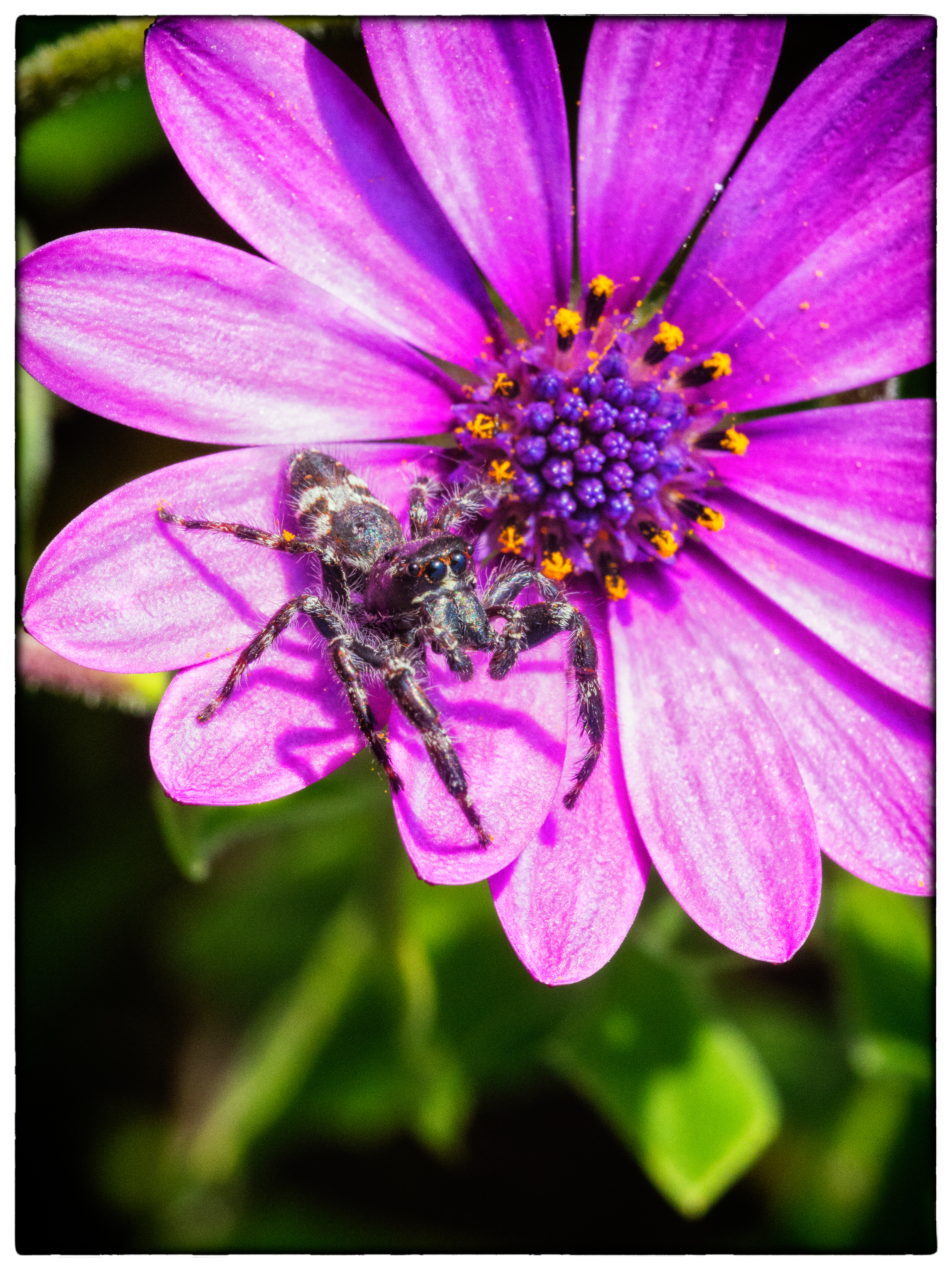
A male jumping spider (Sandalodes superbus), another species of Jumping Spider, found in the garden. I like the way they look up at you.


I think it was the jumping spiders that made me more comfortable about spiders as they are sort of cute with that turret head and the way that they look at you. I was particularly enamoured with the Shaggy Red-headed House Hopper (Hypoblemum villosum) I found in the laundry. He was tiny, no bigger than 5mm. Since then I’ve seen other varieties around the garden – they’re a bit bigger but I can tolerate them.
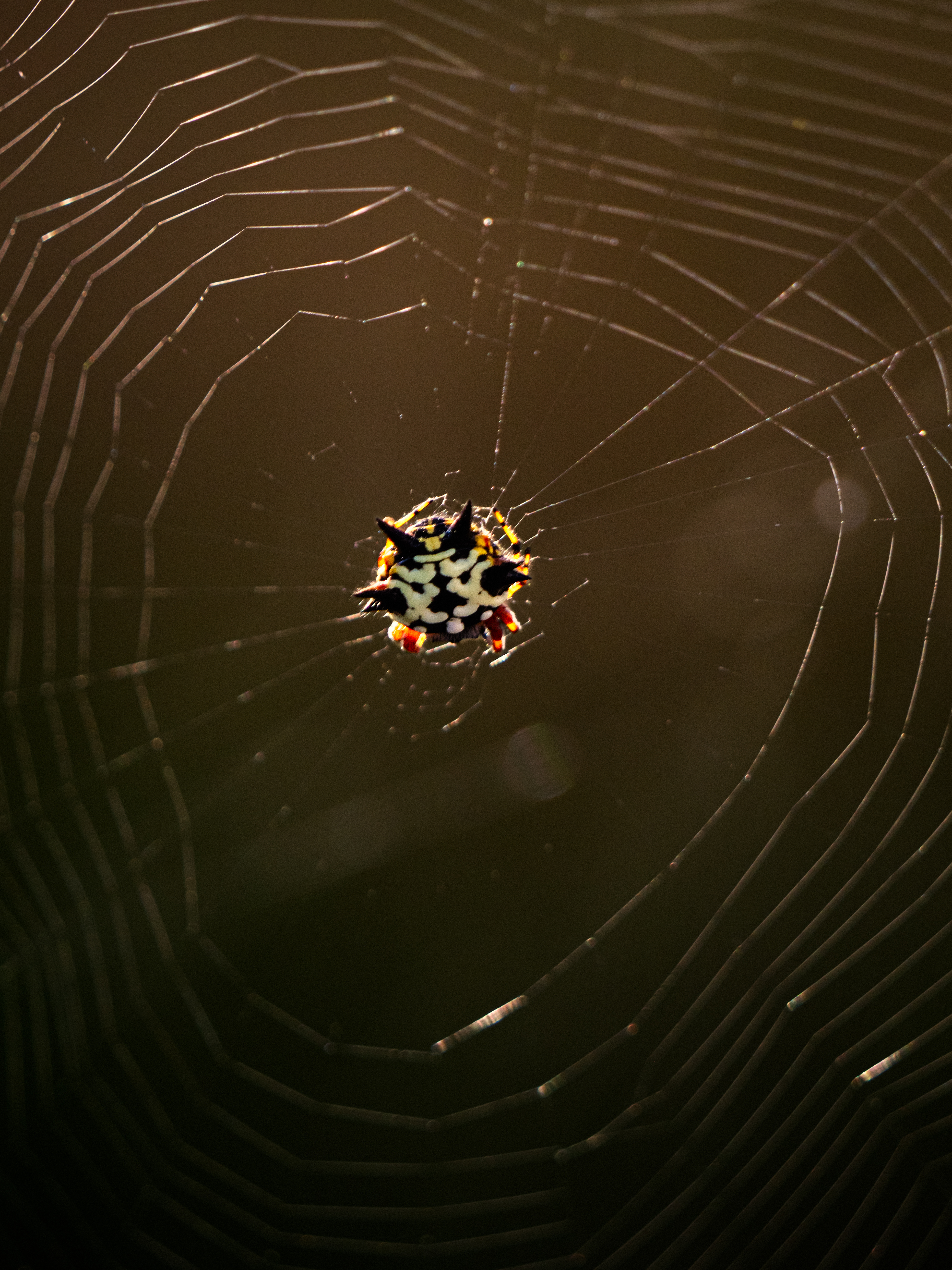
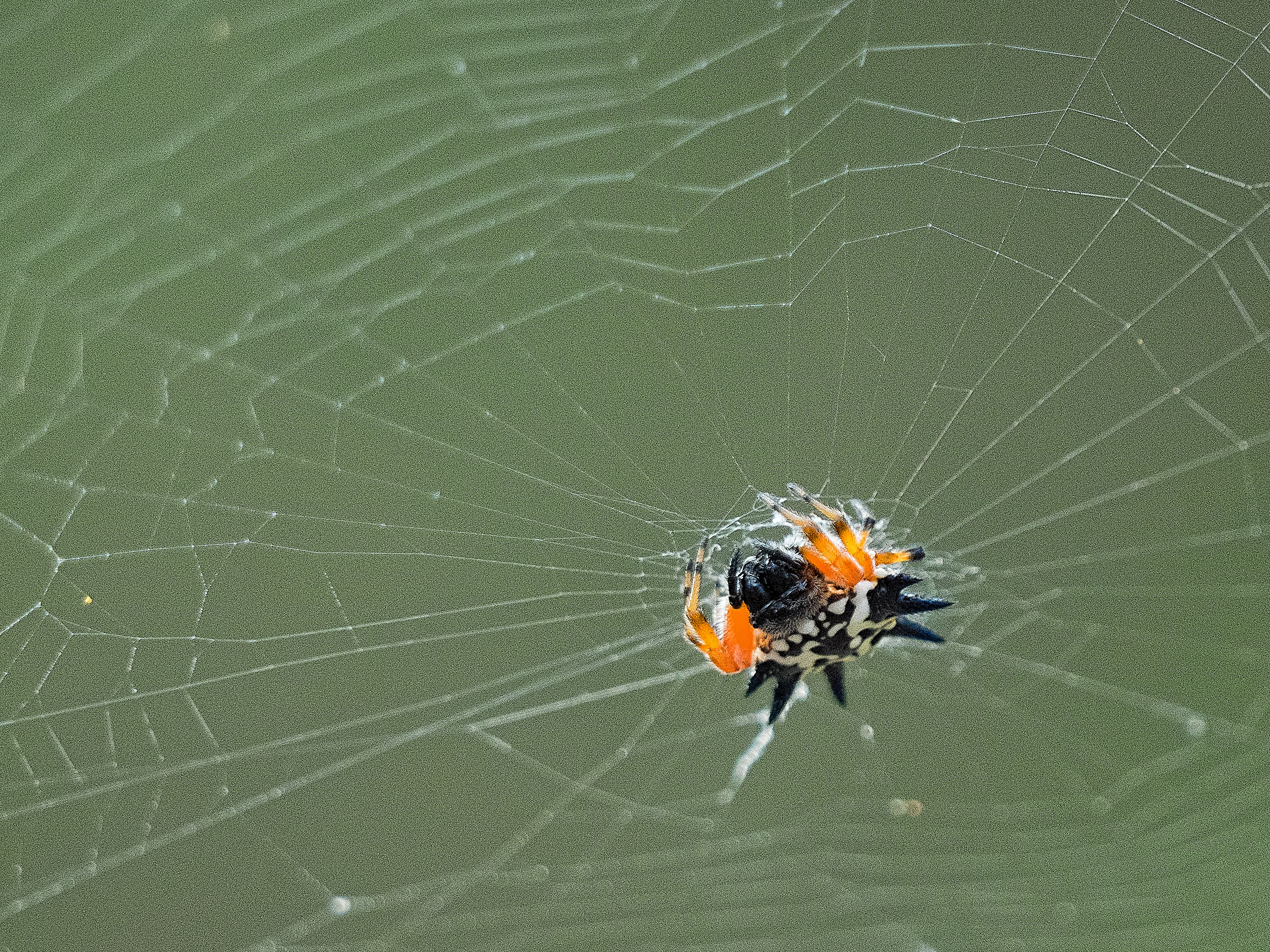
 

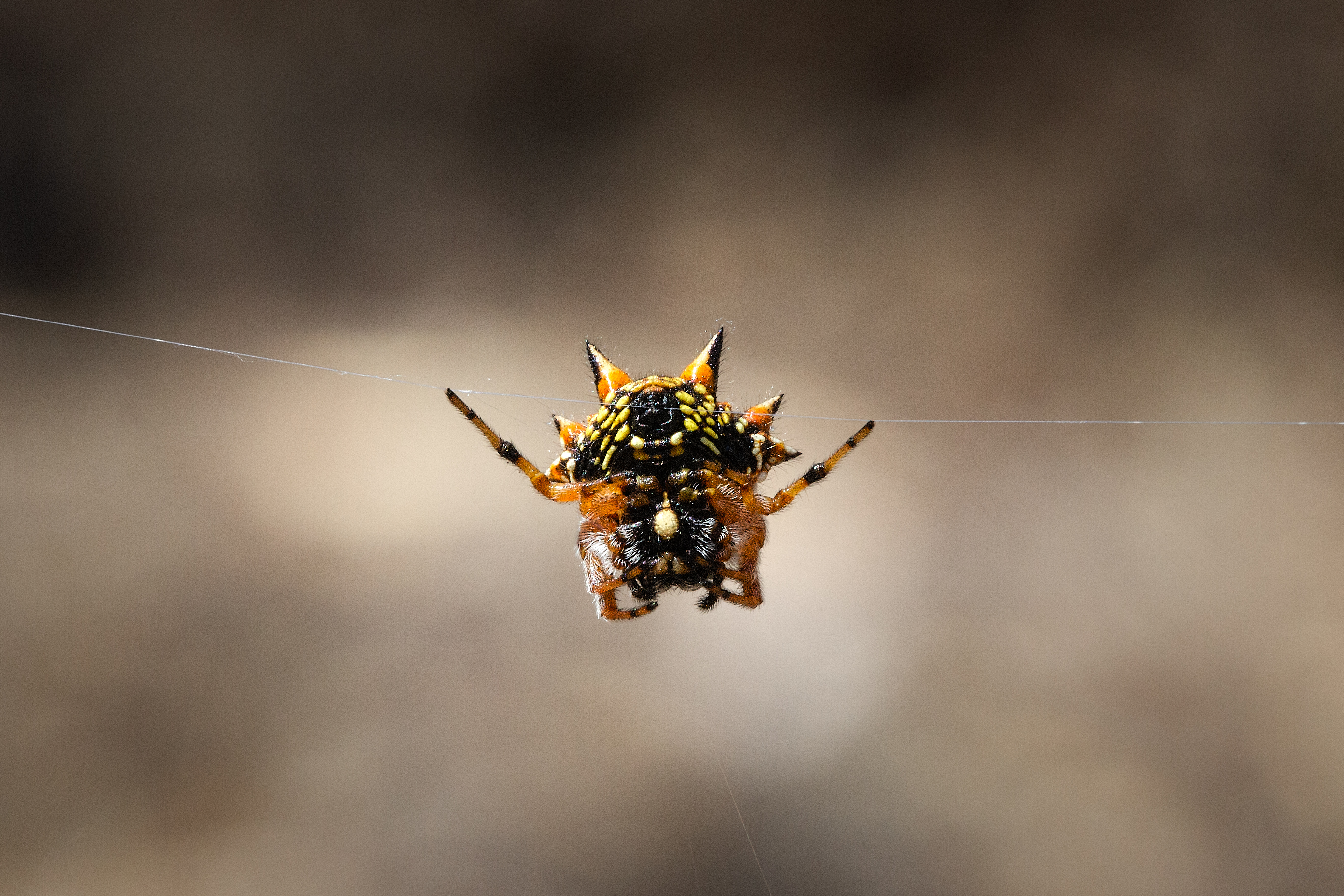
Jewel spiders (Austracantha minax) are often called Christmas spiders as they are commonly found during December and January. Oyster Bay, Western Australia.


Christmas spiders or jewel spiders (Austracantha minax) can be readily found in the usndergrowth surrounding Thomsons lake in Western Australia.


The Christmas Spider or jewel spider (Austracantha minax) is associated with the comming of Christmas in Western Australia.


The jewel spiders are also quite attractive to look at. They come out around Christmas time, hence their more common name of Christmas Spider. What they and the jumping spider have in common is that they are not large nor are they poisonous.
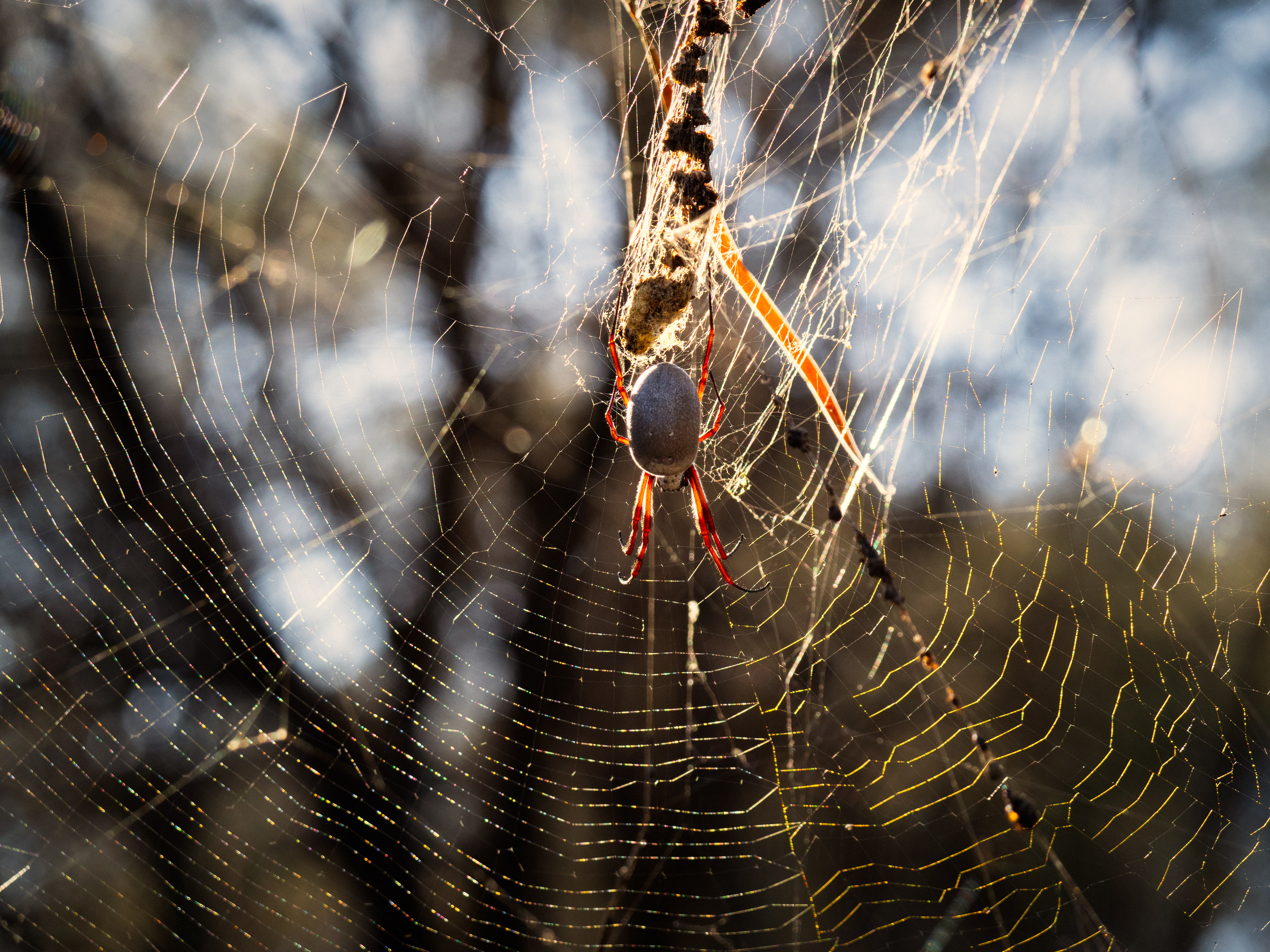
 

The Golden orb weaving spider, Nephila edulis., is so called because of its web that takes on a golden sheen. York Western Australia.


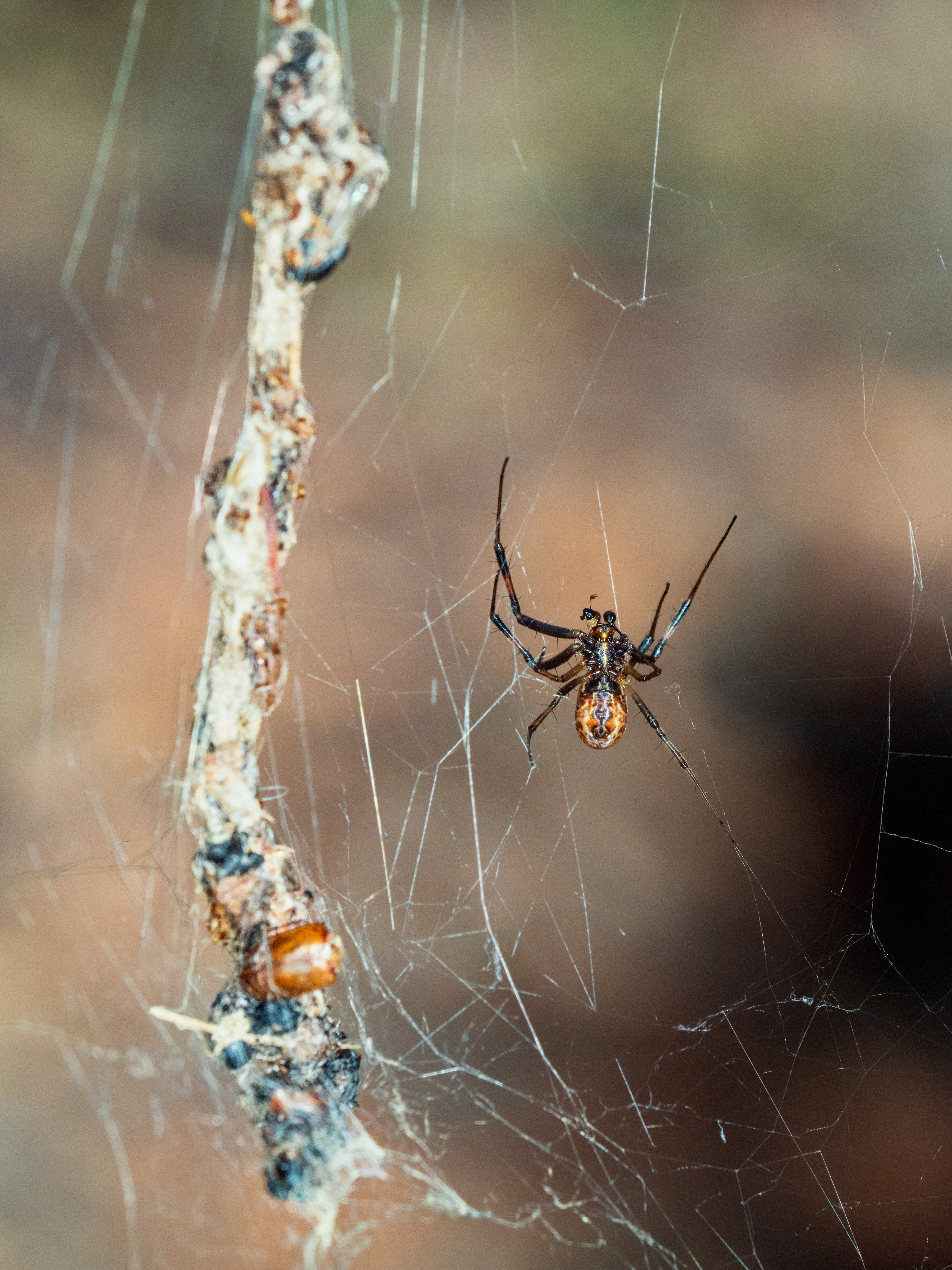
A female Golden Orb-weaving Spider (Nephila edulis) in our front garden. That messy tangled bit hanging down is the larder.


Male Nephila edulis or Golden Orb Web Spider. He’s only 6mm in length while his mate can be up to 4cm. Let’s hope he doesn’t end up in the larder after the deed is done.  Oswaild Sargent Reserve, York, Western Australia.


The next spider I’ve become reasonably  tolerant to is the Golden Orb Weaver (Nephila edulis). Now these are big – well the females are at 4cm in body length, the males don’t get much bigger than 6mm. Thankfully they are very reluctant to bite and when they do according to the Australian Museum “Symptoms are usually negligible or mild local pain, numbness and swelling. Occasionally nausea and dizziness can occur after a bite. Seek medical attention if symptoms persist.”. Re-reading that I now don’t  feel reassured. The webs are what attracts me to them. They are magnificent creations at over 1 metre in diameter and the golden silk that they are made from shimmers spectacularly in the early morning light.  I can’t walk past one without stopping to take a photo. So it’s very convenient that I’ve got one just outside the front door.
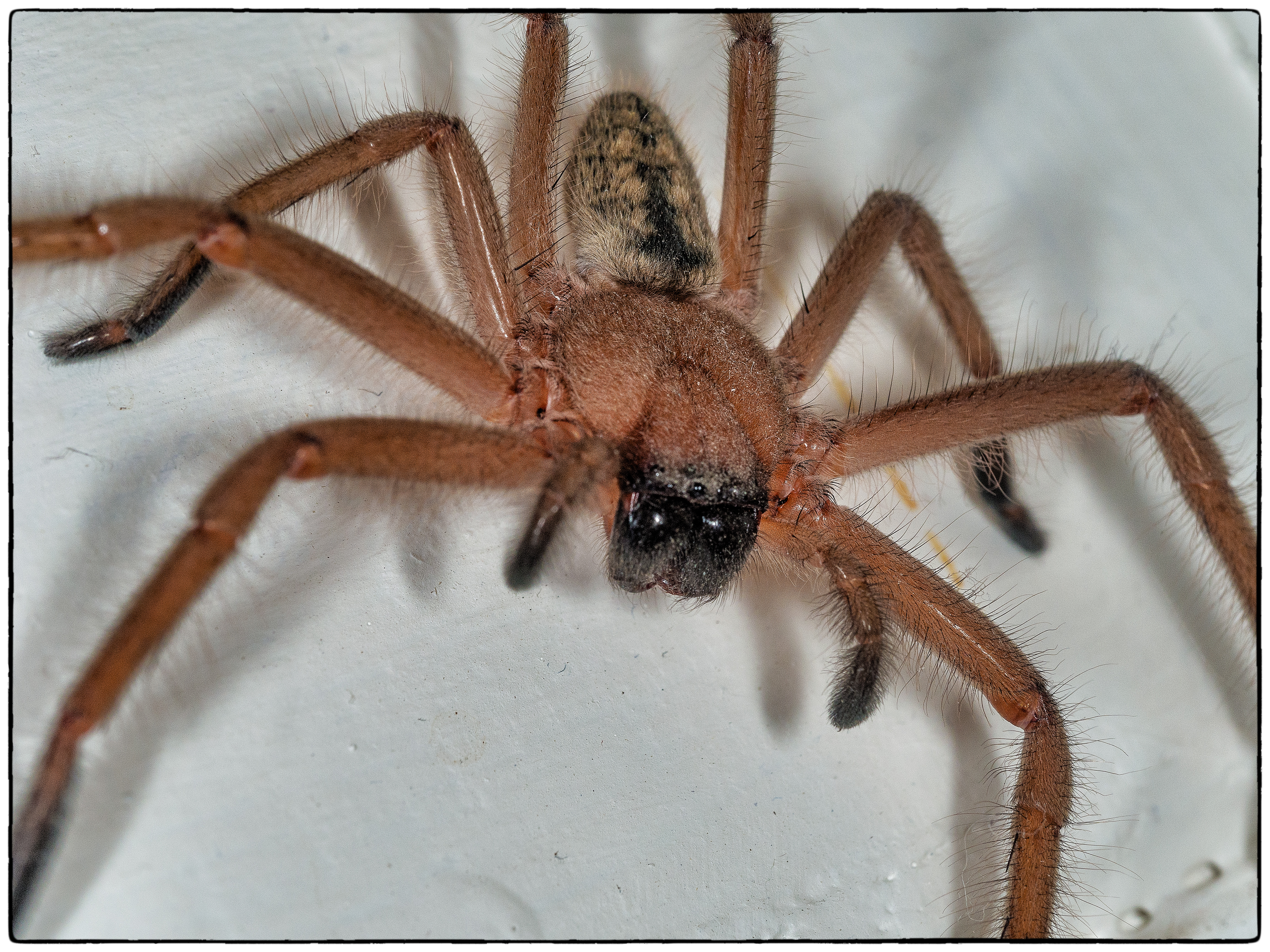
 

The huntsman spider (Delena cancerides) can grow to the size of the palm of your hand and is often found in peoples homes. You don’t need a macro lens to photograph these. As far as I’m concerned a long telephoto helps keep the distance between me and it.


So far it sounds like I’m fairly tolerant to spiders. Well let me tell you there is one species that can induce a full on panic reaction  that is the Huntsman Spider. It’s not that they are big – they are flippin’ big and have a leg span of 15cm and a large hairy body to boot. It’s the way they move and the speed of them as they run across the walls and disappear behind the sofa.  They are the stuff of scary movies. If you should try and swat one with a rolled up newspaper or magazine they’re just as likely to snatch it off you and give you a good walloping. I don’t care how beneficial they are to have in the garden or that they are relatively harmless. “Relatively harmless” – who decides these things? That’s like saying Donald Trump is relatively harmless unless you live in the Middle East. Sorry I’ve gone off piste.  Huntsman Spiders – well I don’t like having them in the house. They make me do the spider dance – it’s where you manically hop from leg to leg while swating the imaginary spiders on your body and screaming like an adolescent girl in a slasher B movie. Thankfully we have our resident house geckos and spider wasps to keep them away.
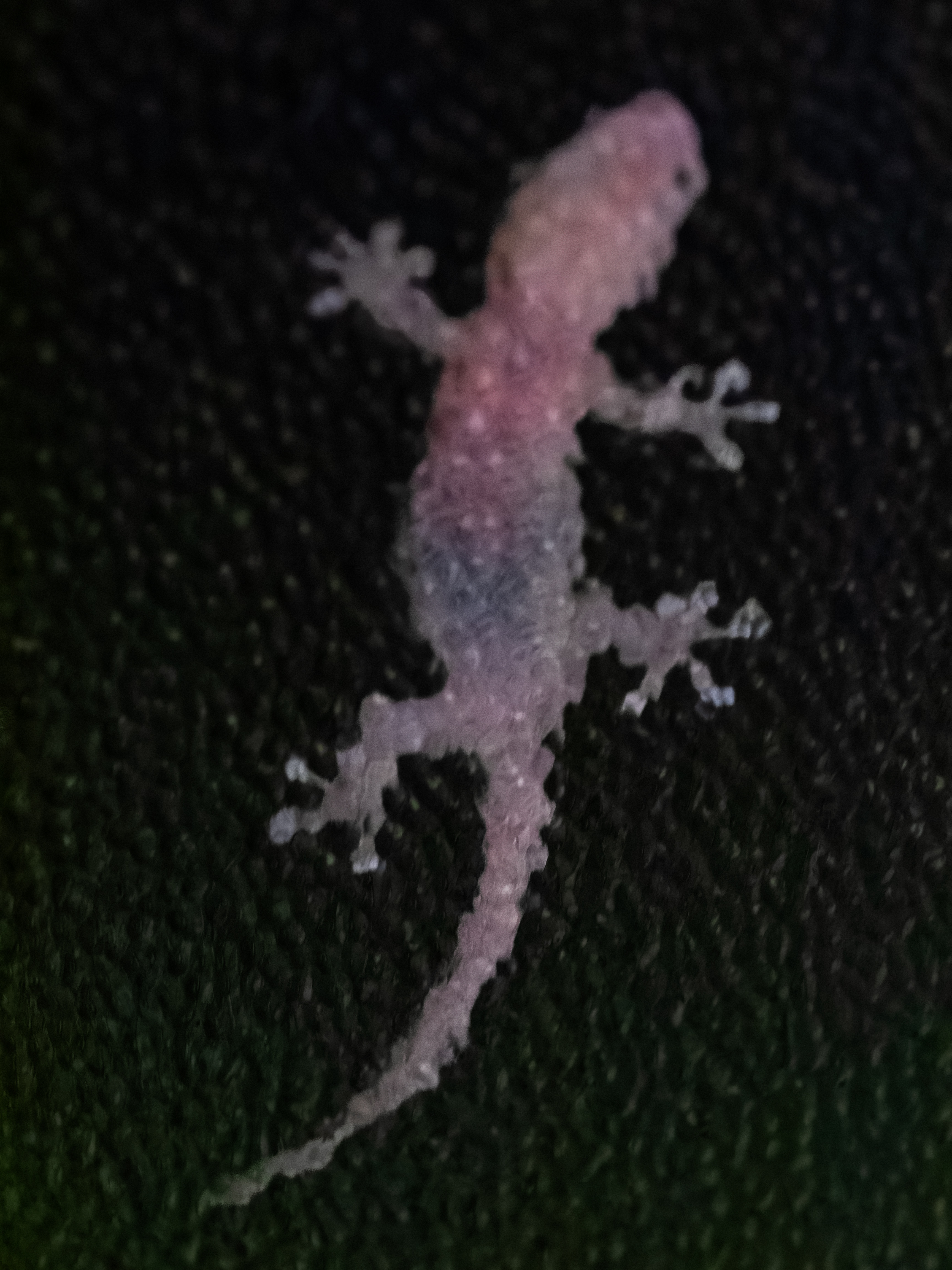
 

My saviour! Bibdjool or Marbled Gecko, aka house gecko (Christinus marmoratus) on our back window at a previous house. York, Western Australia.

A Lack Of Clarity

Wayan by Paul Amyes on 500px.com
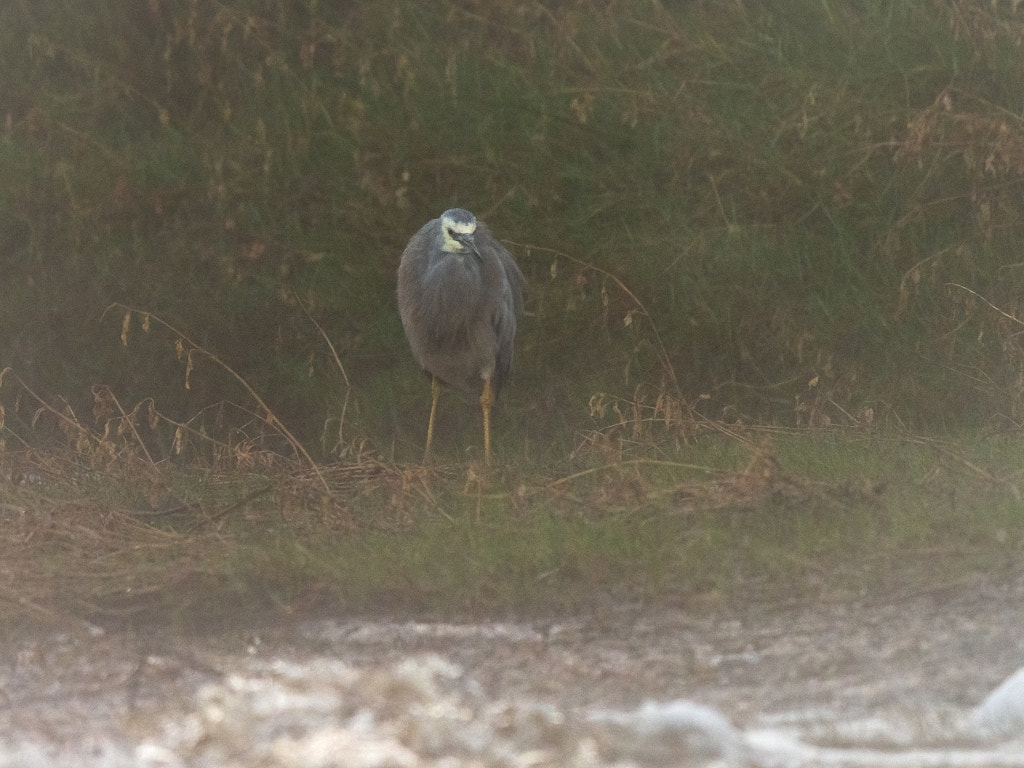
Wayan or White-faced Heron (Ardea novaehollandiae) shrouded in the mist on the banks of the Avon River. York, Western Australia.


Early mornings along the River Avon have taken on a decidedly misty appearance. Going down to Monger’s Crossing at first light and I’ve been hard pushed to see across the river. The upside of this is that by carefully walking and crawling I can get quite close to the herons and spoonbills there. The spoonbills seem a bit more stoic than the herons. They just get on with the normal morning routine of foraging in the shallows for food. In contrast the heron looked decidedly unimpressed with the weather just standing in the long grass with its shoulder hunched up and looking forlornly at the water coming down from the weir.


Kaaka-baaka by Paul Amyes on 500px.com
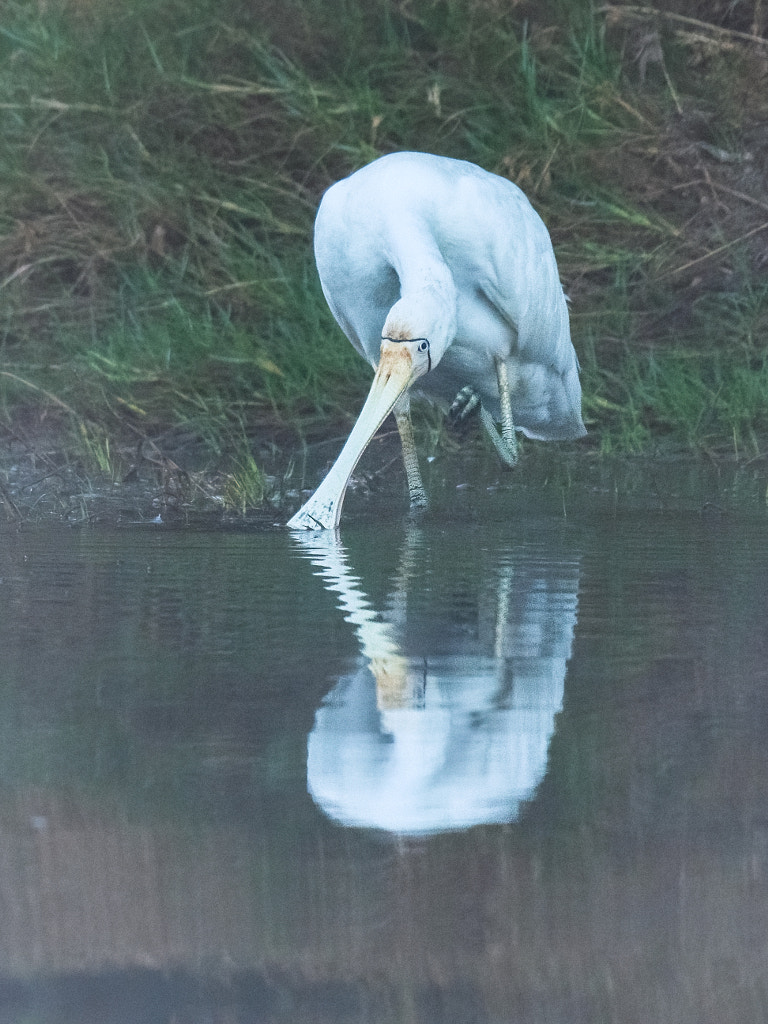
Kaaka-baaka or Yellow-billed Spoonbill (Platalea flavipes) foraging on a misty morning.


Ngalkaning by Paul Amyes on 500px.com
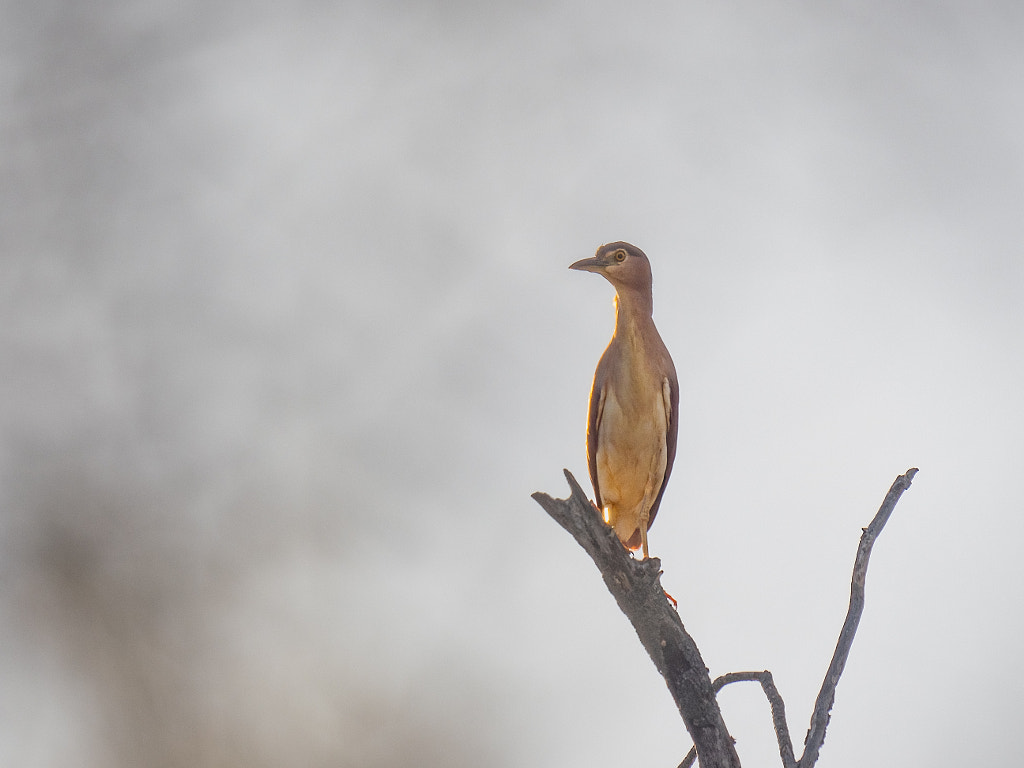
Ngalkaning or Nankeen Night Heron (Nycticorax caledonicus subsp mannillenis) in the early morning mist.


Morning Mist by Paul Amyes on 500px.com
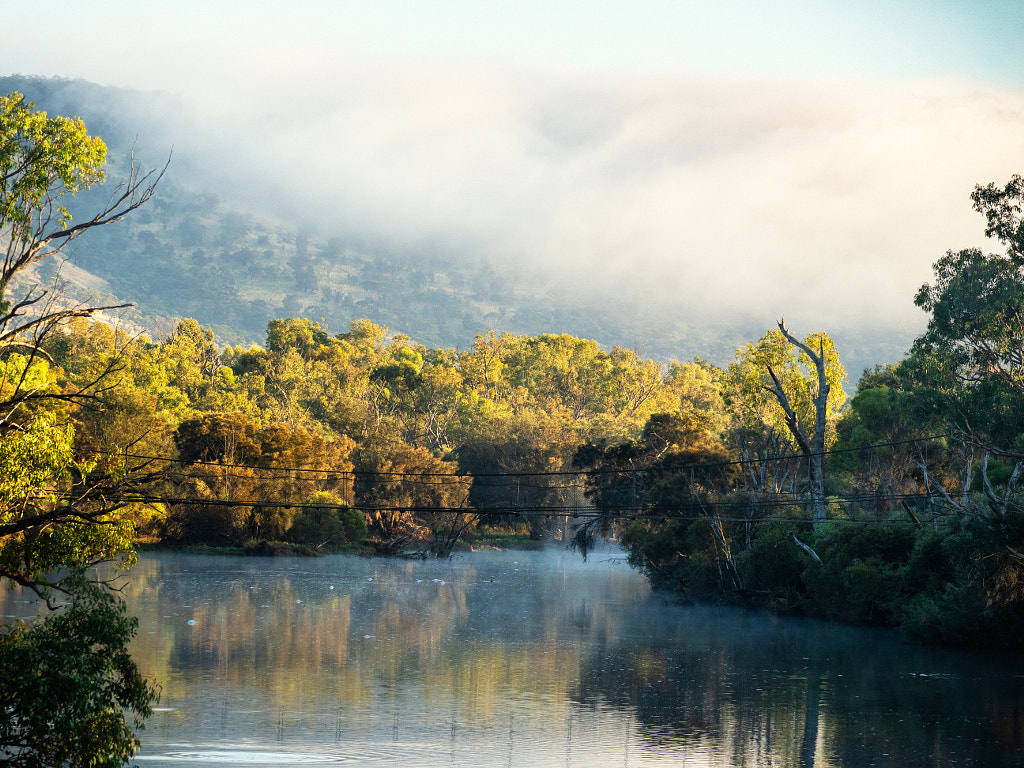
Looking up the Avon River with Mount Bakewell shrouded in the early morning mist. York, Western Australia.


After an hour or so the sun gradually started burn off the mist and the golden light gave a radiance to everything. The sun’s warmth began to take effect and the birds became a lot more active and I was able to get some photos of birds flying, which is always a thrill. The still and quietness of the mist was gone and replaced by the raucous noise of the corellas and the honking of the herons as they flew overhead. By 9 o’cock it was all over. The birds had settled and no activity could be seen.


Golden Web by Paul Amyes on 500px.com
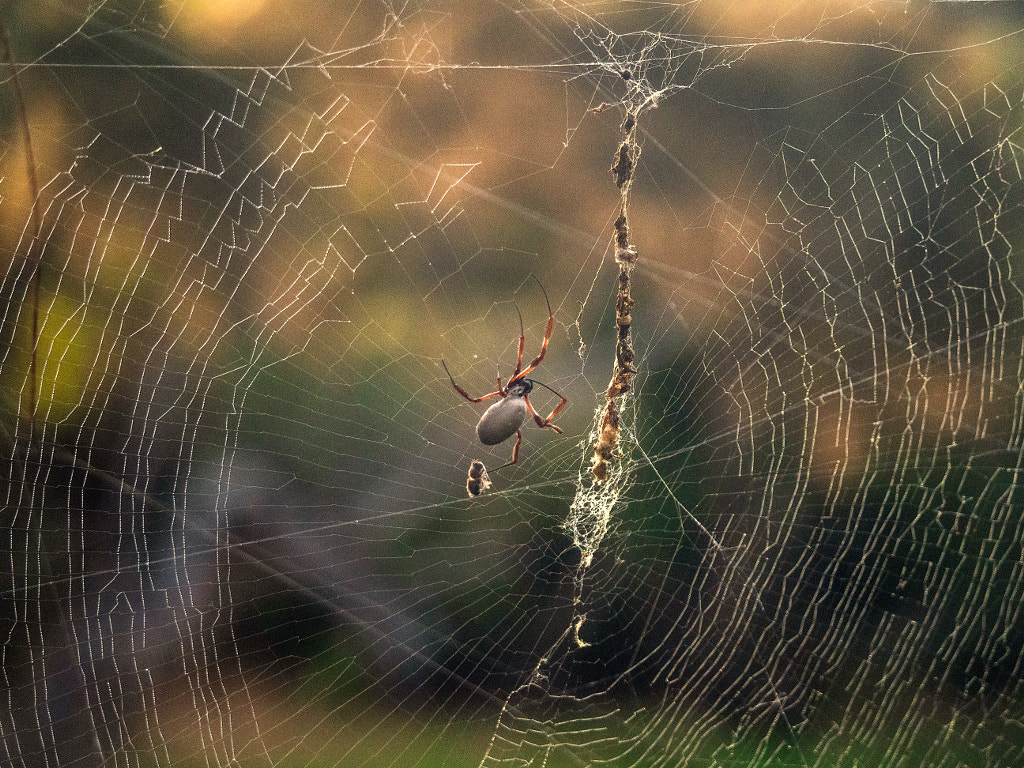
Golden Orb-weaving Spider’s web lit by the golden dawn light.


Wayan by Paul Amyes on 500px.com
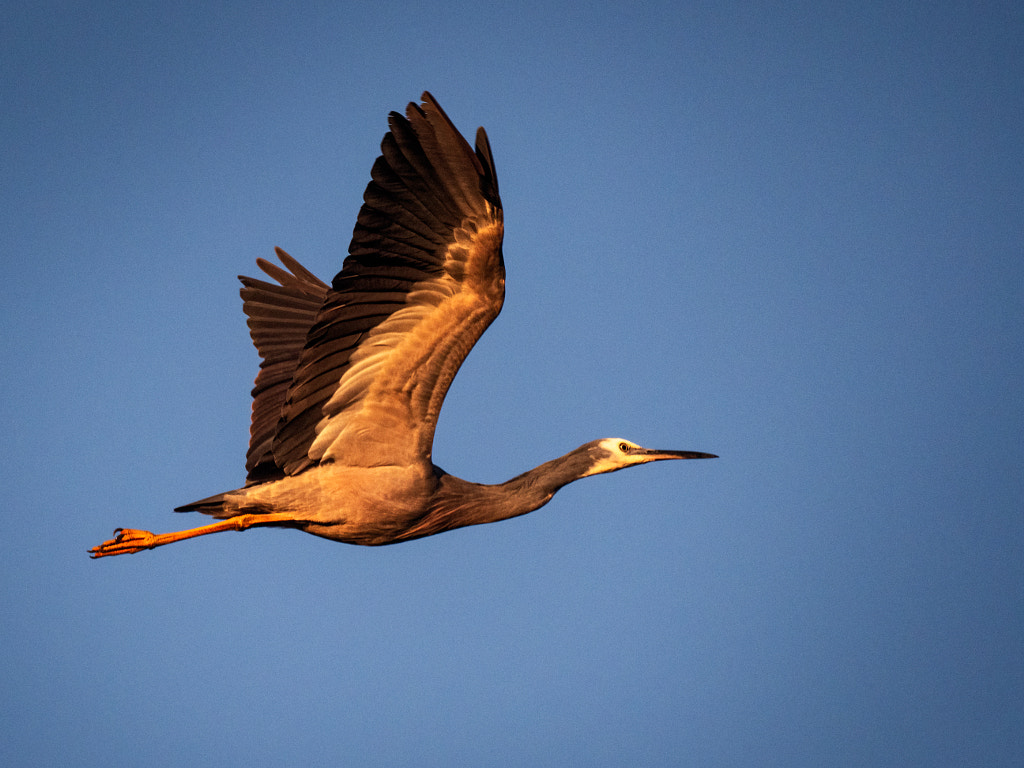
Wayan or White-faced Heron (Ardea novaehollandiae) flying in the warm light of dawn.


Manatj by Paul Amyes on 500px.com

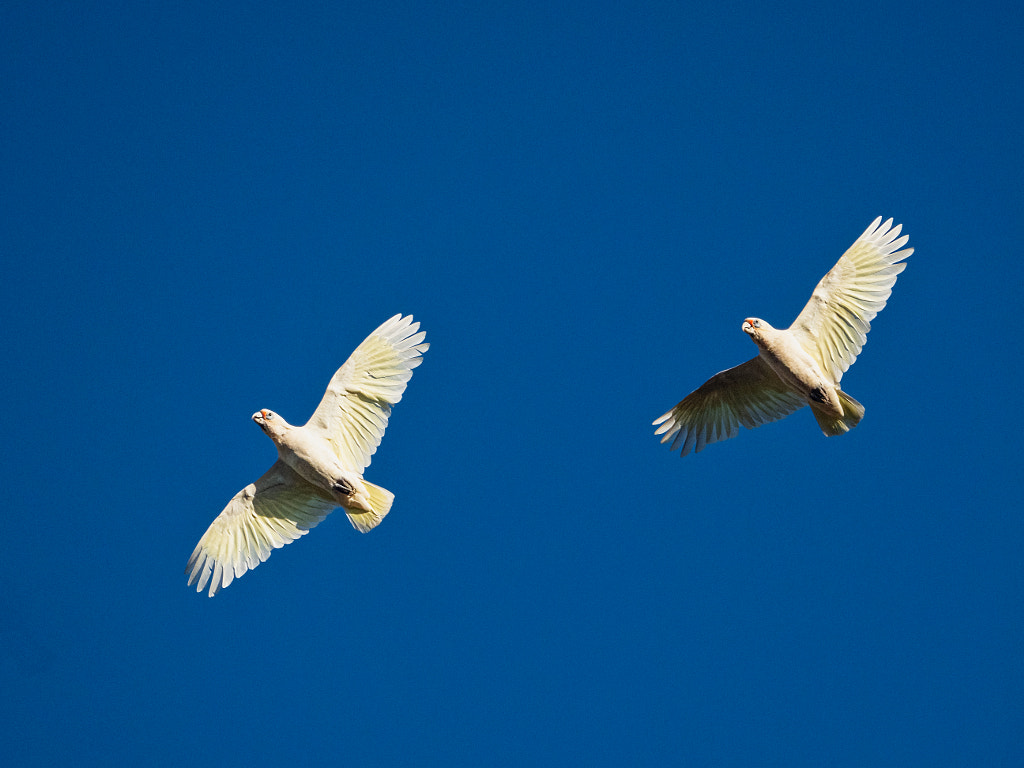
Manatj or Western Corellas (Cacatua pastinator) flying over the Avon River in York Western Australia.

Off Course

Helen watching birds and basking in the winter sun at the York Golf Club.


This autumn and winter we’ve been spending quite a bit of time at the local golf course – not playing golf at all but walking in the woods at the back of the course. It is a fantastic piece of Wandoo forest with rocky out crops and steep gullies cut by water erosion.  In fact that’s probably why it still exists as the land wouldn’t be fit for any commercial purpose. For us it is a wonderful place where we can walk the dog and view native flora and fauna. The other great thing is other than seeing the occasional golfer on the fairways as we drive in there is nobody around.


Frida looking in holes at the York Golf Course.


Frida our wayward and reluctant Bull Terrier loves it. There are rocky outcrops to stand on and strike a heroic pose, holes to look down and lots and lots of interesting things to smell. It is the one place where she enthusiastically jumps out of the car rather than having to be enticed out with bribes.


Me I go there to photograph flowers and animals and just generally get away from everything. I find it so peaceful and relaxing. Here are a selection of photos I’ve taken this winter.


Djakal-ngakal by Paul Amyes on 500px.com
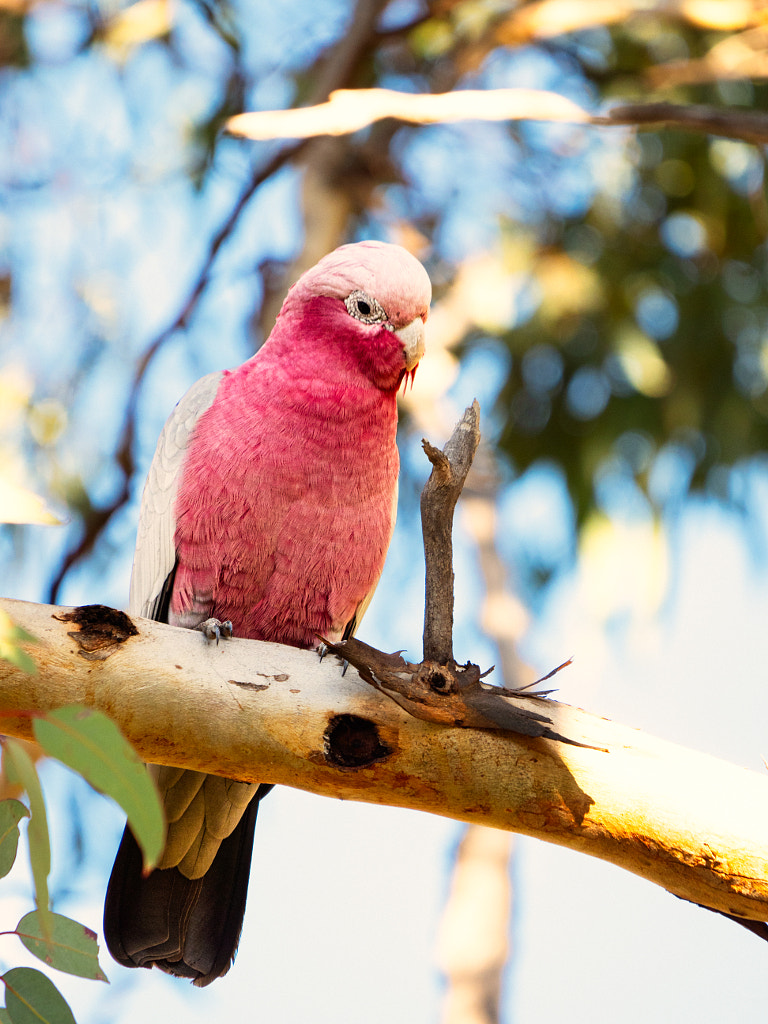
Djakal-ngakal or pink and grey galah enjoying the last warmth of the winter’s sun as it goes down.


Golden Orb Weaving Spider by Paul Amyes on 500px.com

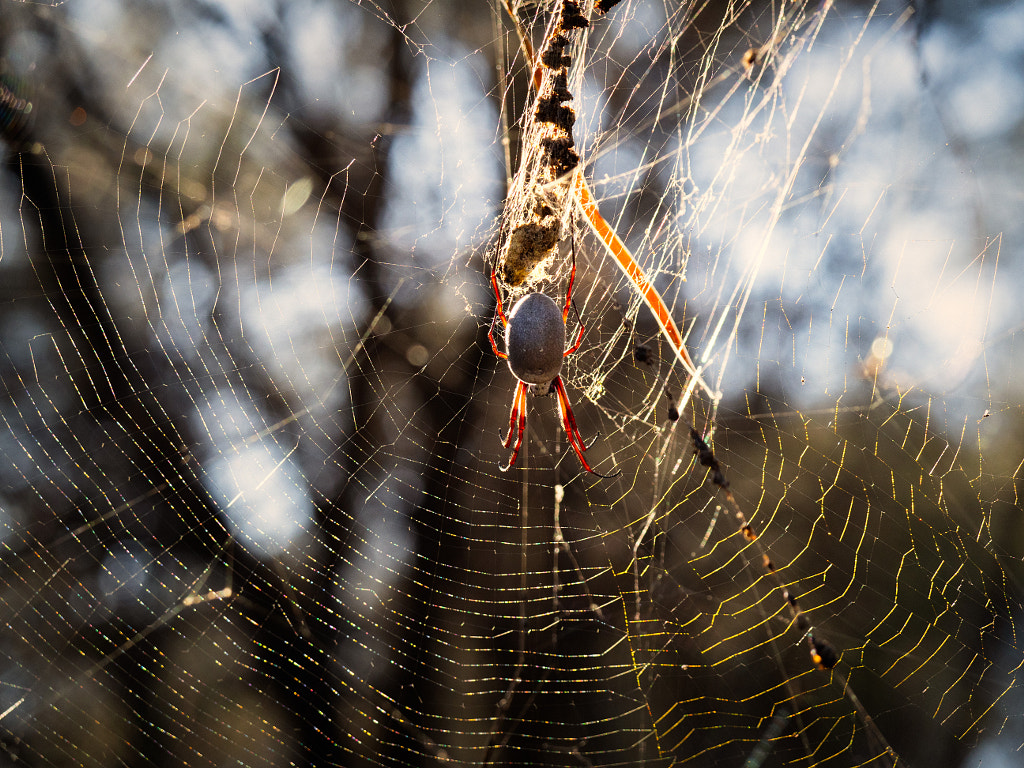
The early morning sun highlights the golden web of the Golden Orb Weaving Spider.


Green-veined Shell Orchid by Paul Amyes on 500px.com

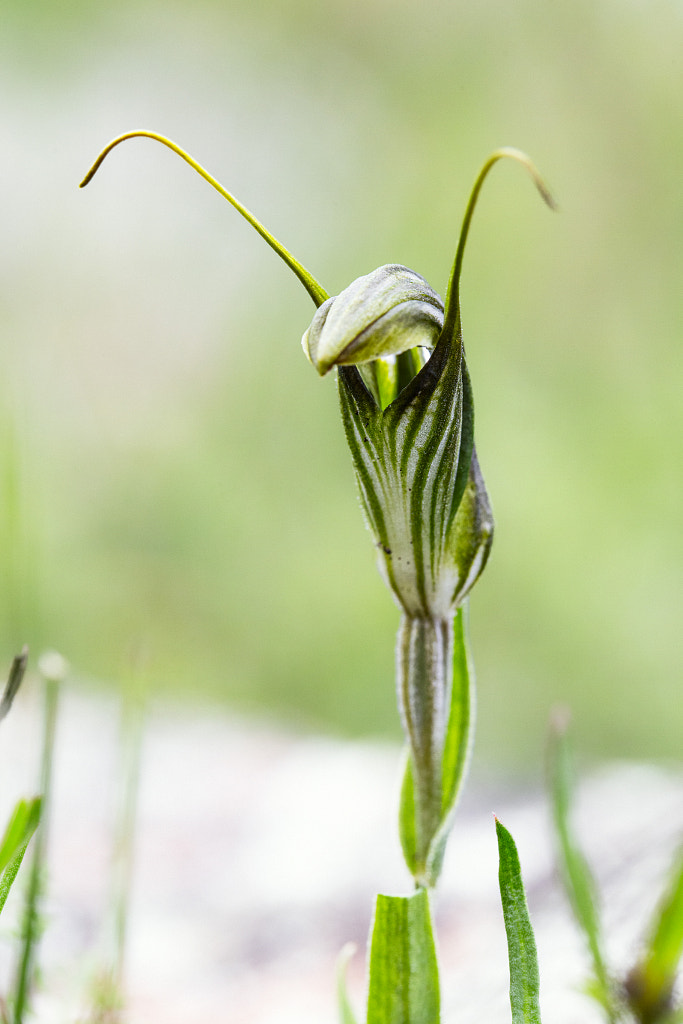
Green-veined Shell Orchid, Pterostylis scabra, growing just off the fairway in the rough.


Yongka by Paul Amyes on 500px.com

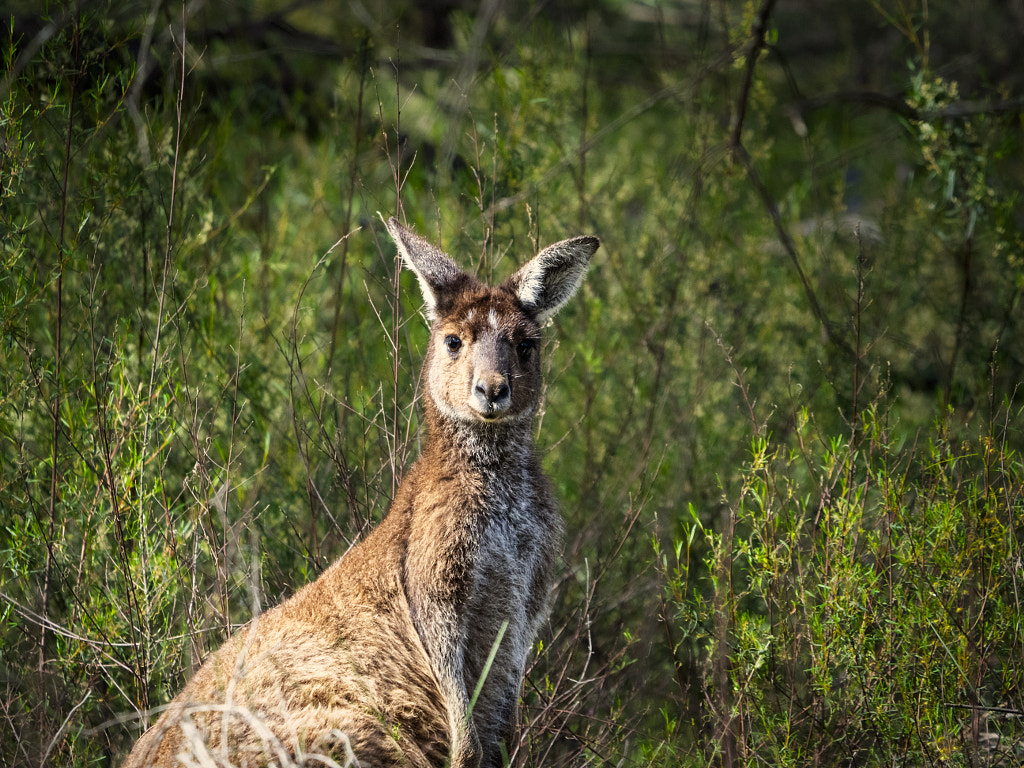
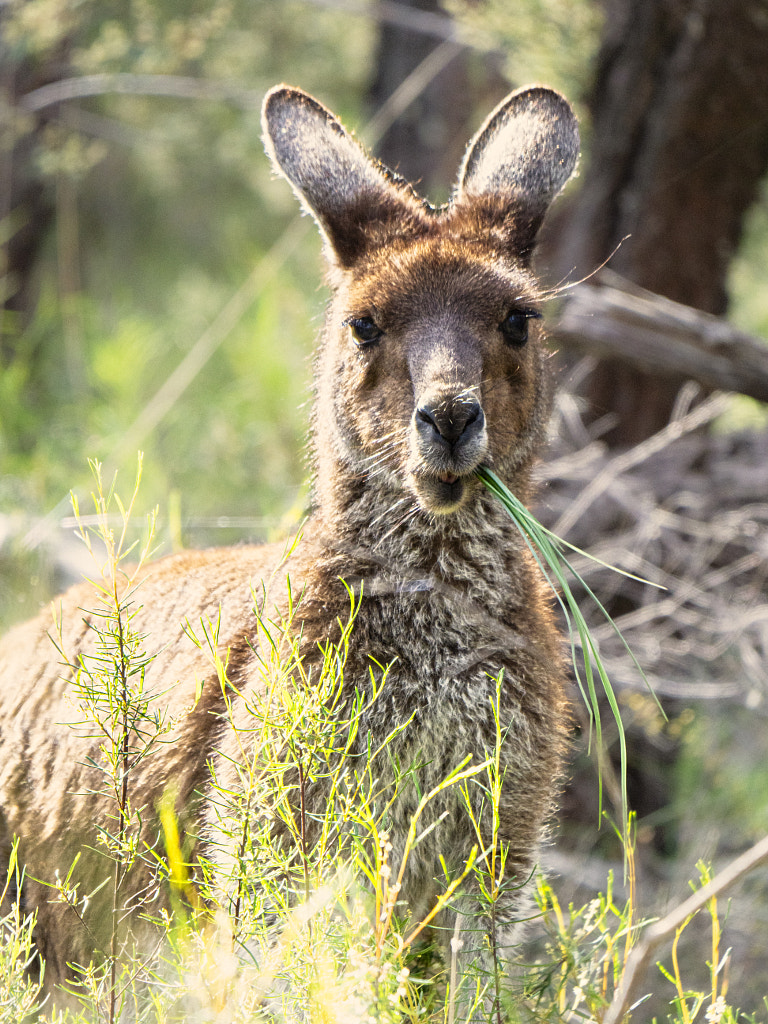
You never know who you’ll meet in the rough. Female western grey kangaroo aka sooty kangaroo (Macropus fuliginosus).


Fringed Mantis Orchid by Paul Amyes on 500px.com

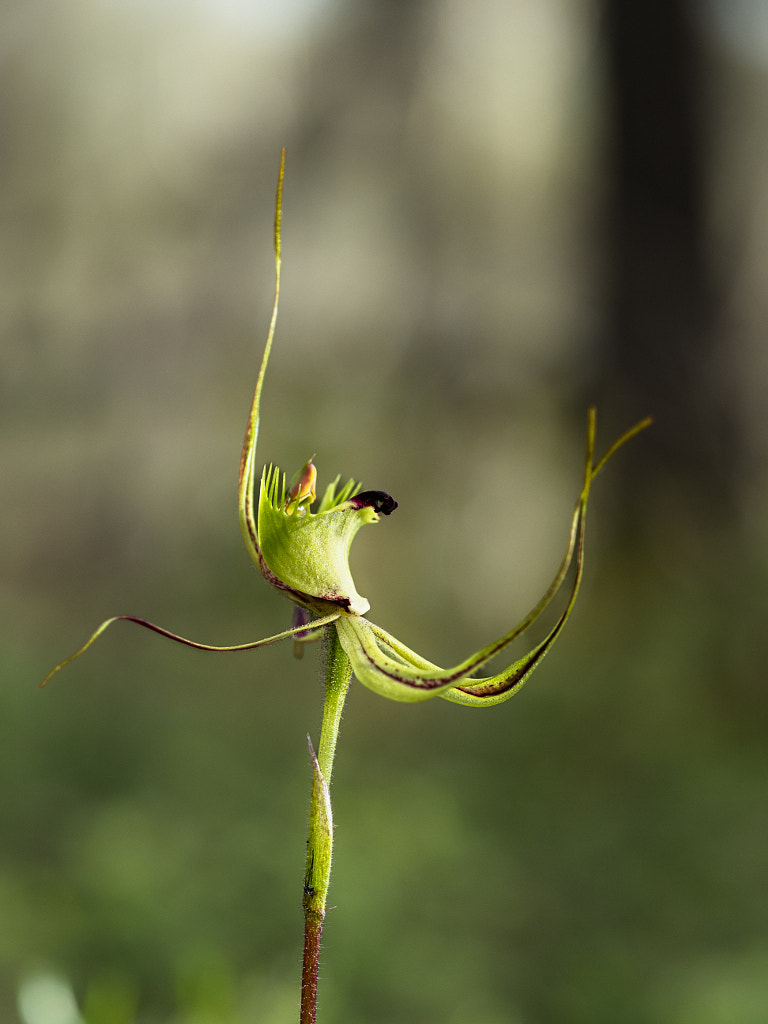
Fringed Mantis Orchid, or Green Spider Orchid, (Caladenia falcata).


Cowslip Orchid by Paul Amyes on 500px.com

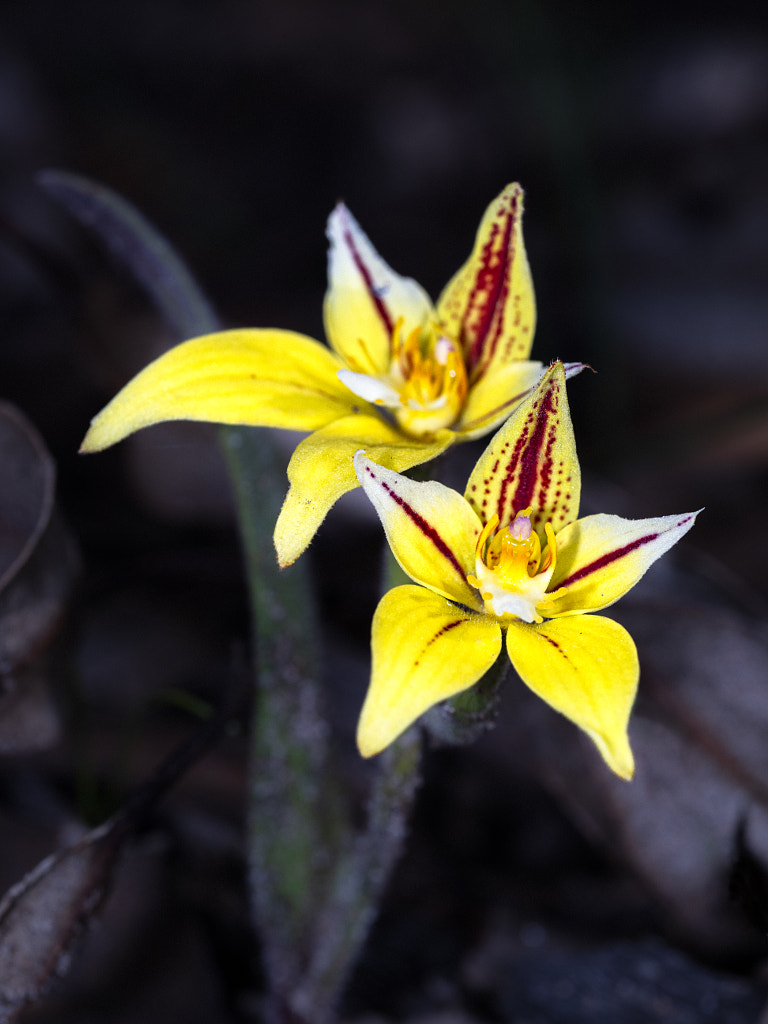
Cowslip Orchid, Caladenia flava subs. flava.


Sugar Orchid by Paul Amyes on 500px.com

Hundreds of Sugar Orchids, Ericksonella saccharata, can be seen growing in the bark and leaf litter beneath the wandoo trees.


Winter Donkey Orchid by Paul Amyes on 500px.com

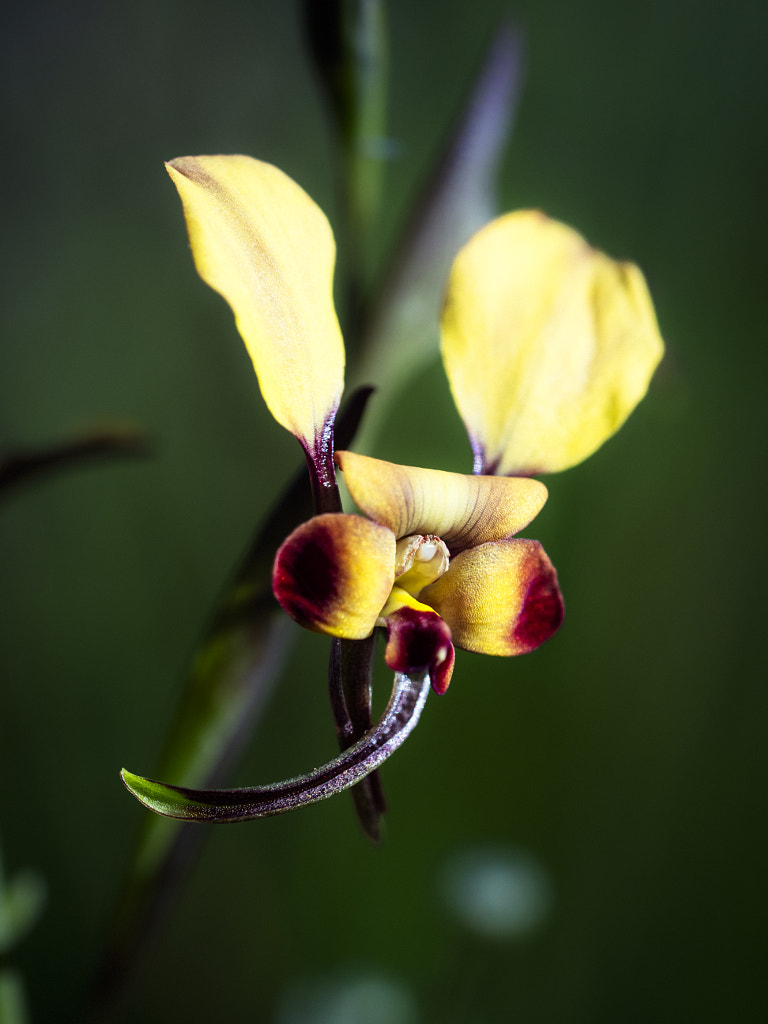
Winter donkey orchid, Diuris brumalis.


Chapman's Spider Orchid by Paul Amyes on 500px.com

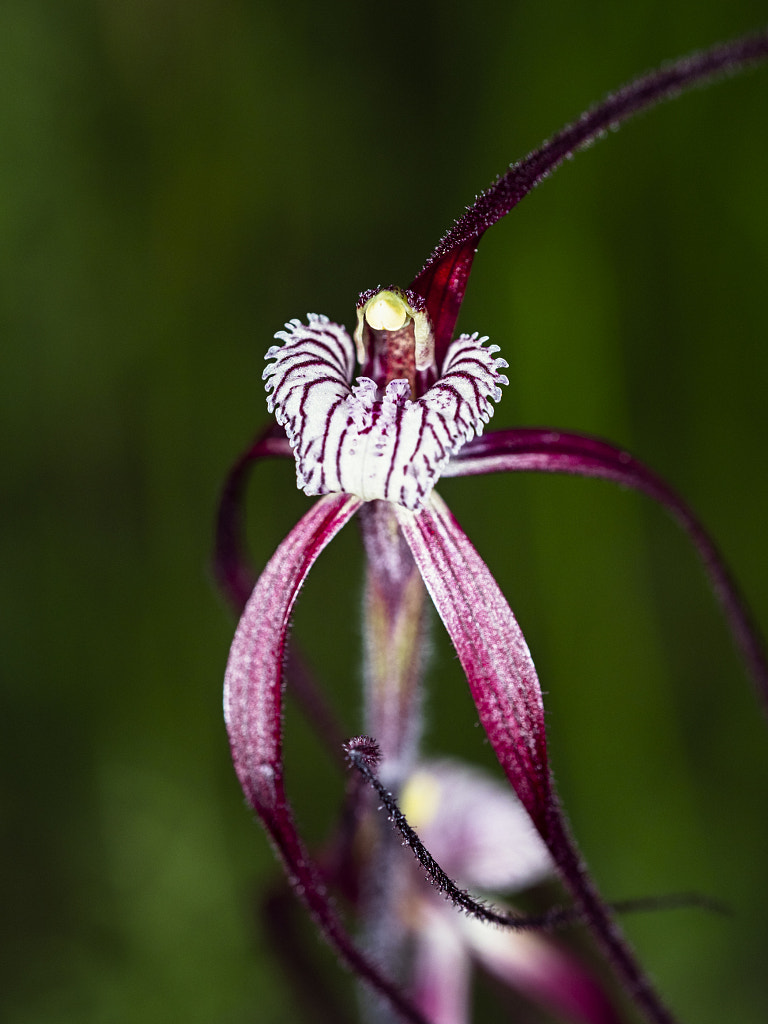
Chapman’s Spider Orchid, Caladenia chapmanii.


Yongka by Paul Amyes on 500px.com

A quick bite to eat.


Fridas enjoying a morning run in the bush at the York Golf Club.