“It’s a beautiful day…

… Don’t let it get away

It’s a beautiful day”

By

Paul David Hewson / Adam Clayton / Larry Mullen / Dave Evans, 2000


Lake Leschenaultia by Paul Amyes on 500px.com
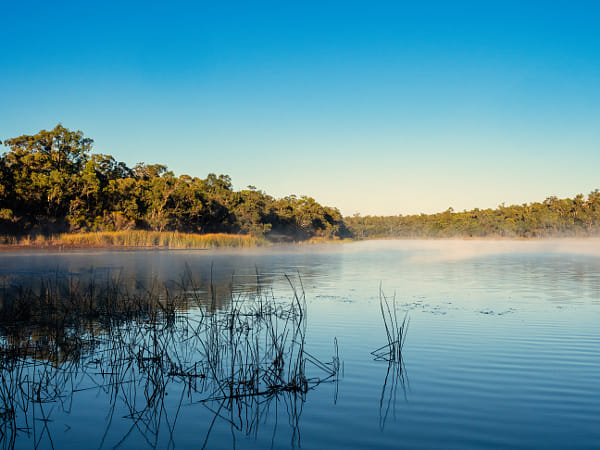
Lake Leschenaultia on a misty winters morning


My first outing birding since getting back from Cairns. What a contrast. Instead of a nighttime temperature of 20℃ rising to 30℃ and humidity of 75% while walking through tropical rainforest the morning started at 0℃, with frost and mist as I walked through the jarrah forest that rings Lake Leschenaultia. As my dear old mum used to say I had more skins on than an onion. Honestly I looked like Bibendum the Michelin Man. 


Kwirlam by Paul Amyes on 500px.com
Kwirlam or Purple Swamphen (Porphyrio porphyrio).


I must say as I parked the car and started walking towards the lake I was a little apprehensive  – the conditions were pretty rank and I wasn’t really expecting to find anything much. Sometimes going birding is like an act of faith, you set out early in the morning not knowing whether you’ll find anything. I’ve been out on mornings with much more favourable conditions than this and not seen a sausage. So you can understand my trepidation. It turned out I was worrying needlessly. As I drew closer to the lake I could hear all manner of bird activity. Regular readers may remember that three years ago I spotted a Spotless Crake (Porzana tabuensis) near the boat shed and ever since then I’ve been loitering there every time I visit in the hope of seeing it again to no no avail. I developed a kind of “Crake mania” and started obsessively trying to see one, or its cousin the Spotted Crake (Porzana fluminea). Now I was completely over it. I only paused to quickly take a landscape snap of the conditions and a grab shot of a Purple Swamphen (Porphyrio melanotus) and headed off walking anti clockwise rather than my usual clockwise. 


Djer-djer by Paul Amyes on 500px.com
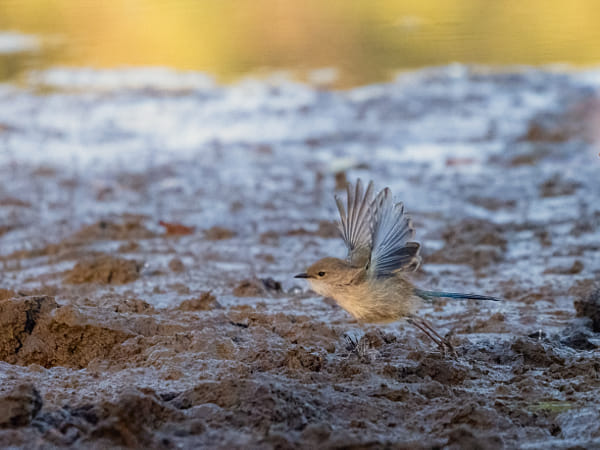
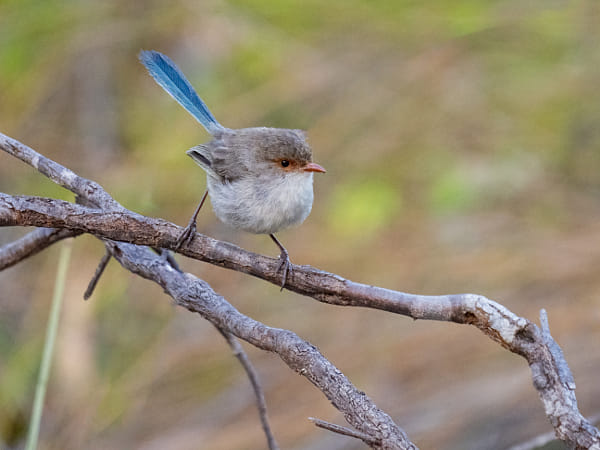
Djer-djer or Splendid Fairy-wren (Malarus splendens subsp splendens).


Blimey the mist was thick and wet, a bit like members of the royal family, and I was glad that in a last minute decision I’d grabbed a waterproof as I left the house as the fog drip was making me pretty wet. As I crossed the dam wall I couldn’t see more than about 5m in front of me. I was quite surprised to see a small flock of Splendid Fairy Wrens (Malurus splendens) foraging on the path. Every now and again one would take a break and sit on the post and rail fence that stops people falling into the water. They were such a delightful sight that I stayed and photographed them for about 30 minutes. They were quite happy to let me get close and they only left when an angry Red Wattlebird (Anthochaera carunculata) chased them off. Carrying on walking I came to to a spot where the reed beds start on this side of the lake. The weak watery winter sun was starting to peak through the cloud and the scene looked so lovely that I stopped to take a photo. I was lapping up the bucolic setting and the warm sunlight when out of the corner of my eye I spotted something rummaging about in the shallow water at the base of the reeds. It was a Spotless Crake feeding on the fringes of the reeds. “Damn and blast!” or words to that effect, I’d altered the settings on my camera to take the landscape shot and now I was fumbling with the dials trying to switch it back again. My gloves weren’t helping matters here. The bird just carried on like it didn’t have a care in the world. I quietly got down onto my knees and fired off frames like there was no tomorrow.


Lake Leschenaultia by Paul Amyes on 500px.com
Just a quick snap shot of the sun breaking through the mist.


Waradja by Paul Amyes on 500px.com
At the base of those reeds was a Waradja or Spotless Crake (Porzana tabuensis).


Waradja by Paul Amyes on 500px.com
For such a notoriously shy and secretive bird it was remarkably chilled about my presence.


After 20 minutes I decided to give the Spotless Crake a break and walked on only to see another two of them. To say that I was completely gobsmacked was a complete understatement. It was turning out to quite a wonderful morning. By now the sun was starting to burn off the morning mist and penetrate the woodland. It was a sublime feeling stopping in a little glade with the warmth of the sun invigorating my body. It made me feel so glad to be alive.


Kadjinak by Paul Amyes on 500px.com
This Kadjinak or Grey Fantail (Rhipidura albiscapa) was flitting about in top of the reed bed while I was taking photos of the Spotless Crake.


Lake Leschenaultia by Paul Amyes on 500px.com
Once the mist had burnt off the warm sunlight filtered through the trees.


Patience Is A Virtue…

Virtue is a grace.

Grace is a little girl

who would not wash her face..

From “Lady Daisy” by Dick King-Smith

When you start wildlife photography it is very easy to get disappointed. You see all these marvellous photos other people put up on social media and you are left wondering why your photos are not as good. Usually people put it down to not having the best gear – if only I had that 800mm F5.6 lens – maybe if they had better photographic technique or access to exotic animals in exotic locations the photos would be better. Photographic technique is easily learnt, you don’t need expensive equipment and nor do you need to travel to exotic locations. I think patience is very important and that is something we can all develop.


Koordji-koordji by Paul Amyes on 500px.com
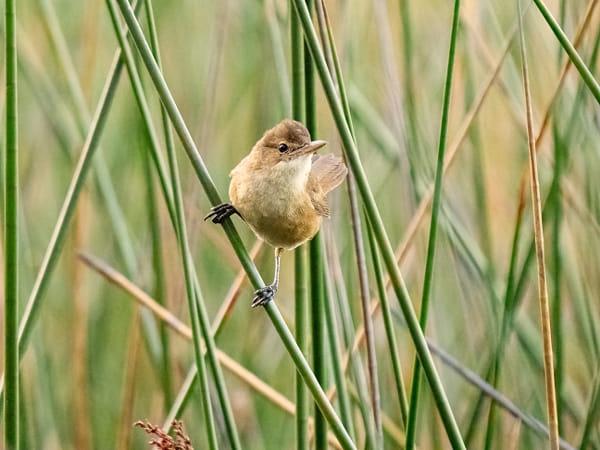
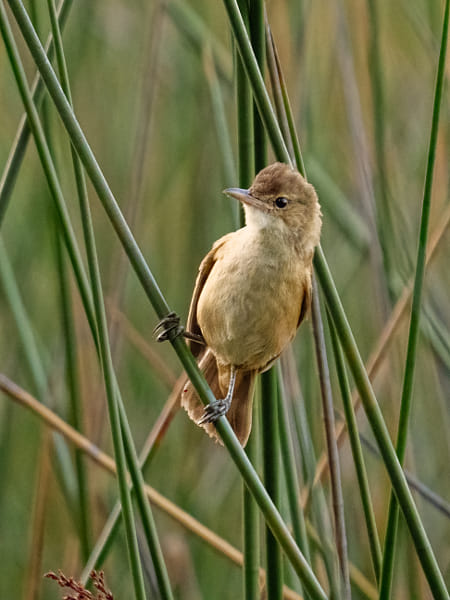
Koordji-koordji or Australian Reed Warbler (Acrocephalus australis subspecies gouldi). Lake Leschenaultia, Chidlow, Western Australia.


Koordji-koordji by Paul Amyes on 500px.com
Breakfast.


The other morning I was at Lake Leschenaultia. The previous day there had been the tail end of cyclone coming down the coast which brought rain and strong winds. The rain had passed, but, there was still quite a bit of wind about. As I got down to the lake I could see it was choppy and there were no waterfowl about and there was nothing much happening in the trees. I could have given up and gone home, but I know from experience that there are a few sheltered spots to be found as you walk round the lake so I set off for them. The first couple yielded nothing, the third was alive with the sound of Australian Reed Warblers, Splendid Fairy Wrens, Silvereyes and Inland Thornbills. They were feeding on the insects found amongst the reeds. There was no way I could quietly approach – the forest floor down to the lake was covered in dry leaves and bark. It is like walking over corn flakes – very crunchy and noisy. Even if I could get down there quietly suddenly appearing out of the tree cover would put everything to flight. Nevertheless I made my way into the dry portion of the reed bed and as expected everything cleared off. Now this is the point where it was tempting to think that’s it and move on. However, I knew that the food source won’t have moved and the birds were hungry. I also know that these particular birds are quite tolerant to people if you are quiet and don’t move around much so all I had to do was wait. I’ll admit it was hard – the mosquitoes were ferocious – but after 20 minutes or so the birds came back. In that time I positioned myself to ensure I had a good background and if the birds wanted to take off they would have to fly towards me. All these birds are incredibly quick, but the knack is observing how they move through the reeds and where they like to perch when having a breather. Pre-focus on one of those spots as it will give your cameras AF system a good chance of locking on to the bird. Then it was a case of being patient and waiting until they came close to me and taking the photo. Forty minutes later and it was all over. The birds had moved onto another spot which was too inaccessible for me to follow.


Doolor by Paul Amyes on 500px.com
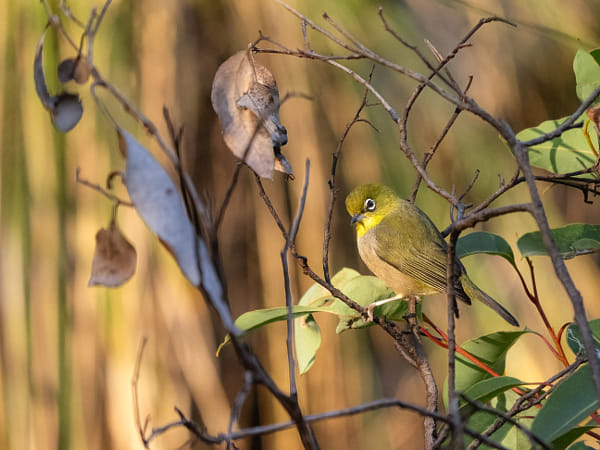
Doolor or Silvereye (Zosterops lateralis). Lake Leschenaultia, Chidlow, Western Australia.


Doolor by Paul Amyes on 500px.com
Having a closer look at me.

Loud and Clear

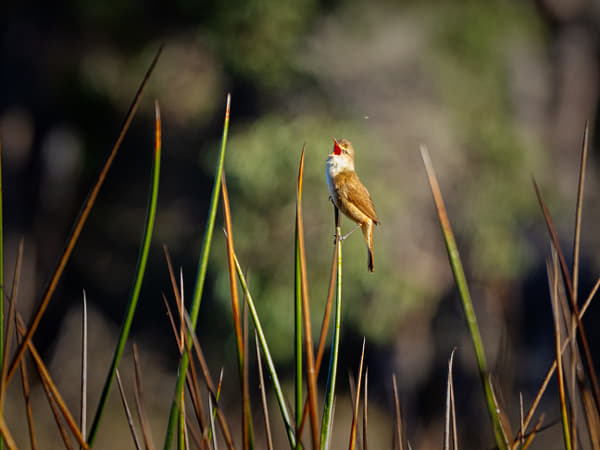
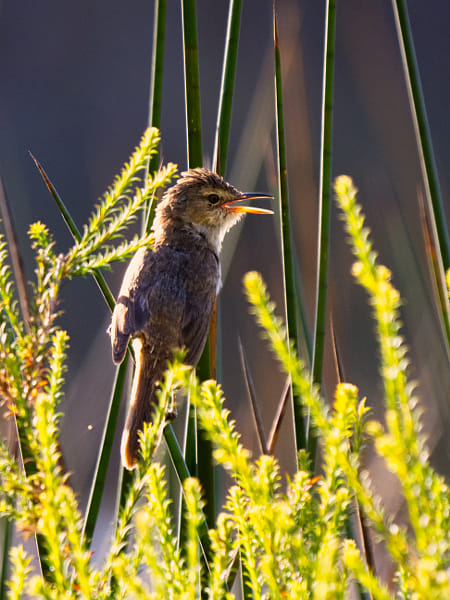
The other morning as I was walking around Lake Leschenaultia I spotted a couple of male Australian Reed Warblers marking out their territories while trying to attract a mate. When both of them were singing the sound was so loud that it almost made my ears hurt. It’s amazing that something so small can produce such a volume of sound. Normally you tend to hear them rather than see them, but this morning the two of them were perched on the very tips of the reeds. It was quite an amazing experience.

 Koordji-koordji by Paul Amyes on 500px.com
Koordji-koordji or Australian Reed Warbler (Acrocephalus australis subspecies gouldi). Lake Leschenaultia, Western Australia.


The Madagascan Duck

I had an appointment in Glen Forest, about an hours drive away, late in the morning and to make the most of the petrol I decided to stop en route at Lake Leschenaultia at dawn. The weather was quite bleak when I got there – cold and damp with thick fog and virtually zero visibility. Knowing I wasn’t going to get anything to blog I decided to experiment and shoot some video.


A few hours later while walking back to the car a young woman walked past me at speed and commented on the seriousness of my camera. A few steps on she stopped and asked whether I’d seen and photographed the little duck. Always seeking local knowledge I asked which little duck in particular as there are quite a few species that call the lake home. She tried to explain that it was a very unusual little duck, completely different from anything she’d seen before. Oooh I thought – something new and unusual. She went onto say that she’d taken a photo with her phone and Googled it and found out that it was the Madagascan Duck. Now I was a bit sceptical as although ducks do migrate with the change of seasons it does tend to transcontinental as opposed to crossing large expanses of open sea. They also do it in large flocks, so if there is one there are probably hundreds. It would seem very unlikely that a single duck would have wandered so far off course as their navigation is pretty impressive. While trying to be helpful and say it was probably one of last summers fledglings she saw I was answered with I still have the photo on my phone. With that she quickly locates it and shows me the photo. It wasn’t a duck. It was an Australasian Grebe (Tachybaptus novaehollandiae). She seemed absolutely delighted with this information said goodbye and walked off.


Ngoonan by Paul Amyes on 500px.com
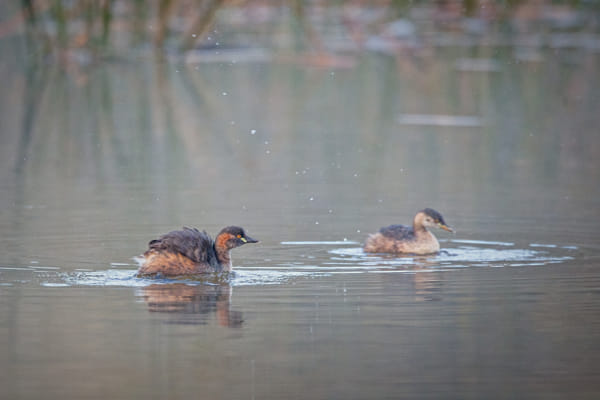
Definitely not a Madagascan Duck but rather Ngoonan or Australasian grebes (Tachybaptus novaehollandiae). Lake Leschenaultia, Western Australia.


On getting home I was a little bemused by the event and decided to Google the Madagascan Duck myself. It threw up the Madagascan pochard (Aythya innotata) which is an incredibly rare species of diving duck which was thought to have gone extinct in the late 1990’s. Some breeding pairs were later discovered and as a result of a captive breeding program there now is a small population of 25 individuals located on two small volcanic lakes in the far north of Madagascar. Whenever I see an Australasian Grebe I shall always think of the Madagascan Duck.

Early In The Morning*

I must confess that in winter I find it hard to leave my bed while it is still dark and go to a location in search of wildlife. Invariably when I make the effort I’m always happy that I did. This week was no different, but, as I walked from the car down to the edge of Lake Leschenaultia I was greeted with a magnificent sight. The water was covered in mist and the sun’s golden light was just starting to be reflected in the water. Normally I take a slow walk around the lake photographing whatever I see. This time I was quite content to sit near the boat shed and just watch the interplay of the golden light and the mist. As the sun rose the mist was burned off and it was time to leave as the moment was over.


Kwirlam by Paul Amyes on 500px.com
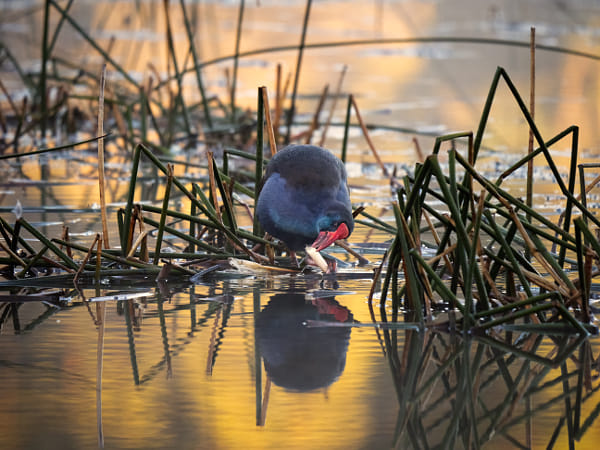
Kwirlam or Purple Swamp Hen (Porphyrio porphyrio) feeding on reed roots as the sun rises. Lake Leschenaultia, Western Australia.


Kadar by Paul Amyes on 500px.com
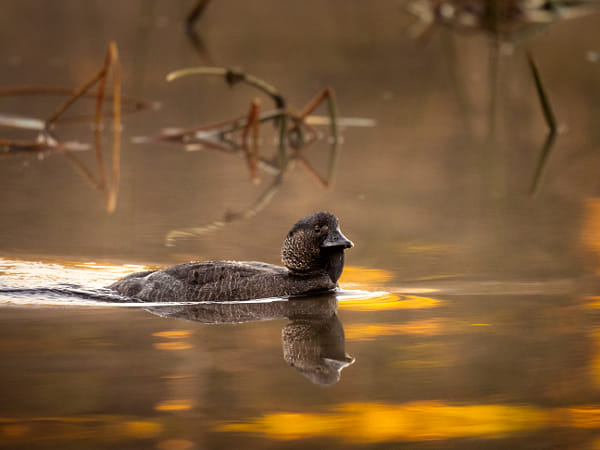
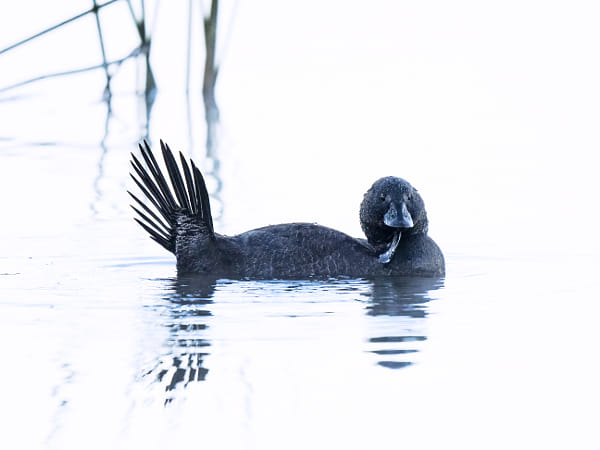
Kadar, Musk Duck (Biziura lobata). Lake Leschenaultia, Western Australia.


Djer-djer by Paul Amyes on 500px.com
Djer-djer or Splendid Fairy-wren (Malurus splendens) chasing insects on the lake shore. Lake Leschenaultia, Western Australia.


Morning Mist by Paul Amyes on 500px.com
I was so engrossed in the scene before me that it took me a while to take a photo of it. This was after about an hour when much of the mist had been burnt off by the warmth of the sun.


Kadar by Paul Amyes on 500px.com
The Musk Duck (Biziura lobata) in the shade and the mist. Lake Leschenaultia, Western Australia.


A few of the things  I saw on the way back to the car.


Spectacular Rustgill by Paul Amyes on 500px.com
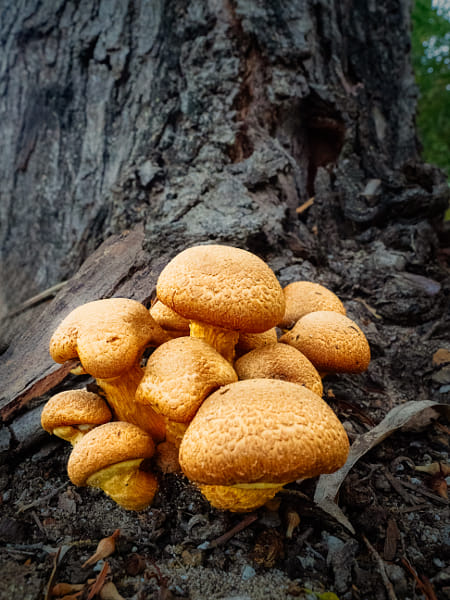
Spectacular Rustgill (Gymnopilus junonius) is typically found growing on tree stumps, logs, or tree bases. Lake Leschenaultia, Western Australia.


Doolor by Paul Amyes on 500px.com
Doolor or Silvereye (Zosterops lateralis).


Kaa-kaa by Paul Amyes on 500px.com
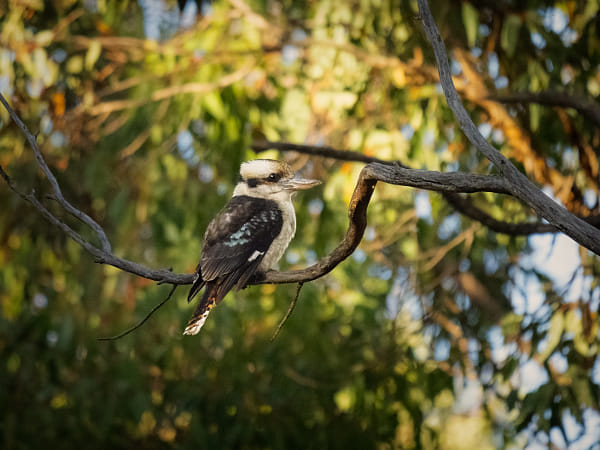
Kaa-kaa or Laughing Kookaburra (Dacelo novaeguineae).


*Early In The Morning is a track by Alexis Korner’s Blues Incorporated. 


Early One Morning*


Koordji-koordji by Paul Amyes on 500px.com
Koordji-koordji or Australian Reed Warbler (Acrocephalus australis subspecies gouldi). Lake Leschenaultia, Western Australia.


Beating the heat is the name of the game here and so getting up early and heading out is the answer. Lake Leschenaultia in summer just as the sun comes up is blissful. The breeze coming off the water is deliciously cooling and walking under the shade is a pure delight. To cap it all off the wildlife is truly wonderful. To make the most of it I travel light – one camera (Olympus EM1x), one lens (Panasonic 100-400mm f4-6.3) some spare batteries and a water bottle.


Koordji-koordji by Paul Amyes on 500px.com
Koordji-koordji or Australian Reed Warbler.


Djer-djer by Paul Amyes on 500px.com
Djer-djer or Splendid Fairy-wren (Malarus splendens subs splendens). Lake Leschenaultia, Western Australia


When we first arrived I had a look for the Spotless Crake in the reed beds. I know it’s there – I’ve seen it and its footprints in the mud, and heard it – but taking a good photo is proving very difficult as it is extremely skittish and elusive. While stood there we could see the reeds twitching away and there was some strange staccato chucks, when suddenly a couple of birds break cover and sit on the tips of the reeds. I didn’t honestly know what they were – and assumed they were a new to me species. It was all quite exciting. Walking round the lake we were serenaded by the magpies. As the understory got denser we could hear Splendid Fairy Wrens chattering away in the undergrowth. When they broke cover we saw that they were very young – probably this summers fledglings. It was enchanting watching their antics as they chased one another around. As we headed back to where we started we passed another reed bed with some more of those unidentified birds in and they were very obliging and hung around in plain sight allowing me to get more photos. It was a great morning, worth getting up for. 


Koordji-koordji by Paul Amyes on 500px.com
What a poser! Koordji-koordji or Australian Reed Warbler (Acrocephalus australis subspecies gouldi).


On getting home and processing the images I found out that the birds were Australian Reed Warblers, a species that I’ve photographed before. What threw me was the sound – I’ve only ever heard them warble before. So it was a little disappointing that it wasn’t a new species, a bit embarrassing that I didn’t recognise them, but extremely satisfying as they are my best photos of Australian Reed Warblers.

* Early One Morning is a song by the great Elmore James.

A Mixed Bag

Most of the time when I go out photographing I have something specifically in mind, but the other day my partner wanted to go to Lake Leschenaultia for a swim (I believe it’s now called “wild swimming” , but when I were a lad it was just called swimming). I was allocated driving duties and while the Beloved Significant Other was communing with the natural world via the water I was left to walk around the lake. I’d taken along with me one camera and one lens but I didn’t expect to get to use the combo as it was  well past the usual post dawn photo time so I just went with the flow and see what I could find.


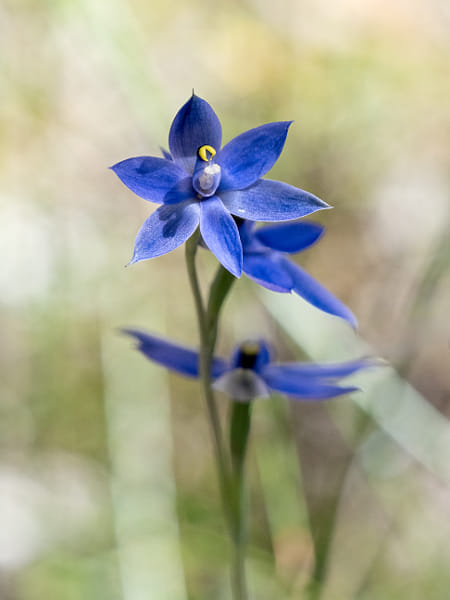
Scented Sun Orchid, by Paul Amyes on 500px.com
Scented Sun Orchid, Thelymitra macrophylla. I don’t really think of Lake Leschenaultia as a place for looking for orchids. You might see the occasional one but that would be it. On this visit I saw more that I’d ever done in over thirty years previously.


Wandering Percher by Paul Amyes on 500px.com
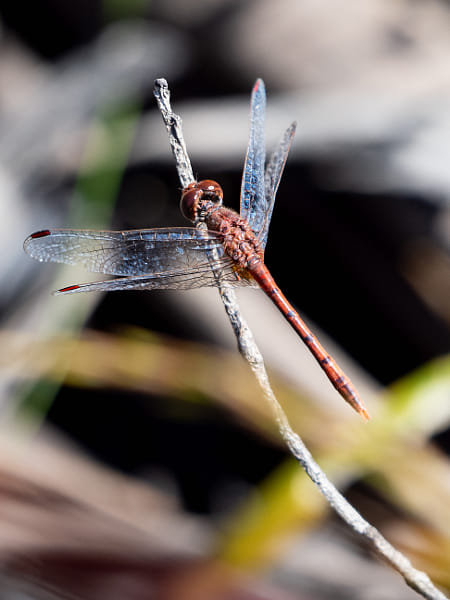
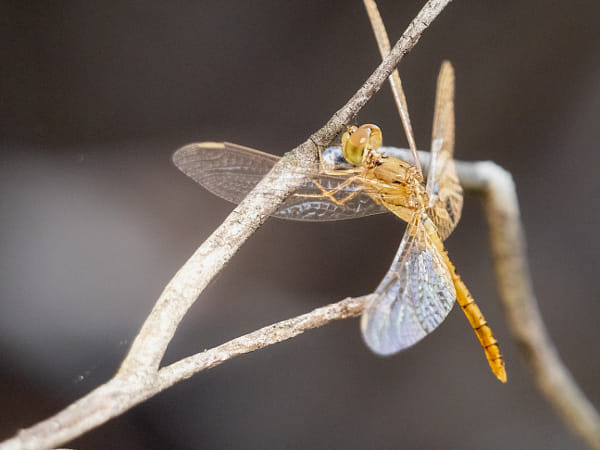
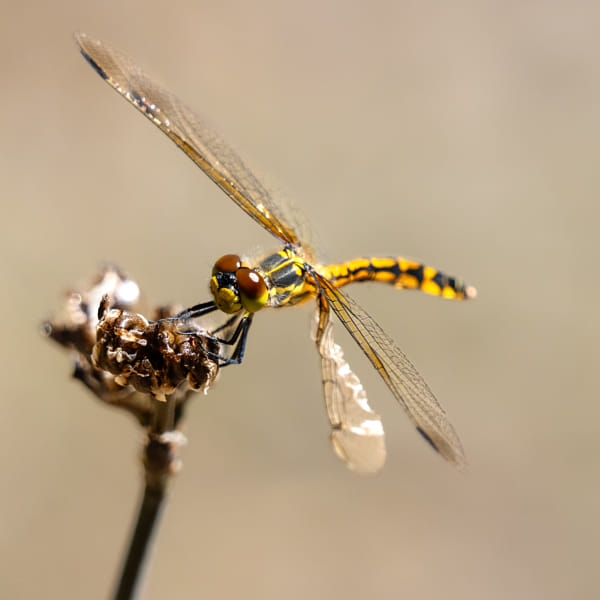
Wandering Percher, Diplacodes bipunctata. There was this little clearing in among the trees that had lots of everlastings, Blue Leschenaultias and flowering grass trees and the sun light was breaking through lighting it up. Looking carefully there loads and loads of different species of dragonfly that were roosting on the plants waiting for the sun’s warmth to wake them up.


Wandering Percher, by Paul Amyes on 500px.com
Wandering Percher, Diplacodes bipunctata . Lake Leschenaultia, Western Australia.


Tau Emerald by Paul Amyes on 500px.com
Tau Emerald, Hemicordulia tau , Lake Leschenaultia, Western Australia.


Kwirlam by Paul Amyes on 500px.com
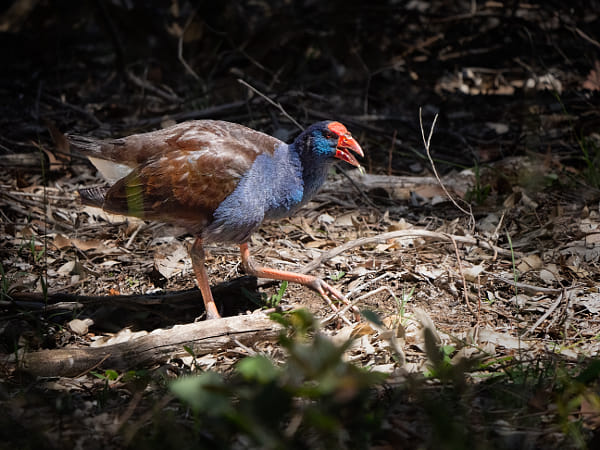
This Kwirlam or Purple Swamp Hen (Porphyrio porphyrio) gave a bit of a fright. I was photographing some dragonflies in the reed beds behind me when there was this angry squawking and then this psycho Purple Swamp Hen burst out from the vegetation and gave me what for. Normally they are very placid and I have had them come up to me and get in my camera bag looking for food. I don’t know what got this bird’s feathers ruffled. Lake Leschenaultia, Western Australia.


Clubbed Spider Orchid by Paul Amyes on 500px.com

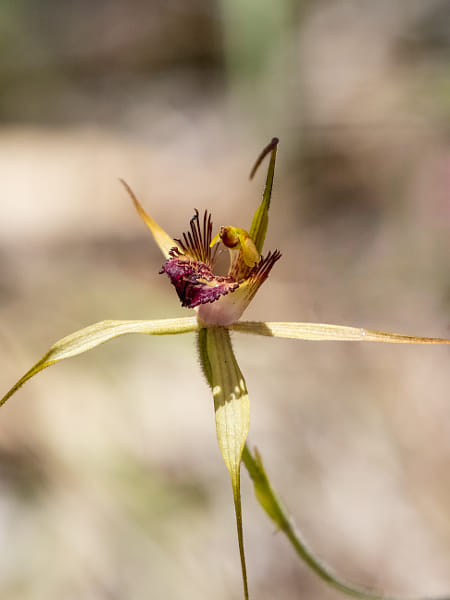
Clubbed Spider Orchid, Caladenia longiclavata. Lake Leschenaultia, Western Australia.


One of the most significant developments, to my mind at least, to have come out of the mirrorless camera revolution has been that of lens design. Free from the constraints of the SLR mirror box the short flange distance has allowed manufacturers to make lenses, especially telephoto and telephoto zoom lenses, that have very short minimum focusing distance. My Panasonic 100-400mm lens can do double duty. It’s great for photographing birds, but is a very competent lens for close up work. It makes it easy to travel very lightly for casual trips out.

Grain and Mist

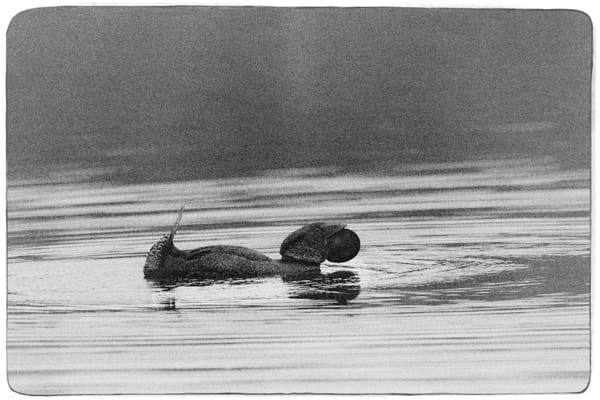
Kadar by Paul Amyes on 500px.com

A male musk duck (Biziura lobata) swims through the mist on Lake Leschenaultia.


As I mentioned on a previous post I’m revisiting film photography again, particularly black and white. Initially I thought it be more suited to street photography, urban landscape and landscape , but, I’m enjoying a foray into black and white wildlife photography. So far this is highly experimental for a number of reasons.  At the moment I’m having to send my films out to a lab for development as getting photochemicals is ridiculously hard in Australia. So many retailers have no stock and can’t say when they will be getting any. Film photography is undergoing a huge resurgence at the moment and yet the photographic industry is remarkably slow to take advantage of this. Anyway because my film is being processed by lab, likely using D76, a developer I don’t much care for, I’m not quite getting the look I want. My favourite developers for fast film were Rodinol and Microphen. Another way it is experimental is that I’m not yet fixed on a film stock. At the moment I’m trying Ilford’s excellent Delta 3200 and Ilford HP5 Plus pushed two stops. Which ever way I go it still means lots of grain which I want to make a feature of. If I want pin sharp fine detail I can get that with digital capture. When using film I want to use its inherent properties as part of the aesthetic. The use of film grain is  a creative decision to create a certain look.


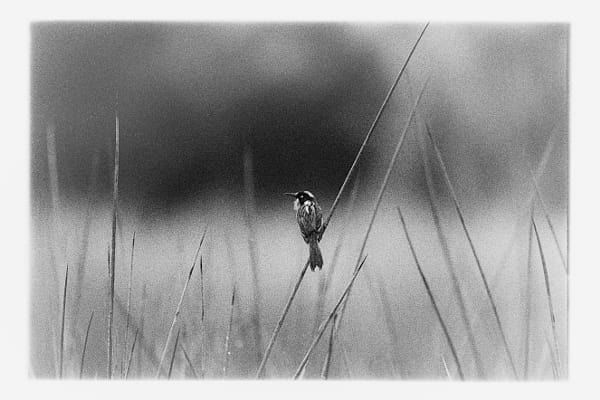
Bandiny by Paul Amyes on 500px.com

Bandiny or New Holland Honeyeater (Phylidonyris novaehollandiae) on a misty morning at Lake Leschenaultia.


Couple coarse film grain with the mist we are experiencing most mornings and the shots can take on quite a moody impressionist quality. I’m really enjoying this and will continue with it as long as the weather lasts.


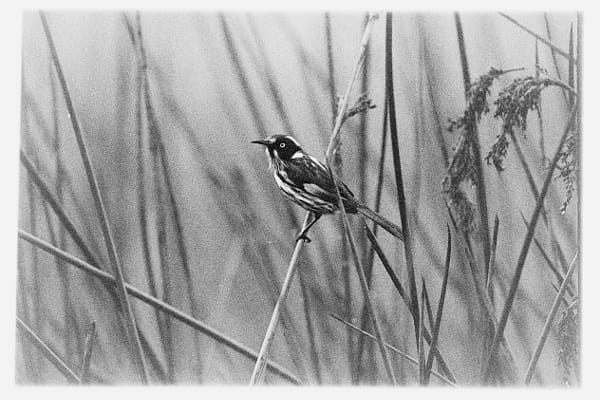
Bandiny by Paul Amyes on 500px.com

Bandiny or New Holland Honeyeater (Phylidonyris novaehollandiae) amongst the reeds on a misty morning at Lake Leschenaultia.


All three of the photos here were taken on Ilford Delta 3200 using a Canon EOS 30 and my Sigma 150-600mm f/5-6.3 DG OS HSM Contemporary lens.

Sometimes It’s Just Luck

It is often said that a good photographer makes pictures not takes them. So this week I was well prepared, unlike last week. I’d packed everything the night before, checked the weather forecast and made the right clothing choices. I’d worked out what species I was going to photograph and how. I knew exactly how I was going to process the images on return home. What could possibly go wrong? As it turned out plenty. Firstly the weather didn’t play ball – I’d wanted mist rising off  the water. When I got up there was  mist, as I was driving there was plenty of mist, but when I got to Lake Leschenaultia there was absolutely no mist at all. I was looking to photograph and video three species – spotless crakes, Australian reed warblers and Australasian grebes. The birds didn’t get the memo and were a no-show. To cap it all the video head on my tripod broke so that meant shooting any video was out of the question.

At this stage it would have been very tempting to go home, but I was there and it was a beautiful morning so I decided to make the most of it by walking round the lake. As I made my way round I happened on a few chance encounters, but, when I left to go home I didn’t think I’d made anything worthwhile and I felt a little despondent. So as I looked at the images on the computer I was pleasantly surprised – out of the nearly forty images I had taken four stood out and after processing them I was quite happy. They’re not masterpieces by any means, but they made me happy and that’s all that matters.


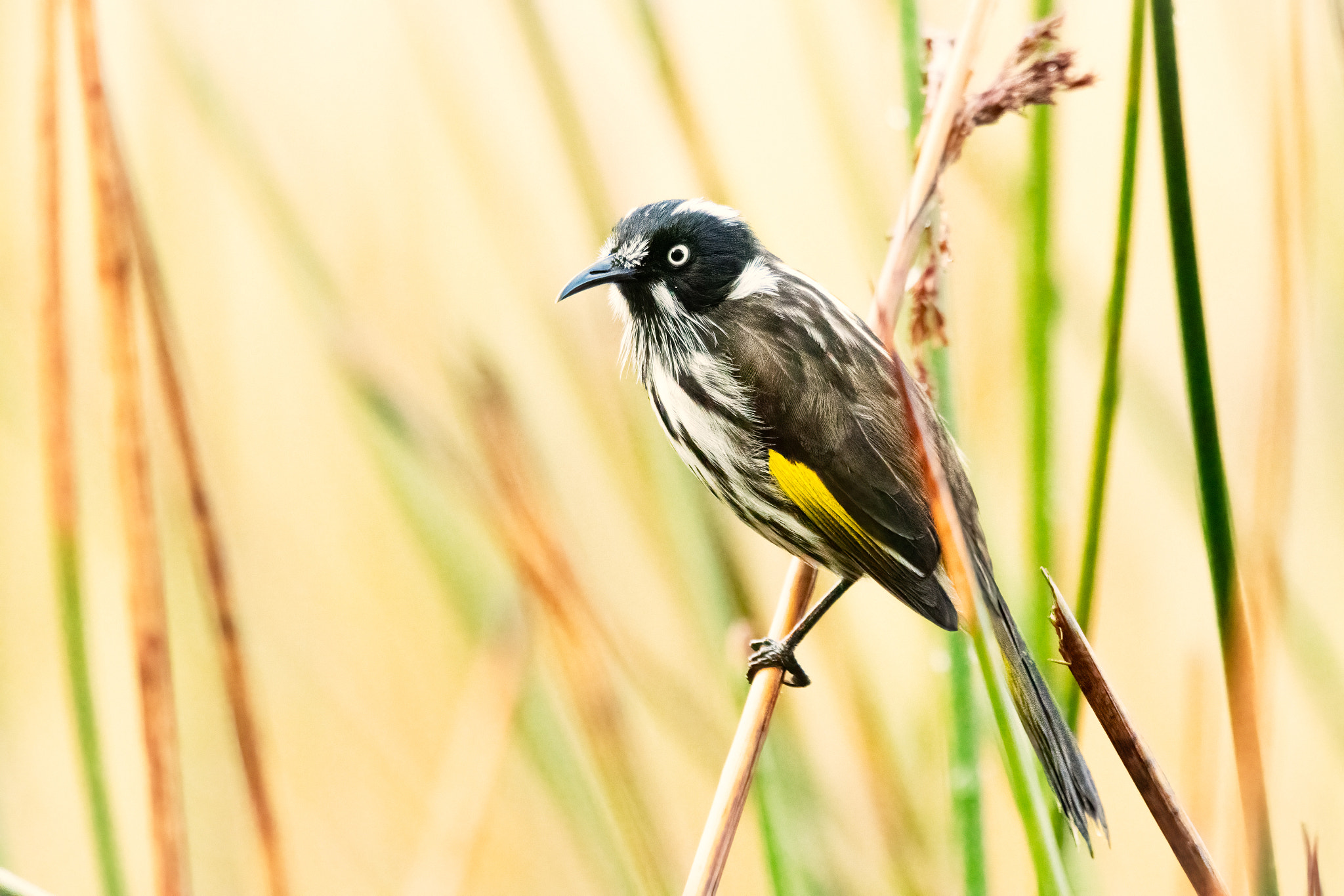
Bandiny by Paul Amyes on 500px.com
Bandiny or New Holland Honeyeater (Phylidonyris novaehollandiae). Lake Leschenaultia, Western Australia.


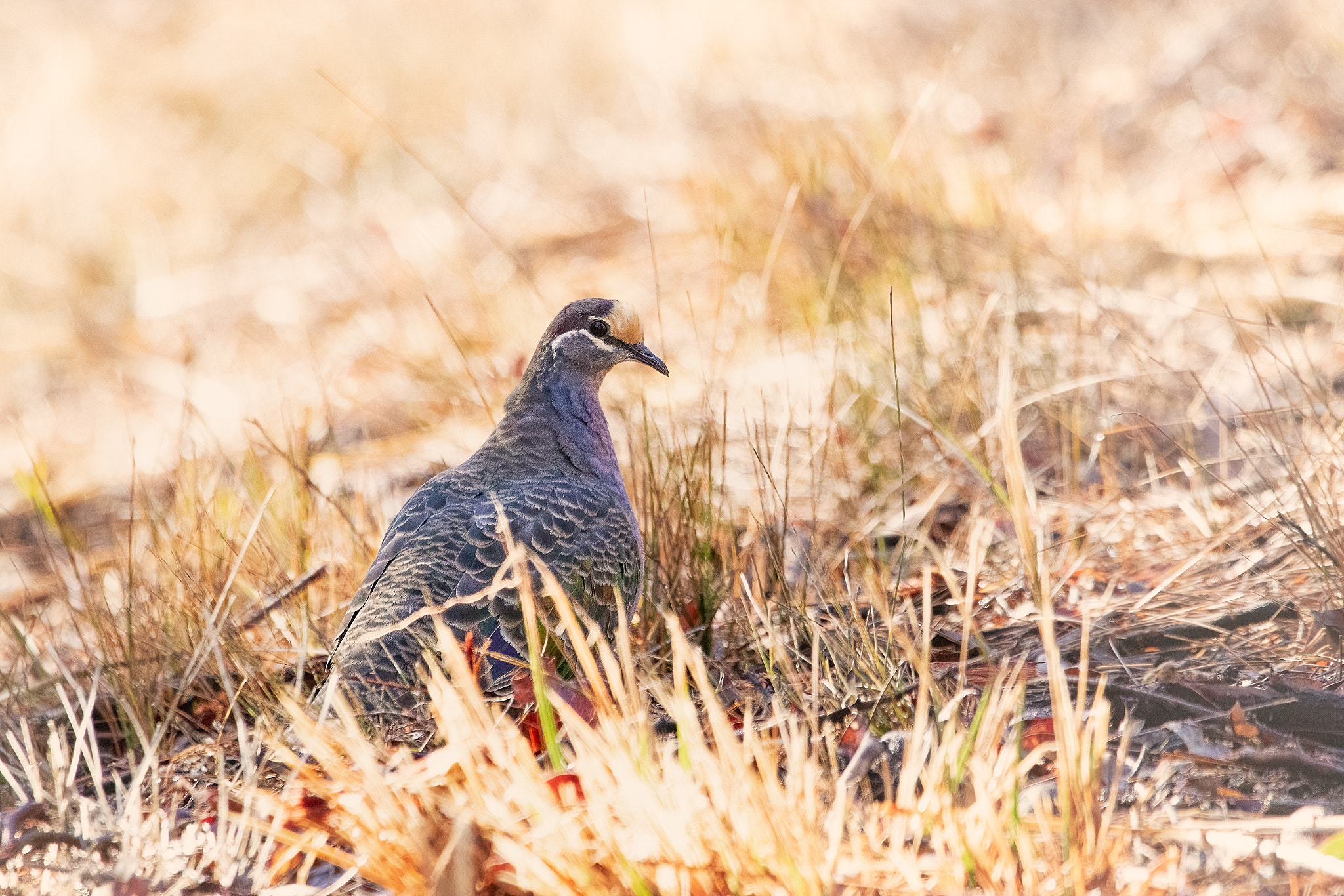
Nembing by Paul Amyes on 500px.com
Nembing or Common Bronzewing, (Phaps chalcoptera). Lake Leschenaultia, Western Australia.


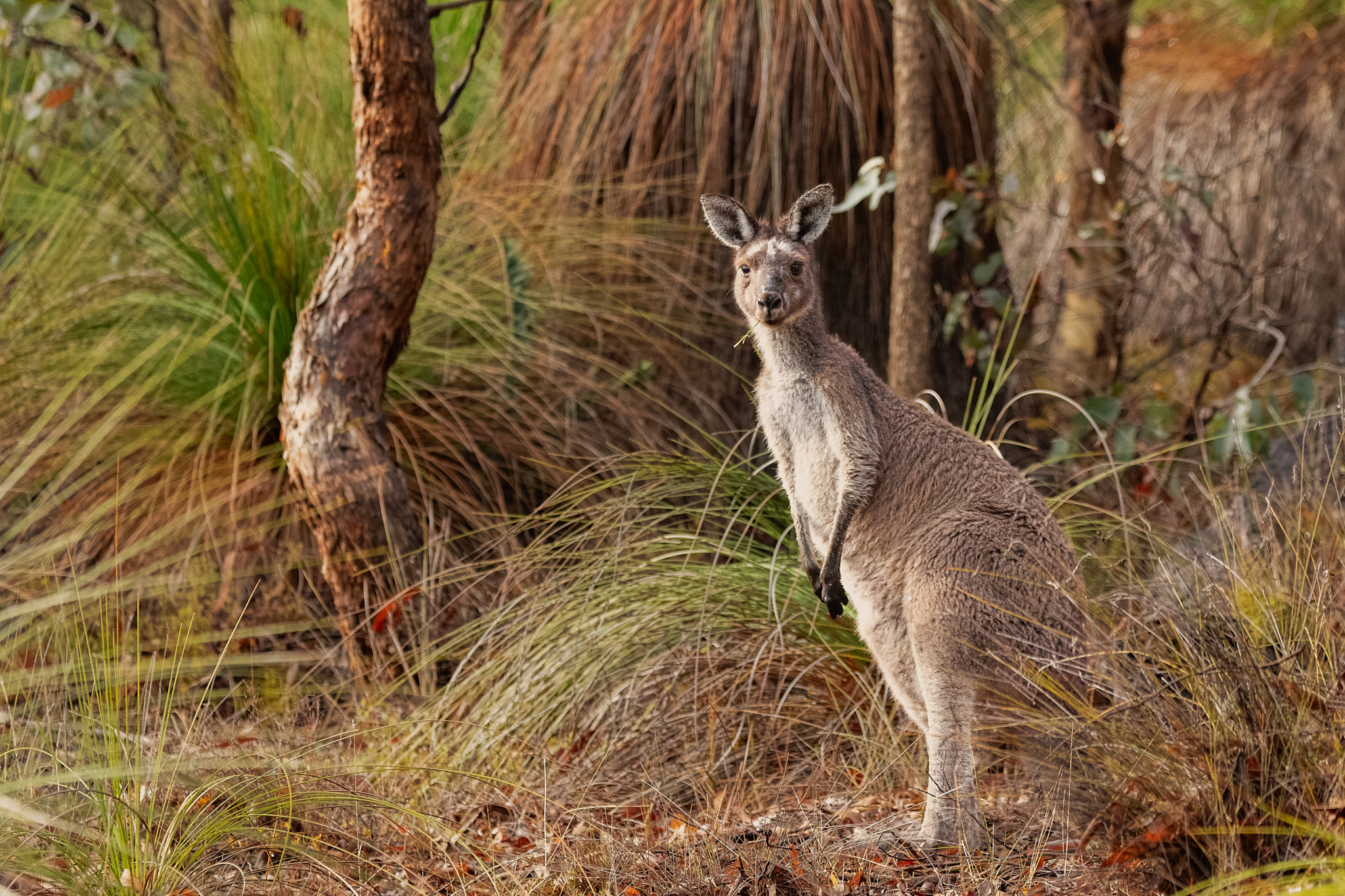
Yongka by Paul Amyes on 500px.com
Yongka or Western Grey Kangaroo (Macropus fuliginosus) wondering what I’m up to. Lake Leschenaultia, Western Australia.


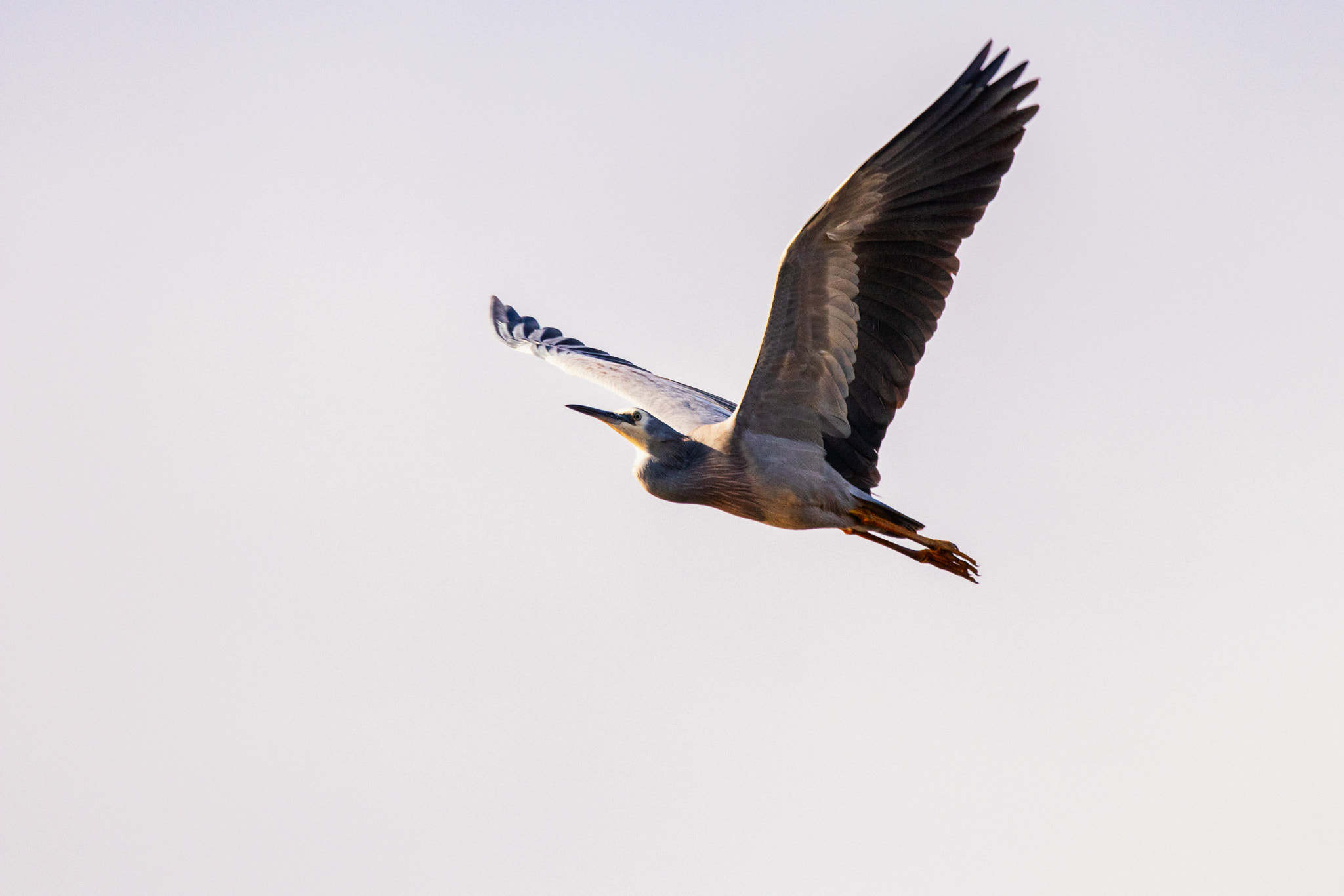
Wayan by Paul Amyes on 500px.com
Time to head home. Wayan or White-faced Heron (Ardea novaehollandiae). Lake Leschenaultia, Western Australia.