Waiting for the tide to turn

“I’m waiting

Waiting for the tide to turn

Patience, patience, patience

Is one sure thing that I’ve learned”

By

Robert Cray, Mike Vannice and Dennis Walker


My last birding outing in Broome was to Town Beach – a whopping 5 minutes walk from where we were staying. It was the evening before we were due to leave Broome and I wanted to get some photos of the migratory shorebirds that are found in Broome at this time of year.


Town Beach Jetty by Paul Amyes on 500px.com
I didn’t notice the Eastern Osprey (Pandion cristatus subs leucocephalus) perching on a lamp post on the Town Beach Jetty when I took the photo. It was only when I was processing it that I saw it.


The tide was out and a long way to boot. Ideally I’d want the tide to be coming in as it would push all the birds closer to me. A receding tide would take them away from me.  So the question was how to get close to the birds while avoiding the liquid mud that was between us. The obvious answer was the jetty as it extends 112m out from the shoreline. The only problem was that it is very high to account for Broome’s 10m+ tides. Then I noticed some kids playing on what appeared to be a lower level and watching them carefully I saw how they were accessing this level and I quickly took up position. Most of the birds were still a long way out – well over 500m. After watching for a while I saw that there were a few different species of bird that were closer to me, but even so I’d need to fit my 1.4 x teleconverter to my 100-400mm lens. Not ideal because of the hit on image quality and having a maximum aperture of f9 forcing the use of high ISOs and lower shutter speeds. 


20260305-Broome-0328-Edit by Paul Amyes on 500px.com
An assortment of shorebirds lands looking for food.


Ruddy Turnstone by Paul Amyes on 500px.com
Ruddy Turnstone, Arenaria interpres. Town Beach, Broome, Western Australia.


There were quite a few different species out on the mud. There was an Eastern Reef Egret and a Little Heron poking around amongst some rocks for something to eat. A Whimbrel stayed for ages going back and forth. Every now and again a little flock of assorted birds – Rudy Turnstones, Terek Sandpipers, Greater Sand-plovers and Grey-tailed Tattlers – would land and have a bit of a feed then something would spook them and they’d all take off again. It was brilliant and time just flew past. All too soon the sun was starting to dip below the horizon and the light levels were too low to continue photographing. All in all it was an excellent end to an excellent trip.


Eastern Curlew by Paul Amyes on 500px.com
Eastern Curlew, Numenius madagascariensis. Town Beach, Broome, Western Australia.


Eastern Reef Egret by Paul Amyes on 500px.com
Eastern Reef Egret, Egretta sacra. Town Beach, Broome, Western Australia.


The title for this blog entry comes from the song by the great Robert Cray.


Birding In Broome

Red-collared Lorikeet, by Paul Amyes on 500px.com
Red-collared Lorikeet, Trichoglossus rubritorquis. Discovery Parks – Broome, Western Australia.


I enjoyed our trip to Broome immensely, it was great to see a region we’d never seen before at a time of year most people avoid. From a bird photography point of view things didn’t turn out how I’d expected them to. I must say that this is probably my fault as I’d been wanting to go for a while and as a result of reading numerous articles and watching countless videos on birding in Broome my expectations were probably too high.


Crested Pigeon by Paul Amyes on 500px.com
Crested Pigeon, Ocyphaps lophotes. Broome Golf Course, Western Australia.


Little Friarbird by Paul Amyes on 500px.com
Little Friarbird, Philemon citreogularis. Broome, Western Australia.


We saw plenty of birds including eight new to me species. Photographing them was another thing all together. The first thing that made this difficulty was the heat and the humidity – lenses would fog up and take ages to clear. There was a lot of heat haze which combined with long focal lengths meant quite a lot of photos were unsharp. We didn’t experience these problems in Darwin, but then again we visited there at the end of the dry season. One of the ways to overcome this was by getting close to the subject and don’t shoot them at ground level. This worked very well with small bush birds and I got some nice photos with plenty of detail. The real problems set in when shooting the shorebirds. Firstly the tidal range in the Kimberley is huge –  Town Beach has 10m+ tides and it can be 1 Km or more between the high tide mark and the water. You can of course walk out on the mud, but eventually it gets too soft and you sink into it – I speak from personal experience here. So a lot of the time the birds were a speck on the horizon and the OM System 100-400mm mk ii wasn’t long enough. I did try slapping on the 1.4 x teleconverter, but that magnified the heat haze problem and detail disappeared.


Brown Honeyeater, by Paul Amyes on 500px.com
Brown Honeyeater, Lichmera indistincta. Minyirr Park, Broome, Western Australia.


Brown Honeyeater, by Paul Amyes on 500px.com
Brown Honeyeater, Lichmera indistincta. Minyirr Park, Broome, Western Australia.


Rainbow Bee-eater by Paul Amyes on 500px.com
Rainbow Bee-eater, Merops ornatus. Minyirr Park, Broome, Western Australia.


The best locations we visited were Kabbarli Lookout (Entrance Point and Port [Broome]), Minyirr Park and Town Beach. We didn’t go to the Broome Bird Observatory as the dirt road becomes almost impassable during the wet and the hire car companies don’t like you going down it. We’ll leave that one for a dry season visit. So yes I would love to go again.


Black Kite by Paul Amyes on 500px.com
Black Kite, Milvus migrans. Minyirr Park, Broome, Western Australia.


Common Sandpiper by Paul Amyes on 500px.com
Common Sandpiper, Actitis hypoleucos. Kabbarli Lookout, Broome, Western Australia.


One Of Those Days

The other day was was one of those days. Not the sort where everything goes mammaries up and you wish you hadn’t got out of bed. No it was one of those days when everything goes stupendously well – like unbelievably well. The other day was just one of those.


Bulland by Paul Amyes on 500px.com
Bulland or Little Egret (Egretta garzetta subsp. nigripes)


Bulland by Paul Amyes on 500px.com
Bulland or Little Egret (Egretta garzetta subsp. nigripes) are quite rare up in the Avon Valley although they are common elsewhere.


I was walking along the River Avon in Northam and it was proving to be a fruitful morning. Black-fronted Dotterels, Black-winged Stilts, Dusky Moorhens, and even a rare (well rare in these parts) Little Egret. After a couple of hours of sheer bliss I decided to call it a day and walk back to the car. As I was walking I thought to myself “You know what would cap off a perfect day? A Sacred Kingfisher.” And lo and behold within seconds of thinking that thought one appeared on a branch right in front of me. The best part was it could clearly see me and didn’t give a stuff. I was in raptures! It was hunting for large insects in the grass and every few minutes it would swoop down catch one and return to the branch and eat it. This kept going on for twenty minutes or so. In the end I called it quits after taking hundreds of photos and it stayed there. A brilliant finale to a brilliant day.


Nidoolyorong by Paul Amyes on 500px.com
A gratuitous shot of a Nidoolyorong or Black-fronted Dotterel (Elseyornis melanops).


Djandjarak by Paul Amyes on 500px.com
This Djandjarak or Black-winged Stilt (Himantopus himantopus) was too busy looking for food to bother about me.


Kanyinak by Paul Amyes on 500px.com
The icing on the proverbial cake. Kanyinak or Sacred Kingfisher (Todiramphus sanctus). Isn’t he magnificent?


Kanyinak by Paul Amyes on 500px.com
Having a bug for breakfast.


Kanyinak by Paul Amyes on 500px.com
Having a laugh.

The last few of weeks I’ve been observing some very interesting bird behaviour (well interesting to me) and I’ve found trying to record it just using photographs wasn’t capturing what was happening. So I’ve decided to shoot more video footage. Up until now I’ve found doing both photography and video very difficult. That’s because I was taught in order to shoot video well you had to have your camera on a tripod, limit your shutter speed to twice that of the frames per second which means faffing around with neutral density filters, use manual focus, take an accurate colour temperature reading and set the camera accordingly, and record good sound. All that takes the spontaneity out of it. If an animal pops up suddenly I like to be able to react in an instant and with stills photography you do that. Video requires (or so I thought) so much preparation that the animal has been and gone. So I came to the conclusion that I only do this for my entertainment so it doesn’t matter if I break “the rules”. So I set my camera up to shoot in programme mode, set auto white balance, auto ISO, I use the camera’s built in microphone for sound, and auto focus. I’m not carrying a tripod so I’m shooting handheld. If I see something interesting I snap off a few photos and then press the video record button. This approach has added a new dimension to my photography and I’ve been very happy with the results so far. Below are a few clips from my brilliant day in Northam. 


Has anyone else added video to their photography?

Home On The Range

Events at home over the last few weeks have meant that I haven’t had the opportunity to do very much photography. Most of the blog entries are written a few weeks before they are published because of the vagaries of finding wildlife so that backlog  came in handy for when I couldn’t get out and about. But now the well has run dry.
 

Crusader Bug Nymph by Paul Amyes on 500px.com
Crusader bug (Mictis profana) instar nymph.


What little photography I have done recently has been in our back garden. Thankfully we have quite a lot of wildlife visit that I can point a camera at. Most of it has been of the usual suspects, the more common species that can be found in gardens in this part of the world, but there have been a couple of unexpected visitors which was very nice. For the best part of a year we had a problem with stray cats killing a lot of the birds and reptiles. But one of our neighbours has taken the main culprit in and the wildlife numbers are climbing back to what they were. 


Wall Skink by Paul Amyes on 500px.com
Wall Skink or Fence Skink (Cryptoblepharus buchananii) cooling off in the bird bath.


Yoorn by Paul Amyes on 500px.com
Yoorn or Bobtailed Lizard (Tiliqua rugosa)


Kanyinak by Paul Amyes on 500px.com
Kanyinak orSacred Kingfisher (Todiramphus sanctus) on our TV aerial with a freshly caught Bombay Runner (Periplaneta americana).


Bambon by Paul Amyes on 500px.com
Bambon or Rufous Whistler (Pachycephala rufiventris). It is a joy to hear this bird sing every morning.


Nye-nye by Paul Amyes on 500px.com
Nye-nye or Zebra Finch (Taeniopygia guttata) looking for food on the back lawn


Djida by Paul Amyes on 500px.com
Djida or Yellow-rumped Thornbill (Acanthiza chrysorrhoa).


Cabbage White Butterfly by Paul Amyes on 500px.com
Cabbage White Butterfly, Pieris rapae.


Giant Grass Hopper by Paul Amyes on 500px.com
Giant grasshopper or hedge grasshopper (Valanga irregularis) resting on the garden fence.


The garden provided a great deal of solace over a difficult time and it always amazes me how restorative being in nature can be. Hopefully, over the coming weeks we’ll be able to get out and about more.


Honey Bees by Paul Amyes on 500px.com
Honey Bee, Apis mellifera.


A Reconciliation…

…of sorts. I wrote recently about my attempt to abandon my Olympus cameras and move to Sony and how it was an unhappy experience. Well last weekend I went out orchid hunting in Wandoo National Park and I took my Olympus kit with me and it made for a far happier experience.


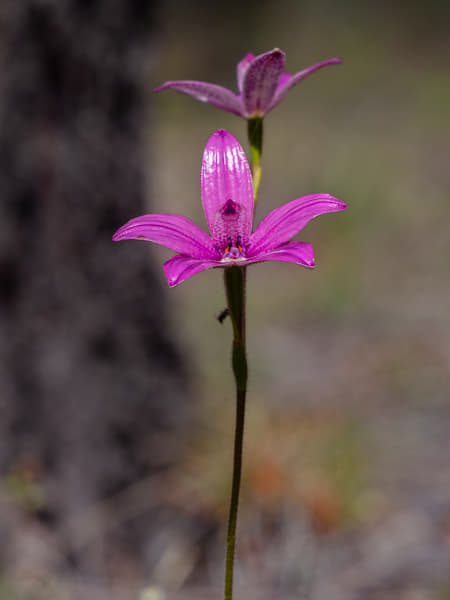
Pink Enamel Orchid, by Paul Amyes on 500px.com
Pink Enamel Orchid, Elythranthera emarginata. Wandoo National Park, Western Australia.


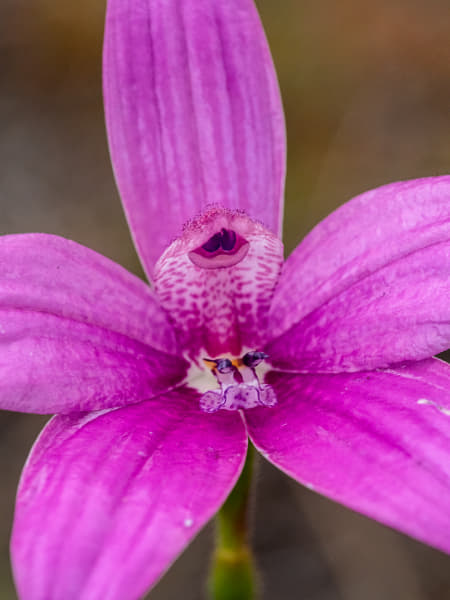
Pink Enamel Orchid, by Paul Amyes on 500px.com
Close up of a pink enamel orchid.


The main reason was weight. Looking for orchids in the Wandoo National Park is a matter of walking lots. It is a big park – 463.68 square Km – and while you can drive in on numerous gravel roads and 4WD tracks it only gets you so far and then you have to walk over quite varied terrain to find anything. Humping heavy photographic equipment, water, food, extra layers, first aid kit etc gets old really fast. So anything that can reduce the load is most welcome.


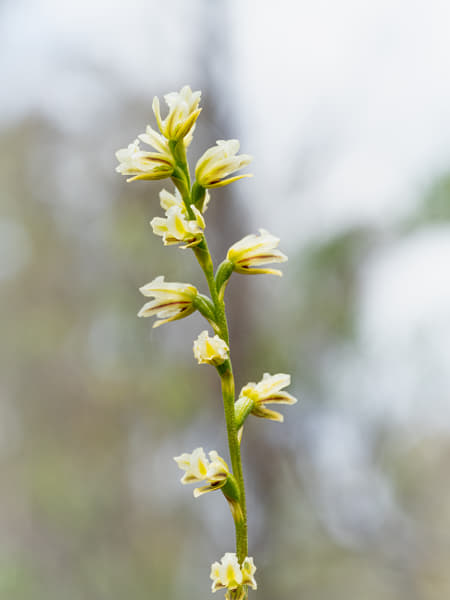
Little Laughing Leek Orchid, by Paul Amyes on 500px.com
Little Laughing Leek Orchid, Prasophyllum gracile. Wandoo National Park, Western Australia.


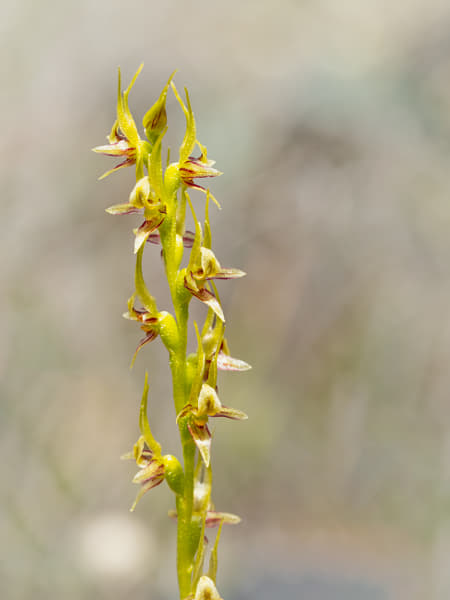
Pouched Leek Orchid by Paul Amyes on 500px.com
Pouched Leek Orchid, Prasophyllum cyphochilum. Wandoo National Park, Western Australia.


The second reason was the rear LCD panel. Having one I could actually see in bright sunlight again was in a word fantastic. Add to that it was of the flippy flappy variety which meant I could twist it to see it irrespective of the camera position meant that I didn’t have to contort myself into impossible positions. It’s amazing how such small things can make life so much easier and more pleasurable.


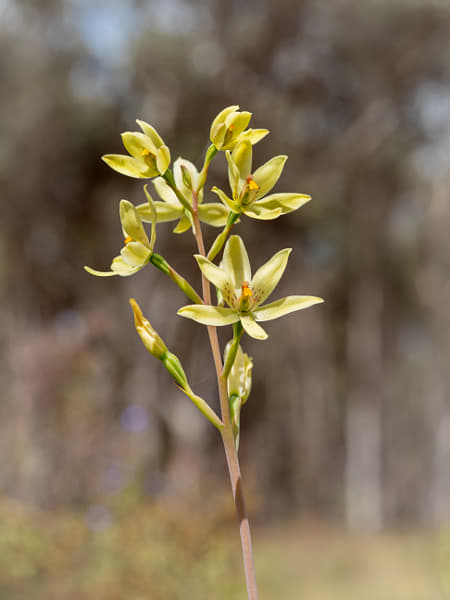
Custard Orchid by Paul Amyes on 500px.com
Custard Orchid, Thelymitra villosa. Wandoo National Park, Western Australia.


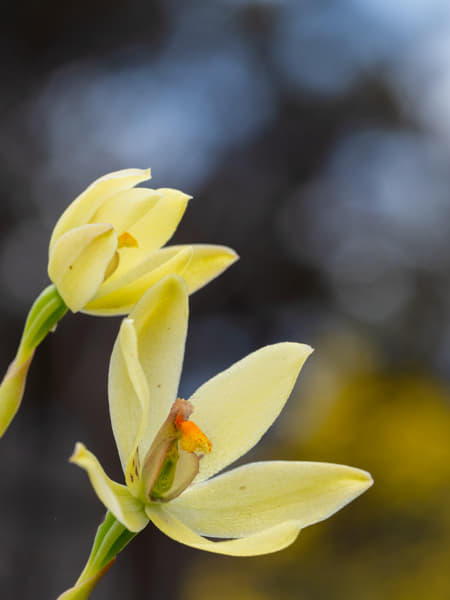
Custard Orchid by Paul Amyes on 500px.com
Close up of a custard orchid.


The orchids were scarce this year. Where there would be literally a carpet of custard orchids there were just one or two specimens. But, although the numbers were down there were plenty of different species to look at and photograph. I went primarily to photograph leopard orchids and I only found them after about 5 hours of looking. It was like the day’s grande finale.


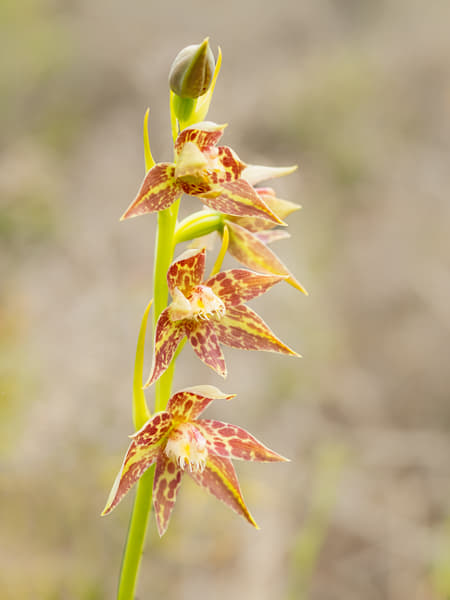
Leopard Orchid, by Paul Amyes on 500px.com
Leopard Orchid, Thelymitra benthamiana. Wandoo National Park, Western Australia.


All in all I was a very happy boy when I got home.


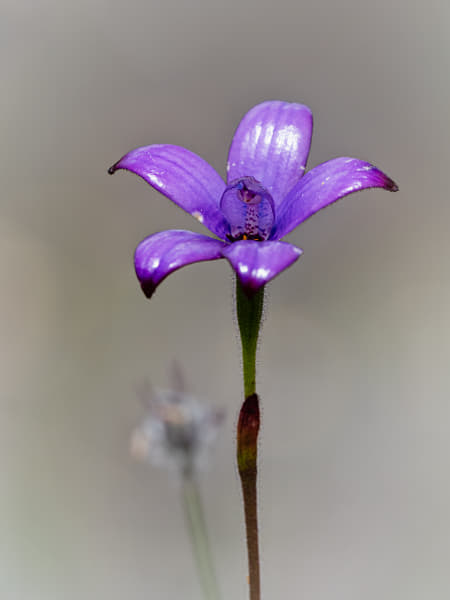
Purple Enamel Orchid by Paul Amyes on 500px.com

Purple Enamel Orchid, Elythranthera brunonis. Wandoo National Park, Western Australia.

Oswald Sargent Reserve

Earlier this month I wrote about my first orchid expedition of the season and I ended it with saying how I really liked the combination of my Olympus 40-150mm f2.8 and the 1.4 teleconverter. Well I’ve just reset the focus stacking mode on my Olympus EM1 mk ii and I went up to the nearby  Oswald Sargent Reserve to see whether it worked. I took both my 60mm f2.8 macro and the afore mentioned 40-150mm + teleconverter.

Sugar Orchid by Paul Amyes on 500px.com
Sugar Orchid, Ericksonella saccharata. Oswald Sargent Reserve.


It was a beautiful morning and there were hundreds of orchids out – it was quite a stunning display. There were so many flowers that I could afford to be very fussy pick specimens that had good backgrounds and in good light. It doesn’t always go as well as this.

Cowslip Orchid by Paul Amyes on 500px.com
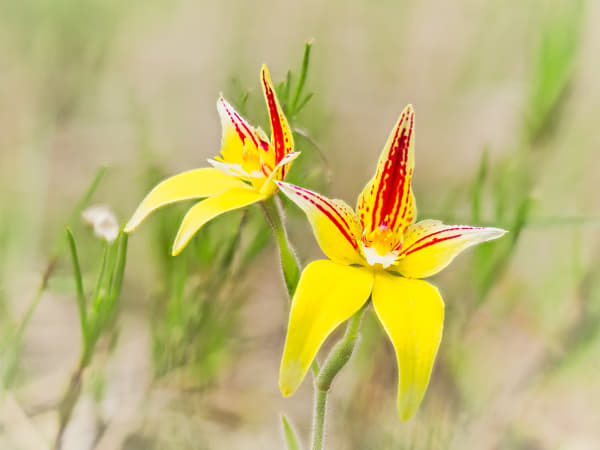
Cowslip Orchid, Caladenia flava subsp flava. Oswald Sargent Reserve.


Getting home and processing the photos I have to say that I much prefer the results from the 40-150mm combination. It’s not the sharpness of the lens, both lenses are very sharp. It is the way the lens renders the image. The way the tones in the out of focus areas merge smoothly and don’t draw attention away from the subject. When combined with focus stacking the effect is fantastic.


Chapman's Spider Orchid by Paul Amyes on 500px.com
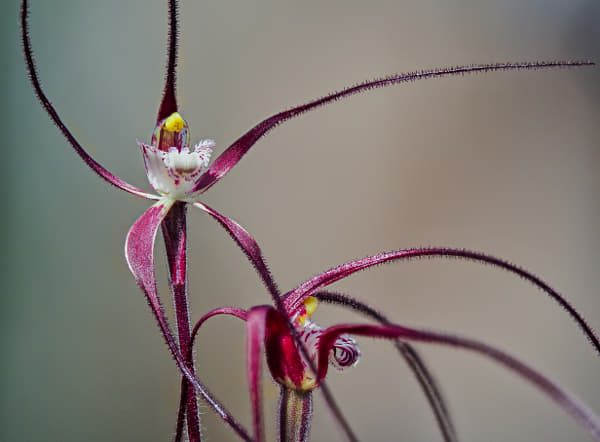
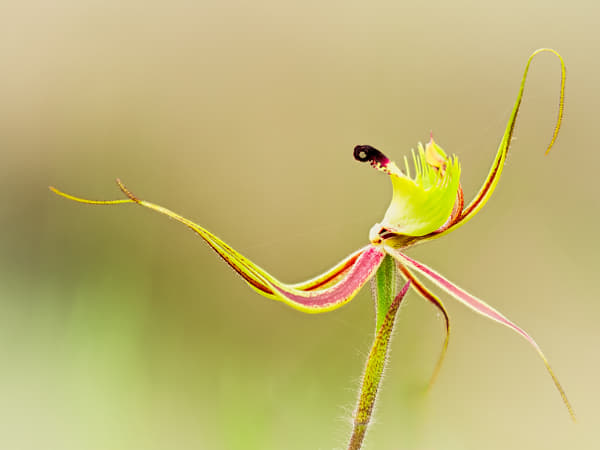
Chapman’s Spider Orchid, Caladenia chapmanii. Oswald Sargent Reserve.


Little Pink Fairy Orchid by Paul Amyes on 500px.com
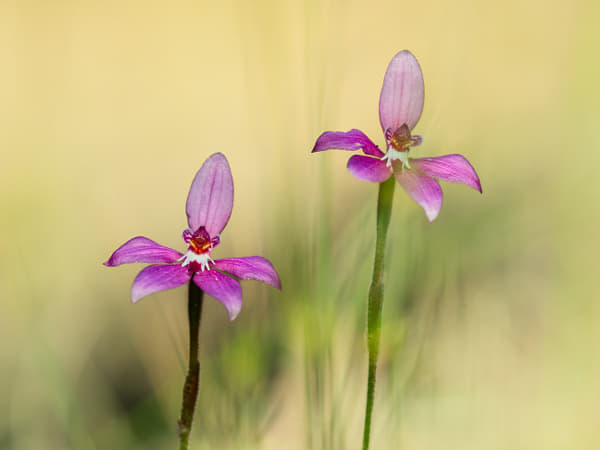
Little Pink Fairy Orchids, caladenia reptans subspecies reptans. Oswald Sargent Reserve.


Oswald Sargent was a very interesting character. While being a pharmacist here in York he was also an eminent amateur botanist and his family were pioneering photographers. His son left a large archive of photos documenting life in the town.


Green Spider Orchid by Paul Amyes on 500px.com
Green Spider Orchid

Canola Time

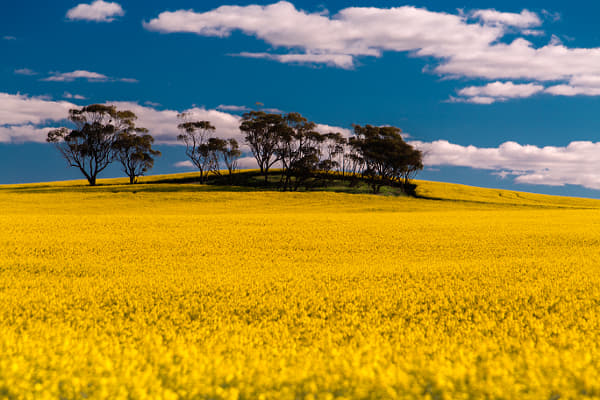
It’s quite hard to believe that flowering canola can be a tourist attraction, but judging from the number of people taking selfies of themselves in front of fields of it certainly confirms it. So here are my gratuitous canola themed photos.


Canola Reflection by Paul Amyes on 500px.com
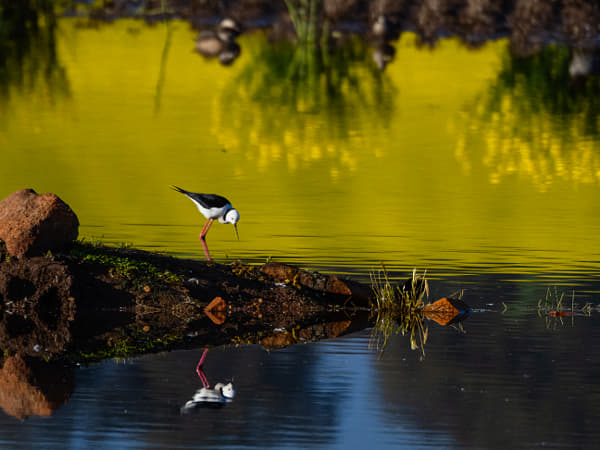
Djandjarak or Black-winged Stilt (Himantopus himantopus) with canola reflections.


Blue and Yellow by Paul Amyes on 500px.com
The yellow canola contrasting with the blue sky.


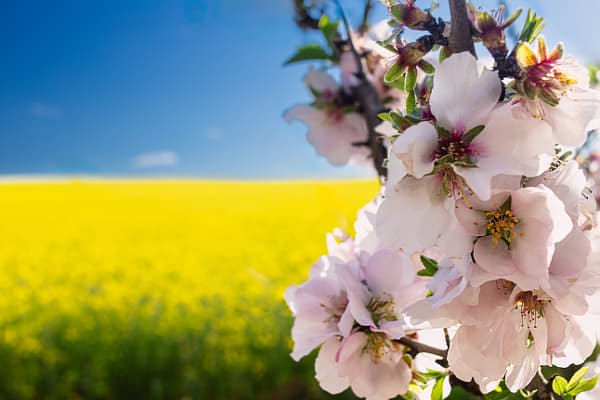
Blossom and Canola by Paul Amyes on 500px.com

Almond blossom with a backdrop of canola.

And We’re Off!!

Mid August. Get the orchid books out. Find the maps. Load the coordinates into the GPS. Dust off the macro lens. Kweda here I come!!!

It was a hair raising journey. After our heavy winter rains the dirt roads resembled cold lumpy gritty porridge and for the last 10km the car fish tailed along the road the tyres struggling to get a grip at times. It was a relief to stop and park up by the mobile phone tower which was the only bit of hard ground. Considering the conditions I was amazed that there were any orchids out as most species don’t like getting their feet wet at all.


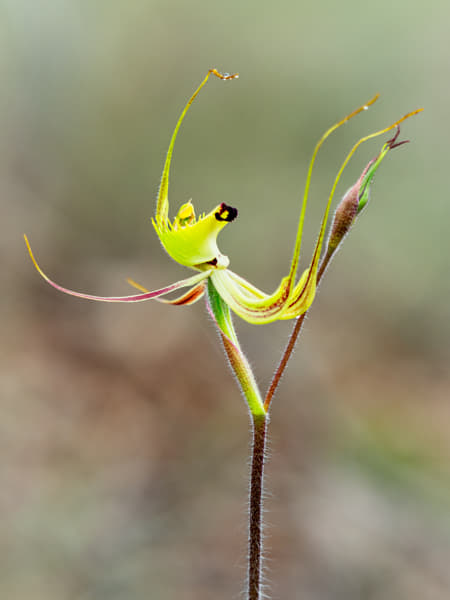
Green Spider Orchid by Paul Amyes on 500px.com
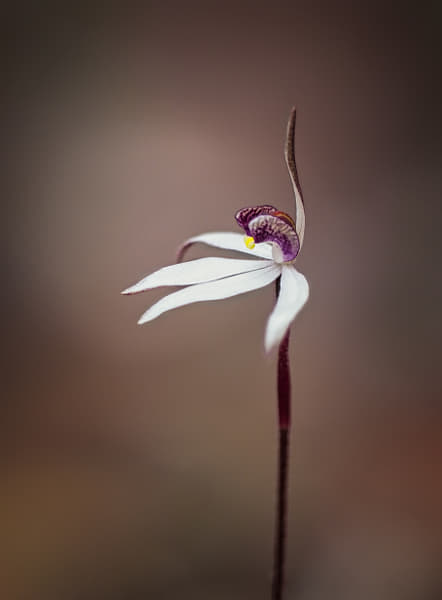
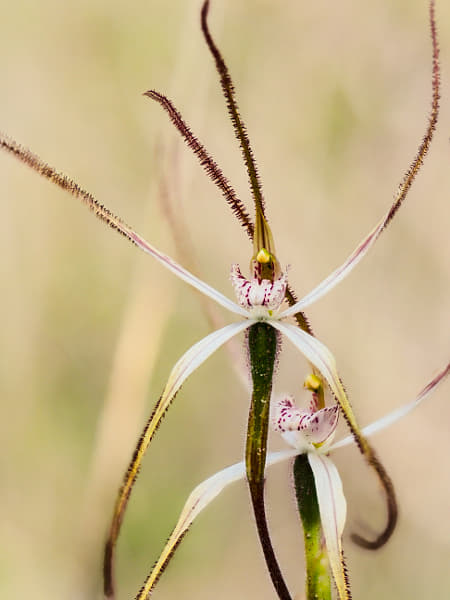
Fringed Mantis Orchid or Green Spider Orchid (Caladenia falcata). Kweda, Western Australia.


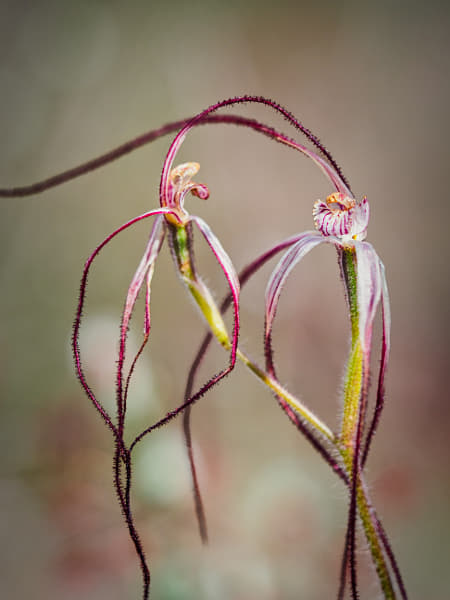
Talbot's Spider Orchid by Paul Amyes on 500px.com
Talbot's Spider Orchid, Caladenia pendens subsp talbotii. Kweda, Western Australia.


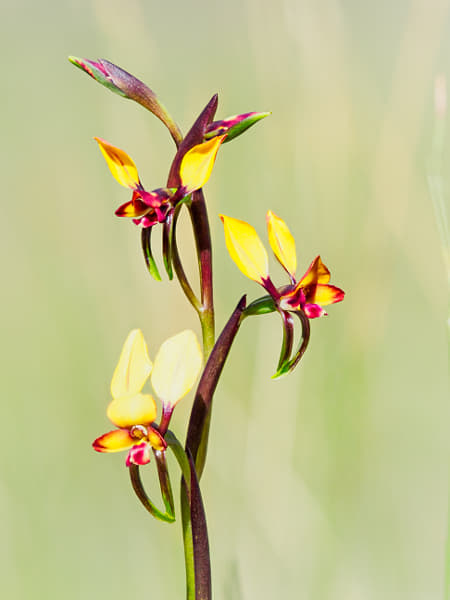
Winter Donkey Orchid by Paul Amyes on 500px.com
Winter Donkey Orchid, Diuris brumalis. Kweda, Western Australia.


Blue Beard by Paul Amyes on 500px.com
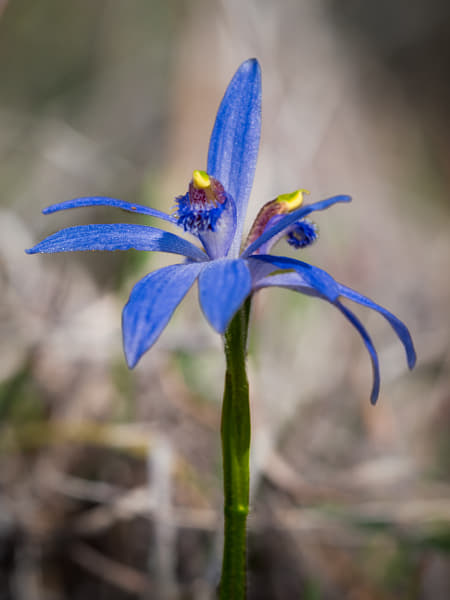
Blue Fairy Orchid or Blue Beard (Pheladenia deformis). Kweda, Western Australia.


Early Wheatbelt Spider Orchid by Paul Amyes on 500px.com
Early Wheatbelt Spider Orchid, Caladenia sp.’early wheatbelt’. Kweda, Western Australia.


I must say I’m really, really liking using the Olympus m.Zuiko 40-150mm f2.8 with the Olympus 1.4 Teleconverter MC-14 for focus stacking. It is a beautiful lens, probably the best one I’ve got.

Birds In The Mist

I had to take the car for a service in Perth the other day and as I set off the mist was really thick. At one point on the Great Southern Highway I couldn’t see more than 5m in front of me. With such poor visibility I didn’t fancy my chances taking photos on Heirisson Island, but by the time I got there the mist was starting to burn off. I spent a pleasant couple of hours wandering around taking photos.


Misty Morning by Paul Amyes on 500px.com
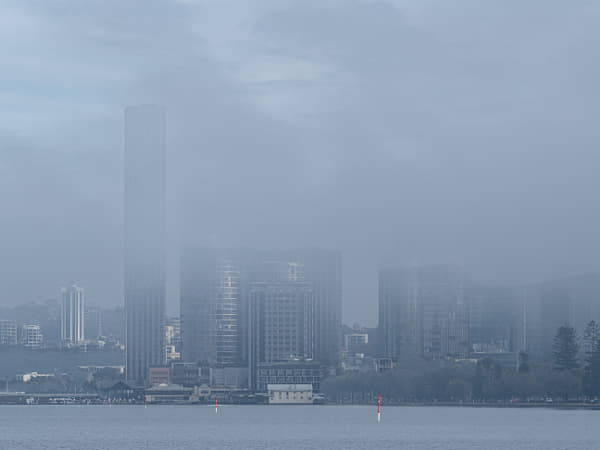
Looking out from Heirisson Island to Perth and the mist obscures the view.


Djakal-ngakal by Paul Amyes on 500px.com
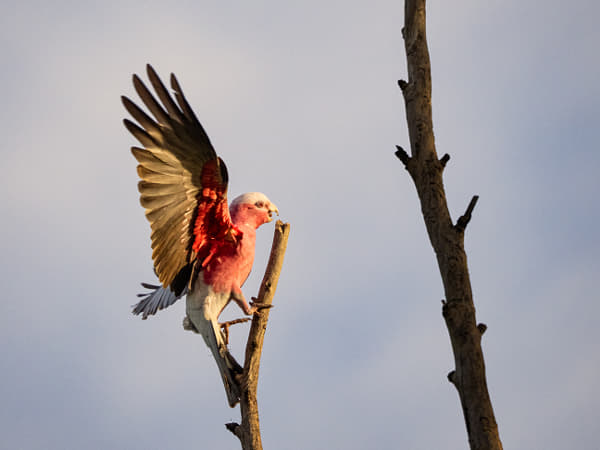
Despite the misty conditions the Galahs (Cacatua roseicapilla) were very busy.
Djakal-ngakal by Paul Amyes on 500px.com


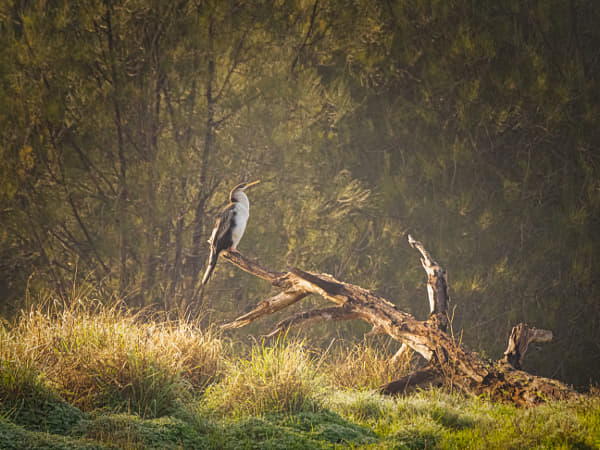
Mimal by Paul Amyes on 500px.com
Eventually the warm light of the sun started to break through the mist.


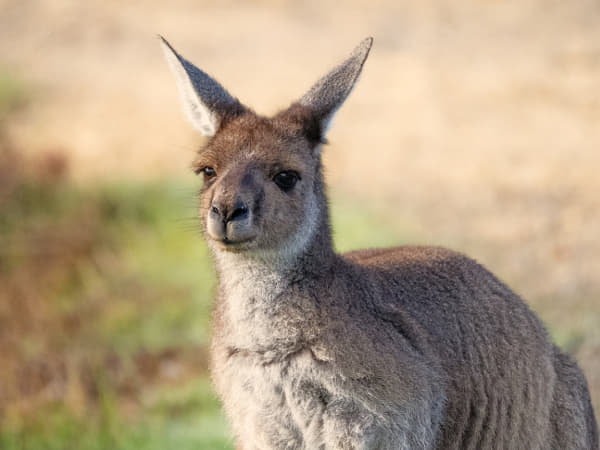
Yongka by Paul Amyes on 500px.com
This female Western Grey Kangaroo came over to check me out. Once she realised that I had no food she hopped off.


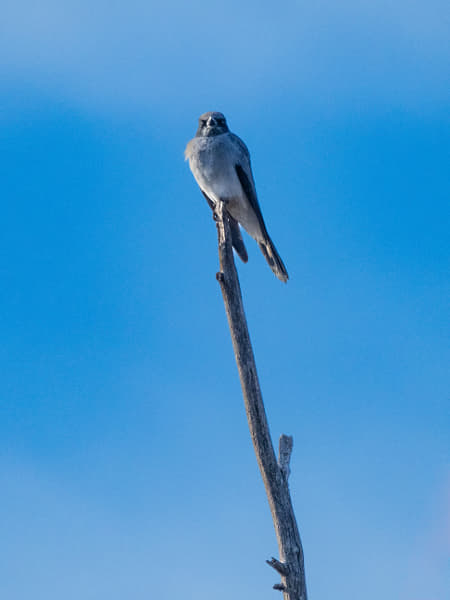
Noolarko by Paul Amyes on 500px.com
The obligatory bird on a stick photo. Noolarko or Black-faced Cuckoo-shrike (Coracina novaehollandiae).


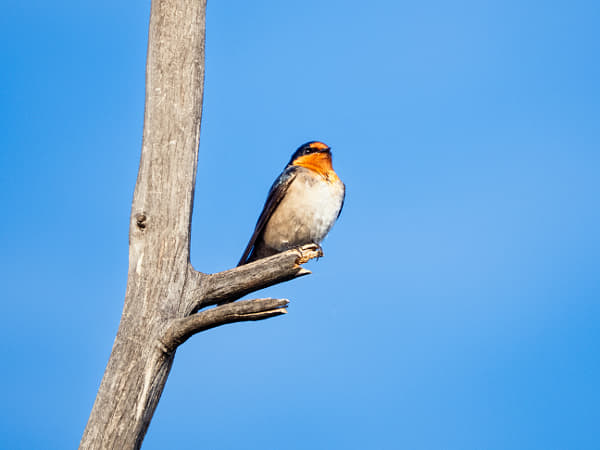
Kanamit by Paul Amyes on 500px.com
And another, this time a Kanamit or Welcome Swallow (Hirundo neoxxena).


Mimal by Paul Amyes on 500px.com
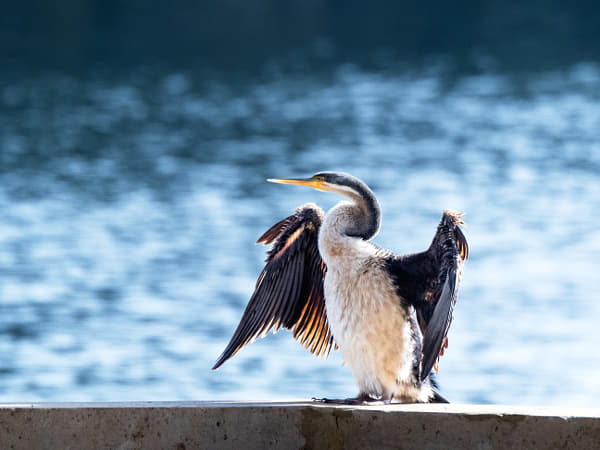
Mimal or Australian Darter (Anhinga melanogaster subspecies novaehollandiae) drying out in the warm winter sun.


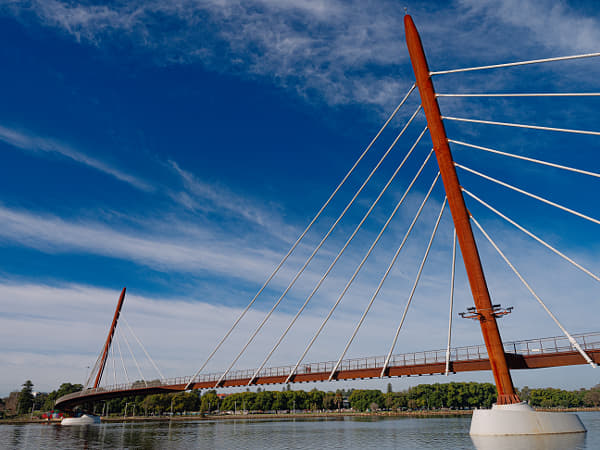
Boorloo Bridge by Paul Amyes on 500px.com
Walking off the island gave me a chance to see and use the new Boorloo Bridge the new Pedestrian and Cyclist bridge connecting the Perth Foreshore with South Perth foreshore via Heirisson Island.