Park Life

Where To Find Wildlife – part 2


The Proud Parents
Habituated to the presence of people these Marangana or Australian Wood Ducks (Chenonetta jubata) with their clutch of ducklings were pretty relaxed. Bernard Park, Northam, Western Australia. Panasonic Lumix G9 with Panasonic Leica 100-400mm lens.


Applying the knowledge we gained from part one we can now go further afield looking for wildlife. My suggestion is parks. The reason being is that they are common open spaces that can be found in most urban conurbations, cities and towns. Another reason is that the animals that inhabit these spaces are fairly habituated to humans. They don’t necessarily like us and want to become best mates, but they will tolerate us being in close proximity if they deem us to be non-threatening. So what you are looking for is a park that satisfies the need for food, water, and shelter which will mean a bit of leg work. Then it is a case of making several visits to the park just to observe what’s going on. Then you can plan for your photo excursion. This is the important bit.


Kanamit
Kanamit or Welcome Swallow (Hirundo neoxxena). Bernard Park, Northam, Western Australia. Panasonic Lumix G9 with Panasonic Leica 100-400mm lens.


For the purpose of this blog entry I chose Bernard Park in the Wheatbelt metropolis of Northam. It has several things going for it. It’s by the River Avon which means there’ll be water birds, it has some mature tall trees, and the council has built a breeding enclosure for the non native mute swans. This consists of a largish pond that has reeds and surrounding shrubs and small trees. The water is also aerated which means it is always fresh. All these combine to provide a suitable habitat for wildlife. There is the sound of the flour mill, road traffic and the occasional train, but the animals have become used to those and don’t pay them any attention. I go to Northam once a week and walk the dog through the park at least once a fortnight. This means I’ve got an idea of what is happening where. So when I noticed that the male Australian Reed Warblers were establishing their territory and the females were building nests I knew it was time to visit.


Koordji-koordji
Koordji-koordji or Australian Reed Warbler (Acrocephalus australis subspecies gouldi) gathering nesting material. Bernard Park, Northam, Western Australia.Panasonic Lumix G9 with Panasonic Leica 100-400mm lens.


Koordji-koordji


Koordji-koordji


In the end I went twice to Bernard Park. The first time I made an absolute dog’s dinner of videoing and photographing that I had to pay a second visit. Because some time had passed since I first noticed the reed warbler activity I had missed my chance to get the classic shot of a male singing while perched on the top of a reed stem. There was still plenty of opportunity to get shots of them catching insects and feeding. The upside was that it was the time for long necked turtles to migrate from the river to their nesting sites and lay their eggs before heading back to the river. So plan for a shot, but be adaptable so that when another opportunity presents you take it. I’ll also count off the weeks on my calendar to when the eggs hatch (183 to 230 days) so I can hopefully time a visit to coincide with that.


Choonya
A female Choonya or Long-necked turtle aka oblong turtle (Chelodina oblonga) having laid its eggs slowly makes its way back to the safety of the river. Bernard park, Northam, Western Australia. Panasonic Lumix G9 mk ii with Panasonic Leica 100-400mm f4.5-6.3 lens.


With repeated visits to the park throughout the year you can up your knowledge of the area and when is the best time to visit. All this takes time, and time spent watching and observing wildlife is more valuable than all the fancy photographic equipment in the world.


Djidi-djidi
Djidi-djidi or Willie Wagtail (Rhipidura leucophrys) chicks. Bernard Park, Northam, Western Australia.


Yellow-billed Spoonbill
Yellow billed Spoonbill, Platalea flavipes. Bernard Park, Northam, Western Australia. Olympus EM1 mk ii with Panasonic Leica 100-400mm lens.


The title for todays post comes from the 1994 hit by Blur.
 

“Where have all the flowers gone?

Long time passing.

Where have all the flowers gone?

Long time ago.

Where have all the flowers gone?

The girls have picked them every one.

Oh, When will you ever learn?

Oh, When will you ever learn?”

Pete Seeger, 1955

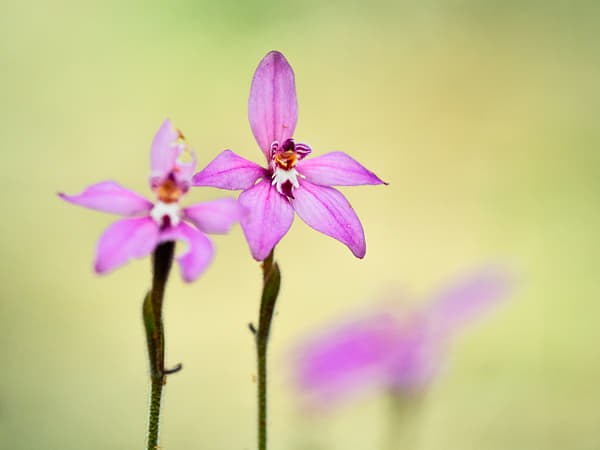
After the Bernard Park fiasco a couple of days previously I was determined to get out and have a successful photo trip. This time I thought I’d stay local and photograph orchids – they don’t fly off as you try to photograph them. The chosen destination was the Oswald Sargent Reserve at the back of the York Golf Club. A reliable location known for it’s prolific displays of orchids. I was expecting to go home with a memory card full of photos. Walking up the rough between two fairways I was expecting to see Chapman’s Spider Orchids, Scented Sun Orchids, and Custard Orchids amongst others. Eventually I found a shrivelled Green Spider Orchid. On hitting the Wandoo forest of the reserve I found after an hour of looking I found two more plants, an intact Green Spider Orchid and a Pink Enamel Orchid. In a normal year I’d find at least eight species and anything up to thirty individual plants. I don’t think it is a case of “The girls have picked them everyone.”. More a case of we’ve had a dry warm winter.


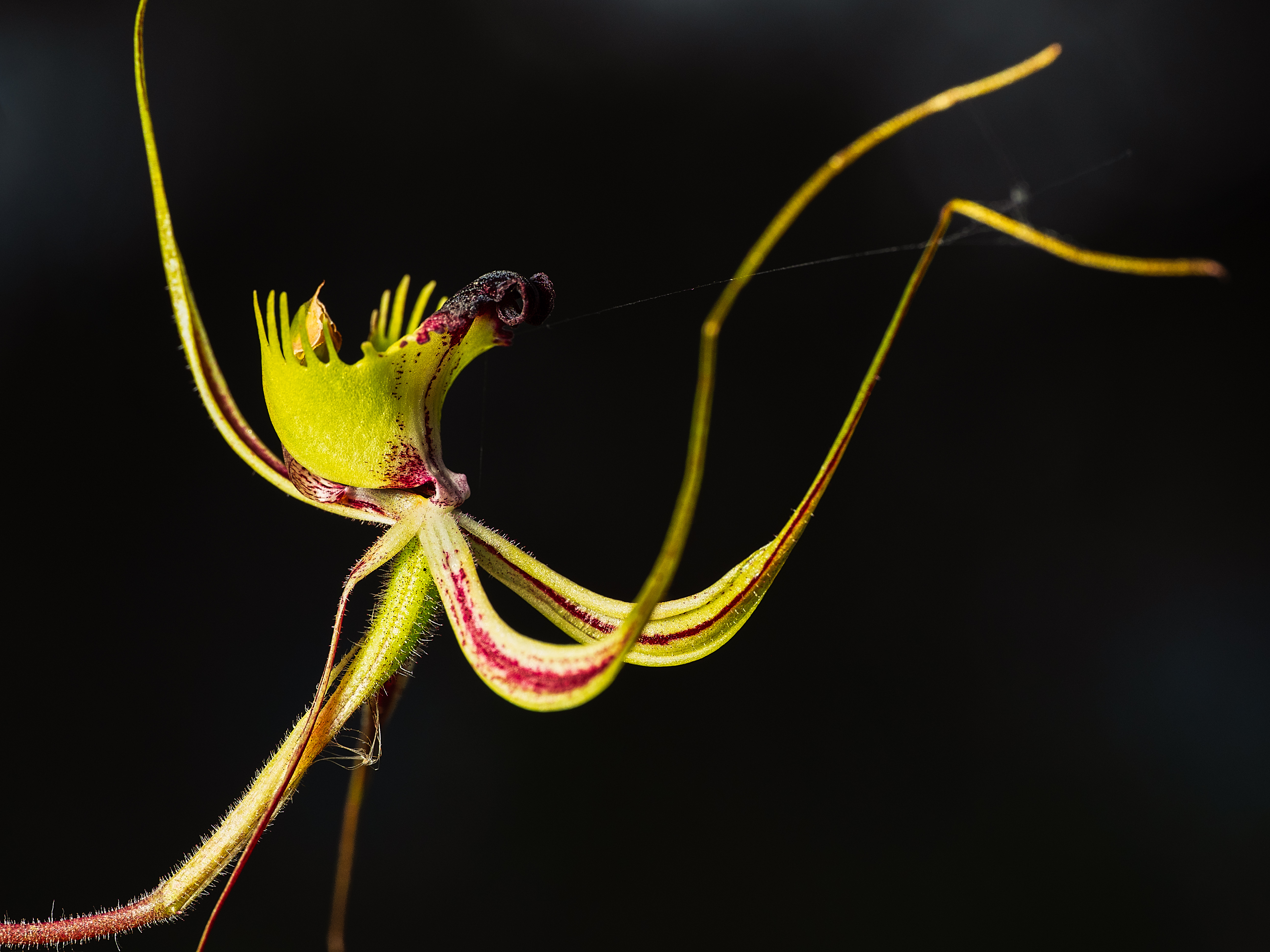
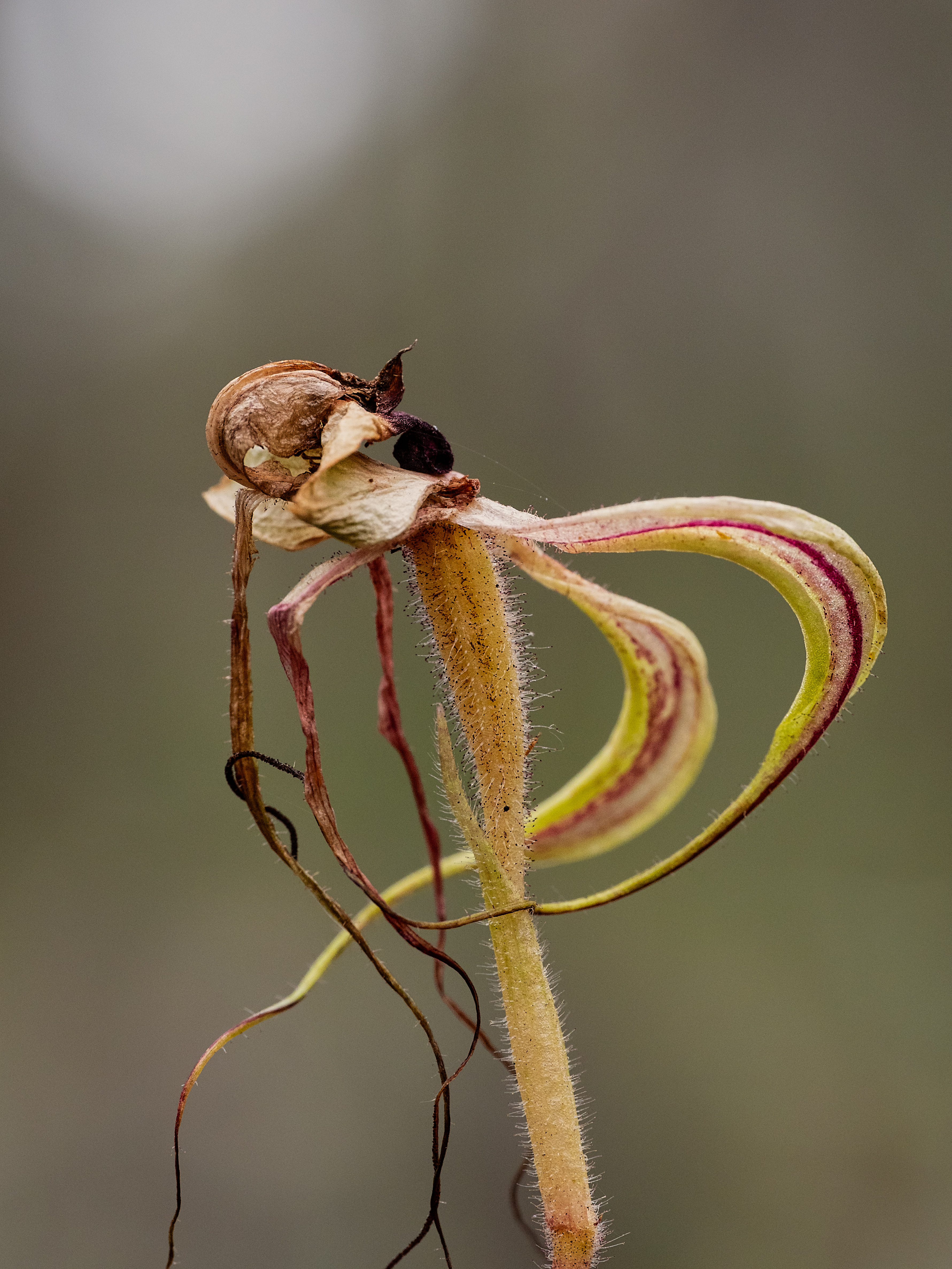
Oh dear! That’s not looking good. Green Spider Orchid aka Fringed Mantis Orchid (Caladenia falcata). Oswald Sargent reserve, Western Australia.


A more healthy looking Green Spider Orchid aka Fringed Mantis Orchid (Caladenia falcata). Oswald Sargent reserve, Western Australia.


You can rely on a Pink Enamel Orchid, Elythranthera emarginata, to provide a spot of colour. Oswald Sargent reserve, Western Australia.


Grounded

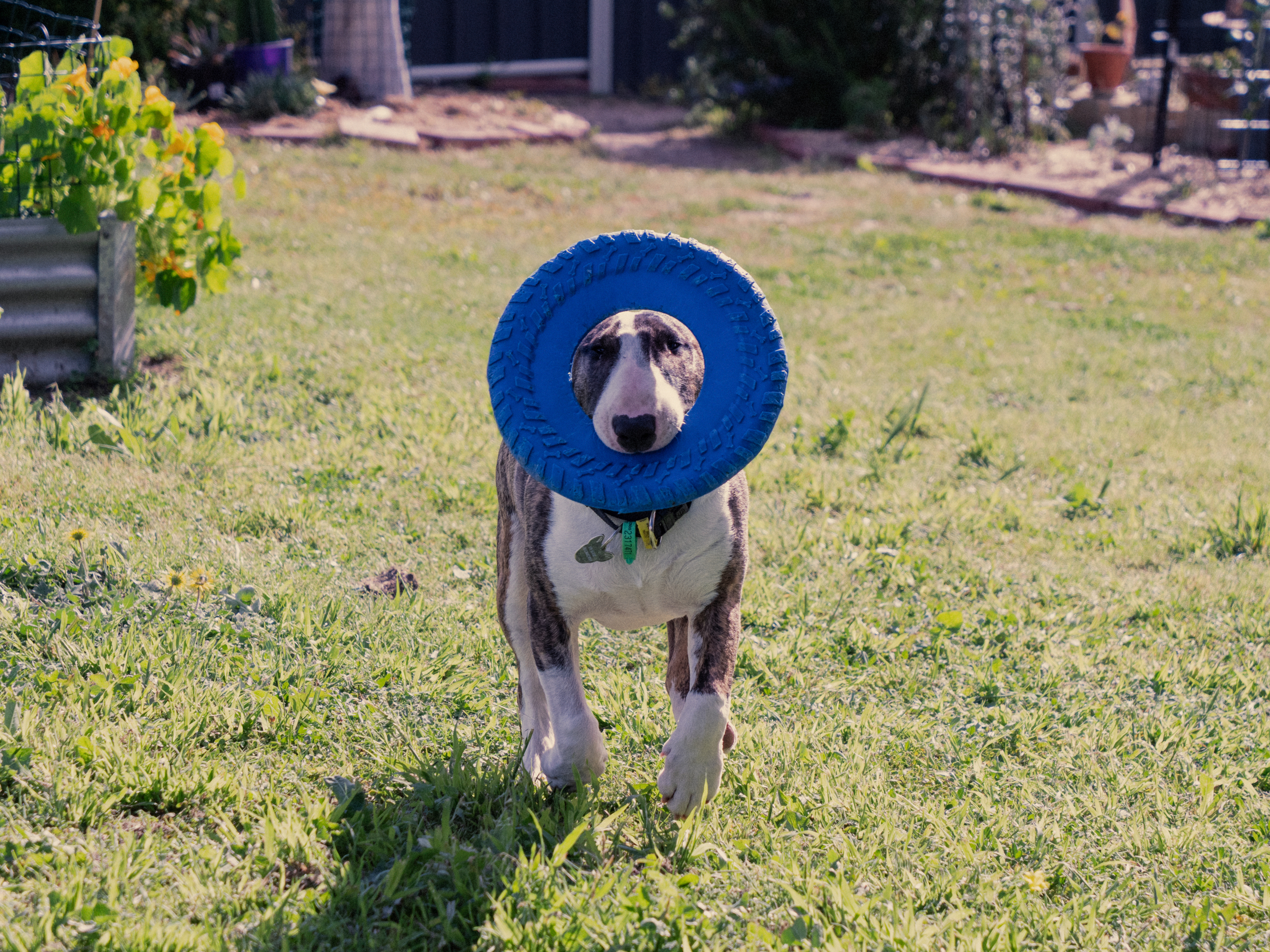
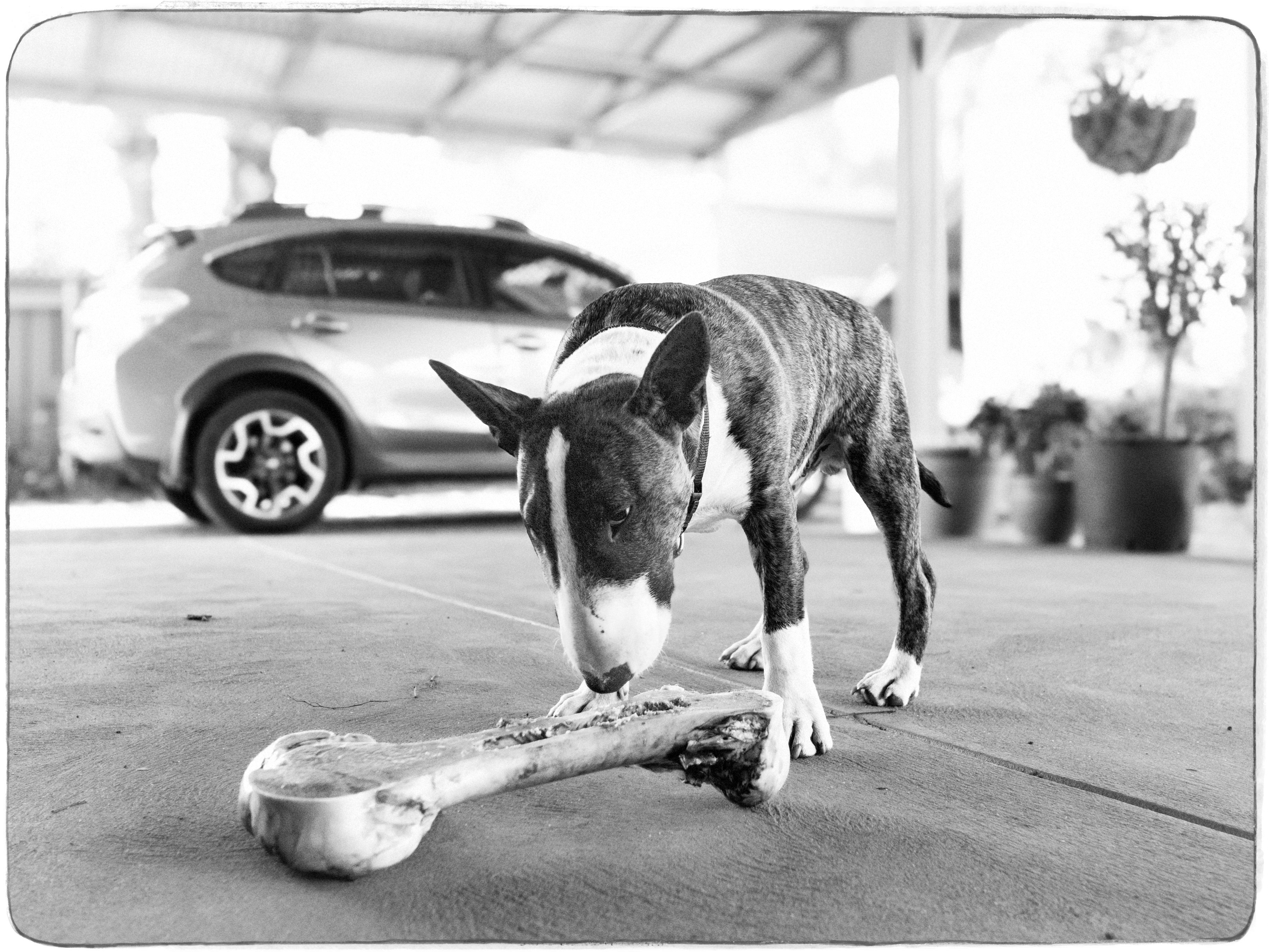
Our poor old car started to sound as if it had a terminal condition. It produced an incredible range of noises from the engine and gearbox. With over 200,000 km on the clock it wasn’t surprising in someways. I took it into the mechanics and it came back with even more strange noises. So while we sorted out a replacement I’ve been somewhat grounded and most of the recent photography has taken place within the constrains of the garden. Most of it macro of various bugs that I’ve found, some of it shots of Bertie, our Miniature Bull Terrier puppy, as he plays. It’s been great fun.


Bertie playing with his ring in the garden.


Bertie with his first marrow bone.


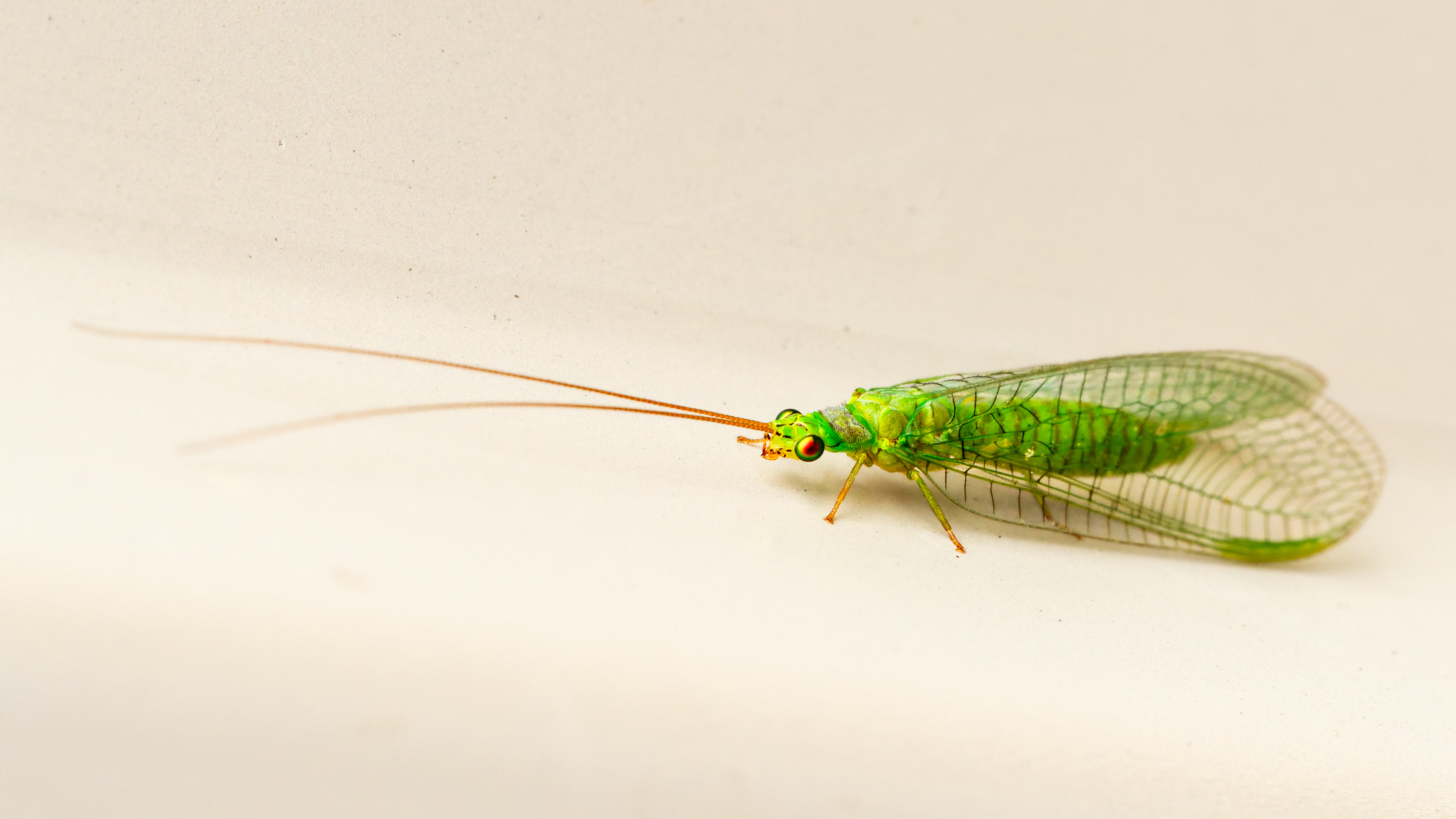
Green Lacewing, Mallada signatus. York, Western Australia.


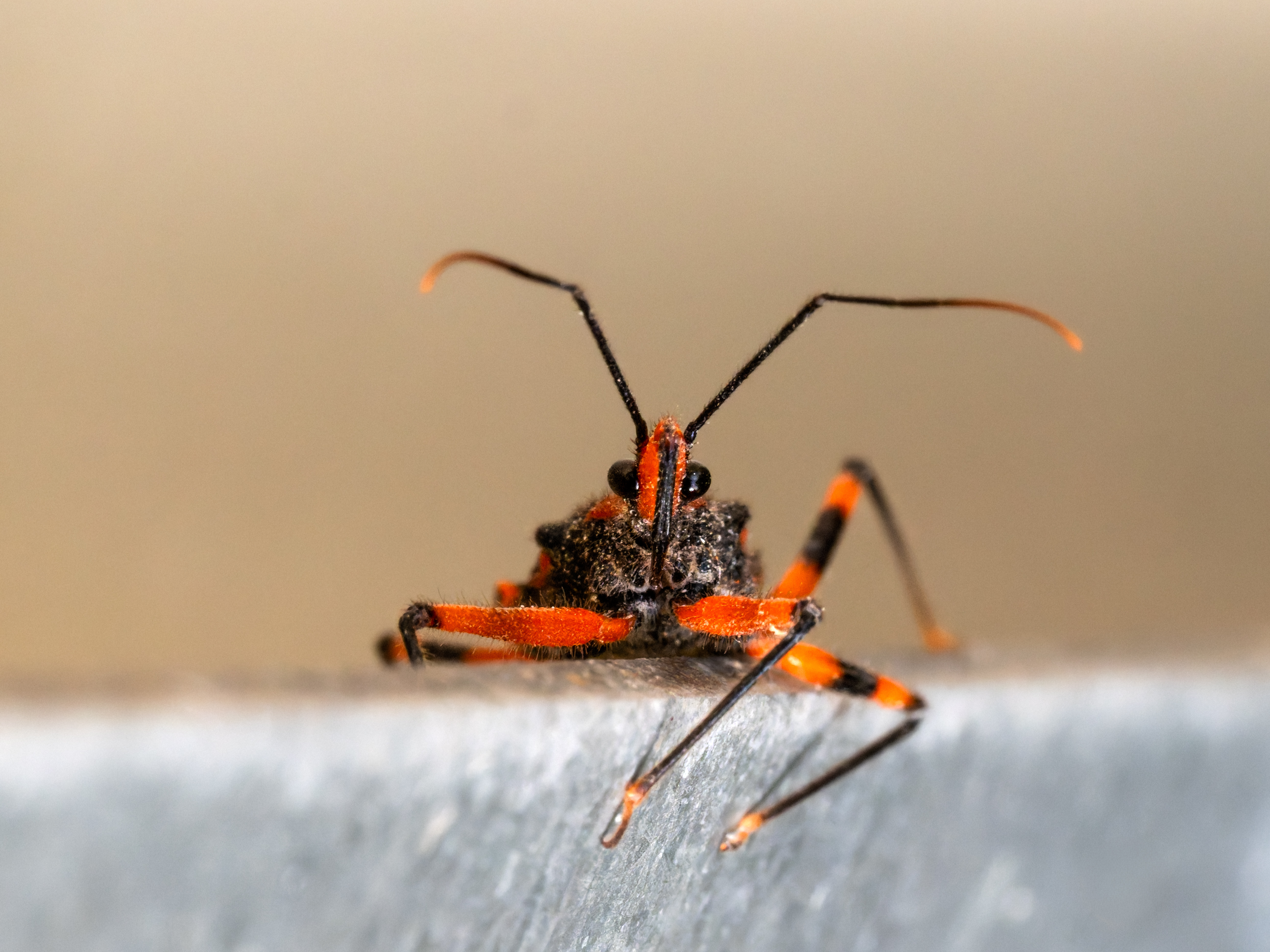
Red Tiger Assassin Bug, Havinthus rufovarius. York, Western Australia.


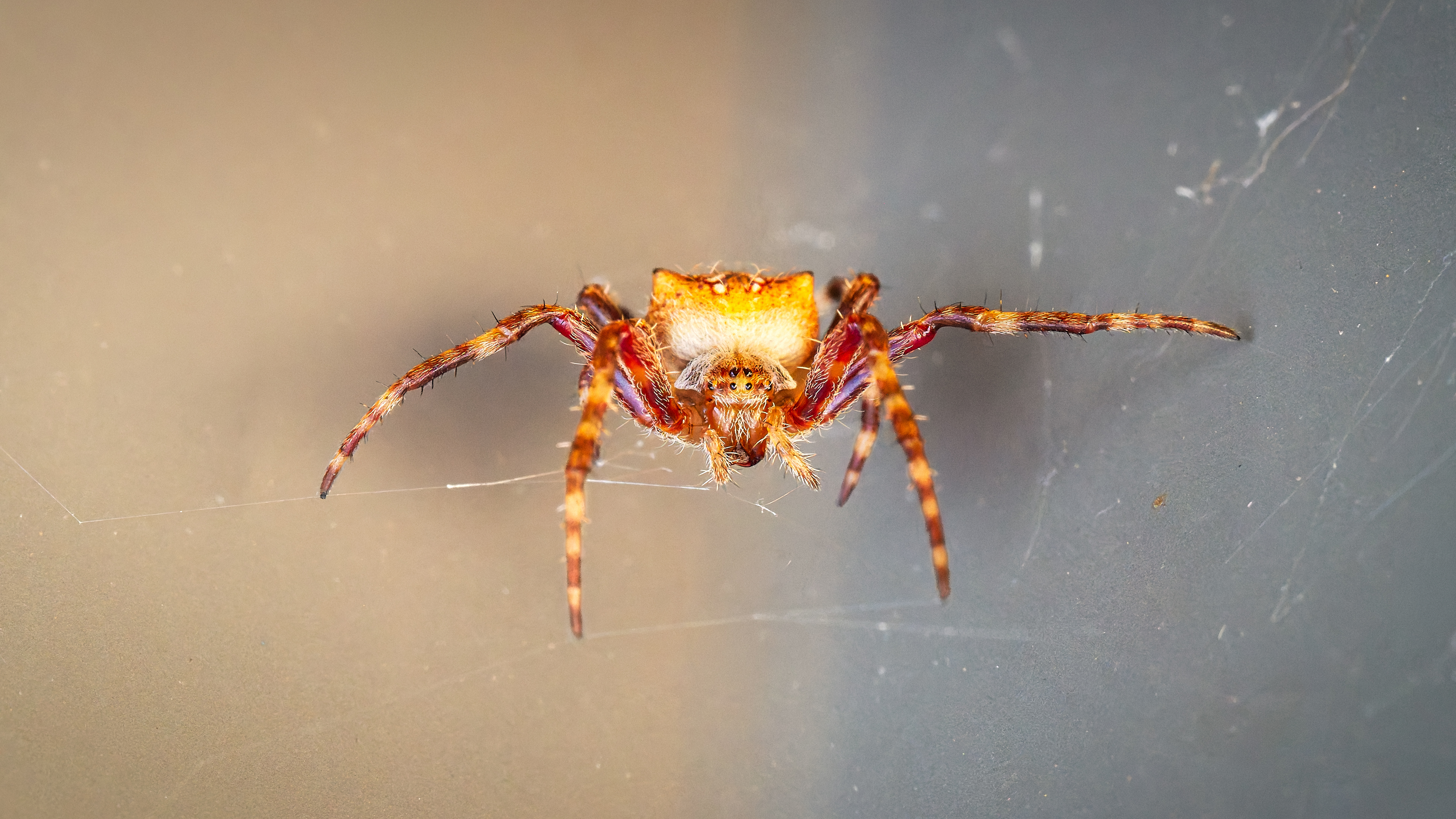
Dunno what sort of spider this is.


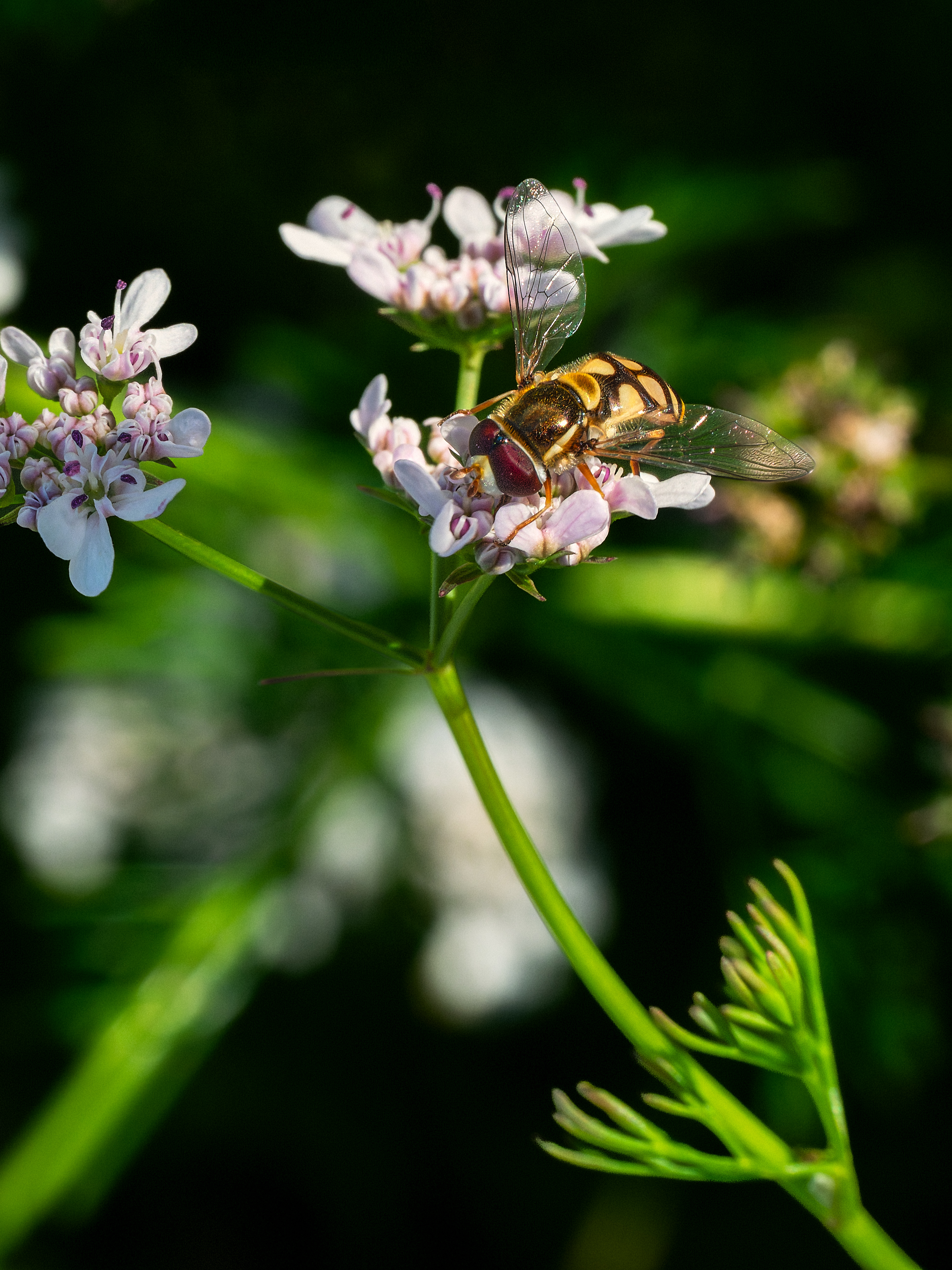
A male Yellow flower wasp feeding on the corriander.


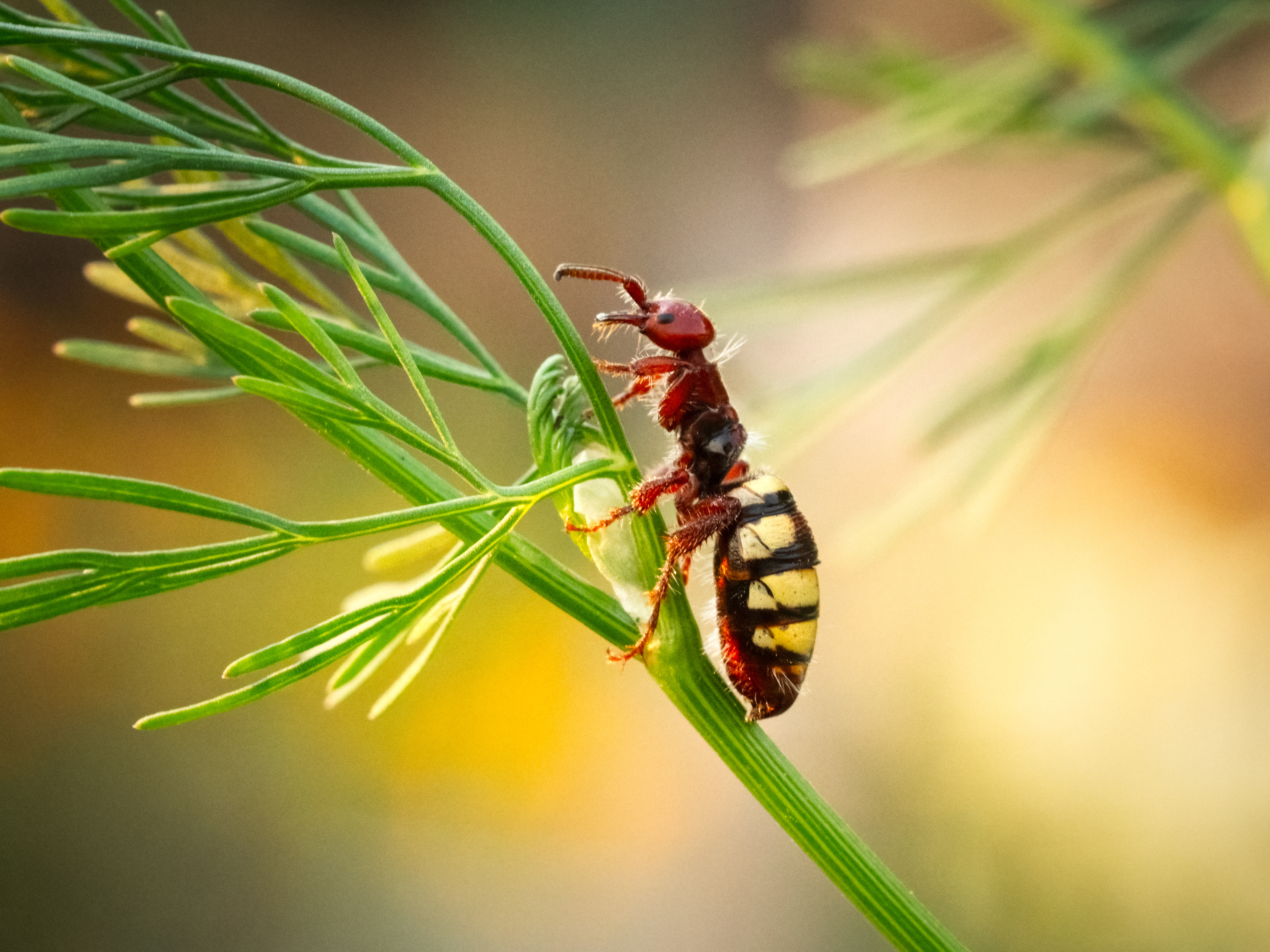
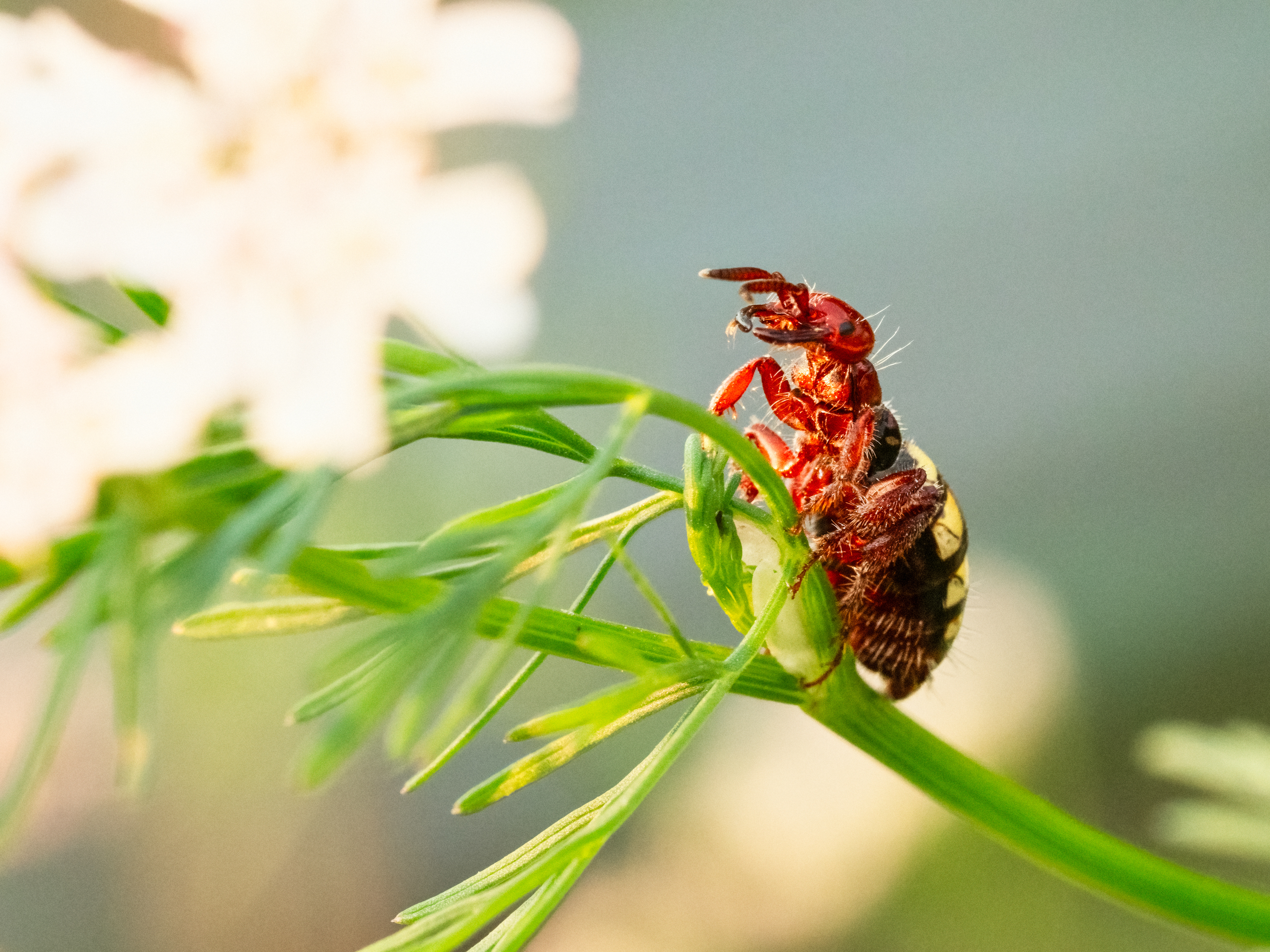
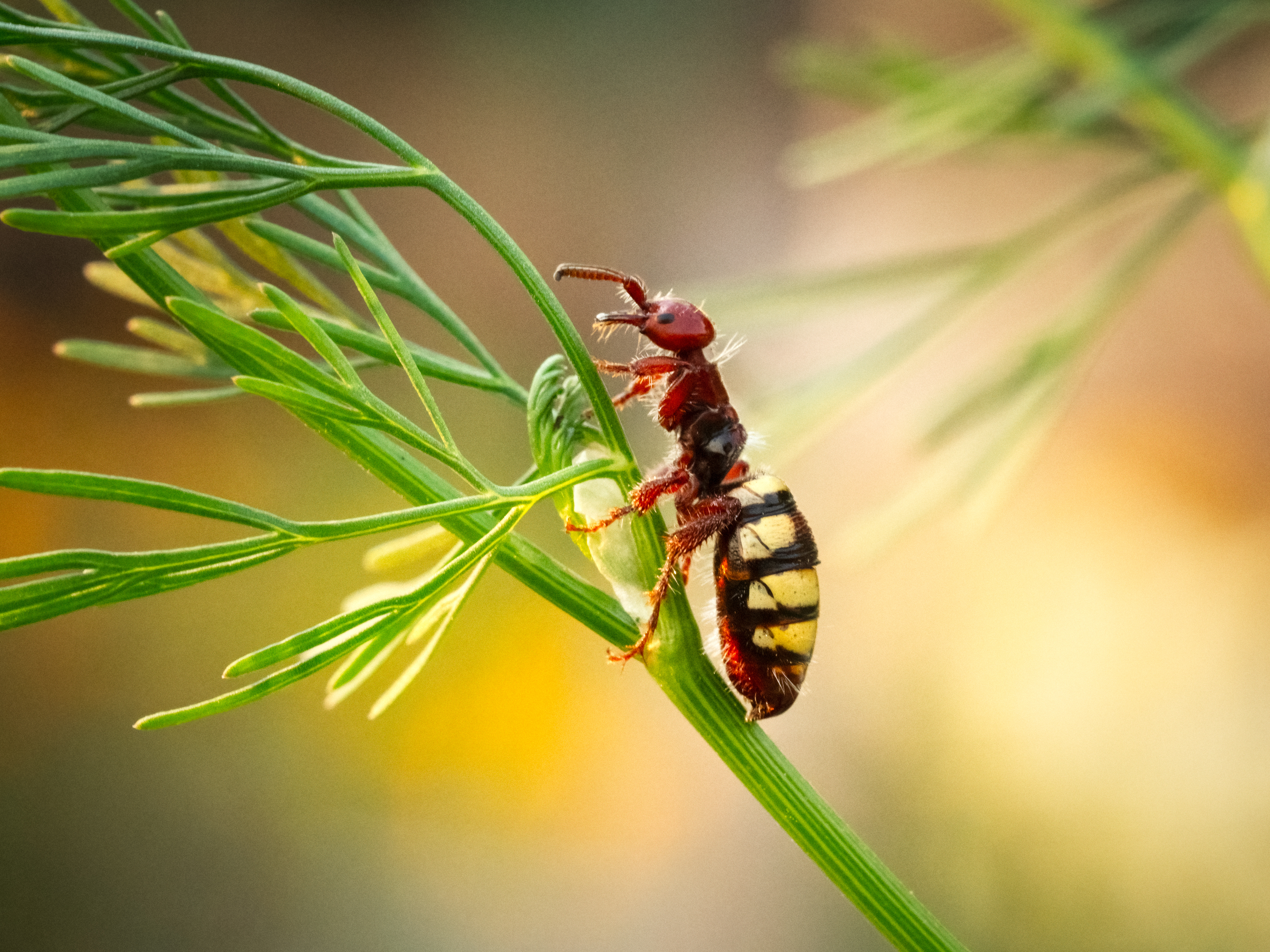
Last week I posted a photo of a mystery insect that I didn’t know what it was. Well it turns out it was a female Yellow Flower Wasp, which are flightless.


Female Yellow Flower wasp on a corriander plant.

“Little things…

… please little minds.”

Ars Amatoria by Ovid (Publius Ovidius Naso) 43BC-17AD (?)


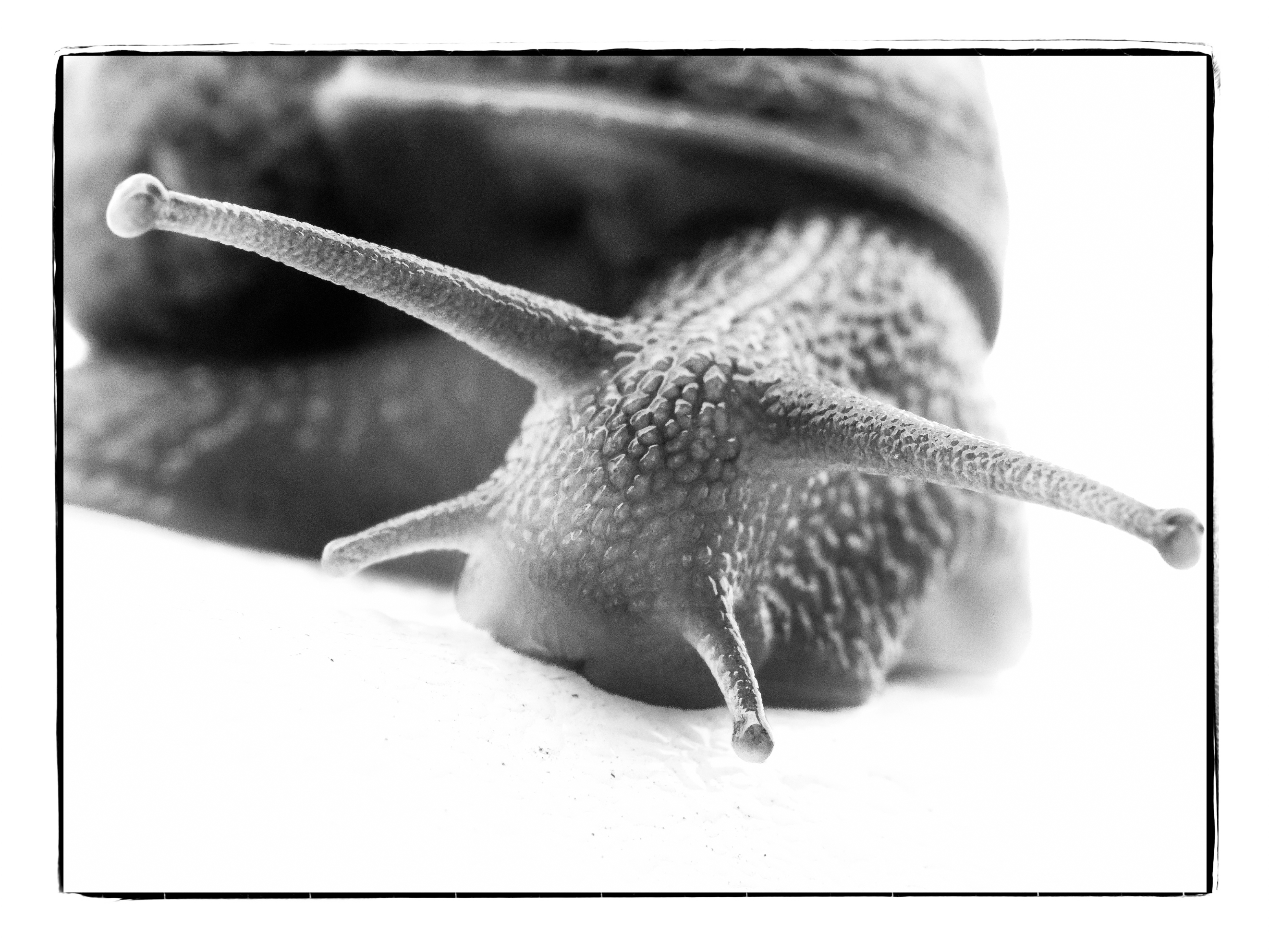
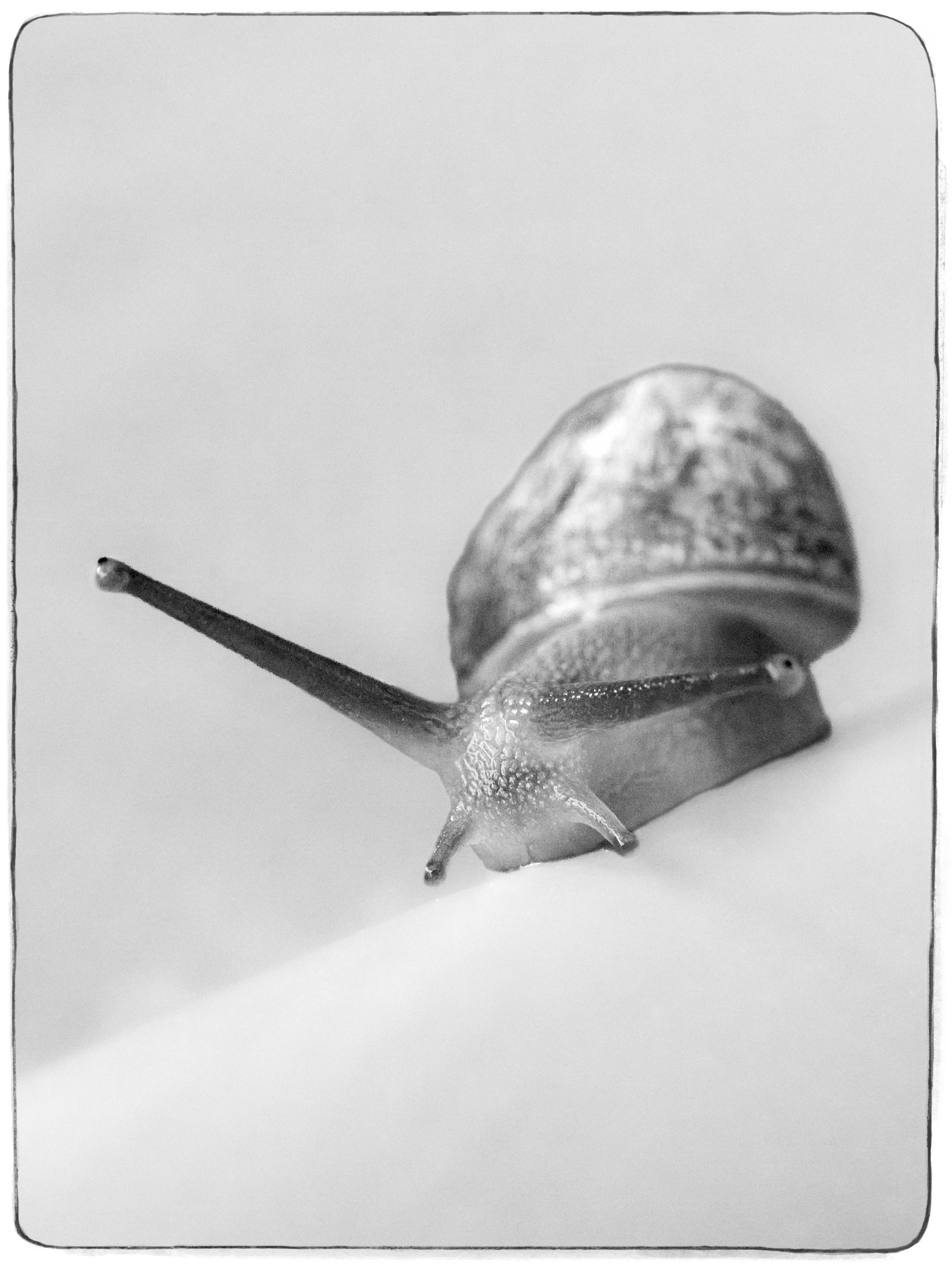
“Stay sill damn it!” Common garden snail, Cornu aspersum.


The recent orchid expedition made me get my macro lenses and flash out of the cupboard and consequently I’ve been playing around with it in the garden. I had this brilliant idea to improve my focus stacking technique by taking photos of snails. I mistakenly thought that they’d be a good subject as they don’t move much. I was very much mistaken. The little beggars move around quite a lot. The tentacles that their eyes are mounted on are in a constant state of motion and so my attempts at focus stacking failed. Not to be deterred I just stopped the lens down to f11 or f16 (well into diffraction territory on Micro Four Thirds) and just carried on taking picture of little critters in the garden.


Another fidgety snail.


The focus stack even failed on this. Dunno what I’m doing wrong.


Yikes! Don’t know what this was amongst the coriander.


Looks better in profile.


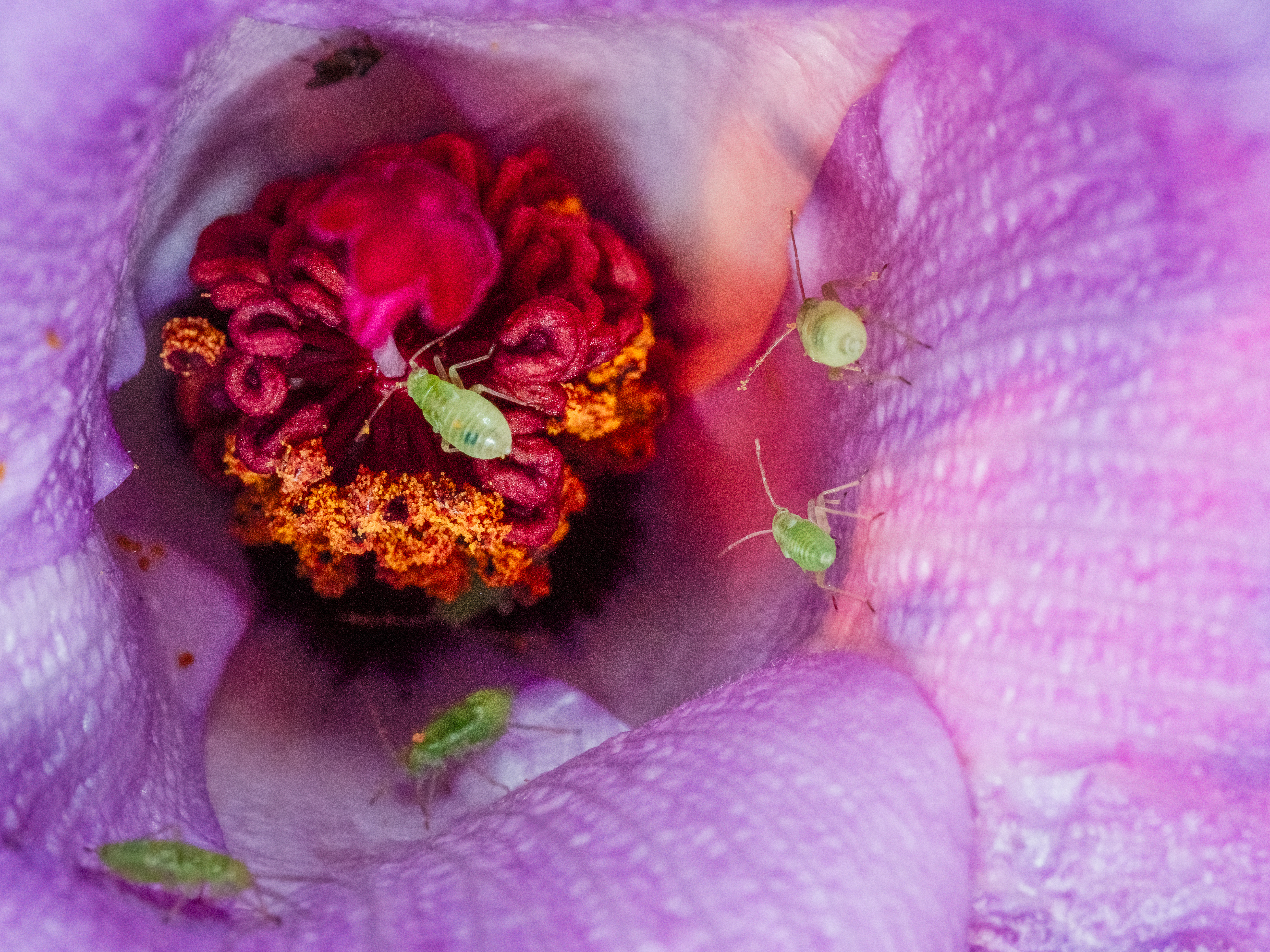
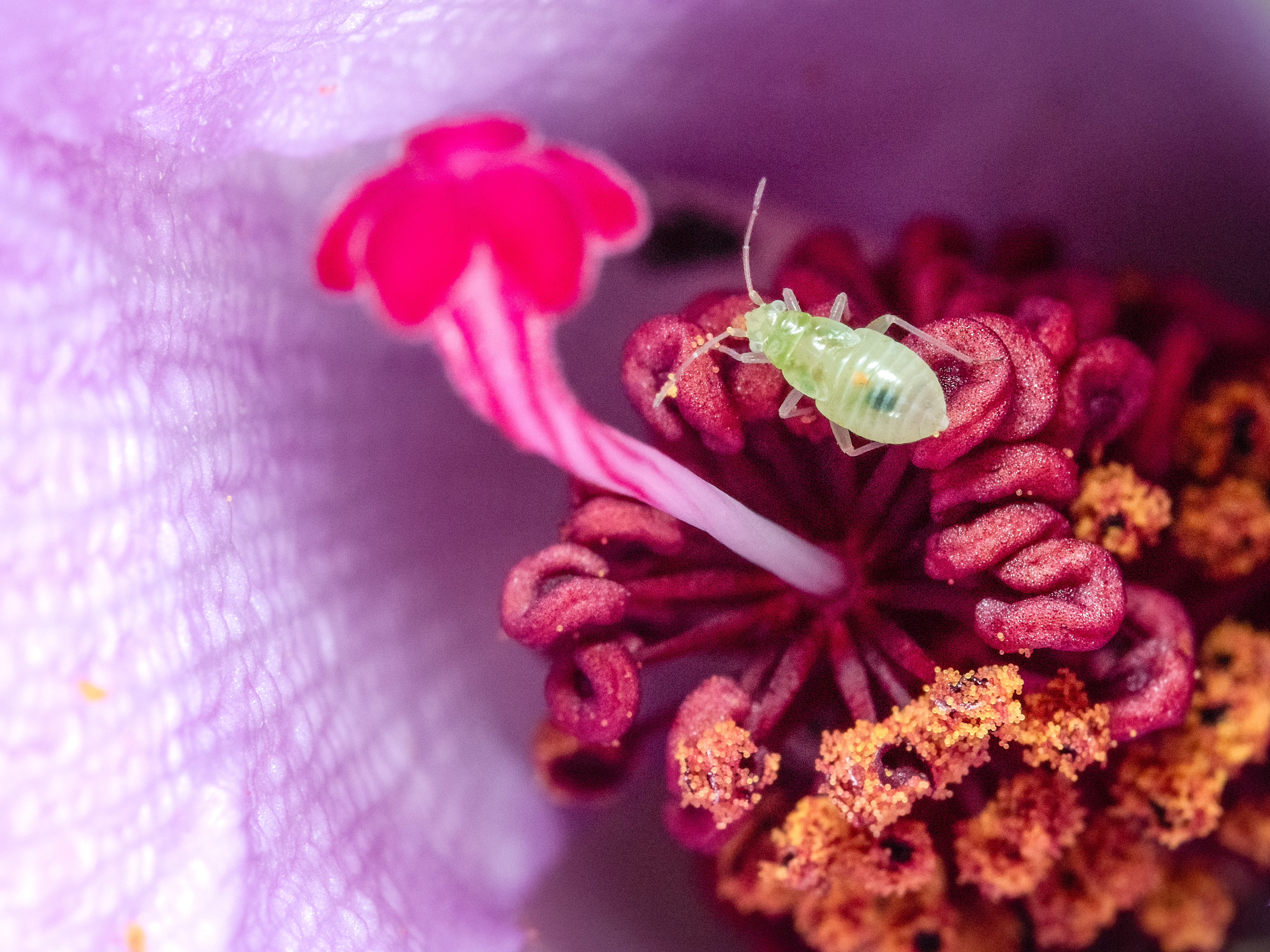
Oh dear! The Beloved Significant Other is not going to be happy with these aphids.


I didn’t know that aphids were translucent.

It’s That Time Already ?

I must confess that since we got our new puppy – Bertie – I’ve been rather busy. Time just seems to have slipped away. So the other morning when I was reading the news on ABC I came across a story about how the orchid season in the Wheatbelt had kicked off early. It caught me completely unawares. Normally what I do is draw up a list of what I want to see with when and where and then see where there is an overlap so I can get the most bang for my buck. Then I get my orchid kit together and make sure that everything works and is ready to go. That hasn’t happened this year. A mad whirlwind of frenetic activity saw me pack my bag and find an old list that for some reason I didn’t enact. So quickly organised I headed out on my first orchid hunt of the season.


Eastern Curly-locks by Paul Amyes on 500px.com
Eastern Curly-locks. Wandoo National Park, Western Australia. Olympus EM1 mk ii with Olympus M.40-150mm F2.8 + MC-14 teleconverter.


The target species was the Eastern Curly Locks (Thelymitra maculata). I know of two places where they occur. One location, Wandoo National Park, is easy to get to and the plants are easily found near the road. That means orchid poachers often dig them up for selling illegally.  The other spot I know (I won’t divulge its location) has more flowers, but,  is harder to get to and involves a lot of walking and careful searching. Wandoo National Park was chosen as this was all a bit of a last minute decision.


Dwarf Pink Fairy Orchid by Paul Amyes on 500px.com
Dwarf Pink Fairy Orchid, Caladenia reptans subspecies reptans. Olympus EM1 mk ii with Olympus M.40-150mm F2.8 + MC-14 teleconverter.


Dwarf Pink Fairy Orchid by Paul Amyes on 500px.com
Dwarf Pink Fairy Orchid. Olympus EM1 mk ii with Olympus 60mm f2.8 macro lens.


Hare Orchid by Paul Amyes on 500px.com
Hare Orchid, Leporella fimbriata. Olympus EM1 mk ii with Olympus 60mm f2.8 macro lens


Banded Greenhood by Paul Amyes on 500px.com
Banded Greenhood, Pterostylis vittata. Olympus EM1 mk ii with Olympus 30mm f/3.5 macro lens


From the description in the ABC article I was expecting to see quite a show as the areas has other species of orchid that should be in flower as well. As I walked through the bush I saw very little orchid activity. Out of the 8 species that should be flowering I saw 3 and there were only a few of those. At one point I wished I’d had my birding kit as I managed to flush several quail as I walked around. The irony being when I’ve gone birding there I didn’t see any. I zig zagged through the bush and didn’t find any Eastern Curly Locks. Dejected I settled for photographing some Dwarf Pink Fairy Orchids (Caladenia reptans subspecies reptans) and some Banded Greenhoods (Pterostylis vittata). I’d promised my partner I’d only be a couple of hours so I packed my kit away and headed back to the car. I took a slightly different route back as I didn’t want to go back through the tangle of sheaoak that had slowed me down while on the outward journey. I stopped to look at some carnivorous Red Ink Sundews (Drosera erythrorhiza) when out of the corner of my eye I spied 2 Eastern Curly Locks. So I had ticked the first orchid off of this years list.


Eastern Curly-locks by Paul Amyes on 500px.com
Eastern Curly-locks aka Spotted Curly-locks, Thelymitra maculata. Olympus EM1 mk ii with Olympus 60mm f2.8 macro lens


“It’s a beautiful day…

… Don’t let it get away

It’s a beautiful day”

By

Paul David Hewson / Adam Clayton / Larry Mullen / Dave Evans, 2000


Lake Leschenaultia by Paul Amyes on 500px.com
Lake Leschenaultia on a misty winters morning


My first outing birding since getting back from Cairns. What a contrast. Instead of a nighttime temperature of 20℃ rising to 30℃ and humidity of 75% while walking through tropical rainforest the morning started at 0℃, with frost and mist as I walked through the jarrah forest that rings Lake Leschenaultia. As my dear old mum used to say I had more skins on than an onion. Honestly I looked like Bibendum the Michelin Man. 


Kwirlam by Paul Amyes on 500px.com
Kwirlam or Purple Swamphen (Porphyrio porphyrio).


I must say as I parked the car and started walking towards the lake I was a little apprehensive  – the conditions were pretty rank and I wasn’t really expecting to find anything much. Sometimes going birding is like an act of faith, you set out early in the morning not knowing whether you’ll find anything. I’ve been out on mornings with much more favourable conditions than this and not seen a sausage. So you can understand my trepidation. It turned out I was worrying needlessly. As I drew closer to the lake I could hear all manner of bird activity. Regular readers may remember that three years ago I spotted a Spotless Crake (Porzana tabuensis) near the boat shed and ever since then I’ve been loitering there every time I visit in the hope of seeing it again to no no avail. I developed a kind of “Crake mania” and started obsessively trying to see one, or its cousin the Spotted Crake (Porzana fluminea). Now I was completely over it. I only paused to quickly take a landscape snap of the conditions and a grab shot of a Purple Swamphen (Porphyrio melanotus) and headed off walking anti clockwise rather than my usual clockwise. 


Djer-djer by Paul Amyes on 500px.com
Djer-djer or Splendid Fairy-wren (Malarus splendens subsp splendens).


Blimey the mist was thick and wet, a bit like members of the royal family, and I was glad that in a last minute decision I’d grabbed a waterproof as I left the house as the fog drip was making me pretty wet. As I crossed the dam wall I couldn’t see more than about 5m in front of me. I was quite surprised to see a small flock of Splendid Fairy Wrens (Malurus splendens) foraging on the path. Every now and again one would take a break and sit on the post and rail fence that stops people falling into the water. They were such a delightful sight that I stayed and photographed them for about 30 minutes. They were quite happy to let me get close and they only left when an angry Red Wattlebird (Anthochaera carunculata) chased them off. Carrying on walking I came to to a spot where the reed beds start on this side of the lake. The weak watery winter sun was starting to peak through the cloud and the scene looked so lovely that I stopped to take a photo. I was lapping up the bucolic setting and the warm sunlight when out of the corner of my eye I spotted something rummaging about in the shallow water at the base of the reeds. It was a Spotless Crake feeding on the fringes of the reeds. “Damn and blast!” or words to that effect, I’d altered the settings on my camera to take the landscape shot and now I was fumbling with the dials trying to switch it back again. My gloves weren’t helping matters here. The bird just carried on like it didn’t have a care in the world. I quietly got down onto my knees and fired off frames like there was no tomorrow.


Lake Leschenaultia by Paul Amyes on 500px.com
Just a quick snap shot of the sun breaking through the mist.


Waradja by Paul Amyes on 500px.com
At the base of those reeds was a Waradja or Spotless Crake (Porzana tabuensis).


Waradja by Paul Amyes on 500px.com
For such a notoriously shy and secretive bird it was remarkably chilled about my presence.


After 20 minutes I decided to give the Spotless Crake a break and walked on only to see another two of them. To say that I was completely gobsmacked was a complete understatement. It was turning out to quite a wonderful morning. By now the sun was starting to burn off the morning mist and penetrate the woodland. It was a sublime feeling stopping in a little glade with the warmth of the sun invigorating my body. It made me feel so glad to be alive.


Kadjinak by Paul Amyes on 500px.com
This Kadjinak or Grey Fantail (Rhipidura albiscapa) was flitting about in top of the reed bed while I was taking photos of the Spotless Crake.


Lake Leschenaultia by Paul Amyes on 500px.com
Once the mist had burnt off the warm sunlight filtered through the trees.


Mucking About In The Mangroves

Mangroves are a very new experience for me. My first real experience of them was in 2024 when we went to Darwin in the Northern Territory. So I was looking forward to having a look at the mangroves in Broome.


Streeter’s Jetty takes you out among the Broome Mangroves. Broome Western Australia.


Mangroves are basically shrubs or trees that have adapted to living in the upper tidal zone in saline or brackish water. Their root systems have developed so they can resist tidal forces and cope with saltwater immersion. They stabilise coastal areas preventing coastal erosion and protect from tsunamis. At the same time they provide an important ecosystem that support an incredible diversity of species. In Broome the mangrove systems occur east and south of Roebuck Bay. The tidal range is huge which means a vast expanse of mud can be exposed at low tide. Now there were two things that put me off exploring when the tide was out. The first was that the mud is soft. I’d seen Reef Egrets and Striated Herons sink quite deep into it. The other was salt water crocodiles. They live in the tidal rivers, creeks, and mangroves around Broome. At Streeter’s Jetty there was a sign warning of the dangers of crocodiles and the Jetty does get closed if there is a sighting. So as you can see my exploration was a bit limited, but it was enjoyable and it was nice to see and photograph something a bit different.


Flame-backed Fiddler Crab, Tubuca flammula. Streeter’s Jetty, Broome, Western Australia.


Flame-backed Fiddler Crab, Tubuca flammula. Streeter’s Jetty, Broome, Western Australia.


Mangrove Climbing Crab, Metopograpsus latifrons. Streeter’s Jetty, Broome, Western Australia.


Australian land hermit crab (Coenobita variabilis). The mangroves at Town Beach in Broome, Western Australia.


Purple Climber Crab, Metopograpsus frontalis. The mangroves at Town Beach in Broome, Western Australia.


To The Point


That would be Gantheaume Point which is 6Km from Broome’s town centre. To get the most out of a visit you need a sunny day and a very low tide. The sunny day means that the incredible red rocks are sharply contrasted with the blue sky and aquamarine sea. It is quite stunning. The very low tide means that dinosaur footprints from the Early Cretaceous can be seen. When we visited we had the sunny day, but, the tide was well and truly in.


Danger! by Paul Amyes on 500px.com
Danger! Killer Rubber Ducks.


As I said previously we were visiting at the tail end of the wet season – think tropical storms that dump an incredible amount of water. So as we drove the final leg down to the car park along a dirt road we encountered some huge puddles. Like really big – so big that one of them had waves created by the off shore wind. At the car park we were met by a sign warning us of the dangers that were present. I could understand the one about unstable cliffs that could collapse, the one about deep holes that the unwary could fall into, but the one warning about the giant rubber ducks that pushed people off the cliffs was a bit of a mystery. Thankfully while we were there we did not see the rubber ducks and so felt quite safe.


Lighthouse by Paul Amyes on 500px.com
The lighthouse at Gantheaume Point, Broome Western Australia.


Eastern Osprey Nest by Paul Amyes on 500px.com
Halfway up the lighthouse was an Eastern Osprey nest.


Eastern Osprey by Paul Amyes on 500px.com
Just below the nest was an Eastern Osprey, Pandion cristatus subs leucocephalus) eating a fresh fish. Gantheaume Point, Broome Western Australia.


Eastern Osprey by Paul Amyes on 500px.com
Eastern Osprey, Pandion cristatus subs leucocephalus) eating a fresh fish whilst perched on the Gantheaume Point lighthouse.


Walking from the car park you see the old lighthouse keeper’s house and the lighthouse itself. About halfway up the lighthouse we could see the massive pile of sticks that is an Eastern Osprey’s nest and below that was an Osprey chowing down on a big fish. Now the Eastern Osprey is quite a big bird of prey, but every couple of minutes it paused eating to scan the environment for threats. Birds such as Australian Ravens and Masked Lapwings will attack them and drive them off, but it was also probably keeping an eye open for other birds of prey that would try and steal the fish.


Wandering Glider by Paul Amyes on 500px.com
Everywhere we went there were thousands of dragonflies. Wandering Glider Dragonfly (Pantala flavescens). Broome South Wastewater Treatment Plant, Broome, Western Australia.


According to the Indigenous Yawuru people the wet season, Man-gala, draws to a close and the next season, Marrul, starts and one of the markers for that change are the appearance of dragonflies. Thousands upon thousands of them. They were everywhere we went. I’ve never seen so many it was absolutely incredible. Gantheaume Point was no exception, heaps of them everywhere. A lot of smaller birds of prey feed on the large insects and there were a couple of Australian Hobby, which are a variety of small falcon, doing precisely that. They put on an incredibly acrobatic display darting in and out of the rocks chasing down their prey. They didn’t even bother to land when they caught one preferring to eat it in flight. It was simply sublime watching them.


Australian Hobby by Paul Amyes on 500px.com
Australian Hobby, Falco longipennis, feeding on a dragonfly. Gantheaume Point, Broome Western Australia.


By now we were absolutely drenched in sweat. The temperature and the humidity had taken its toll so we headed back to the car looking forward to the relief provided by air conditioning.


Exploring by Paul Amyes on 500px.com
The scenery was pretty impressive too. Helen exploring the rocks at Gantheaume Point, Broome Western Australia.


It’s Going To Be Hot And Wet!


Ahhh! Broome in the wet season. Hot and wet it is. According to white Australians there are only two seasons in Broome – the “dry” from April to November and the “wet” from December to March. In the wet the temperature hovers around 35ºC with high humidity and sporadic rain. Considering that 75% of Broome’s 6m of rainfall occurs during the wet you can see that when it rains it certainly rains. Throw in the occasional tropical cyclone and the weather can get pretty extreme. So why on earth did we choose to visit Broome in the “wet”? One answer really. Birds. Thousands of birds fly down from northern Asia to Roebuck Bay to avoid the cold winters and we went to Broome to see them.


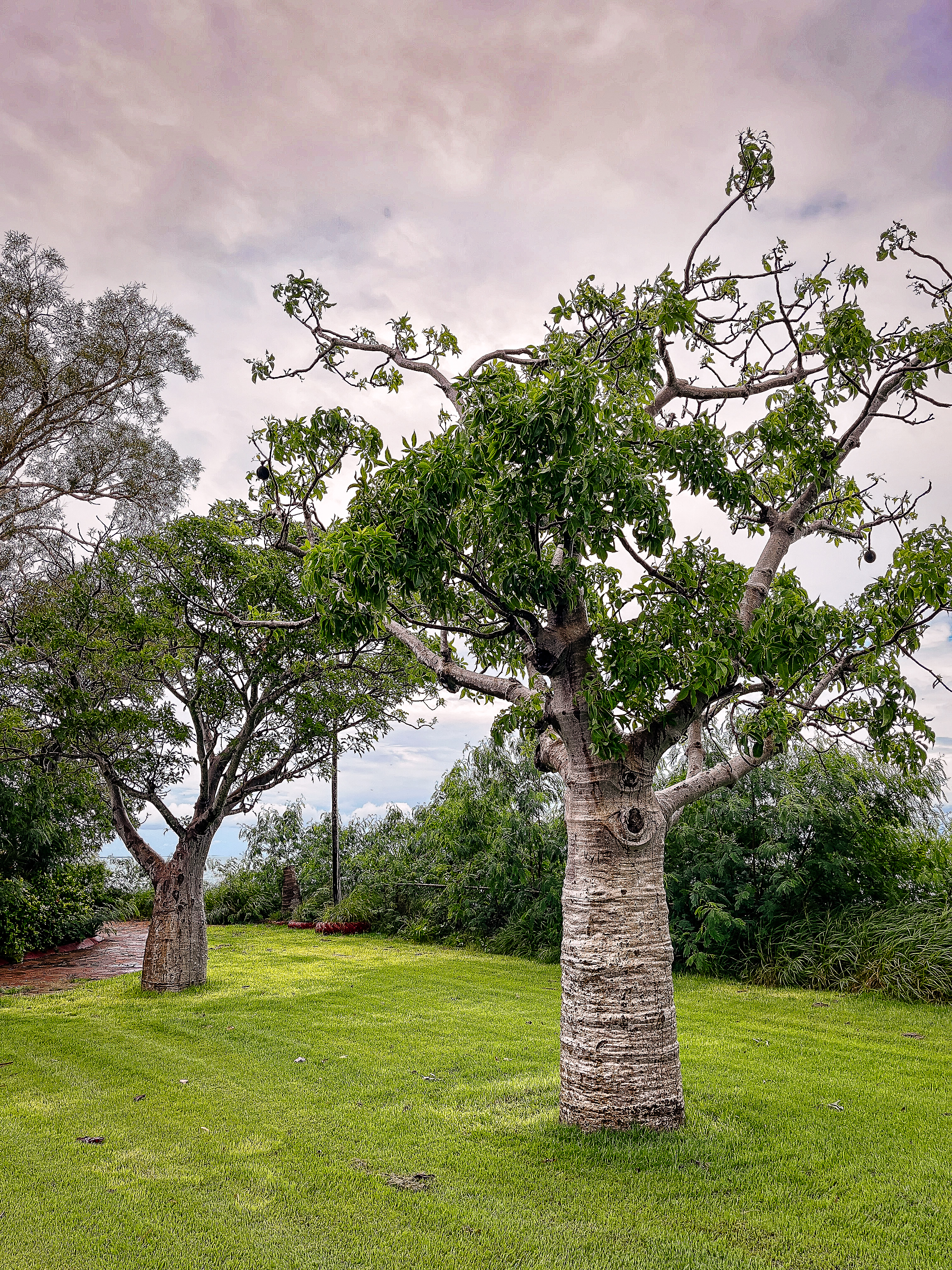
Boab trees at Discovery Parks – Broome,


Broome, for my non Aussie readers, is located in the Kimberley a vast area roughly three times the size of England yet it has a population of less than 40,000. The town is 2,046 km north of Perth, and when we said we were going all our Australian friends thought we would drive up. Yup 2000 Km is seen as just up the road. Like driving from London to Bognor Regis. We took the sensible option and flew. When we arrived in Broome we disembarked the aircraft and found that the “international” airport was a strip of tarmac and a glorified tin shed in a paddock. As we climbed down the steps onto the tarmac it was like walking into a sauna. By the time we’d walked the 30m to the building we were wringing wet with sweat. My dear old Mum used to say “Horses sweat, men perspire, and ladies glow”. Well in Broome everybody just sweats – buckets and buckets.


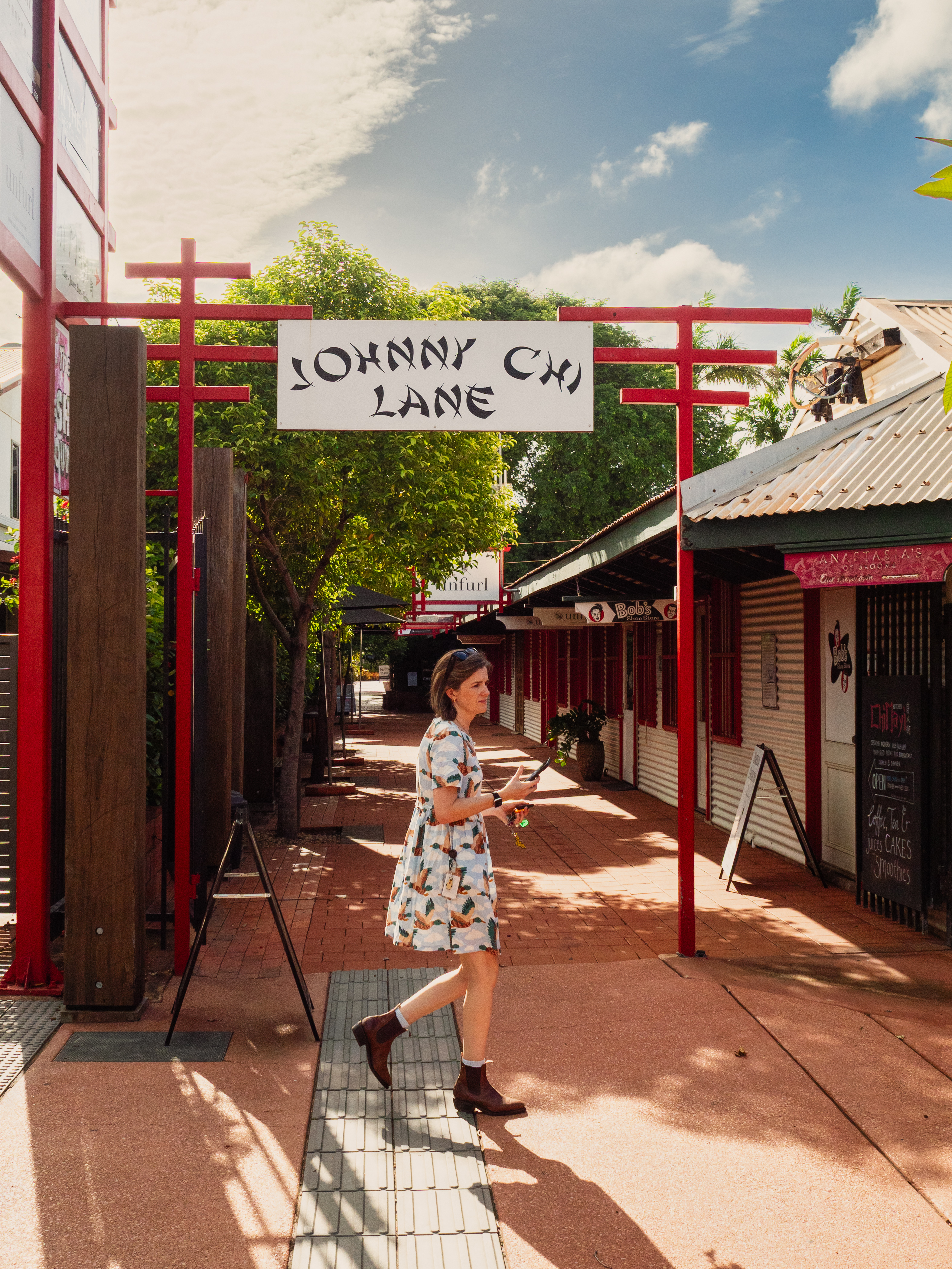
Originally Johnny Chi’s long soup kitchen back in Broome’s pearling days now it is a shopping arcade in Broome’s historic Chinatown.


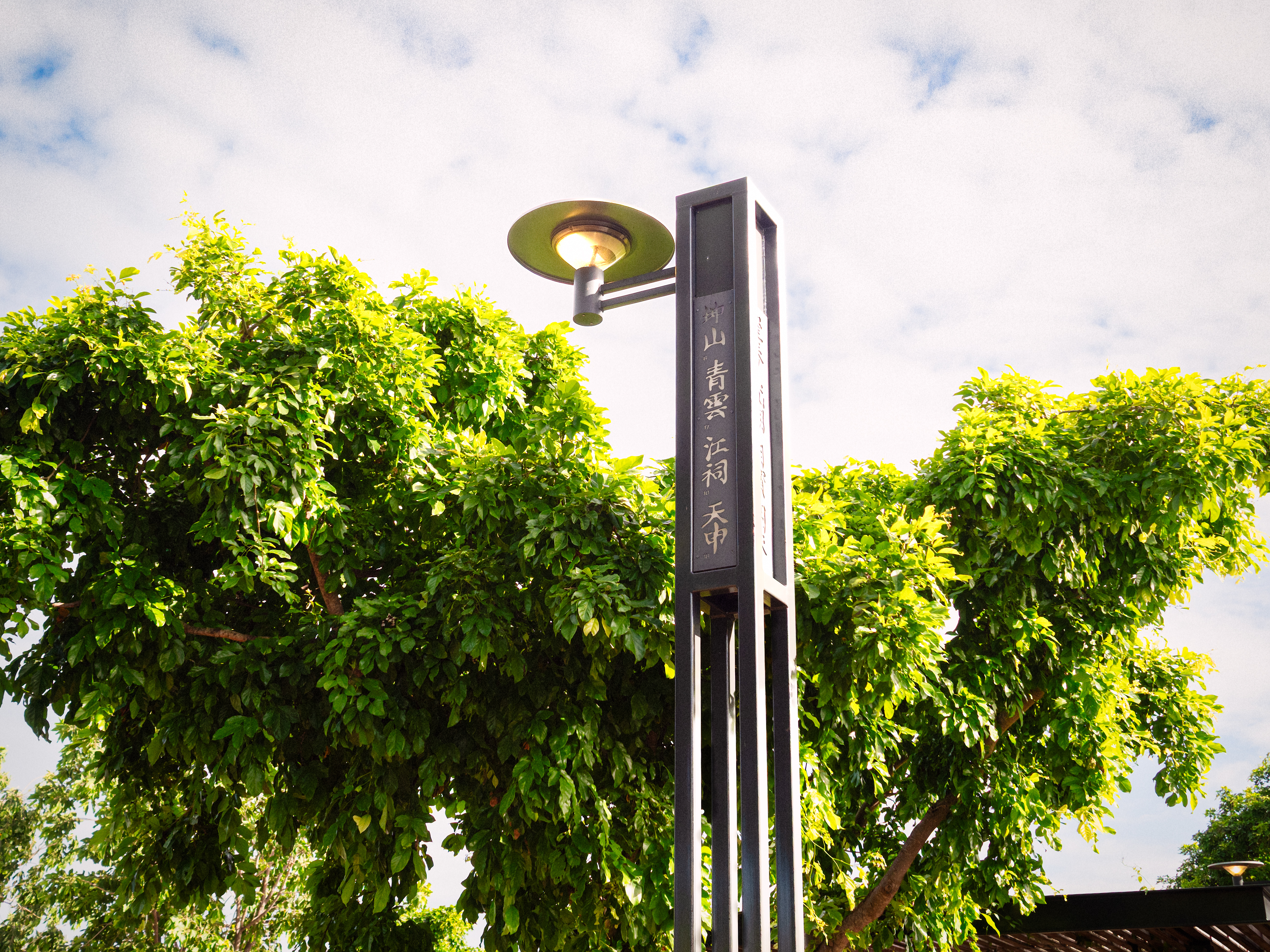
A street light in Broome’s Chinatown. Broome, Western Australia.


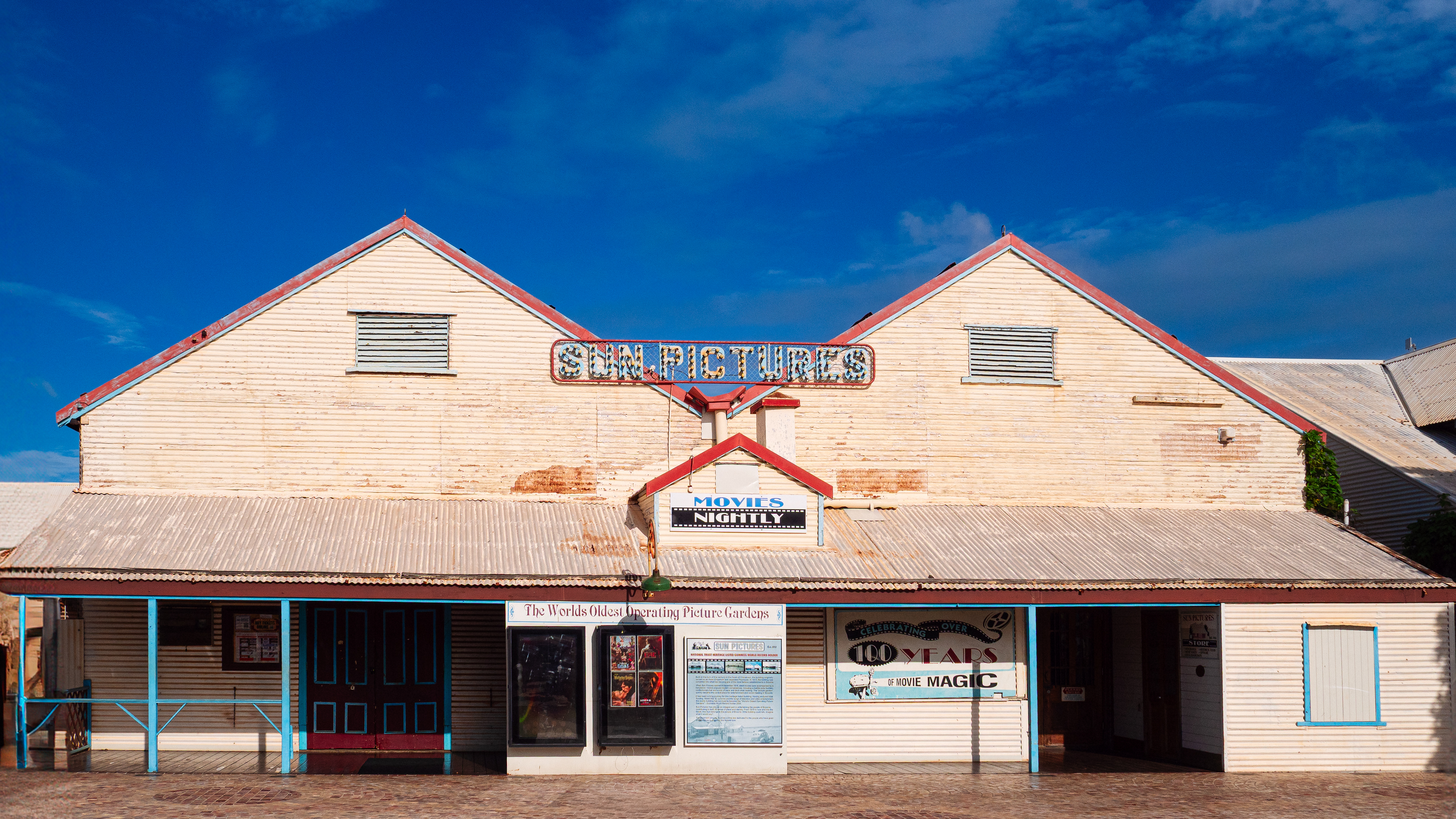
Sun Pictures located in Broome’s historic Chinatown is the world’s oldest picture garden still in operation.

Broome has an interesting history which has led to it being the multicultural place it is today. The pearling industry put it on the map and at one time there were over 300 luggers which harvested enough oysters to supply 80% of the world’s demand for mother of pearl buttons. The industry relied initially on enslaved Aboriginal people, but a change in the law prohibiting this and the fact that the oysters were less common in shallow waters meant that indentured labourers from Japan, China, Malaysia, Indonesia, and the Philippines were brought in. They did the high risk job of diving because it was felt they were more suitable to it than white people. The reality was that whites wouldn’t work for such low wages and coloureds were considered more expendable. So at this stage Broome was very much a segregated town and this continued like this well into the 1970s. It was Alistair McAlpine who transformed Broome into the tourist destination it is now in the 1980’s with the establishment and international promotion of the Cable Beach Resort Club and the Pearl Coast Zoological Gardens among others. As more and more visitors flooded into the town attitudes began to change and tourist industries were established trading on the town’s multicultural heritage.


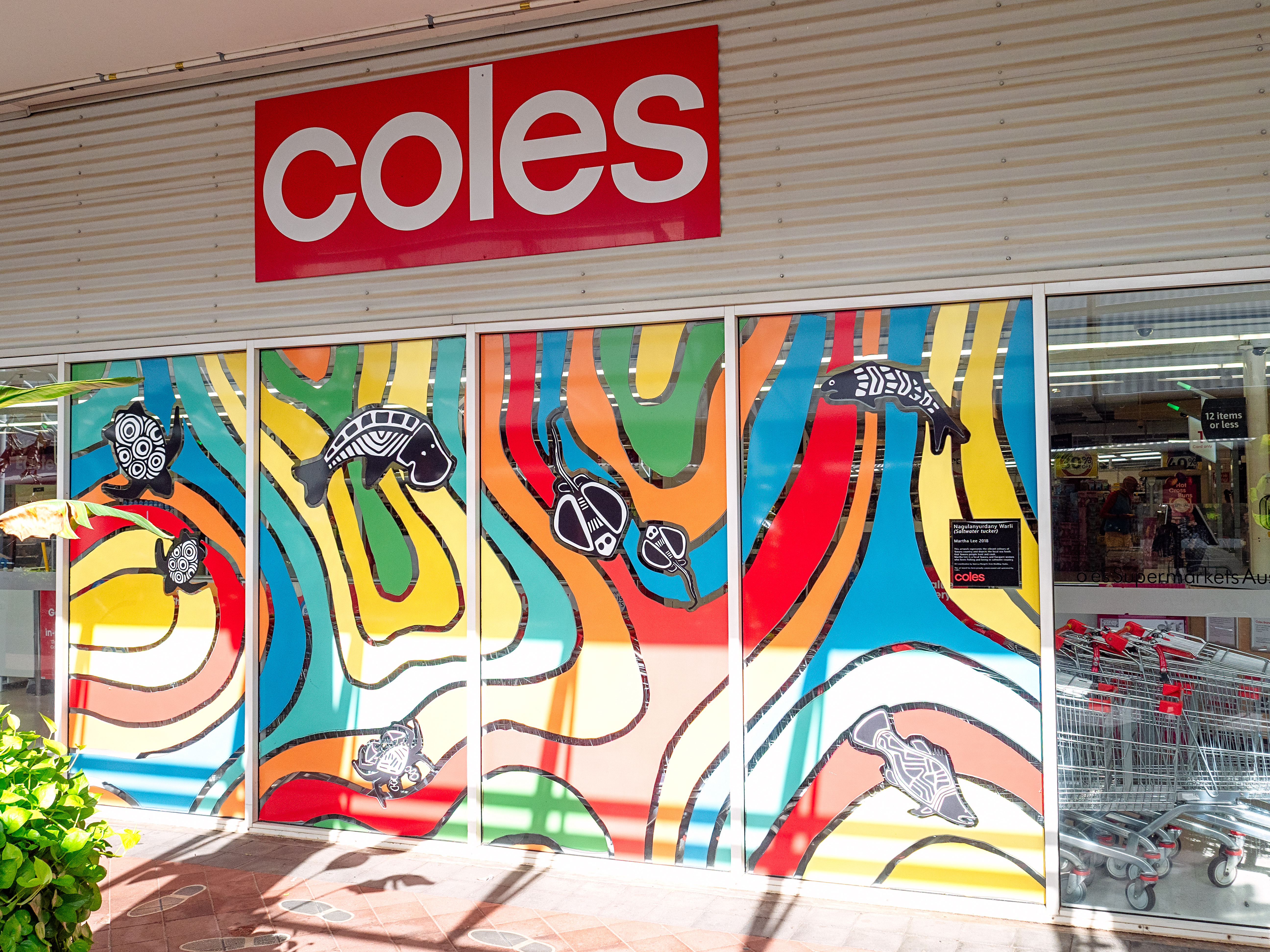
Coles store front in Broome is colourfully aboriginal. Broome Western Australia.


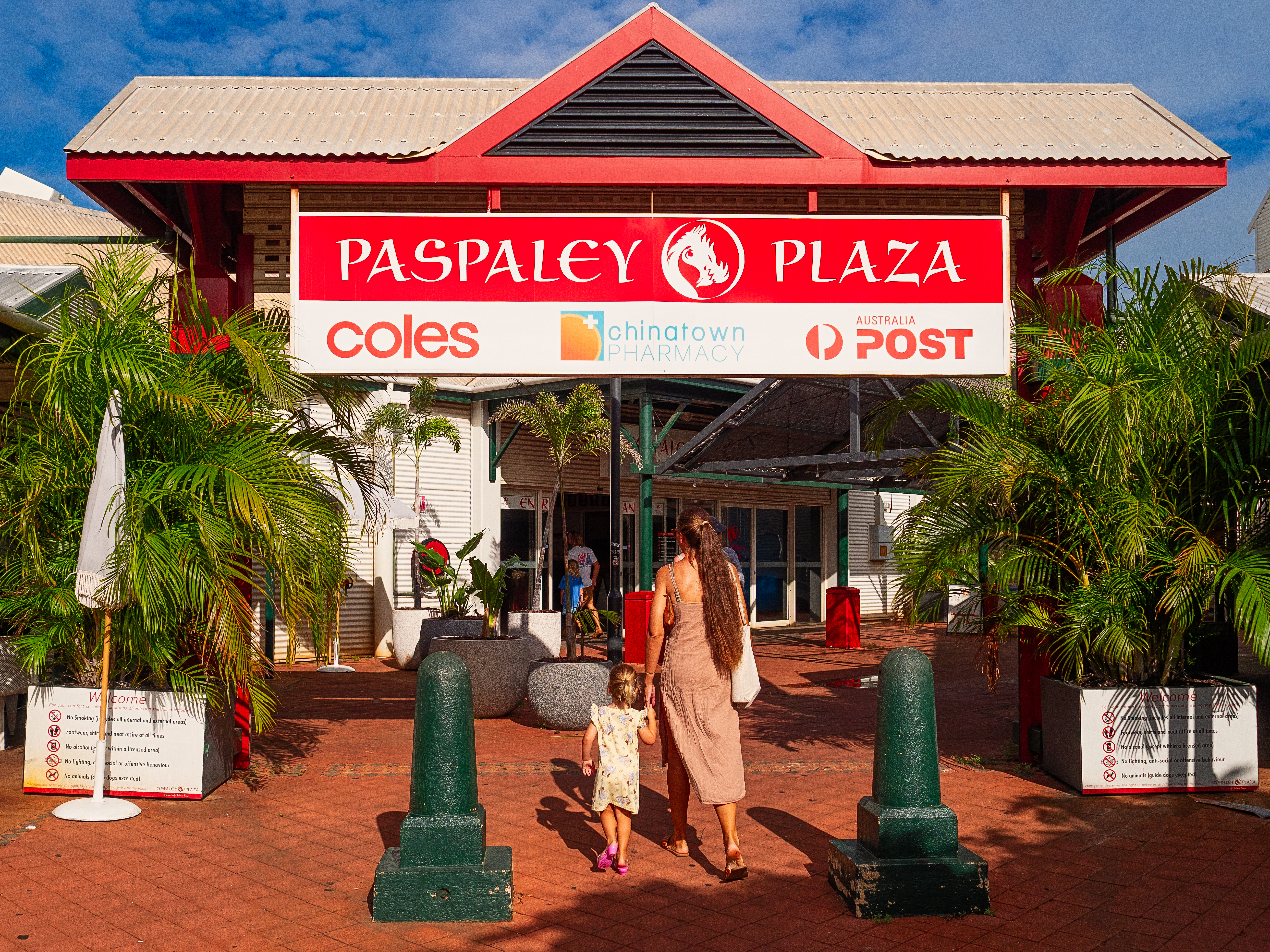
Paspaley Plaza is a shopping mall on the edge of Broome’s Chinatown.


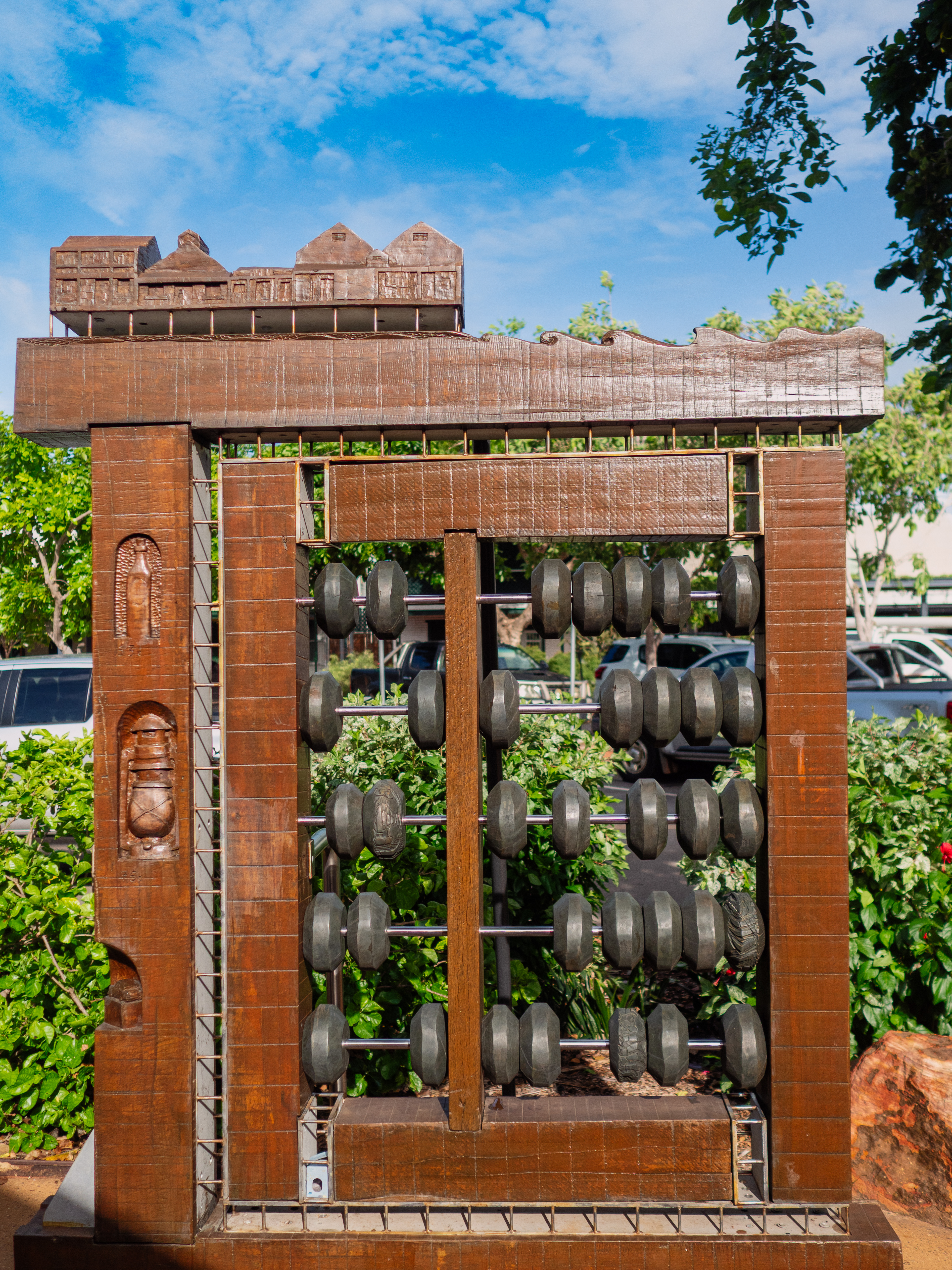
A sculpture of a traditional Chinese Suanpan or abacus in Broome’s Chinatown.


Our early flight from Perth meant that we had quite a bit of time to look around and so we visited Chinatown which was where the Asian crews of the pearl luggers lived and took their leisure – billiard saloons, opium dens and brothels. It definitely was Australia’s own wild west. It was interesting to see street signs still written using Hanzi. Even shops like Coles had entered into the multicultural vibe by using Aboriginal motifs on the windows and the staff uniform. We had a picnic lunch at Town Beach and then checked into our accommodation. An hour before sunset I walked around where we were staying and saw loads of different birds. Back at our accommodation and looking out over Roebuck Bay there was a magnificent setting sun and it was a fitting end to what had been a long day.


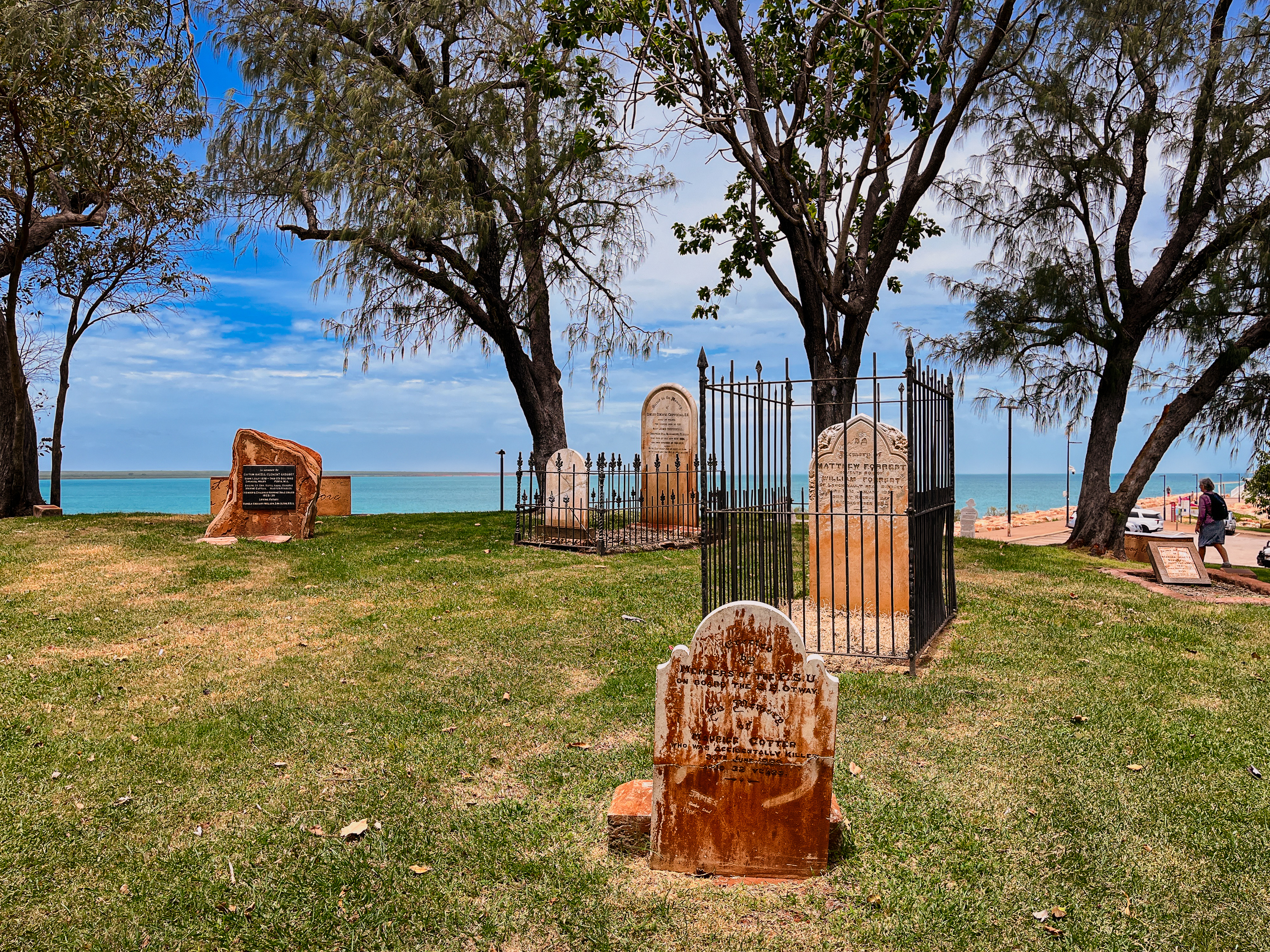
Broome Pioneer Cemetery at Town Beach overlooks Roebuck Bay.


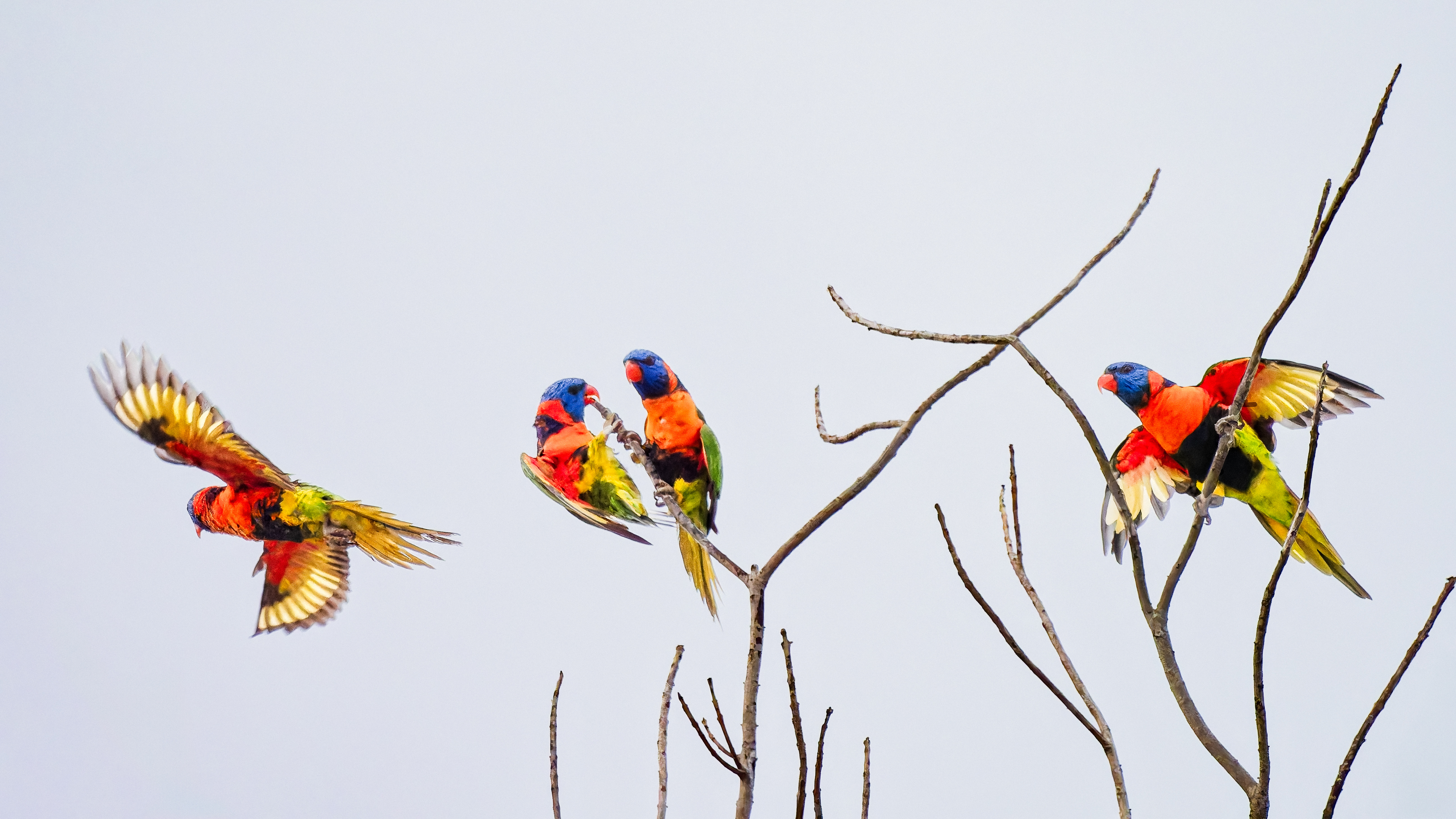
Red-collared Lorikeet, Trichoglossus rubritorquis. Discovery Parks – Broome, Western Australia.


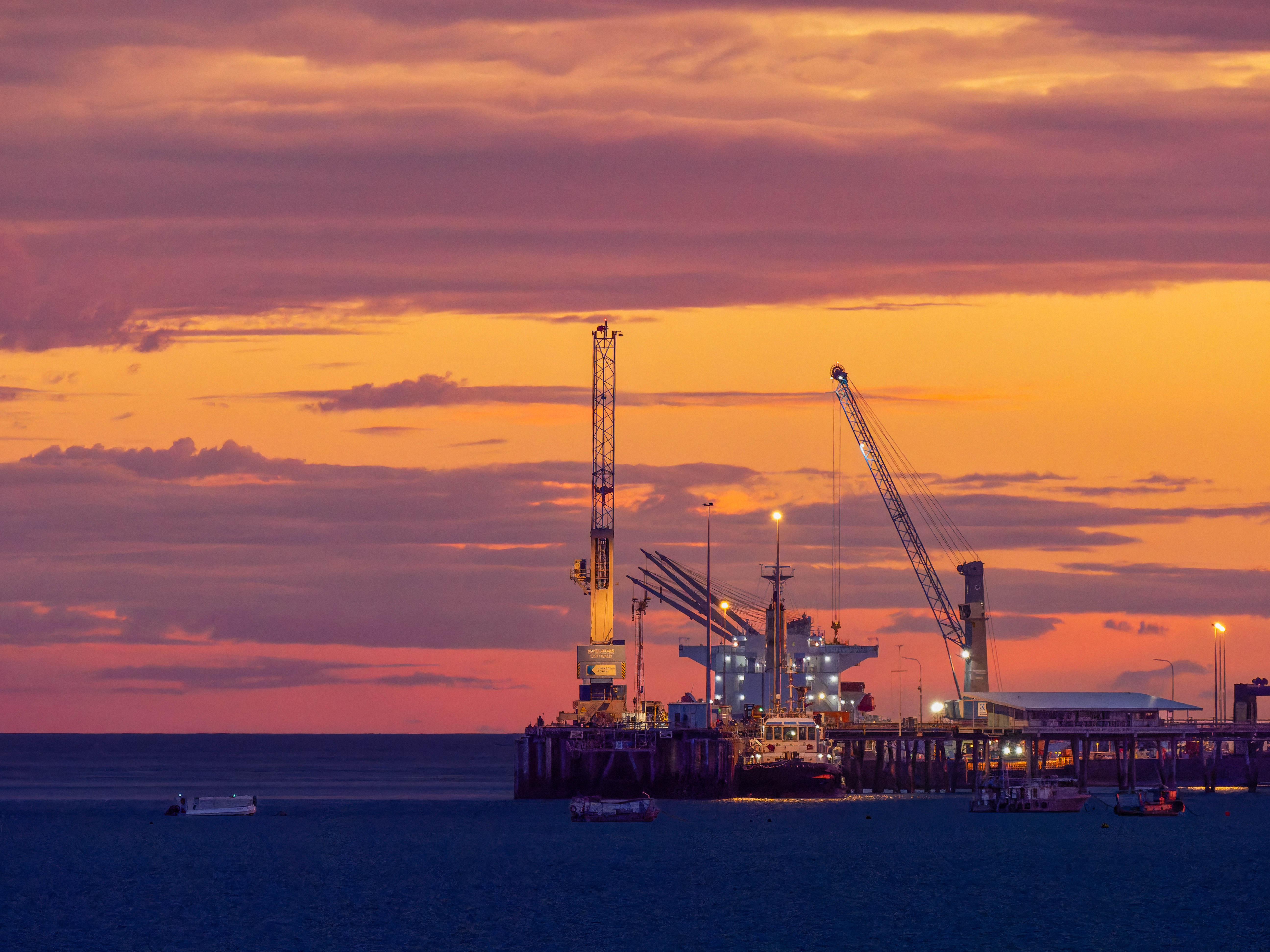
Looking out over Roebuck Bay to the Broome’s Port at sunset from Discovery Park- Broome Broome, Western Australia.


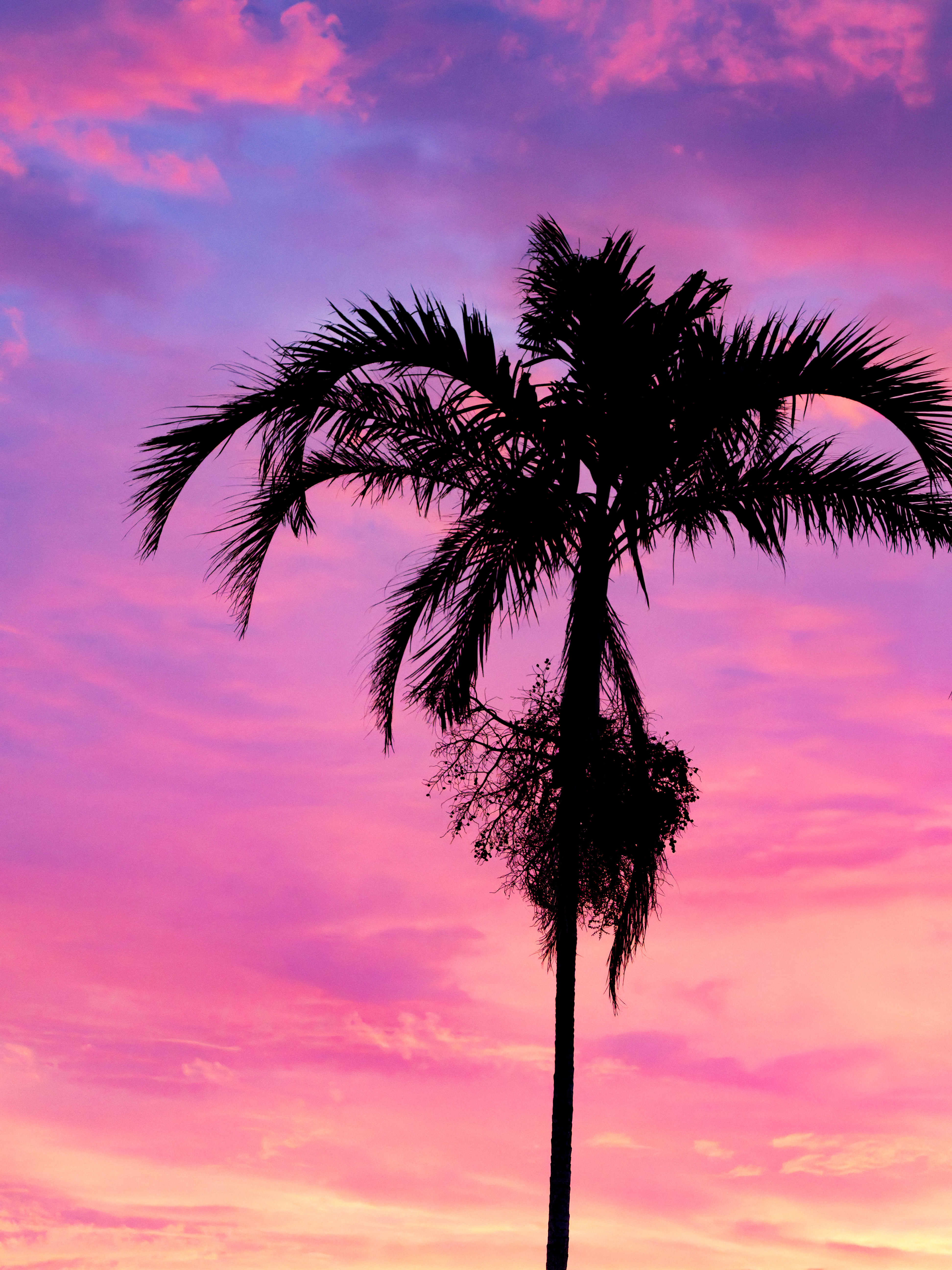
Sunset over Roebuck Bay viewed from Discovery Park- Broome. Broome Western Australia.


The title for this week’s post is a quote from Robin Williams’ Good Morning Vietnam.