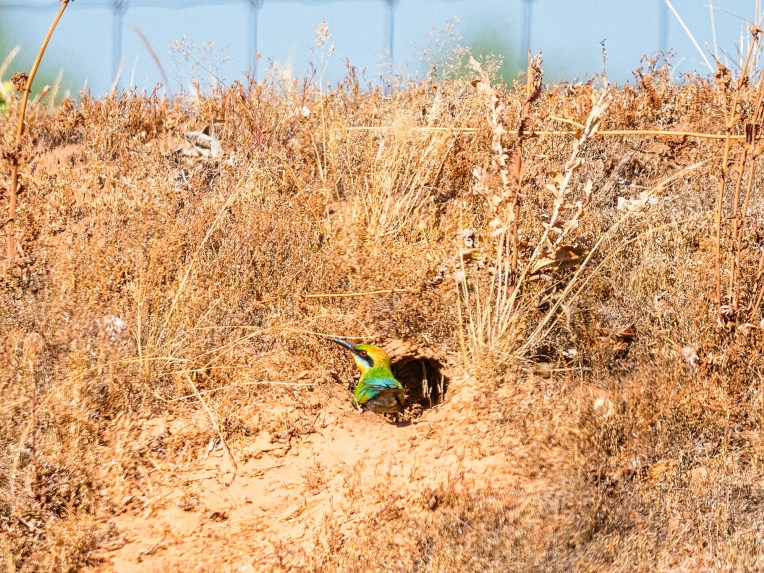
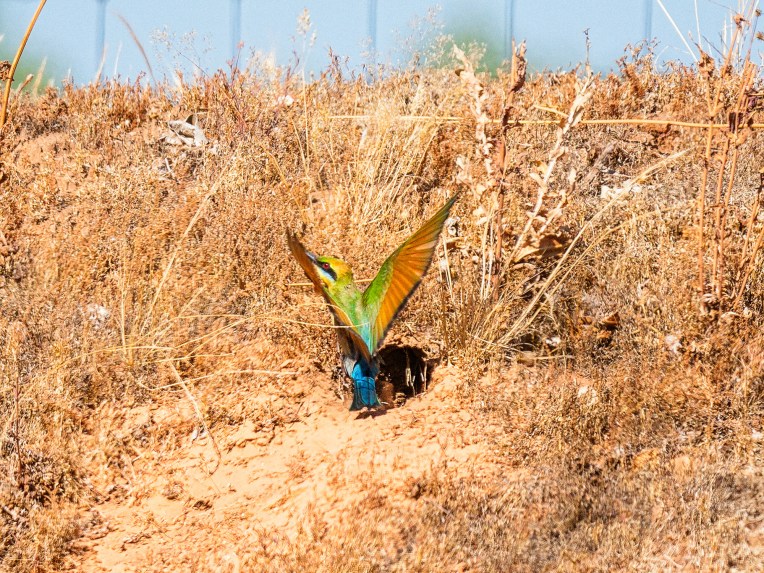
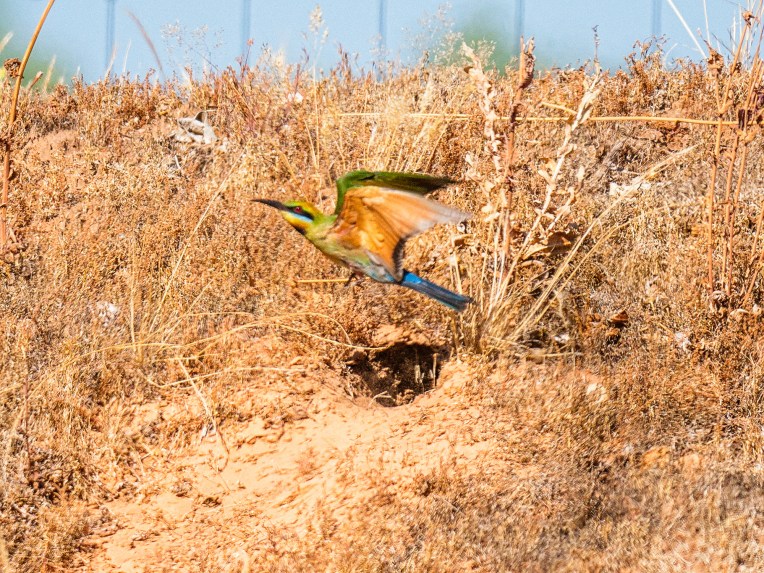
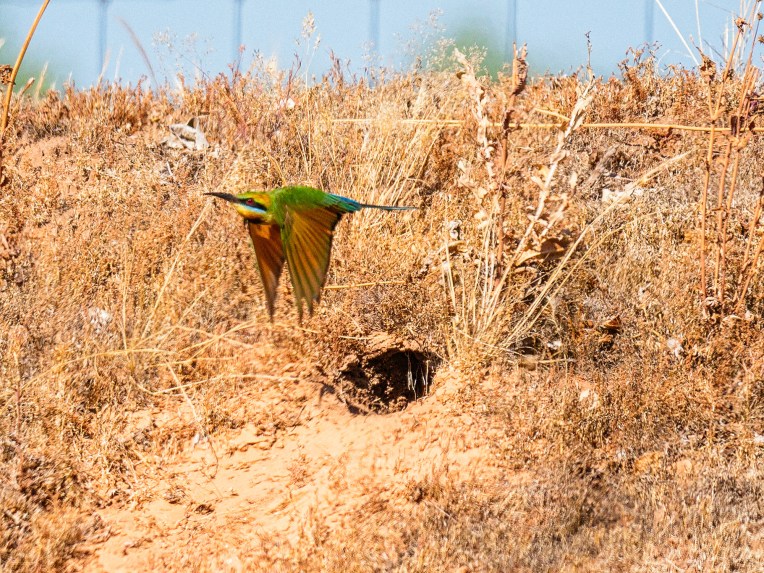
A Little Reserved


Forrestdale Lake (originally Lake Jandakot, it was renamed in 1973) lies within the Forrestdale Lake Nature Reserve which is about 25 kilometres south of the Perth CBD on the southern fringes of the Perth metropolitan area. The lake is shallow and seasonal with a large area 220 to 245 hectares of open water when full. In June or July, Lake Forrestdale starts to fill, and about the end of September, it reaches its maximum depth which is somewhere between 200 and 500mm depending upon the winter rains and it usually dries out by mid-summer. That was not always the case as the lake used to hold a lot more water than it does now, and some years it did not dry up at all. Diminishing rainfall, and ground water extraction from government and private bores are some of the reasons for the lake’s decreasing water levels.


Before white fellas came Lake Forrestdale was a special place for the Whadjuk Nyoongar who camped around its shores and hunted long-necked turtles, waterfowl and their eggs; koonacs and gilgies, possums, kangaroos, quendas and many other animals that are now locally extinct. The first white settlers were William and Alfred Skeet in 1885 and they had a licence to fell and sell timber. Shortly after most of the land around the lake was cleared for farming and grazing despite that the lake continued to be a major breeding site, migration stop-over and semi-permanent drought refuge area for waterbirds so in 1957 the lake was gazetted as an “A” class nature reserve for the conservation of flora and fauna and to provide a location for recreational sailing. On 7 June 1990, along with Thomsons Lake 10 kilometres to the west, it designated under the Ramsar Convention as a wetland of international importance and both lakes form the Forrestdale and Thomsons Lakes Ramsar Site. It’s easy to see why. More than 20,000 waterbirds have been recorded on Forrestdale Lake. It regularly supports more than 1% of the national population of five shorebirds: red-capped plover (with up to 1,300 recorded at any one time), black-winged stilt (3,840), red-necked avocet (1,113), long-toed stint (up to 80), and curlew sandpiper (2,000). In some years it supports more than 10,000 ducks, including Australian shelduck (up to 1,650 counted), Pacific black duck (5,500), grey teal (9,000), Australasian shoveler (2,000), and hardhead (1,053). The lake is one of the few sites in Western Australia where little ringed plover and little stint have been recorded more than once, and it is the only location in the state where white-rumped sandpiper has been recorded. A comprehensive list of all the bird species seen at the reserve can be seen at eBird Australia.


The entyrance to the Forrestdale Lake Nature Reserve.


So when BSO (Beloved Significant Other) announced she was mounting a campaign to achieve croquet world domination I would use the opportunity of a weekend in Perth to have a gander at Forrestdale Lake Nature Reserve.  So a quick peruse of the interwebs told me that the best place to start was was at the parking bay at the Skeet Memorial Park on Moore Street in Armadale. There I would find a comprehensive information board about the area and would also give me quick access to the bird observation platform. Having read all about all the different birds that use the lake I was expecting a birding nirvana. Unfortunately we’d had a dry winter and the water line was a good 600m from the platform which meant I had Buckley’s chance of seeing any water birds up close and personal.


The bird observation platform at Forrestdale Lake.


Fall back plan was to walk around the lake and just photograph what I found on the way. Once you leave the main entrance area there is little signage except for the keep out variety which is attached to the continuous fence designed to, funnily enough, keep people out. It was quite a frustrating experience – I could hear plenty of bird activity on the other side of the fence but I had no way of getting closer. For much of the walk you are in a narrow corridor of about 5 or 6 metres between two substantial fences with signs saying you are under surveillance – it’s hardly a nature experience. I’ve been to military bases which are more friendly. I feel this is a hugely wasted opportunity. Thomson’s Lake is much more accessible to visitors, and the Spectacles also makes much of it Aboriginal cultural significance.  I’ve written previously that if people are having less and less opportunities to interact with nature that will create an antipathy towards the natural world and consequently they will cease to care about it. So to get people to be more aware of environmental issues they must be encouraged to reconnect with nature. There is very little opportunity for the casual visitor to interact with all that Forrestdale Lake offers so in many ways it defeats its stated purpose of raising public awareness about the importance of this chain of wetlands. Normally I am very positive about these types of reserves and have written about them in the past in glowing terms. I don’t like being negative or critical, but I really do feel that this is a waste of resources.


One of the many signs that warn you about unauthorised access.


The fence that rings the lake preventing unauthorised access.


Big brother is in full surveillance mode at Forrestdale Lake Nature Reserve.


Can I recommend the place as worth a visit? If you want a a bit of a walk with a nature experience then I would suggest that are better places and I’ve written about quite a few of them. If you are a die hard birder then I’d find out what the water levels are before visiting. There is little point in visiting if there is no water in the lake.


Red Wattlebird, Anthochaera carunculata subspecies woodwardi, at Forrestdale Lake Nature Reserve.


White-headed Stilt, Himantopus himantopus subsp. leucocephalus, Forrestdale Lake Nature Reserve.


Grey fantail, Rhipdiura albiscapa, Forrestdale Lake Nature Reserve.


Grey Butcherbird, Cracticus torquatus, Forrestdale Lake Nature Reserve.


Oh and BSO (Beloved Significant Other had a better time of it than I did and achieved world croquet domination – well she won the State Mixed Doubles for Golf Croquet.


2020 Croquetwest GC State Mixed Doubles. Forest Park Croquet Club, Mount Lawley, Western Australia.


2020 Croquetwest GC State Mixed Doubles. Forest Park Croquet Club, Mount Lawley, Western Australia.

And I Still Haven’t Found What I’m Looking For*


Bamborn by Paul Amyes on 500px.com
I’d gone to Locke Nature Reserve near Busselton looking for common helmet and midge orchids, but they weren’t flowering. This Western Yellow Robin (Eopsaltria griseogularis) and its mate kept darting in and out of the bush as I walked along the track so I photographed them instead.

This nature photography lark is a lot harder than it looks. I follow a couple of YouTube channels from the UK that weekly show the host going out to some location to photograph and /or film a particular animal or plant. They always find it and always get   good images. My experience is a bit different to that. I find that you can go out with all the best intentions in the world,  but if nature isn’t playing ball then you don’t get anything. I’ve lost count of the number of times that I’ve set out to look for the Cleopatra’s Needles Orchid (Thelymitra apiculata) driving 100’s of kilometres to find absolutely nothing. Take last weekend. We were down in the South West of Western Australia as my partner was again playing in a croquet tournament. So I’d researched what was about in terms of birds and orchids and set out to several locations with a specific list of what I wanted to photograph. The first stop was Malbup Creek Bird Hide where I wanted to see tawny frogmouths and white-bellied sea-eagles. Well I spent a nice morning at the hide without seeing them. I did get a nice shot of a shelduck and the local kangaroos were hamming it up for a photo.


Koorak by Paul Amyes on 500px.com
Not the white-bellied sea-eagle I was looking for. Still he’s a very handsome Australian Shelduck.


Yongka by Paul Amyes on 500px.com
No tawny frogmouths to be seen let alone be photographed. The Western Grey Kangaroos were keen to oblige.
The next stop was Locke Nature Reserve looking for common helmet and midge orchids. Well after a couple of hours of scrabbling around in the undergrowth fighting off the unwanted attentions of the local mosquitoes I’d found lots of them, but none in flower. There were some Splendid Fairywrens in the nearby bushes but they really didn’t want their picture taken and kept dancing out of the way every time I got close. On the walk back to the car a couple of Western Yellow Robins flew slightly ahead of me. They would stop and perch periodically and I was lucky enough to grab a few frames.
My last spot was Westbay in Augusta looking for scented autumn leek orchids. Now I’d seen them before at this location and knew where to go. They weren’t there. Not a one was to be seen. But I did find some autumn leek orchids – close enough so I photographed them. Funnily enough the autumn leek orchid has a much more pleasant scent than the scented variety which has decidedly unpleasant pong.
Autumn Leek Orchid by Paul Amyes on 500px.com
Autumn Leek Orchid, Prasophyllum parvifolium. Westbay, Augusta, Western Australia
So there you have it another rewarding trip. I may not have found what I was looking for but I found other things and really enjoyed my time in the bush and that is what it is all about.
* This weeks musical reference is of course U2’s song I Still Haven’t Found. My favourite version is the one on 1988’s Rattle and Hum album.

Where’s Yer Bin?

No this is not the racist joke joke about  people from ethnic minorities and prison. This is a sensible post about ibis. Now not a lot of people know this – but there are three species of ibis in Australia. The most well known is the Australian White Ibis (Threskiornis molucca) also commonly known as the Australian Bin Chicken and sometimes referred to as the tip turkey thanks to its habit of rummaging in rubbish. I think we can all agree it is not a very good looking bird,  in fact it looks a little primeval.


Not So White Ibis by Paul Amyes on 500px.com
Australian white ibis, Threskiornis molucca, and not a bin in sight. Herdsman Lake, Western Australia


The second ibis that people may be aware of is the Straw-necked Ibis (Threskiornis spinicollis)and they are fairly widespread and can be found around shallow fresh water bodies. They have not succumbed to an urban diet of rubbish but feed on aquatic insects, molluscs, frogs, and on land, they thrive on grasshoppers, crickets, and locusts.


Straw-necked Ibis by Paul Amyes on 500px.com

Straw-necked Ibis, Threskiornis spinicollis. Herdsman lake, Western Australia


The third is one that most people are unaware of, and that is the Glossy Ibis (Plegadis falcinellus).  Seen in dull flat light the bird appears to be a dark dirty brown colour, but it is when it is seen in strong directional light its plumage takes on an iridescent green-and-purple gloss. One might almost say that for an ibis it is a good looking bird. They, like their straw-necked cousins, can be found foraging around large shallow fresh water bodies for  frogs, snails, aquatic insects and spiders. This is also our most cosmopolitan ibis being found not just in Australia but also  in warm regions of Europe, Asia, Africa,  and the Atlantic and Caribbean regions of the Americas.


Glossy Ibis by Paul Amyes on 500px.com
Juvenile glossy ibis, Plegadis falcinellus. Herdsman Lake, Western Australia.

Back Yard Birds 3

Carnaby's Black-cockatoos, by Paul Amyes on 500px.com
Carnaby’s black-cockatoos, Zanda (Calyptorhynchus) latirostris, preening prior to roosting. York, Western Australia. Canon EOS 6d with Sigma Contemporary 150-600mm f5-6.3 lens. Exposure: 1/250 sec, f6.3 at ISO 6400.

Ok Ok if the last backyard birds was a little stretch over what is my backyard this one is a huge leap – across the road. From my neighbour across the road’s front garden came this delightful occurrence – Carnaby’s Black-cockatoos roosting. These large cockatoos are now endangered thanks to widespread land clearing so it was fantastic to have them visit the neighbourhood.

Dotty About Dotterels

Black-fronted Dotterel by Paul Amyes on 500px.com
Black-fronted Dotterel (Elseyornis melanops), Avon River, Northam, Western Australia. Panasonic Lumix G85 with Panasonic Leica 100-400mm f4-6.3 lens. Exposure: 1/500 sec, f6.3 at ISO 250.


What do you do when you’ve got 2 hours to kill while in the Wheatbelt metropolis of Northam? Go looking for Black-fronted Dotterels that’s what! These busy little birds can be found on the muddy shoreline looking for insects and small molluscs.

Black-fronted Dotterel by Paul Amyes on 500px.com
Black-fronted Dotterel (Elseyornis melanops), Avon River, Northam, Western Australia. Panasonic Lumix G85 with Panasonic Leica 100-400mm f4-6.3 lens. Exposure: 1/500 sec, f6.3 at ISO 250.
Backyard Birds 2

Welllllllll…not strictly true. This Nankeen Kestrel was on the power pole on the nature strip in front of our house. Another metre and it would have been in the front garden so I’m claiming it. They often perch there in the cooler months to either observe the field opposite for small animals or to eat the small animal they’ve just caught. This one was running an observation post.


Backyard Birds by Paul Amyes on 500px.com
A nankeen kestral (Falco cenchroides) uses the power pole on our nature strip to watch for prey in the field oppersite. Canon EOS 6d with Sigma 150-600mm f5-6.3 lens. Exposure: 1/500 sec, f7.1 at ISO 100.


Birding On The Avon


Like many people at this time I’ve had my movements curtailed. Where I live we are allowed out locally for exercise so I’ve been going out for walks along the river to photograph and video the birds that can be found there. This is the third time I’ve tried to video wildlife and it is very hard.I don’t work from a hide so I have to set up quickly and quietly and often the birds will move on before I can get filming. Shooting mainly just after dawn or just before sunset has meant using high ISOs and made focusing difficult. But, the more you do it the better you get. The purpose of the video was to make something, learn something new and help keep me thinking positive thoughts during this time.

Just out of interest I’ll put the stills up below. They were shot on either a Canon EOS6d with the Sigma 150-600mm f4.5-6.3 Contemporary lens or the Olympus OMD EM1 mk ii with the Panasonic Leica 100-400mm f4-6.3 lens. I wonder if you can tell the difference at web size without enlarging to 100% or checking the EXIF data?

Rufous Whistler by Paul Amyes on 500px.com
A male Rufous Whistler (Pachycephala rufiventris). York, Western Australia.
 

Laughing by Paul Amyes on 500px.com
Laughing kookaburra, dacelo novaeguineae. York, Western Australia


Yellow Rumped Thornbill by Paul Amyes on 500px.com
Yellow Rumped Thornbill, Acanthiza chrysorrhoa, York, Western Australia.
 

Yellow-billed Spoonbill by Paul Amyes on 500px.com
Yellow-billed Spoonbill (Platalea flavipes), Avon River, York, Western Australia.
 

Great Egret by Paul Amyes on 500px.com
Great egret, Ardea alba, feeding on the Avon River. York Western Australia


Tatty Robin by Paul Amyes on 500px.com
Tatty robin. Red-capped Robin (Petroica goodenovii), York, Western Australia.
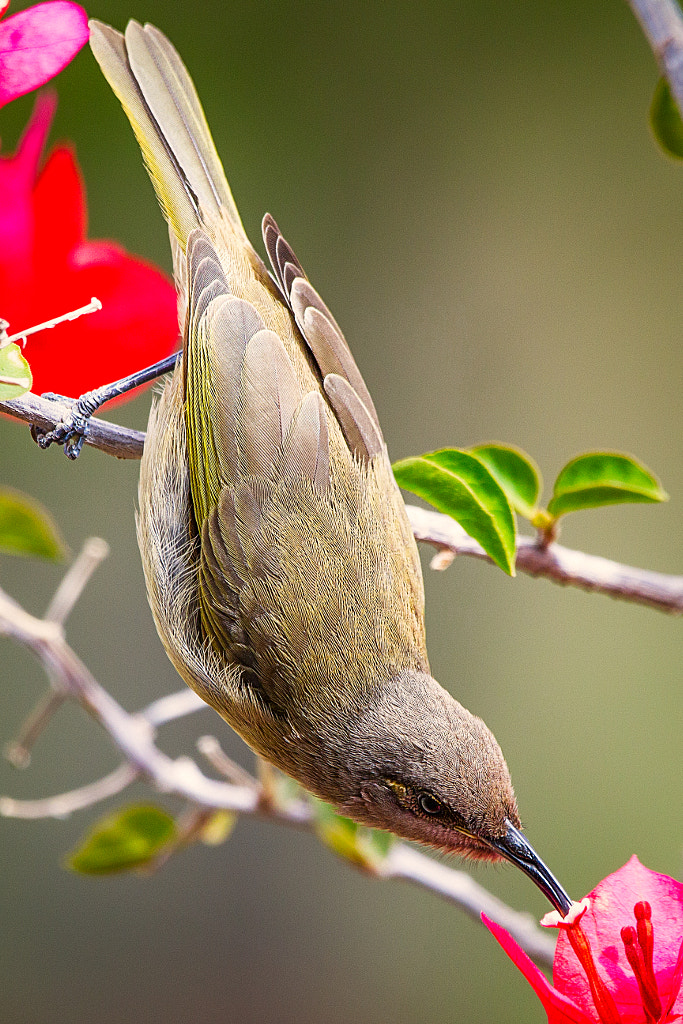
 

Brown Honeyeater by Paul Amyes on 500px.com
Brown Honeyeater, Lichmera indistincta, York, Western Australia.
 

Yellow-billed Spoonbills by Paul Amyes on 500px.com
A pair of Yellow-billed Spoonbill (Platalea flavipes) feeding on the Avon River in York, Western Australia.


Dawn Hunt by Paul Amyes on 500px.com
A great egret (Ardea alba) and a white faced heron (Egretta novaeholladiae) hunting in the early morning light on the bank of the Avon River in York, Western Australia.


Great Egret by Paul Amyes on 500px.com
A great egret (Ardea alba) hunting in the early morning light on the bank of the Avon River in York, Western Australia.
 

Red-cap Dawn by Paul Amyes on 500px.com
Red-capped Robin (Petroica goodenovii), York, Western Australia.


Backyard Birds

Well it seems that the COVID-19 restrictions have been in place for an age. Here in Western Australia the social distancing requirements aren’t as strict as some places, but we still aren’t able to go where we want and do what we want. It makes me more appreciative of what my parents went through growing up in the Great Depression and then after that the Second World War. But anyway to keep myself from going totally mad I’ve been working on a few projects. This one is to document all the birds that come into our backyard. I’ve not got them all by any means. Some are very elusive and just don’t want their photos taken for some reason. Can’t imagine why. Here is a selection form the last couple of weeks.


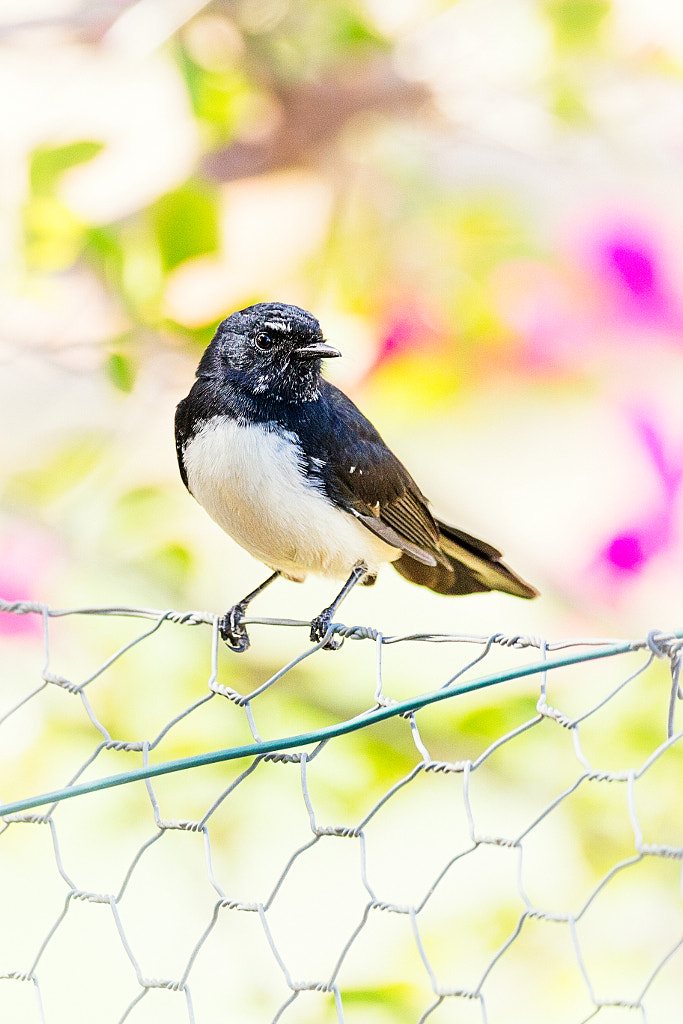
Backyard Birds by Paul Amyes on 500px.com
Willie Wagtail on the back fence. York, Western Australia. Canon EOS 6d with Sigma 150-600mm f5-6.3 Contemporary lens. Exposure: 1/500 sec, f7.1 at ISO 1600.


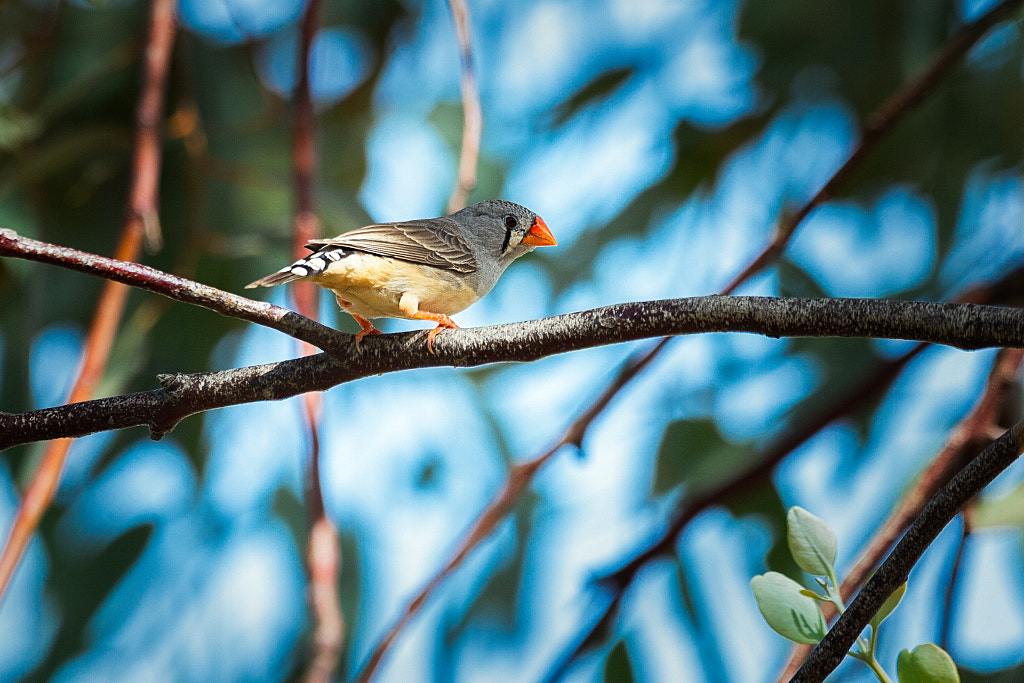
Backyard Birds by Paul Amyes on 500px.com
Zebra finch, Taeniopygia guttata. York, Western Australia. Canon EOS 6d with Sigma 150-600mm f5-6.3 Contemporary lens. Exposure: 1/500 sec, f6.3 at ISO 400.
 

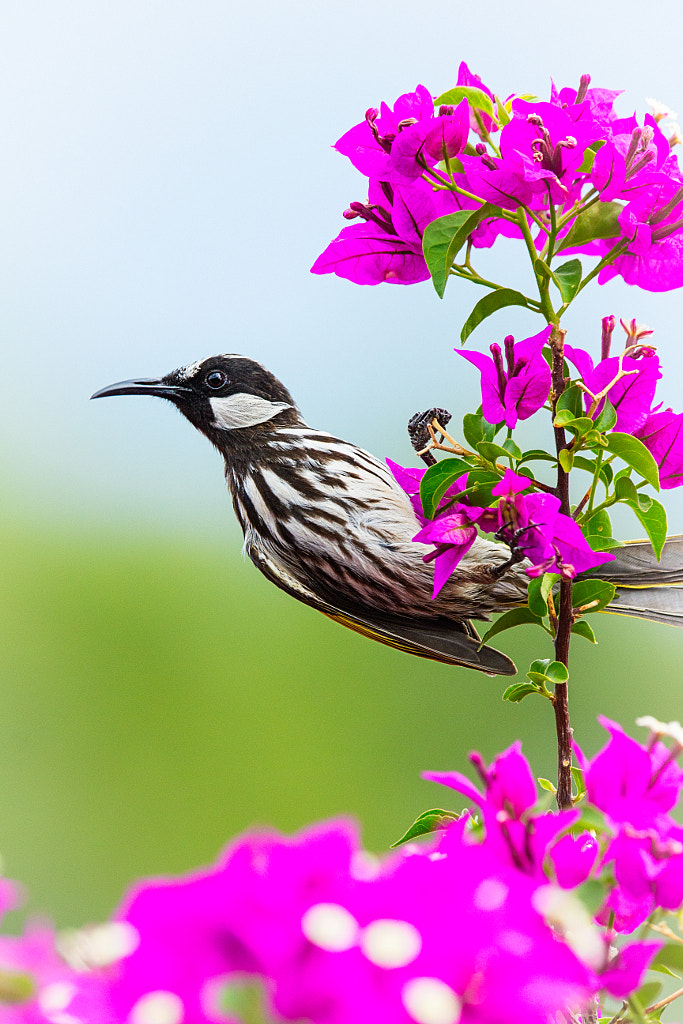
White-cheeked Honeyeater by Paul Amyes on 500px.com
White-cheeked Honeyeater, W, in my back garden. York, Western Australia. Canon EOS550d with Sigma 150-600mm f/5-6.3 DG OS HSM Contemporary lens. Exposure: 1/500 sec, f7.1 at ISO 500.


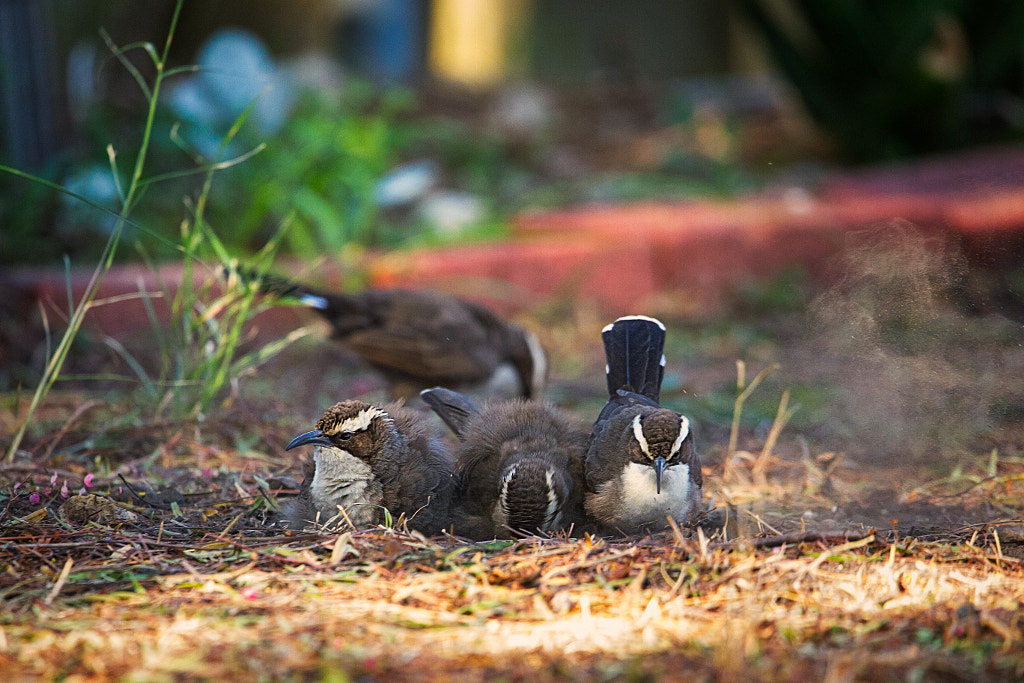
Backyard Birds by Paul Amyes on 500px.com
White browed babblers (White) breaking the social distancing rules by communal dust bathing. York, Western Australia. Canon EOS 6d with Sigma 150-600mm f5-6.3 lens. Exposure: 1/500 sec, f6.3 at ISO 5000.
 

Brown Honeyeater by Paul Amyes on 500px.com
Brown Honeyeater, Brown, in my back garden. York, Western Australia. Canon EOS 550d with Sigma 150-600mm f5-6.3 lens. Exposure: 1/500 sec, f6.3 at ISO 320.
 

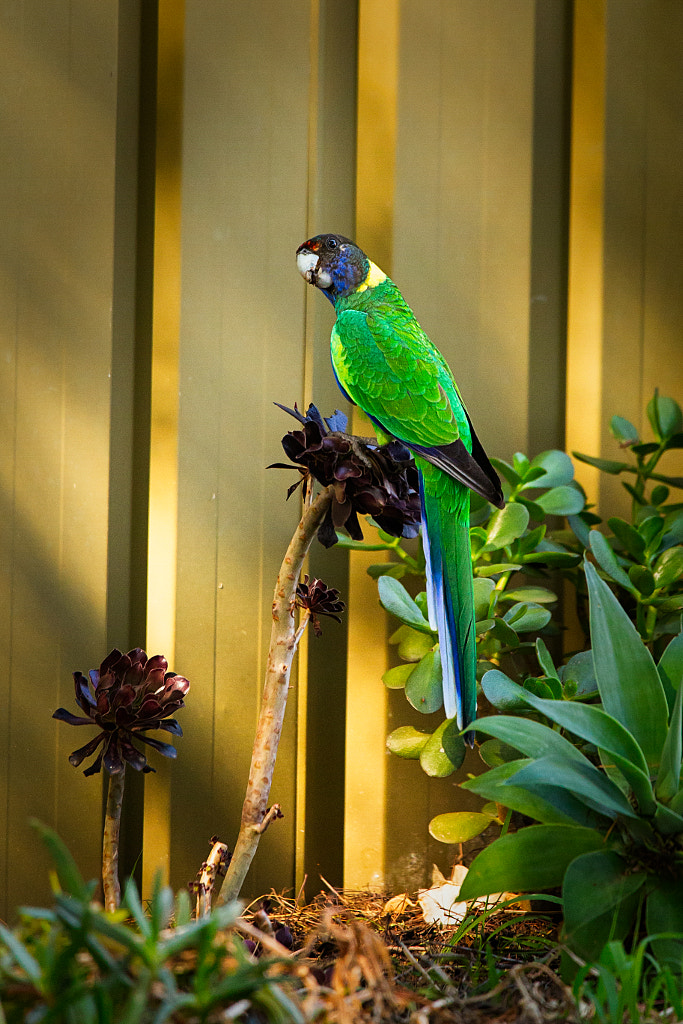
Backyard Birds by Paul Amyes on 500px.com
Australian Ringneck aka twenty-eight parrot,Aus. York, Western Australia. Canon EOS 6d with Sigma 150-600mm lens. Exposure: 1/500 sec, f6.3, at ISO 6400.
Well that’s it for this week. Stay safe, keep positive and try and keep busy.

Busy Little Bees….

…. er that should read busy rainbow bee eaters.

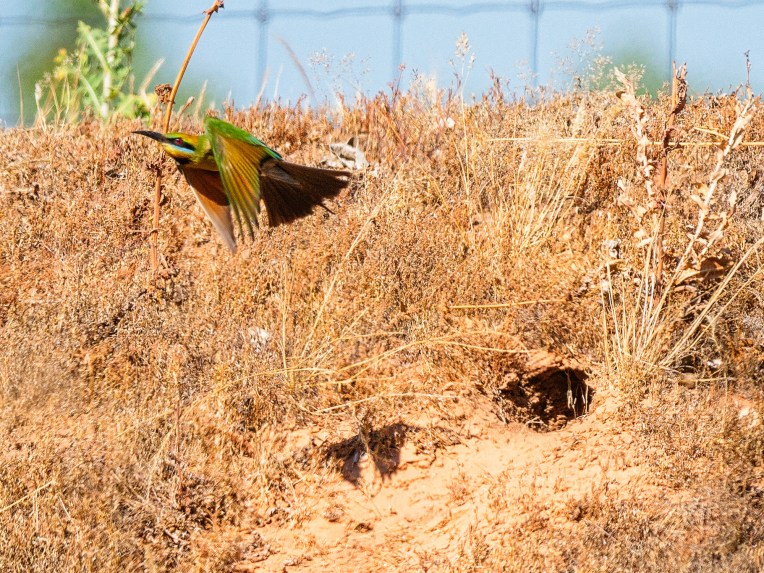
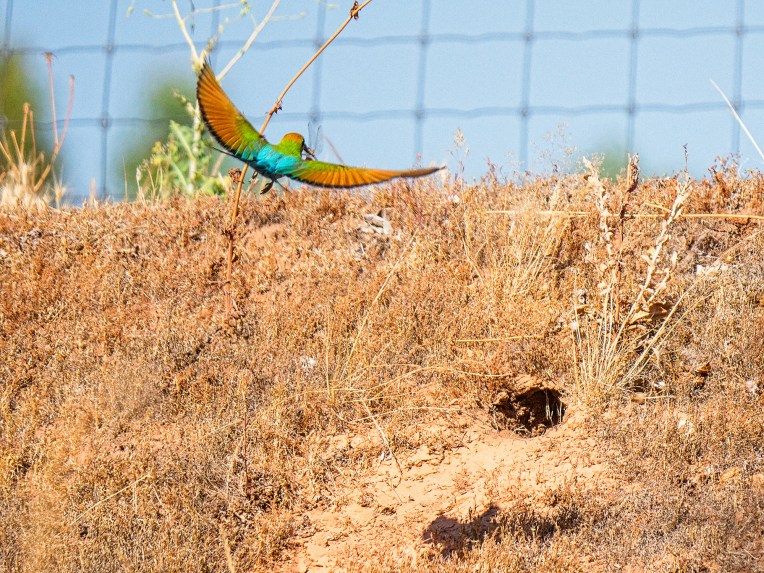
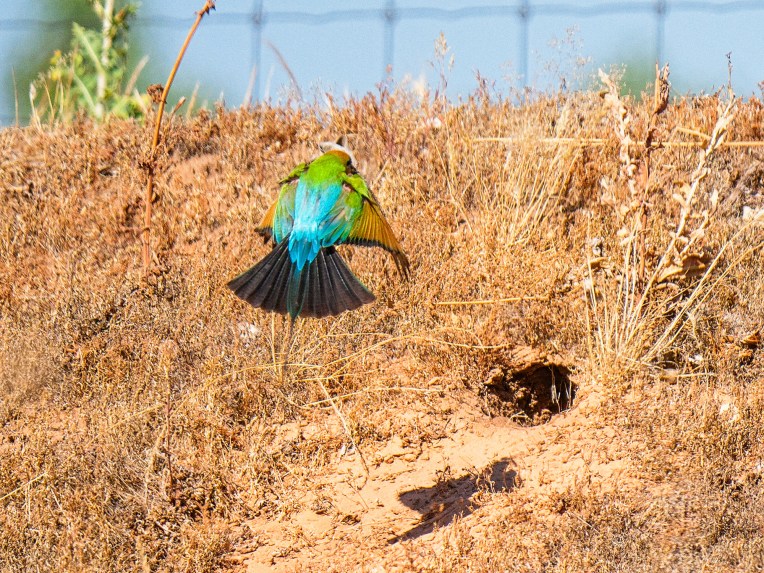
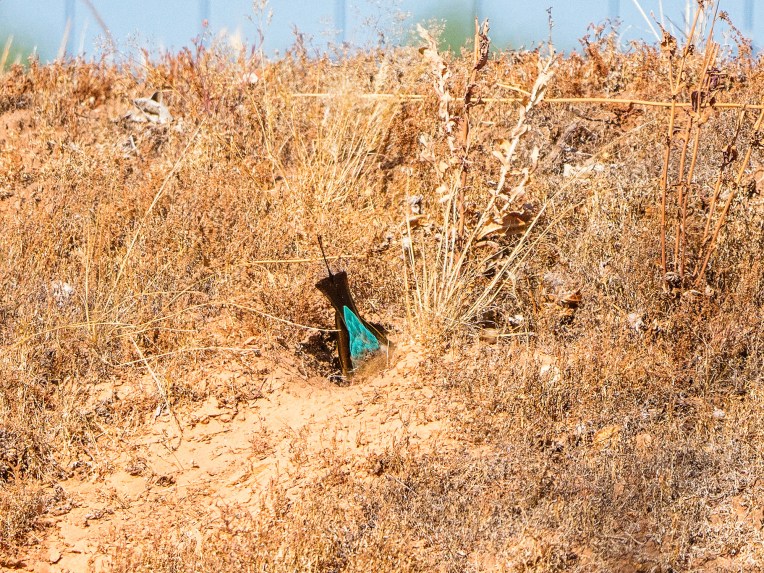
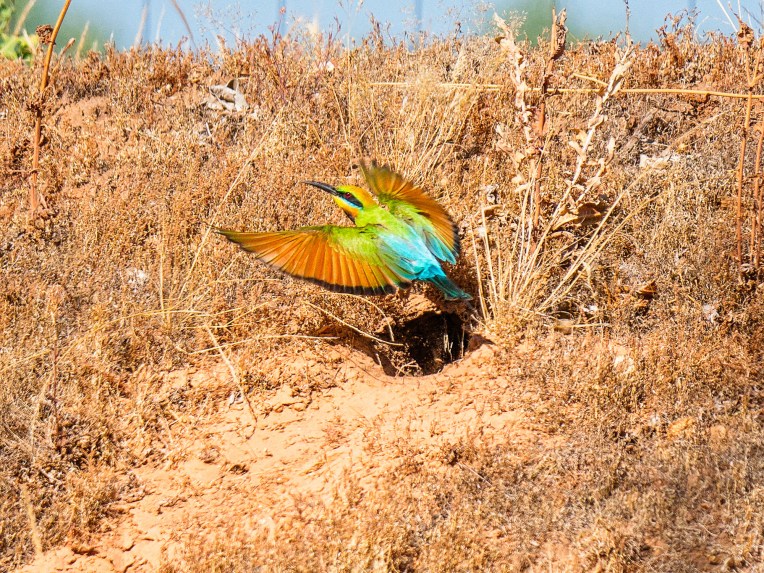
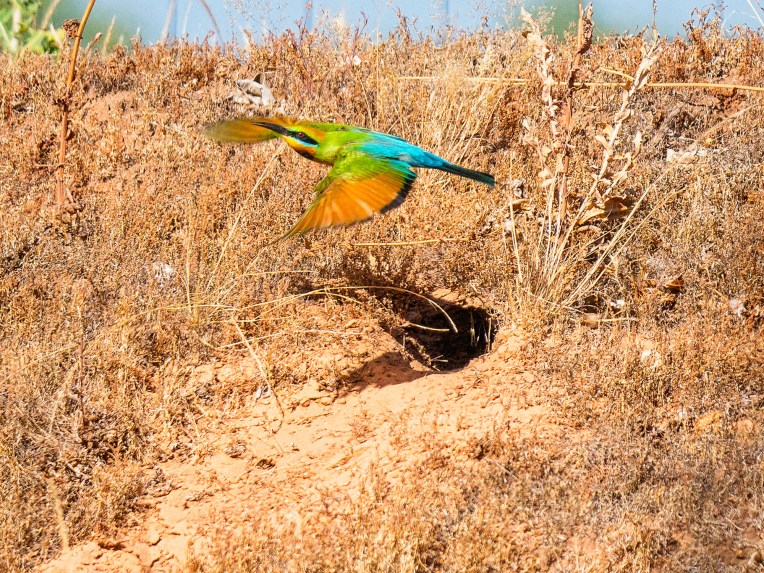
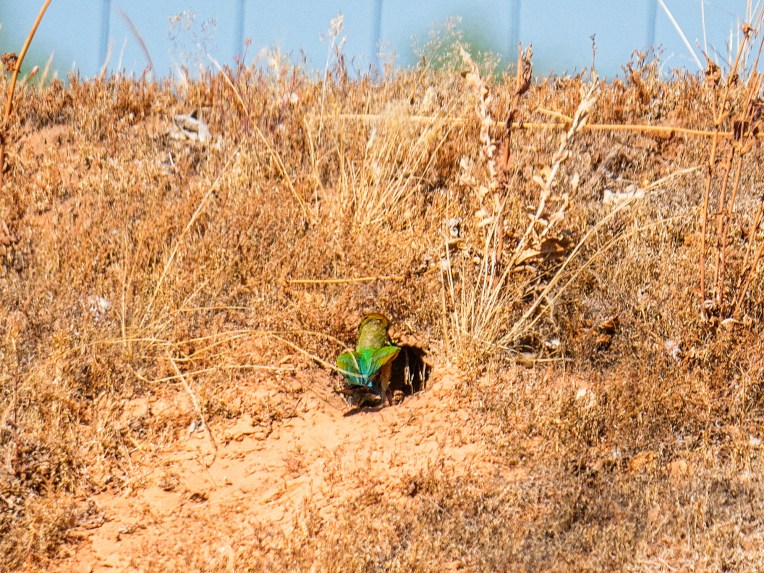
Rainbow Bee Eaters (Merops ornatus) catching insects and taking them to their chicks in their burrows.


Walking down by the Avon this morning there was a lot of commotion. A steady “prrrp-prrrp” sound followed by a flash of bright colour. Scanning the trees I found what I was looking for in the branches of a big old dead gum tree. A male rainbow bee eater bashing a large insect on the branch till it was dead so it could take it to its young brood. On further inspection I noticed that there was a holding pattern going on with mum and dad taking it in turns to take food to their ever demanding young.


Mum taking off to make the delivery while dad waits patiently to be cleared for take off.


A further shufti and I find the burrow and settle myself in to watch the parents fly in the food supplies. It was non stop, no let up at all. First off we see dad make a trip.


Rainbow Bee Eaters (Merops ornatus) catching insects and taking them to their chicks in their burrows.


Rainbow Bee Eaters (Merops ornatus) catching insects and taking them to their chicks in their burrows.


Rainbow Bee Eaters (Merops ornatus) catching insects and taking them to their chicks in their burrows.


Rainbow Bee Eaters (Merops ornatus) catching insects and taking them to their chicks in their burrows.


Rainbow Bee Eaters (Merops ornatus) catching insects and taking them to their chicks in their burrows.


Rainbow Bee Eaters (Merops ornatus) catching insects and taking them to their chicks in their burrows.


Rainbow Bee Eaters (Merops ornatus) catching insects and taking them to their chicks in their burrows.


As soon as he is clear it’s mum turn.


Rainbow Bee Eaters (Merops ornatus) catching insects and taking them to their chicks in their burrows.


Rainbow Bee Eaters (Merops ornatus) catching insects and taking them to their chicks in their burrows.


Rainbow Bee Eaters (Merops ornatus) catching insects and taking them to their chicks in their burrows.


Rainbow Bee Eaters (Merops ornatus) catching insects and taking them to their chicks in their burrows.


Rainbow Bee Eaters (Merops ornatus) catching insects and taking them to their chicks in their burrows.


Rainbow Bee Eaters (Merops ornatus) catching insects and taking them to their chicks in their burrows.


Rainbow Bee Eaters (Merops ornatus) catching insects and taking them to their chicks in their burrows.


All pictures taken with a Panasonic Lumix G85 with Panasonic Leica Vario Elmar 100-400mm f4-6.3 lens.


Below is a short video clip containing footage of the birds and some more stills.