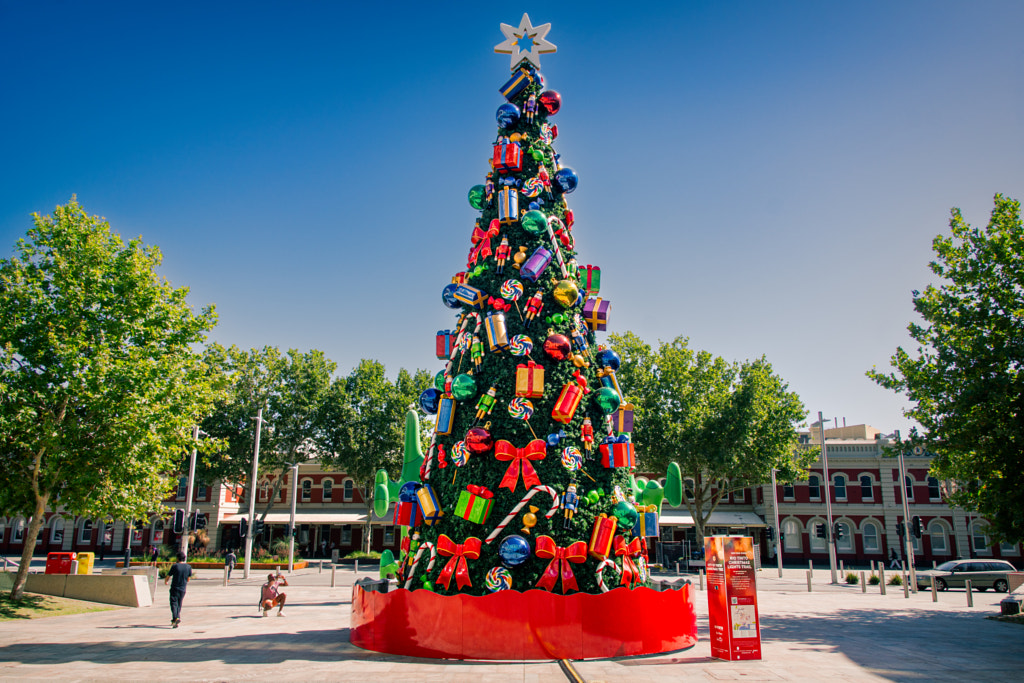
City of Perth Christmas Tree in Forest Place, Perth.
We’re gearing up for West Aussie Christmas. Temp here in the Wheatbelt metropolis is expected to be 38ºC or 100ºF so it’s a case of staying under the aircon and Christmas lunch can’t involve the oven. Hope everyone stays safe over the holidays and has a great time.
What do you do when you have to take your car into Perth to get it serviced but don’t want to hang around in the city and catch COVID? Go on a safari of course!!
My safari took me to Point Fraser and Heirisson Island. Heirisson Island is a small island of 285,600 sq. metres in the Swan River between East Perth and Victoria Park. Most people will know of it through crossing the Causeway which is the bridge over the river. It wasn’t always called Heirisson Island. Long before European explorers and colonists arrived there was a few smaller islands and some mudflats which was called Matagarup by the Beeloo Nyoongar. The name means one leg deep. The first known European visitors were led by Willem de Vlamingh in 1696. He and some of his crew rowed up the river and saw the black swans which led him to name the river the Swan River (Zwaanenrivier in Dutch). They got as far as the mudflats and island and could go no further. In 1801 Nicolas Baudinfrom the French ship Le Naturaliste traveled up river and he named the island after his midshipman François-Antoine Boniface Heirisson. Since the early arrivals the river has been dredged and there has been a lot of land reclamation which has seen the mudflats disappear and the formation of the present island.
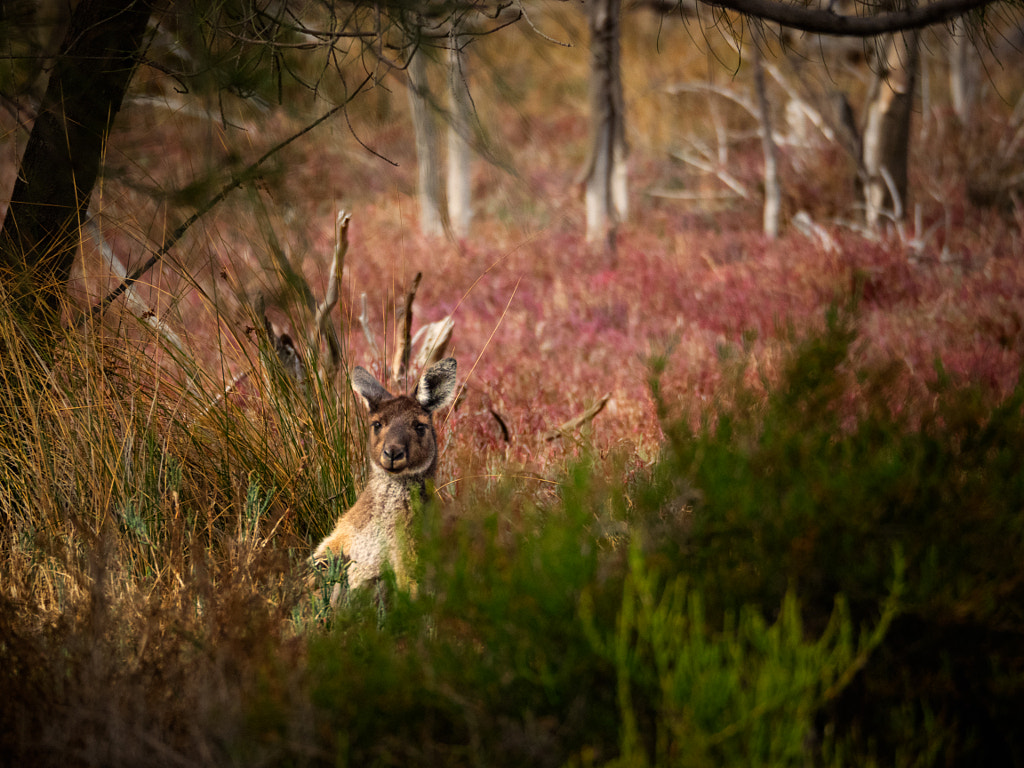
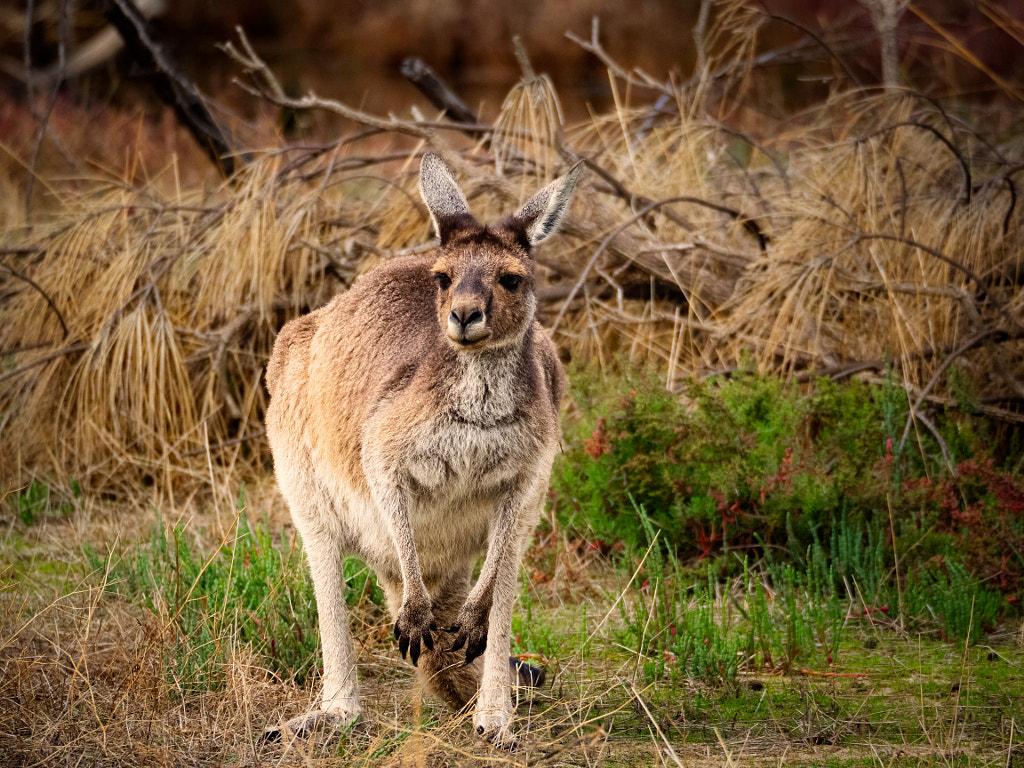
Yongka or Western Grey Kangaroo, Macropus fuliginosus. Herrison Island, Western Australia.
There is a footpath round the island which is 2 Km in length which makes it perfect for an inner city safari. As far as the wildlife goes 92 different species of bird have been observed on the island and there is a resident population of Western Grey kangaroos which were introduced in 1998. Funnily enough I’ve walked round the island several times over the years and not seen a single kangaroo. Amazing considering that it’s a small island and they’re relatively large animals. But kangaroos are very good at making themselves scarce during daylight hours. This visit was different I saw three female kangaroos, two lazing around in the bushes and one grazing. In fact the one that was grazing was very curious and came right up to me – I think it was an attempted mugging because as soon as she realised I didn’t have anything worth stealing in the way of food she was off.
This female checked me out to see what food offerings were available. I was a bit of a disappointment as I had nothing.
I must say it was a very pleasant way to pass the time and I’m looking forward to going again – hopefully to coincide with dawn or dusk.
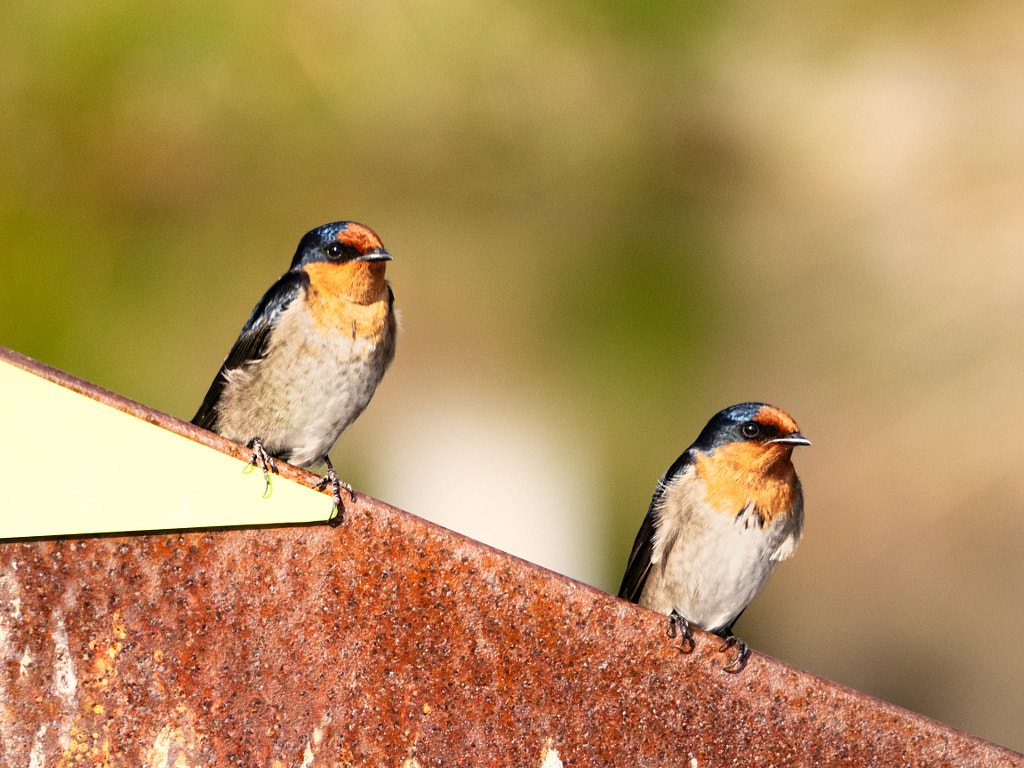
These two welcome swallows were very obliging and let me take their photo.
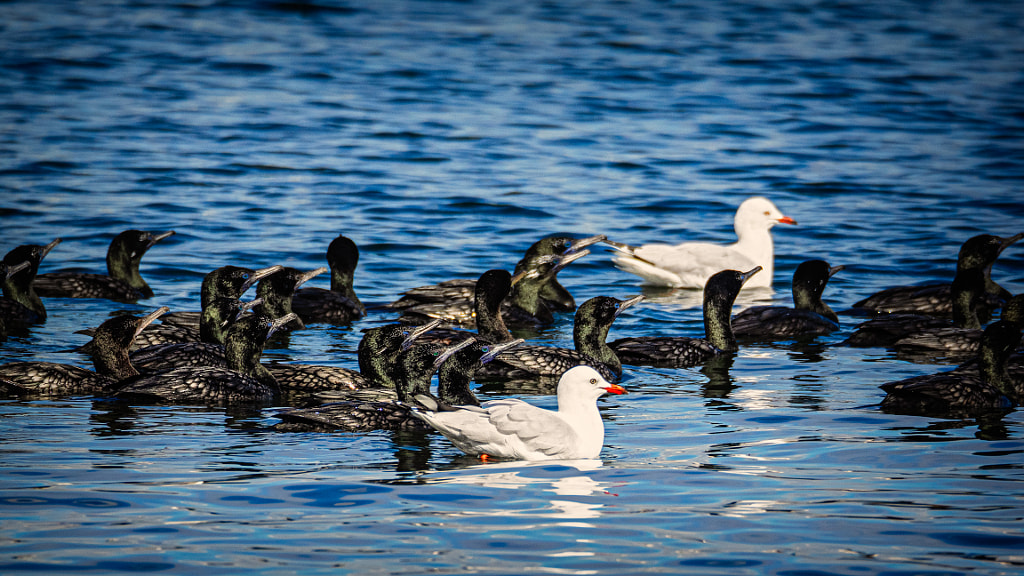
The Swan River Cormorants Club does not discriminate on the basis of colour or species – all are welcome.
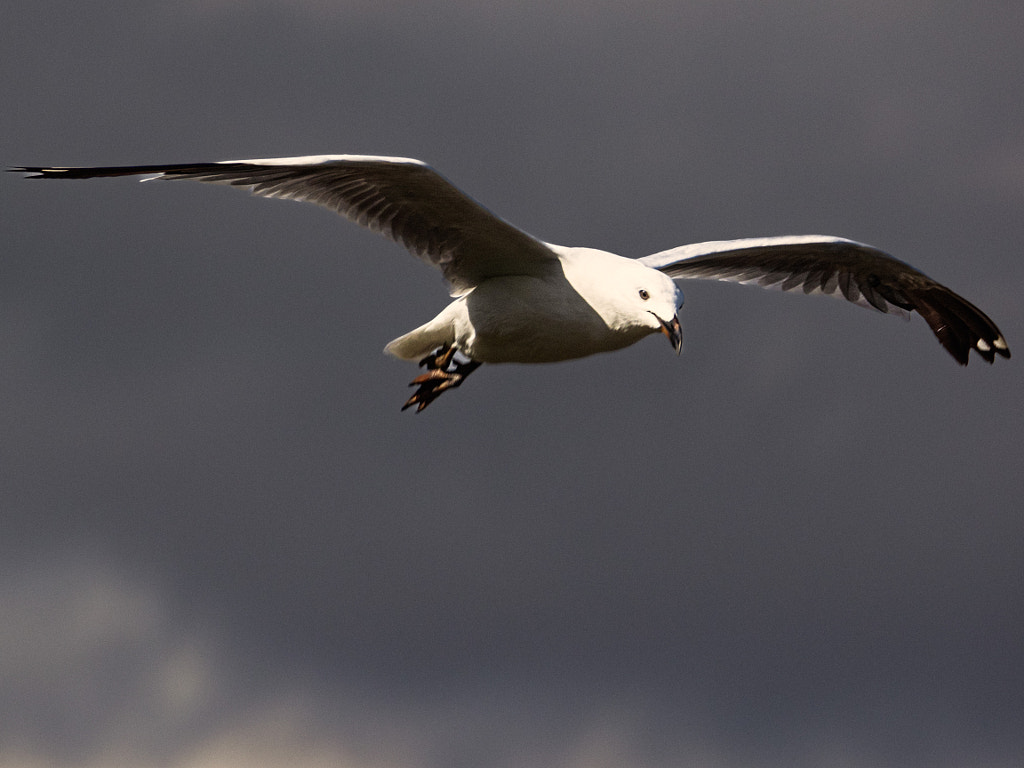
Not having any chips meant this silver gull just kept flying past.
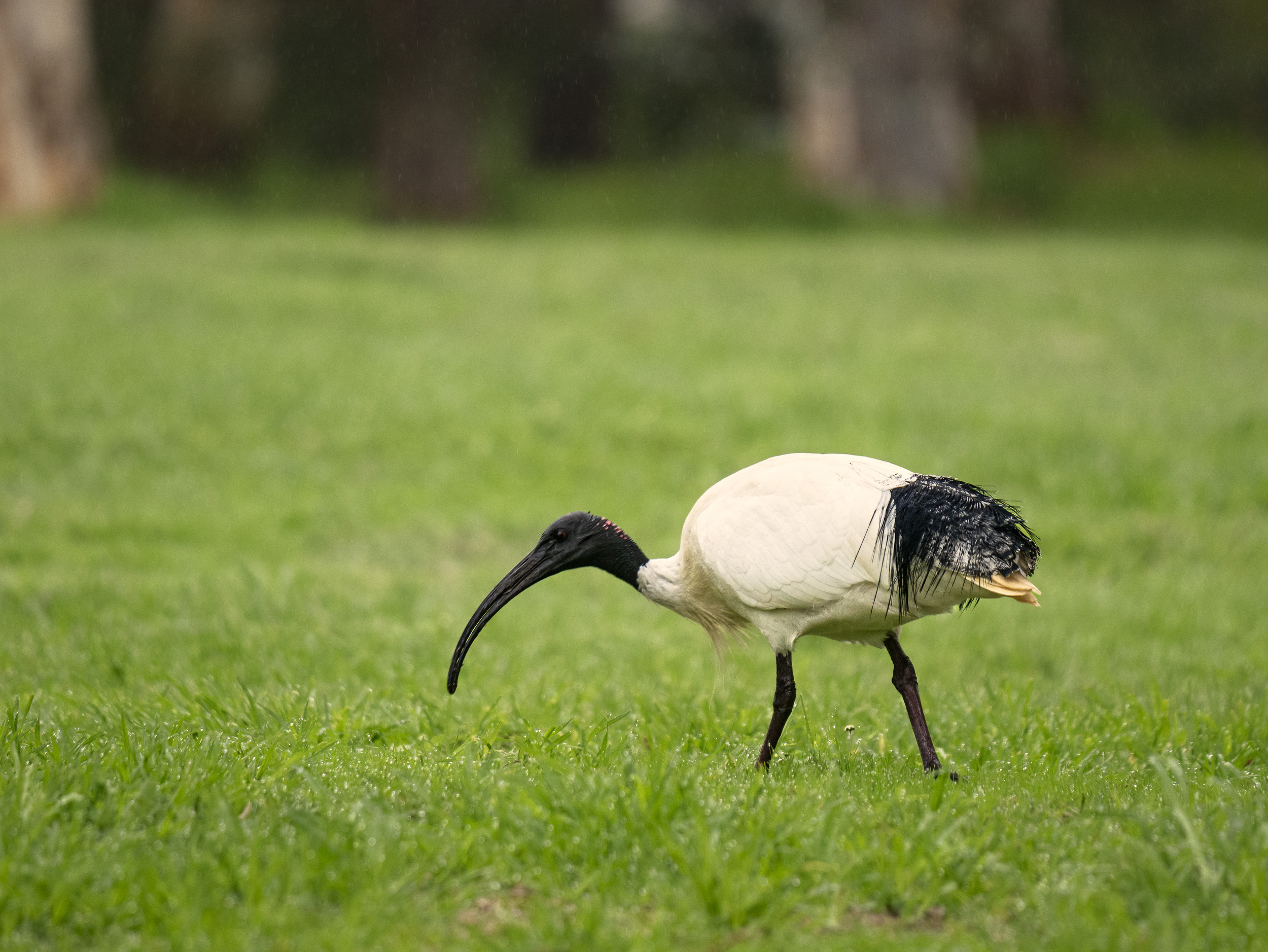
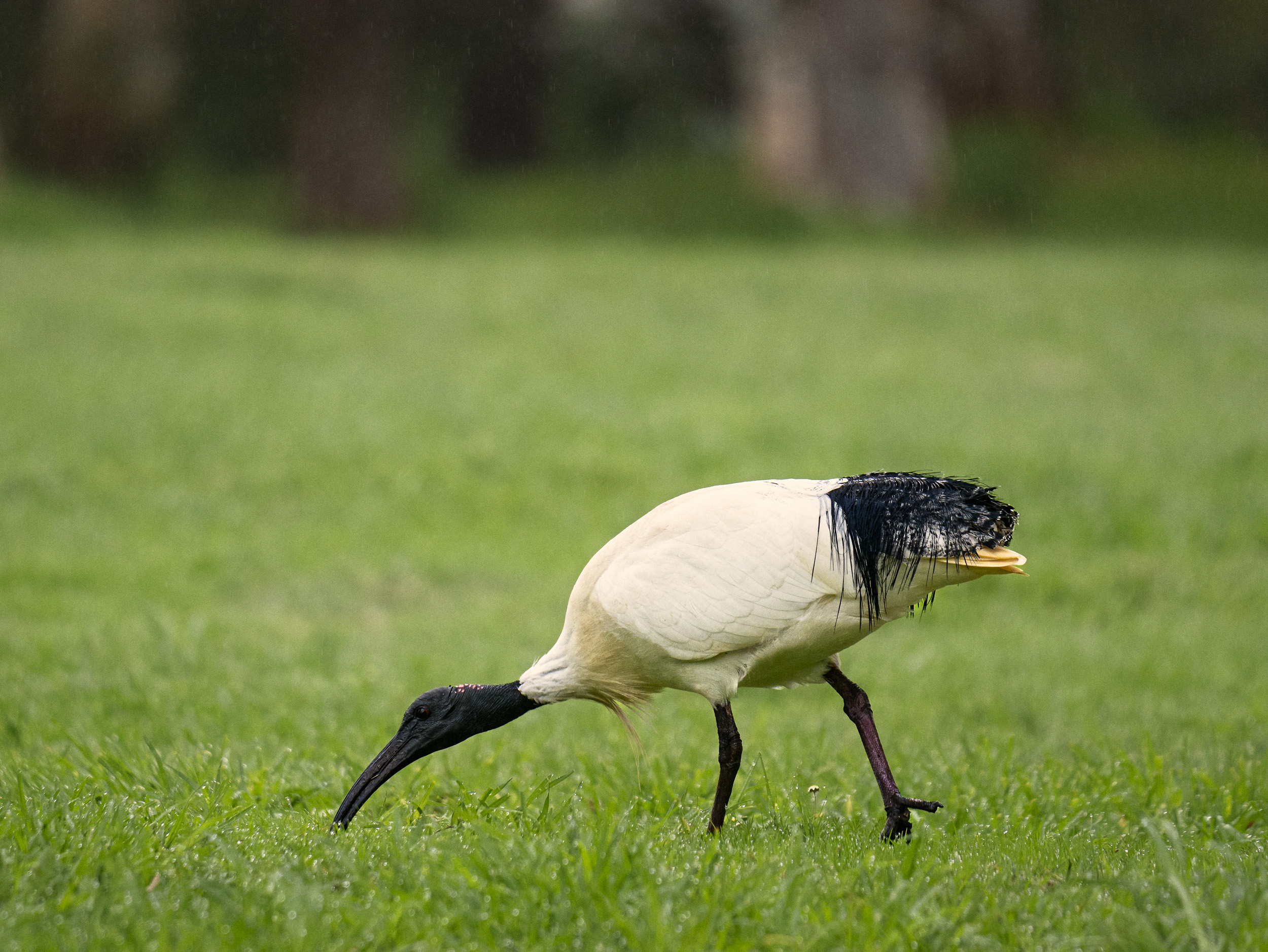
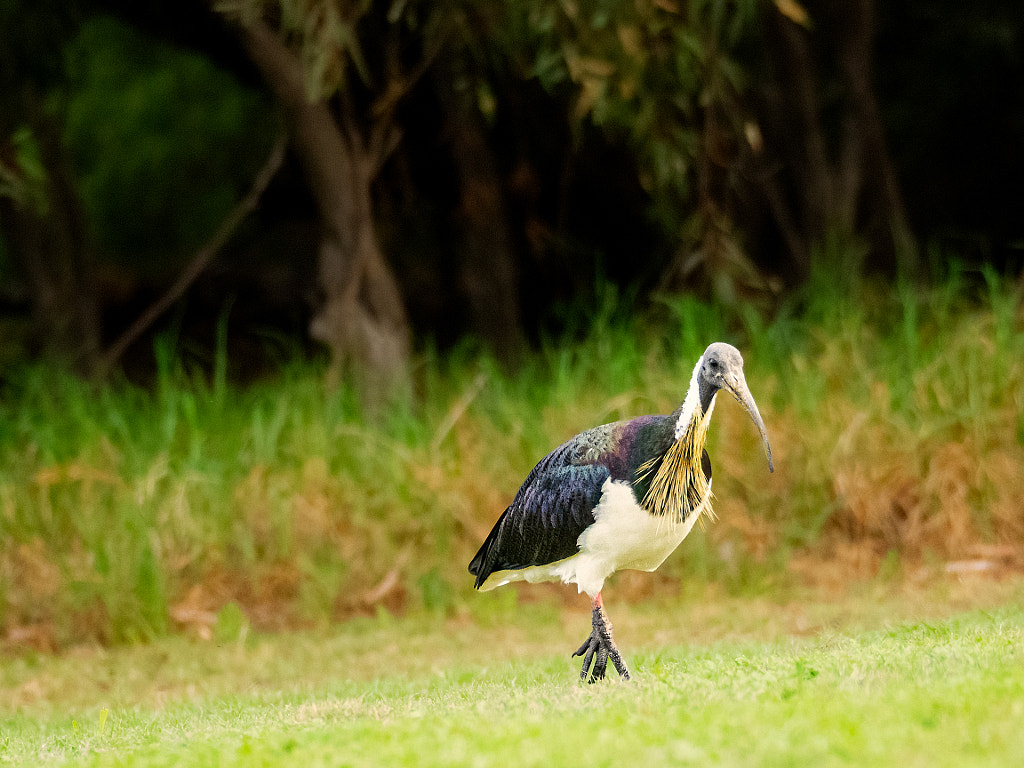
Straw-necked Ibis, Threskiornis spinicollis. Herrison Island, Western Australia.
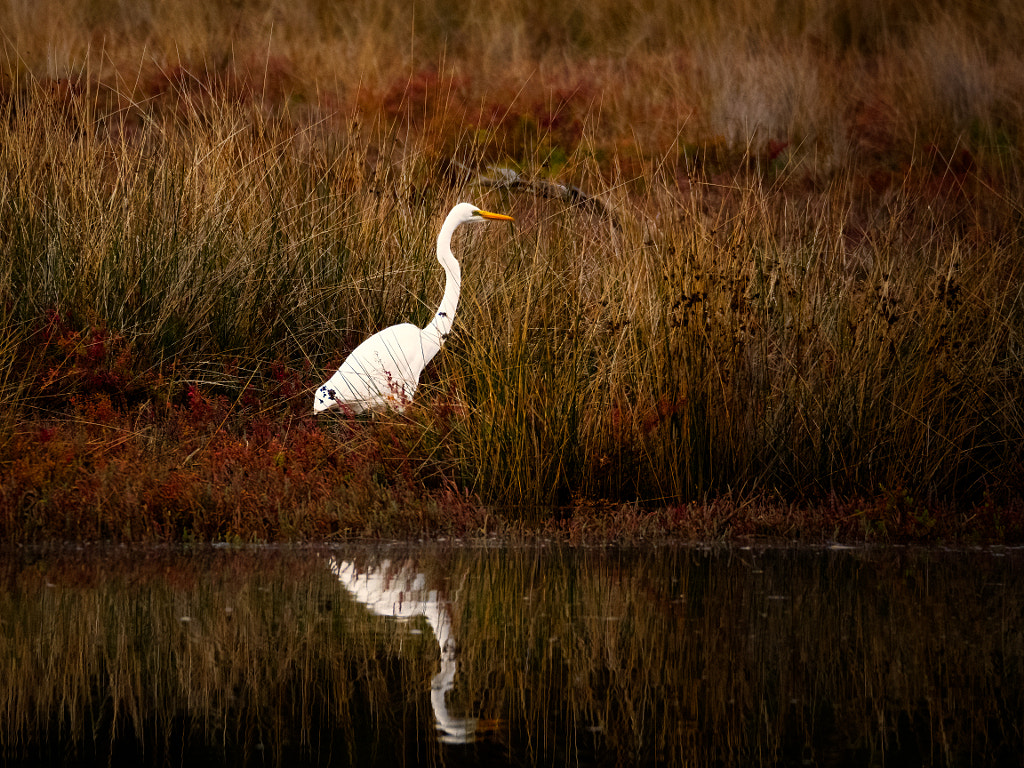
Great Egret, Ardea alba modesta. Herrison Island, Western Australia.
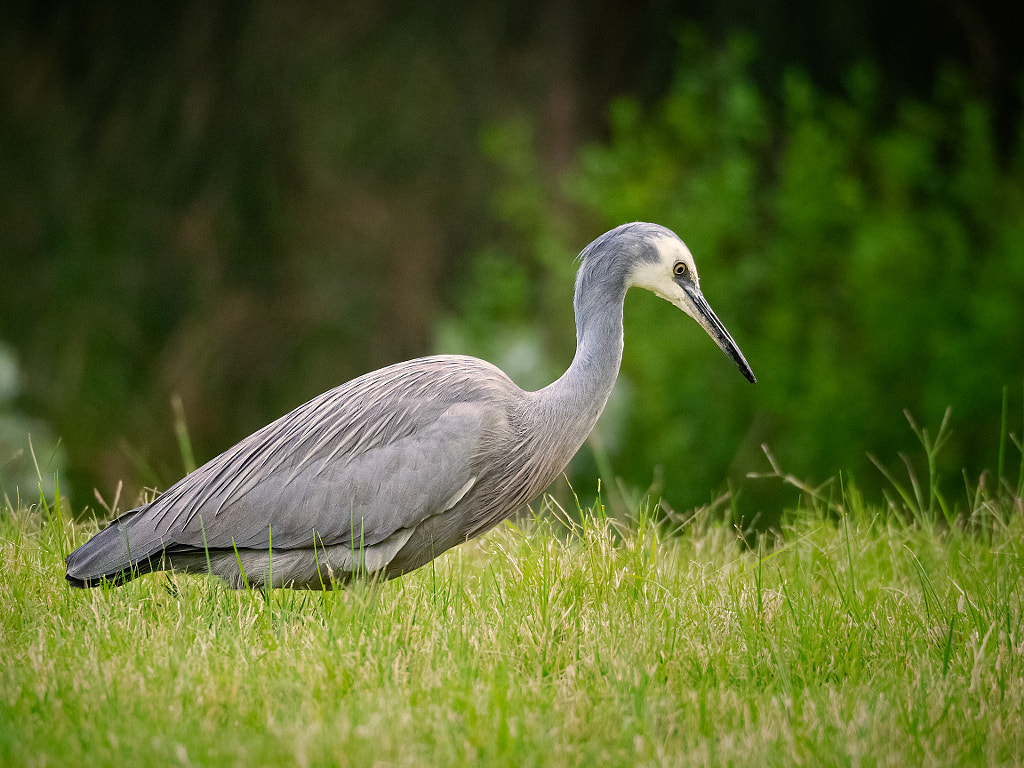
White-faced heron, Ardea novaehollandiae. Point Fraser, Western Australia.
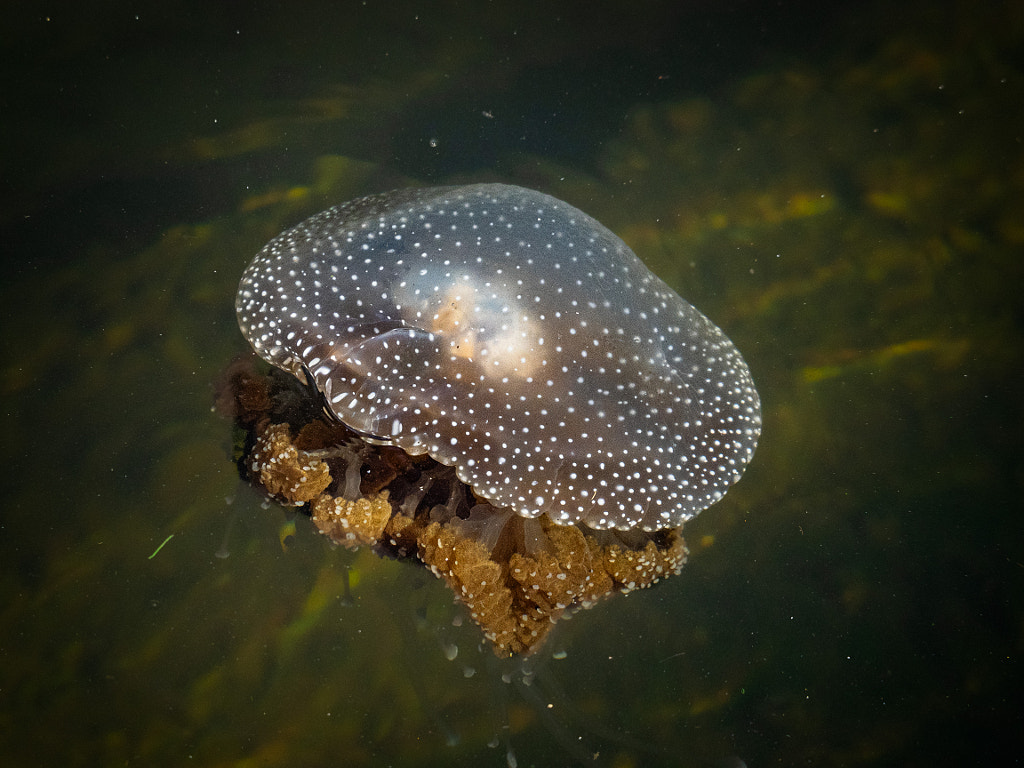
No visit to the Swan River is complete without the ubiquitous Brown Jellyfish (Phyllorhiza punctata).
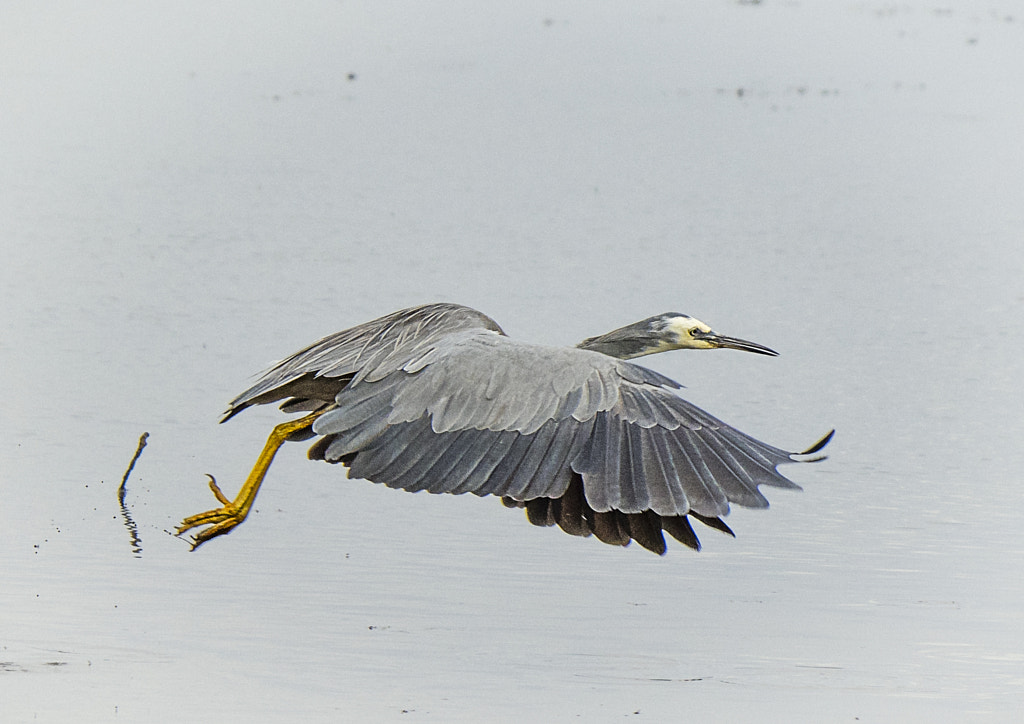
BIF or bird in flight. White faced heron, Egretta novaehollandiae, Wilson Inlet, Denmark, Western Australia. Olympus EM1 mk I with Panasonic 100-400mm lens.
I’m not talking about the Oscars but Birds In Flight. I’m finding this a very troublesome aspect of nature photography.
If you listen to bird photographers talk this is the holy grail and if you take a picture of a bird in a tree it is derisively called a bird on a stick and is seen to have no merit at all. In fact BIF is now considered such an important part of photography that with each new camera launch the manufacturers herald its new bird tracking autofocus capabilities. These cameras are now capable of shooting incredibly high frame rates in excess of 20 frames per second which encourages photographers to just machine gun the subject – the so called spray and pray – in the hope of capturing something interesting. So why do I feel this troublesome. Well this technology doesn’t come cheap and the fact is that you have to be seriously minted and committed to bird photography to afford the equipment. The Sony A1, the Nikon Z9 and the Canon R3 are all around $9-10,000 AUD. Slap on a suitable long fast prime lens like a 600mm f4 and you have a package that will set you back a cool $30,000 AUD. Predominantly I shoot with Olympus’ cameras and their newly released camera plus their top wildlife lens will set you back around $15,000. So as you can see it’s not for the faint hearted or the financially embarrassed.
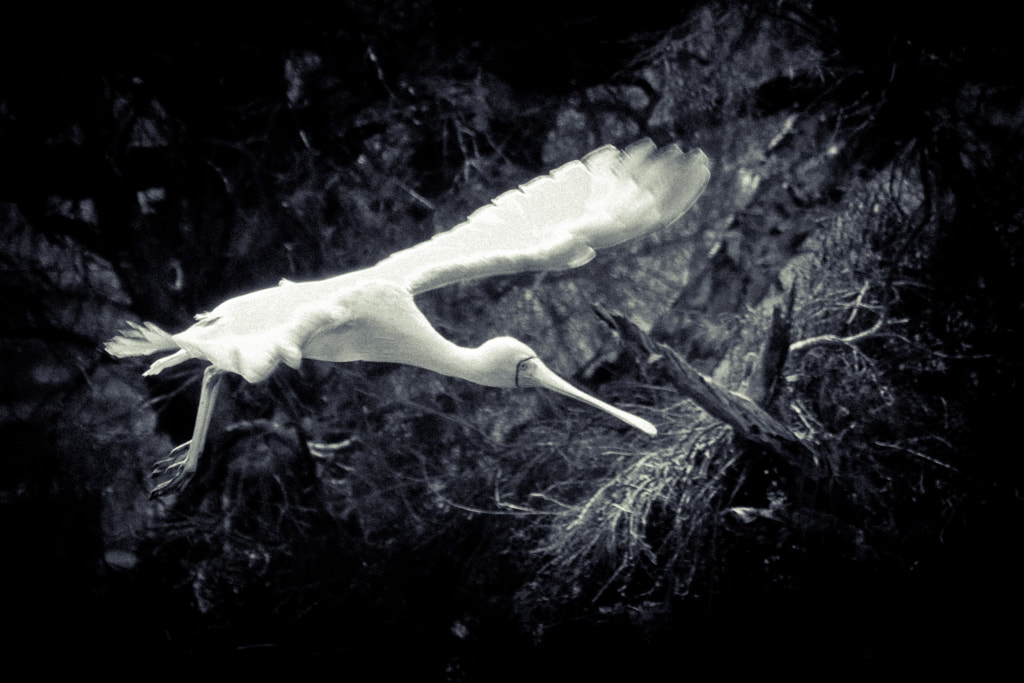
A Yellow-billed Spoonbill (Platalea flavipes) flying back to its nest on the Avon River. Canon EOS 550d with a Canon EF 70-200mm f2.8 IS L lens.
So does this state of affairs mean that unless you are wealthy you shouldn’t take up nature/wildlife photography? No because I happen to believe that it is the skill of the photographer that makes great photos and not the size of their bank account. Nothing beats going out into the field and spending time getting to know your subject and the environment they live in. The more time you spend out there the more picture taking opportunities you will have.
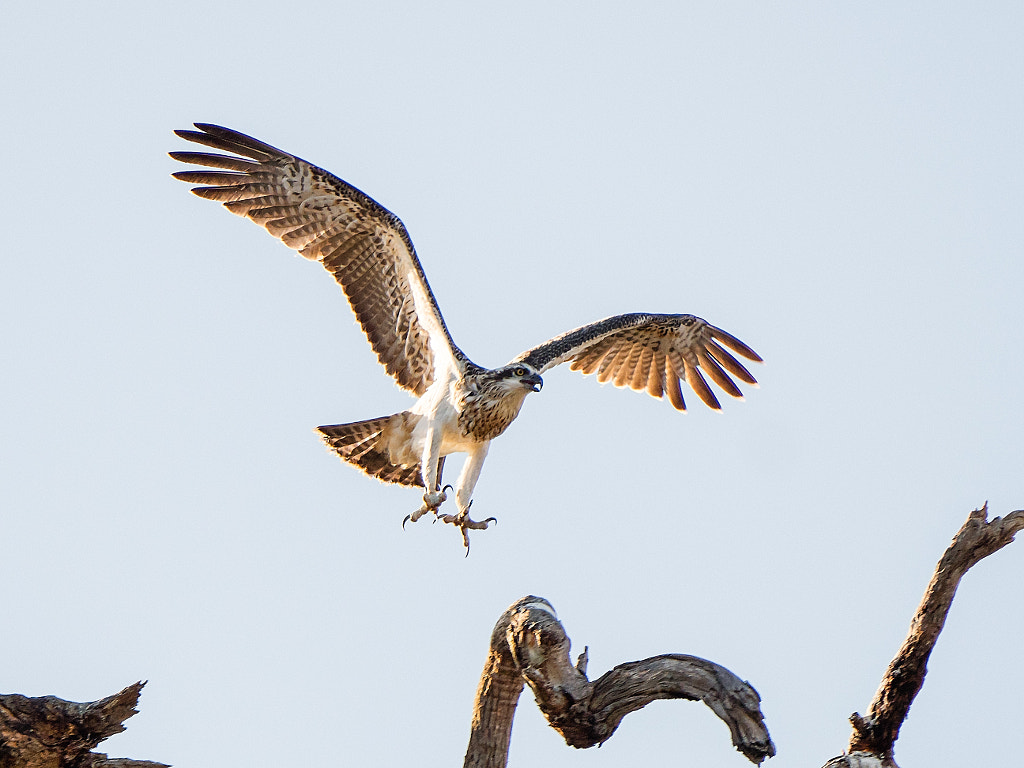
The Eastern Osprey (Pandion cristatus) is known to the Nyoongar people of the south west of Western Australia as yoondoordo. Oyster Bay, Lower King, Western Australia. Olympus OMD EM1 mk ii with Panasonic 100-400mm lens.
Secondly don’t obsess about equipment. Get what you can afford. Any camera with interchangeable lenses with a long lens is capable of excellent results. What matters is that you spend time with your camera and learn how it works. Eric Hoskins, 1908-91, was a pioneer in bird photography. He worked with what would now be considered very primitive – large format single shot cameras with no metering, no auto focusing and slow film emulsions (10 ISO) – yet he changed the face of bird photography with his use of flash and he enabled people to see birds in a way that they’d never seen before. Buy stuff second hand. Take advantage of the well heeled enthusiasts who have to have the latest and greatest. They change their equipment like I change my socks and often sell off perfectly good equipment for far less than they paid for it.
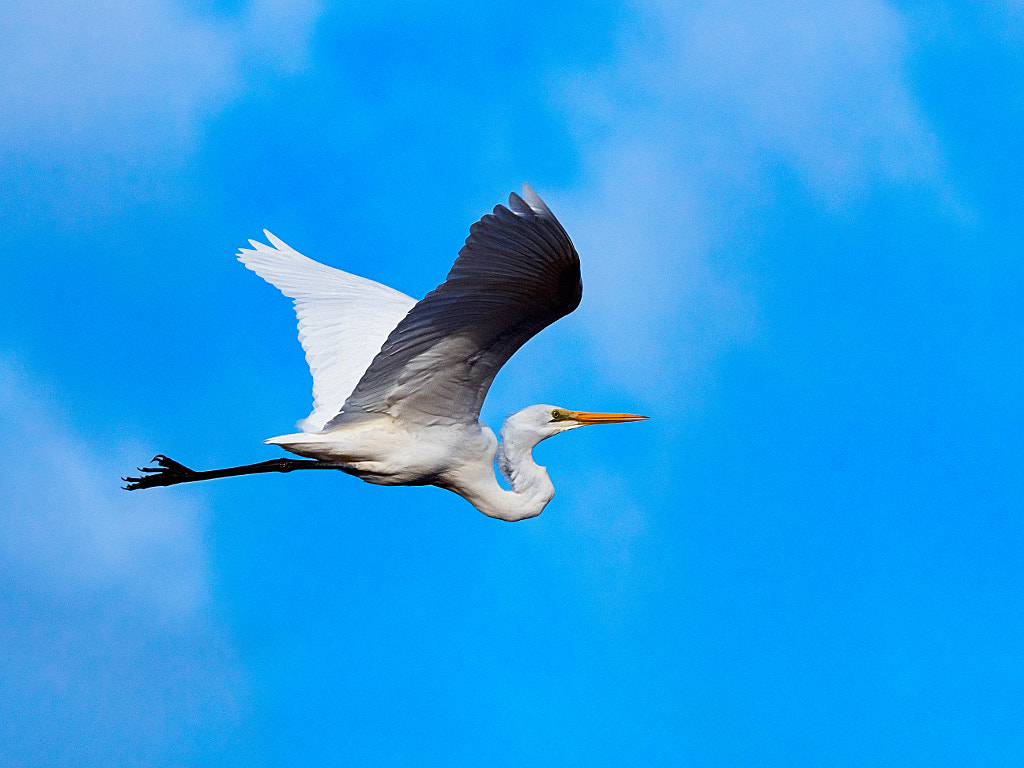
Blue sky. Check. Bird in flight. Check. A great egret (Ardea alba modesta) flying over the Creery Wetlands Nature Reserve in Western Australia. Olympus OMD EM1 mk ii with Panasonic 100-400mm lens.
Thirdly there is more to nature/wildlife photography than birds in flight. I find endless pictures of birds flying across a blue sky boring. I like to see animal’s behaviour – feeding, building nests, rearing young, mating rituals etc. Show the animal in its environment.
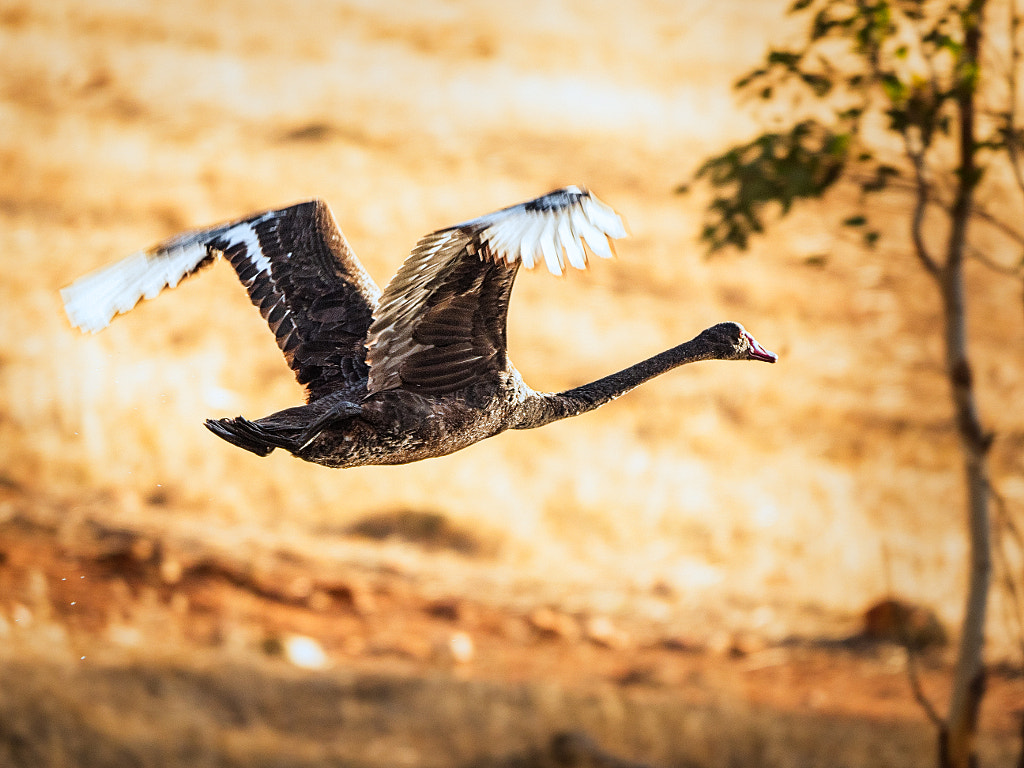
Kooljak is the Nyoongar name for the Black swan (Cygnus atratus), Toodyay, Western Australia.
Fourthly you don’t have to go on expensive safaris to take pictures of animals. Thanks to the power of the internet what can be found in your backyard is interesting to people in different countries so capitalise on what you have close to home because the skills you learn will pay off in spades if you are able to go on a trip of a life time to somewhere exotic.
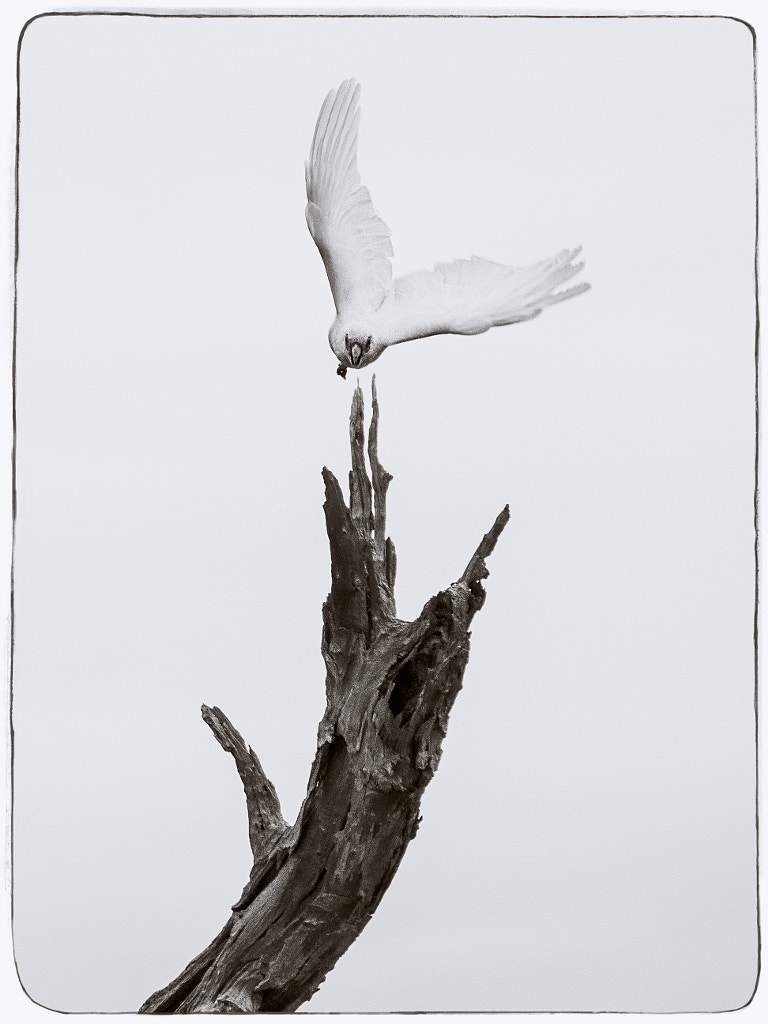
A Western Corella flies amongst the tree tops along the Avon River in York.
The shots below were taken at Tomato Lake which is in a park in one of Perth’s suburbs. The camera used was second hand with an older adapted lens with adequate autofocus. A few hours of being prepared to sit in mosquito ridden undergrowth by a lake gave me the chance to take some photos that I’m happy with and enjoy myself.
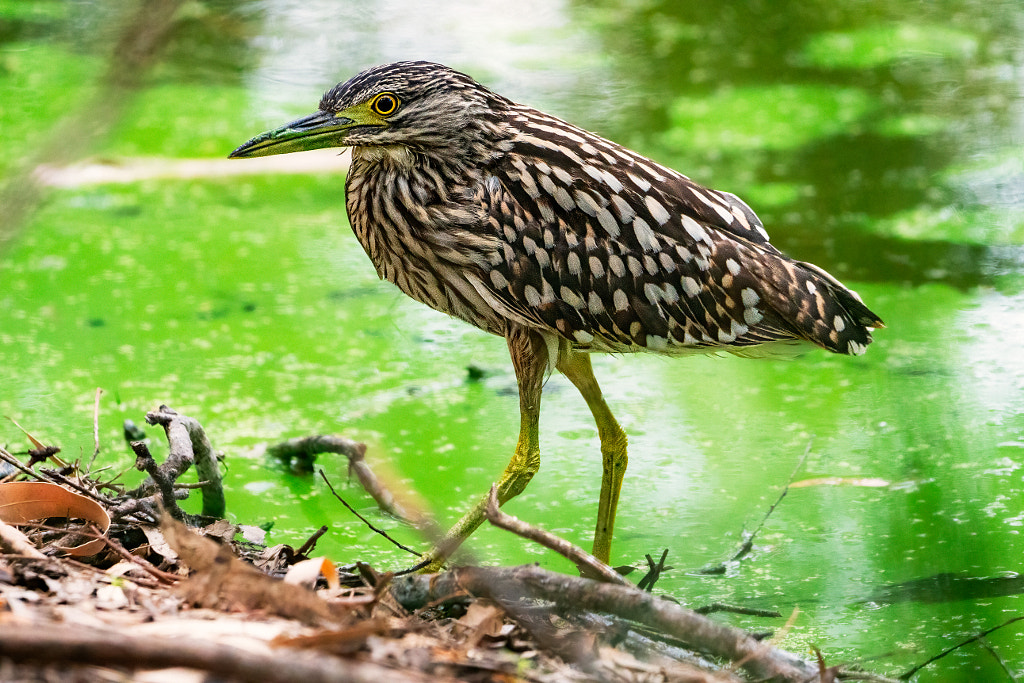
An immature Nankeen Night Heron, , Nycticorax caledonicus subsp mannillenis.
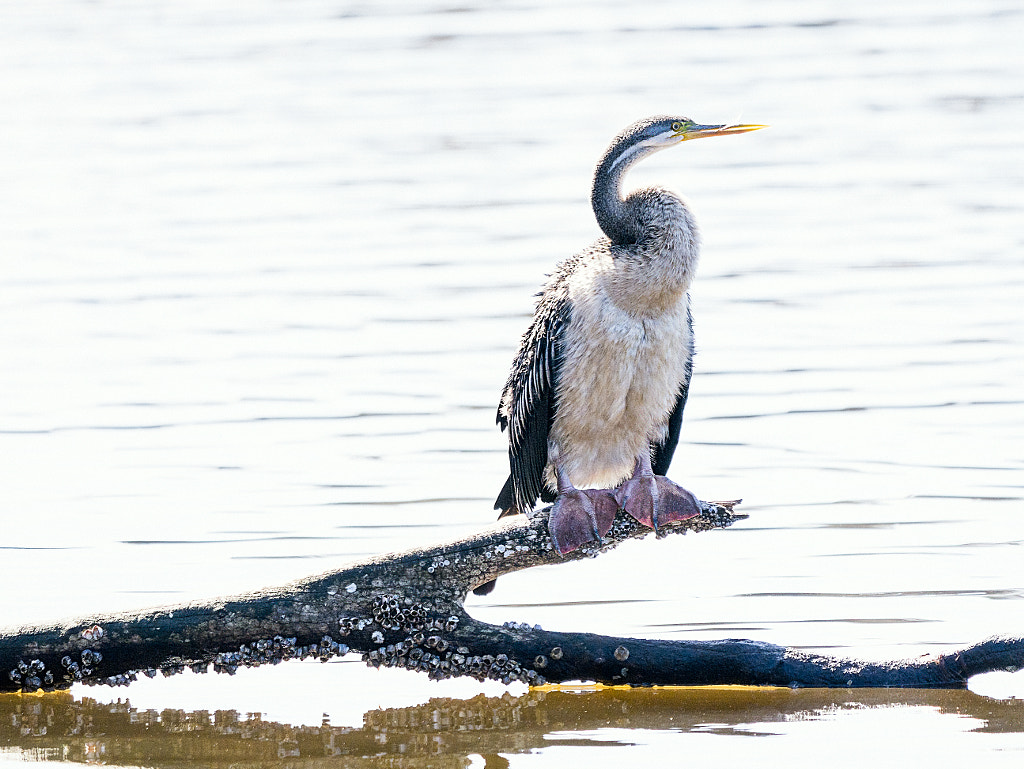
Australian Darter, often called Snake Bird, Anhinga melanogaster subsp. novaehollandiae.
“F8 and be there” is the old maxim of press photographers. It means basically turn up and get a picture. An aperture of f8 would be in the sweet spot of the lenses performance and would guarantee a sharp contrasty image if you found the focus. I’ve been thinking quite a bit about focusing and optimum sharpness of late.
A portrait of my BSO (Beloved Significant Other) not taken on the Sony A7 iv.
What is acceptable sharpness? What is an acceptable in focus hit rate with an autofocus camera? Why do some manufacturers have a reputation for excellent AF performance (Canon’s dual pixel technology) and some seem to be the bench mark for woeful autofocus (Panasonic’s DFD contrast based system)? I grew up with manual focus cameras and with them any failings were down to the operator. I remember getting my first AF camera – a Pentax SFX. The AF was slow really slow, glaciers move faster, and the noise of the motor made people stop and stare. I got rid of it quick smart and went back to using my manual focus Olympus SLRs up until 2004. It was the development of autofocus cameras in the 1980’s that saw photography as a hobby become more mainstream as out of focus photos were one of the things that put people off.
This thinking about autofocus came about becauseI’ve been reading and watching reviews about the Sony A7 iv *. There seems to be a vocal few criticising its auto focus performance in a very specific usage scenario. The users are using eye detect auto focus on a moving person with fast lenses such as the Sony 135mm f1.8 wide open at a distance of 2m or more. The complaint being that the camera only hits focus on the iris around 70% of the time and the rest of the time front focuses on the eye lashes. Let’s unpack this. The camera is ONLY achieving a 70% hit rate. Hells bells and buckets of blood! My Canon 5d and 6d couldn’t do that. When I use manual focus I couldn’t do that. I had enough trouble accurately focusing quickly with my Olympus OM Zuiko 135mm f2.8 wide open. Mind you those old 135mm f2.8 lenses were often a bit soft wide open. It is staggering to me that firstly you’ve got a 135mm f1.8 lens that is tack sharp wide open and then you can combine it with a camera that is able to focus on the iris of a moving person at 2m with a 70 % success rate. Let’s look at this problem from another direction. Now according to the DOF calculator on Cambridge in Colour the DOF with that combination is 2cm. That means 1cm in front of the eye and 1 cm behind. That would mean that the eye would be in focus but the nose and ears would be blurred. Even if you used an aperture of f4 which 2 1/3 stops more DOF you still only have 5cm DOF. An aperture of f8 would give a DOF of 11cm which is sufficient to render a human head acceptably sharp. Why would you want to take a portrait where only the iris is in focus? The craze for taking photos with razor this depth of field has been with up for about 20 years now and the only reason I can why it endures is that it signifies status – the photographer has the ability to own very fast and expensive lenses.
Wolf Lane in Perth, Western Australia.
Two of the Twentieth Century’s photographic titans had some things to say about sharpness. In 1998 at age 90 Henri Cartier-Bresson said to Helmut Newton: “sharpness is a bourgeois concept.”** For Bresson content and concept were everything and if you look at his images you can see some of them are a little soft. On the other side of the Atlantic in the United States Ansel Adams famously said “There is nothing worse than a sharp image of a fuzzy concept”. So for Adams who sought technical perfection on every level in his photographs saw that intention and content were more important. So focus and sharpness like many other facets of photography are secondary – they play a supportive role but are not the primary consideration.
The photos accompanying this piece were taken with a camera that does not have a lens. It is a 4×5 pinhole camera with a focal length of 150mm and an aperture of f256 which when using Ilford FP4 developed in Ilfosol 3 gives an amazing amount of detail and clarity considering that no lenses are involved. I like to think that it is my anti technology camera. No lens, no focusing, no shutter mechanism, no film advance, no metering, no viewfinder. A successful picture required a great deal of serendipity and that is part of its charm.
My 4×5 pinhole camera with a focal length of 150mm and an aperture of f256. I like to think that it is my anti technology camera.
* Not getting one and the reason has nothing to do with the autofocus issue and everything to do with the weight of bag with camera, 28-70mm f2.8, 105mm f2.8 macro, 35mm f2.8, 20mm f2.8, 150-600mm f5-6.3 and ring flash.
** I had a student who said that Bresson himself was a bourgeois concept.
I’ve got a confession to make. I’ve lived in and around Perth since 1988 and the first time I went to Riverside Gardens in Bayswater was in 2017 when I was making a video about that year’s Avon Descent – it is the finishing line. I didn’t pay much attention to the surroundings as I was concentrating on the event. Recently I went again, but this time I was using the garden’s carpark as a jumping off point to explore the Eric Singleton Bird Sanctuary.
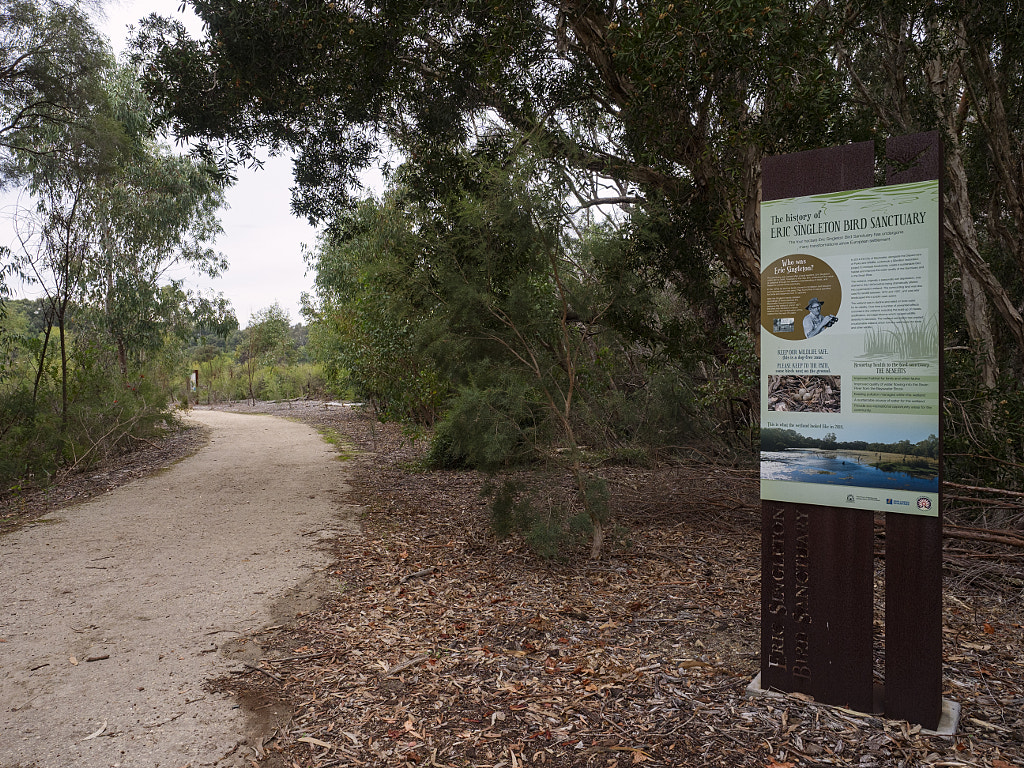
The entrance to the Eric Singleton Bird Sanctuary in Bayswater, Western Australia.
Eric Singleton was an avid bird watcher from Embleton. In the 1970’s he observed over 70 species of bird in the area and his efforts led to the City of Bayswater deciding to preserve the wetlands in 1977. After a few wobbly patches the council and the Department of Parks and Wildlife in 2014 embarked upon a $3 million project to increase the biodiversity and improve the the water quality in the sanctuary and consequently the Swan River. Apparently it prevents a staggering 40 tonnes of sediment and rubbish, 1.35 tonnes of nitrogen, and 200 Kg of phosphorus from reaching the river each year. It does this by diverting water from the Bayswater Brook and directing it through a series of marsheswhich filter the pollutants out. So while you may think that you are looking a bird sanctuary comprised of a series of marshland and pools what you are actually looking at is a cunningly disguised water treatment facility. The system works well and the wetland has seen a huge upswing in the amount of wildlife species that use it. One hundred and four bird species have been sighted there. All of this in an urban setting is quite remarkable. Some of the animals you can expect to see are:
Purple swamp hen
Little pied cormorant
White-faced heron
Black fronted dotterel
Australian white ibis
Dusky moorhen
Grey fantail
motorbike frog
Dwarf skink
Oblong turtle
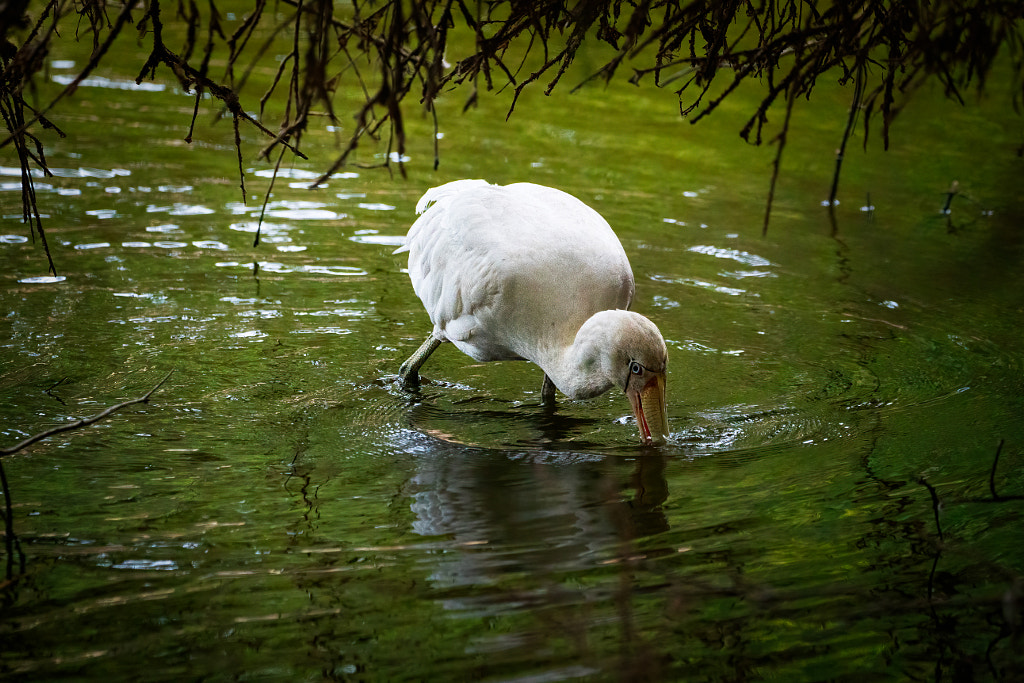
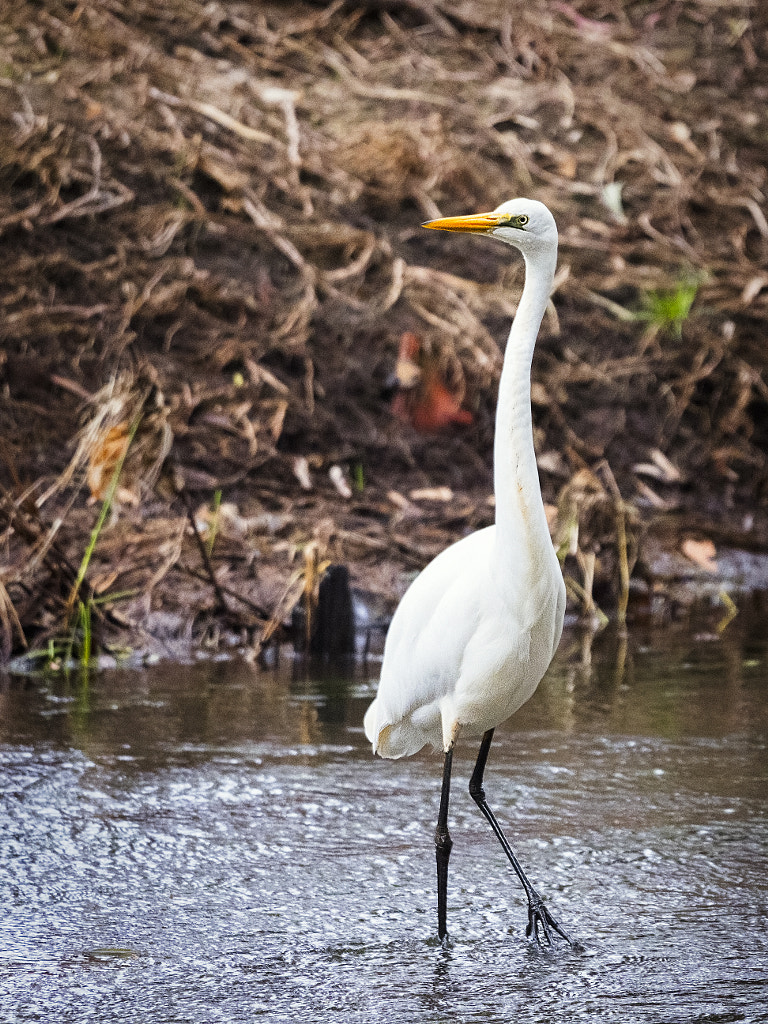
Great Egret (Ardea alba modesta). Eric Singleton Bird Sanctuary.
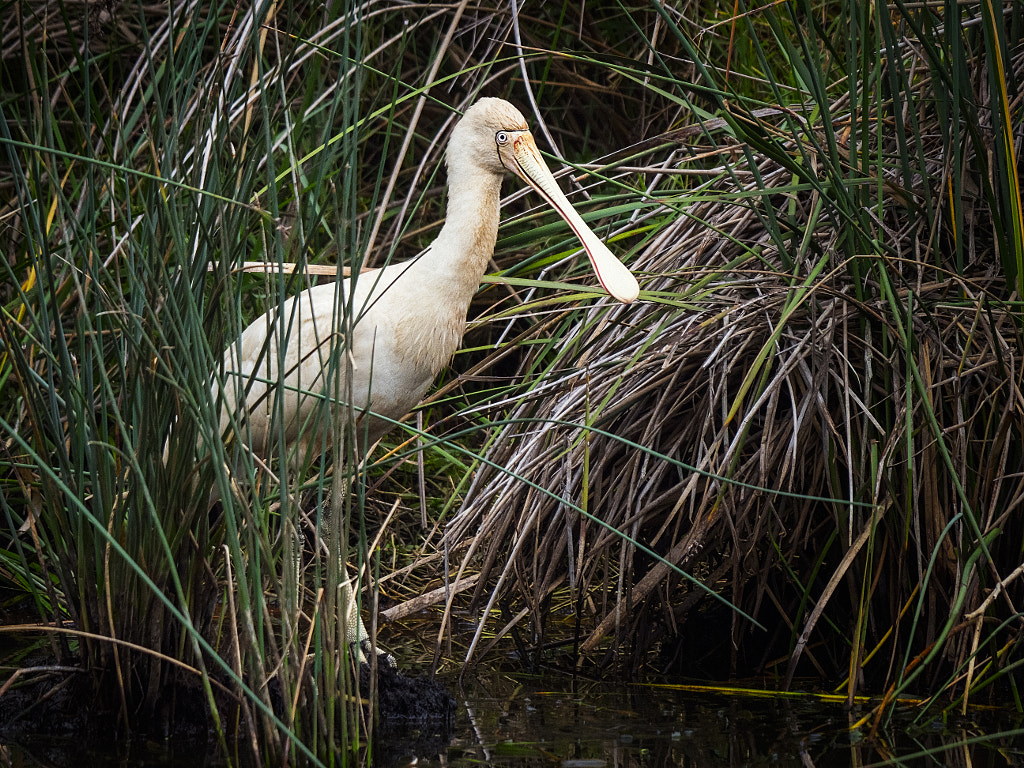
Yellow billed spoonbill, Platalea flavipes. Eric Singleton Bird Sanctuary, Western Australia.
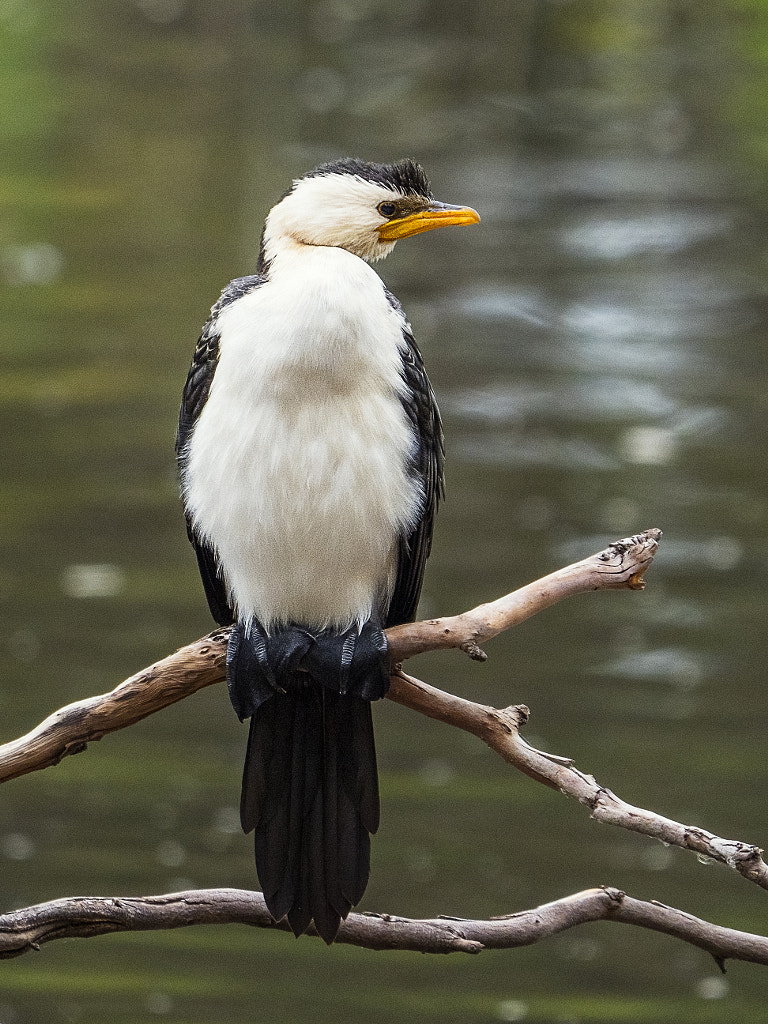
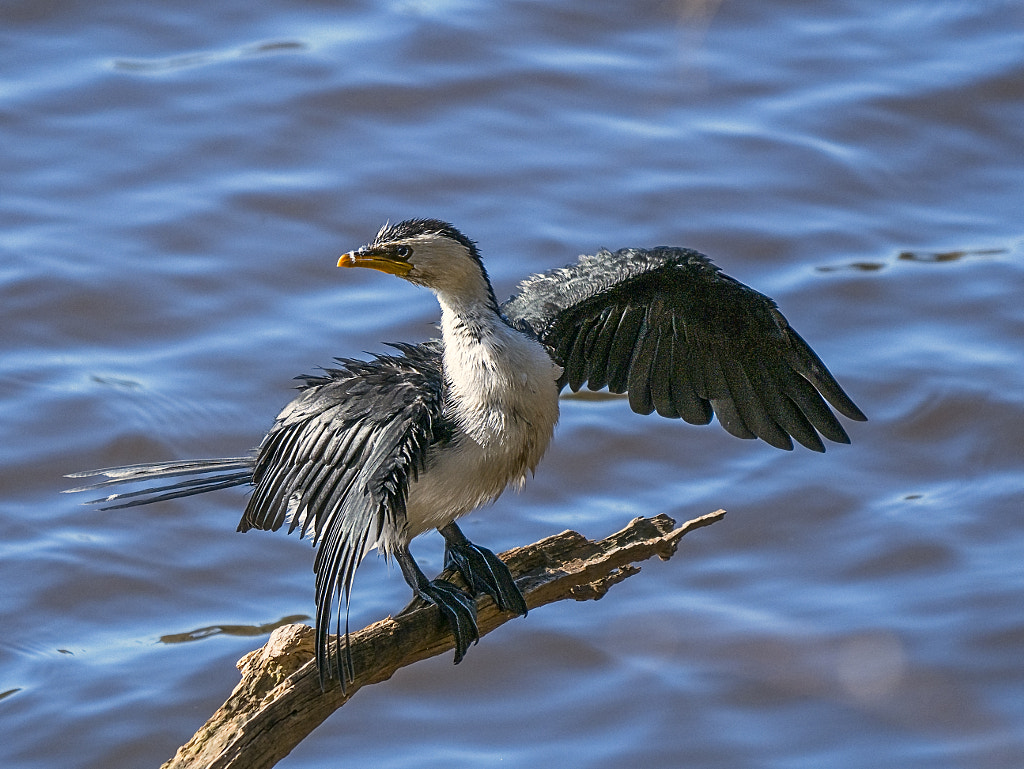
Little Pied Cormorant (Microcarbo melanoleucos) called kokoko by the original Nyoongar inhabitants.
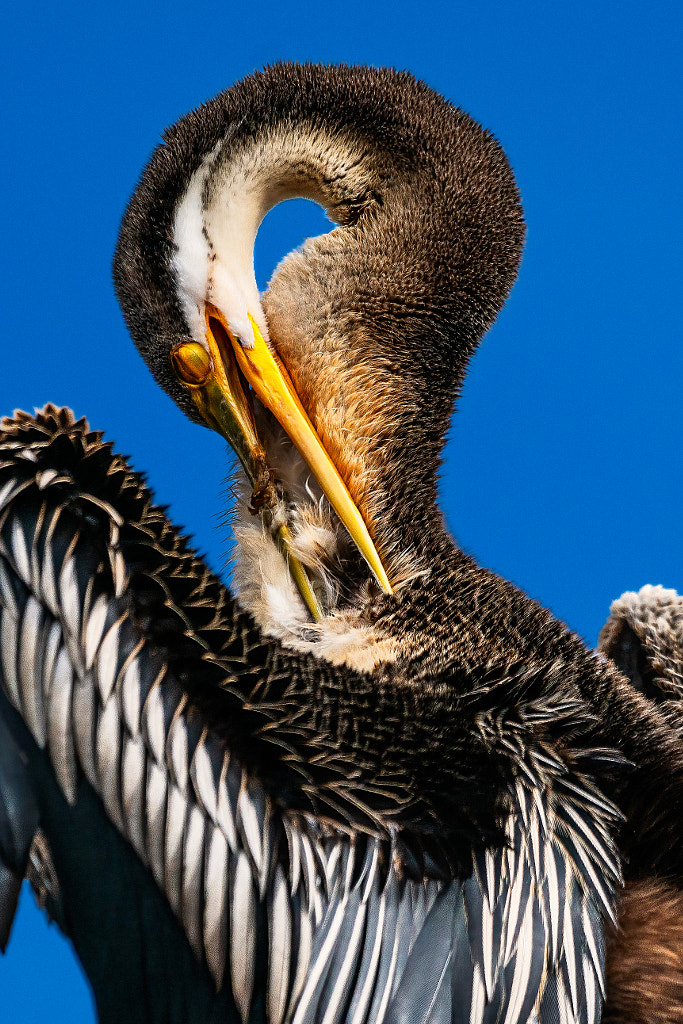
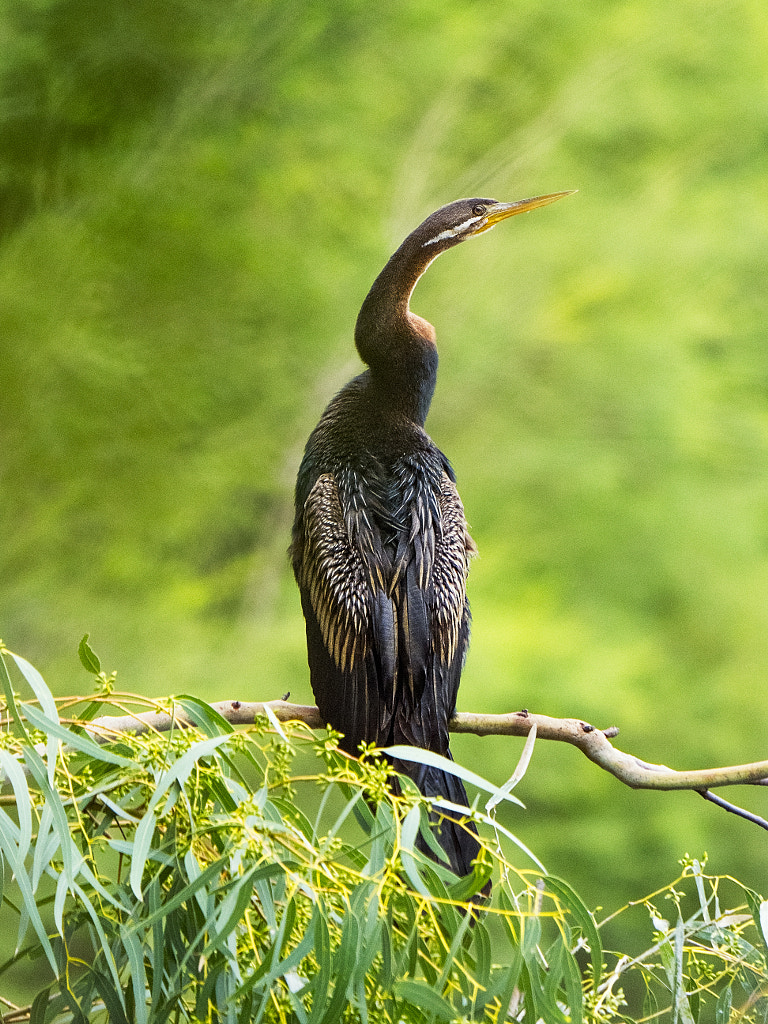
Mimal or Australian Darter (Anhinga melanogaster subspecies novaehollandiae). Eric Singleton Bird Sanctuary, Western Australia.
I visited on a Saturday and I was not prepared for what I saw. It was absolutely chockers. There were dog walkers galore, cyclists, picnickers, kids playing, kayakers on the river. The car park was used by a huge variety of food trucks doing a roaring trade selling to the hungry masses. There were even stalls selling dog treats. Once I got clear of the gardens and into the bird sanctuary proper it was a totally different story. I was the only person there. Just me and the birds. You could still hear the noise from the gardens and the surrounding suburbs, but you still had the feeling of getting away. I think to get the most out of the location in terms of seeing wildlife you’d be looking at visiting at dawn or dusk during the week. After a leisurely walk back to the car park I enjoyed a very nice Bánh mì from the Vietnamese food truck for lunch.
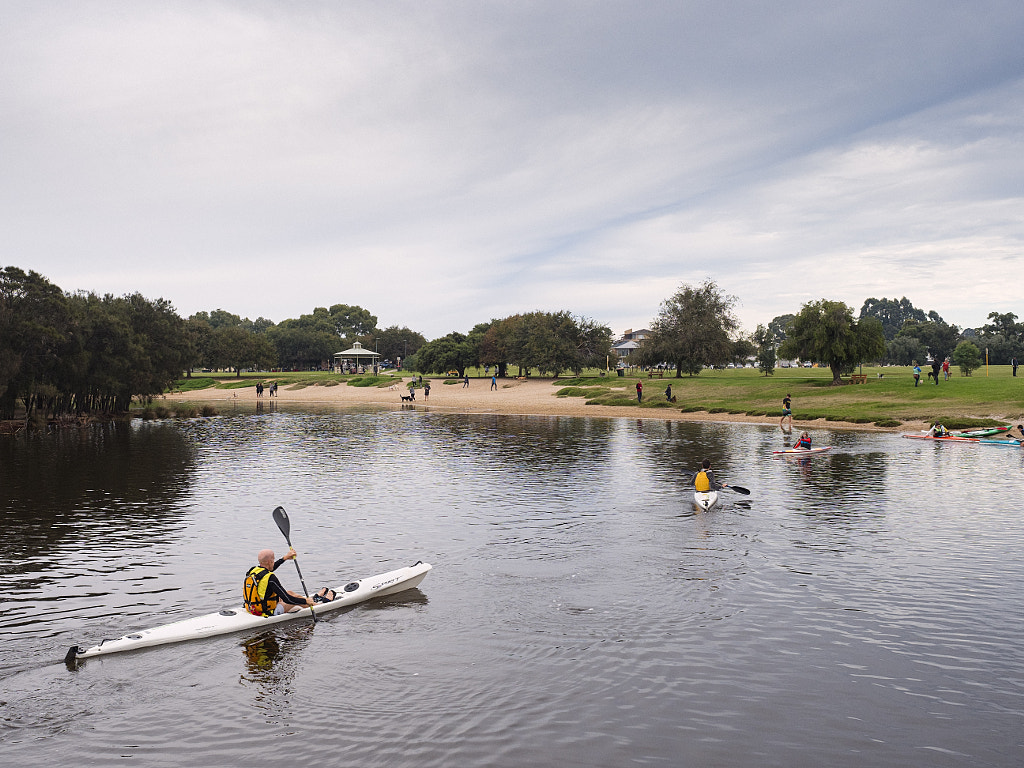
Riverside Gardens in Bayswater is a popular paddle sport venue and clubs such as the Bayswater Paddle-sports Club maintain facilities there.
On the weekends visitors can enjoy the numerous food trucks at the Riverside Gardens in Bayswater.
* Todays musical reference is to the Afro-American spiritual “Down by the Riverside” (also known as “Ain’t Gonna Study War No More” and “Gonna lay down my burden”). The song originates from the American Civil War (1861-1865) but wasn’t published until 1918. It’s pacifist imagery has seen it used as an anti-war protest song and included in collections of socialist and labour songs. Over the years it has been recorded by hundreds of different artists but my current favourite version is this one by Ben and Micah Hester as part of the “Southern Gospel Revival”.
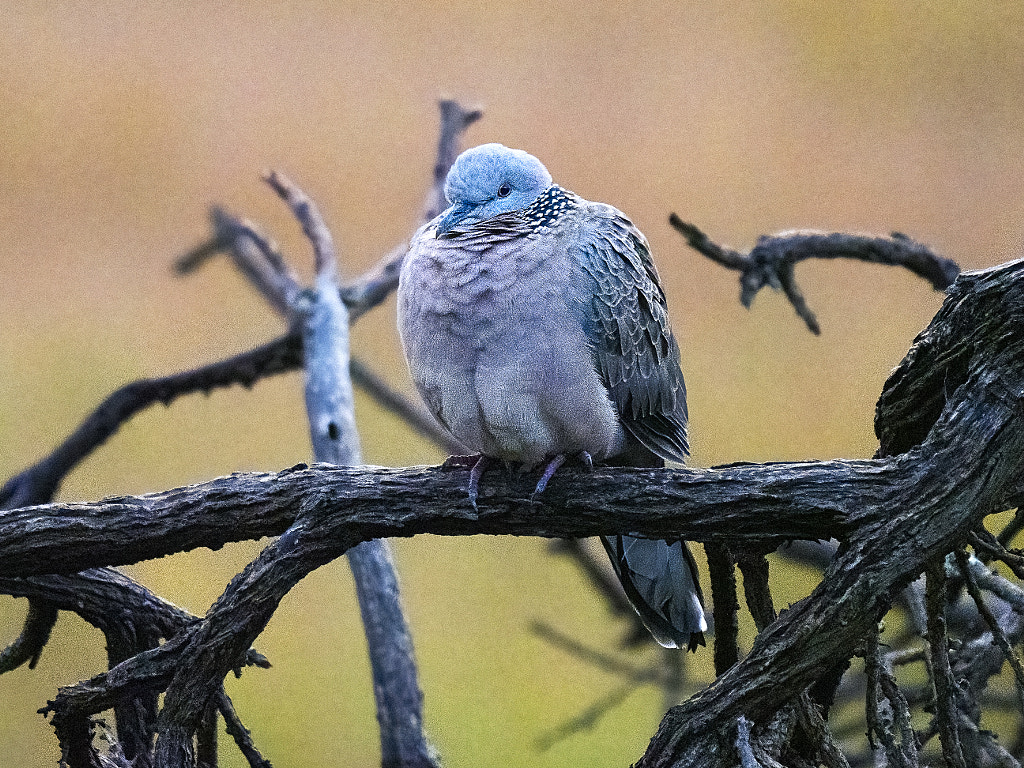
Chilly Morning. Spotted Dove, Spilopelia chinensis. Lake Claremont, Western Australia.
I was down at Lake Claremont the other morning nice and early. It was to say the least a little on the cool side. Usually there are quite a few people there walking, running or cycling. But this particular morning it was so cold that there was me and another bloke walking his dog called Daisy. I know the dog was called Daisy because every few seconds I could hear “No Daisy”, “Bad daisy”, “Daisy heel” and “Daisy how many times have I got to tell you?”. I really felt sorry for the dog.
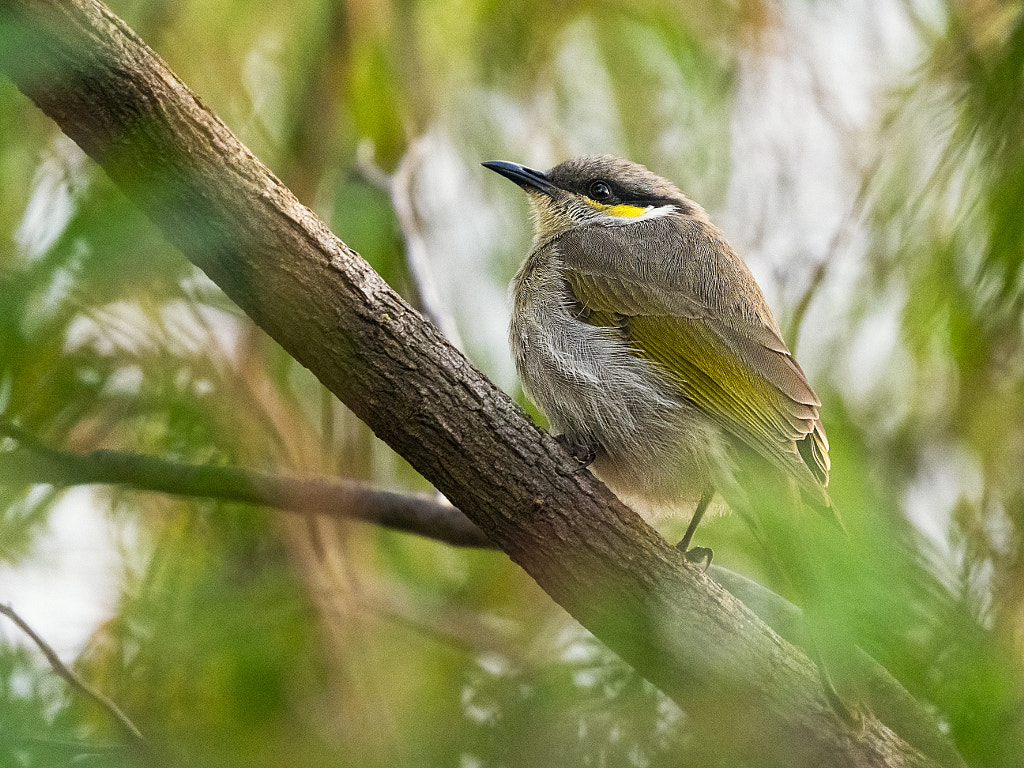
A fluffed up Singing Honeyeater waiting for it to warm up.
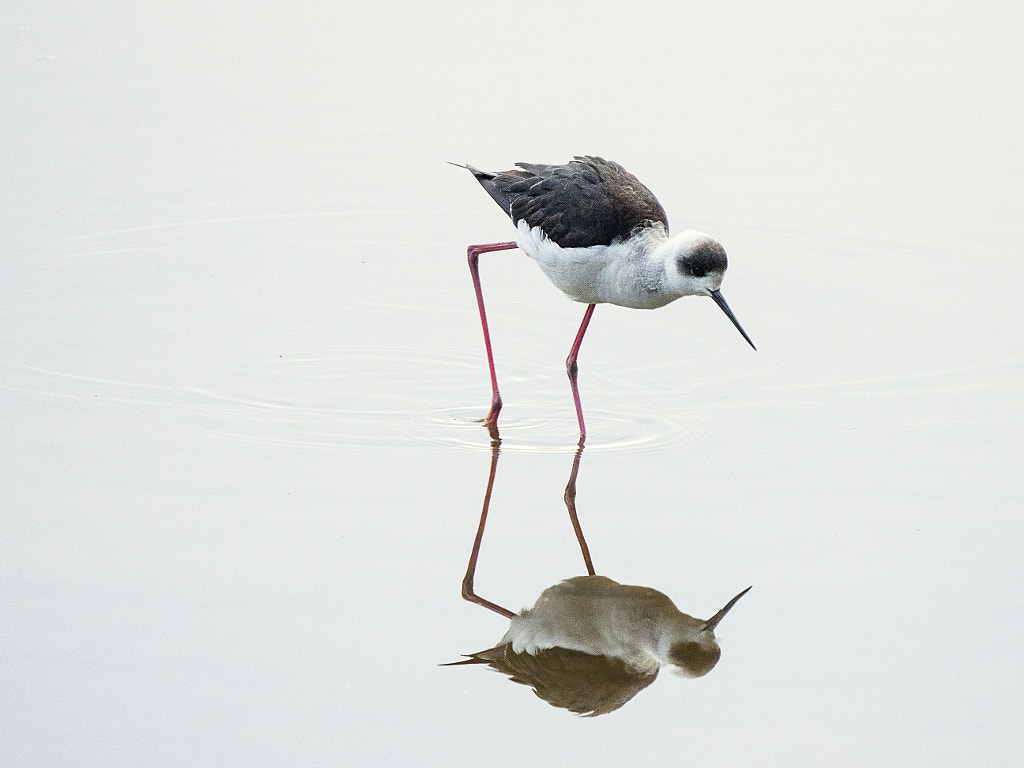
Initially the few birds that were around were all fluffed up like puff balls waiting for the sun to come out and warm them up. Unfortunately this was the best it was going to be as rain was forecast. Down at the bird viewing platform I saw a few hardy White-headed Stilts wadding in the cold water. The water looked like glass reflecting the grey sky above and this made for fantastic reflections of the birds.
The grey sky reflected in the water made for great reflections. White-headed Stilt (Himantopus himantopus subsp. leucocephalus). Lake Claremont, Western Australia.
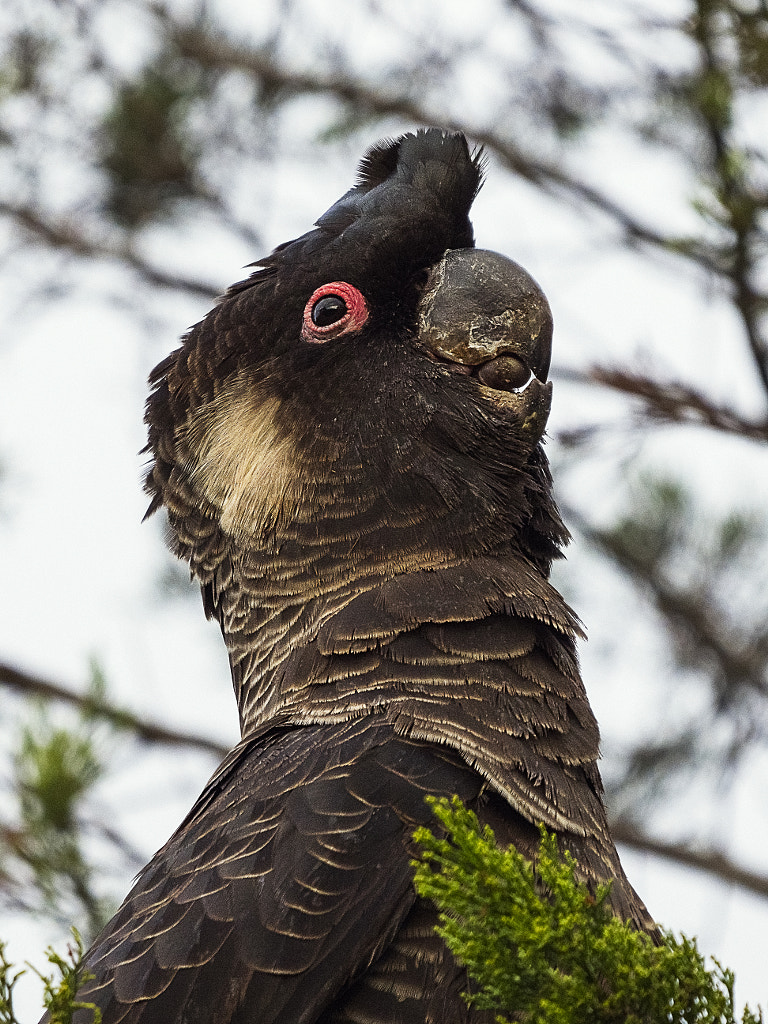
As it started to rain it got a little warmer, but not enough to entice any of the feathered residents out to have their photo taken. At this point the morning looked as if it was going to be a complete wash out so I headed off to the TeeBox Cafe for a cheering coffee with the hope that while I was there the water would abate and some birds would appear. While I was there a circumferentially challenged couple with their two dogs sat down at the table next to me and proceeded to scoff a Full English Breakfast (FEB) as if they hadn’t eaten in the last week. A waitress came out to them with a couple of rashers of bacon saying they’d been dropped on the floor and could she give it to their dogs. With a mouth chock full of said item she said “no” as it was bad for them! I’m not making this stuff up. The waitress looked like she was going to dissolve into hysterical laughter. I’m just surprised they didn’t just shovel it into their maws. After a while it was apparent that I couldn’t make a coffee last any longer so I headed back to the car at a brisk pace in the pouring rain. On the way I was met by a Carnaby’s Black Cockatoo and a Laughing Kookaburra that seemed oblivious to the weather.
Rain? What Rain? Ngolak is the name by which the Nyoongar people called the Short-billed Black Cockatoo aka Carnaby’s Black Cockatoo (calyptorhynchus latirostris). Lake Claremont, Western Australia.
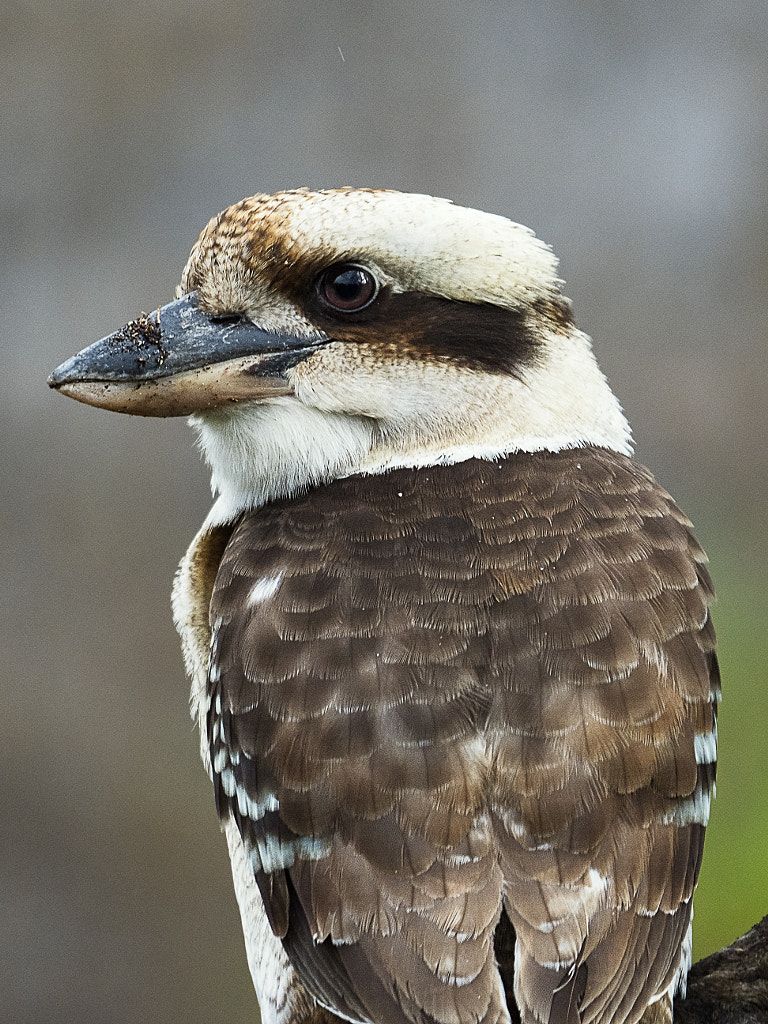
Laughing Kookaburra (daceelo novaeguineae). Lake Claremont, Western Australia.
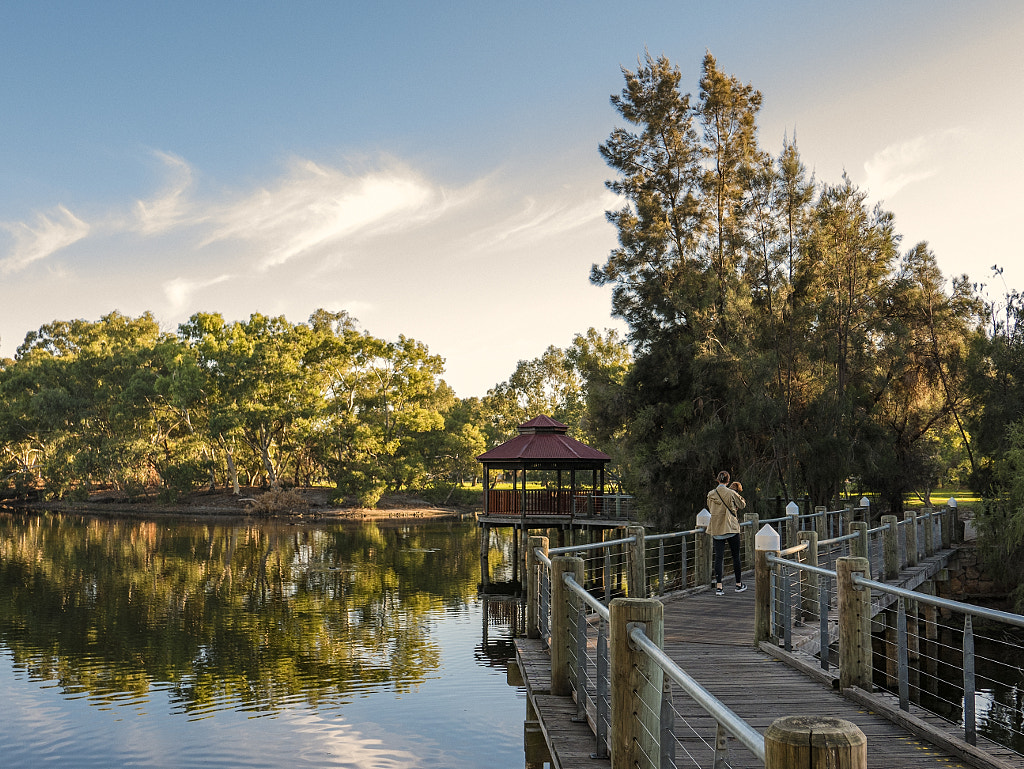
Situated in Kewdale, Tomato Lake Reserve contains a wetland, a central lake, 1.6km walking trail, nature sanctuary island and boardwalk across the lake. The gazebo on the boardwalk is popular for watching the birds on the lake and it also used as a wedding venue.
Tomato Lake is situated in the Perth suburb of Kewdale and has like many places in Western Australia been known by an assortment of names. On settlement it was called Smith’s Swamp because it was owned by a Mr Smith. Come the early 1900’s it became known as Craig’s Swamp because it was owned by a Mr Stephen Craig and it continued this way until the 1960’s when it became known by its current name Tomato Lake. No it isn’t owned by Mr Tomato! It got the name Tomato Lake because Mr Craig grew tomatoes there. Urban clearing around the lake meant it eventually dried up and became no good for market gardening and the whole place got really neglected and riddled with duckweed, an imported feral species, which choked the remaining water killing off native flora and fauna. By the mid 1970’s a local action group formed to rehabilitate the lake and now it is an important nature reserve as well as being a very popular recreational facility.
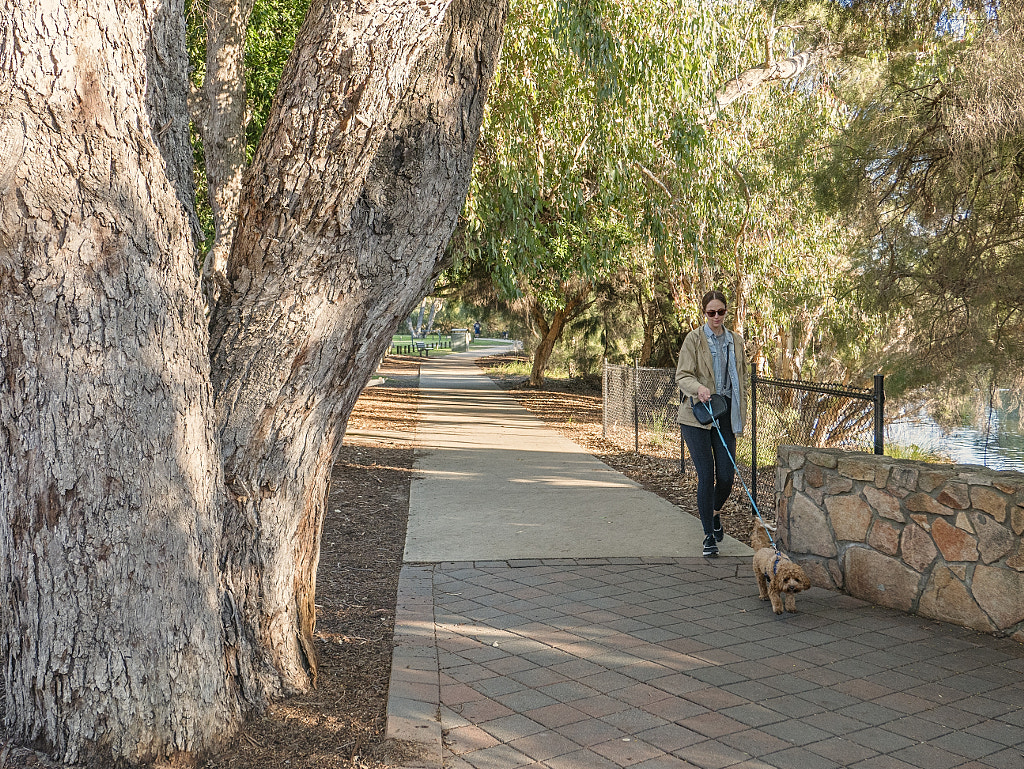
Tomato Lake in the Perth suburb of Kewdale is a popular spot with walkers.
So what’s there? Well the lake is in the middle of a large reserve and it is bisected by a broad walk with pergola. There is an island in the lake which provides a breeding area for the waterbirds. The lake is circumnavigated by a 1.6 Km paved path. There are also some unpaved trails through different parts of the reserve which I added to the walk to make a 2.5Km loop. At the top of the park on the corner of Oats Street and Scenic Drive there is a cafe, BBQs and playground. The southern end of the lake is where you’ll see the bushbirds while the waterfowl can be seen over the entire lake. According to EBird Australia 83 different species of bird have been sighted there which is quite a number for such a small area. As it can be very busy at weekends, especially in wedding season, it would be best to visit midweek early in the morning or an hour before sundown.
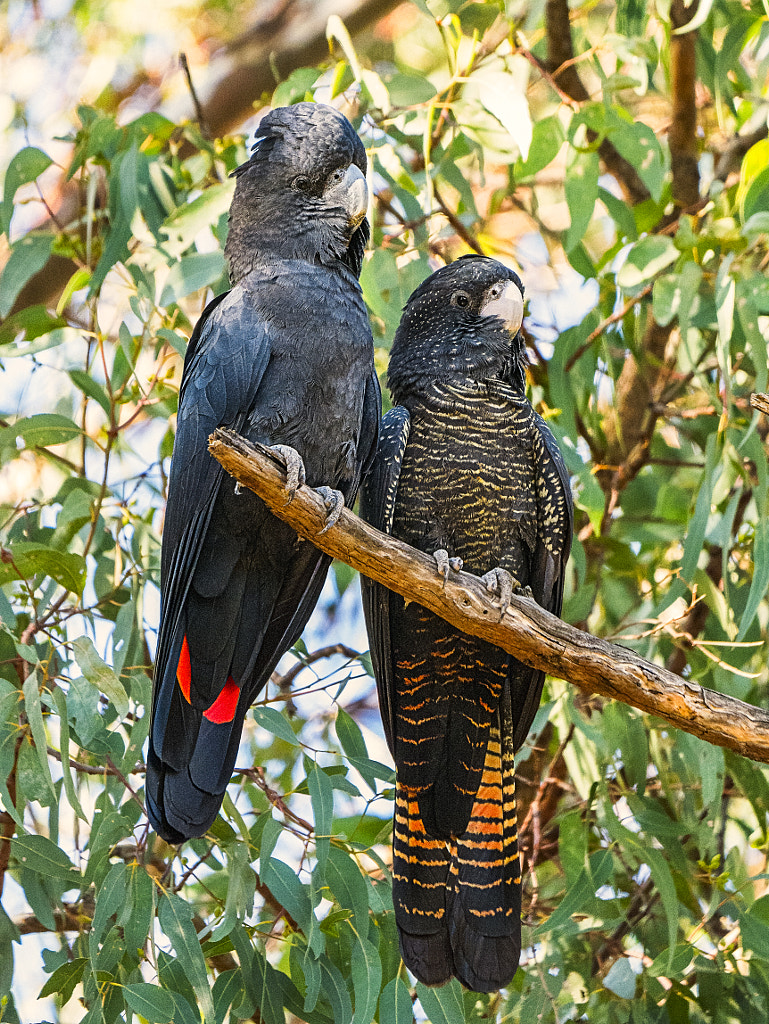
A pair of Red-tailed Black Cockatoos (Calyptorhynchus banksii subs samueli). Tomato Lake, Western Australia.
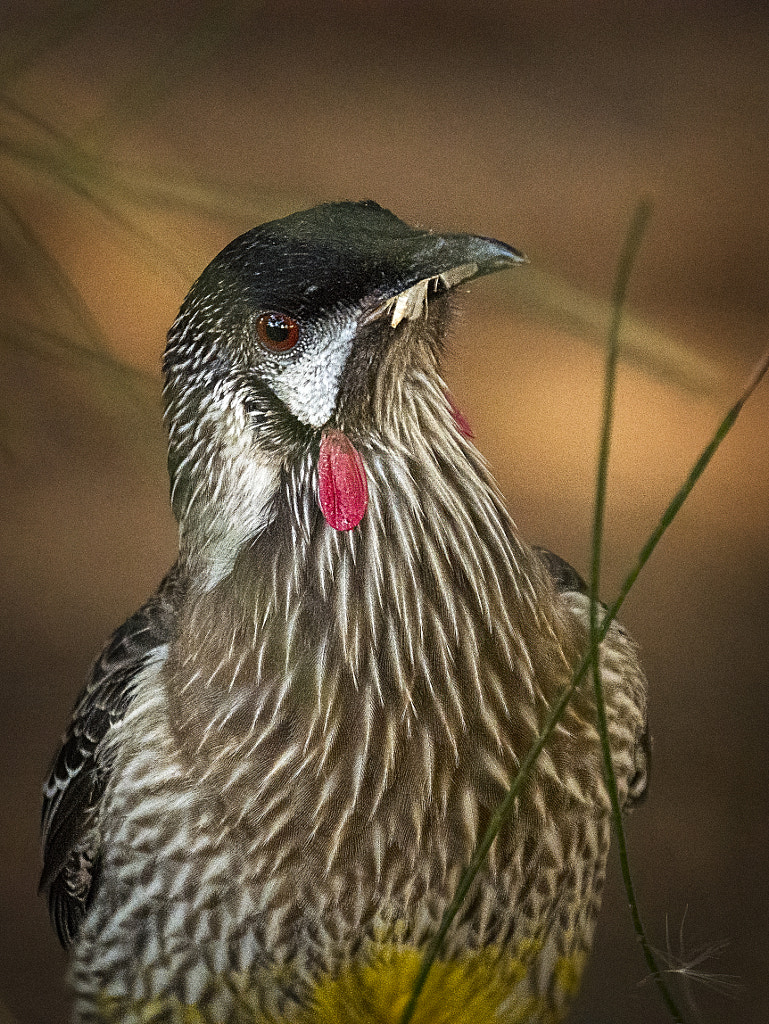
Wodjalok called the red wattle bird (Anthochaera carunculata subs woodwardi) by European settlers.
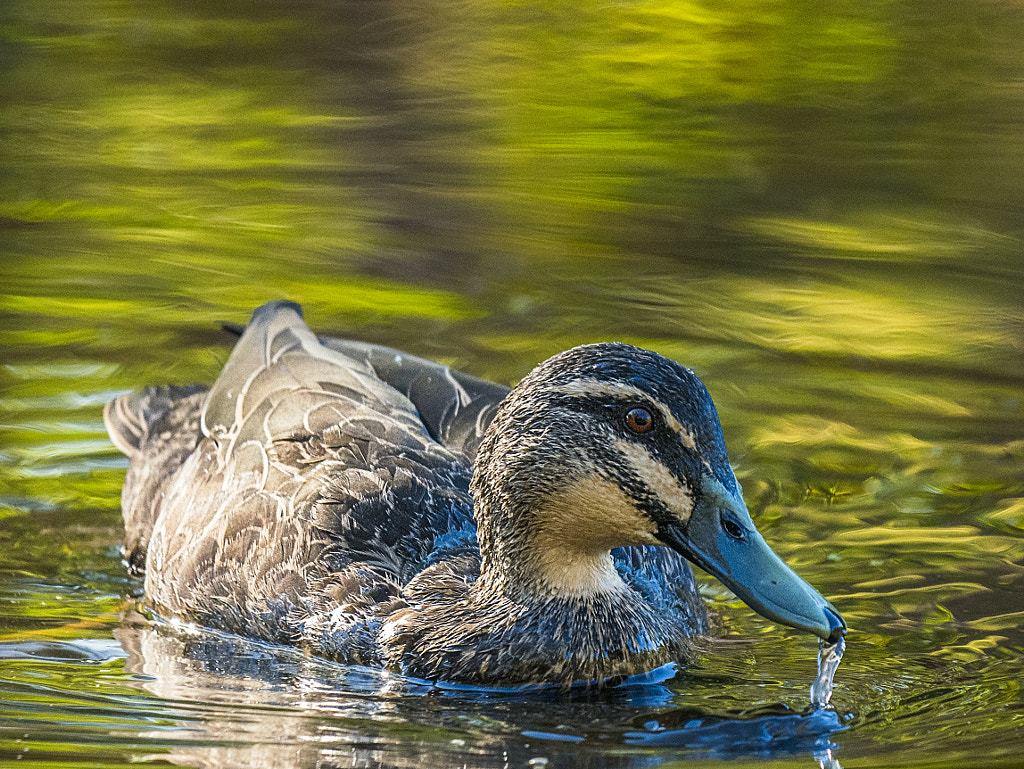
Yet called the pacific black duck (Anas superciliosa) by colonialists. Tomato Lake, Western Australia.
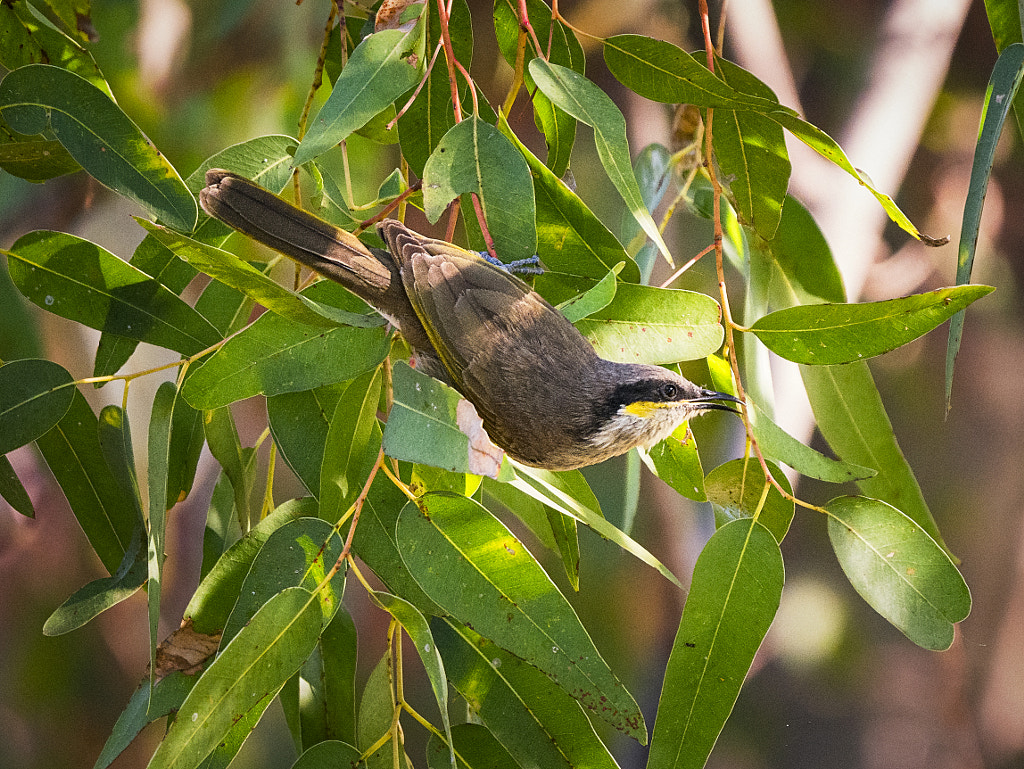
Dooromdorom called the Singing Honeyeater (Lichenostomus virescens virescens) by colonialists. Tomato Lake, Western Australia.
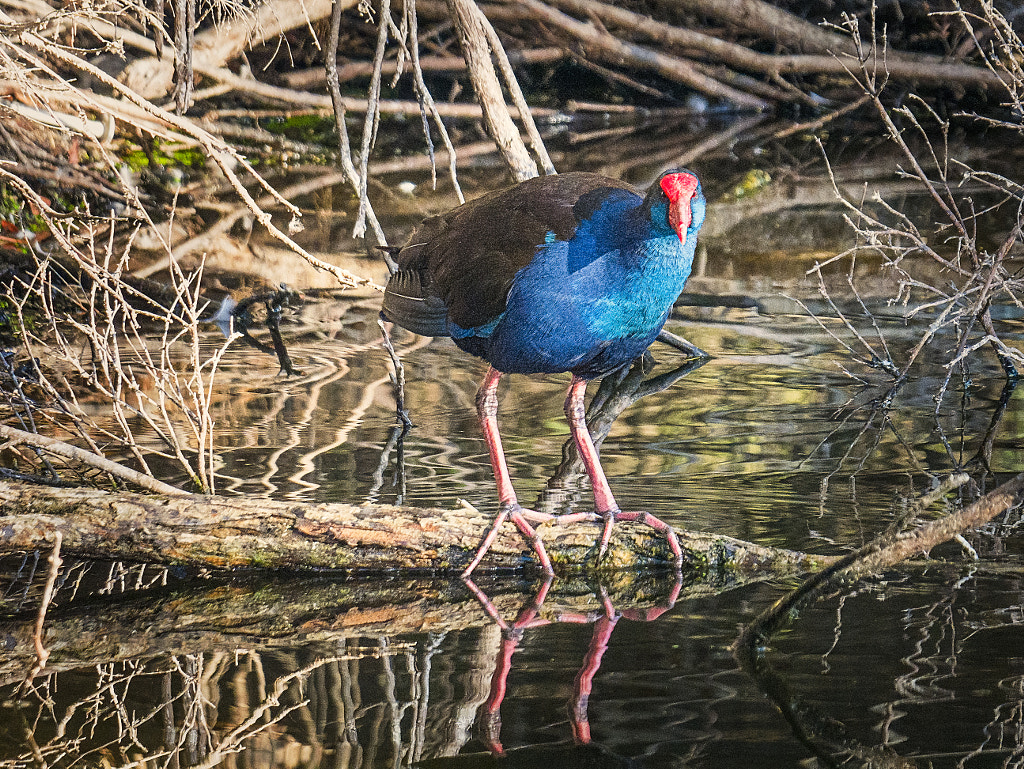
Kwilom or purple swamp hen (Porphyrio porphyrio). Tomato Lake, Western Australia.
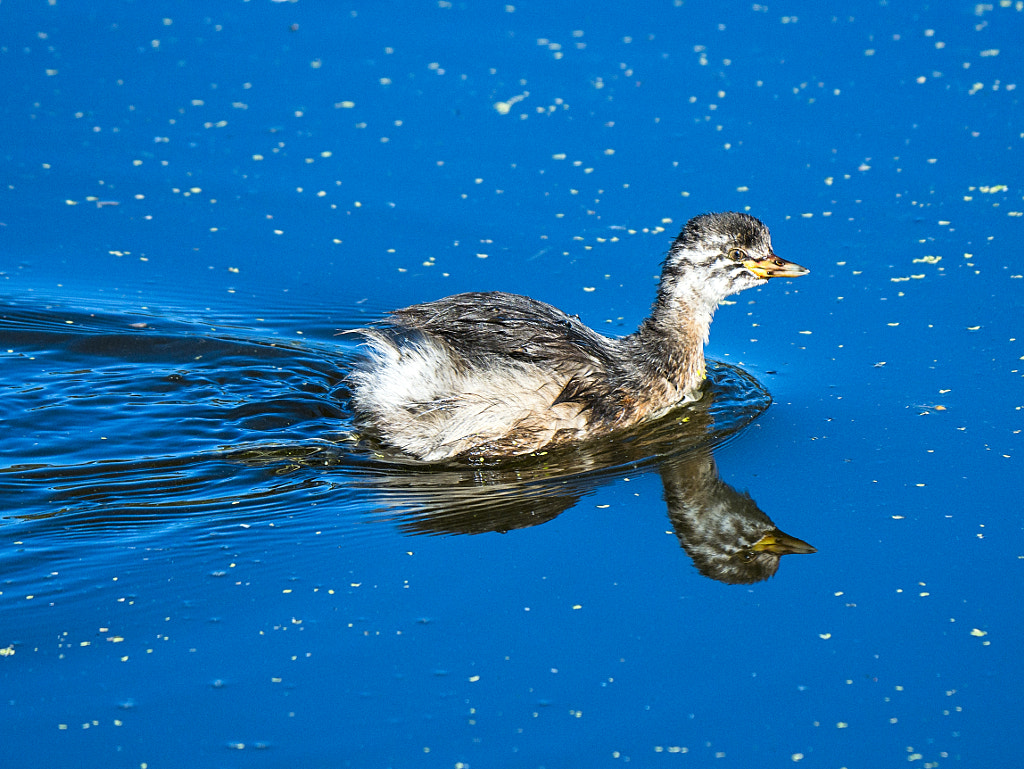
Wyooda aka the Hoary-headed Grebe (Poliocephalus poliocephalus). Tomato Lake, Western Australia.
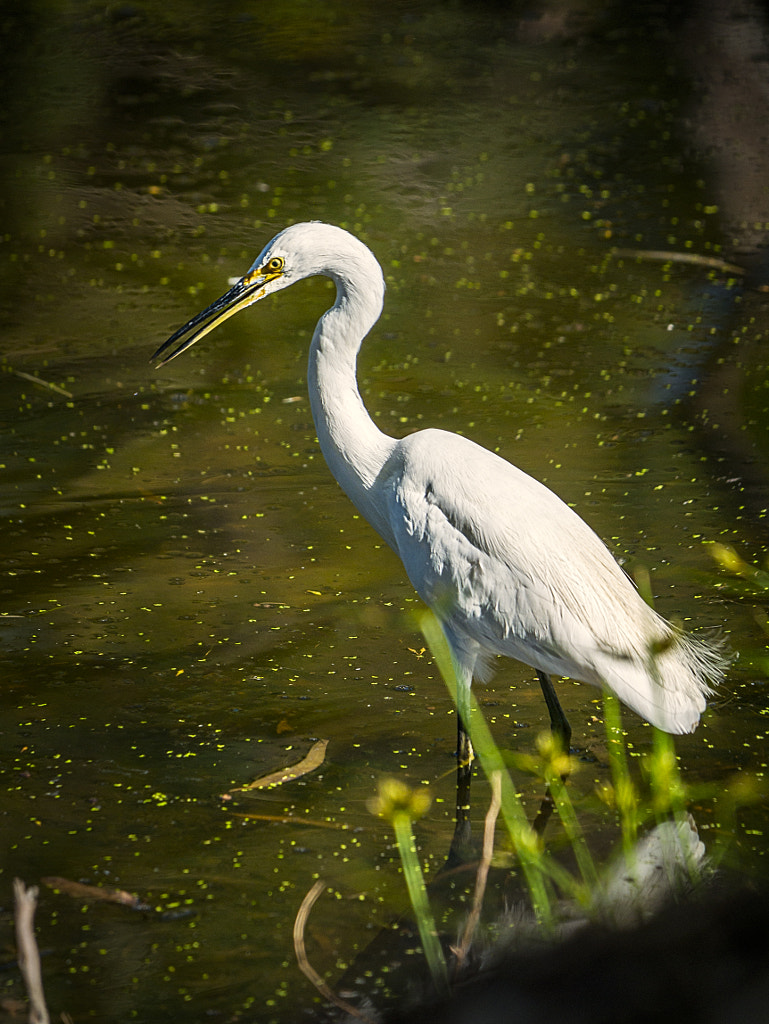
Little Egret, Egretta garzetta subsp. nigripes. Tomato Lake, Western Australia.
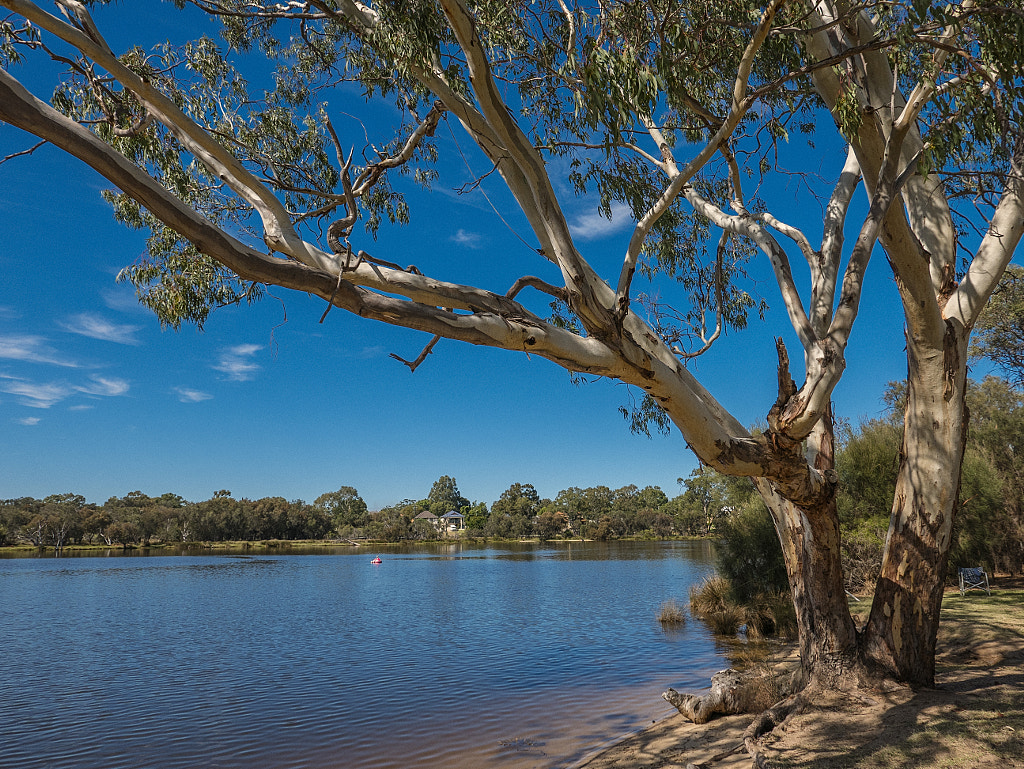
A tranquil spot by the Swan River at Ashfield Flats in Western Australia.
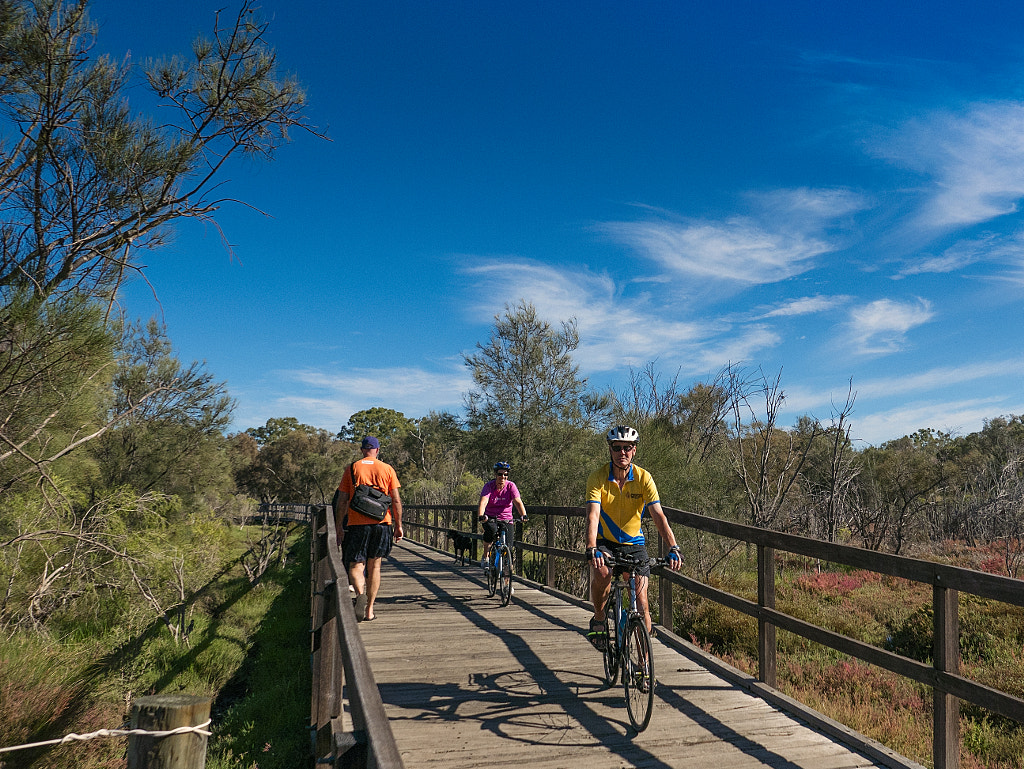
The dual use paths along the river at Ashfield are popular with cyclists and walkers alike
This 6Km walk takes you through the area between Sandy Beach Reserve and Claughton Reserve. Heading out westwards from Sandy Beach Reserve the walk takes you through areas of open grassland and salt marsh interspersed with stands of paperbarks and bulrushes. When you get to Claughton Reserve you will see grasslands and mature flooded gums. At the weekends it is a popular recreational area attracting walkers, cyclists, and various paddle sports.
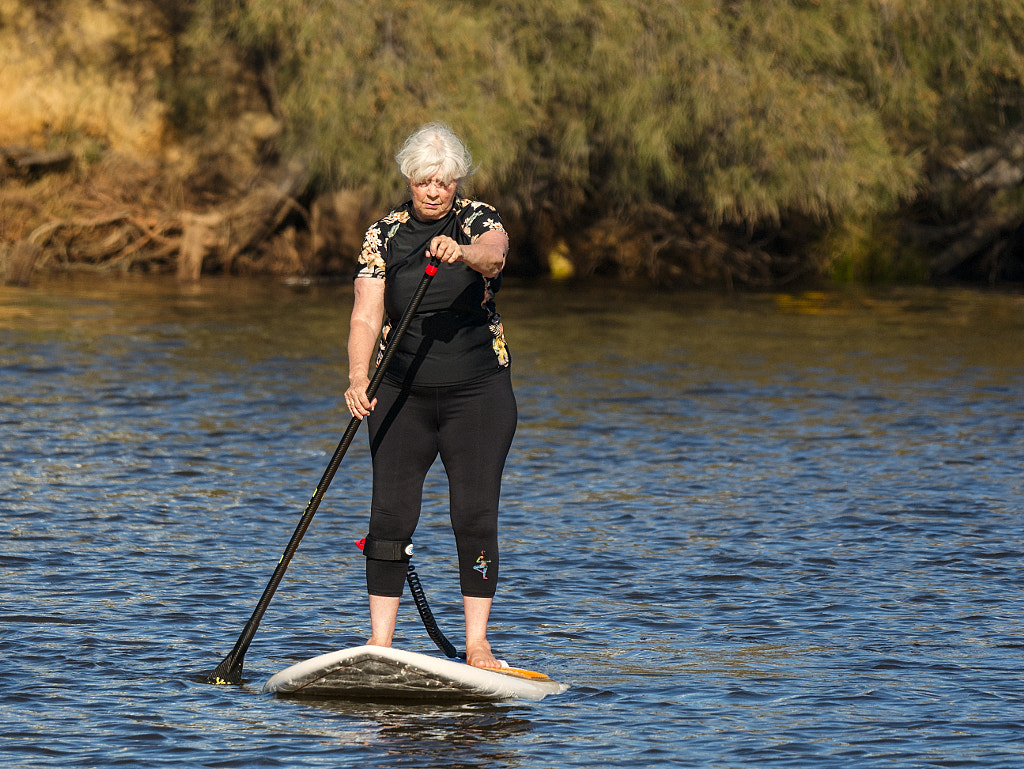
The Swan River by Ashfiled Flats is a popular location for canoeists and stand up paddle boarders.
The best time to visit and see wildlife is early morning midweek and take time to explore the stands of trees and scrub off of the trail. What can you expect to see? Well EBird Australia have a list of 95 different species that have been recorded in the area. Birds that are regularly seen include:
Pacific Black Duck
White-faced Heron
Red Wattle Bird
Singing Honeyeater
Brown Honeyeater
Great Egret
Black-shouldered Kite
Nankeen Kestrel
Galah
Australian Ringneck
Sacred Kingfisher
Magpie-lark
Black-faced Cuckoo-shrike
Grey Butcherbird
Richard’s Pipit
Welcome Swallow
Silvereye
On my visit I managed to spot 18 different species on a busy Saturday morning so I was happy with that and I’ll try and get back earlier in the morning midweek next time.
Great egret (Ardea alba modesta) fishing at Ashfield Flats, Western Australia.
Australian Pied Cormorant,Phalacrocorax various. Ashfield Flats, Western Australia.
Little pied cormorant, Microcarbo melanoleucos, drying out in the sun. Ashfield Flats, Western Australia.
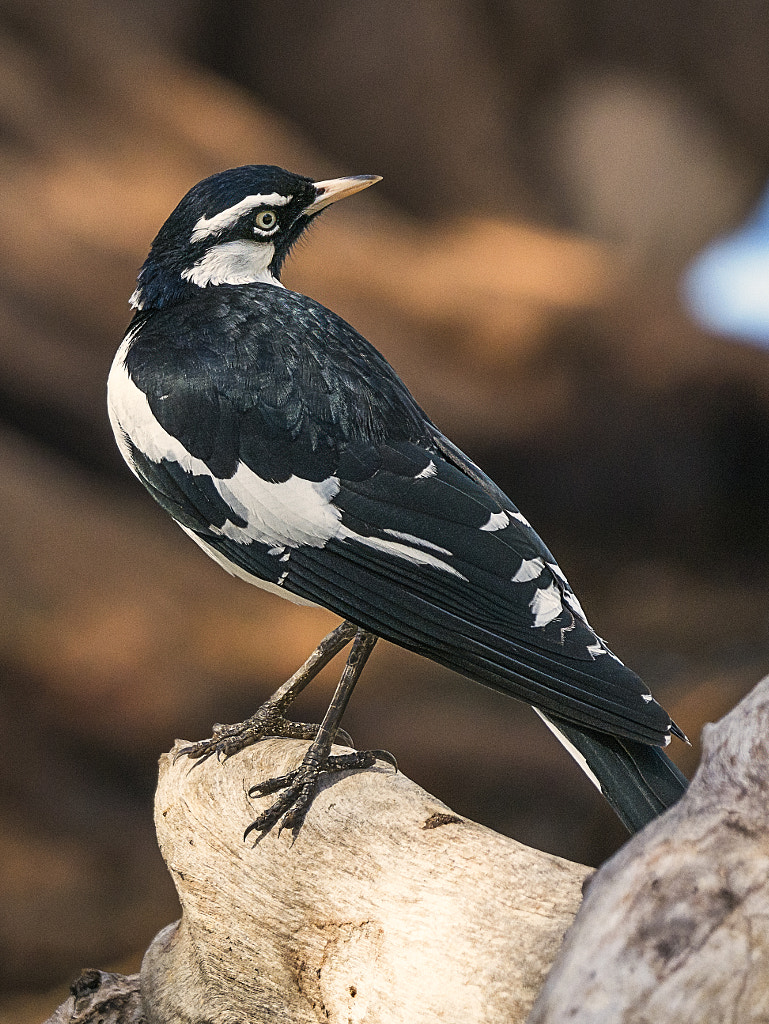
Magpie-lark, Grallina cyanoleuca. Ashfielde Flats, Western Australia.
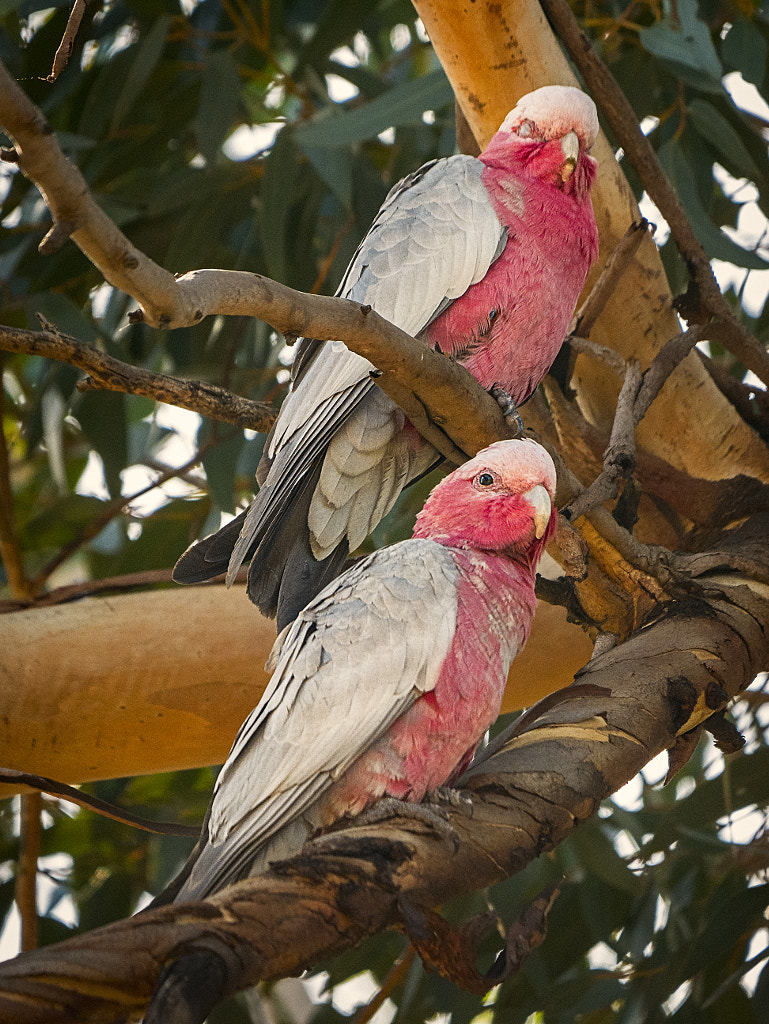
A pair of Galahs, Eolophus roseicapilla, at Ashfield Fats, Western Australia.
Singing Honeyeater, Lichenostomus virescens virescens. Ashfield Flats, Western Australia.
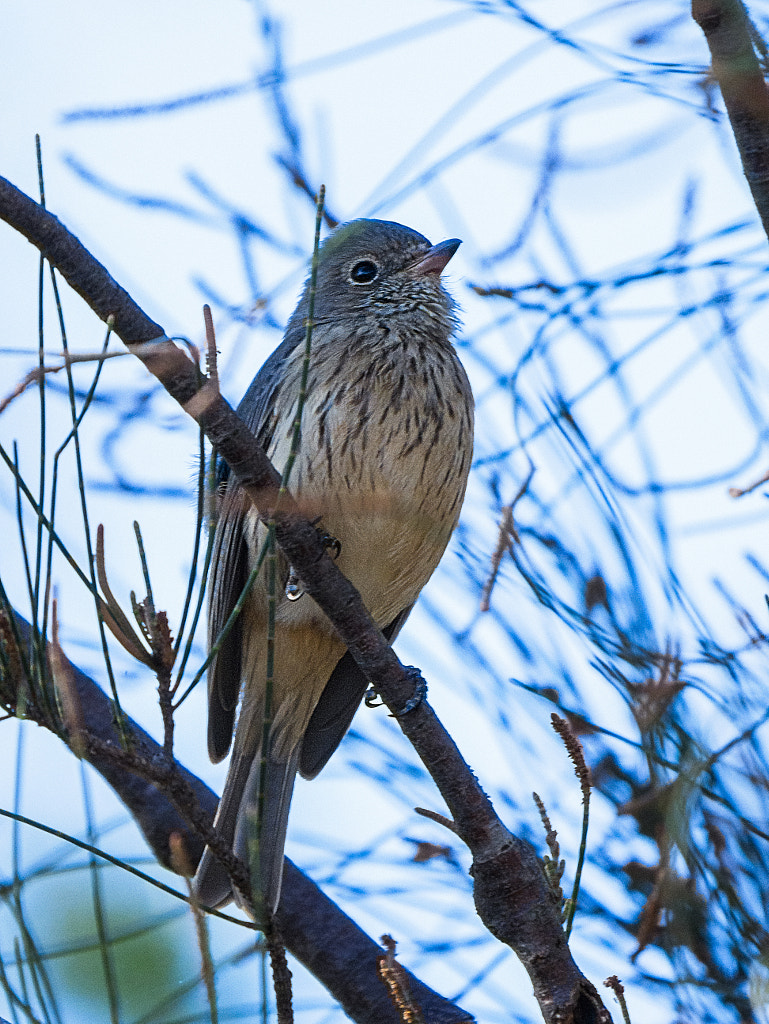
A female Rufous Whistler, Pachycephala rufiventris, at Ashfield Flats, Western Australia.
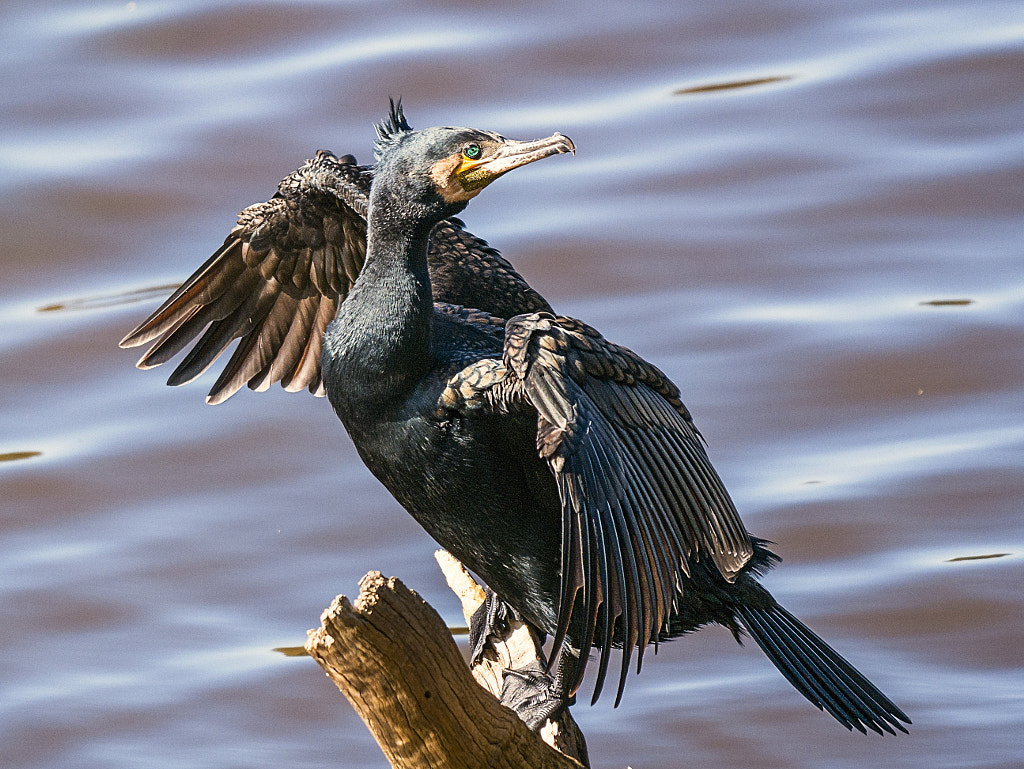
Karbanga or great cormorant (Phalacrocorax carbo subsp. carboides) , sunning itself. Ashfield Flats, Western Australia.
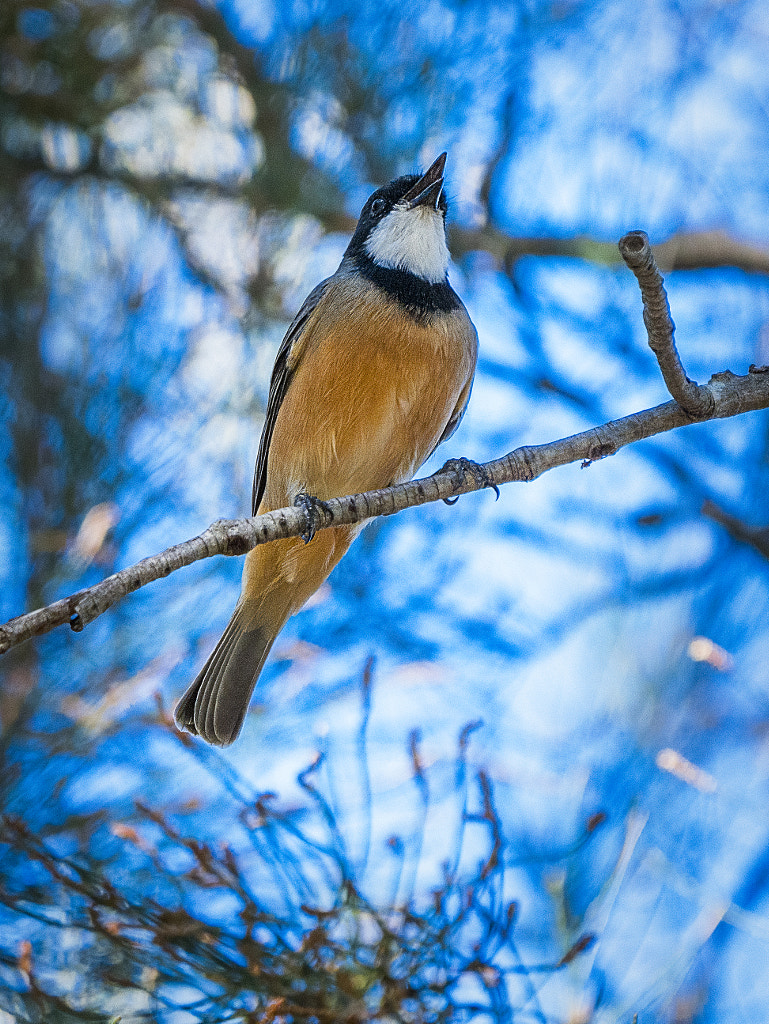
A male Rufous Whistler, Pachycephala rufiventris, singing. Ashfield Flats, Western Australia.
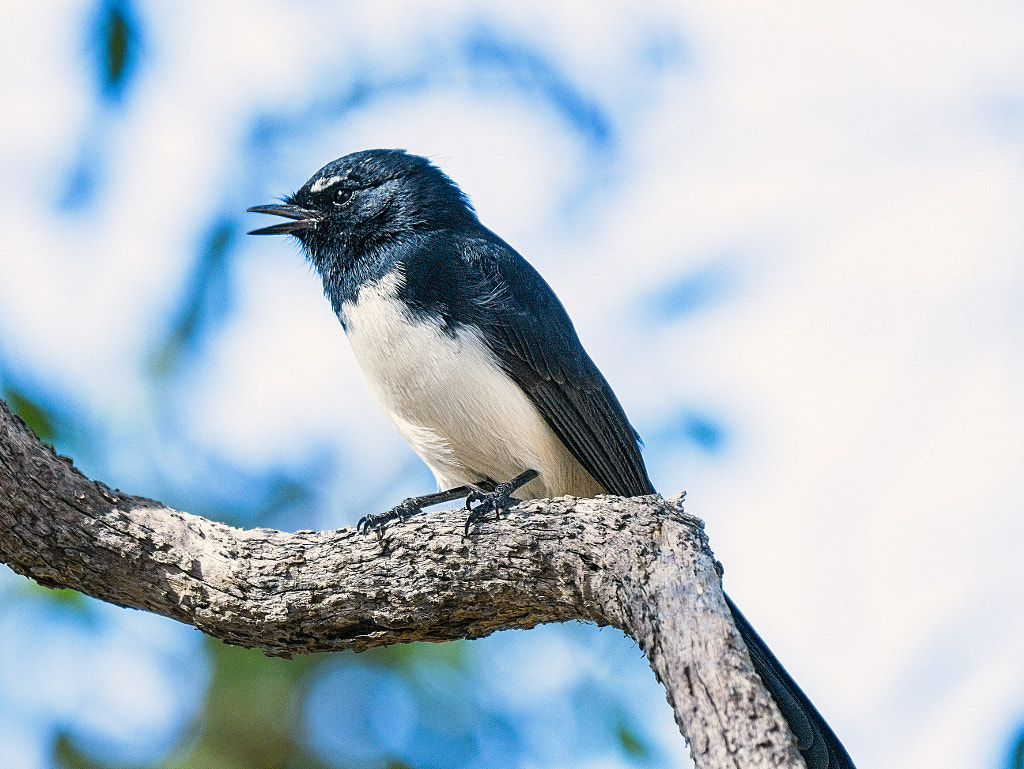
Willie Wagtail, Rhipidura leucophrys leucophrys, singing. Ashfield Flats, Western Australia.
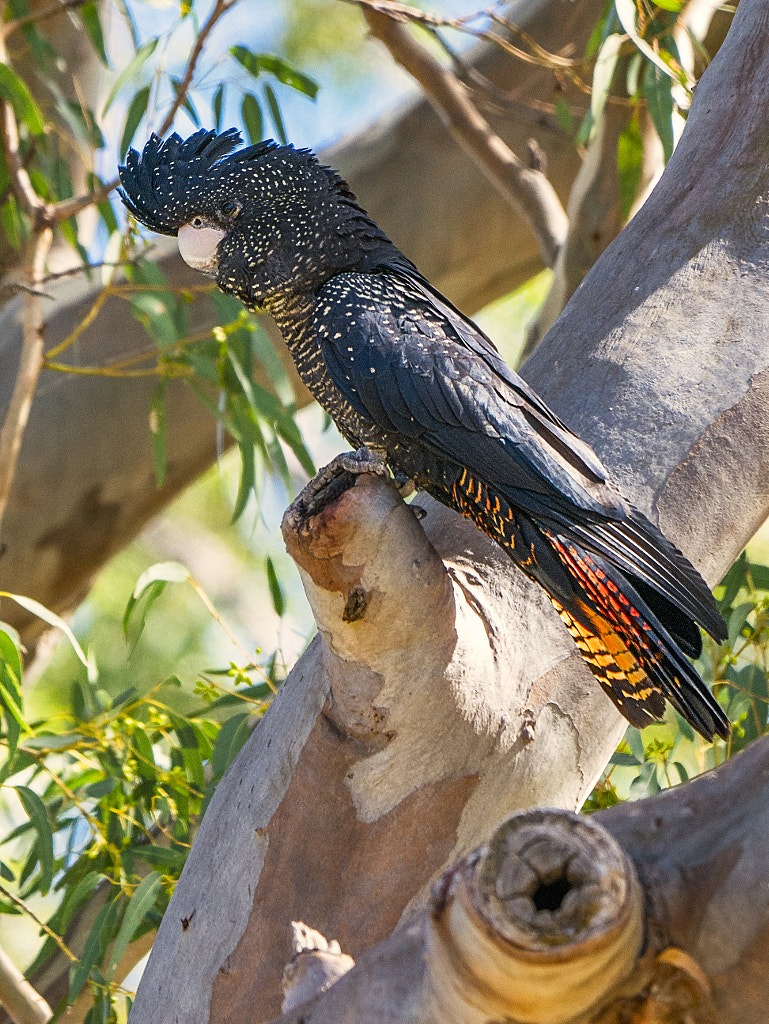
Red-tailed Black Cockatoo, Calyptorhynchus banksii subs samueli. Ashfield Flats, Western Australia.








You must be logged in to post a comment.