… you are cleared for landing.



… you are cleared for landing.

Early mornings along the River Avon have taken on a decidedly misty appearance. Going down to Monger’s Crossing at first light and I’ve been hard pushed to see across the river. The upside of this is that by carefully walking and crawling I can get quite close to the herons and spoonbills there. The spoonbills seem a bit more stoic than the herons. They just get on with the normal morning routine of foraging in the shallows for food. In contrast the heron looked decidedly unimpressed with the weather just standing in the long grass with its shoulder hunched up and looking forlornly at the water coming down from the weir.


After an hour or so the sun gradually started burn off the mist and the golden light gave a radiance to everything. The sun’s warmth began to take effect and the birds became a lot more active and I was able to get some photos of birds flying, which is always a thrill. The still and quietness of the mist was gone and replaced by the raucous noise of the corellas and the honking of the herons as they flew overhead. By 9 o’cock it was all over. The birds had settled and no activity could be seen.


99% of nature photography is performing the process persistently and repetitively – almost an obsessive compulsive behaviour if you will. After last weeks lack of success in photographing dragonflies in flight I was determined to have another crack at it. After a bit of reading I’d found out that dragonflies and damselflies are ectothermic – which means that they are not able to regulate their internal body temperature and are to a certain extent dependent on sunlight and ambient air temperature. They don’t actually sleep as we understand it, but, rather go into a torpor and they roost in the undergrowth overnight and wait for the warmth of the next day. Which means at sunrise they don’t move around so quickly. This time I went down to some of larger pools of water in what remains of the Avon River at first light.


As I walked along the dried out river bed I spotted some damselflies waiting for the sun to come properly. Much easier to photograph as they were staying still! After a brief interlude I carried on up the river. In quite a few places there were large holes where the water had evaporated leaving a thick salt crust. In other places the river bed was quite rutted and potholed which meant the unwary could easily turn an ankle or worse.

Eventually I made my way to Mile Pool which is a large permanent pool fed by an underground spring. This means that a lot of wildlife can be found there. At the near end the pool is quite narrow, about 1m and shallow with over hanging tree branches and tree roots which would provide lots of perching spots. In my reading I’d also discovered that male dragonflies are quite territorial and will fly a set pattern around a territory often stopping at the same few perches while looking for females to mate with and chasing off other males who’ve dared to trespass. Sitting down on the ground I’d found my subject – a large Tau Emerald dragonfly. He had a regular flight pattern and every time he went round he’d pause and hover for a second or two. I realised that this would provide me my best opportunity to get a photo of it in flight. Sounds simple doesn’t it? The reality was that it took an hour with repeated tries. Eventually I got a sequence of ten photos and the best one is below.

As I got up and stowed my kit I noticed I’d had an audience and they didn’t look that impressed that I was intruding on their secluded pool. I grabbed a quick photo and head off home happy that I’d succeeded in getting my DIF photo. DIF is the abbreviation of Dragonfly In Flight. I’m determined to get better shots than this, but it is a good start.

Last week I focused on the water birds this last week I’ve been walking the Avon Walk Trail looking at arboreal birds. There are more Laughing Kookaburras along the river than I can ever recall. They are not native to Western Australia and were introduced in 1912 in the hope that they’d significantly reduce the snake population. The scheme was a failure and the impact on the native bird species was huge. They have the ability to sit motionless in trees for very long periods of time watching for prey. They watch for smaller passerine birds repeatedly returning to nests and then take the chicks. They also ambush unsuspecting picnickers and will often steal sausages from a BBQ hot plate or sandwiches out of the hand of unwary. We had relatives from the UK over and were having a picnic with them when a large kookaburra relieved one of them of a piece of fruit cake. Although they are now considered a pest they are one of the iconic birds of the Australian bush and I do derive a lot of pleasure from seeing them.

For me one of the highlights of summer is the return of the Rainbow Bee Eaters. Their numbers in York were severely depleted a few years ago when the council obliterated their nesting area with a bull dozer. They nest underground in burrows and while they are here they breed. The work was done while they were raising their young so killed off two generations of birds. Last year we had a solitary female return and she looked a very sorry sight on her own crying out for a mate. This year we’ve had two breeding pairs who’ve hatched out chicks who have fledged – so hopefully we’ll have them back in larger numbers next summer. This morning I went down to where they nest and their burrows were empty and there were no birds flying around so they must have set off on their long journey north.

Another bird I have a soft spot for is the Black-faced Cuckoo Shrike. We have quite a few nesting at then of our street so they’re no particularly uncommon, but I prefer to photograph them sitting in trees as opposed to sitting on a power line. I think they are a rather handsome looking bird with their black face and grey body. It’s just as well they’re good looking as it makes up for their terrible call which sounds like cat that smokes 60 a day.

The last couple of shots are of the small boring birds people don’t take any notice of. In fact they are known as SBB or small brown birds by most bird watchers. I like watching them flit about in the tree canopy. The Western Thornbills follow clouds of insects and feed off of them. They can be seen in small groups or as part of a flock with other small birds. They’ll suddenly descend upon an area feeding in the low shrubs and then as quickly as they arrived they’ll leave.

The last bird is the Brown Honeyeater. Despite its plain looks and small size it is easily one of the best singers in the Western Australian bush. The volume produced is amazing considering it size.

Now we’re into the later part of January we’re having the summer we had to had – hot days with temperatures hovering in the late thirties. The Avon River is now rapidly drying out with the only water left in a series of deep pools. These pools become oasis’s for a lot of wildlife from damsel and dragon flies, turtles, water fowl and even the occasional fox. If you don’t like getting up at stupid o’clock in the morning then the best time to see all the activity is in the evening. Sometimes the temperatures don’t drop before the sun goes down and then you’re hard pushed to see any animal activity. Thankfully we’ve had some quite cool nights over the last couple of weeks and so the opportunity to photograph down at Monger’s Crossing presented itself.

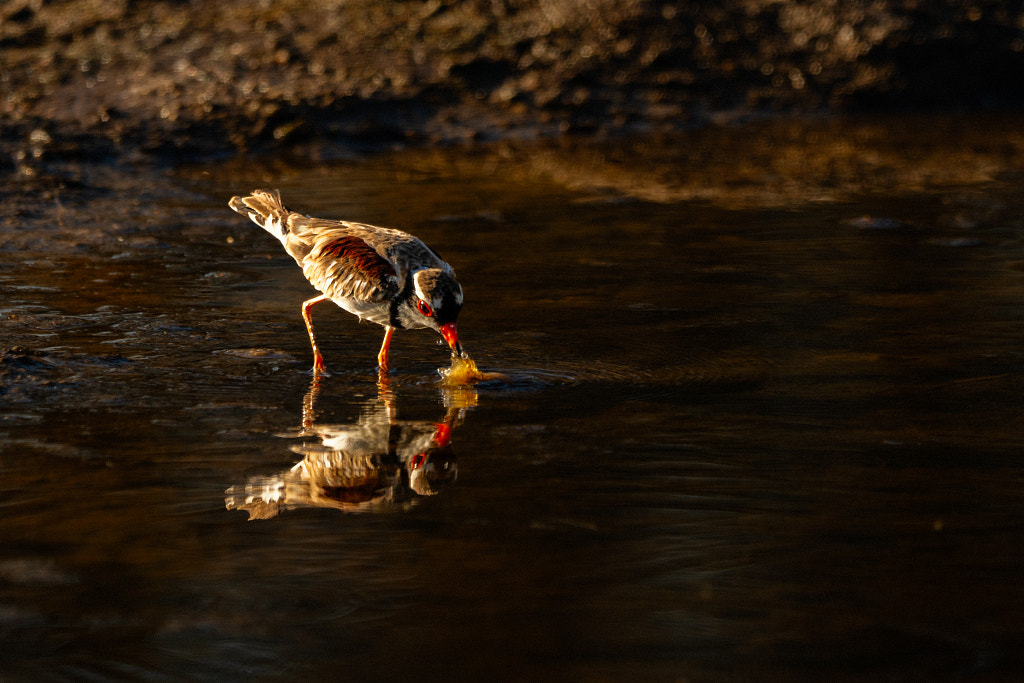


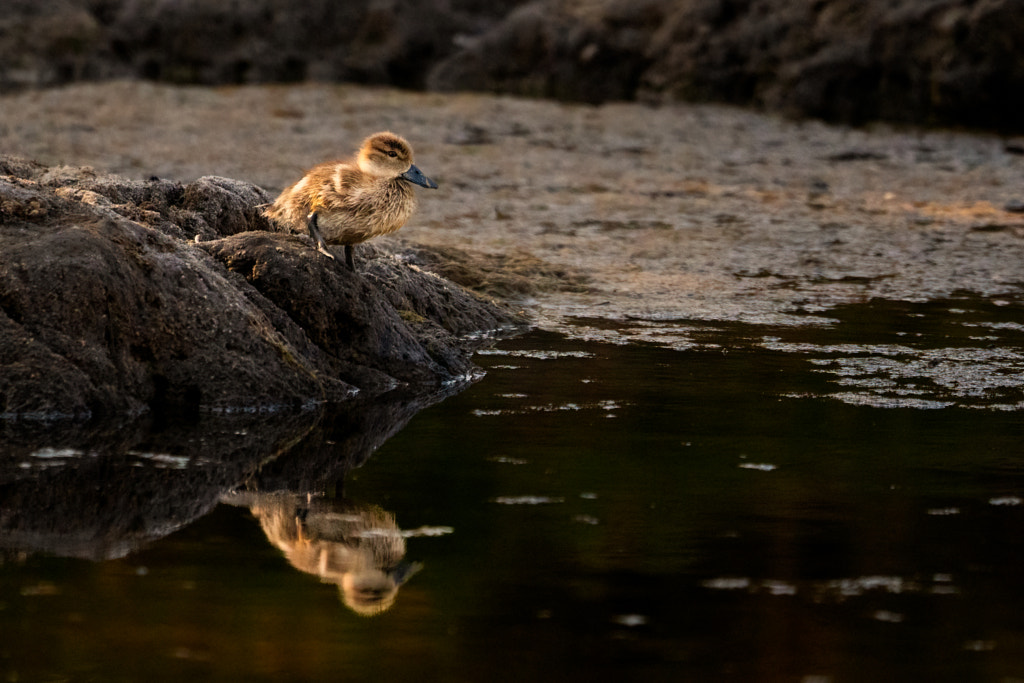
It’s safe to say this summer has been hotter than a very hot thing that is feeling hot. The knock on effect of all that heat is that motivation evaporates – literally. It is very hard to get out and about when temperatures are above 40ºC (104ºF). The UV index is so high that if you’ve been outside for longer than 5 minutes you need to see a dermatologist to have skin cancers removed.

So summer days are spent dreaming up ways to keep cool. You can go for the psychological approach like my Beloved Significant Other (BSO) – she is reading Scandi noir books set in chilly sub Arctic nordic climes hoping that she can convince her body that it is cold. I’ve tried watching a few films along those lines but my body is not easily fooled. Next is the physical approach. The BSO has also taken to spending as much time as possible at the swimming pool. I don’t go as when I get into the pool the water gets out. More seriously the pool isn’t heated in any way and the cold water has me shrieking like a teenage girl at a Beatles concert. So I’ve given up on that idea. I’ve taken to hanging around the freezer cabinet in the local super market along with the rest of the town. The competition for the best spots can be brutal. The little old ladies are the worst – they’ve got sharp pointy elbows that they use to great effect to secure prime position and maximum coolness. The best place to go is the bottle shop’s (liquor store or off-licence for non Aussies) coolroom. Absolutely blissful. Unfortunately I was banned after I tried to smuggle in a chair and a TV. The best strategy is to get up early and try and do everything before it gets too hot. Then you retreat back to the sanctity of home and crank up the air con. This is why I’ve been printing photos lately.
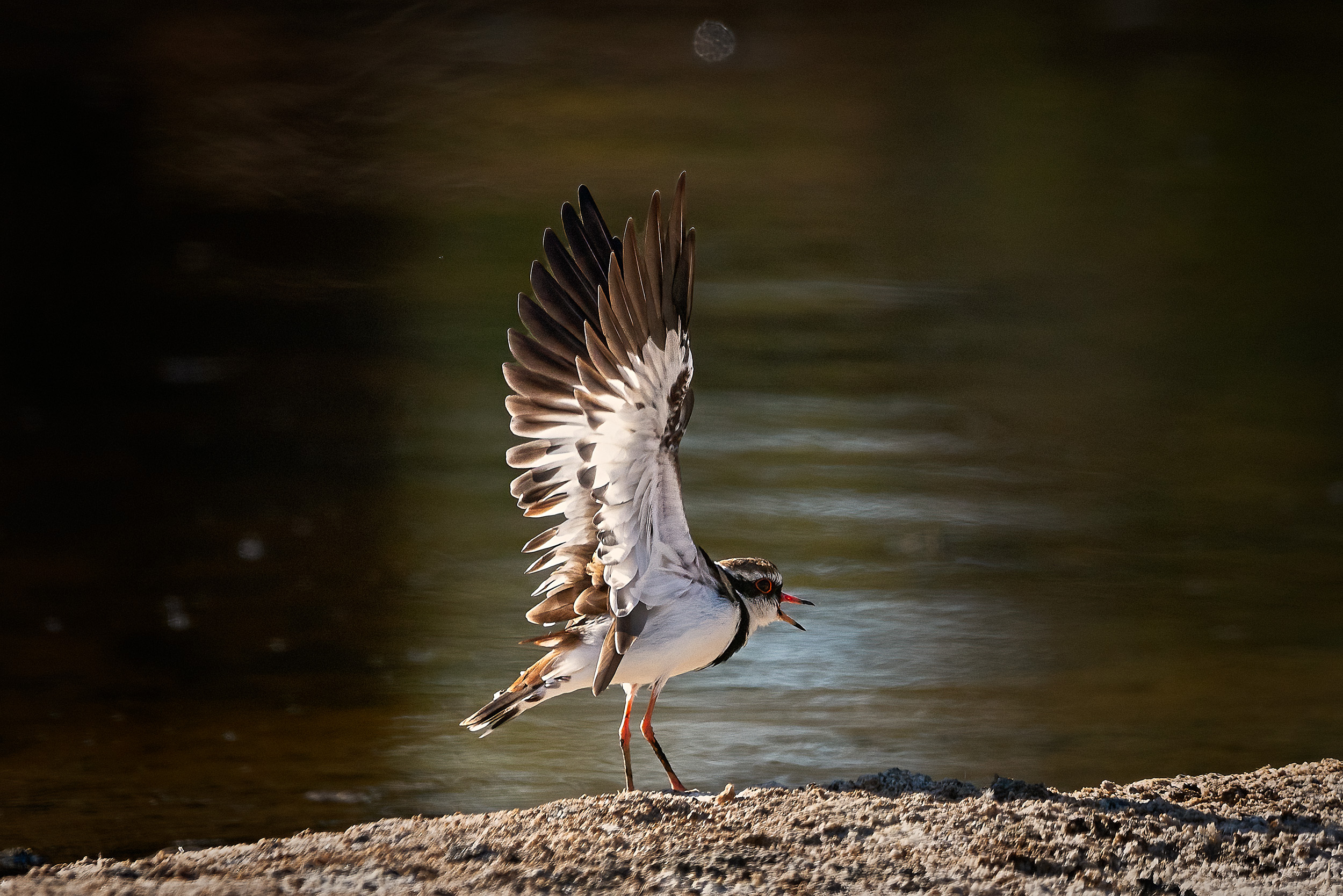
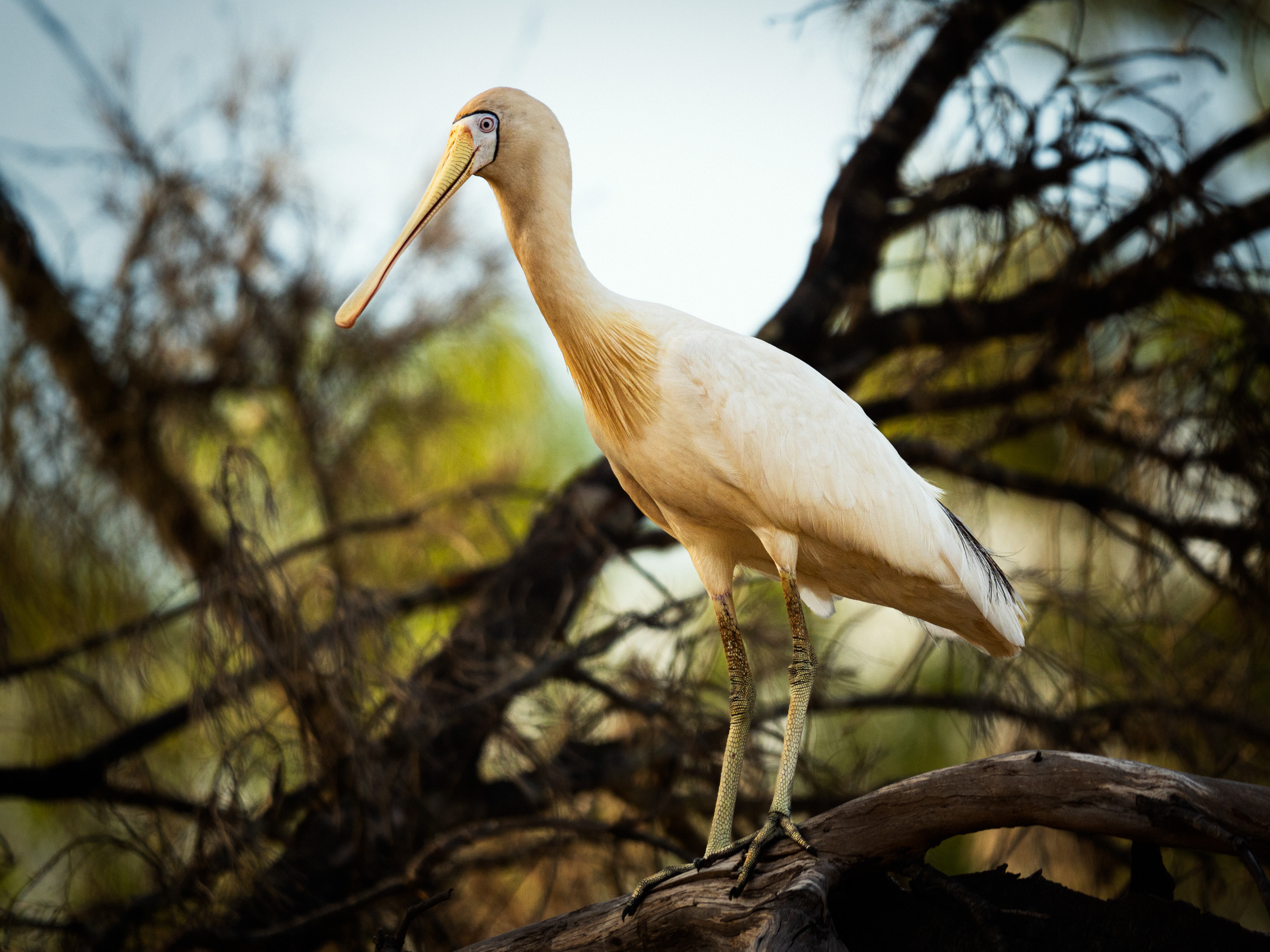

The impact of all this hot weather on the local wildlife has been considerable. The numbers of birds around is quite low. Lack of food and water. Even along the river, which now no longer resembles a river but a series of small fetid murky pools, there seems to be less activity. It has been a bumper year for dragon flies. I guess they must like it a little on the warm side. Once a week I’ve been going out to a large freshwater lake about 50Km from here to work on a new project. There’s been a bit more activity there but not much. Early in the mornings there is no vehicular access so you have to walk in through the bush and a couple of times I’ve come across a mob of kangaroos sparked out in the shade under the trees. They’re so hot and lethargic they can’t summon up the energy to move and they just lazily watch as I walk past. The only real activity at the lake has come in the form of a randy male musk duck desperately swimming up and down looking for a victim – err I mean prospective breeding partner. That duck can certainly move fast. Funnily enough I’ve not yet spotted a female musk duck – I guess they must be too hot and bothered and are avoiding him by hiding in the reed beds.

Thankfully it is the end of February. That means we’ve only got to survive March and the the weather will start to cool in April. Can’t wait!!
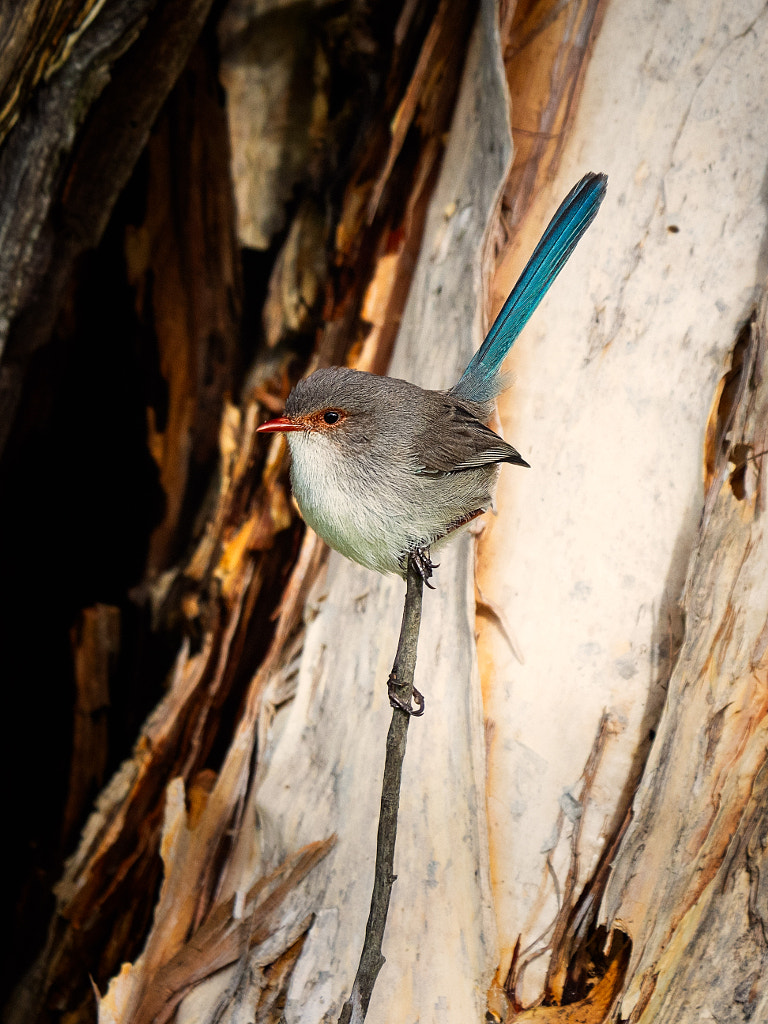
A gratuitous wren shot as wrens make everything better.
It has rained and rained here. I know not as much as in Germany, China or India, but it has rained a lot for here.It feels like I should be starting a DIY project – Ark building for dummies. Nah! I’ll skip that as I flunked woodwork at school. The Avon River burst its banks which drew lots of people in wanting to take photos of it. I even took a few myself.


Despite all the wetness I’ve managed to grab a few sunny moments and head off to the local reserves. They are saying that all this rainfall is going to produce an amazing abundance of wildflowers this year. From what I’ve seen it looks to be true for our local reserves. Hopefully we’ll see some varieties come up that haven’t been seen for a few years – I’m looking at you Eastern Curlylocks.
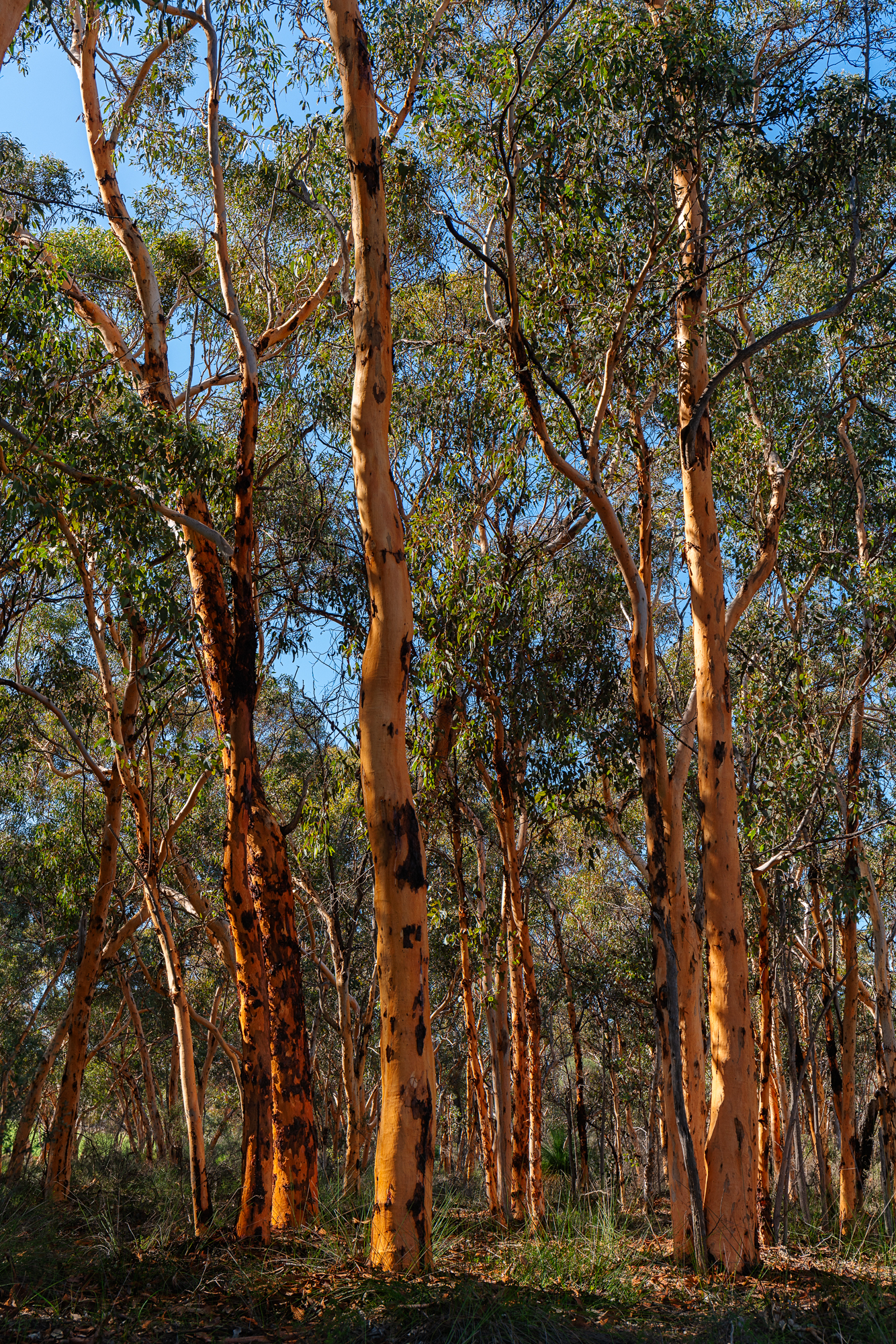
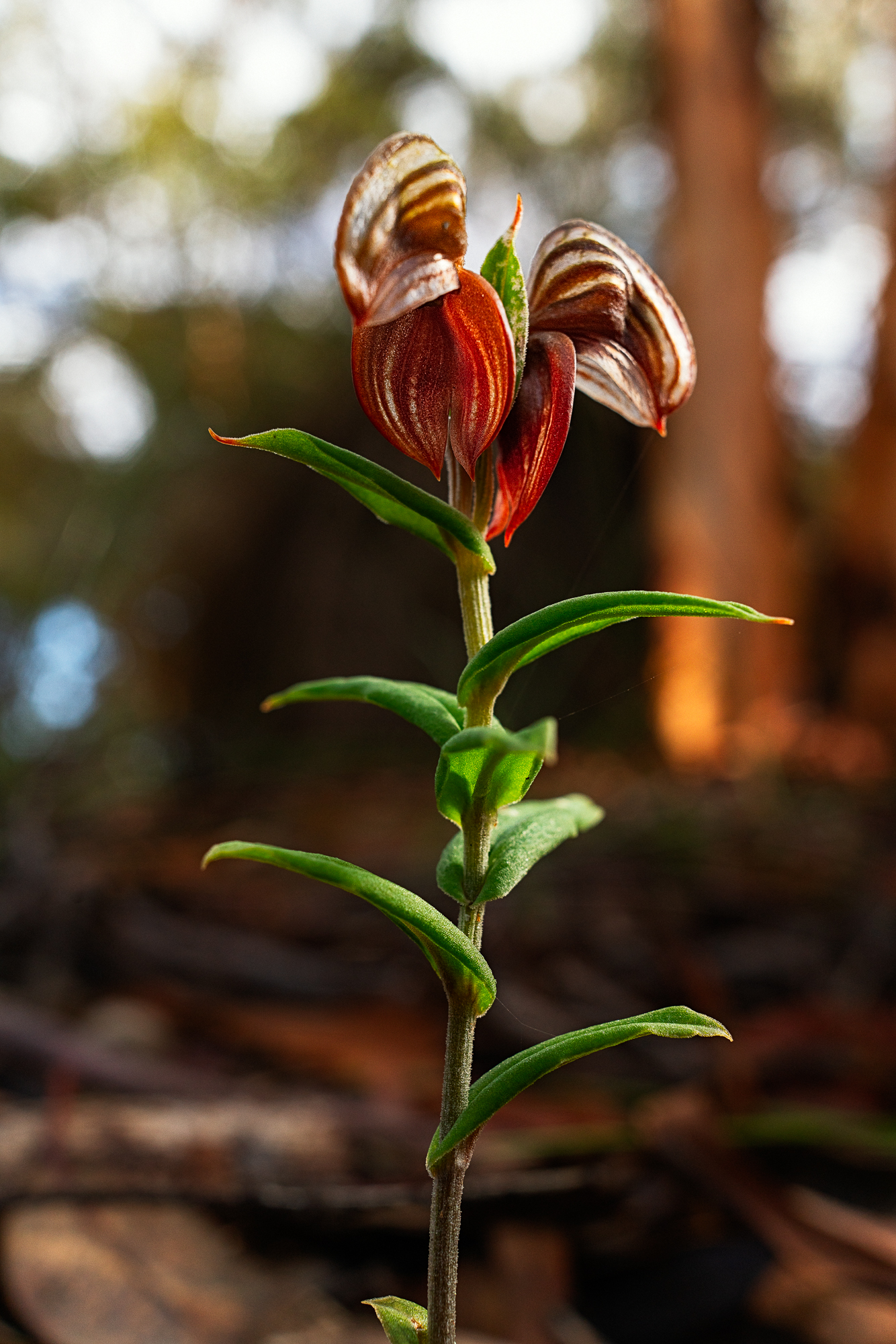
The last couple of days have been fine and tomorrow we head off to the Stirling Ranges where the weather forecast is rain for the whole time we’ll be there. I suppose I should be used to it now. Thank goodness for Goretex and the weather proofing on my Olympus camera.

Like many people at this time I’ve had my movements curtailed. Where I live we are allowed out locally for exercise so I’ve been going out for walks along the river to photograph and video the birds that can be found there. This is the third time I’ve tried to video wildlife and it is very hard.I don’t work from a hide so I have to set up quickly and quietly and often the birds will move on before I can get filming. Shooting mainly just after dawn or just before sunset has meant using high ISOs and made focusing difficult. But, the more you do it the better you get. The purpose of the video was to make something, learn something new and help keep me thinking positive thoughts during this time.
Just out of interest I’ll put the stills up below. They were shot on either a Canon EOS6d with the Sigma 150-600mm f4.5-6.3 Contemporary lens or the Olympus OMD EM1 mk ii with the Panasonic Leica 100-400mm f4-6.3 lens. I wonder if you can tell the difference at web size without enlarging to 100% or checking the EXIF data?


You must be logged in to post a comment.