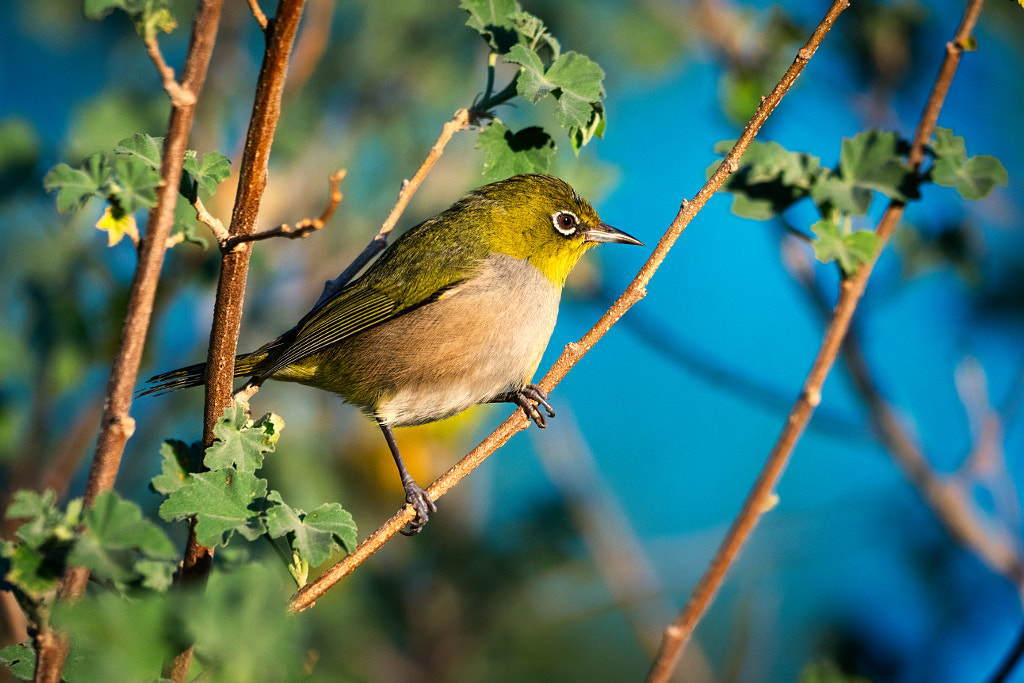
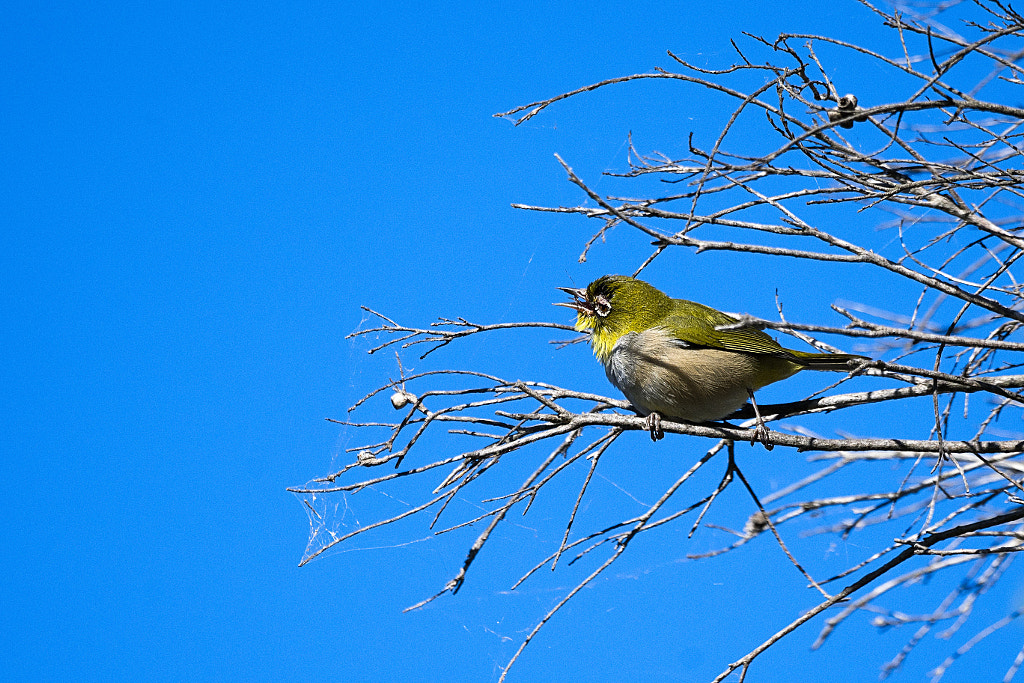
Silvereye, Zosterops lateralis. York, Western Australia.
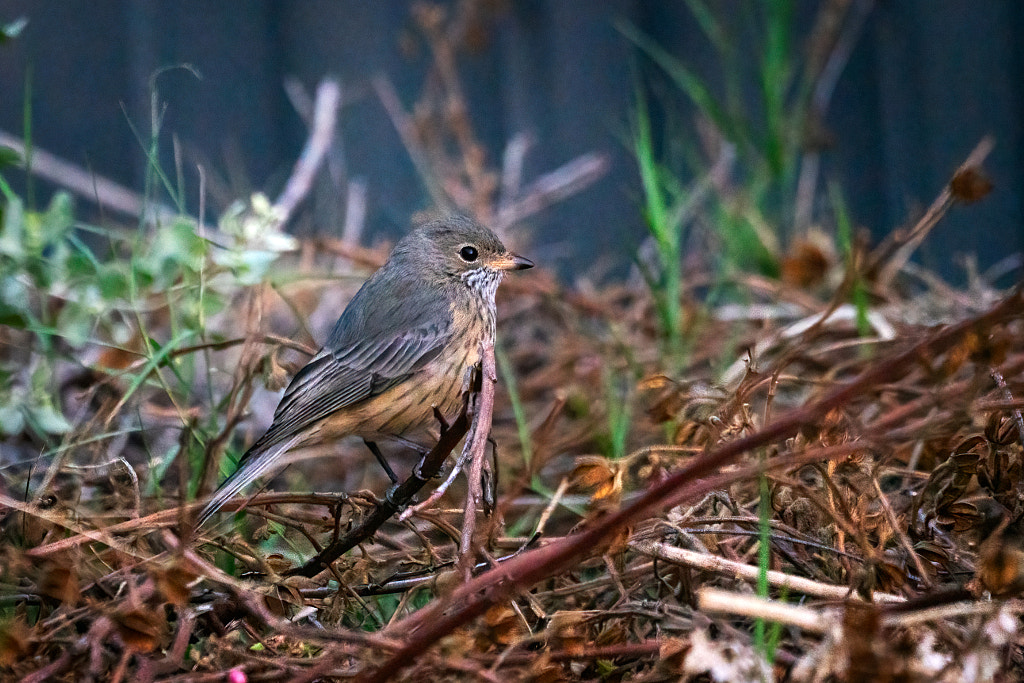
We’re still getting visitors to the garden. Lately we’ve been getting half a dozen or so Silvereyes visit at around 4-5pm. They’re tricky things to photograph because they are so small (about 10cm beak to tail) and they move so erratically- think manic clockwork toy on speed and you’ll be in the ball park. Just before sundown we get a female rufous whistler pick over the mulch in the garden beds. I can hear the male in the peppercorn tree but I’ve not seen him.
A female rufous whistler visits the garden.
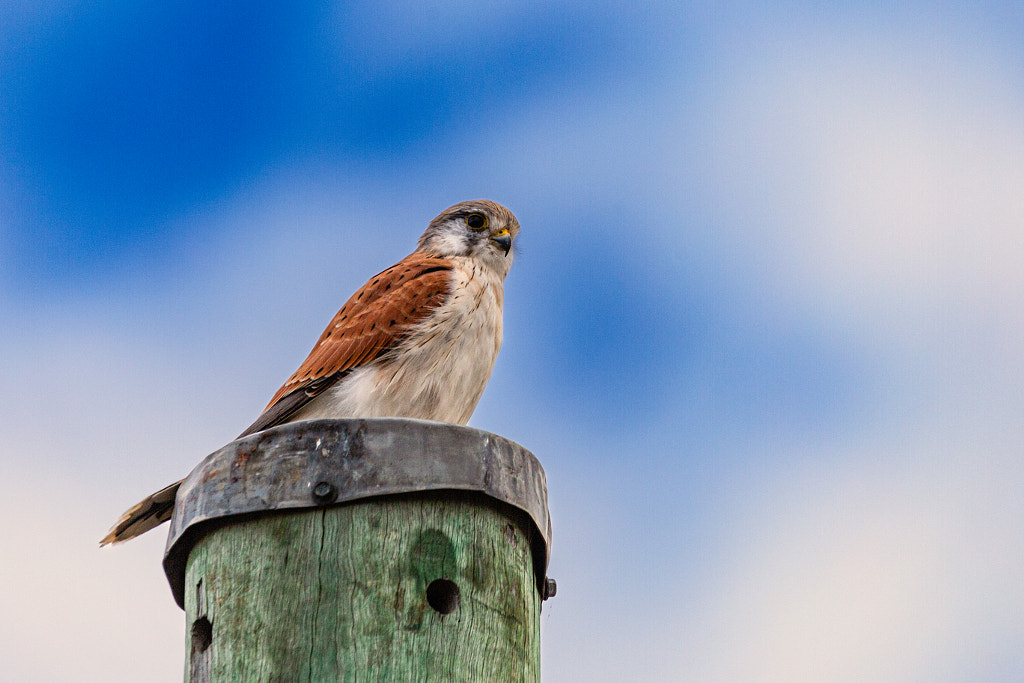
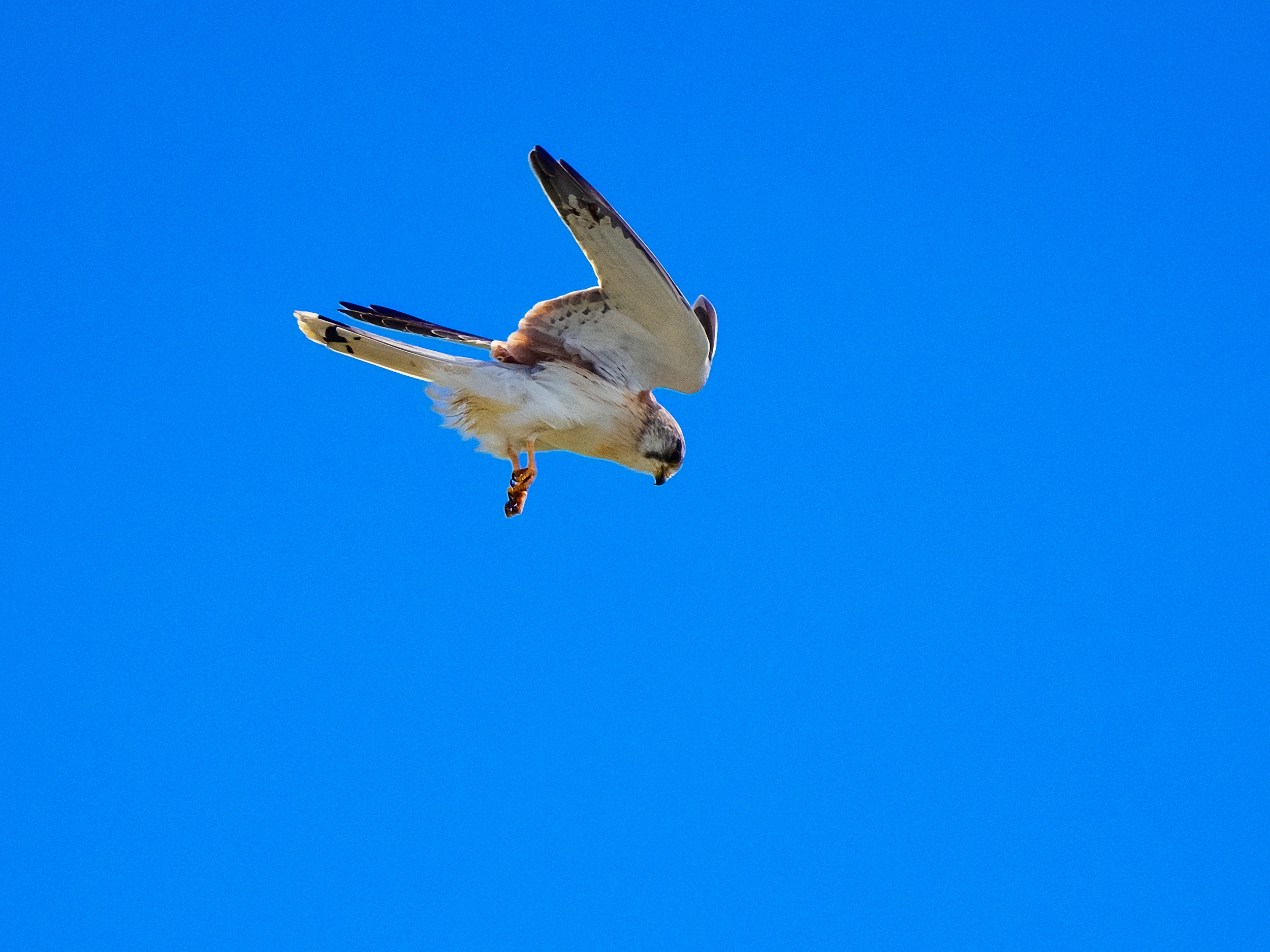
The Nankeen Kestrels have been spending a lot of time on out TV aerial and the power pole on the street. They largely just sit and watch the paddock opposite. Occasionally they are digesting a recent meal. Every now and again we are treated to display of aerial acrobatics where the kestrel will hover over a spot and watch it carefully before diving at great speed to take its prey.
Nankeen kestrel (Falco cenchroides cenchroides), York, Western Australia.
Prey sighted now dive! Nankeen kestrel (Falco cenchroides cenchroides), York, Western Australia.
I like the changes in the seasons and particularly look forward to the arrival of autumn. In fact spring and autumn are what living here are all about – fantastic weather with near perfect temperatures.
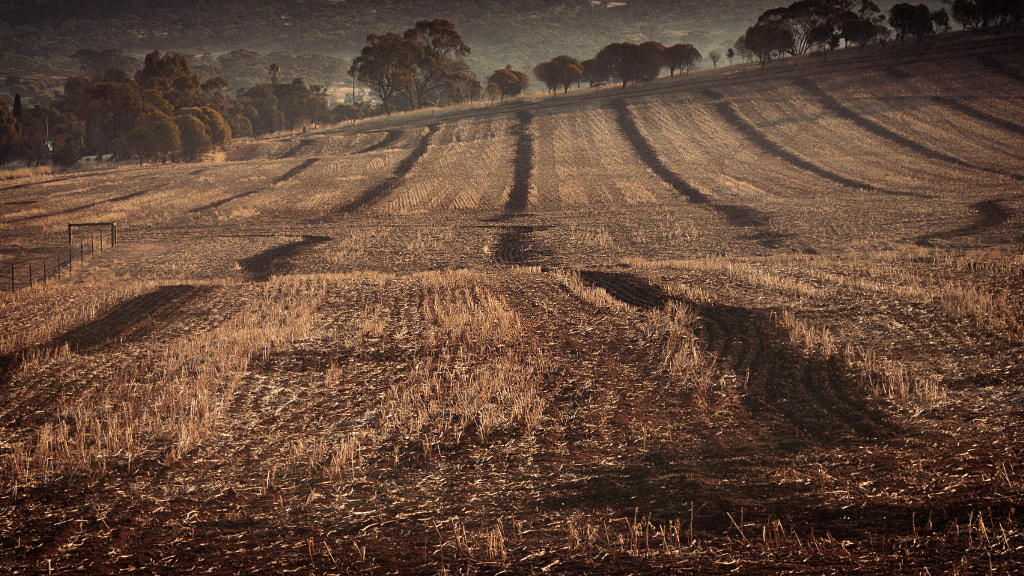
The Autumn burn off in the fields of the Western Australian Wheatbelt has left its distinctive stripes on the landscape.
The farmers have launched into a frenzy of activity – the fields are being burnt in preparation for the next crop. They are hoping that the war in the Ukraine and the sanctions against Russia will bring about record wheat prices. That optimism is being tempered by rising costs of fuel, fertiliser and pesticides. As usual for this time of year the valley fills with palls of smoke leading to some spectacular sunsets.
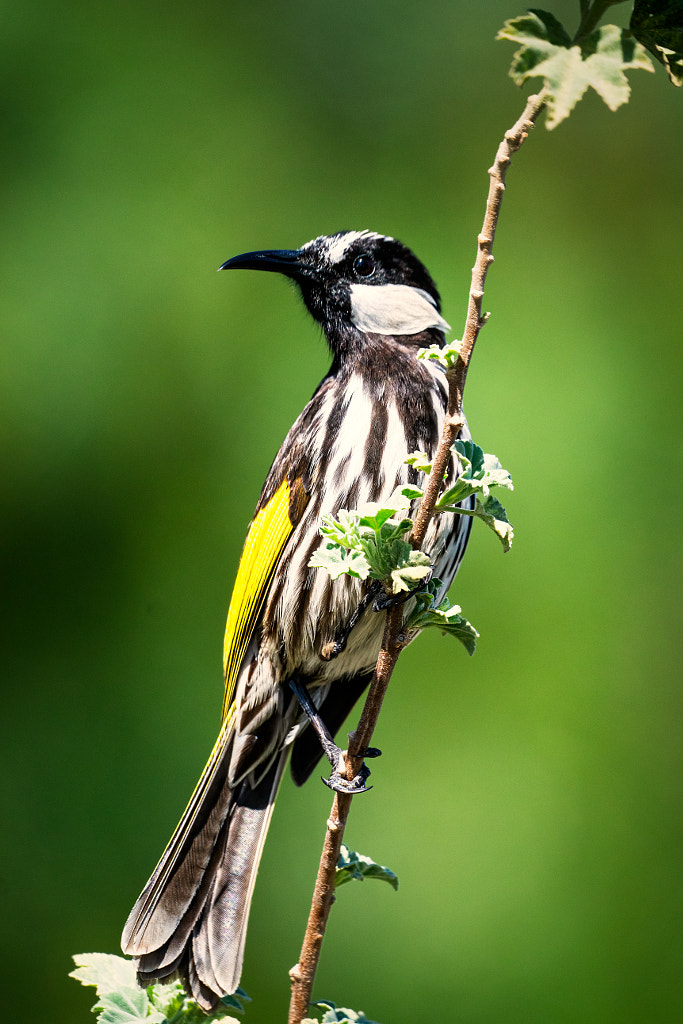
In the garden the bob tailed lizards are nowhere to be seen. While they don’t exactly hibernate they go into torpid state where they hide up and live off the fat reserves in their tails. The white browed babblers have upped sticks and moved to another garden and the only real activity is coming from the white-cheeked honeyeaters. They had a bit of a population explosion over summer so there are lots of adolescents chasing one another around the garden. This has led to some spectacular demonstrations of flying with some very close calls with windows and near misses while dodging around the rear veranda. Just as dawn breaks lots of them sit on the fence outside my bedroom window and make a tuneless racket. What they lack in musical ability they make up for with enthusiasm.
White-cheeked Honeyeater (Phylidonyris niger).
Yes I like autumn it marks the start of more activity out in nature.
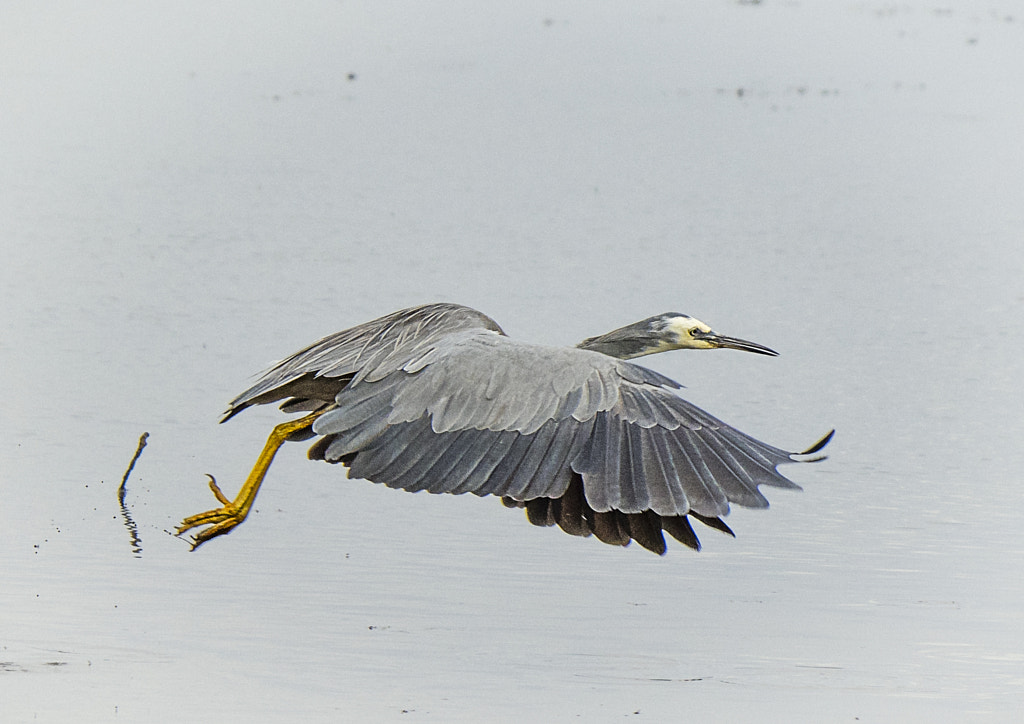
BIF or bird in flight. White faced heron, Egretta novaehollandiae, Wilson Inlet, Denmark, Western Australia. Olympus EM1 mk I with Panasonic 100-400mm lens.
I’m not talking about the Oscars but Birds In Flight. I’m finding this a very troublesome aspect of nature photography.
If you listen to bird photographers talk this is the holy grail and if you take a picture of a bird in a tree it is derisively called a bird on a stick and is seen to have no merit at all. In fact BIF is now considered such an important part of photography that with each new camera launch the manufacturers herald its new bird tracking autofocus capabilities. These cameras are now capable of shooting incredibly high frame rates in excess of 20 frames per second which encourages photographers to just machine gun the subject – the so called spray and pray – in the hope of capturing something interesting. So why do I feel this troublesome. Well this technology doesn’t come cheap and the fact is that you have to be seriously minted and committed to bird photography to afford the equipment. The Sony A1, the Nikon Z9 and the Canon R3 are all around $9-10,000 AUD. Slap on a suitable long fast prime lens like a 600mm f4 and you have a package that will set you back a cool $30,000 AUD. Predominantly I shoot with Olympus’ cameras and their newly released camera plus their top wildlife lens will set you back around $15,000. So as you can see it’s not for the faint hearted or the financially embarrassed.
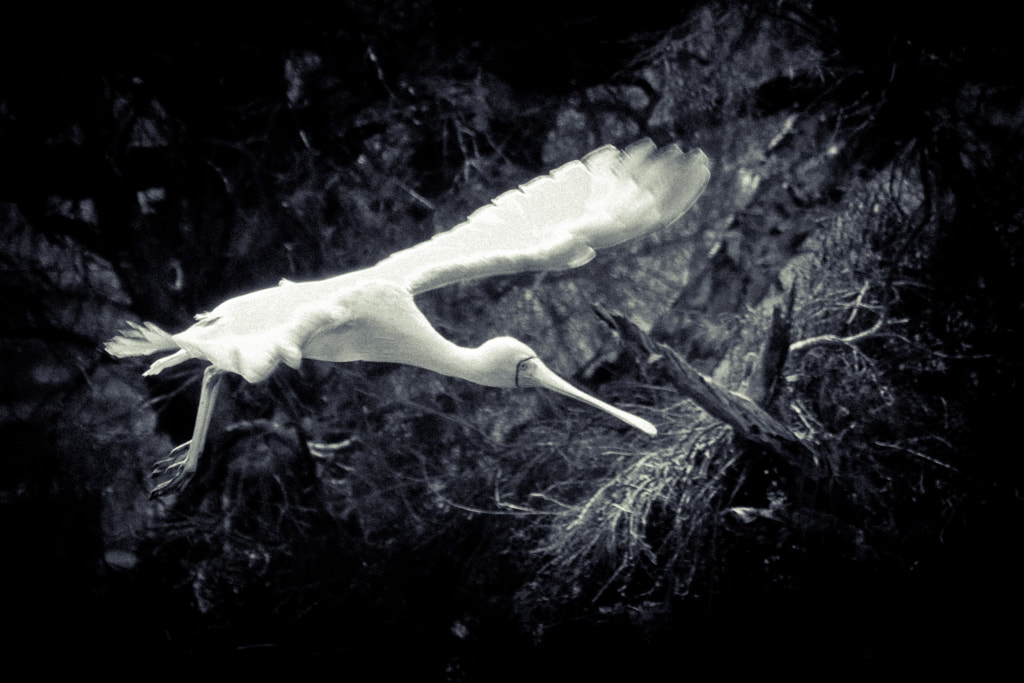
A Yellow-billed Spoonbill (Platalea flavipes) flying back to its nest on the Avon River. Canon EOS 550d with a Canon EF 70-200mm f2.8 IS L lens.
So does this state of affairs mean that unless you are wealthy you shouldn’t take up nature/wildlife photography? No because I happen to believe that it is the skill of the photographer that makes great photos and not the size of their bank account. Nothing beats going out into the field and spending time getting to know your subject and the environment they live in. The more time you spend out there the more picture taking opportunities you will have.
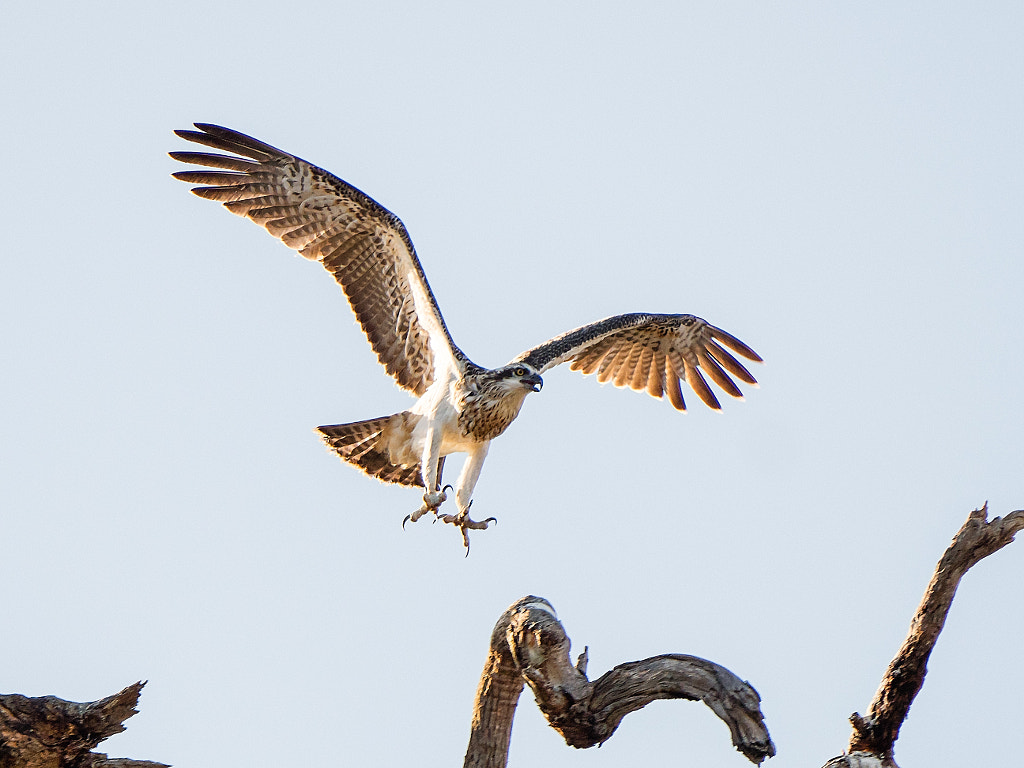
The Eastern Osprey (Pandion cristatus) is known to the Nyoongar people of the south west of Western Australia as yoondoordo. Oyster Bay, Lower King, Western Australia. Olympus OMD EM1 mk ii with Panasonic 100-400mm lens.
Secondly don’t obsess about equipment. Get what you can afford. Any camera with interchangeable lenses with a long lens is capable of excellent results. What matters is that you spend time with your camera and learn how it works. Eric Hoskins, 1908-91, was a pioneer in bird photography. He worked with what would now be considered very primitive – large format single shot cameras with no metering, no auto focusing and slow film emulsions (10 ISO) – yet he changed the face of bird photography with his use of flash and he enabled people to see birds in a way that they’d never seen before. Buy stuff second hand. Take advantage of the well heeled enthusiasts who have to have the latest and greatest. They change their equipment like I change my socks and often sell off perfectly good equipment for far less than they paid for it.
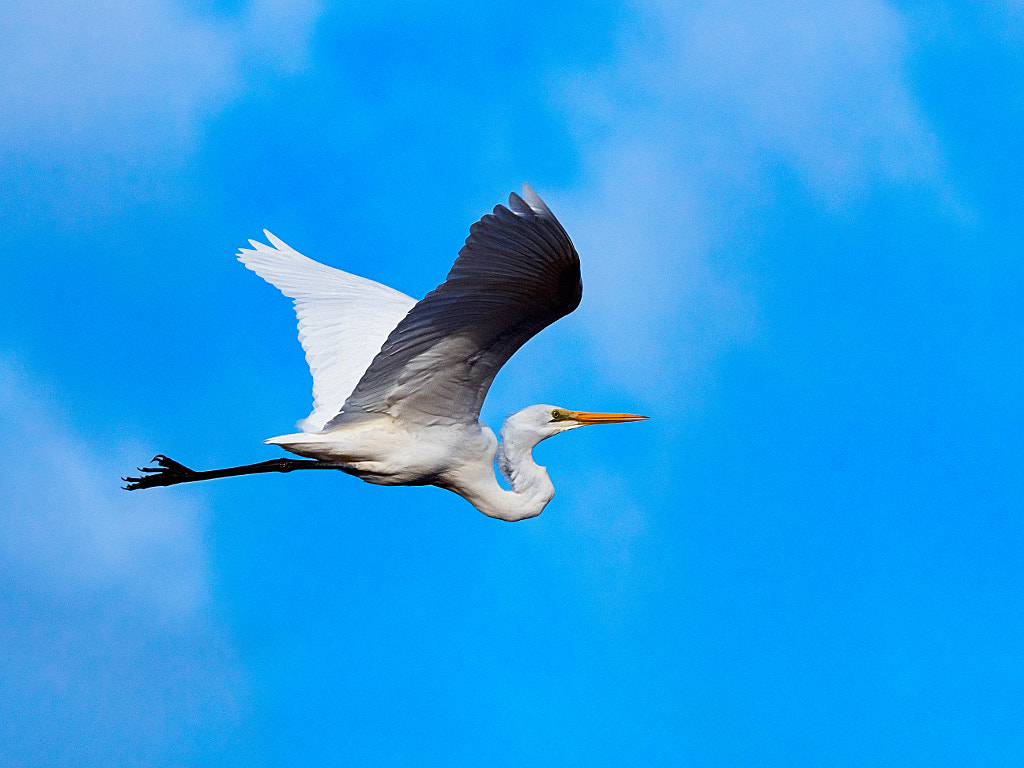
Blue sky. Check. Bird in flight. Check. A great egret (Ardea alba modesta) flying over the Creery Wetlands Nature Reserve in Western Australia. Olympus OMD EM1 mk ii with Panasonic 100-400mm lens.
Thirdly there is more to nature/wildlife photography than birds in flight. I find endless pictures of birds flying across a blue sky boring. I like to see animal’s behaviour – feeding, building nests, rearing young, mating rituals etc. Show the animal in its environment.
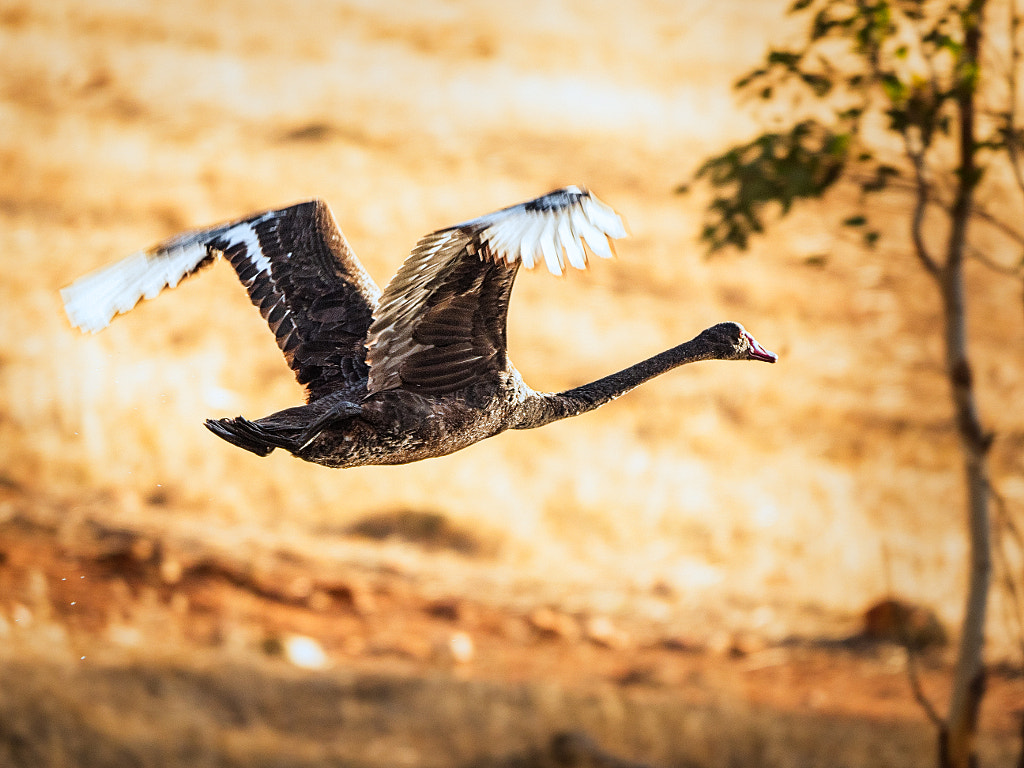
Kooljak is the Nyoongar name for the Black swan (Cygnus atratus), Toodyay, Western Australia.
Fourthly you don’t have to go on expensive safaris to take pictures of animals. Thanks to the power of the internet what can be found in your backyard is interesting to people in different countries so capitalise on what you have close to home because the skills you learn will pay off in spades if you are able to go on a trip of a life time to somewhere exotic.
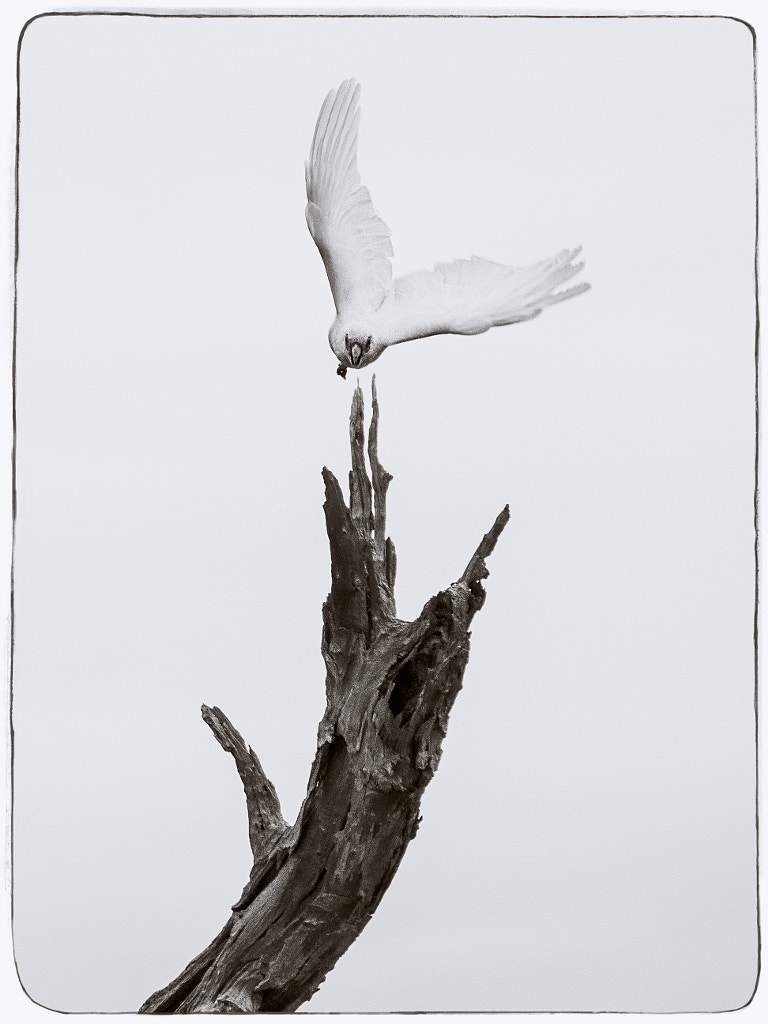
A Western Corella flies amongst the tree tops along the Avon River in York.
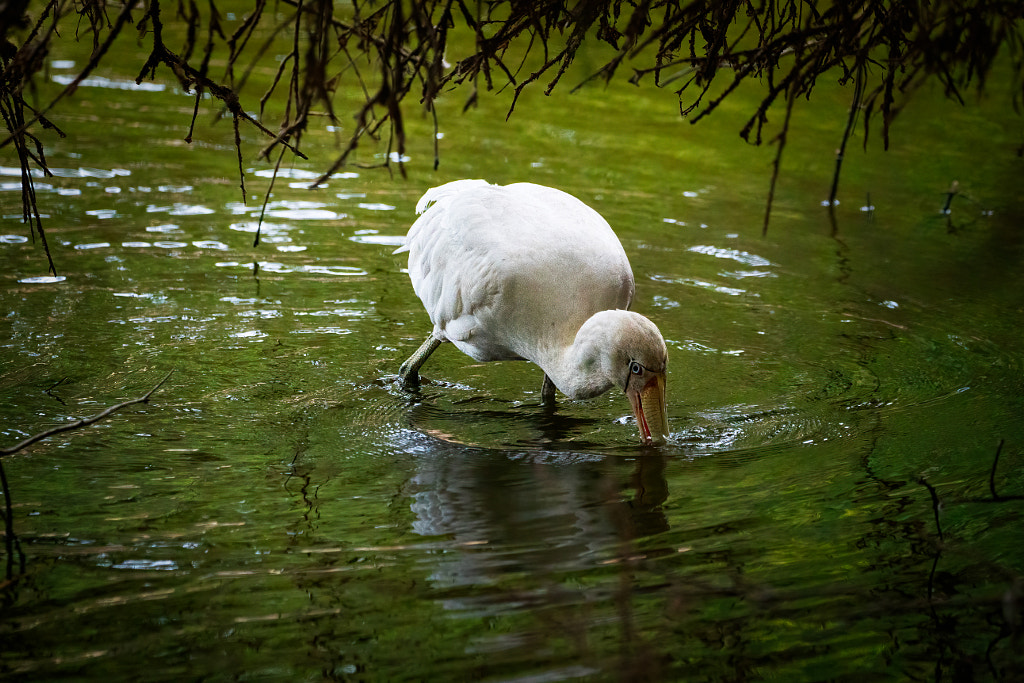
The shots below were taken at Tomato Lake which is in a park in one of Perth’s suburbs. The camera used was second hand with an older adapted lens with adequate autofocus. A few hours of being prepared to sit in mosquito ridden undergrowth by a lake gave me the chance to take some photos that I’m happy with and enjoy myself.
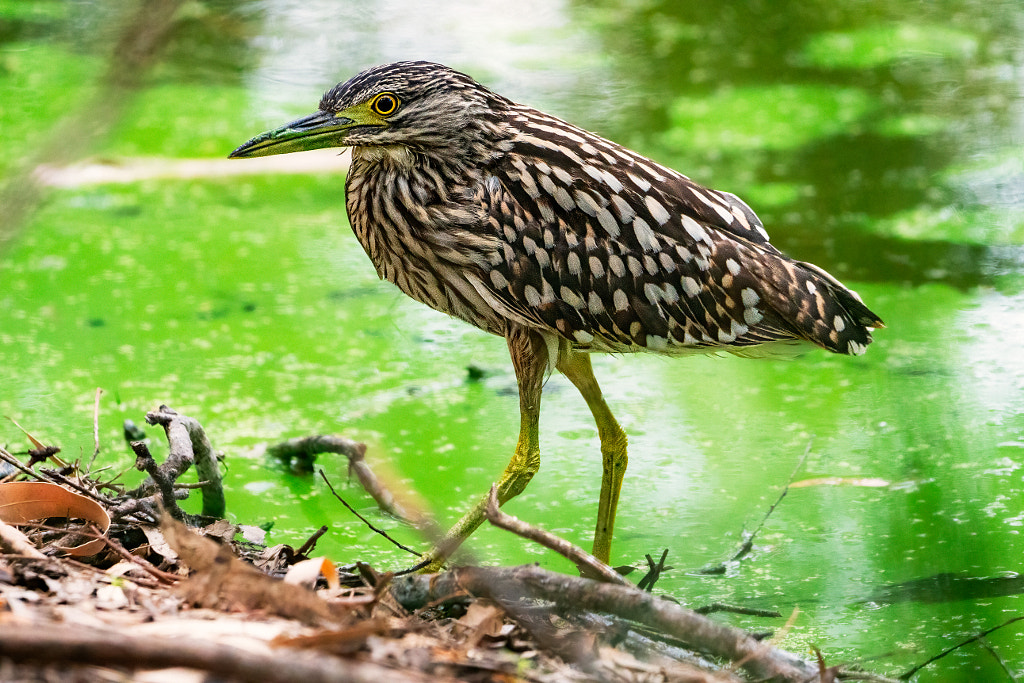
An immature Nankeen Night Heron, , Nycticorax caledonicus subsp mannillenis.
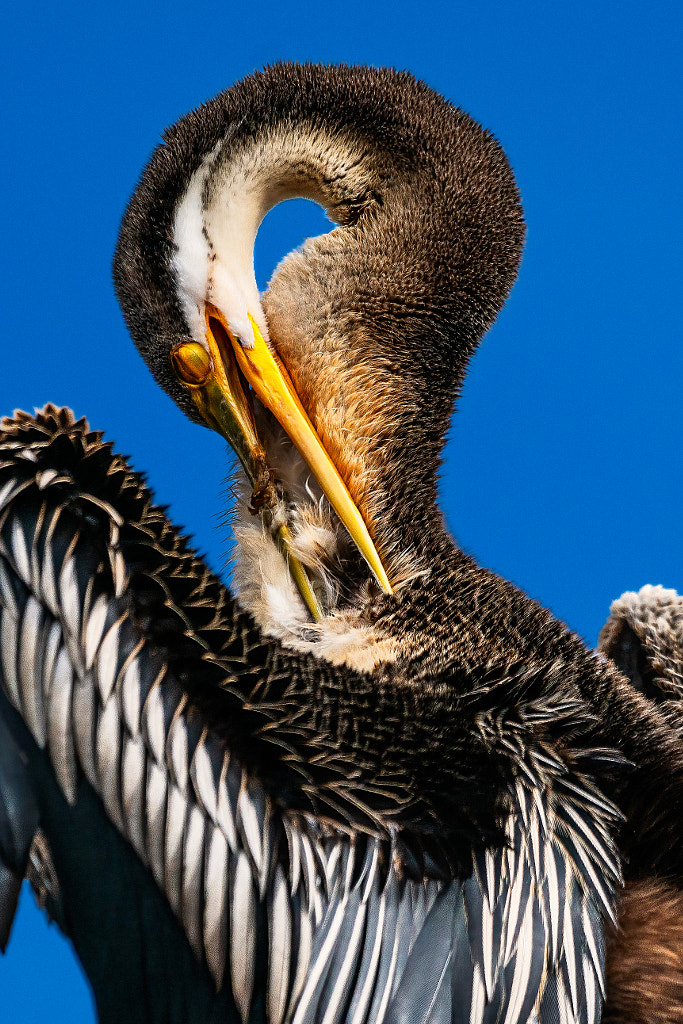
Australian Darter, often called Snake Bird, Anhinga melanogaster subsp. novaehollandiae.
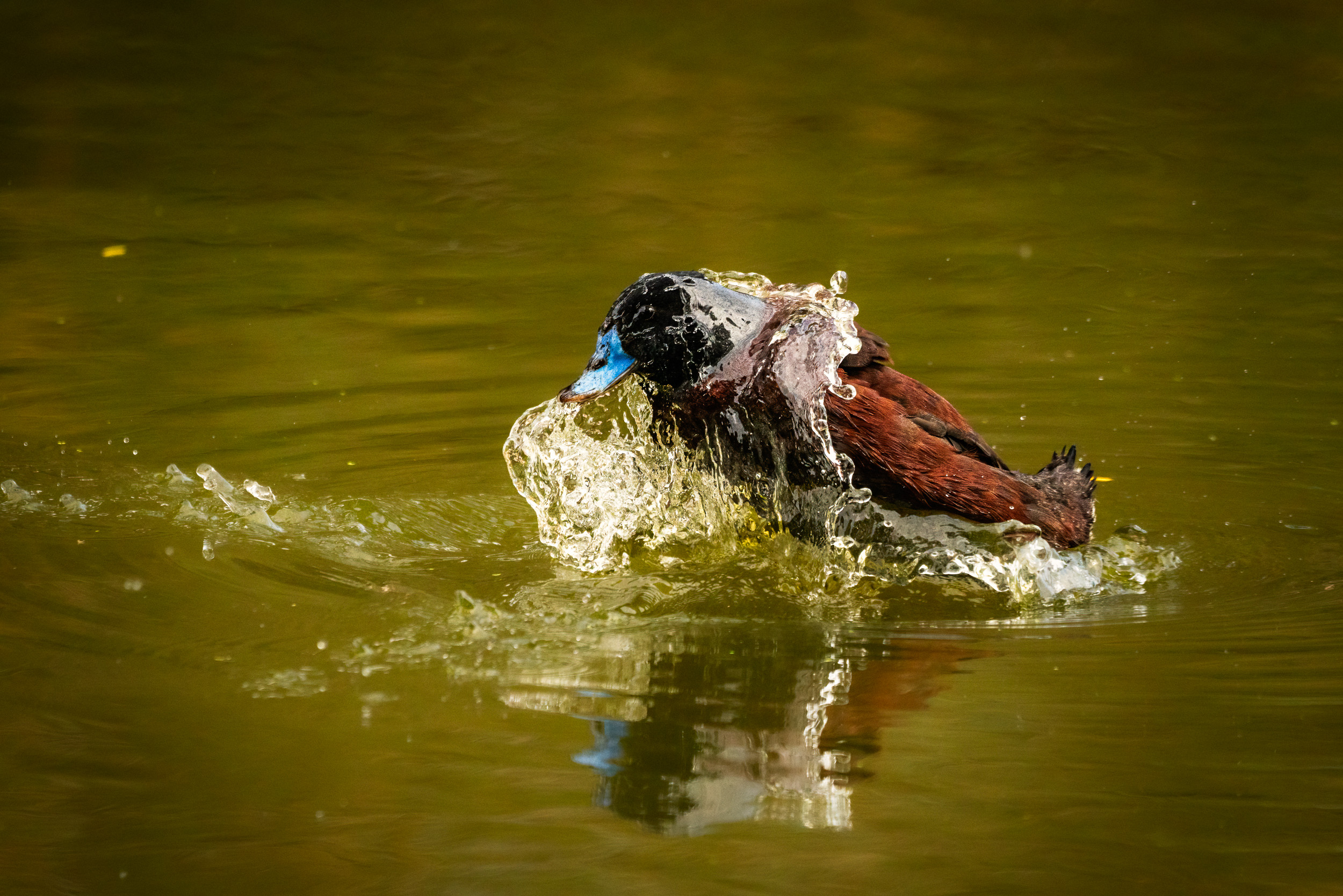
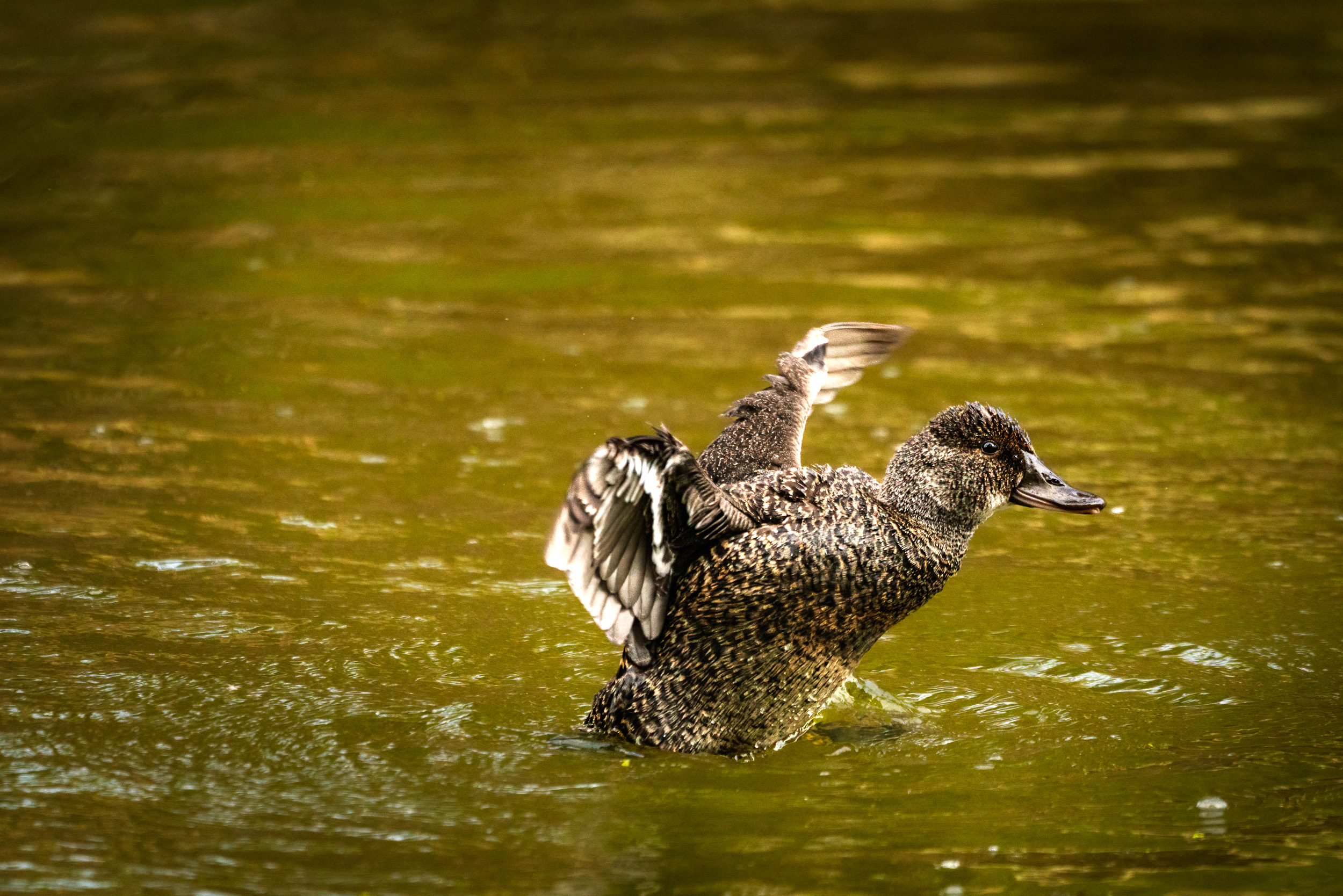
I was at Tomato Lake the other day watching the ducks while the Beloved Significant Other was working at attaining croquet excellence. After a while I came to the conclusion that in many ways people and ducks share similar behaviour. Like men the drake is up for rumpy pumpy at any time which can prove annoying for the females. When a drake gets in the mood for horizontal folk dancing he’ll start flirting. This basically involves getting the attention of a female. Drakes prefer to get amorous on the water and will shake their tail feather and bob their heads up and down. A bit like drunken males on the pull at the disco. If the hen doesn’t move in the general direction of away then the drake assumes that she is up for it and pulls out his really smooth moves. This starts with flicking water at the hen. My partner says adolescent boys do this to try and get attention from girls and it was really annoying. What happens next is a bit dependent on the species of duck, but the blue-billed ducks I was watching the other day have quite elaborate moves.
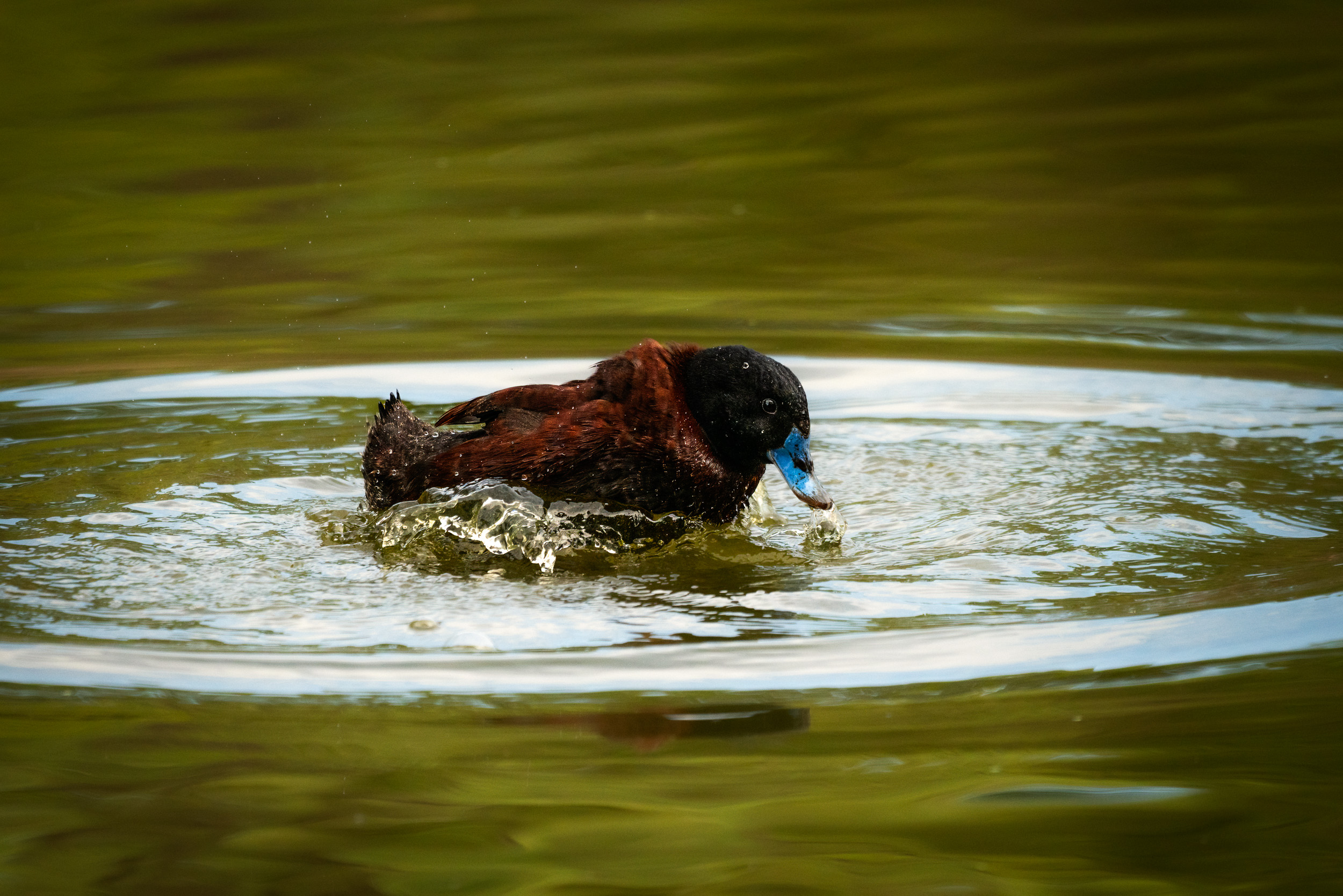
A male blue-billed duck on the cop. Stage one consists of pressing his head into the water and blowing bubbles.
The blue-billed duck has spectacular mating display. He’ll swim up to a hen and then he presses his head into the water and blows bubbles. Having done that the next stage is to flick his head backward throwing water about with his bill.Then he’ll rise up out of the water with his back arched as if in spasm, with possibly his legs kicking water spray above his body. He’ll then have a bit of a shake check to see if his victim is still watching and then repeat the whole thing again. The human equivalent is when the bloke goes full on Travolta – you know he’s seen Saturday Night Fever, Grease, and Pulp Fiction and thinks he’s dead good at dancing. Now if the drake has been successful he’ll chase the hen and then jump her – she often gets completely submerged in the process. It’s a bit like some men think a nudge in the ribs is foreplay. Once over they straighten their feathers the hen heads off to the reeds to build a nest, lay her eggs and raise the young. The drake does a runner and chooses to hang out with his mates until another hen takes his fancy. There’s no child support payments for ducks.
Then he’ll rise up out of the water…
… and arch his back as if in spasm…
… he then starts chucking water all over place.
Was the drake I was watching on a promise? No the hen swam off very quickly. She was obviously out of his league.
Unfortunately the object of his affections wasn’t impressed and legged it.
Obviously as I own Canon EF mount lenses this is about the EF version. Sigma state that their adapter is for use with their Global Vision lenses which comprises of three lens lines:
Art
Contemporary
Sport
As of the time of writing there are 44 Sigma lenses that are compatible with the adapter and these allow users to access all the auto focus modes on Sony E mount cameras. This is important to me as I want to be able to use the 150-600 for bird photography.
The Sigma 150-600mm F5-6.3 DG OS HSM Contemporary lens is one of the lenses that is compatible with the Sigma MC-11 lens adapter.
The first thing you notice when you pick up the MC-11 is that it is very solid and well made. The body is of metal construction and the lens mounts are chromium plated brass. Disappointingly there are no weather seals. On the body is a USB port behind a soft plastic flap and on the opposite side is the lens release button. Just by that is a tiny LED light which is very hard to see when it is off. The purpose of the light is to inform you about how well the lens attached will work it does this through one of four states:
Constant green – the lens is compatible
Flashing green – you need to update the lens firmware
Flashing orange – the adapter firmware needs updating
No light – the lens isn’t compatible
The light only comes on for 2-3 seconds when you switch on the camera.
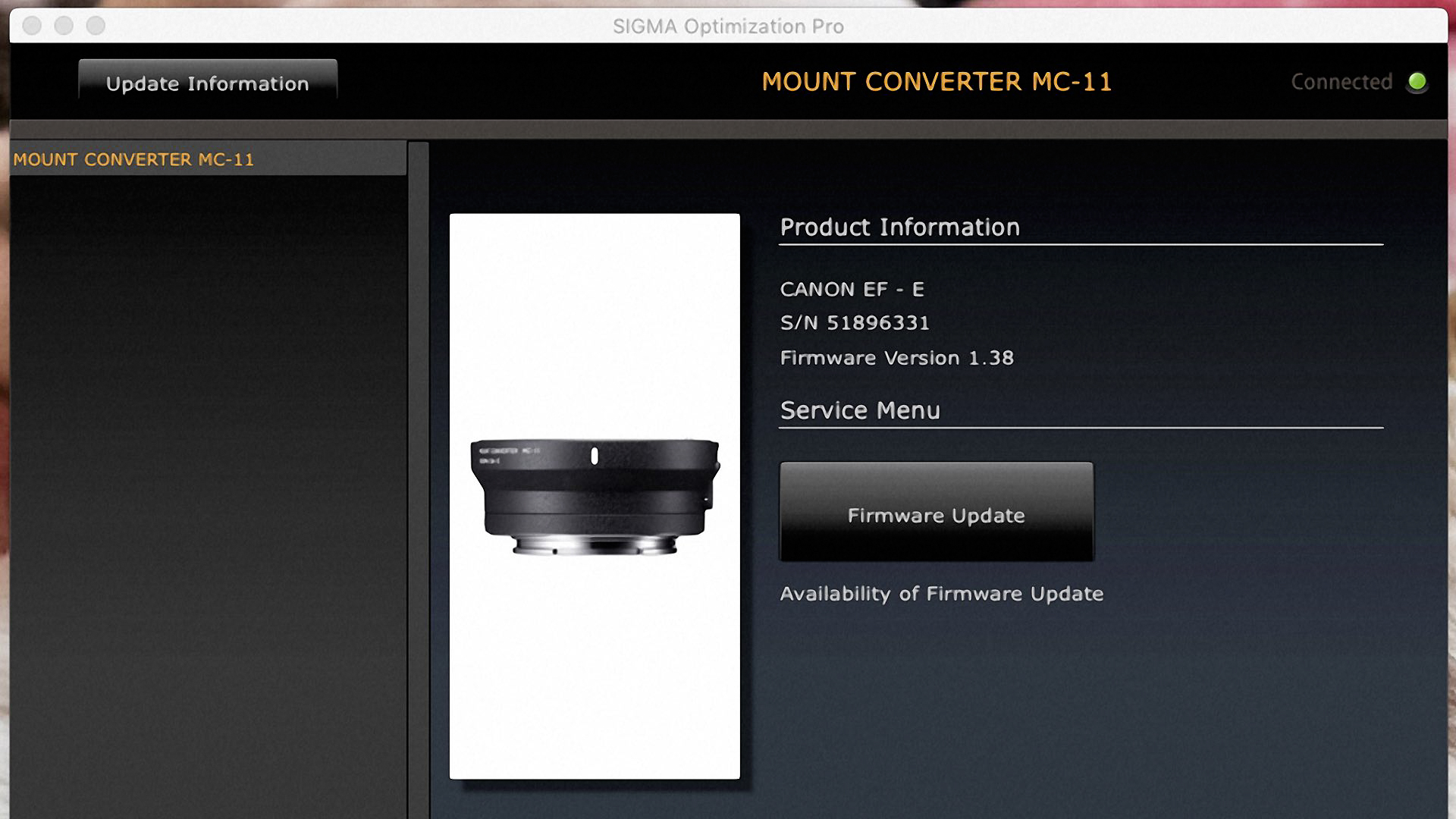
Speaking of firmware updates to do this you will need to download the Sigma Optimization Pro software from Sigma’s website. To update the adapter just needs a USB cable, for lenses you will need the Sigma Dock UD-01. I find it somewhat frustrating that you can’t update the lens firmware through the MC-11 adapter. The dock isn’t expensive to buy although in Australia the retail price varies between $80 to $120 AUD so it pays to shop around. Luckily there seem to be plenty for sale second hand on EBay for about $40. I ended up updating both the adapter and lens firmware and the whole process was very straightforward.
In Use
Before I updated the firmware I found that there was difficulty in acquiring focus when shooting in low light, backlit situations and with subjects in undergrowth. Once upgraded things worked a lot better. I experimented with the settings on the camera by setting up two custom modes. Custom mode 1 was in shutter priority with the shutter speed set at 1/500 sec, Auto ISO, Auto Focus Continuous, Lock on AF with a medium sized flexible spot and the frame rate was set to low speed continuous. Custom mode 2 was in shutter priority with the shutter speed set at 1/2000, Auto ISO, Auto Focus Continuous, lock on flexible spot large and high speed continuous drive. Both modes had the following parameters set:
Phase Detect Area – on
Pre AF – off
Priority set in AFC – balanced emphasis
AF with shutter – on
AF drive speed – fast
AF tracking sensitivity – high
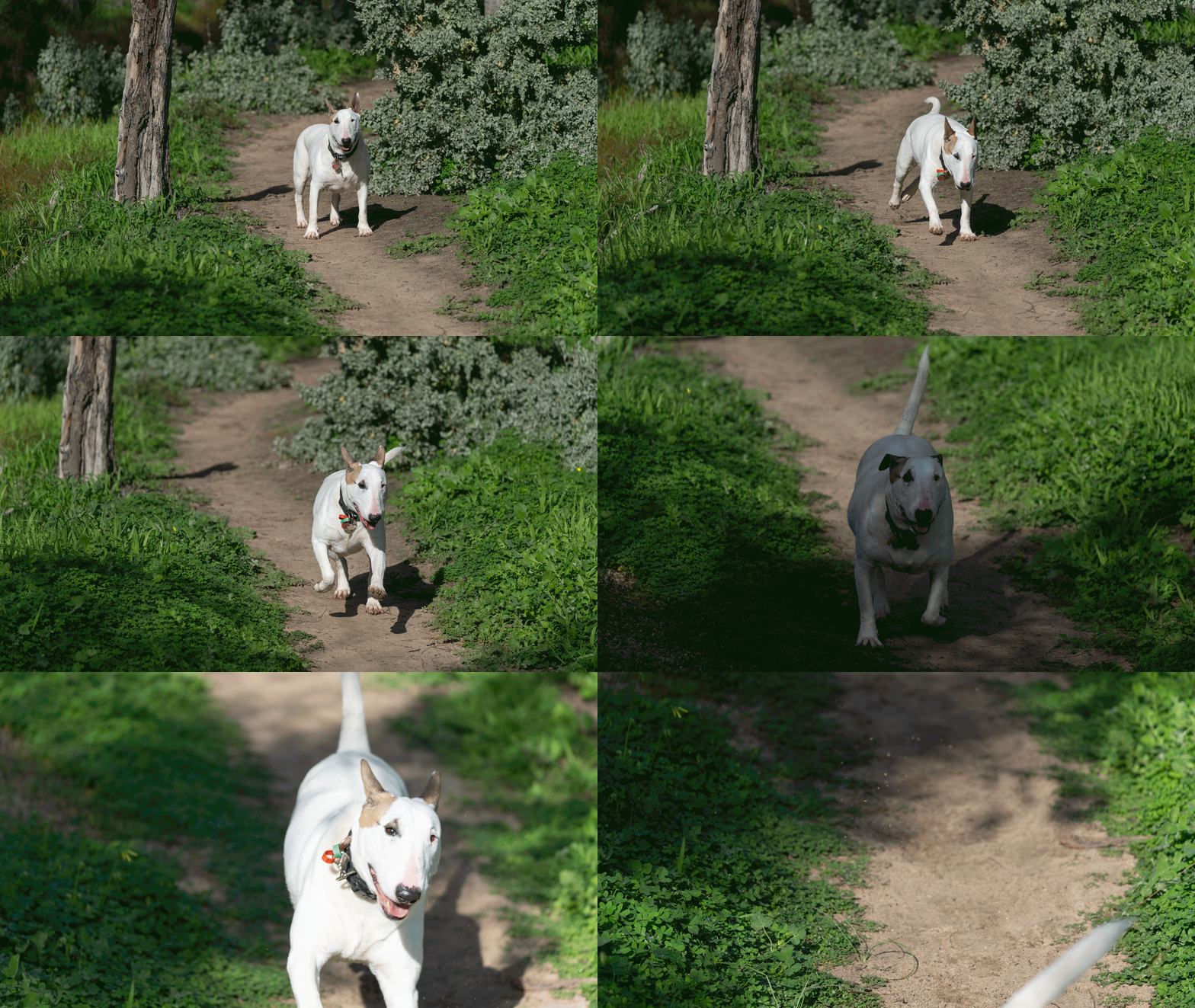
With birds in trees that weren’t moving too quickly I found that I was getting a hit rate of around 90%. With more erratic moving birds my hit rate dropped to 36% when I was using my custom mode 2. When I switched to mode 1 the hit rate improved to 85%. Photographing my dog running towards me both custom modes acquired focus very quickly, but the results from custom mode two weren’t very consistent fluctuating between 60 to 85%. In custom mode 1 I got very consistent results at 85%. When shooting birds in flight I found that I didn’t get a single shot with critical focus which was disappointing to say the least.
The video performance of the A7r II and the Sigma 150-600 was surprising. Shooting wide open at the short end AF performance is good, it is quick and confident. At the long end the AF is a bit slower but it does acquire focus and lock on. What is very apparent is the noise of the lens motor, it is quite loud and would mean that any sound would have to be recorded using an external microphone.
Conclusion
The Sigma MC-11 adapter allows certain Sigma EF lenses to be used on Sony E mount bodies while retaining autofocus and image stabilisation.
In practice it would certainly seem that shooting at higher frame rates the autofocus struggles to keep up and dropping the frame rate improves the hit rate considerably. Whether using this combination is a good idea depends very much on your expectations and what you want. If you want the performance of a Sony native lens then you are better off getting that. But if you already have the lens and want to change from a Canon DSLR to a Sony full frame mirrorless camera and you are shooting birds in trees, scrub, on the ground or on water then this works very well. For birds in flight you’ll want either a full Sony set up or a full Canon set up.
Sample Images
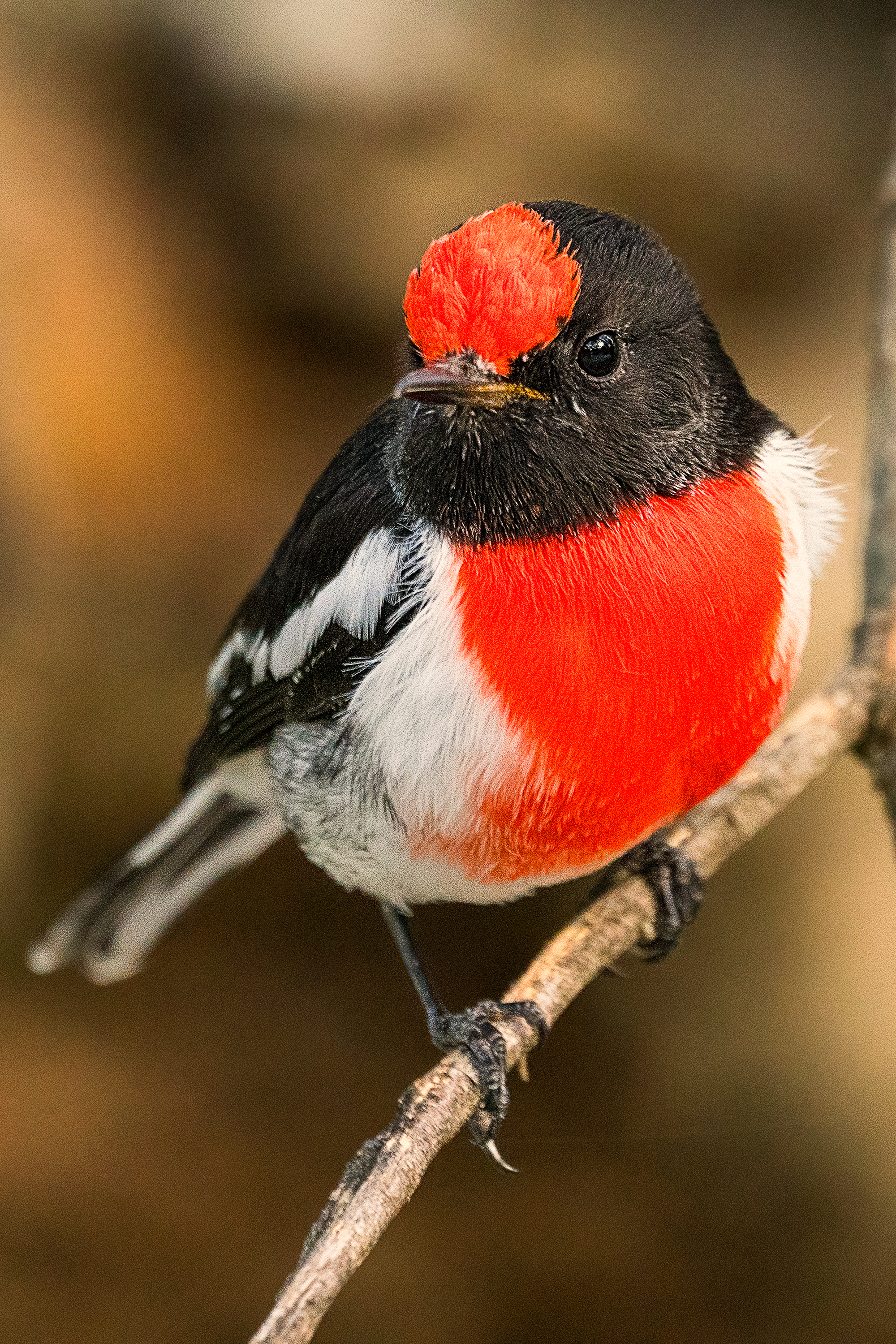
Menekedang called the Red-capped Robin (Petroica goodenovii) by white colonialists.
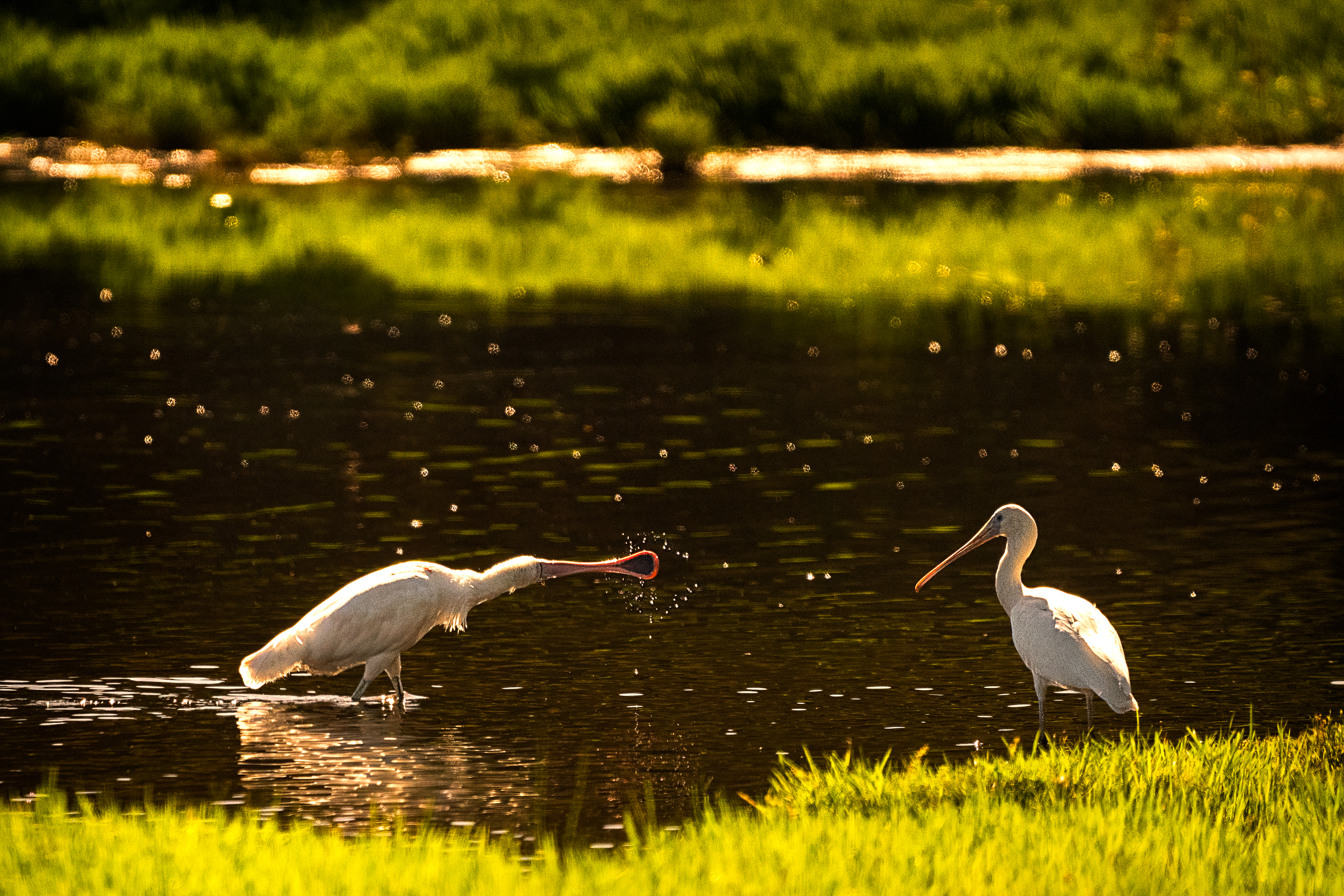
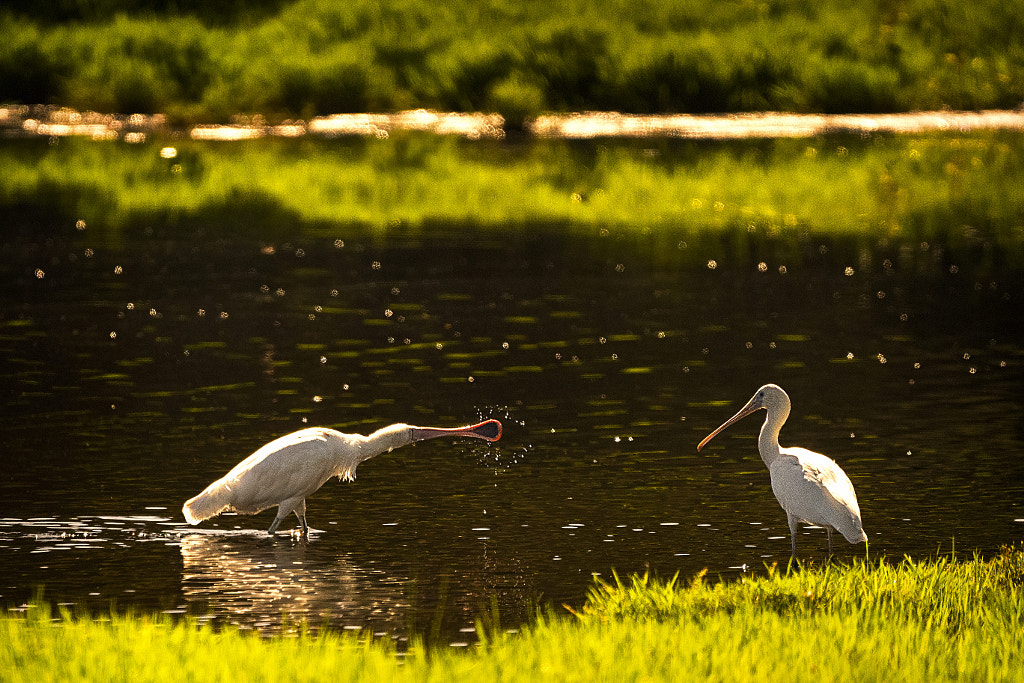
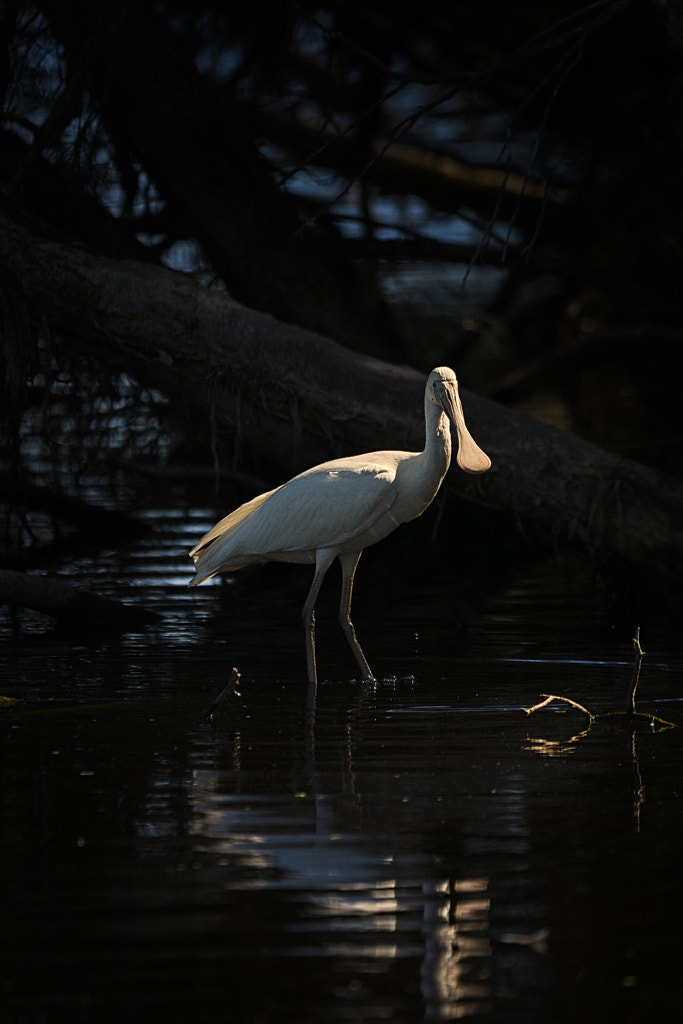
Melkullya called the Yellow-billed Spoonbill (Platalea flavipes) by white colonialists.
Menekedang called the Red-capped Robin (Petroica goodenovii) by white colonialists.
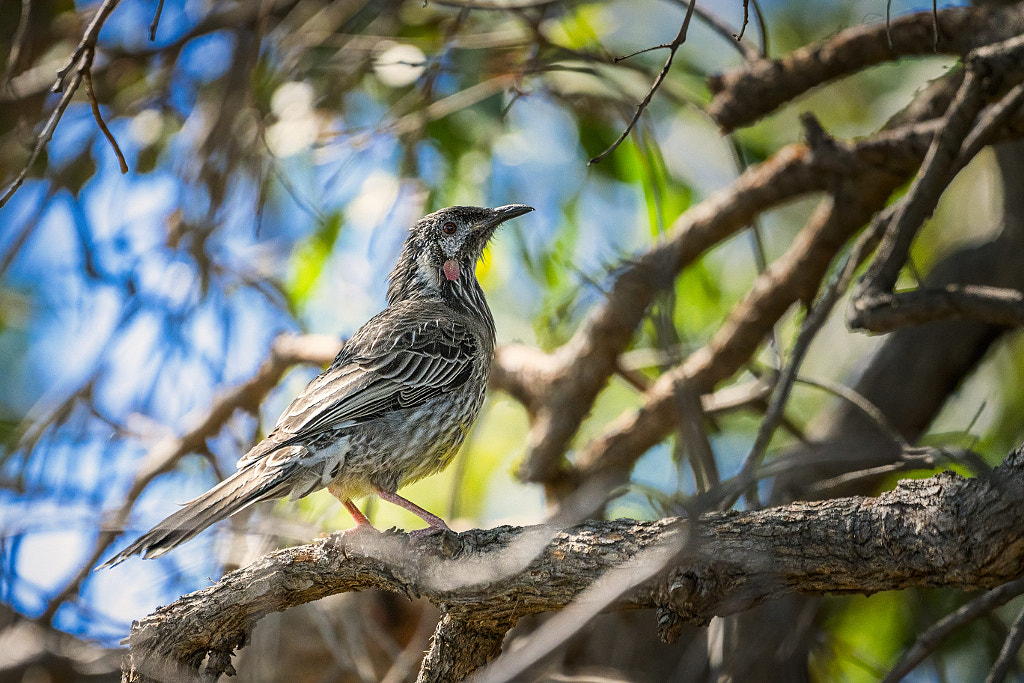
Red Wattle bird (Anthochaera carunculata subsp. woodwardi) known to the Nyoongar people as wodjalok. Yellagonga Regional Park.
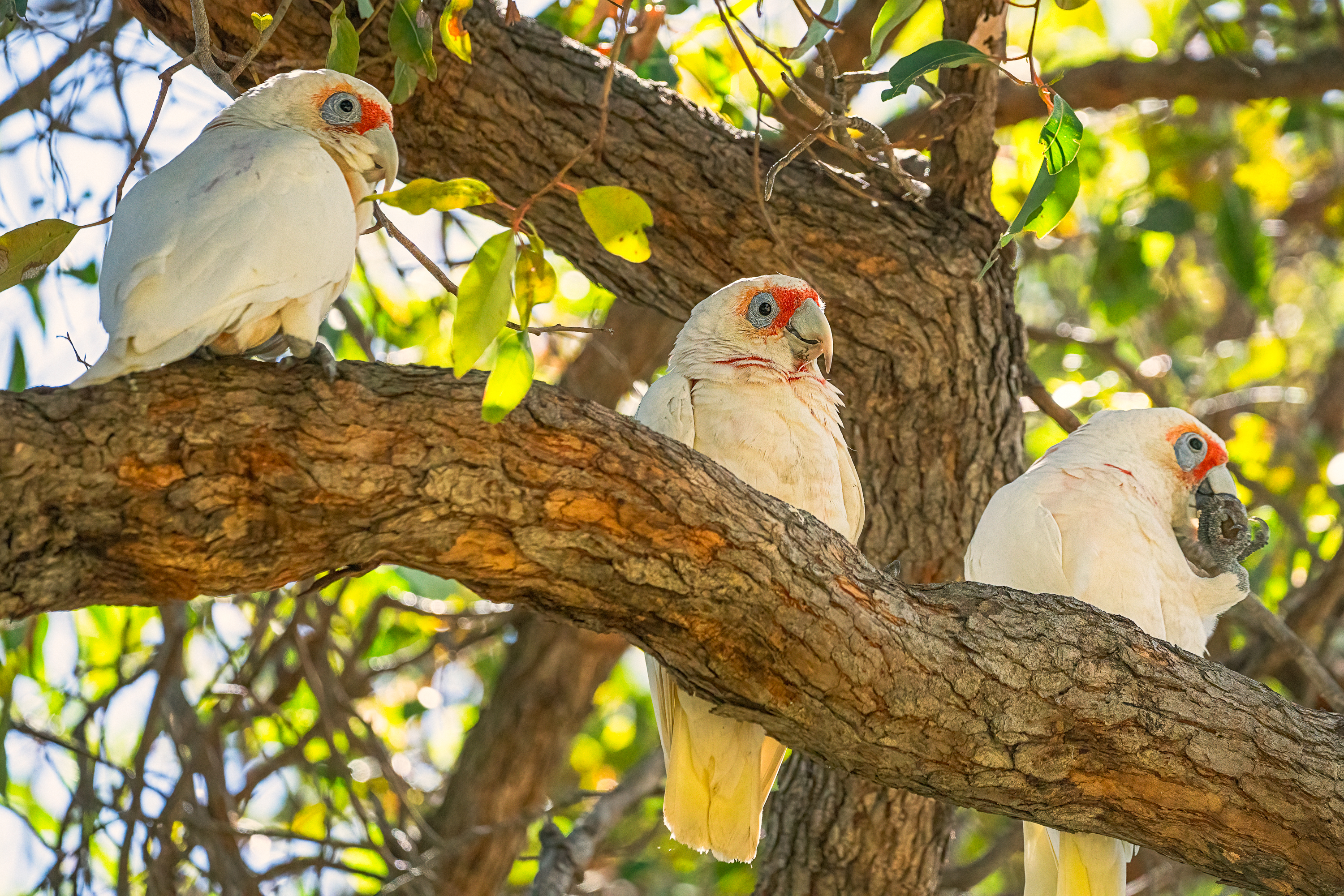
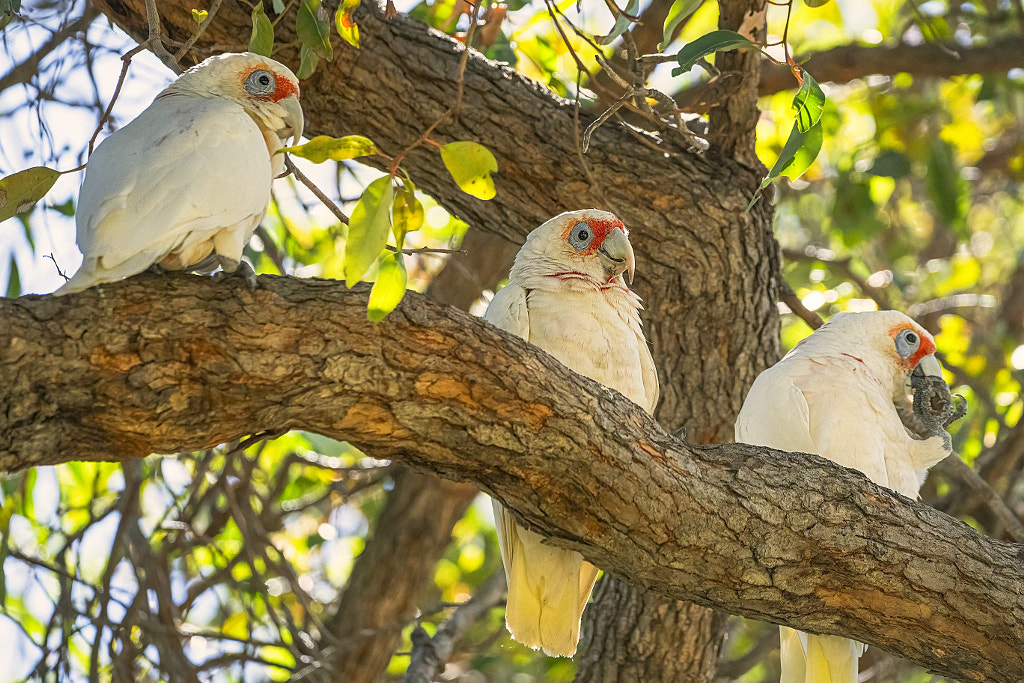
Three wise corellas – hear no evil, see no evil, and sorry my mouth is full. Yellagona Regional Park, Western Australia.
Manyt or the Western Corella (Cacatua pastinator subsp. derbyi). Yellagona Regional Park, Western Australia.
Dillabirt, known to non Nyoonga people as the Magpie-lark (Grallina cyanoleuca). Yellagonga Regional Park.
Melkullya or Yellow-billed Spoonbills, Platalea flavipes, amongst the paperbarks on Lake Joondalup in Yellangonga Regional Park.
Melkullya or Yellow-billed Spoonbills, Platalea flavipes, feeding at Lake Joondalup in Yellangonga Regional Park.
The eponymous Willie Wagtail, Rhipidura leucophrys leucophrys. Yellagonga Regional Park, Western Australia.
Despite their small size the Silvereye, Zosterops lateralis, has an incredibly loud birdsong. Yellagonga Regional Park, Western Australia.
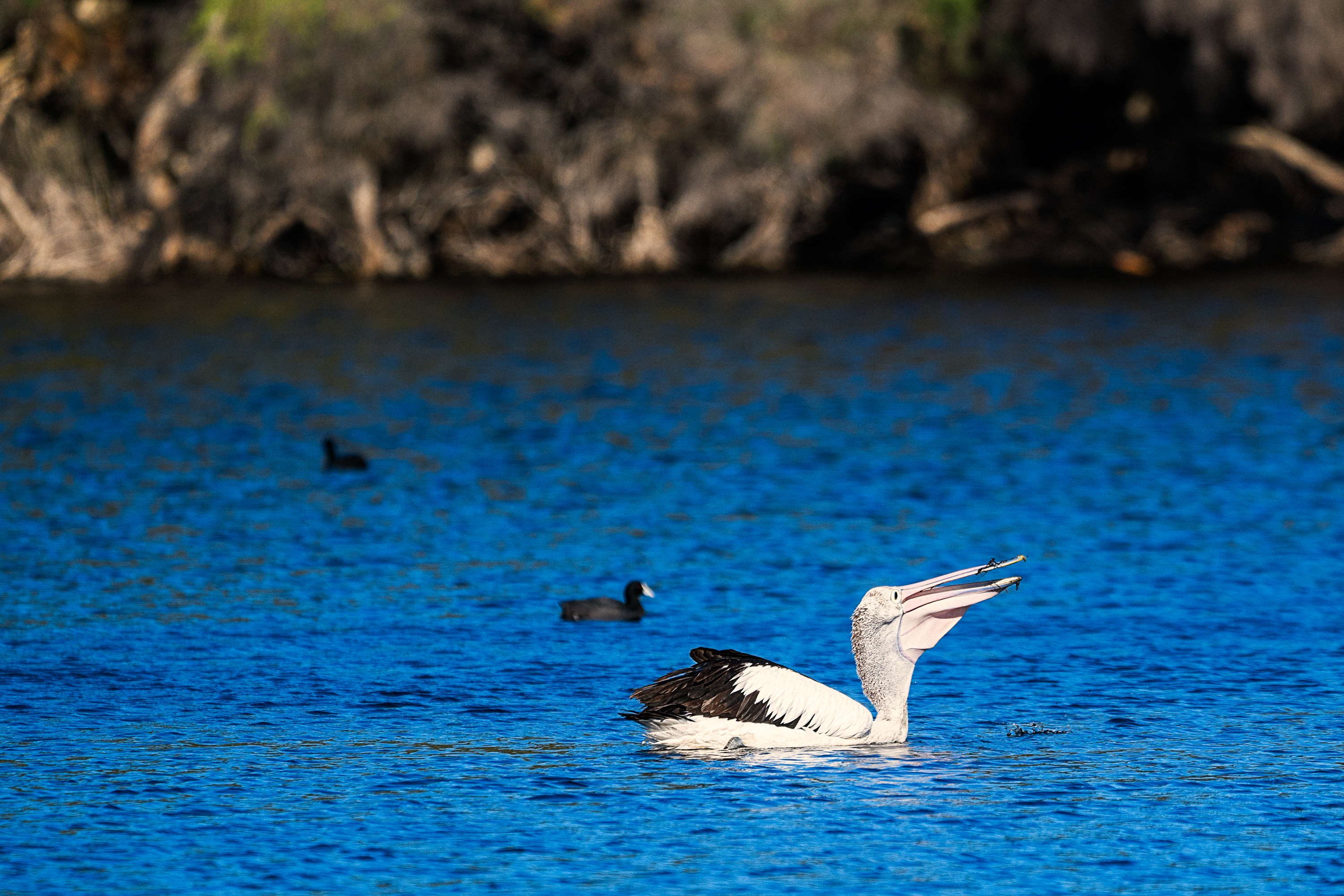
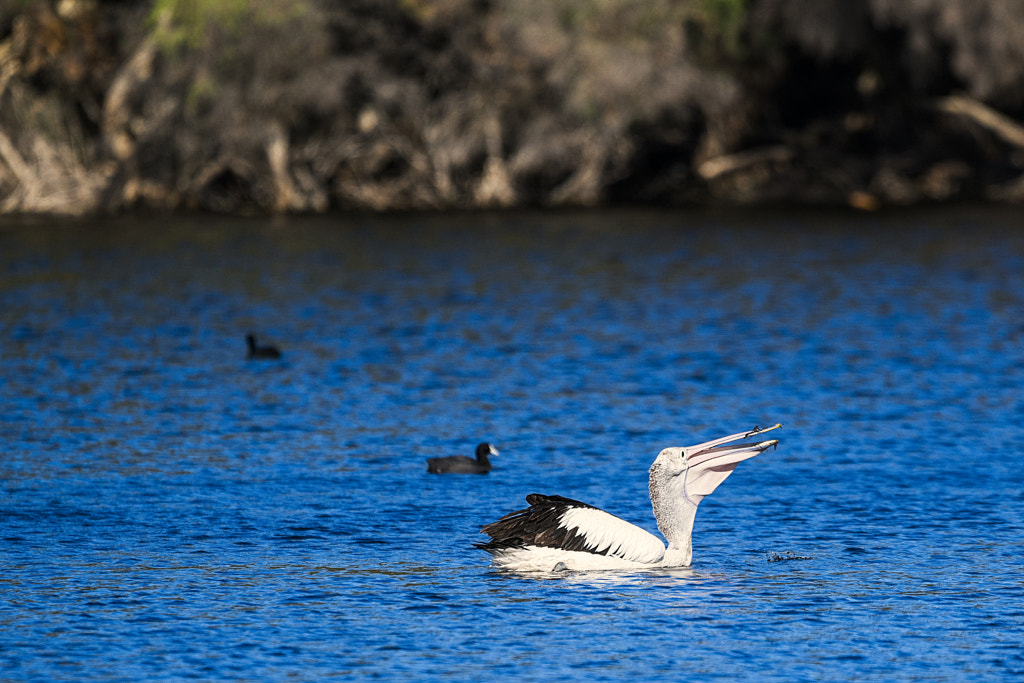
An Australian Pelican (Pelecanus conspicillatus) feeding on Lake Joondalup in Yellagonga Regional Park.
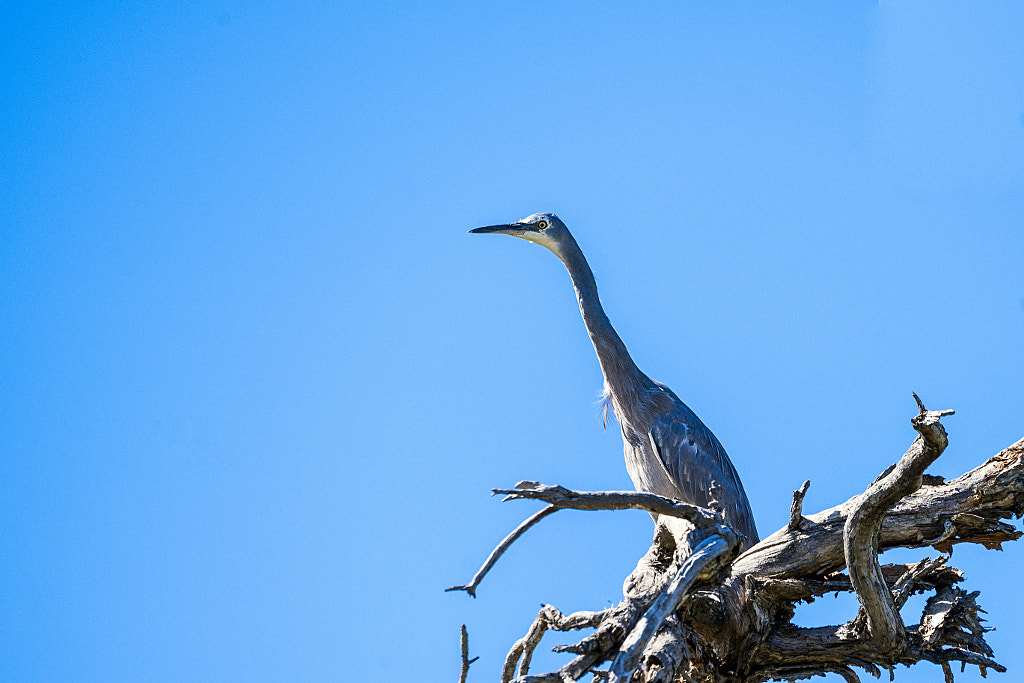
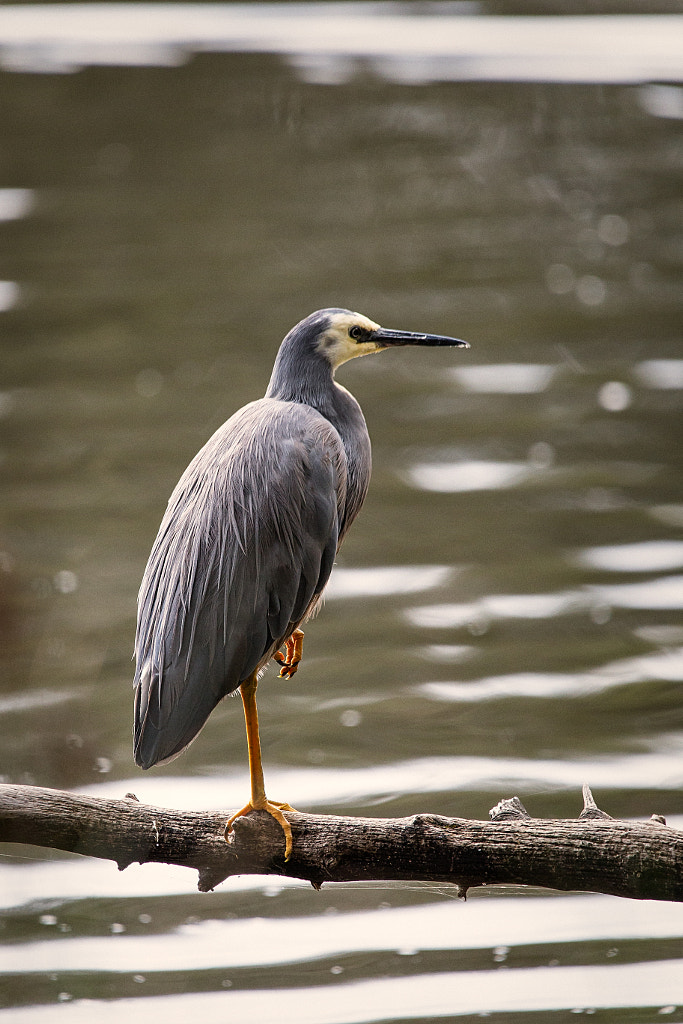
A white-faced heron looks out from its tree top perch over Horse Swamp. Whiteman Park, Western Australia.
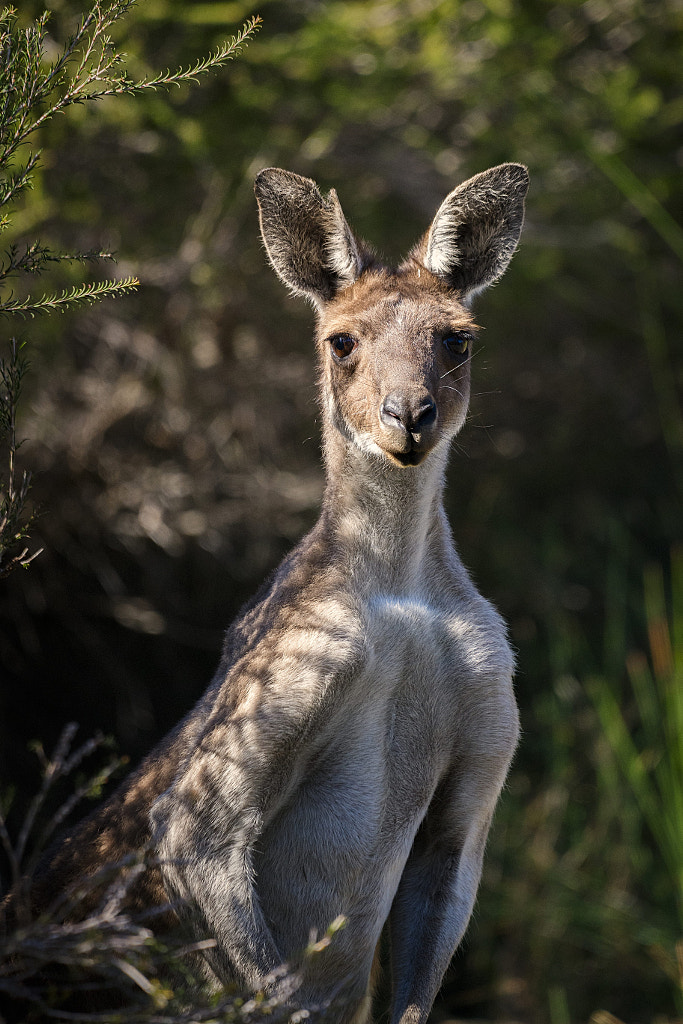
Western Grey Kangaroo, macropus fuliginosus, Whiteman Park, Western Australia.
It seems ages since I last posted. Things have been a bit quiet because of the cold wet weather and I’ve missed a few opportunities which have all contributed to making me feel a bit blah.
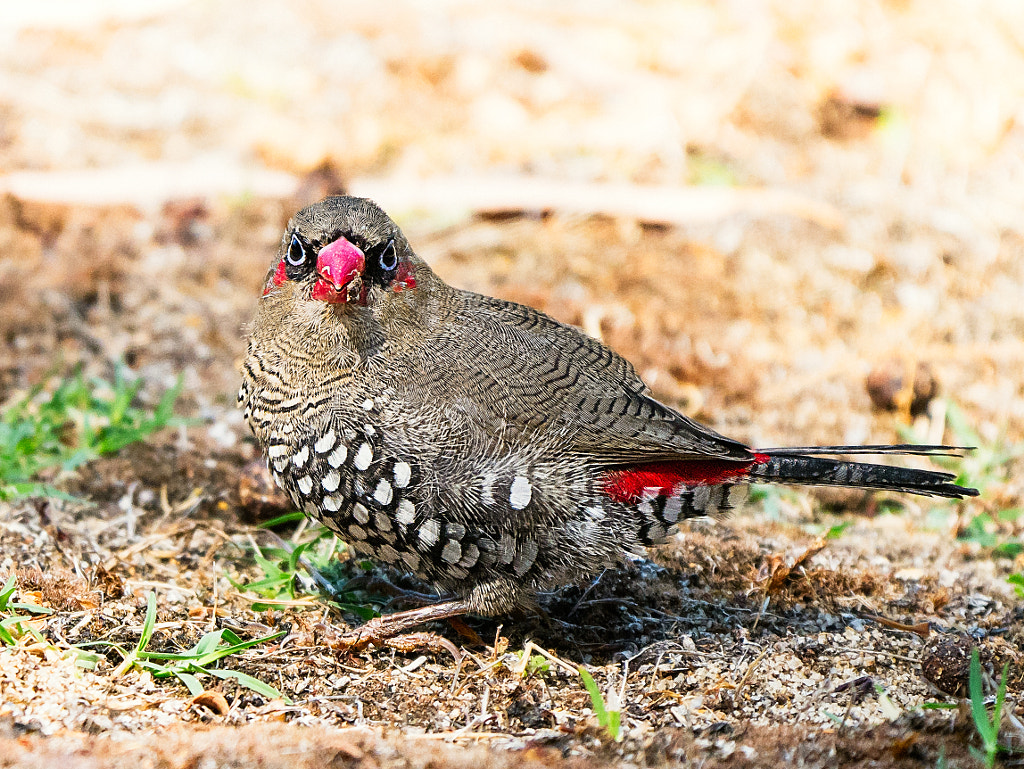
We went to Bickley looking for these Red-eared Firetaisl (Stagonopleura oculata).
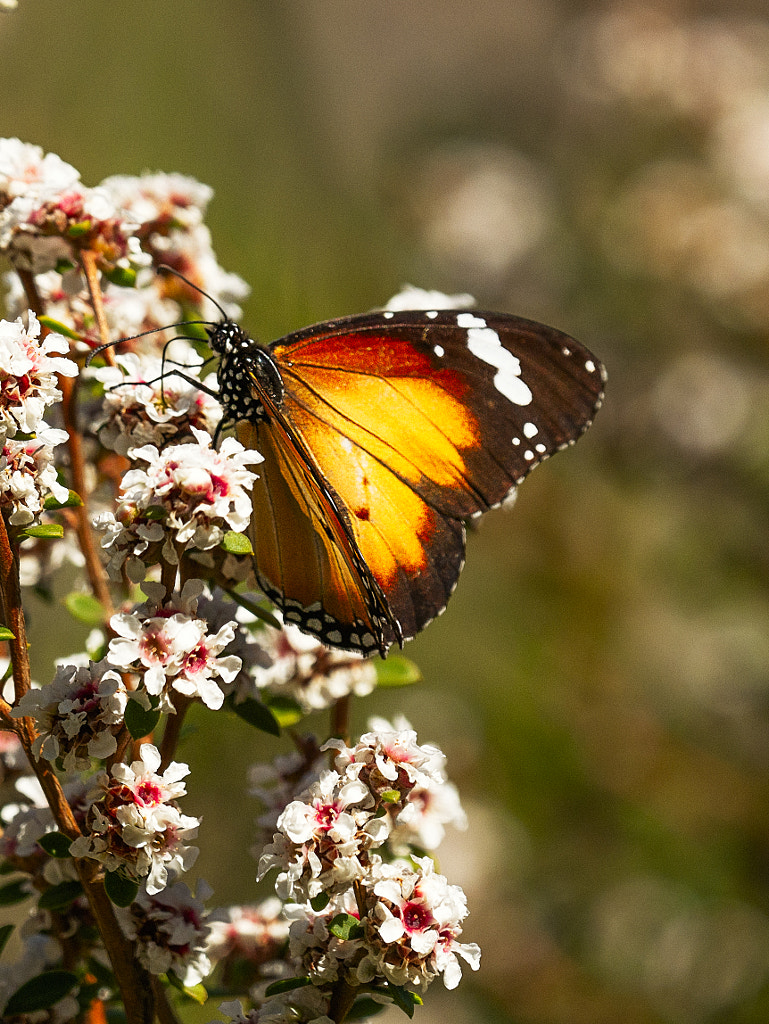
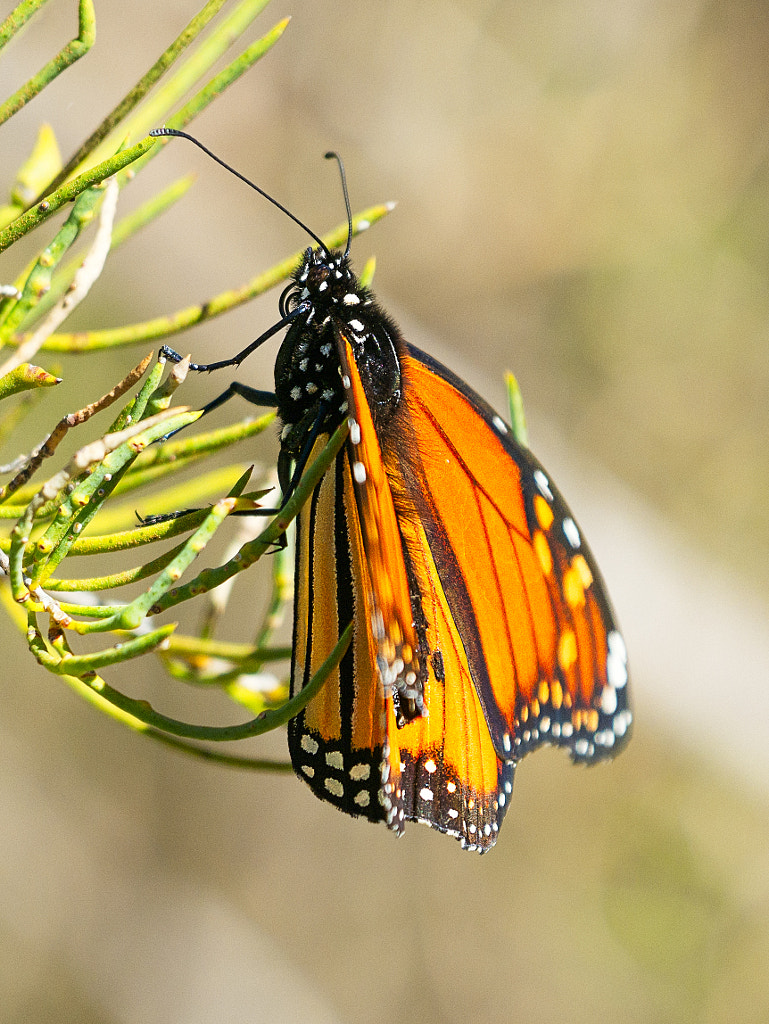
We went to the New Victoria Dam at Bickley in search of Red-eared Firetails but all we found were lots of butterflies. It’s amazing that a lot of Western Australia’s butterfly species can be found all year round. Even on a freezing winters day.
What we found were Australian painted lady butterflies, Vanessa kershawi. New Victoria Dam, Bickley, Western Australia.
We also saw a lot of these. Monarch butterfly, Danaus plexippus.
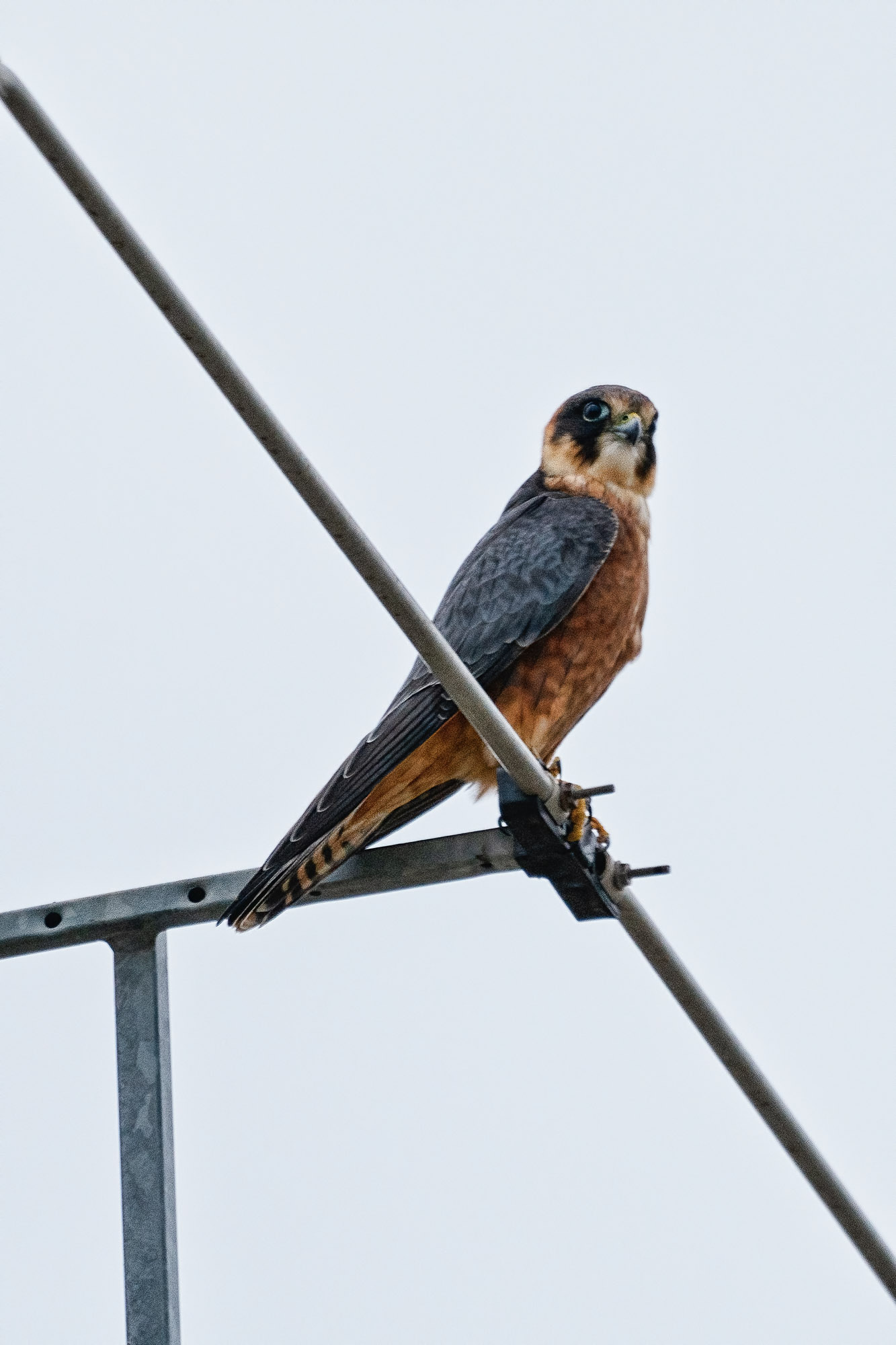
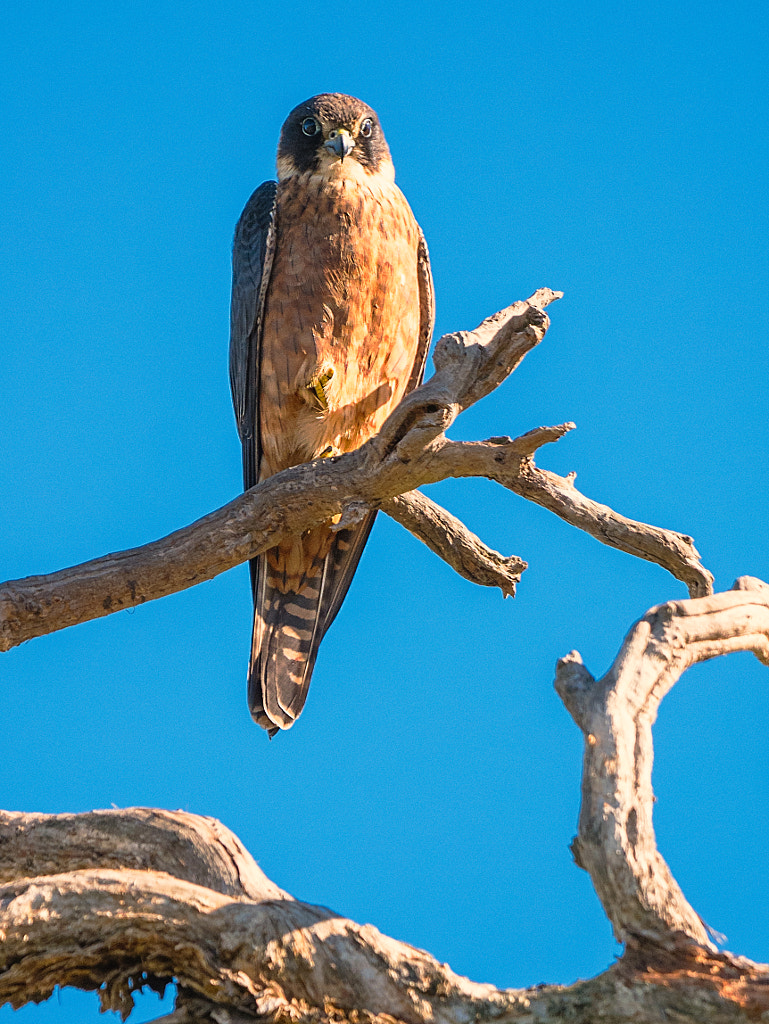
On the home front we had a new visitor to the garden in the form of an Australian Hobby. It also looks like a pair of Nankeen Kestrels have nested in a tall tree on the land opposite us. They can be regularly seen hunting over the fields and gardens and they use our TV aerial as an observation platform. Hopefully, if I can swing it with the landowner, I’ll get some photos of them rearing chicks over the next few months.
Australian hobby(Falco longipennis) perched on our TV aerial.
Nankeen kestra (Falco cenchroides cenchroides), York, Western Australia.
Nankeen kestra (Falco cenchroides cenchroides), York, Western Australia.
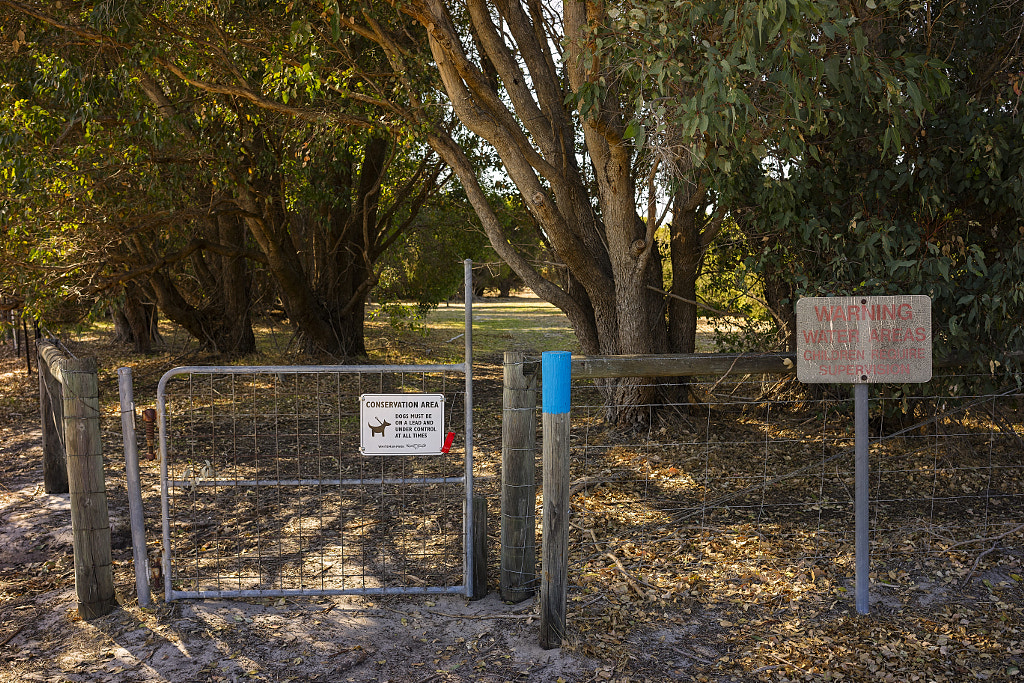
Follow the blue poles for the Werillyiup Trail in Whiteman Park.
The Werrillyiup Trail in Whiteman Park is a 3Km jaunt around an area called Horse Swamp. So called because back in the early days of the Swan River Colony if horses escaped they invariably ended up at the swamp. The word Werrillyiup is is Nyoongar for “a swampy place” so from all this you’d expect to see quite a bit of water. Well for much of the year it is dry and really only fills in June with the coming of the winter rains. Each time I’ve been it’s been akin to walking around a large puddle. That’s not to detract anything away from it, it is just a statement of fact. What you will see though is an important wildlife refuge in a large ever-growing city. Western Grey Kangaroos are the most visible residents but there is a huge variety of birdlife here particularly in winter, spring and early summer. I’ve had more luck seeing raptors here than at any other location in Perth. EBird Australia has a listing of 101 species that can be seen at various times of the year around the swamp.
Western Grey Kangaroo, macropus fuliginosus, Whiteman Park, Western Australia.
Australian Hobby (Falco longipennis longipennis). Whiteman Park, Western Australia.
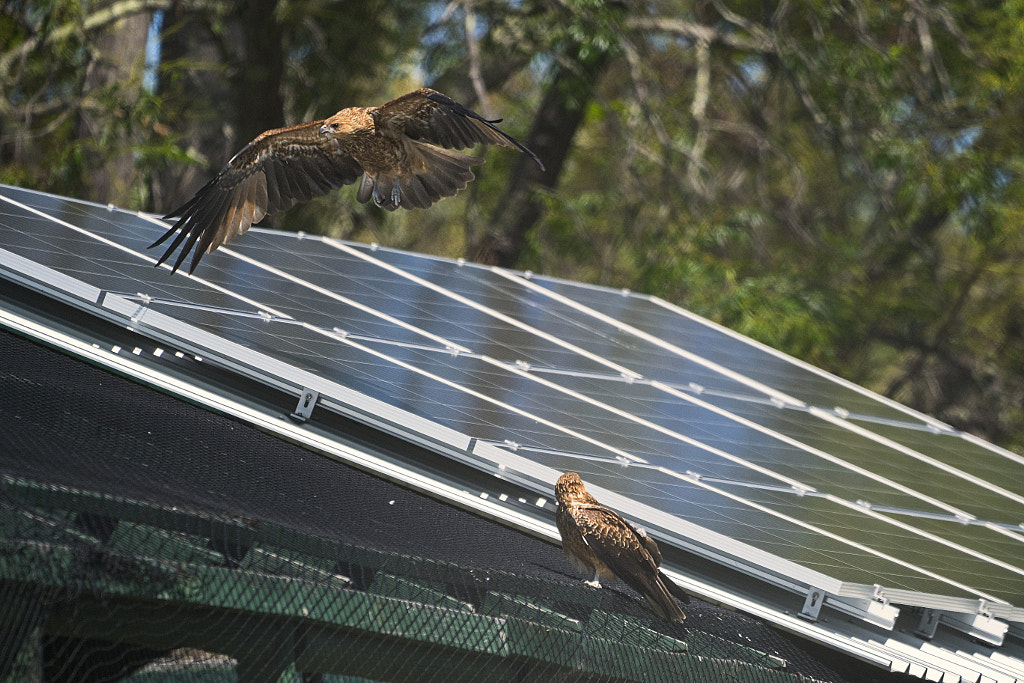
A pair of Whistling Kites seen flying round the aviaries on the edge of Whiteman Park.
A white-faced heron looks out from its tree top perch over Horse Swamp. Whiteman Park, Western Australia.
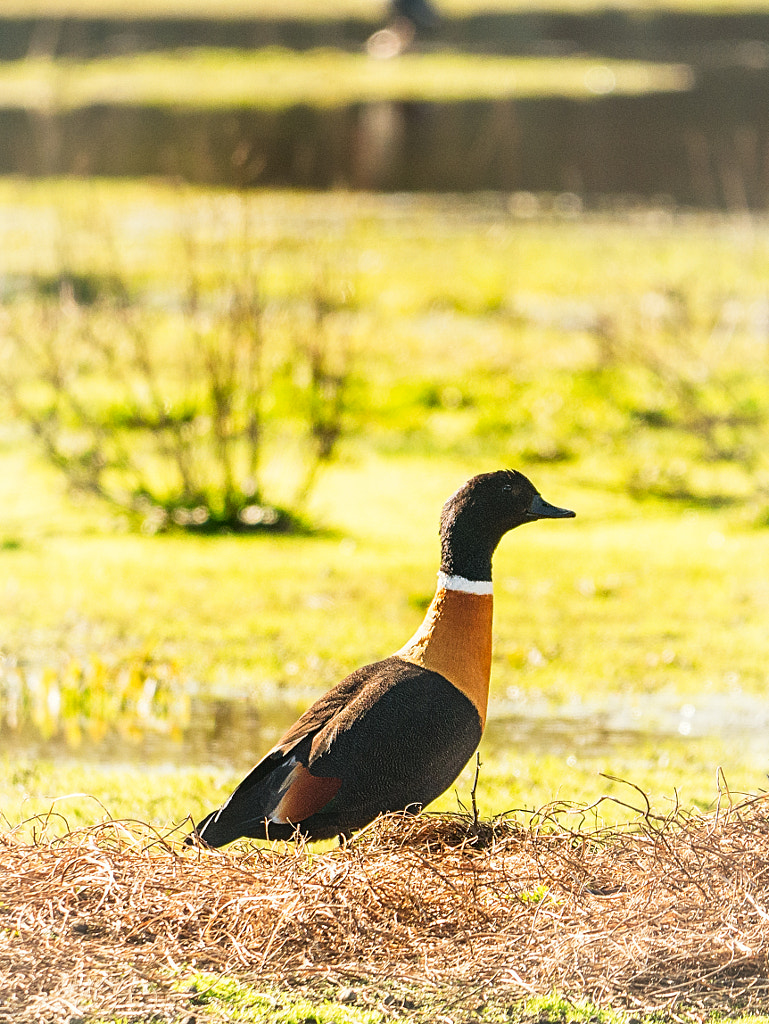
Australian Shelduck, Tadorna tadornoides, Whiteman Park, Western Australia.
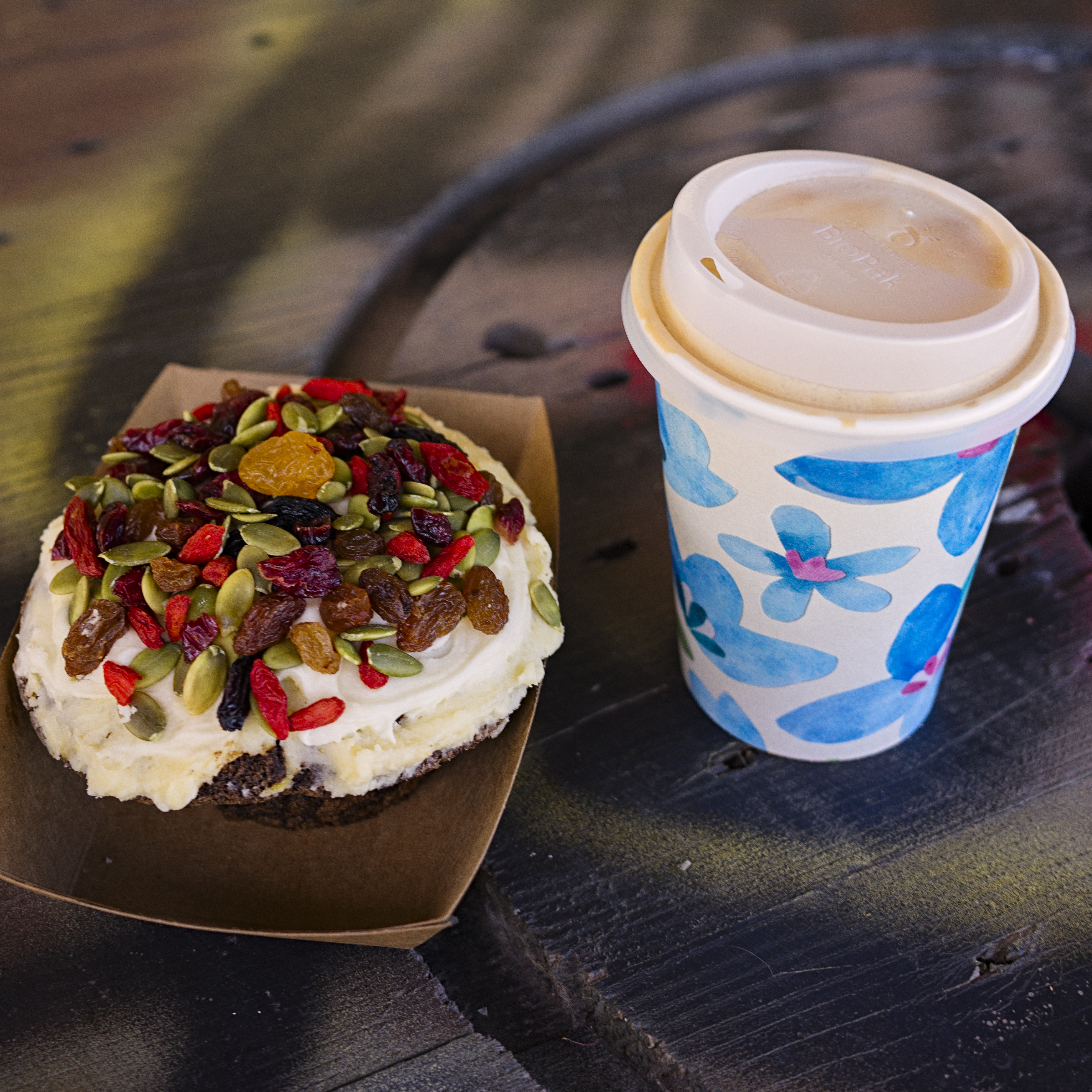
After your leisurely walk around the swamp you can be revived at the excellent Guerrilla Hub Kiosk with a great coffee and some of their wonderful food. And if after all that you feel as if you’ve not communed enough with the wildlife you can always nip up to Caversham Wildlife Park and have your picture taken with a wombat.
Refreshment after a hard mornings walking and bird watching at the Guerrilla Hub kiosk in Whiteman Park.
Yours truly with one of Caversham Wildlife Park’s staff and a wombat.
The trails around the southern end of Lake Joondalup are popular with walkers and cylists alike.
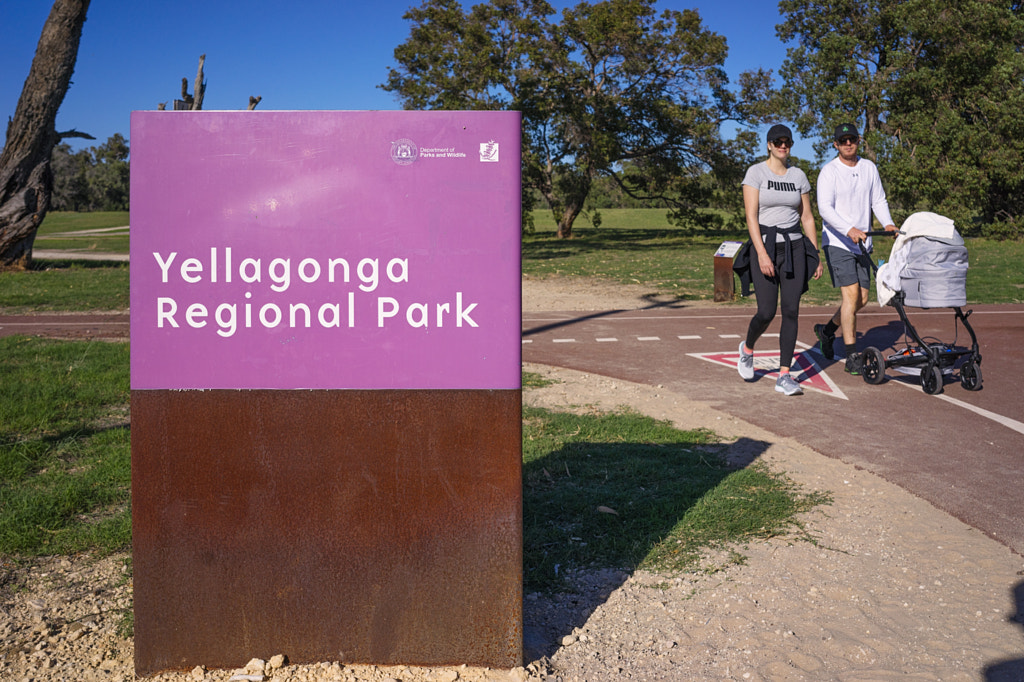
Last August I went up to Lake Goollelal in Yellagonga Regional Park and the other day while my partner was enacting her plan for total world domination in croquet I decided to visit the Park again but this time I thought I’d give the southern end of Lake Joondalup a go.
It’s a nice 4 1/2 Km walk taking in Perry’s Paddock, the southern part of the lake and Beenyup Swamp. I didn’t stick to the main paths but followed the smaller paths around as I wanted to see the local wildlife, and as it was a Sunday avoid the MAMILs thinking they’re riding the the Tour de France – more like the Tour de Farce from the look of some of them.
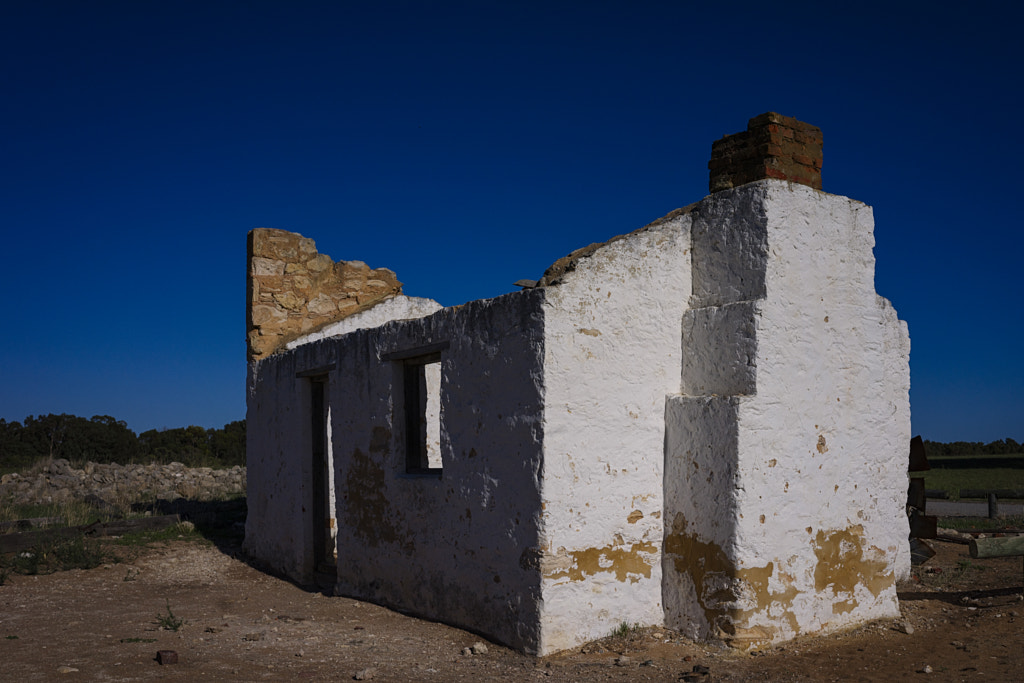
This building is known by a variety of names Linhay, LinhayCottage, Linhay Perry’s Shed. It was built in the 1860’s by George Shenton at Perry’s Paddock. The Paddock was one of the first land grants in Wanneroo area made in 1838.
Near the start of the walk there are some buildings, well the remains of them. They’re not building projects waiting for tradies to finish them but they are some of the earliest buildings to have been built in Wanneroo. The field they’re in is known as Perry’s Paddock and was one of the first land grants in the area made back in 1838. This isn’t what I came for as I was hoping to see birds on and around the lake.
Boodelong or Australian Pelican (Pelecanus conspicillatus) feeding on Lake Joondalup in Yellagonga Regional Park.
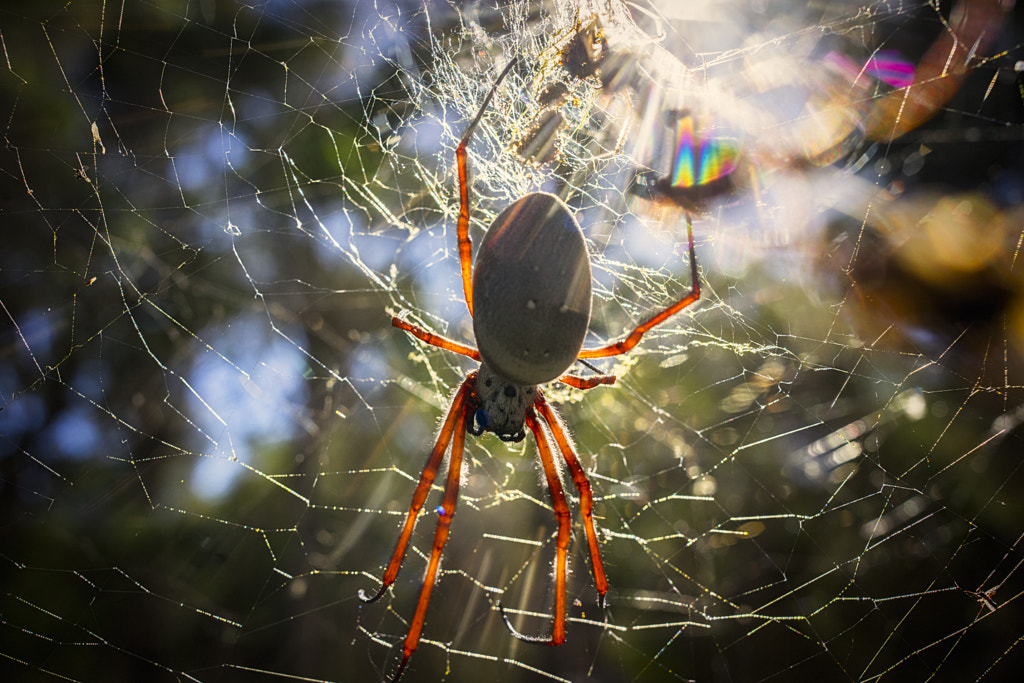
Unfortunately it’s not that easy to get to the lake side – it involves trying to creep through the thick bush on the lakeside without making any noise. One crack of dry twig and you’re rumbled and every birder miles around does a runner. The thick bush has other hazards – they’re thick with spider’s webs – really BIG webs. Where there are big spider’s webs there are BIG spiders. In this case they Golden Orb-Weaving Spiders so named as the webs have a slight gold hue to them. The webs are surprising tough and the female spiders that make them are not shy and are very visible which makes it difficult for those of a more nervous disposition not to scream when blundering through them like something out of Harry Potter. Screaming like a “girlie man” also does not help you creep up on birds unnoticed. Your fearless correspondent was undeterred as he knew that despite their size Golden Orb-Weaving Spiders are harmless unless you are an insect or a male of the species looking for an amorous liaison.
Golden Orb-Weaving Spider, Nephila edulis. Despite its size and their massive webs they are harmless to humans. Yellagonga Regional Park, Western Australia.
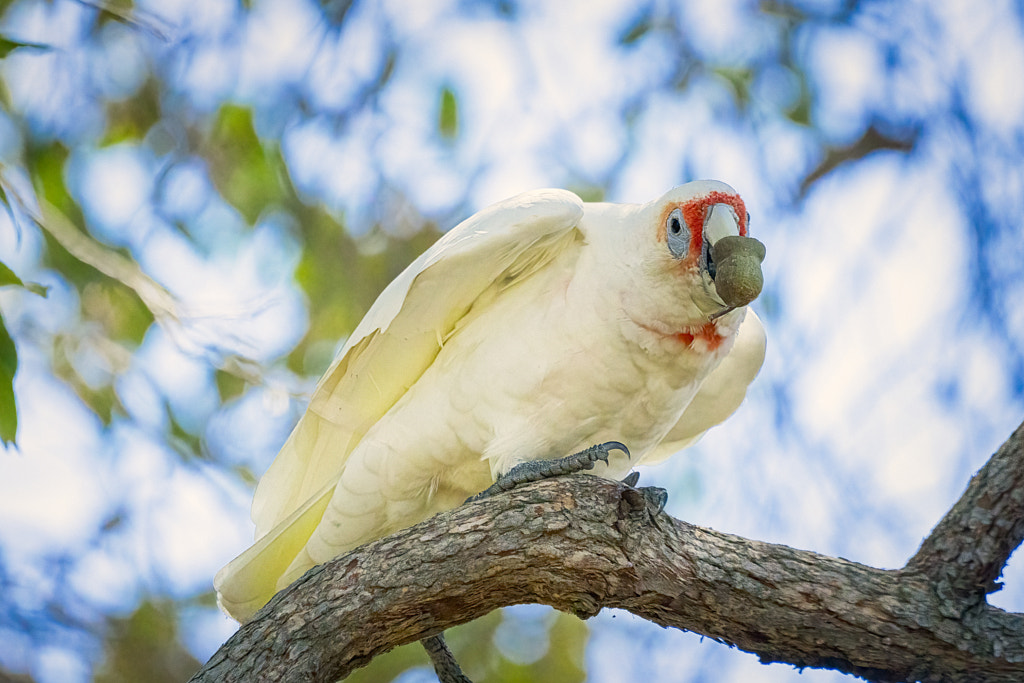
Manyt or the Western Corella (Cacatua pastinator subsp. derbyi). Yellagona Regional Park, Western Australia.
Three wise corellas – hear no evil, see no evil, and sorry my mouth is full. Yellagona Regional Park, Western Australia.
At least the corellas found my mad dance of jumping up and down and flapping my arms about while shrieking entertaining. Ah! I didn’t mean to say that! They would have if they’d have actually seen me do it – which of course they didn’t. Leaving the lake and heading down south takes you to Beenyup Swamp which provided an opportunity to see more birds and less spiders.
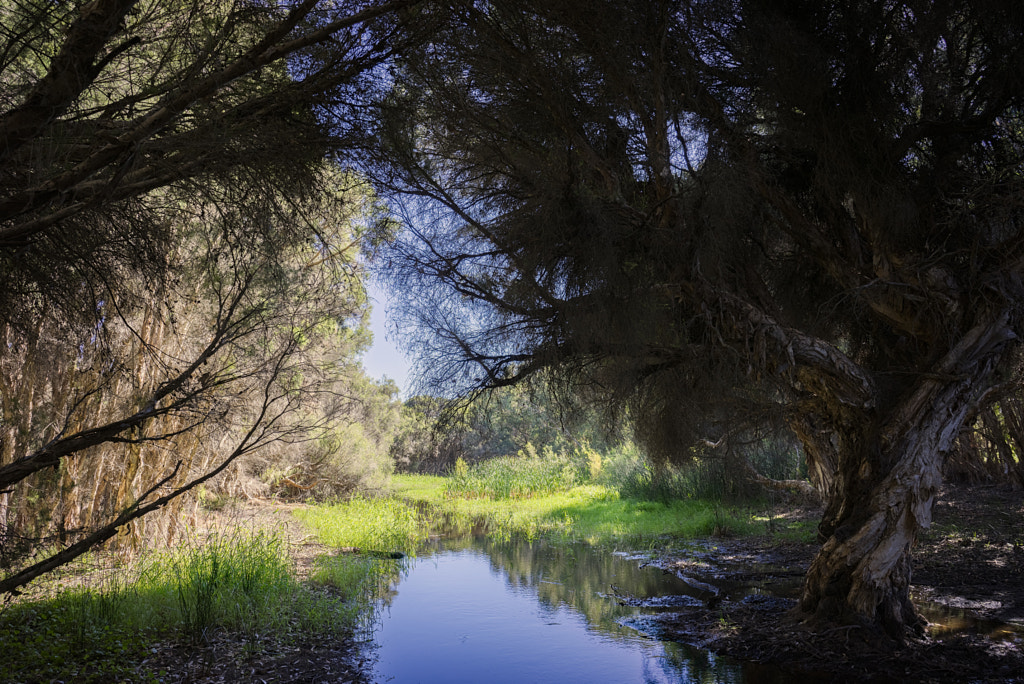
Beenyup Swamp in Yellagonga Regional Park.
Melkullya or Yellow-billed Spoonbills, Platalea flavipes, feeding at Lake Joondalup in Yellangonga Regional Park.
Lurking in the shade of the swamp paperbark trees.
Red Wattle bird (Anthochaera carunculata subsp. woodwardi) known to the Nyoongar people as wodjalok. Yellagonga Regional Park.
Djitidjiti . The eponymous Willie Wagtail, Rhipidura leucophrys leucophrys. Yellagonga Regional Park, Western Australia.
Despite their small size the Silvereye, Zosterops lateralis, has an incredibly loud birdsong. Yellagonga Regional Park, Western Australia.
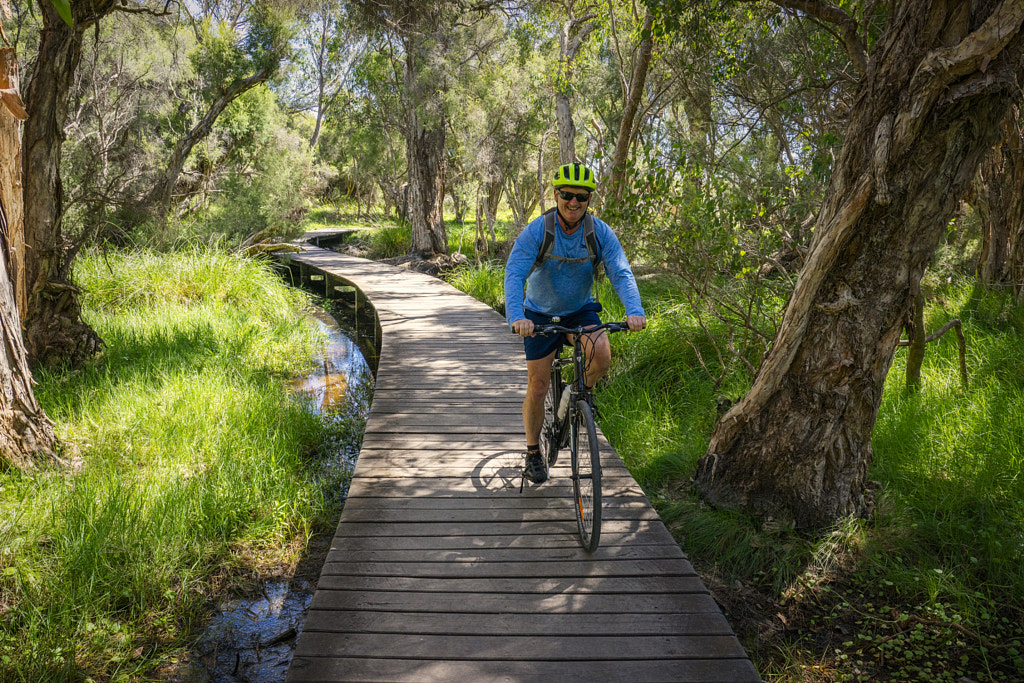
While walking along the Beenyup Swamp Broadwalk I did meet my first cyclist of the day who was definitely not a MAMIL and who was very apologetic for startling me. All in all a very pleasant walk and hopefully I’ll get back at a better time of year when there’ll be more bird activity.
Not a MAMIL. Cycling along the Beenyup Swamp Boardwalk in Yellagonga Regional Park.
The last 2 1/2 weeks I’ve been laid up at home with the flu. After a year of social distancing and scrupulous was of hands, the use of copious amounts of hospital grade hand sanitizer, and a flu jab I’ve gone down with the most persistent of bugs that just won’t leave me alone. Consequently I’ve been stuck at home and not up to much photographically.
Just before Christmas we managed to get away for a few days and one of those days was spent in Mandurah. It was a good place to start a trip that was to be primarily focused on bird photography. For a bit of a change I decided to leave the micro four thirds kit at home and take my Canon DSLR and relevant lenses. I did this for a number of reasons:
I fancied a change
With the collapse of Olympus and the future of the brand uncertain and Panasonic’s recent statements about concentrating predominantly on full frame cameras geared at video usage I felt that perhaps I should move away from micro four thirds and look at another system.
Curiosity as to whether the difference between the two formats is actually that apparent in real world usage. The key board warriors on the photographic forums are so specification orientated that they have lost sight of the fact that cameras are just a tool to produce photographs not endlessly obsess over minute details that make no real world difference.
I’m thinking about selling off surplus equipment and just concentrating on one system. So I was trying to decided which one was I prepared to get rid of.
Boring really for you guys, but as I’ve said I’ve been laid up at home for a couple of weeks with nothing much to think about. So without further ado here are some of the photos.
White-faced heron, Ardea novaehollandiae. Mandurah, Western Australia.
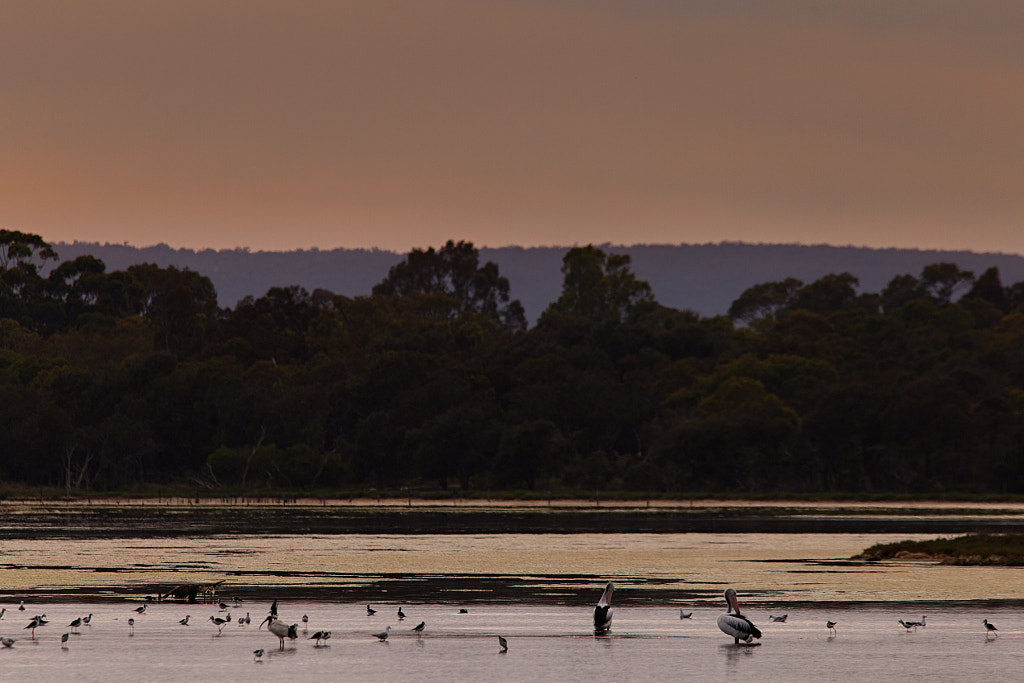
Goegrup Lake Nature Reserve in the morning light.
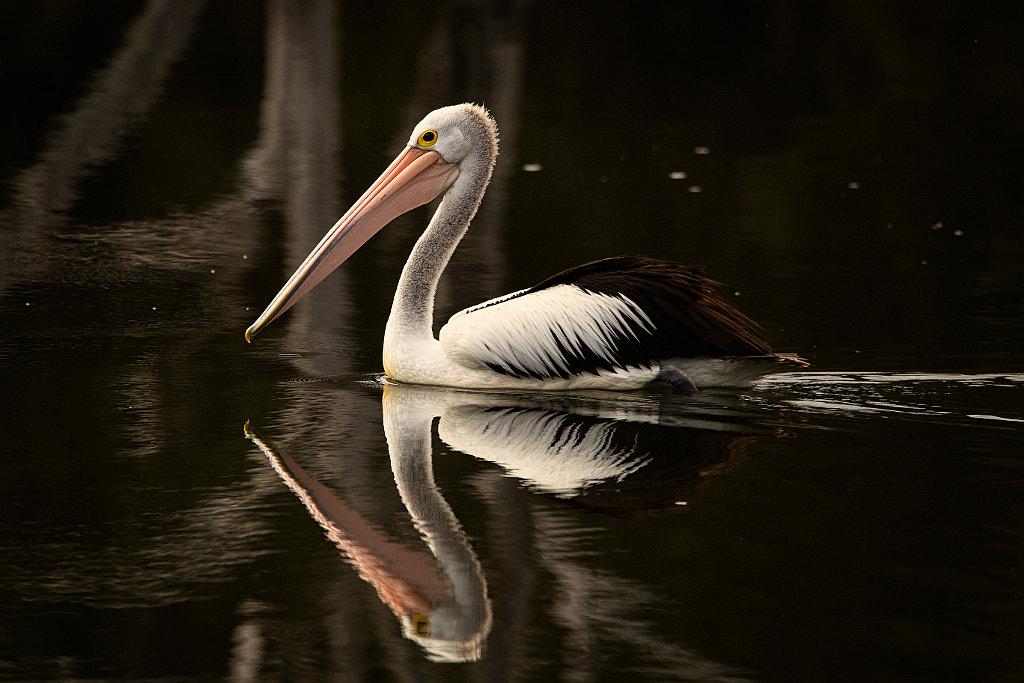
Australian Pelican, Pelecanus conspicillatus. Serpentine River in Mandurah, Western Australia.
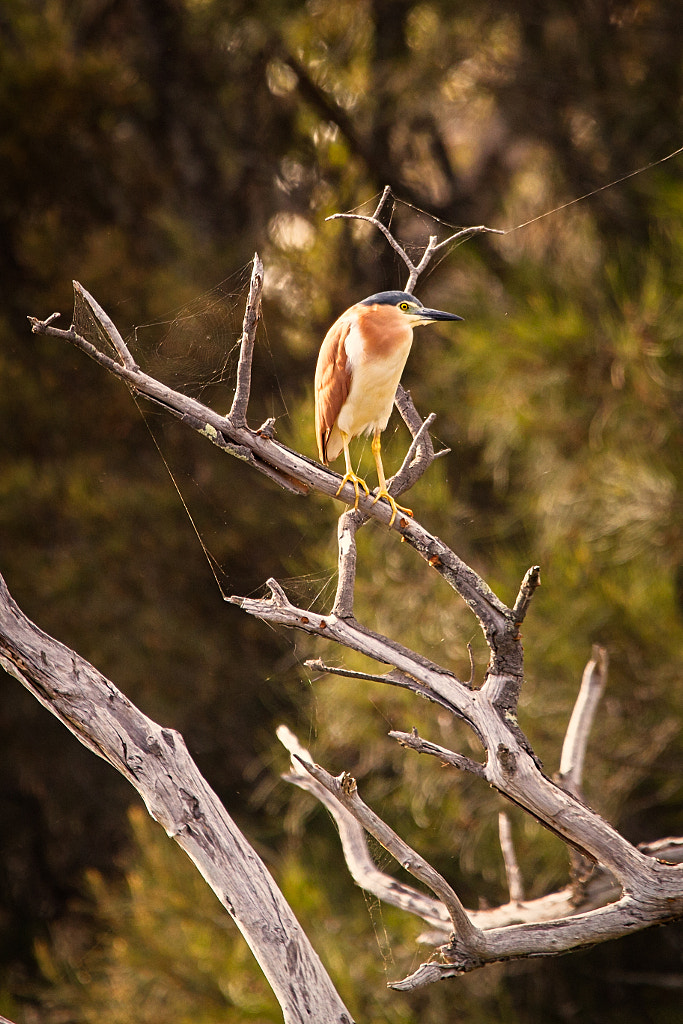
Nankeen Night Heron, Nycticorax caledonicus subsp mannillenis. Mandurah, Western Australia.
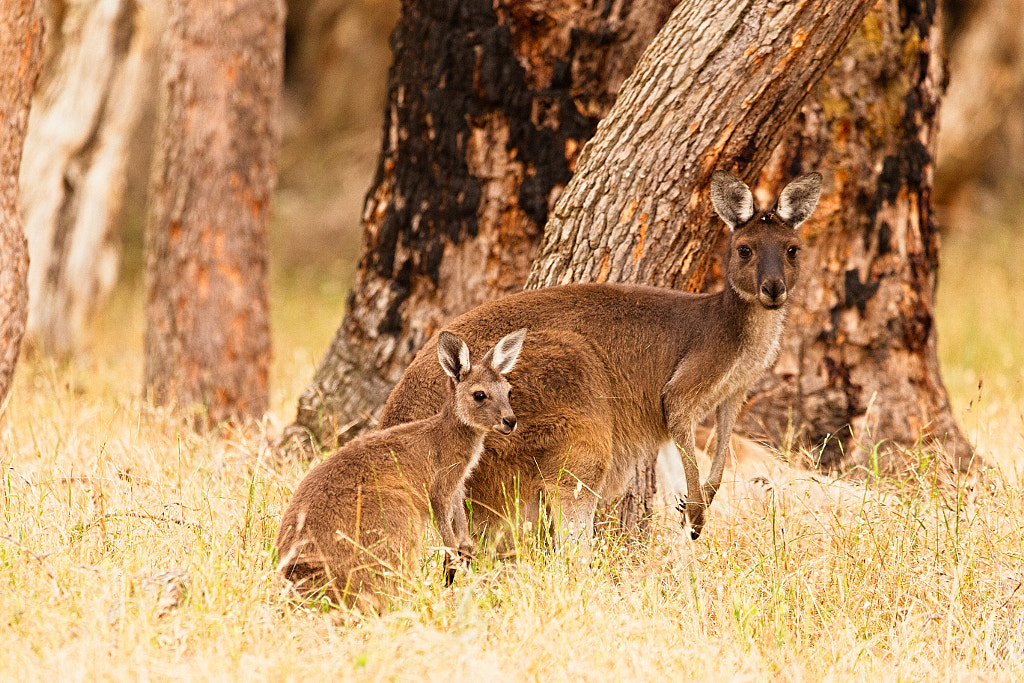
Mother and nearly fully grown joey in the Len Howard Conservation Park in Western Australia.
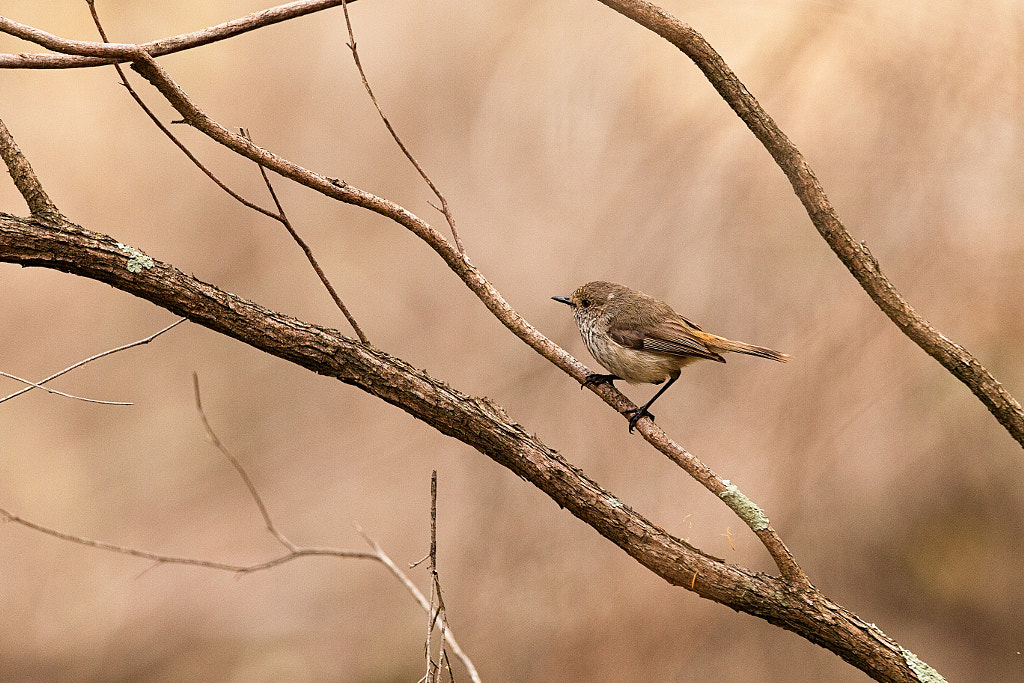
Inland Thornbill, Acanthiza apicalis. Len Howard Conservation Park, Western Australia.
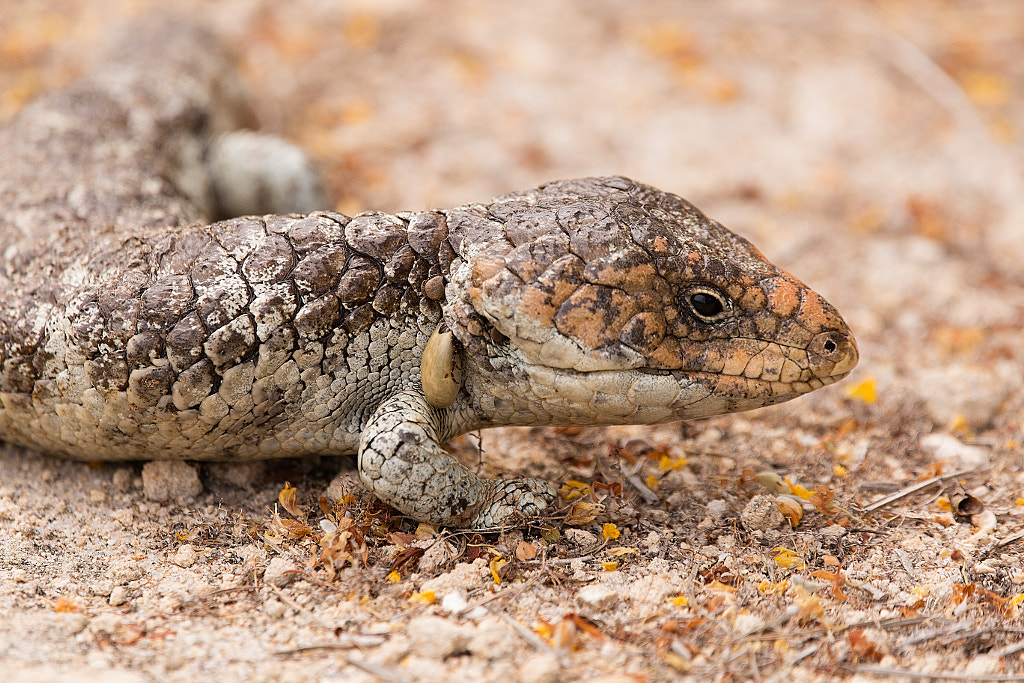
This bob tailed lizard, Tiliqua rugosa, has a bad tick infestation. Note the engorged female tick on the shoulder – these can grow up to 2.5cm long. There is a smaller tick above and one in the ear canal behind the jaw. Older lizards or those with lower imune responses are more prone to them.
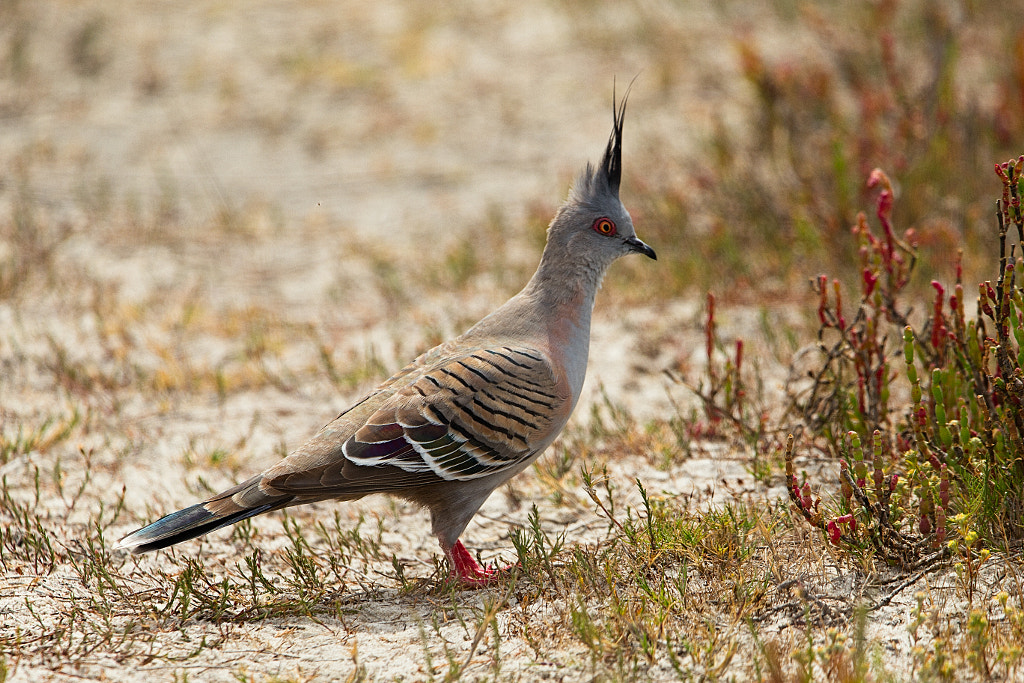
Crested Pigeon, Ocyphaps lophotes. Len Howard Conservation Park in Western Australia.
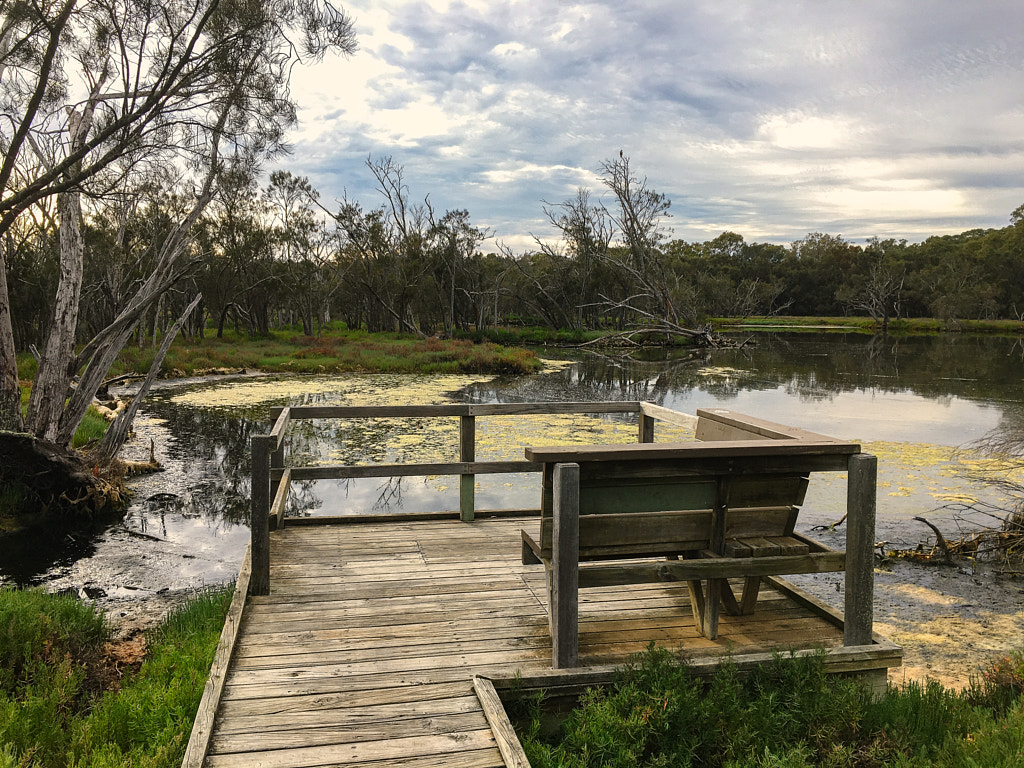
An observation platform on the southern end of Lake Geogrup just before it joins the Serpentine River. Mandurah, Western Australia,
So did I come to any conclusions? Yes – a Canon EOS 6d plus Sigma 150-600mm lens is heavy. I missed the reach of micro four thirds lenses.





















You must be logged in to post a comment.