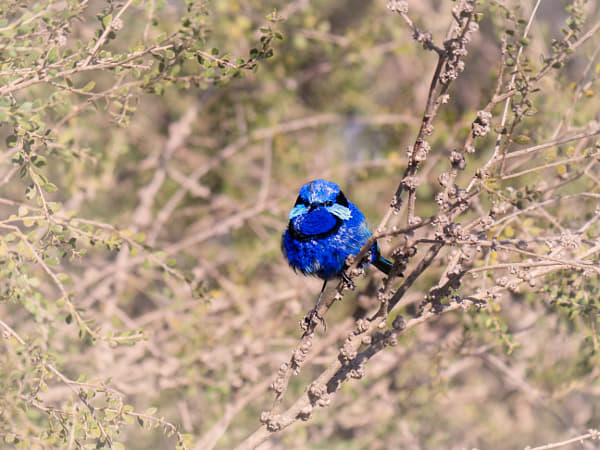
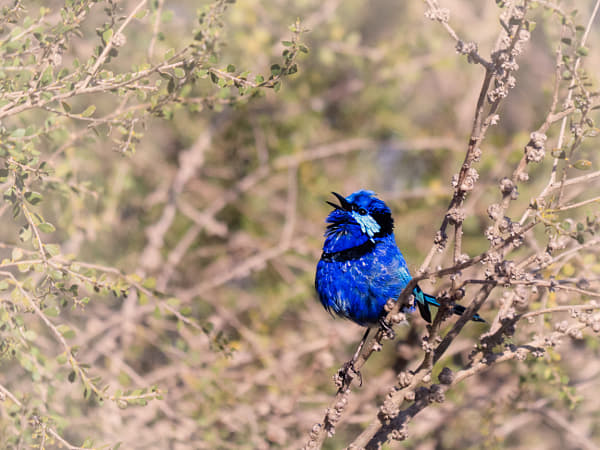
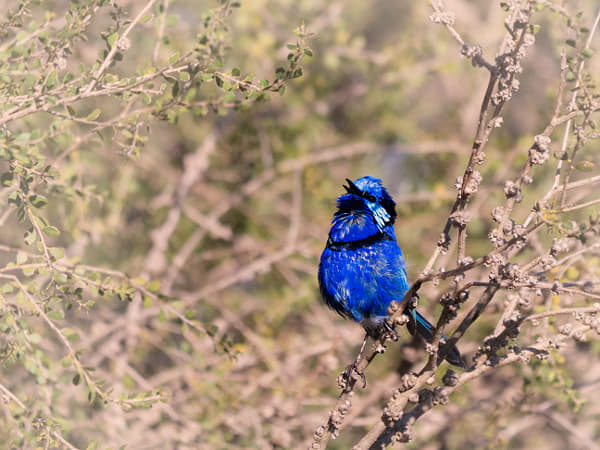
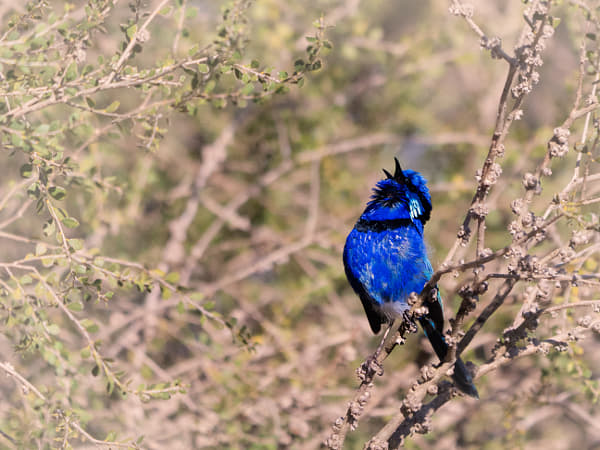
This little boy was belting his heart out.
- Today’s title comes from the album and track by the amazing blues legend Buddy Guy.

This little boy was belting his heart out.
Beating the heat is the name of the game here and so getting up early and heading out is the answer. Lake Leschenaultia in summer just as the sun comes up is blissful. The breeze coming off the water is deliciously cooling and walking under the shade is a pure delight. To cap it all off the wildlife is truly wonderful. To make the most of it I travel light – one camera (Olympus EM1x), one lens (Panasonic 100-400mm f4-6.3) some spare batteries and a water bottle.
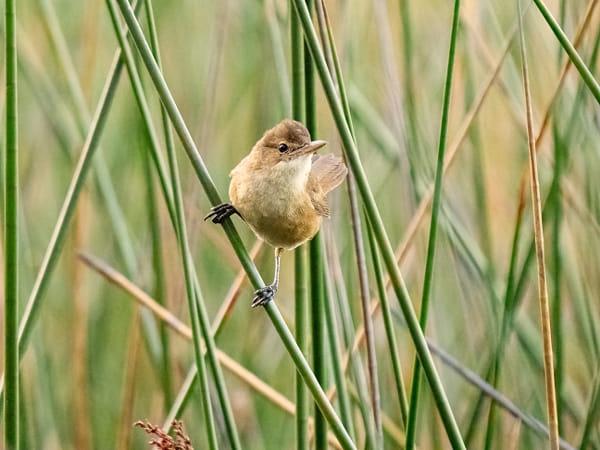
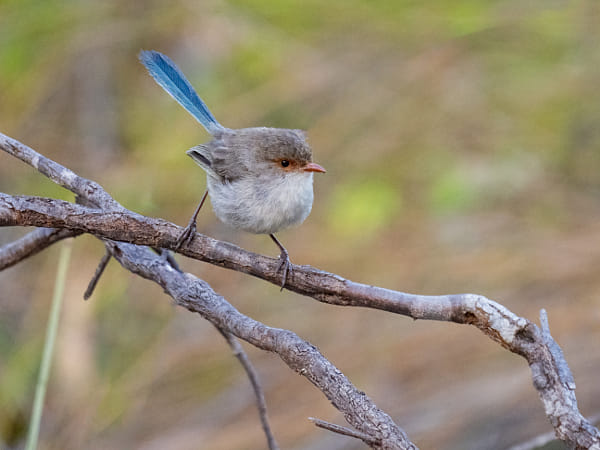
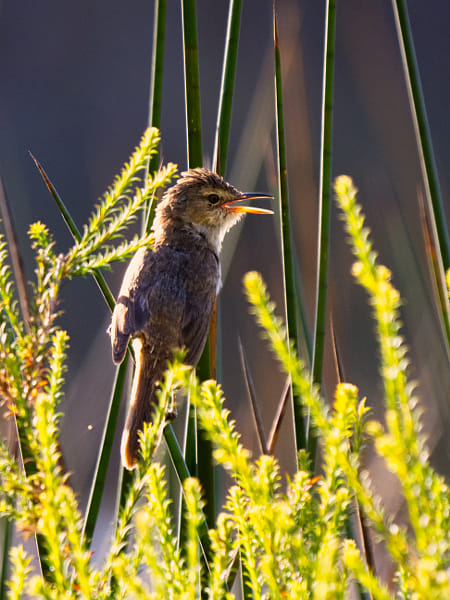
When we first arrived I had a look for the Spotless Crake in the reed beds. I know it’s there – I’ve seen it and its footprints in the mud, and heard it – but taking a good photo is proving very difficult as it is extremely skittish and elusive. While stood there we could see the reeds twitching away and there was some strange staccato chucks, when suddenly a couple of birds break cover and sit on the tips of the reeds. I didn’t honestly know what they were – and assumed they were a new to me species. It was all quite exciting. Walking round the lake we were serenaded by the magpies. As the understory got denser we could hear Splendid Fairy Wrens chattering away in the undergrowth. When they broke cover we saw that they were very young – probably this summers fledglings. It was enchanting watching their antics as they chased one another around. As we headed back to where we started we passed another reed bed with some more of those unidentified birds in and they were very obliging and hung around in plain sight allowing me to get more photos. It was a great morning, worth getting up for.
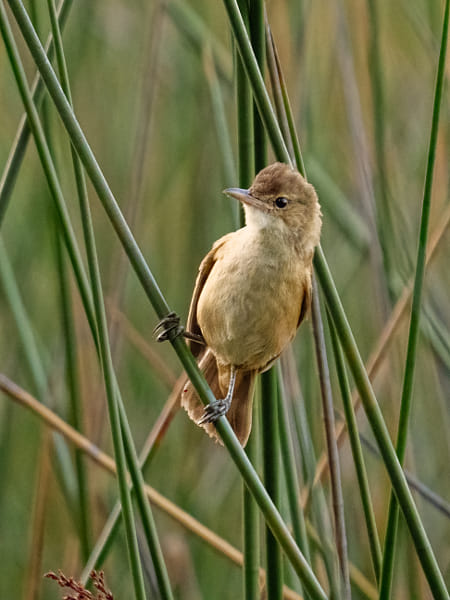
On getting home and processing the images I found out that the birds were Australian Reed Warblers, a species that I’ve photographed before. What threw me was the sound – I’ve only ever heard them warble before. So it was a little disappointing that it wasn’t a new species, a bit embarrassing that I didn’t recognise them, but extremely satisfying as they are my best photos of Australian Reed Warblers.
* Early One Morning is a song by the great Elmore James.
…most definitely not!
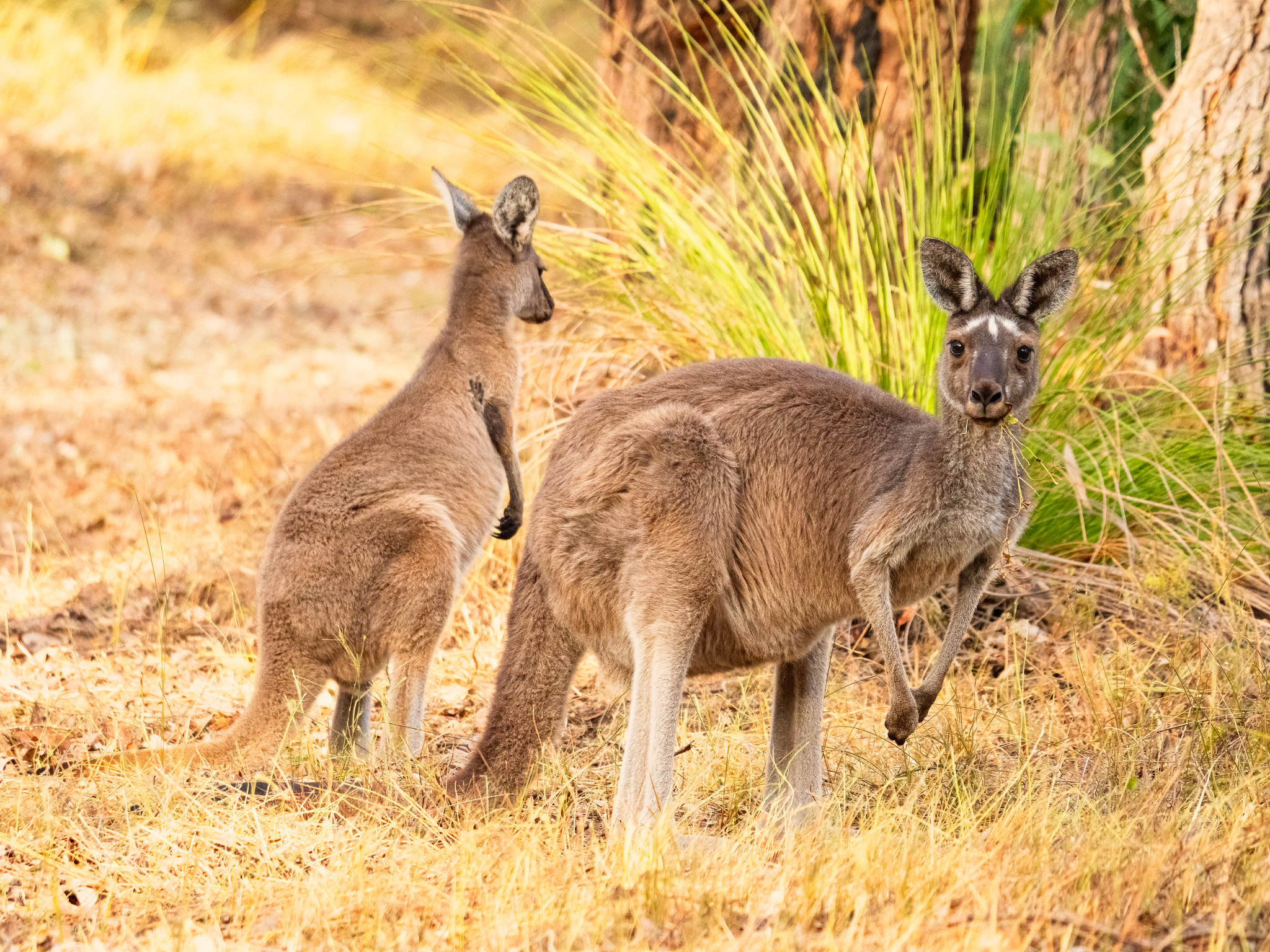
Not having had kids I loose track of things like school holidays so when I arrived at Lake Leschenaultia at 6:30 am the other day I was surprised with how many kids were playing on the foreshore at the top end of the lake. It was only as I passed the packed camping area I realised we must still be in the Easter holidays. The other thing that caught me off guard was the water level. I’ve never seen it so low – you could walk out in the reed beds. The water birds were staying in what was left of the water out in the middle and any attempt to approach them meant that you were quickly up to your knees in black sticky smelly mud.Not what I had gone for and I was torn between heading back home or heading down to the forested area at the far end of the lake in the hope that it would be quite and I’d have a chance of seeing some wildlife. I decided to stay and try and make the most of being there – it was after all a beautiful morning. The sun was peaking over the tree tops and gave the forest a nice warm glow and it was the perfect temperature for a walk around the lake. As I walked down the path along the lakeside I met a couple Kangaroos who looked equally nonplussed at the hoard of screaming children. We looked at each other for a few minutes and they got back to the serious business of grazing.
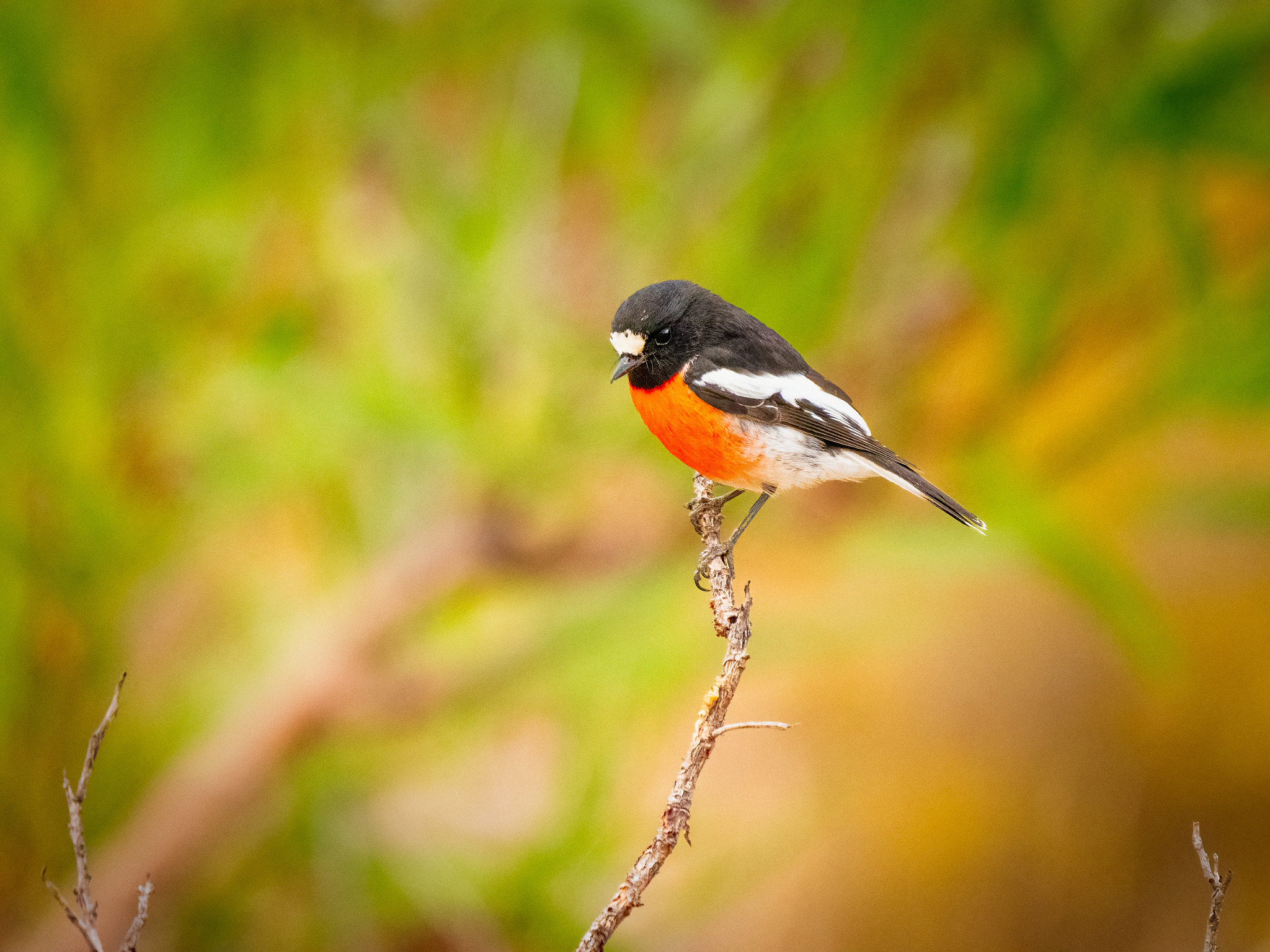
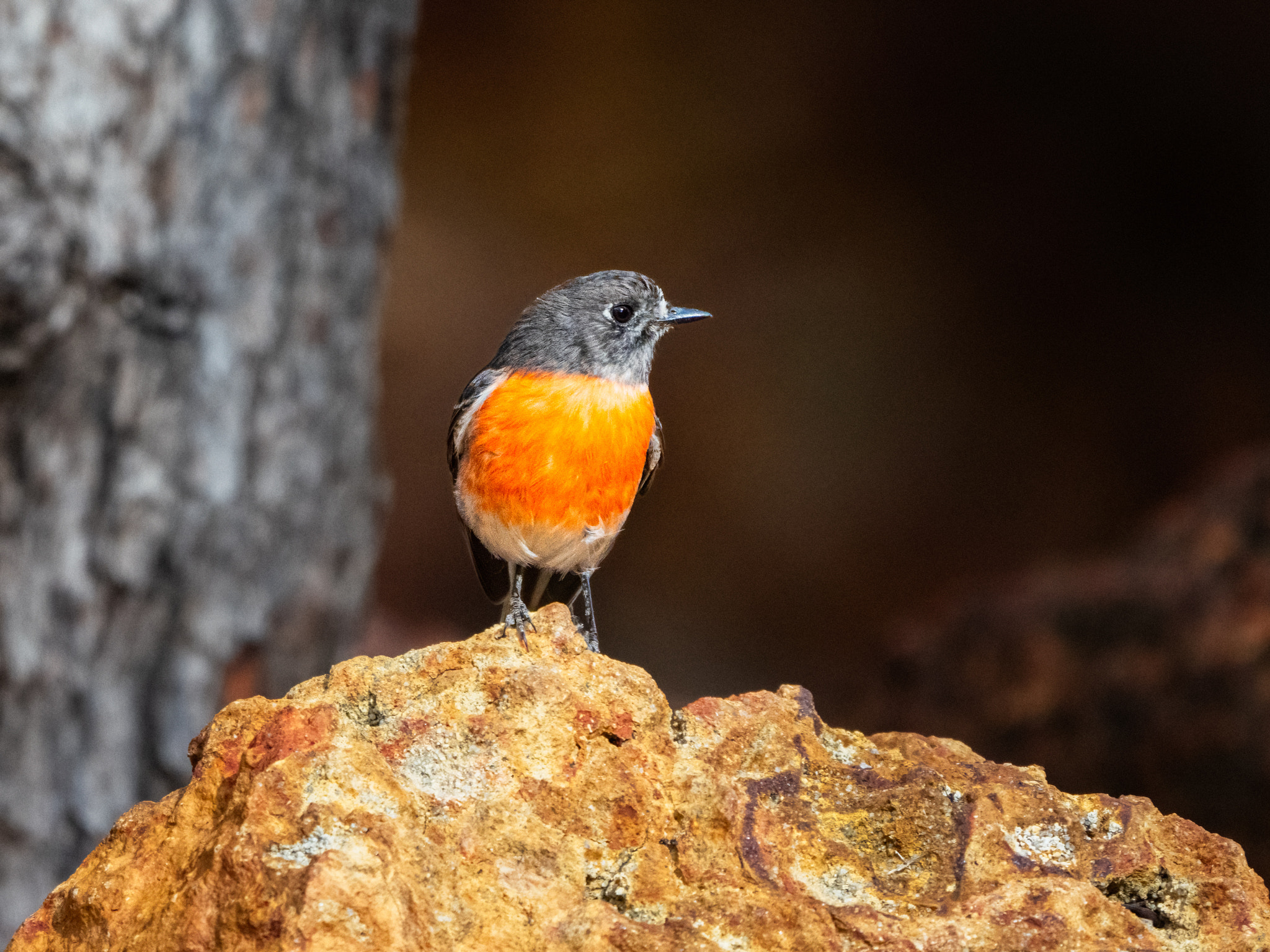
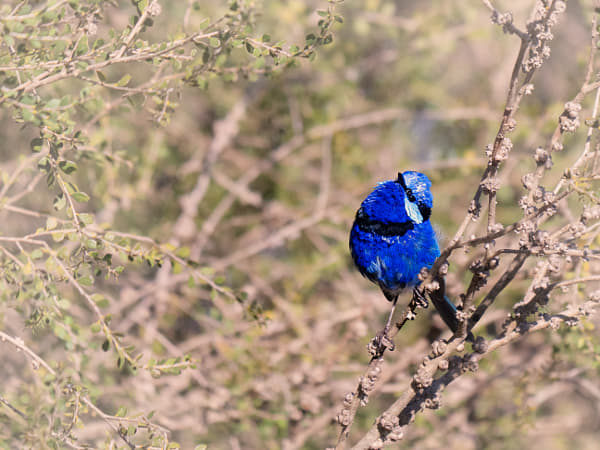
Strolling down to the boundary fence I was happy to note that the air was still and there were loads of midges and mosquitoes flying around. Passerine birds follow the clouds of insects through the forest and feed on them so this meant I had a good chance of photographing robins, wrens, tree creepers, pardalotes and thornbills. I wasn’t disappointed a couple of male Scarlet Robins (Petroica boodang) stopped what they were doing to have a good look at me. The females stayed in the thicker bush eating. There were heaps of Splendid Fairy-wrens (Malarus splendens) dancing about in the understory and on the forest floor. They look like mechanical toys the way they move about with sudden jerky movements. That makes following them through the viewfinder of a camera with a long lens very tricky, but, if you’re quiet and still they will come quite close to you – which makes photographing them a bit easier. The males had shed their brilliant blue plumage that is characteristic of the mating season and were in their drab grey colouring with bright blue tails. Like this they are virtually indistinguishable from the females with the only difference being that they have a dark grey beak while the females have an orange one. If wrens are tricky to photograph then Western Thornbills (Acanthiza inornata) can make you weep with frustration. No bigger than 10cm they bounce erratically around on the forest floor and in the undergrowth with considerable speed rarely pausing. They don’t have the tolerance to be near people which often means when you do get one to sit still long enough to be photographed they are a tiny spec in the frame. Walking back to the dam wall there is a terraced picnic area that enabled me to get at their eye level and conceal me at the same time. I managed to get off a few frames as the birds worked their way quickly through the grass.
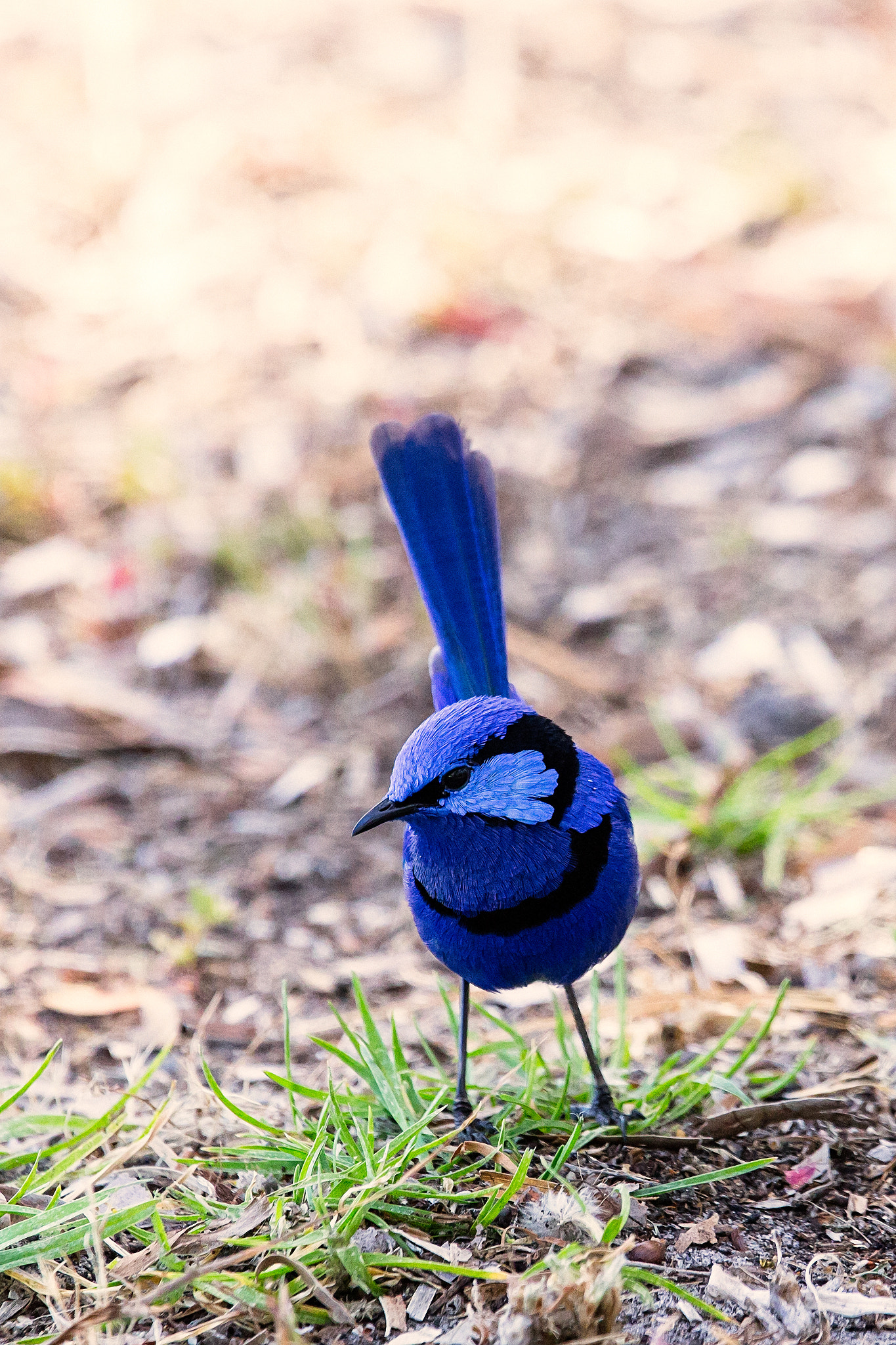
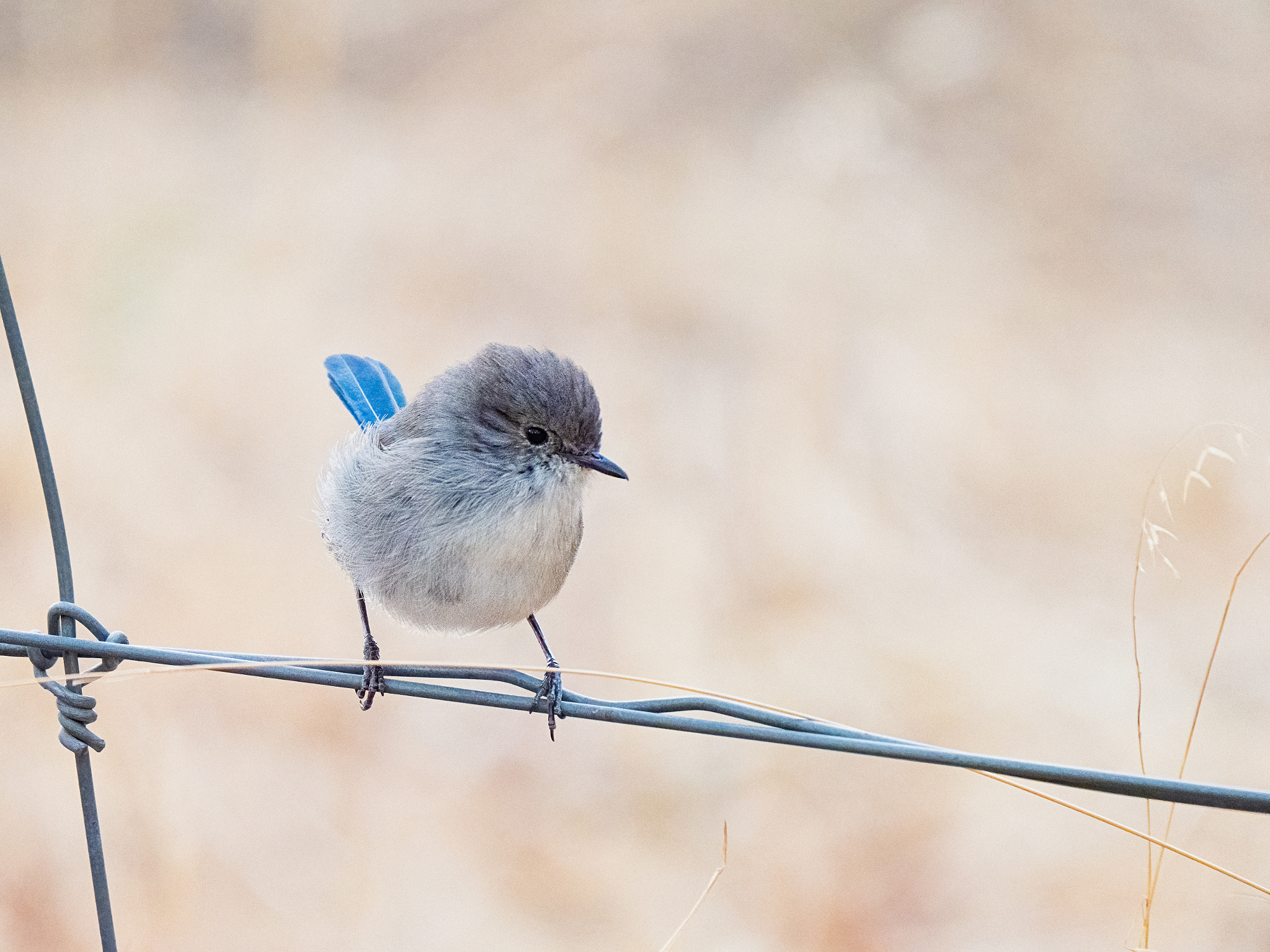
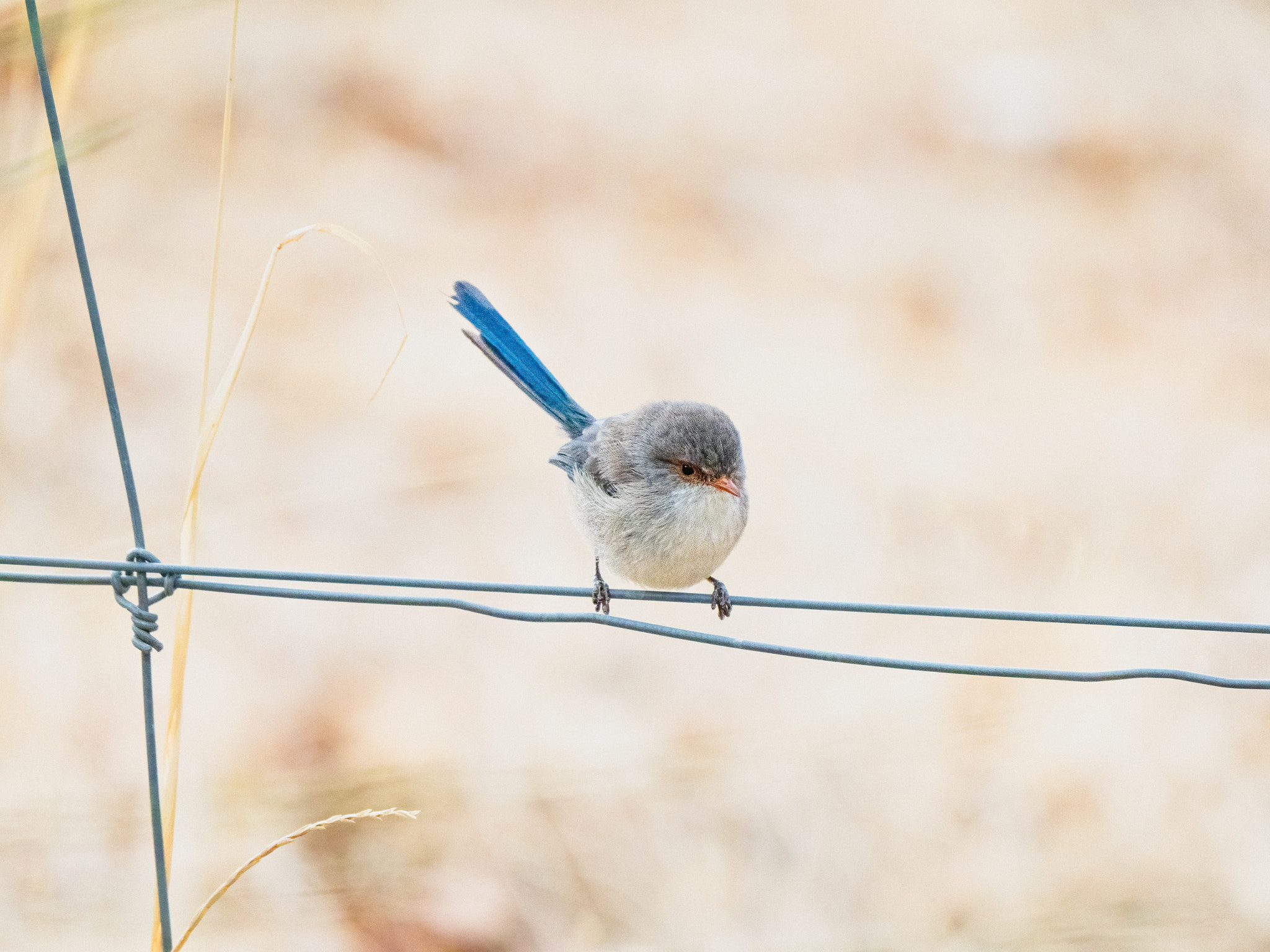
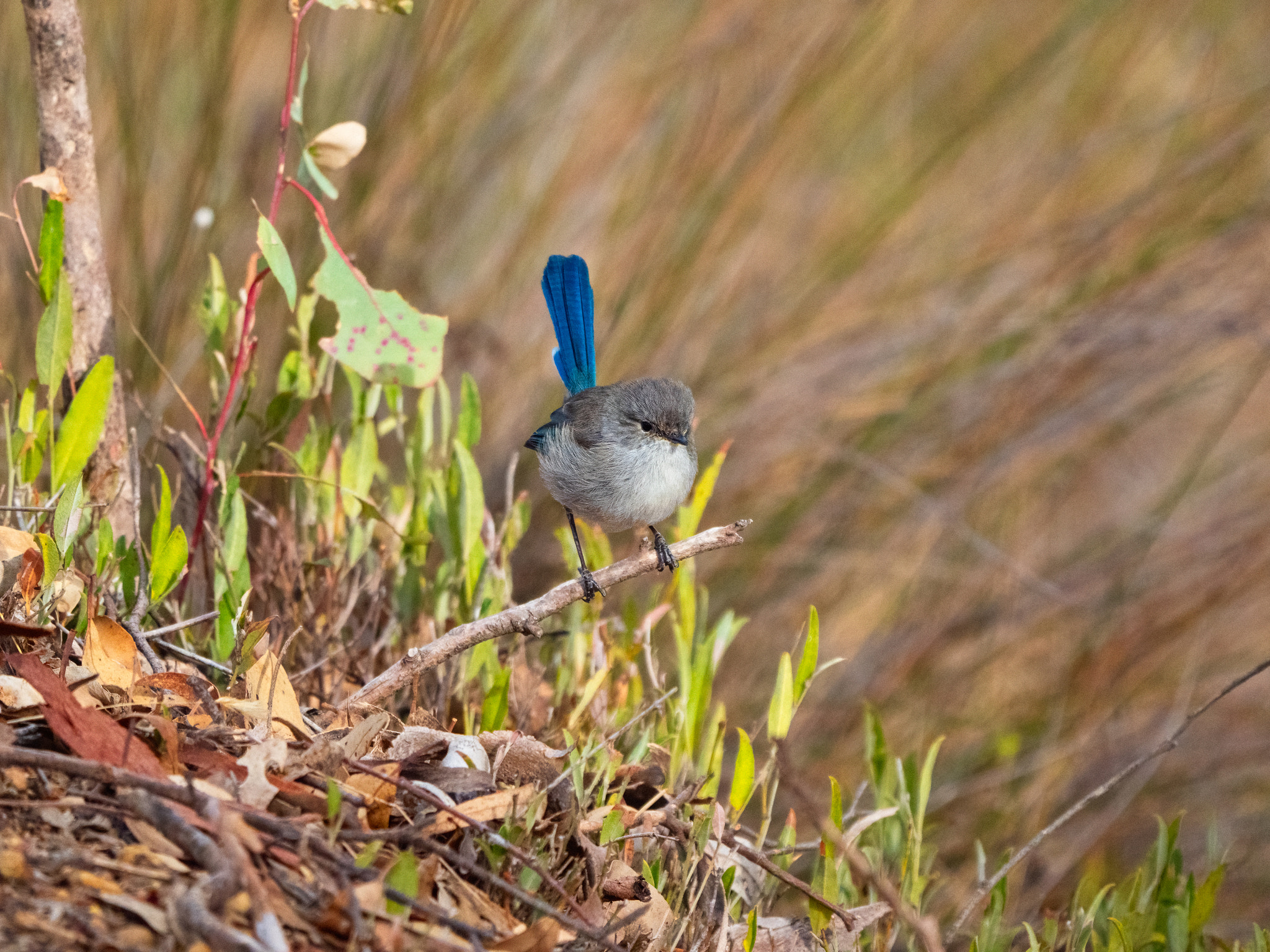
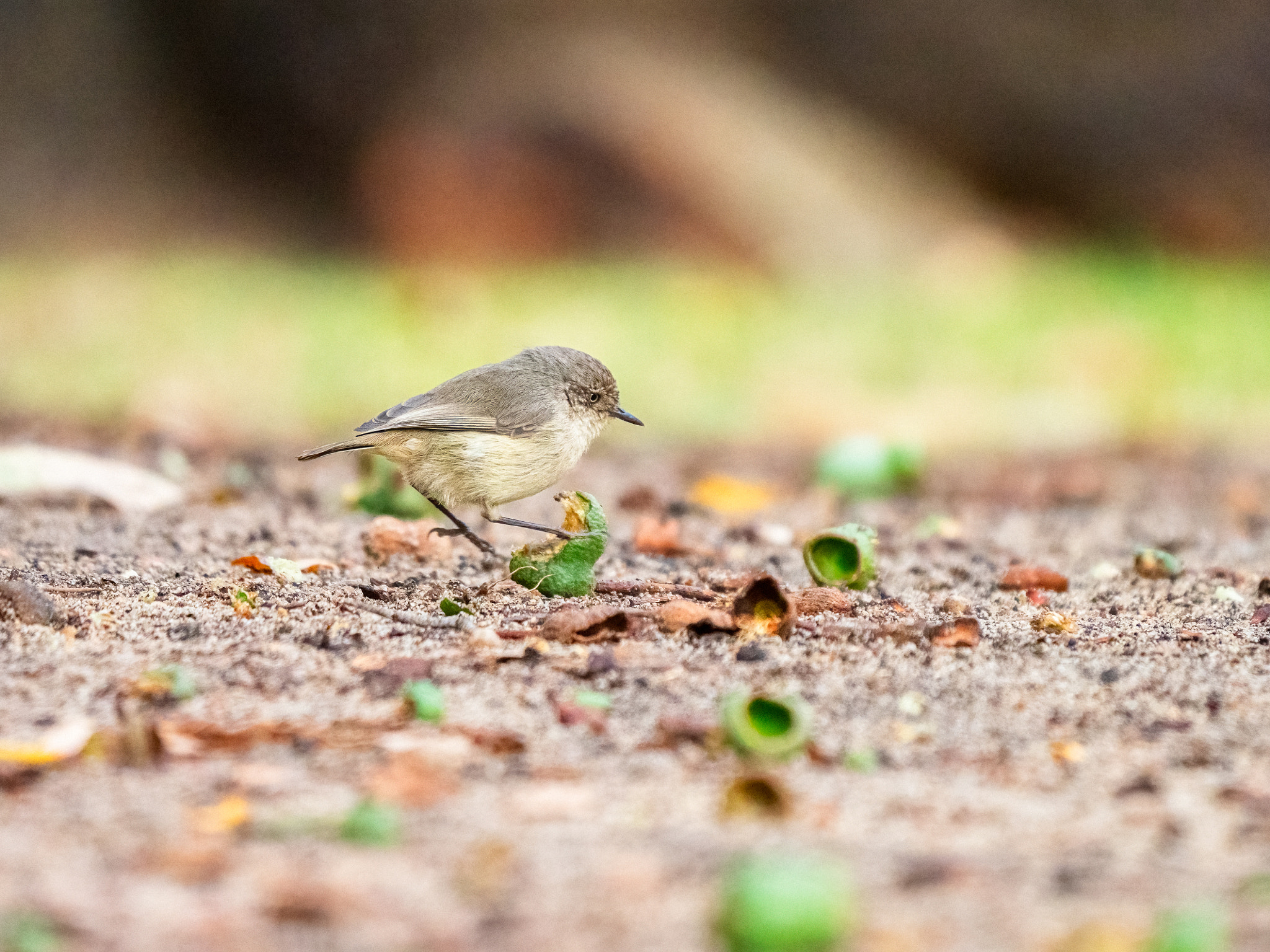
I was glad I stayed and persevered. Yes the conditions weren’t conducive to photographing the species I wanted, but being flexible and altering the plan made for a very enjoyable morning out.
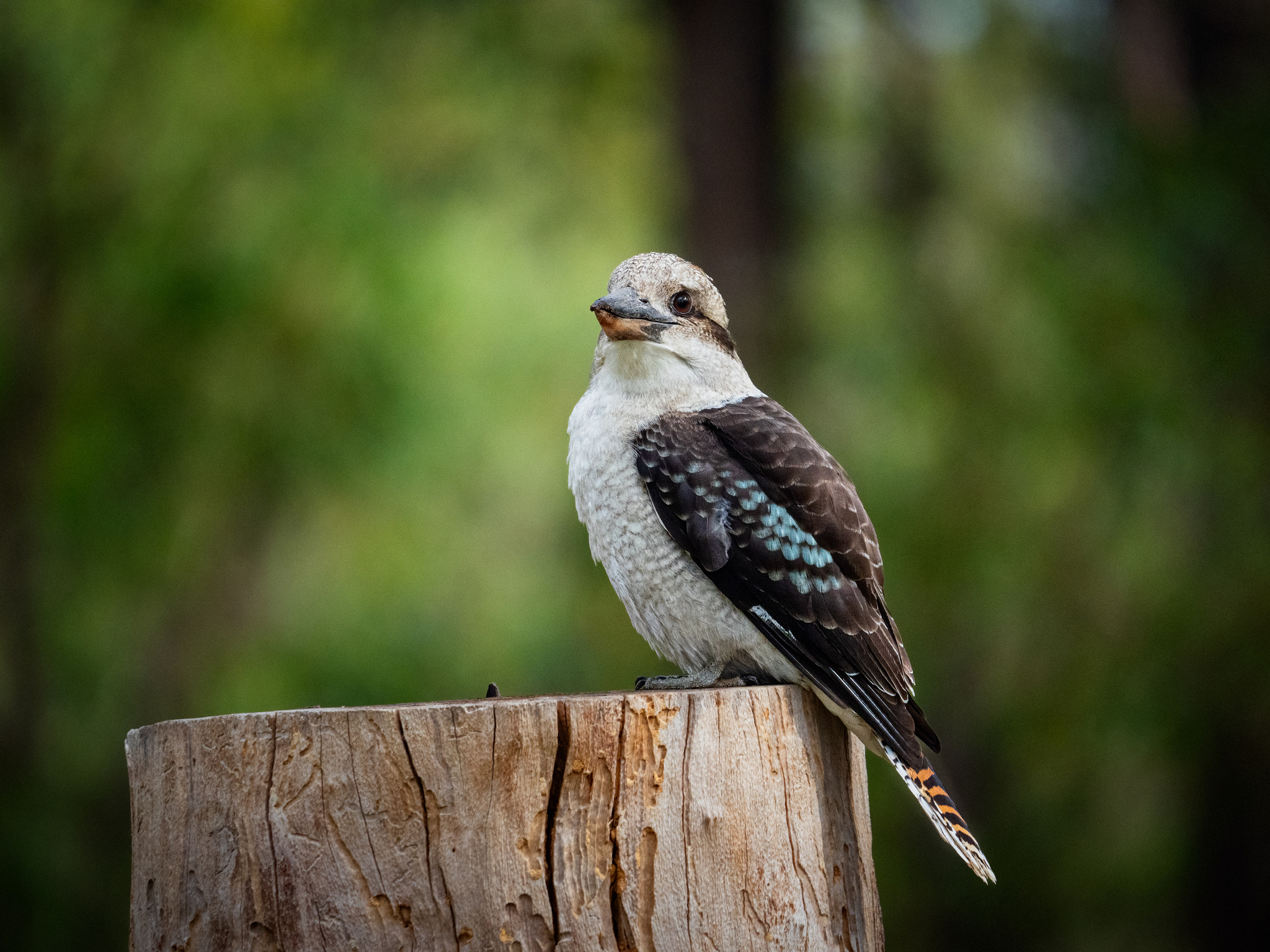
By Western Australian standards it is freezing – well 2ºC – and just after dawn. I find myself sitting in a reed bed wondering why I abandoned a nice warm bed to be wet and cold.

Well the answer to that is four weeks ago I was here at Lake Leschenaultia mucking about with an old camera and lens when I spotted a small bird in the reeds that I’d not seen before. I grabbed a quick photo but it disappeared back into the reeds before I could properly sort myself out. When I got home I identified the bird from the blurry grab shot as a Waradja or spotless crake. Since then I’d been full of good intentions to go back and try to get a better photo, but, they were sabotaged by a great deal of procrastination until the other day when I’d decided to resurrect an old favourite camera of mine – the original Canon EOS 5d from 2005. The original batteries had perished and would no longer hold a charge so I got a set of replacements and found a couple of memory cards at the back of a drawer. I just needed something to point it at, and that is when I remembered the spotless crake.
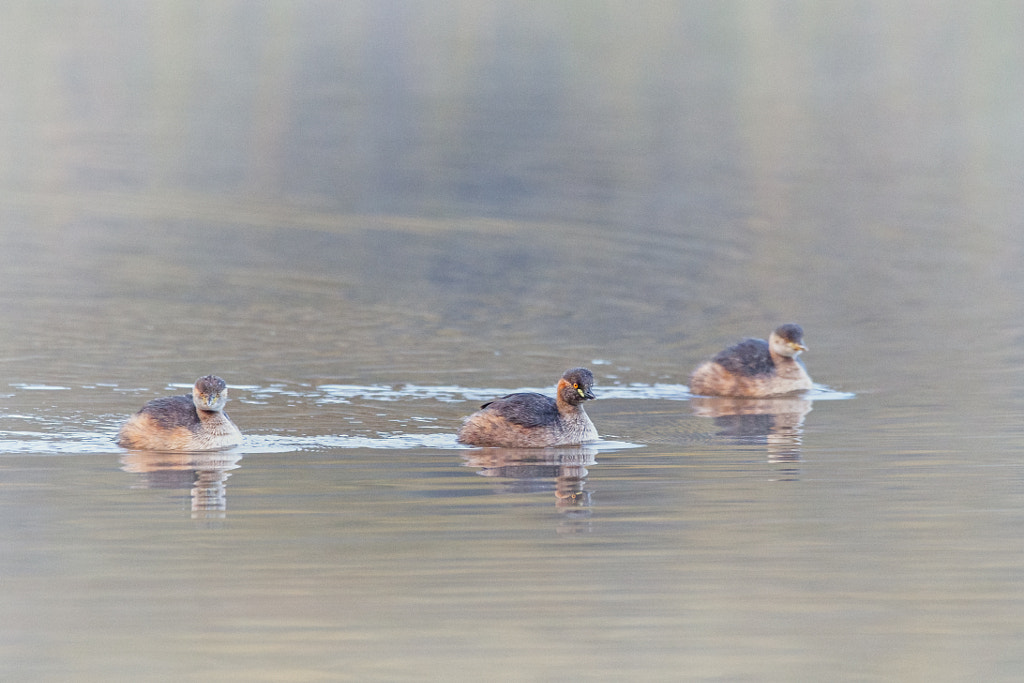
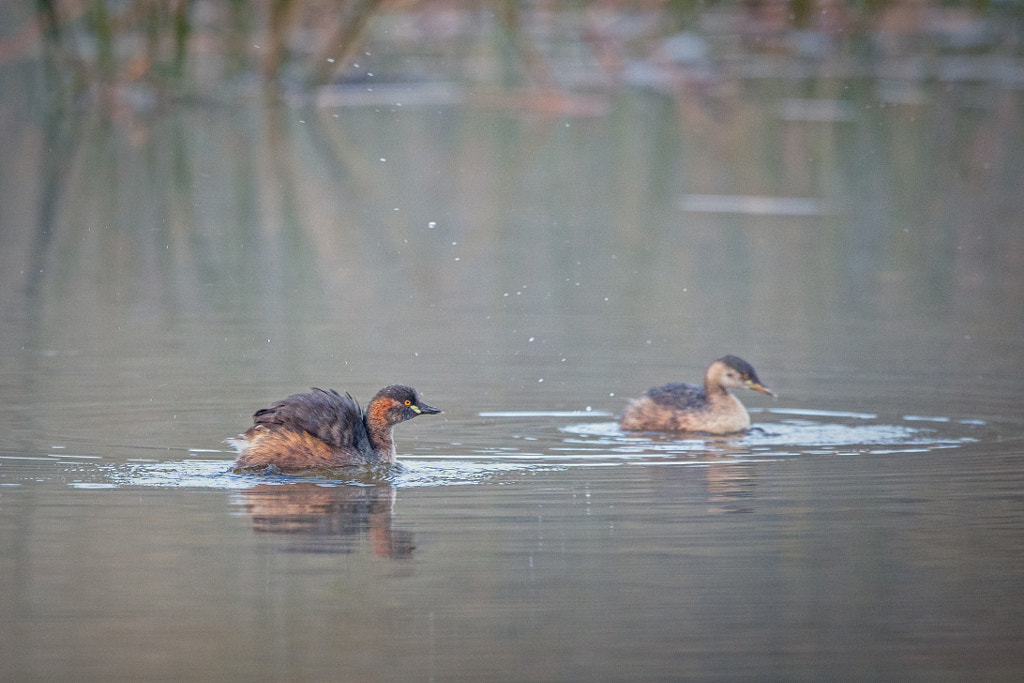
Things had changed considerably in the ensuing four weeks. There had been a lot of rain and the water levels had risen considerably. So much so that the area where I saw the bird was now under water. The other thing that had changed was that there was a lot of noisy building work going on – and when I mean noisy I mean really loud. Combine this with the cold and it was no surprise that there were no birds on the lake, not even the Eurasian Coots. Undeterred I parked myself in among the reeds as close as I could to the place where I’d seen the spotless crake and just waited. Some large jarrah trees cast their shade over me so I didn’t get the warming effect of the rising sun. After a couple of hours a flotilla of Australasian Grebes approached and gave me the once over and then made off to centre of lake to be in the sun. By now I was really cold and miserable. It was obvious that the spotless crakes weren’t going to put in an appearance so I decided to walk down the other side of the lake to warm up in the sun and restore some feeling back to my feet.
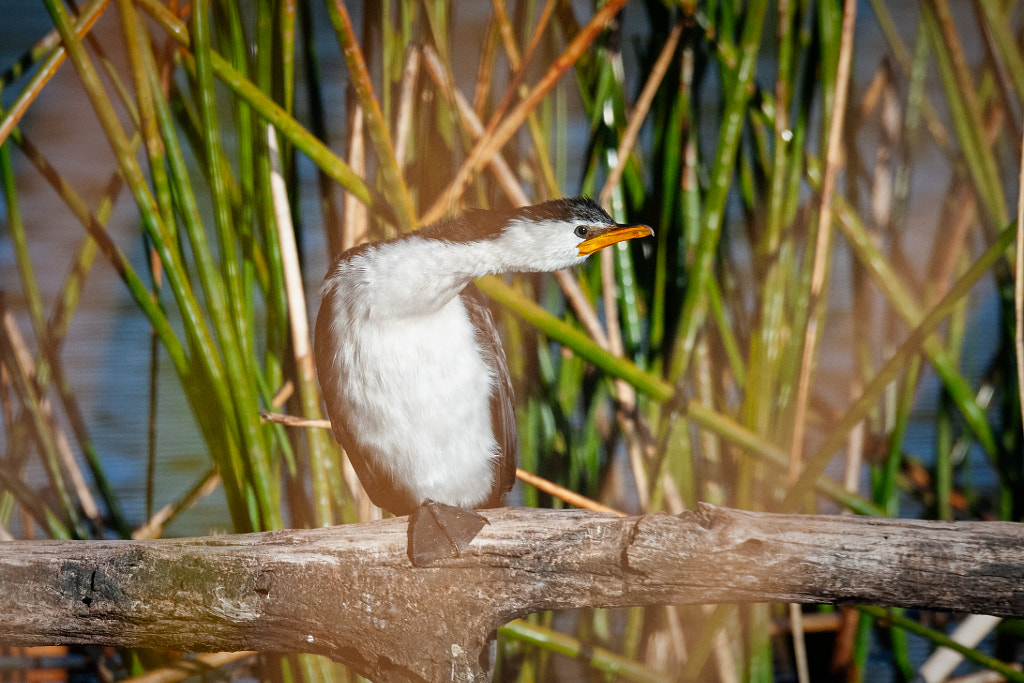
As walked past the dam wall I could hear the commotion of a whole heap of passerine birds moving through the forest understory. There were New Holland Honeyeaters, assorted thornbills, grey fantails and weebills. But, what really caught my attention were the splendid fairy wrens chasing insects at the waters edge. They were chasing small insects and occasionally they would perch on an old log or tree stump. For text twenty minutes or so I just took photos of them and then as quick as you like they were gone.
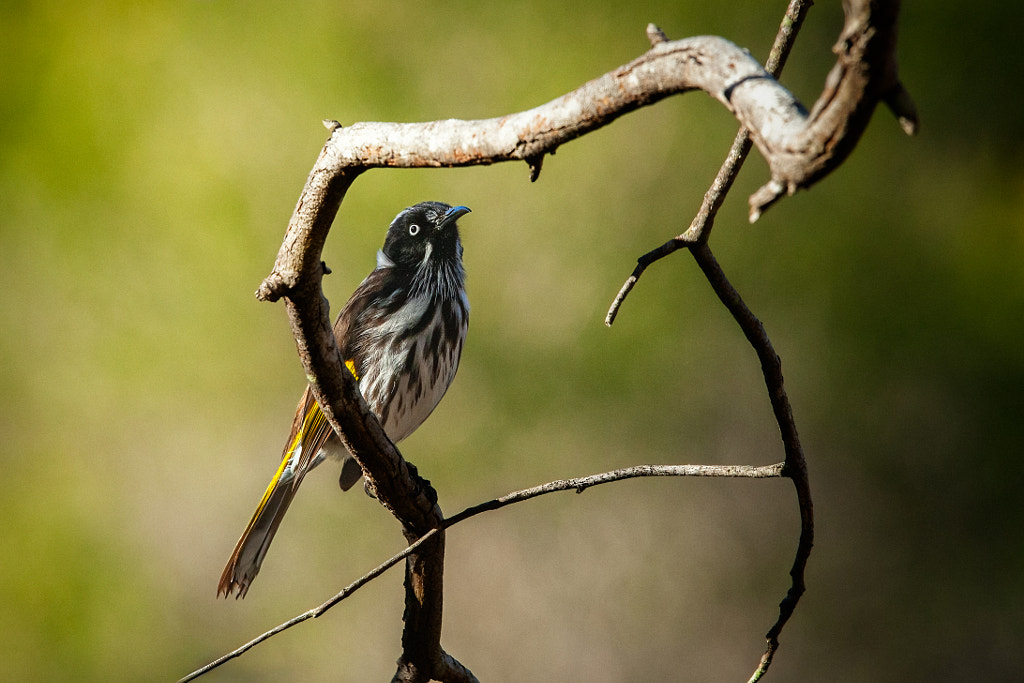
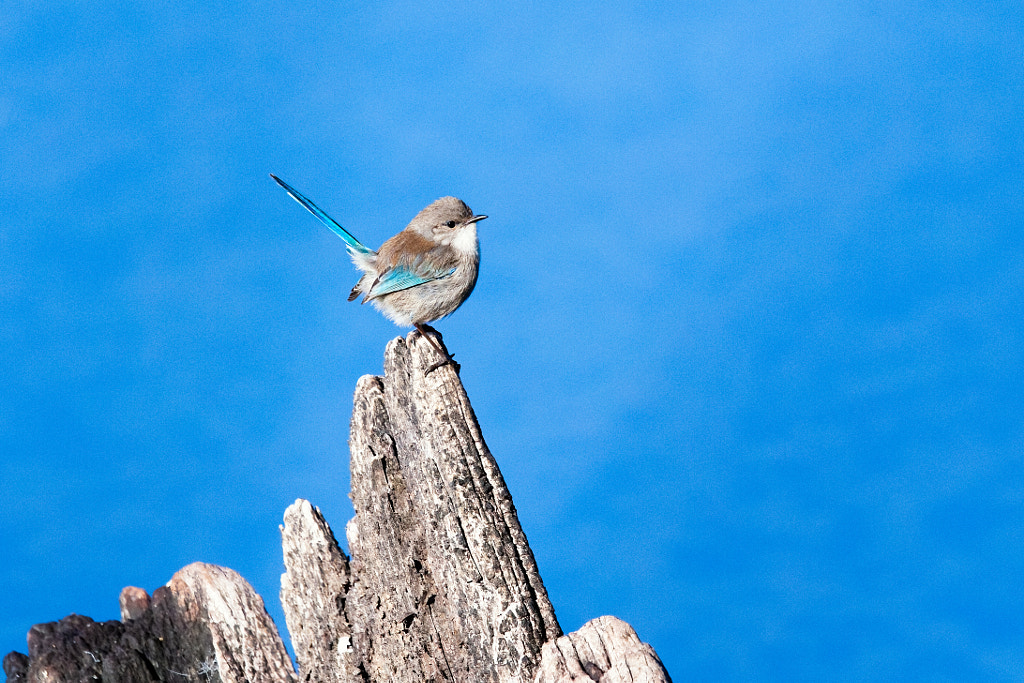
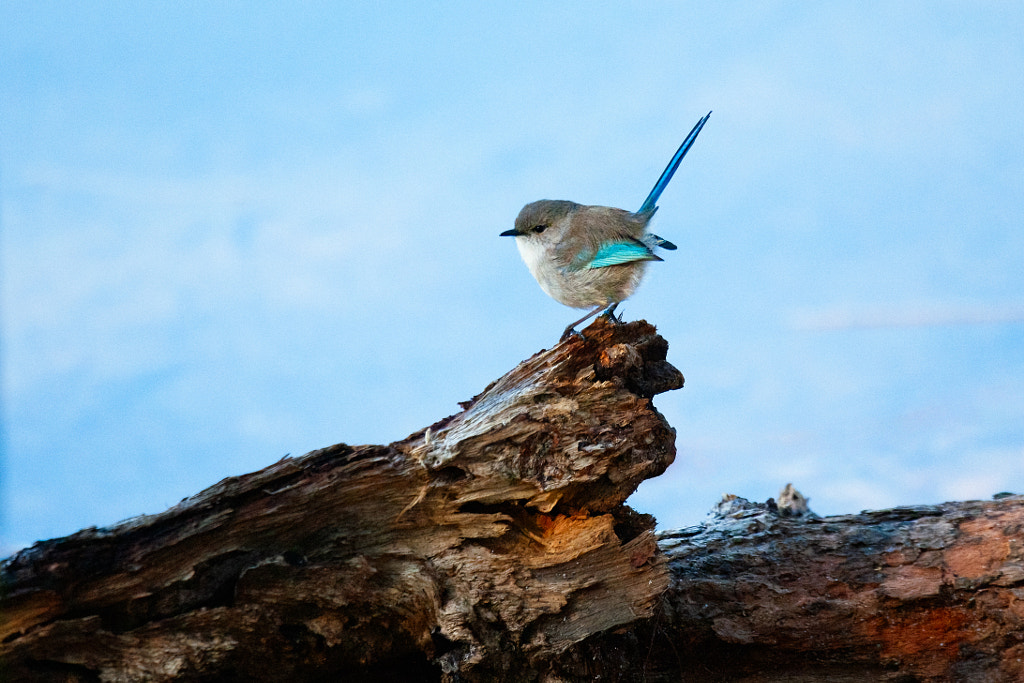
Is a splendid fairy wren on a log worth an invisible spotless crake in the reed beds ? Yes it was this time.
We’ve had some really gorgeous weather lately – so good it made us want to go out and have a BBQ picnic. Thanks to the media there is the impression that the average Australian is born wearing an apron and holding a pair of BBQ tongs in one hand and a can of beer in the other. Well it’s not quite true. For us a migrants we don’t have a natural proclivity to burn every piece of meat we eat over a fire. But when the weather is as good as it has been lately the notion of throwing a sausage on the barbie in a nice location is quite overwhelming. We set off to Lake Leschenaultia which is smallish man made lake in the Perth Hills surrounded by woodland.
Now this was not a designated photographic expedition I did take a camera and while the Beloved Significant Other was having a swim I snuck off to see what was about. The light was bright, it was midday after all, and there were quite a few people about so I didn’t have high expectations. But half an hour of looking I managed to find some mating dragonflies, see some very cheeky splendid fairy wrens and be delighted by a mother musk duck feeding her duckling.
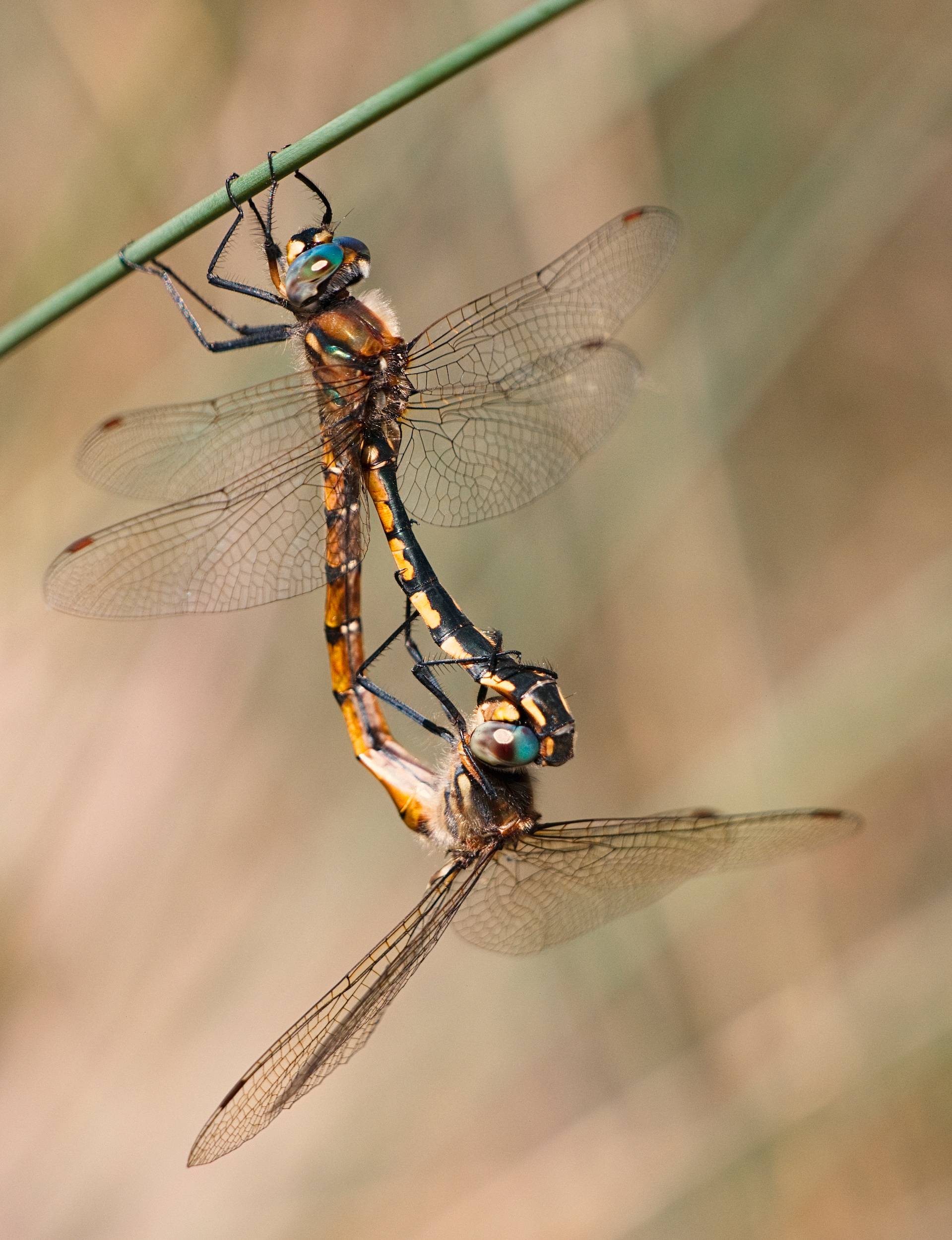


They’re not the best photos I’ve taken, more snapshots really, but they added to what was a perfect day.
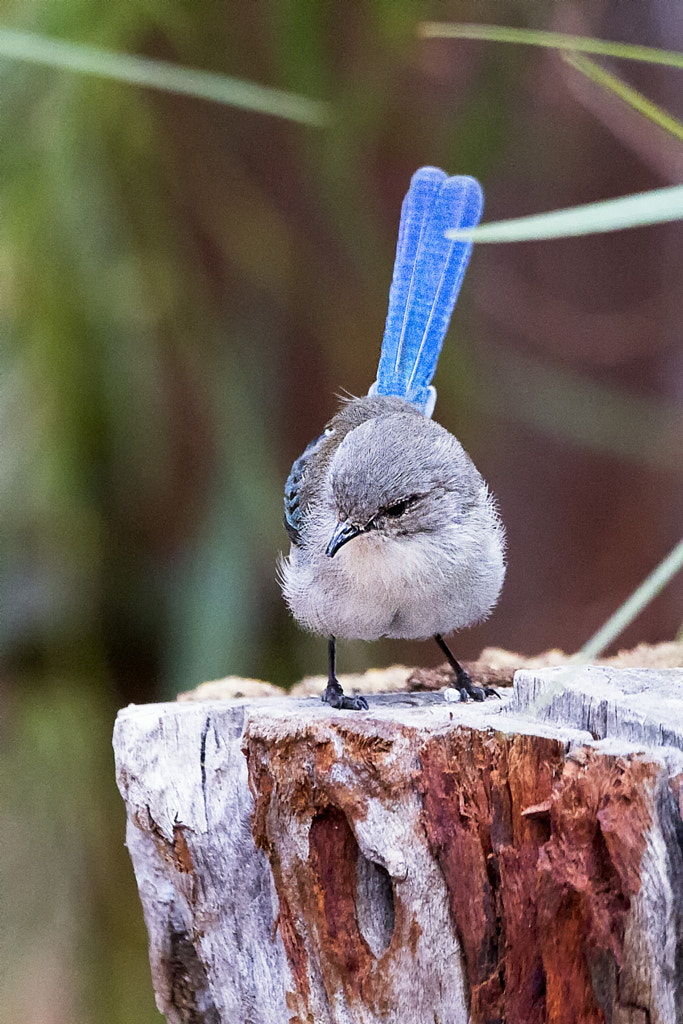
Sometimes I think that have got to be easier ways to enjoy birding and bird photography than dragging 3.5Kg of camera and lens quietly through the bush and trying to get a picture of something that is literally so flighty that the slightest sound sees your subject leave at a tremendous rate of knots.
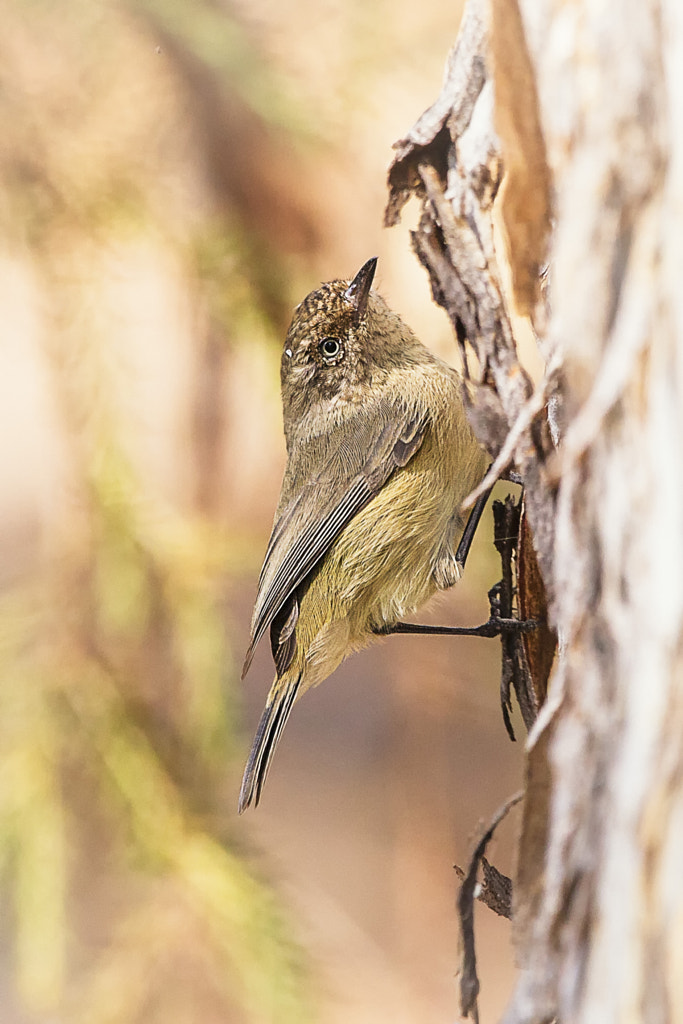
Case in point. Not so long ago Beloved Significant Other (BSO) went for a trip to Lake Leschenaultia in Chidlow. I spent an age crawling around in the bush looking for a cooperative subject. In that time every small twig that I inadvertently trod on sounded like a thunder clap that sent all the wildlife scurrying for cover in a 5Km radius.
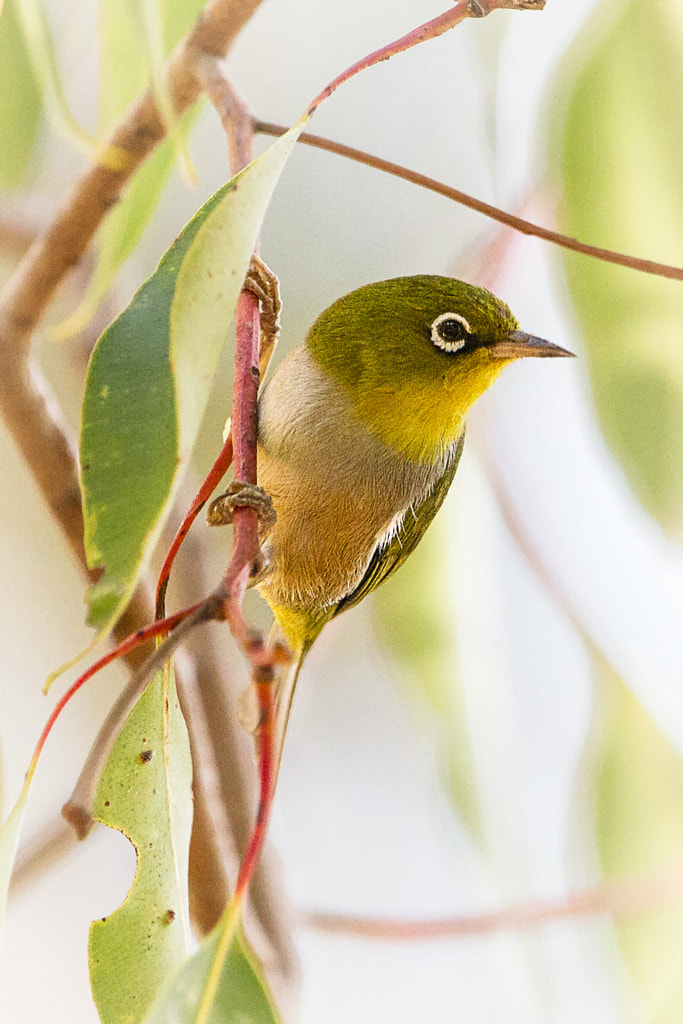
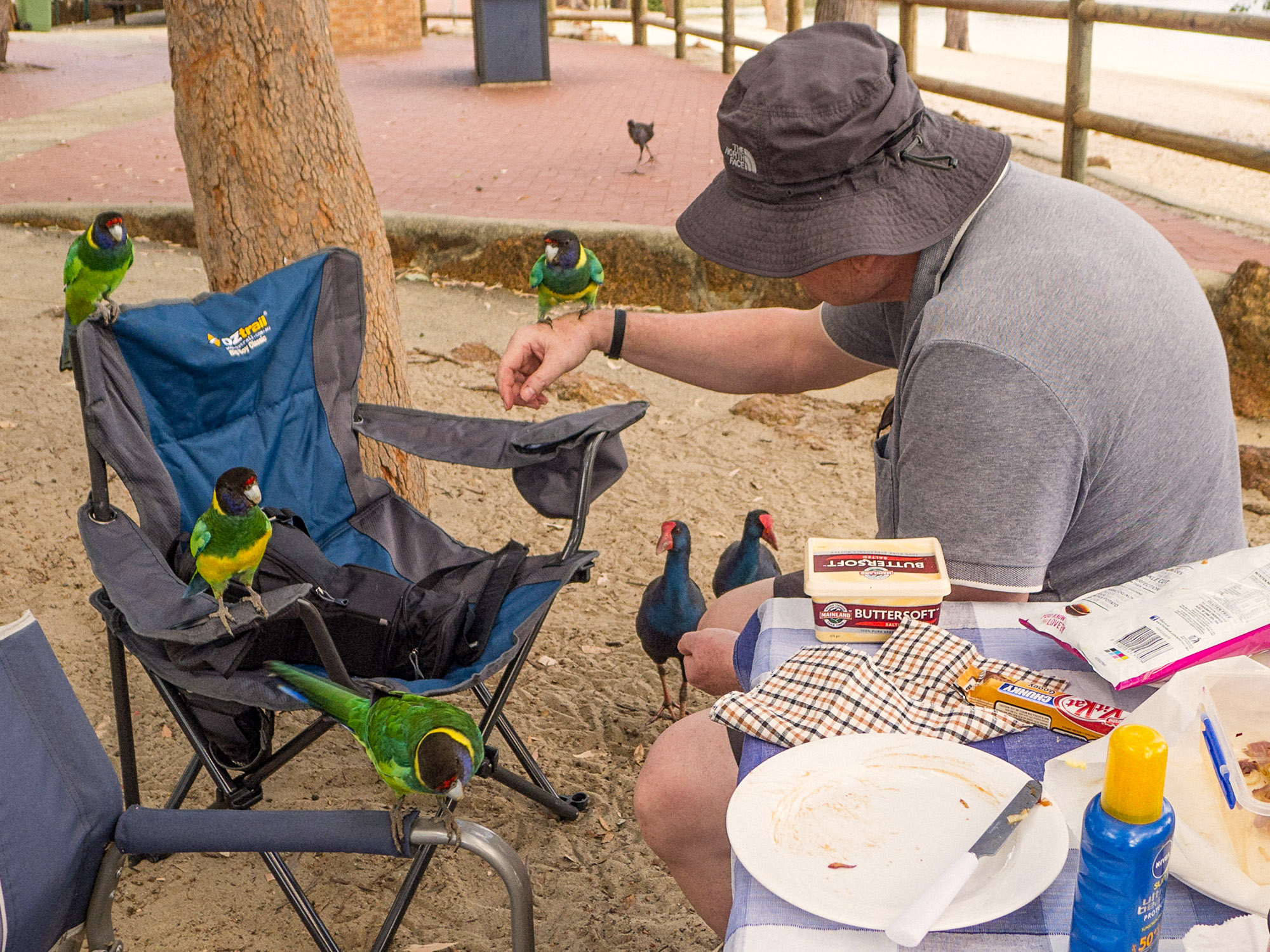
Even if you manage to creep up on a suitable subject you then have the problem of photographing something that is 5-10cm and hoping and twitching around like a meth user suffering from St Vitus’ dance while you are trying to track it and keep it in focus as it darts in and out of the foliage. So I’ve come up with an easier method. The BBQ. If you have BBQ in Australia every animal in the neighbourhood will be trying to relieve you of your food. The little buggers will climb into your lap and pose for photos if food is involved.
You must be logged in to post a comment.