Spring is now almost over and most of the wildlife has now settled down to domestic duties – having and raising young.
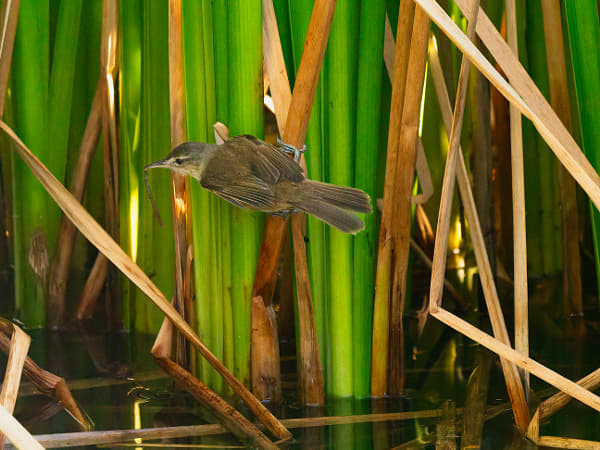
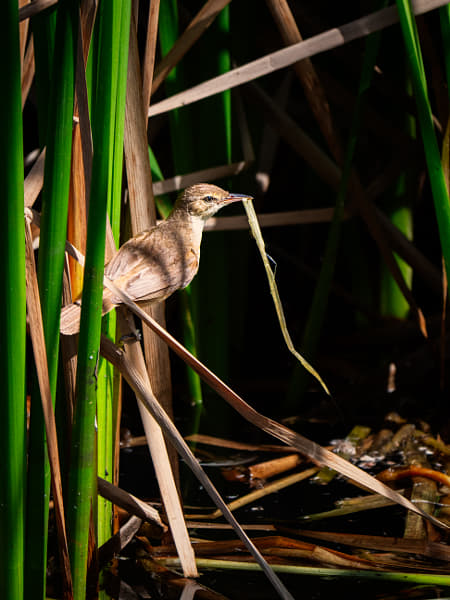
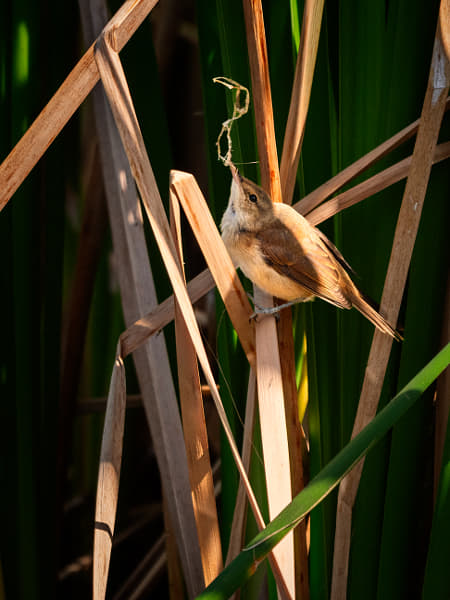
A recent visit to Bernard Park in the Wheatbelt metropolis of Northam showed this to be true. The Australian Reed Warblers were still building nests and it won’t be long before the serious business of egg laying starts.
Koordji-koordji or Australian Reed Warbler (Acrocephalus australis subspecies gouldi) gathering nesting material. Northam, Western Australia.
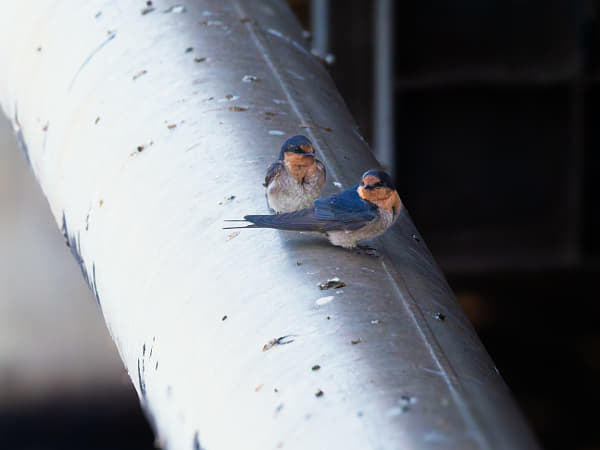
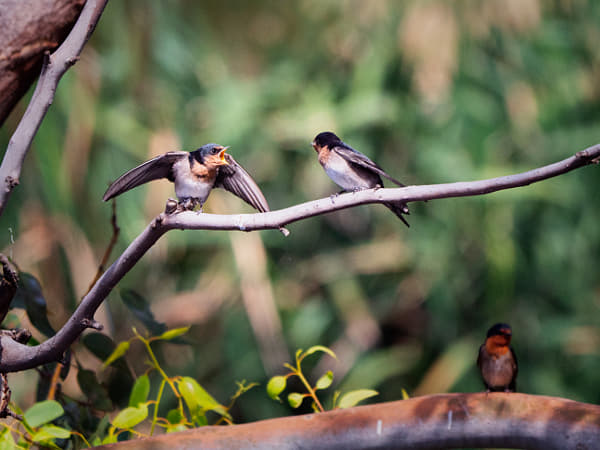
The Welcome Swallows were mostly content to hang out together between hunting forays, but we did see a couple which did seem to be in the middle of a domestic alternately screeching at each other. Do birds separate and divorce? No idea. Perhaps I anthropomorphising them too much, but it is hard not to project human feelings into animal interactions.
A contented pair of Kanamit or Welcome Swallows (Hirundo neoxxena) taking a breather under the Peel Terrace Bridge. Northam, Western Australia
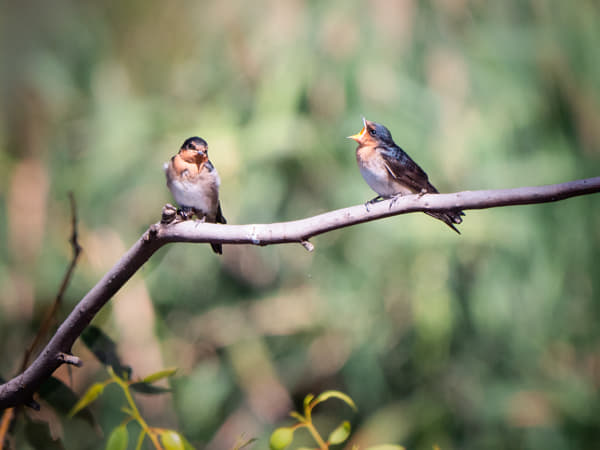
These two seemed to be in some sort of domestic dispute.
It wasn’t one sided either. Both were carrying on like pork chops in a frying pan. Perhaps a referral to Relationships Australia is in order?
…of sorts. I wrote recently about my attempt to abandon my Olympus cameras and move to Sony and how it was an unhappy experience. Well last weekend I went out orchid hunting in Wandoo National Park and I took my Olympus kit with me and it made for a far happier experience.
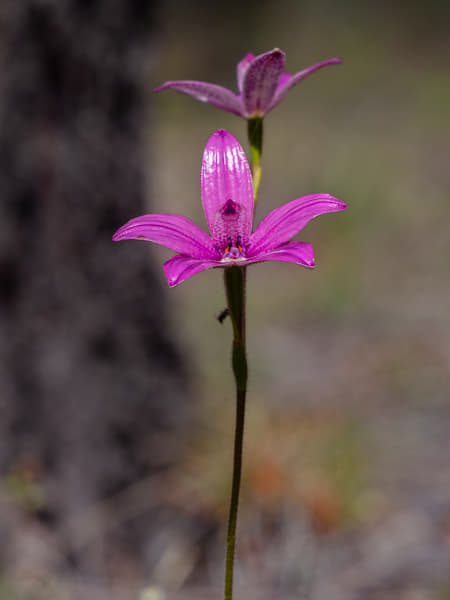
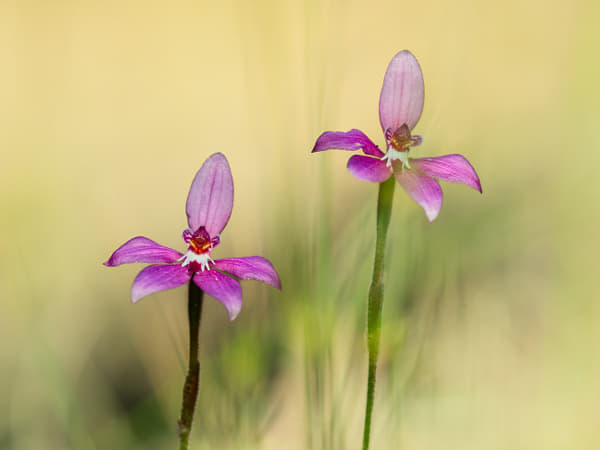
Pink Enamel Orchid, Elythranthera emarginata. Wandoo National Park, Western Australia.
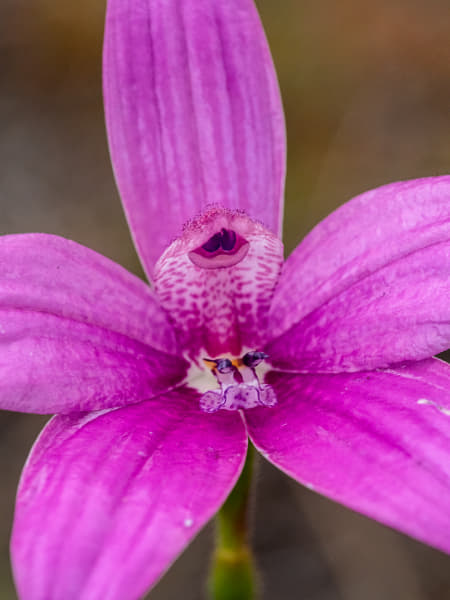
Close up of a pink enamel orchid.
The main reason was weight. Looking for orchids in the Wandoo National Park is a matter of walking lots. It is a big park – 463.68 square Km – and while you can drive in on numerous gravel roads and 4WD tracks it only gets you so far and then you have to walk over quite varied terrain to find anything. Humping heavy photographic equipment, water, food, extra layers, first aid kit etc gets old really fast. So anything that can reduce the load is most welcome.
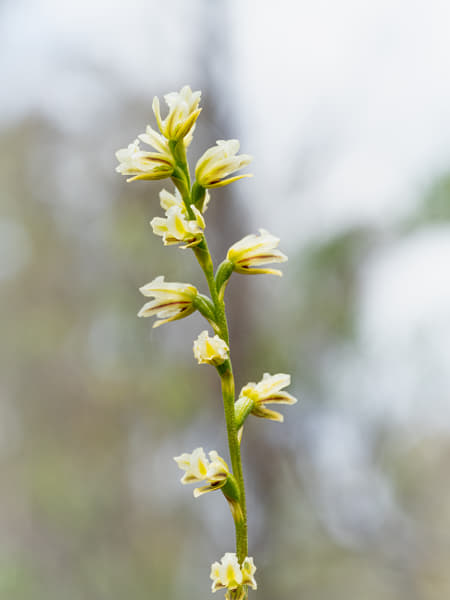
Little Laughing Leek Orchid, Prasophyllum gracile. Wandoo National Park, Western Australia.
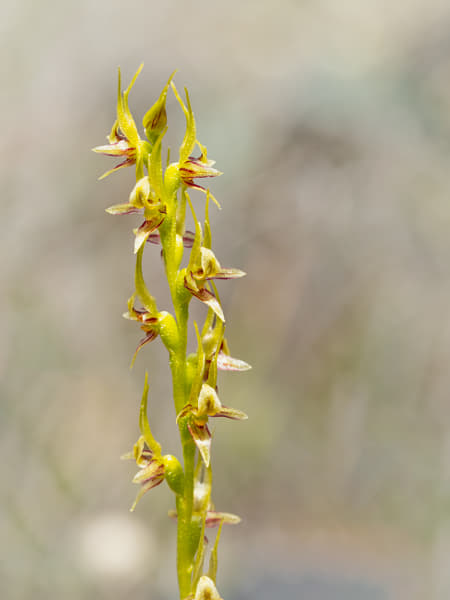
Pouched Leek Orchid, Prasophyllum cyphochilum. Wandoo National Park, Western Australia.
The second reason was the rear LCD panel. Having one I could actually see in bright sunlight again was in a word fantastic. Add to that it was of the flippy flappy variety which meant I could twist it to see it irrespective of the camera position meant that I didn’t have to contort myself into impossible positions. It’s amazing how such small things can make life so much easier and more pleasurable.
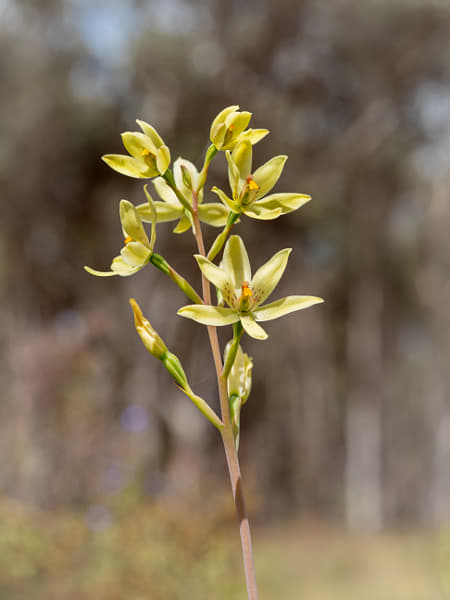
Custard Orchid, Thelymitra villosa. Wandoo National Park, Western Australia.
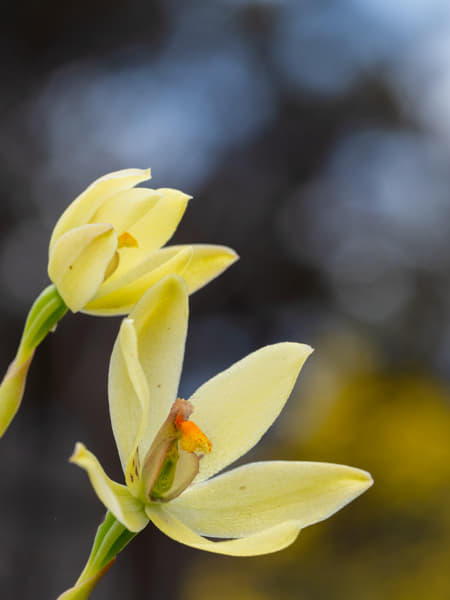
Close up of a custard orchid.
The orchids were scarce this year. Where there would be literally a carpet of custard orchids there were just one or two specimens. But, although the numbers were down there were plenty of different species to look at and photograph. I went primarily to photograph leopard orchids and I only found them after about 5 hours of looking. It was like the day’s grande finale.
Leopard Orchid, Thelymitra benthamiana. Wandoo National Park, Western Australia.
All in all I was a very happy boy when I got home.
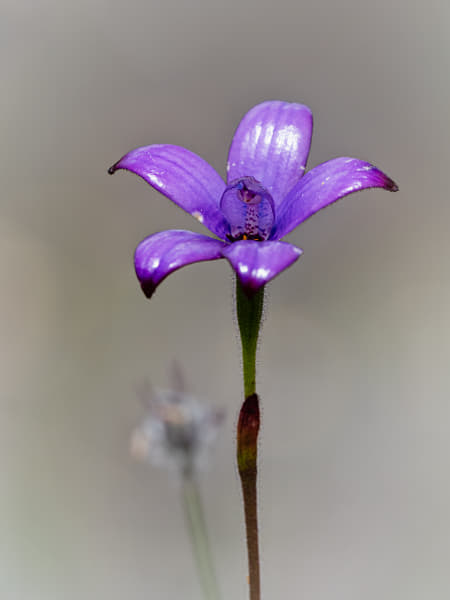
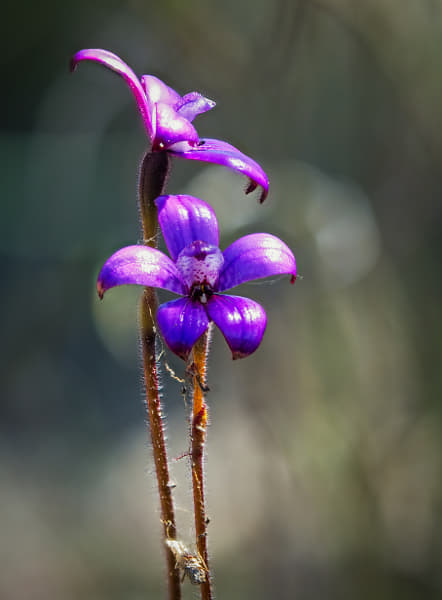
Purple Enamel Orchid, Elythranthera brunonis. Wandoo National Park, Western Australia.
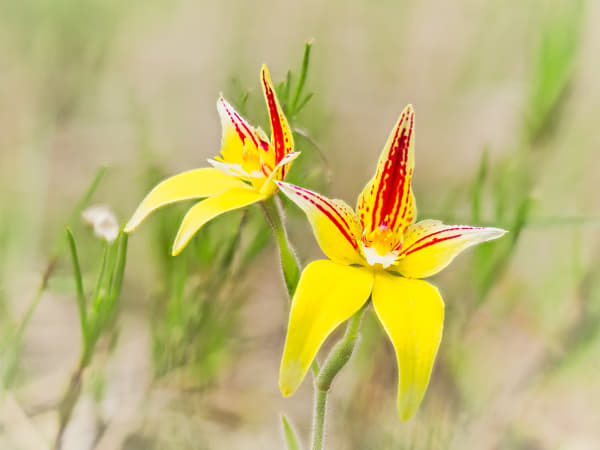
Cowslip Orchid, Caladenia flava subs. flava. Williams, Western Australia
I’ve been a bit miffed lately with Olympus/OM Systems. A lens that I bought recently was not functioning properly and has spent more time at the service department than with me. Then there’s my Olympus STF-8 a supposedly rugged, weatherproof and very expensive macro flash whose buttons have fallen off and is now inoperable and unrepairable (as in it’s not designed to be repairable but be disposable). I’ve been so miffed that of late I’ve stopped using my Olympus kit and relegated it to the cupboard while having thoughts of getting rid of it all and changing systems. In fact I’d already decided which ship I was going to jump on – Sony – and which items I’d buy after watching a lot of YouTube videos.
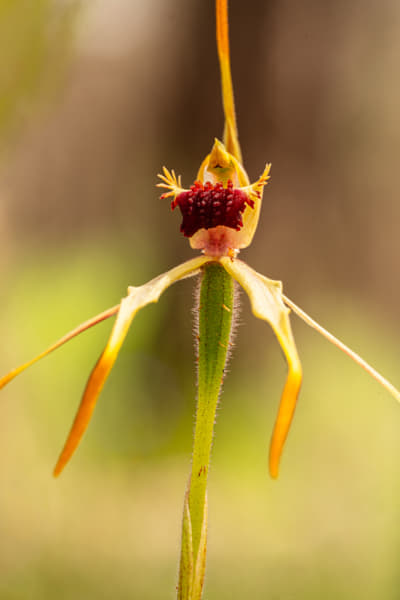
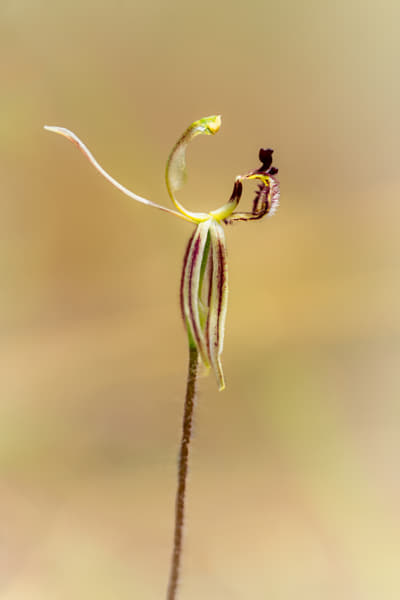
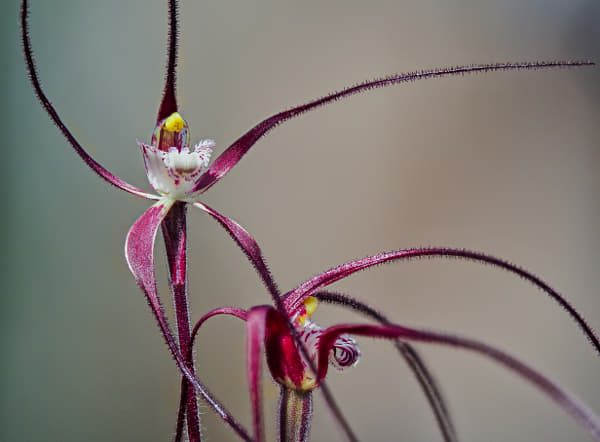
Clubbed Spider Orchid, Caladenia longiclavata. Williams, Western Australia.
To that end for last weeks road trip to Williams in search of the Common Dragon Orchid I dug out my much neglected Sony A7r2 and some lenses to reinforce this new plan and familiarise my self with the Sony ecosystem again.
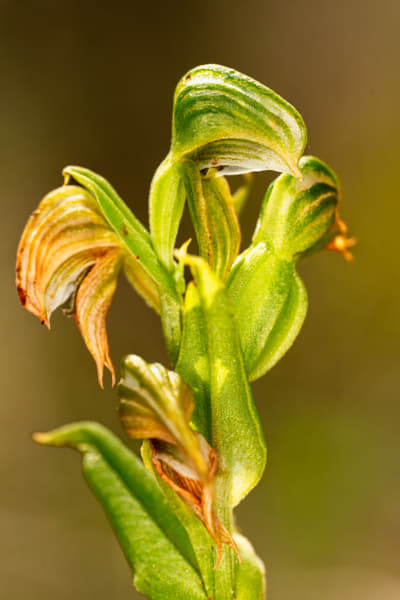
Banded Greenhood, Pterostylis vittata. Williams, Western Australia.
The trip to Williams was great – it was a beautiful day and there were plenty of orchids to photograph. The only fly in the ointment was the photographic experience. It should be easy – I’ve done it so many times before. Find an orchid. Set up the camera on a tripod and point it at the orchid. Take the picture. What could go wrong? Well for this type of photography I rely heavily on the rear LCD screen and I’d forgotten that the screen on the Sony A7r2 is unusable in bright sunlight. Secondly I’ve become very reliant on having touch control on the rear LCD so I can easily select the focus point and trip the shutter. There’s no such function on the Sony and there is a very convoluted system of setting the AF point. Then there is the woeful battery life of the Sony A7r2. I went through 4 batteries in two hours where as with the Olympus I wouldn’t even get through 1/2 a battery. I could continue with more points of frustration and irritation, Lord knows there were loads of them, but I’ll refrain. By the end of the morning I was wishing I’d taken my Olympus EM1 mk ii with me. Were there any positive points? Well yes I love the files from that 42Mp Sony sensor. I really like the Sigma 105mm macro lens. But, unfortunately the negatives outweighed the positives and it made me realise why I’ve stopped using the Sony A7r2.
Banded Greenhood, Pterostylis vittata. Williams, Western Australia
I’ve already started to get things together for this week’s trip and my Olympus kit, minus the flash, has gone back in the bag. As to whether I will change will depend upon whether OM Systems Australia returns my lens in a functioning state.
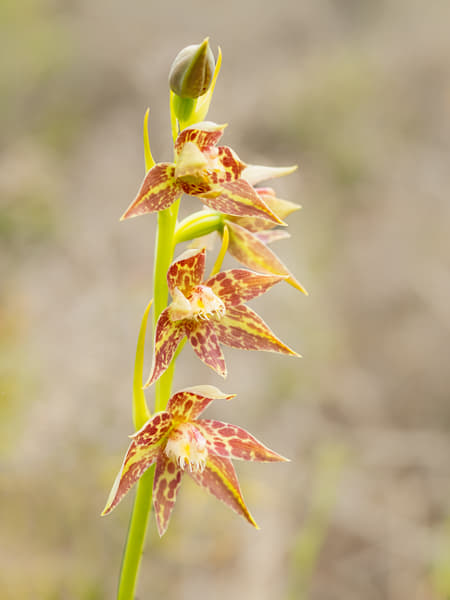
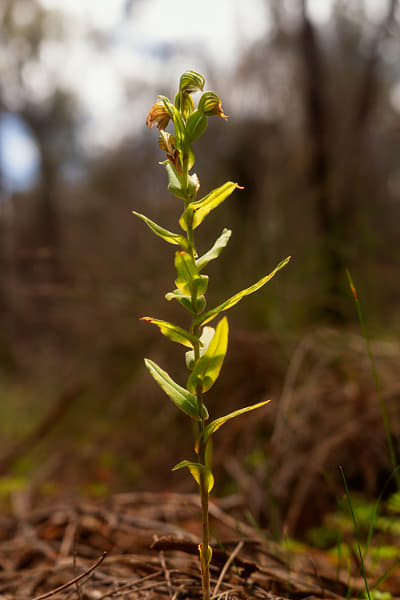
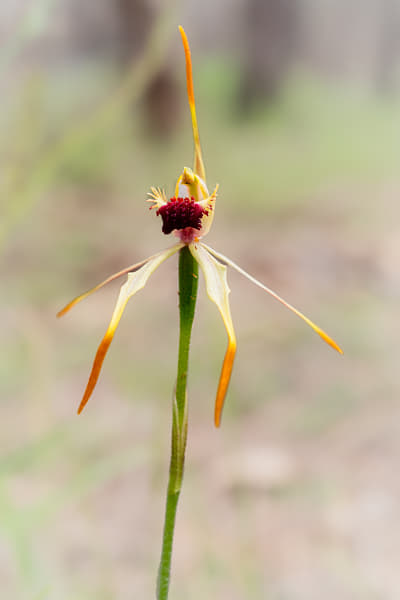
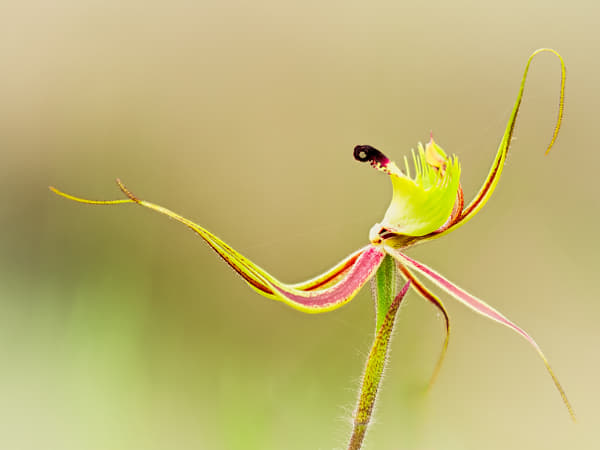
Common Dragon Orchid, Caladenia barbarossa.Williams, Western Australia
Clubbed Spider Orchid, Caladenia longiclavata. Williams, Western Australia
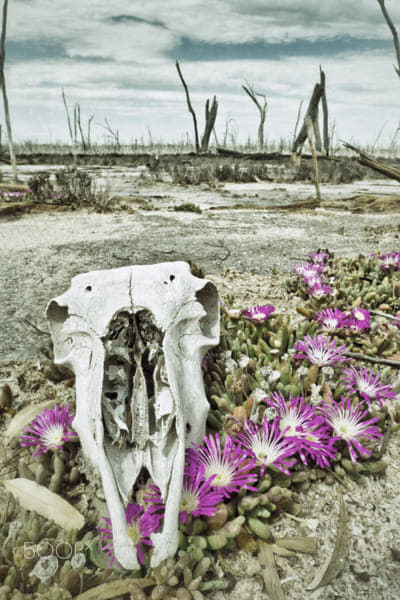
From my last visit to Harrismith in 20212. It all looks a bit apocolyptic.
Harrismith is a very small town (population 52)260km east of Perth in the Wheatbelt. Now we went there some thirteen years ago looking for orchids and we didn’t find any as it was too late. I did get the photo of the animal skull on pig face on a dried lake. So this year I’ve been looking for the Western Wispy Spider Orchid (Caladenia microchila) and the Yellow Granite Donkey Orchid and that search took me Harrismith as my last chance.
When I got there it was very apparent I wasn’t going to find much – the bush was very, very dry. Walking through it sounded like walking over Cornflakes – it was so crisp. What I did find was really on it’s last legs. There had been a substantial wildflower display, but it was basically all over. I’d have been better off going at least two weeks earlier. Still it was an enjoyable walk, there was plenty of bird activity and I left feeling I’d of got better photos if I’d taken my bird kit.
Sugar Orchid, Ericksonella saccharata. Harrismith, Western Australia.
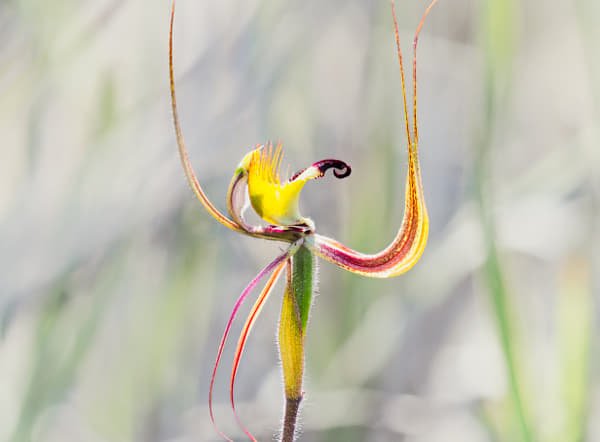
There’s always a Green Spider Orchid (Caladenia falcata).
Purple Enamel Orchid, Elythranthera brunonis.
Yellow Granite Donkey Orchid, Diuris hazeliae.
The Western Wispy continues to evade me. I’ll have to wait to early next spring to resume the search.
Bit of an odd morning today. It was a distinctly grey day and I wasn’t intending to take any photos. While getting set to take the dog out for a walk along the river at Blandstown the Beloved Significant Other said she was taking her binoculars to look for birds. I thought about taking mine but when I saw that they were in a pouch with my camera I just grabbed the whole shebang.
When we got there I wasn’t sure whether Frida – our dog – would walk. She is very old now and has to all intents and purposes given up on walking. She loves a ride in the car, but you can’t guarantee that she’ll get get out for a walk. With a bit of assistance she got out and was quite happy to head towards the river. When she was young long grass would send her silly and she would madly runabout causing mayhem. At 13 with arthritis in one of her back legs and kidney problems it doesn’t happen very often anymore but all that long grass along the river and she was off!
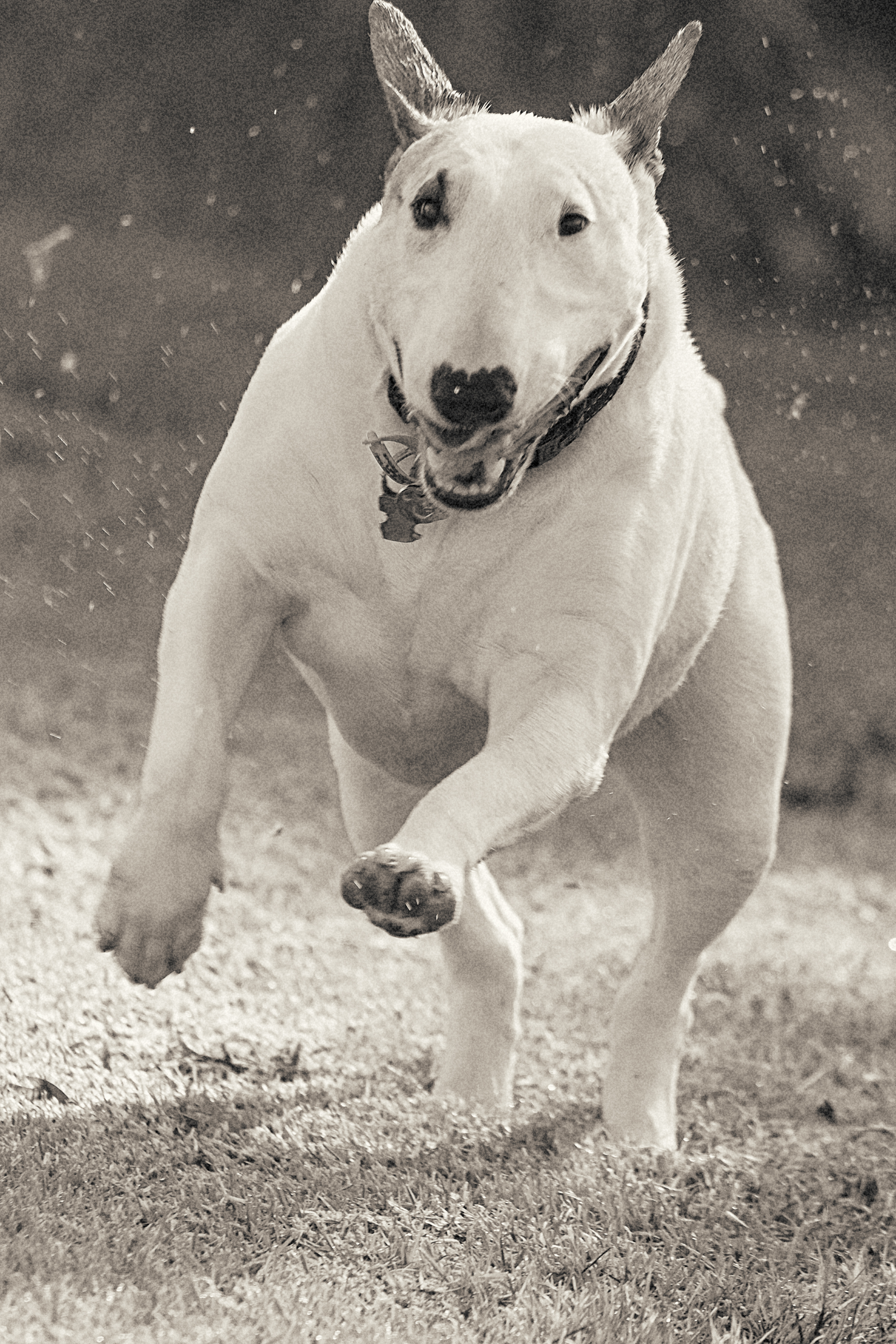
A hairy wrecking ball with four legs. Frida mid bully run when she was a lot younger.
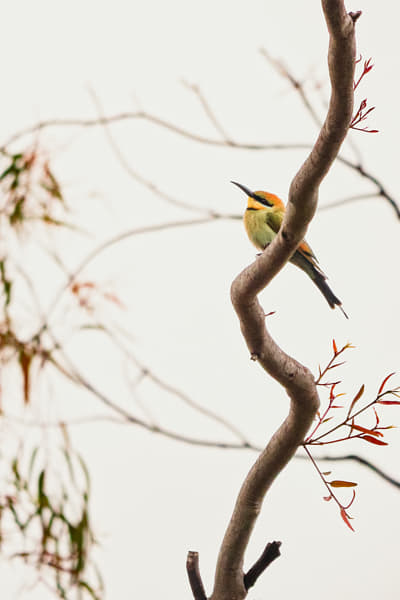
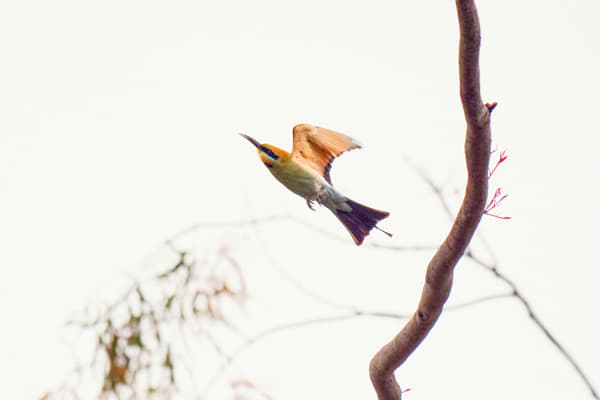
While trying to avoid being bowled over by a deranged bull terrier the Beloved Significant Other said she thought she could see a Rainbow Bee-eater. Oh how I scoffed. “Impossible” said I. “They don’t arrive back from Northern Australia and Papua New Guinea until November.” I added being all ‘knowledgeable’. But when I raised the camera up and looked there was a female Rainbow Bee-eater, and listening very carefully I could just make out the chirping call of another. Never had I seen one this early in York before. I’d read that in some areas of southern Australia the winters are becoming much milder and some of the birds aren’t migrating north in autumn. Whether that applied to these birds I don’t know.
Birin-birin or Rainbow Bee-eater (Merops ornatus). York, Western Australia.
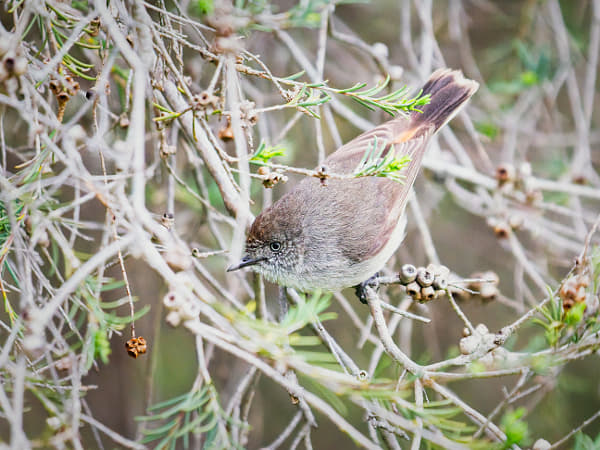
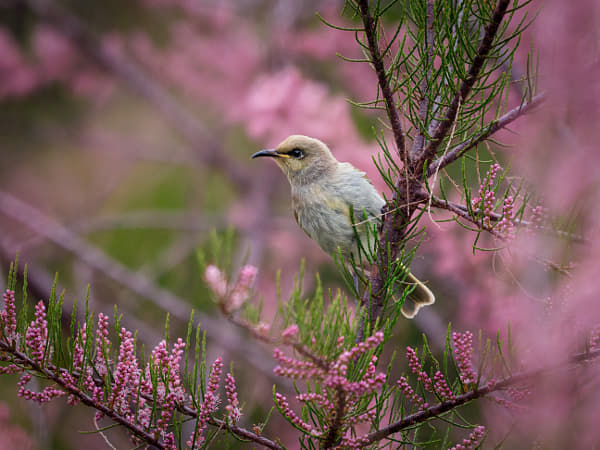
So as we headed home I couldn’t work out what had made me the happier. The fact that Frida had just had a bully run or that I’d seen the Rainbow Bee-eater. Probably both. Oh! I did photograph some other birds. Here they are below.
Chestnut-rumped Thornbill, Acanthiza uropygialis. York, Western Australia.
Juvenile Djindjokoor or Brown Honeyeater (Lichmera indistincta). York, Western Australia.
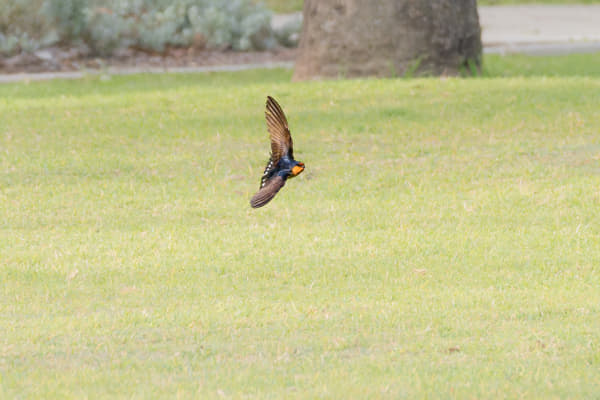
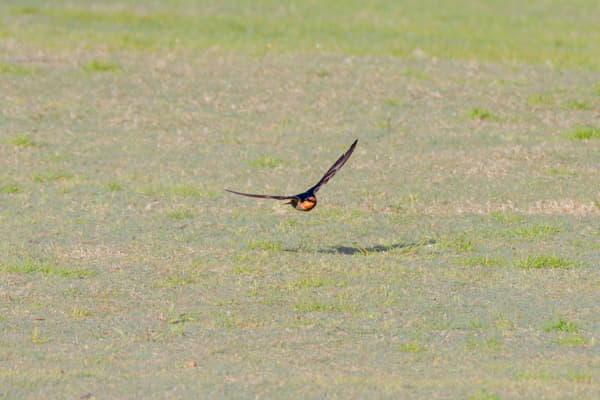
This week’s walk along the River Avon looking for birds was very odd. It was a magnificent morning. There was loads of birdsong, but no birds out in the open. Everything was hidden in the high tree canopy – even the ducks. By the time I’d reached Avon Park I’d only managed a couple of photos and I felt like I should have stayed in bed. So while sitting on a park bench pondering my options I noticed that there were lots of Welcome Swallows flying very low over the grass – like 30-50cm above the ground.
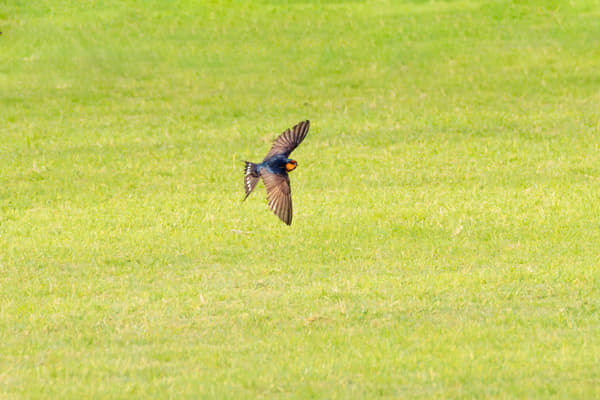
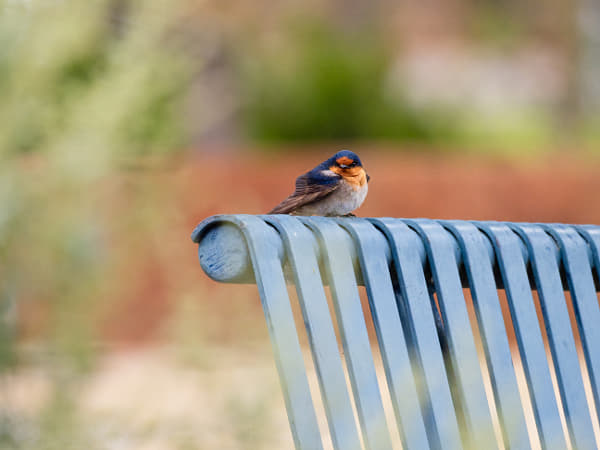
At this point it should be said that when comes to Bird In Flight photography (often abbreviated to BIF on forums) I am absolutely useless. For some reason I just can’t get it going. It may be partly due to the environment I go birding in – mainly forest – and this throws off the autofocus system. For a while I thought it was due to the fact that I didn’t have a camera with bird detect autofocus, but now I do and I still haven’t improved. So the idea of photographing a very fast erratic small bird seemed somewhat implausible. But, I had made the effort of getting up early and I was in the park and there were loads of Welcome Swallows so I thought why not? In all I spent the next hour trying to photograph the little buggers. Man alive are they quick. Up to 60 kmph or 25m per second! Just when you think you’ve lined one up perfectly they suddenly alter course and you’ve lost it. Despite all that I really enjoyed myself. I didn’t look at any of the images I’d taken as I feared that would have been too discouraging. In that hour I ended up taking nearly 3,000 photos. Now in the online wildlife forums people regularly brag they have a 90% hit rate of perfectly in focus shots of birds flying. So I’m a little ashamed to admit that out of those 3,000 photos I only got four photos where the bird was in focus and one of those was of a Welcome Swallow perching on a park bench. Now either I’m spectacularly inept or there is great deal of bovine excrement flying around. Whatever! I had a thoroughly enjoyable morning and that is all that counts.
Banking to begin fly past. Kanamit or Welcome Swallow (Hirundo neoxxena). York, Western Australia.
Coming in fast and low.
It’s a lot easier to photograph them when they sit still.
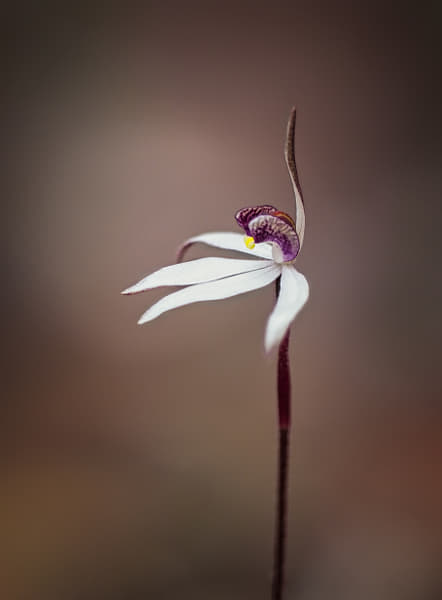
Earlier this month I wrote about my first orchid expedition of the season and I ended it with saying how I really liked the combination of my Olympus 40-150mm f2.8 and the 1.4 teleconverter. Well I’ve just reset the focus stacking mode on my Olympus EM1 mk ii and I went up to the nearbyOswald Sargent Reserve to see whether it worked. I took both my 60mm f2.8 macro and the afore mentioned 40-150mm + teleconverter.
It was a beautiful morning and there were hundreds of orchids out – it was quite a stunning display. There were so many flowers that I could afford to be very fussy pick specimens that had good backgrounds and in good light. It doesn’t always go as well as this.
Getting home and processing the photos I have to say that I much prefer the results from the 40-150mm combination. It’s not the sharpness of the lens, both lenses are very sharp. It is the way the lens renders the image. The way the tones in the out of focus areas merge smoothly and don’t draw attention away from the subject. When combined with focus stacking the effect is fantastic.
Oswald Sargent was a very interesting character. While being a pharmacist here in York he was also an eminent amateur botanist and his family were pioneering photographers. His son left a large archive of photos documenting life in the town.
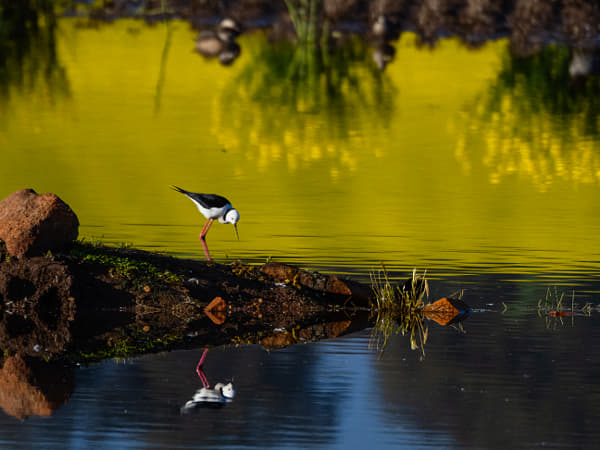
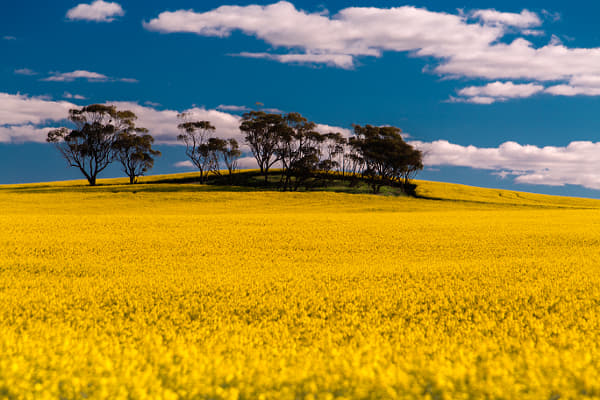
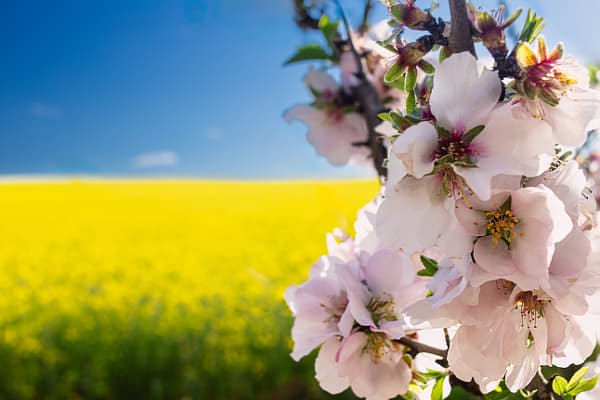
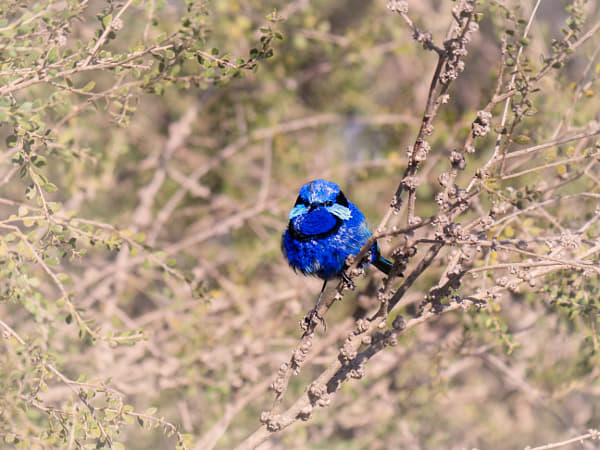
It’s quite hard to believe that flowering canola can be a tourist attraction, but judging from the number of people taking selfies of themselves in front of fields of it certainly confirms it. So here are my gratuitous canola themed photos.
Djandjarak or Black-winged Stilt (Himantopus himantopus) with canola reflections.




You must be logged in to post a comment.