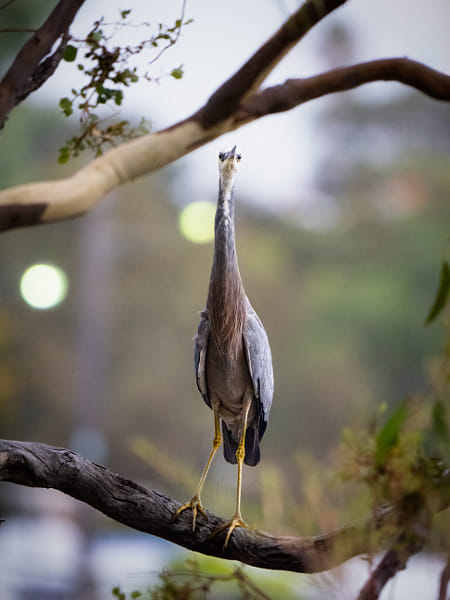
Wayan or White-faced Heron (Egretta novaehollandiae). Northam, Western Australia.
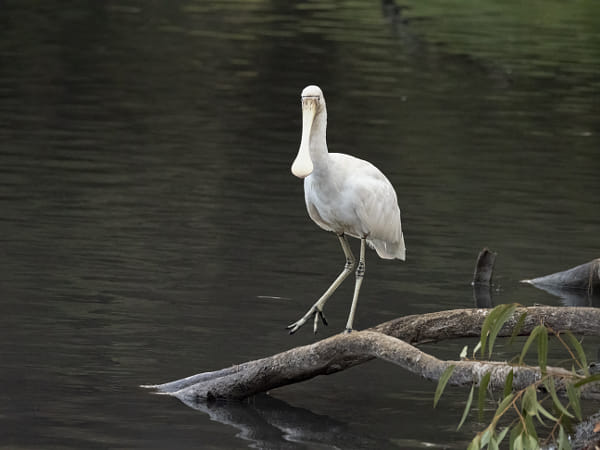
Kaaka-baaka or Yellow-billed Spoonbill (Platalea flavipes). Northam, Western Australia.
I’ve been writing about visiting the great Wheatbelt Metropolis of Northam for birding several times this year and I thought I’d got a good handle on what there was to be found along the Avon River there. But this last visit I was genuinely surprised. We’d parked the car at Enright Park with the intention of walking along one bank towards the weir and the Peel Terrace traffic bridge, cross the river and walk back on the other side. The light wasn’t particularly nice – in fact it was quite overcast and dark. There wasn’t much to see – a couple of White-faced Herons (Egretta novaehollandiae), Yellow-billed Spoonbills (Platalea flavipes) and a few Silver Gulls (Larus pacificus). At that point I was a bit bored and my mind was drifting off with thoughts of coffee and cake at the bakery. Then as we crossed the traffic bridge I noticed a tiny little blob bouncing around on the island in the middle of the river. As I walked to get a better look I saw that it was an Australian Spotted Crake. Well that was a first. I was, I have to admit pretty excited after that. As we crossed the weir I saw Common Sandpipers (Actitis hypoleucos), Black-winged Stilts (Himantopus himantopus) and Black-fronted Dotterels. By then I was fully engaged and all thoughts of leaving had evaporated. Northam – you never know what you may find.
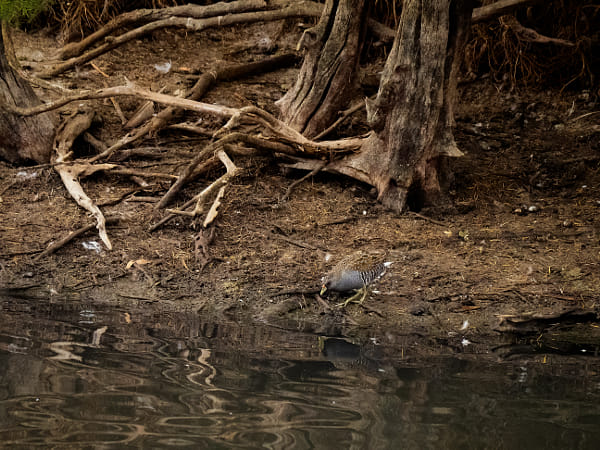
Australian Spotted Crake (Porzana fluminea). Northam, Western Australia.
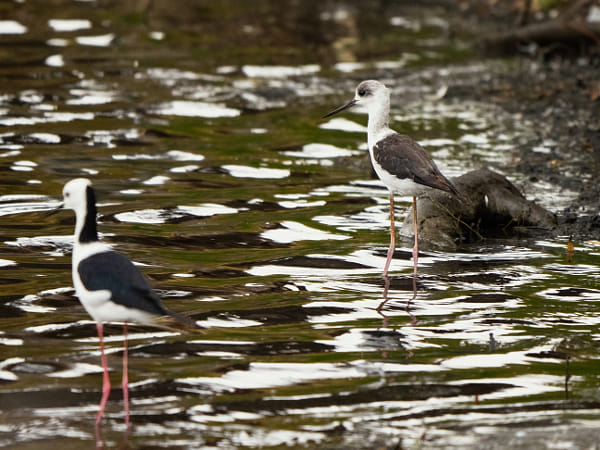
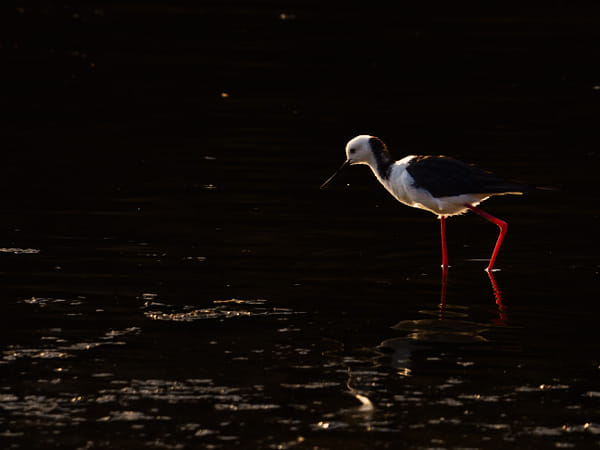
Djandjarak or Black-winged Stilt (Himantopus himantopus). Northam, Western Australia.
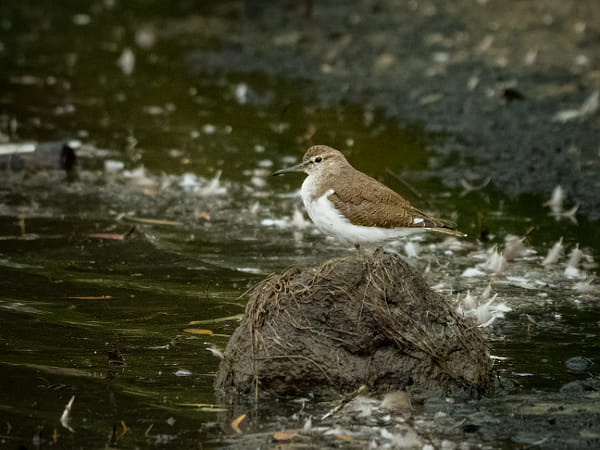
Common Sandpiper (Actitis hypoleucos). Northam, Western Australia.
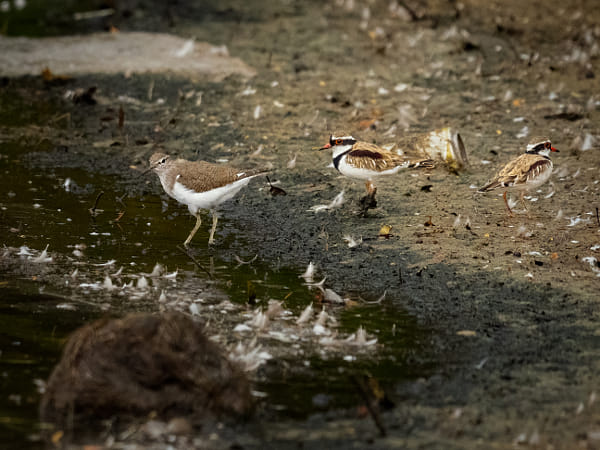
Common Sandpiper (Actitis hypoleucos) and Nidoolyorong or Black-fronted Dotterel (Elseyornis melanops). Northam, Western Australia.
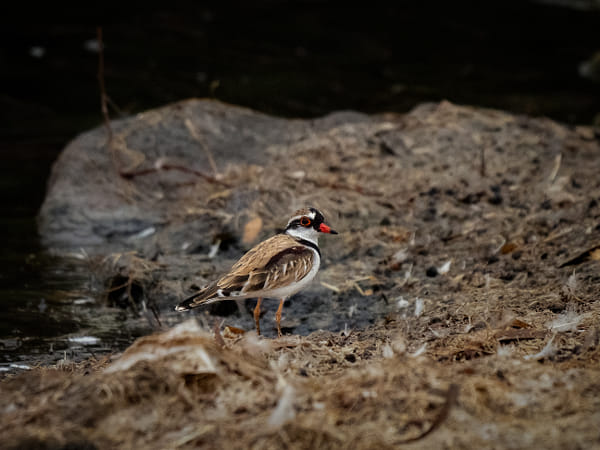
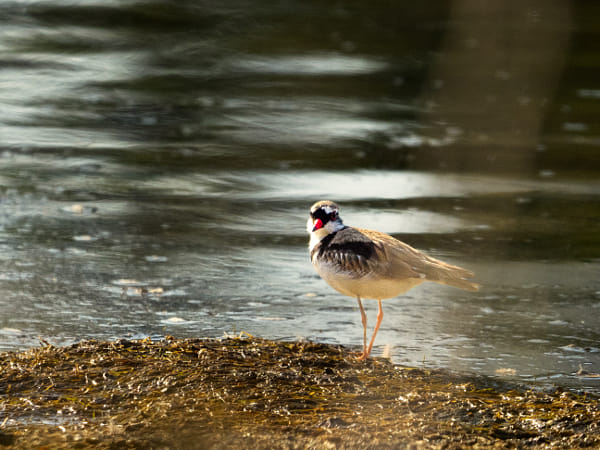
Nidoolyorong or Black-fronted Dotterel (Elseyornis melanops). Northam, Western Australia.
Sitting on the banks of the River Avon in Northam waiting for the first light of the sun to seep into the shadows and herald the start of a new day. The birds on the sandbanks and in the trees are just beginning to stir. I was there to photograph Black-fronted Dotterels.
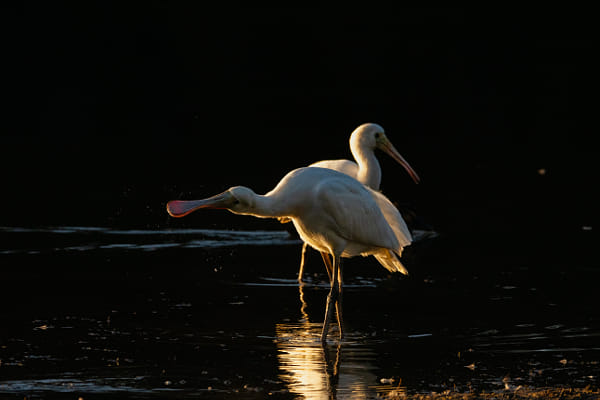
Kaaka-baaka or Yellow-billed Spoonbill (Platalea flavipes). Northam, Western Australia.
As the sun’s light filtered through the trees it created a beautiful chiaroscuro that Renaissance artists could only dream about. The Black-winged Stilts and the Yellow-billed Spoonbills were literally glowing against the dark background. Light like this is magical and you can see why it was used in so many religious paintings. The oft given advice about photographing birds and other animals is to always have the sun at your back. If you do this then you miss the opportunity to create something dramatic. You have to act fast as the light doesn’t hang around and no sooner than you are aware of it it is gone. That’s what happened on this morning. From just a faint hintand then it floods in and the shadows disappear.
Djandjarak or Black-winged Stilt (Himantopus himantopus subsp. leucocephalus). Northam, Western Australia.
The Black-fronted Dotterels didn’t put in an appearance until I started walking back to the car. They obviously like a lie in. Although the light was past its best I still photographed them picking insects and small crustaceans from the mud and sand. It was after all what I gone to Northam for.
Nidoolyorong or Black-fronted Dotterel (Elseyornis melanops). Northam, Western Australia.
I’d not been down to the river for a couple of months – I’d given it a wide berth since the corella culls. So I was quite unprepared – it was 3ºC and I hadn’t dressed appropriately at all. Sitting in the shade by the water meant it was really chilly. The other change from when I’d last visited was there was some water in the river which meant that the birds instead of being congregated around the few permanent pools were spread out along the whole river. It was really quite spectacular watching the rising sun shine through the trees and paint everything golden. It was worth getting up just for that alone. I didn’t see many small birds, but the larger species were there in numbers all waiting for the sun’s warmth.
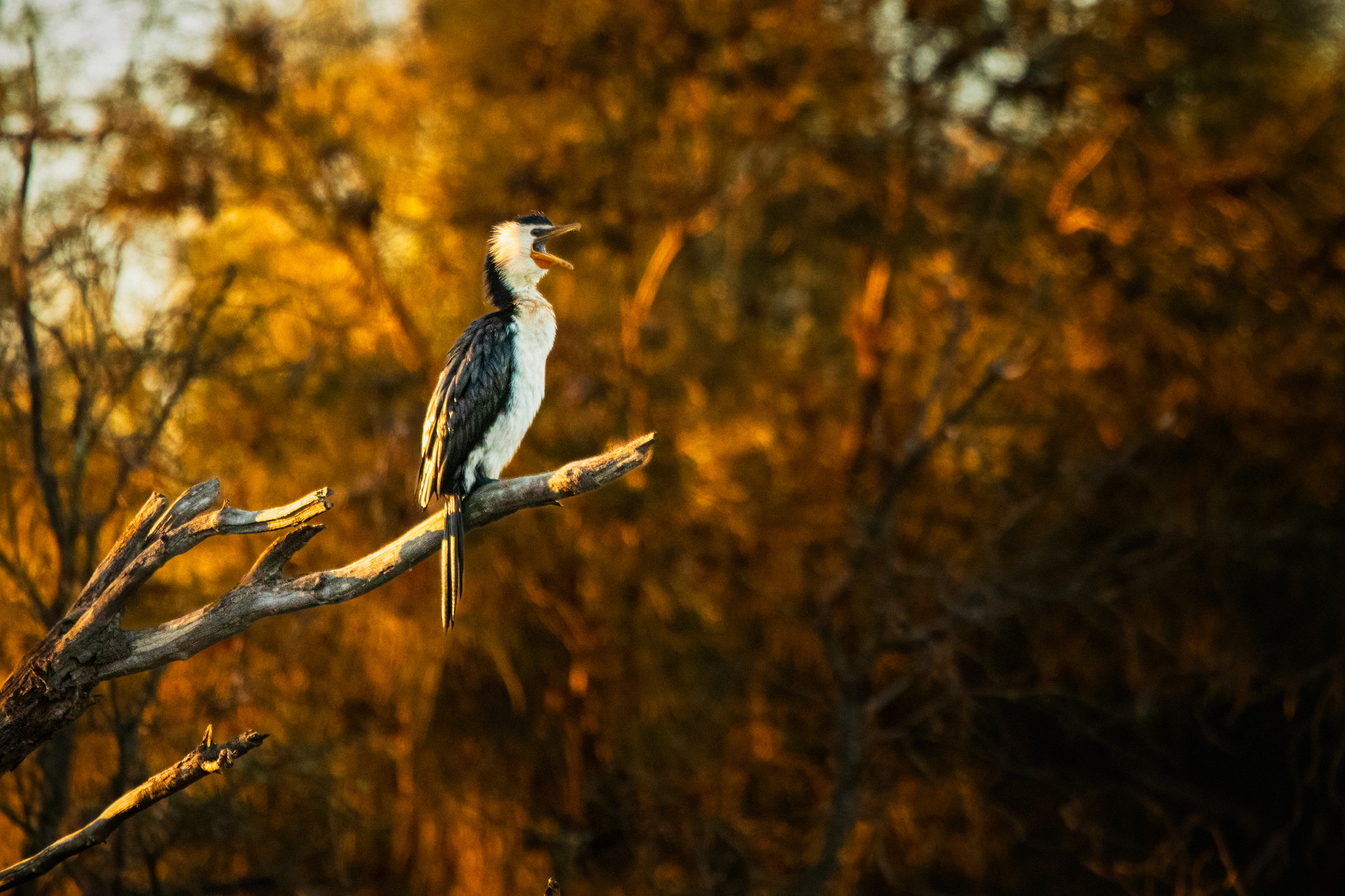
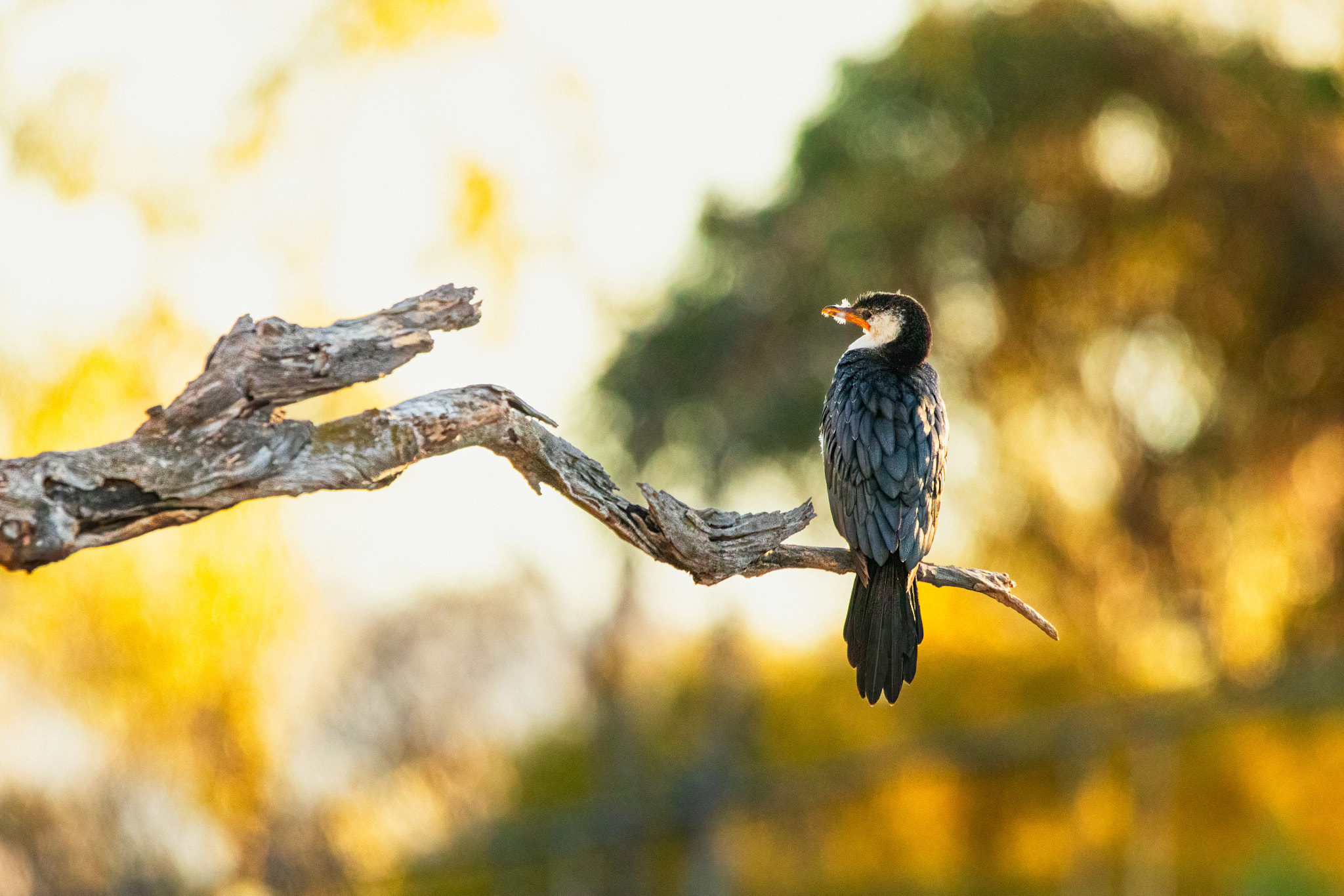
Kakak little pied cormorant (phalacrocorax melanoleucos). It’s rare to hear little pied cormorants calling out to each other, but this morning they were being very vocal. Perhaps they were complaining of being cold.
The rising sun shining through the trees produced some amazing soft golden light.
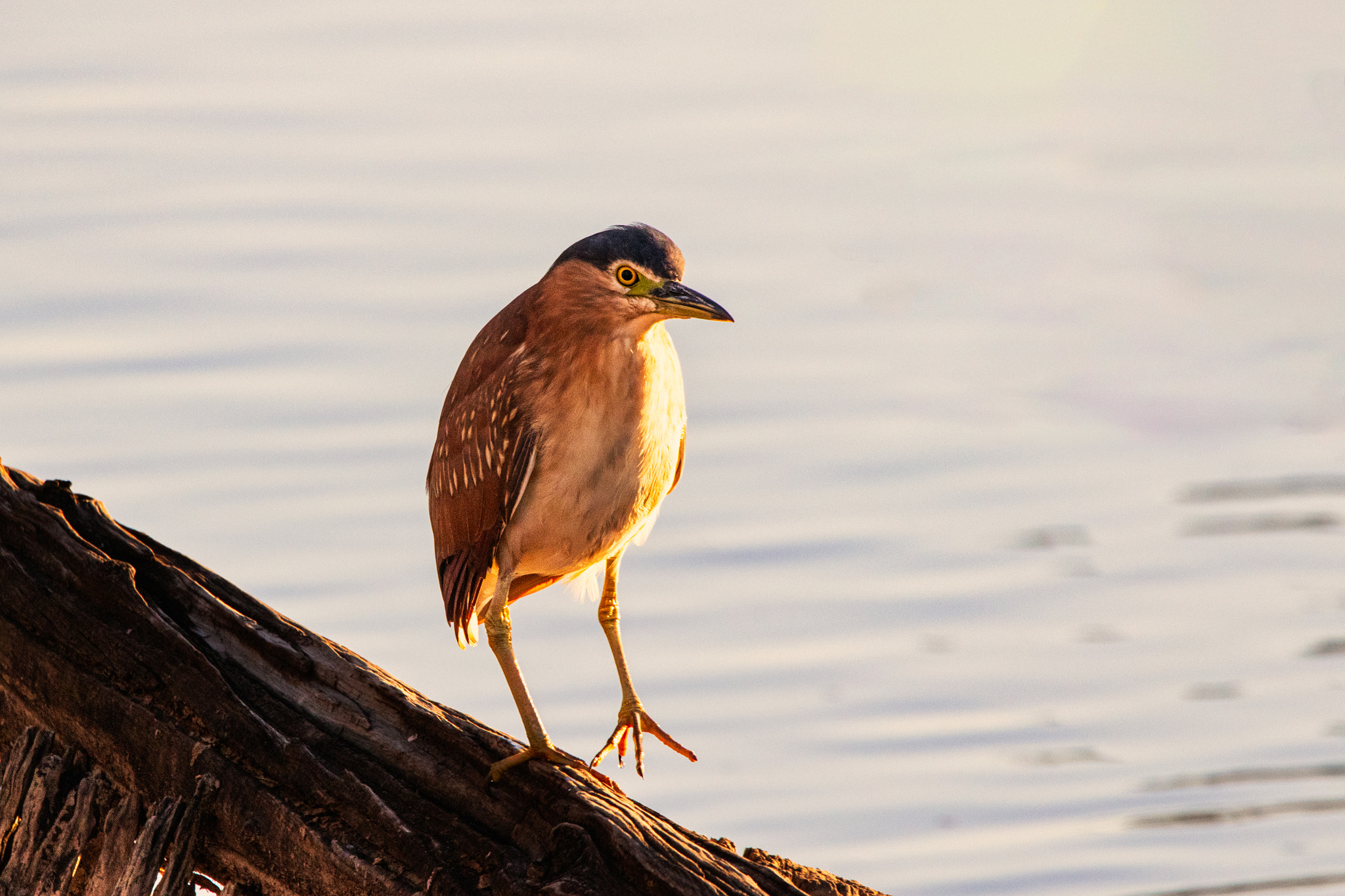
Ngalkaning or Rufous Night Heron aka Nankeen Night Heron (Nycticorax caledonicus subsp mannillenis).
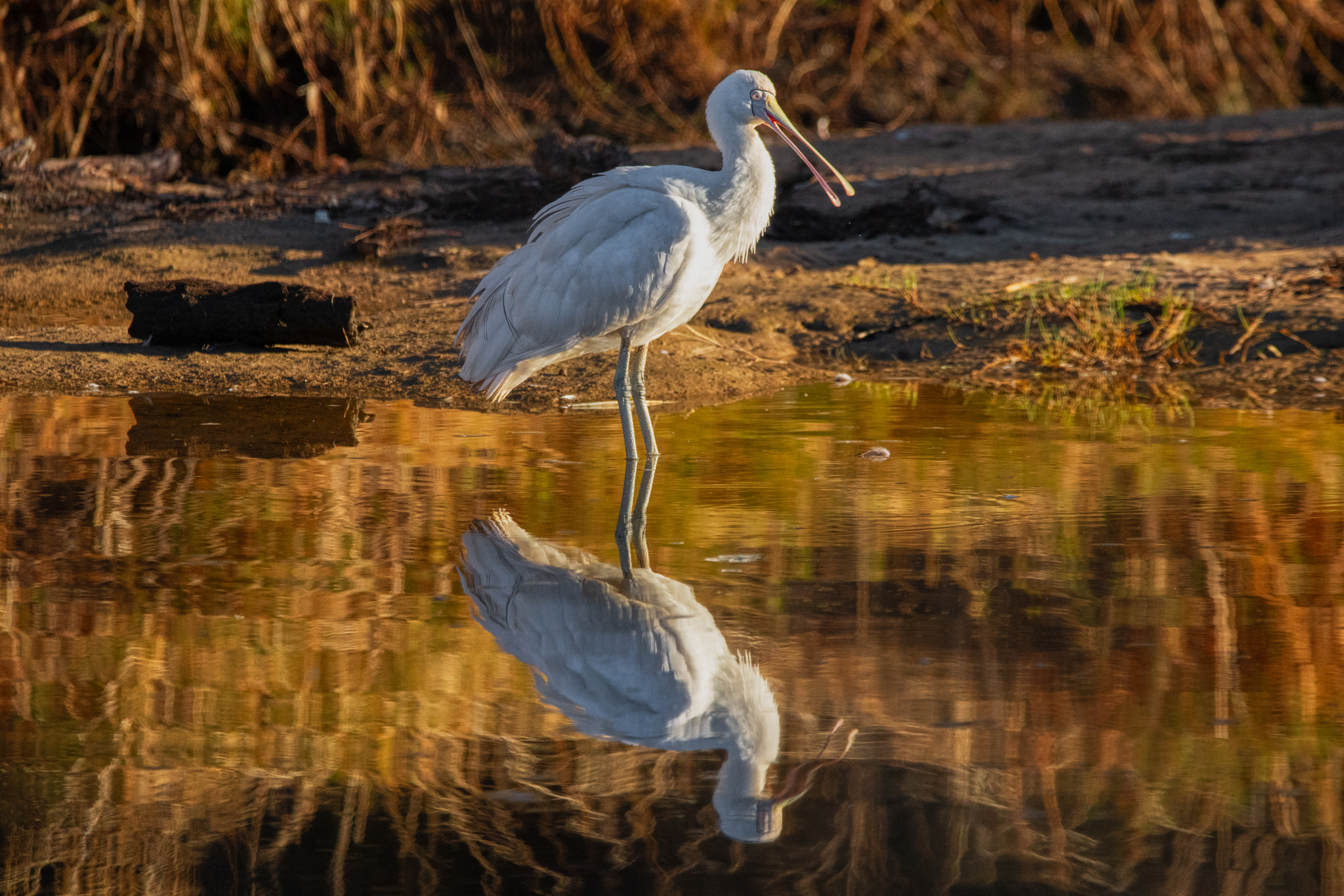
Kaaka-baaka or Yellow-billed Spoonbill (Platalea flavipes).
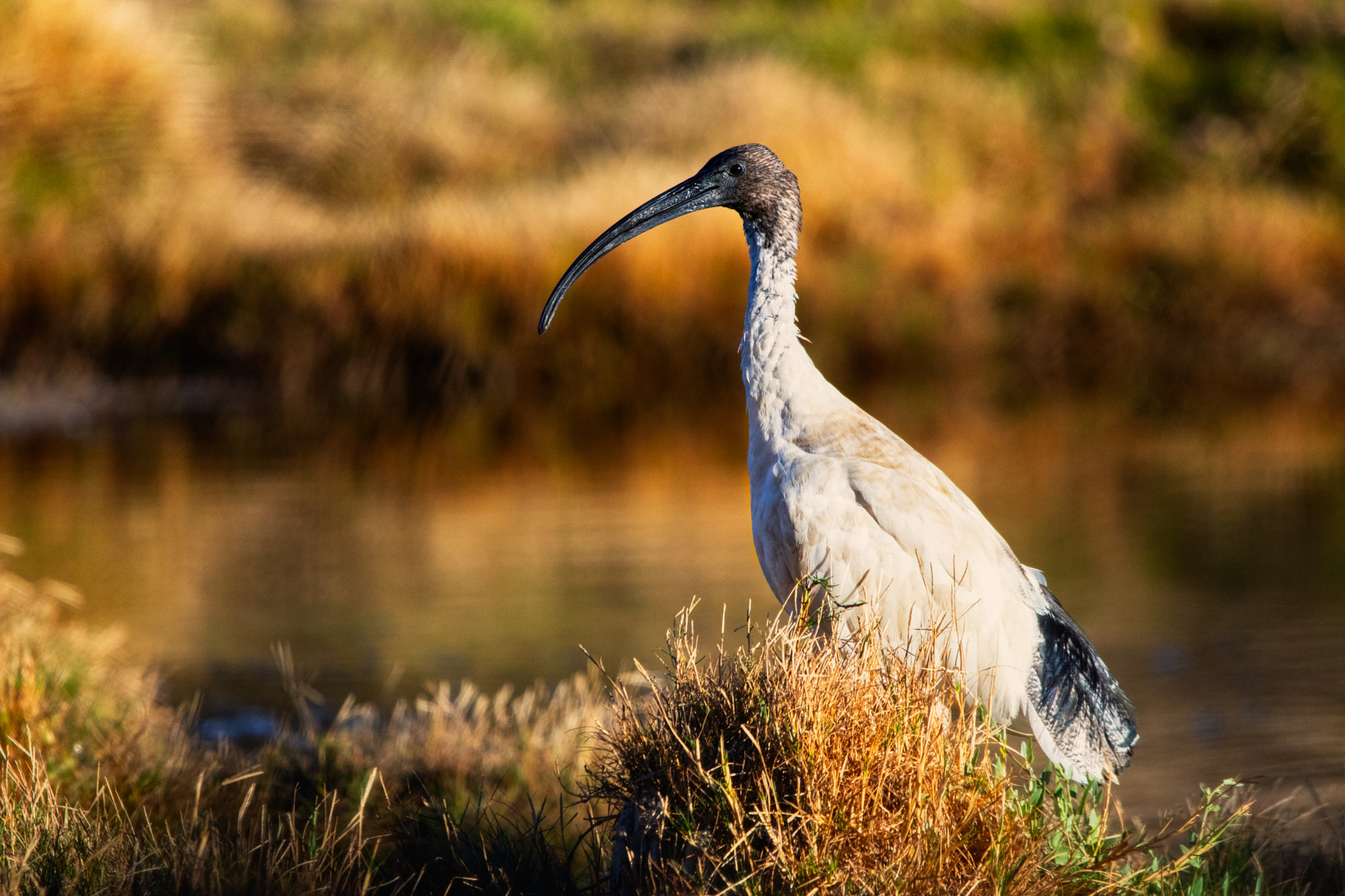
Ngalkaning or Australian white ibis (Threskioris molucca).
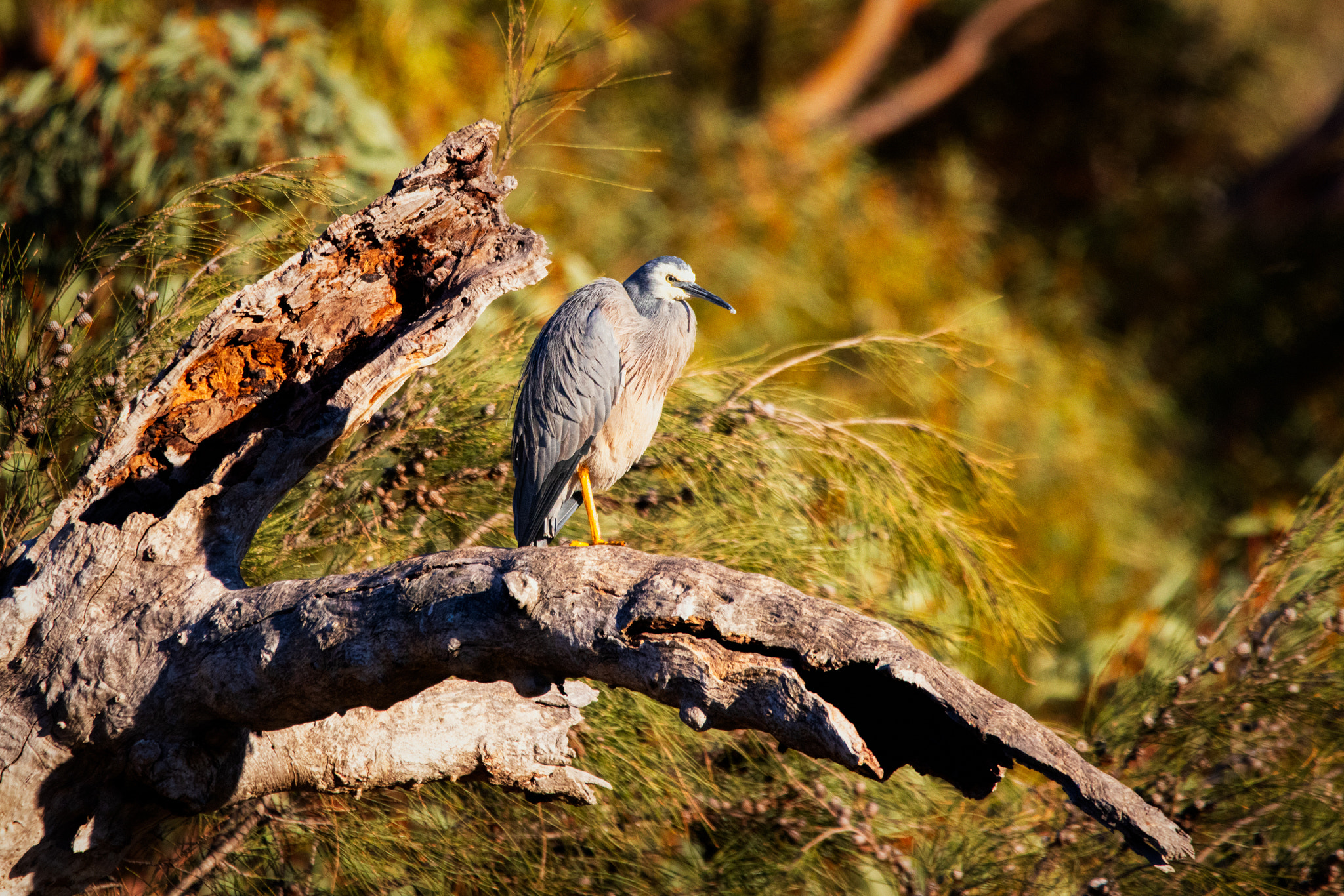
Wayan or White-faced Heron (Egretta novaehollandiae).
On a cold morning on the Avon River some of the inhabitants try catching the sun’s warmth.
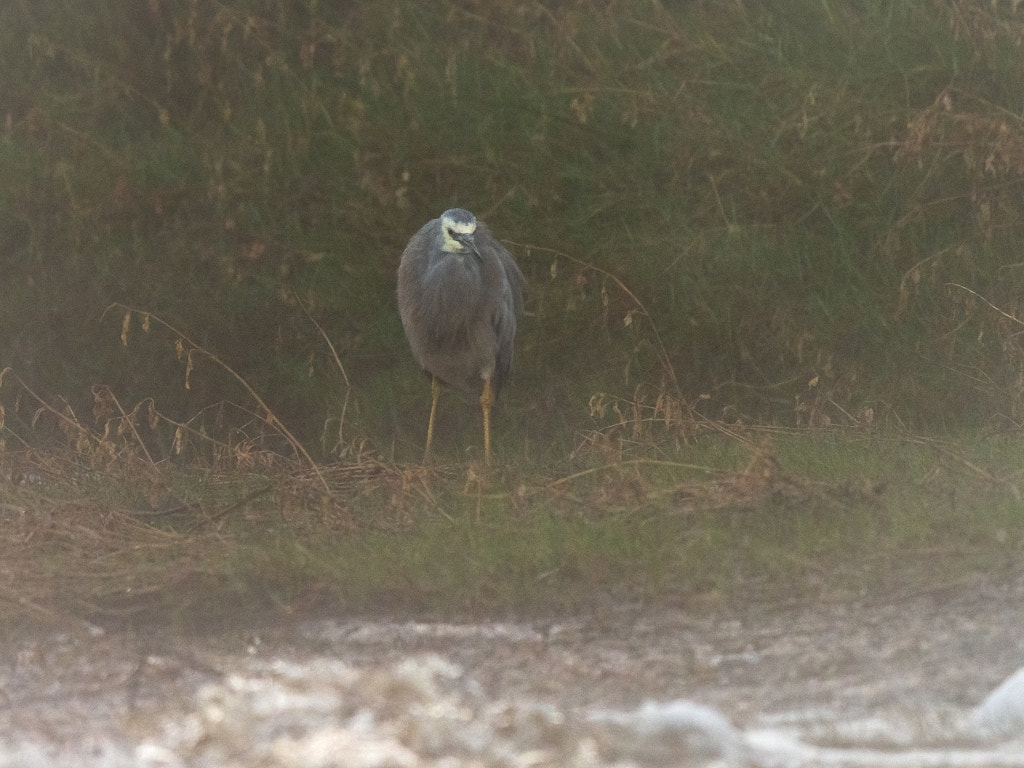
Wayan or White-faced Heron (Ardea novaehollandiae) shrouded in the mist on the banks of the Avon River. York, Western Australia.
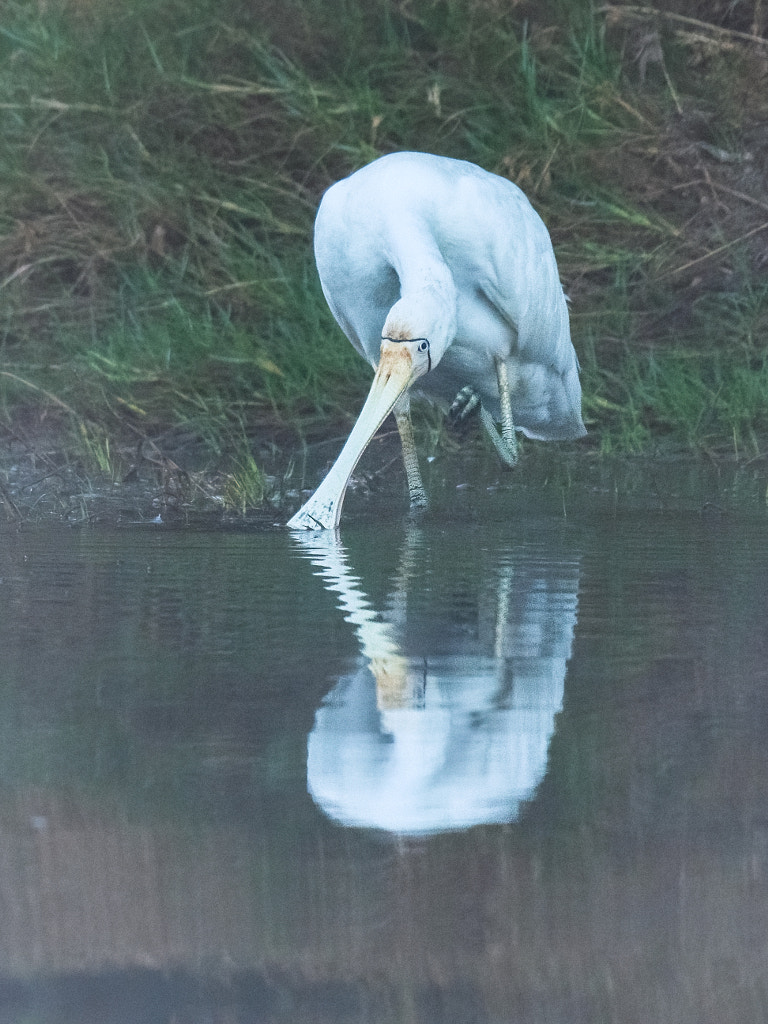
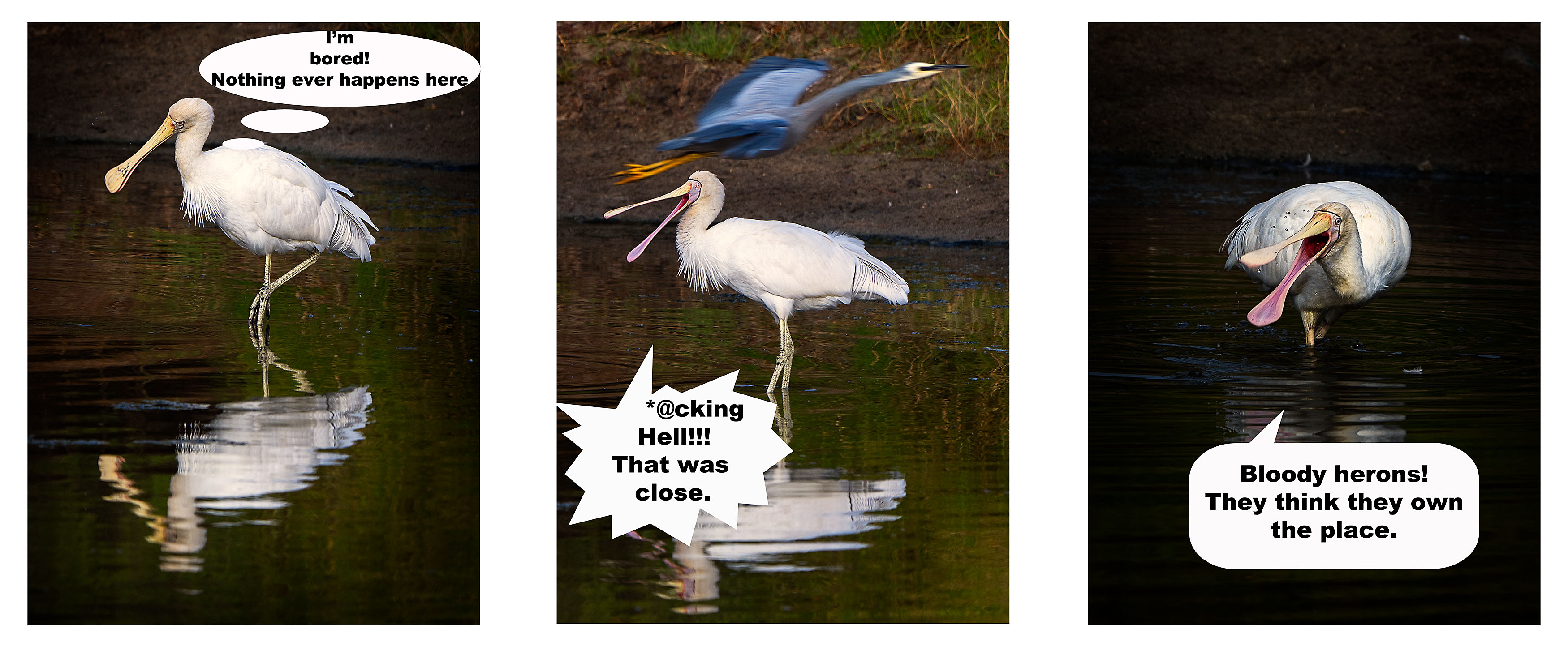
Early mornings along the River Avon have taken on a decidedly misty appearance. Going down to Monger’s Crossing at first light and I’ve been hard pushed to see across the river. The upside of this is that by carefully walking and crawling I can get quite close to the herons and spoonbills there. The spoonbills seem a bit more stoic than the herons. They just get on with the normal morning routine of foraging in the shallows for food. In contrast the heron looked decidedly unimpressed with the weather just standing in the long grass with its shoulder hunched up and looking forlornly at the water coming down from the weir.
Kaaka-baaka or Yellow-billed Spoonbill (Platalea flavipes) foraging on a misty morning.
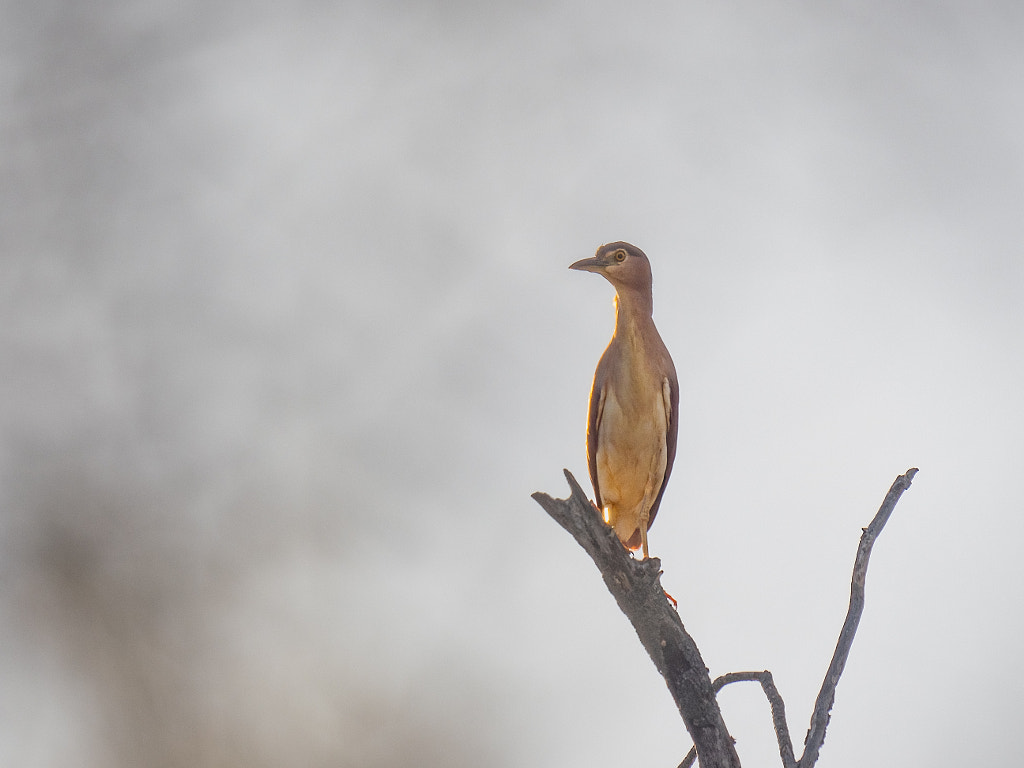
Ngalkaning or Nankeen Night Heron (Nycticorax caledonicus subsp mannillenis) in the early morning mist.
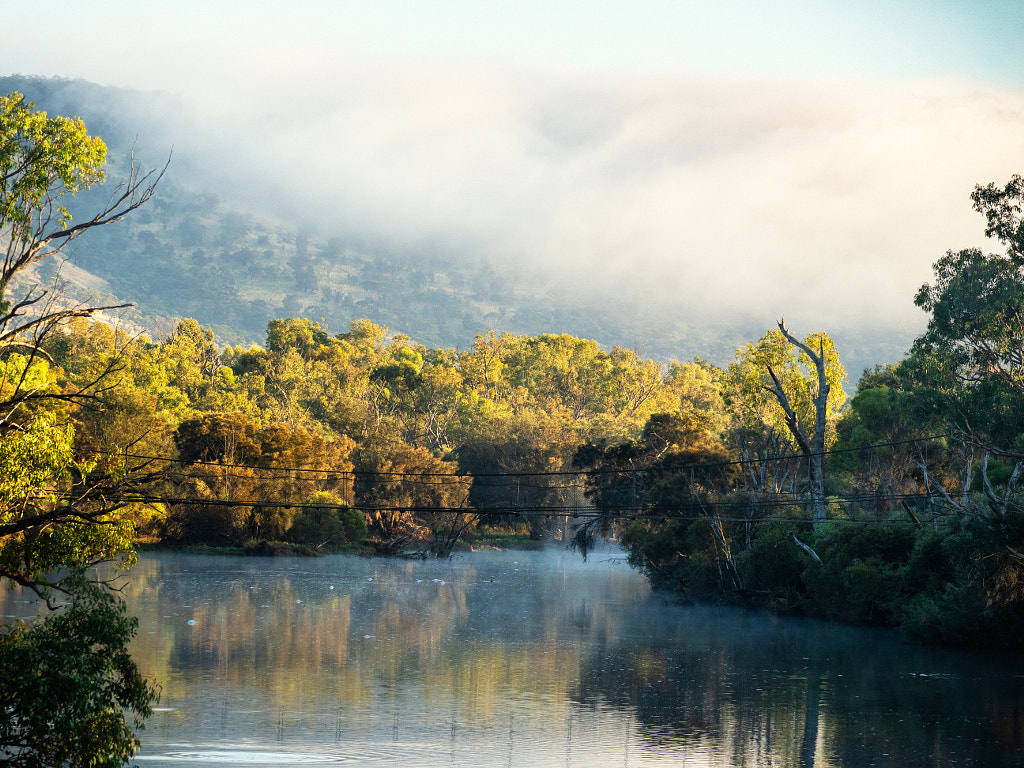
Looking up the Avon River with Mount Bakewell shrouded in the early morning mist. York, Western Australia.
After an hour or so the sun gradually started burn off the mist and the golden light gave a radiance to everything. The sun’s warmth began to take effect and the birds became a lot more active and I was able to get some photos of birds flying, which is always a thrill. The still and quietness of the mist was gone and replaced by the raucous noise of the corellas and the honking of the herons as they flew overhead. By 9 o’cock it was all over. The birds had settled and no activity could be seen.
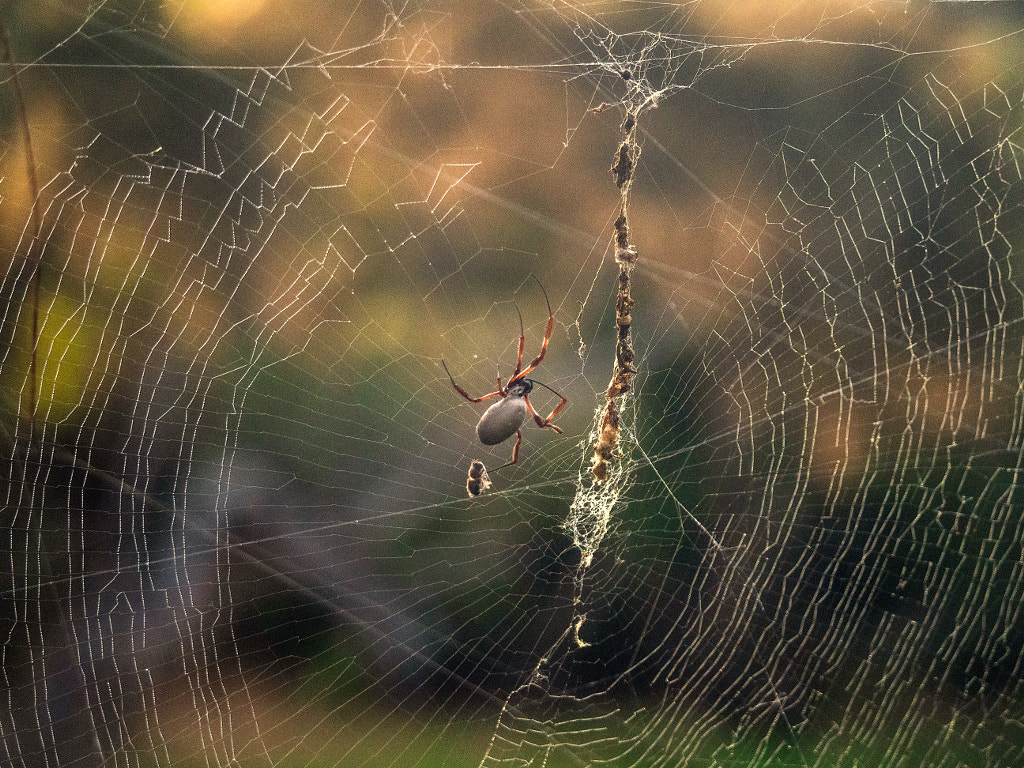
Golden Orb-weaving Spider’s web lit by the golden dawn light.
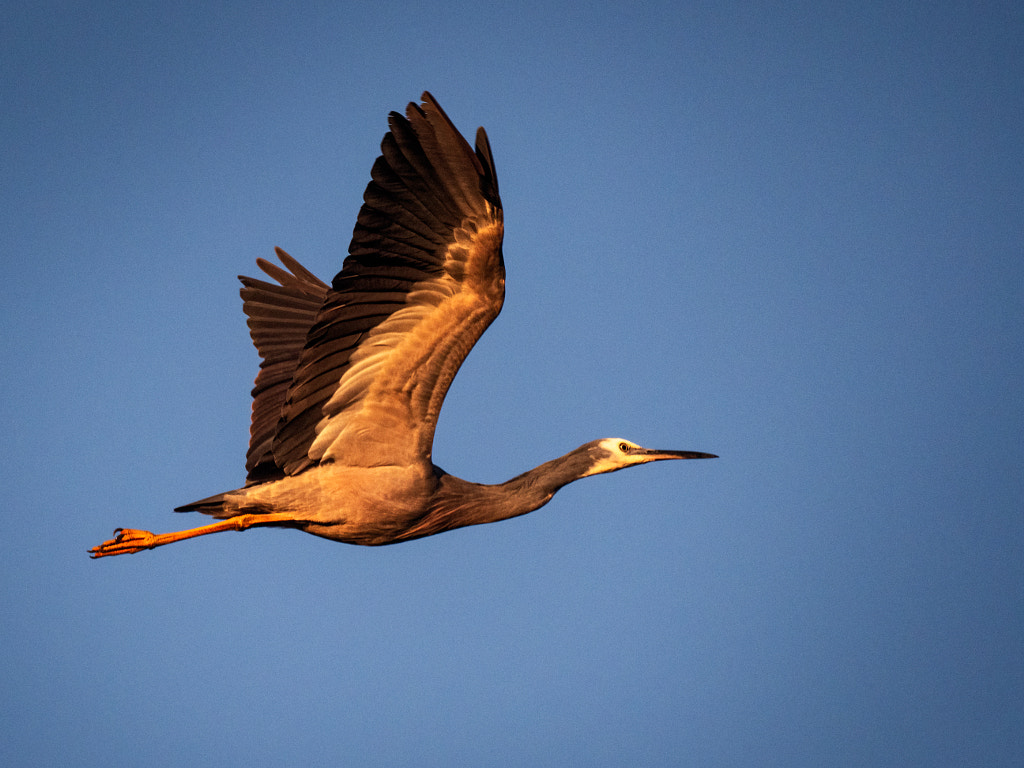
Wayan or White-faced Heron (Ardea novaehollandiae) flying in the warm light of dawn.
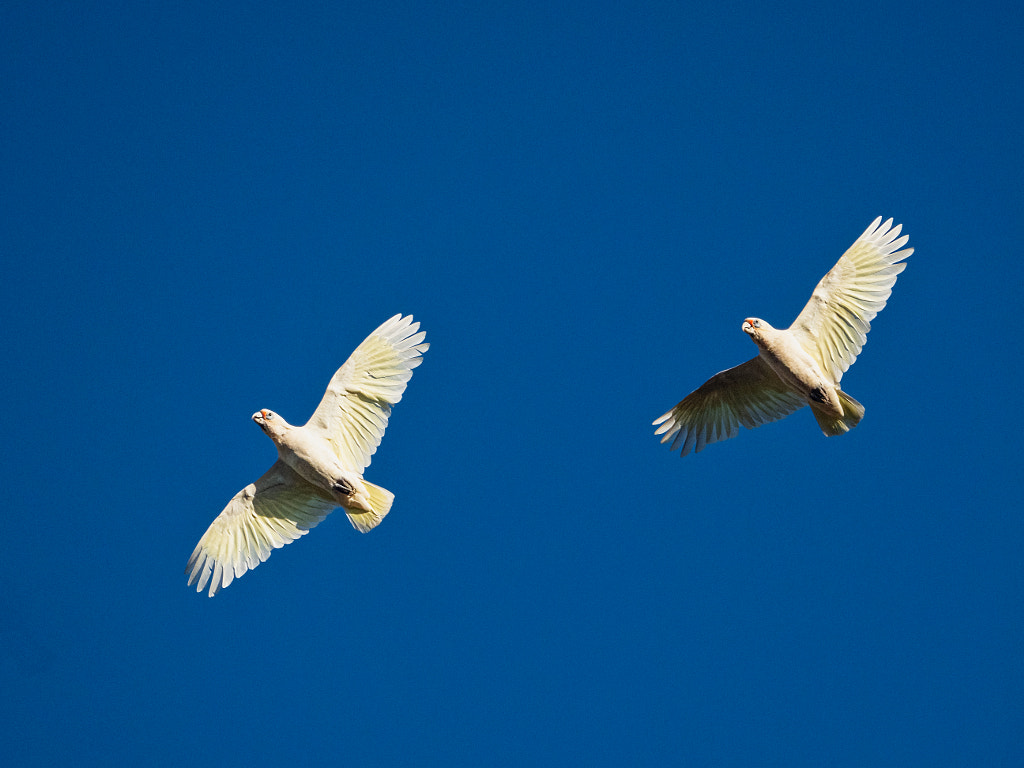
Manatj or Western Corellas (Cacatua pastinator) flying over the Avon River in York Western Australia.
Like many people at this time I’ve had my movements curtailed. Where I live we are allowed out locally for exercise so I’ve been going out for walks along the river to photograph and video the birds that can be found there. This is the third time I’ve tried to video wildlife and it is very hard.I don’t work from a hide so I have to set up quickly and quietly and often the birds will move on before I can get filming. Shooting mainly just after dawn or just before sunset has meant using high ISOs and made focusing difficult. But, the more you do it the better you get. The purpose of the video was to make something, learn something new and help keep me thinking positive thoughts during this time.
Just out of interest I’ll put the stills up below. They were shot on either a Canon EOS6d with the Sigma 150-600mm f4.5-6.3 Contemporary lens or the Olympus OMD EM1 mk ii with the Panasonic Leica 100-400mm f4-6.3 lens. I wonder if you can tell the difference at web size without enlarging to 100% or checking the EXIF data?
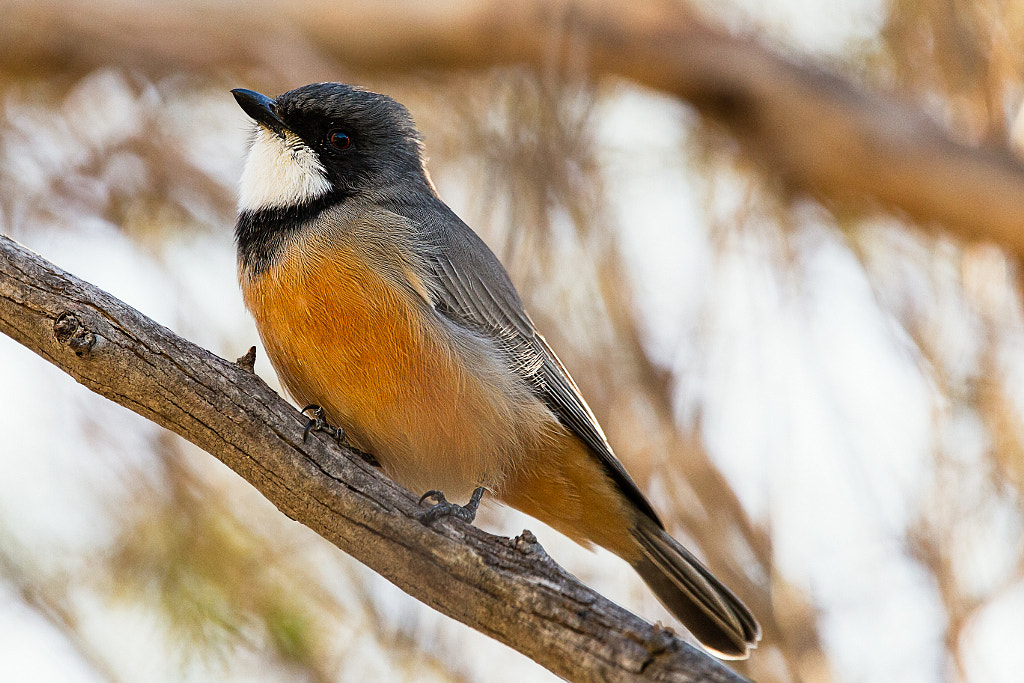
A male Rufous Whistler (Pachycephala rufiventris). York, Western Australia.
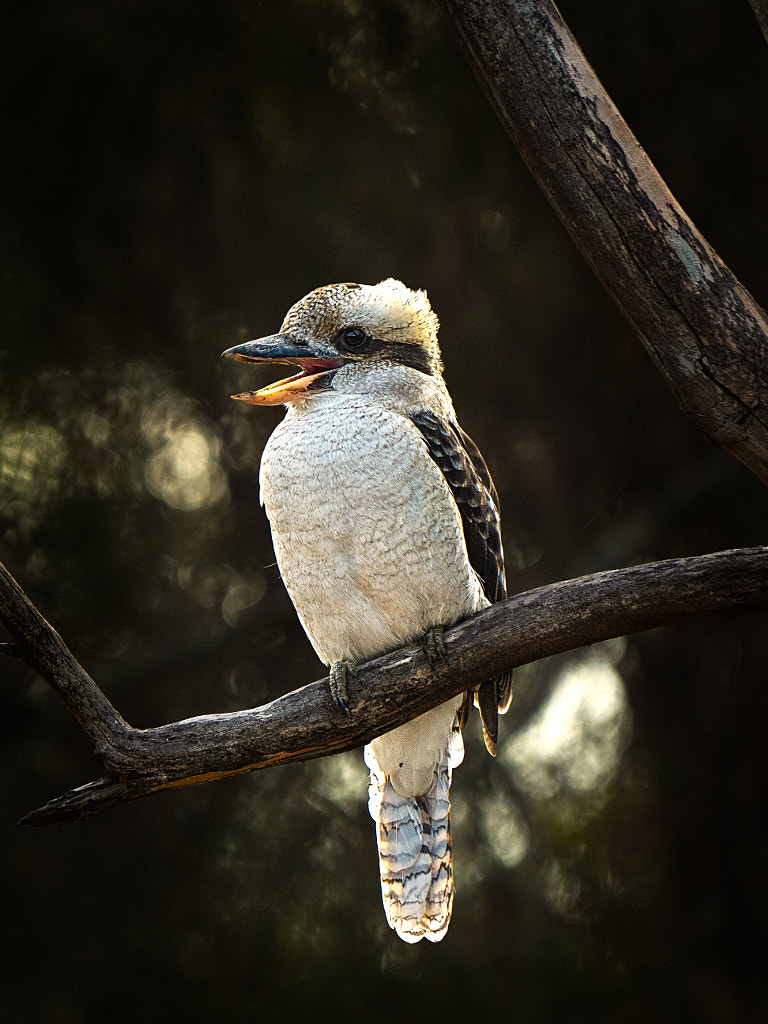
Laughing kookaburra, dacelo novaeguineae. York, Western Australia
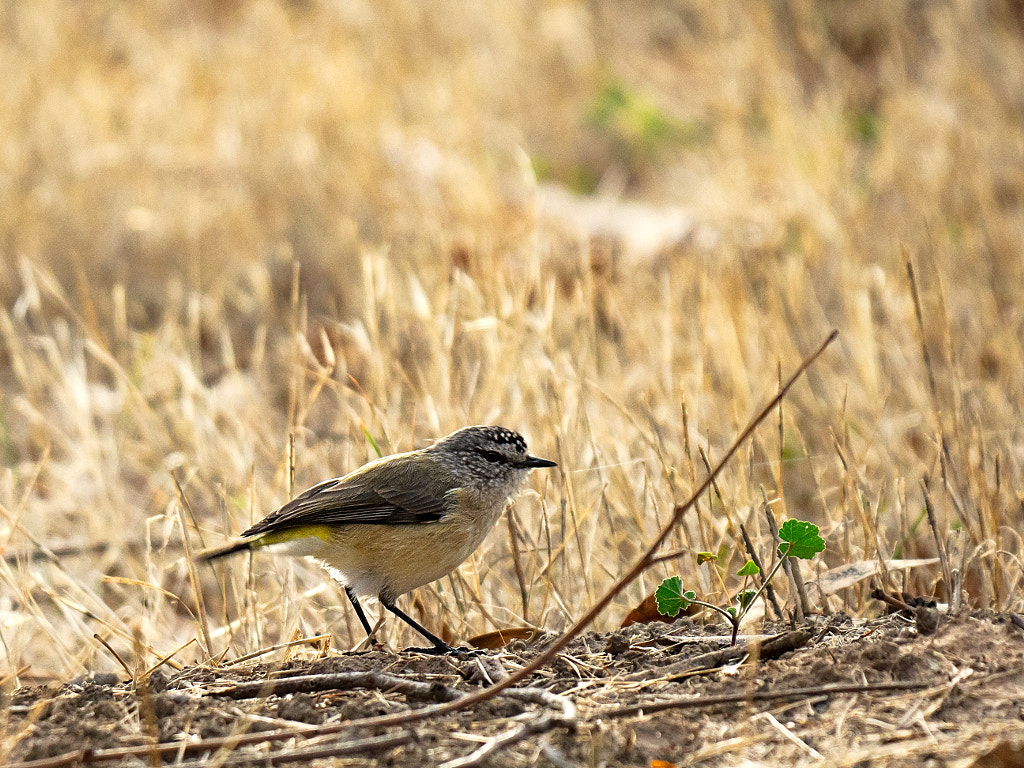
Yellow Rumped Thornbill, Acanthiza chrysorrhoa, York, Western Australia.
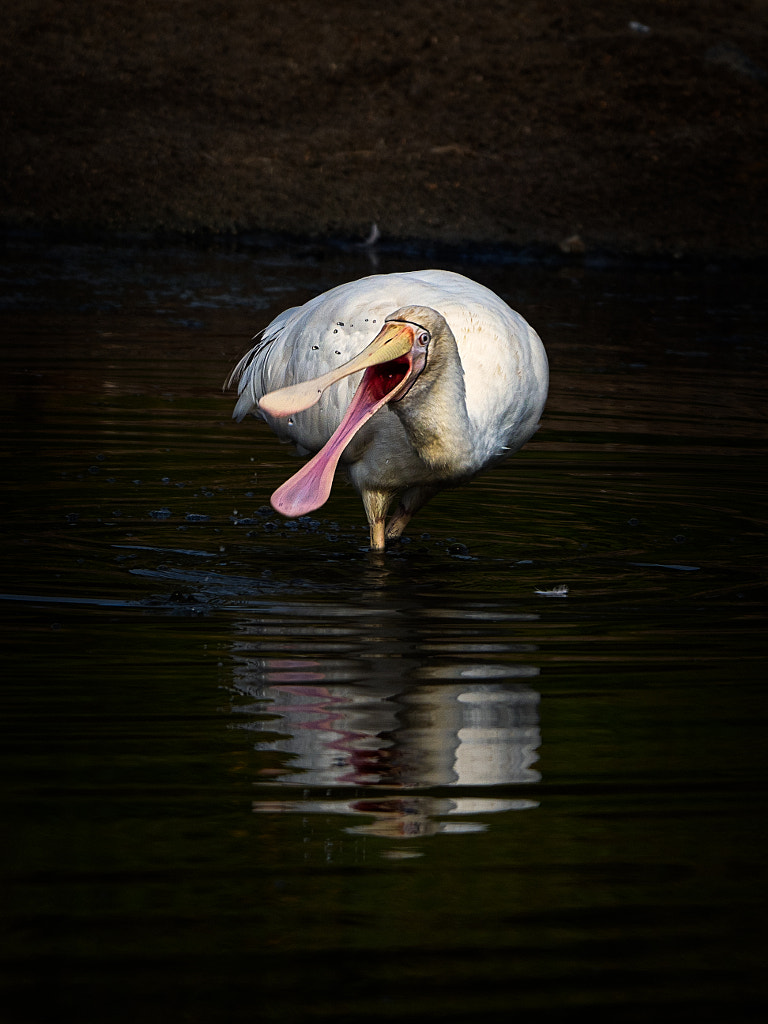
Yellow-billed Spoonbill (Platalea flavipes), Avon River, York, Western Australia.
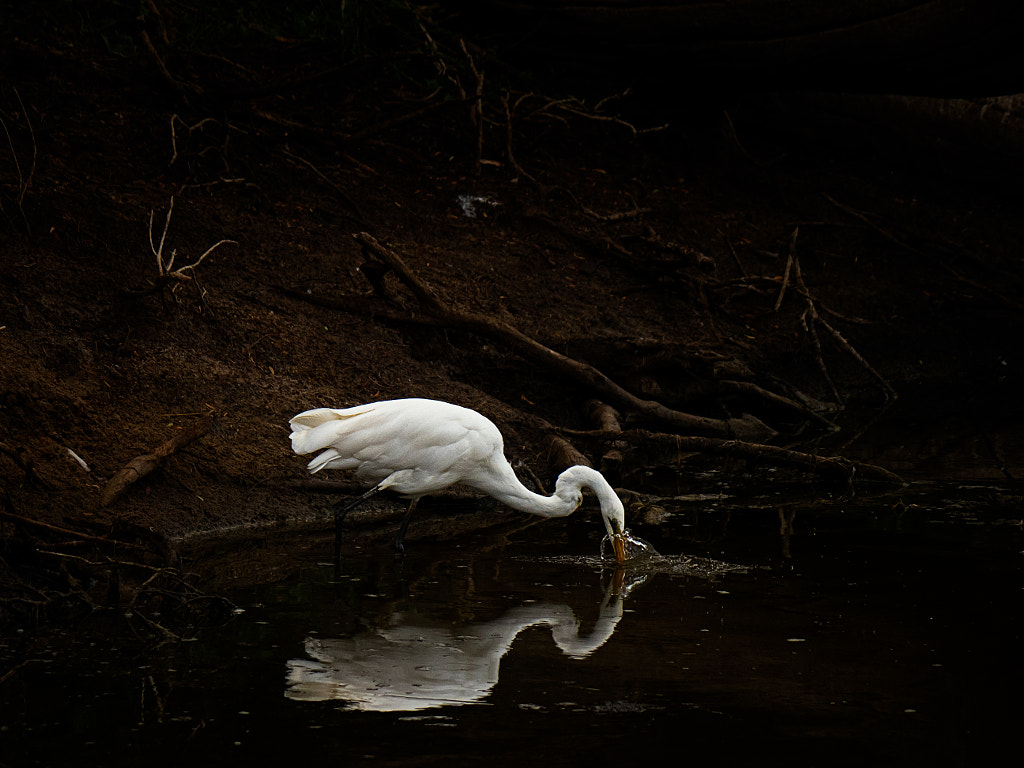
Great egret, Ardea alba, feeding on the Avon River. York Western Australia
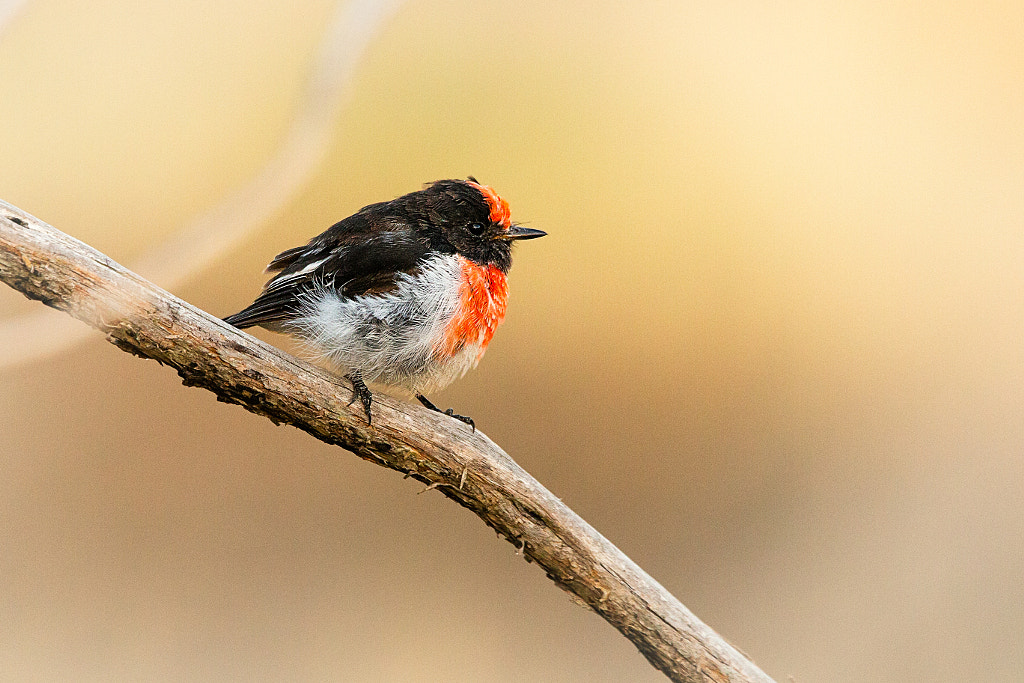
Tatty robin. Red-capped Robin (Petroica goodenovii), York, Western Australia.
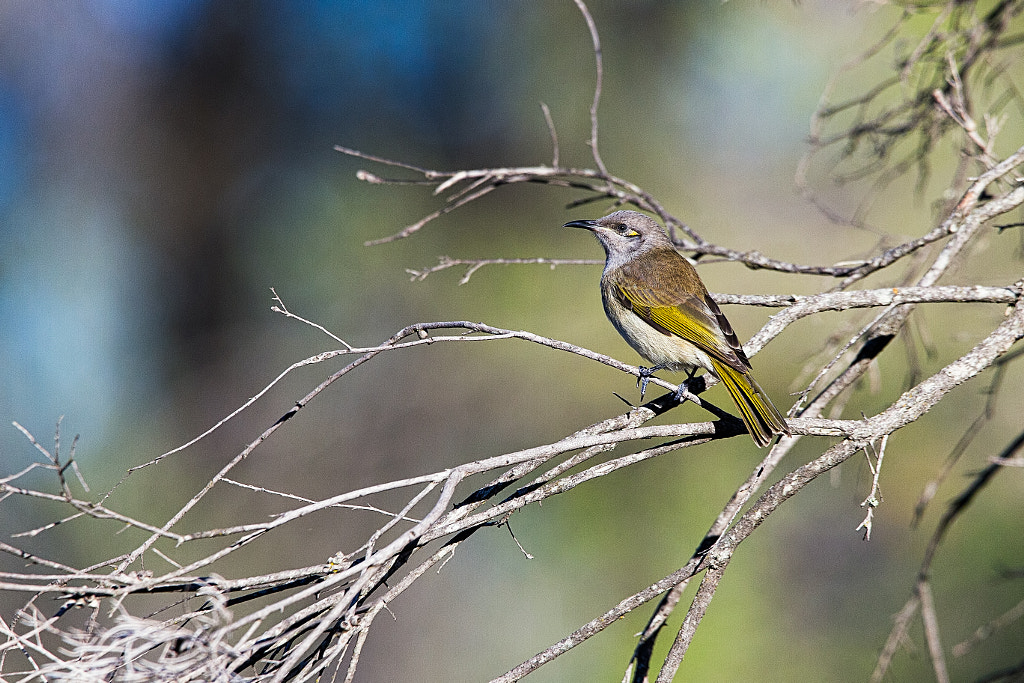
Brown Honeyeater, Lichmera indistincta, York, Western Australia.
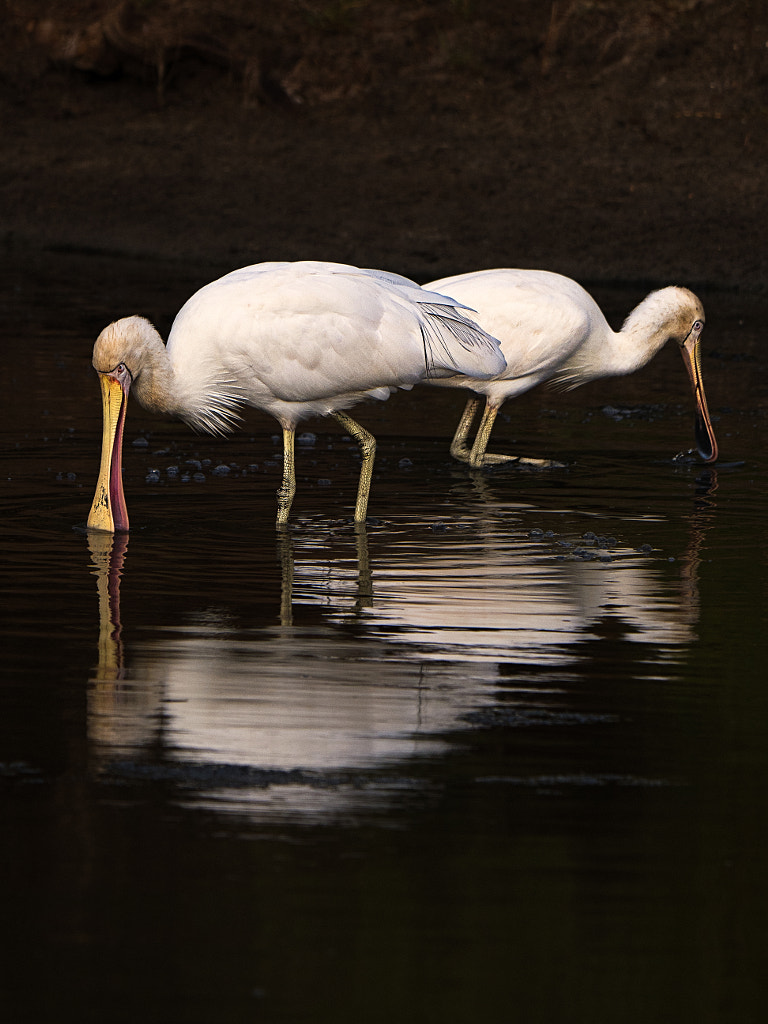
A pair of Yellow-billed Spoonbill (Platalea flavipes) feeding on the Avon River in York, Western Australia.
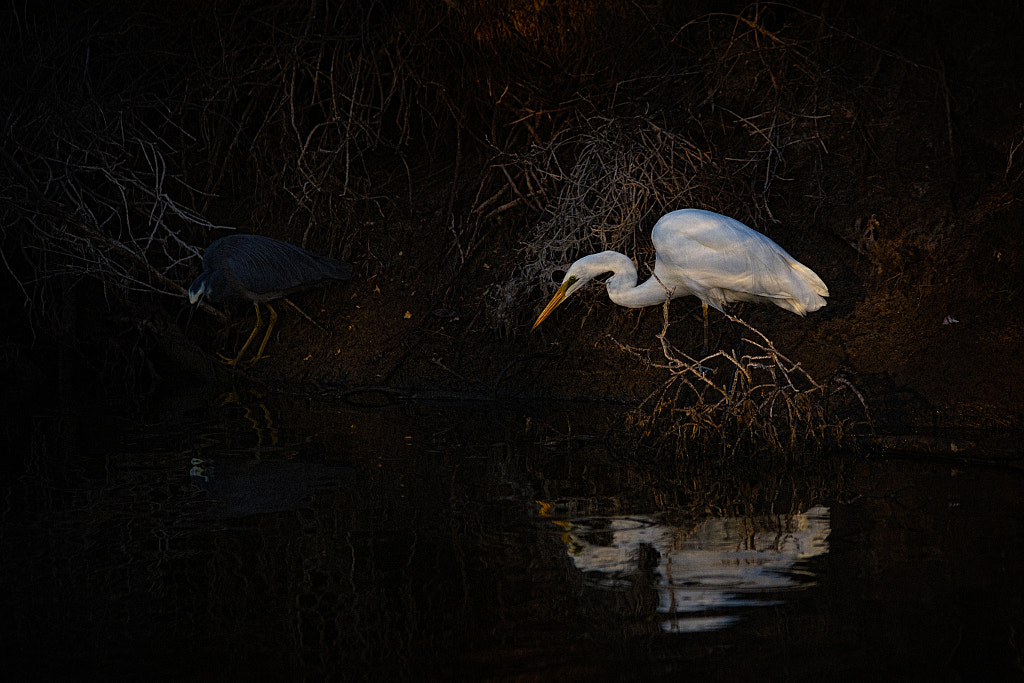
A great egret (Ardea alba) and a white faced heron (Egretta novaeholladiae) hunting in the early morning light on the bank of the Avon River in York, Western Australia.
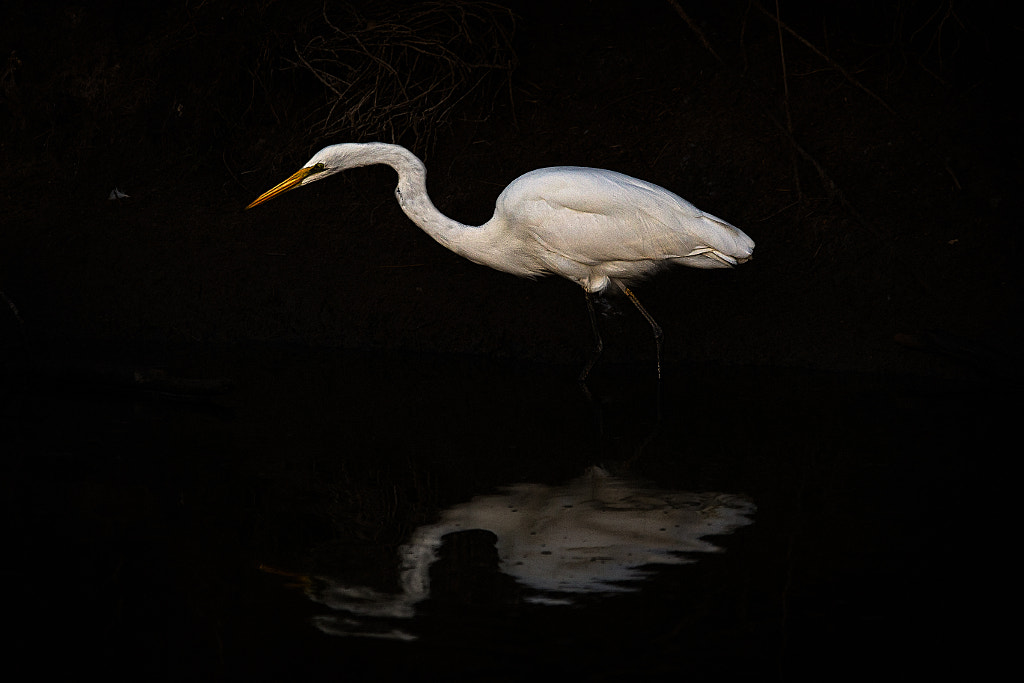
A great egret (Ardea alba) hunting in the early morning light on the bank of the Avon River in York, Western Australia.
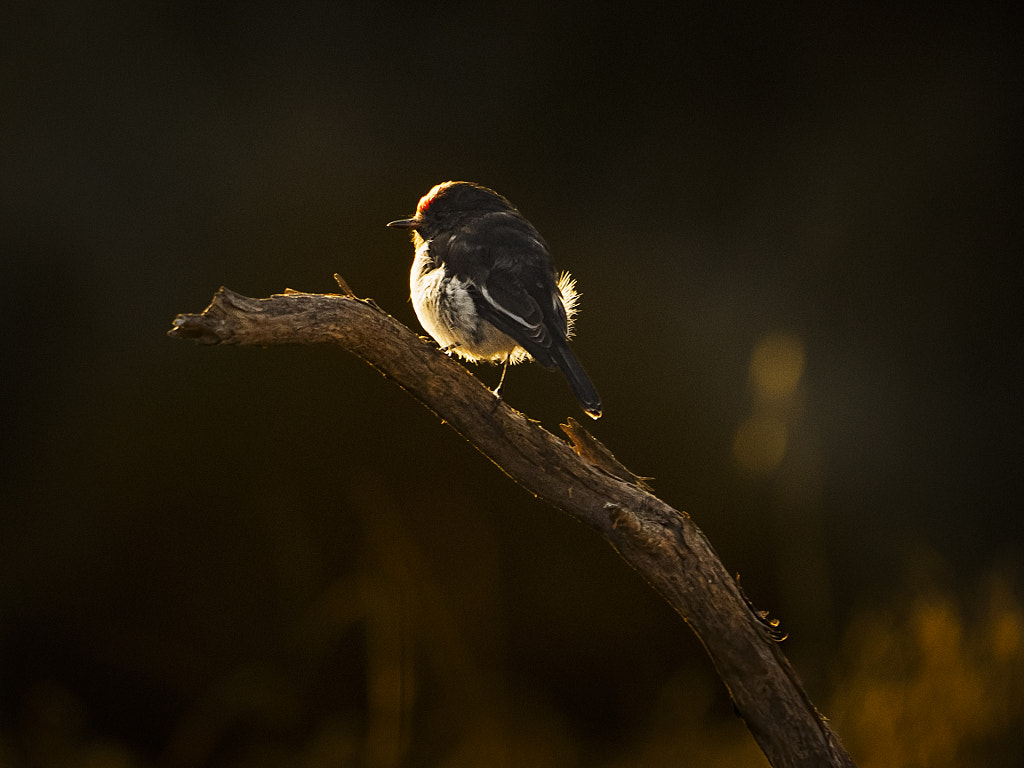
Red-capped Robin (Petroica goodenovii), York, Western Australia.
The Avon valley was officially discovered by Ensign Dale in 1830 when Governor Stirling saw that the newly established Swan River Colony was going to starve unless it found some decent arable land. Of course the Nyoongar people knew about its existence all along and the upper reaches of the Avon were very important to their dream time stories. As we drive out of Perth on the Great Eastern Highway it’s difficult to imagine how hard it was for Dale all those years ago. What takes us an hour today in a car took him nine days of sheer heart breaking slog. The going was so bad that his horses became bogged in mud and it took all day just to travel one mile or 1.6 Km and he named one spot the Vale of Misery. Ensign Dale opened up a parcel of land the size of Tasmania, although in many cases it was not until the 1860’s that the townsites were established. In the tradition of Nineteenth Century explores he named many of the places after his friends, family and places back in England where he grew up.
Standing on top of Mount Brown and looking across towards Mount Bakewell and the town of York in Western Australia’s historic Avon Valley. A 4 image stitch done in Adobe Photoshop CS5. Camera used Panasonic Lumix LX-5. Focal length equivalent to 35mm in full frame terms. Exposure: 1/800 s at f/4.0 ISO 80.
Ensign Robert Dale of the 63rd Regiment of Foot is perhaps one of the great unsung heroes of early colonial exploration. Everyone remembers Burke and Wills, and Leichhardt because they lost their lives and that heroic failure mythologized them. Ensign Dale’s exploration and surveying of the Avon Valley, the Canning River and Mount Barker region was of vital importance to the survival of the early settlers in Western Australia. His survey of King George’s Sound in Albany was considered an important work then and is seen as an important artistic and historical document today. While undertaking this achievement he never got lost, he did not loose any men and he maintained excellent relations with the local aboriginal population. In total he mounted seven official expeditions and the journals from them were published in 1833. He was appointed to the post of temporary assistant government surveyor and promoted to the rank of Lieutenant. He acquired a lot of property with two town allotments in Albany, a thousand hectares in York and a further 750 hectares in the Swan Valley. But as quickly as his star had risen it fell. He was placed under virtual house arrest by his commanding officer in mid 1832. Soon after he became embroiled in the ugly saga of Yagan’s murder where he was ordered to take Yagan’s pickled head back to England and explain the situation to the Colonial Office and they stripped him of his rank of Lieutenant. Disenchanted Dale resigned from the military and went into business with his brother Thomas importing mahogany. In 1853, at the age of forty-four, he died of tuberculosis in the English town of Bath on the banks of the River Avon.
Today tourists drive out to the Avon Valley to see historic heritage towns, atmospheric homesteads, rocky outcrops and to picnic along the banks of the River Avon. A pleasant spring time trip would be to drive out to Toodyay and then follow the Avon down through Northam, York and Beverley returning to Perth via Westdale and the Brookton Highway. If time permitted you could arrange to stay overnight in Northam or York to get the most out of the trip.
Toodyay
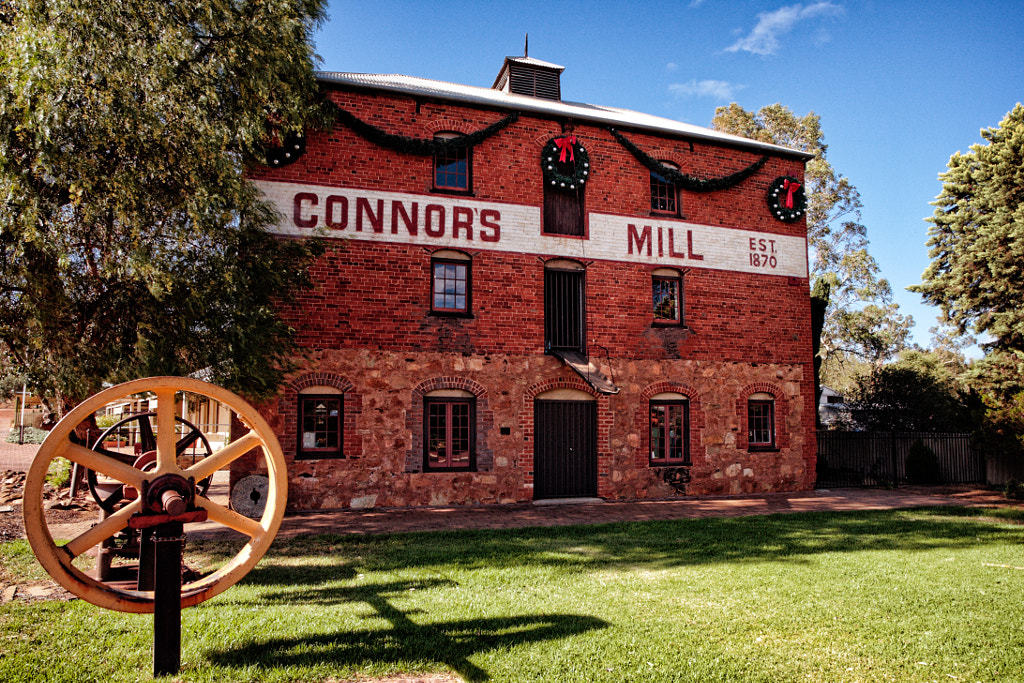
Connors Mill in Toodyay, situated in the Avon Valley of Western Australia.
85 km northeast of Perth Toodyay was settled in 1836 and named after the Nyoongar name for the area “Duidgee” which means place of plenty. The original townsite was prone to flooding so it was abandoned in the 1850’s and relocated 5 km and renamed Newcastle. In 1911 the name was changed back to Toodyay because people confused Newcastle in WA with Newcastle in NSW. The Heritage Council of WA list over one hundred places of historical significance in or around Toodyay. Some of these are:
Newcastle Gaol – this was constructed in the 1860’s using convict labour in response to Moondyne Joe’s repeated escapes .
Connor’s Mill on Stirling Terrace was built in 1870 and was as the name suggests a flour mill, it was then converted into an electricity generating plant, and is now the Toodyay Visitors Centre.
Toodyay Post Office – designed by George Temple-Poole and built in 1897
Toodyay Fire station – designed by Ken Duncan and built in 1938
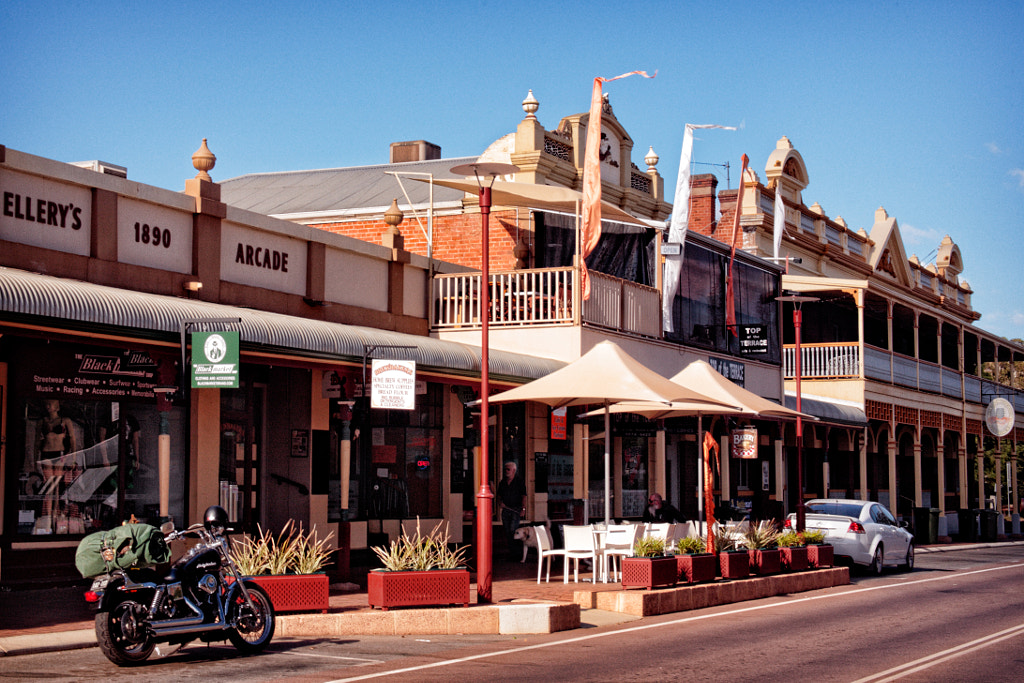
Stirling Street is the main drag in Toodyay and is full of colonial and federation architecture.
Toodyay plays host to several events throughout the year, the major ones are:
The Moondyne Festival is held on the first Sunday of May and celebrates Moondyne Joe’s life with re-enactments of Colonial life.
The Festival of Food coincides with the Avon Descent and provides culinary delights from all over the world, cooking demonstrations and free entertainment.
Theo’s Run is a convoy of classic cars and motorbikes that starts in Midland and travels to Dowerin via Toodyay.
Black powder demonstration. On the first Sunday of May the Avon Valley town of Toodyay celebrates Moondyne Joe’s life with the Moondyne Festival and the townsfolk re-enact the towns colonial past in the main street. The Perth Volunteer Rifle and Artillery Regiment 1860 is a Living-History group that seeks to portray the military and social life of a volunteer soldier in Western Australia during the period 1860 to 1901. Canon EOS5d with Canon EF28-135mm f/3.5-5.6 IS USM lens. Exposure 1/80 s at f/8.0 ISO 200.
Toodyay’s Moondyne Festival is the story of Western Australia’s favourite Bushranger, Joseph Bolitho Johns, aka Moondyne Joe is a classic case of where truth is stranger than fiction. Transported to WA as a convict, given a ticket of leave and released, some would say that Johns was a victim of society while others would see him as a recidivist, but what ever your viewpoint it is a fascinating story of a man who is hard done by, has a disdain for authority, who makes repeated escapes from custody and ends up spending his last days in Fremantle Asylum suffering from dementia.
A convivial chat at the Moondyne Festival in Toodyay.
Moondyne Joe on the run up Stirling Street in Toodyay.
The Toodyay Moondyne Festival has Joe and his gang running riot in the streets of Toodyay. He holds people up, consorts with floozies, avoids the incompetent police and the annoying temperance ladies, is arrested, put on trial and escapes. With local people dressing up in period costume the end result is a gigantic al fresco pantomime with heaps of audience participation (chants of “Free Joe” and “Behind you” ). Alongside the theatrical mayhem there are bush poets, market stalls, displays from the 1860 Regiment, vintage cars and mustache and cleavage competitions. A brilliant day out for all the family.
Northam
Hot air balloons flying over the Avon River at Northam in Western Australia.
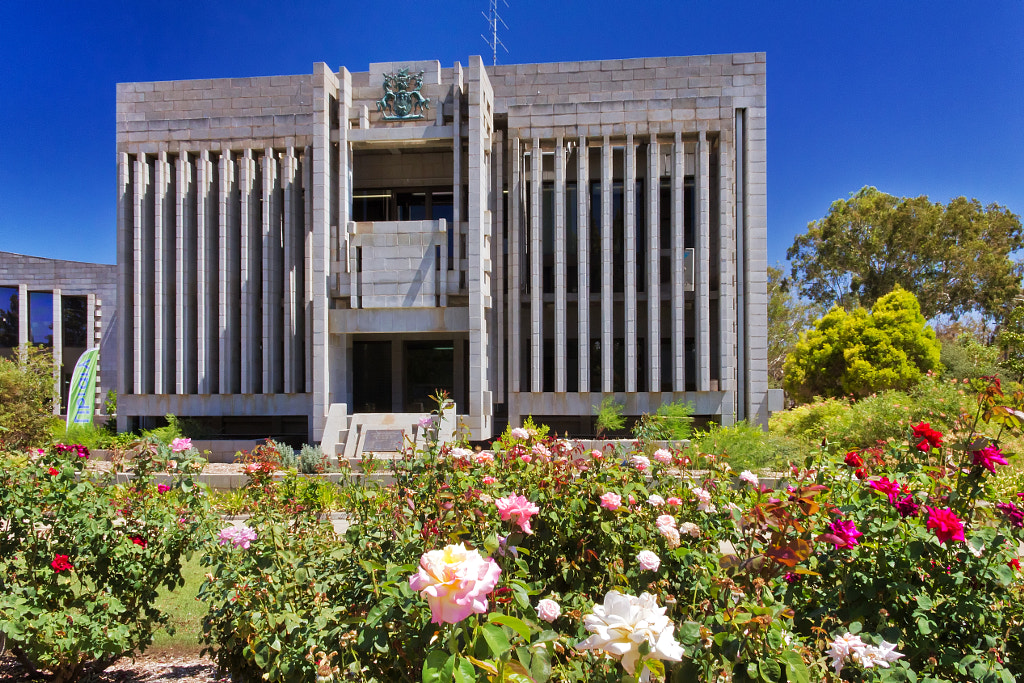
Northam is 98 Km from Perth on the Great Eastern Highway and it is the largest town in the Avon Valley. With its central location in the valley it makes the perfect base from which to explore. Up until 1891 it was the poor relation to York, but this changed with the coming of the railway linking Perth with the Goldfields and the town became an important staging post. During the 1940’s and 50’s Northam became an important centre for housing displaced European refugees and migrants, in fact the Northam Accommodation Centre was the third largest such facility in Australia. By the time it closed some 23,000 people had passed through its gates. There is a photographic exhibition telling the story at the Northam Visitor Centre. There is a historic town walk that enables visitors to experience the town’s history, some of the significant places on the trail are Morby Cottage – home of the founder of Northam and built in 1836 – and the Old Railway Museum which was built in 1886. More details for both venues can be had by contacting the Visitor Centre. The town hall on Fitzgerald Street is a wonderful example of concrete carbuncle architecture from the 1970’s.
A Yellow-billed Spoonbill (Platalea flavipes) flying back to its nest on the Avon River. Northam, Western Australia.
Northam’s Concrete Carbuncle. The town hall on Fitzgerald Street is a wonderful example of concrete carbuncle architecture from the 1970.
Northam is also the eastern terminus of the Kep Track a 75 km long mountain bike and walking trail that starts in Mundaring and follows the water pipeline the engineering genius CY O’Connor built to take water out to the Goldfields of Western Australia. The name Kep comes from the local Nyoongar word for water. The Golden Pipeline Heritage Trail follows the pipeline in its entirety all the way from Mundaring Weir to Kalgoorlie 650 km to the east, and it also passes through Northam.
The paddlers get ready to start the Avon Descent. Northam, Western Australia.
Northam is the staring line for The Avon Descent, which was first held in 1973, and there were only forty nine competitors. The event has grown so much now that this year there were over 800 competitors and 2000 plus support crew. In more ways than one it deserves the title the “world’s greatest white water event”. The 134 km two day event starts at Northam and finishes at the Riverside Garden in Bayswater with an over night stop at the Boral Campsite just outside Toodyay. For the majority of entrants the aim is just to complete the course, but for the elite athletes it is a chance of competing in a unique endurance race. The race happens on the first weekend of August every year. It kicks off on the Friday night in Northam with a float parade and firework display. On Saturday morning the event kicks off proper.







You must be logged in to post a comment.