Home On The Range

Events at home over the last few weeks have meant that I haven’t had the opportunity to do very much photography. Most of the blog entries are written a few weeks before they are published because of the vagaries of finding wildlife so that backlog  came in handy for when I couldn’t get out and about. But now the well has run dry.


Crusader Bug Nymph by Paul Amyes on 500px.com
Crusader bug (Mictis profana) instar nymph.


What little photography I have done recently has been in our back garden. Thankfully we have quite a lot of wildlife visit that I can point a camera at. Most of it has been of the usual suspects, the more common species that can be found in gardens in this part of the world, but there have been a couple of unexpected visitors which was very nice. For the best part of a year we had a problem with stray cats killing a lot of the birds and reptiles. But one of our neighbours has taken the main culprit in and the wildlife numbers are climbing back to what they were. 


Wall Skink by Paul Amyes on 500px.com
Wall Skink or Fence Skink (Cryptoblepharus buchananii) cooling off in the bird bath.


Yoorn by Paul Amyes on 500px.com
Yoorn or Bobtailed Lizard (Tiliqua rugosa)


Kanyinak by Paul Amyes on 500px.com
Kanyinak orSacred Kingfisher (Todiramphus sanctus) on our TV aerial with a freshly caught Bombay Runner (Periplaneta americana).


Bambon by Paul Amyes on 500px.com
Bambon or Rufous Whistler (Pachycephala rufiventris). It is a joy to hear this bird sing every morning.


Nye-nye by Paul Amyes on 500px.com
Nye-nye or Zebra Finch (Taeniopygia guttata) looking for food on the back lawn


Djida by Paul Amyes on 500px.com
Djida or Yellow-rumped Thornbill (Acanthiza chrysorrhoa).


Cabbage White Butterfly by Paul Amyes on 500px.com
Cabbage White Butterfly, Pieris rapae.


Giant Grass Hopper by Paul Amyes on 500px.com
Giant grasshopper or hedge grasshopper (Valanga irregularis) resting on the garden fence.


The garden provided a great deal of solace over a difficult time and it always amazes me how restorative being in nature can be. Hopefully, over the coming weeks we’ll be able to get out and about more.

 

Honey Bees by Paul Amyes on 500px.com
Honey Bee, Apis mellifera.


A Reconciliation…

…of sorts. I wrote recently about my attempt to abandon my Olympus cameras and move to Sony and how it was an unhappy experience. Well last weekend I went out orchid hunting in Wandoo National Park and I took my Olympus kit with me and it made for a far happier experience.


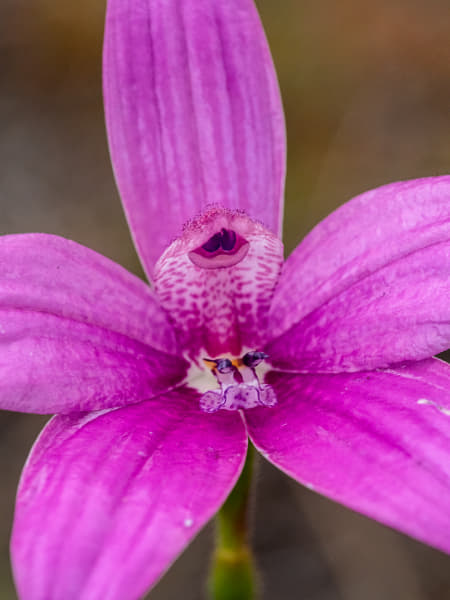
Pink Enamel Orchid, by Paul Amyes on 500px.com
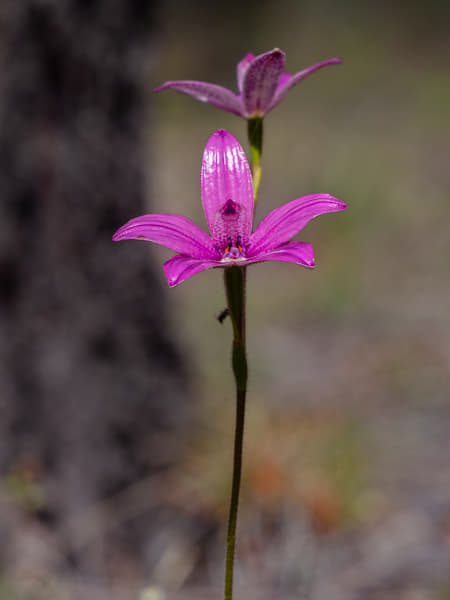
Pink Enamel Orchid, Elythranthera emarginata. Wandoo National Park, Western Australia.


Pink Enamel Orchid, by Paul Amyes on 500px.com
Close up of a pink enamel orchid.


The main reason was weight. Looking for orchids in the Wandoo National Park is a matter of walking lots. It is a big park – 463.68 square Km – and while you can drive in on numerous gravel roads and 4WD tracks it only gets you so far and then you have to walk over quite varied terrain to find anything. Humping heavy photographic equipment, water, food, extra layers, first aid kit etc gets old really fast. So anything that can reduce the load is most welcome.


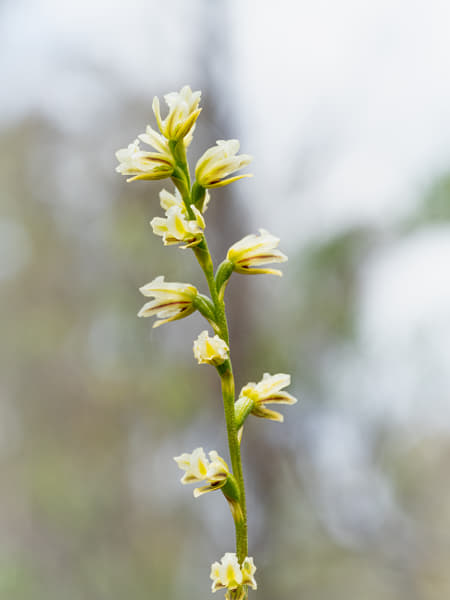
Little Laughing Leek Orchid, by Paul Amyes on 500px.com
Little Laughing Leek Orchid, Prasophyllum gracile. Wandoo National Park, Western Australia.


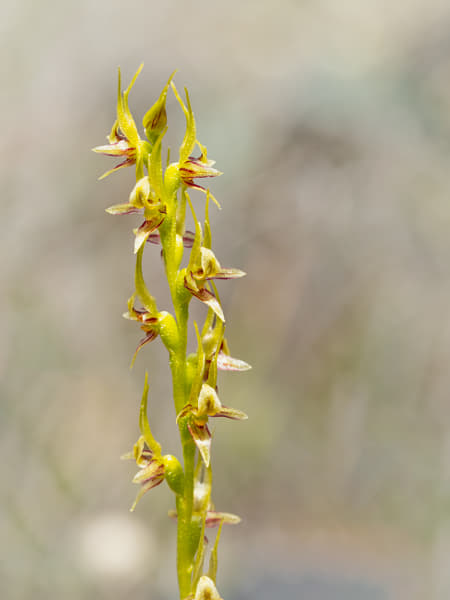
Pouched Leek Orchid by Paul Amyes on 500px.com
Pouched Leek Orchid, Prasophyllum cyphochilum. Wandoo National Park, Western Australia.


The second reason was the rear LCD panel. Having one I could actually see in bright sunlight again was in a word fantastic. Add to that it was of the flippy flappy variety which meant I could twist it to see it irrespective of the camera position meant that I didn’t have to contort myself into impossible positions. It’s amazing how such small things can make life so much easier and more pleasurable.


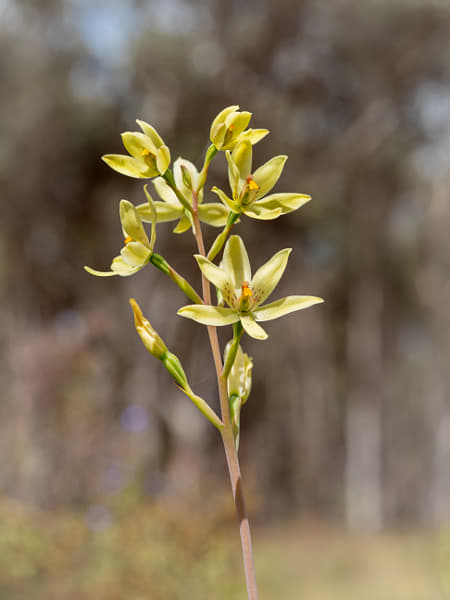
Custard Orchid by Paul Amyes on 500px.com
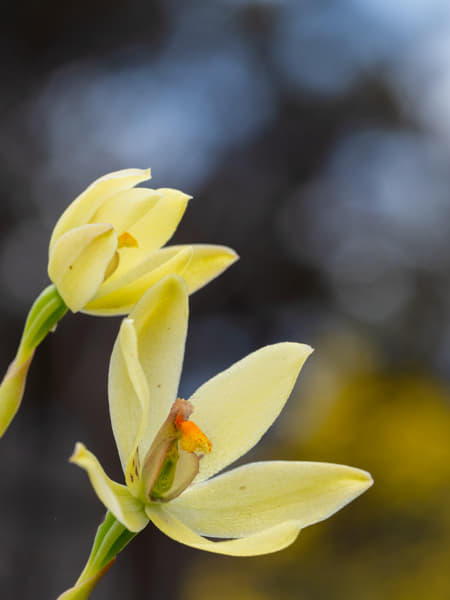
Custard Orchid, Thelymitra villosa. Wandoo National Park, Western Australia.


Custard Orchid by Paul Amyes on 500px.com
Close up of a custard orchid.


The orchids were scarce this year. Where there would be literally a carpet of custard orchids there were just one or two specimens. But, although the numbers were down there were plenty of different species to look at and photograph. I went primarily to photograph leopard orchids and I only found them after about 5 hours of looking. It was like the day’s grande finale.


Leopard Orchid, by Paul Amyes on 500px.com
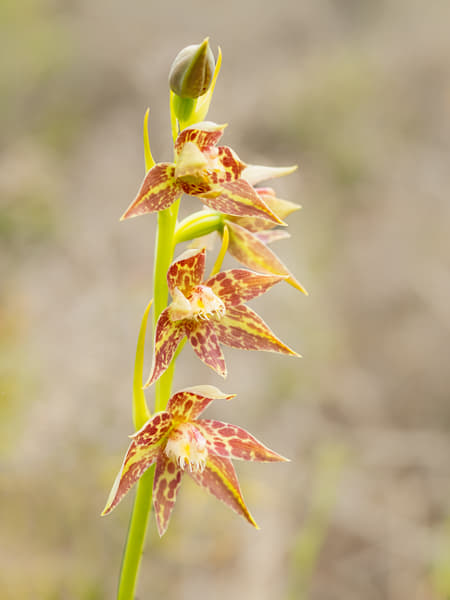
Leopard Orchid, Thelymitra benthamiana. Wandoo National Park, Western Australia.


All in all I was a very happy boy when I got home.


Purple Enamel Orchid by Paul Amyes on 500px.com

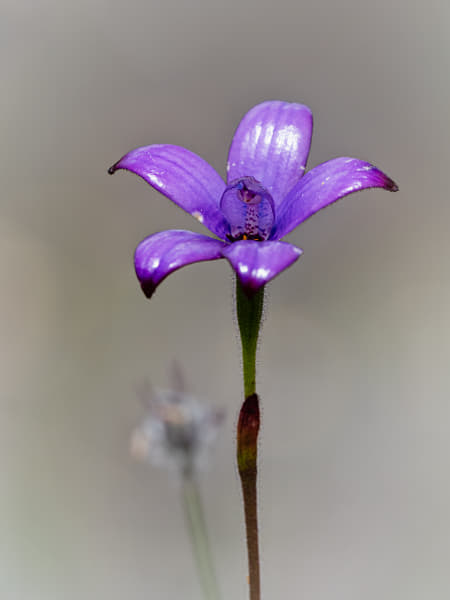
Purple Enamel Orchid, Elythranthera brunonis. Wandoo National Park, Western Australia.

Oh Happy Day!!!!!

Bit of an odd morning today. It was a distinctly grey day and I wasn’t intending to take any photos. While getting set to take the dog out for a walk along the river at Blandstown the Beloved Significant Other said she was taking her binoculars to look for birds. I thought about taking mine but when I saw that they were in a pouch with my camera I just grabbed the whole shebang.

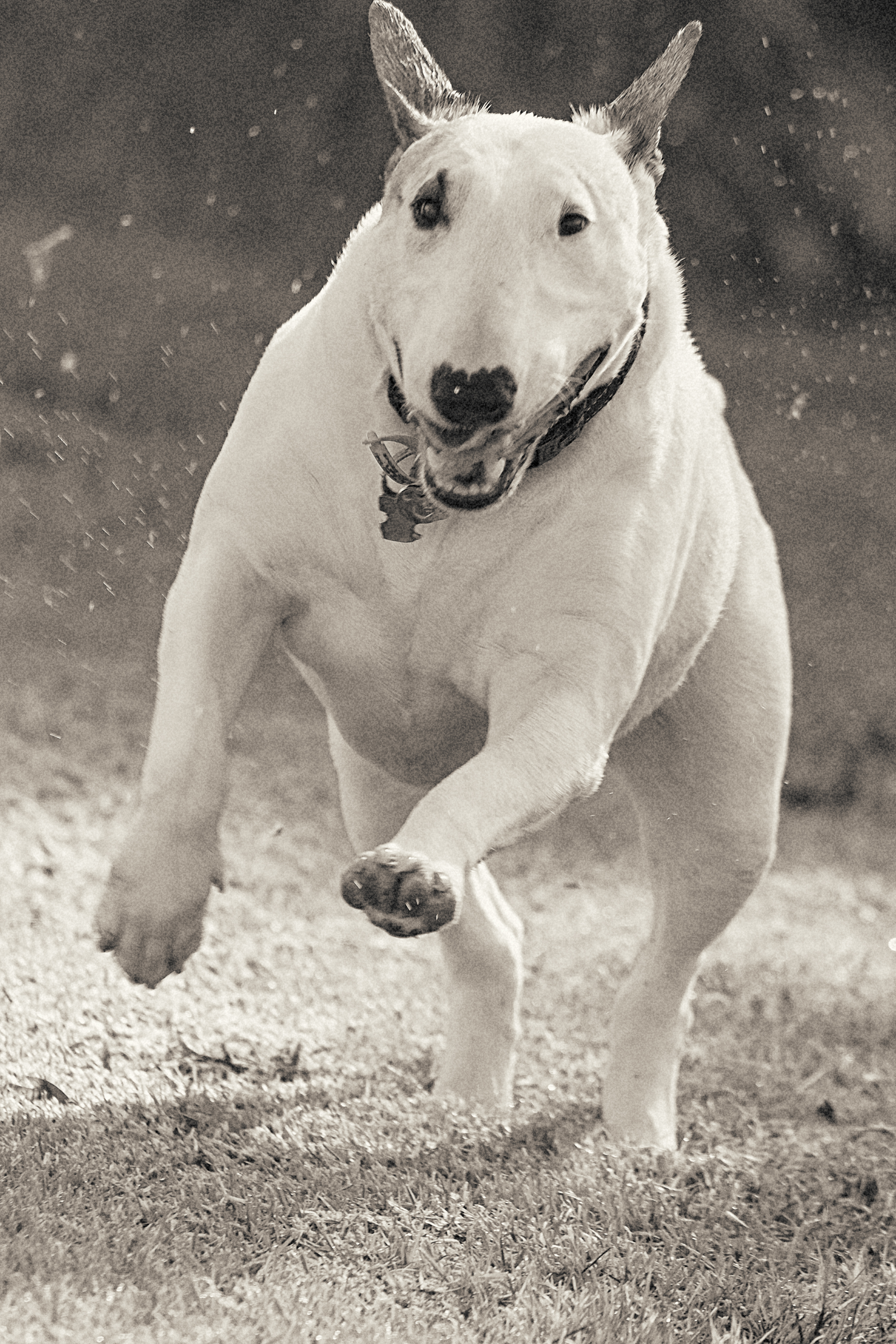
When we got there I wasn’t sure whether Frida – our dog – would walk. She is very old now and has to all intents and purposes given up on walking. She loves a ride in the car, but you can’t guarantee that she’ll get get out for a walk. With a bit of assistance she got out and was quite happy to head towards the river. When she was young long grass would send her silly and she would madly runabout causing mayhem. At 13 with arthritis in one of her back legs and kidney problems it doesn’t happen very often anymore but all that long grass along the river and she was off!


A hairy wrecking ball with four legs. Frida mid bully run when she was a lot younger.


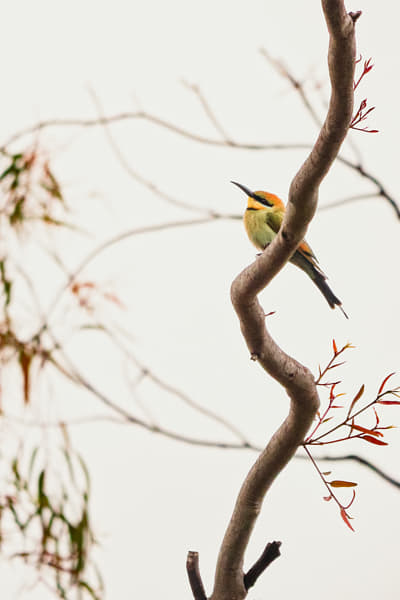
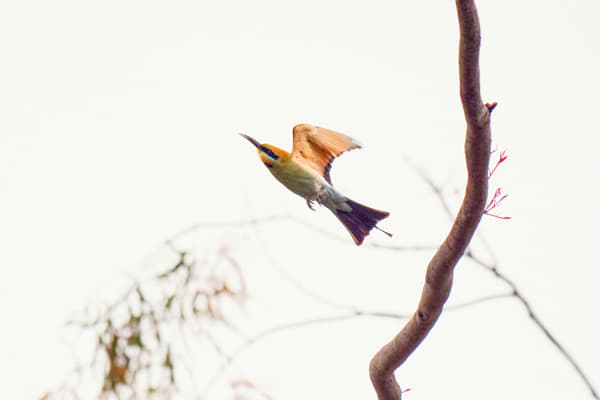
While trying to avoid being bowled over by a deranged bull terrier the Beloved Significant Other said she thought she could see a Rainbow Bee-eater. Oh how I scoffed. “Impossible” said I. “They don’t arrive back from Northern Australia and Papua New Guinea until November.” I added being all ‘knowledgeable’. But when I raised the camera up and looked there was a female Rainbow Bee-eater, and listening very carefully I could just make out the chirping call of another. Never had I seen one this early in York before. I’d read that in some areas of southern Australia the winters are becoming much milder and some of the birds aren’t migrating north in autumn. Whether that applied to these birds I don’t know.


Birin-birin by Paul Amyes on 500px.com
Birin-birin or Rainbow Bee-eater (Merops ornatus). York, Western Australia.


Birin-birin by Paul Amyes on 500px.com


So as we headed home I couldn’t work out what had made me the happier. The fact that Frida had just had a bully run or that I’d seen the Rainbow Bee-eater. Probably both. Oh! I did photograph some other birds. Here they are below.


Chestnut-rumped Thornbill by Paul Amyes on 500px.com
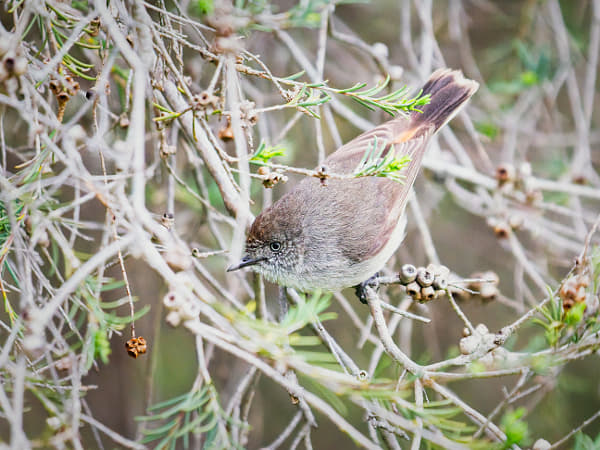
Chestnut-rumped Thornbill, Acanthiza uropygialis. York, Western Australia.


Djindjokoor by Paul Amyes on 500px.com
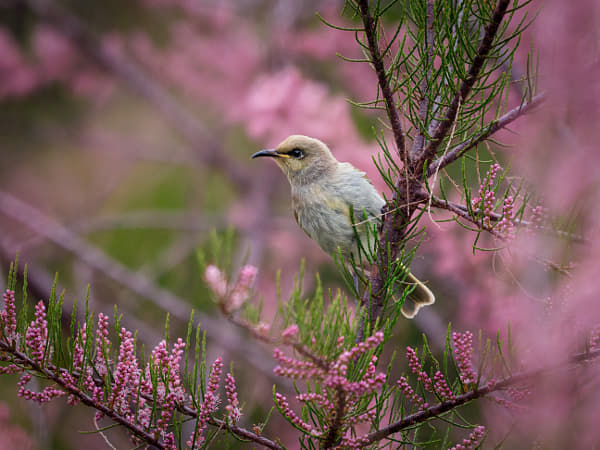
Juvenile Djindjokoor or Brown Honeyeater (Lichmera indistincta). York, Western Australia.


Hard To Swallow

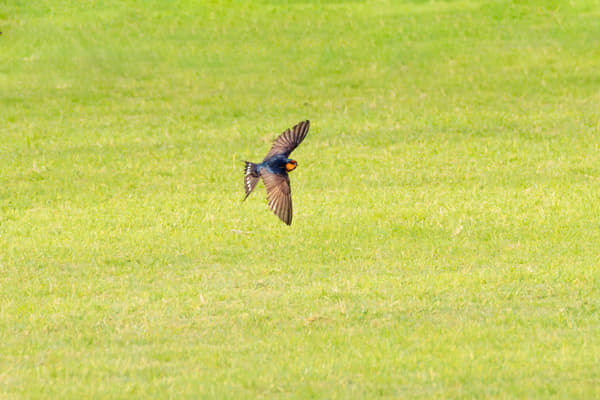
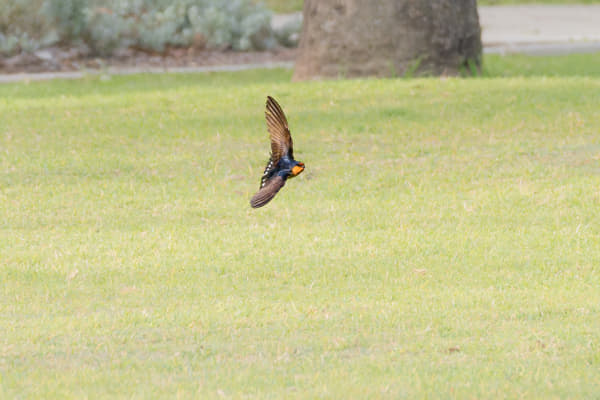
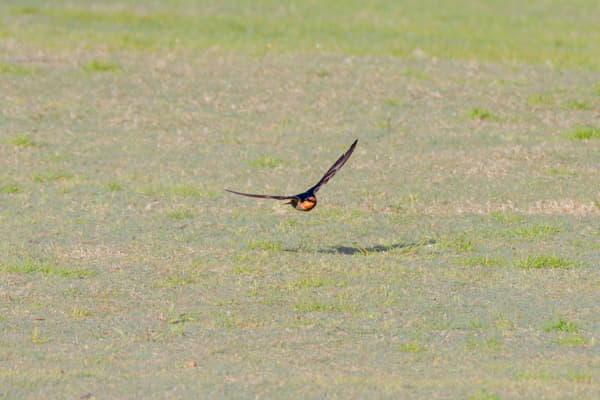
This week’s walk along the River Avon looking for birds was very odd. It was a magnificent morning. There was loads of birdsong, but no birds out in the open. Everything was hidden in the high tree canopy – even the ducks. By the time I’d reached Avon Park I’d only managed a couple of photos and I felt like I should have stayed in bed. So while sitting on a park bench pondering my options I noticed that there were lots of Welcome Swallows flying very low over the grass – like 30-50cm above the ground.

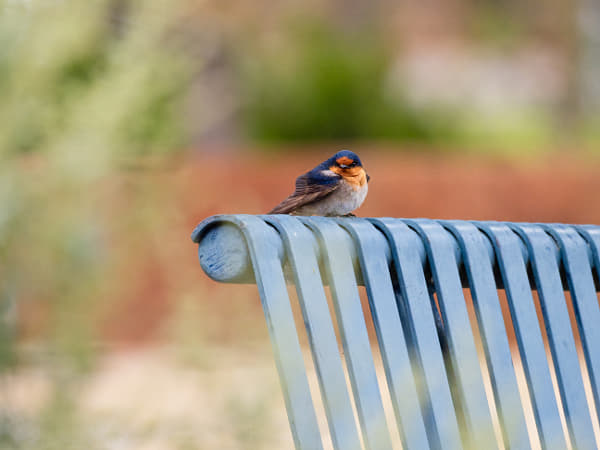
At this point it should be said that when comes to Bird In Flight photography (often abbreviated to BIF on forums) I am absolutely useless. For some reason I just can’t get it going. It may be partly due to the environment I go birding in – mainly forest – and this throws off the autofocus system. For a while I thought it was due to the fact that I didn’t have a camera with bird detect autofocus, but now I do and I still haven’t improved. So the idea of photographing a very fast erratic small bird seemed somewhat implausible. But, I had made the effort of getting up early and I was in the park and there were loads of Welcome Swallows so I thought why not? In all I spent the next hour trying to photograph the little buggers. Man alive are they quick. Up to 60 kmph or 25m per second! Just when you think you’ve lined one up perfectly they suddenly alter course and you’ve lost it. Despite all that I really enjoyed myself. I didn’t look at any of the images I’d taken as I feared that would have been too discouraging. In that hour I ended up taking nearly 3,000 photos. Now in the online wildlife forums people regularly brag they have a 90% hit rate of perfectly in focus shots of birds flying. So I’m a little ashamed to admit that out of those 3,000 photos I only got four photos where the bird was in focus and one of those was of a Welcome Swallow perching on a park bench. Now either I’m spectacularly inept or there is great deal of bovine excrement flying around. Whatever! I had a thoroughly enjoyable morning and that is all that counts.


Kanamit by Paul Amyes on 500px.com
Banking to begin fly past. Kanamit or Welcome Swallow (Hirundo neoxxena). York, Western Australia.
Kanamit by Paul Amyes on 500px.com


Kanamit by Paul Amyes on 500px.com
Coming in fast and low.


Kanamit by Paul Amyes on 500px.com
It’s a lot easier to photograph them when they sit still.


Oswald Sargent Reserve

Earlier this month I wrote about my first orchid expedition of the season and I ended it with saying how I really liked the combination of my Olympus 40-150mm f2.8 and the 1.4 teleconverter. Well I’ve just reset the focus stacking mode on my Olympus EM1 mk ii and I went up to the nearby  Oswald Sargent Reserve to see whether it worked. I took both my 60mm f2.8 macro and the afore mentioned 40-150mm + teleconverter.

Sugar Orchid by Paul Amyes on 500px.com
Sugar Orchid, Ericksonella saccharata. Oswald Sargent Reserve.


It was a beautiful morning and there were hundreds of orchids out – it was quite a stunning display. There were so many flowers that I could afford to be very fussy pick specimens that had good backgrounds and in good light. It doesn’t always go as well as this.

Cowslip Orchid by Paul Amyes on 500px.com
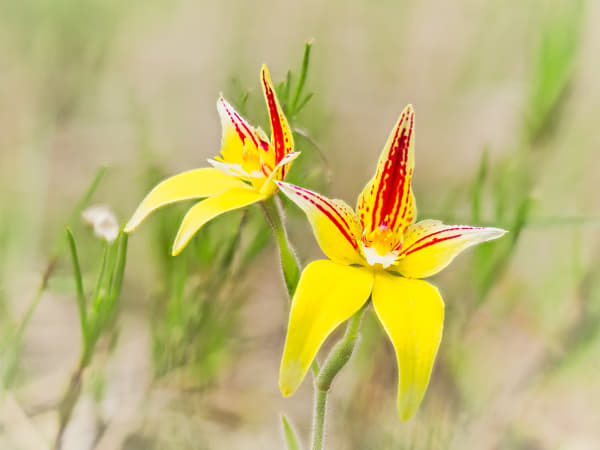
Cowslip Orchid, Caladenia flava subsp flava. Oswald Sargent Reserve.


Getting home and processing the photos I have to say that I much prefer the results from the 40-150mm combination. It’s not the sharpness of the lens, both lenses are very sharp. It is the way the lens renders the image. The way the tones in the out of focus areas merge smoothly and don’t draw attention away from the subject. When combined with focus stacking the effect is fantastic.


Chapman's Spider Orchid by Paul Amyes on 500px.com
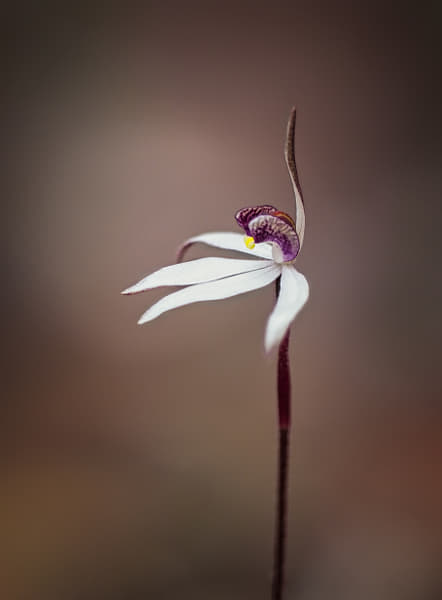
Chapman’s Spider Orchid, Caladenia chapmanii. Oswald Sargent Reserve.


Little Pink Fairy Orchid by Paul Amyes on 500px.com
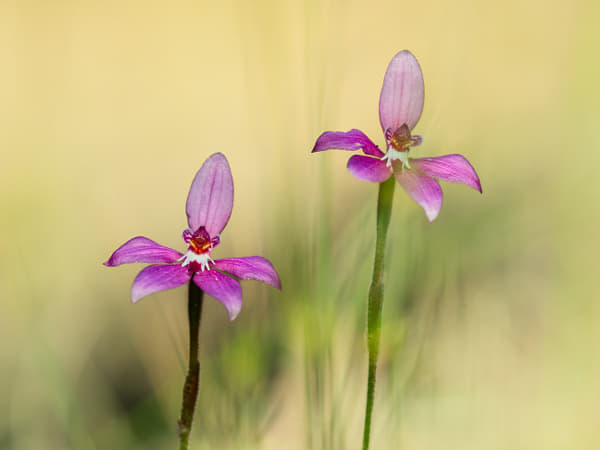
Little Pink Fairy Orchids, caladenia reptans subspecies reptans. Oswald Sargent Reserve.


Oswald Sargent was a very interesting character. While being a pharmacist here in York he was also an eminent amateur botanist and his family were pioneering photographers. His son left a large archive of photos documenting life in the town.


Green Spider Orchid by Paul Amyes on 500px.com
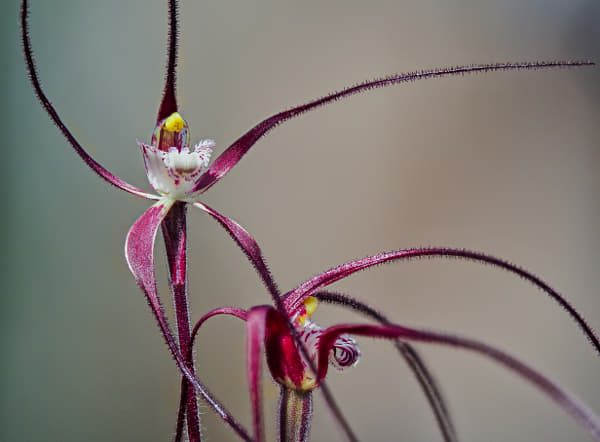
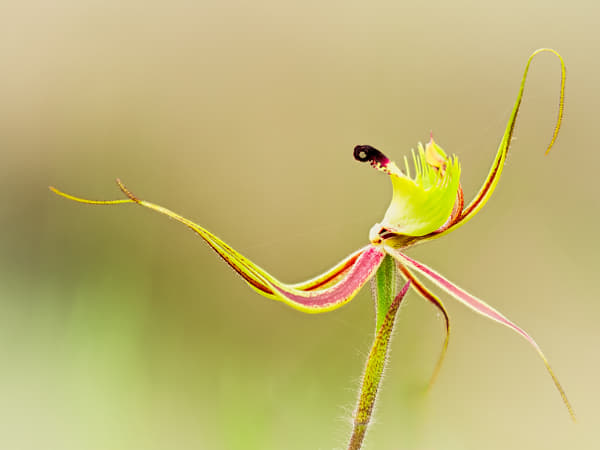
Green Spider Orchid

Canola Time

It’s quite hard to believe that flowering canola can be a tourist attraction, but judging from the number of people taking selfies of themselves in front of fields of it certainly confirms it. So here are my gratuitous canola themed photos.


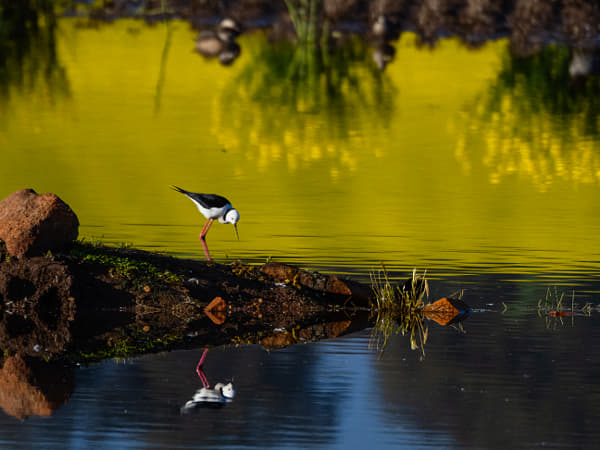
Canola Reflection by Paul Amyes on 500px.com
Djandjarak or Black-winged Stilt (Himantopus himantopus) with canola reflections.


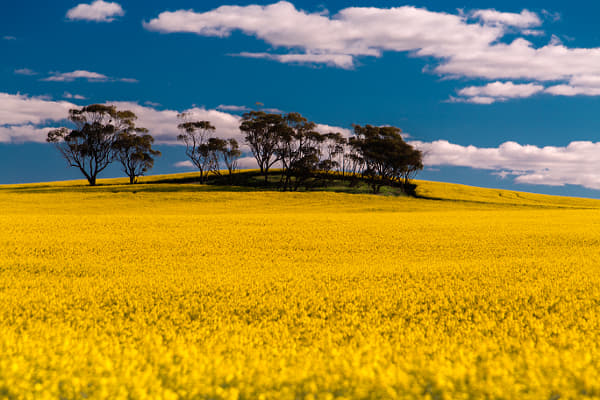
Blue and Yellow by Paul Amyes on 500px.com
The yellow canola contrasting with the blue sky.


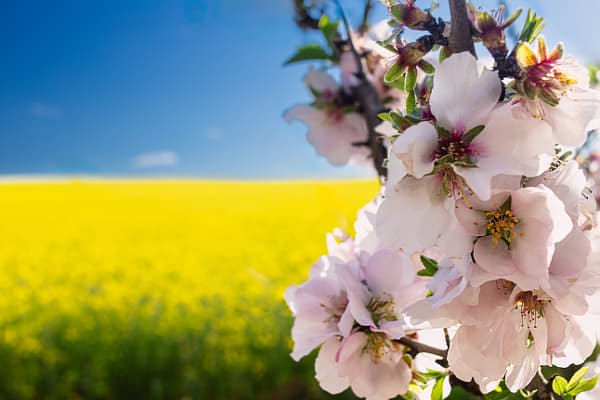
Blossom and Canola by Paul Amyes on 500px.com

Almond blossom with a backdrop of canola.

All Fogged Up

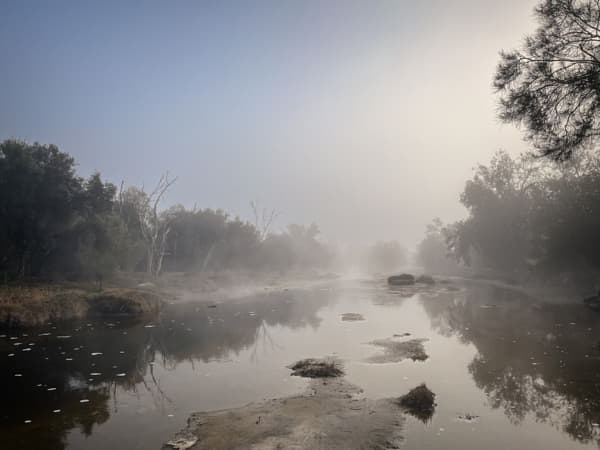
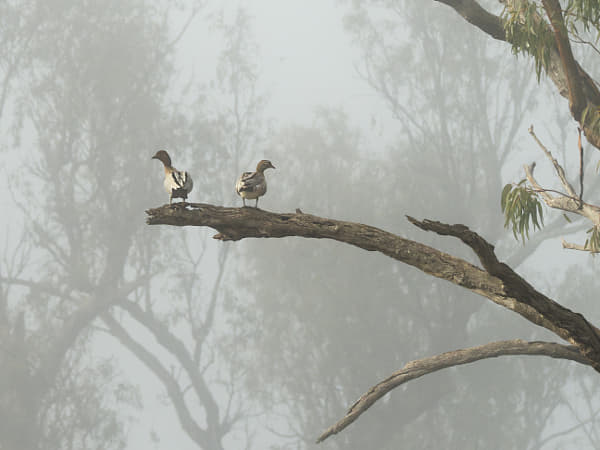
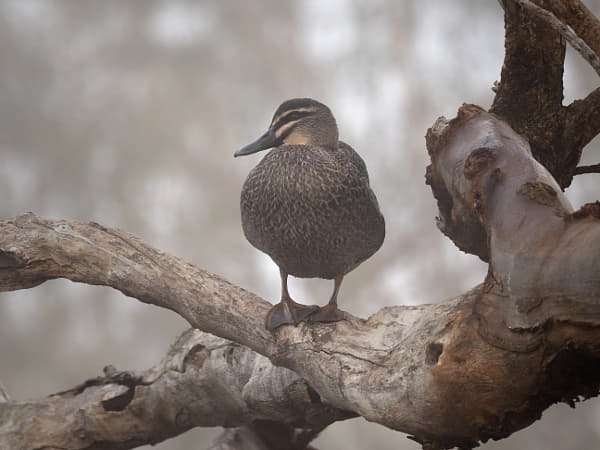
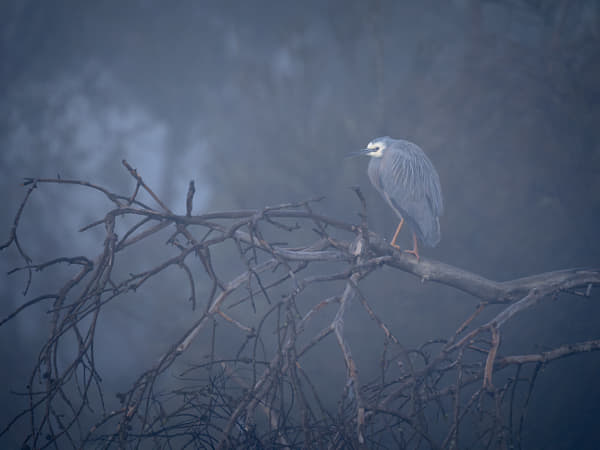
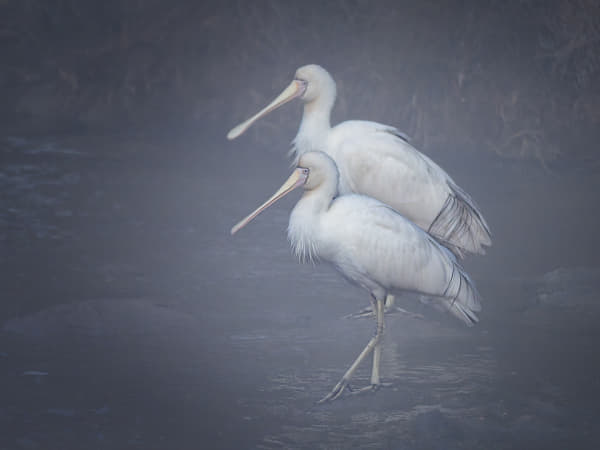
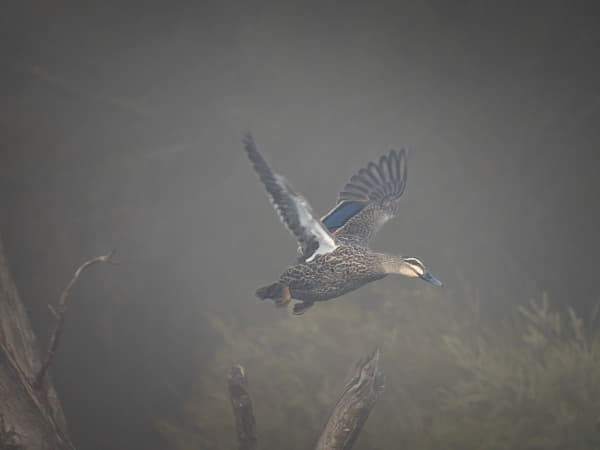
We’ve had a lot of cold, dank, foggy mornings along the Avon River lately. It must be cold as most of the duck population has taken to perching in trees while waiting for the day to warm up.


Morning Mist by Paul Amyes on 500px.com
The weak winter sun tries to burn off the thick winter mist in the Avon Valley.


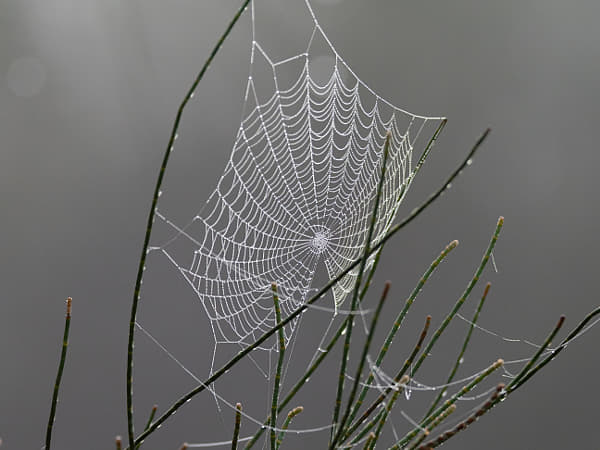
Dew On A Web by Paul Amyes on 500px.com
The mornings dew on a spider’s web. Avon Walk Trail, Western Australia.


Marangana by Paul Amyes on 500px.com
Marangana or Australian Wood Duck (Chenonetta jubata).


Ngowonan by Paul Amyes on 500px.com
Ngowonan or Pacific Black Duck (Anas superciliosa).


Wayan by Paul Amyes on 500px.com
Wayan or White Faced Heron (Ardea novaehollandiae) hunkered down against the cold.


Kaaka-baaka by Paul Amyes on 500px.com
This pair of Kaaka-baaka or Yellow-billed Spoonbills (Platalea flavipes) braved the cold and were wading in the river looking for food.


Ngowonan by Paul Amyes on 500px.com
“Time I was off”. Ngowonan or Pacific Black Duck (Anas superciliosa).


Overall I was actually quite impressed that my Olympus EM1x could find focus in these dark low contrast situations.

All Change

The weather has finally broken and we’ve had some decent rain. Around Easter time York shifts into gear by acting as the host for numerous weekend events. The York Motorcycle Festival being the first one this year. Now to be perfectly honest motor vehicles have no allure for me at all – to be totally frank they bore the faecal matter out of me – but, I often attend the festival just for the photographic opportunities and this year was no different. What was different was that I used two cameras, one a Sony A6500 with Sigma 23mm f1.4 lens and the other a Canon EOS 30 with a Canon EF 24-70mm f4 lens loaded with Ilford FP4+ . I’m not going to say which was which because that’s not the point. I didn’t come away with anything breathtaking but it was fun couple of hours walking up and down taking photos. 


2025 York Motor Cycle Festival


2025 York Motor Cycle Festival


2025 York Motor Cycle Festival


2025 York Motor Cycle Festival


2025 York Motor Cycle Festival

Karrak – the Red-Tailed Cockatoo

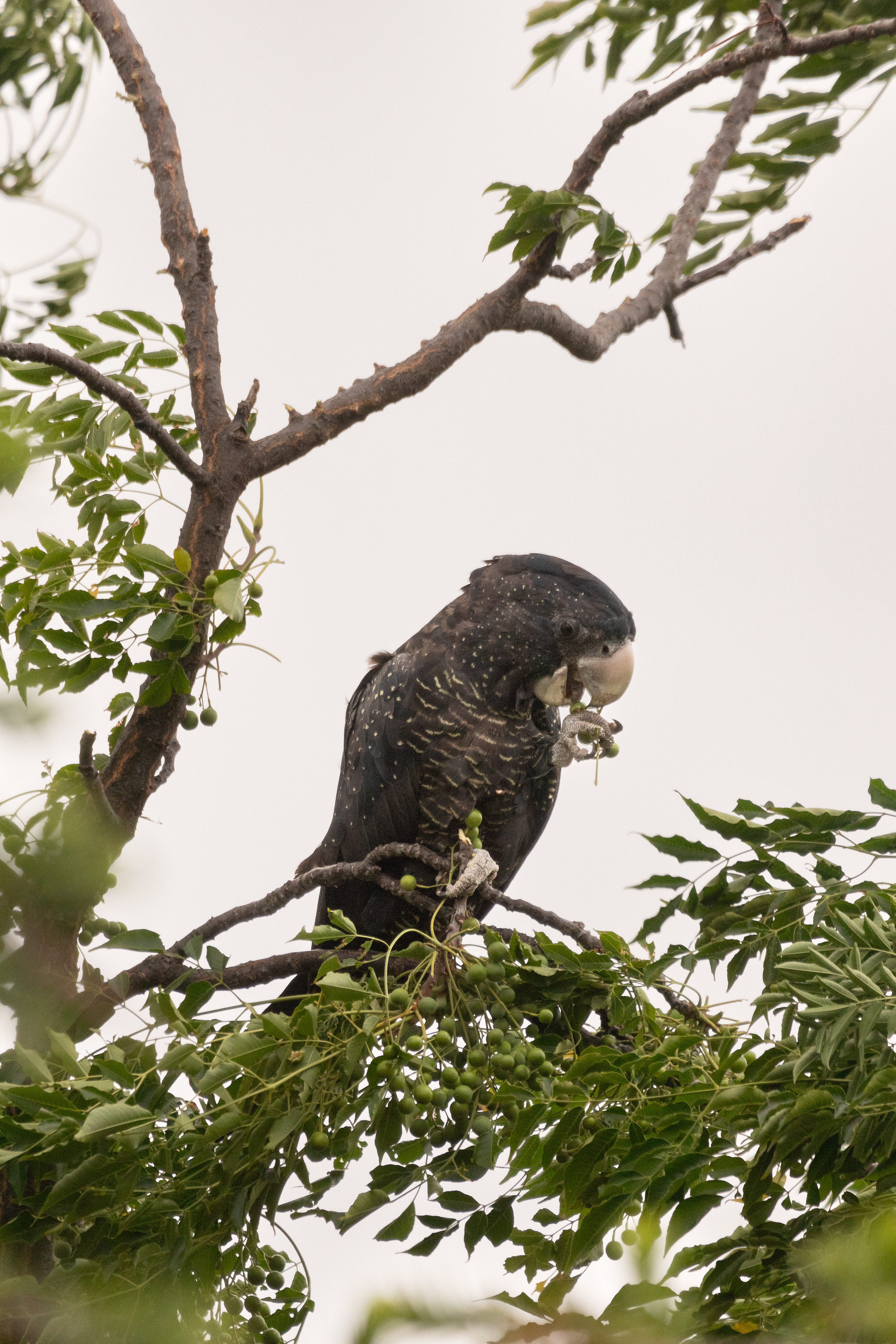
Karak or Red-tailed Black Cockatoo (Calyptorhynchus banksii subs samueli) feeding on Cape Lilac AKA WhiteCedar (Melia azedarch). York, Western Australia.


The last couple of weeks I’ve been thrilled to see Red-Tailed Cockatoos (Calyptorhynchus banksii), called Karrak by the Nyoongar, feeding in the Cape Lilac trees of our neighbours. 


Karak or Red-tailed Black Cockatoo (Calyptorhynchus banksii subs samueli) feeding on Cape Lilac AKA WhiteCedar (Melia azedarch). York, Western Australia.


There are four subspecies found in Western Australia – Cb. Naso (referred to as the Forest Red-tailed Black Cockatoo), Cb. Samueli (the Inland Red-tailed Black Cockatoo), Cb. macrorhynchus (sometimes referred to as the Great-billed Cockatoo, Banksian Black-Cockatoo, or Banks’ Black-Cockatoo), and the recently discovered Cb. Escondidusa. Now which species the ones in our neighbourhood are I couldn’t tell you – probably Inland or Forest Red-Tailed Black Cockatoos. All I know that is according to the experts we shouldn’t have any, but here they are.

The Nyoongar creation story for the Red-Tailed Black Cockatoo.


Ngoolyak or Carnaby’s Black-cockatoo (Calyptorhynchus latirostris). Yanchep National Park, Western Australia.


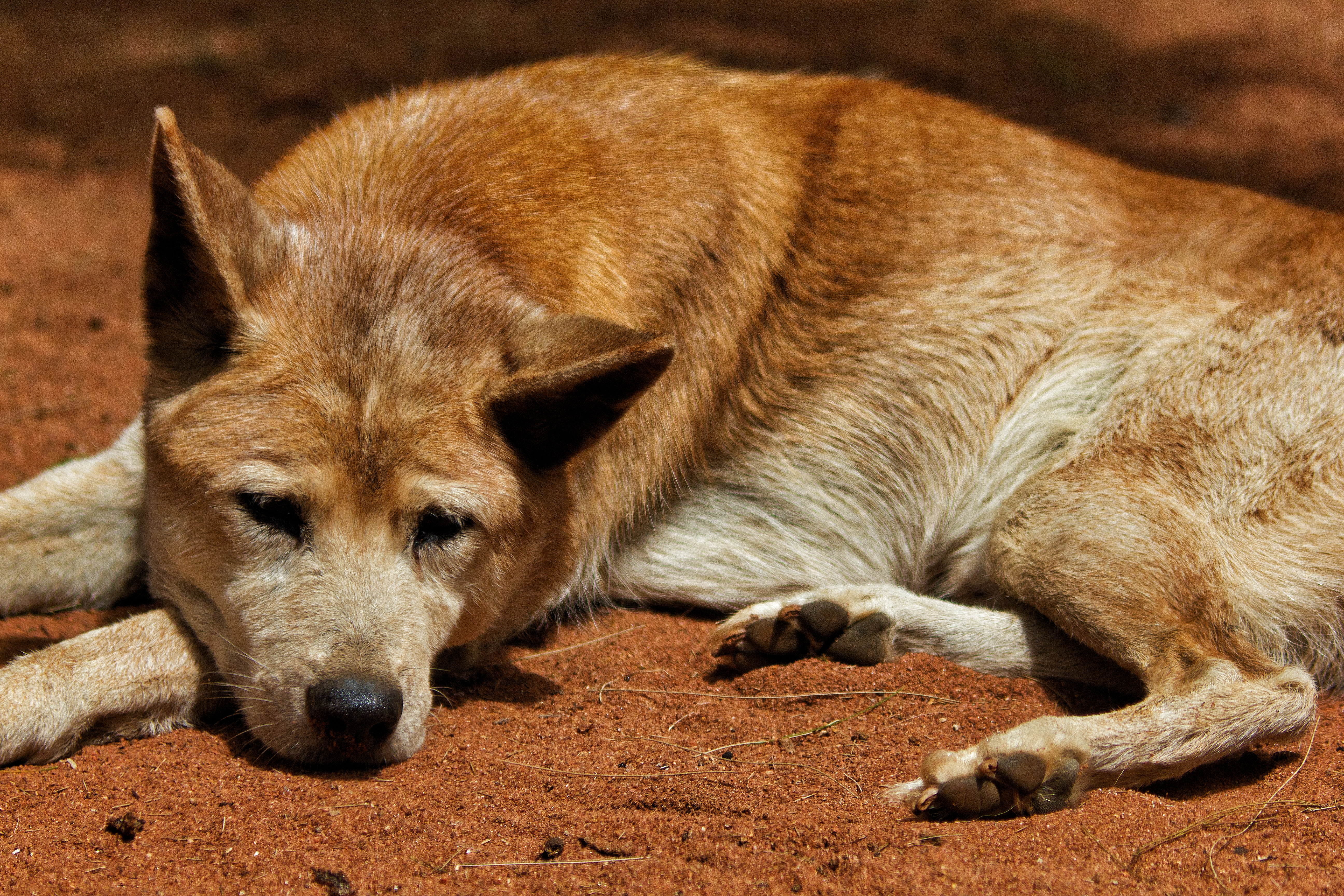
Dwert the Dingo


Djidi-djidi or Willie Wagtail (Rhipidura leucophrys). Avon Walk Trail, York, Western Australia.


Kwilom or purple swamp hen (Porphyrio porphyrio subsp bellus) picking over vegetation on shore of the lake. Lake Leschenaultia, Western Australia.


One day Ngoolyak the white-tailed black cockatoo saw a fight between Dwert the Dingo and Djidi-djidi the Willie Wagtail. Ngoolyak sided with Dwert and joined the fight. Kwilom the Purple Swamp Hen saw the commotion and tried to break them up. He picked some sedge and started beating Ngoolyak across his back to get him to back off. Ngoolyak started screaming and tried to fend off the blows by raising his tail. The sedge oozes red sap when it is cut and it left great red marks where it struck. As he screamed Ngoolyak’s voice became hoarse and he could no longer make his normal call of “wola” and the screeching sounded more like “Karrak!” instead, and that is how Ngoolyak the White-tailed Cockatoo became Karrak the Red-tailed Cockatoo.


Karak or Red-tailed Black Cockatoo (Calyptorhynchus banksii subs samueli) feeding on Cape Lilac AKA WhiteCedar (Melia azedarch). York, Western Australia.


Karak or Red-tailed Black Cockatoo (Calyptorhynchus banksii subs samueli) feeding on Cape Lilac AKA WhiteCedar (Melia azedarch). York, Western Australia.