
At this stage in summer most of the birds are busy feeding their young, with the majority about to fledge soon. The constant foraging for food and hunting must be exhausting for the parents especially in the 40ºC + days we’ve been having lately. Over the last couple of weeks I’ve stumbled across a few nests with demanding offspring and I’ve observed a range of different behaviours designed to get food from a parent.
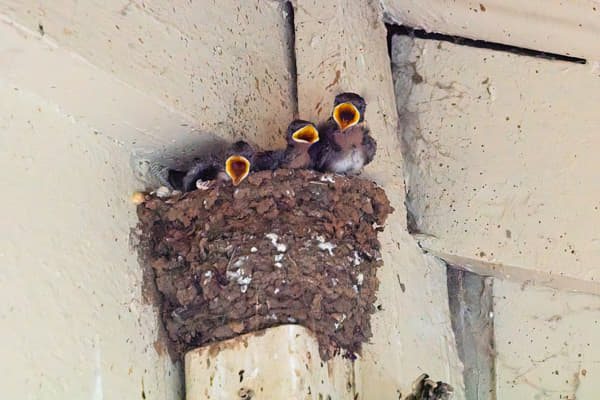
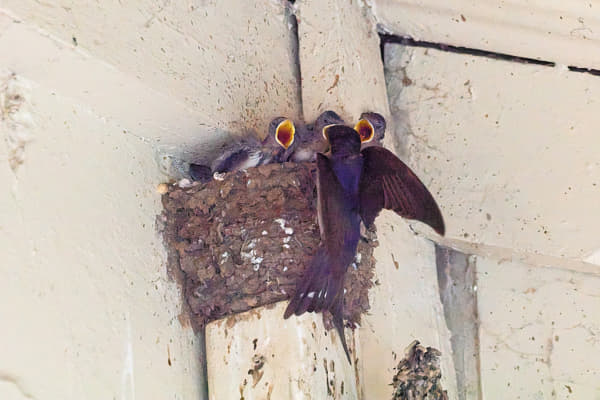
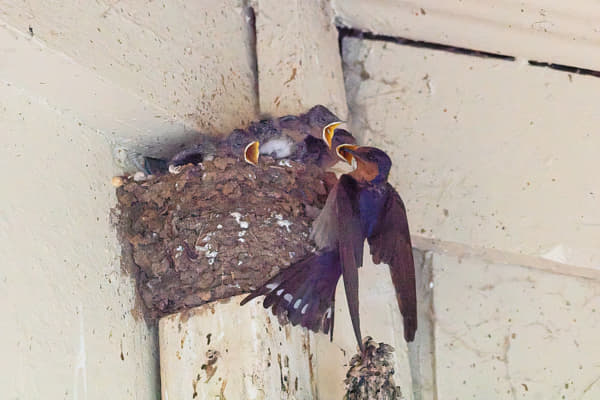
On Avon Terrace, the main drag in York, a lot of the shop fronts have Welcome Swallow nests tucked away in the shade of the verandas. Most people walk along the street under them not even aware of what is happening above them. I spent an hour watching this particular nest. The adults returned every five minutes or so with food for the three chicks. Two chicks got the bulk of the food as is often the case in birds. I don’t know if the little runt of the brood managed to survive until fledging or not.
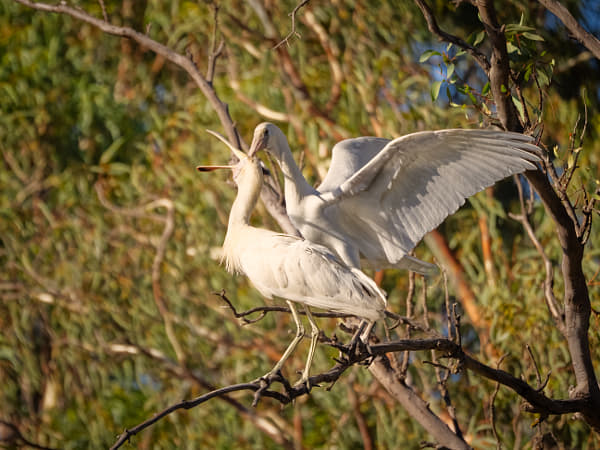

In Northam, on the banks of the River Avon, I witnessed something I’d never seen before. There were two Yellow-billed Spoonbills in a tree, one a mature adult and the other an adolescent. The adolescent was trying hard to get the parent to regurgitate some food and it did this by first bobbing its head vigorously while flapping its wings. After a while of this it would then start rubbing the parent on the side of its head. The photos don’t do it justice, the video is better.
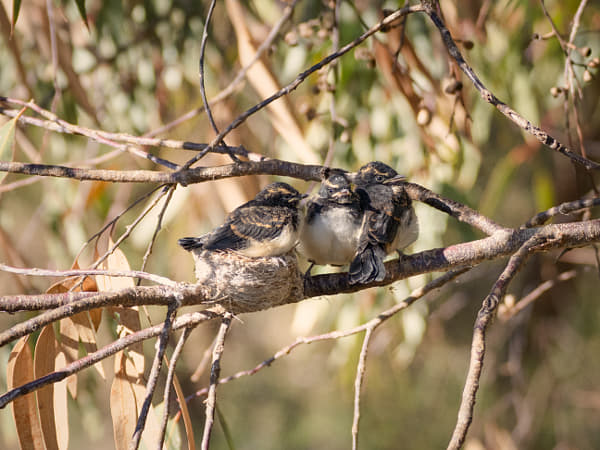
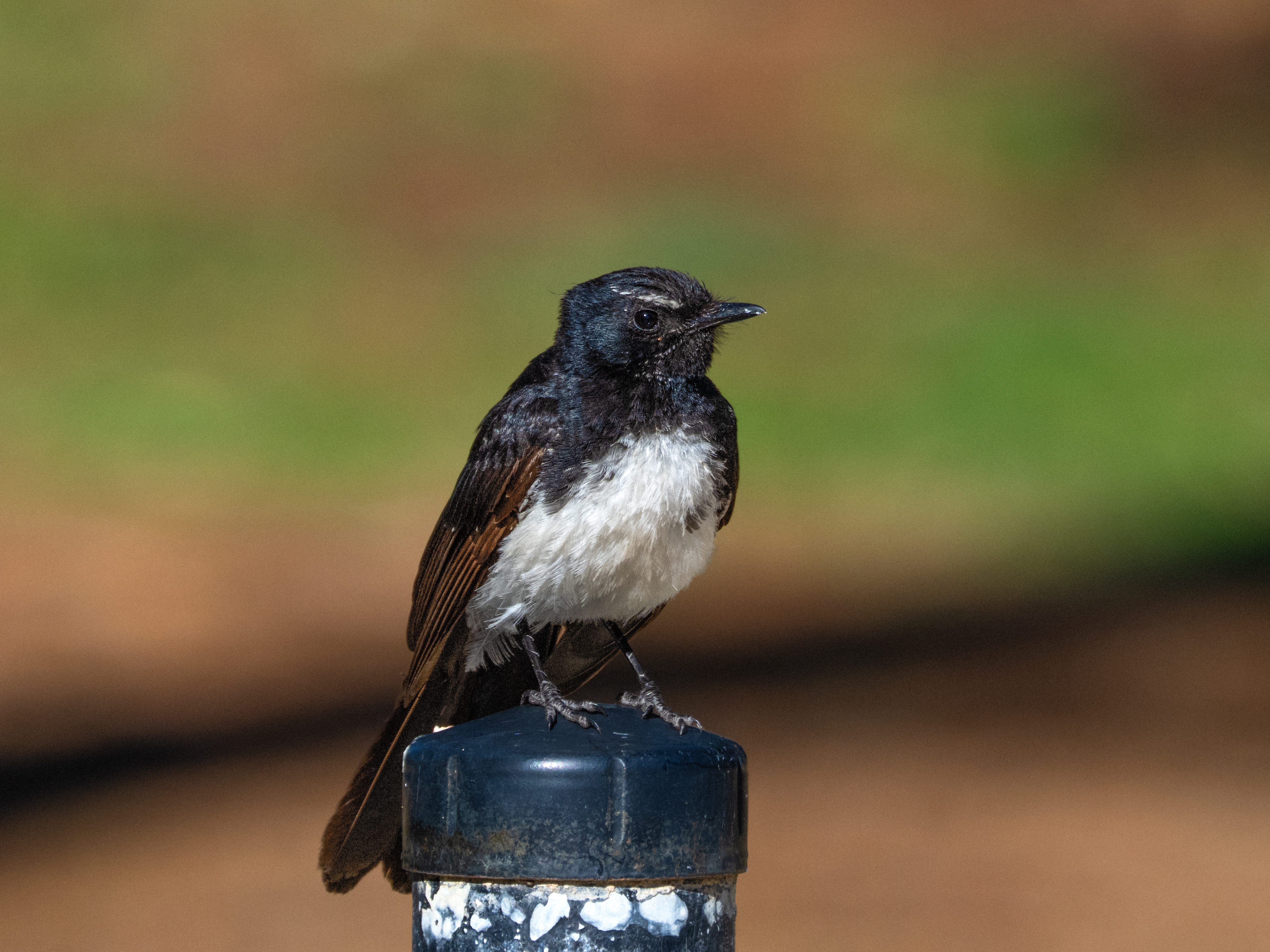
Willie Wagtails make incredibly tiny nests – smaller than a tea cup. The typical clutch of eggs is 2-4 which is fine until they hatch and then overcrowding sets in. I spotted this nest while walking back to the car. It looked quite a comical situation – 2 adolescent Willie Wagtails just about ready to fledge crowding round this tiny nest with one in it. All three looked incredible grumpy – it’s the eyebrow and the down turned mouth that gives that impression. One of the parents was sat on a fence post just 5m away closely watching. I was very surprised it didn’t try to chase me off as Willie Wagtails are incredibly aggressive and territorial. Perhaps it was too knocked form taking care of the chicks.
Discover more from paulamyes
Subscribe to get the latest posts sent to your email.
 paulamyes
You must be logged in to post a comment.