Cum On Feel The Noize*

Unfortunately I have an unfortunate conflation of two factors that negatively impact upon image quality.


Kanamit by Paul Amyes on 500px.com
Kanamit or Welcome Swallow (Hirundo neoxxena). Northam, Western Australia. Taken at ISO 4000.


The first is that because I do a lot of wildlife photography which mostly requires being out at dawn and dusk to capture the action I often use high ISOs. While in itself high ISO doesn’t cause noise in an image the use of them amplifies the signal coming off of the camera sensor and this makes it more visible leading to luminance noise (graininess) and chromatic noise (colour noise or speckles). Good articles on image noise can be found here and here.

Micro Four Thirds cameras despite being fantastically specced are not known for their high ISO performance.


The second factor is that I predominantly use the Micro Four Thirds system of cameras and lenses. This means that if I compare the image files from my 20Mp Olympus EM1x and my 20 Mp Canon EOS 6d – same ISO, same shutter speed, and same aperture – grain is more apparent on the M4/3 file because it has to be magnified more than the full frame file.

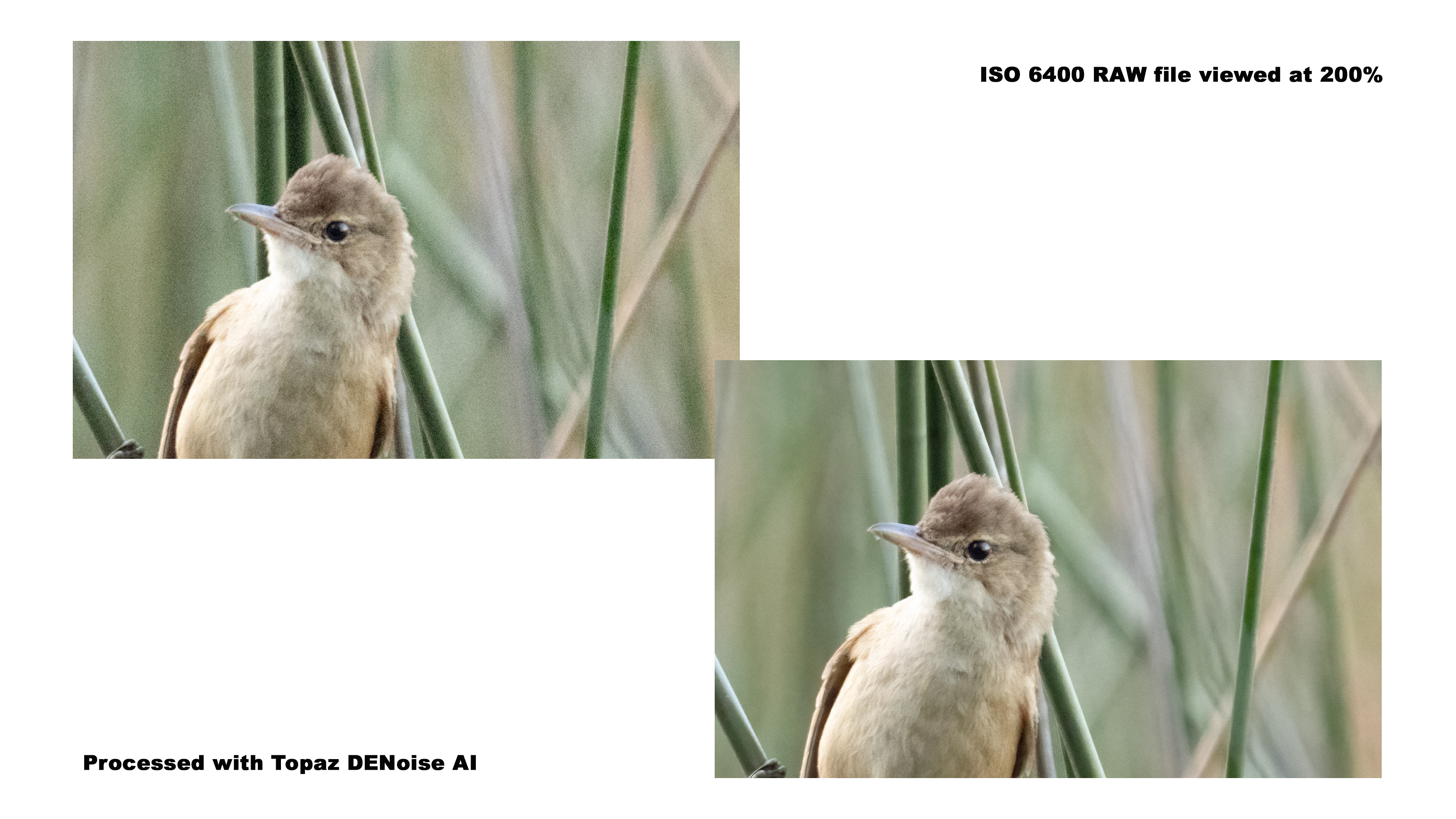
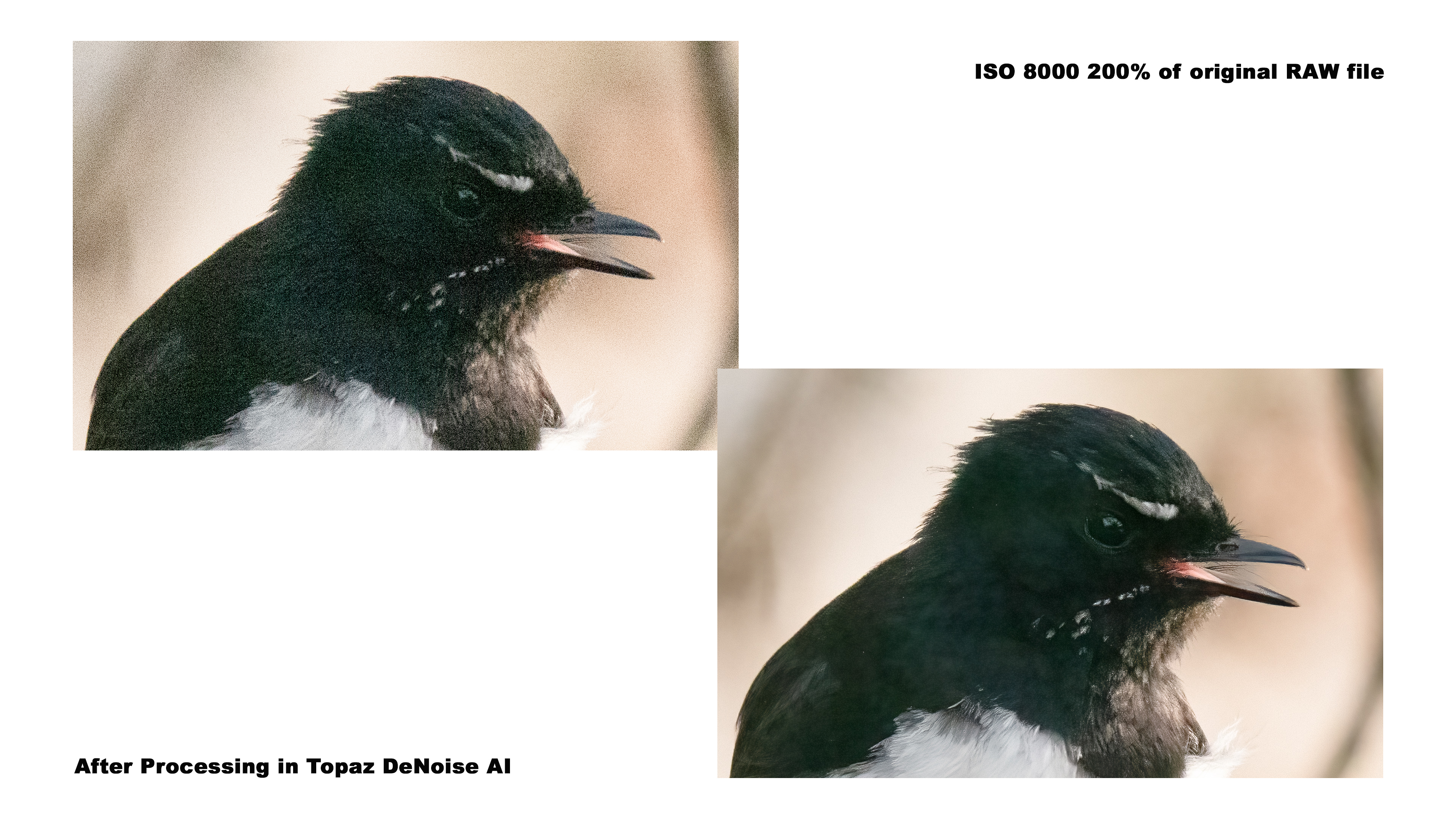
Combine the two and things can get ugly real fast. When I first started using micro four thirds I was using the noise reduction in Photoshop and Lightroom and it wasn’t too flash smearing the details badly at ISOs over 1600. So that had me questioning my choices. Then I started hearing about Topaz DeNoise AI. I gave it a go and I was pretty impressed. Now I was happy to shoot at 3200 and occasionally use 6400. I was quite happy with that and used DeNoise as plugin from 2020 until this year. Topaz discontinued DeNoise as a stand alone app and wrapped it up with some other apps under the name Topaz Photo. I tried it but wasn’t happy with the results – they were a bit too crispy and crunchy giving a very “digital” look.

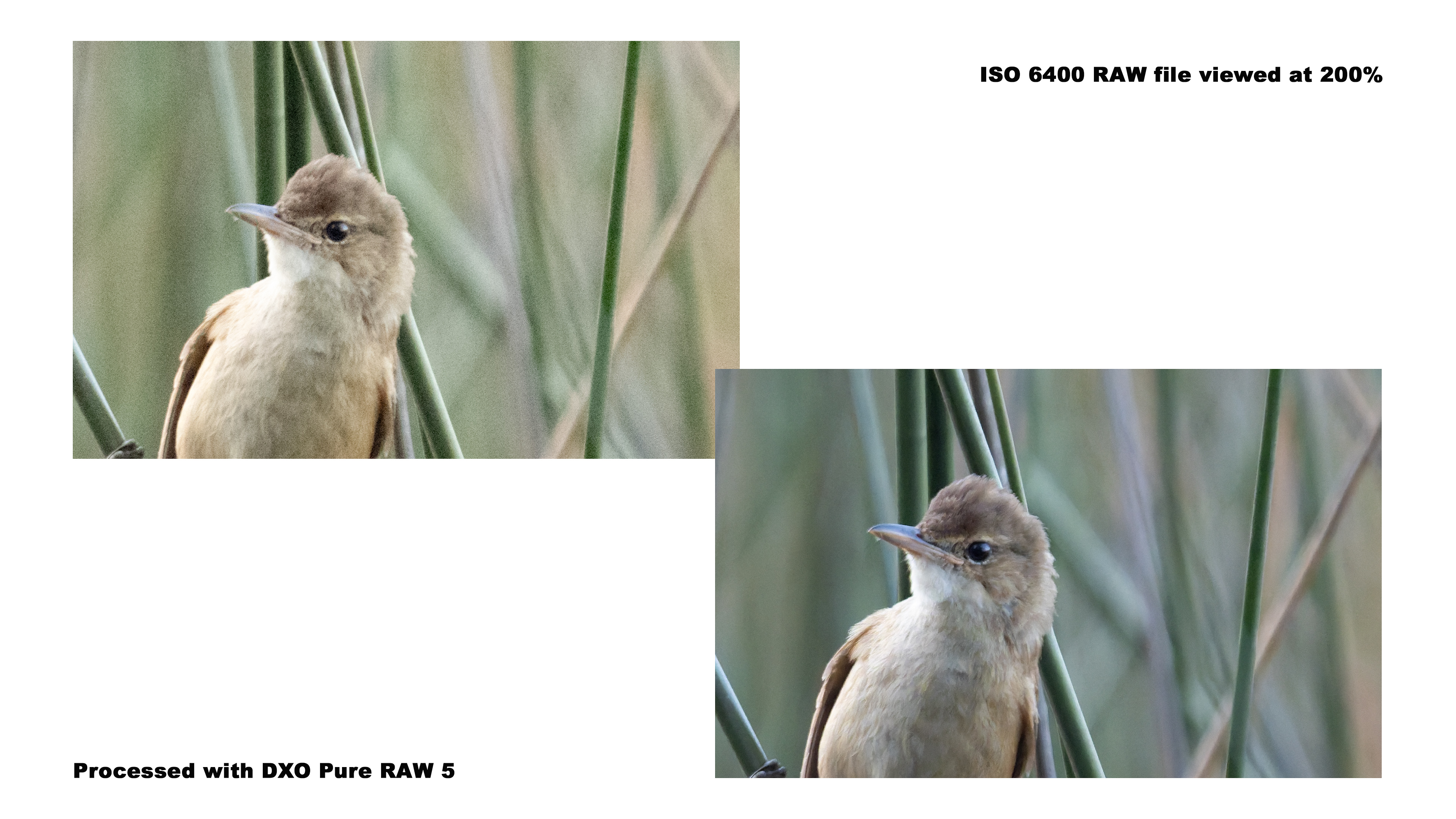
After a couple of months I learnt that quite a few of the OM System ambassadors were touting DXO Pure Raw 5. I gave it whirl on a free trial and was impressed. So impressed that I stumped up my own cash and bought it. It’s a one off payment so no subscription which is nice. I don’t know how it does what it does – it could be magic for all I care – but the results are fantastic. Click on the images below to see them larger.


Yongka or Western Grey Kangaroo (Macropus fuliginosus). Heirisson Island, Western Australia.


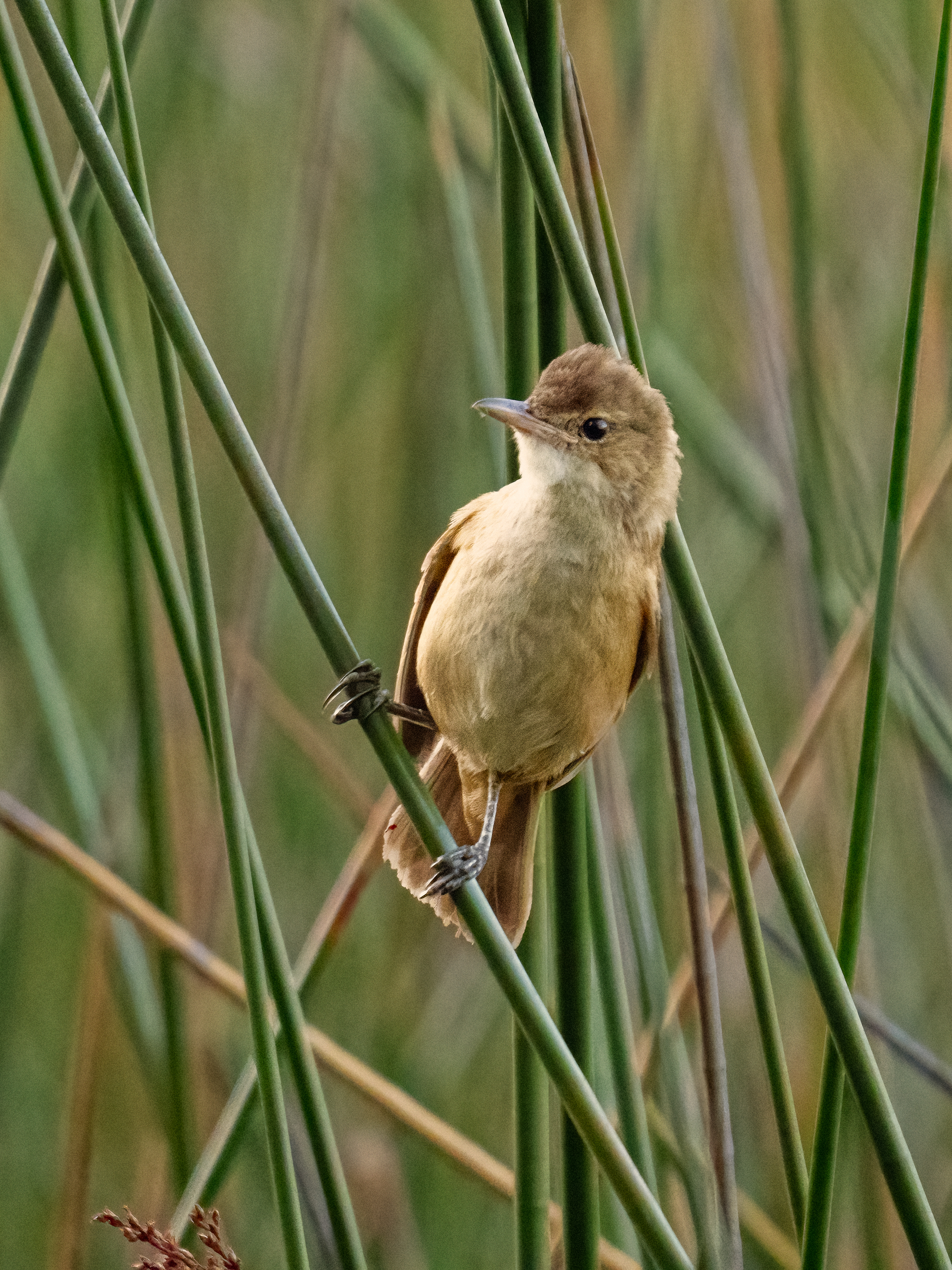
Koordji-koordji or Australian Reed Warbler (Acrocephalus australis subspecies gouldi). Lake Leschenaultia, Western Australia.


Djidi-djidi or Willie Wagtail (Rhipidura leucophrys). York, Western Australia.


Bandiny or New Holland Honeyeater (Phylidonyris novaehollandiae). Northam, Western Australia.


After a few months I’ve learnt that most of the time you can just rely on the auto settings, but every now and again you will need to fiddle about with the settings, but it’s all very easy to use. Of course you can use the apps on your full frame images and they will benefit too. 


*The title of this entry is referencing the 1973 song by Slade.


Having watched the video the music has dated well, but the clothes! Some fashions deserve to be consigned to the dustbin of history.
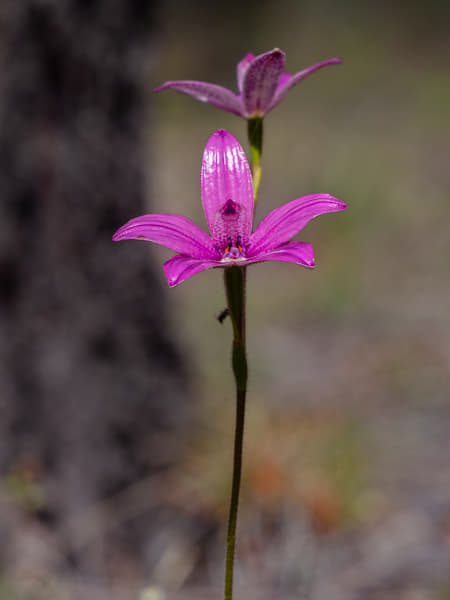
A Reconciliation…

…of sorts. I wrote recently about my attempt to abandon my Olympus cameras and move to Sony and how it was an unhappy experience. Well last weekend I went out orchid hunting in Wandoo National Park and I took my Olympus kit with me and it made for a far happier experience.


Pink Enamel Orchid, by Paul Amyes on 500px.com
Pink Enamel Orchid, Elythranthera emarginata. Wandoo National Park, Western Australia.


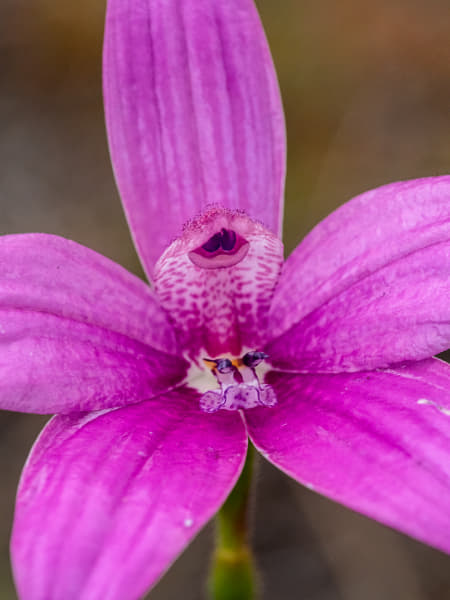
Pink Enamel Orchid, by Paul Amyes on 500px.com
Close up of a pink enamel orchid.


The main reason was weight. Looking for orchids in the Wandoo National Park is a matter of walking lots. It is a big park – 463.68 square Km – and while you can drive in on numerous gravel roads and 4WD tracks it only gets you so far and then you have to walk over quite varied terrain to find anything. Humping heavy photographic equipment, water, food, extra layers, first aid kit etc gets old really fast. So anything that can reduce the load is most welcome.


Little Laughing Leek Orchid, by Paul Amyes on 500px.com
Little Laughing Leek Orchid, Prasophyllum gracile. Wandoo National Park, Western Australia.


Pouched Leek Orchid by Paul Amyes on 500px.com
Pouched Leek Orchid, Prasophyllum cyphochilum. Wandoo National Park, Western Australia.


The second reason was the rear LCD panel. Having one I could actually see in bright sunlight again was in a word fantastic. Add to that it was of the flippy flappy variety which meant I could twist it to see it irrespective of the camera position meant that I didn’t have to contort myself into impossible positions. It’s amazing how such small things can make life so much easier and more pleasurable.


Custard Orchid by Paul Amyes on 500px.com
Custard Orchid, Thelymitra villosa. Wandoo National Park, Western Australia.


Custard Orchid by Paul Amyes on 500px.com
Close up of a custard orchid.


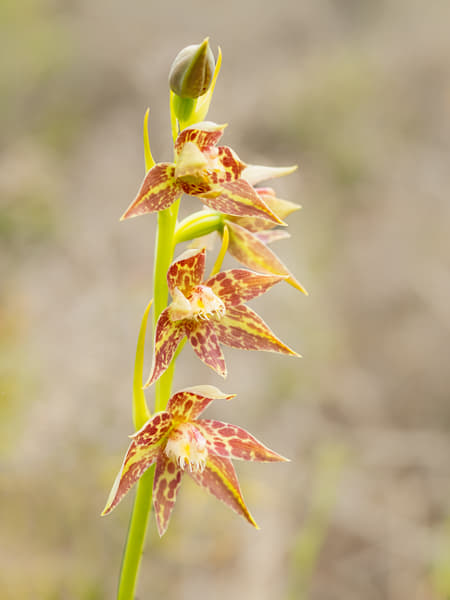
The orchids were scarce this year. Where there would be literally a carpet of custard orchids there were just one or two specimens. But, although the numbers were down there were plenty of different species to look at and photograph. I went primarily to photograph leopard orchids and I only found them after about 5 hours of looking. It was like the day’s grande finale.


Leopard Orchid, by Paul Amyes on 500px.com
Leopard Orchid, Thelymitra benthamiana. Wandoo National Park, Western Australia.


All in all I was a very happy boy when I got home.


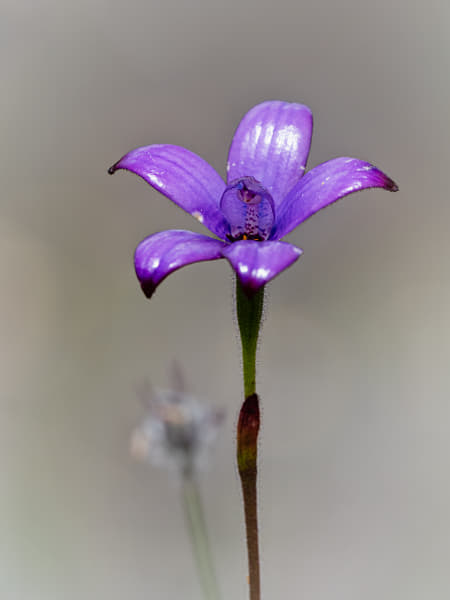
Purple Enamel Orchid by Paul Amyes on 500px.com

Purple Enamel Orchid, Elythranthera brunonis. Wandoo National Park, Western Australia.

Lamenting A Rash Decision

Cowslip Orchid by Paul Amyes on 500px.com
Cowslip Orchid, Caladenia flava subs. flava. Williams, Western Australia


I’ve been a bit miffed lately with Olympus/OM Systems. A lens that I bought recently was not functioning properly and has spent more time at the service department than with me. Then there’s my Olympus STF-8 a supposedly rugged, weatherproof and very expensive macro flash whose buttons have fallen off and is now inoperable and unrepairable (as in it’s not designed to be repairable but be disposable). I’ve been so miffed that of late I’ve stopped using my Olympus kit and relegated it to the cupboard while having thoughts of getting rid of it all and changing systems. In fact I’d already decided which ship I was going to jump on – Sony – and which items I’d buy after watching a lot of YouTube videos.


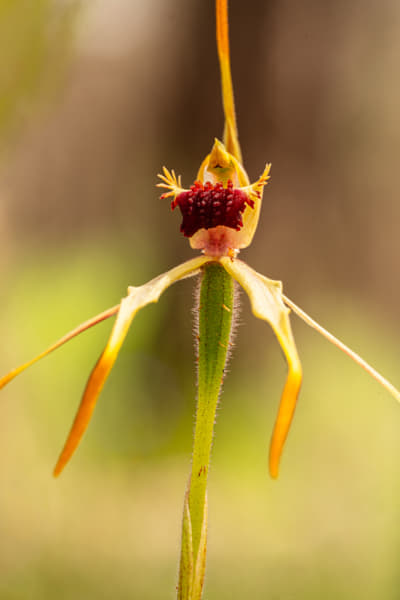
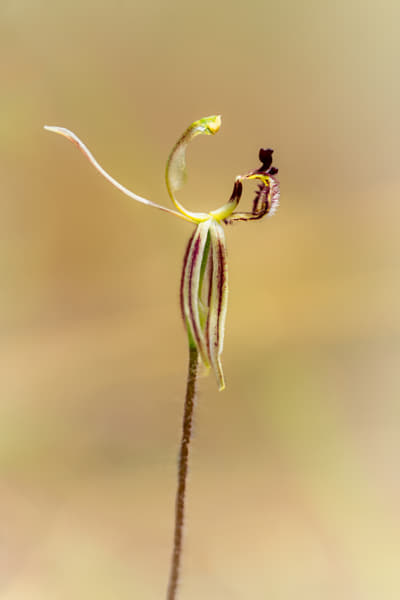
Clubbed Spider Orchid by Paul Amyes on 500px.com
Clubbed Spider Orchid, Caladenia longiclavata. Williams, Western Australia.


To that end for last weeks road trip to Williams in search of the Common Dragon Orchid I dug out my much neglected Sony A7r2 and some lenses to reinforce this new plan and familiarise my self with the Sony ecosystem again.


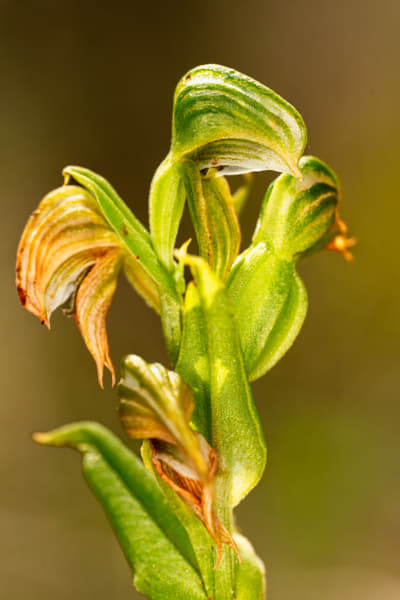
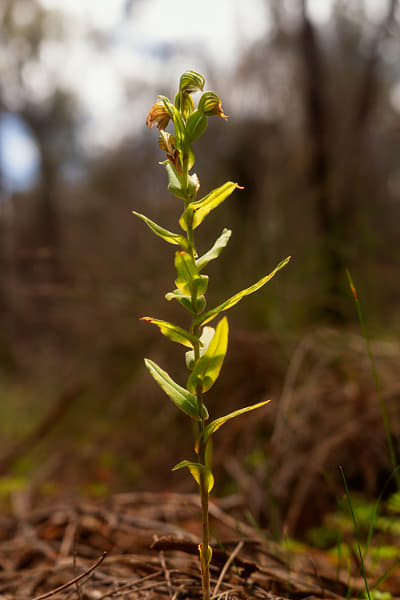
Banded Greenhood by Paul Amyes on 500px.com
Banded Greenhood, Pterostylis vittata. Williams, Western Australia.


The trip to Williams was great – it was a beautiful day and there were plenty of orchids to photograph. The only fly in the ointment was the photographic experience. It should be easy – I’ve done it so many times before. Find an orchid. Set up the camera on a tripod and point it at the orchid. Take the picture. What could go wrong? Well for this type of photography I rely heavily on the rear LCD screen and I’d forgotten that the screen on the Sony A7r2 is unusable in bright sunlight. Secondly I’ve become very reliant on having touch control on the rear LCD so I can easily select the focus point and trip the shutter. There’s no such function on the Sony and there is a very convoluted system of setting the AF point. Then there is the woeful battery life of the Sony A7r2. I went through 4 batteries in two hours where as with the Olympus I wouldn’t even get through 1/2 a battery. I could continue with more points of frustration and irritation, Lord knows there were loads of them, but I’ll refrain. By the end of the morning I was wishing I’d taken my Olympus EM1 mk ii with me. Were there any positive points? Well yes I love the files from that 42Mp Sony sensor. I really like the Sigma 105mm macro lens. But, unfortunately the negatives outweighed the positives and it made me realise why I’ve stopped using the Sony A7r2.


Banded Greenhood by Paul Amyes on 500px.com
Banded Greenhood, Pterostylis vittata. Williams, Western Australia


I’ve already started to get things together for this week’s trip and my Olympus kit, minus the flash, has gone back in the bag. As to whether I will change will depend upon whether OM Systems Australia returns my lens in a functioning state.


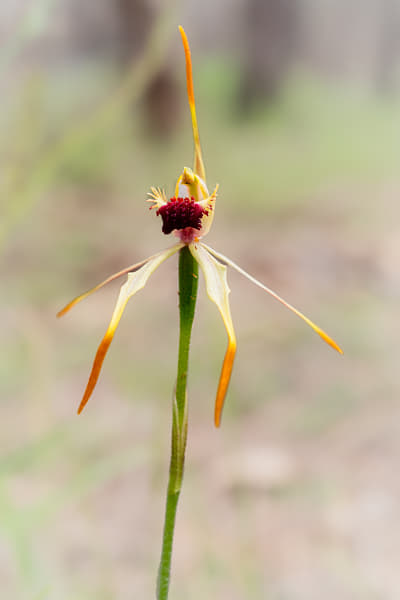
Common Dragon Orchid by Paul Amyes on 500px.com
Common Dragon Orchid, Caladenia barbarossa.Williams, Western Australia


Clubbed Spider Orchid by Paul Amyes on 500px.com
Clubbed Spider Orchid, Caladenia longiclavata. Williams, Western Australia


Purple and Yellow

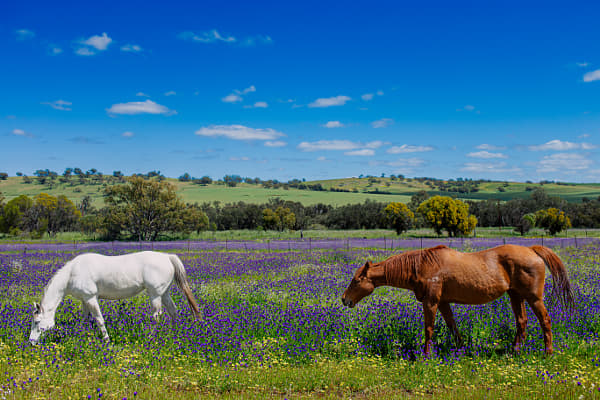
In spring some of the fields round here can erupt with a mass of purple and yellow flowers. The purple one is called Patterson’s Curse (Echium plantagineum) and the other yellow flower is called Capeweed (Arctotheca calendula). Unfortunately the plants are feral weeds and not at all welcomed by the local farmers. Patterson’s Curse is very toxic to non-ruminants causing liver failure. It is also a skin irritant for humans.  Despite that it can be spectacular to see fields covered in them.

The scene below was just a snap shot taken while returning home from the Wheatbelt metropolis of Northam.


Grazing by Paul Amyes on 500px.com
Two horses grazing amongst Patterson’s Curse (Echium plantagineum) and Capeweed (Arctotheca calendula). Northam, Western Australia.


Hard To Swallow

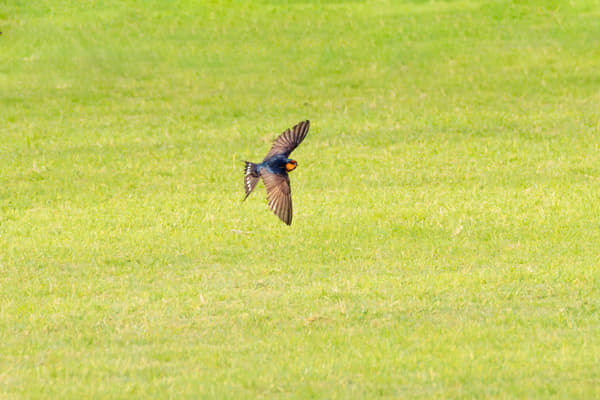
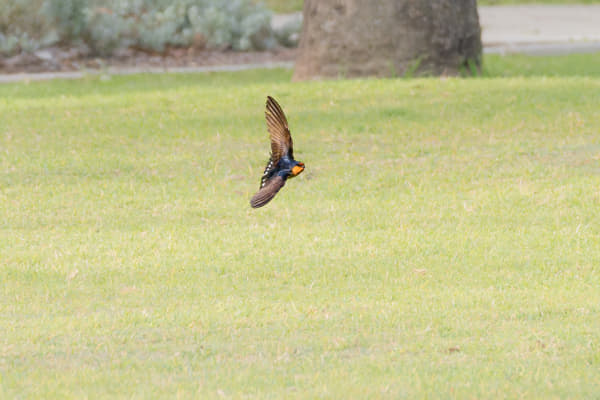
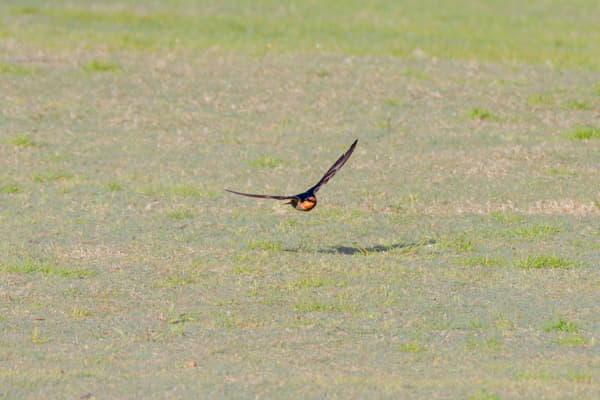
This week’s walk along the River Avon looking for birds was very odd. It was a magnificent morning. There was loads of birdsong, but no birds out in the open. Everything was hidden in the high tree canopy – even the ducks. By the time I’d reached Avon Park I’d only managed a couple of photos and I felt like I should have stayed in bed. So while sitting on a park bench pondering my options I noticed that there were lots of Welcome Swallows flying very low over the grass – like 30-50cm above the ground.

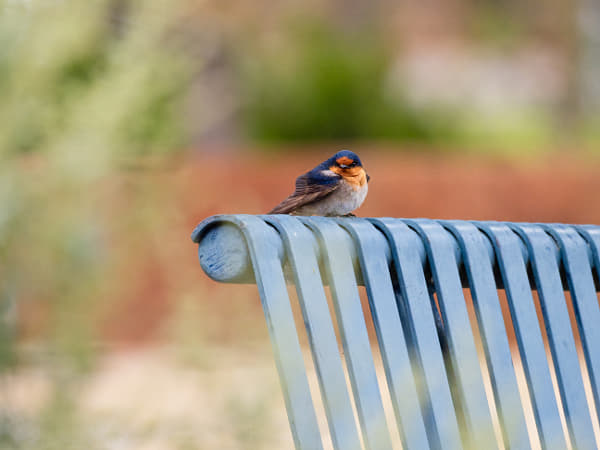
At this point it should be said that when comes to Bird In Flight photography (often abbreviated to BIF on forums) I am absolutely useless. For some reason I just can’t get it going. It may be partly due to the environment I go birding in – mainly forest – and this throws off the autofocus system. For a while I thought it was due to the fact that I didn’t have a camera with bird detect autofocus, but now I do and I still haven’t improved. So the idea of photographing a very fast erratic small bird seemed somewhat implausible. But, I had made the effort of getting up early and I was in the park and there were loads of Welcome Swallows so I thought why not? In all I spent the next hour trying to photograph the little buggers. Man alive are they quick. Up to 60 kmph or 25m per second! Just when you think you’ve lined one up perfectly they suddenly alter course and you’ve lost it. Despite all that I really enjoyed myself. I didn’t look at any of the images I’d taken as I feared that would have been too discouraging. In that hour I ended up taking nearly 3,000 photos. Now in the online wildlife forums people regularly brag they have a 90% hit rate of perfectly in focus shots of birds flying. So I’m a little ashamed to admit that out of those 3,000 photos I only got four photos where the bird was in focus and one of those was of a Welcome Swallow perching on a park bench. Now either I’m spectacularly inept or there is great deal of bovine excrement flying around. Whatever! I had a thoroughly enjoyable morning and that is all that counts.


Kanamit by Paul Amyes on 500px.com
Banking to begin fly past. Kanamit or Welcome Swallow (Hirundo neoxxena). York, Western Australia.
Kanamit by Paul Amyes on 500px.com


Kanamit by Paul Amyes on 500px.com
Coming in fast and low.


Kanamit by Paul Amyes on 500px.com
It’s a lot easier to photograph them when they sit still.


Canola Time

It’s quite hard to believe that flowering canola can be a tourist attraction, but judging from the number of people taking selfies of themselves in front of fields of it certainly confirms it. So here are my gratuitous canola themed photos.


Canola Reflection by Paul Amyes on 500px.com
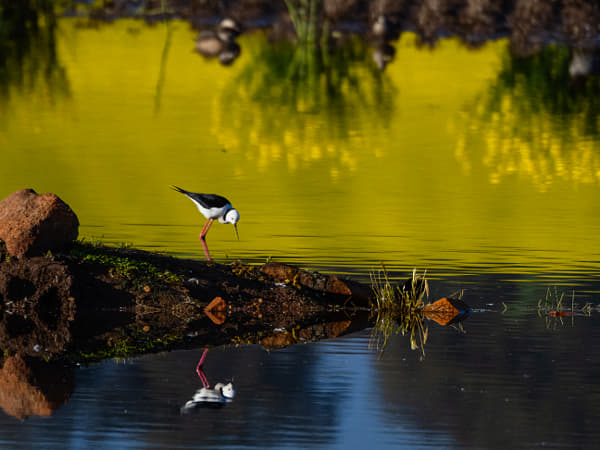
Djandjarak or Black-winged Stilt (Himantopus himantopus) with canola reflections.


Blue and Yellow by Paul Amyes on 500px.com
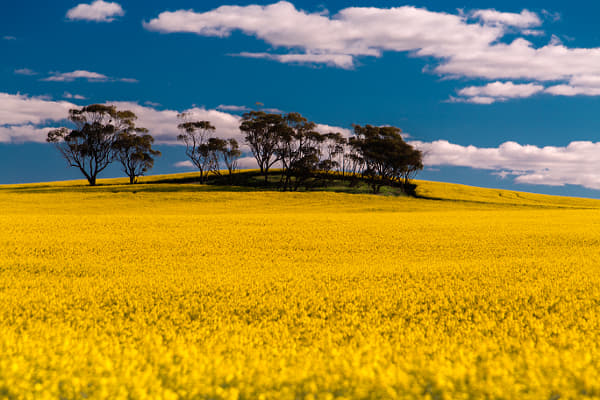
The yellow canola contrasting with the blue sky.


Blossom and Canola by Paul Amyes on 500px.com

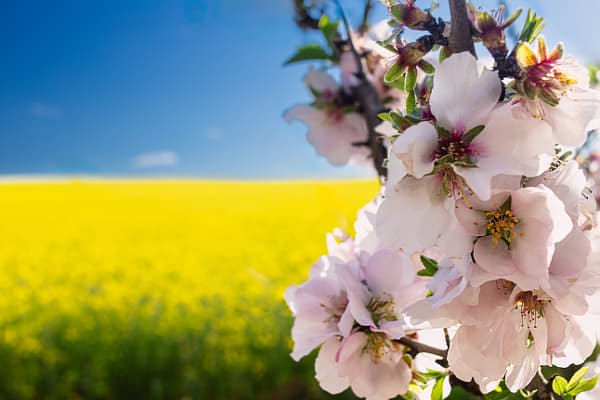
Almond blossom with a backdrop of canola.

Find A Penny…

…pick it up, and all day long you’ll have good luck”.

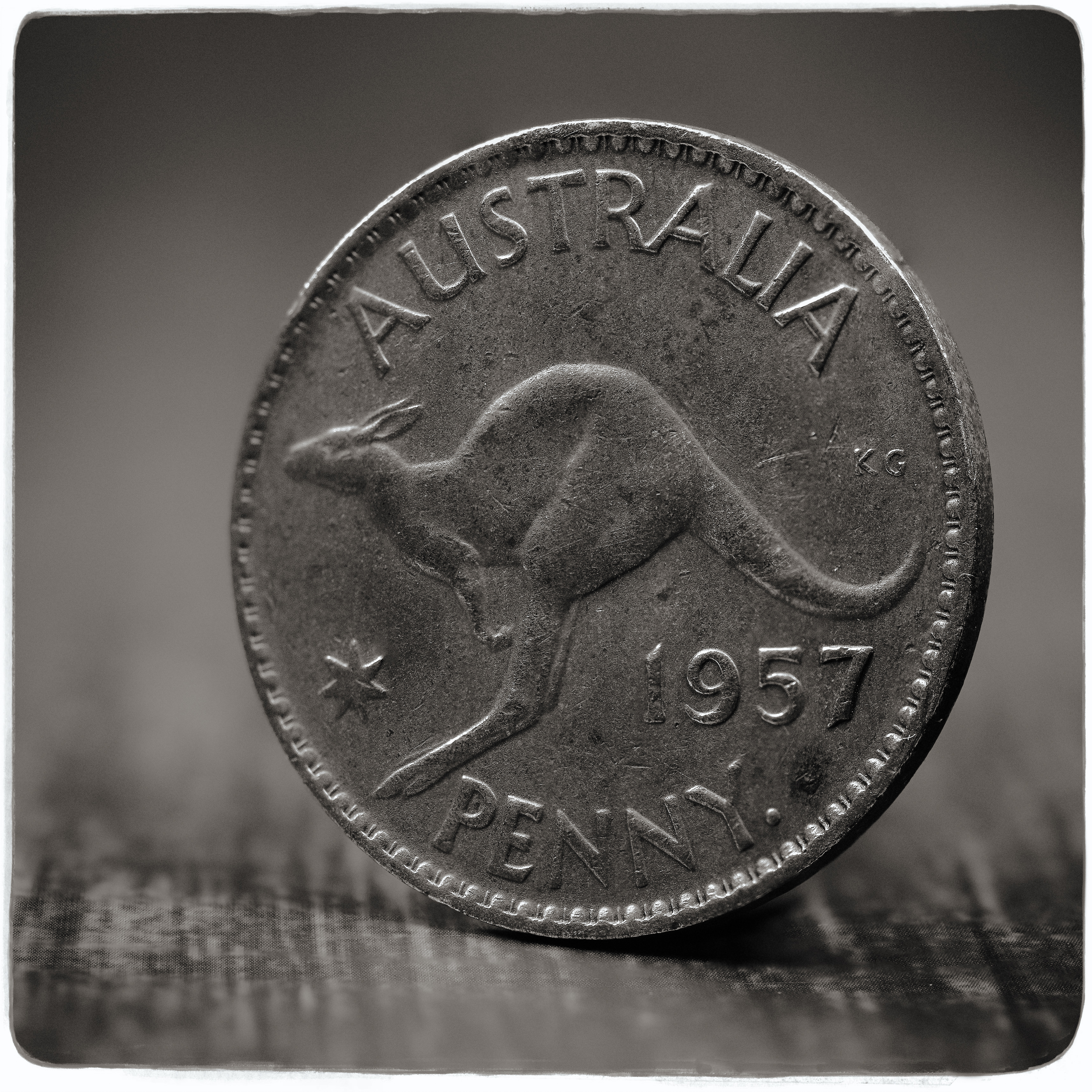
While attacking a wayward plant with the whipper snipper the other day I found a coin. I couldn’t tell what it was as it was in such bad condition. I soaked it in Coke overnight and all the dirt and corrosion had dissolved and I could see that I had found an Australian penny piece minted in 1957. Now Australia went decimal on 14th February 1966 so it has probably been lost for at least 59 years. Hardly worthy of Time Team, but interesting all the same. 

Will this 1957 Australian penny bring good luck?


Australia was a very different country in 1957. Robert Menzies was prime minister. Aboriginal people didn’t have the vote and the White Australia policy was in full swing and married women weren’t allowed to work in the Public Service, and Australia’s Wallabies had lost the Bledisloe Cup to New Zealand’s All Blacks – somethings never change.

In case you are wondering inflation has meant that 1d from 1957 would be now worth 96c.


Behind the scenes showing the camera and lights used to photograph the penny.


To photograph the coin I got out my 12 year old Olympus EM1 and matched it with the Olympus 60mm f2.8 macro lens. The camera has a focus stacking function where it can take lots of images of the subject while the lens is wide open and combine them in camera to produce an in image where the whole subject is in focus. For the lighting I used three flash guns fired by a wireless radio trigger. I’d not used flash like this for ages as I’d gone over to using LED lights as I can use them to shoot both stills and video. With no video to shoot I could use speedlights. When it came to editing the photos I found that the in camera focus stacking had had a hard job with the coin and there were lots of artefacts. It seems that the texture of the coin was causing it to have problems. So I had to resort to stacking the image in Photoshop.

Did my penny bring me good luck? Well let’s say I’m still waiting.

Birds In The Mist

I had to take the car for a service in Perth the other day and as I set off the mist was really thick. At one point on the Great Southern Highway I couldn’t see more than 5m in front of me. With such poor visibility I didn’t fancy my chances taking photos on Heirisson Island, but by the time I got there the mist was starting to burn off. I spent a pleasant couple of hours wandering around taking photos.


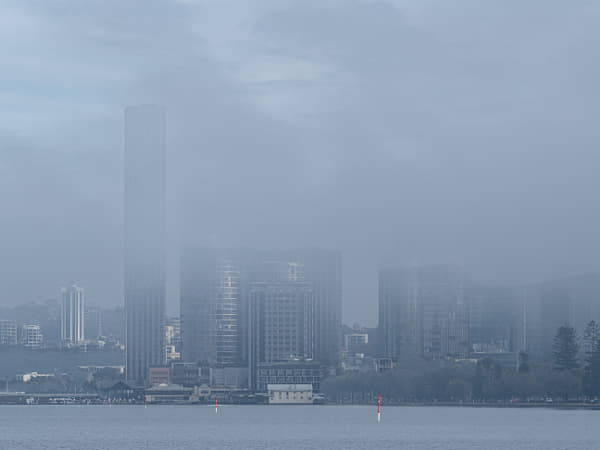
Misty Morning by Paul Amyes on 500px.com
Looking out from Heirisson Island to Perth and the mist obscures the view.


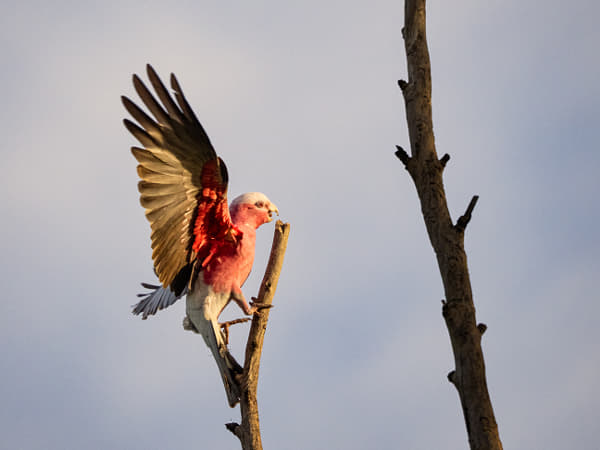
Djakal-ngakal by Paul Amyes on 500px.com
Despite the misty conditions the Galahs (Cacatua roseicapilla) were very busy.
Djakal-ngakal by Paul Amyes on 500px.com


Mimal by Paul Amyes on 500px.com
Eventually the warm light of the sun started to break through the mist.


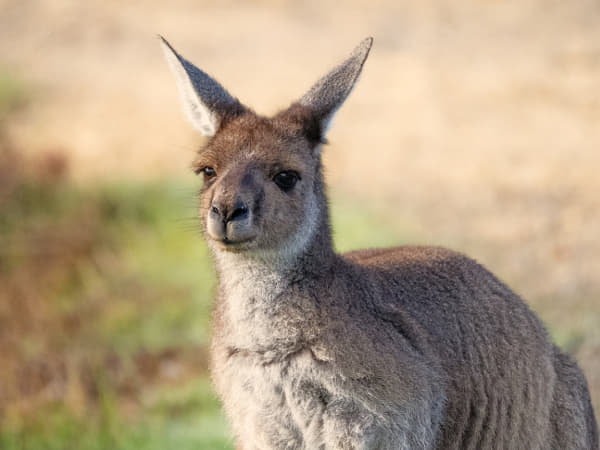
Yongka by Paul Amyes on 500px.com
This female Western Grey Kangaroo came over to check me out. Once she realised that I had no food she hopped off.


Noolarko by Paul Amyes on 500px.com
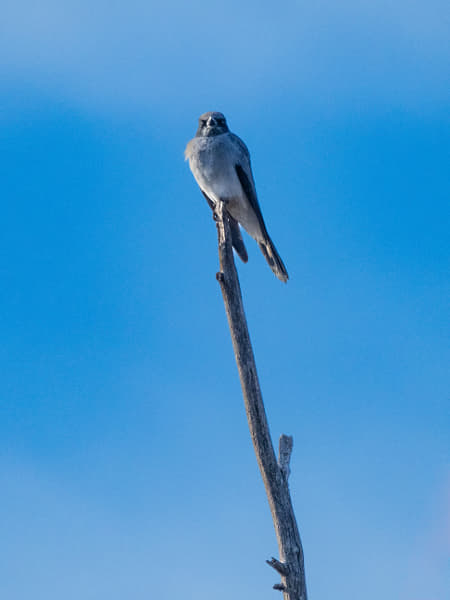
The obligatory bird on a stick photo. Noolarko or Black-faced Cuckoo-shrike (Coracina novaehollandiae).


Kanamit by Paul Amyes on 500px.com
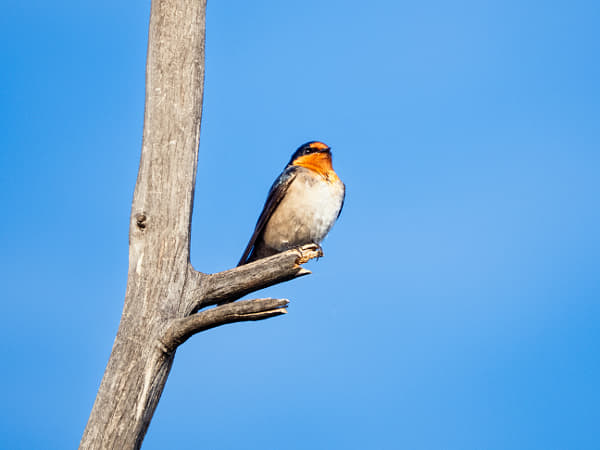
And another, this time a Kanamit or Welcome Swallow (Hirundo neoxxena).


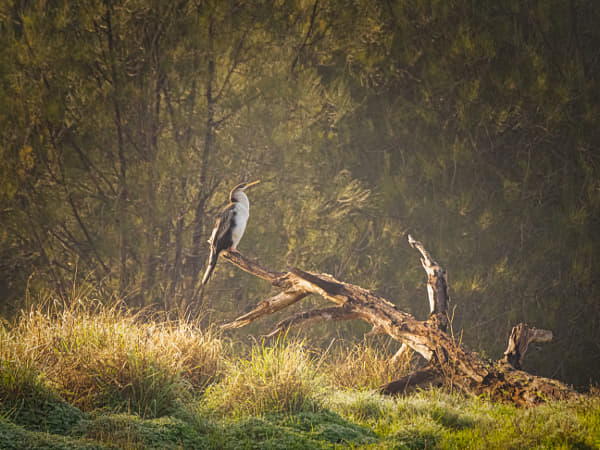
Mimal by Paul Amyes on 500px.com
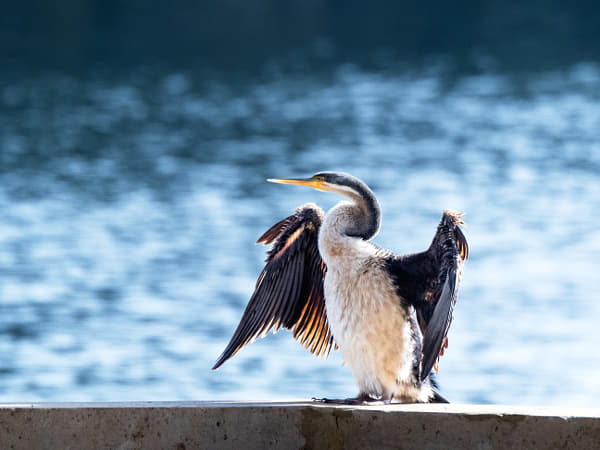
Mimal or Australian Darter (Anhinga melanogaster subspecies novaehollandiae) drying out in the warm winter sun.


Boorloo Bridge by Paul Amyes on 500px.com
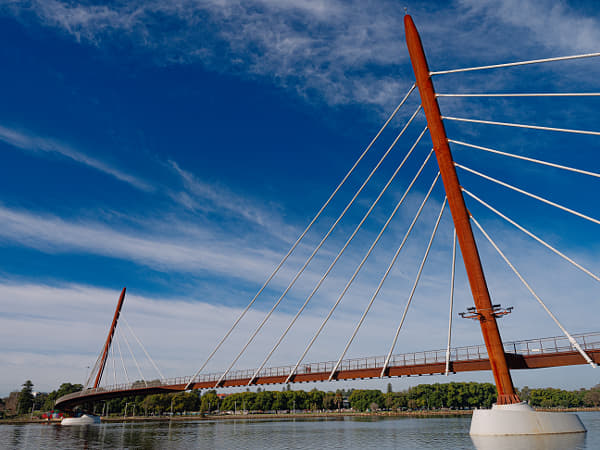
Walking off the island gave me a chance to see and use the new Boorloo Bridge the new Pedestrian and Cyclist bridge connecting the Perth Foreshore with South Perth foreshore via Heirisson Island.


All Change

The weather has finally broken and we’ve had some decent rain. Around Easter time York shifts into gear by acting as the host for numerous weekend events. The York Motorcycle Festival being the first one this year. Now to be perfectly honest motor vehicles have no allure for me at all – to be totally frank they bore the faecal matter out of me – but, I often attend the festival just for the photographic opportunities and this year was no different. What was different was that I used two cameras, one a Sony A6500 with Sigma 23mm f1.4 lens and the other a Canon EOS 30 with a Canon EF 24-70mm f4 lens loaded with Ilford FP4+ . I’m not going to say which was which because that’s not the point. I didn’t come away with anything breathtaking but it was fun couple of hours walking up and down taking photos. 


2025 York Motor Cycle Festival


2025 York Motor Cycle Festival


2025 York Motor Cycle Festival


2025 York Motor Cycle Festival


2025 York Motor Cycle Festival