
No I’m not talking about Australia’s walloping of England in the recent Ashes tests. I’m talking about the crickets munching the tomato plants.


No I’m not talking about Australia’s walloping of England in the recent Ashes tests. I’m talking about the crickets munching the tomato plants.

Well we’re at the start of another year. I’d like to think that it’s going to be better than the last two, but that does not seem likely. In another four weeks our borders will open and COVID will come flooding in. Most years we like to plan projects and trips, but this we haven’t as so many things get cancelled due to COVID. My partner and I have decided that the priorities for this next year will be to get the booster shot – not easy in rural Western Australia – and to hole up at home for the duration. Anything that we do undertake will be either based at home or in the locality of York. Last year I started documenting the birds that come to our garden. This next year I’m casting the net wider and am going to include all animals. In fact I’ve already started so here are few photos of our visitors.


… Yellow
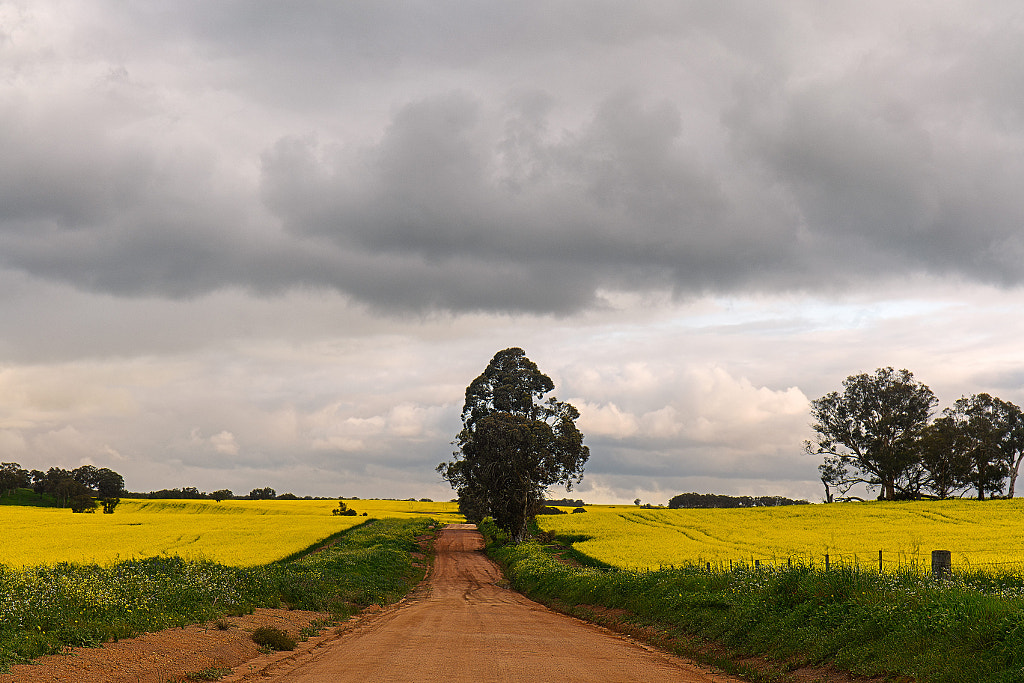
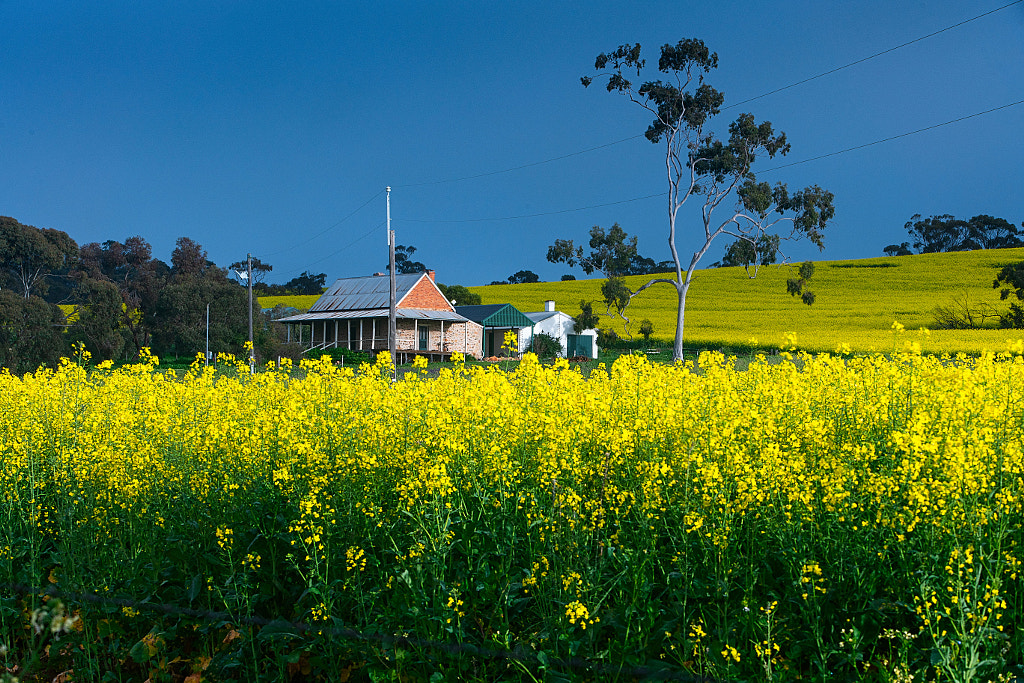
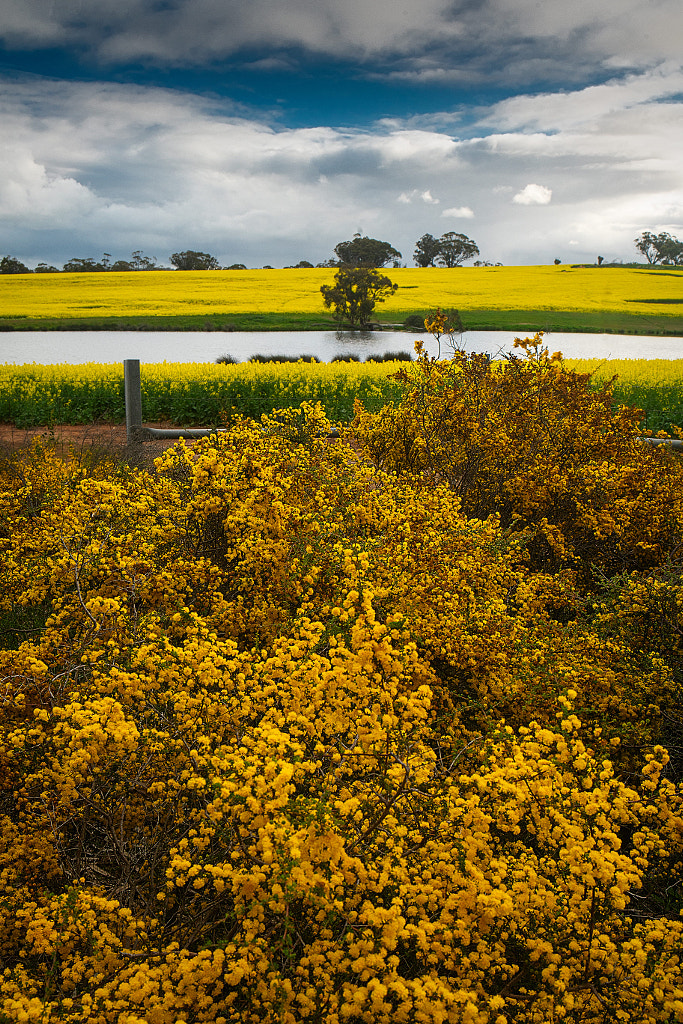
No this isn’t a new trilogy of mummy porn it’s because everything round here has turned a shade of yellow. Mostly that acid yellow that is canola, but the wattles give a nice counter point.
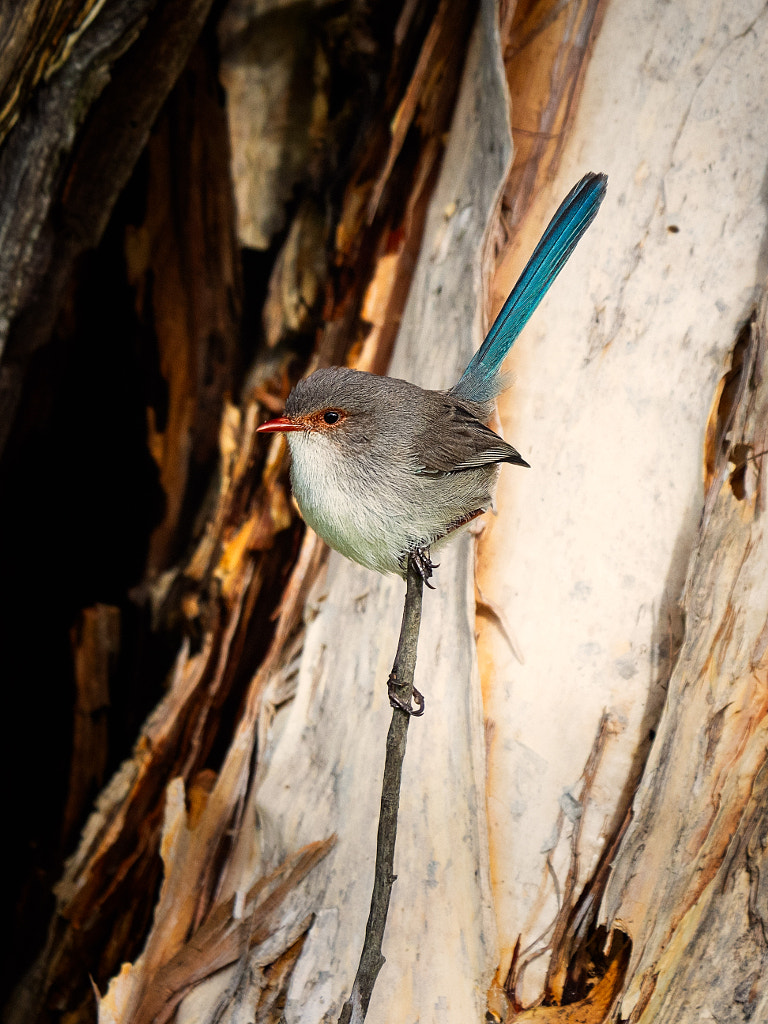
A gratuitous wren shot as wrens make everything better.
It has rained and rained here. I know not as much as in Germany, China or India, but it has rained a lot for here.It feels like I should be starting a DIY project – Ark building for dummies. Nah! I’ll skip that as I flunked woodwork at school. The Avon River burst its banks which drew lots of people in wanting to take photos of it. I even took a few myself.


Despite all the wetness I’ve managed to grab a few sunny moments and head off to the local reserves. They are saying that all this rainfall is going to produce an amazing abundance of wildflowers this year. From what I’ve seen it looks to be true for our local reserves. Hopefully we’ll see some varieties come up that haven’t been seen for a few years – I’m looking at you Eastern Curlylocks.
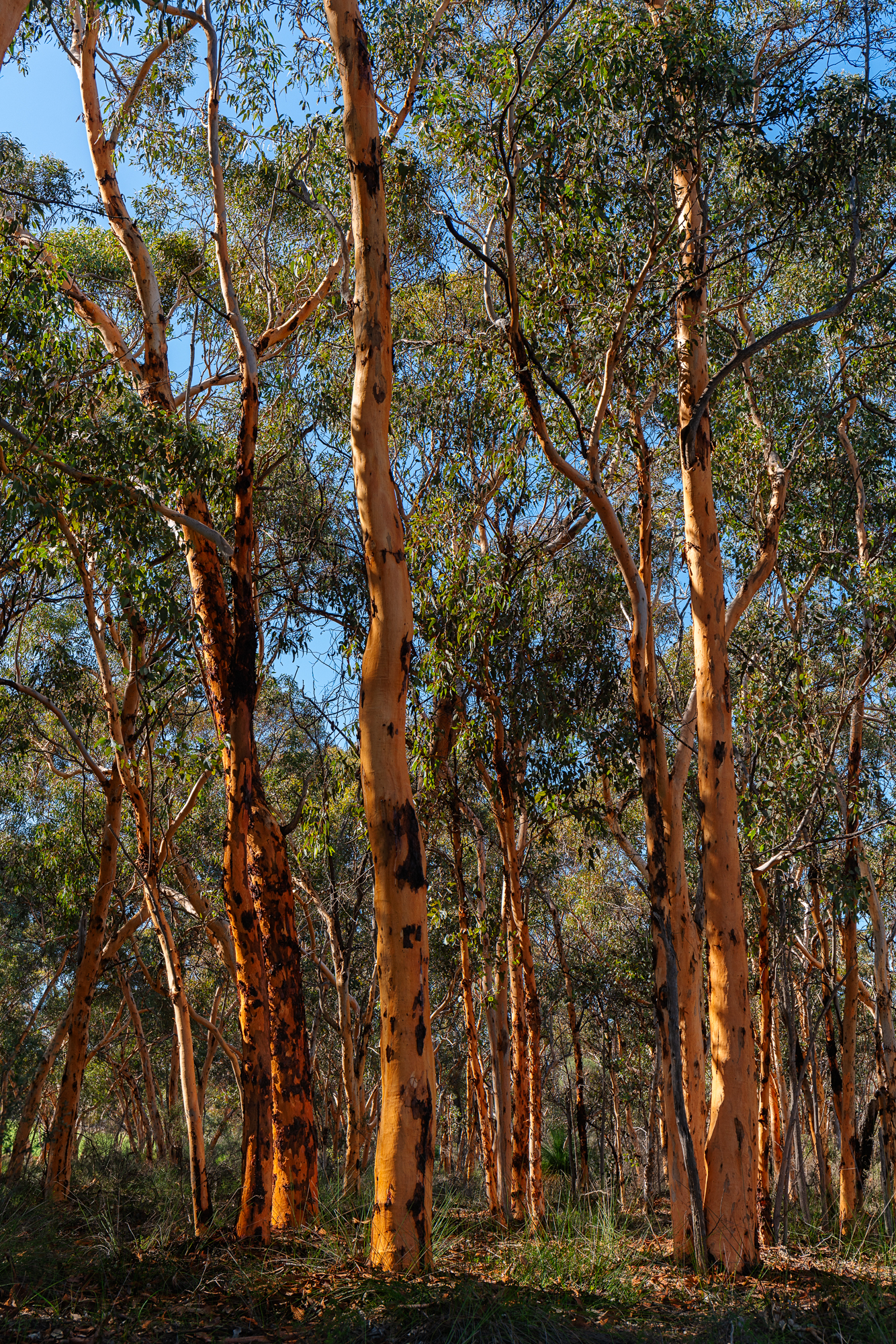
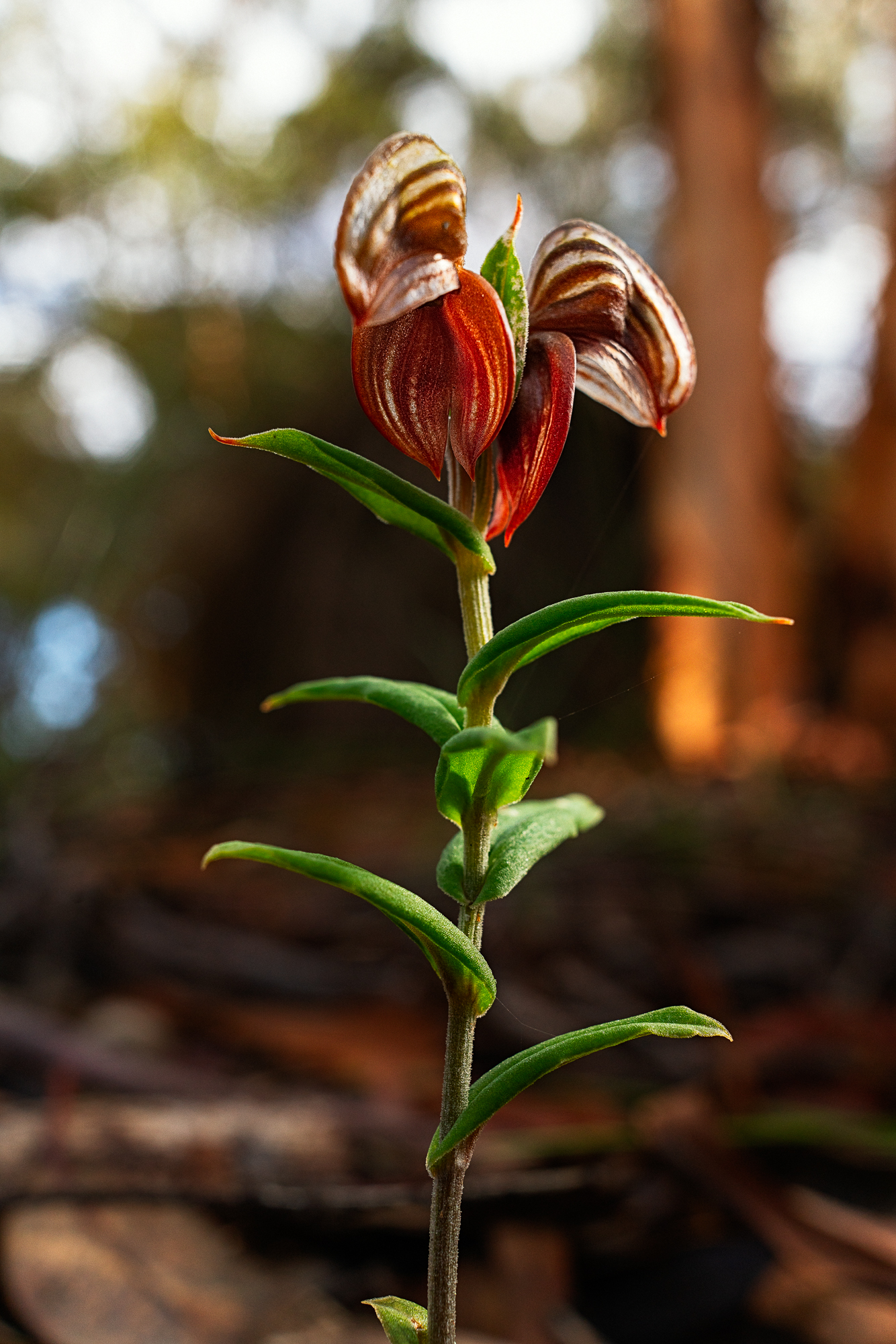
The last couple of days have been fine and tomorrow we head off to the Stirling Ranges where the weather forecast is rain for the whole time we’ll be there. I suppose I should be used to it now. Thank goodness for Goretex and the weather proofing on my Olympus camera.
It seems ages since I last posted. Things have been a bit quiet because of the cold wet weather and I’ve missed a few opportunities which have all contributed to making me feel a bit blah.
We went to the New Victoria Dam at Bickley in search of Red-eared Firetails but all we found were lots of butterflies. It’s amazing that a lot of Western Australia’s butterfly species can be found all year round. Even on a freezing winters day.


On the home front we had a new visitor to the garden in the form of an Australian Hobby. It also looks like a pair of Nankeen Kestrels have nested in a tall tree on the land opposite us. They can be regularly seen hunting over the fields and gardens and they use our TV aerial as an observation platform. Hopefully, if I can swing it with the landowner, I’ll get some photos of them rearing chicks over the next few months.


Graffiti is a subject that seems to upset a lot of people – especially members of the “hang ’em high” brigade. Personally I don’t get bent out of shape by it, and in fact some I even enjoy. The other day we were walking in Enright Park in Northam and we ventured under the Brookfield Railway Bridge and we were treated with an extensive graffiti gallery which I quite liked.


For those that complain about graffiti and demand the death penalty for it here’s a few facts. The only known written material in the ancient Safaitic language (an early form of Arabic) comes from graffiti. In the classical era most graffiti was rather sophisticated and demonstrated a very high level of literacy and a deep appreciation of art and poetry which indicates that it was done by the elites in society (Ponnamperuma, Senani (2013). Story of Sigiriya. Melbourne, Australia: Panique Pty Ltd. p. 157). In the Nineteenth Century Lord Byron avoiding his creditors, ex-lovers and looking for lots of non-binary rumpy pumpy graffitied his way round Europe in-between writing poetry and fighting for Greek independence (Shanks, Michael (1996). Classical Archaeology of Greece: Experiences of the Discipline. London, New York: Routledge. p. 76). I don’t know where Byron got the time and all the energy from.

We’ve lived in York since 2004 and this is the first time I’ve seen these birds. They are classified as being nomadic when it comes to habitat which obviously means they move around as conditions dictate. Both require aquatic invertebrates to feed off which means that the river is in a healthy state. As I’ve said before in previous posts the Avon largely dries up over summer leaving a series of deep pools and In the past at this time of year they tend to be stagnant, have algal blooms and stink. This year they have largely been free of algae, don’t smell and the larger ones are full of small fish, dragonfly and damsel fly nymphs which are all indicators of a healthy river. The arrival of the Black-fronted Dotterels and Black-winged Stilts confirms this.


This is the natural state of the English Bull Terrier. Most people have this image of them being highly aggressive canine fighting machines, but the reality is that they prefer comfortable beds, cuddling up to blankets or preferably people, and sleeping.
…to this

Every now and then something miraculous happens and the Bull Terrier will erupt into a highly excited state where it runs at full tilt round and round. Heaven help anyone who gets in the way as its like being hit by a fury anti-tank missile. This is known as the “bully run“. It usually lasts about 2 minutes then the normal state is resumed.

While day time temperatures have ranged from hot to bloody hot (46ºC) here in the Wheatbelt metropolis of York we have had some very cool mornings around the 14ºC mark. I was out the other day on one of those mornings, it was almost too cold and I was tempted to go back to the car. A few days prior while walking the dog along the Avon River I’d noticed piles of feathers underneath a couple of tall trees. At first I thought that the birds had been killed by a fox or a cat but a closer look convinced me that the birds hadn’t been killed there and there were no wings, legs or head. Just a pile of feathers. So I decided to to go out and see if I could find the culprits. As I got close to where I’d previously found the bird remains I could hear a couple of goshawks calling out to each other – they can be quite vociferous – but I was quite confused as to where they were. I was scanning the the branches above me without seeing anything and as I kept walking the noise got louder. Then I realised that the calls weren’t coming from above me, but rather to the left and slightly below the river bank. So I got down on the ground and slowly crept towards the source of the noise and there on a paperbark tree were a male and female Brown Goshawk. The smaller male took off almost immediately but the female was all puffed up against the cool air just sat there watching me and continuously calling out to her mate. I stayed for about half an hour and then headed back to the car and home.

You must be logged in to post a comment.