‘Murder most fowl’*


I’ve written before on the contentious issue of corellas in York and Western Australia as a whole. Most people here regard them as vermin that should be eradicated and that means killing as many as possible with all guns blazing. Well on the morning of February 29th while walking along the River Avon with my dog I counted over twenty dead corellas floating in the river and found one badly injured bird – it had one of its wings blasted off – in considerable distress in the bushes along the river bank which I subsequently put out of its misery. There were shotgun casings and wads scattered along the footpath and in bushes.  On checking with the Shire of York offices I was informed that they had used contractors to perform a cull of the birds on the weekend of he 24-25 February 2024. The area in which it was done is a recreational park with public foot paths running through it that abuts to residential properties.


On searching online I found that the manner in which the operation was carried ignored guidelines as laid out by the RSPCA, Pest Smart, and the Centre for Invasive Species Solutions. Unfortunately these are only guidelines and not enforceable, but some of the practices are to do with public safety, environmental concerns and animal welfare and there is legislation for the breach of those.

Pest Smart state “Firearms are potentially hazardous. All people should stand well behind the shooter when an animal is being shot. The line of fire must be chosen to prevent accidents or injury from stray bullets or ricochets.” A considerable amount of the shooting had occurred on blind corners on the footpath where the shooter would have had no way of telling whether it was safe to shoot or not. Birdshot from a 12 bore shotgun as used here has a range of up to 50m making the its usage in public areas and at the rear of people’s properties quite a hazardous undertaking – checking with friends whose properties back on to the areas I found that none of them had been warned that the cull was taking place or to use their back gardens. 


The discarded cartridges and wads shows a disregard for littering what is a public recreation space. Also was lead or steel birdshot used? The use of lead shot has considerable environmental impact. In fact 29 countries have banned the use of lead shot for hunting birds because of its environmental impact. The plastic cartridge cases and wads don’t breakdown. The Virginia Institute of Marine Science have stated that shooters “using shotguns, plastic wads that contain the shot are discharged from the shell into the adjoining water. A wad is abandoned with every shot fired, and there is no practical way to recover spent wads which typically travel 30-50 yards.  Non-degradable plastic shotgun wads can present safety, nuisance, and environmental impacts in freshwater and estuarine waters.” The answer is to use casings and wading made out of vegetable biopolymers as detailed in this article in Guardian newspaper.


Plastic wads from the shotguns used in the corella cull.


Pest Smart also advise that “Wounded birds must be located and killed as quickly and humanely as possible with either a second shot preferably directed to the head or in restrained or immobile birds, a blow to the rear of the skull to destroy the brain If left, wounded birds can suffer from the disabling effects of the injury, from sickness due to infection of the wound, from pain created by the wound or from thirst or starvation if unable to drink or eat. Wing fractures, which increase the likelihood of being taken by a predator, are common in wounded birds.” Finding wounded birds is inexcusable and members of the public should not have to euthanise birds when the pest controller has botched his job. As to the dead birds “Killed birds must be collected and disposed of in an appropriate manner in accordance with acceptable practices as required by local councils and applicable state or federal regulations”. The contractors clearly did not do this as evidenced by the trail of dead corellas floating in the river. The not picking up the carcases and allowing them to rot in the river is a health hazard and demonstrates a blatant disregard for the residents and who live next to the river and the visitors who walk the banks. Very soon they are going to smell very badly and attract vermin. It is pollution. 


There are/were a pair of black shouldered kites that are nesting a raising young in that area. From a distance in poor light they resemble corellas. Pest Smart say “Shooters should have sufficient knowledge and skill to identify the bird species causing the damage. If the identification of the bird is in doubt it must not be shot.” They also say “Shooting in poor light conditions makes it difficult to correctly identify birds and to search for wounded birds. Also, accurate marksmanship may be compromised.” The weekend on which the cull was carried was overcast and it was continuously raining reducing visibility. Since weekend neither bird has been sighted nor heard. These are a protected species and the council would be responsible if they or their agents has destroyed them. 


Unfortunately this is not the first time that shire employees and/or their contractors have embarked upon behaviour that places the fauna and flora of the River Avon at risk. In the last 6 years shire employees and/or their contractors have destroyed animal habitat. Turtle nesting areas have been bulldozed and rainbow bee eater nesting sites have been destroyed. The shire has an appalling disregard for the environment and the fauna and flora that lives within it. 


Having taken the issue up with shire in person I was told to contact them by email and to date they have not commented on any of the issues raised. This is very concerning considering that another cull is planed for March using untrained members of the public. The prospect of a bunch of gun toting  myopic rednecks rampaging up and down the river shooting anything that moves has made me reconsider using the area totally. I suppose it won’t be long before a tourist gets asked to “squeal like a corella”.


* apologies to William Shakespeare the proper quote is “Murder most foul” from Hamlet, Act 1, Scene 5.

“Cry ‘Havoc!…

…and let slip the dogs of war.”

William Shakespeare, Act 3, scene 1, Julius Caesar


2023 York Medieval Fayre by Paul Amyes on 500px.com
Mounted archery demonstration. 2023 York Medieval Fayre.


It’s always a bit surreal when the Medieval Fayre is on – things like people in Medieval costume buying drinks in the local supermarket. Even the whole idea of Australians dressing up in Medieval costume and doing re-enactments is a bit of a strange notion when you consider that Australia had no European history prior to the Seventeenth Century. I go most years just for the spectacle, I always like watching the mounted archery demonstration. Amazing skills in hitting a target while at a full gallop. It makes for great photos as well.


Just lately I’ve been on a bit of historical journey – over the last 8 weeks I’ve watched all the Time Team episodes on YouTube. It’s been quite an education and it was a very fun way to find out more about where I’m from. I particularly liked the episodes about the Saxon period just because up to recently very little has been known about that time. Another connection is that I spent part of my childhood in Hastings in East Sussex and growing up there you’re very aware of the fate of the last Saxon King of England – Harold Godwinson – at the Battle of Hastings. So when I walked into the Medieval Fayre I was quite delighted to see the Grey Company putting on a display re-enacting that period.


2023 York Medieval Fayre by Paul Amyes on 500px.com
The Grey Company focuses primarily on the so called “Dark Ages” period of history (600-1100 AD).


2023 York Medieval Fayre by Paul Amyes on 500px.com
A Norman knight waits for the start of the demonstration.


2023 York Medieval Fayre by Paul Amyes on 500px.com
Rushing into the fray with a blood curdling cry.


2023 York Medieval Fayre by Paul Amyes on 500px.com
The clash of swords on shields.


2023 York Medieval Fayre by Paul Amyes on 500px.com
A Saxon shield wall prepares to engage Norman invaders.


2023 York Medieval Fayre by Paul Amyes on 500px.com
A few insults and banging shields with swords gets the blood up.


2023 York Medieval Fayre by Paul Amyes on 500px.com
Engaging the enemy.


2023 York Medieval Fayre by Paul Amyes on 500px.com
A well earned breather.


Photographically it was a case of using my Canon 6d, the EF24-70mm f4 and EF 70-200mm f2.8. Processing was all done in Lightroom and Exposure X7. I felt a black and white treatment would be the most sympathetic.

Gathercole Reserve


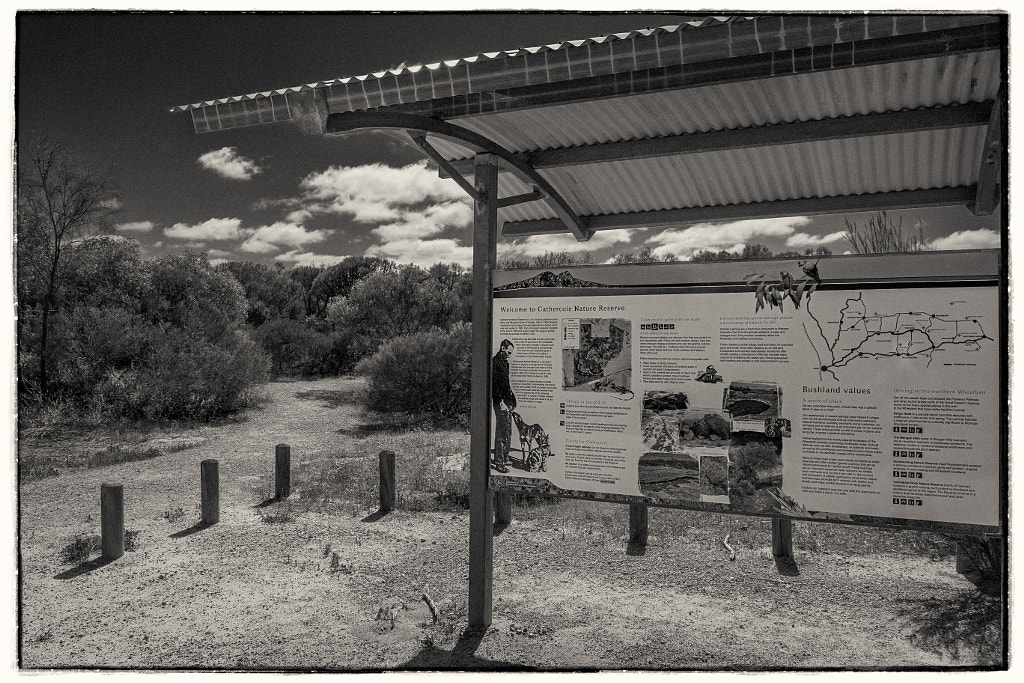
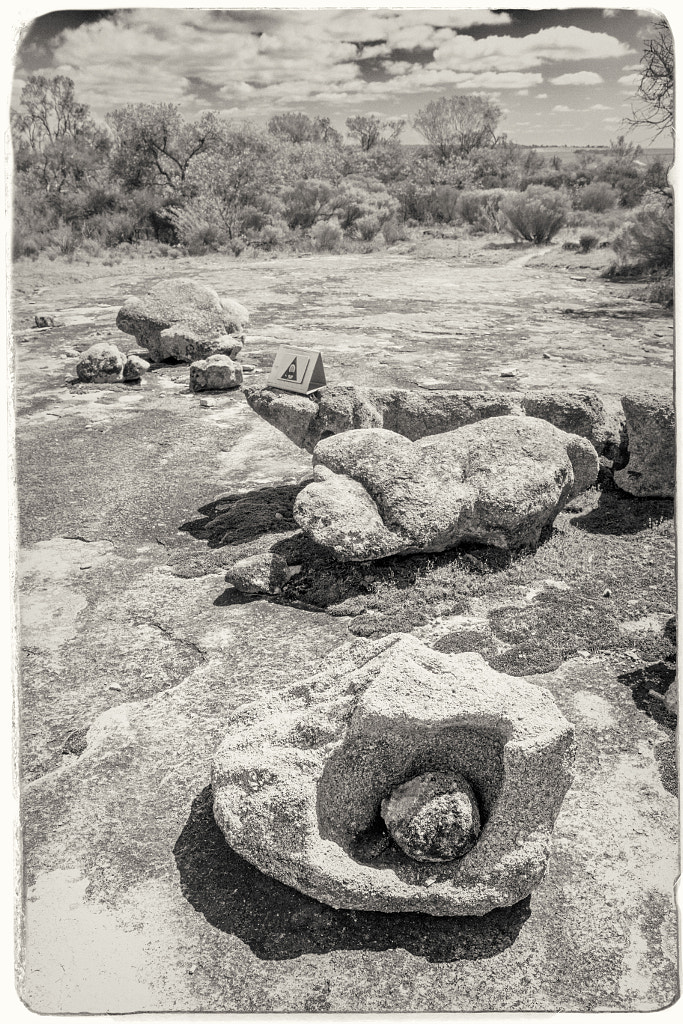
This year our annual visit to the amazing nature hotspot of Wongan Hills took us to the Gathercole Reserve which is a 141 hectare granite out crop 10Km east of the Wongan Hills townsite. At the centre of the reserve is a large granite outcrop, but what makes this one so interesting is that it is unlike most others in Western Australia. Usually granite outcrops are devoid of vegetation but Gathercole has a rich variety of vegetation that forms a fringe around the rock – Rock Sheoak, Silver Princess, Sea-urchin Hakea, Scarlet Honey  Myrtle are just a few of the species – and other plants such as  Granite Kunzea that have adapted to actually live on the rock outcrop drawing their water and nutrients from the very shallow pockets of soil found in cracks and depressions. It all sounded wonderful, but with this years very dry winter the local flora wasn’t putting on much of a show. We then decided to concentrate on doing the walk trail which is an easy 2 hour walk around the rock. There are 12 interpretive panels on the trail to tell you what you are looking at. These explain how the rock outcrop was formed, how it was shaped by wind and rain, and details of the fauna and flora found there.


Gathercole Reserve Walk Trail by Paul Amyes on 500px.com
The information board at the start of the Gathercole Reserve Walk Trail in Western Australia.


Gathercole Reserve Walk Trail by Paul Amyes on 500px.com
The Gathercole Reserve Walk Trail is a 3.1 km walk throgh the Gathercole Reserve and explores the granite outcrop.


Gathercole Reserve Walk Trail by Paul Amyes on 500px.com
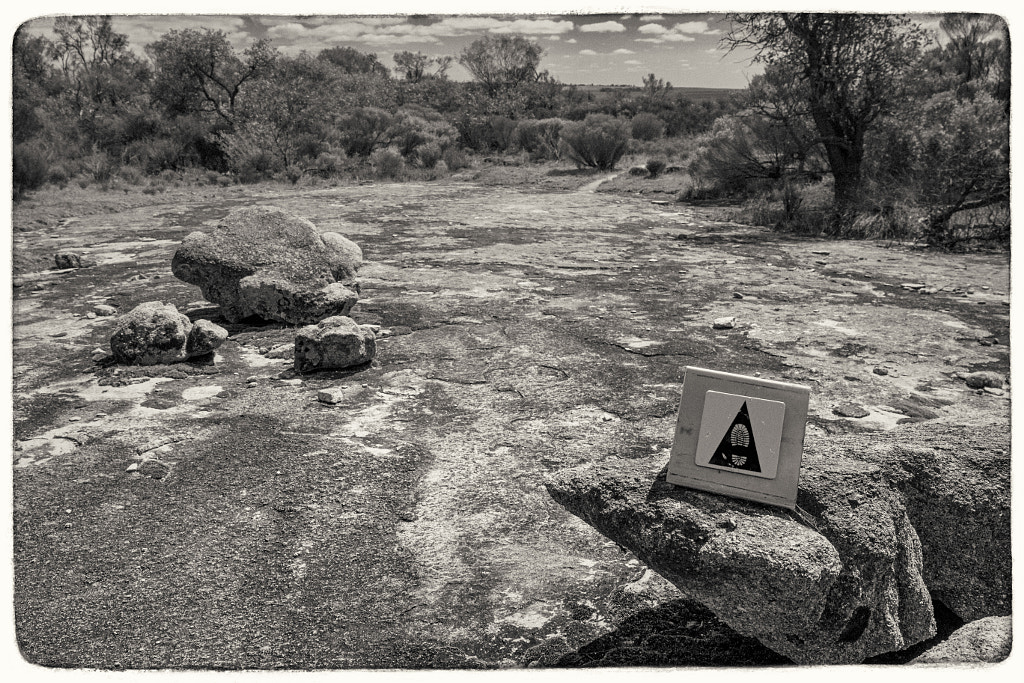
The walk trail is clearly sign posted and it is easy to follow.


Gathercole Reserve Walk Trail by Paul Amyes on 500px.com
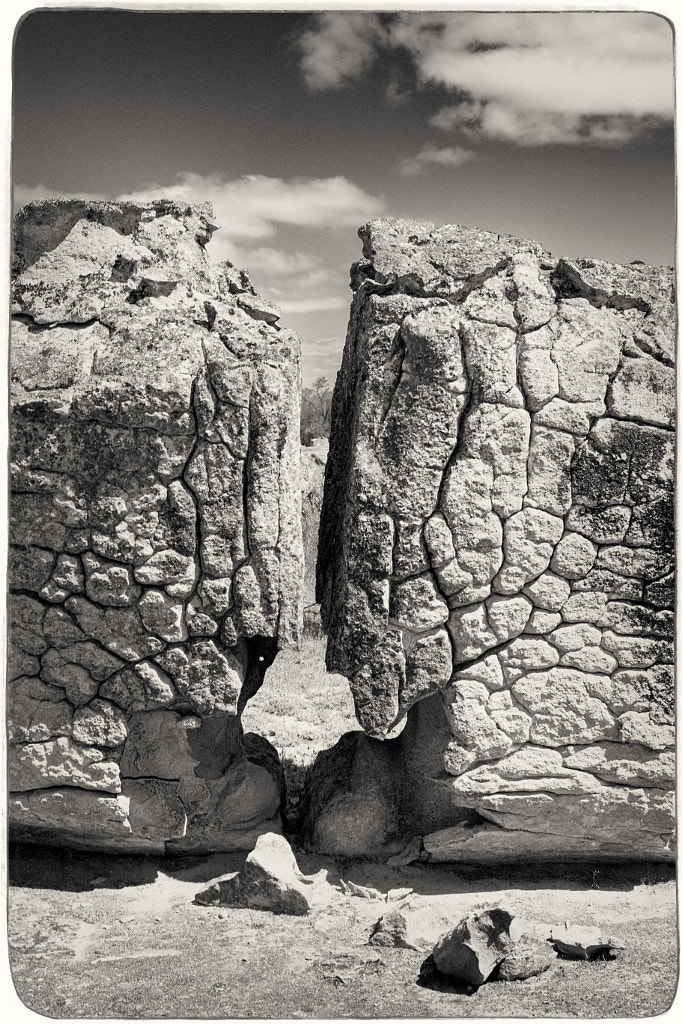
As you walk over the granite outcrop you can see different rock formations. This was caused by rapidly cooling molten rock and millenia of exposure to the elements.


Gathercole Reserve Walk Trail by Paul Amyes on 500px.com
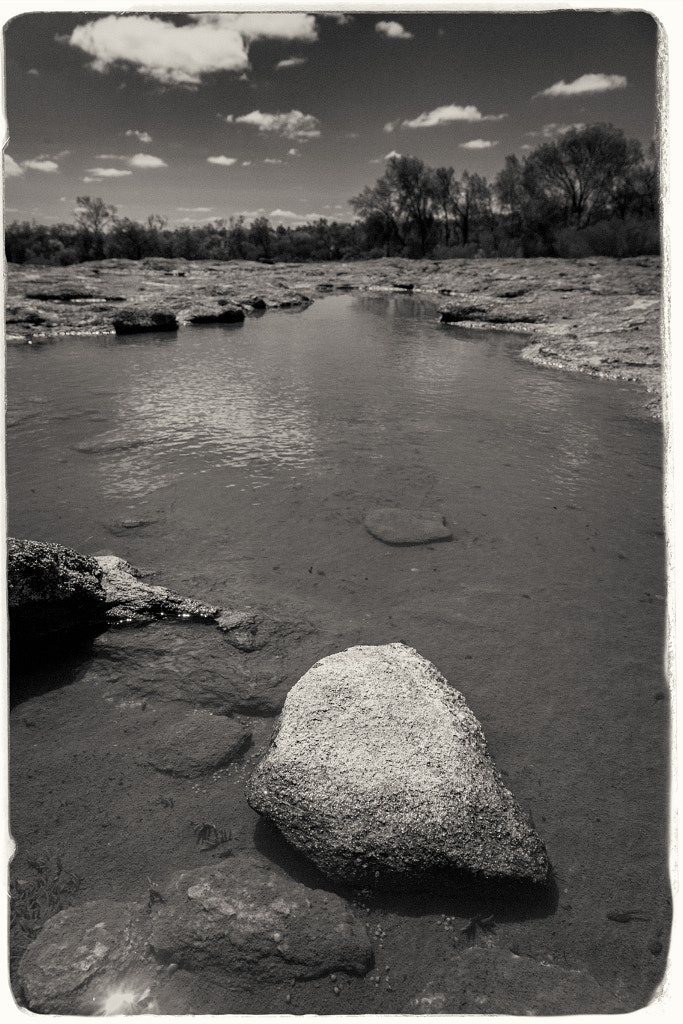
On the top of the granite outcrop water collects in the hollows during winter. These pools form the habitat for tadpoles and freshwater shrimp.


Gathercole Reserve Walk Trail by Paul Amyes on 500px.com

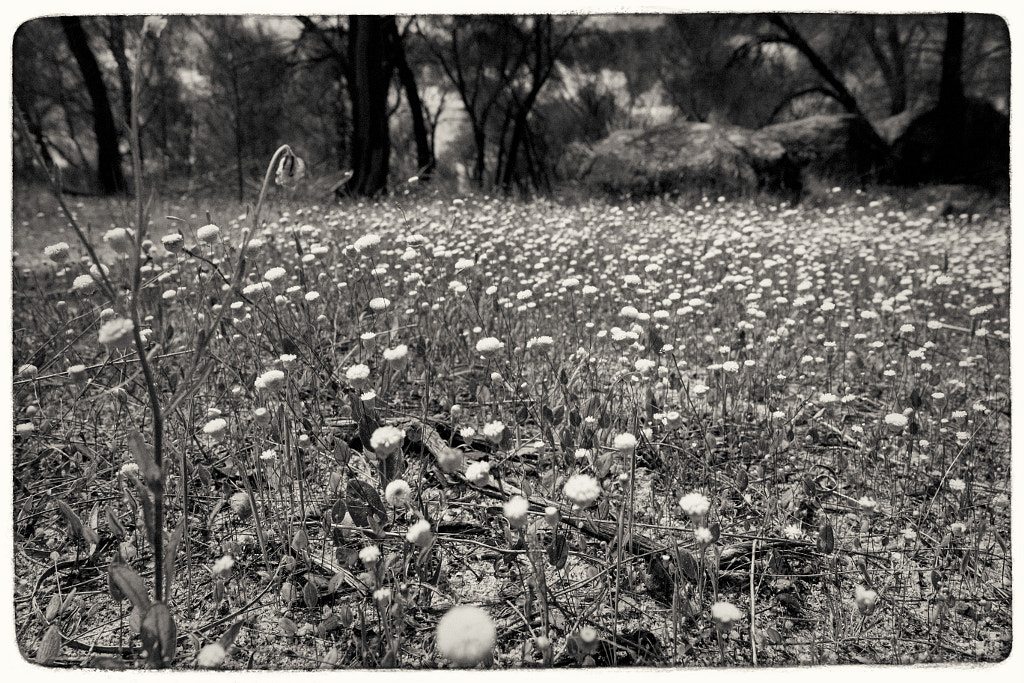
In spring the reserve puts on a spectacular show of wildflowers as evidenced by the everlasting shown here.


Photographically I felt in a bit of a rut so I decided to ditch the normal approach and just take a DSLR and one lens and shoot everything in black and white. Back in the film days I was particularly enamoured by Ilford SFX. It’s a bit of an odd ball film in that due to its extended sensitivity into the red spectrum of light it gave a mild “infrared” look without all the hassles of using infrared film which makes it ideal for day to day use. When I printed it I used glossy  Ilford Multigrade FB Warmtone paper which produced a luxuriously rich image.  I’ve not shot any film in over a decade and I’ve not had access to a darkroom for nearly twenty years so I decided to shoot digitally and emulate the look in Exposure 7. It doesn’t look quite right but it has made me think about shooting some film again. I’ve still got a couple of film cameras all I’ll need to do is find a way of scanning the negatives as I don’t want to get an enlarger and start printing again at this stage.

State Route 120

State Route 120 is perhaps better known as the Great Southern Highway. It is the road that takes you to York once you leave Perth via the Great Eastern Highway. I always breathe a sigh of relief once we turn onto it because it means we’re leaving the madness of Perth and returning to our quiet country existence. I love driving down it watching the forest change gradually from Jarrah to Wandoo.  The other thing I look forward to is the art work you see. For the last twenty or so years people have been decorating some of the trees. It maybe a complete paint job of a long dead tree or it maybe a small painting on board or sheet metal that has been attached to a tree.  Every now and again a new piece turns up and its always a pleasant surprise.


State Route 120 by Paul Amyes on 500px.com
Dave Minion. Great Southern Highway, Western Australia.


State Route 120 by Paul Amyes on 500px.com
Australian Easter Stump. Great Southern Highway, Western Australia.


State Route 120 by Paul Amyes on 500px.com
Startled stump. Gret Southern Highway, Western Australia.


State Route 120 by Paul Amyes on 500px.com
Mary has seen better days. Great Southern Highway, Western Australia.


State Route 120 by Paul Amyes on 500px.com
Tipper is not what he used to be – his ears have been broken off. Great Southern Highway, Western australia.


State Route 120 by Paul Amyes on 500px.com
Happy to see you. Great Southern Highway, Western Australia.


State Route 120 by Paul Amyes on 500px.com


State Route 120 by Paul Amyes on 500px.com
Lucky The York Tree. Great Southern Highway, Western Australia.


I was feeling a bit of a loose end. The weather has been unpleasant and I didn’t feel like going out to photograph wildlife or wildflowers. I suddenly had the bright idea of documenting the art along the Great Southern Highway. To make it more interesting I decided to use some of my old classic film era Olympus lenses – specifically the OM Zuiko 21mm f3.5, the OM Zuiko 35mm f2, and the OM Zuiko 135mm f2.8 – on my Sony A7r. The whole process of framing up, setting up a tripod and manually focusing the cameras and carefully making the exposure is the complete antithesis of photographing birds and it made a nice change.

Walks With Emus

Thursday was my first trip into the Perth Metro in ages – I’d gone to get the car serviced and so had a day to kill. The weather was horrid, lots of rain and not very warm so killing time was not a thrilling prospect. Usually I walk over the Causeway Bridge, around Heirisson Island and then into the Perth CBD. With the rain falling and nearby construction work making a racket I didn’t expect to see much so imagine my surprise when I literally bumped into an Emu.  Now people living overseas expect that we have kangaroos running down the high streets koalas hanging out of every tree and sharks and crocodiles waiting to eat people in every small pool of water. Well it’s just not like that, and seeing an emu wandering round the metro area is pretty unusual occurrence. Poor thing didn’t look very well – it had a very large open wound on its left side. Emus can be a little bit intimidating as they’re not adverse to walking right up to you and looking you in the eye and some of the ones I’ve met do this by looking down at me. Well this one played pretty cool and just walked with me for about 500m and every time I stopped to take a picture it stopped and waited. We met up with a couple of kangaroos who were very wary of the emu. They kept a very close eye on it – didn’t pay me any attention at all. Once we got past the lake it decided it had had enough and walked back up the track making that odd sound of theirs which sound like someone has turned a plastic bucket upside down and is banging on it like drum.


Wetj by Paul Amyes on 500px.com
My companion for a walk on Heirisson Island.


Yongka by Paul Amyes on 500px.com
The girls are too impressed with their new neighbour and were content to remain at a distance and watch.


Djidi-djidi by Paul Amyes on 500px.com
A willie wagtail hunkered down against the rain.


As I walked back to the Causeway I was joined by a young female kangaroo. She was very curious and wanted to know if I had anything to eat. She did did this by pawing at my hand – obviously other visitor have been feeding them so they can get selfies. She didn’t seemed fussed when no food appeared and she was content to follow me round to the gate and watch me leave.


Yongka by Paul Amyes on 500px.com

My companion for the walk to the exit.

Friends, Westralians…

…give me your Parmigiana (with apologies to William Shakespeare).

After a warm day of setting up the tent and wandering around looking at the wildlife opportunities we repaired to the Yanchep Inn for a cooling beverage and a meal. As we were entering a notice on the door caught my eye. It was a warning about the kookaburras and how they were mugging patrons for their food – they particularly liked to rob children of their burgers and chips. I thought at the time it was amusing and didn’t think anything of it.


One of the Parma Purloiners of Yanchep.

Twenty minutes later I heard a whooshing sound and felt wings just graze my head. Fast reactions meant that the bandit had to retire to a nearby pole with nothing. Ten minutes later there were half a dozen of them. Meanwhile a group of four on the table just opposite had had their meals delivered by the waitress. All of a sudden the birds scramble and then dive for the table like Stukas on a bombing run. Hermann Göring would have been impressed. It was a close run thing and the kookaburras were only just repelled. Realising that discretion was the better part of valour they beat a hasty retreat back inside with cries of “F**king vermin!!!!”

It is obvious that just a sign casually warning about the kookaburras isn’t sufficient. I think there should be air raid sirens, ack ack guns, and Anderson shelters. While helmets might be a requirement I don’t think gas masks need be issued.

Black And White

Ngoolyak by Paul Amyes on 500px.com
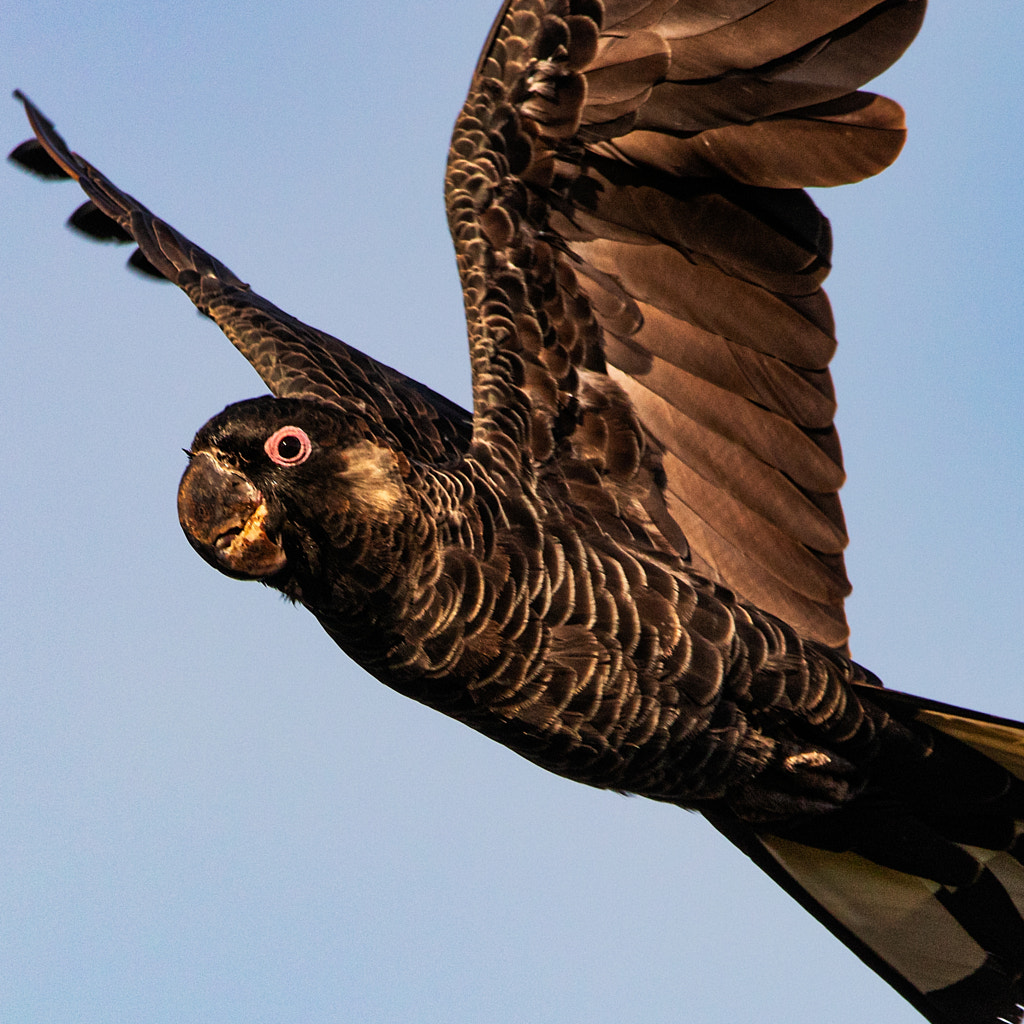
Ngoolyak or Carnaby’s Black-cockatoo (Calyptorhynchus latirostris). Yanchep National Park, Western Australia.


Last week I wrote about the Little Corellas causing problems. This week I’m talking about the anthesis – Carnaby’s Black-cockatoo (Calyptorhynchus latirostris). So while the Carnaby’s Black Cockatoo is just as noisy and destructive, yet the Corellas are disliked while the Black Cockatoos (Red-tailed, Carnaby’s and Baudin’s) are much loved. The International Union for Conservation of Nature has classified them as endangered and so have the Western Australian and Federal government has followed suit.  They’re a bird more associated with the Wandoo forests of the Wheatbelt, but with large scale land clearing they are now becoming more common on the Northern Swan Coastal Plain where it is estimated that there are between 4600 and 15000 birds outside the breeding season. Overall it is estimated that over the last 45 years the state wide population has been halved and continues to fall at the rate of 10% per year.


Ngoolyak by Paul Amyes on 500px.com
Ready, Steady…


Ngoolyak by Paul Amyes on 500px.com
…Go!


We were up at Yanchep National Park the other day and walking along the banks of Loch McNess in the gumtrees were hundreds of them. The noise was incredible – it was like something out of Alfred Hitchcock’s movie The Birds. As you walked along the path under the trees I got showered with leaves, twigs, gum nuts and flowers the detritus of their feeding in the tree tops. Periodically large groups of them would fly out over the water and land on the island to drink. It was an amazing spectacle and great fun to photograph. Normally I don’t do well with Bird In Flight (BIF) photos but here it was easy as there were so many birds flying around. I enjoyed it so much that I almost forgot I was there to walk around the wetland and look for Masked lapwings and Buff-banded Rails.


I’m On E


… an E-scooter that is.


I’m on E. I’m on E. I’m on E.
Got nothin’ to say.
I used to have a car of my own
I’m on E. I’m on E. I’m on E for England.
Laid out for maybe a week
I’ve walked my feet to the bone
I’d give my life for a car of my own
I’m on E. I’m on E.

Deborah Harry / Chris Stein


On our recent trip to Albany we kept seeing purple E-scooters everywhere.  Outside shopping malls, at the beach, abandoned on walk trails. We never saw a single one being ridden. They were a strange flotsam and jetsam around the city. Often times you were left wondering how they got there – like the one on top of Dog Rock.  Unfortunately I saw most of them while driving and was unable to quickly pull over to take a photo. So unfortunately this is a bit like a fishing tale where the best got away, but I did manage to get a few shots.


This week’s musical reference should be easy – it is of course “I’m On E” by Blondie and off their 1978 Plastic Letters Album.