Missing Wildlife

Recently we had a few days in Albany on the south coast of Western Australia. The opportunity to experience a 10ºC drop in temperature was too good to miss. I wanted to go and visit an Eastern Osprey nest that I’ve visited before. When I got there it was obvious that the nest had not been used for a while. This can happen for a number of reasons – the obvious is that the birds got old and died. But there maybe other reasons such as too much competition for food resources caused them to relocate. Also the tree that they’d built the nest in was no longer the best vantage point, other trees had grown around it obscuring the view. Who knows why they up and went but it does illustrate the fact that where wildlife is concerned nothing is guaranteed.

We headed out to a new location – a bird hide out at Rushy Point. Nice location but nothing was happening. Things were beginning to get a bit desperate. As we drove around there were all these road hazard signs warning about wildlife and yet we were’t seeing anything. By the last day I was feeling decidedly jacked off. It was a grotty day weather wise – windy with intermittent rain.


Warning – kangaroos. Albany, Western Australia.


Warning – turtles. Albany, Western Australia.


Warning – bandicoots. Albany, Western Australia.


Warning – pensioners. Albany, Western Australia.


Come the afternoon we were sitting around killing time and I just wanted to get out and have a walk. Despite the weather I headed off to Lake Seppings just to walk around it as something to do. Out of habit I picked up my camera and took it with me. When I got out of the car I received a very enthusiastic welcome from a lady in the carpark wanting to know if I was there to photography the blue billed ducks. I said I would photograph anything that showed up and stood still long enough. I set out with very little expectation of finding anything worth pointing the camera when almost immediately I saw some blue ducks. I always have a feeling of anxiety when I go out to photograph, a fear of not finding anything. Getting the first image under my belt and breaking the duck (sorry about the pun) helps me relax and enjoy myself. I knew the shots wouldn’t be any great shakes, it was just important to get the process underway.Two hours I got back to the car, wet but happy that I’d seen some wildlife and managed to photograph it.
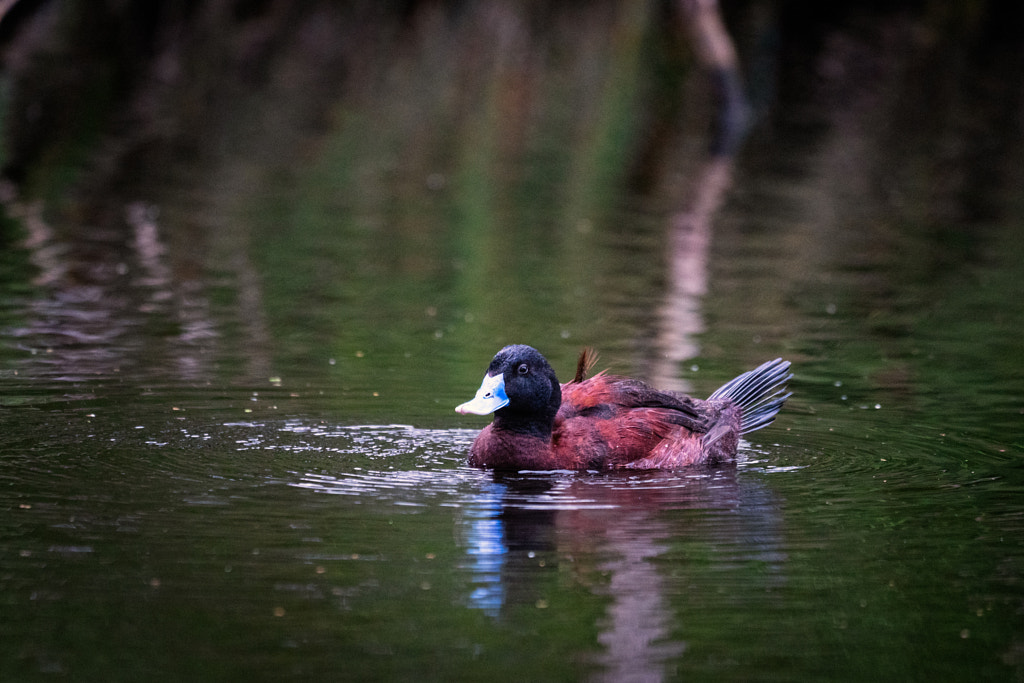
 

Boodoo by Paul Amyes on 500px.com
Boodoo or Blue-billed Duck (Oxyura australis). Lake Seppings, Western Australia.


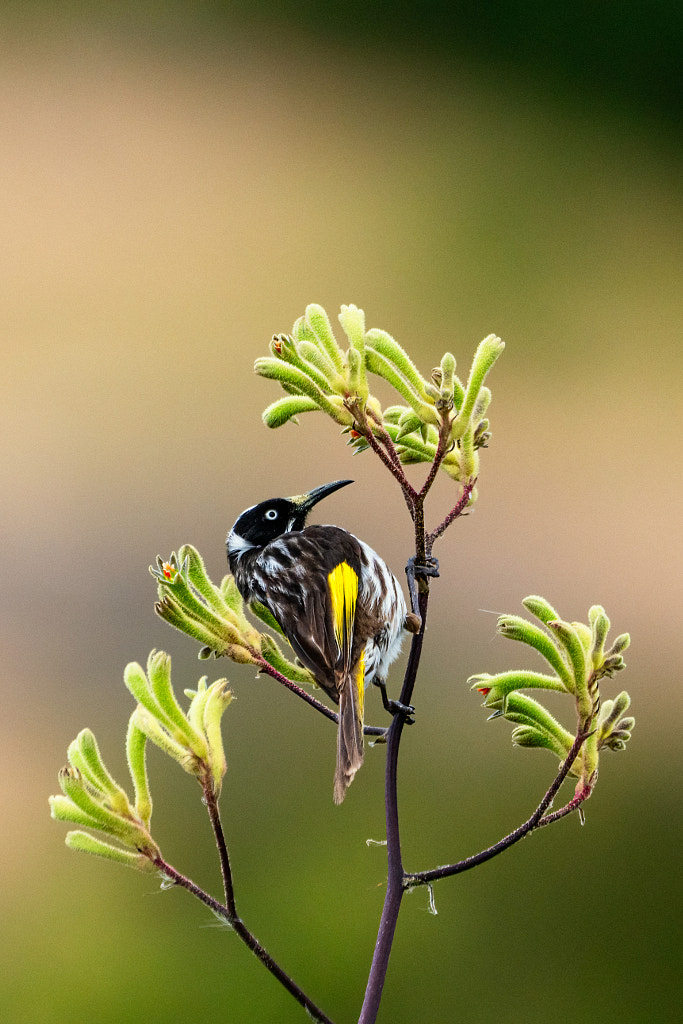
Bandiny. by Paul Amyes on 500px.com

Bandiny or New Holland Honeyeater, (Phylidonyris novaehollandiae). Lake Seppings, Western Australia.
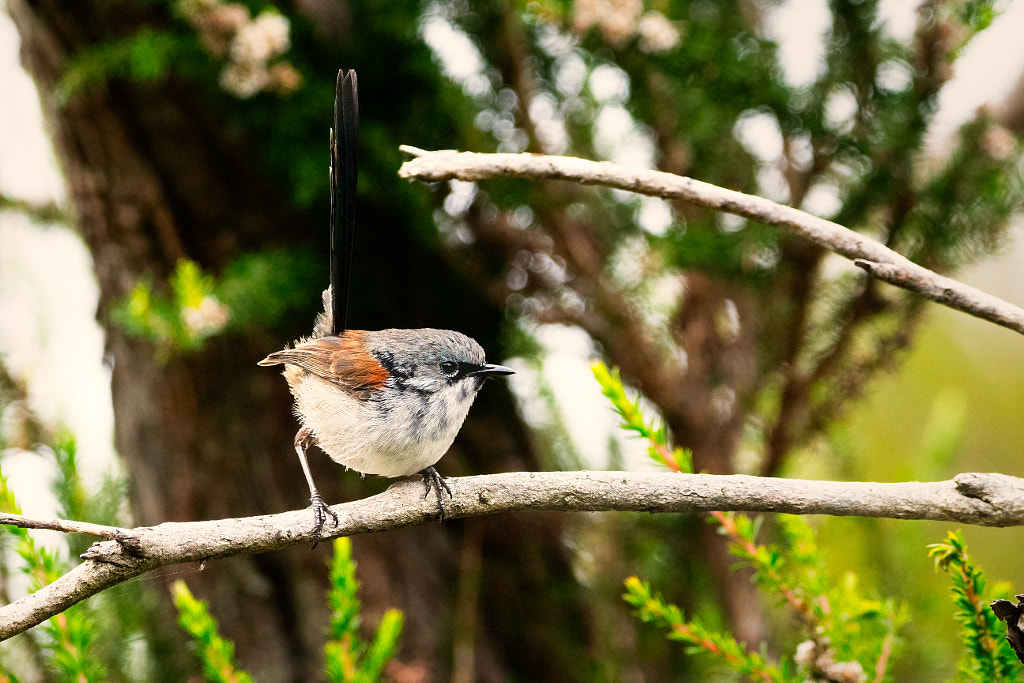
 

Djoordjilya by Paul Amyes on 500px.com
An immature male Red-winged fairywren (Malarus elegans), called Djoordilya by the Nyoongar of south west Western Australia. Lake Seppings, Western Australia.


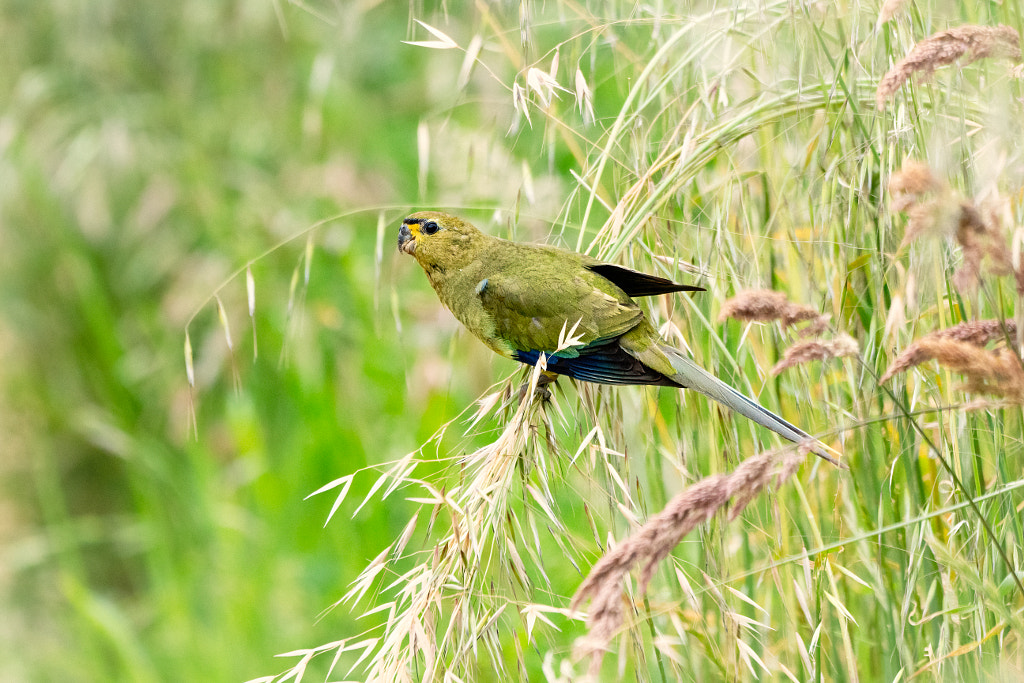
Koolyidarang by Paul Amyes on 500px.com

Koolyidarang or Elegant Parrot (Neophema elegans). Lake Seppings, Western Australia.
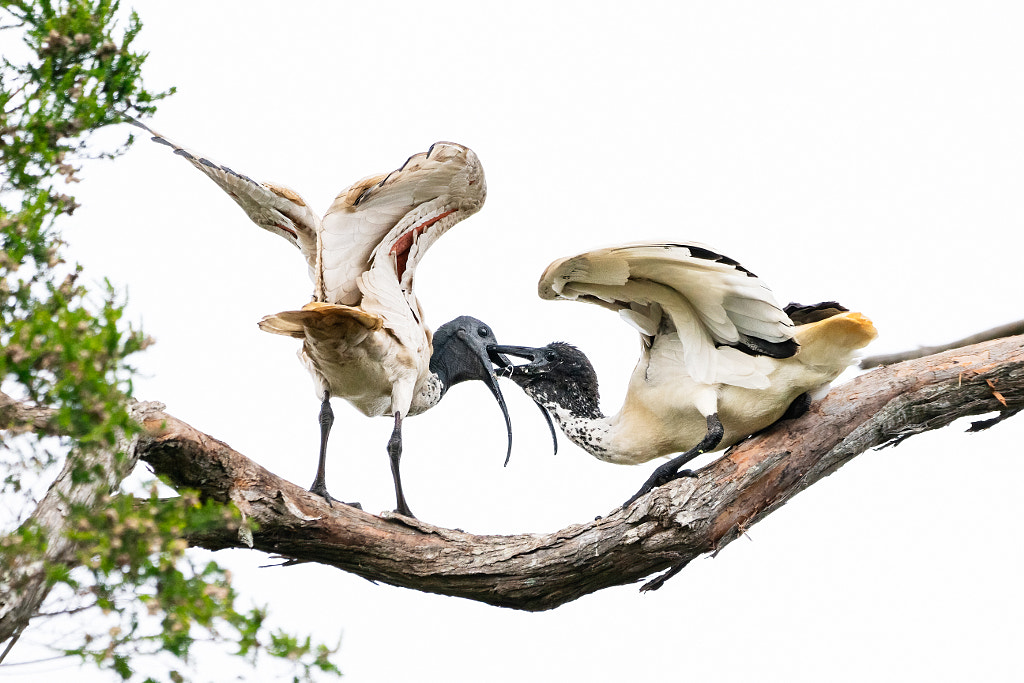
 

 Ngalkaning by Paul Amyes on 500px.com

An adult Australian white ibis (Threskioris molucca) feeding a juvenile. Lake Seppings, Western Australia.
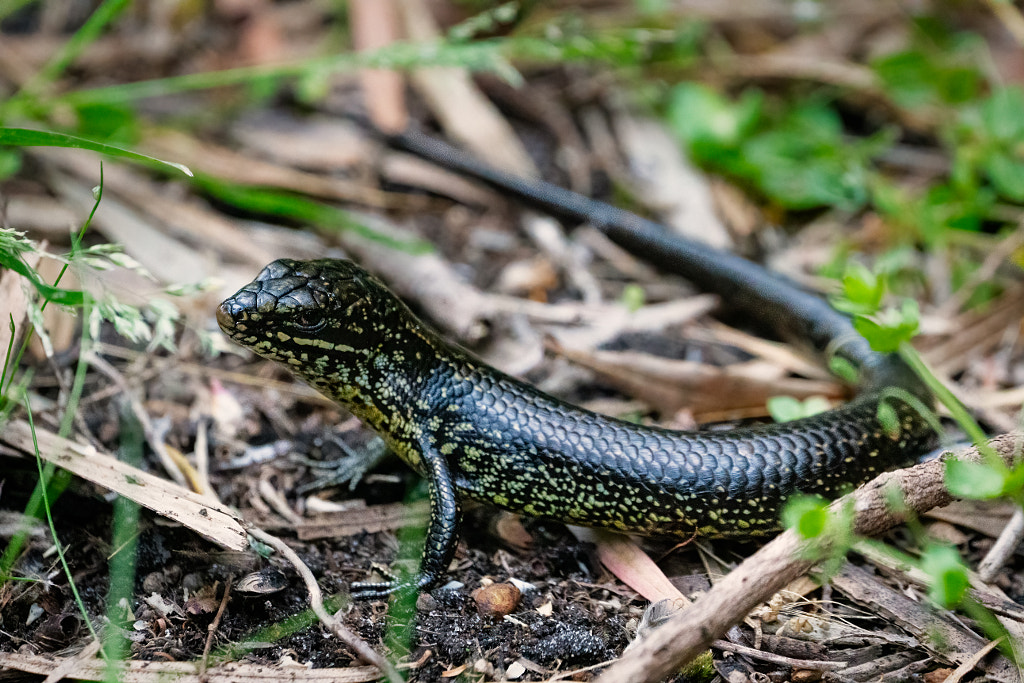
 

Wandy by Paul Amyes on 500px.com

Wandy or King’s Skink (Egernia kingii). Lake Seppings, Western Australia.
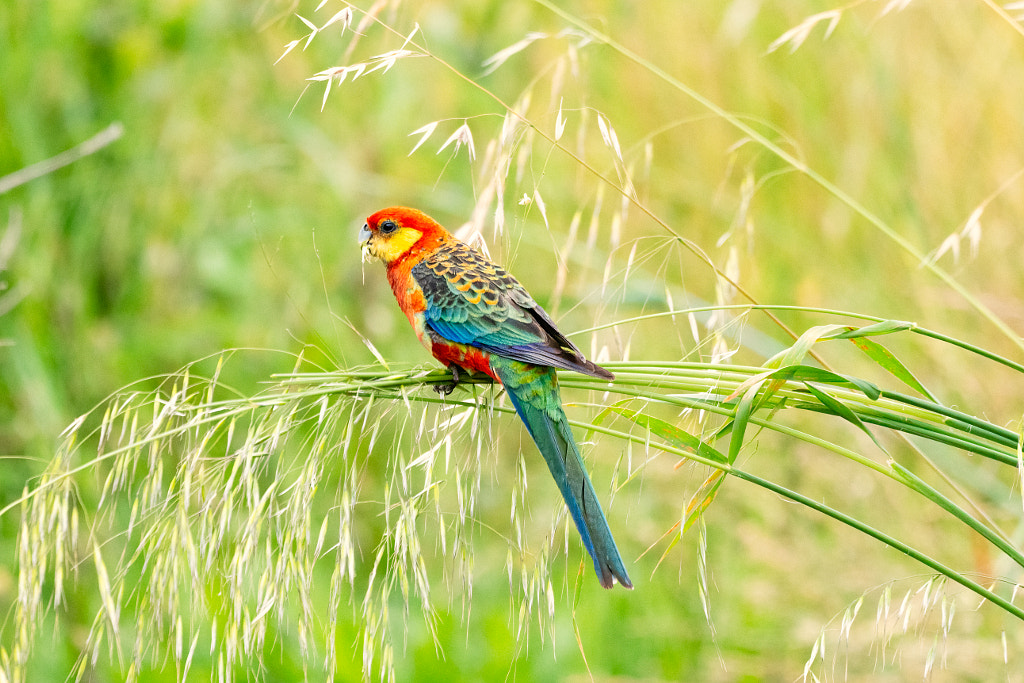
 

Bardinar by Paul Amyes on 500px.com

Bardinar or Western Rosella (Platycercus icterotis subs icteratis). Lake Seppings, Western Australia.
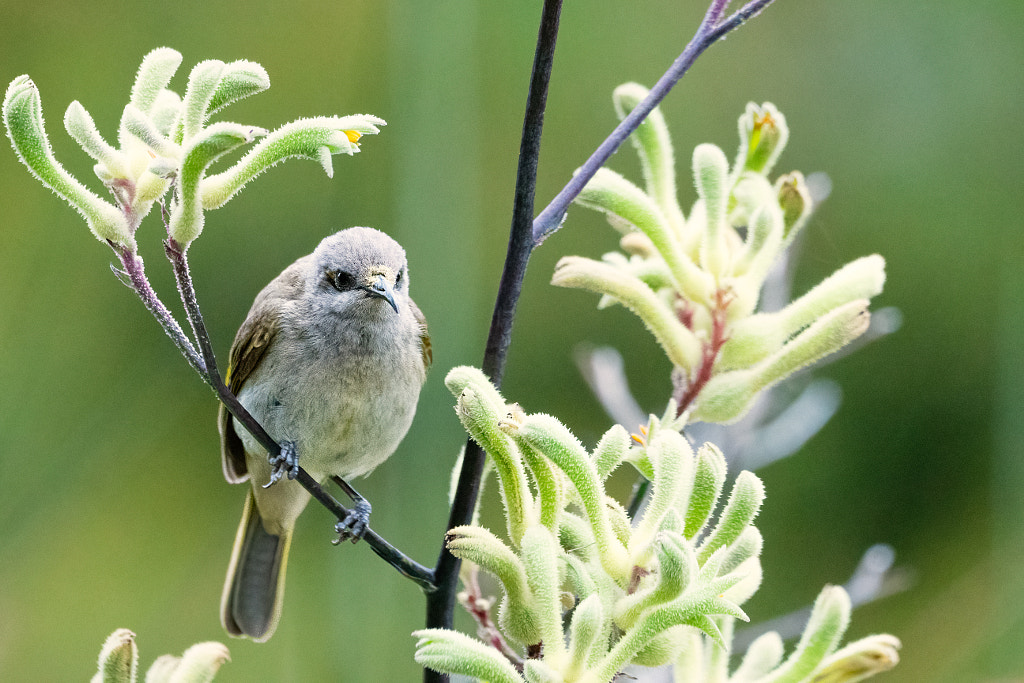
 

Djindjokoor by Paul Amyes on 500px.com

Djindjokoor or Brown Honeyeater (Lichmera indistincta). Lake Seppings, Western Australia.
Wandering Around Waroona


Waroona is a small town some 113 Km south of Perth in Western Australia. It’s a town that we’ve not previously had much to do with. We stayed at the Lake Navarino campsite about 25 years ago for one night when we cycle toured the region. Other than that we’ve just driven through it on the way to somewhere else.


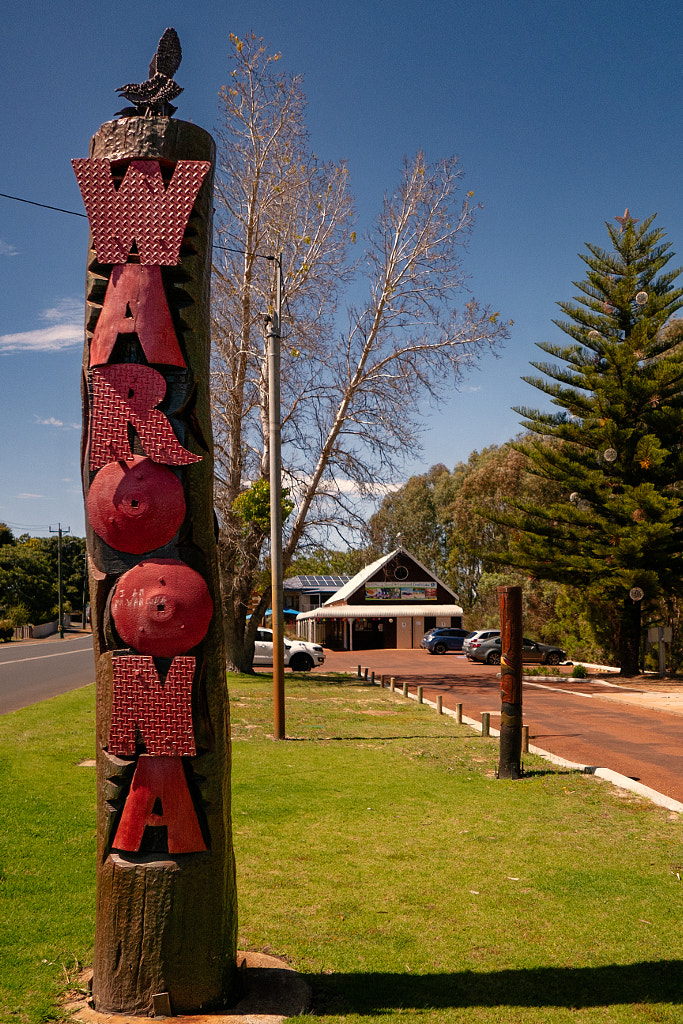
Waroona by Paul Amyes on 500px.com
Waroona’s entry statement.


Waroona by Paul Amyes on 500px.com
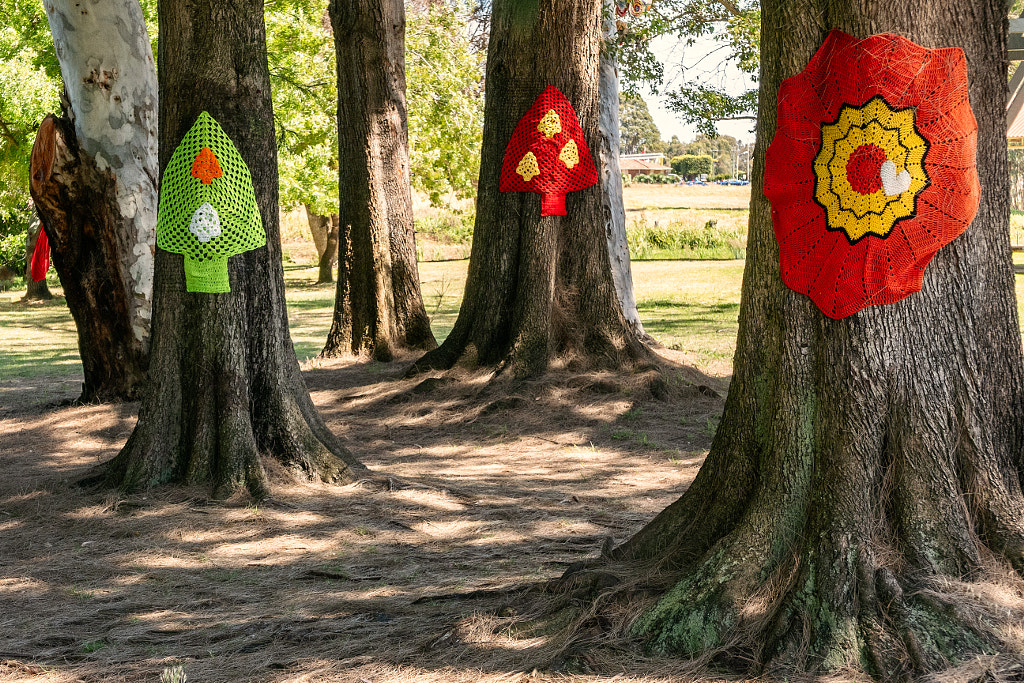
A yarn bomb installation outside the Waroona Visitors Centre.


Helen visiting a roadside plant stall in Waroona.

Again this time we arranged to stay at the Lake Navarino Holiday Park, but this time rather than camp for just one night we booked a cabin. Lake Navarino itself is the body of water behind Waroona Dam and it is very popular for water skiing and freshwater fishing. What makes it a bit confusing is that there are two Waroona Dams – the other is also referred to as the Drakesbrook Dam. The Drakesbrook Dam is a delightful little spot with a a swimming beach, BBQ and toilet facilities, and a nature trail that takes you in search of the Noisy Scrub bird. Good luck with that as they are incredibly elusive and are more likely to be heard rather than seen. I did catch a glimpse of one in the understory along the walk trail but it was impossible to photograph.


Waroona by Paul Amyes on 500px.com
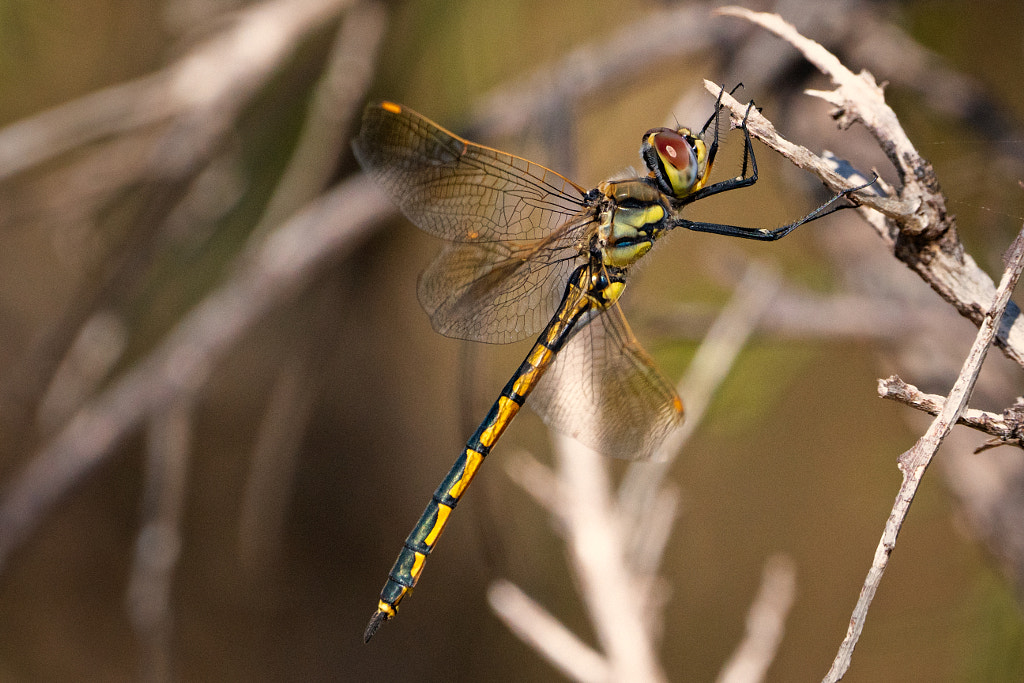
A tau emerald dragondly (Hemicordulia tau). Hemel Wetland Walk Trail, Waroona, Western Australia.
 

Waroona by Paul Amyes on 500px.com
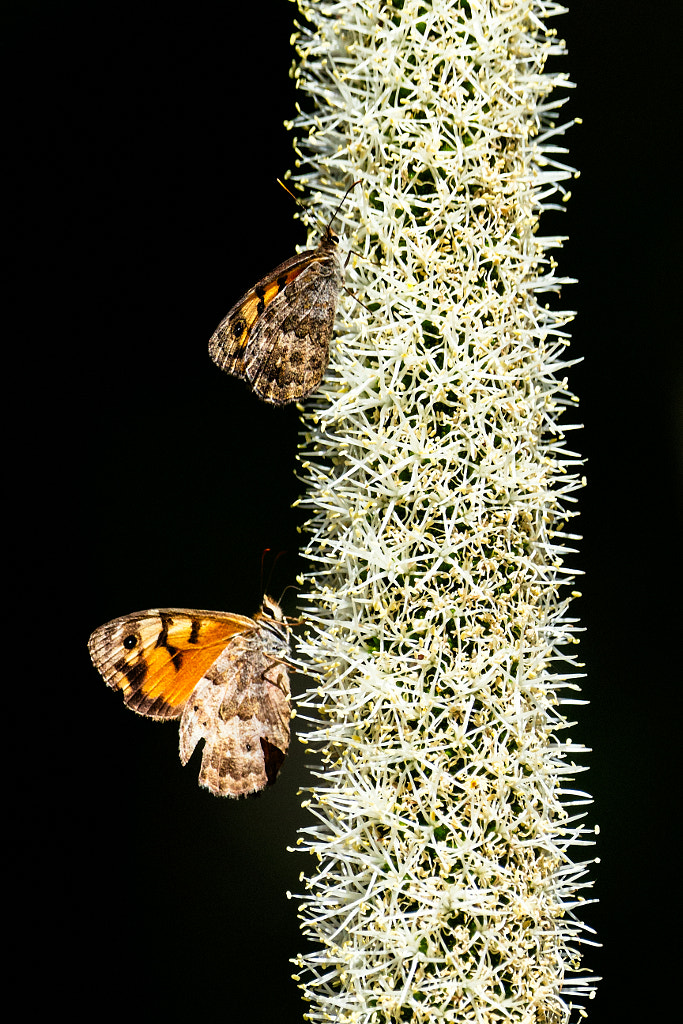
Only found in Western Australia the Western Xenica (Geitoneura minyas) can be found at the Hemel Wetlands.


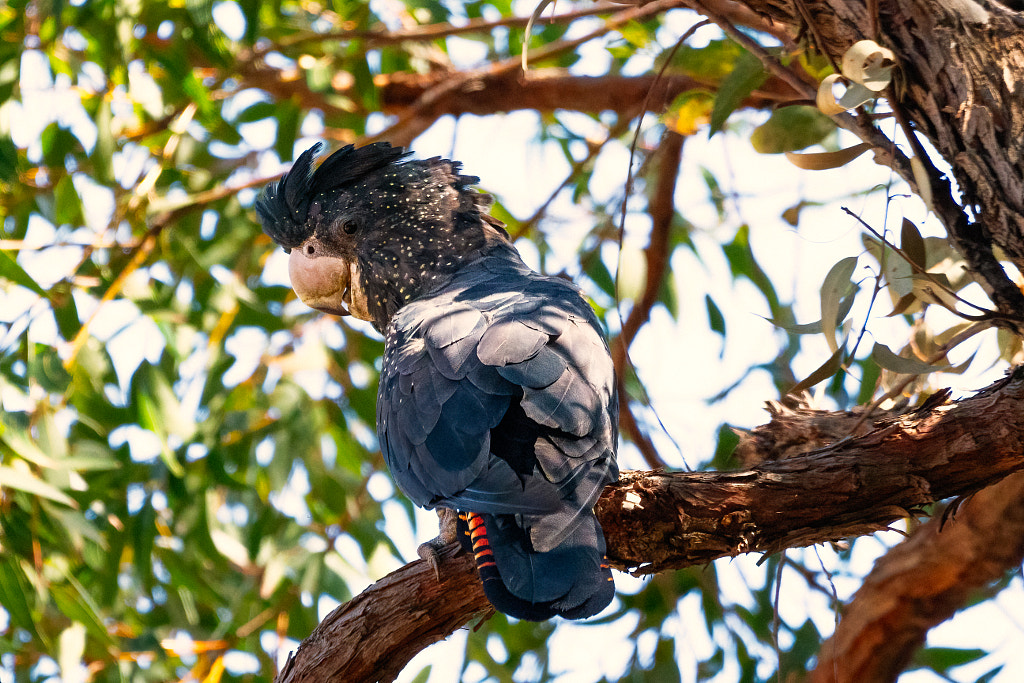
Another nature trail in the locality is the Hamel Wetland Walk Trail in the small hamlet of Hemel just outside of Waroona. The wetland only stays wet over winter and spring and then dries out over summer. It is home to numerous species of frog including the Quacking Frog, Motorbike Frog, Slender Tree Frog, Clicking Froglet, Lea’s Froglet, Moaning Frog and the Banjo Frog. If fogs aren’t your jam then the wetland hosts a variety of bird species such as white Ibis, straw neck ibis Black Swans, Hardhead, Pacific Black Duck, Grey Teal, Musk Duck, Australasian Grebe, Hoary-headed Grebe, Black Cormorant, Pied Cormorant, and Black-shouldered Kites. Unfortunately the wetland had dried out for our visit and there wasn’t much bird activity about – just some rufous whistlers and red-tailed black cockatoos.


Waroona by Paul Amyes on 500px.com
Red-tailed Black Cockatoo (Calptorthychus banksii). Hemel, Western Australia.
 

If you’re willing to travel a bit further then heading out to Preston Beach and Yalgorup National Park is worth it. The wetlands in the park are home to 67 species of water bird and have been listed as a Ramsar site. The forest within the park contains fauna including western grey kangaroos, emus, brush wallabies, brush-tailed possums, echidnas and bandicoots.


Helen at Preston Beach.


Waroona by Paul Amyes on 500px.com
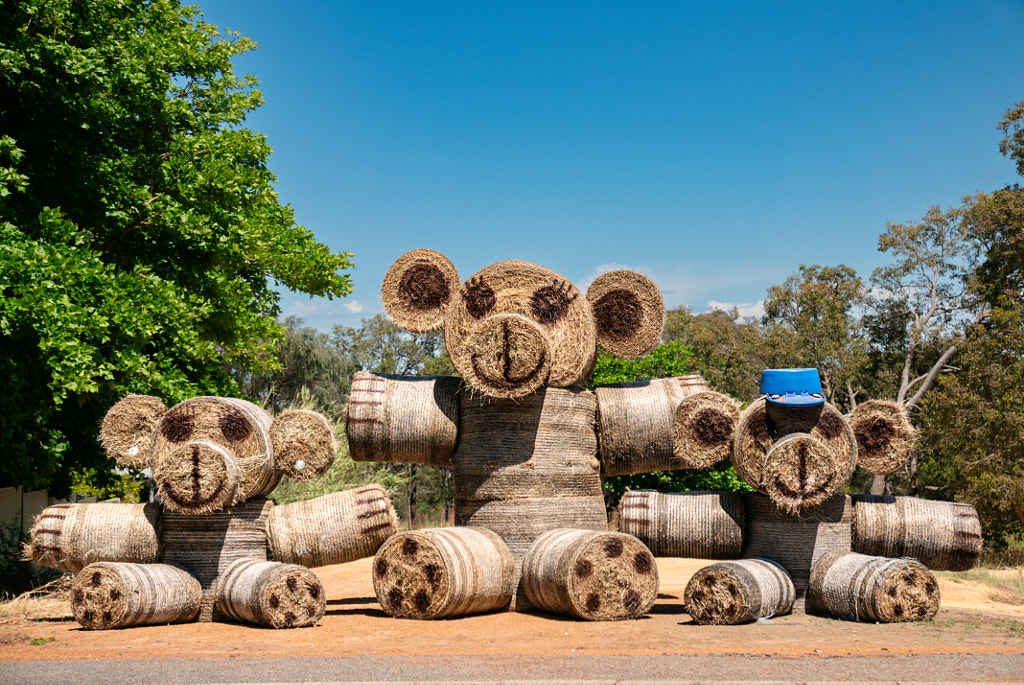
The three bears made from straw bales. Waroona, Western Australia.


So if you find your self driving down the South Western Highway take some time to stop in Waroona and explore what it has to offer.

Horsing Around

Well walking around Horse Swamp at Whiteman Park would be correct but it is too long for a title. I’ve written before about walking round the swamp. It’s a great walk and it always seems to offer up something new.


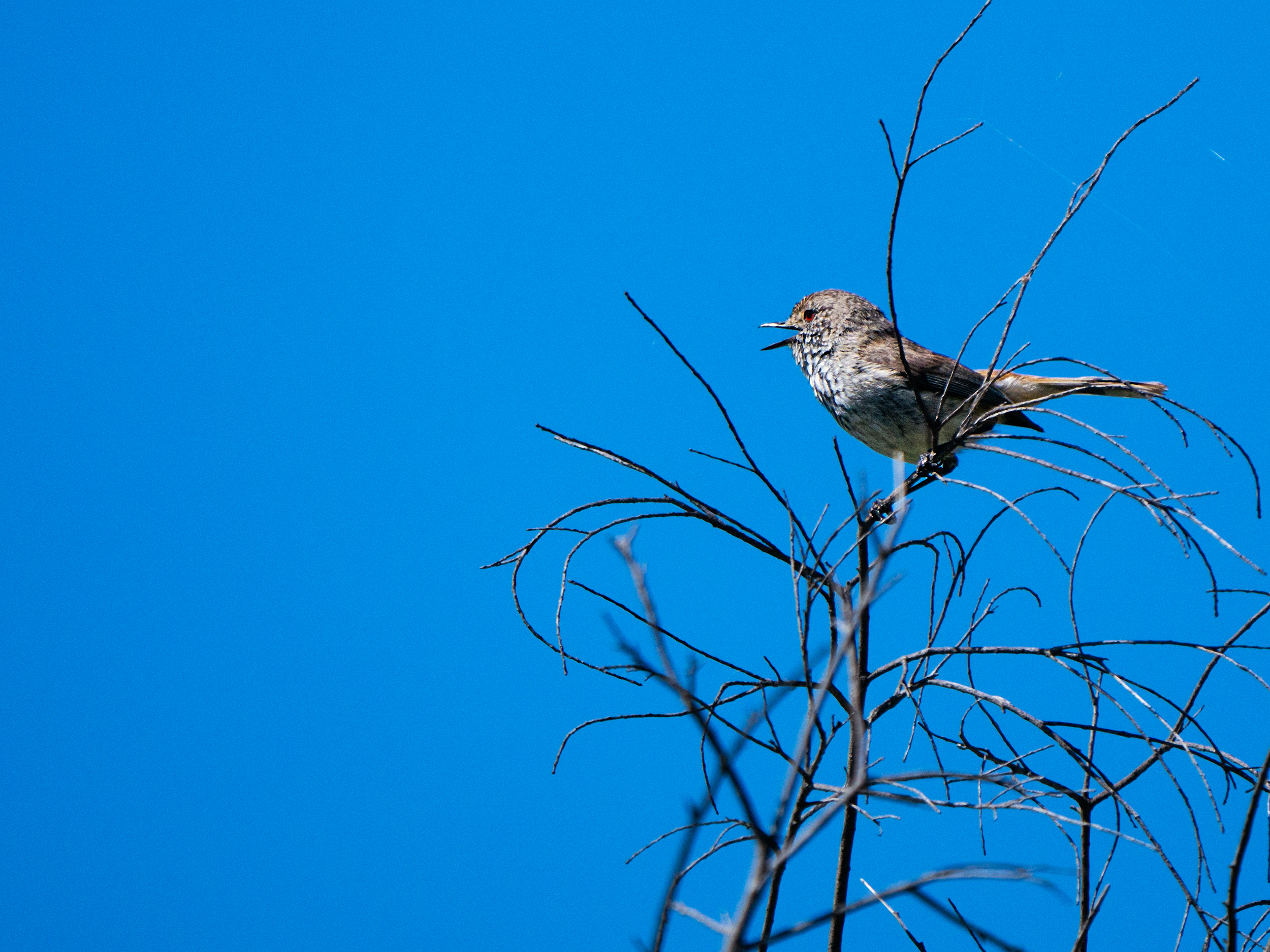
Djoobi-djoolbang or Inland Thornbill (Acanthiza apicalis). Horse Swamp, Whiteman Park, Western Australia.


As we started to walk round we were greeted with an inland thornbill singing its heart out in welcome. It was a good start to what was primarily a bird spotting trip. We went to the hide and while we could see birds out on the water there was nothing close enough to photograph. So we set off to see if we could get closer to them. This is the beauty of this walk as there are heaps of opportunities to get close to the wildlife as you can use the bushes to conceal your approach.


Djandjarak or White-headed Stilts, (Himantopus himantopus subsp. leucocephalus) two juveniles and an adult. Horse Swamp, Whiteman Park, Western Australia.


Djandjarak or White-headed Stilt, (Himantopus himantopus subsp. leucocephalus). Horse Swamp, Whiteman Park, Western Australia.


About halfway round there is an observation platform looking out over the water. It’s not very suited to photography, but it does afford a good view  allowing you to observe the comings and goings. Helen took advantage of the platform while I chose to lie down at water level to get some photos.


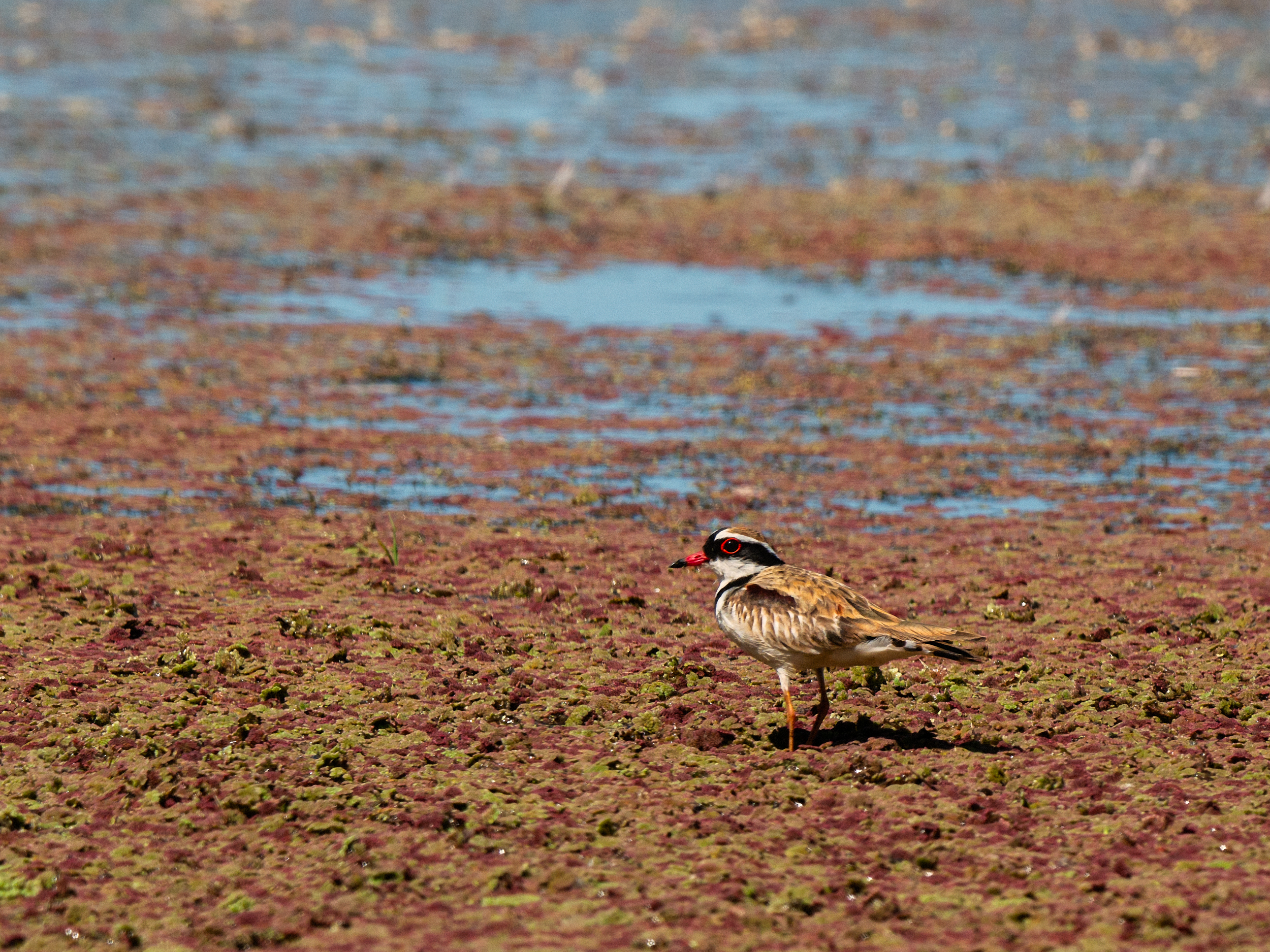
Nidoolyorong or Black-fronted Dotterel, (Elseyornis melanops).Horse Swamp, Whiteman Park, Western Australia.
 

Wimbin or pink-eared duck (Malacorhynchus membranaceus). Horse Swamp, Whiteman Park, Western Australia.


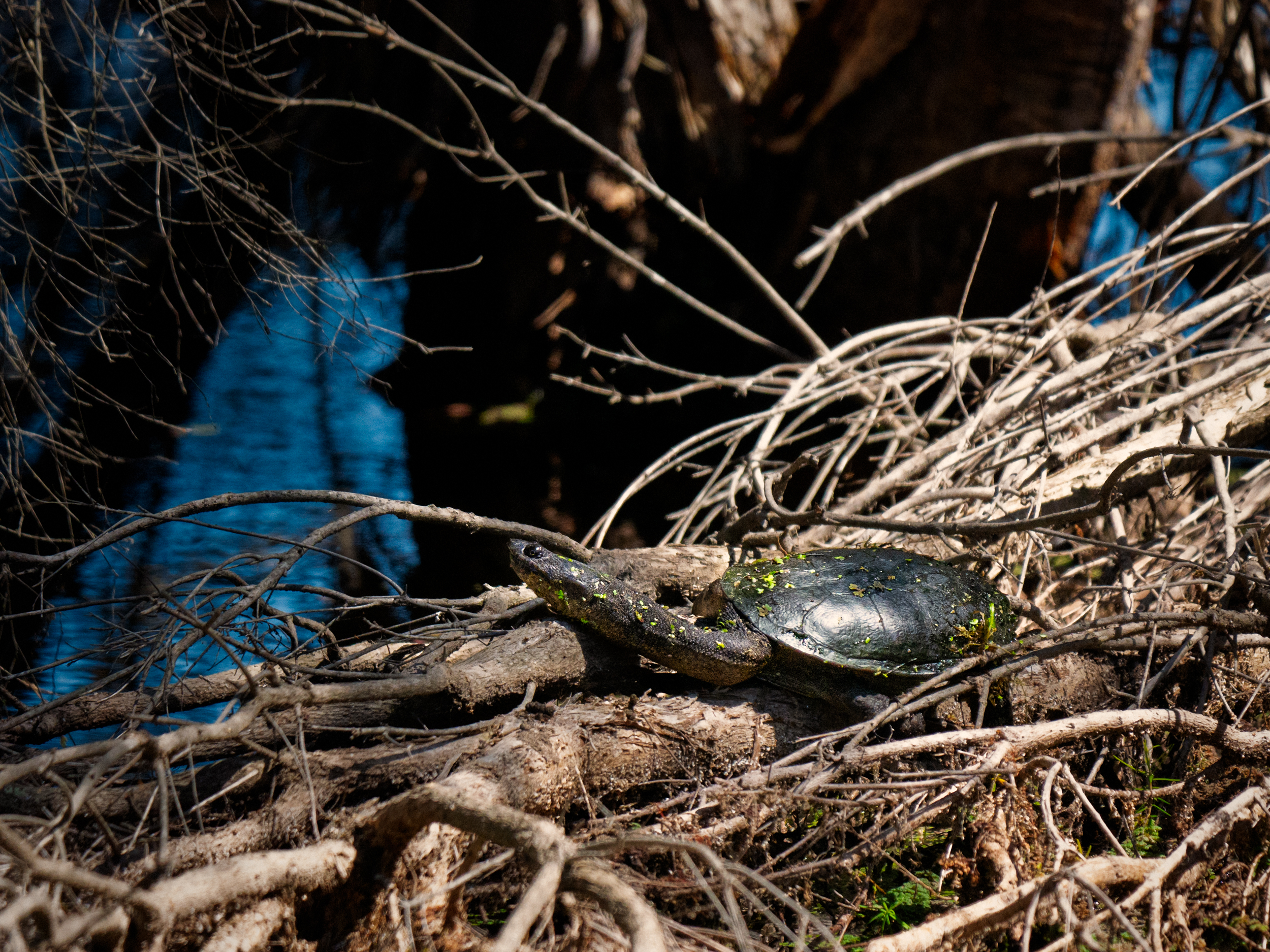
As we headed back to the car we spotted a long necked turtle sunning itself on the roots of a melaleuca tree. Usually you don’t see them but rather hear them as they drop into the water to make their escape, but on this occasion I was lucky enough to grab a couple of photos.


Choonya is the Nyoongar name for the Long-necked turtle, aka the oblong turtle (Chelodina oblonga). Horse Swamp, Whiteman Park, Western Australia.
 

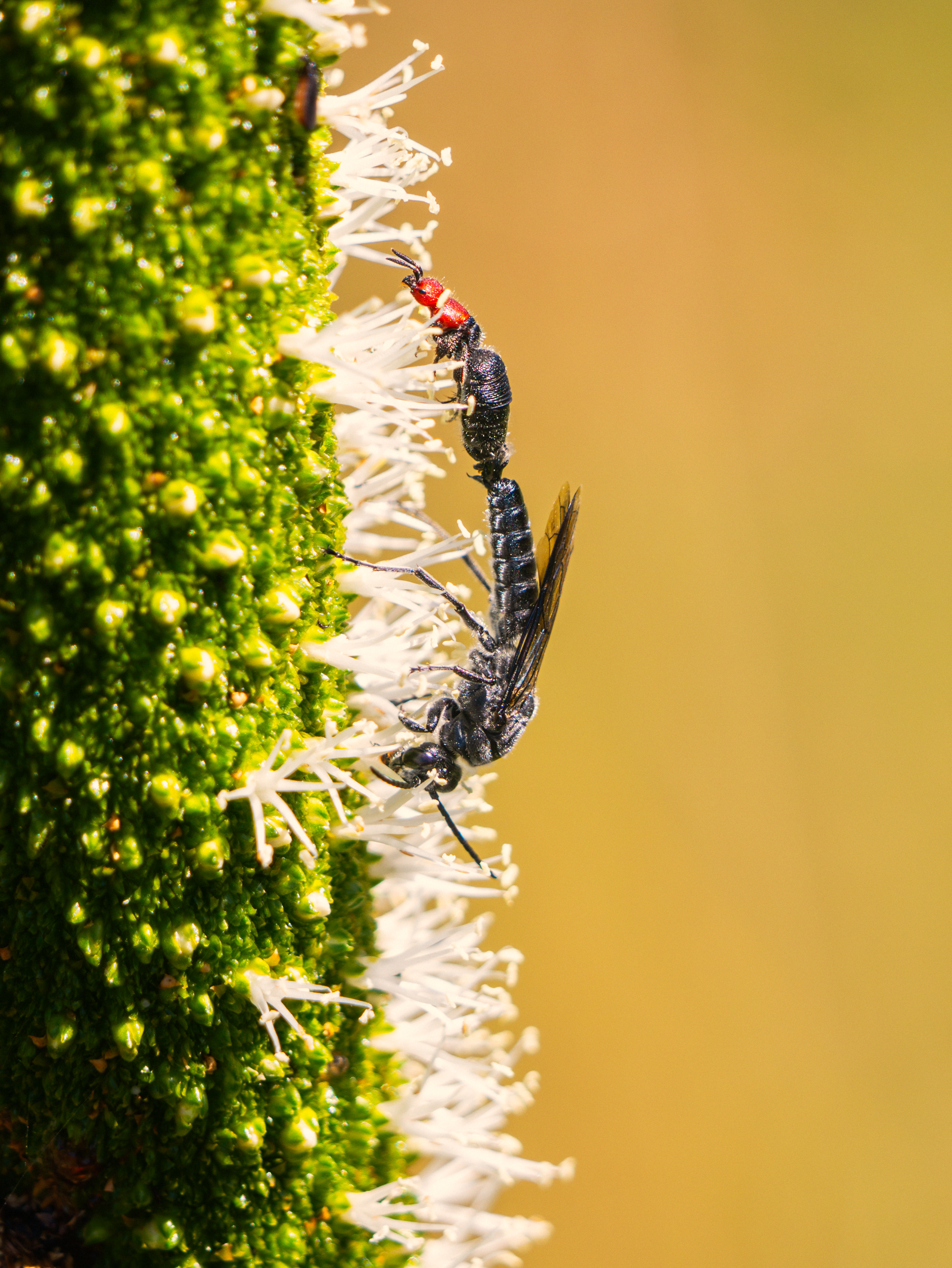
The last thing we saw was a real mystery. On the flower stalks of some grass trees there were these huge insects – about 8cm long – feeding on the flower. They look like someone has stuck the back end of an earwig onto a wasp. Freaky looking things dunno what they are despite trying to find out by looking on Google when we got home. So if anyone out there would like enlighten please contact me.


Freaky looking bug on a grass tree flower spike. Horse Swamp, Whiteman Park, Western Australia.


So there you have it a great morning at a great location.


2022 Orchids


For me now the orchid season here in the Wheatbelt of Western Australia is effectively over until next May. This year instead of going here there and everywhere I decided to concentrate on what was just around York, with the exception of a trip to Augusta. Despite that limitation I still managed to photograph over 90 different species and the video below is made up of just a small selection of those photos.

Boyagin Rock


Helen starting the walk up to the summit of Boyagin Rock.


There’s no shortage of granite outcrops to walk up in the Wheatbelt of Western Australia. This time we chose to go to Boyagin Rock. The journey there was a bit eventful as the navigator in charge had me drive up a very steep, narrow and heavily rutted gravel track in the belief that it was the turn off to take us to Boyagin Rock. After a couple of kilometres the track deteriorated even further and it was obviously not the way. With no way of turning round I had to reverse back down the hill avoiding the larger holes all while the navigator in charge was warning me of our impending doom. After a few tense moments we got back onto Boyagin Road, whilst it is also a gravel road it was as smooth as a billiard table compared to what we’d just come down. After a couple more kilometres the sign for the turn off for the rock was visible and we got to the car park and picnic area with no further dramas.


It’s not the first time we’ve visited, but this time it wasn’t wet which made walking across the granite a lot easier because when it is wet it’s like walking across an ice rink . The bush around the base looked terrific with lots of flowers out and birds calling from the trees. We were hoping to see dragon lizards basking on the rock itself, but there was a slight nip to air that was enough to keep the lizards in the shelter of the crevices. We flushed some Australian Pipits as we walked up, unfortunately I didn’t have a long enough lens to photograph them.  As we walked up onto the granite Helen had a close encounter of the spiny kind with an echidna – it was a bit on the shy side and curled up in a ball at the bottom of a tree.


Everlastings form in smasll patches of grass between the trees.


Lemon scented orchids could be found growing among the yellow everlastings.


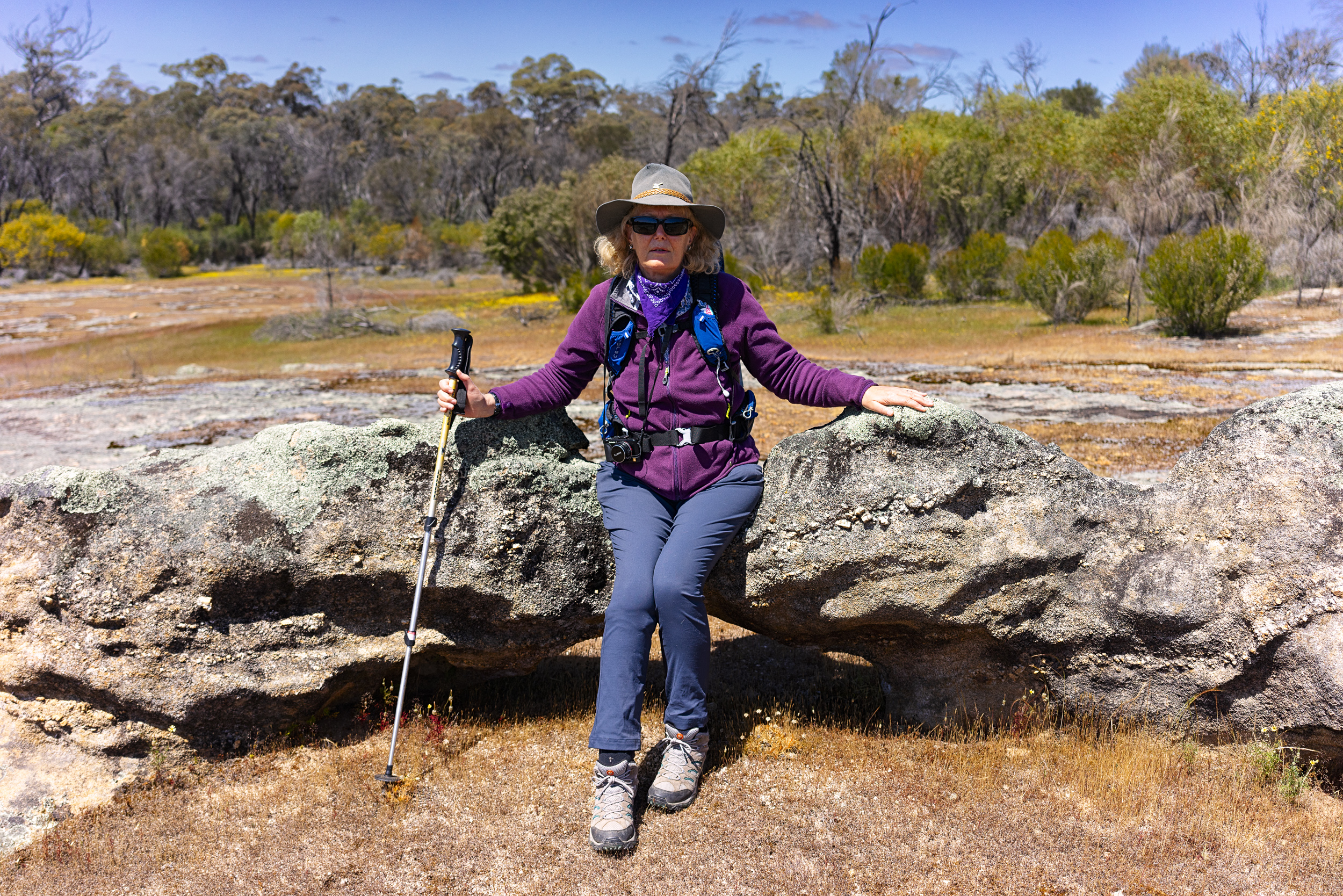
A well earned rest on a convenient rock.


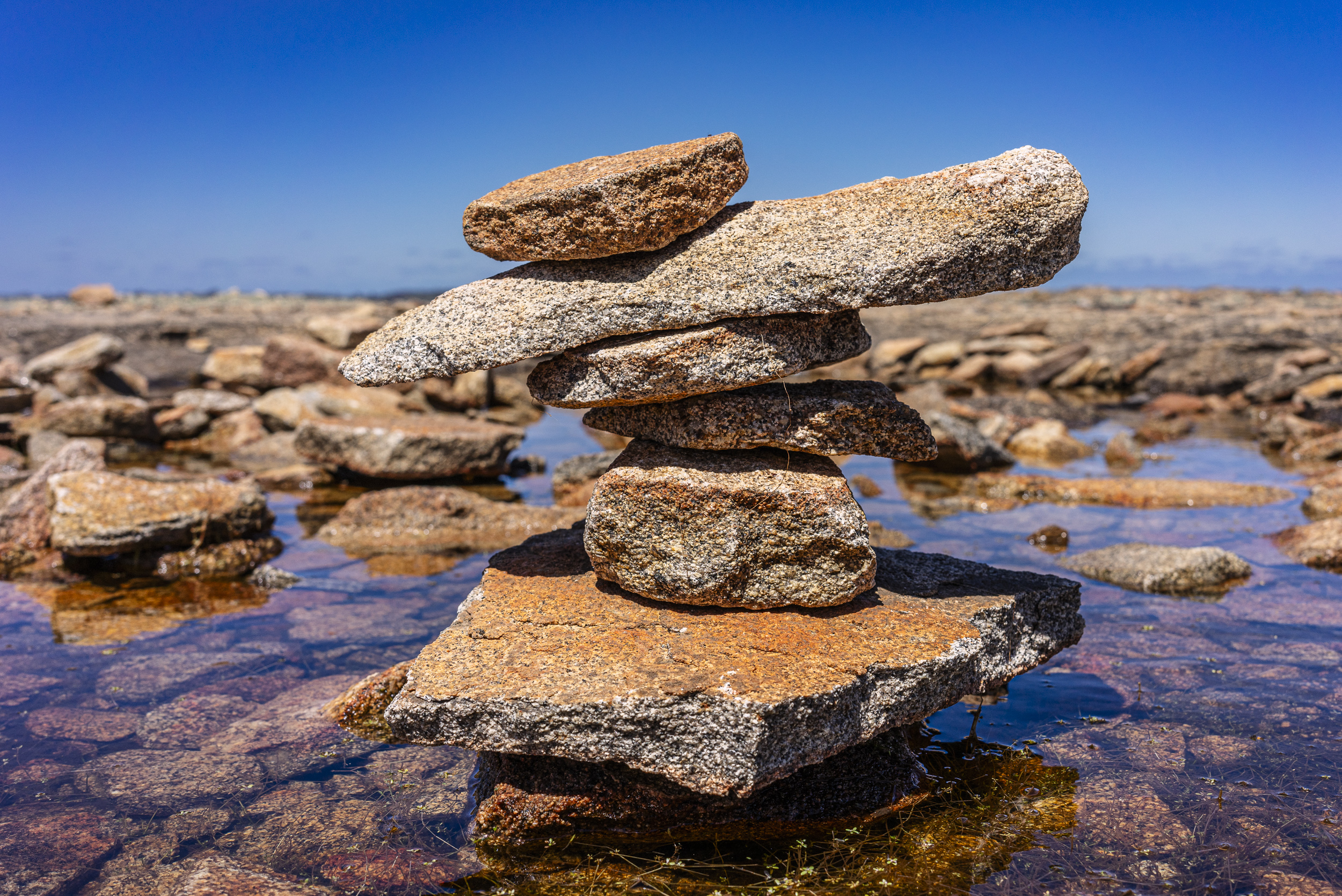
It’s not a difficult walk and the Nyoongar people, who call it “Boogin”,  believe that if you walk to the top of the rock without stopping you will live a long life. We’ve now done it twice so we should live to a very ripe old age. When we got to the top I was surprised to see a pool of water, it must be fed totally by rainfall. Even more surprising was the number of tadpoles swimming in it. Australian frogs never cease to surprise me – you find them in all sorts of strange places and you can’t help but wonder how they survive.


The rock pile in the middle of the pool on the top of Boyagin Rock.


Helen celebrates reaching the summit.


A quick jaunt down the rock retracing our tracks and we were back at the car. A leisurely picnic followed and we discussed where we will go for our next trip.


Waltzing Mount Matilda


The plan was simple walk the 7.9km Mt Matilda Walk Trail is located in the Wongan Hills Nature Reserve which is 12 km from Wongan Hill’s townsite. Beloved Significant Other (BSO) had a long cherished dream of doing the walk and with nothing on the agenda we set out to fulfil it. Now at this stage I’ll be completely honest and say my intentions were not only of the walking kind. I was hoping to slope off and get some orchid photography in at another nearby reserve. The BSO doesn’t like hanging about while I take photos – she would sooner watch paint dry.


Helen at the Lake Hinds Lookout on Mount Matilda.

How things turned out was another matter. As Rabbie Burns the Scottish poet wrote in his 1785 poem To a Mouse “The best-laid schemes o’ mice an’ men Gang aft agley”  or for those non Scots language speakers “The best-laid schemes of mice and men Go oft awry”.


Looking down from the Lake Hinds Lookout at the patterns in the neighbouring farmland.


Paul celebrates reaching the summit of Mount Matilda.


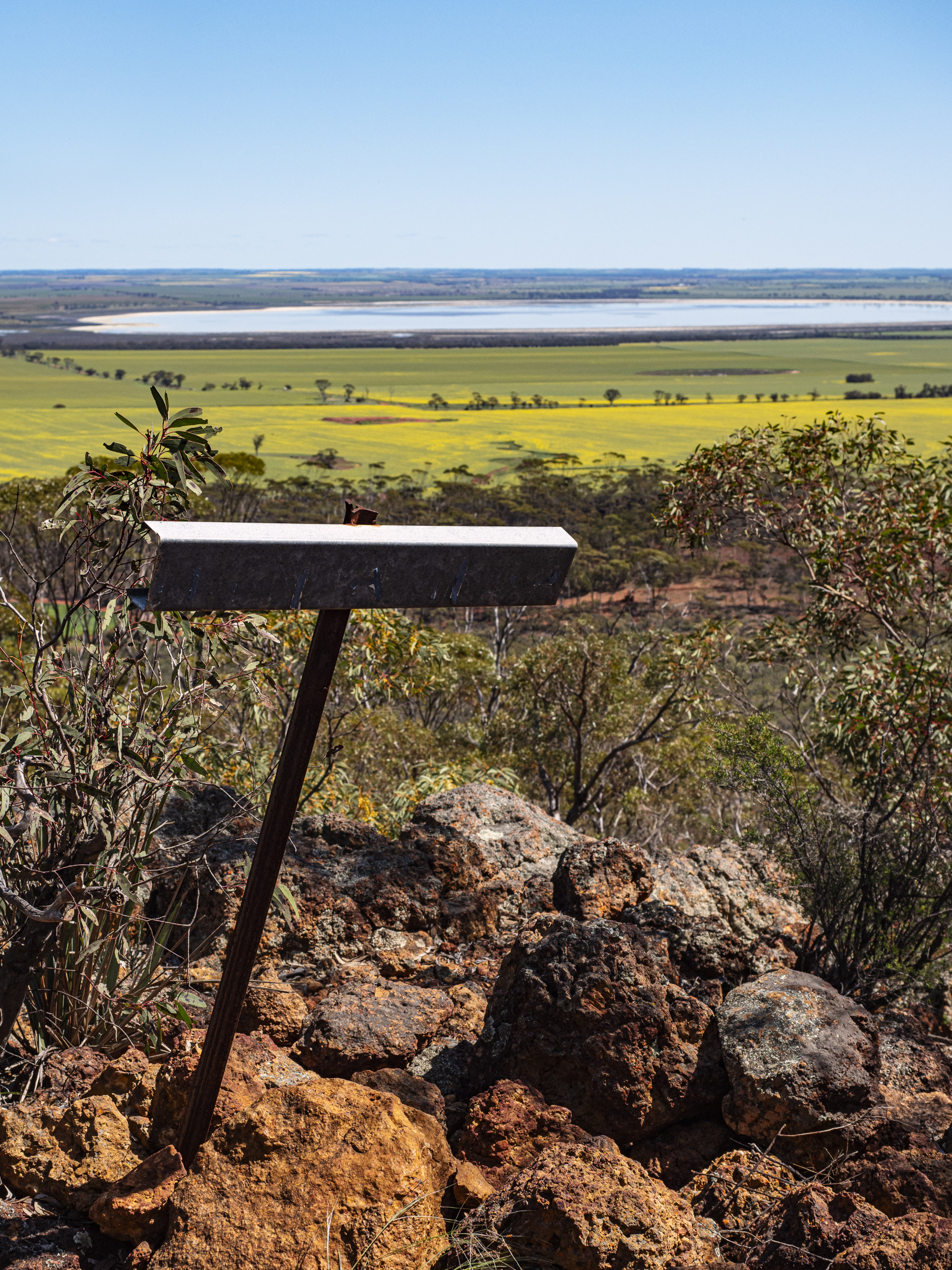
The summit of Mount Matilda. The sign marking the summit has seen better days. Lake Hinds can be seen in the distance.

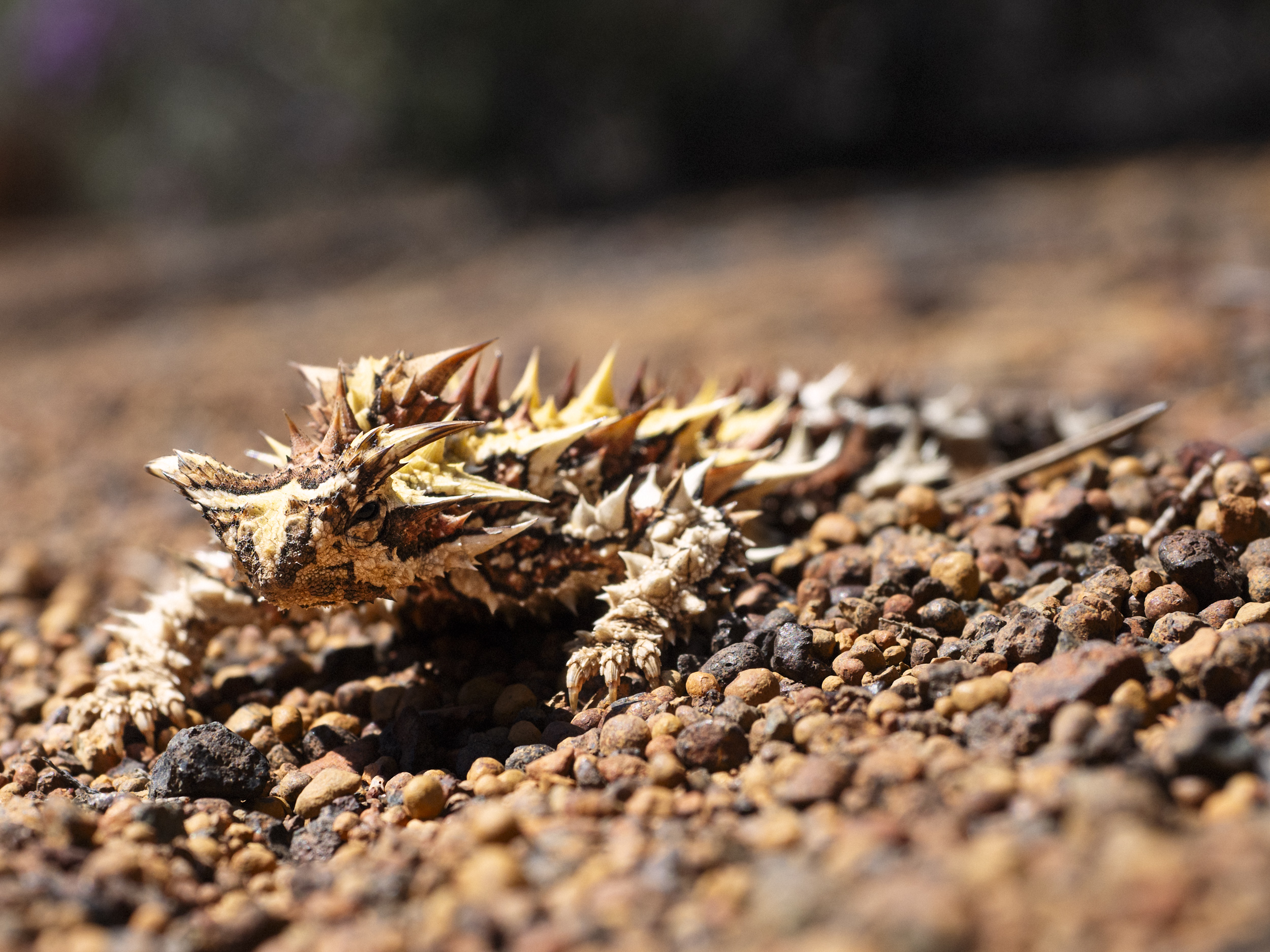
Well we did climb to the summit of Mount Matilda, which at only at 411m isn’t really saying much, but a combination of a dodgy back, grumbling knees and a long drive meant that we didn’t do the full walk. We decided to walk out to the summit and then back track to the turn off for the 4.8 km Wildflower Loop and I’m glad we did because we saw something really special – something we’d only waited 36 years to see. There on the side of the track was a Thorny Devil. We could scarcely believe it. Now Australia is full of weird animals – egg laying mammals, strange birds, bizarre looking insects, but the Thorny Devil is one of the strangest looking I’ve ever seen. Its defence seems to based on the idea that you’ll not want to harm it because it’s covered on big thorns as it made no attempt to move away from us. 

Thorny Devil, Moloch horridus. Mount Matilda, Western Australia.
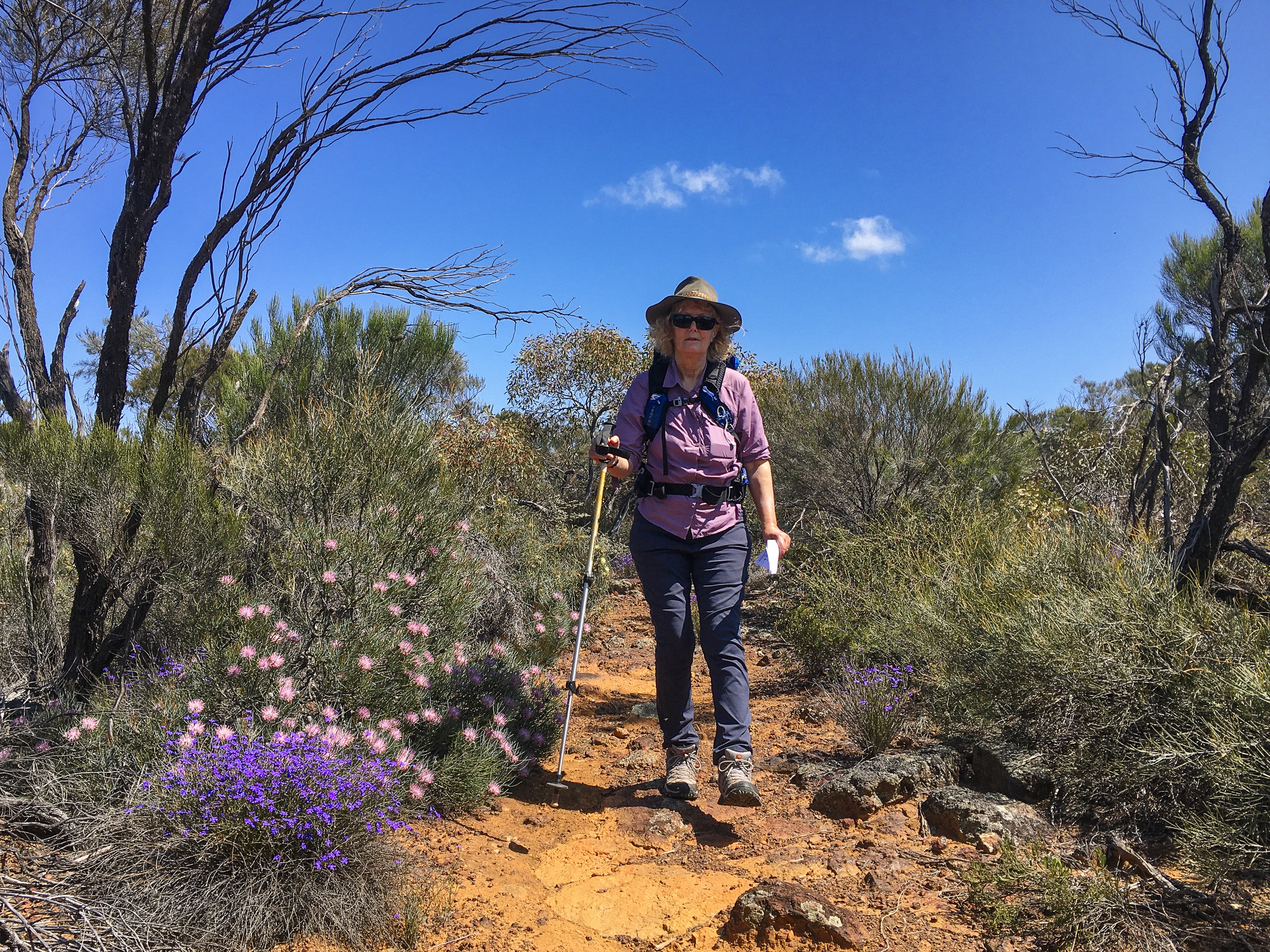
 

Weird eh? Thorny Devil, Moloch horridus. Mount Matilda, Western Australia.

On completion of the walk we had a nice picnic lunch at the shelter at the start of the walk trail while watching a bunch of blokes head to run the trail. I didn’t slope off to do any orchid photography as I couldn’t be fagged. The walk had been enough.

Helen standing next to a Spreading Coneflower.


Spreading Coneflower(Isopogon divergens) is found in Wongan Hills.


Helen walking through a stretch of trail called “A Country Garden” on Mt Matilda.


Pink Pokers (Grevillea petrophiloides) found all over Mount Matilda.

As I sit and write this SBO has announced we’ll have to go back and do the whole walk.

Fields Of Gold

Fields Of Gold by Paul Amyes on 500px.com

Golden hour light illuminates the canola. York, Western Australia.
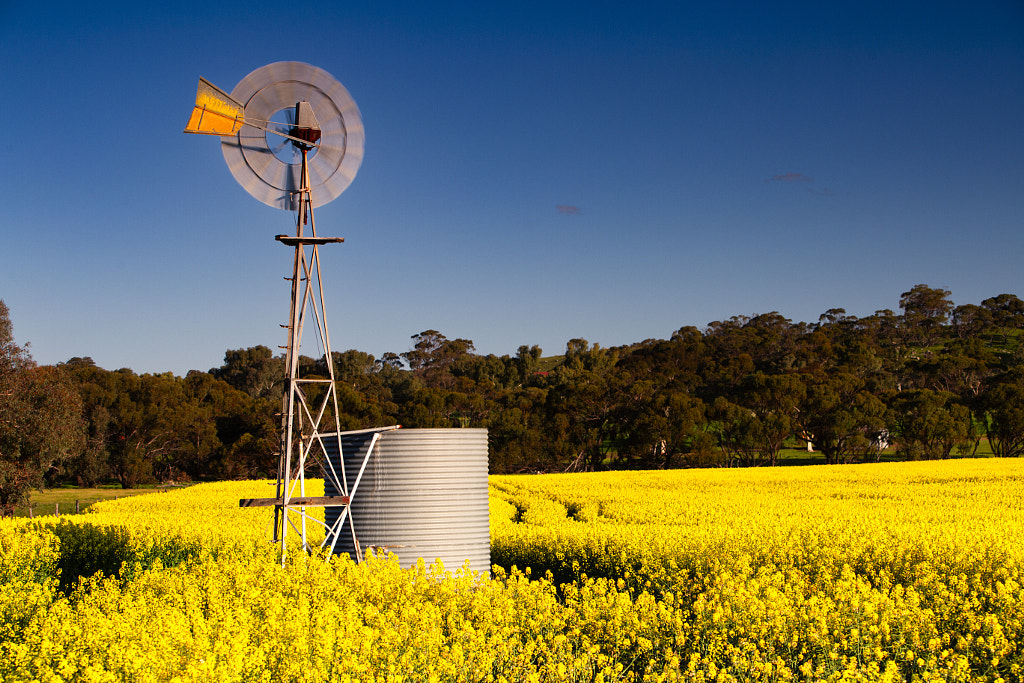
 

It’s the time of year again when I post a gratuitous canola photograph. But the yellow of the canola and the blue of the sky are hard to resist. It’s really strange – York is a wildflower hot spot with an incredible number of spectacular species, yet I see more tourists pull up to photograph canola than the wildflowers.

Hyden – the return


I mentioned a couple of weeks ago we’d gone to Hyden. We’ve been plenty of times before and I have written about those visits here, here and here. Wave Rock doesn’t hold much interest in itself – its just a big rock shaped like a wave. What is more interesting is the nature around the rock. When the winter rains come an incredible amount of water runs off the rock and this means there is a lot of vegetation that has become home to animals around the base. Not far from the rock and the vegetation gives out and you can see a salt plain with Lake Magic. This too is great place for observing animals and seeing wildflowers.

Unfortunately we’d had our beautiful weather on the drive down and the rain really set in – so much so that my walk along the base of Wave Rock, out to Lake Magic and then back via Wave Rock Airport and the Wildlife Park was in danger of becoming an aquatic walk. Thankfully I was dressed for the occasion and swathed in Gore Tex. My Olympus EM 1 mk ii is very well sealed against the elements as are the lenses. Despite my careful preparation the subject matter – orchids and birds – didn’t want to oblige. Regardless of the weather that the walk was really enjoyable.


Hairy Stemmed Snail Orchid by Paul Amyes on 500px.com

Hairy stemmed snail orchid, Pterostylis sp. ‘hairy’. Hyden, Western Australia.
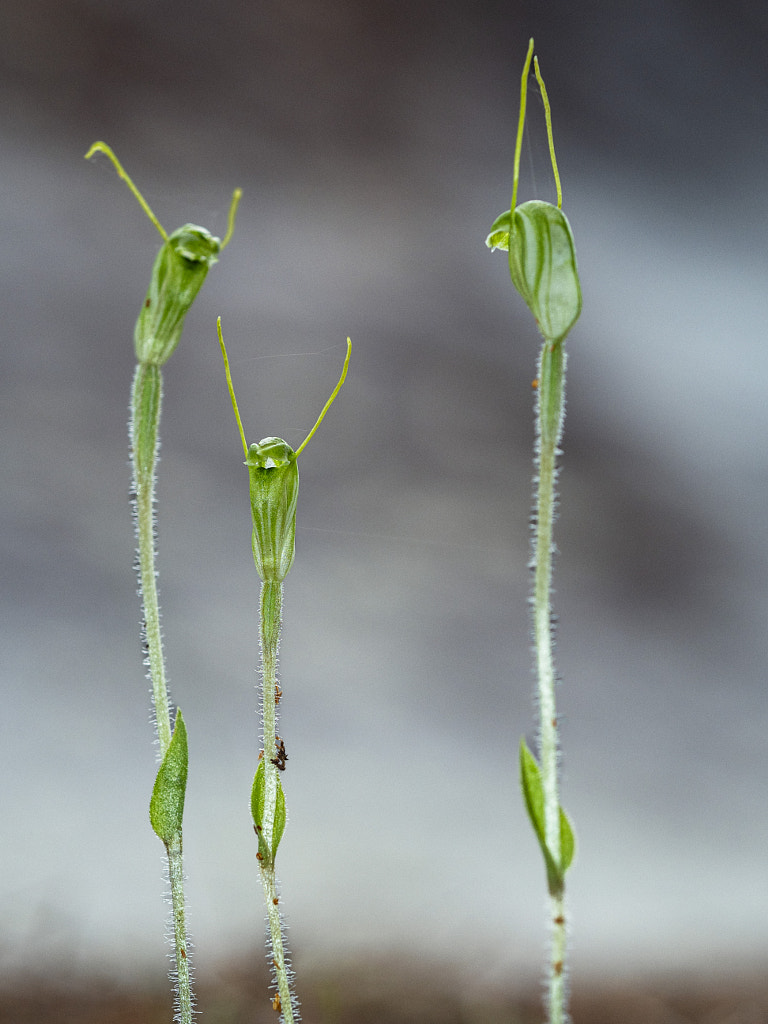
 

Dark Banded Greenhood by Paul Amyes on 500px.com

Dark banded greenhood, Pterostylis sanguinea. Hyden, Western Australia.
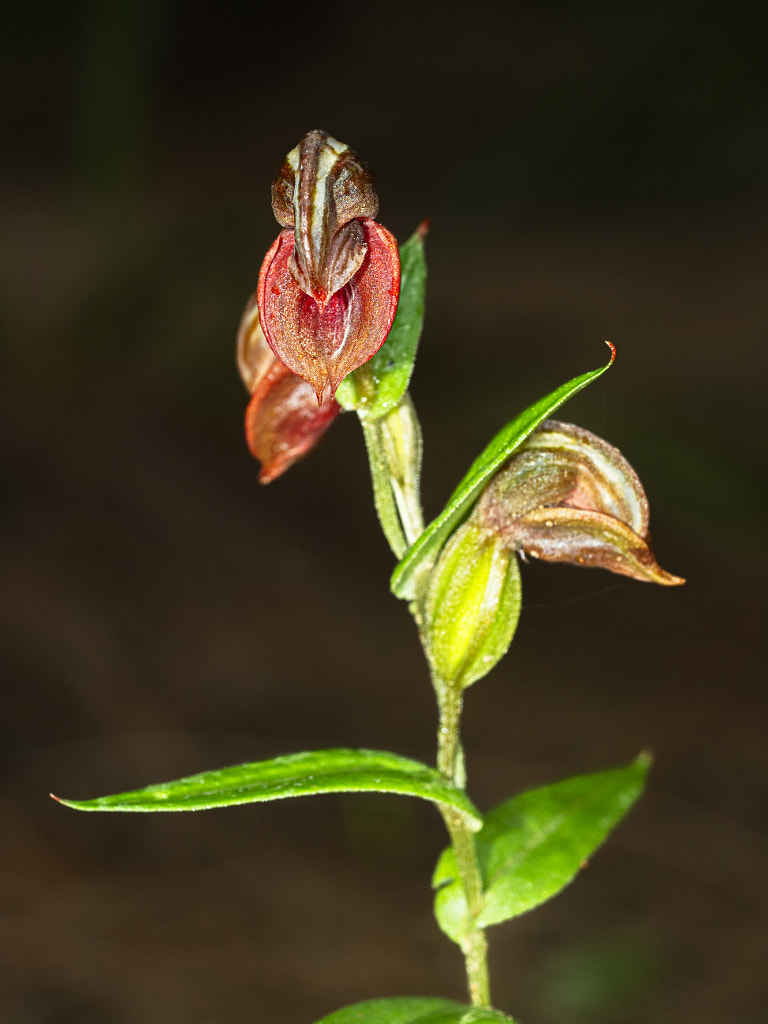
 

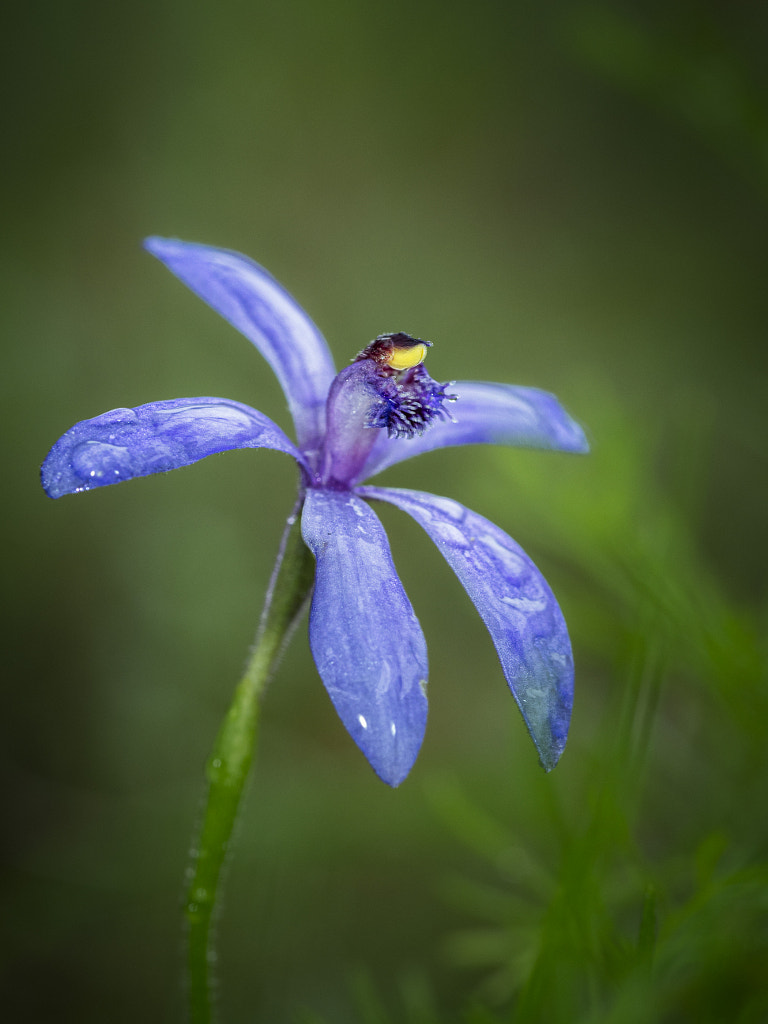
Blue Fairy Orchid by Paul Amyes on 500px.com

Blue beard or blue fairy orchid (Pheladenia deformis). Hyden, Western Australia.
 

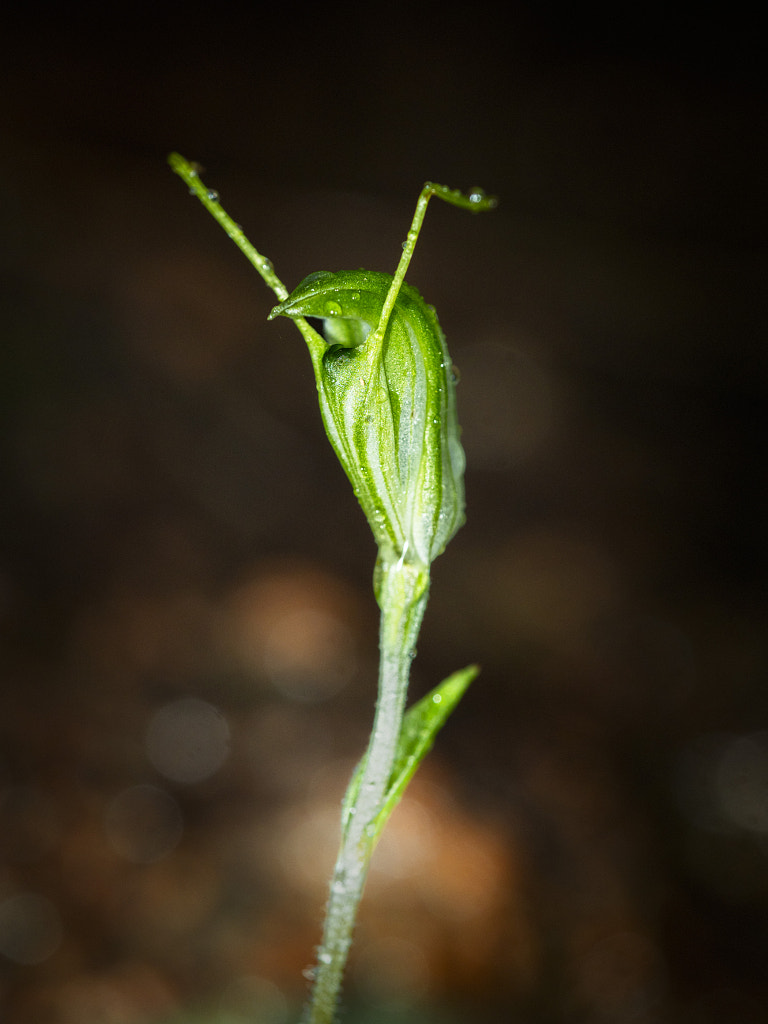
Hairy Stemmed Snail Orchid by Paul Amyes on 500px.com

Hairy stemmed snail orchid, Pterostylis sp. ‘hairy’. Hyden, Western Australia.
 

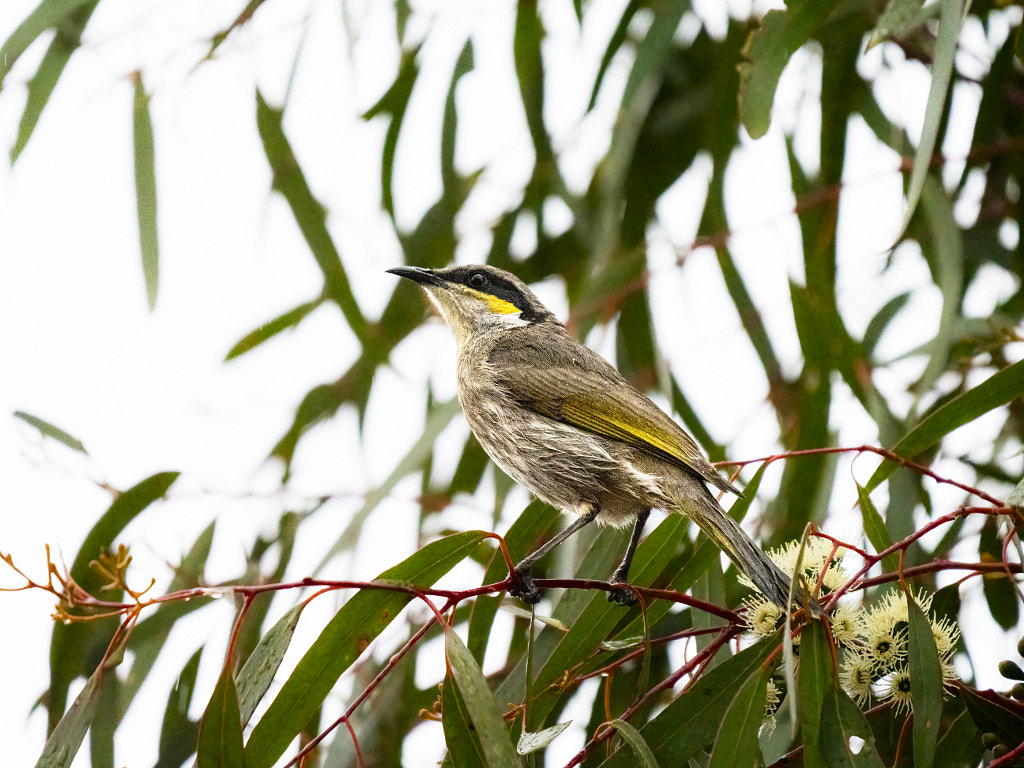
Koolbort by Paul Amyes on 500px.com

Singing Honeyeater, Gavicalis virescens. Hyden, Western Australia.


Journey to Jooralying

Out and about again looking for orchids and birds. This trip took me to the Old Jooralying townsite just east of Narrogin. It was marked as such on my mud map but other than that I could find no other reference to it. When I got there there wasn’t too much to see. Amongst the scrubby rock sheoaks  were some faint trails that once could have been dirt roads, and a few old timbers from some sort of structure. A bit more investigation and I found an old car wreck. It was remarkably intact considering how long it must have been there.

Abandoned car at the Old Jooralying Townsite in Western Australia.


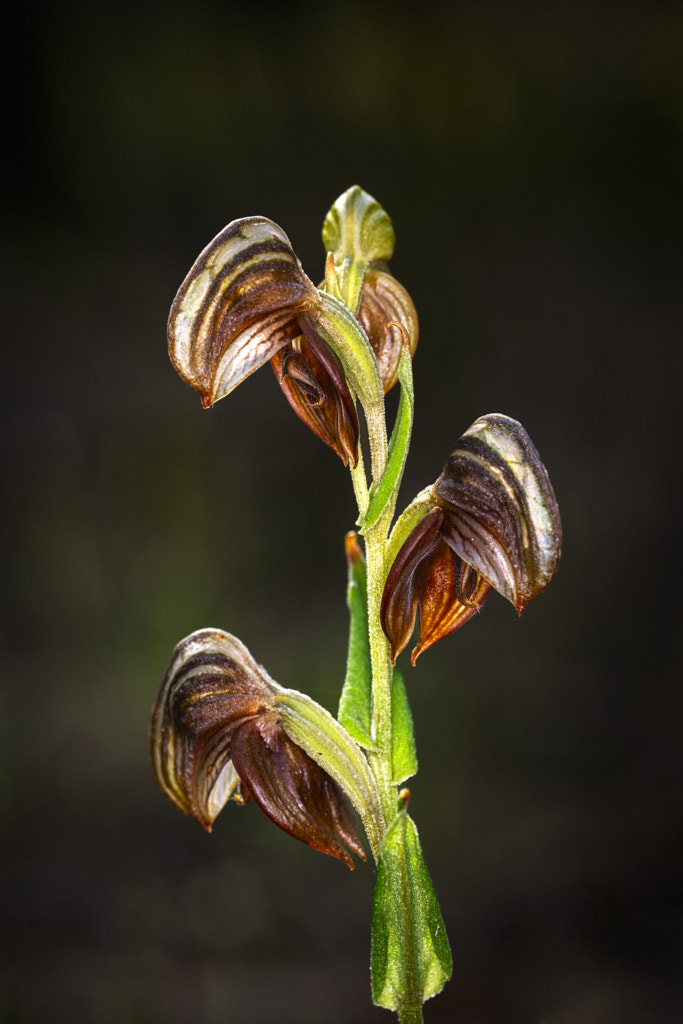
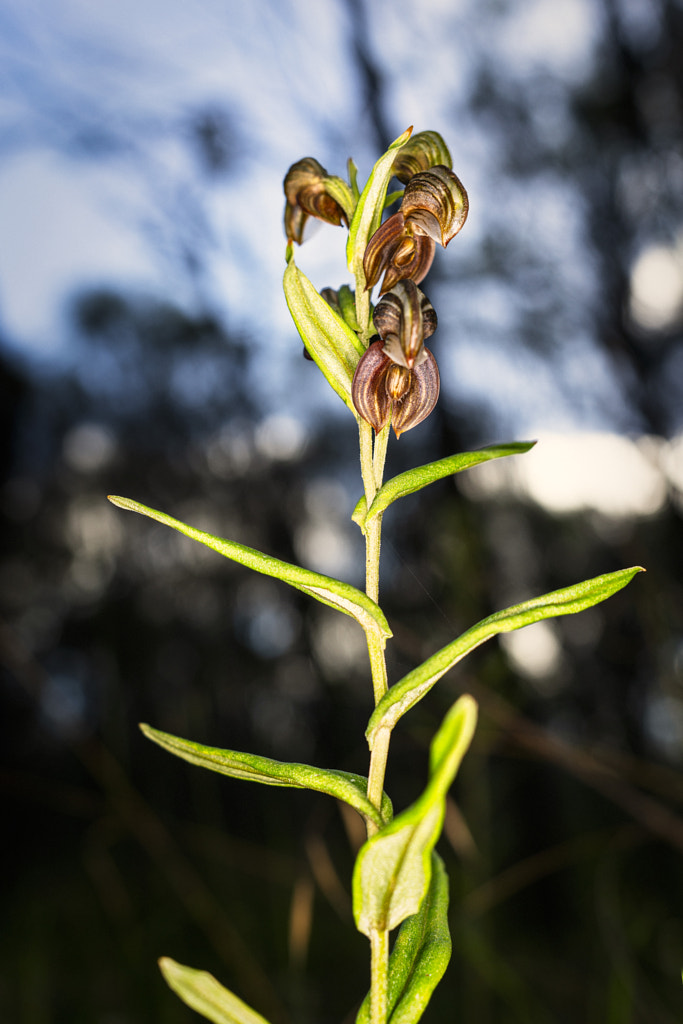
It took a while but eventually I found the orchids – a small colony of them. They’re nothing special to look at, but they are a variety I’d not seen or photographed before so that made the journey worthwhile.


Cupped Banded Greenhood by Paul Amyes on 500px.com
Cupped Banded Greenhood, Pterostylis concava. Jooralying, Western Australia.


Cupped Banded Greenhood by Paul Amyes on 500px.com

Cupped Banded Greenhood, Pterostylis concava. Jooralying, Western Australia.