Hotter Than…

… than a Vindaloo Curry with extra chilli and a side serving of chilli. Man has it been hot. I mean it’s been so hot that your eye balls sweat. Try and take a cold shower to cool down and the water coming out of the cold tap is hot. The dog refuses to go for a walk because the pavement is blisteringly hot. We did get a little respite for a day, the temperature dropped by 10º to 34ºC and everyone said it was chilly enough to look for a sweater. The third round of the seventh circle of Dante’s Inferno is a great Plain of Burning Sand scorched by great flakes of flame falling slowly down from the sky and it is an apt description of this summer here in the Wheatbelt of Western Australia. Cyclone Sean has a lot to answer for.
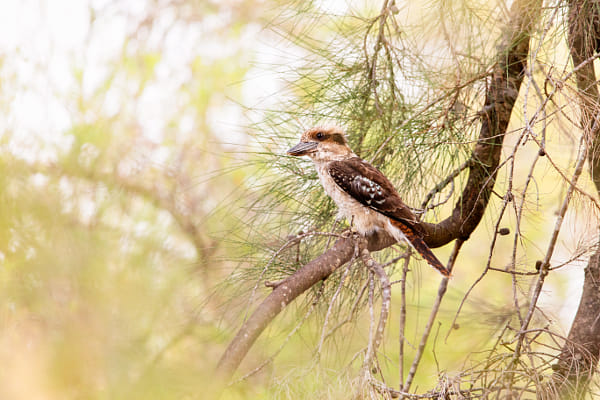
Kaa-kaa or Laughing Kookaburra by Paul Amyes on 500px.com
A very happy looking Kaa-kaa or Laughing Kookaburra (Dacelo novaeguineae).Avon Trail, York, Western Australia.


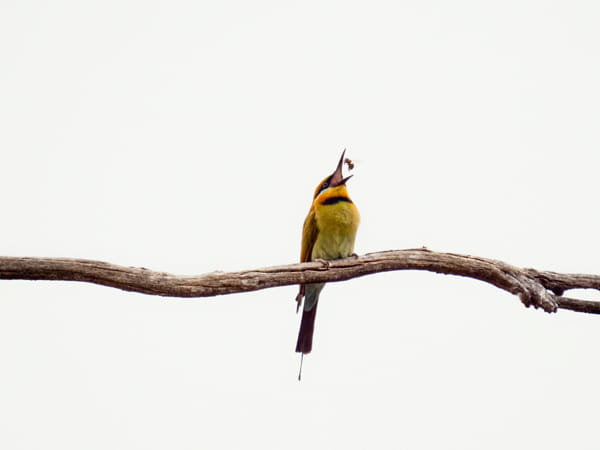
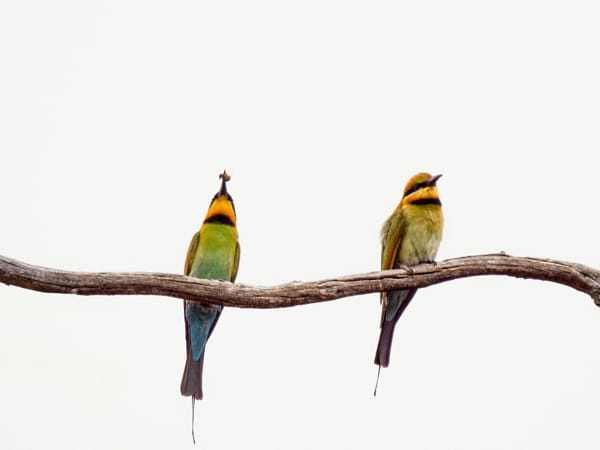
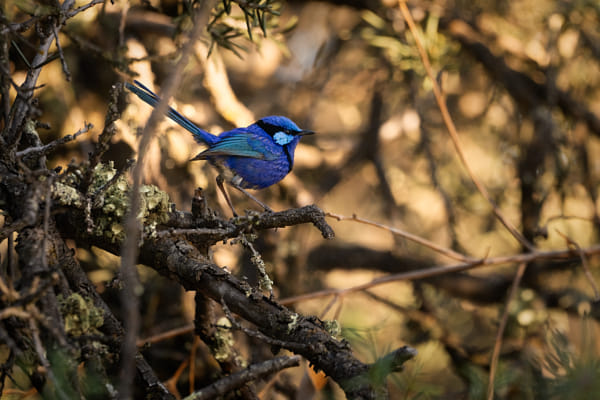
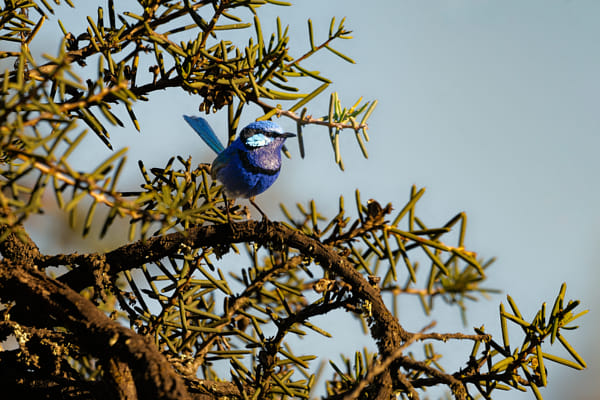
Yet I’m amazed how the natural world carries on. The Rainbow Bee-Eaters chicks have successfully fledged and are busy building themselves up for the long flight north at the end of March. Splendid Fairy Wrens, Thornbills and Silvereyes still look for insects in the undergrowth. Kookaburras, crows and magpies can be seen looking for the unwary to feed upon. The farmers paddocks are now just bleached stubble. The mice and other small animals that live in them have nowhere to hide and are easy pickings for the Black Shouldered Kites and Nankeen Kestrels.
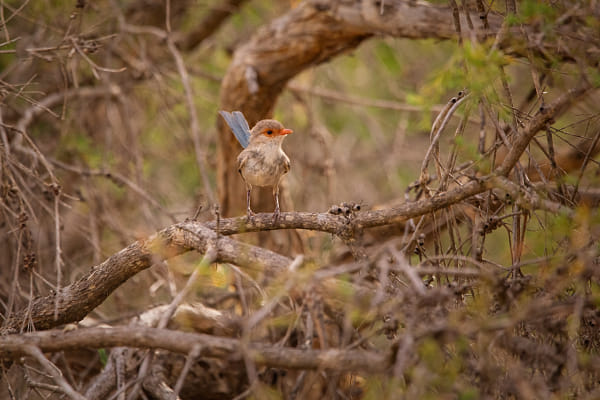
 

Djer-djer by Paul Amyes on 500px.com
Female Djer-djer or Splendid Fairy-wren (Malarus splendens subs splendens). Avon Trail, York, Western Australia.


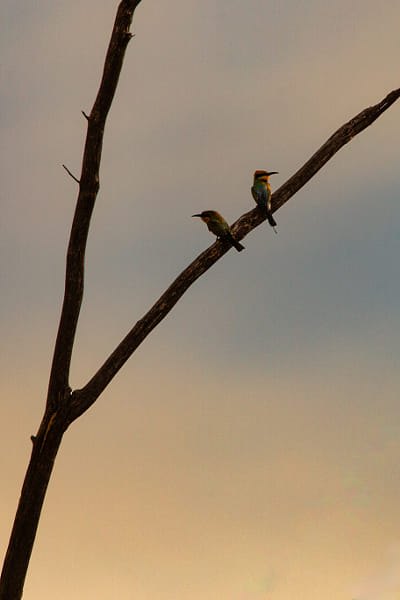
Birin-birin by Paul Amyes on 500px.com
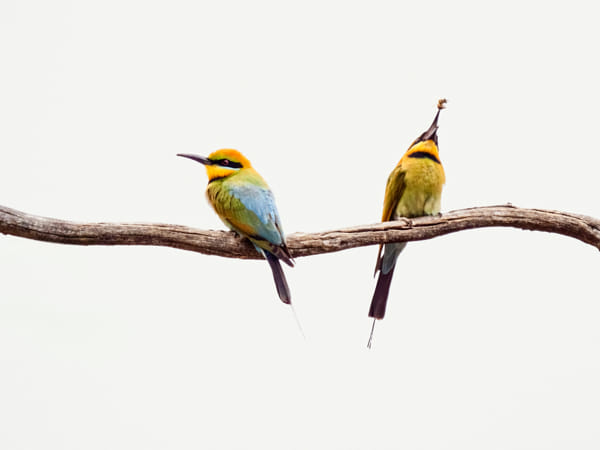
Birin-birin or Rainbow Bee-eaters (Merops ornatus) in the last light of the day. Avon Trail, York, Western Australia.


Walking along the river in the early morning or late evening it’s possible to see the birds, but they quickly retreat to places of deep shade as the temperatures rise. Come about 10 o’clock in the morning until about five in the afternoon they are almost totally silent. Despite the heat there is still quite a volume of water in the river. It is the water that enables the wildlife to survive.
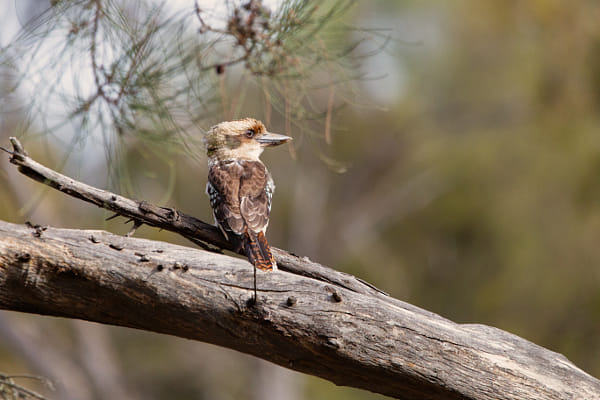
 

Kaa-kaa or Laughing Kookaburra by Paul Amyes on 500px.com

Kaa-kaa or Laughing Kookaburra (Dacelo novaeguineae).Avon Trail, York, Western Australia.
Dawn Breaks

Sitting on the banks of the River Avon in Northam waiting for the first light of the sun to seep into the shadows and herald the start of a new day. The birds on the sandbanks and in the trees are just beginning to stir. I was there to photograph Black-fronted Dotterels.


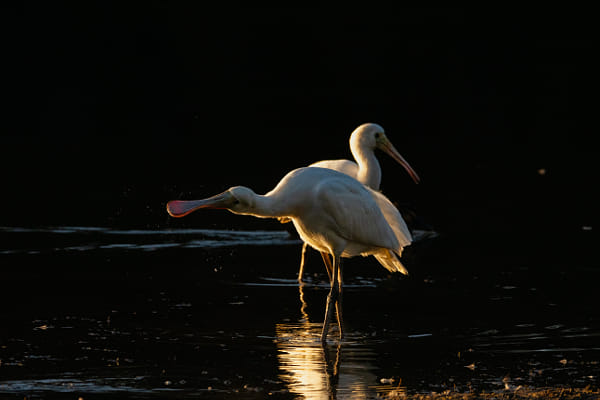
Kaaka-baaka by Paul Amyes on 500px.com
Kaaka-baaka or Yellow-billed Spoonbill (Platalea flavipes). Northam, Western Australia.


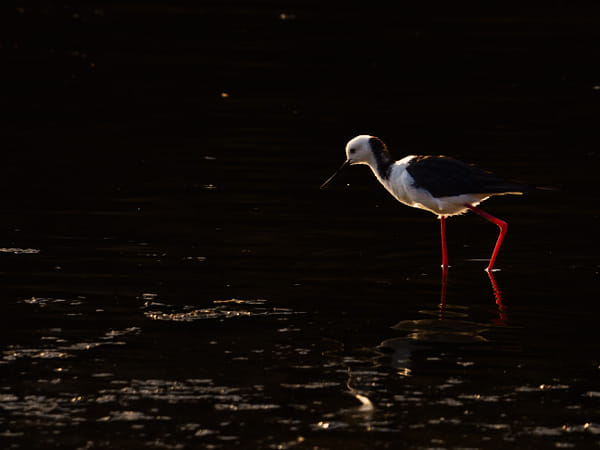
As the sun’s light filtered through the trees it created a beautiful chiaroscuro that Renaissance artists could only dream about. The Black-winged Stilts and the Yellow-billed Spoonbills were literally glowing against the dark background. Light like this is magical and you can see why it was used in so many religious paintings. The oft given advice about photographing birds and other animals is to always have the sun at your back. If you do this then you miss the opportunity to create something dramatic. You have to act fast as the light doesn’t hang around and no sooner than you are aware of it it is gone. That’s what happened on this morning. From just a faint hint  and then it floods in and the shadows disappear.


Djandjarak by Paul Amyes on 500px.com
Djandjarak or Black-winged Stilt (Himantopus himantopus subsp. leucocephalus). Northam, Western Australia.


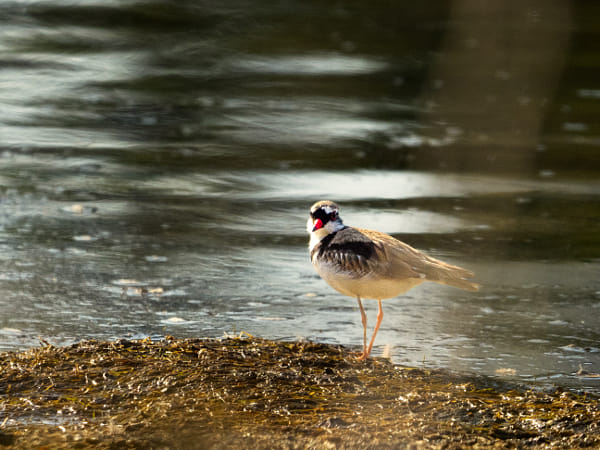
The Black-fronted Dotterels didn’t put in an appearance until I started walking back to the car. They obviously like a lie in. Although the light was past its best I still photographed them picking insects and small crustaceans from the mud and sand. It was after all what I gone to Northam for. 


Nidoolyorong by Paul Amyes on 500px.com

Nidoolyorong or Black-fronted Dotterel (Elseyornis melanops). Northam, Western Australia.

Guess Who’s Coming To Dinner?

Well it wasn’t Sidney Poitier that’s for sure.

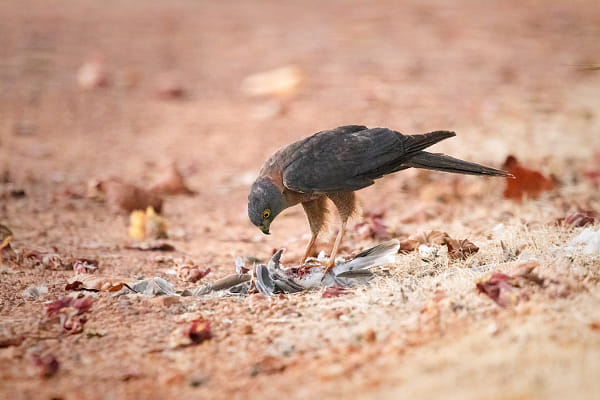
Things were just winding down for the evening when the Beloved Significant Other announced that there was a raptor eating a bird in our drive. I ran and grabbed the the first camera to hand with a long lens attached – my Canon 80d with Sigma 150-600mm lens. Using the dustbins as cover I managed to get quite close. I wasn’t sure what I was looking at in terms of species – at first I thought it was a Peregrine Falcon (Falco peregrinus) but I wasn’t entirely convinced. I did know what it was eating – a Laughing Dove (Streptopelia senegalensis) as there are plenty of them in the neighbourhood. It was quite a nervous bird constantly scanning the environment between mouthfuls. Like most raptors it had merely stunned its prey and it was a bit hard to watch as the dove squirmed about while being eaten. It died when the contents of the chest cavity were removed. But that’s nature for you – incredibly beautiful but undoubtedly cruel.


Djili-djili by Paul Amyes on 500px.com
Djili-djili or Collared Sparrowhawk (Accipiter cirrhocehalus) eating a laughing dove (Streptopelia senegalensis) in our driveway.


Djili-djili by Paul Amyes on 500px.com
All the best bits have been eaten.


I didn’t look at the photos until the morning. First off I marvelled at how well the 80d coped. It was the last stages of dusk and quite dark which meant using ISO 12800. The files were incredibly noisy but they cleaned up very well in Topaz DeNoise AI. The autofocus system on the 80d is very primitive compared to modern mirrorless cameras that now have bird detect autofocus, but it did a great job with only a couple of frames out of the 200 I shot being out of focus.


Canon EOS 80d
The Canon 80d – it maybe getting on a bit, but it is a very capable camera.


Sigma 150-600mm f5-6.3 DG
The Sigma 150-600mm f5-6.3 DG Contemporary lens. It offers a real bang for the buck.


What was the bird? Well it wasn’t a Peregrine Falcon, but a  Collared Sparrowhawk (Accipiter cirrhocephalus).


The Dutiful Father

They say “familiarity breeds contempt” and I think that is true of one of Australia’s most common birds – the Magpie-lark (Grallina cyanoleuca). They are one of the few species of Australian birds that have benefited from land clearance and urbanisation and so they are seen in most towns and cities. Most people are so accustomed to their presence in environment that they barely give them a thought. I must say that I am one of them. If I look at my photo library in the last twenty years I’ve only taken 11 photos of a Magpie-lark while in the last five years I’ve taken 77 photos of White-faced Herons.


Diliboort by Paul Amyes on 500px.com
Feed Me! Fledgling Diliboort or Magpie-larks (Grallina cyanoleuca) demanding food. Avon Walk Trail, York, Western Australia.


The other day I’d been on a Kingfisher stakeout and I was just walking up the river to see what the Rainbow Bee-eaters were up to. When I noticed this pair of male fledgling Magpie-larks creating a hullabaloo. Waiting a few minutes I saw an adult male fly in and feed them. He was very conscientious making sure to feed each one in turn. He’d then fly off and walk around the grass in the park looking for bugs and worms and when he had a beak full he return back to his charges. In the half an hour I watched them I didn’t once see the mother. Perhaps she was taking a well earned rest somewhere.


Diliboort by Paul Amyes on 500px.com
Dad diligently obliges.


So watching and photographing those interactions has made me double the number of photos of Magpie-larks in my library and reminded me not to ignore the less charismatic birds.

The Happy Couple

I’ve been enjoying watching the Rainbow Bee-eaters. This year it appears that only one breeding pair have returned to York. This is the lowest number I’ve seen in York in the last twenty years. Despite that the pair we have make for delightful watching.


Birin-birin by Paul Amyes on 500px.com
The female Rainbow Bee-eater playing with her food (a bee naturally) the male isn’t impressed.


Birin-birin by Paul Amyes on 500px.com
The male leaves her to get on with it.


Birin-birin by Paul Amyes on 500px.com
A couple of minutes later he returns with his own bee.


Birin-birin by Paul Amyes on 500px.com
His turn to enjoy a meal.


Just Splendid

One of the delights of walking through any natural environment at this time of year is seeing male Splendid Fairy Wrens in their breeding plumage. I regularly walk along the Avon River photographing the birds I see, and I hadn’t seen one for a couple of years. Usually they can be seen in the dense low level foliage or on the ground feeding on insects, but over the last few years the wonderful folk at the York River Conservation Society have been clearing out the feral plants and replanting natives. This unfortunately meant that there wasn’t a lot of undergrowth to provide suitable habitat. But joy of joys now that the bush is growing nicely and maturing the Splendid Fairy Wrens are back! It is terrific to see them again.

Djer-djer by Paul Amyes on 500px.com
They’re back! Djer-djer or Splendid Fairy-wren (Malurus splendens). Avon Walk Trail, York, Western Australia.


Djer-djer by Paul Amyes on 500px.com
Oh baby are they back!


2024 – the year in photos

This last year seems to have gone in a blur, it only seems like yesterday that I was writing the blog entry for the best of 2023.

These are my favourite photos from the past year. They’re not technically the best, but they are what made me happy. 2023 marked quite a departure from previous years. I didn’t do very much wildflower photography and I started dabbling with film again. 


Red-backed Kingfisher
Red-backed Kingfisher, Todiramphus pyrrhopygius. York, Western Australia.


Karkany
Karkany or Brown goshawk (Accipiter fasciatus) basking in the dawn light. York, Western Australia.


Ngalkaning
Ngalkaning or Nankeen Night Heron (Nycticorax caledonicus subsp mannillenis). York, Western Australia.


Doolor
Doolor or Silvereye (Zosterops lateralis). York, Western Australia.


Western Inland Hunter
Western Inland Hunter, Austrogomphus collaris. York, Western Australia.


Black Shouldered Kite
Black Shouldered Kite, Elanus axillaris). York, Western Australia.


Bulland
Bulland or Great Egret, Ardea alba. Samphire Cove Nature Reserve, Westerm Australia.


Yoondoordo
Yoondoordo or Eastern Osprey (Pandion haliaetus). Island Point Reserve, Western Australia.
Delyip
Delyip or Red-capped Parrot (Platycercus spurius). Samphire Cove Nature Reserve, Westerm Australia.


Boodalang
Boodalang or Australian Pelican (Pelecanus conspicillatus). Alcoa Wellard Wetlands, Western Australia.


Djoordjilya
A female Red-winged Fairy-wren (Malurus elegans) called Djoordjilya by the indigenous Nyoongar. . Nannup, Western Australia.


Bandiny
Bandiny or New Holland Honeyeater (Phylidonyris novaehollandiae). Lake Leschenaultia, Western Australia.


Knuckey Lagoons Conservation Reserve
Masked Lapwing, Vanellus mile, and White-bellied Sea-eagle


Zebra Orchid
Zebra Orchid, Caladenia cairnsiana. Williams, Western Australia.


Leopard Orchid
Leopard Orchid, Thelymitra benthamiana.


Koobanmokin
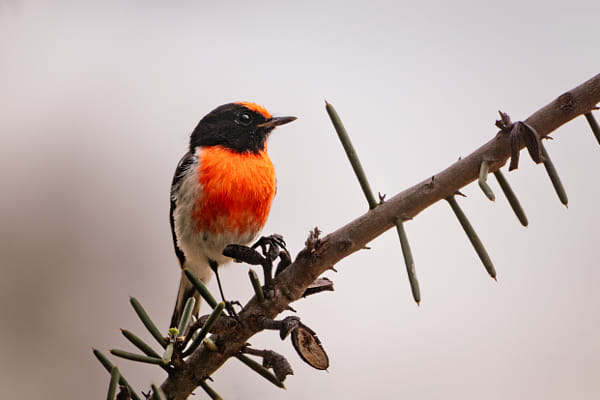
Koobanmokin or Red-capped Robin (Petroica goodenovil). Avon Trail, York, Western Australia.
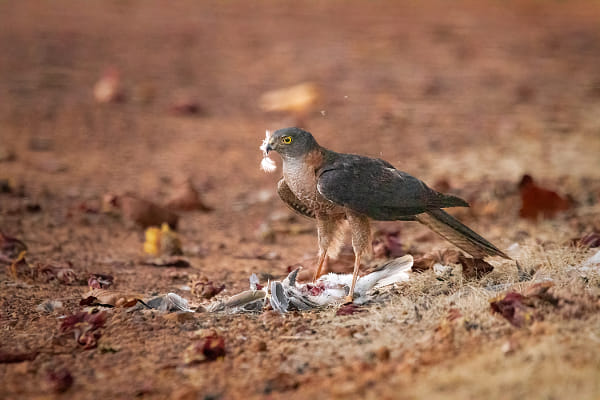
 

Kanyinak
Kanyinak or Sacred Kingfisher (Todiramphus sanctus). Avon Walk Trail, York, Western Australia.
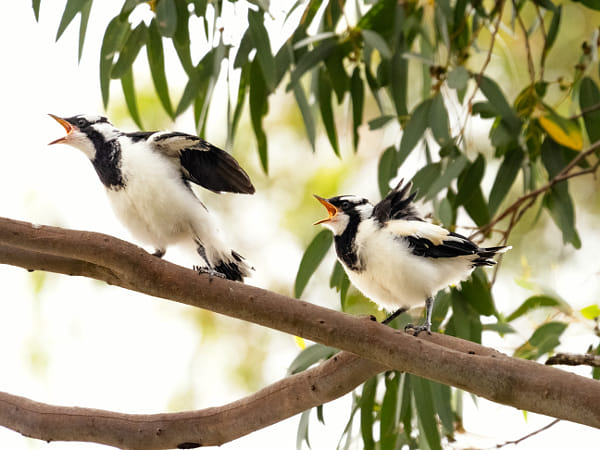
 

Diliboort
Diliboort or Magpie-lark (Grallina cyanoleuca). Avon Walk Trail, York, Western Australia.
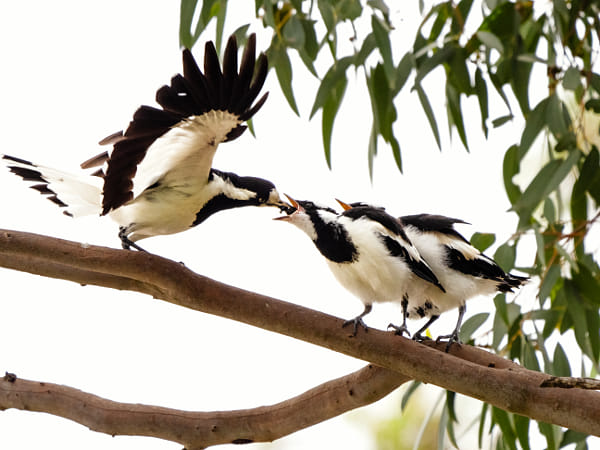
 

Djandjarak
Djandjarak or Black-winged Stilt (Himantopus himantopus subsp. leucocephalus). Northam, Western Australia.


Kaaka-baaka
Kaaka-baaka or Yellow-billed Spoonbill (Platalea flavipes). Northam, Western Australia.


Djili-djili
Djili-djili or Collared Sparrowhawk (Accipiter cirrhocehalus) eating laughing dove (Streptopelia senegalensis) in our driveway.


My most used digital cameras in descending order were:

  1. Olympus EM1 mk ii
  2. Olympus EM1x
  3. Canon EOS 6d – used only for camera scanning
  4. Canon EOS 80d
  5. Sony A7r2

My most used lenses in descending order were:

  1. Panasonic Leica 100-400mm f4-6.3
  2. Sigma 150-600mm f4.5-6.3
  3. Canon EF 100mm f2.8 L macro – used only for camera scanning
  4. Olympus 40-150mm f2.8 with x1.4 teleconverter

So what will 2025 bring? Well hopefully we’ll be going interstate again and there is the prospect of an overseas trip. Closer to home I’ve got an idea for a couple of projects. Predominantly I shall be using digital in the form of my Micro Four Thirds system, but I will continue to shoot film as I’m enjoying it so much.

Thanks to everyone who has followed the blog this year, and I hope that you will join me for 2025.

Christmas Spider

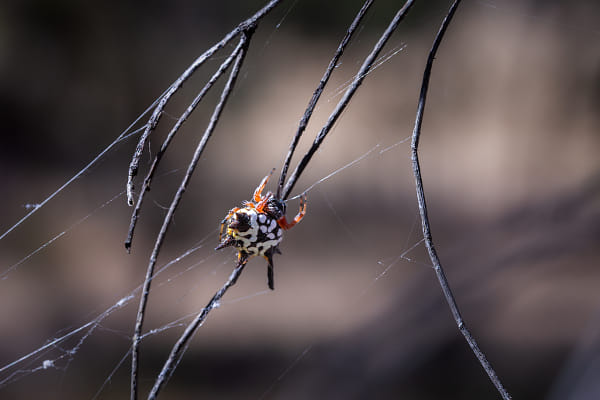
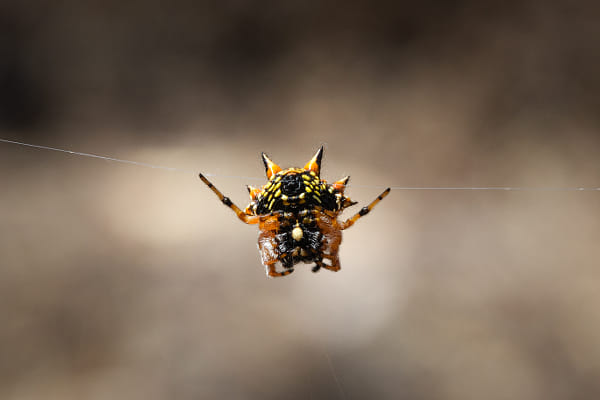
What could be better than spending Christmas morning than looking for Christmas Spiders aka Jewel Spiders.


Christmas Spider by Paul Amyes on 500px.com

The Christmas Spider or jewel spider (Austracantha minax) is associated with the comming of Christmas in Western Australia.
Christmas Spider by Paul Amyes on 500px.com