I’d not been down to the river for a couple of months – I’d given it a wide berth since the corella culls. So I was quite unprepared – it was 3ºC and I hadn’t dressed appropriately at all. Sitting in the shade by the water meant it was really chilly. The other change from when I’d last visited was there was some water in the river which meant that the birds instead of being congregated around the few permanent pools were spread out along the whole river. It was really quite spectacular watching the rising sun shine through the trees and paint everything golden. It was worth getting up just for that alone. I didn’t see many small birds, but the larger species were there in numbers all waiting for the sun’s warmth.
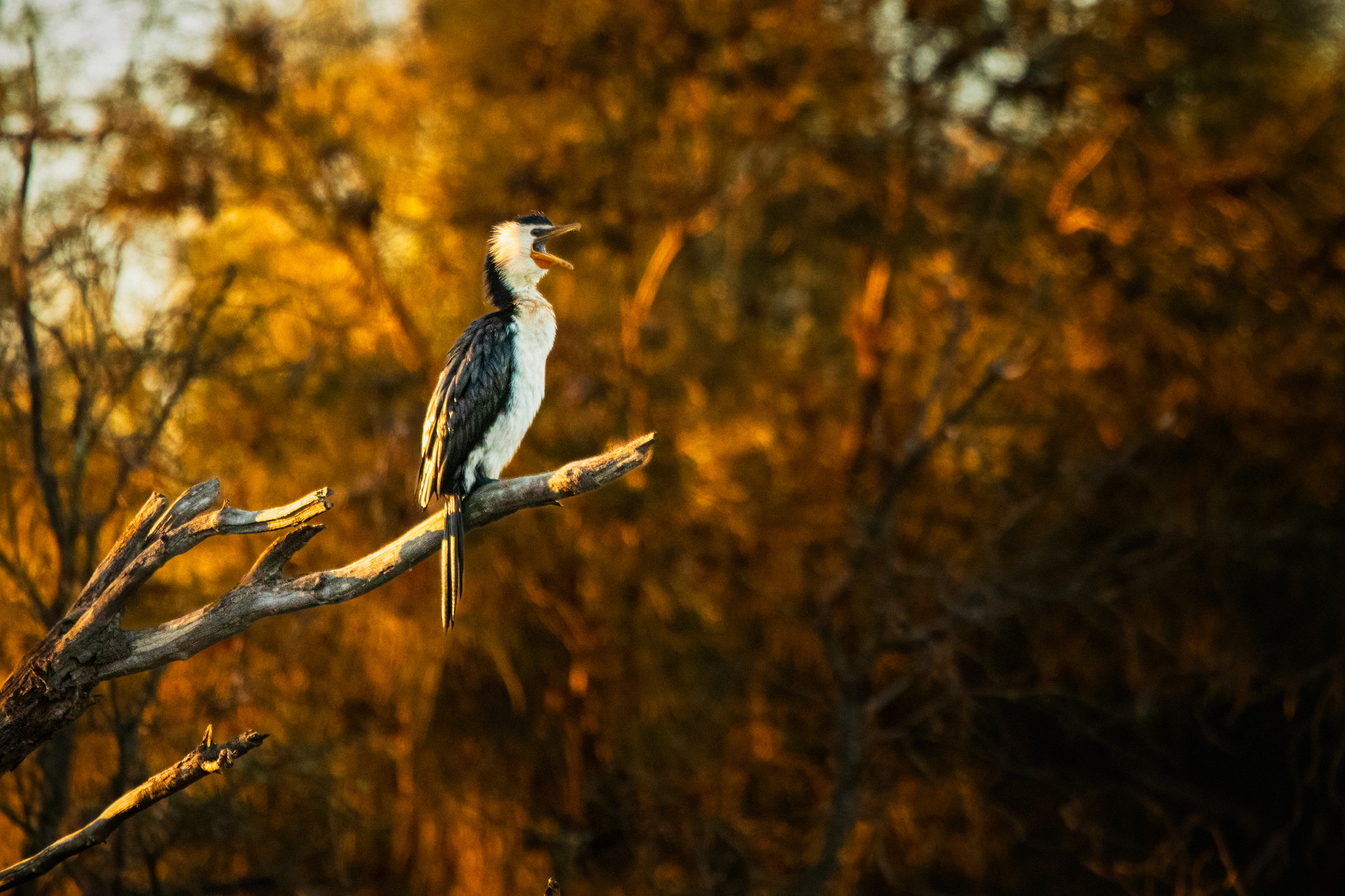
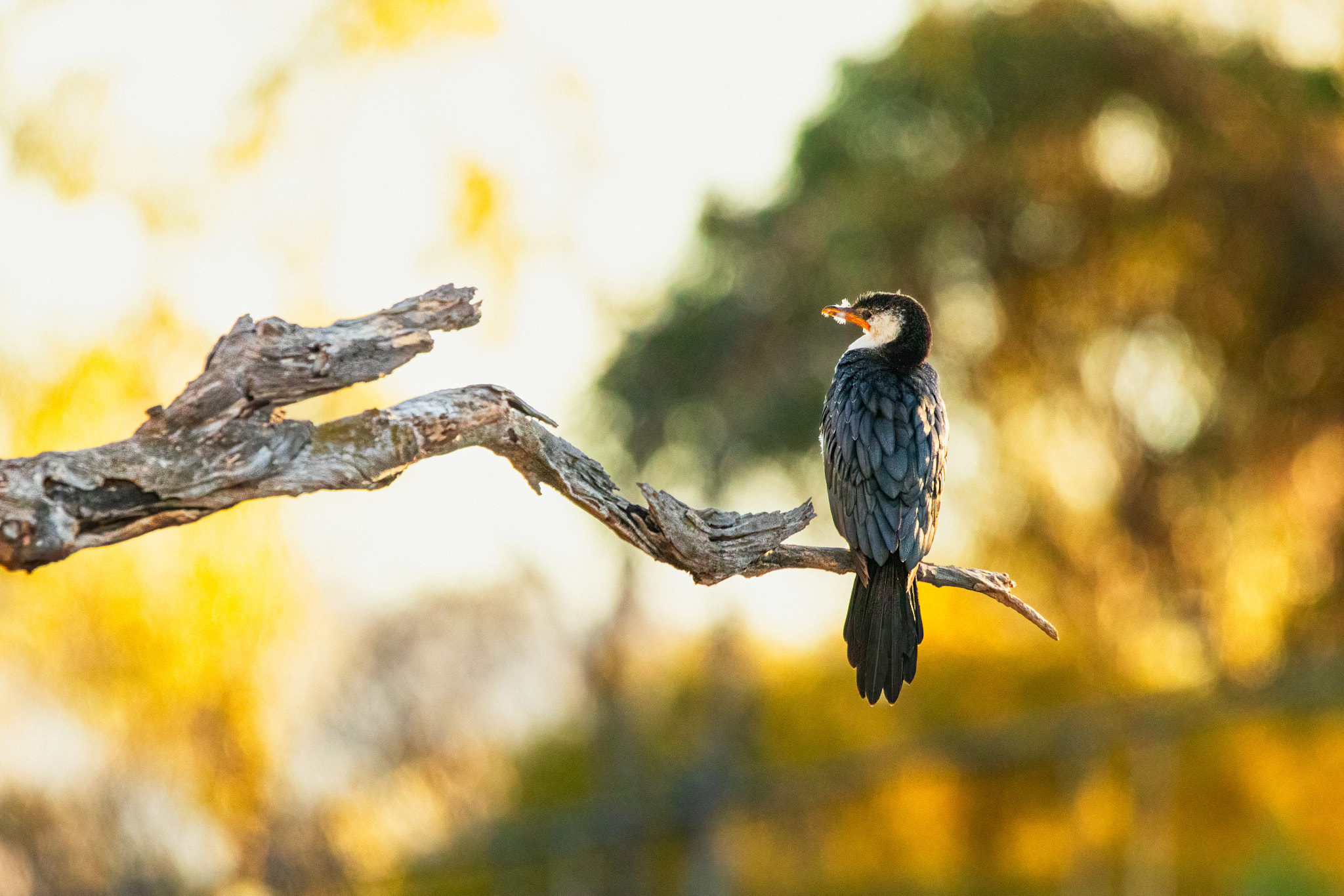
Kakak little pied cormorant (phalacrocorax melanoleucos). It’s rare to hear little pied cormorants calling out to each other, but this morning they were being very vocal. Perhaps they were complaining of being cold.
The rising sun shining through the trees produced some amazing soft golden light.
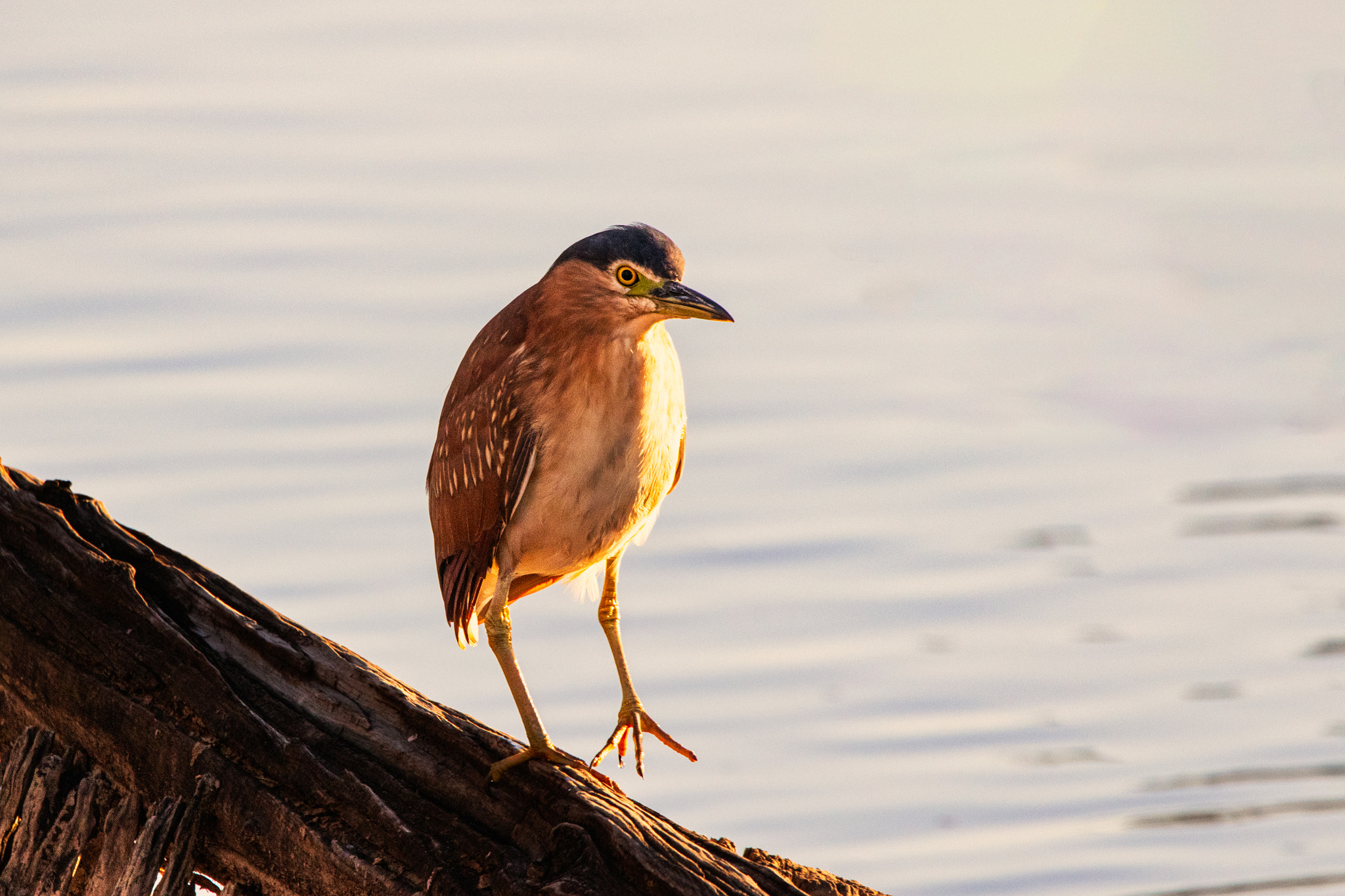
Ngalkaning or Rufous Night Heron aka Nankeen Night Heron (Nycticorax caledonicus subsp mannillenis).
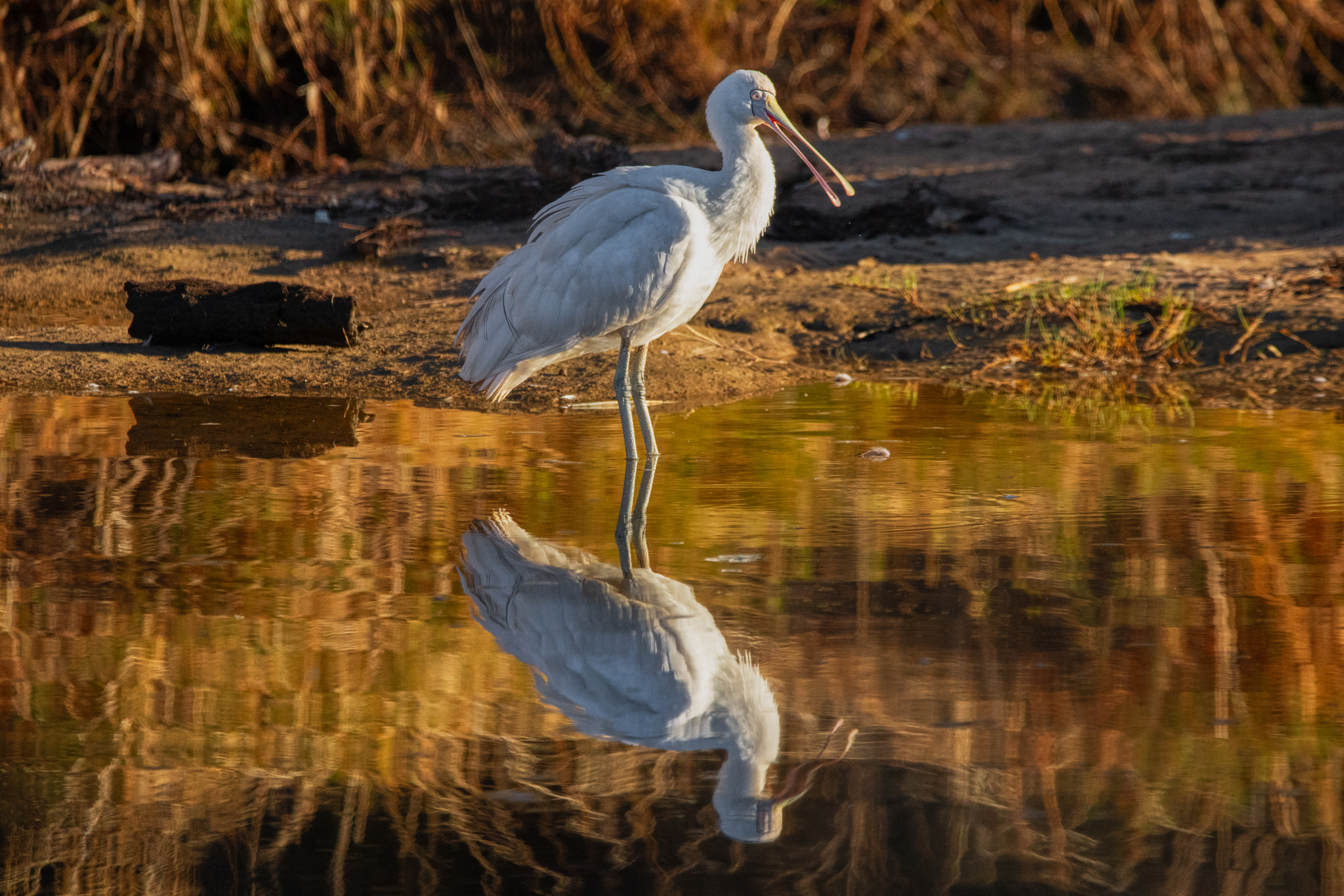
Kaaka-baaka or Yellow-billed Spoonbill (Platalea flavipes).
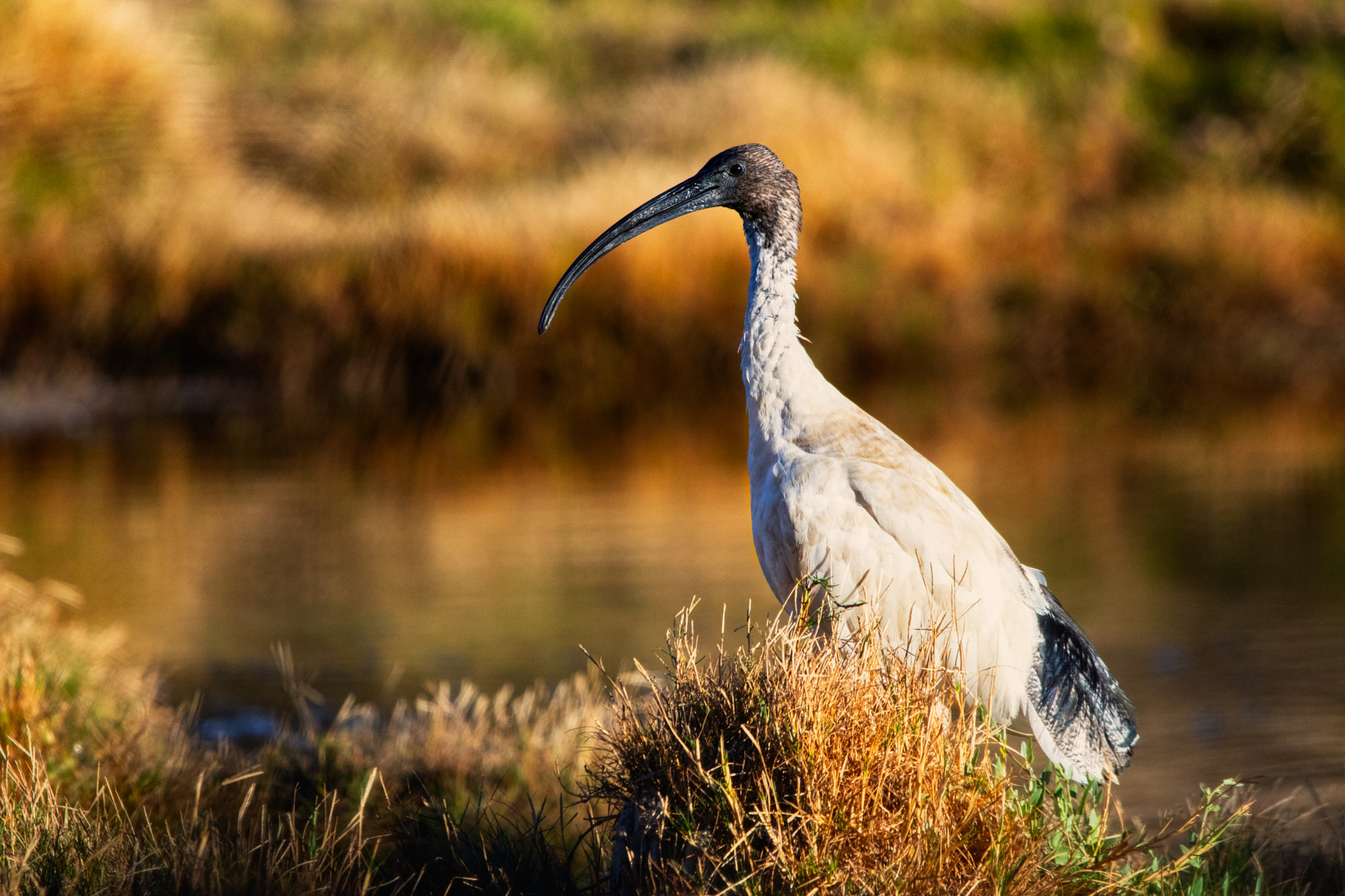
Ngalkaning or Australian white ibis (Threskioris molucca).
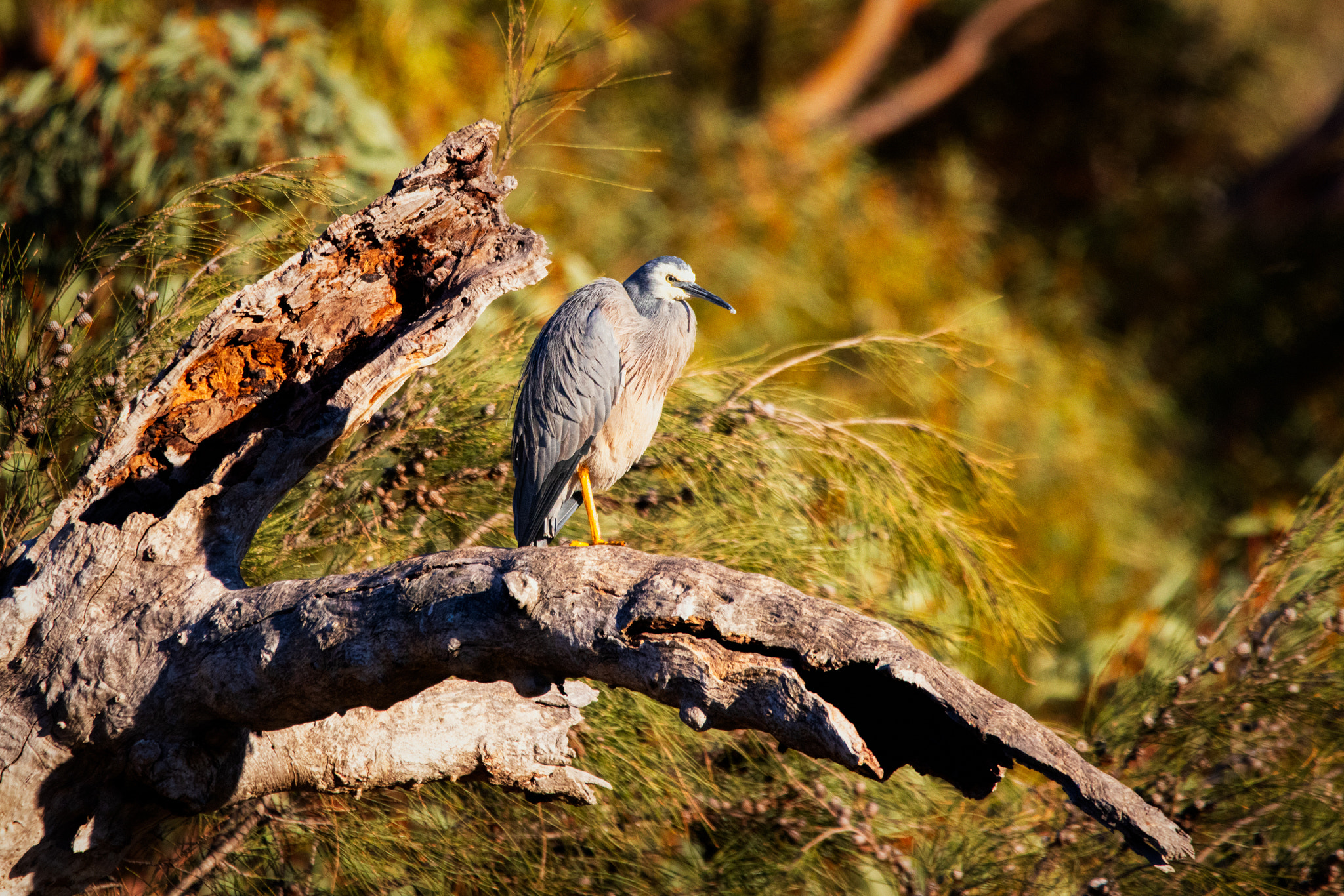
Wayan or White-faced Heron (Egretta novaehollandiae).
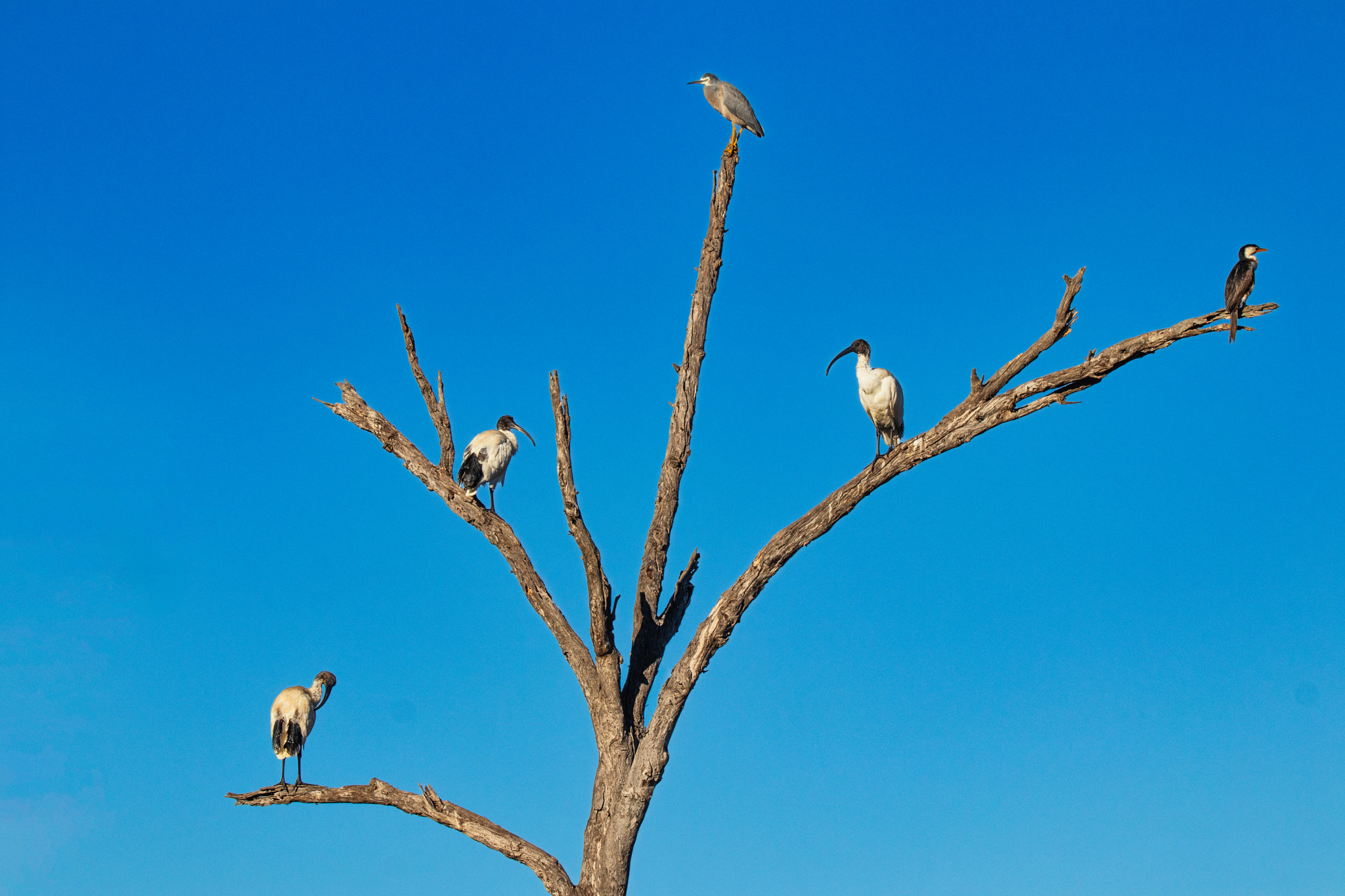
On a cold morning on the Avon River some of the inhabitants try catching the sun’s warmth.
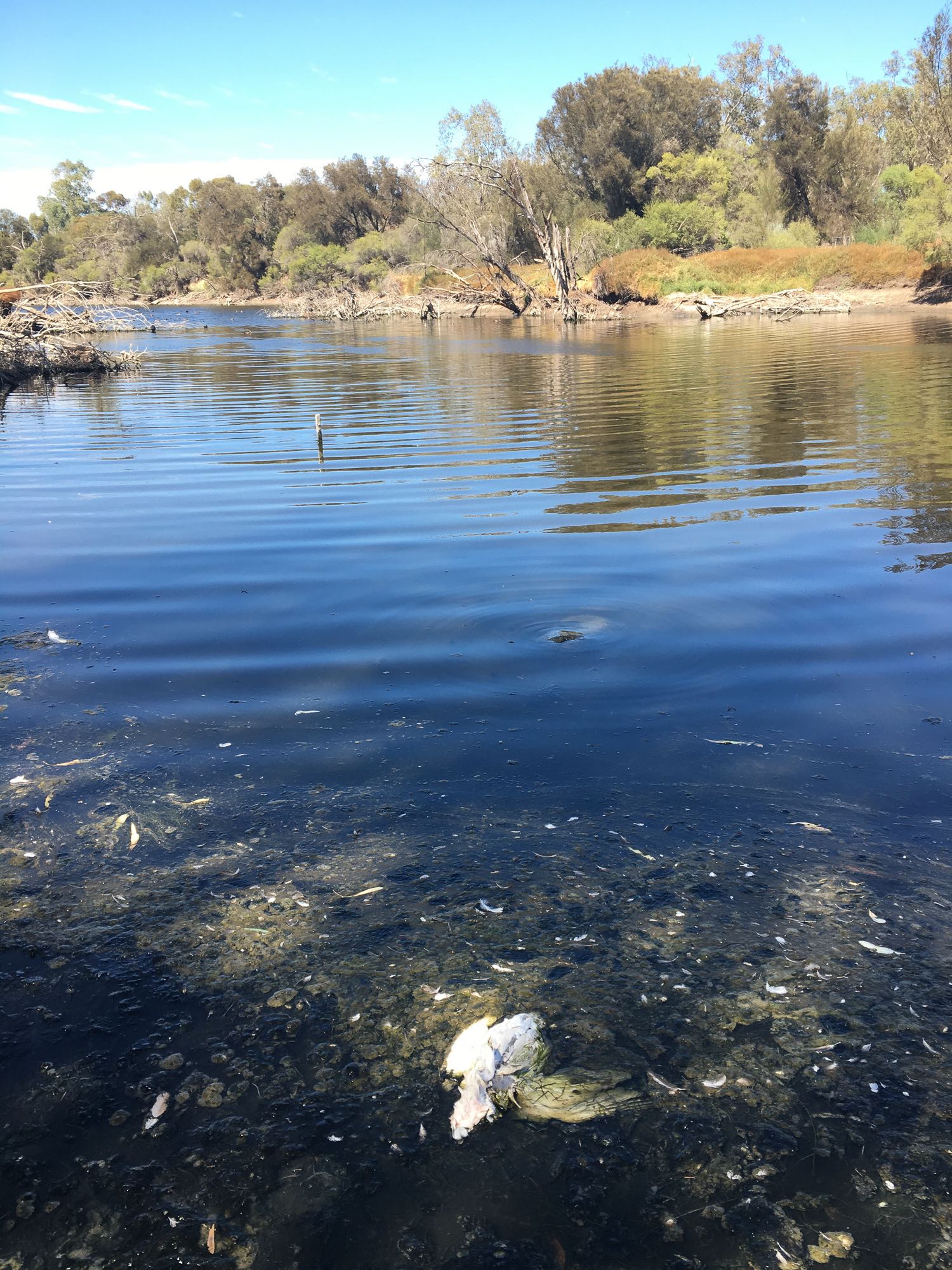
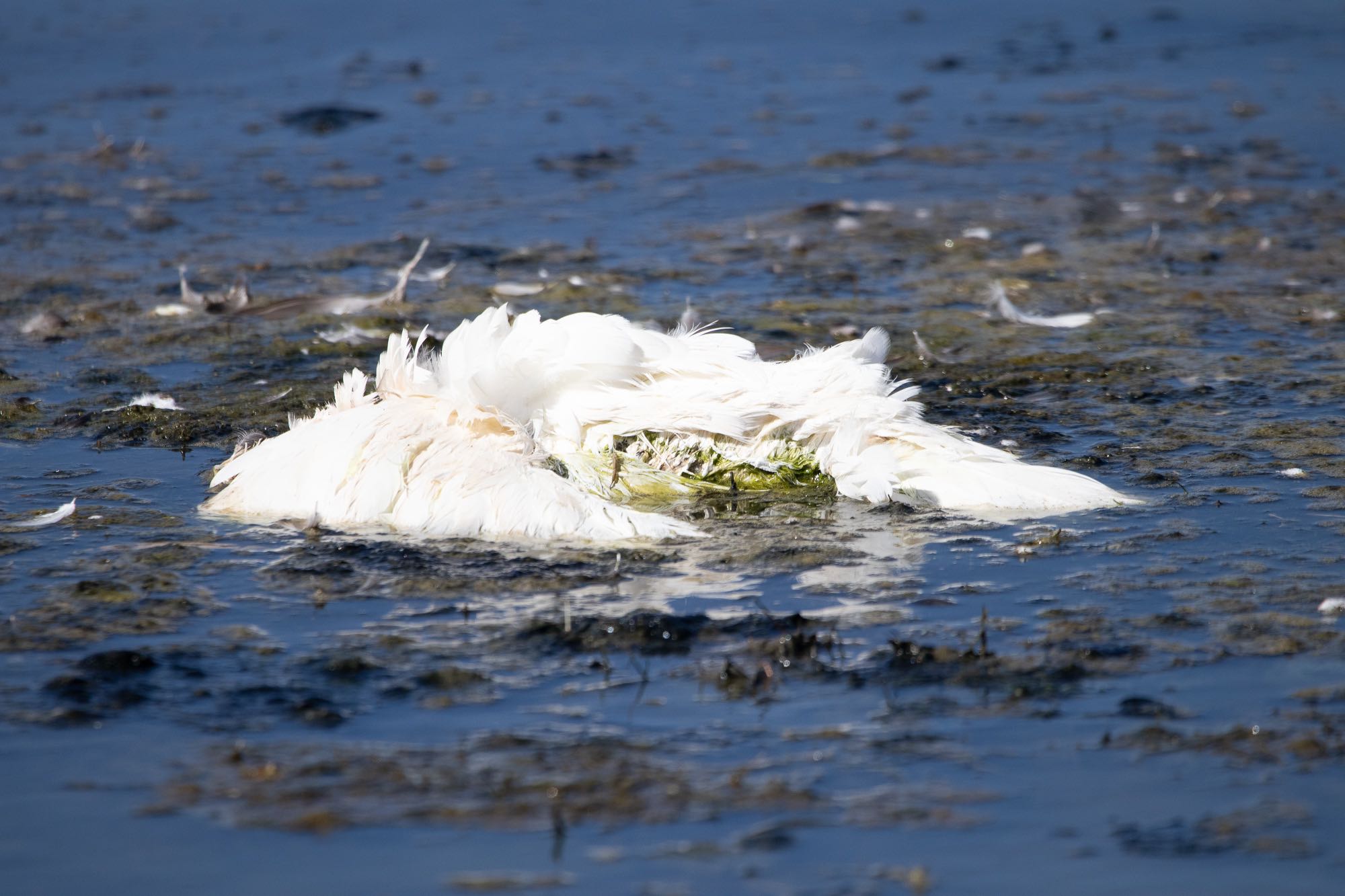
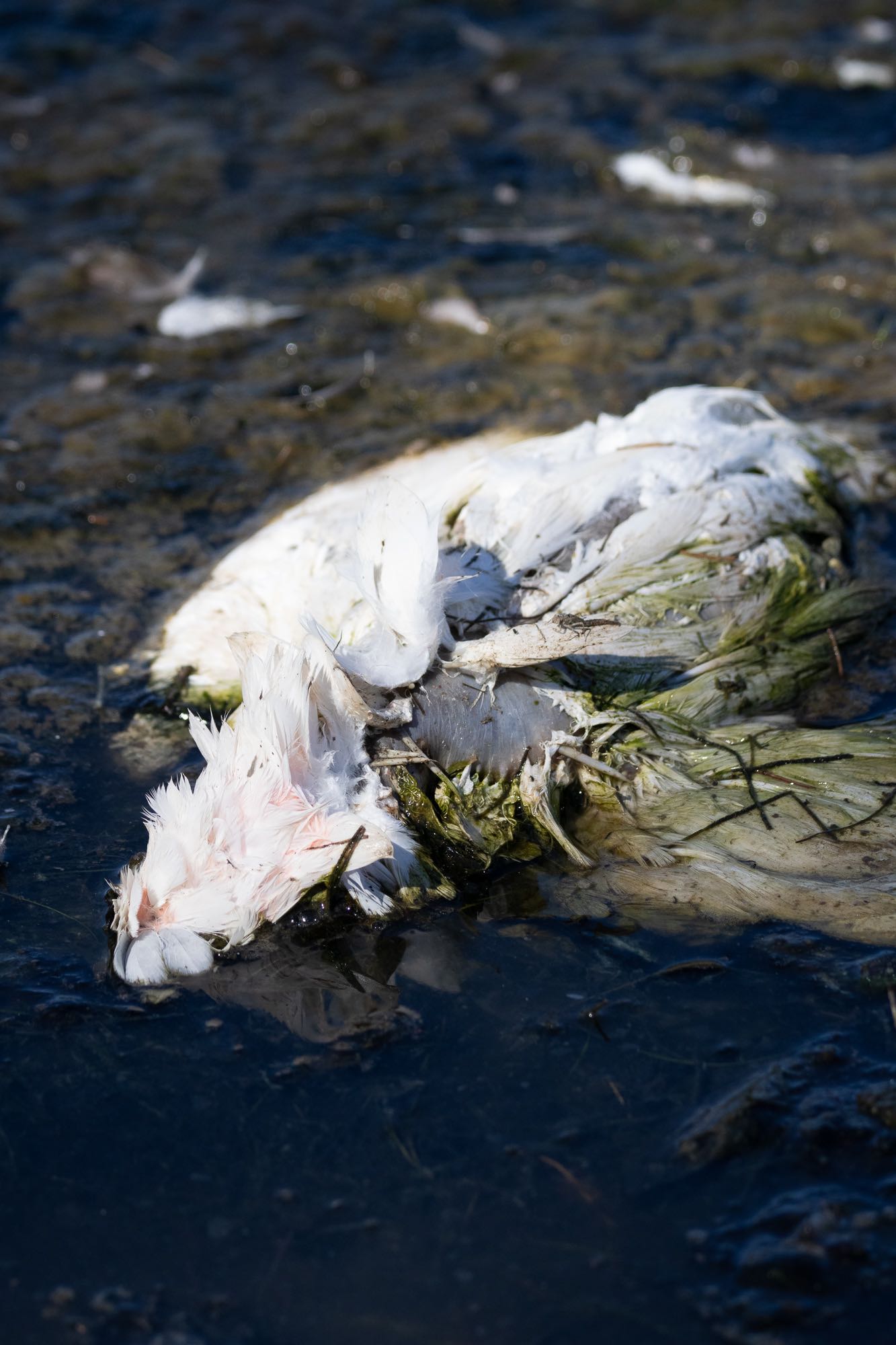
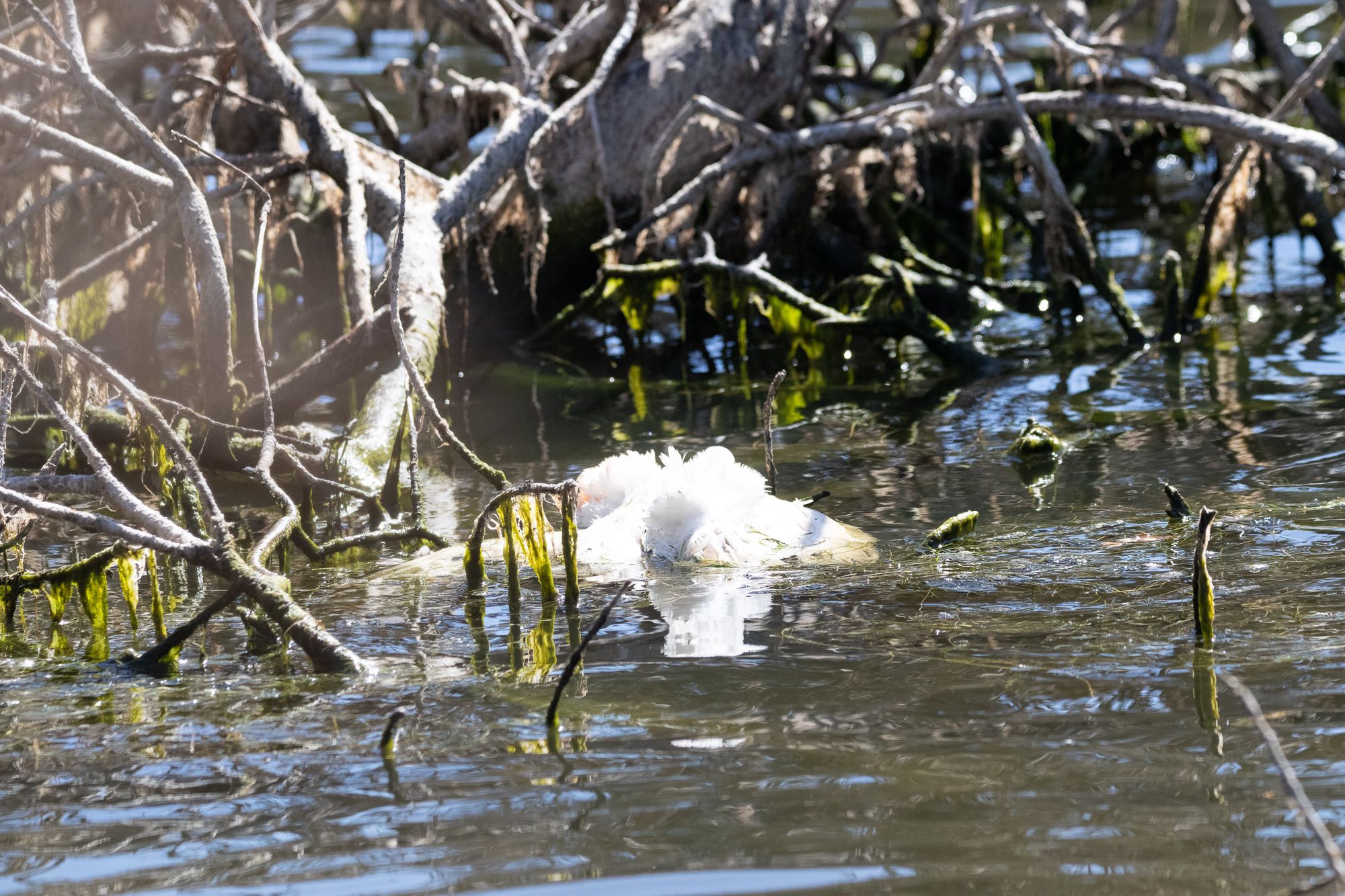
I’ve written before on the contentious issue of corellas in York and Western Australia as a whole. Most people here regard them as vermin that should be eradicated and that means killing as many as possible with all guns blazing. Well on the morning of February 29th while walking along the River Avon with my dog I counted over twenty dead corellas floating in the river and found one badly injured bird – it had one of its wings blasted off – in considerable distress in the bushes along the river bank which I subsequently put out of its misery. There were shotgun casings and wads scattered along the footpath and in bushes.On checking with the Shire of York offices I was informed that they had used contractors to perform a cull of the birds on the weekend of he 24-25 February 2024. The area in which it was done is a recreational park with public foot paths running through it that abuts to residential properties.
On searching online I found that the manner in which the operation was carried ignored guidelines as laid out by the RSPCA, Pest Smart, and the Centre for Invasive Species Solutions. Unfortunately these are only guidelines and not enforceable, but some of the practices are to do with public safety, environmental concerns and animal welfare and there is legislation for the breach of those.
Pest Smart state “Firearms are potentially hazardous. All people should stand well behind the shooter when an animal is being shot. The line of fire must be chosen to prevent accidents or injury from stray bullets or ricochets.” A considerable amount of the shooting had occurred on blind corners on the footpath where the shooter would have had no way of telling whether it was safe to shoot or not. Birdshot from a 12 bore shotgun as used here has a range of up to 50m making the its usage in public areas and at the rear of people’s properties quite a hazardous undertaking – checking with friends whose properties back on to the areas I found that none of them had been warned that the cull was taking place or to use their back gardens.
The discarded cartridges and wads shows a disregard for littering what is a public recreation space. Also was lead or steel birdshot used? The use of lead shot has considerable environmental impact. In fact 29 countries have banned the use of lead shot for hunting birds because of its environmental impact. The plastic cartridge cases and wads don’t breakdown. The Virginia Institute of Marine Science have stated that shooters “using shotguns, plastic wads that contain the shot are discharged from the shell into the adjoining water. A wad is abandoned with every shot fired, and there is no practical way to recover spent wads which typically travel 30-50 yards. Non-degradable plastic shotgun wads can present safety, nuisance, and environmental impacts in freshwater and estuarine waters.” The answer is to use casings and wading made out of vegetable biopolymers as detailed in this article in Guardian newspaper.
Plastic wads from the shotguns used in the corella cull.
Pest Smart also advise that “Wounded birds must be located and killed as quickly and humanely as possible with either a second shot preferably directed to the head or in restrained or immobile birds, a blow to the rear of the skull to destroy the brain If left, wounded birds can suffer from the disabling effects of the injury, from sickness due to infection of the wound, from pain created by the wound or from thirst or starvation if unable to drink or eat. Wing fractures, which increase the likelihood of being taken by a predator, are common in wounded birds.” Finding wounded birds is inexcusable and members of the public should not have to euthanise birds when the pest controller has botched his job. As to the dead birds “Killed birds must be collected and disposed of in an appropriate manner in accordance with acceptable practices as required by local councils and applicable state or federal regulations”. The contractors clearly did not do this as evidenced by the trail of dead corellas floating in the river. The not picking up the carcases and allowing them to rot in the river is a health hazard and demonstrates a blatant disregard for the residents and who live next to the river and the visitors who walk the banks. Very soon they are going to smell very badly and attract vermin. It is pollution.
There are/were a pair of black shouldered kites that are nesting a raising young in that area. From a distance in poor light they resemble corellas. Pest Smart say “Shooters should have sufficient knowledge and skill to identify the bird species causing the damage. If the identification of the bird is in doubt it must not be shot.” They also say “Shooting in poor light conditions makes it difficult to correctly identify birds and to search for wounded birds. Also, accurate marksmanship may be compromised.” The weekend on which the cull was carried was overcast and it was continuously raining reducing visibility. Since weekend neither bird has been sighted nor heard. These are a protected species and the council would be responsible if they or their agents has destroyed them.
Unfortunately this is not the first time that shire employees and/or their contractors have embarked upon behaviour that places the fauna and flora of the River Avon at risk. In the last 6 years shire employees and/or their contractors have destroyed animal habitat. Turtle nesting areas have been bulldozed and rainbow bee eater nesting sites have been destroyed. The shire has an appalling disregard for the environment and the fauna and flora that lives within it.
Having taken the issue up with shire in person I was told to contact them by email and to date they have not commented on any of the issues raised. This is very concerning considering that another cull is planed for March using untrained members of the public. The prospect of a bunch of gun totingmyopic rednecks rampaging up and down the river shooting anything that moves has made me reconsider using the area totally. I suppose it won’t be long before a tourist gets asked to “squeal like a corella”.
* apologies to William Shakespeare the proper quote is “Murder most foul” from Hamlet, Act 1, Scene 5.
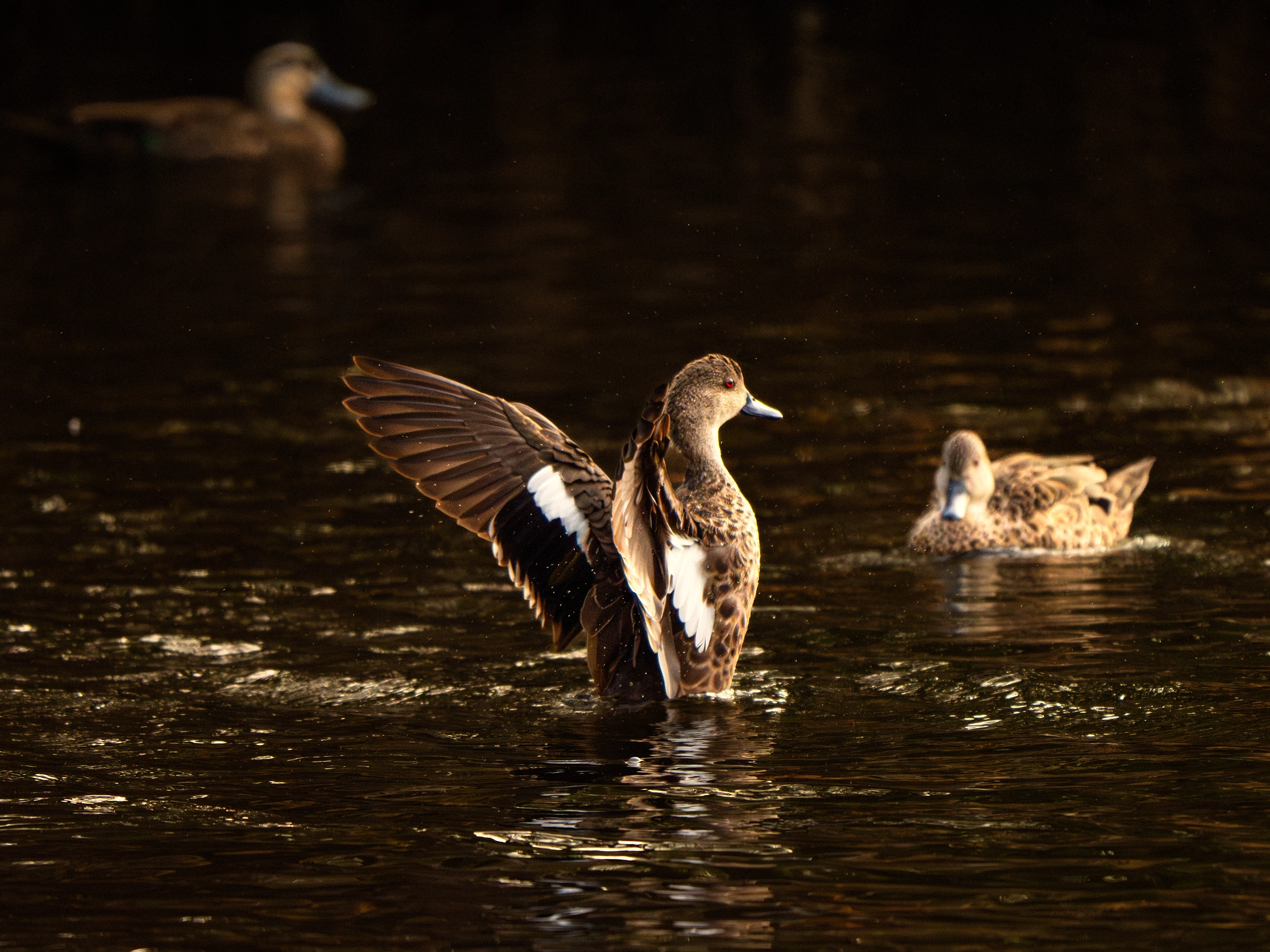
Ooooerrrr! That’s probably not the best thing to say in a blog about bird photography. Rest assured no ducks were harmed in the making of this blog entry.
No ducks were harmed in the production of this blog. Ngoonan or Grey Teal (Anas gracilis). York, Western Australia.
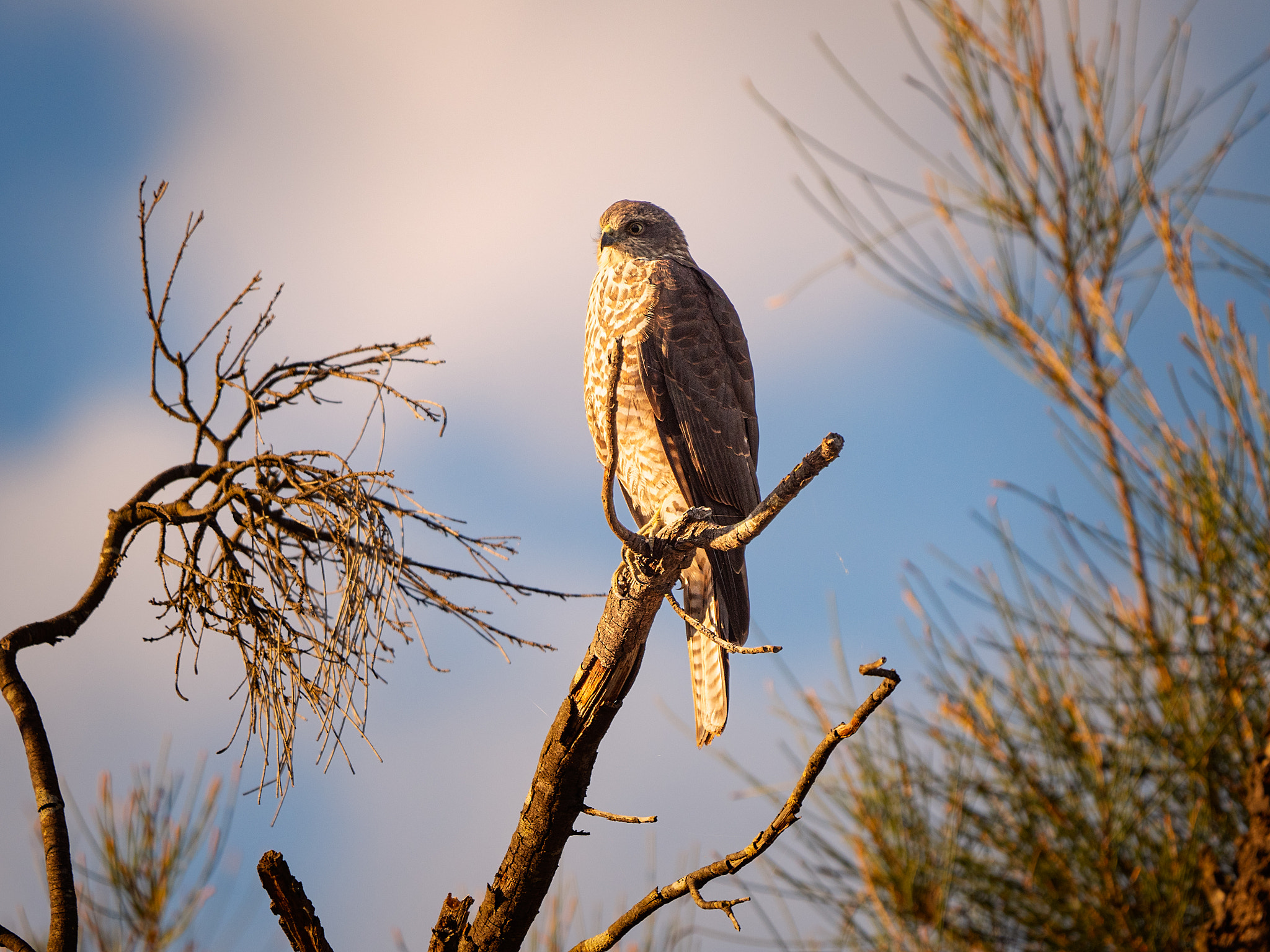
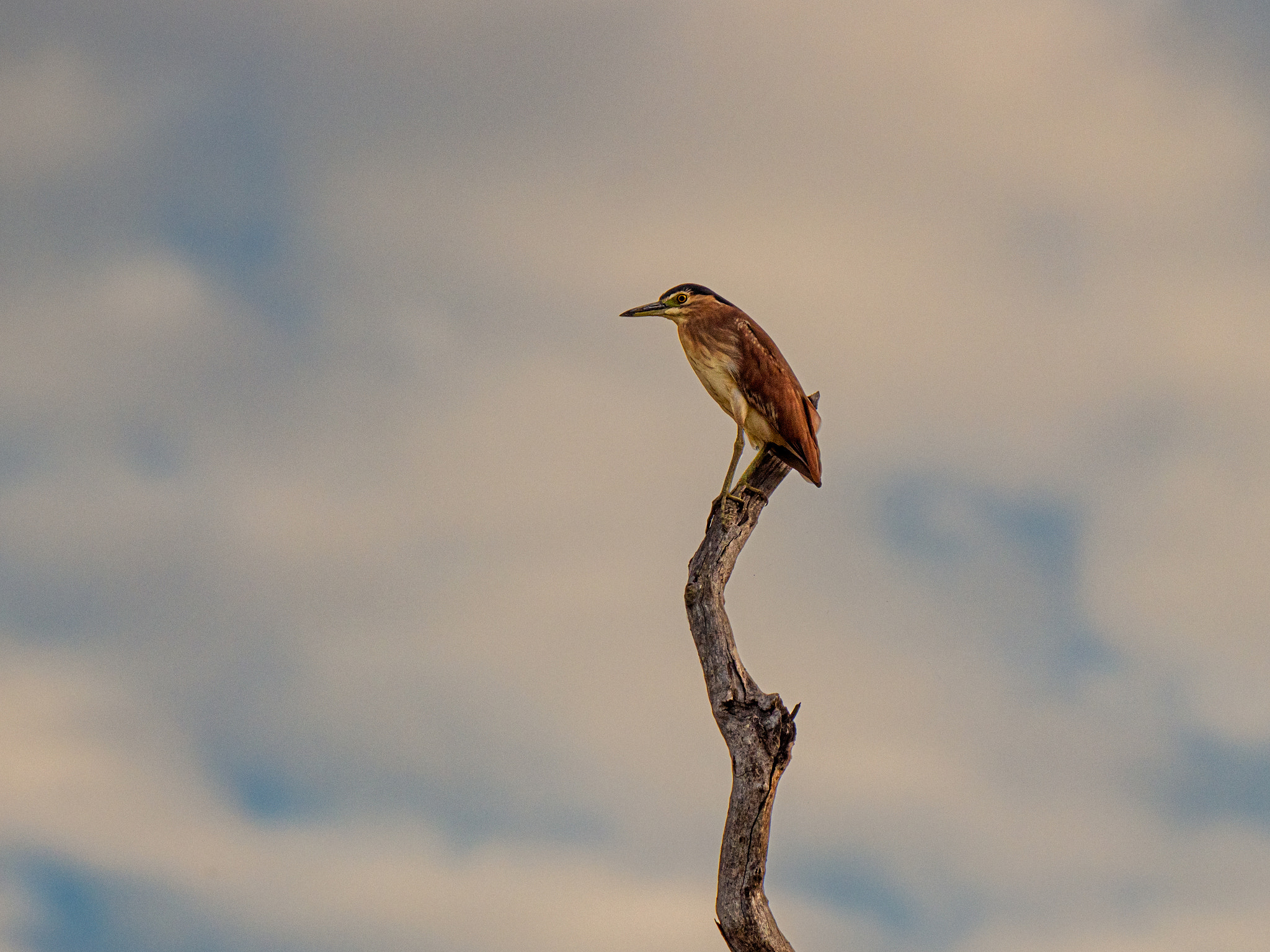
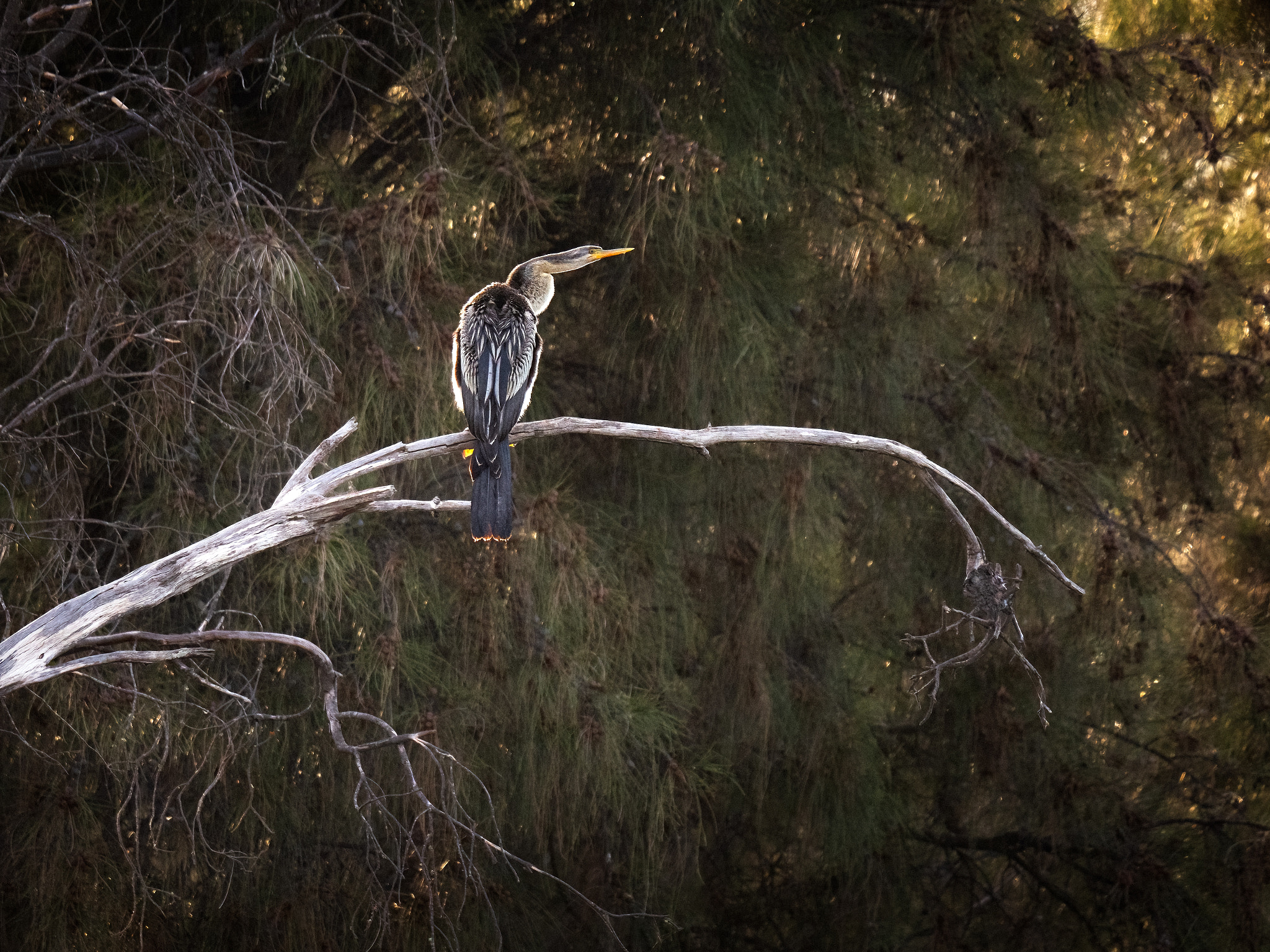
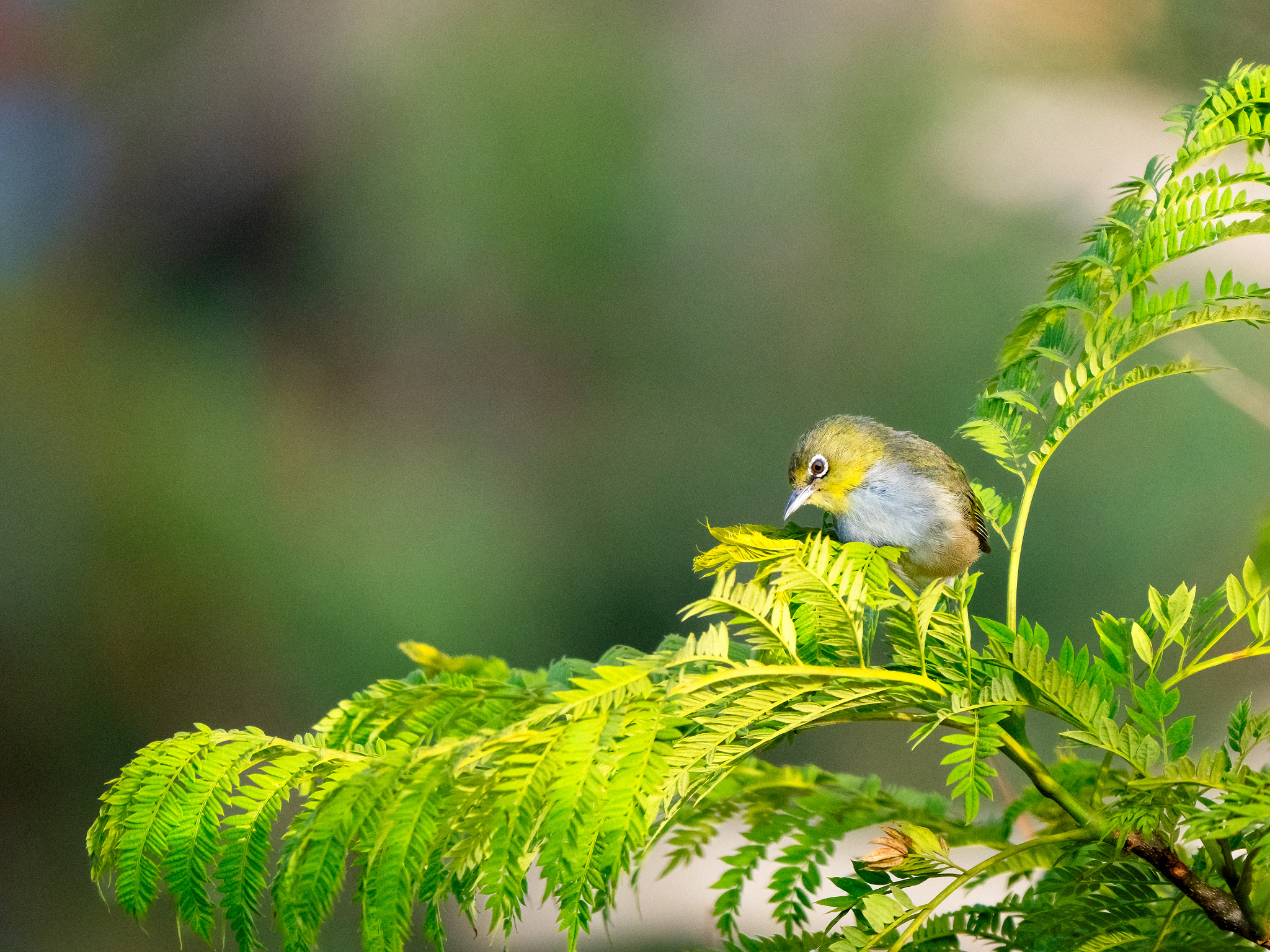
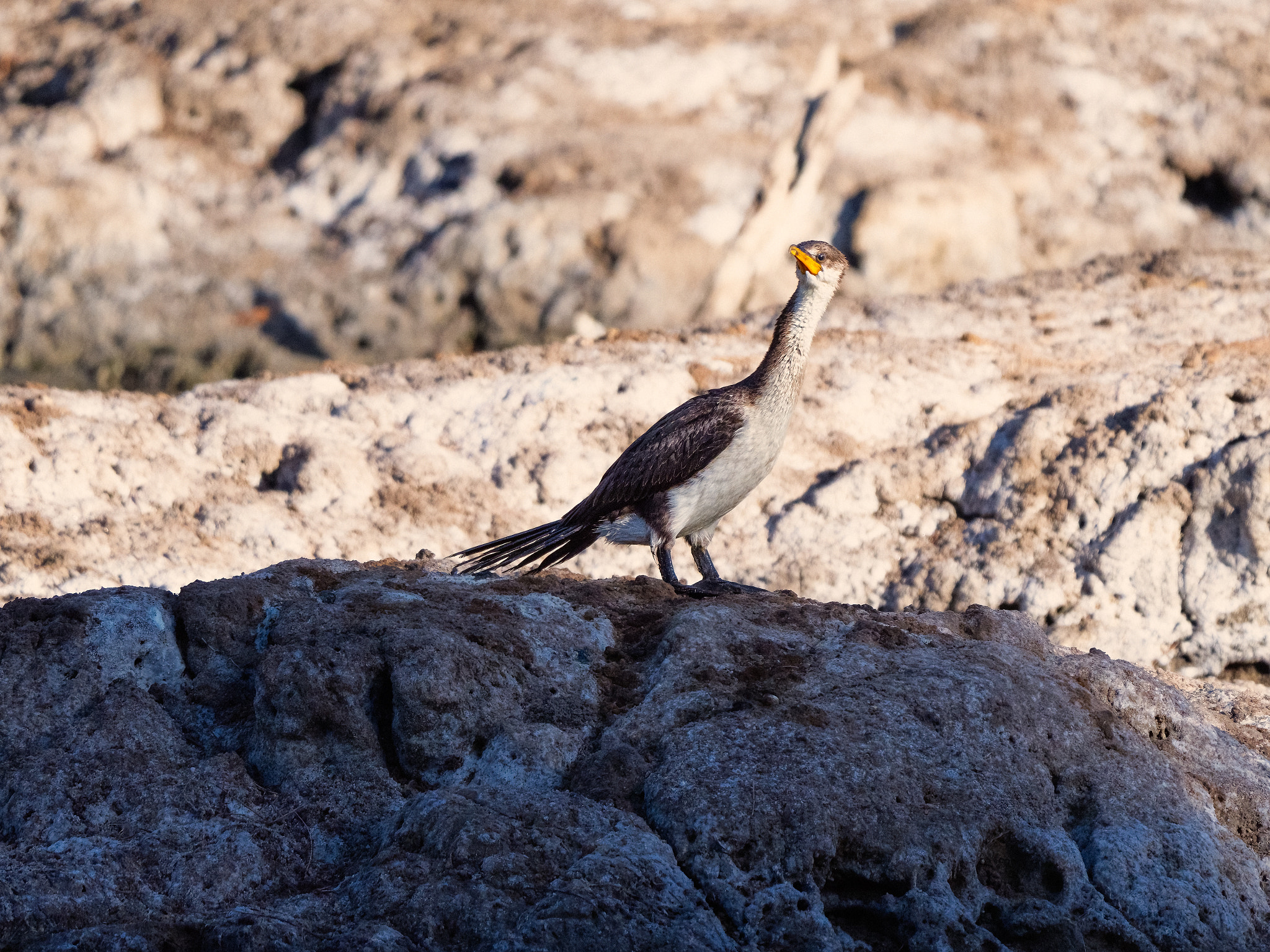
A little while ago I wrote about how my ability to photograph birds had deserted me. Well I can now report that yesterday morning I had a stonker of a morning. I parked up at my usual spot on the River Avon and before I had got my camera bag out of the car I could hear a couple of Brown Goshawks calling out to one another. I could only find one of the birds and it was obligingly sitting in the top of a tree and the first light of dawn was illuminating it nicely. I could hardly believe it! It just kept sitting there unfazed by my proximity and it was I who eventually moved on leaving it there calling out to its mate. This was the best start I’ve had in a very long time and if I’d seen nothing else this would have been tremendous. Just 20m further on and I found a pair of Nankeen Night Herons. By this time I had a grin that went from ear to ear. Walking up to Mile Pool things just got better and better.
Karkany or Brown goshawk (Accipiter fasciatus) basking in the dawn light. York, Western Australia.
Ngalkaning or Nankeen Night Heron (Nycticorax caledonicus subsp mannillenis). York, Western Australia
Mimal or Australian Darter (Anhinga melanogaster subspecies novaehollandiae). York, WEstern Australia.
Doolor or Silvereye (Zosterops lateralis). York, Western Australia.
Kakak or Little Pied Cormorant (Phalacrocorax melanoleucos). York, Western Australia.
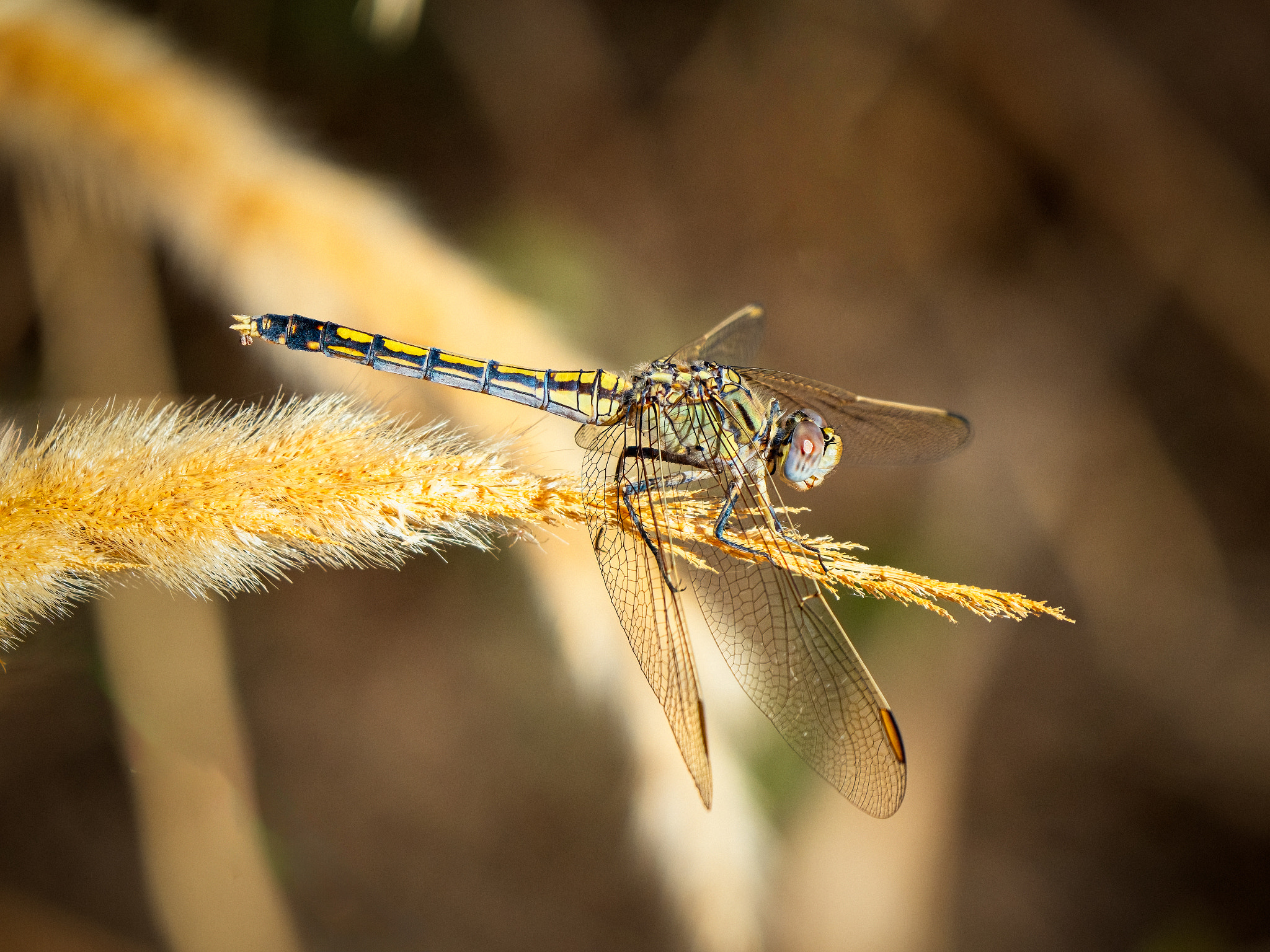
Western Inland Hunter, Austrogomphus collaris. York, Western Australia.
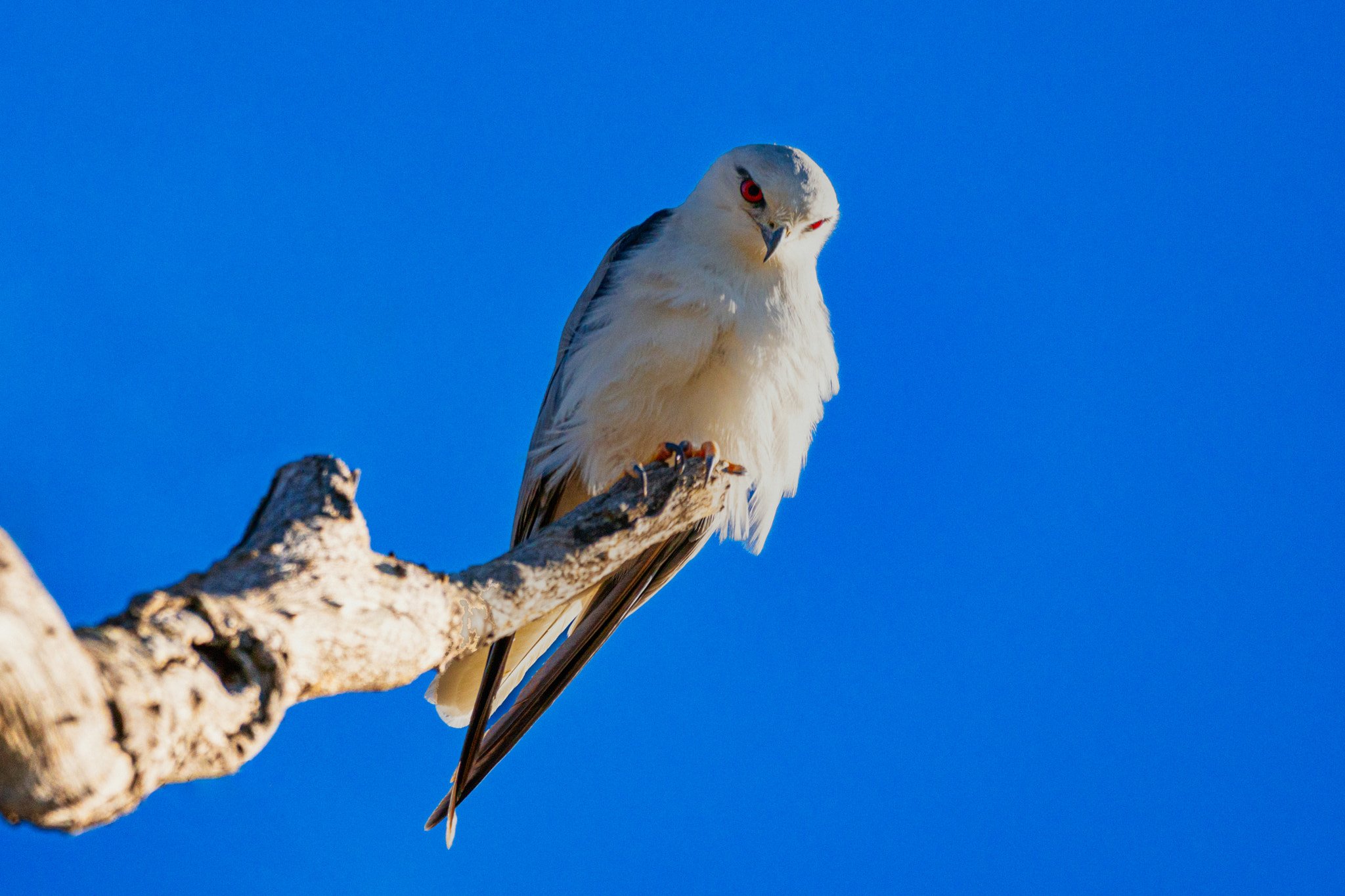
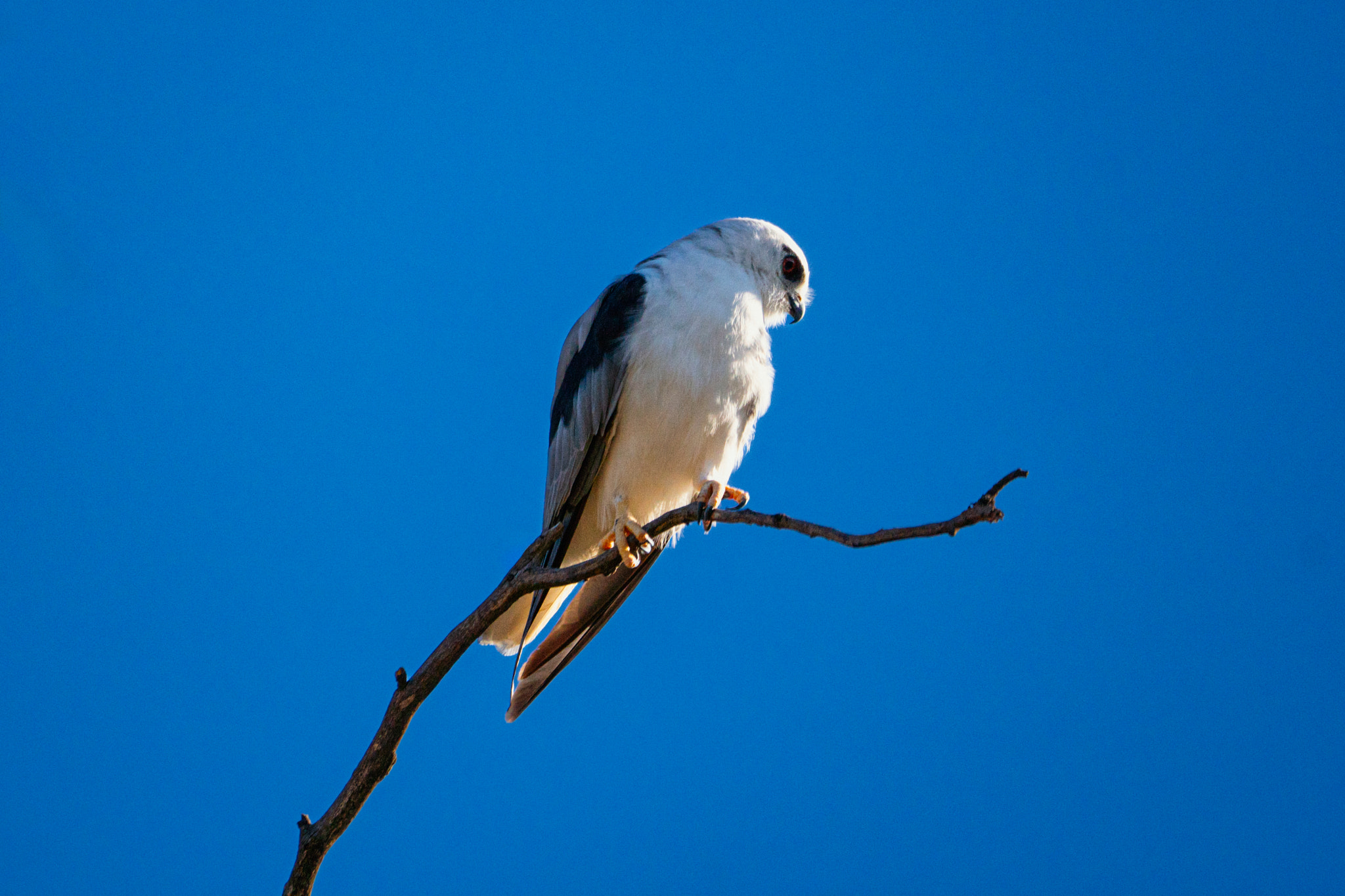
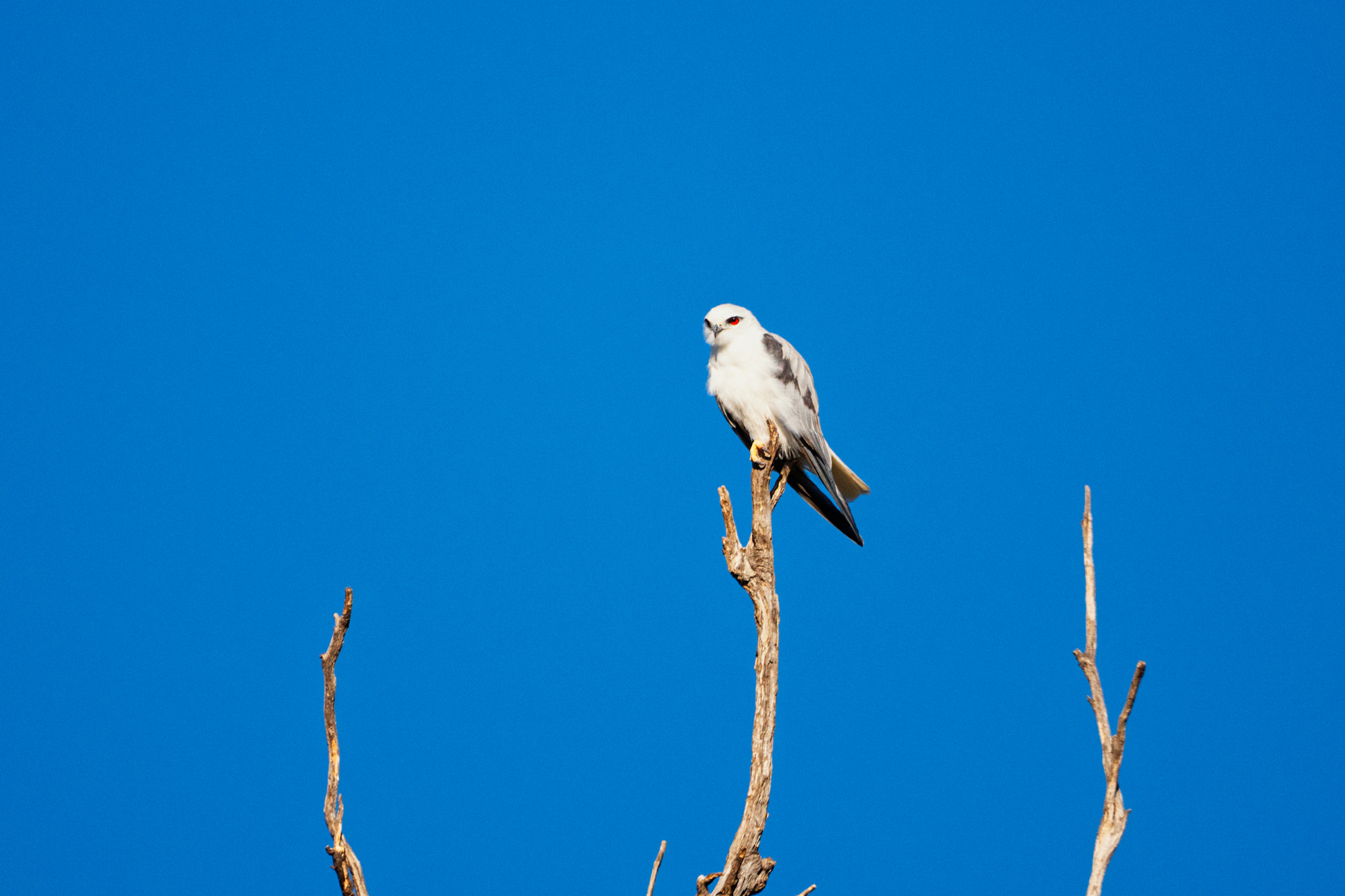
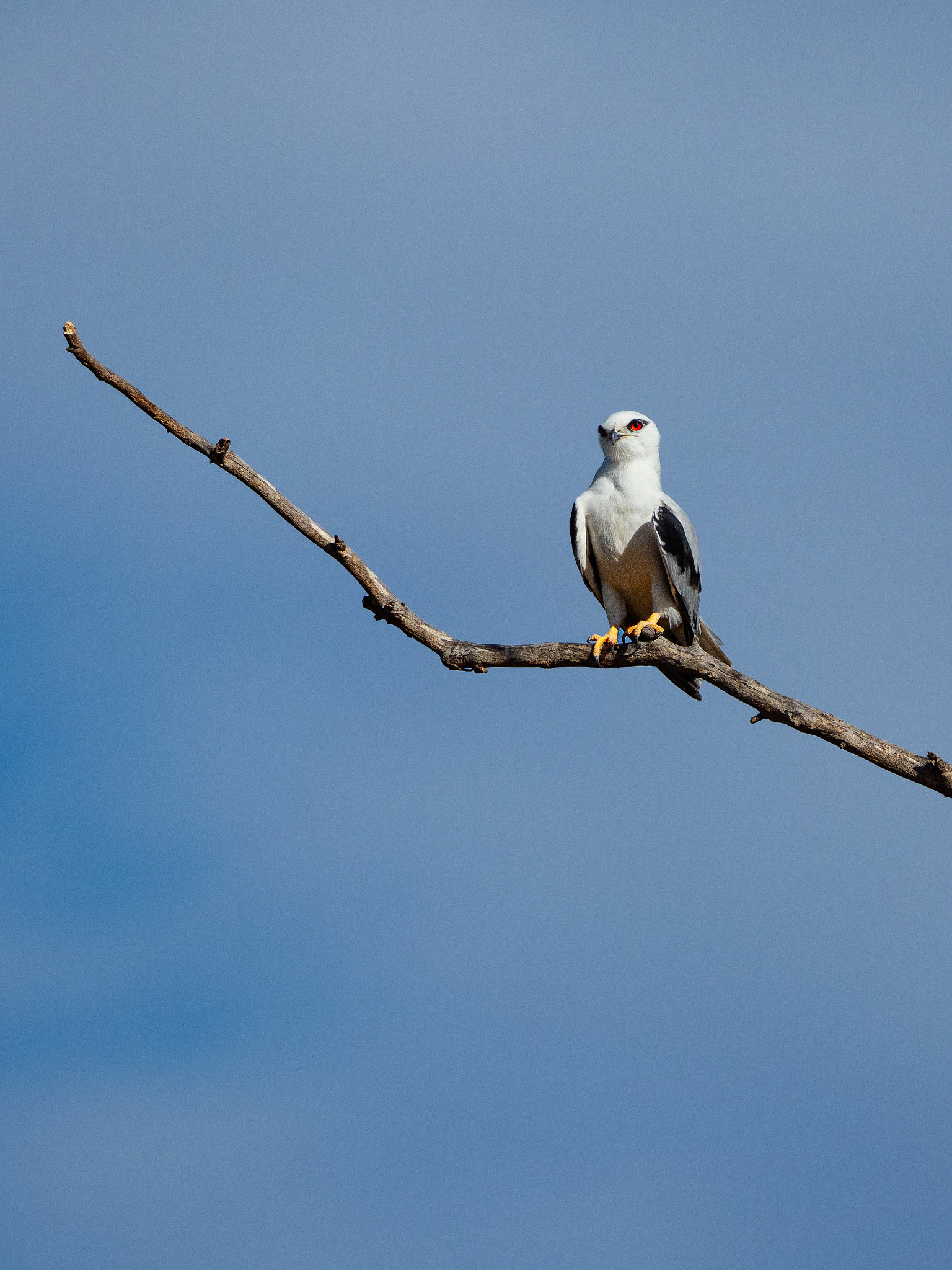
We’ve had some really hot days with temperatures exceeding 40ºC and this has meant there were a lot of birds congregated in the trees around the few remaining pools of water. By 8am the temperature was starting to soar and there was less bird activity. So I changed lenses and went looking for dragonflies and damselflies. I found some but the warmth had supercharged them and they were proving difficult to photograph as they would not sit still for very long. At 8:30am I decided that it was too hot and decided to call it a day. As I started to put my camera away I glimpsed a white bird sitting in the top of a dead tree. At first I thought it was just a corella, but there was something about the way it was moving made me think it was something else. Looking through the camera I could see those unmistakeable red eyes of a Black-shouldered Kite. Panic set in now as I didn’t have the right lens on. So calming myself down I changed lenses and started making my way closer to the bird. Usually what I do is wait for the bird to look in another direction then edge forward by a metre. I then stop take a few photos and then when it looks away again edge forward and take more photos. Like this I managed to get within 20m of the Kite. It looked quite relaxed spending most of its time scanning the ground below looking for food. After a little while it did a dump – birds often do this just before taking off, I suppose it lightens the load – and then took off in a lazy curve towards some taller trees. It was bloody brilliant! My only regret was that because there was insufficient cover I couldn’t get closer, but there’s always next time.
Black Shouldered Kite, Elanus axillaris. York, Western Australia.
I just can’t get the birds to put in an appearance. They just aren’t cooperating at all. I dunno whether it’s my BO basher putting them off or my dress sense. The end result is the same – can’t get within cooee. So I’ve thrown the towel in and am trying something else – damselflies and dragonflies. No flight shots as yet but at least I can find them.
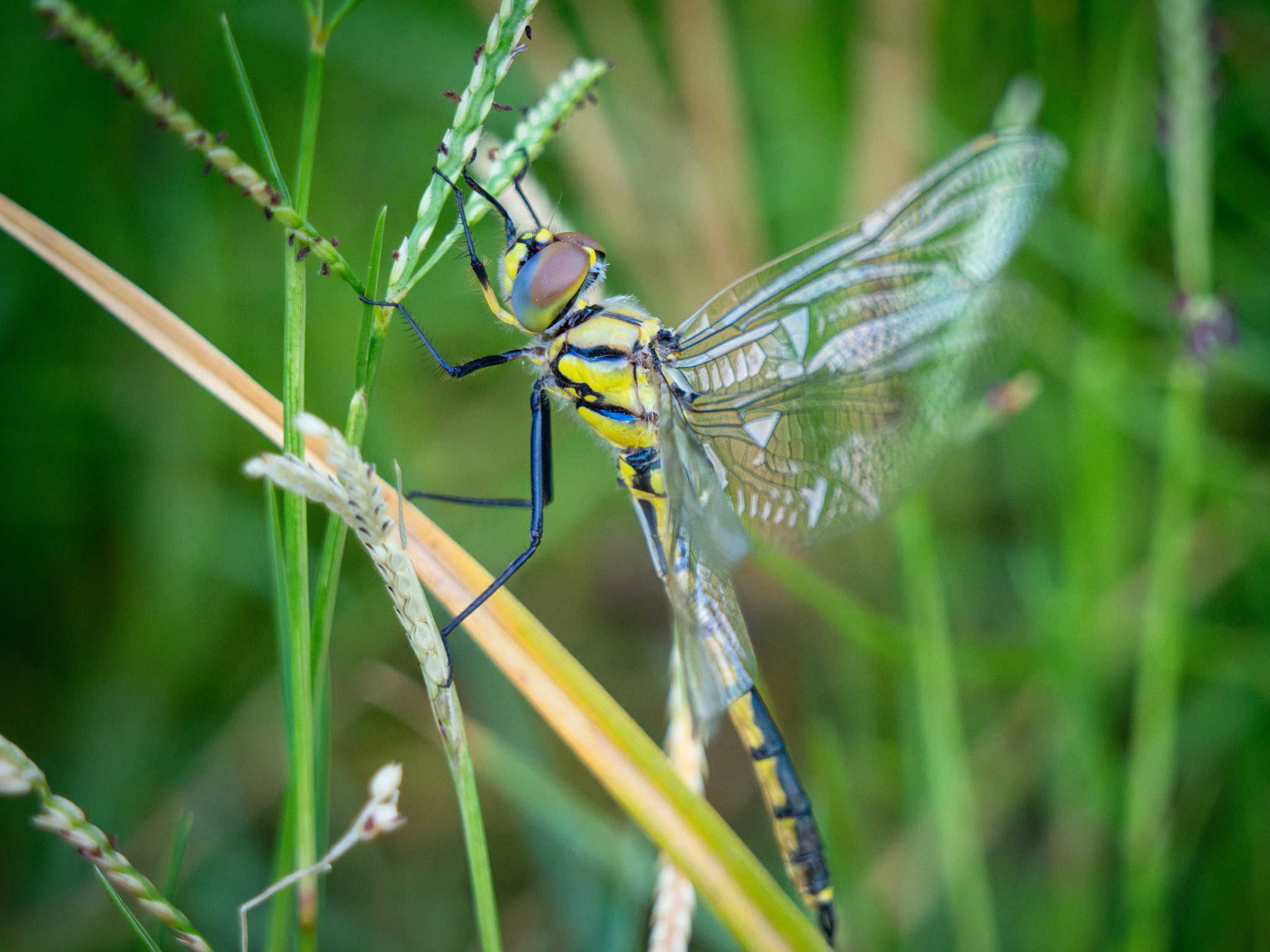
Australian Duskhawker, Austrogynacantha heterogena. York, Western Australia.
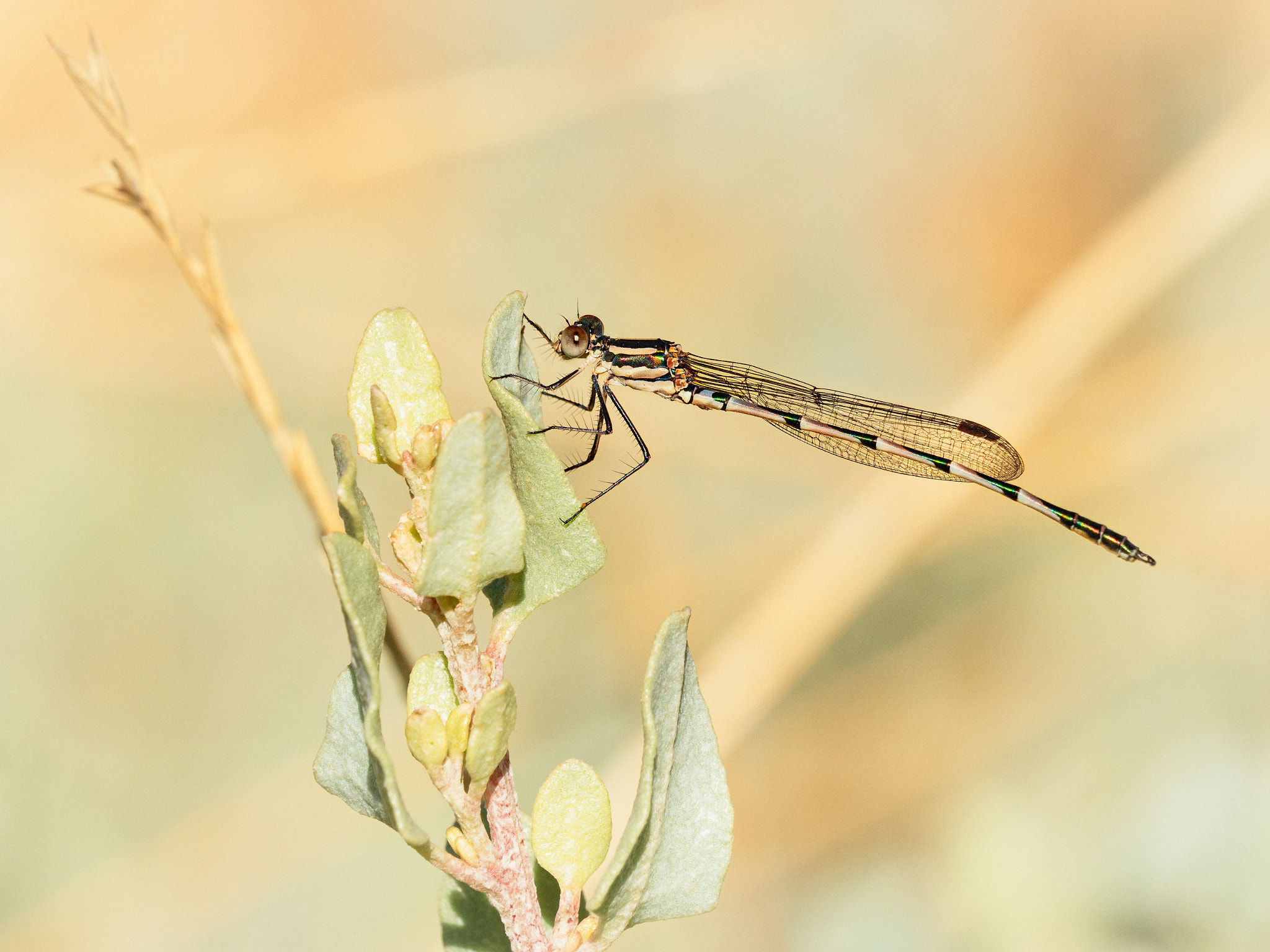
Slender Ringtail, Austrolestes analis. York, Western Australia.
Aurora Bluetail, Ischnura aurora. York, Western Australia.
Inland Ringtail, Austrolestes aridus. York, Western Australia.
Up at dawn to catch the early bird. Bandin or White-cheeked honeyeater (Phylidonyris nigra). York, Western Australia.
It’s a well established wisdom that to photograph most wildlife you have to be in the field at sunrise or just before. I have to say that this is quite pleasurable in summer as it is the coolest part of the day. In fact the last few days it has almost felt cold at just 20ºC. I’ve been heading out looking for black shouldered kites and rainbow bee-eaters. I’ve done my homework found the trees that the kites nest in and the burrows that the rainbow bee-eaters are currently using. I’ve also found out which trees that they like to perch in. Sounds like it is done and dusted, but photographing wildlife is seldom straight forward.
The only photos of Black Shouldered Kites (Elanus axillaris) I’ve got are a sequence of one hunting but I was too far away to get a good photos and this is a heavy crop. The photo does show the distinctive pose of the black shouldered kite when hunting.
The black shouldered kites are incredibly skittish. The closest I’ve ever got to one was while walking the dog. Needless to say I didn’t have a camera with me. So far my efforts have come to naught – the closest I’ve managed to get with a camera is 30 metres. It’s a work in progress.
Birin-birin or Rainbow Bee Eater (Merops ornatus). York, Western Australia.
The Rainbow bee-eaters are in full swing with raising chicks so both parents will be out hunting and returning to the nest with food roughly every 15 minutes. So all that was necessary was to get into position as the sun’s rising and wait for them to appear. Except they didn’t. Seems like I picked the morning when they decided to have a lie in. After an hour an a half I decided to move to “Plan B” which was to cross the river and go to another site I’ve been watching. Here the birds were early risers and were already full swing into the routine for the day. Photographing them in York is more difficult than at Lake Gwelup where they have been habituated to a human presence and perching posts have been put at lower heights – approximately 1-1.5 metres above the ground. The open terrain means that capturing them flying and hunting is easier. Here in York they favour larger trees, but occasionally will perch lower.This particular morning I came across a male bird perched in the top of a dead tree. He wasn’t exhibiting the usual behaviour – in fact he looked downright uncomfortable. After a while it became apparent what was causing his discomfort. He had indigestion. His last meal wasn’t going down smoothly at all and was trying to escape! When they catch something like a dragonfly they take it to their favoured perching spot and then beat it against the branch to kill it. Obviously this bird hadn’t thumped the hapless insect hard enough. Eventually the bird sorted the problem out and flew off looking more comfortable. This was the sort of digestion problem that wouldn’t be fixed with a bit of Mylanta.
“I feel a bit funny. I think something I’ve eaten is disagreeing with me.”
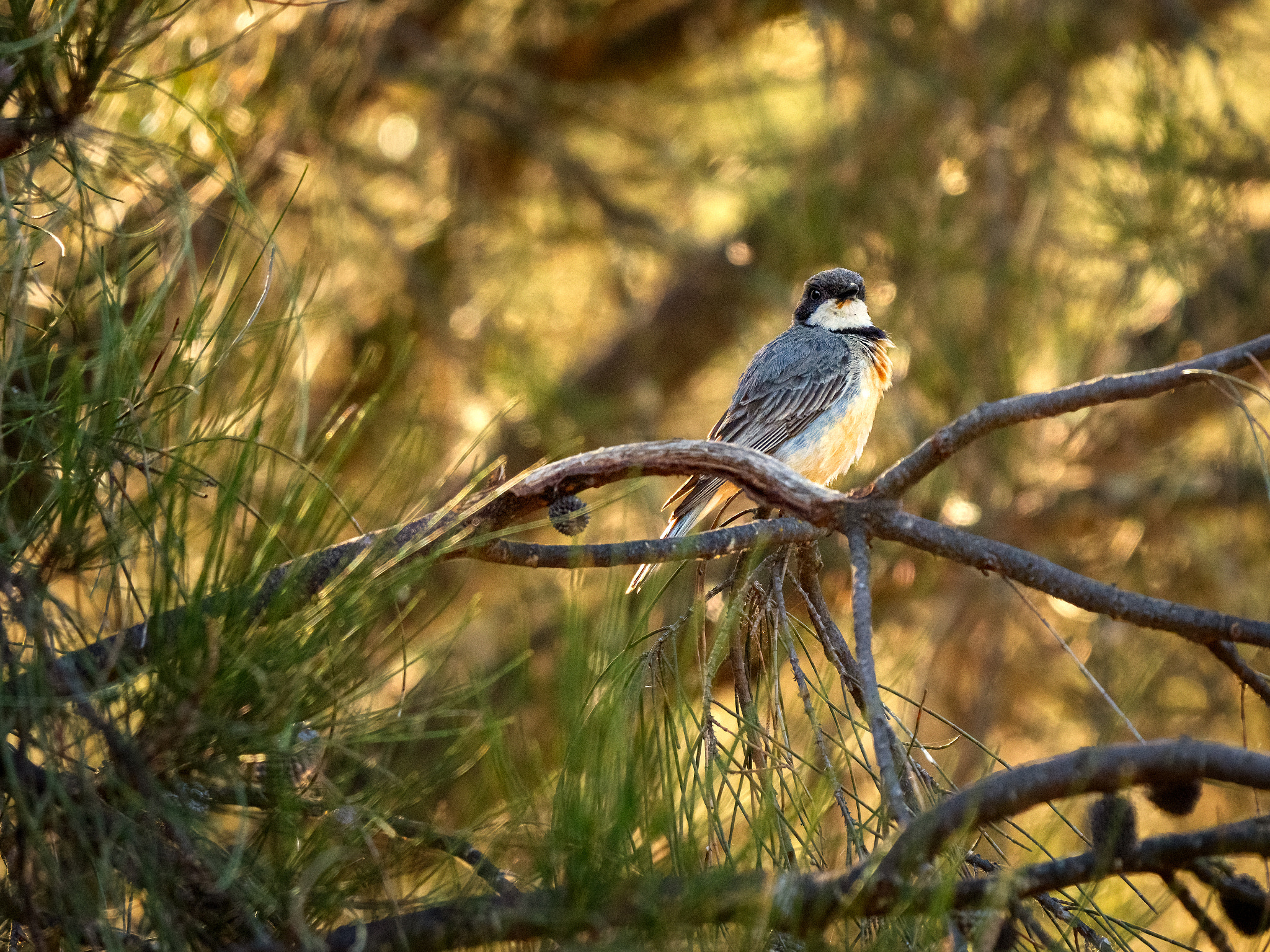
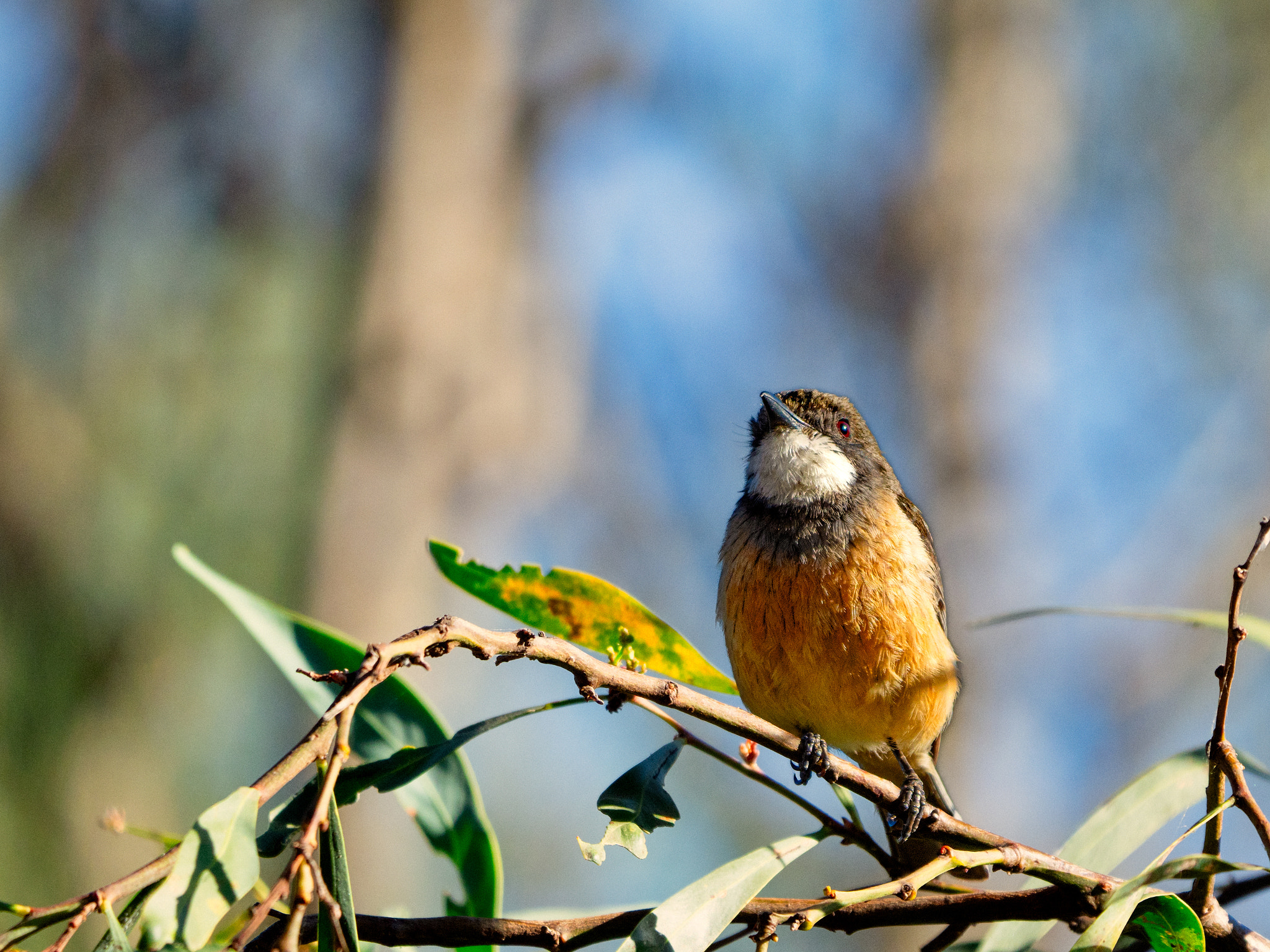
Trying to get interesting Bird In Flight (BIF) shots is tricky down by the river. The river is fringed by trees and this causes the auto focus system on my camera to get confused, which means it locks onto the trees rather than the bird. The end result is lots of photos of out of focus birds. But this week I had the bright idea of standing on the South Street bridge. Usually the birds fly up and down the river and so they’d be coming straight at me with no confusing background. I say usually as I stood on that bridge for over an hour and there were no birds flying or otherwise. Very frustrating to say the least. So I decided to cut my losses and take a walk up the river to see if I could find anything higher up. Zip! Zilch! De nada! So where do all the birds go? Had they gone on a day trip somewhere? Do they just hide? It was quickly turning out to be a complete washout. Feeling a little crest fallen as I was making my way back to the car I came across a couple of Bambon or Rufous Whistlers in the trees at Monger’s Crossing. They’re one of my favourite birds and I can listen to them sing for ages. They were obliging enough to hang around long enough for me to take a couple of photos. This lifted the spirits somewhat.
Bambon or Rufous Whistler (Pachycephala rufiventris). Avon Walk Trail, York, Western Australia.
Getting ready to sing.
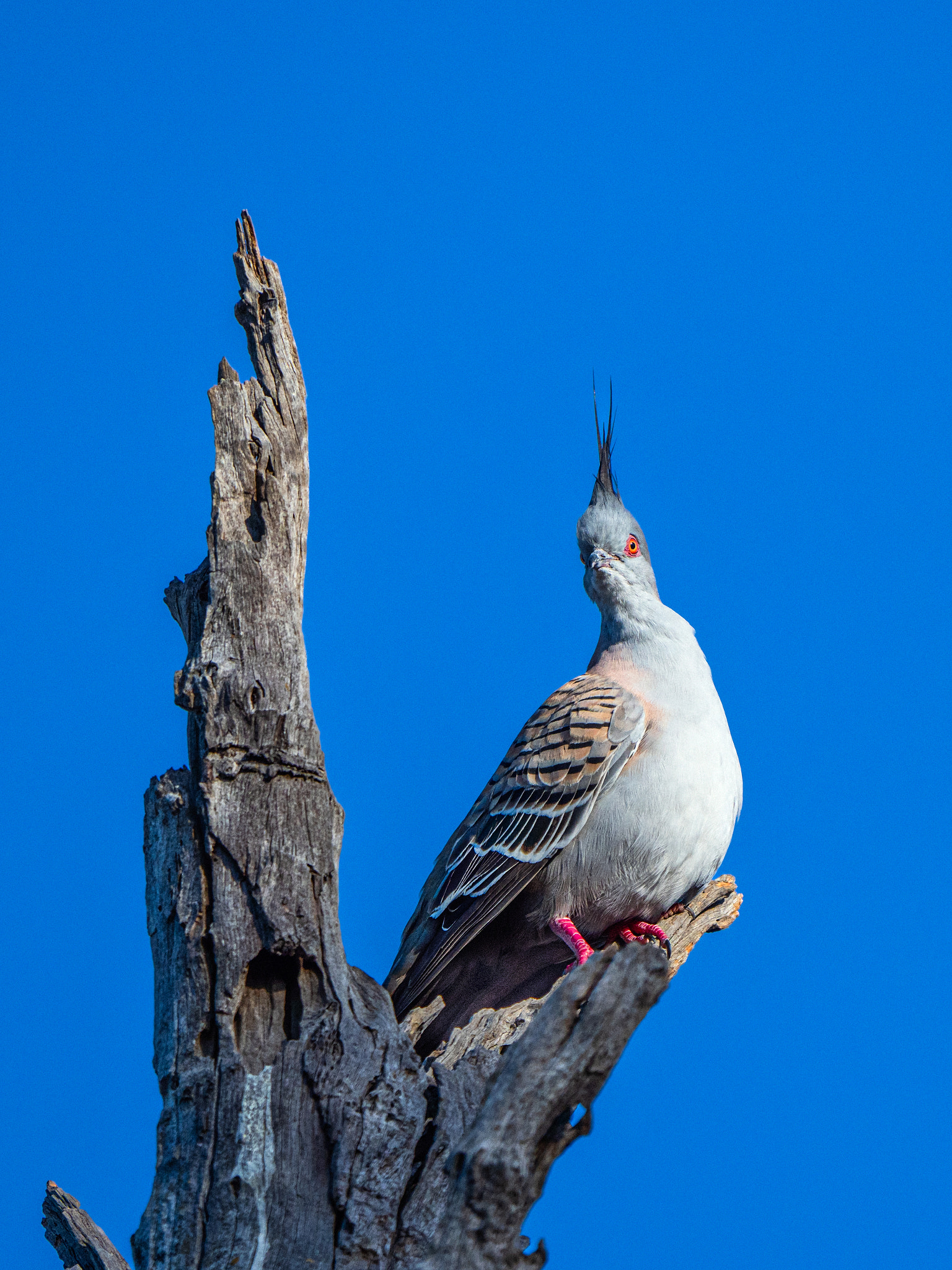
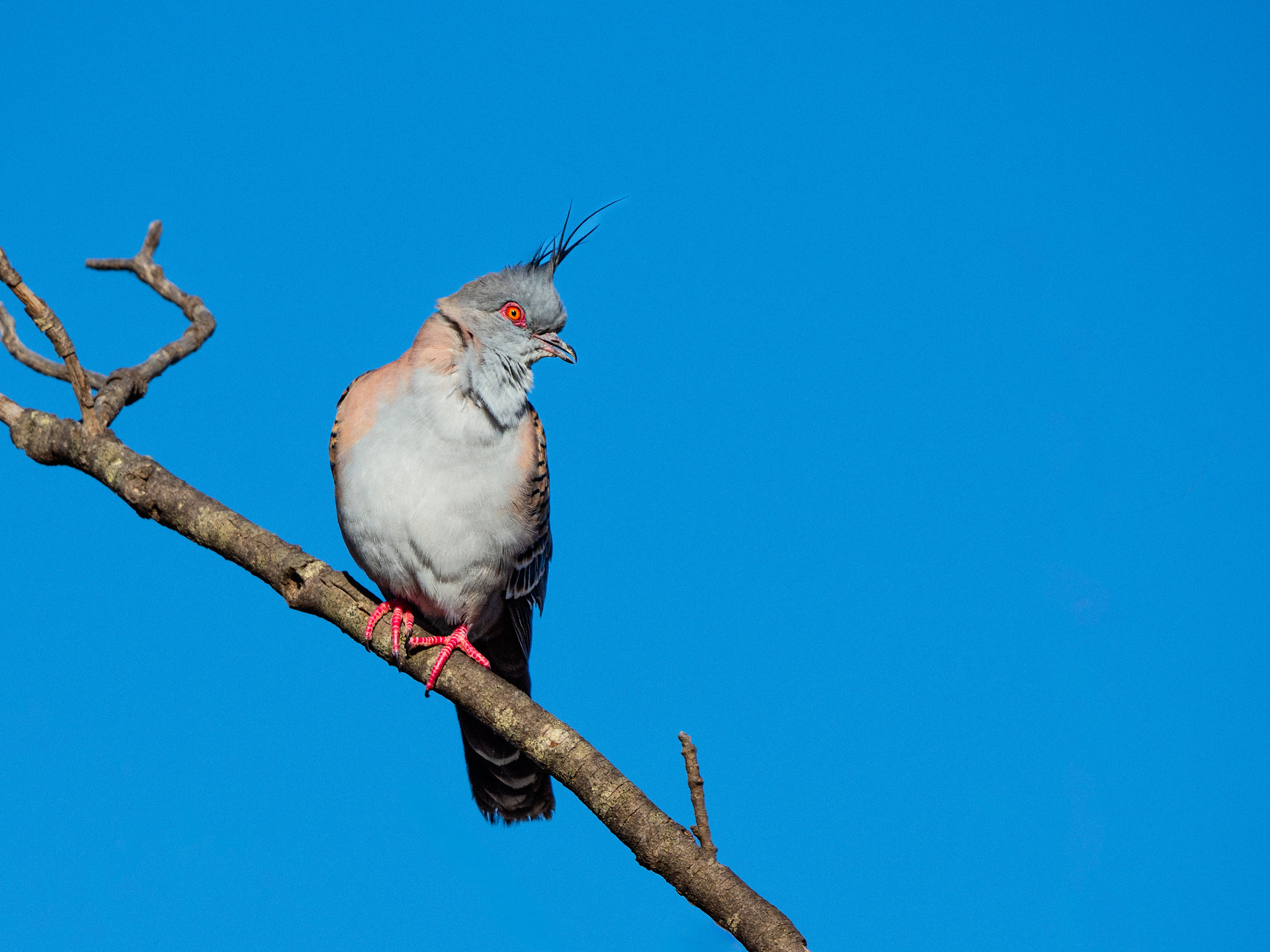
Just before the Swing Bridge there are a couple of dead trees on the river bank and they are a popular perch for kingfishers, but this time they being used by some Kakara or Crested Pigeon (Ocyphaps lophotes). The first one looked a bit startled when it saw me, but the other was very chilled. They have the most amazing red eyes. The brilliant blue of the sky made for a nice background.
This crested pigeon got a bit of a fright when it saw me.
Those red eyes are worthy of Hammer House of Horror film. “Revenge Of The Evil Undead Pigeon”.
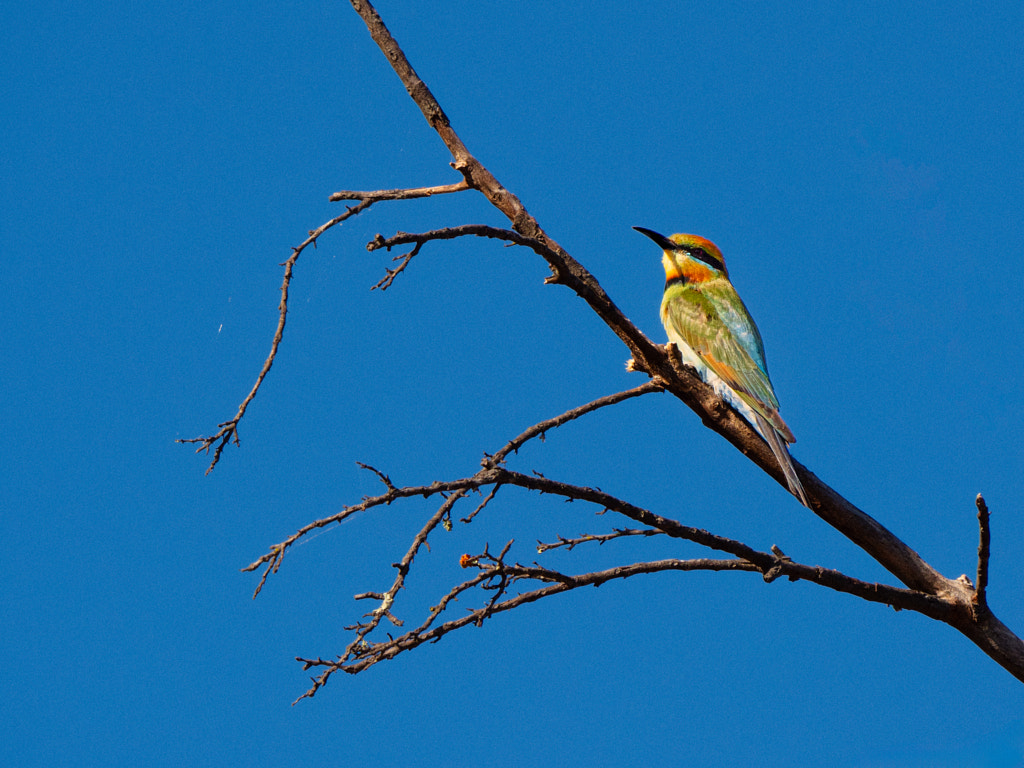
Birin-birin or Rainbow Bee Eater (Merops ornatus). Avon Walk Trail, York, Western Australia.
So after their long flight from Far North Australia and Papua New Guinea the rainbow bee eaters have returned. Not the best photograph of a rainbow bee eater, but it makes me happy that they’ve returned to the banks of River Avon. They’ve dug their burrows and we’re now waiting for the eggs to hatch because this will mean a huge amount of activity from both parents as they catch enough food for the chicks.
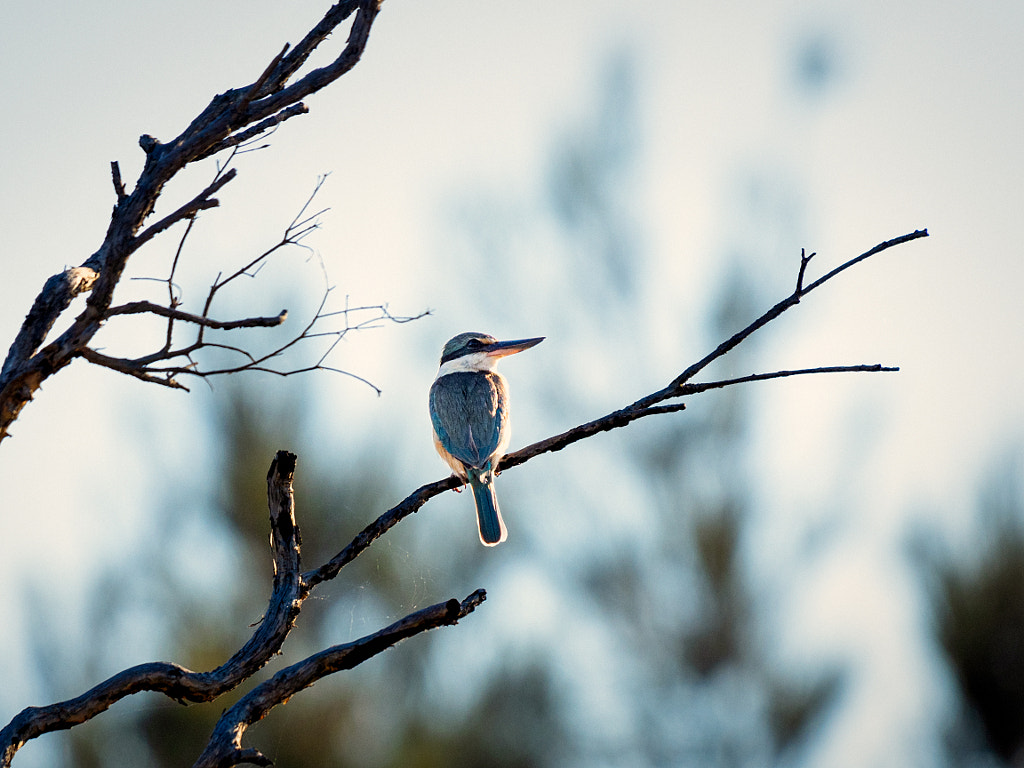
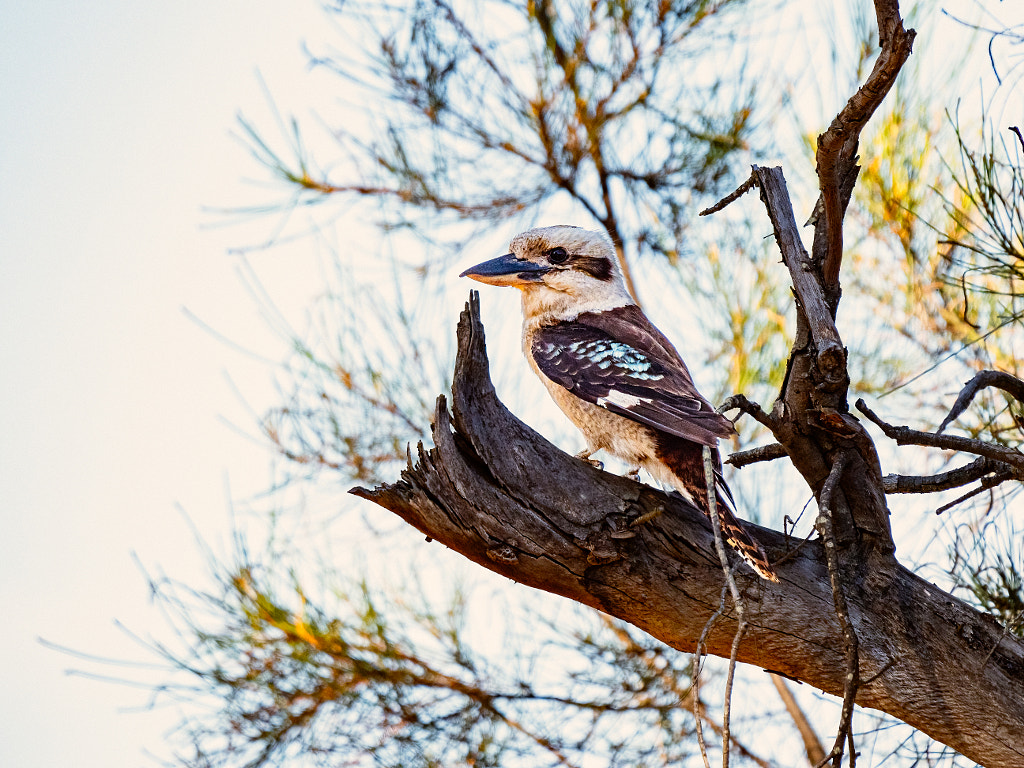
I was also happy to see a red-backed kingfisher as they’re not very common in these parts. From a distance I thought it was a one of its cousins – a laughing Kookaburra as they share a similar profile. I don’t know the Nyoongar name for the red-backed kingfisher so if anyone out there does know I’d much appreciate you telling me.
Red-backed Kingfisher, Todiramphus pyrrhopygius. Avon Walk Trail, York, Western Australia.
Kaa-kaa, Laughing Kookaburra (dacelo novaeguineae). Avon Walk Trail, York, Western Australia.
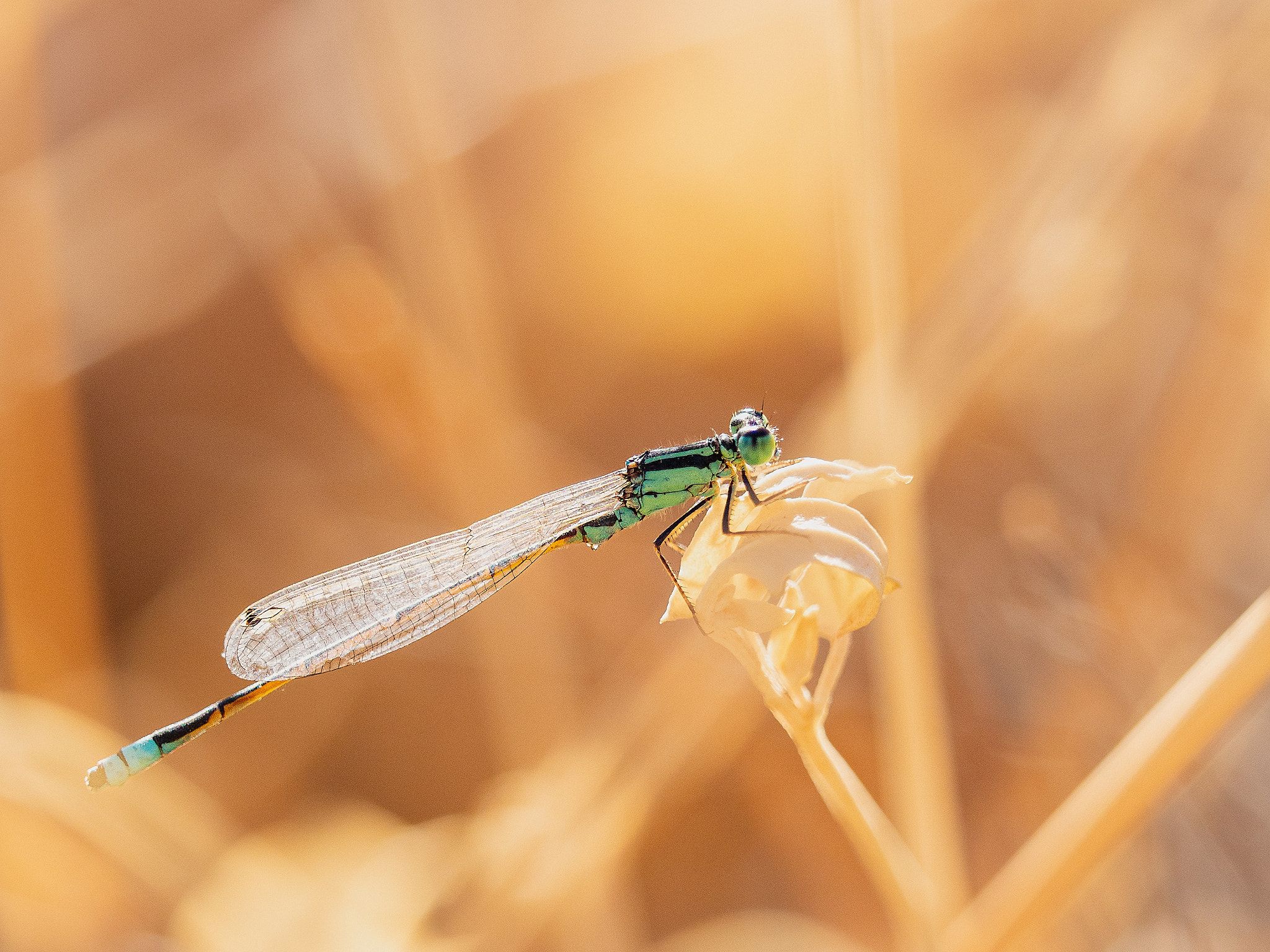
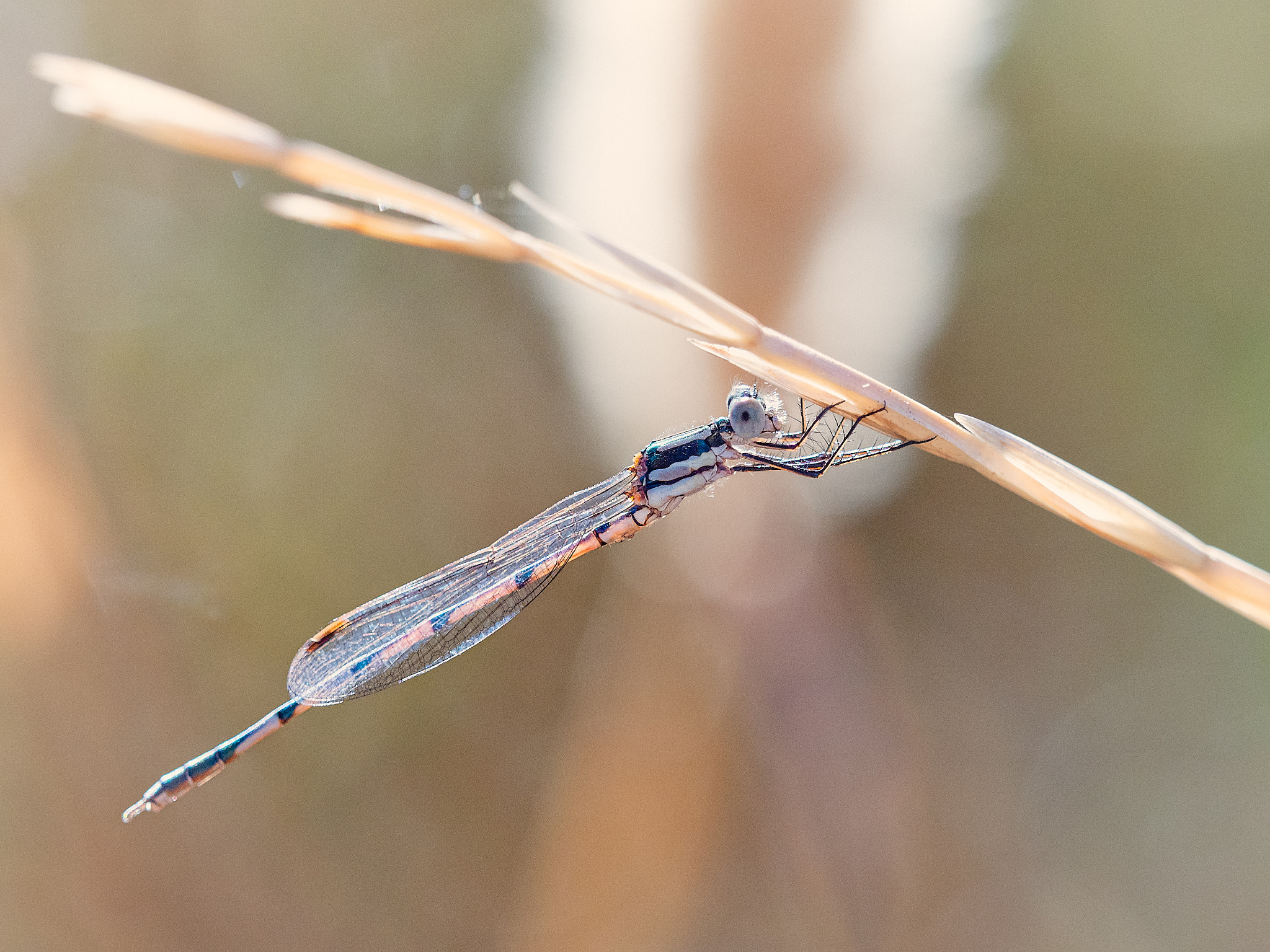
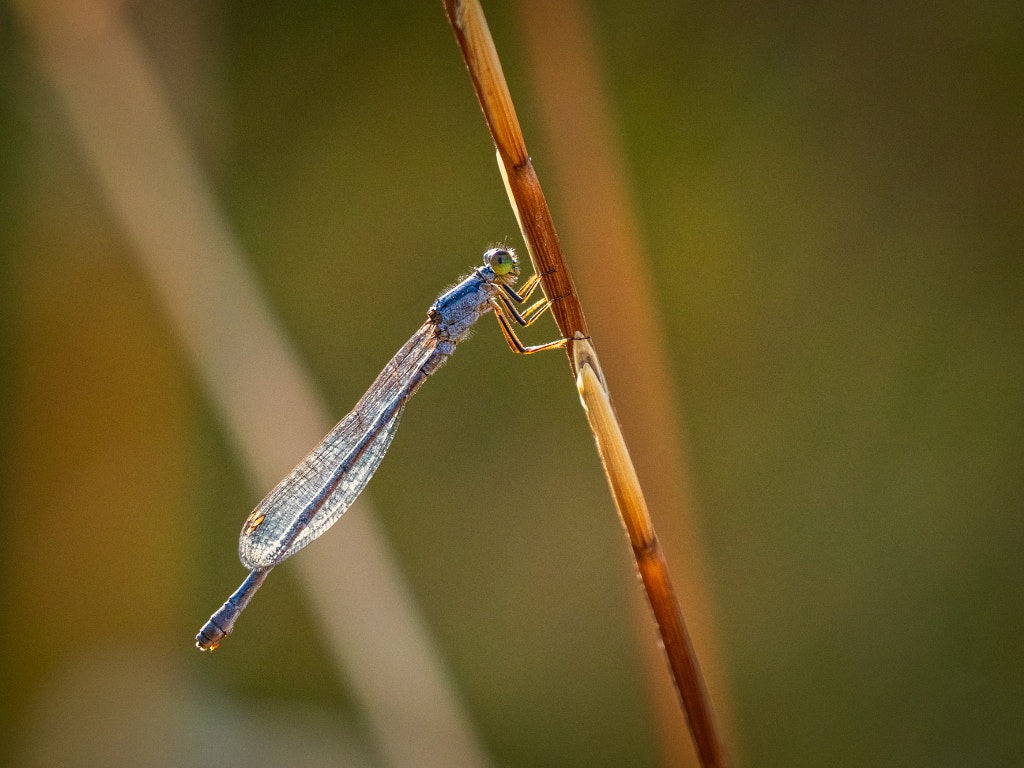
It has been a difficult week. I walked along the local river bed looking for wildlife and struck very lucky with what I saw. My problems came when it came to identifying the species of damselfly I had photographed. Now in this part of Western Australia there are only ten species so you’d think it should be relatively straight forward. But, no it is not. For quite a few of the species counting the number of abdominal segments is a key feature. Now that’s not a huge problem because I can do that at home when looking at the photo. The problem I had was when you have to look at the “anal appendages” according to The Complete Field Guide to Dragonflies of Australia (Theischinger, Hawking and Orr). Now it’s hard enough to get a damselfly to sit still long enough for a photo, but getting one to remain still for a proctological examination – well good luck with that! I wonder if David Attenborough has a whole team of assistants who do this for him?
No problems identifying this wee beastie. Inland Ringtail, Austrolestes aridus. Avon Walk Trail, York, Western Australia.
Now this little chap presented nicely on this dried grass but he wouldn’t consent to having a rectal examination. Avon Walk Trail, York, Western Australia.










You must be logged in to post a comment.