
Nearly every week my partner and I go to the vast teeming Wheatbelt Metropolis of Northam to do our weekly shop. We often take Frida, our English Bull Terrier and take her for a walk in Bernard Park which is by the Avon River. At the far eastern end of the park is an enclosure for the white swans that were introduced here and now breed along the river. As you walk round the enclosure there is a walkway that takes you through some reed beds and we often stop here to hear the Australian Reed Warblers sing. They are quite rare in the Wheatbelt preferring the coastal wetlands. Last week we noticed that they were becoming very active as it was the start of the breeding season so we decided to go on a dedicated trip early one morning to see and photograph them.
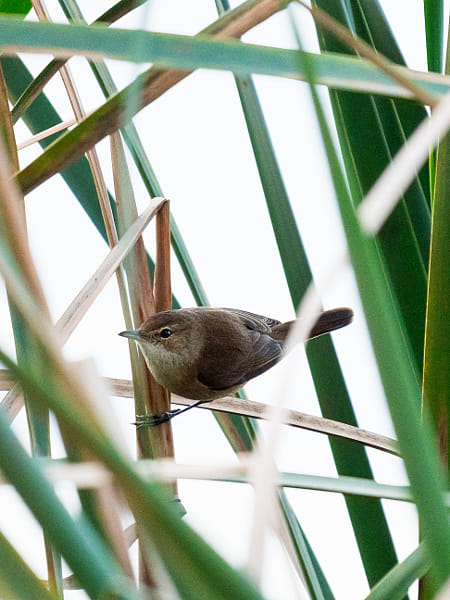
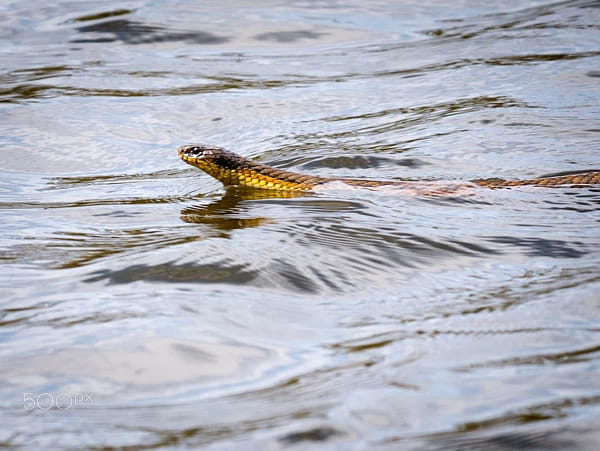
Now I’ve been trying to photograph the Australian Reed Warbler for some time. They are very small and as the name suggests live in dense reed beds which makes them incredibly difficult to photograph. They are also always on the move and don’t settle in one spot for very long which doesn’t help matters. My best previous attempt at photographing them was four years ago at Herdsman Lake where if the birds were on the waters side of the reeds you could not see them at all and you had to be aware of Tiger Snakes which can often be found around the waters edge or actually swimming in the water. A bite from one of those can seriously ruin your day. The situation at Bernard Park’s swan enclosure is very different as there are two viewing platforms either side of the pond and there is the walkway at the eastern end and these give good views of the reeds. So it was a case of getting there, listening to determine which clump of reeds had the most singing and then position myself accordingly. Then it was a question of waiting for the birds to break cover. I observed that they’d sing while deep in cover for about 10-15 minutes then fly out to another reed bed and then almost straight away up into one of two trees and then head back to where they started. So it was a case of staking out the spots and waiting for them to do their circuit. They are very quick – blink and you’ve missed it.
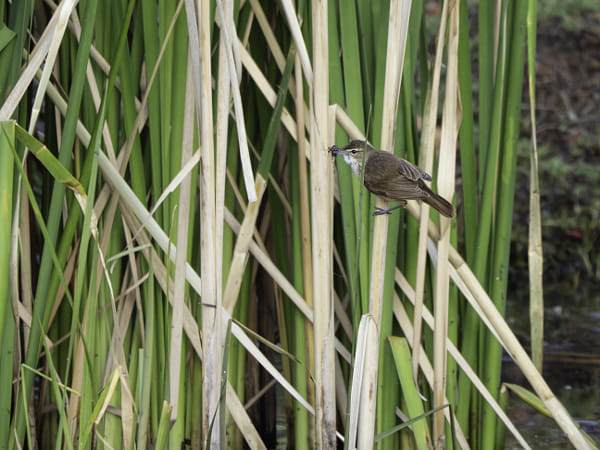
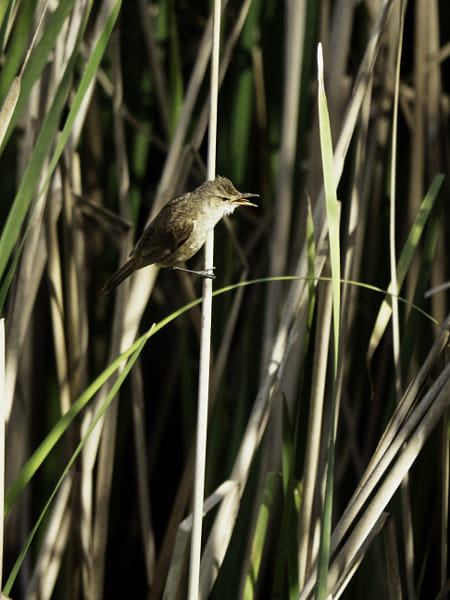
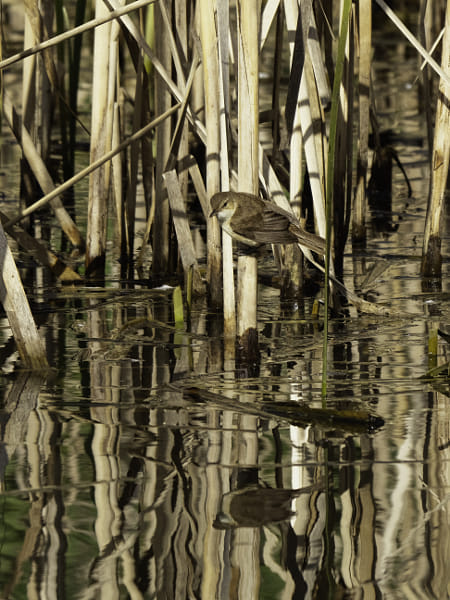
It was a nice morning. I got a few shots that were OKish that’s all, but more importantly I learnt a bit more about their behaviour through observing it and that means next time I stand a bit more a chance of getting a good photo. Again like the situation in Darwin I was left feeling I wanted more focal length. This could get expensive!
Discover more from paulamyes
Subscribe to get the latest posts sent to your email.
 paulamyes