
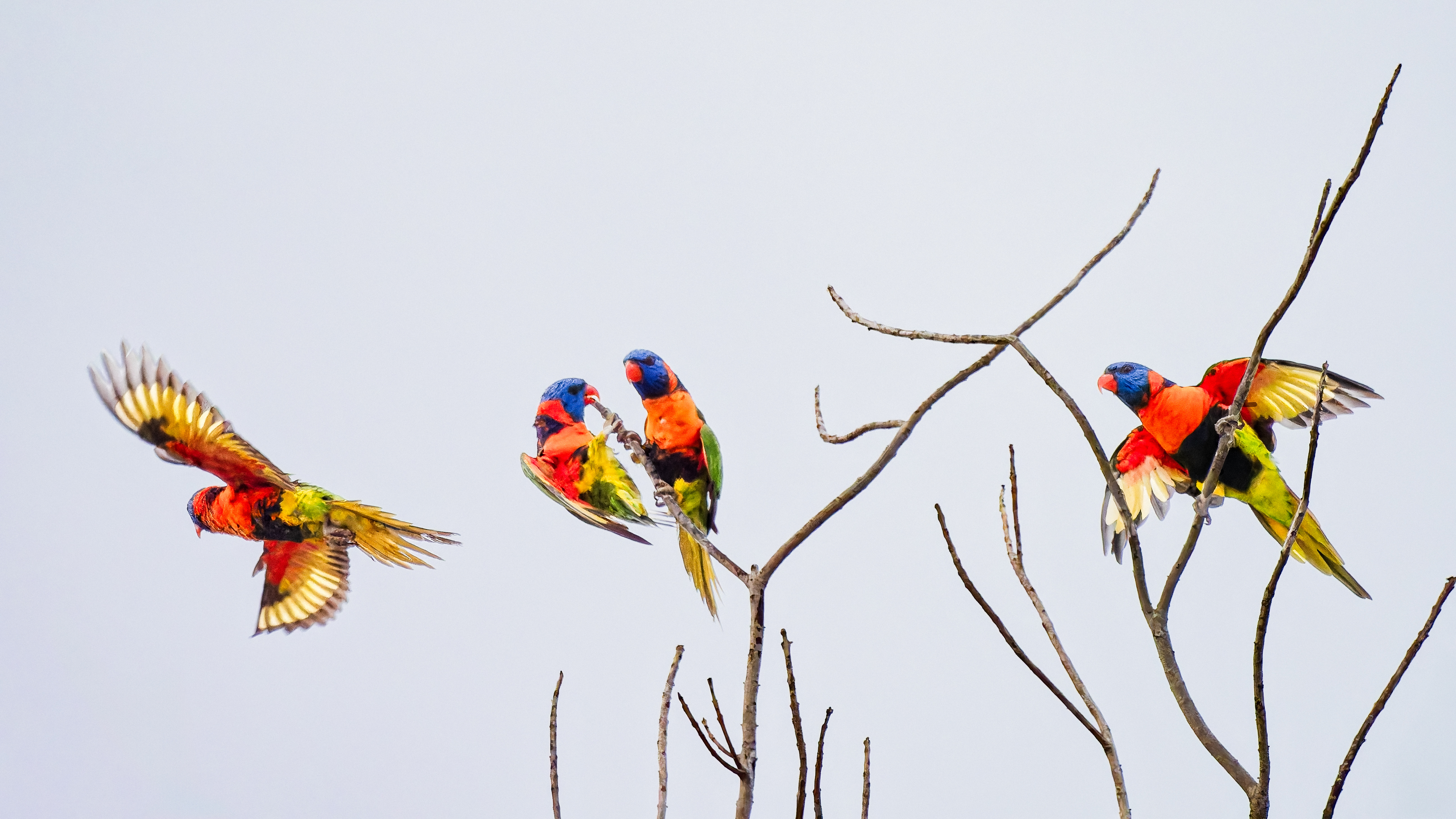
Ahhh! Broome in the wet season. Hot and wet it is. According to white Australians there are only two seasons in Broome – the “dry” from April to November and the “wet” from December to March. In the wet the temperature hovers around 35ºC with high humidity and sporadic rain. Considering that 75% of Broome’s 6m of rainfall occurs during the wet you can see that when it rains it certainly rains. Throw in the occasional tropical cyclone and the weather can get pretty extreme. So why on earth did we choose to visit Broome in the “wet”? One answer really. Birds. Thousands of birds fly down from northern Asia to Roebuck Bay to avoid the cold winters and we went to Broome to see them.
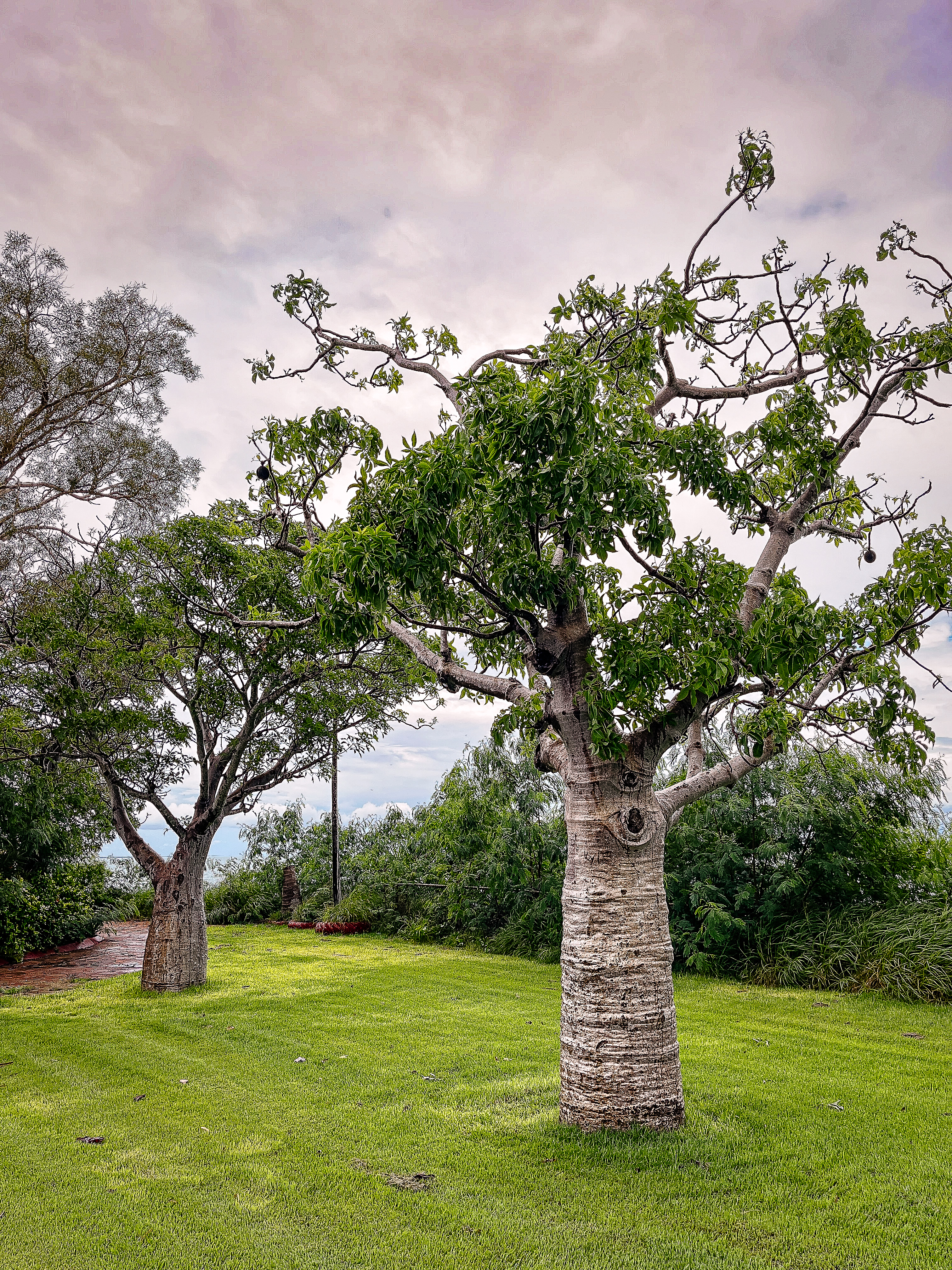
Broome, for my non Aussie readers, is located in the Kimberley a vast area roughly three times the size of England yet it has a population of less than 40,000. The town is 2,046 km north of Perth, and when we said we were going all our Australian friends thought we would drive up. Yup 2000 Km is seen as just up the road. Like driving from London to Bognor Regis. We took the sensible option and flew. When we arrived in Broome we disembarked the aircraft and found that the “international” airport was a strip of tarmac and a glorified tin shed in a paddock. As we climbed down the steps onto the tarmac it was like walking into a sauna. By the time we’d walked the 30m to the building we were wringing wet with sweat. My dear old Mum used to say “Horses sweat, men perspire, and ladies glow”. Well in Broome everybody just sweats – buckets and buckets.
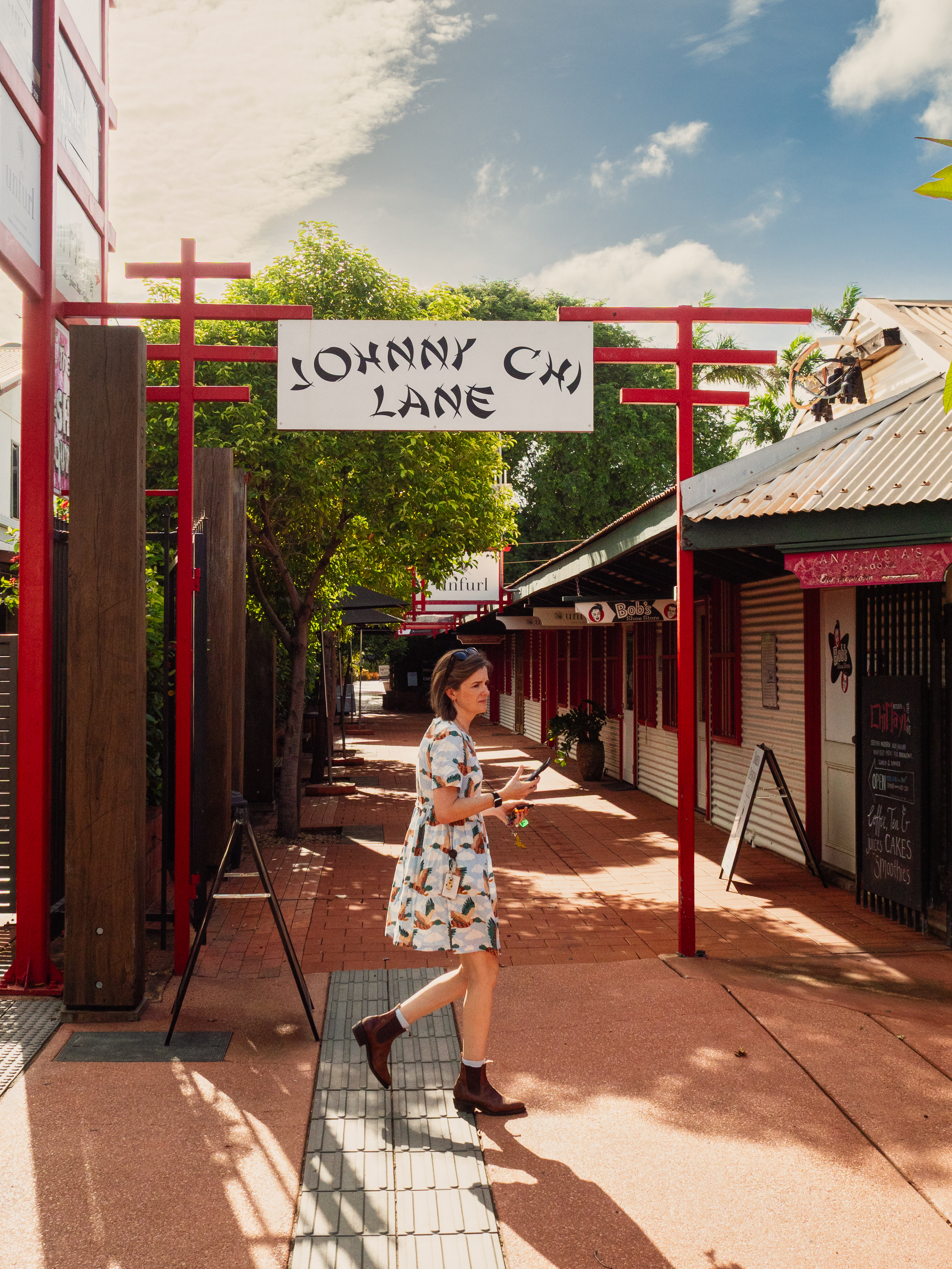
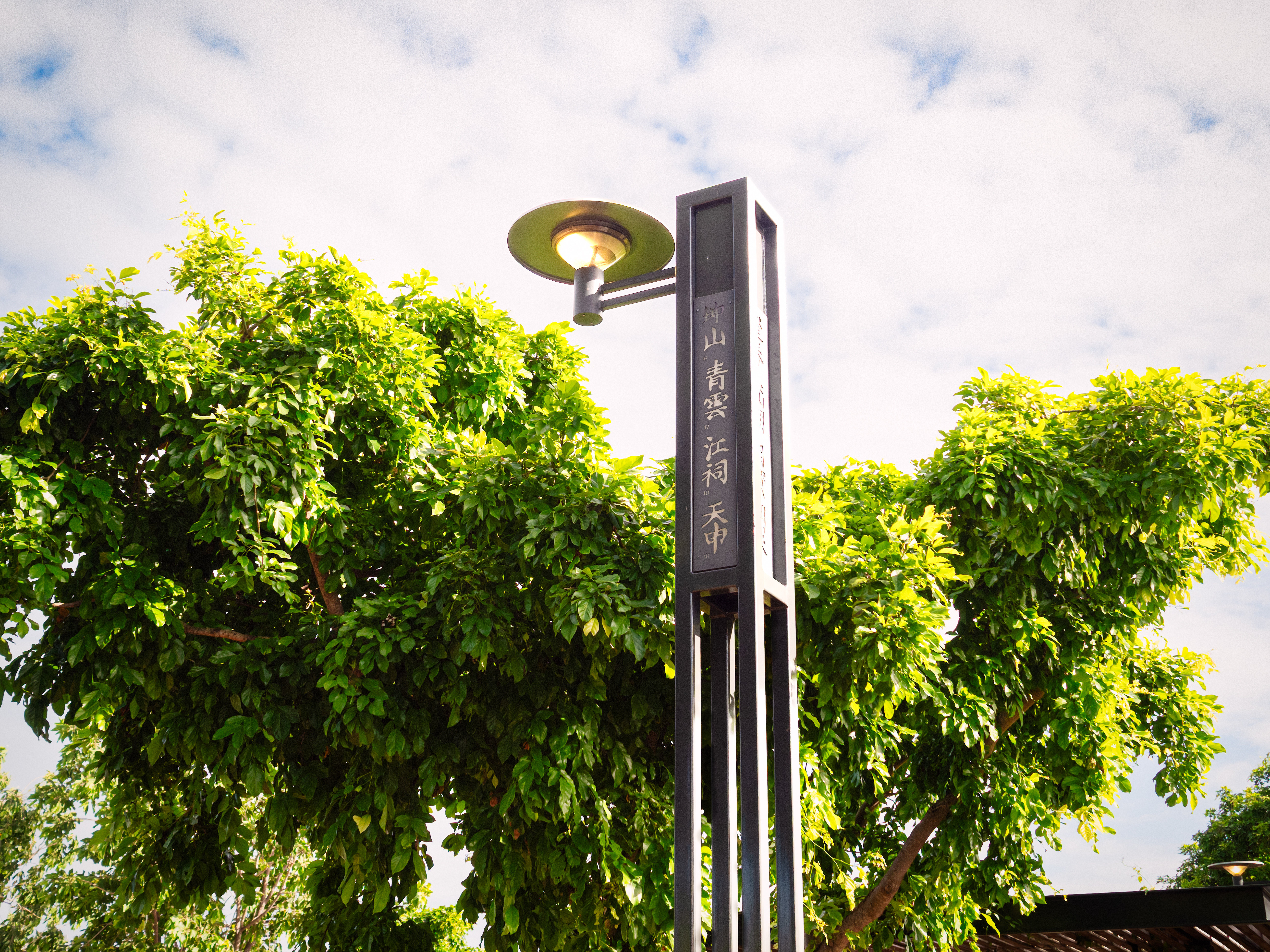
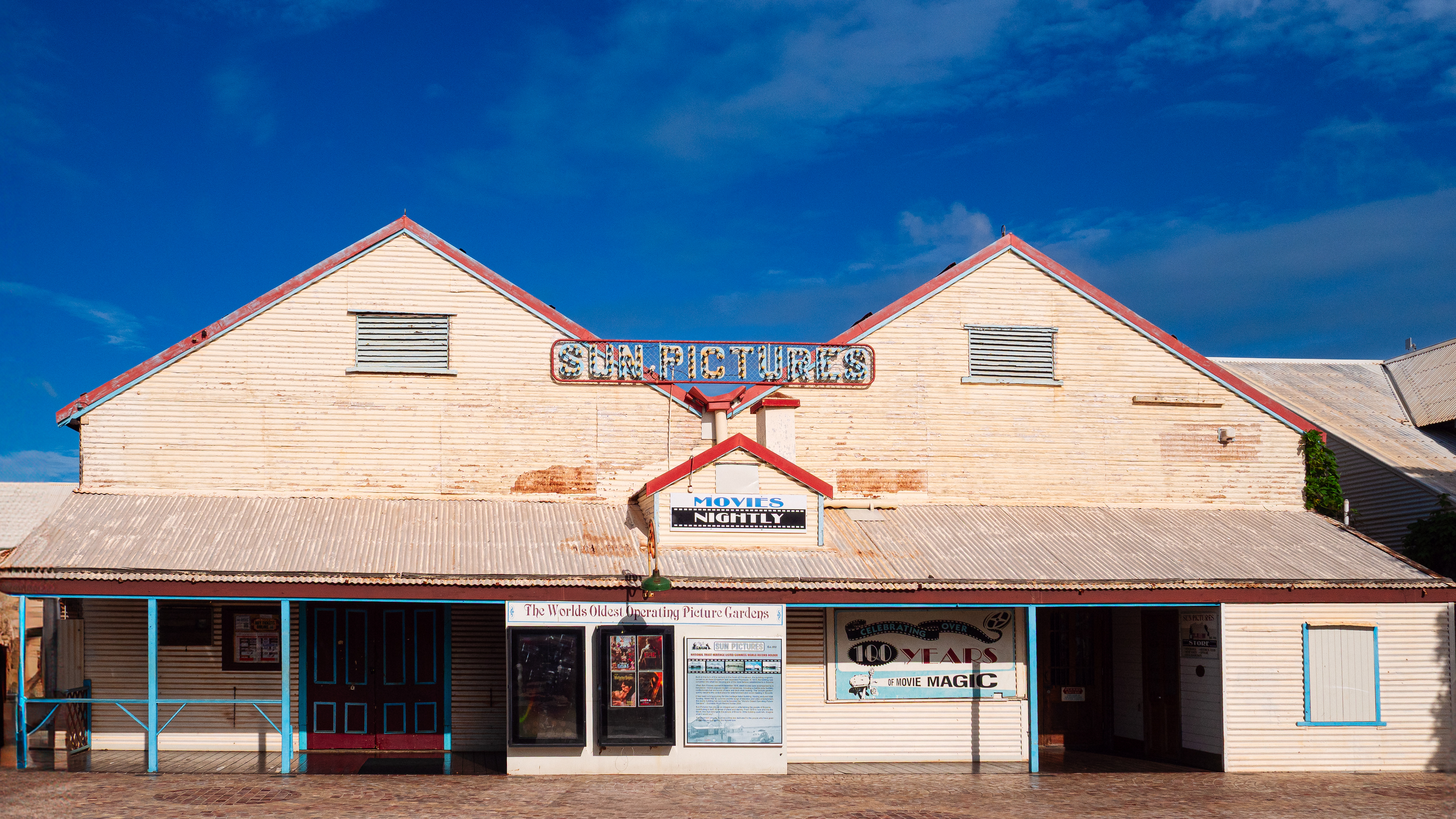
Broome has an interesting history which has led to it being the multicultural place it is today. The pearling industry put it on the map and at one time there were over 300 luggers which harvested enough oysters to supply 80% of the world’s demand for mother of pearl buttons. The industry relied initially on enslaved Aboriginal people, but a change in the law prohibiting this and the fact that the oysters were less common in shallow waters meant that indentured labourers from Japan, China, Malaysia, Indonesia, and the Philippines were brought in. They did the high risk job of diving because it was felt they were more suitable to it than white people. The reality was that whites wouldn’t work for such low wages and coloureds were considered more expendable. So at this stage Broome was very much a segregated town and this continued like this well into the 1970s. It was Alistair McAlpine who transformed Broome into the tourist destination it is now in the 1980’s with the establishment and international promotion of the Cable Beach Resort Club and the Pearl Coast Zoological Gardens among others. As more and more visitors flooded into the town attitudes began to change and tourist industries were established trading on the town’s multicultural heritage.
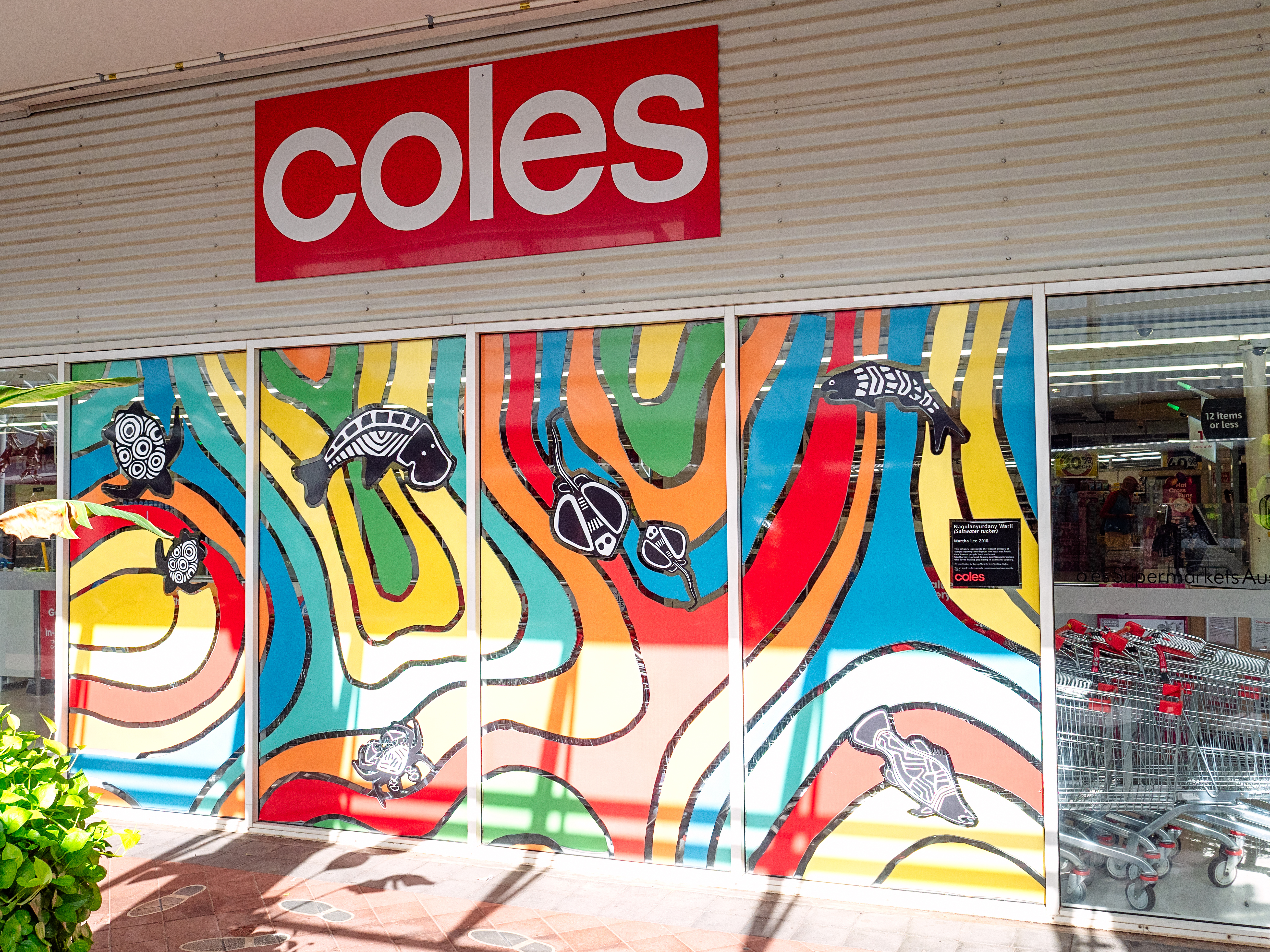
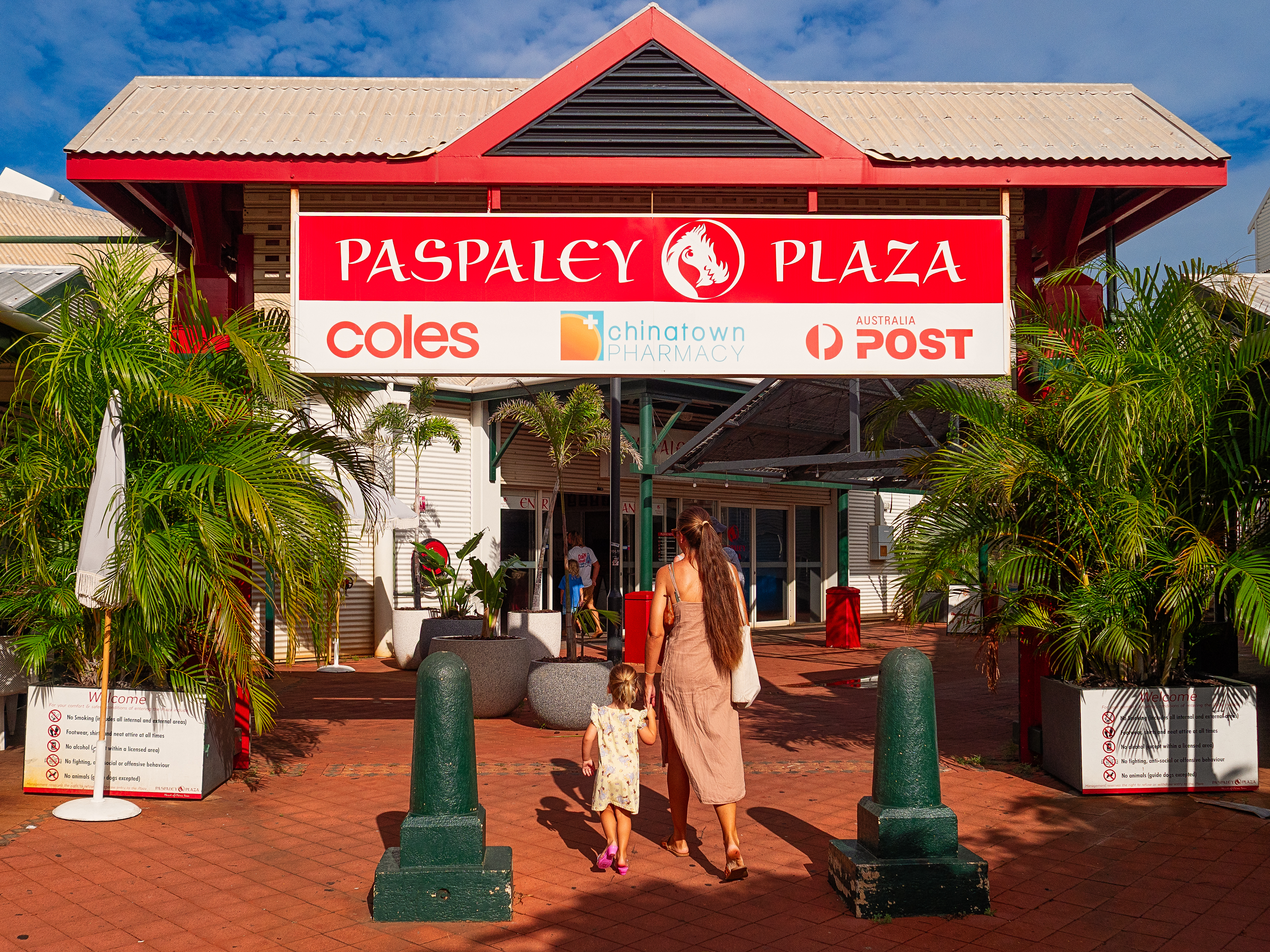
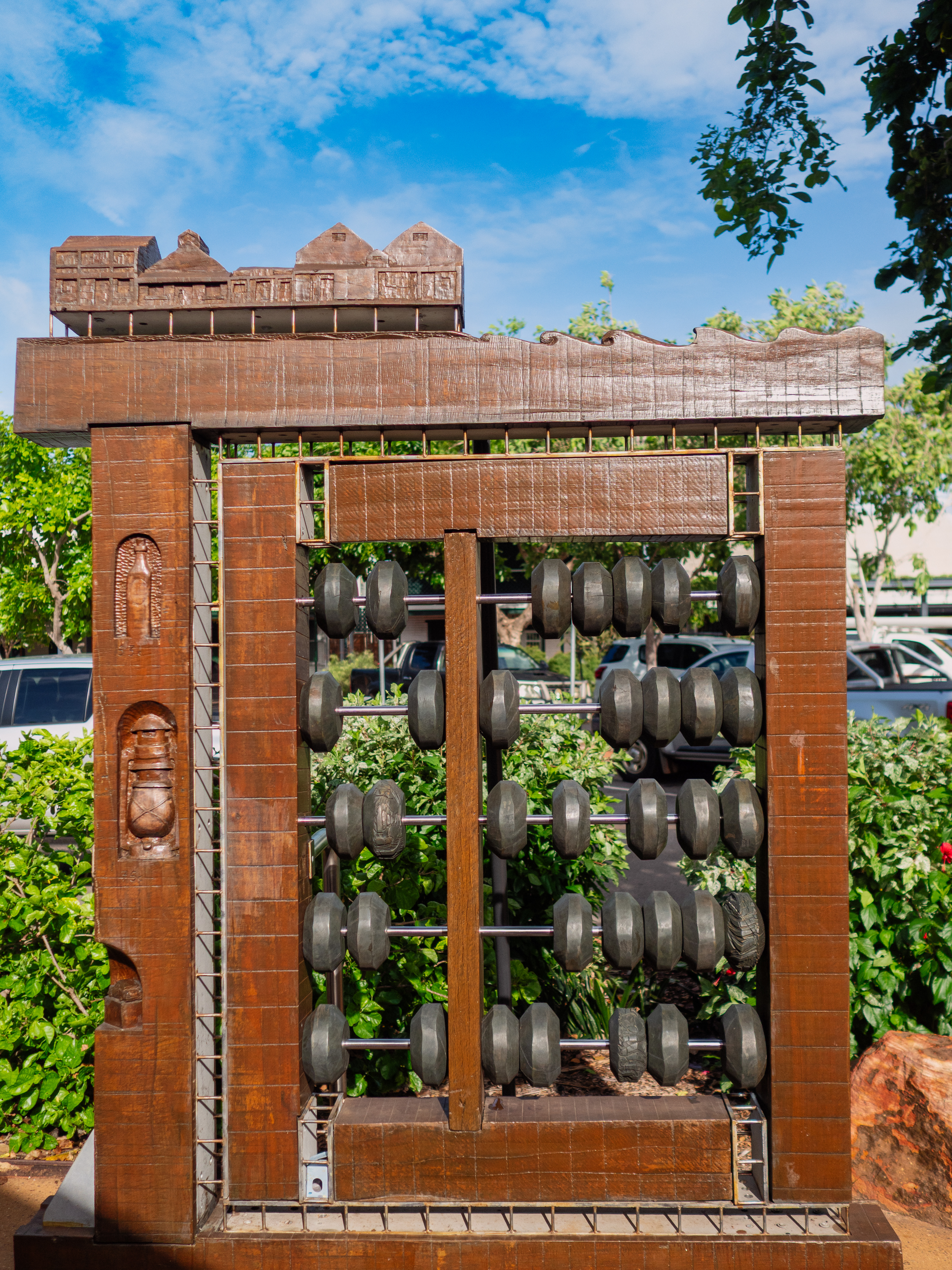
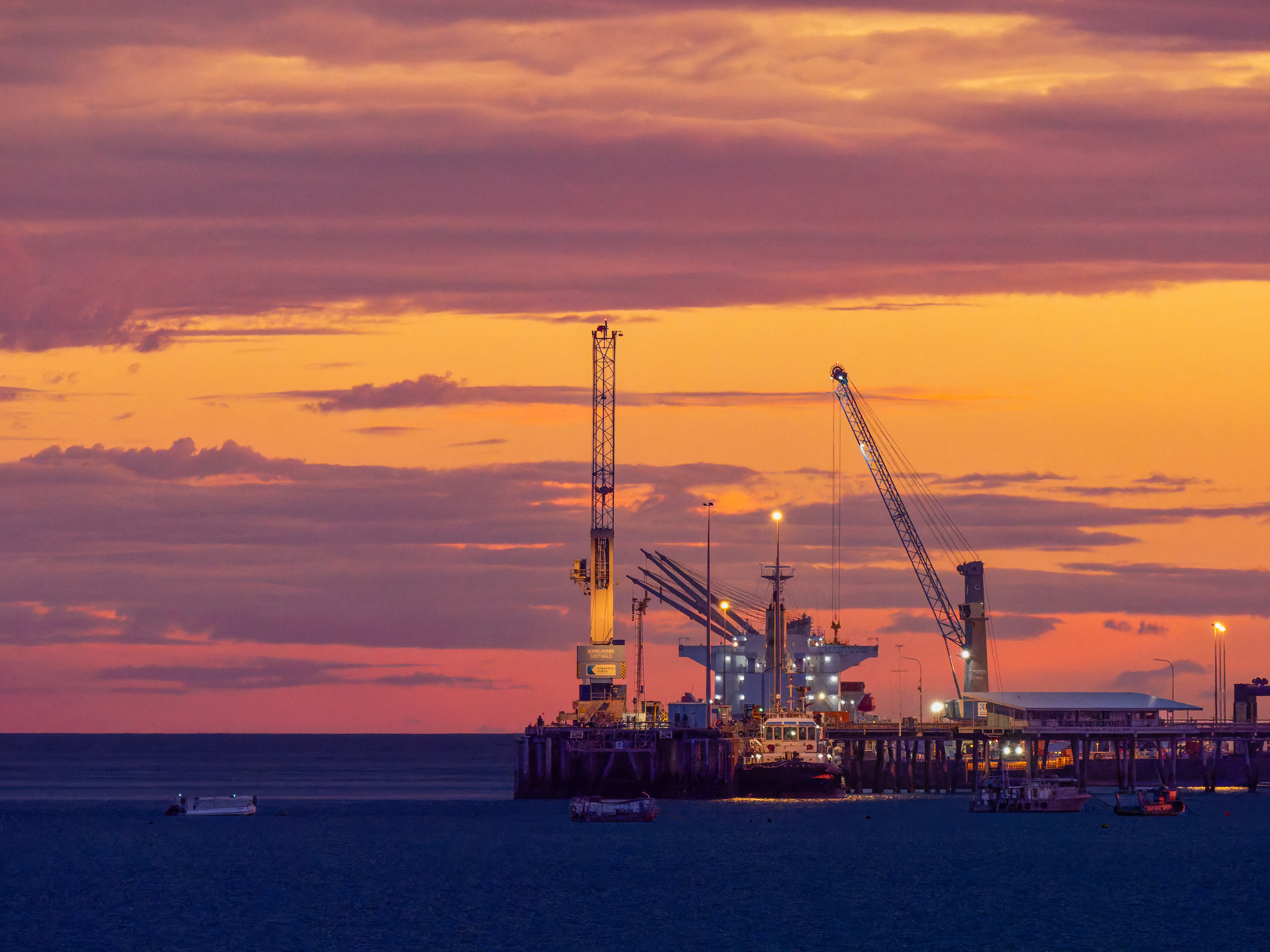
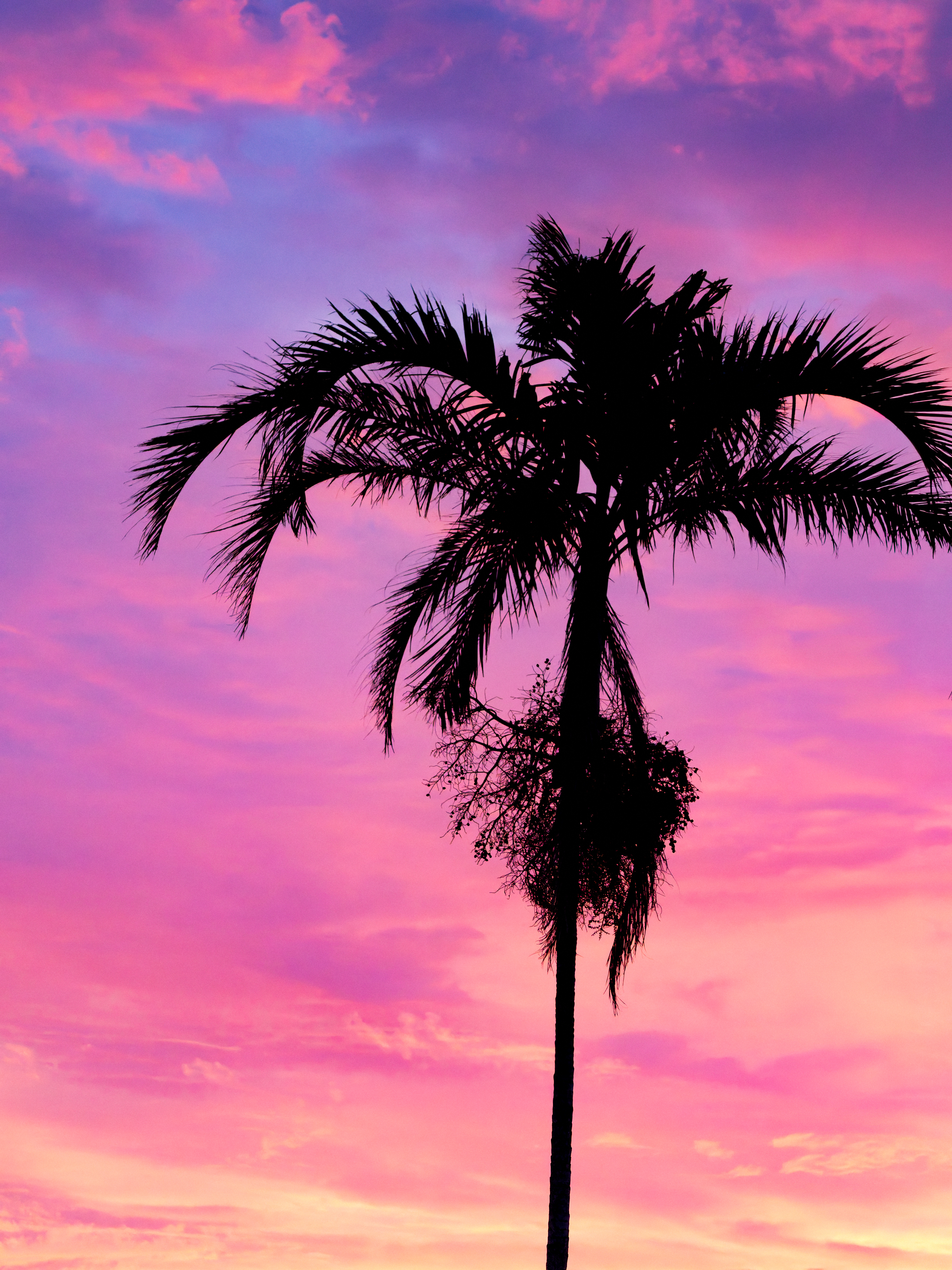
Our early flight from Perth meant that we had quite a bit of time to look around and so we visited Chinatown which was where the Asian crews of the pearl luggers lived and took their leisure – billiard saloons, opium dens and brothels. It definitely was Australia’s own wild west. It was interesting to see street signs still written using Hanzi. Even shops like Coles had entered into the multicultural vibe by using Aboriginal motifs on the windows and the staff uniform. We had a picnic lunch at Town Beach and then checked into our accommodation. An hour before sunset I walked around where we were staying and saw loads of different birds. Back at our accommodation and looking out over Roebuck Bay there was a magnificent setting sun and it was a fitting end to what had been a long day.
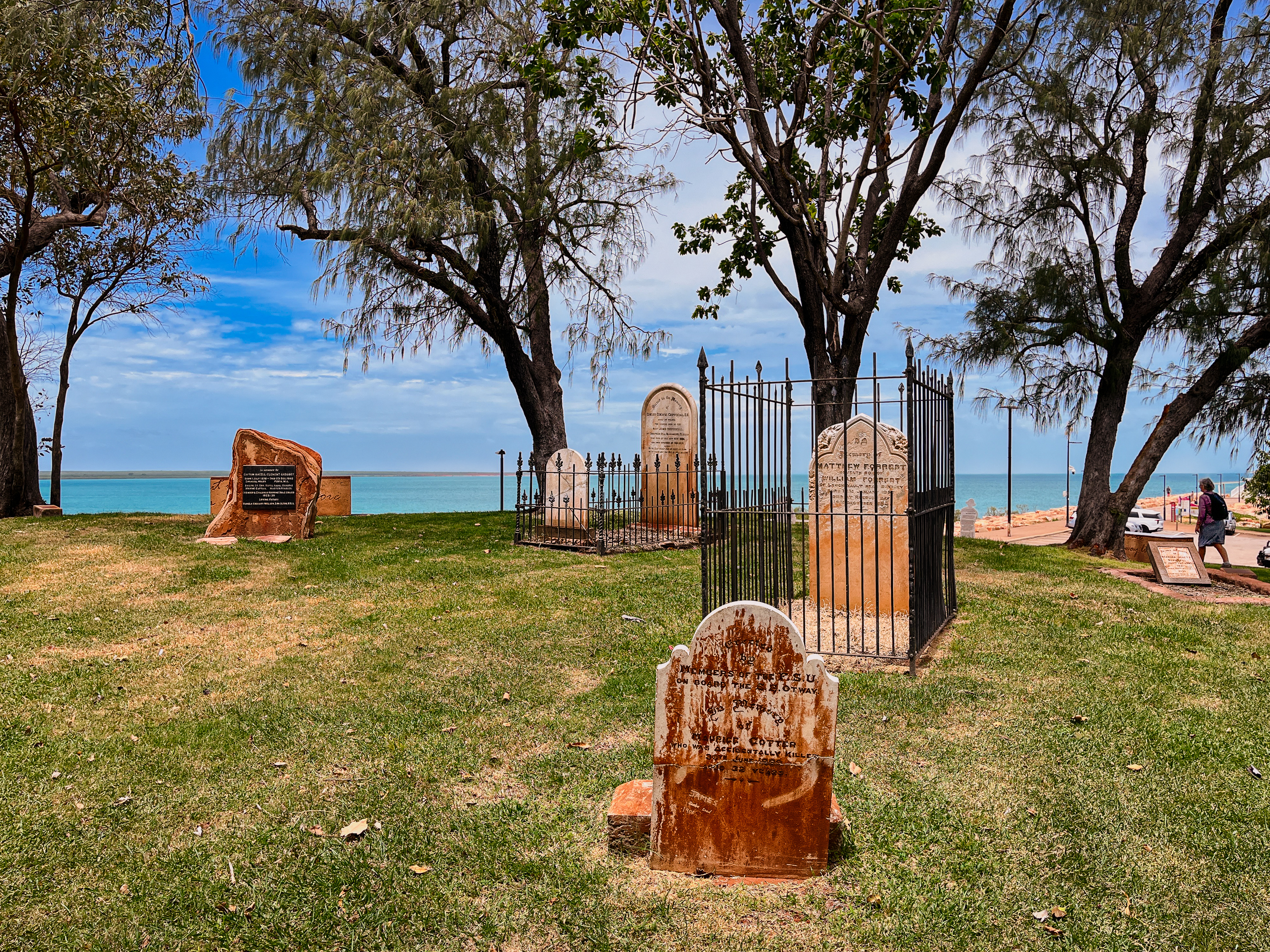
The title for this week’s post is a quote from Robin Williams’ Good Morning Vietnam.
Discover more from paulamyes
Subscribe to get the latest posts sent to your email.
 paulamyes