Off Course

Helen watching birds and basking in the winter sun at the York Golf Club.


This autumn and winter we’ve been spending quite a bit of time at the local golf course – not playing golf at all but walking in the woods at the back of the course. It is a fantastic piece of Wandoo forest with rocky out crops and steep gullies cut by water erosion.  In fact that’s probably why it still exists as the land wouldn’t be fit for any commercial purpose. For us it is a wonderful place where we can walk the dog and view native flora and fauna. The other great thing is other than seeing the occasional golfer on the fairways as we drive in there is nobody around.


Frida looking in holes at the York Golf Course.


Frida our wayward and reluctant Bull Terrier loves it. There are rocky outcrops to stand on and strike a heroic pose, holes to look down and lots and lots of interesting things to smell. It is the one place where she enthusiastically jumps out of the car rather than having to be enticed out with bribes.


Me I go there to photograph flowers and animals and just generally get away from everything. I find it so peaceful and relaxing. Here are a selection of photos I’ve taken this winter.
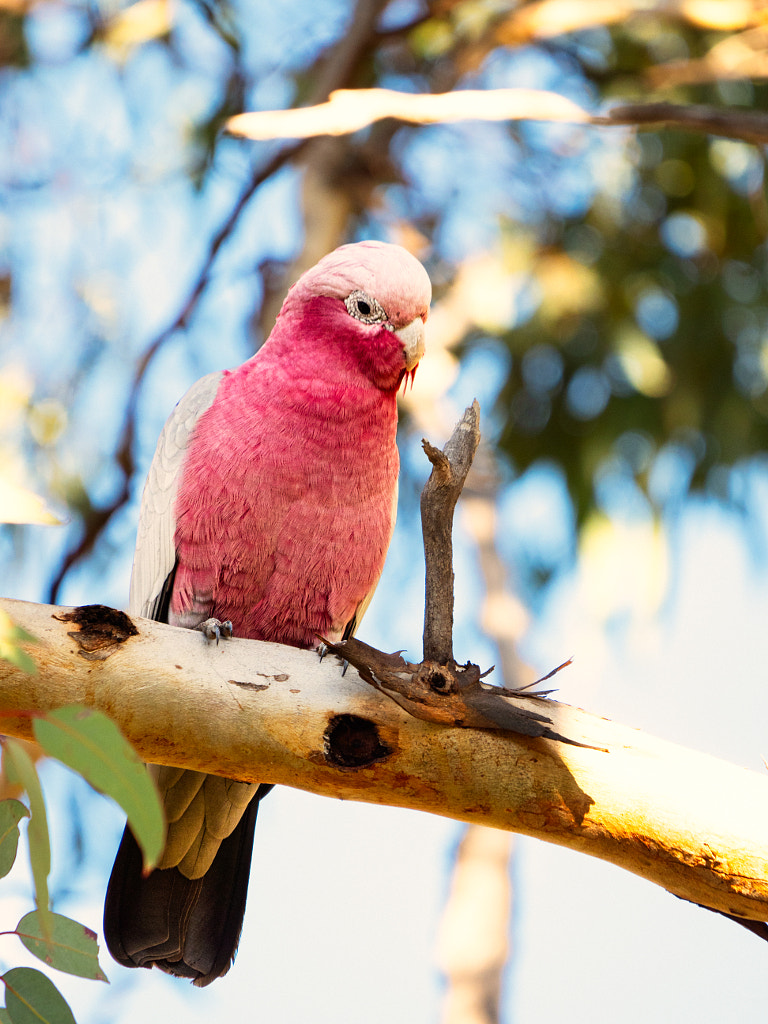
 

Djakal-ngakal by Paul Amyes on 500px.com
Djakal-ngakal or pink and grey galah enjoying the last warmth of the winter’s sun as it goes down.


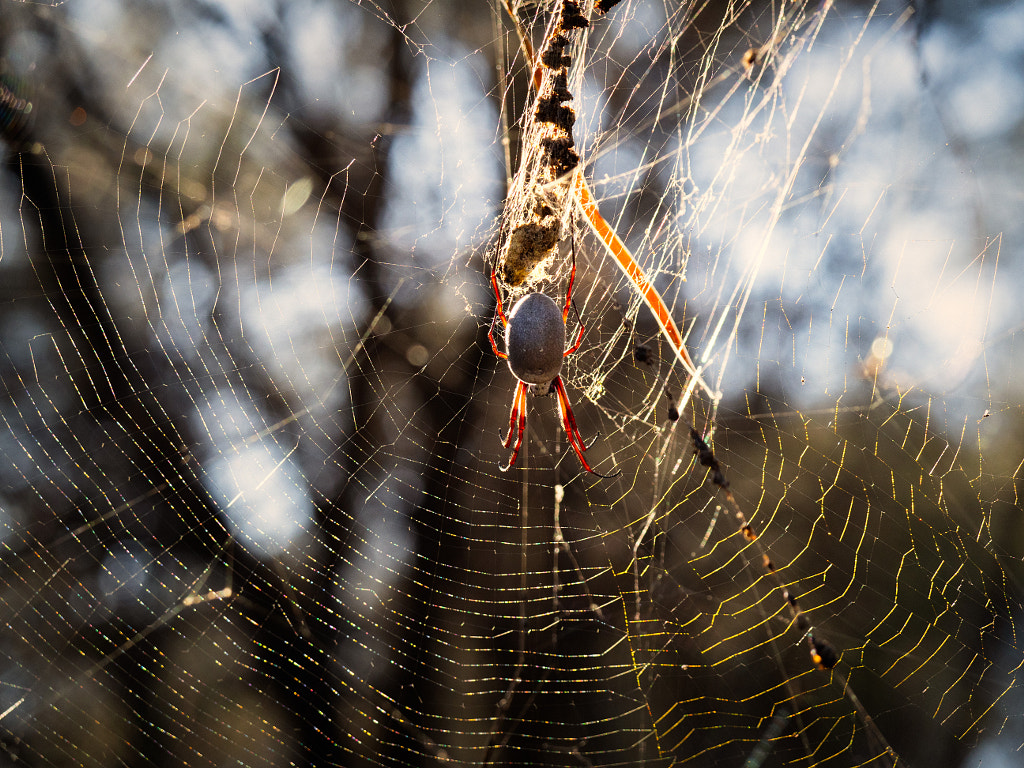
Golden Orb Weaving Spider by Paul Amyes on 500px.com

The early morning sun highlights the golden web of the Golden Orb Weaving Spider.
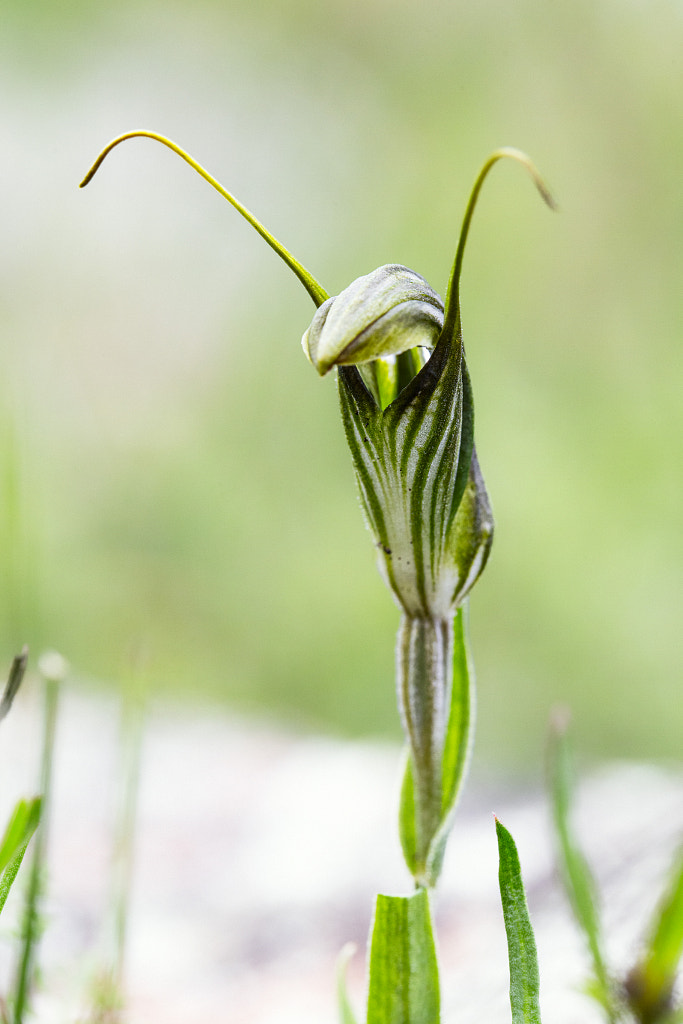
 

Green-veined Shell Orchid by Paul Amyes on 500px.com

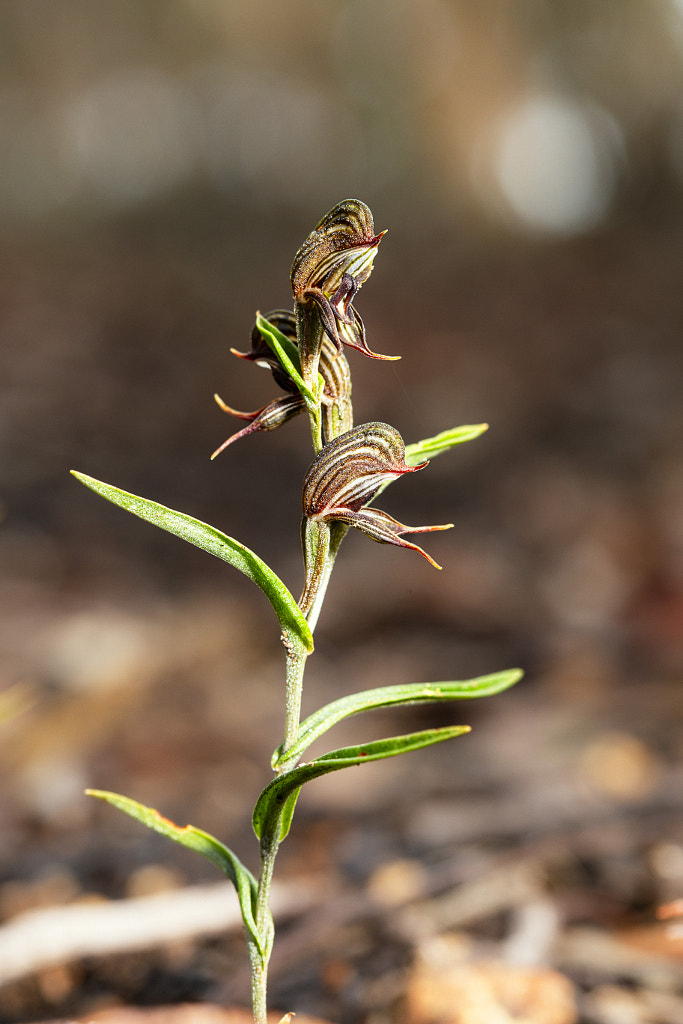
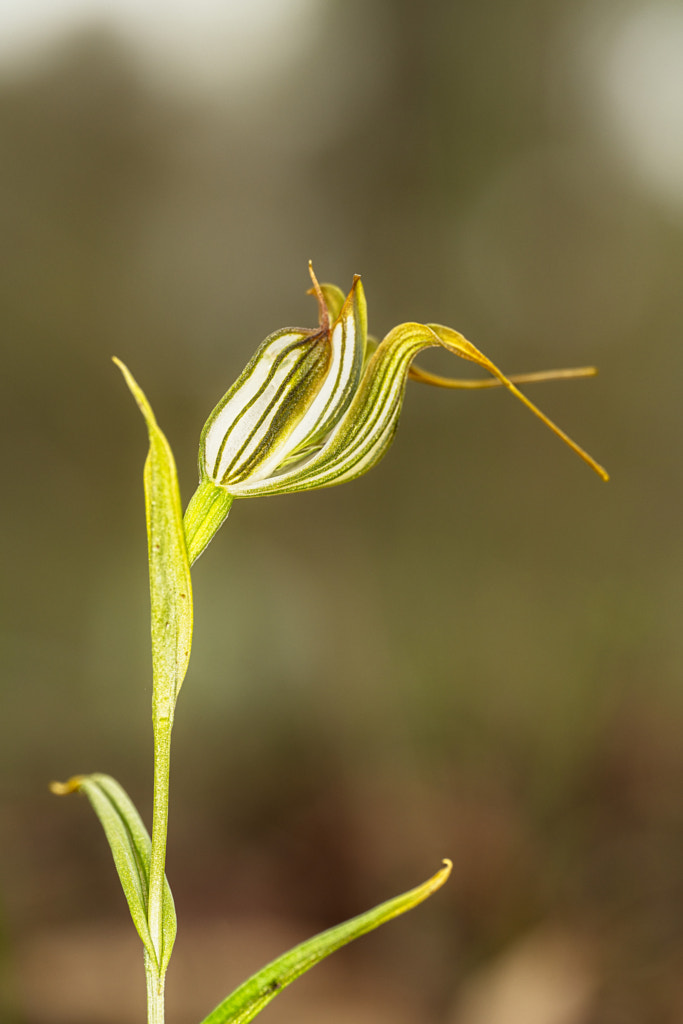
Green-veined Shell Orchid, Pterostylis scabra, growing just off the fairway in the rough.
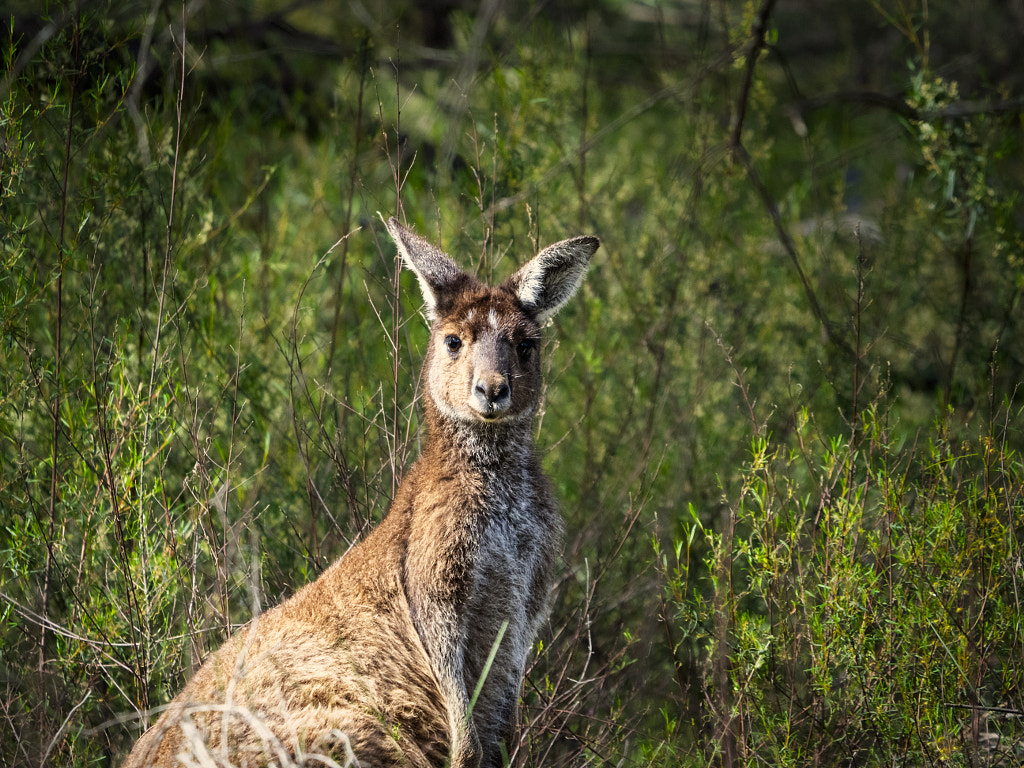
 

Yongka by Paul Amyes on 500px.com

You never know who you’ll meet in the rough. Female western grey kangaroo aka sooty kangaroo (Macropus fuliginosus).
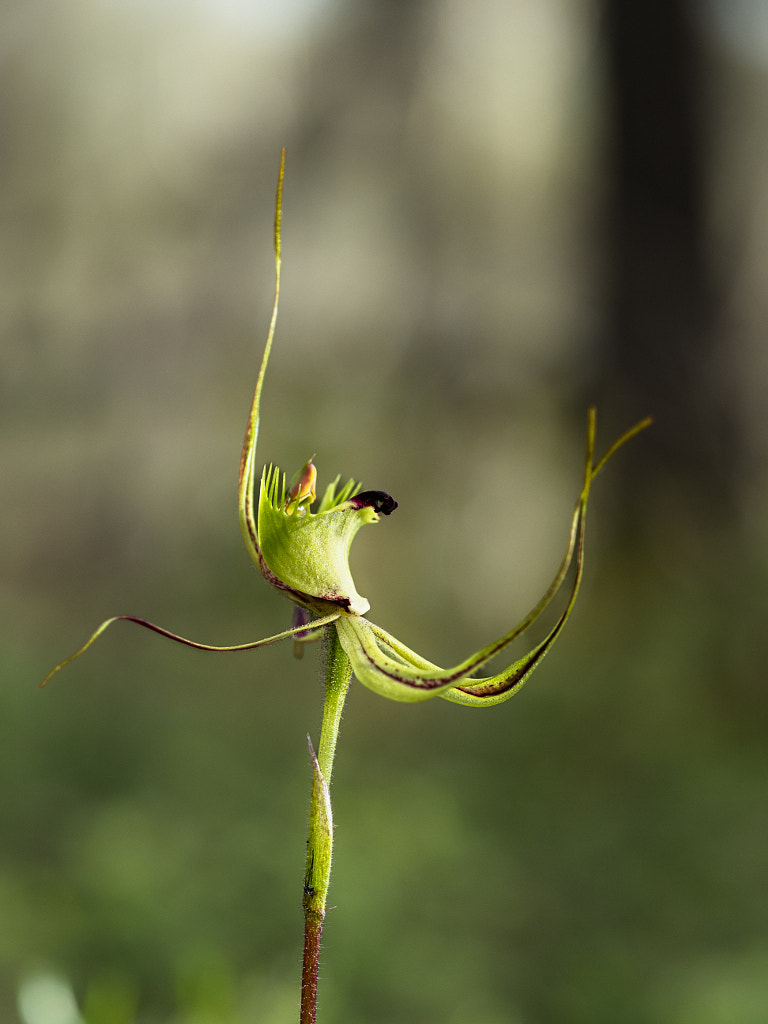
 

Fringed Mantis Orchid by Paul Amyes on 500px.com

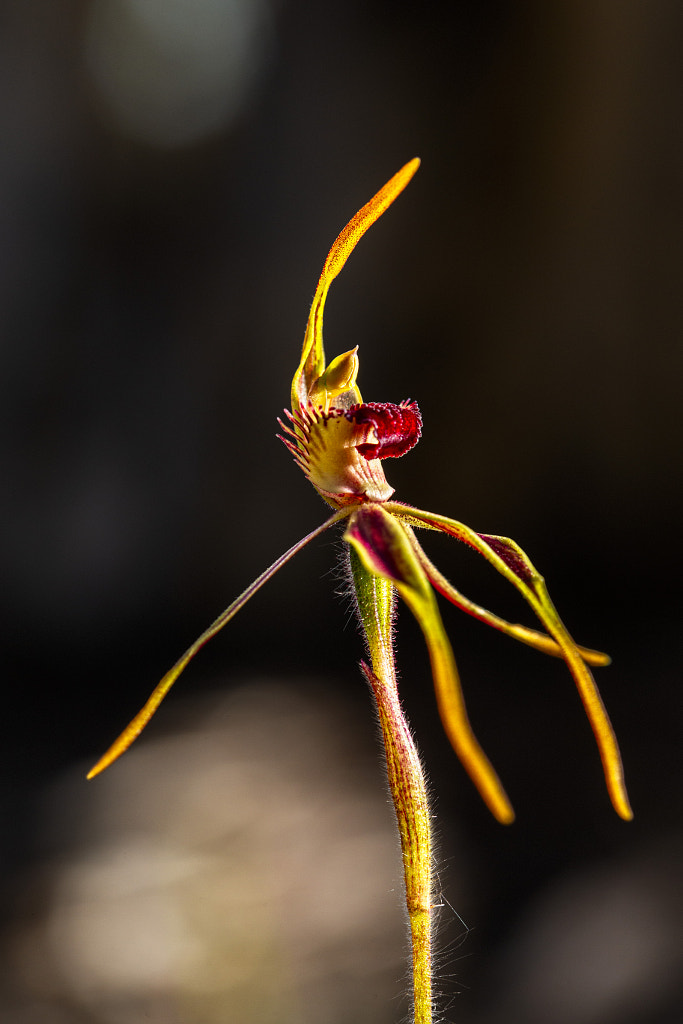
Fringed Mantis Orchid, or Green Spider Orchid, (Caladenia falcata).
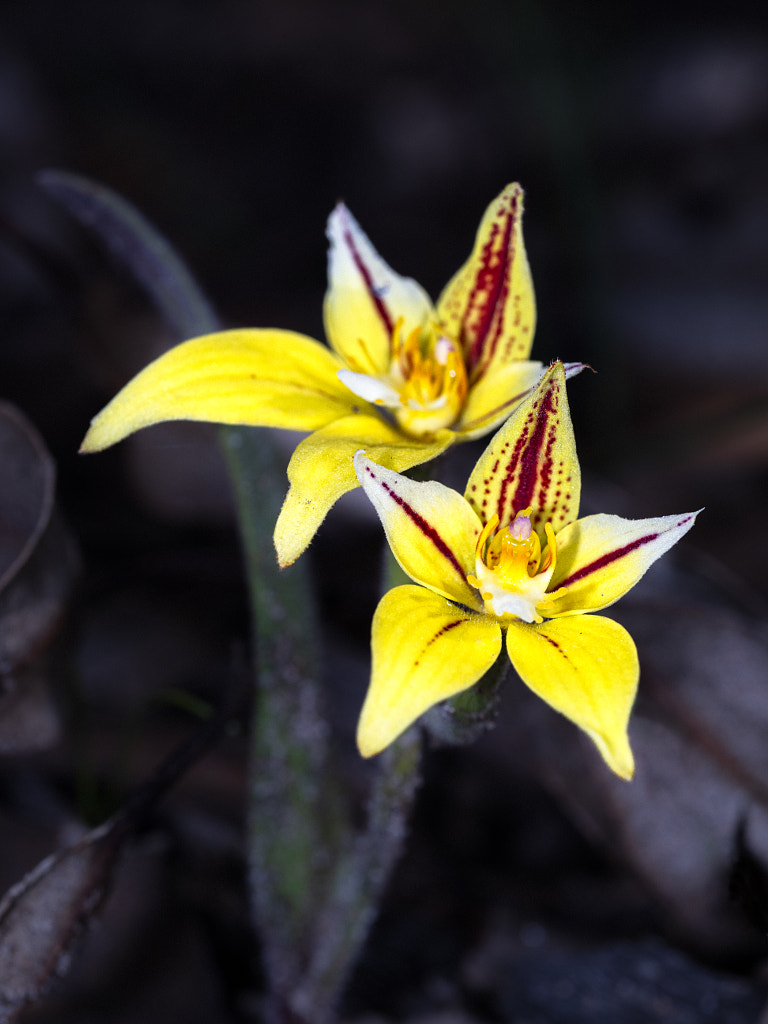
 

Cowslip Orchid by Paul Amyes on 500px.com

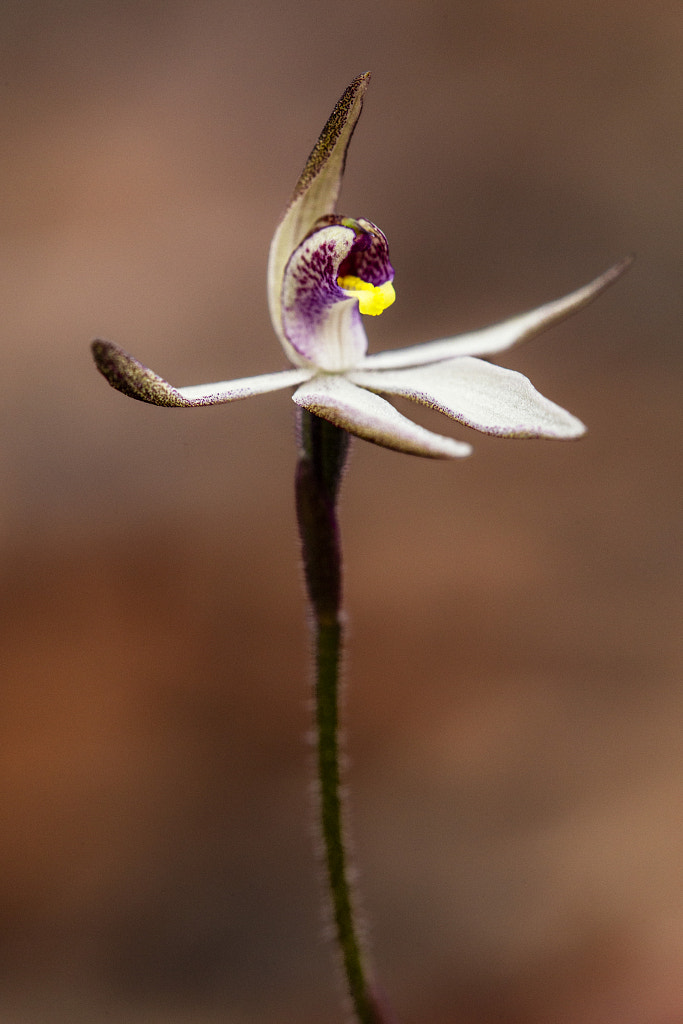
Cowslip Orchid, Caladenia flava subs. flava.
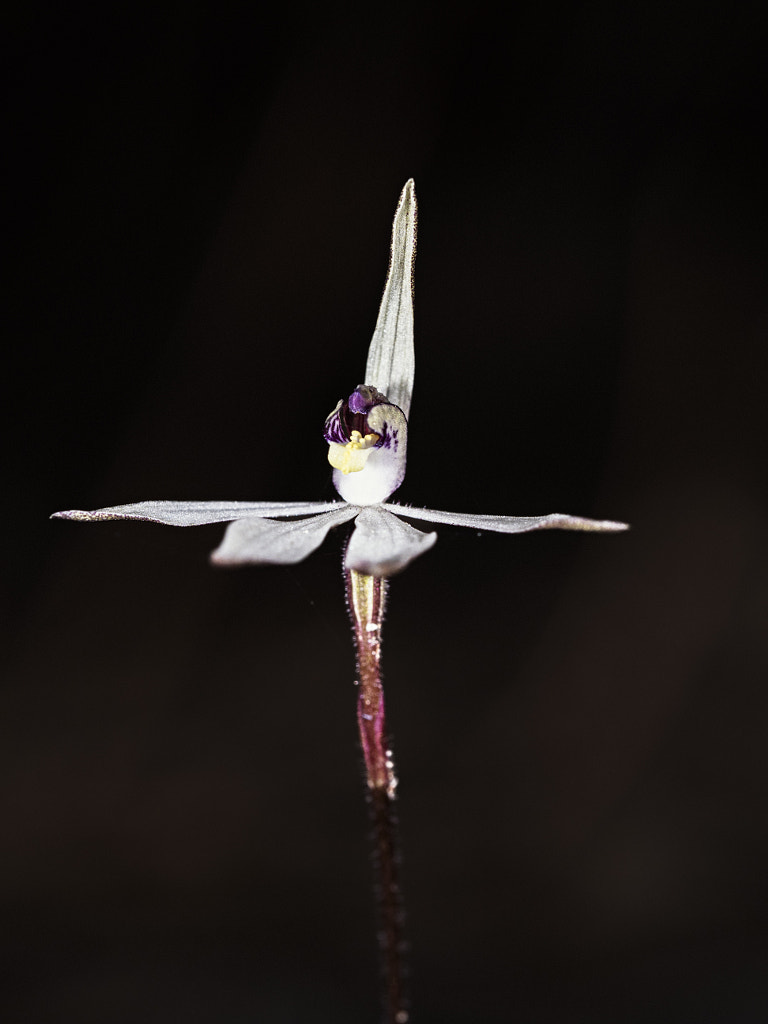
 

Sugar Orchid by Paul Amyes on 500px.com

Hundreds of Sugar Orchids, Ericksonella saccharata, can be seen growing in the bark and leaf litter beneath the wandoo trees.
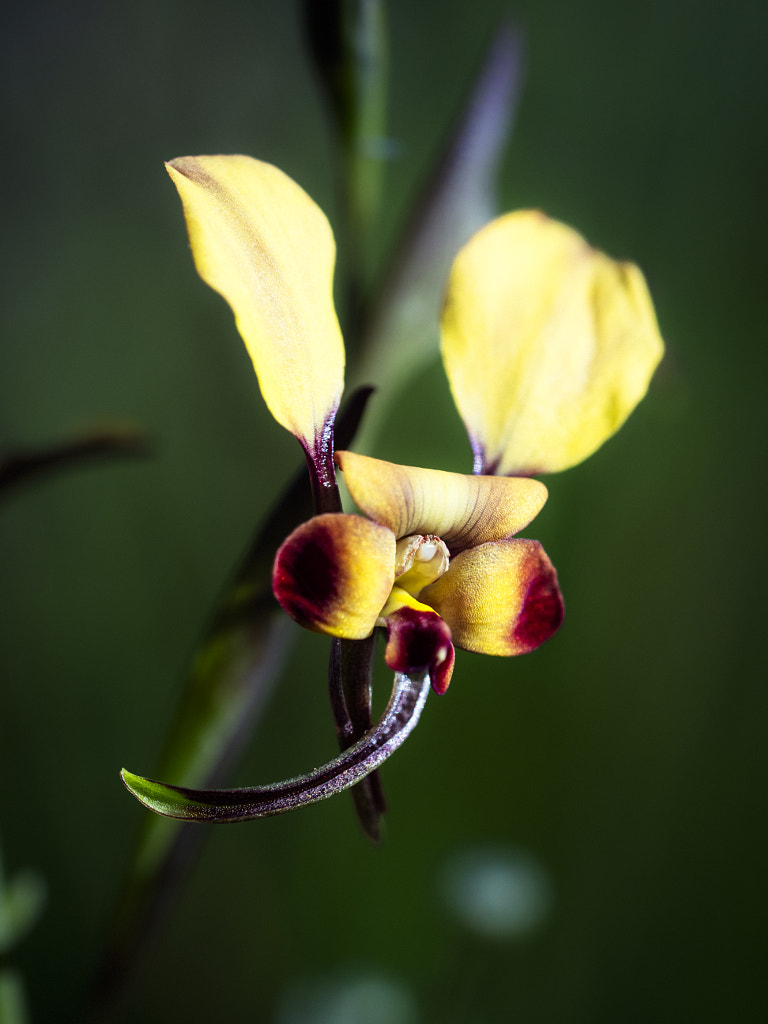
 

Winter Donkey Orchid by Paul Amyes on 500px.com

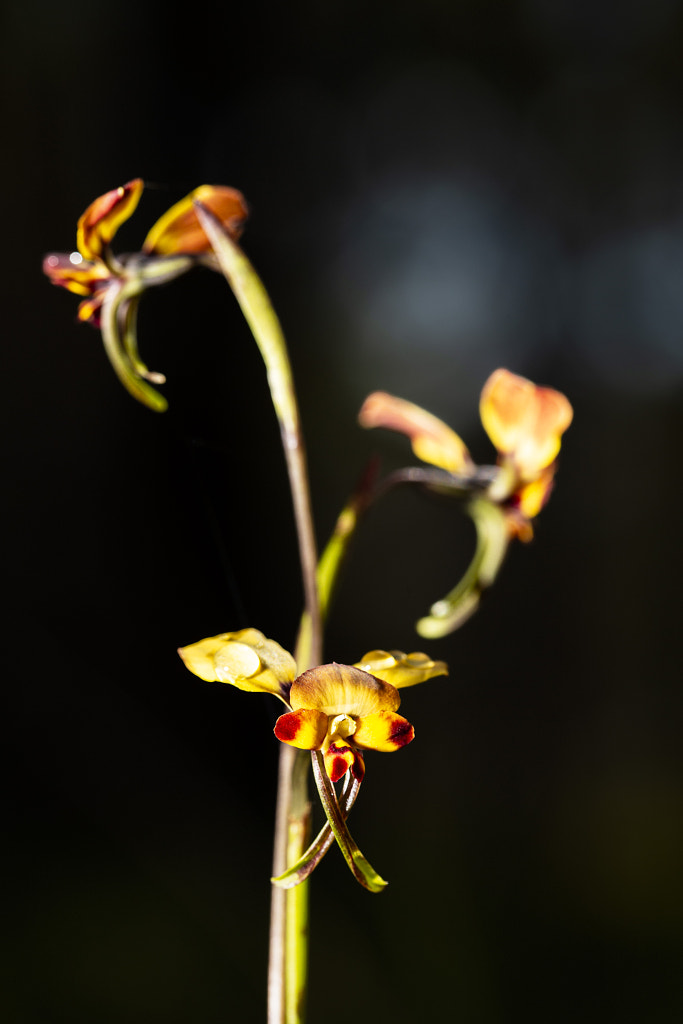
Winter donkey orchid, Diuris brumalis.
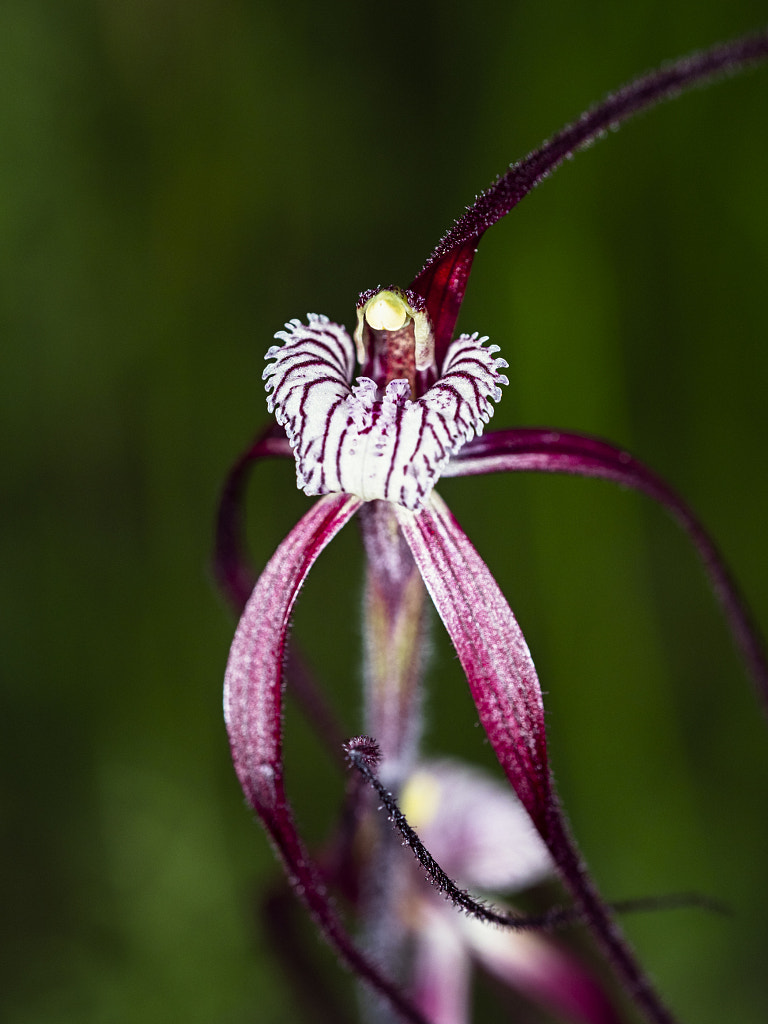
 

Chapman's Spider Orchid by Paul Amyes on 500px.com

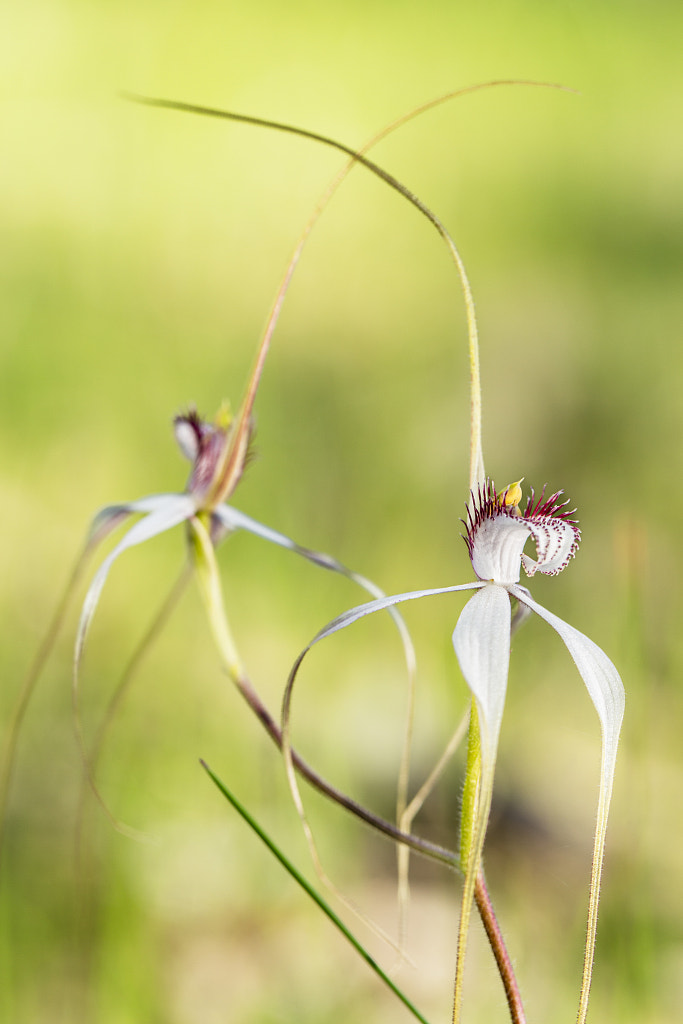
Chapman’s Spider Orchid, Caladenia chapmanii.
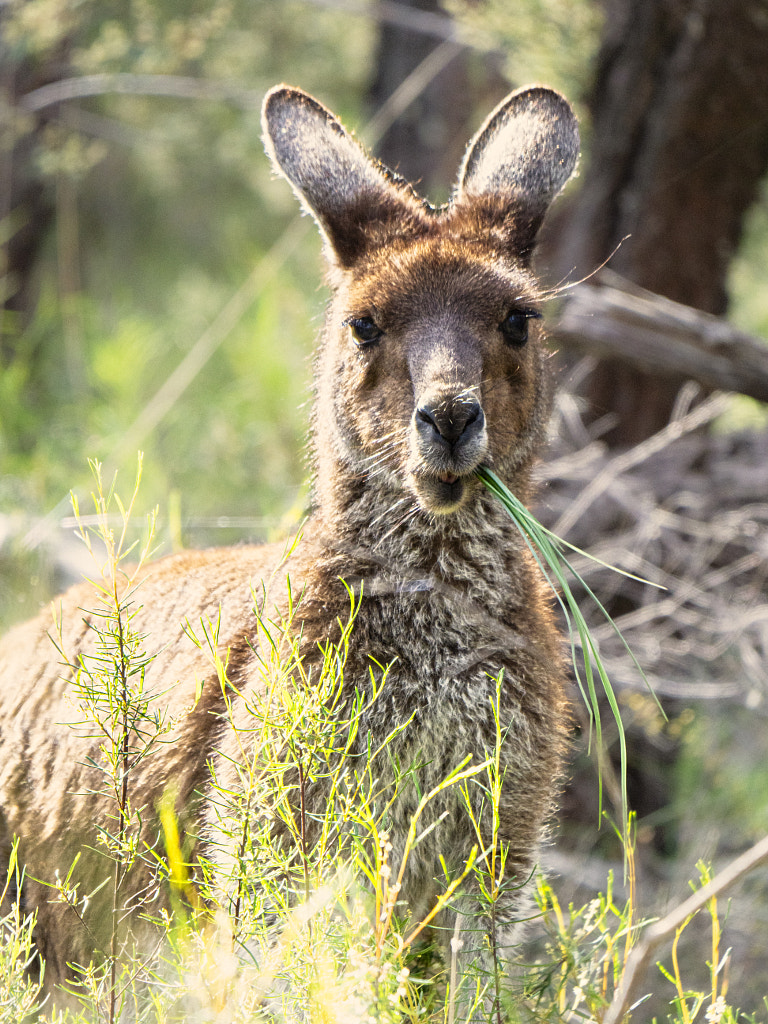
 

Yongka by Paul Amyes on 500px.com

A quick bite to eat.
 

Fridas enjoying a morning run in the bush at the York Golf Club.

Orchids Are Like Buses

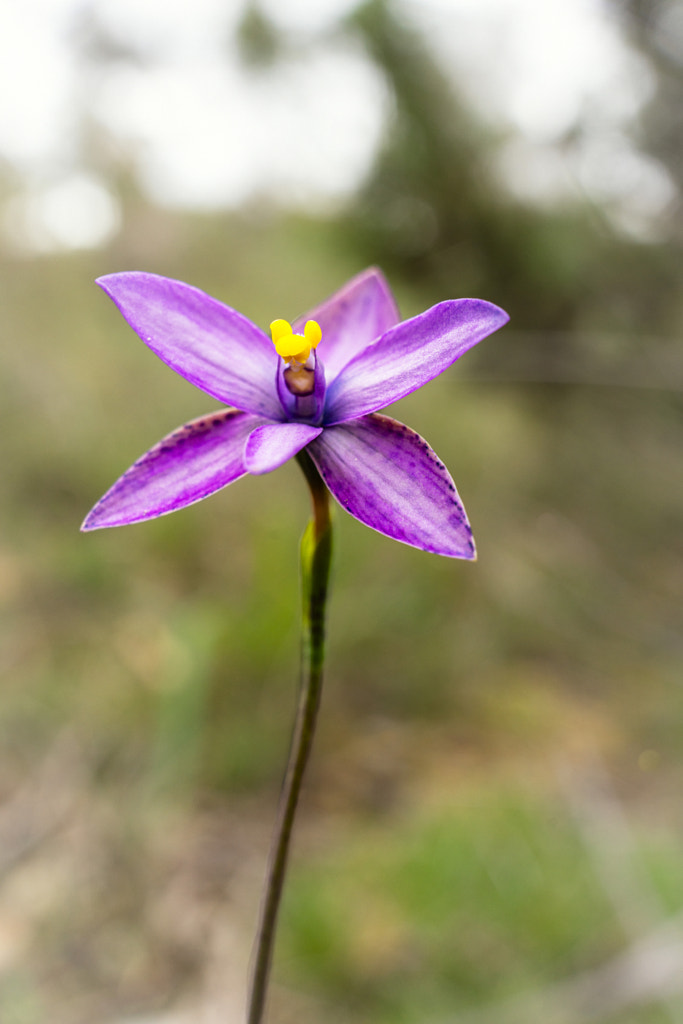
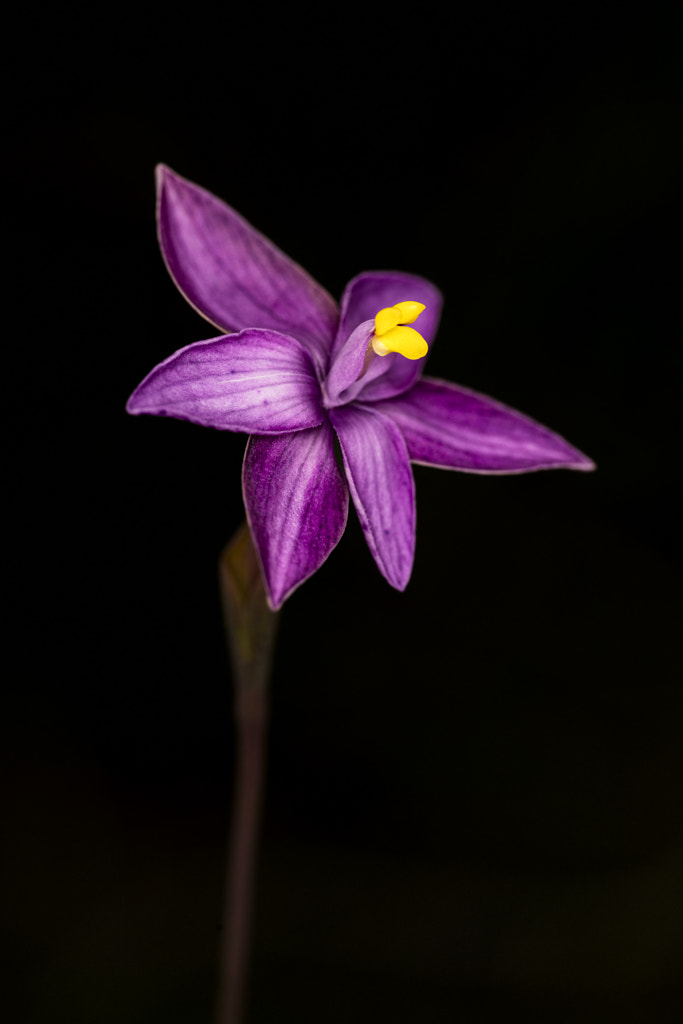
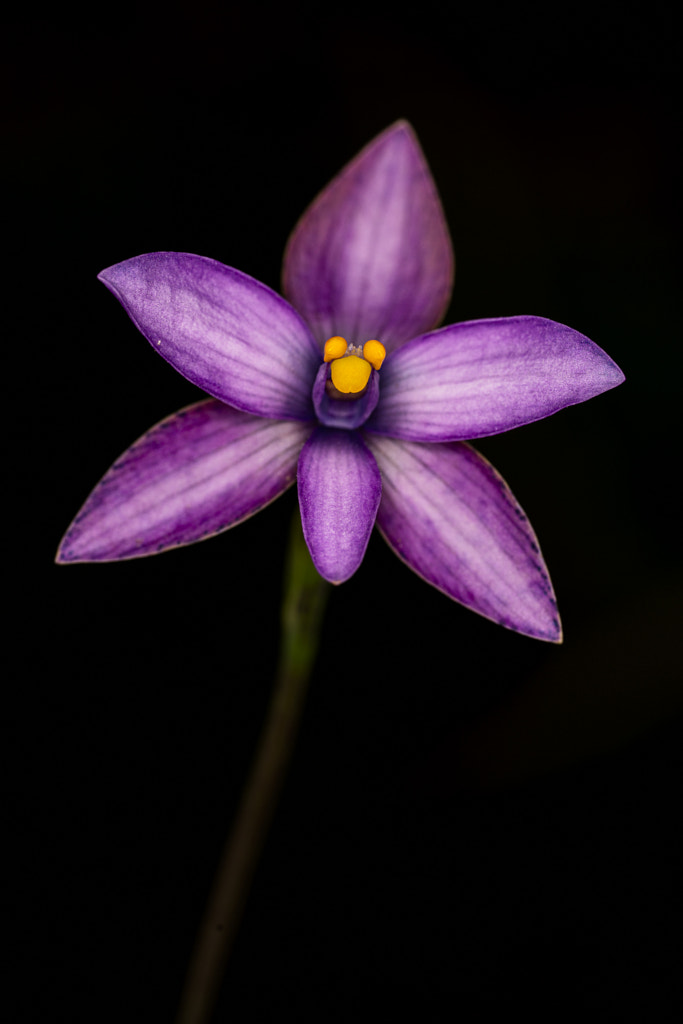
Yep you read that right. You know how you can stand at a bus stop for ages and not see a single one and then suddenly three come along together? Well orchids are like that. I’ve been walking the same patch of woodland looking for the Curly Locks Orchid for years without seeing a single one and then the other day low and behold there were three of them just standing there.


Curly Locks by Paul Amyes on 500px.com

Curly Locks, Thelymitra spiralis. Wandoo National Park, Western Australia.


Curly Locks by Paul Amyes on 500px.com

Curly Locks, Thelymitra spiralis. Wandoo National Park, Western Australia.


Curly Locks by Paul Amyes on 500px.com

Curly Locks, Thelymitra spiralis. Wandoo National Park, Western Australia.


I’ve spent the last couple of weeks walking the Wandoo forest looking for various orchids. I’ve bumped into a male emus and his brood (too quick to photograph), met bob tailed lizards and countless Western Grey Kangaroos (again too quick to photograph). So even if I’ve not found the particular flower I’m looking for it has still been quite an experience.

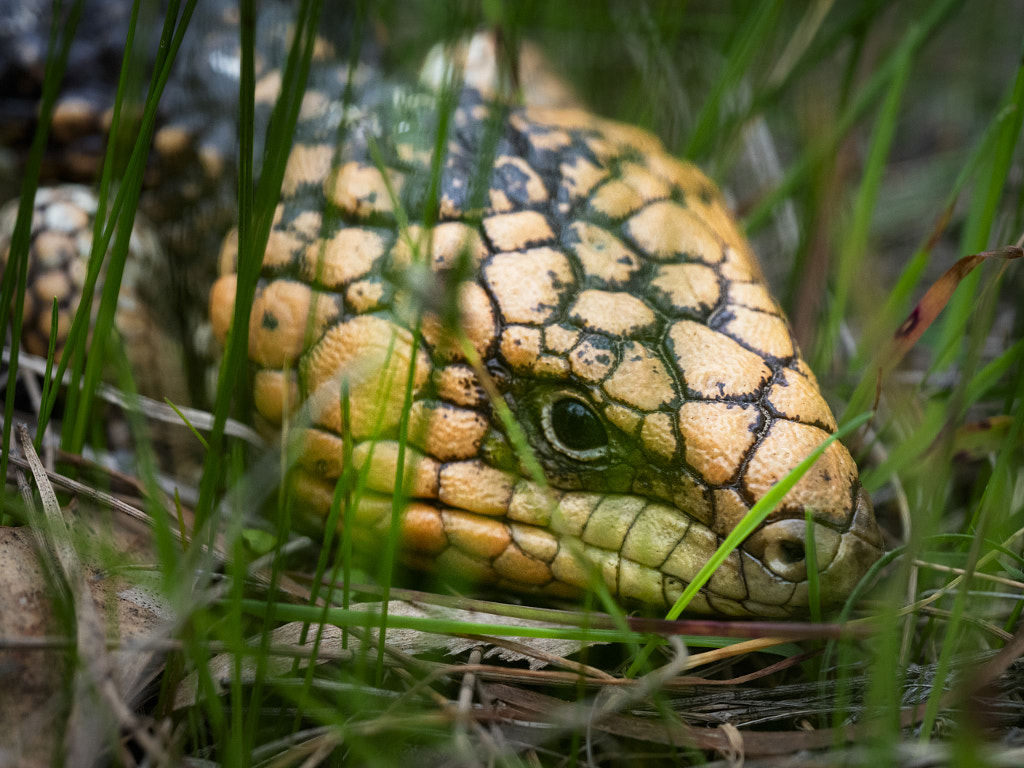
Bobtailed Lizard by Paul Amyes on 500px.com
The slower bob tailed lizards are easier to photograph than fleeing emus and kangaroos.


Speaking of finding orchids well I’ve seen plenty. On Thursdays outing to Wambyn Reserve I saw eleven different species and was amazed by how early some of them were.


Clubbed Spider Orchid by Paul Amyes on 500px.com

A very early flowering Clubbed Spider Orchid, Caladenia longiclavata. Wambyn Reserve, Western Australia.


Little Pink Fairy Orchid by Paul Amyes on 500px.com

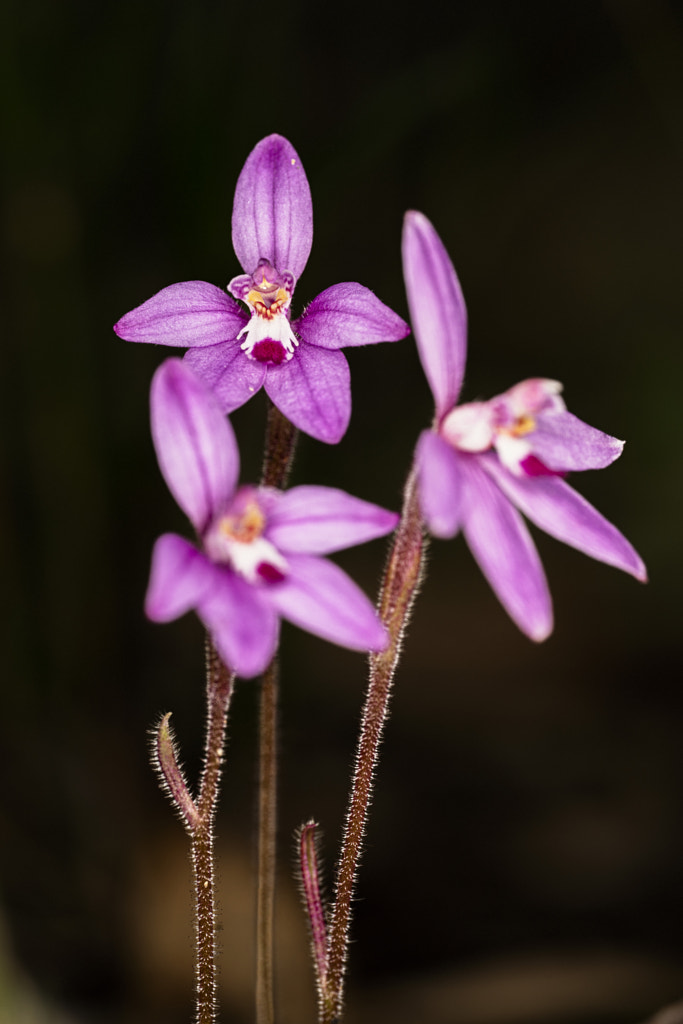
Little Pink Fairy Orchid or dwarf pink fairy orchid, Caladenia reptans subspecies reptans. Wandoo National Park, Western Australia.


Sugar Orchid by Paul Amyes on 500px.com

Sugar Orchid, Ericksonella saccharata. Wambyn Reserve, Western Australia.


Frog Greenhood by Paul Amyes on 500px.com

Frog Greenhood, Pterostylis sargentii. Wambyn Reserve, Western Australia.


Jug Orchid by Paul Amyes on 500px.com

Jug orchid or recurved shell orchid, Pterostylis recurva. Wandoo National Park, Western Australia.


Common Donkey Orchid by Paul Amyes on 500px.com

Common Donkey Orchid or wallflower orchid, Diuris corymbosa. Wambyn Reserve, Western Australia.


Stark White Spider Orchid by Paul Amyes on 500px.com

Stark White Spider Orchid, Caladenia longicauda subsp eminens. Wambyn Reserve, Western Australia.


Photographically I’ve been on a bit of a full frame kick preferring to either use the Sony A7r ii and sigma 105mm macro lens or the Canon EOS6d with Canon 100mm macro lens. All the shots are lit with a flash being used as the key light and natural light as the fill. I’ve enjoyed the change but my back doesn’t. There’s a huge weight difference between the full frame cameras, lenses and flash equipment compared to the usual  Olympus micro four thirds system I usually use. But to be honest shooting at base ISO using artificial lighting and only printing at A3+ I can’t see any real advantage to shooting full frame so this next week I’ll go back to using the Olympus kit.

New Neighbours

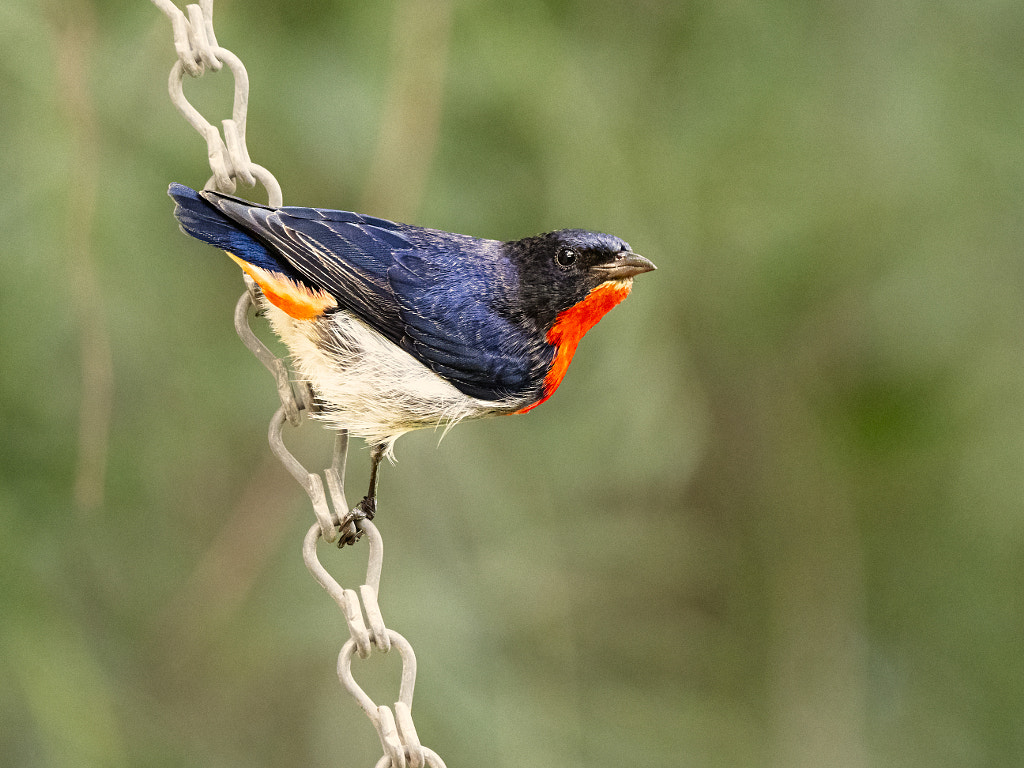
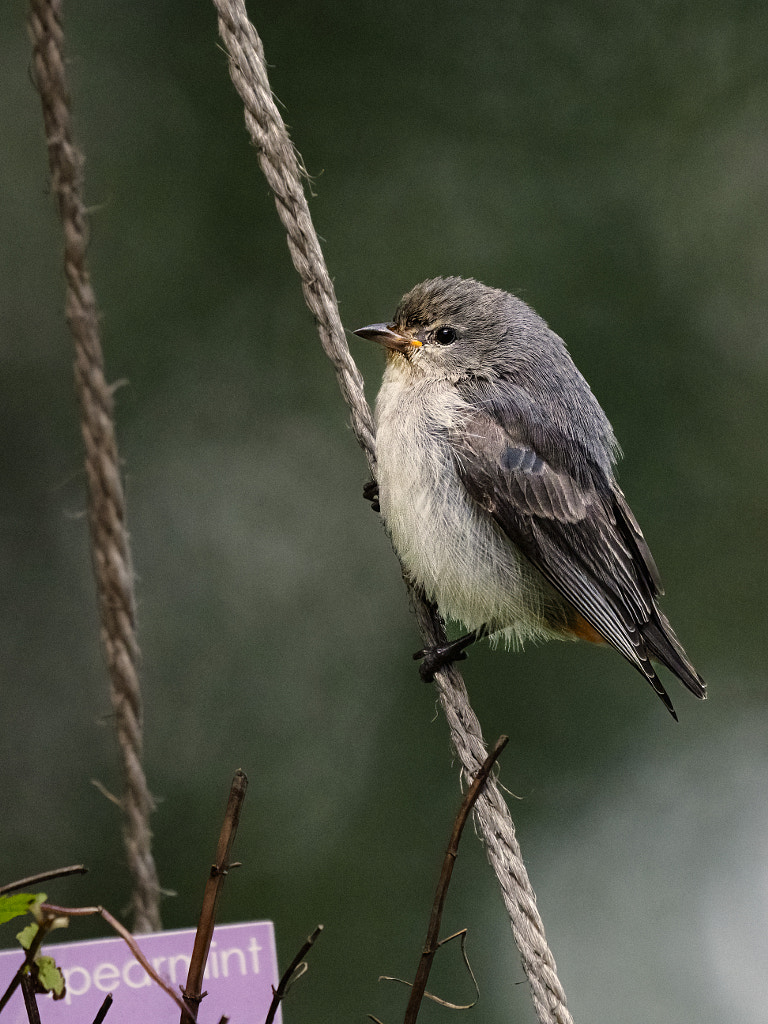
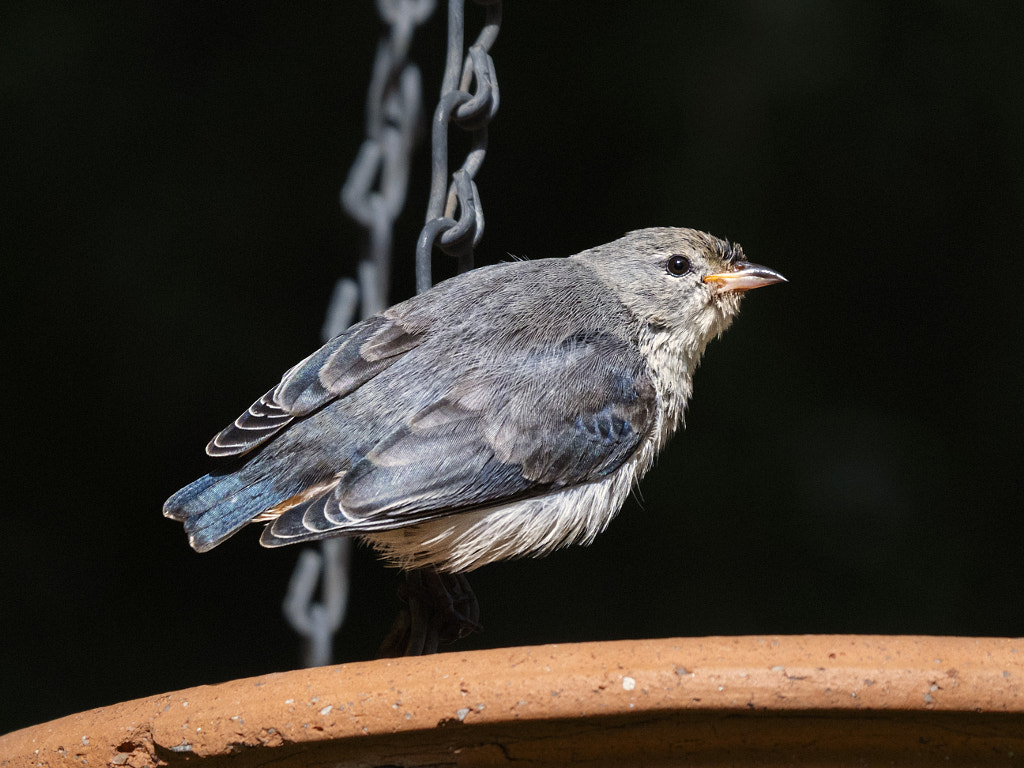
We’ve had a new family move in and they have been delighting us with their behaviour. The family in question are Mistletoebirds. There is a male, a female both mature adults and at least one juvenile male. They are a very striking looking bird. When you first see the male you could be mistaken for thinking it is a Robbin, but they are a distinct species that have evolved a symbiotic relationship with mistletoe – hence the name. The birds only eat the fruit of the mistletoe and they spread the seeds to other trees. We don’t have any mistletoe in our garden but we do put out water and that is what attracts them.


Minnijit by Paul Amyes on 500px.com

Minnijit or Mistletoebird, Dicaeum hirundinaceum. This is an adult male. York, Western Australia.


Minnijit by Paul Amyes on 500px.com

Female adult Mistletoebird, Dicaeum hirundinaceum. York, Western Australia.


Minnijit by Paul Amyes on 500px.com

Juvenile male Mistletoebird, Dicaeum hirundinaceum. York, Western Australia.


Now most people associate mistletoe being a northern hemisphere thing where you end up kissing people under bunches of it at Christmas, but, Australia is the land of mistletoe  and has over 90 species. There is a belief that mistletoe kills the host tree, but that is a bit like saying fleas kill dogs. The tree only suffers harm if there is something else wrong with it – usually isolated in a paddock and suffering from heat stress. These beliefs persist among farmers who see the only solution as hunting mistletoebirds and so they are frequently shot. One farmer in Australia in the 1930s claimed to have killed over 1200 mistletoebirds in a 6-year period. Unfortunately this has the exact opposite effect for which it is intended as the presence of the bird and the plant in the eucalyptus forest encourages a rich biodiversity and in a recent study in southern Australia, 217 species of Australian arboreal birds were reported nesting in mistletoe, including the mistletoebird.

We’re happy that the birds come to our garden and hope that they remain a feature.

Another Garden Visitor

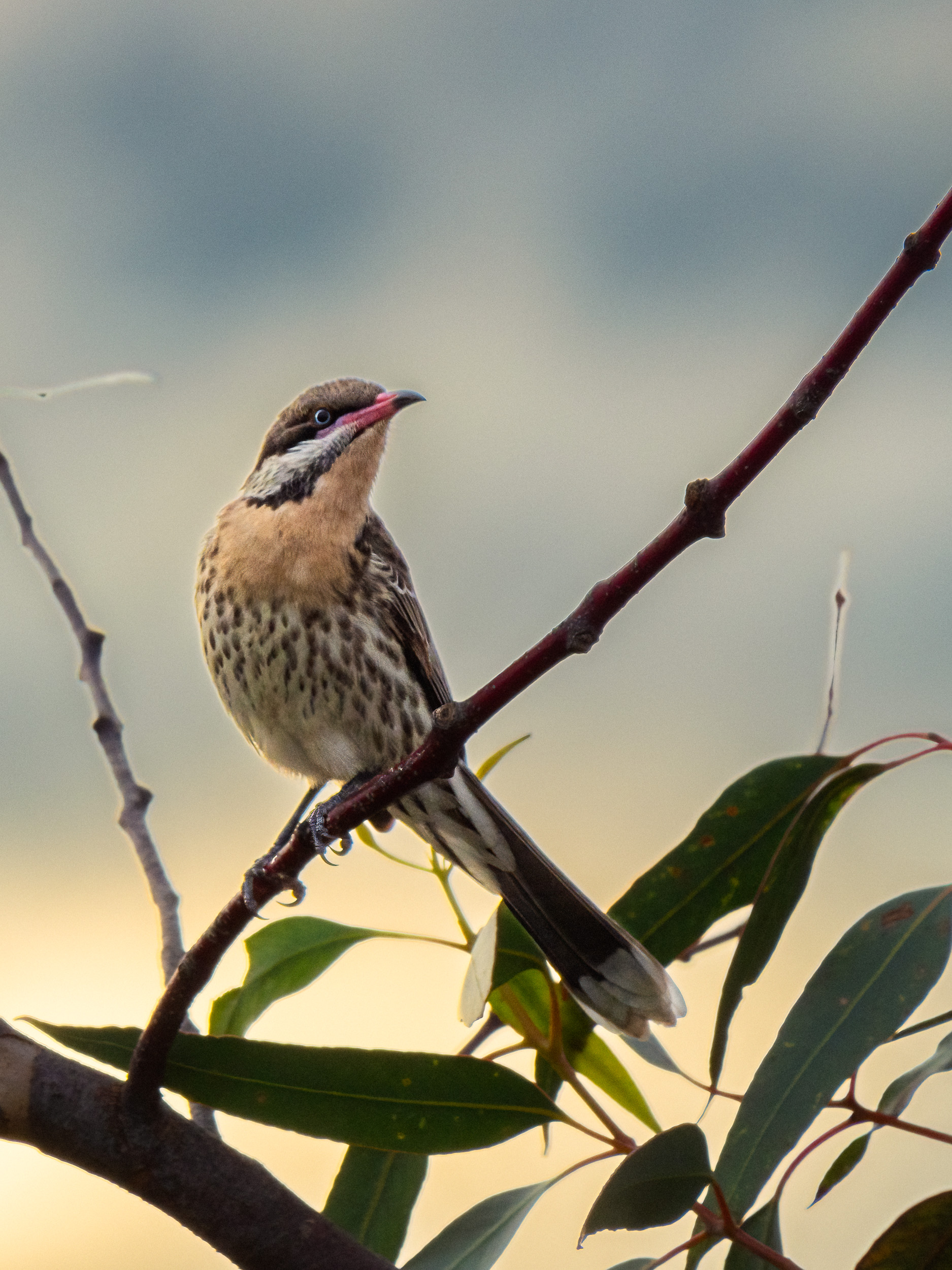
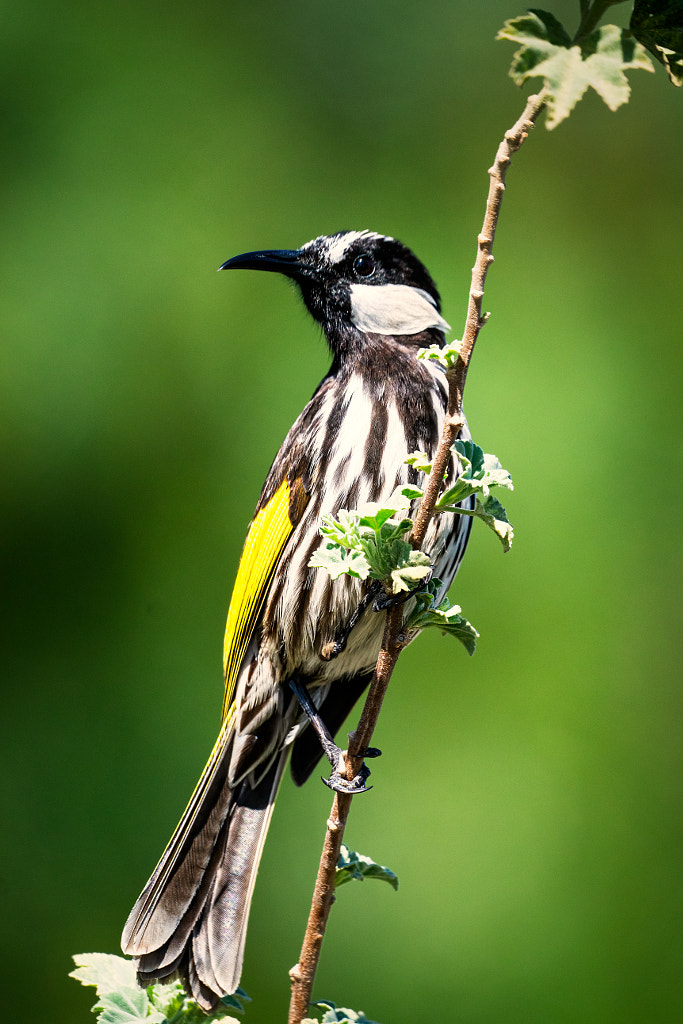
We were sitting on the front veranda the other evening when we heard this amazing bird song. Looking up was a bird we’d not seen in the garden before – a Spiny-cheeked Honeyeater. Of course this warranted getting a camera and taking a few shots.

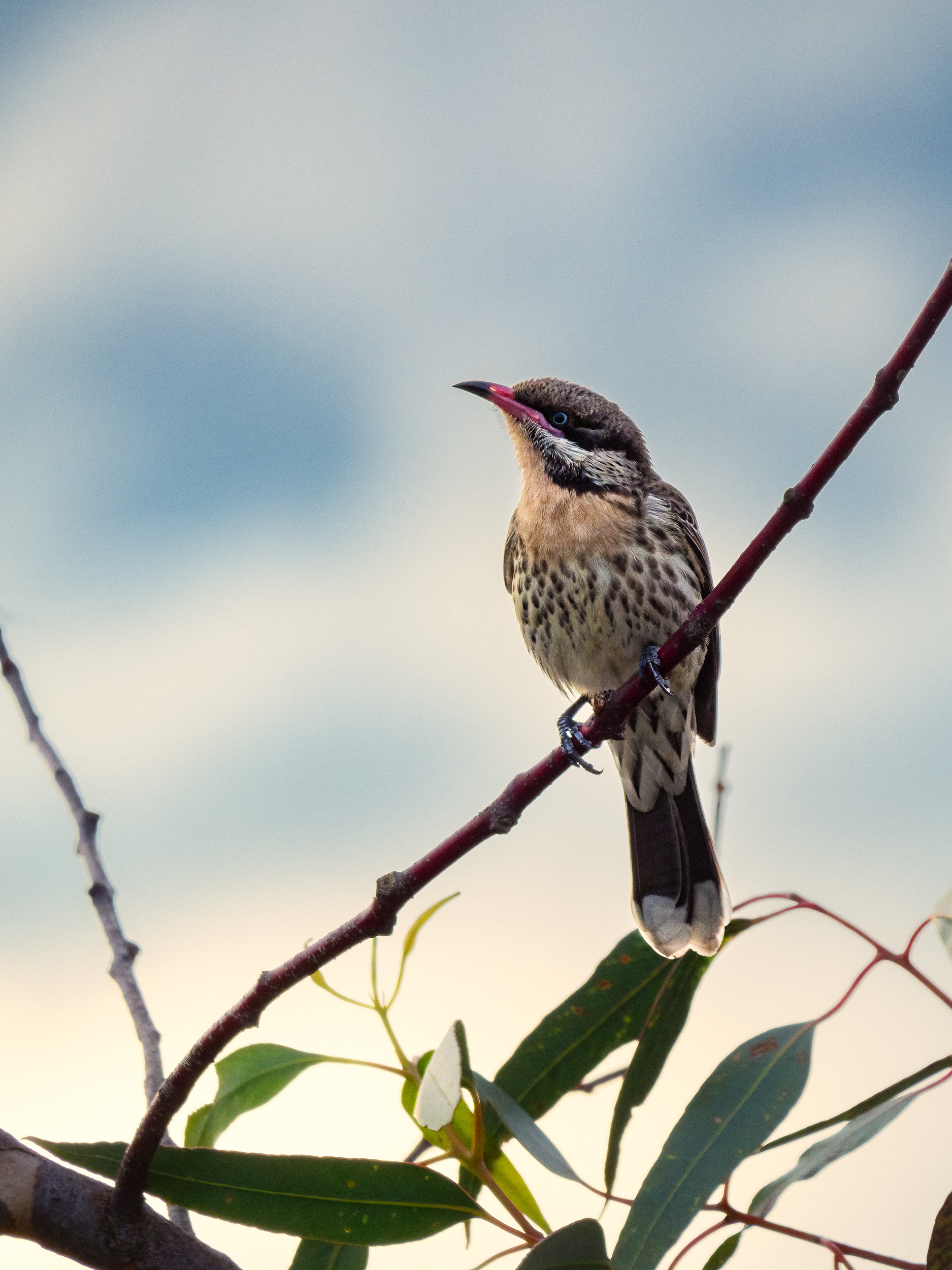
A Spiny-cheeked Honeyeater, Acanthagenys rufogularis, singing his heart out. Olympus OMD EM 1 mk ii with Panasonic Leica 100-400mm lens.


Spiny-cheeked Honeyeater, Acanthagenys rufogularis. York, Western Australia.


Spiny-cheeked Honeyeater called Kwordilyang by the Nyoongar of Western Australia.

Surprise Visitors

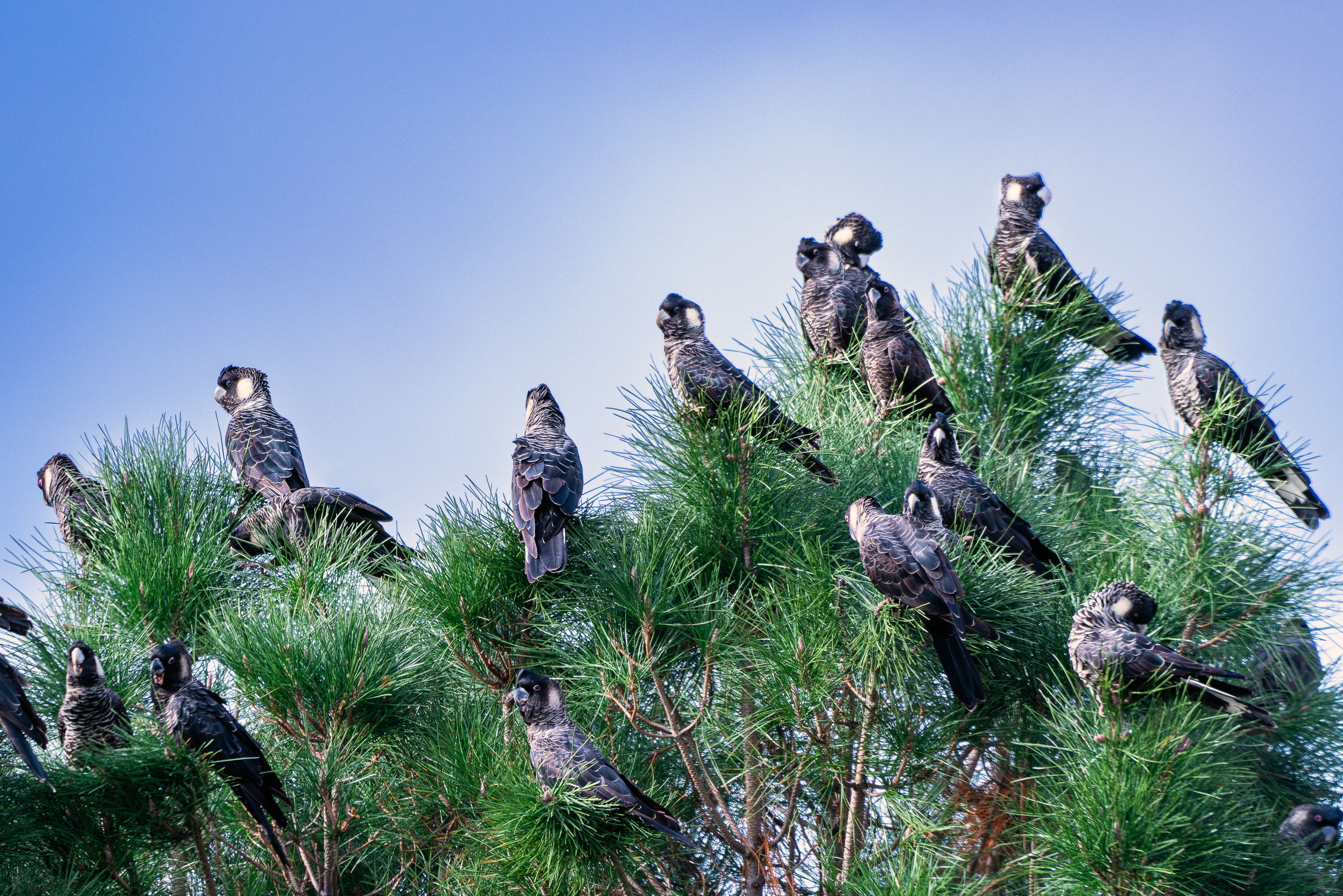
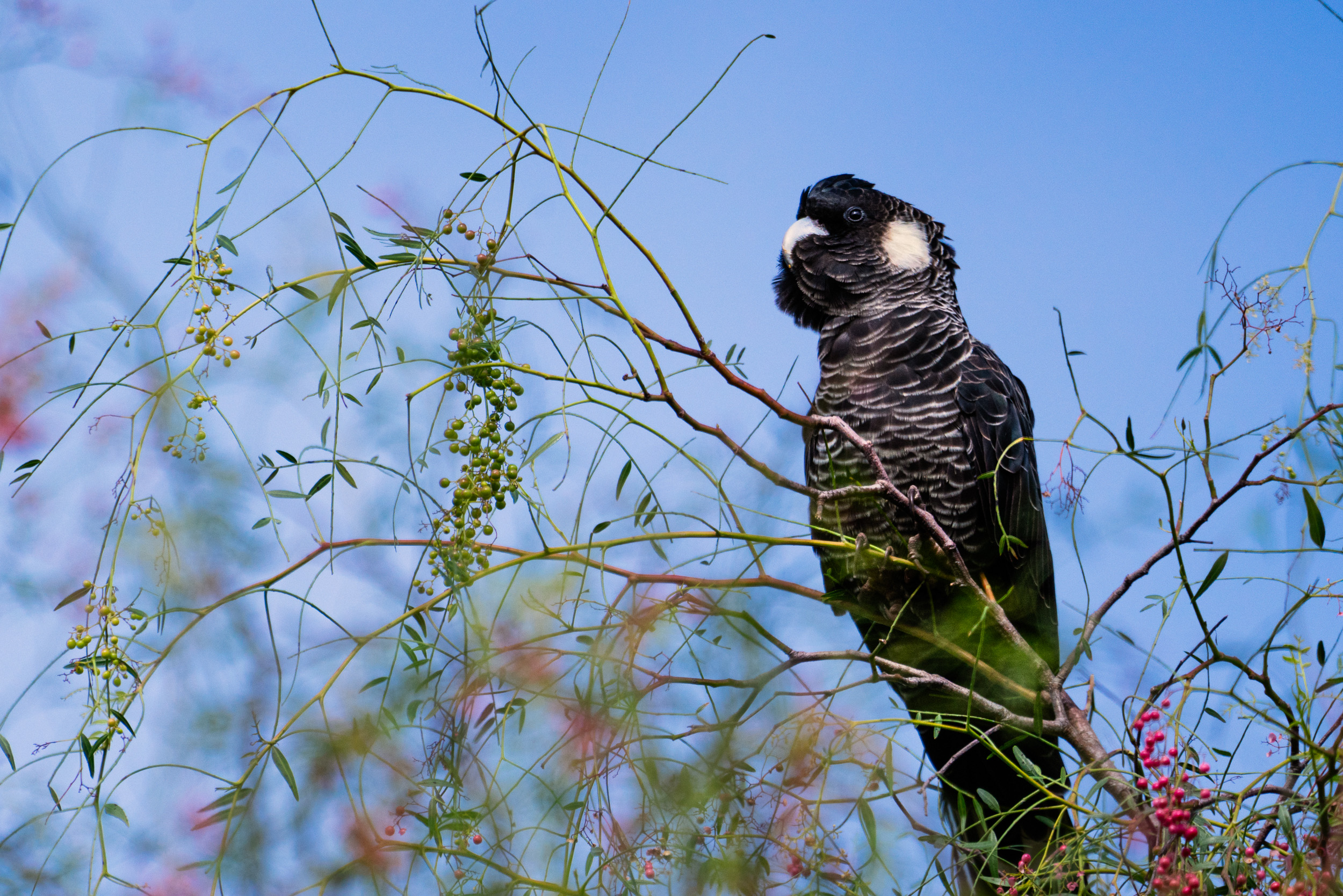
Carnaby’s Black Cockatoo (Zanda [Calyptorhynchus] latirostris] called Ngolak by the Nyoongar of Western Australia.

The other I was sat in my office pouring over the incomprehensible bumf sent out from an insurance company when I heard a commotion outside. There was a load of raucous squawking coming from the back garden. I picked up a camera and ran out to see what was going on. To my delight it was a flock of Carnaby’s Black Cockatoos. They are classified as an endangered species but are commonly seen in the Wheatbelt. I get quite a thrill seeing flocks of them flying but it was taken to another level to see them in the garden.


Sitting in the peppercorn tree.


No sooner had they all settled than they were off again heading towards bigger gum trees on neighbouring properties.


… and then they were gone.

Garden Visitors

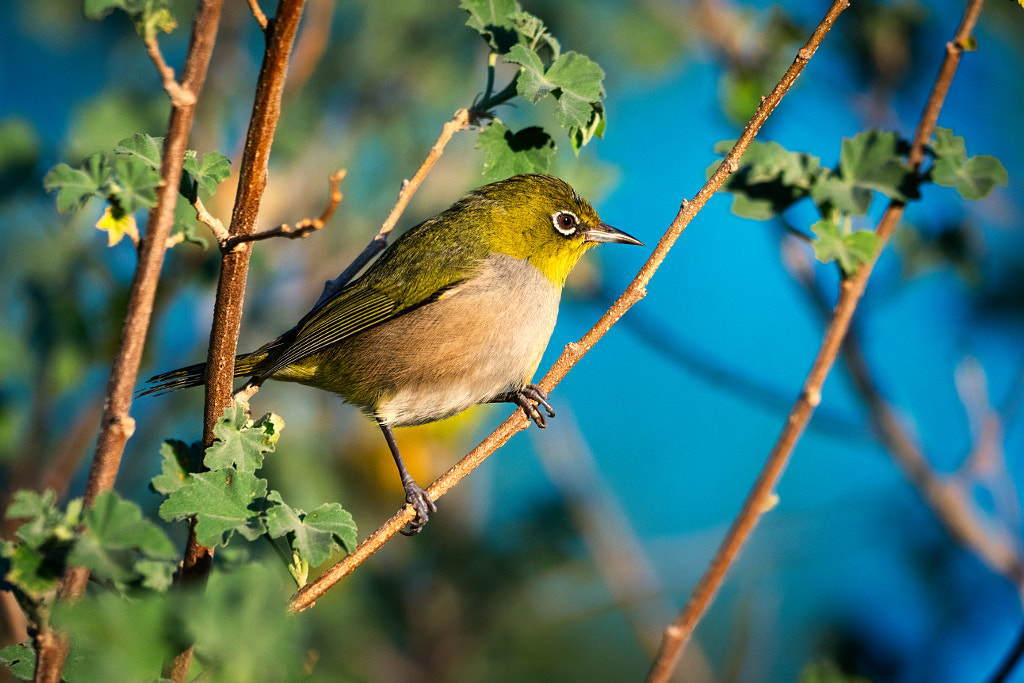
Silvereye by Paul Amyes on 500px.com

Silvereye, Zosterops lateralis. York, Western Australia.


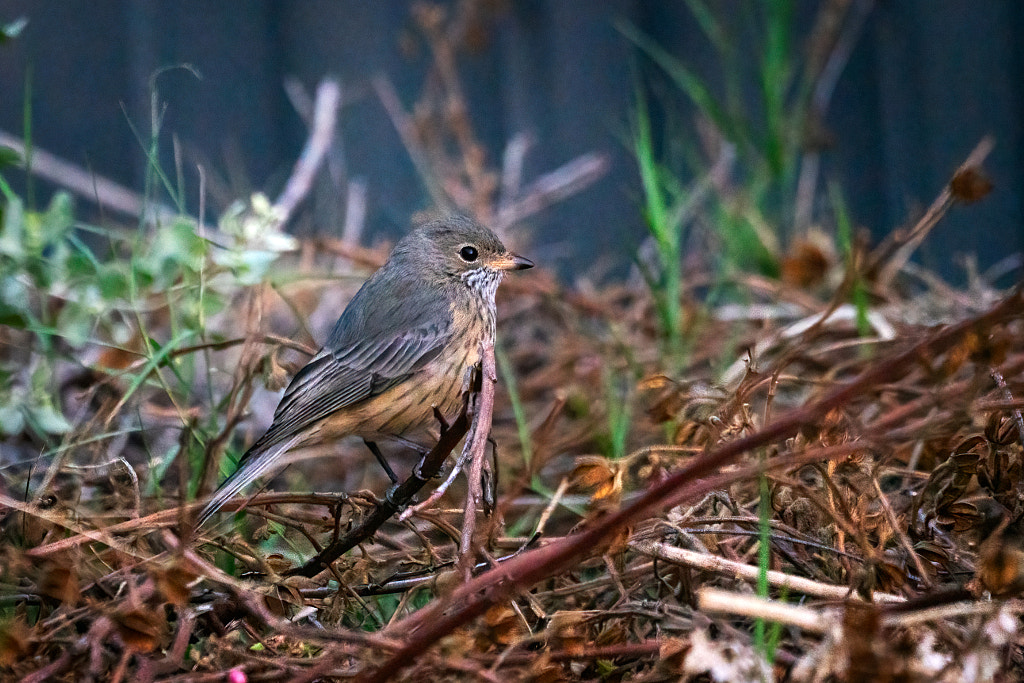
We’re still getting visitors to the garden. Lately we’ve been getting half a dozen or so Silvereyes visit at around 4-5pm. They’re tricky things to photograph because they are so small (about 10cm beak to tail) and they move so erratically- think manic clockwork toy on speed and you’ll be in the ball park. Just before sundown we get a female rufous whistler pick over the mulch in the garden beds. I can hear the male in the peppercorn tree but I’ve not seen him.


Rufous Whistler by Paul Amyes on 500px.com
A female rufous whistler visits the garden.


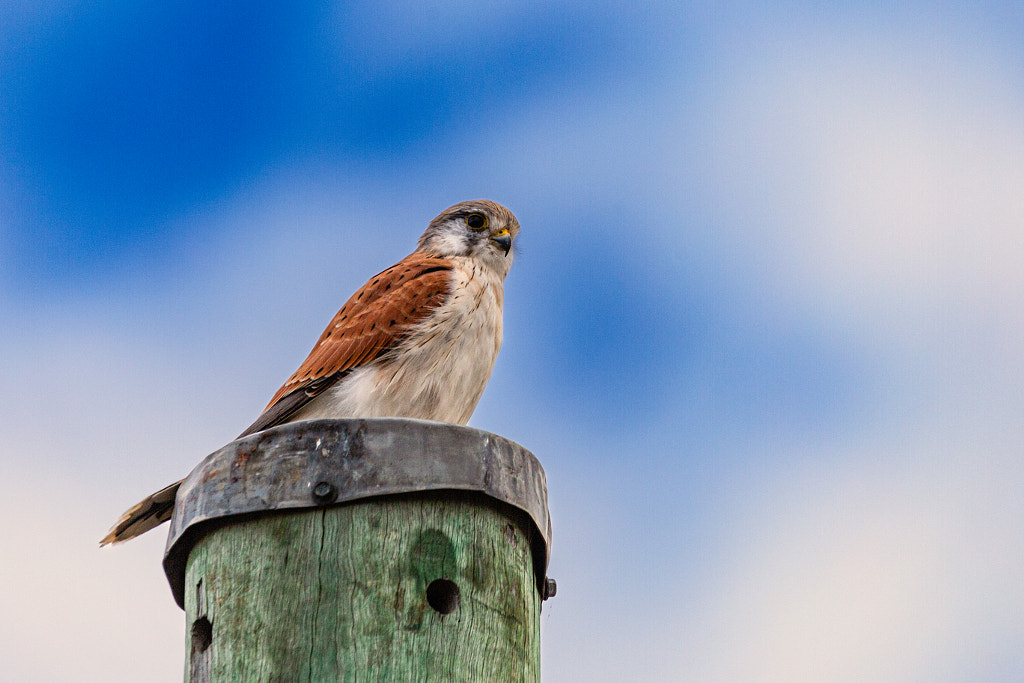
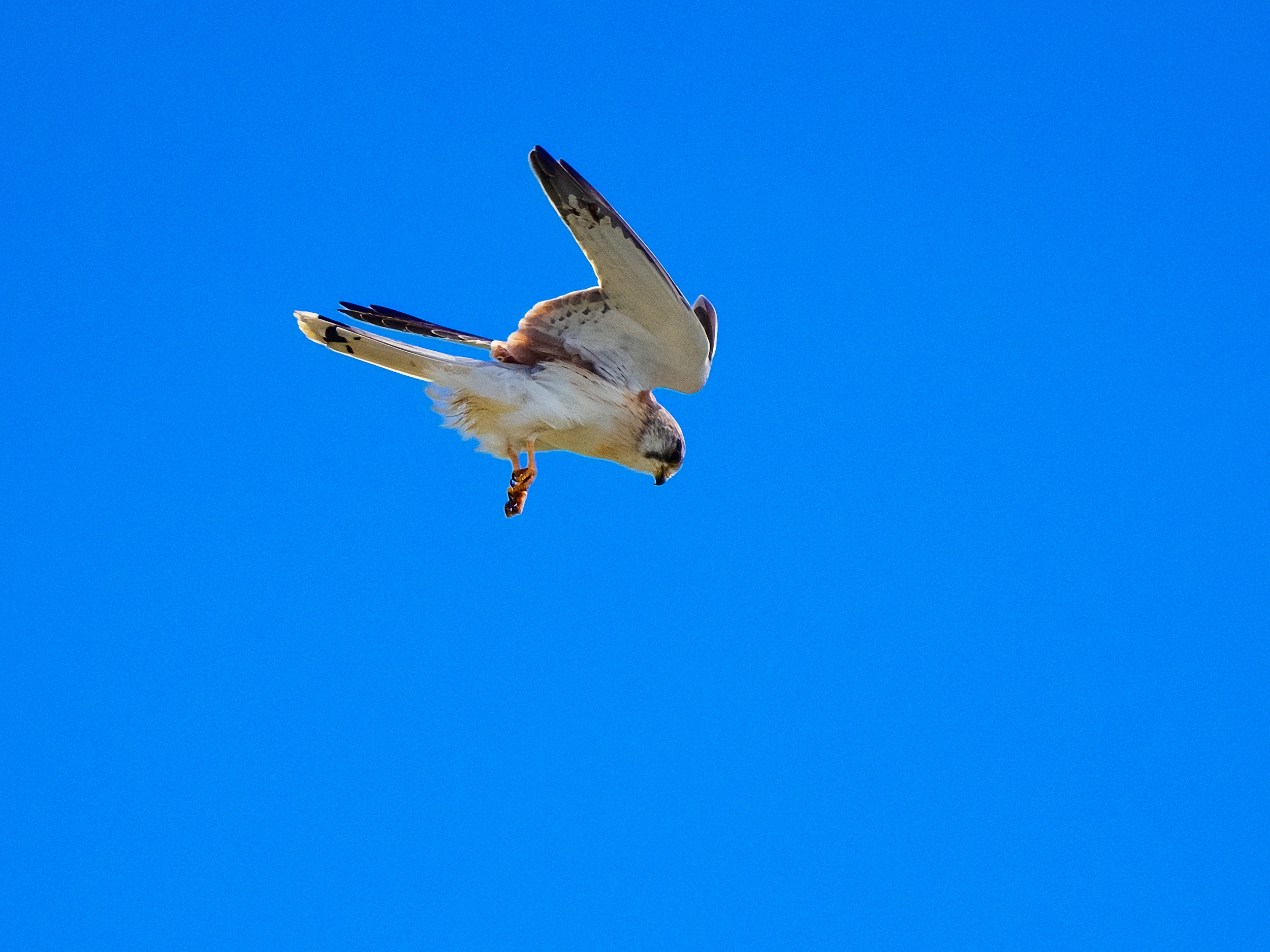
The Nankeen Kestrels have been spending a lot of time on out TV aerial and the power pole on the street. They largely just sit and watch the paddock opposite. Occasionally they are digesting a recent meal. Every now and again we are treated to display of aerial acrobatics where the kestrel will hover over a spot and watch it carefully before diving at great speed to take its prey.


Martiet by Paul Amyes on 500px.com
Nankeen kestrel (Falco cenchroides cenchroides), York, Western Australia.


Prey sighted now dive! Nankeen kestrel (Falco cenchroides cenchroides), York, Western Australia.

Storm and Stripes

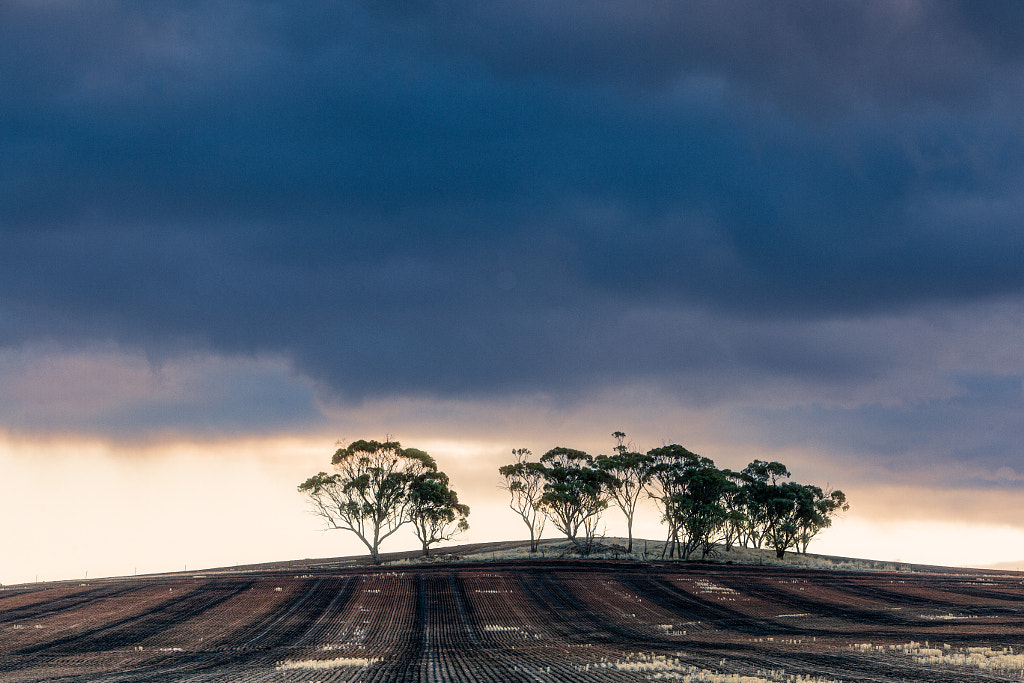
Storm and Stripes by Paul Amyes on 500px.com
The Autumn burn off in the fields of the Western Australian Wheatbelt has left its distinctive stripes on the landscape.


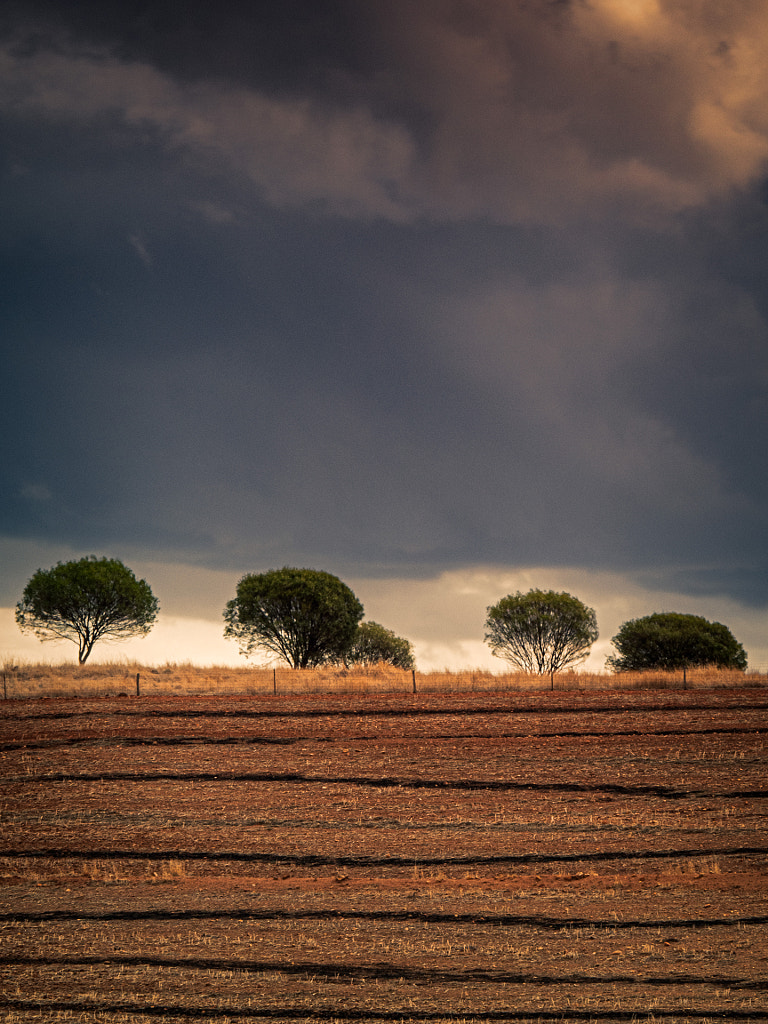
Thought I’d put up a couple more pictures of the stripes fields we’ve got round our way. They won’t be around for much longer as we have had the first real rains and there will soon be a green flush that will change the colour of the landscape.

I must say it’s been quite nice to do some landscape photography again. I decided to go all retro and pull out the Cokin filters and a couple of older cameras. The top photo was taken with a Canon 6d and the Canon EF 70-200mm f2.8 IS L Mk I which completed the old school experience. The photo below was shot on the Olympus EM1 Mk i. They may not be the latest and greatest cameras and lenses but they still deliver

Storm and Stripes by Paul Amyes on 500px.com

Storm and Stripes

All Change

I like the changes in the seasons and particularly look forward to the arrival of autumn. In fact spring and autumn are what living here are all about – fantastic weather with near perfect temperatures.

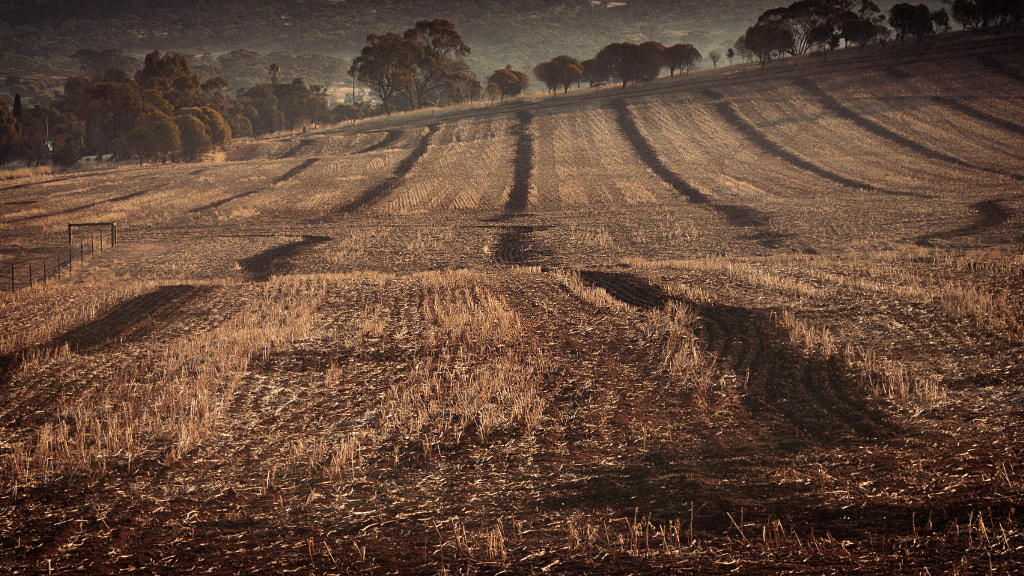
Autumn Burn Off by Paul Amyes on 500px.com
The Autumn burn off in the fields of the Western Australian Wheatbelt has left its distinctive stripes on the landscape.


The farmers have launched into a frenzy of activity – the fields are being burnt in preparation for the next crop. They are hoping that the war in the Ukraine and the sanctions against Russia will bring about record wheat prices. That optimism is being tempered by rising costs of fuel, fertiliser and pesticides.  As usual for this time of year the valley fills with palls of smoke leading to some spectacular sunsets.

In the garden the bob tailed lizards are nowhere to be seen. While they don’t exactly hibernate they go into torpid state where they hide up and live off the fat reserves in their tails. The white browed babblers have upped sticks and moved to another garden and the only real activity is coming from the white-cheeked honeyeaters. They had a bit of a population explosion over summer so there are lots of adolescents  chasing one another around the garden.  This has led to some spectacular demonstrations of flying with some very close calls with windows and near misses while dodging around the rear veranda.  Just as dawn breaks lots of them sit on the fence outside my bedroom window and make a tuneless racket. What they lack in musical ability they make up for with enthusiasm.


White-cheeked Honeyeater by Paul Amyes on 500px.com
White-cheeked Honeyeater (Phylidonyris niger).

Yes I like autumn it marks the start of more activity out in nature.

A New Virus

The carowner virus has made its way around the world to York in Western Australia.


This new virus doesn’t originate in Wuhan but comes from Russia. The symptoms are feeling pain radiate down into your pockets, a feeling of tightness in the wallet, feelings of anxiety and rage every time you pass a petrol station and ultimately leads to the demise of your car. It is a disease that could cause the end of civilisation as we know it.

Maybe it’s time to buy shares in bicycle factories.