
Reunited, and it feels so good
Reunited ’cause we understood
There’s one perfect fit
And, sugar, this one is it
We both are so excited ’cause we’re reunited, hey, hey
Songwriters: Dino Fekaris / Frederick J. Perren
This is the first part of a two part series.
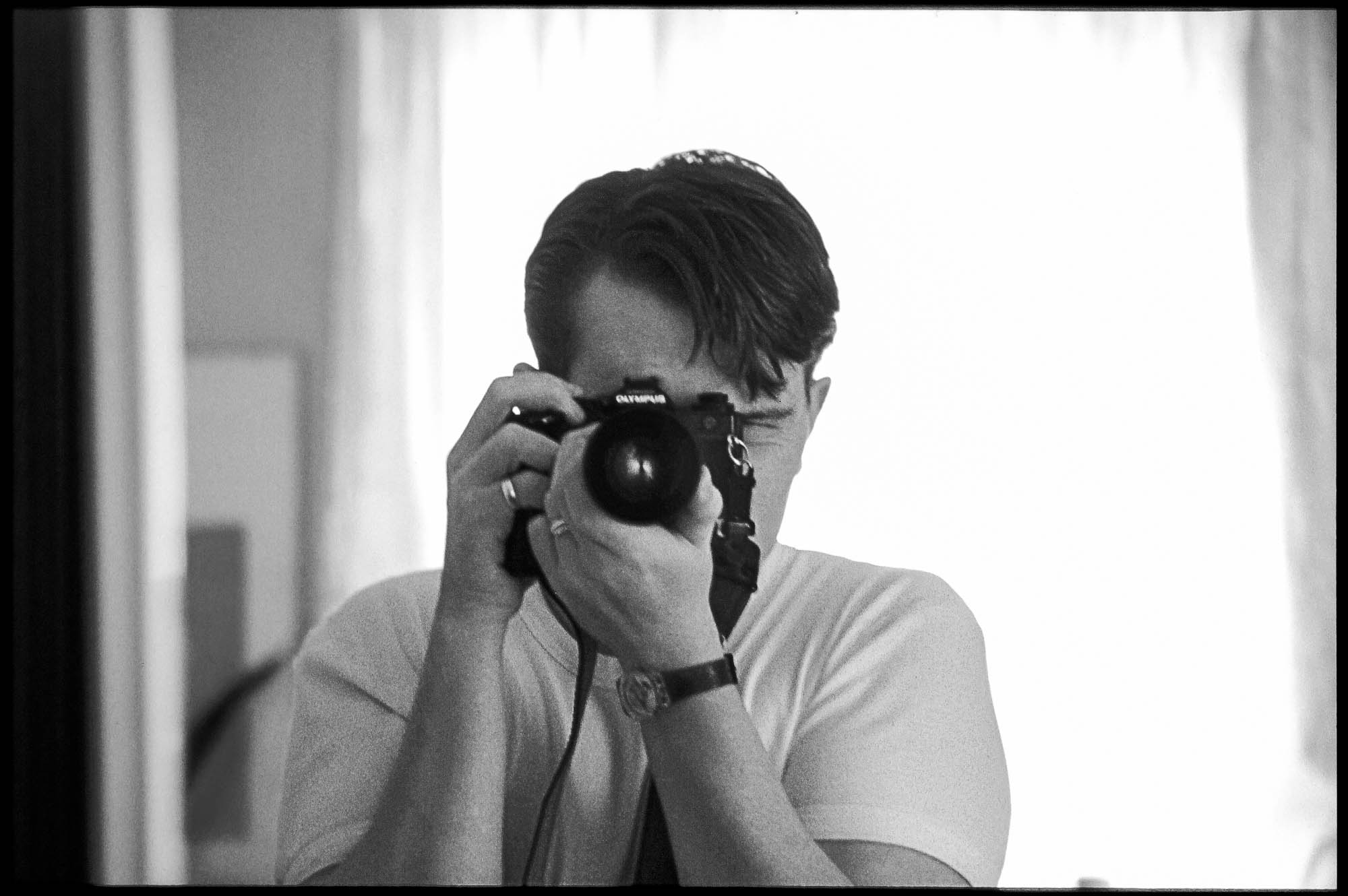
The camera that I have most enjoyed using is not a modern digital mirrorless one, nor is it a DSLR. It is a film SLR from the early 1980’s. What was so special about it? Well it never got in the way of me doing what I wanted. Some devices are designed in such a way that they impose upon you a certain way of working and you have to alter your thinking and behaviour to use them. This means you can’t use it intuitively and you have to take a moment to figure out how to use it. The device literally gets in the way. The best industrial design emphasises a mixture of function and haptics so that the object virtually disappears and you can just concentrate on the matter in hand. So what was this magical camera? It was the Olympus OM4.

The OM4 was the successor to the OM2n as the flagship of the OM system when it was introduced in 1983 and remained so until it was superseded by the improved OM4 Ti in 1986. The OM system itself was the brainchild of Yoshihisa Maitani whose design philosophy was to produce low cost high quality cameras that were Leica like in image quality. They had to be small enough to carry everywhere and also be durable. The system had to be capable of handling any task from microscopy, macro, astronomy, photojournalism and wildlife. Above all he wanted it to be the “kind of camera that inspires increasing satisfaction as the photographer gets to know it better, it will gain a permanent place in his affections as an indispensable photographic tool”. Burrows, P., 2023, The man behind the Olympus OM camera: Yoshihisa Maitani, DigitalCamera World). It worked for me and as far as I was concerned the OM 4 was/is the perfect camera.

What made it so good? The strong weatherproof body meant it could be taken anywhere (mine accompanied me to Moscow in winter, -30ºC outside, and to Malaysia, 40ºC and 100% humidity, without missing a beat. The enormous catalogue of high quality Olympus OM Zuiko lenses. The amazing for it’s time TTL flash control system that let you use off camera flash and control it from the camera. It was the first camera with a built in multi-spot exposure meter (2% field of view) which enabled you take take 8 spot readings and average them. This made it ideal for practitioners of Ansel Adams’ Zone System. Only two other manufacturers did this – the Hasselblad 205TCC and the Rollei 6008. Another unique metering feature was the ability expose for highlights or shadows automatically at the touch of a button. The viewfinder was big and beautiful with a build in diopter correction with a range from +1 to -3 diopters. Then there was the shutter with its enormous range of of 240 seconds to 1/2000. It wasn’t just the specs that made it so good, it was the way it sat in your hand. It is a beautiful thing. Were there any downsides. Well there were actually as no camera is perfect. The first was the flash sync speed of 1/60 sec. It meant using fill in flash outside was nigh on impossible in bright conditions. The second was its insatiable appetite for SR44 batteries. It went through them like a trust fund baby goes through money. Thankfully there was a workaround and it was to switch the shutter speed dial to “B” when you weren’t using it. This would disable the electronics and prevent battery drain. You just have to remember to switch off the B setting when you go to use it again.

I bought a second hand OM 4 in 1986 and I used it heavily until 2005 when the shutter gave up the ghost and jammed. I couldn’t get it repaired as there were no parts. I thought about replacing it as I had quite a selection of lenses, but I was transitioning to digital and Canon looked the way to go. I’ve been toying with the idea of shooting film again and I’d still got the use of a couple of film SLRs. The first being my wife’s Olympus OM40 and the second being my Canon EOS30. I didn’t gel with either camera as I didn’t find them enjoyable to use and I didn’t feel as if I had any incentive to try something else. The debate about AI in photography really spurred me on to think about film photography again and it was my 61st birthday coming up so I decided to buy myself a present in the form of an OM4. I searched on line extensively and eventually I found a very nice copy on EBay at Japan Seto Inland Sea Camera with an Olympus OM G.Zuiko 50mm f1.4 lens for a very good price. When it arrived I opened the box and took it out. Even after twenty years I could operate all the controls with my eyes closed. It felt so good – like seeing a long lost friend.

So I’ve now got the camera and lenses and a sizeable stash of film in the freezer. I’ve got a couple of ideas for projects and I’m learning how to scan the negatives using a DSLR and macro lens. I’ll shoot a few rolls of film and get them developed by a lab and if all goes well, which I’m sure it will, I’ll get everything together to process the films at home. I’ve already decided I don’t want to run a full darkroom again so any printing I do will be via my inkjet printer.
The title for this blog and the lyrics come from the 1970’s hit for Peaches and Herb.
Discover more from paulamyes
Subscribe to get the latest posts sent to your email.
 paulamyes